FEATURE: Female Icons: Part Twelve: Kylie Minogue

FEATURE:


Female Icons

PHOTO CREDIT: Kylie Minogue 

Part Twelve: Kylie Minogue

_________

I have penned several features regarding the legend…
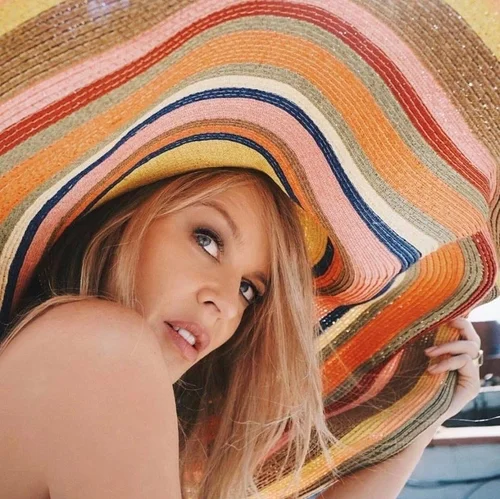
 PHOTO CREDIT: Kylie Minogue

that is Kylie Minogue (this is an especially timely one), but I have never really covered her in too much detail. Don’t get me wrong: I love her work and grew up listening to her…and she is definitely someone I would love to interview soon enough. Last week, I featured Aretha Franklin in my Female Icons section and there is no doubt that she deserves that accolade: to me, there is nobody as powerful as Franklin. Many might ask whether Minogue, as one of the queens of Pop, is worthy of such attention. Absolutely. Not only has her music inspired many other artists and changed lives but her recent appearance at Glastonbury brought people to tears and it made me wonder why she was not afforded a headline slot on the Pyramid Stage – she was doing the ‘legends’ slot but could easily have made for a memorable headliner. Regardless, Minogue is touring at the moment and I will talk more about that in the conclusion. The fact she was diagnosed with breast cancer and had to cancel her scheduled Glastonbury headline set in 2005 is reason enough to mark her as a bit of a legend. She battled back and stayed resilient; it was not long until she was back recording and, let’s hope, there are many more years left to come…

I do think that she gets overlooked when it comes to the iconic Pop artists of the past few decades. Sure, one can name Madonna and Kate Bush as leaders but where does Kylie Minogue fit in?! Let’s sort of go back to the start (step back in time?!) and I shall mention when Minogue arrived in my life. Like many people, perhaps her debut album, 1988’s Kylie, passed us by. I recall hearing The Loco-Motion (written by Gerry Goffin and Carole King), and I Should Be So Lucky. Whilst Minogue would go on to create deeper and more substantial songs, one cannot deny the 1980s brilliance and memorability of those early tracks. I was aware of Minogue and her debut from, I think, about the age of six or seven (at the end of the 1980s or right at the turn of the 1990s). I love the innocence of the cover and the fact that the songs have this youthful and spirited sound. It is understandable that Mike Stock, Matt Aitken and Pete Waterman’s songwriting factory would be favoured by Minogue. They were masterful when it came to cranking out hits but, rather than Minogue being a generic Pop artist, she was already establishing herself as someone to watch. To me, she started to develop by the time her follow-up, Enjoy Yourself. With hits such as Hand on Your Hand and Wouldn’t Change a Thing, the album was a success.

Although her first couple of albums provided a footing and found Minogue establishing herself as a definitely contender, I definitely think 1990’s Rhythm of Love is a strong album. There are few Pop albums with a better one-two than Better the Devil You Know and Step Back in Time. The sheer infectiousness of the tracks and the effusiveness of Kylie Minogue means these songs were a success then and have remained favourites now. The joy of hearing Minogue today belting out these tunes today resonates with fans old and new. I was a child when the Rhythm of Love album arrived but I recall the best songs being played loud and constantly; from serious radio-play to my friends playing the songs through various boom-boxes and radios, it meant that I was well aware of Minogue from the start of the 1990s. The first few albums from Minogue had a definite pattern and style and, from the start through to 1994, a string of radio-friendly hits arrived. Like I said, these songs were more memorable than a lot of what was arriving in the charts. Maybe it was the delivery and panache of Minogue or the fact that the Stock, Aitken and Waterman machine was a perfect fit for Minogue. In any case, the partnership was over by 1994’s more serious and deeper Kylie Minogue. Notice the fact Minogue named 1994’s breakthrough ‘Kylie Minogue’ whereas she just used ‘Kylie’ on her debut – the covers are very different and you can see this definite transformation from the ingénue who was making her name to an artist who was making strides to be taken more seriously.


Minogue broke away from her previous tenure and contract and signed with Deconstruction in early-1993. She was allowed more creative freedom and, having earned that freedom because of her previous success, Kylie Minogue is a more satisfying, varied and experimental album. Minogue definitely had a feeling that 1993/1994 was a blank canvas and she could reinvent herself – without compromising her reputation and breaking too far away from her foundations. If some of her earlier albums opened with a rousing and commercial Pop blast, Confide in Me is a different beast altogether. More alluring, sumptuous and layered than her previous hits, it sounds more natural and loose. It is a fantastic song but not the only peach on Kylie Minogue! Rather than discuss all of her albums in chronological order, I will highlight two distinct phases that occurred after Kylie Minogue.
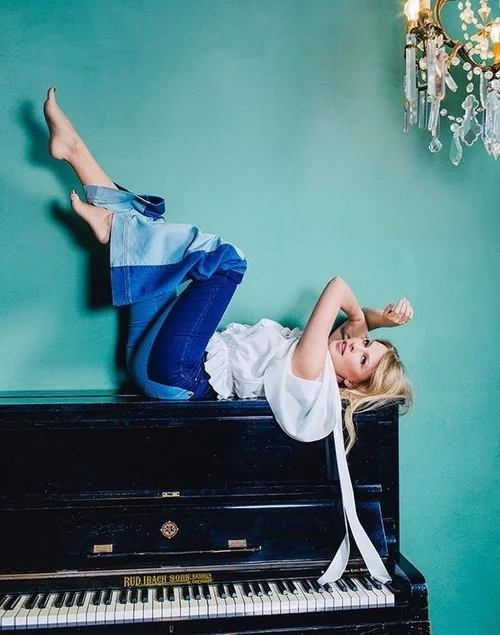
PHOTO CREDIT: Kylie Minogue

A reinvention would occur at the turn of the century but, after the changes and evolution on Kylie Minogue, Impossible Princess showed that this was not an artist willing to repeat herself or stay still. The experiments and boundary-pushing songs continued aplenty in Impossible Princess but some critics were a bit lukewarm. I guess when it arrived – in 1997 – one could hardly expect Minogue to produce an album like Kylie Minogue: it would sound jarring against the changing landscape and might get overlooked. Despite the fact Minogue was adding Techno, Dance and unusual strands into a Pop album, it took a fair few years before critics responded to the complexities and merits of Impossible Princess.

In this retrospective review, AllMusic had this to say:

By 1997, much of the pop music landscape had changed. The music papers were declaring the "Techno Revolution" was on, Oasis and Manic Street Preachers were ruling the charts, and simple dance-pop seemed to be the domain of teenage girls. So what does the dance-pop diva of the '90s do? She recruits Manic Street PreachersJames Dean BradfieldSean Moore, and Nicky Wire, starts writing unaided, and completely changes musical direction. Enter Kylie Minogue's Impossible Princess (the title was changed to Kylie Minogue after the death of Princess Diana). From the trippy cover art to the abundance of guitars and experimental vocal tracks, this was her "great leap forward." The move got her in the papers, but, unfortunately, critical acclaim was lacking (and so were sales). Critics called it a mistake, and the public was less than impressed. Which is sad, because this is a pretty damn good record. Unlike her early work, this album sounds stronger and has a more natural feel. Her songwriting abilities have come a long way, and Impossible Princess actually flows together as an album. Worth another look”.

 In a musical climate with U.S. Rock and the tail-end of Britpop, it is understandable some were a bit slow to attach themselves to Impossible Princess – even though artists like Björk were splicing the same sort of genres as Minogue.

Although the iconic Pop artist would take a few more years for her reputation to be cemented, Impossible Princess’ average reaction and retrospective regard meant that another reinvention was needed. Rather than continue to push Techno and Dance, 2000’s Light Years was more focused on Pop and Disco. There were some darker shades and tenser songs but, on the whole, Light Years is an updated and more ambitious version of her first few albums – the song quality is better and Minogue is a stronger and more adventurous singer. New writers and producers (including Guy Chambers and Robbie Williams) added to Minogue’s cannon and I think Light Years ranks alongside the best Kylie Minogue albums ever – it might just be her best record.

PHOTO CREDIT: Kylie Minogue

Other artists in her position might have suffered a lack of confidence after some bad reviews or taken their music in the wrong direction. The experience and savvy Minogue knew what was needed and constructed an album with some growers - but there were plenty of instant hits. Spinning Around and On a Night Like This is another potent one-two; Your Disco Needs You is one of the best Dance tracks of the early-2000s and Kids is a track that is impossible to forget – a duet with Robbie Williams, it is a winner that is brimming with sexual chemistry and confidence. Spinning Around definitely lodged in the public mindset, helped in part by the eye-opening video of Minogue in gold hotpants dancing in/on a bar.

Mixing sleek and sophisticated tracks with camper and more throwaway numbers, Light Years is a perfect bridge between her early career and the more experimental albums of 1994 and 1997. I have mentioned atomic one-two Minogue album tracks but let’s talk about the quick follow-up to Light Years: 2001’s Fever is a fantastic offering and surprisingly complete and different considering it was released a year after Light Years. Consider, also, the cover art for both albums, too. The first few Kylie Minogue albums were sweet and innocent: projecting the singer as accessible and the girl-next-door type. In a reverse of what one might expect, the more mature Minogue is a sexier and more risky artist on Light Years and Fever’s covers – indication that these albums are sexier, more assured and physical. Before I move on to Fever and its potential benchmark status, The Guardian were impressed by Light Years:

There's the fantastic Kids, a duet with Williams also featured on his new album, and Loveboat, a homage to the 1970s TV show of the same name. The latter is a female response to Williams's Millennium - it sounds very similar but has a less cynical approach to love. The familiar references to martinis, bikinis and 007 are all there - Williams really should try joining a new video club - but so too are the verbal come-ons that'll either make you squirm or laugh out loud. "Rub on some lotion," Minogue pleads breathily, "the places I can't reach." More amusing still is Your Disco Needs You, a call to arms that the Village People would be proud of. Minogue has her tongue firmly in her cheek for this camp slice of epic disco that will doubtless become the obligatory soundtrack to every Christmas office party.

It's only when Minogue deviates from the fun that the album falters. Bittersweet Goodbye is an overblown ode to love that seems like an excuse for a video featuring satin sheets, while the title track is suitably spacey, though it still left me singing Brotherhood of Man's Angelo at the end. Ultimately, Minogue shines brightest in the blinding lights of a club and Light Years is an album that should be played as you force your boob-tube into place and drain the remnants of that can of hairspray before you go out. This time round Kylie's got it right”.

I love Fever and its quality tracks but, as you get with critics, there are those who will find fault and be snobbish. A lot of Kylie Minogue’s albums get the two best tracks done right away but, rather than go in with the best material right at the off, Love at First Sight, Can’t Get You Out of My Head and Come into My World are songs two, three and seven respectively. There is a great weighting when it comes to the big hits but Fever has a nice distribution of bangers and slower, more nuanced tracks. In my view, the two-album explosion of Light Years and Fever was Kylie Minogue at her peak. AllMusic, in their review of Fever, explained how Minogue was on this golden run:

The first single, "Cant Get You Out of My Head," is a sparse, mid-tempo dance number that pulses and grooves like no other she's recorded, and nothing on Light Years was as funky as the pure disco closer of "Burning Up."

And while it's hard not to notice her tipping her hat to the teen pop sound (in fact, on this record she works with Cathy Dennis, former dance-pop star and writer/producer for Brit-teen pop group S Club 7) on songs like "Give It to Me" and "Love at First Sight," her maturity helps transcend this limiting tag, making this a very stylish Euro-flavored dance-pop record that will appeal to all ages. Not one weak track, not one misplaced syrupy ballad to ruin the groove. The winning streak continues”.

I shall talk about some of her albums post-Fever but, in my view, that sense of recovery (after Impossible Princess) and domination between 2000/2001 is what makes Minogue an icon and ever-evolving star. Like Madonna post-True Blue (1986) and post-Erotica (1992) (and on 1998’s Ray of Light), Minogue was capable of these turns, leaps and unexpected triumphs. 2003’s Body Language continued her fine run and gave us the fine single, Slow, whilst X (2007) and Aphrodite (2010) were lauded because of Minogue’s impressive writing, versatility and, to an extent, it was more of a return to the Pop sound – breaking a little from the Dance and Disco of her previous couple of records. I think the mark of a truly great artist is one who can keep producing hit albums but not do the same thing; keep the style and sound fresh but retain that core sound. That might sound like a hard balancing act but Minogue has managed to achieve this time and time again – growing stronger and more surprising as her career has developed.

Her latest album, 2018’s Golden, finds her moving into Country territory. Rather than produce another Pop album or something with Dance overtones, Golden is a more mature, soft and reflective – are there artists as chameleon-like as Minogue?! It seems that every album has been a chance for Minogue to take her music and imagination to new genres and, owning them all, one wonders where she will head next. This sort of takes us to where she is now. The ever-popular and stunning Kylie Minogue has not long let the dust settle from her triumphant Glastonbury set and she seems to be in a really happy place right now. Not only will her Glastonbury appearance remain in the hearts of her existing fans whilst bringing in new followers but one suspects Minogue herself will struggle to get over it for some years. The poise, power and passion Minogue has put into her music since the late-1980s is inspiring and impressive to say the least! Right now, one can enjoy a Kylie Minogue retrospective with her new greatest hits collection, Step Back in Time and it is a perfect assortment of Pop gems for those who know Minogue inside out and for those who are fresh to her work. Before wrapping things up, I want to bring in a couple of interviews Minogue has conducted over the past few months.
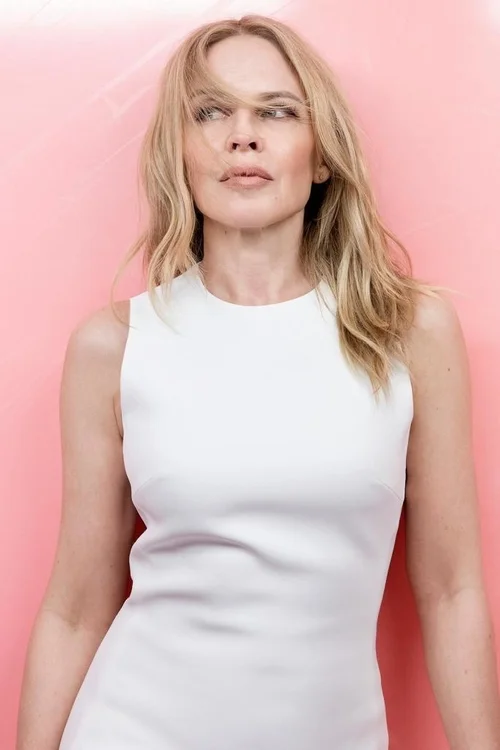
 PHOTO CREDIT: Jackie Nickerson for The Times

The first, with The Times is illuminating and revealing. She is very open and frank and, in this exert, discusses her cancer diagnosis and feelings regarding motherhood today:

It’s remarkable that Minogue has the stamina to dance until 5am at an age when many women are experiencing the menopause. Indeed, she’s already been there, done that. As is common with younger breast cancer patients, her menopause was medically induced when she had treatment, to suppress her oestrogen levels. On Desert Island Discs, she stated that she would love to start a family. It’s a difficult subject to broach, but I wonder if she feels the chance to have children has passed. “I can definitely relate to that,” she answers. “I was 36 when I had my diagnosis. Realistically, you’re getting to the late side of things. And, while that wasn’t on my agenda at the time, [cancer] changed everything. I don’t want to dwell on it, obviously, but I wonder what that would have been like. Everyone will say there are options, but I don’t know. I’m 50 now, and I’m more at ease with my life. I can’t say there are no regrets, but it would be very hard for me to move on if I classed that as a regret, so I just have to be as philosophical about it as I can. You’ve got to accept where you are and get on with it”.

PHOTO CREDIT: Kylie Minogue

The second interview I want to source from is with PAPER. Again, it is a revealing piece but Minogue is asked about particular time periods in her career and how she responded to the ups and downs:

There was an awkward phase in your career between 1991 and 1994, when you released Kylie Minogue and Impossible Princess. What were you seeking during that period?

Perhaps if I'd been at that stage of my life and career at a different point in time, it definitely would have been different. That was the mid '90s, and you can hear that I am being influenced by Björk and Garbage, and indie pop, and people like Tricky. That was where I was trying to fit in. It turns out that wasn't exactly my lane. I think for fans, they love seeing and hearing something different, and it definitely was a learning curve for me, which I am thankful for. It wasn't successful, but strangely moved in its own way. But I think the start of that we got right, which was "Confide in Me"

IN THIS PHOTO: Kylie Minogue performing at Edinburgh Castle in July 2019/PHOTO CREDIT: Alan Rennie 

I always wondered about how insanely quickly you followed up Light Years with Fever then Body Language. What was the timeline like for you? You must have felt unstoppable.

It was all very noughties. I don't know about unstoppable, but it was all happening. Like I said before, before "Spinning Around," I just didn't know what the future held for me. So, yeah, it was busy. Through that period, I got back into live touring. That's the one thing I will be thankful for Impossible Princess. It made me go on the road in Australia. I had to fight for a measly projector and two dancers! Basically, the set was cardboard and lycra. We had literally nothing, but it just kind of got me on stage and connecting with the audience and doing small gigs. That led to 2001, the tour which was for my Light Years album. Then we went stratospheric with Fever and did the Fever tour, and really nailed that. Then Body Language, so right, it was busy.

In 2018 you released Golden. Country music is having a huge moment right now — you were one of the first pop artists to get on that resurgence.

That was thanks to my A&R, who incidentally was the same A&R who did "Spinning Around." In the initial part of recording for Golden, we didn't really have a direction. It was going in with some of my old favorites and new people and just seeing what would happen and what the collision brings out creatively. We kept trying to get a country element but we couldn't quite get it until I went to Nashville, and then it all made sense…

That place must have particular lay lines or something. There's a spirit there, and it would have been totally disingenuous to suddenly be country, but definitely taking the inspiration from the songwriting point of view and putting stories into the songs. It was good at that point in my life to explore that. I don't think that will leave me, moving forward. Although God, if another "Can't Get You Out of My Head" came my way, I would take it, thank you very much. I would write it, or I would take it.

There is no stopping the iconic Minogue and, having won fans across the world, the demand for her music and live performances is still huge. It seems like she is a far better situation than she was back in 2005 and, clear of cancer and having delivered one of her career-best sets at Glastonbury, might this extend into a burst of new creative energy in the form of an album?! One feels Minogue is owed a rest and I guess she might want to return to her native Melbourne for some family time and relaxation.

PHOTO CREDIT: Kylie Minogue

I opened by asking the question as to whether Minogue can be seen as a musical icon alongside such stellar artists like Aretha Franklin, Beyoncé and Joni Mitchell. There is no denying the fact these women have all made a huge impact on music in their own ways. I know of many modern artists who look up Kylie Minogue and, whether through performance or fashion, Minogue has definitely inspired close followers and those aspiring to be like her – the mark of any idol. Throw into the mix that instantly recognisable catalogue of songs and the fact Minogue is one of the nicest people in music – with a determination and sense of control – and you have someone who have a bona fide legend and icon. Long may her brilliance continue but, when you think about it, Kylie Minogue has already given the world…

SO, so much.

FEATURE: “The Love You Take/Is Equal to the Love You Make”: Will The Beatles’ Abbey Road Receive the Celebration It Deserves?

FEATURE:


“The Love You Take/Is Equal to the Love You Make”

PHOTO CREDIT: Iain Macmillan 

Will The Beatles’ Abbey Road Receive the Celebration It Deserves?

_________

IT is not often that I revisit a subject…

bh.jpg

 IN THIS PHOTO: The Beatles captured in August 1969/PHOTO CREDIT: Ethan Russell and Monte Fresco

a few months after the first post. I wrote a feature back in February that stated how important the upcoming fiftieth anniversary of The Beatles’ Abbey Road is and why we need to give the album a lot of love. I shall try not to tread over the same ground as I did back then – although someone has just commented on one of my blog posts and said I repeat myself too often – but I think, given the gravity of Abbey Road, such a fine album warrants another spin. On 26th September, 1969, The Beatles released Abbey Road and it was the final album they recorded together. Their final photoshoot happened on 22nd August, 1969 and the band were very much about business after that point – they would not step into the studio again the great harmony they shared at the start of their career had definitely faded. The fact that Paul McCartney and Ringo Starr recently played together means there is a lot of love between the two surviving Beatles. Back in 1969, the face and feeling of The Beatles was very different to the one in 1962/1963. Although the band were happy with a lot of Let It Be (recorded before Abbey Road but released in 1970), there was a lot of tension and there were some blow-ups in the studio. Abbey Road, sure, was not an entirely smooth process – at least George Martin was back as producer after Phil Spector helmed Let It Be – but there was a feeling of the band uniting for one final, stunning push.

I shall get to the good points regarding Abbey Road but, with any classic album, there were one or two kinks. Alongside the torturously long recording process of Paul McCartney’s Maxwell’s Silver Hammer and a few tensions, one has to look at the remarkable music made between February and August of 1969. Many fans debate as to which Beatles album is the best but, over time, Abbey Road has made its way near to the front of the pack – I think it is one of their most important albums and definitely one of the best albums the band ever produced. I know everyone will pick one or two songs that are not quite perfect and can be overlooked but I look at Abbey Road as a whole; a complete statement from the world’s greatest band – the final time they would do so. In a couple of months, we will see Abbey Road marked but I think most of the coverage will revolve around articles online; journalists marking fifty years of this gem; perhaps one or two little features on the radio. In 2017, Sgt. Pepper’s Lonely Hearts Club Band received a lot of love and there were discussions on various stations – I even appeared on one for BBC Radio 5 live. Last year, BBC Radio 6 Music (and BBC Radio 2)’s Matt Everitt and a selection of musical peeps gave a very insightful and illustrative nod to The Beatles’ eponymous album.

Joined by musicians, journalists and Giles Martin (George Martin’s son remastered the album and dug up some demos and rarities), it was a great event that had a live studio audience (it was live-streamed on Facebook and YouTube). I can understand the need for an event like that because The Beatles is a double-album and there is a lot to unpack. Forgive me, as I say, for repeating myself – I have been told I do that too often – but I do wonder whether there is anything happening behind the scenes right now. I can imagine there was a lot of planning behind the scenes when it came to the Everitt-led stream regarding The Beatles; a lot when it came to marking fifty years of Sgt. Pepper’s Lonely Hearts Club Band, I would also assume. I think Abbey Road is the most important Beatles album and, as I said back in February, its fiftieth anniversary is monumental – I do not think we will see another anniversary as important this generation! Was Abbey Road a masterpiece? Was it seen as such in 1969? This article highlights some of the album’s reviews and, yes, the fact Abbey Road is not flawless:

 “However, Chris Welch, writing in Melody Maker, felt just the opposite: “The truth is, their latest LP is just a natural born gas, entirely free of pretension, deep meanings or symbolism.” Similarly enthusiastic, The Record Mirror said that Abbey Road was “every bit as good as the last three” albums by the group. History, too, has been much kinder, with many now citing this as their favourite Beatles album.

 What is it that makes Abbey Road a masterpiece? Well, the breadth of the musical vision, the sheer scale of the band’s collective musical imagination, and the audacity of it all, at a time when The Beatles were coming to the end of their time together.

And then there are the two George Harrison masterpieces, ‘Here Comes the Sun’ and ‘Something’; both rank alongside the best songs the band ever recorded. Of the former, uDiscover’s Martin Chilton, writing in the Daily Telegraph, says “it’s almost impossible not to sing along to” – and he’s right.

Opinion is divided among some fans and critics about some of the remaining tracks. However, there is no disputing the power, no denying the magnificence, of two of John Lennon’s compositions. ‘Come Together’ is one of the great opening tracks on any album. Likewise, ‘I Want You (She’s So Heavy)’ just takes the band to a place they had never been before… towering”.

The Orion talked about the album last year and had their say:

In two parts, this sprawling album represents how far The Beatles came throughout the decade. With such multifaceted work clear in each song, the amount of effort put in by all four members seems monumental. Even by today’s standards it represented yet another step forward for music from The Beatles.

Even on their way out, The Beatles were leaders to the future of music. The album covers a wider variety of topics and ideas, yet at the end, it is telling that the band concludes with a simple message about love (after all, so much of their catalog was concerned with the many facets of love). Perhaps we would all do well to remember their final line to the world, at the end of an incredible career, focused instead on that love: “And in the end, the love you take is equal to the love you make”.

I shall bring in one or two reviews to end this feature but there are a number of reasons why Abbey Road warrants some big love and focus. Not only are there some of the best Beatles songs on that album – Come Together and You Never Give Me Your Money among them – but George Harrison reached his peak as a songwriter. He was always a great songwriter but Something and Here Comes the Sun are the best songs he ever created. Ringo Starr – a drummer that has very few equals – got his first solo on The End and the band even threw in a hidden track: Her Majesty is short and sweet but not many other artists were putting hidden tracks onto their albums. Abbey Road also has that conceptual suite in the second side where smaller songs are woven together into this elegant, diverse flow. Maybe Paul McCartney was exerting more influence in 1969 – I feel he took on the role of the band’s leader from Sgt. Pepper’s Lonely Hearts Club Band onwards – but one cannot discount the efforts of John Lennon (his majestic I Want You (She’s So Heavy) is titanic!), George Harrison and Ringo Starr (Octopus’s Garden). From the lush and romantic Something to the harmony-golden Because; the brevity of Polythene Pam and the classic final few songs, Abbey Road has something for everyone and I actually like every track. Maybe Maxwell’s Silver Hammer, Octopus’s Garden and Oh! Darling get unfair criticism but I feel all the songs work beautifully together.  

 PHOTO CREDIT: Ethan Russell and Monte Fresco

It is hard to say why Abbey Road has grown in stature since 1969 and moved up the ladder regarding the best Beatles albums but I do think that the fact it is the last album they recorded is a reason. Also, I think there is so much to enjoy in Abbey Road; it is a more complex and interesting album and you could tell that, although the band were ending their time together, they were still capable of producing these genius songs. The album cover alone has spawned endless parodies, replications and spoofs through the years. It is a simple shot of the band walking across a zebra crossing but is perfect. The fact Paul McCartney is bare-footed led many to assume he was dead; others just appreciate it for its sheer cool and class. It is a great shot to look at and shows a breeziness and calm that was not always evident during the recording of Let It Be and Abbey Road. Also, we have two surviving Beatles and the fact they will both be around the mark fifty years of Abbey Road is really important. I do think there will be some articles and features written about Abbey Road but I wonder whether we will see anything as good and authoritative as celebrations of other Beatles albums. I am drawn back to that stream last year where Matt Everitt and team unpacked and discussed The Beatles.

If anything, I think Abbey Road deserves an even longer discussion and, as I know I have said before, it could be a chance to hold a once-in-a-lifetime event where someone, maybe Everitt, and musicians/journalists/fans assemble at Abbey Road Studios and dissect all the great tracks. I would love to see the album cover analysed by photographers and other artists; maybe someone like Giles Martin returning and, if he is remastering Abbey Road, talking about this classic. It would be good to hear from journalists/artists and their experiences of Abbey Road; see some artists jam in the studios and play songs from the album. I would love to see a stripped-back version of I Want You (She’s So Heavy); I would love a new take on Maxwell’s Silver Hammer or a new cover of Something. Imagine an all-star group performing the song suite from the second side or witnessing the entire album being performed by a range of different artists. In that iconic studio, it is tantalising imagining which artists could perform the songs and how that would sound. I do think every major Beatles album deserves its moment in the sun and, when it comes to a fiftieth anniversary, Abbey Road’s should definitely get the full works. Maybe there is something happening right now and we might be treated to a televised show; maybe something on the radio or a big documentary. Rubber Soul is my favourite Beatles album but Abbey Road was a revelation. I listen to it now and it still sounds completely daring, ambitious and together.

t.jpg

 PHOTO CREDIT: Ethan Russell and Monte Fresco

Each track has its own life and I adore the way the album makes you feel. It is hard to put into words but there is something magical about Abbey Road. Knowing Abbey Road was the final album The Beatles would record together adds emotional resonance and an extra sting. Rather than mourn the fact we would not see another Beatles studio album (recorded, not released), we should celebrate this album and give it all the love it deserves. The reviews for Abbey Road speak for themselves: there were very few who had a bad (or average) word to say about it. Pitchfork had this to say when assessing it back in 2009:

Paul McCartney's "Maxwell's Silver Hammer" and Ringo Starr's "Octopus's Garden", two silly, charming, childlike songs in a long tradition of silly, charming, childlike Beatles songs, round out side one. But then, oh: side two. The suite that runs from "You Never Give Me Your Money" through "Her Majesty" finds the Beatles signing off in grand fashion. Gathering scraps of material that had piled up, McCartney and Martin pieced together a song cycle bursting with light and optimism, and this glorious stretch of music seems to singlehandedly do away with the bad vibes that had accumulated over the previous two years. From the atmospheric rip of Fleetwood Mac's "Albatross" that is "Sun King" to the sharp pair of Lennon fragments, "Mean Mr. Mustard" and "Polythene Pam" (the former given a line about "sister Pam" to join the pieces), and on through the explosive, one-climax-after-another run of "She Came in Through the Bathroom Window", "Golden Slumbers", and "Carry That Weight", the nine fragments in 16 minutes add up to so much more than the sum of their parts.

The music is tempered with uncertainly and longing, suggestive of adventure, reflecting a sort of vague wisdom; it's wistful, earnest music that also feels deep, even though it really isn't. But above all it just feels happy and joyous, an explosion of warm feeling rendered in sound. And then, the perfect capper, finishing with a song called "The End", which features alternating guitar solos from John, George, and Paul and a drum solo from Ringo. It was an ideal curtain call from a band that just a few years earlier had been a bunch of punk kids from a nowheresville called Liverpool with more confidence than skill. This is how you finish a career”.

I shall leave the Abbey Road celebration/speculation there but it is only just over two months until we mark fifty years of this great album. Naturally, people will play it and talk about it but I wonder whether there will be a party; a concert or documentary that introduces Abbey Road to a new audience. There is a generation that might not be aware of Abbey Road and I do hope that someone, somewhere will give it an anniversary bow. There are few albums ever recorded that deserve such a big celebration when they turn fifty but anything by The Beatles should be marked – Abbey Road, I feel, needs to be right near the top. On 26th September, the world will praise this remarkable album at fifty. It is amazing that Abbey Road got made and sounds so exceptional but the fact we are still talking about it shows what a magnificent swansong…  


ABBEY Road was.

FEATURE: Just WHO Was Johnny Ryall? Beastie Boys’ Paul’s Boutique at Thirty

FEATURE:


Just WHO Was Johnny Ryall?

h.jpg

Beastie Boys’ Paul’s Boutique at Thirty

_________

YOU get these albums that come along…

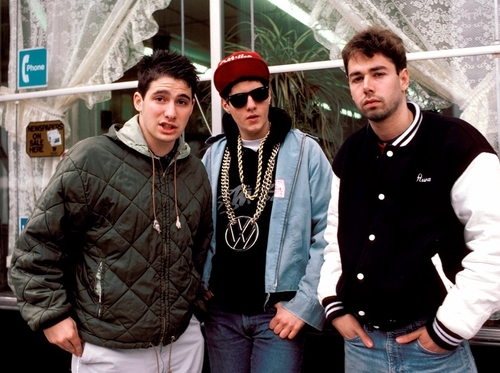
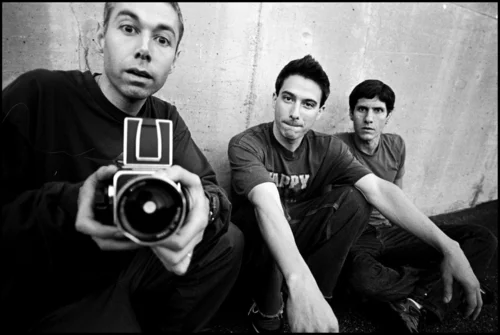
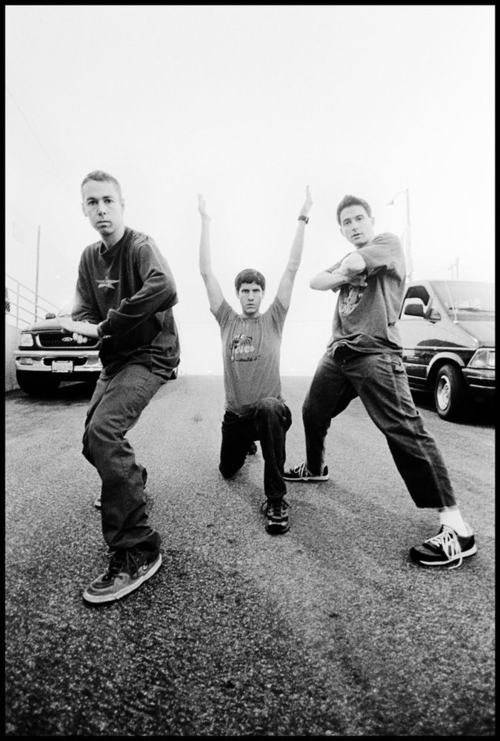
 IN THIS PHOTO: The Beastie Boys in 1989/PHOTO CREDIT: Paul Rider

and they sort of pass under the radar without too much fuss. Although the Beastie BoysPaul’s Boutique is regarded as a classic now, it was not revered as such back in 1989. Recorded in Mike Dike’s apartment and at Record Plant in Los Angeles between 1988 and 1989, Beastie Boys’ second album was a chance to prove that they were not one-hit/album wonders. There was this feeling that Licensed to Ill (released in 1986) was a bit jokey and the trio were not born for great success – a few of the songs were sexist and there was homophobic content (it was clear they needed to make changes and retune their vocabulary at the very least!). The intrepid threesome of Michael ‘Mike D’ Diamond (vocals, drums), Adam ‘MCA’ Yauch (vocals, bass) and Adam ‘Ad-Rock’ Horovitz (vocals, guitar), perhaps, created one of the most dramatic about-faces in musical history. In terms of the leap of ambition from their debut to their second album, there have been few other artists who have done something like this. There were hints of samples and ambitious threads of Licensed to Ill - but Paul’s Boutique is such a different beast. Even though Licensed to Ill is one of the lesser-celebrated albums in the Beasties’ back catalogue, sales were good and they were buoyed with some chart success – singles such as (You Gotta) Fight for Your Right (to Party!) and No Sleep till Brooklyn were class cuts.

At the time of Paul’s Boutique’s release, it was not met with much celebration. Who can imagine that, on 25th July, 1989 that there would be so little celebration and love for an album that changed the face of Hip-Hop?! Maybe it was the thick samples and the complexity of the music; perhaps the vast difference between their debut and Paul’s Boutique threw fans and critics. I shall not quote some of the meaner reviews of 1989 but it is safe to say some critics were lining up to kick the Beastie Boys and an album that, to them, was strange, scattered and stupid. Soon enough, Paul’s Boutique would be regarded as a classic; some saw it as the Sgt. Pepper’s Lonely Hearts Club Band of Hip-Hop; others marvelled in its cross-pollinating sounds and bold lyrical jumps. I shall talk about (the album’s legacy) and the reviews for Paul’s Boutique shortly but, in terms of the sound of this album, The Dust Brothers are the unsung heroes. The production team were, at first, charged with making a hit album but they took Beastie Boys in a new direction. A much bolder and experimental album, over one-hundred samples are deployed through the album. Contrary to belief, most of the samples used on Paul’s Boutique were cleared amiably and easily; consider how hard it would be to do that today – a sign that we have taken a step back when it comes to encouraging art and sampling through music. The lack of litigious delay meant that The Dust Brothers and Beastie Boys could create this masterpiece.

The fact that The Dust Brothers had a lot of music sorted before they met with the Beastie Boys, coupled with the relatively low-cost samples, meant that there was this harmony and excitement in camp. The lyrical fire and confidence throughout is brilliant but, to me, it is those samples that take Paul’s Boutique from great to a stone-cold classic! The stunning Shake Your Rump is a standout of the album but it fuses Harvey Scales, Foxy and James Brown in the same song. I think Johnny Ryall’s mix of Paul McCartney, Pink Floyd and Kurtis Blow provides the most arresting and risky combination but, when you hear the song, it all works! I have posted a video of the samples used on Paul’s Boutique…but look at this article and they provide more details. Hey Ladies is crammed with samples and the closing wonder of B-Boy Bouillabaisse goes into hyperdrive with its collages and invention! We live in a time when artists are struggling to get sample clearance because of laws and copyright; the fact samples are expensive means many are going without or facing lawsuits if they negate the traditional clearance paths. Some of the finest albums ever have been ripe with samples and I do think it is a shame that we will never see anything quite as fulfilling and vast as Paul’s Boutique – can you see an album with so many samples today making its way to the market without lawyers and estates hounding the artists for royalties/money?!  

In this review, The A.V. Club explained the beauty of the samples and the fluidity of Paul’s Boutique:

So why would anyone buy this exquisitely redundant version of a stone-cold classic? Perhaps because it’s just about perfect, an essential product of a golden age of creative freedom where inspired crate-diggers like Boutique producers The Dust Brothers could get away with sampling anyone and everything, from The Beatles to Johnny Cash, without paying prohibitively expensive licensing fees. Boutique flows together like a single cohesive track: It takes such a trippy, kaleidoscopic, immersive ride through its creators’ pop-culture-warped minds that it’s hard to believe the journey lasts a mere 53 minutes. Those who don’t own Boutique should by all means pick it up. They might also want to pick up Sgt. Pepper’s Lonely Hearts Club Band and Thriller while they’re at it, and consider moving out of that cave. Then again, unlike with the recent Thriller botch (is anything improved by the addition of Will.I.Am?) the Boys know better than to mess with perfection”.

That comparison to The Beatles’ Sgt. Pepper’s Lonely Hearts Club Band might walk perilously close to blasphemy and hyperbole but consider how The Beatles tore up the rulebook in 1967 and then, twenty-two years later, the Beastie Boys did it with an equally kaleidoscopic, colourful and rich album. The Beastie Boys’ masterpiece is not just full of diverse sounds that see artists conversing with one another but the tracks flow effortless and supremely.

Anyone can put loads of samples together but will the songs move and flow naturally? Will we hear something cohesive and original? With The Dust Brothers by their sides, the Beastie Boys helped to create one of the defining albums of the 1980s – just as the decade was sort of coming to a close. To mark thirty years of Paul’s Boutique, the Beastie Boys are releasing some rarities – as NME explain:

Six new EPs, including remixes and B-sides, will arrive over the next month

Beastie Boys‘ classic record ‘Paul’s Boutique’ celebrates its 30th birthday next week (July 25), and the band are lining up a host of special releases to mark the occasion.

Six new digital EPs will be released over the course of the next month, featuring 21 rare remixes and B-sides that will be digitally released for the first time.

Three EPs, ‘An Exciting Evening At Home With Shadrach’, ‘Meshach And Abednego’ and ‘Love American Style EP’ are released today (July 19), while remix EPs of the singles ‘Hey Ladies’ and ‘Shadrach’ will come out a week today (July 26)”.

Make sure you snap those up but, on Thursday, it will be thirty years since Paul’s Boutique landed. It remains one of the finest Hip-Hop albums ever but, if it were not for some keen critics and some sharp ears, it could have been commercial suicide for the trio.

The relative lack of hoopla Paul’s Boutique received in 1989 is shocking but, as the album is so dense and epic, perhaps it took a while for many to see its true value. The samples are magnificent but one cannot overlook the performances of the Beasties themselves! Pitchfork, when reviewing a twentieth anniversary edition of the album highlighted the boys’ evolution and standouts:

And, of course, there’s Ad-Rock and MCA and Mike D themselves. Where the aesthetic of Licensed to Ill could have permanently placed them in the crass dirtbag-shtick company of “Married With Children” and Andrew Dice Clay if they’d kept it up, Paul’s Boutique pushed them into a new direction as renaissance men of punchline lyricism. They were still happily at home affecting low-class behaviors: hucking eggs at people on “Egg Man”; going on cross-country crime sprees on “High Plains Drifter”; smackin’ girlies on the booty with something called a “plank bee” in “Car Thief”; claiming to have been “makin’ records when you were suckin’ your mother’s dick” on “3-Minute Rule.” But they’d also mastered quick-witted acrobatic rhymes to augment their countless pop-culture references and adolescent hijinks. “Long distance from my girl and I’m talkin’ on the cellular/She said that she was sorry and I said ‘Yeah, the hell you were’”—we’re a long way from “Cookie Puss” here.

After years of post-Def Jam limbo and attempts to escape out from under the weight of a fratboy parody that got out of hand, they put together a defiant, iconographic statement of purpose that combined giddy braggadocio with weeded-out soul-searching. It’s the tightest highlight on an album full of them, a quick-volleying, line-swapping 100-yard dash capped off with the most confident possible delivery of the line “They tell us what to do? Hell no!

This article adds to the argument the Beastie Boys upped their game and changed the dialogue:

Lyrically the Beasties had also flipped the script. Their raps were as hilarious as ever, but this time they were witty. Even the notoriously brusque critic Robert Christgau gave them props for “bearing down on the cleverest rhymes in the biz” adding “the Beasties concentrate on tall tales rather than boasting or dissing. In their irresponsible, exemplary way they make fun of drug misuse, racism, assault, and other real vices fools might accuse them of.”

Paul’s Boutique gave the Beastie Boys the critical acclaim they desperately desired. Rolling Stone manoeuvred a U-turn and brazenly called it, “the Pet Sounds / The Dark Side of the Moon of hip hop.” But more importantly, it also earned the group respect with their peers and idols. Miles Davis claimed he never got tired of listening to it, and Public Enemy’s Chuck D even said, ‘The dirty secret among the Black hip hop community at the time of the release was that Paul’s Boutique had the best beats.” ‘Nuff said”.

I am about to write an article on another huge album celebrating a big anniversary this year – The Beatles’ Abbey Road turns fifty in September – but I think a lot of attention should go the way of Paul’s Boutique on 25th July. Even if you were not around to experience the album the first time around, picking it up now is almost like stepping into a new universe; a world created by the Beastie Boys that is full of clashing sounds, slick jokes and supreme confidence. The fact the album lasts under an hour bellies the scope and magnificence of the songs. The drama that unfolds; the addictiveness of the songs and the feeling one gets from listening to Paul’s Boutique – everything is present and very much correct! Many argue as to which album was the best of Hip Hop’s golden era (1986/1987-1991/1992) but, to me, Paul’s Boutique would be right near the top; perhaps slightly overshadowed by De La Soul’s debut, 3 Feet High and Rising. Whether you prefer Egg Man, 3-Minute Rule or Looking Down the Barrel of a Gun (my favourite from the album), one has to accept that the completeness, unity and eclecticism of Paul’s Boutique is what makes it…

 PHOTO CREDIT: Getty Images

A truly biblical record.

FEATURE: Sisters in Arms: An All-Female, Summer-Ready Playlist (Vol. V)

FEATURE:


Sisters in Arms

IN THIS PHOTO: Hey Violet 

An All-Female, Summer-Ready Playlist (Vol. V)

__________

THIS time around…

y.jpg

 IN THIS PHOTO: Maven Grace

I have taken from different genres and, I think, created one of the most eclectic playlists for quite a while. The weather is pretty warm right now and the sun is shining. I think we all need great music and those tunes that keep us lifted. Here is an assortment of great new tunes (some from a week or two ago) that will definitely get you in the mood and raise the spirits. From great new Pop through to something nostalgic and some great hard-hitting sounds, there is something in the pack for everyone. Have a listen to the songs here and I am sure you will agree that these female-led sounds and pretty…

popop.jpg

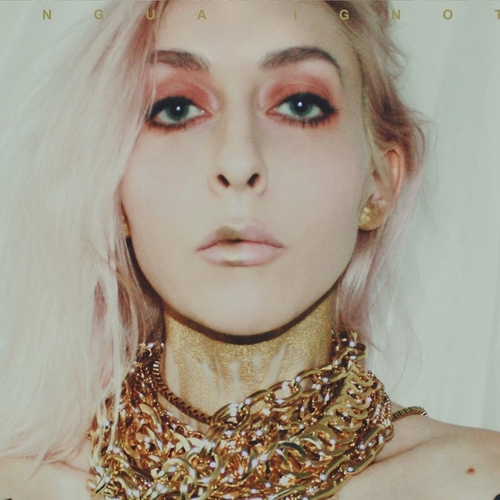
IN THIS PHOTO: Lingua Ignota

DAMNED fine.

ALL PHOTOS (unless credited otherwise): Getty Images/Artists

____________

 PHOTO CREDIT: Winters Photography Co. -Mickie Winters Art

Joan ShelleyCycle

2.png

Camille ChristelChicago

PHOTO CREDIT: Shell Daruwala

Bloom de WildeSoul Siren

Baker GraceSad Summer

Charlotte LawrenceWhy Do You Love Me

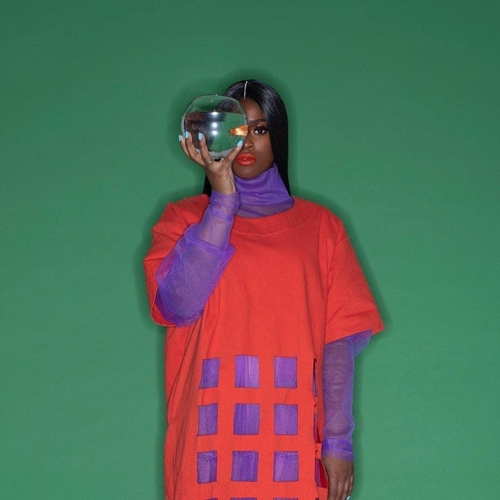
Tierra WhackUnemployed 

Ada Leathe party

jjj.jpg

Maven GraceMe vs. the Volcano

Sasha Sloanat least i look cool

BleachedKiss You Goodbye

Lingua IgnotaDAY OF TEARS AND MOURNING

Laura JurdCompanion Species

PHOTO CREDIT: W Magazine

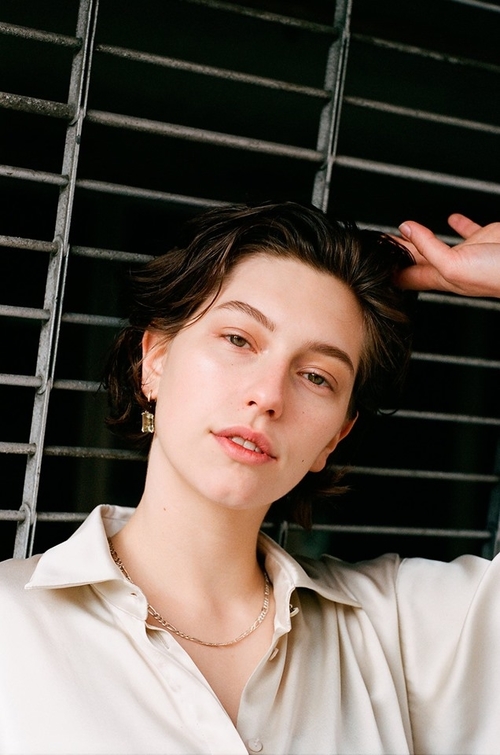
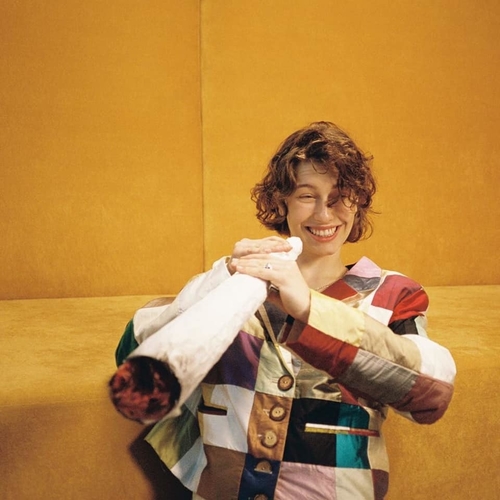
King PrincessProphet 

vc.jpg

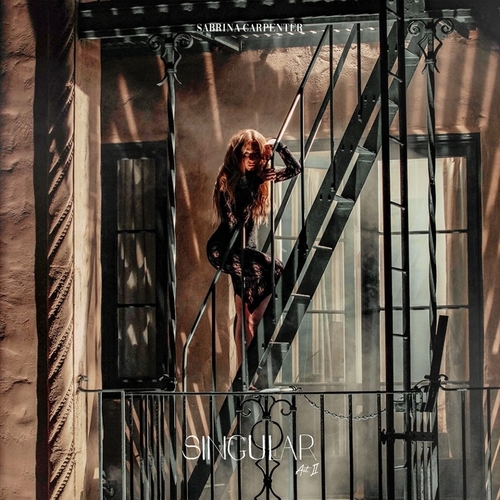
Sabrina CarpenterPushing 20

PHOTO CREDIT: Loroto Productions

Frankie CosmosWindows

lll.jpg

PHOTO CREDIT: Lela Wright

Davina and The VagabondsI Can’t Believe I Let You Go

Jess and the Bandits Don’t Let Me Take You Home

Miranda LambertLocomotive

vc.jpg

PHOTO CREDIT: Ade Udoma & Michelle Janssen

IDERBody Love

jkjkkj.jpg

Zee AviSaya, Kumau

Molly SarléThis Close

PHOTO CREDIT: Alex Millichamp

GazelRain Is Coming

Wildwood KinBeauty in Your Brokenness

k.jpg

Hey VioletQueen of the Night

Grace LightmanAztec Level

girl in redi’ll die anyway.

kk.jpg

PHOTO CREDIT: Glass House Productions

Freja FrancesThe Wolf

ROCHAll Time Favourite Girl

Hayley KiyokoI Wish

FEATURE: The July Playlist: Vol. 3: A Meeting of Titans and a Mighty Pride

FEATURE:


The July Playlist

IMAGE CREDIT: Beyoncé/Disney 

Vol. 3: A Meeting of Titans and a Mighty Pride

___________

THIS is a huge week…

IN THIS PHOTO: Christine and the Queens and Charli XCX

where some great artists are all releasing tracks at the same time! I cannot believe how many wonderful songs are out right now. Christine and the Queens has united with Charli XCX; Shura and Ezra Furman have tracks out and there is music from Iggy Pop and Sleater-Kinney; Beyonce and Bill Ryder-Jones are in the pack. It is a packed and busy week and I suggest you get down to investigating everything in the list below. There are weeks where you get all this high-grade material but it seems like this weekend is an especially golden one. As the weather continues to warm, make sure you take these incredible artists…

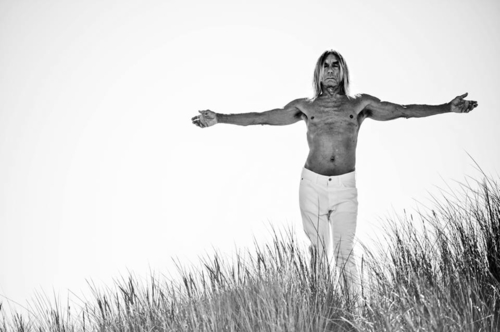
 IN THIS PHOTO: Iggy Pop/PHOTO CREDIT: Guillaume Bounaud

WHEREVER you go.  

ALL PHOTOS/IMAGES (unless credited otherwise): Getty Images/Artists

__________

Charli XCX & Christine and the QueensGone

4.jpg

Shura - the stage

Sleater-Kinney - The Center Won't Hold

PHOTO CREDIT: Christina Cooper

Brittany Howard Stay High

PHOTO CREDIT: Jessica Lehrman

Ezra Furman - Evening Prayer

PHOTO CREDIT: @antoine909

Iggy Pop Free

Bill Ryder-Jones - And Then There's You

IN THIS PHOTO: DZ Deathrays

DZ Deathrays (Matt Caughthran) - Year of the Dog

PHOTO CREDIT: Ade Udoma & Michelle Janssen

IDER Saddest Generation

The Night Café - Mixed Signals

Leon Bridges That Was Yesterday

The All-American Rejects – Demons

Four Tet – Dreamer

Lingua Ignota - I AM THE BEAST

Hayley Kiyoko – I Wish

Beyoncé BROWN SKIN GIRL

lo.jpg

Tom Tripp – TAM

hh.jpg

Laura Jurd Jump Cut Shuffle

pp.jpg

Maven Grace – Me vs. the Volcano

zzz.jpg

PHOTO CREDIT: Maggie West

Sam Smith – How Do You Sleep?

xx.jpg

Zee Avi – Saya, Kamu

King Princess Prophet

Billy Ray Cyrus, Johnny McGuire Chevys and Fords

PHOTO CREDIT: Neil Kryszak

Vivian Girls – Sick

PHOTO CREDIT: Filippo Monteforte/AFP/Getty Images

Thom Yorke – The Axe

ss.jpg

The Flaming Lips Feedaloodum Beedle Dot

PHOTO CREDIT: Bao Ngo

Ada Lea – wild heart

Grace Lightman – Rescue Party

Freya Ridings – Still Have You

Iggy Azalea – Sally Walker 

PHOTO CREDIT: Loroto Productions

Frankie Cosmos - Rings (On Tree)

jjj (1).jpg

The Amazons - Doubt It

PHOTO CREDIT: Travis Shinn

PIXIES - On Graveyard Hill

bvd.jpg

PHOTO CREDIT: Tess Janssen Photography

IDLES Never Fight a Man with a Perm      

(Sandy) Alex G Hope

nvvv.jpg

Mahalia (ft. Burna Boy) - Simmer

FEATURE: All Souls Towards Truth: The Importance of k.d. lang’s Groundbreaking Constant Craving

FEATURE:


All Souls Towards Truth

PHOTO CREDIT: Ryan Pfluger for The New York Times

The Importance of k.d. lang’s Groundbreaking Constant Craving

_________

I want to talk about…

n.jpg

the magnificent k.d. lang and the fact she is in the U.K. performing at the moment and, considering her wonderful album Ingénue is twenty-seven, it gives me a chance to discuss that. Whilst that album brought L.G.B.T.Q.I.A.+ themes more into the open and saw lang come out – it was not often done in the 1990s –, it also boasted some truly terrific music to boot! Its best-known track is the powerful-yet-tremulous Constant Craving. This is a song I actually discovered, oddly, when Now That's What I Call Music! 24 came out in 1993. That compilations boasts some epically wonderful music and, alongside all the beautiful gems is k.d. lang’s masterpiece. Being nine when the compilation arrived, I was not aware of the significance of the track. I could appreciate the longing and the sheer desire burning hot but, as a youngster, I was not actually aware of L.G.B.T.Q.I.A.+ issues and communities – I am not even sure I ever heard the term used (although it would most likely have been ‘L.G.B.T.’ then) – so my love of k.d. lang was based purely on musical merit at the time. I listen to Constant Craving now and it sounds utterly spellbinding and insistent! A chart hit around the world, there are scandalously few featured and articles dedicated to this wonderful song – the same goes for the Ingénue album! Even the Wikipedia entry for the song is pretty brief but, as it won a Grammy in 1993 (Best Female Pop Vocal Performance) and an MTV Music Video Award for Best Female Video, it warrants some serious respect.

I have seen recent interviews lang has conducted recently – to promote her new tour – and she is asked about Constant Craving and its relevance. The idea of a gay female musician coming out or expressing their desire through song in the 1990s was a huge moment. Many might not have realised it at the time because, whilst lang wanted to keep her private life quiet, when she did come out, Constant Craving revealed new truths and layers. Think about music now and the fact there are relatively few gay artists confidently expressing their sexuality. That is not their fault; more a problem we have in music where there is a bit of stigma and the heteronormative ideal of modern mainstream music rigidly exists. There are some wonderful L.G.B.T.Q.I.A.+ artists striving right now (including Shura) but  they are in a minority. I know for a fact there are many more L.G.B.T.Q.I.A.+ artists in the underground and, with the mainstream set up like it is, how many songs like Constant Craving will we see I do think k.d. lang’s jewel of a song opened doors and conversations; it is cited by artists today as being a pivotal moment and, thinking about it more and more, it was a hugely brave song to release. I adore the video and the fact it bases itself on Samuel Beckett’s Waiting for Godot. In the video, lang waits backstage as actors perform on the stage. Short in black-and-white, the gamut of emotions lang goes through is impressive. At once she is inflamed and hungry and that turns to anxiety; she smiles and laughs and, in another shot, runs her hair through her hands.

b.jpg

 PHOTO CREDIT: Getty Images

One can see the video as, perhaps, lang revealing herself to the world or trying to blend in; maybe she is playing a part of this is her moment to shine. It is a gorgeous video and one that perfectly complements the song. The final track on Ingénue, Constant Craving is a complete reinvention for lang. Prior to the album coming out, her style was more Country-based and, taking huge leaps, Ingénue surprised some. It is a magnificent work and one, as AllMusic highlight, that signalled a change of style/pace for k.d. lang:

Ingénue presented lang as an adult contemporary artist for the first time, and if she felt any trepidation at all about her stylistic shift, you'd never guess after listening to the record; lang's vocal style is noticeably more subtle on Ingénue than her previous albums, but her command of her instrument is still complete, and the cooler surroundings allowed her to emotionally accomplish more with less. lang's songwriting moved into a more impressionistic direction with Ingénue, and while the literal meanings of many of her tunes became less clear, she also brought a more personal stamp to her music, and the emotional core of "Save Me," "Constant Craving," and "So It Shall Be" was obvious even when their surfaces were evasive. And the production and arrangements by lang and her longtime collaborators Ben Mink and Greg Penny were at once simple and ambitious, creating a musical space that was different in form and effect than her previous albums but one where she sounded right at home. Ingénue disappoints slightly because while lang was a masterful and thoroughly enjoyable country singer, she was a far more introspective adult contemporary singer/songwriter who seemingly demanded the audience accept her "as is" or not at all. However, the craft of the album is impressive indeed, and few artists have reinvented themselves with as much poise and panache as lang did on Ingénue”.

IN THIS PHOTO: k.d. lang in 1992/PHOTO CREDIT: Paul Natkin/Getty Images 

To me, when I first heard the song, there was no historical significance and I was not aware of the importance. I look at it now and am amazed. Maybe there were a few gay men I was a\ware of in the 1992 mainstream but not that many at all. One cannot overemphasise the importance of Constant Craving and how much it meant to lang. In this feature in The Guardian from 2017, she spoke about its creation:

We’d hired a little place in Vancouver to write songs. I’d been listening to Black Crow by Joni Mitchell and said to Ben, my songwriting partner: “Wouldn’t it be great if we could do a song with similar, flowing open chords?” I sat down with a little Casio keyboard and the music came quickly, but I struggled to write lyrics for months. Then one day I just sat at the window with a typewriter and the phrase “constant craving” came into my head. Once I had that, the lyrics flowed.

“Constant craving” relates to samsara, the Buddhist cycle of birth and death, but I wasn’t a practising Buddhist then so I honestly don’t know what the impetus for the song was. I just wrote it from the perspective of desire and longing.

The song is part of who I am. At the time there weren’t really any other pop stars who had properly come out, especially female. I was on the cusp of being really famous, so there was a lot to lose. The previous year, there was a huge backlash when I did a “Meat Stinks” campaign for Peta, but by the time I came out I think people had exhausted all their anger and hate for me. When we were nominated for the Grammys, there were religious groups outside picketing, but it wasn’t too bad”.

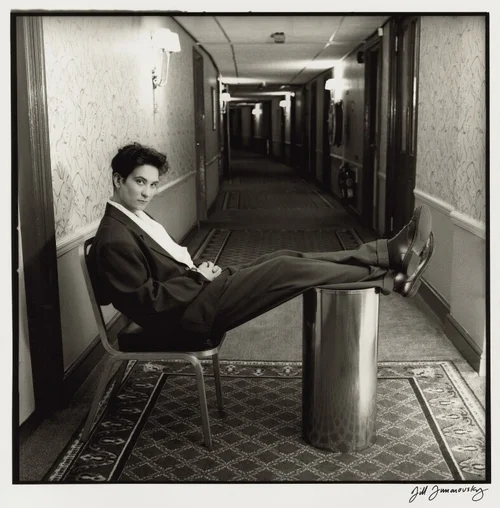
 IN THIS PHOTO: k.d. lang captured in 1992/PHOTO CREDIT: Jill Furmanovsky

I know that, as lang is touring and playing Ingénue to multiple generations, it will raise debate around sexuality in music and how far we have come. Certainly, lang is a trailblazer and someone who continues to inspire. This article discusses how bold and different Ingénue was in the context of music back in 1992:

When “Ingénue” was released in 1992, with its dirge-like anthems to love and longing, the idea that a thrillingly sexual, openly gay and very butch woman would become a pop idol was seismic. It’s hard to imagine now, when hit television shows like “Transparent” treat lesbian sex as the least complicated of its themes and when the average seventh grader has been schooled in the semiotics of drag and to see gender as a spectrum.

Gay men were familiar. Gay women, not really. And certainly not gay women as magnificently sensual as Ms. Lang. In that same decade, Ellen DeGeneres would become famous, partly by being all-American affable, never an erotic threat. Even singing her fierce “Come to My Window,” Melissa Etheridge hewed closely to the image of a traditional country singer. But K. D. Lang in a man-tailored suit was something else altogether”.

Every time I hear Constant Craving, although I am not gay and do not connect with the track in the same way as many others, it sends shivers down the spine and reveals something deep in me. The fact that its video is so striking and artful adds new dynamics and nuances; an impassioned longing explodes and aches, all scored by lang’s incredible voice.

i.jpg

 PHOTO CREDIT: Getty Images

I don’t think k.d. lang gets enough credit as a singer. In terms of her emotional range, she can go from joyed and rapturous to this sensitive and soul-baring artist. The immense power and beauty one can hear in a song like Constant Craving is one of the reasons it has remained so popular and continues to find new fans and those keen to unpack it and investigate its myriad sides. You can still catch lang on tour in the U.K. - but I am sure she will be back. I know this tour is so especial because she is playing Ingénue and many fans new and old get to hear songs like Constant Craving in all its glory. Given the fact there has been protest at schools in connection with L.G.B.T.Q.I.A.+ teaching and homophobic attacks happening around the country, it seems like Ingénue is more relevant than ever. Although we have made strides over the past few decades, I do feel like there is this ignorance and hatred that, I feel, could be tempered and reduced if music opened up more. I mentioned how there are so many L.G.B.T.Q.I.A.+ artists in the underground and, in terms of the Pop charts, are we still to limiting, heteronormative and commercial? I think so. Artists like k.d. lang have helped open up the discussion and a song such as Constant Craving cannot help but influence and affect today.

In this interview from earlier in the month, lang was asked about her role as an influence:

Does she recognise that she opened the door for others to walk through? “Um, yeah, although I try not to take huge credit for that because it’s not a competition. It’s something bigger than all of us. I am certainly proud, but at the same time, I’m just one of many. Gay culture isn’t just one sliver of humanity – it’s a huge cross-section of people.”

Pop is one of the few cultural movements where the young are ascribed more power than the old. Often, it can feel like young pop stars are given credit for things lang was doing well before they were born: playing with gender and image, blurring the lines between what it is to be masculine or feminine. There is obviously still a power in the subversion, but do they have to fight in the way that she did? A pause. “Women are still fighting, and people of colour are still fighting, and gay people are still fighting”.

It seems like the middle-aged lang is pretty content and happy; although there is this sense that, after so many years, she has doubts and fears regarding people’s perceptions. I urge people to read the interview she gave with The New York Times last year because it is very illuminating, personal and stirring. I have selected this extract because, to me, it stood out most strongly:

I’ll never be a Billie Holiday. I’ll never be an Ella Fitzgerald. I’ll never be a Joni Mitchell. So it’s this kind of relinquishing, this kind of acquiescence. I guess I’m really giving in to the fact that I am who I am. I’m too young to be a legend, and too old to be pertinent.”

bb.jpg

PHOTO CREDIT: Getty Images 

Seeing her interrogator raise an eyebrow, Ms. Lang cracked up. “I’m more focused on trying to stay open to people and stop myself from rushing to judgment even if they’re being irrational,” she said. “I fail constantly and it’s really sad to me. It’s more plain than mindfulness. It’s just like, ‘Be nice to people,’ and God, that’s hard to do.”

It is wonderful seeing lang perform and still on the stage; putting these big hits to the world and, as live reviews from her recent shows have indicated, hearing the warmth and banter she projects. A truly captivating performer and definite role model, I come back to Constant Craving and the first time I heard it; nestling on that 1993 compilation alongside hits from Paul McCartney (Hope of Deliverance), Snow (Informer) and Annie Lennox (Love Song for a Vampire). It was an amazing moment for a then-nine-year-old but, at thirty-six, it holds new meaning and wonder. Whether you can appreciate the significance of the song and the Ingénue album or are a little detached, one cannot help but acknowledge the importance of Constant Craving and a time in music when there were very few gay women in the forefront. I do hope lang comes back to the U.K, next year or some time because there are many who will not be able to see her this time around – the demand is always there for the Canadian legend and her wonderful back catalogue. As her final U.K. dates approach, I return to this masterpiece of a song that is being discovered by new audiences and, in 2019, still seems so bold and inspiring – let’s hope that renewed interest helps bring about greater equality, understanding and less hatred towards the L.G.B.T.Q.I.A.+ community. The inspiring opening words of Constant Craving still resonate: “Even through the darkest phase/Be it thick or thin/Always someone marches brave…

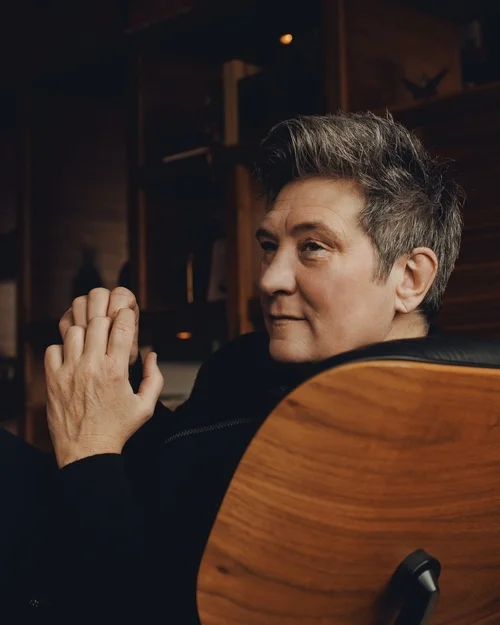
 PHOTO CREDIT: Ryan Pfluger for The New York Times

HERE beneath my skin”.

FEATURE: Spotlight: IDER

FEATURE:


Spotlight

PHOTO CREDIT: Ade Udoma & Michelle Janssen 

IDER

_________

THERE are so many great rising acts out there…

 PHOTO CREDIT: IDER

that it can be hard deciding which we need to look out for. Of course, ALL great artists need to be augmented and heard but, in the modern landscape, that is simply not possible. How, then, does one determine which acts are worth some serious ear-time?! I think there needs to be that emotional connection; music that is impactful and accessible but has something original working away. Also, I look for artists that have that potential to last: there are so many bands and artists that sound bereft of inspiration and you wonder just how long they will remain. If you are looking for a great new fix then I have to recommend the terrific sounds of IDER. Their latest video, for Wu Baby, shows you what they are all about. There is a kick-ass attitude and physicality with voices that can switch between the controlled to the electrifying. The duo of Megan Markwick and Elizabeth Somerville have been around for a while and, actually, have an album due on Friday – I shall come to Emotional Education very soon. Back in September last year, The Guardian spotlighted IDER and recommended them for further investigation:

If you’re not a lyrics person, tracks such as Does She Even Know bring enough beautiful, indelible melodies, power synths and ghostly, funky fingerclicks to decorate all the damage and eviscerated hearts. You’ll hear everything from Haim to Frank Ocean and Portishead in Ider’s anxiety dream pop and heartbreak ballads. Their latest track, Mirror, broods over identity, imposed or chosen, but with a steroidal kick fattening their spare sound to radio strength.

The danger is that Ider will become just another three easily digestible minutes, with all the good bones of their underground work blanched in the corporate sunlight. There are plenty of inspirational moments among the introspection, though, enough to suggest that Somerville and Markwick can discover and retain what’s special about themselves”.

The duo have grown since then and have been thrilling audiences up and down the country. I think they are a duo that has immense promise and they have received incredible reviews for their shows. Like all the great duos (‘IDER’ is the mysterious ‘third member’), Sommerville and Markwick produce so much sound and emotion. They do not need endless instruments and force to ensure their music resonates; the sheer connection between the duo summons so much reaction and energy. Their songs are instantly effecting and remain in the head for ages! There is something sister-like between IDER and that translates in their music. Before moving on, I want to bring in an interview they gave with NME earlier in the year that highlights how their sound/lyrics come together and how important their bond is:

How did you build this particular sound?

Megan: Well we don’t really confine ourselves to one particular genre. We listen to a broad range of different artists and lots of different music, and in terms of our sound and our songwriting, we’re influenced by a lot of different styles. So electronic pop would definitely be there, but so would R&B, dark pop and dark moody elements.

A lot of the lyrics have a strong ‘realness’ to them, and dark imagery. Do you devise those together?

Lily: It varies really, because we’re constantly writing and getting stuff down together because we live together, so in that sense it’s quite natural. A lot of the time it’s so collaborative that ideas and lyrics will be going round and round and you’ll forget who wrote them.

Megan: We’re always like, “did that happen to me or you?”

How important is your personal chemistry when you’re writing and performing?

Lily: I think that chemistry is everything. I would say it’s the most important thing. It’s at the centre and the heart of what we do. The strength of that is what creates everything that we create. When that is at its strongest is when we create the best stuff and perform the best”.

It does seem like, with their album imminent, there will be big demand for IDER around the world. Most of their gigs so far have been in the U.K. but they have performed further afield. Not only is there that alchemy in the recorded music but, on the stage, you really get a sense of oneness that defines all great live acts. It is probably worth mentioning their new album but, on that point of live performances, I want to bring one last interview to the table. When speaking with Bitter Sweet Symphonies earlier in the year, IDER discussed touring in more detail:

To wrap things up and to bring it back to the live shows… already this year you’ve travelled a lot and played some of your first IDER shows in the Philippines and more shows in the US, additionally you started this tour in Falmouth (a town of significant meaning for IDER). What’s your outlook on performance now?

Meg: “We love touring, don’t we?”

Lily: “Yeah. I would say songs for us—and probably a lot of artists—find a real… you really settle into a song when you tour it, and that’s true for all the music that we play live. I think you find a real home for it in a weird way.”

Meg: “Yeah, and just to add to that, seeing how people react to different songs. You know, like, there’s certain songs that do so well for us—other artists I would imagine also agreeing—live, they just come to life more and I think that’s just because people are reacting to it in the room. So, songs can go on completely new adventures I think.”

Has the way you approach performance informed any other aspects of who you are as individuals and musicians?

Meg: “You get more confident. In our live shows we like to connect with people, and we like to engage, and we like to meet people, we don’t get exhausted really by meeting people and talking to people. Like, we are quite extroverted in that way.”

Lily: “And we really enjoy that because it makes it feel so much more connected, it makes more sense of everything for us.”

Meg: “Yeah I think it’s definitely helping us grow as artists outside of the show. So, afterwards when we’re meeting people whether it’s just selling merchandise or whether it’s in an interview it helps to kind of bring people into our world a bit more—because we’re best friends and IDER is all about our friendship… I don’t know, I feel that’s what we bring, we become friends… not to sound too cheesy but we—“

Lily: “We let people in to that.”

Meg: “So I think that’s what we have been learning as we tour”.

The world is full of vacuous Pop and I do think that there is this revival and growth of sub-genres that is revitalising the scene and providing a great alternative. I am going to be reviewing IDER at the weekend because I think their music is full of life and highlights. They are quite digestible and never too forceful but there is plenty of colour and emotion bubbling and bursting. 

bb.jpg

 PHOTO CREDIT: Rory James

I will conclude shortly and underline why you need to see IDER and listen to their music but, with Emotional Education out on Friday, some reviews have already come through. The Line of Best Fit have been especially positive in their review:

Emotional Education showcases the growth IDER have made in just three short years. Returning even just to the sparse, confrontational sounds of 2017 EP Gut Me Like An Animal, the richness of this debut full-length is thrown into brilliant contrast. Live instrumentation plays no small part in this progression, making particular impact on standout cut “Busy Being A Rockstar”. The track – a heartbreakingly frank ode to an often-absent father – features a live brass section to great effect, whilst pointing towards a future of larger-scale performances that seems to beckon the pair.

Coherent despite a refusal to adhere to genre-based constraints, Emotional Education is heartbreaking yet hopeful, relatable yet precise. It refuses to shy away from the mental health crisis currently facing Markwick and Somerville’s generation, yet leans unashamedly into no-strings-attached nostalgia on closing track “Slide”. As complex and multi-faceted as any woman in her early twenties, IDER’s debut LP is an album made for people like those who wrote it, and is all the stronger for it”.

This year has been synonymous with fantastic female artists and I think the likes of IDER are underlining that. In another review, the writer emphasises the qualities of this remarkable duo:

Electro, melodic and unlike anything I’ve ever heard, this record from IDER is full of raw synth-focused anthems. The London duo rock harmonies with none of the twee connotations you’d perhaps expect. Instead, themes of mental health, absent fathers and 20-something anxieties are all covered with a backdrop of dance beats and radio friendly choruses.

Easy listening but with a deeper meaning, Emotional Education displays unique voices that blend together deliciously make IDER stand out in a world of empty pop. The lyrics are bold, with clear direction taken from Lana Del Rey’s melancholic genre; it’s an essential grown-up ‘girl power’ record for millennials. Add exemplary track Wu Baby to your summer playlist”.

Between their incredible live shows, the close harmony of Megan Markwick and Elizabeth Somerville and the wonderful music they produce, I do feel like IDER have a very long future ahead of them. Make sure you download or buy Emotional Education and, if you can, see them perform (check their social media channels for more details). When the album is released, there will be demands from abroad and I think IDER’s music translates really well. This year has been a competitive one for music but I feel like IDER stand out and they are primed for a very golden future. Check them out and show them some love on social media. As the sun is out and it is most definitely summer right now, IDER’s music adds extra spring but it offers something deeper and cool – a perfect blend of sounds and sights. If you do not know this incredible twosome then rectify this and make sure you…

 PHOTO CREDIT: Getty Images/IDER

SPEND some time with them.

________________

Follow IDER

0000.jpg

FEATURE: Raising the Needle: The Best Albums to Own Next Month

FEATURE:


Raising the Needle

666.jpg

IN THIS PHOTO: Sleater-Kinney/PHOTO CREDIT: Getty Images 

The Best Albums to Own Next Month

_________

THIS year has already produced some rather…

888jj.jpg

 IN THIS PHOTO: Bon Iver/PHOTO CREDIT: Getty Images

mighty albums and, next month, we have a few gems that are worth exploring! I am amazed by the standard this year and the fact that there have been so many remarkable albums out in the world. If you are undecided as to which ones you need to get a hold of next month, I have been looking around and selected the ten most-promising. No matter which genres you are into and whether you have heard of these artists, I would definitely recommend you get involved and have a look at these terrific works. If you are in need of some guidance as to the best releases to look out for next month then I think I have…

8bb.jpg

IN THIS PHOTO: Sheryl Crow/PHOTO CREDIT: Wyatt Crow

YOU covered.

ALL ALBUM COVERS/IMAGES: Getty Images/Artists

________________

MabelHigh Expectations

Release Date: 2nd August, 2019

Label: Polydor

Producers: Various

Standout Tracks: Don’t Call Me Up/Selfish Love/Put Your Name on It

Key Cut: Mad Love

Pre-Order: https://shop.mabelofficial.com/*/Music/

SlipknotWe Are Not Your Kind

Release Date: 9th August, 2019

Label: Roadrunner

Producer: Greg Fidelman

Standout Tracks: Birth of the Cruel/A Liar’s Funeral/Orphan

Key Cut: Unsainted

Pre-Order: https://www.slipknot1.com/

Marika HackmanAny Human Friend

0.jpg

Release Date: 9th August, 2019

Label: Sub Pop

Standout Tracks: wanderlust/blow/come undone

Key Cut: the one

Release Date: 16th August, 2019

Labels: Xtra Mile/Polydor

Standout Tracks: Nica/Eye of the Day/The Lioness

Key Cut: Sister Rosetta

Pre-Order: https://store.frank-turner.com/

King Gizzard & the Lizard WizardInfest the Rats’ Nest

Release Date: 16th August, 2019

Label: Flightless

Standout Tracks: Planet B/Organ Farmer/Perihelion

Key Cut: Self-Immolate

Release Date: 16th August, 2019 

Label: Secretly Canadian

Standout Tracks: side effects/religion (u can lay your hands on me)/ BKLYNLDN

Key Cut: the stage

Pre-Order: https://shura-uk.myshopify.com/

Sleater-KinneyThe Center Won’t Hold

9.jpg

Release Date: 16th August, 2019

Label: Mom + Pop

Producer: St. Vincent

Standout Tracks: The Center Won’t Hold/Ruins/Bad Dance

Key Cut: Hurry on Home

Release Date: 23rd August, 2019

Labels: Republic/Taylor Swift Productions

Producers: Joel Little/Taylor Swift

Key Cut: You Need to Calm Down

Pre-Order: https://store.hmv.com/music/cd/lover

Bon IverI, I

JAG350-450x450.jpg

Release Date: 30th August, 2019

Label: Jagjaguwar

Producers: Chris Messina/Brad Cook/Justin Vernon

Standout Tracks: We/U (Man Like)/Salem

Key Cut: Hey Ma

o.jpg

Release Date: 30th August, 2019

Label: Big Machine Records

Producers: Sheryl Crow/Jeff Trott

Standout Tracks: Live Wire/Beware of Darkness/Wouldn’t Want to Be Like You

Key Cut: Everything Is Broken

FEATURE: The Party Is Just Getting Started: The Unique and Brilliant Billie Eilish

FEATURE:


The Party Is Just Getting Started

96.jpg

PHOTO CREDIT: Billie Eilish/Getty Images 

The Unique and Brilliant Billie Eilish

_________

A couple of weeks ago…

 PHOTO CREDIT: Hannah Sider

we were all enjoying Glastonbury and the wealth of artists on display. Even if you were not there, the performances were available on the BBC and there are clips on YouTube. I do think that this year’s Glastonbury was defined by female artists and their brilliance. Although Lizzo and Kylie Minogue brought something special and memorable to Glastonbury, a lot of people flocked to see Billie Eilish. I shall talk about her latest album in a bit but it is clear that Billie Eilish has risen and captured the imagination. She has accrued so many new fans and is definitely putting something fresh and exciting into the world. The reviews for Eillish’s Glastonbury set were pretty impressive. Here, NME provided their thoughts:

 “This year has been so big, that Emily Eavis was forced to bump Billie Eilish up the bill for her Sunday showing on the Other Stage. There’s an argument to be made that she could have leap-frogged the rest of the bill and headline Glastonbury’s second stage entirely: she’s that popular.

Her stage presence is more animated than usual and gees up the crowd for big drops – despite the sound issues that she says explains her “angry face” throughout. She need not worry, it sounds superb from where we are. Particularly, ‘You Should See Me In A Crown’ a destructive and affirmation of her current reign over pop music right now. ‘Copycat’ throws down the gauntlet to all the pretenders and phonies: “Copycat trying to cop my manner/Watch your back when you can’t watch mine”.

Billie has long been a live-force to reckon with. Even at her first ever shows in the UK at London’s Courtyard Theatre a couple years back – which she remembers fondly halfway through this set – she’s been a captivating performer for songs both loud and quiet. She lays flat on the stage for the twinkling ‘When I’m Older’ and for ‘Ocean Eyes’, she wants people to live in the moment: “Hold your phones down and look at me in the eye. We’ll never be in this moment ever again.”. Her ballads are just as impressive, too. ‘Wish You Were Gay’ is simply majestic and the swooning ‘Xanny’ is as addictive as they come”.

I do wonder whether, given her performance this year, Eilish will get close to headlining Glastonbury next year. She was on a smaller stage this year but Eilish was not fazed and gave an incredible set. It is amazing that, still a teenager, Eilish has this confident and seems to use the stage as an extension of herself. She has a legion of fans and there is something about her music and personality that draws people in. It is clear Eilish is honest and open and not afraid to speak out. So many artists are label-led and having very little to say. I think Eilish is refreshingly straight and she wants people to connect with her. Check out her other live reviews but, when it came to one of the world’s biggest music festival, Eilish delivered the goods and was completely on top. I expect to see her back at Glastonbury next year and determined to see her live myself.

A lot of attention has come the way of Eilish because of her unique and daring music. Reviews for When We Fall Asleep, Where Do We Go?, have been largely positive but there have been some reviews a little cold or confused. The thing with Eilish music’s is that it is very unconventional and, if you are expecting this teen to follow the pack and produce music that is pretty commercial and hummable than think again! Eilish ca do accessible but her music is more about texture, feel and experimentation than big choruses and climbing the charts. She does have beautiful moments on her album but there are plenty of interesting angles and diversions. Those who get what she is doing can bond with the songs and follow her mindset: those who want something a bit more settled are not quite sure what to make of Eilish. CLASH, in their review of When We Fall Asleep, Where Do We Go?, talk about Eilish’s contrasts and constant sense of movement:

The gloomy afterglow of ‘when the party’s over’ softly blurs into the sickly-sweet ukele of ‘8’ which is undoubtedly the oddball track on this peculiar record. ‘my strange addiction’ and ‘bury a friend’ pick up the beat before dissolving into the anxious lullaby of ‘ilomilo’. Billie then closes the album with a heartbreakingly melancholic mix of tracks, bringing you close to tears with ‘listen before I go’, ‘I love you’ and ‘goodbye’.

‘When We All Fall Asleep, Where Do We Go?’ is a brave and fortuitous debut album from the LA teen, capturing the hopes, fears and vulnerabilities of an entire generation. The genius in this record is its unaffected relatability. It is like a reassuring hug letting you know that you are not alone. Billie Eilish’s intelligent response to the world crumbling around her is to make it into art, and to see the beauty in her generation and their protests.

She champions the strange, the misfits, the misunderstood and offers an alternative to the oversaturation of vapid, plastic pop stars and reality TV ghouls. You might not get her but she embraces it and will thrive, but quite frankly she probably couldn’t give a damn”.

 PHOTO CREDIT: Getty Images

I think that Billie Eilish’s debut album is an extremely bold, interesting and accomplished release from a seventeen year old (she wrote all the tracks with her brother, Finneas O'Connell). It is scary to think where she goes next and how good she might get in a few years. Right now, she is channelling her conflicts, problems and thoughts into music that you cannot ignore. I will end with some interview quotes and personal revelations which bond you closer with Billie Eilish but, for my money, there is not another artist around like her. Sure, some of the tracks on When We Fall Asleep, Where Do We Go? do not hit the mark and it is not the sort of album that you can listen at any time. I do think When We Fall Asleep, Where Do We Go? is best enjoyed when you need an emotional release or want to escape in this incredibly unusual and striking sound. Eilish, for that reason, might not be able to convert every listener but I think this is true of every innovative and challenging artist. She is this completely free and liberated artist on stage and one listens to her music and is stunned by the confidence and natural ability she has. Away from the cameras and microphones, there is a very relatable person who has an incredibly wise head on her shoulders.

I want to bring in a couple of interviews with Eilish (one from last year and one this year) that shows that there are a few different sides to Eilish. She is confident and bold but she is also anxious and fearful. It makes for this very real and brilliant artist who makes for very compelling focus. In this NME piece, some interesting revelations and quotes came out:

I’m the type of person if you tell me to stop doing something, I’m going to do the opposite,” she says in our interview.

She’s a teen – she’s meant to be rebellious – but Billie has an endearing ‘fuck you’ attitude that only a handful of people can carry off. Want proof? After a long day of shooting, she’s been asked by US TV network NBC to film a spritely ‘Happy New Year’ message to be shown on their New Year’s Eve coverage. She tries and fails several times to nail the happy-go-lucky attitude the network wants. On the seventh try, she looks like she’s about to nail it. She reaches the end of the clip and blows a kiss to the camera to sign off, then immediately flips the bird directly to camera. Her mum, Maggie Baird, who’s been with us all day, is exasperated – the clip is useless. “You need to leave a beat at the end of the clip for them to edit away,” she tells Billie. “I did,” Billie replies. “This is my beat” – and she throws up the middle finger once more.


It is not easy to predict Eilish and see where her music comes from but, when it comes to the type of music she listens to and the sort of life she leads, it is not too different to a lot of teens:

Like most people her age, her influences and listening habits are strikingly diverse. During the day-long shoot in West Hollywood she vibes out to music by rising US rapper Tierra Whack and her 15-minute album, ‘Whack World’, and as well as The Strokes and Arctic Monkeys. When we met last year, she cited The Beatles and Avril Lavigne, among others, as all-time favourites.

Though they are fairly traditional influences, her music is thoroughly modern. Her generation’s hope, anxiety, vulnerability and heartbreak are reflected in the songs she pens with Finneas. ‘Bellyache’, from that debut EP, was inspired by the regret she felt when she would shoplift or occasionally nab toys from friends. “I’d leave and want to throw up with guilt. I used to think the police were going to come to class and take me away from my parents,” she laughs. “It was completely irrational, but there’s nothing like that overwhelming feeling, and to say that a child can’t write about those feelings because they are too young is bogus.”

There is an uglier side to her success and Eilish is no stranger to the hateful side of the music industry; getting cruel comments and having to fend off a lot of negativity:

Being bombarded with hateful messages is a harsh reality of being a pop star right now, but it’s not all bad news, she says. “This industry is fucking horrible, but if I wasn’t doing this I would probably be miserable because this is always what I’ve wanted. No matter how horrible fame is and how horrible this and that is: a lot of things make all of this worth it, y’know?”

PHOTO CREDIT: Rachael Wright 

Do you think it’s because you’re a young woman that people feel that have a right to comment on what you do?

“Hell yeah. I’ve spoken a lot to female artists about this, because if you’re not a female artist you probably don’t think about this. If I was a guy and I was wearing these baggy clothes, nobody would bat an eye. There’s people out there saying, ‘Dress like a girl for once! Wear tight clothes you’d be much prettier and your career would be so much better!’ No it wouldn’t. It literally would not.”’

PHOTO CREDIT: Billie Eilish/Getty Images

I get the impression of an artist who wants to make music that seems very real to her but knows she has to play the game and is part of the bigger machine. This is something that irks Eilish and, whilst inevitable, I do wonder whether the success her debut has acquired will see the label making demands or people asking for a repeat – Eilish is someone always moving and not willing to compromise. Earlier this year, Eilish (and Finneas O'Connell) spoke with Zane Lowe for Apple Music and it is interesting to read. Every interview she gives is fascinating and it is a relief to hear this artist being true and not given these boring answers; those that are dictated by the record label and have to be on-point:

“In just a few short years, though, Eilish has gone from jumping that barrier to be right under her favorite artists to being the one whose barriers are being jumped and touring the world with Finneas at her side. She says they've talked about how this level of intense fame can't last forever, realizing that everyone has to keep living their own lives as well.

ccc.jpg

"We can't have this be the rest of our lives. We were talking about it the other day, we're just like, 'I'm 17, dude.' I can't have my life exactly like this forever, and he can't either," she says, noting that her brother just bought a house with his girlfriend and got a dog. "It's a weird balance, because I want to grow in my life, and grow up and have a life. But I already have my career. ... Having been on tour, I know how it works. I know that you leave and it's a little bit of your friends being sad. Then, you're gone for long enough that life moves on and they keep doing things. It's the same way as if someone dies. You have to keep going. You shouldn't be mourning them every two seconds for the rest of your life. You have to keep going."

With so many songs that tackle dark, personal topics with often bleak imagery, Eilish tells Lowe that "there's only a few people in the world that can understand this," referring to life-changing events like becoming a parent, losing a loved one, fame or depression. "You just can't understand it, and you can't act like you do. When someone you love loses someone very close to them, you can't say, 'I feel you.' You just can't. That's okay," she says, encouraging listening rather than trying to empathize in a way you may not genuinenly be able to. "I feel like some people just try to act like they know, but just listen. It's not about trying to up their depression. It's not about who's sadder, who's gone through worse. It's about listening to people and actually just caring about them."

Eilish has worked incredibly hard to get to where she is now and one can imagine this young girl humming songs and dreaming one day of being on a big stage. She is only seventeen and she has achieved more than a lot of artists a lot older than her. That sort of spotlight and pressure might weigh heavy and be a burden but I feel like Eilish has a very mature attitude and she realises there are horrible sides to the industry. She has experienced anxiety and depression and is honest about it. She will provide comfort and guidance for many teens going through the same thing and I think her music is among the most powerful and memorable of the moment. Eilish is the complete package and I feel like we are seeing this star being born. Her Glastonbury set proved she could handle a huge festival and, actually, there was more attention put her way than a lot of more experienced and popular artists. Not only is Eilish a fantastic and spirited live performer but a brilliant songwriter and a young woman who has a lot to say and is fascinating to listen to. If you have not checked out Billie Eilish then make sure you do because she is an artist that is going to go very far indeed. Maybe her sound is not your usual cup of tea and the water might seem rather uninviting. Once you dip your toes in and experience all she has to offer, I guarantee you will…


NOT want to get out anytime soon.

FEATURE: Too Many Voices in My Head: Is the Modern Collaboration Culture Less About Quality and More Concerned with Figures, Money and Backing Labels?

FEATURE:


Too Many Voices in My Head

IMAGE CREDIT: Ed Sheeran 

Is the Modern Collaboration Culture Less About Quality and More Concerned with Figures, Money and Backing Labels?

_________

THERE was a time in music when we had…

some memorable duets and collaborations that genuinely stood out. Whether it was a rare hook-up in the 1990s or a girl group like En Vogue mixing it alongside Salt-N-Peppa on Whatta Man; if you get the chemistry right, it can lead to something exceptional. If you think about the best duets of all-time then they have one thing in common: it is the perfect pairing of artists and adds something a single artist can’t. Listen to Peter Gabriel and Kate Bush on Don’t Give Up or Queen and David Bowie on Under Pressure. These are fantastic songs where different artists are joined and seamlessly gel; challenge one another and help create a simply wonderful moment of music. There have not been that many great cases of duets in the last few years. I don’t know whether demands have changed or what but it is a shame that we do not see great artists joining together to perform something focused yet ambitious. All those great duets and collaborations are notable because they are unexpected and different to what you are used to. I guess we all have our fantasy list of artists we’d like to see get together and make some magic stir. I do think there is something to be said for economy and rarity when we consider collaborations. Whilst it is nice to see a perfectly-judged unity and an unexpected partnership, I do think there is a bit of fatigue in the modern industry.

Rather than put artists together to create something inspiring and quality-heavy, it seems a lot of artists are coming together simply so they can boost their profiles or get streaming figures up on Spotify. Every week, I collate a playlist of new songs and use Spotify for guidance. You would not believe how many songs from the lists I look at – usually New Music Friday – weld together artists. It is fantastic when you discover a genuinely moving pairing but, more often than not, it is a case of artists you have not heard of all bustling together in a song that is overloaded and has no sense of focus. I am not suggesting we only should have solo artists and bands recording but I do feel like there are too many collaborations and songs where you have four or five artists together. It is more common in genres like Rap and Hip-Hop but it happens across the board; where you have a song where each artist takes a couple of lines or you get an artist that only adds the odd word or thought – making me wonder what the point is and what they are actually adding. My article has been influenced by Ed Sheeran’s new album, No.6 Collaborations Project. It is an album where Sheeran collaborates with everyone from Eminem and 50 Cent (Remember the Name) to Put It All on Me (ft. Ella Mai).

Where it does not have the same raft of people in the mix as a lot of songs around right now, I do think collaboration albums are a bit of a bad idea. Unless the song really calls for it, very few tracks are elevated and bettered by having more voices on them. Unless there is a fantastic song that specifically calls for several voices, I do think you need to be savvy and sure when it comes to bringing names in. I have listened to Sheeran’s record and, whilst a couple of the songs are quite affable, the album is rather safe and there are no extraordinary moments; songs do not really sink in and you sort of wonder why many of the collaborators were asked to come along. One of the problems is hearing someone rather bland and safe as Ed Sheeran performing on the same song as 50 Cent. It is quite extreme and the dynamic connection is not really there. He could have made the songs pop on his own or added some unknown voices in the background but bringing these huge names together makes everything seem like a case of flexing and using his fame rather than thinking about the music. The Guardian shared some positive comments and argued why Sheeran, more often than not, succeeds:  

The sound skews noticeably towards the R&B-influenced end of his oeuvre represented by Sing and Shape of You: if there isn’t a song here quite as undeniable as either of those, then both the Khalid feature Beautiful People, which sets an indelible melody line and chorus amid soft-focus synths, and Put It All on Me, which features Ella Mai and an insistent guitar hook draped languidly over a breakbeat, runs them close...

IN THIS PHOTO: Ed Sheeran/PHOTO CREDIT: Mark Surridge 

Indeed, it occasionally cleaves a little too closely for its own good: South of the Border sounds perilously similar to Shape of You. The latter also sees the appearance of what you might call the shameless Sheeran of Galway Girl, a man abundantly aware that the general public’s notion of cool seldom chimes with that of record labels or indeed rock critics. Charged with writing a song for the Cuban-American Camilla Cabello, he manages to last barely a minute before breaking out the Latin language of love: “Te amo, mamá.”

It’s not the only moment that doesn’t work. You can see the logic behind the Eminem and 50 Cent collaboration Remember the Name – the jaunty musical backing is clearly designed in the image of The Real Slim Shady – but there’s something jarring about Eminem rapping about sticking nails in his eyeballs next to Sheeran repping Ipswich.

But elsewhere, Sheeran succeeds in pulling off his patent trick of simultaneously stunning you with the pitiless commercial efficiency of his writing while retaining a certain ordinary-bloke humanity. For all the bragging about his achievements when the genre he’s dabbling in warrants it – put him in the studio with a rapper and it won’t be too long before he starts filling you in on the eye-popping financial take-home of his last world tour ($340m, in case you’re wondering) – there’s a tang of affecting authenticity about the parade of neuroses on display elsewhere in the lyrics. This ranges from social anxiety to fretting about the onset of male-pattern baldness: a reminder that, while Sheeran undoubtedly pioneered the valuable pop commodity of #relatability, he did it by default rather than design”.

If you are a big artist then it is tempting to brings some other artists in because you can pick whoever you want and go a bit nuts. I am one of these romantics who loves when artists are joined because they are passionate about the song and there is this mutual respect; no desire to boost the label or any marketing aims. All the greatest duets and collaborations, to me, seem to be based on the desire to make the song the best it can be. Maybe that is naïve to an extent but there are mouth-watering possibilities when it comes to big artists and what sort of song could come about if they got together. I do get a feeling that most of the collaborations we have now have no other aim but to raise the profile of other artists or to make money. How often do we see collaborations where the design and desire it the art itself?! This article from Rolling Stone talks about possible motives behind Ed Sheeran’s latest album:

It turns out that Sheeran shares a label with many of the artists he’s a fan of; No. 6 Collaborations may be an accurate reflection of Sheeran’s streaming habits, but it’s also a deft piece of brand synergy, showcasing a wide range of names on Atlantic Records. The guest list is culled so that nine of the singers or rappers here are in some way connected either to Atlantic, the industry-leading label according to one recent market-share estimate, or its parent company, the recently renamed Warner Records. Sheeran is throwing a party, and the bar is generously stocked, but most of the booze is staying in the family.

The Atlantic clan includes Bruno Mars, Meek Mill, PnB Rock, Cardi B and A Boogie wit da Hoodie, currently the label’s breakout star and the third most-streamed artist of 2019. The electronic producer Skrillex, who also appears on No.6 Collaborations, releases music through the label Big Beat, which is also under the Atlantic umbrella. The unpredictable rapper Young Thug puts out his music jointly through 300 Records and Atlantic. The grime star Stormzy — who scored his first Number One in England earlier this year and then headlined the country’s flagship music festival, Glastonbury — is signed to Atlantic UK. And the rising Argentinian trap artist Paulo Londra, who has amassed over a billion streams worldwide, is signed to another part of Warner Records, Warner Music Latin.

The rest of Sheeran’s duet partners appear to be roughly split evenly between Warner’s two primary competitors. Sony Music Entertainment shows up on No.6 Collaborations in the form of Travis Scott, Khalid, Camila Cabello, and H.E.R., while Universal Music Group lends Sheeran the services of Eminem, Ella Mai, Chris Stapleton, and Justin Beiber.

For Sheeran’s label-mates, especially the rappers and Londra, the inclusion on No.6 Collaborations is a chance to reach Sheeran’s more adult-contemporary-leaning fanbase, who would probably not seek out hip-hop or music in Spanish otherwise. And it’s also a nice jolt for their global profiles — Ed Sheeran is the most popular artist on the planet on Spotify, with over 65 million monthly listeners around the world”.

I can agree with a lot of the words in the article above. I do not think it is cynical to suggest that a lot of collaborations join label-mates and it is designed to get more attention and money the way of certain artists. Sheeran is not the only culpable artist and, indeed, so many modern-day collaborations are designed with money and statistics in mind rather than any notions of quality and originality. I do like it when you have artists joining together that create this golden moment and there is nothing in mind bar making something truly exceptional. I listen to the new songs coming out and there are so many names fused together and it makes me wonder why. It is subjective when it comes to saying which collaborations work and which don’t but I hate the phenomenon of crowbarring artists together just so that the line-up looks cool and they get some big streaming figures. I realise there are some great songs from solo artists and it is not like we are getting buried in collaborations. I do think the ones we have are not particularly great and I do wonder whether artists are coming together for the right reasons. These songs with so many names on them…what are they actually achieving and what is the actual point?!

I think it is great artists want to record together but I have this uneasy feeling that a lot of the motive revolves around backing label-mates or letting your ego reign. It has been a while since a truly classic collaboration has come about and maybe this is a sign of the modern times and different motives. I congratulate artists like Ed Sheeran and what he is doing but I think albums like No.6 Collaborations Project are less about merit and exploring new ground but, instead, it is quite cynical, ill-engineered and bland. When you stuff so many names together and come up with something ordinary that raises questions about motives then that does not look great. I still have these fond memories of the classic duets and do wonder whether those days are gone and we are going to be subjected to endless songs with faceless names all together singing rather listlessly. A great, supreme duet or collaboration can really hit the senses and remain popular for decades but I think there is little chance of that happening today. Instead, we have these insipid collaborations that do not stick in the mind and they are, let’s face it, sound pretty dull. Maybe there is a classic duet or collaboration around the corner and we will see a modern-day classic but, unfortunately, it seems like that possibility is…

A long way away.           

FEATURE: Female Icons: Part Eleven: Aretha Franklin

FEATURE:


Female Icons

ALL PHOTOS (unless credited otherwise): Getty Images 

Part Eleven: Aretha Franklin

_________

I am eleven editions into this feature and have not…

u.jpg

mentioned a female artist who defines what it is to be an icon. Aretha Franklin is one of the most inspiring artists of all-time and someone whose music has changed so many lives. I guess I use that phrase quite a lot but it seems very apt when we speak of Franklin. The icon died on 16th August, 2018 and it was a very sad when we lost her. Franklin had been ill for a little bit but the world was rocked when her death was announced. Even though she has been gone almost a year, her legacy remains and you can hear her voice in artists coming through. Although there is nobody quite like Aretha Franklin, it is undeniable modern artists are taking her essence and incorporating it into their work; from the power of Franklin’s voice to the potency of the songs. Born on 25th March, 1942, Franklin sang Gospel songs at church in Michigan in her early life. Her father was a minister and that early experience of being in church and being exposed to such a powerful environment rubbed off on her. It is hard to say when she first stepped into church but, like so many Soul greats, it was the power of prayer and togetherness that brought something from Franklin. To be a witness to her earliest performances must have been transformative. Being around others who were delivering prayers and songs with such intensity instilled a desire in Franklin.

yyy.jpg

By the age of eighteen, Franklin stepped away from performances in church and embarked on a secular career. Her first few recordings established her voice and promise but, having signed with Atlantic Records in 1966, the hits started to come. It must have been a hard transition to go from a more faith-based style of music to stepping into more traditional areas such as love and yearning. By the end of the 1960s, Franklin established herself as The Queen of Soul and was reigning supreme. One looks at artists now who are in a position of power and influence and, in terms of their past, there is nothing extraordinary or especially tough. Some artists do grow from humble beginnings or struggles but, when it comes to Aretha Franklin’s background, she overcame so much. Here, in this article, it is revealed what Franklin endured as a girl and, as a young woman, how her life changed:

But her childhood was not a happy one. Amid rumours of infidelity, her parents separated in 1948 and her mother moved to Buffalo with a son from a previous relationship. A few years later her mother was dead.

The job of looking after the young Franklin fell to several women, including one who was known as the "greatest gospel singer in the world", Mahalia Jackson.

The world she grew up in was one in which gospel singing took centre stage, and where the growing popularity of her father's driving sermons led to his mission being visited by various performers like Jackie Wilson and Sam Cooke.

g.jpg

 It may have been because of the unstable nature of life at home that she fell pregnant and had children twice before the age of 15.

At 18, she told her father she wanted to follow in Sam Cooke's footsteps and become a pop artist, and after she signed to Columbia she enjoyed a degree of success on the R&B chart.

She was managed by Ted White, a man she married in 1961 at the age of 19 and had another child with three years later.

White was described by a number of sources as controlling, dealing out domestic abuse on many occasions.

In 1970, after their marriage broke down, Jet magazine reported that White was investigated for shooting Sam Cooke's brother, who attempted to protect Franklin when her husband turned up at her house”.

Franklin released a series of albums in the 1960s but her undeniable first ‘peak’ was when she released I Never Loved a Man the Way I Love You. I shall talk about this more later but, when it comes to defining Franklin and what makes her an icon, the delivery of the music has to be discussed. Her phrasing and that raw release; how she moves through the verses and emits so many different emotions, each of them pure and natural. Although Franklin co-wrote a few tracks on I Never Loved a Man the Way I Love You, it was the covers that really stood out. The way she heightens and transforms Otis Redding’s Respect; the explosive and passionate title track and the sheer brilliance of Soul Serenade – these tracks have survived through the decades and remains as evocative now as they did then.

Critics, naturally, were full of praise for I Never Loved a Man the Way I Loved You and contemporary reviews are hugely positive. AllMusic, in their review, underline the importance of Aretha Franklin’s 1967 masterpiece:

While the inclusion of "Respect" -- one of the truly seminal singles in pop history -- is in and of itself sufficient to earn I Never Loved a Man the Way I Love You classic status, Aretha Franklin's Atlantic label debut is an indisputable masterpiece from start to finish. Much of the credit is due to producer Jerry Wexler, who finally unleashed the soulful intensity so long kept under wraps during her Columbia tenure; assembling a crack Muscle Shoals backing band along with an abundance of impeccable material, Wexler creates the ideal setting to allow Aretha to ascend to the throne of Queen of Soul, and she responds with the strongest performances of her career. While the brilliant title track remains the album's other best-known song, each cut on I Never Loved a Man is touched by greatness; covers of Ray Charles' "Drown in My Own Tears" and Sam Cooke's "Good Times" and "A Change Is Gonna Come" are on par with the original recordings, while Aretha's own contributions -- "Don't Let Me Lose This Dream," "Baby, Baby, Baby," "Save Me," and "Dr. Feelgood (Love Is a Serious Business)" -- are perfectly at home in such lofty company. A soul landmark”.


Franklin would record a lot of big albums through the 1970s but it was two more 1960s albums that, like her 1967 release, showcases this tremendous singer who had transformed from an aspiring singer and promising force into a mighty artist who had no equals. 1968’s Lady Soul is another masterpiece that contains some iconic Franklin performances. Chain of Fools; (You Make Me Feel Like) A Natural Woman and People Get Ready are all in there! Franklin inspired so many singers after her heyday and regency – including Whitney Houston and Beyoncé; others like Amy Winehouse – but can we think of any other singer who has the same gravitas and can deliver a song like she did?! Aretha Now, whilst shorter in terms of inclusions, packed hits such as Think and I Say a Little Prayer and the latter is one of my favourite songs from Aretha Franklin – written by Hal David and Burt Bacharach, Franklin’s sublime ready sends shivers down the spine. Franklin’s fortunes would dip a bit through the 1970s and the 1980s especially, but that extraordinary run of albums in the late-1960s took Franklin to rare heights and revealed this staggering talent. We know a lot about her music and those brilliant albums but it is clear that Aretha Franklin’s personal life enforced her music. The Guardian, following Franklin’s death, discussed her private life and how success mixed alongside struggle. I wanted to quote a few passages that talk about Franklin’s pains but also how she got involved with the civil rights movement and became this voice for America:

Franklin’s fraught personal life was instinctively understood by the select few she allowed into her circle, particularly the female soul singers with whom she bonded. “There was always an unspoken understanding between us,” Etta James later confessed, “...we’d be drawn to men, the wrong men, who weren’t in love with us, but were in love with who we were.”

In Franklin’s case, the pain and heartbreak were transmuted into song, sometimes expressed with an almost casual, but paradoxically powerful, delivery that belied the traumas of her life. The cost, though, was often high, and her life was punctuated by mysterious illnesses and bouts of severe depression.

In all of this, Franklin expressed her own personal struggles as well as the simmering discontent of an America in which race was – and remains – a fault line. Fifty years after she reluctantly travelled down to Alabama, the ideology of white supremacy is once again being openly expressed in parts of the American south not that distant from the studio where she recorded her first great soul song, surrounded by white musicians awed and inspired by her talent.

When people say she was the voice of America, there is an obvious truth in that, given the integrated context in which those early soul songs were created and the singular journey they precipitated. She went on, after all, to sing for presidents, her voice distilling the aspirations and hopes of the Obama era in particular, and by extension of a nation that finally seemed to be coming to terms with the legacy of slavery and segregation”.

It is hard to put into words how important Franklin was and how important she remains. The way she spoke out against injustices and represented the civil rights movements inspired millions. Her music translated beyond genre boundaries and compelled generations. I discovered Aretha Franklin when I was growing up and was not a huge fan of Soul.

 PHOTO CREDIT: Rick Kern/WireImage.com

Maybe it was my rigidness, but I got into Soul through Aretha Franklin. I was instantly hooked and blown away by this incredible voice and the way music could get into my bones. I followed other Soul artists but it was Aretha Franklin that lit the fuse and stands above the rest. This article from Legacy drills down to the core: the fact that there is nobody like Franklin:

When we describe a singer’s voice as incomparable, we actually mean to say: like Aretha. Any song she sang became hers, and anytime she sang, you knew who it was. Franklin sang for queens and presidents and Super Bowls and Black Panthers and victims. She was a money-where-mouth-is activist, performing on behalf of civil rights causes in the '60s and offered donations spanning the Black Power era of the '70s and various medical causes throughout her life. Even her unapologetically audacious church hat became famous in 2009 as she sang at President Obama’s inauguration. Through it all, it is important to remember that Franklin is not a hall of fame singer; she is the hall of fame. The lessons of her style are injected into the DNA of nearly every popular singer since 1961. She was church for people who didn’t attend services, the patron saint of women who have decided to take no more, the queen of clapback back when it was called “sass.” “Legend” is an enormous word for just about anyone you can ascribe it to, but not Aretha Franklin. You cannot say it about many artists, but for Aretha Franklin, legend really is too small a word”.

I will round things off in a minute but, before I do, I want to bring in an NME article that explains how Franklin transitioned from that incredible period of the late-1960s and continued to evolve in the 1970:

American history wells up when Aretha sings,” Barack Obama said in 2015. “Nobody embodies more fully the connection between the African-American spiritual, the blues, R&B, rock and roll – the way that hardship and sorrow were transformed into something full of beauty and vitality and hope.” 
Franklin’s success would continue into the early ’70s, when her 1972 gospel album ‘Amazing Grace’ would sell 2 million copies, and she became the first R&B singer to headline San Francisco’s Filmore West venue. Further albums on Atlantic fared less well, however, and it wasn’t until moving to Arista in 1980 that her career was revived, thanks to poppier hits such as ‘Who’s Zoomin’ Who?’ and ‘Freeway Of Love’ as well as successful collaborations with The Eurythmics on ‘Sisters Are Doin’ It For Themselves’ and George Michael on ‘I Knew You Were Waiting For Me’. Over 20 years on Arista, Franklin established herself as a grand dame of soul music, and since leaving the label in 2004 has made celebrated appearances at the 2006 Superbowl, at President Obama’s inauguration and at the 2015 ceremony to honour Carole King at the Kennedy Center Honors
”.

There has been nobody like Franklin since she came into music and I do think we will ever see another singer like her. Even though nobody can walk in Franklin shoes, so many artists have been inspired by her.

I have mentioned a few but listen to the likes of Alicia Keys and Christina Aguilera and how you can hear Franklin in their voices. There is no telling just how far Franklin’s influence extends - but it is clear her inspirational messages and scintillating performances have compelled so many. Consider the performance of (You Make Me Feel Like) A Natural Woman at the Kennedy Centre Honours during the section for honouree Carole King. That performance set the Internet alight and I can think of few other performances as moving and spellbinding. It is hard to explore Aretha Franklin in proper depth and explain why she is such an icon. Her earliest recordings are immense but make sure you check out her albums of the 1980s and beyond as there is gold to be found. Her live shows were the stuff of legends and the way she raise awareness of corruption and social injustice cannot be understated. Franklin was more than an artist. She was a leader and spokesperson for those who wanted to see change and equality. I have covered a few female icons already but I do not think any of them have quite the same legacy as Aretha Franklin in terms of what she achieved and the people she has inspired around the world. I shall end things now but, after you listen to my playlist below, do some more digging and investigation and realise what an amazing artist…

888.jpg

ARETHA Franklin was.            

FEATURE: Tomorrow Never Knows: Keeping The Beatles’ Music Burning for Future Generations

FEATURE:


Tomorrow Never Knows

98.jpg

PHOTO CREDIT: REX

Keeping The Beatles’ Music Burning for Future Generations

_________

WHEN we talk about iconic acts and those…

 PHOTO CREDIT: David McEnery/REX Shutterstock

artists who will live forever, surely The Beatles are top of the list. I am not saying other acts lack worthiness and that sort of clout but The Beatles are on their own planet; a plain so rarefied that it is hard to see any other artist ever getting to that level. The band’s album, A Hard Day’s Night just turned fifty-five and we get to celebrate fifty years of Abbey Road in September. I love the fact that, with Paul McCartney and Ringo Starr still making music, we have two of The Beatles in the world. It is a privilege but one cannot overlook John Lennon and George Harrison and the fact these four guys created the best music the world has ever known. It does seem unbelievable that, somewhere, someone does not know who The Beatles are; maybe, in years to come, there will be less awareness and their music will not be as prolific as it is now. That is a bone-chilling thought but, in these days of streaming, are we doing enough to keep bands like The Beatles alive and shared? Sure, radio plays their songs and many of us have records by The Beatles but on these big platforms, are people who are a little new to the band being led in their direction? The Beatles will always be played an adored but I do have a concern that, as we use streaming services more now, whether there will be a day when the greatest band ever are not as influential as they once were.

With the recent film, Yesterday, still in our minds, it has created a nice effect: many of The Beatles’ classics are making their way back into the charts. Billboard explain more:

Classics by The Beatles infuse Billboard's Hot Rock Songs chart following the theatrical release of Yesterday, which features many of the band's iconic tracks.

In all, five '60s/'70s Beatles titles re-enter the Hot Rock Songs tally dated July 13, led by "Here Comes the Sun," at No. 9. (Older titles are allowed on Billboard's multi-metric charts, such as Hot Rock Songs, if they rank in the tallies' top half and show a meaningful reason for resurging.)

Renewed interest in the band's catalog comes thanks to Yesterday, which premiered in theaters on June 28. In the film, the lead character, portrayed by Himesh Patel, finds that he is one of the only people alive who remembers The Beatles, leading him to begin performing their music and passing it off as his own.

In the June 28-July 4 tracking week, The Beatles saw a 26% boost in equivalent album units, earning 54,000, according to Nielsen Music. Of that sum, 17,000 comprised traditional album sales, a 41% increase. Additionally, the band's catalog was streamed 51.2 million times on on-demand services, up 17%, and it moved 35,000 digital downloads, a vault of 40%.

"Here Comes the Sun" leads the band's Hot Rock Songs return with 3.8 million U.S. streams and 2,000 downloads sold. "Let It Be" follows at No. 12 (2.8 million streams, 2,000 sold). The other three re-entries: the film's namesake "Yesterday" (No. 14; 2.3 million streams, 2,000 sold); "Hey Jude" (No. 16; 2.4 million streams, 2,000 sold); and "Come Together" (No. 17; 2.7 million streams, 1,000 sold).

All five titles had previously reached Hot Rock Songs, with "Here Comes the Sun" and "Come Together" the band's highest-charting titles prior to the latest list, both at No. 14 (in 2017 and 2016, respectively). Thus, thanks to "Here Comes the Sun" at No. 9, The Beatles land their first top 10 on Hot Rock Songs, which began in 2009”.

I do like the fact that a film can put a band’s music back to the fore and many argue that The Beatles are always at the front and never go away.   are always stories about The Beatles and we get to celebrate their big albums. I do have a concern that there will be a generation that hear about The Beatles through their grandparents. Consider how many people discovered The Beatles: we had our parents’ collection and we were raised on their sounds. Now, I do think that parents and relatives have The Beatles in their collection but there will be a day when that shrinks.

 PHOTO CREDIT: Getty Images

One might say that all great artists warrant as much acclaim as The Beatles and I would agree with that. I think all the legendary bands/artists who have given the world so much should endure for decades and be heard by as many people as possible. Whilst many of The Beatles’ biggest songs have millions of streams on Spotify (Here Comes the Sun has over 324,000,000 streams), compare that to new artists and it is quite glaring. By comparison, some of Pop’s modern stars are more popular and have bigger sway on streaming sites. I feel The Beatles, more than anyone else in music, should be put on a pedestal and should have this immortal love behind them. They changed the world in so many ways and, whilst it is great Yesterday has put some of their songs back into the charts, I do feel like more should be done to keep The Beatles’ music right at the centre. Some people might approach my fears with a simple argument: vinyl will always exist so their records will endure; their music is always in the world so people can find it. This is true…but consider how prevalent their music was years ago and how that has changed. I do think The Beatles are played far less on the radio than they should and, whilst I know stations have quotas and they cannot play too much from the same act, I do not hear the Beatles nearly enough.

I do think that there needs to be more happening on streaming sites and radio to get The Beatles’ music out there; to play some of the lesser-known songs and encourage people to seek out their music. One hopes that tradition of passing on vinyl will continue but, the more digital we get, will this happen less? I know The Beatles will never be completely forgotten but I genuinely have heard some younger people ask who the band is; not aware of their songs and, in a way, it sort of mirrors the plot of Yesterday: living in a world where one person remembers The Beatles and they do not exist to anyone else. The band inspired my parents and I am so glad that The Beatles were brought into my life from a young age. I cannot put into words the effect the band has had and how much they have transformed me. I am in my thirties and there are still songs from the band I have not heard. Algorithms on streaming sites work to an extent but I think they are too narrow and they are not nearly as bold as they should be. We all sort of get into a habit of listening to the music we are used to and not often breaking away from that. I do have this anxiety where The Beatles are relatively underground on streaming sites and there is still this reliance on new artists. Fewer parents will keep vinyl and the radio stations, who do not play The Beatles’ music enough, will not do as much as they should.

Sure, there are podcasts, articles and news items about The Beatles but will we get to a stage when this will star to dry? Will The Beatles’ genius start to dim? I do not think that is possible but I feel like here is a band that have influenced so many people and artists and their music needs to be preserved and promoted as much as possible. Even as a die-hard fan, I still get surprised by a track of theirs I have not heard in a while. Radio stations do not dig deep enough into the back catalogue and I hope this recent wave created by Yesterday continues. We are, as I mentioned, lucky to have two Beatles with us still and Paul McCartney and Ringo Starr do not look like they are going to retire anytime soon! I am not saying streaming sites need to put out a Beatles alert ever week but I do think we owe this wonderful music more than we are giving it right now. In the meantime, we have Abbey Road’s fiftieth to celebrate in a couple of months and who knows where McCartney and Starr will go from here? The Beatles’ music sound as original and exciting to me now as it did when I was a child and I hope that sensation continues for generations to come. There are other remarkable artists who have shifted the world and changed music but, in my opinion, none have had the same impact…

AS The Beatles.             

FEATURE: Spotlight: JOHN

FEATURE:


Spotlight

PHOTO CREDIT: Lindsay Melbourne 

JOHN

_________

IT is hard to know where to start with JOHN

 IMAGE CREDIT: JOHN

because, actually, there is so much to unpack but fairly little known about them. Hailing from Crystal Palace (something about that makes me smile; I do not often associate Crystal Palace with musical excellence), this exciting pair are definitely worth watching! They are called JOHN but, to make them more searchable online, they are referred to as JOHN (TIMES TWO), too – because they are both called John and are, you know, performing together! I have this charming image of the two Johns drinking tea together at their flat and preparing to go out and cause mayhem. I have also noticed that a lot of the gnarliest duos/bands from the past few years require their members to be pretty well-bearded: look at Royal Blood and, as I will mention soon, the modern-day heroes, IDLES. Maybe there is a connection but one thinks, with a name as Google-unfriendly as JOHN and with its protagonists able to blend in with their pack, what separates these fellas?! I shall get to that but, cribbing from their Facebook page, here is what JOHN are all about:

Taking the mundane spirit of their name as a manifesto, Crystal Palace based two piece JOHN (both members aptly named John) offer a deadpan approach that has become the recognisable force of their live performance, with an almost mechanical solidity rare for only two bodies. Alongside the rhythmic synchronisation of guitar and drums, introspective lyrics suggest that literature and spoken word are just as important influences as the Punk, Noise and Rock genres they might comfortably fit into. This tight balance between content and volume has lead them on to stages with bands such IDLES, Metz, Pulled Apart By Horses and USA Nails, as well gathering notable support from writer/actor Simon Pegg and BBC 6 music. If you were in need of any more persuasion, debut ‘God Speed In The National Limit’ (released at the back end of 2017) bears testament to their unique approach”

‘In this post-truth world where alternative facts get squeezed out via the distorted prism of social media, the simplicity of a band like JOHN makes for a refreshing tonic’ Loud and Quiet”.

I do think this year’s music needs the sort of anger and fire that is inside most of us. There are a few bands and acts on the fringes that are doing some sterling work but I think IDLES are leading the way. Their world domination is going well and, by the month, the guys seem to get bigger and more popular. It is no surprise when you think about what they offer: of-the-moment, intelligent songs that are delivered with intensity and fantastic attention to detail. Let by Joe Talbot, I get the feeling that JOHN have a fond place in their hearts for IDLES. The two acts are different but what is to say JOHN cannot get to the same level as IDLES? Alongside them and Fontaines D.C., it seems like we have some angry young men who are providing catharsis and plenty of fire! What makes JOHN’s revelations and biblical fury impressive is the fact there are only two of them! With only four legs, four arms and an adequate supply of wood, metal and grumble (seriously, I still have images of JOHN tearing it up on stage at night and then settling down in the evening, Bert and Ernie-like after a hard day’s labour!), it is mighty impressive that their new single, Future Thinker, makes such a noise! There is something IDLES-like in the delivery of our lead John but, actually, this exciting twosome have more groove and swivel than the IDLES boys. Future Thinker boasts raw and snarling lead vocals that, if you try to imitate them, you’ll be speaking like Dot Cotton after a heavy bender for several days!

 PHOTO CREDIT: Simon Holliday

Alongside the raging vocals and butt-loosening thrill of their new single comes something, I’ll say it, a bit groovy and cool working its way through! The guitar stabs belches but there is a nice little kick and wiggle that adds some much-needed dance and temperament inside the bubbling cauldron of JOHN - not to mention the tubthumping percussion! The guys headlined The Lexington at the end of May and their album, Out Here on the Fringes, arrives in October. You can check their Bandcamp to see their older recordings but Future Thinker is the sound of JOHN right now; the chef and the painter-decorator (the working boys don’t have the means and money to quite their day-jobs just yet!) are articulating something seriously meaty and substantial! JOHN have caught the ear of BBC Radio 6 Music and, especially, Steve Lamacq. He has an ear for a major rager so it is no surprise he has latched onto JOHN and their ball-melting cocktail of Future Thinker. If you want to see how far the lads have come then check out their debut album, God Speed in the National Limit, and you will see that early promise taking shape. I think JOHN have strengthened and hit a new high with Future Thinker; their minimalist vibes (check out the video to see whilst I mean!) serve them well. Keep your eyes on the social media feeds to see where JOHN are heading and what they are up to because I predict they will be making a lot more noise very soon.

I am not saying they can instantly climb to the same levels as bands like IDLES, but we are living in a time when we are fearful of the future and technology; enraged by our Government and worried that we are sort of being cast adrift. Throw into the mix environmental issues and other problems and music provides some much-needed relief and release. Don’t expect JOHN to be this rather basic and simple duo that are shouting for no reason. Their introspective lyrics and keen intelligence suggests a couple of men who are as fascinated by rhythm, nuance and literature as much as they are volume, force and physicality. With fans such as Simon Pegg (yep!) on their side, I am predicting the JOHN juggernaut to go far and wide. Their incredible live performances and legendary and have been lauded and celebrated by fans and the media alike. Again, there are only two of them and it is amazing that they can make such an avalanche – I know Royal Blood did but their songs did not dig as deep and I do wonder where they have slinked off to! Go buy their upcoming album in October and keep abreast of their happenings - and see them live if you can. Actually, thinking about it, their guitar groove reminds me a bit of the song, The Bird Is the Word but, hey, I digress! These guys are on a roll and I do think they will be rocking festivals and climbing up the musical ladder before too long. With big stations and ears latching onto their incredible music, it seems the averagely-named JOHN are…

 PHOTO CREDIT: JOHN

HERE to stay!                

____________

Follow John

FEATURE: Intergalactic and Beyond: Beastie Boys’ Hello Nasty at Twenty-One

FEATURE:


Intergalactic and Beyond

z.jpg

Beastie Boys’ Hello Nasty at Twenty-One

_________

THE fortunes of the Beastie Boys

 IN THIS PHOTO: The Beastie Boys in 1998/PHOTO CREDIT: Danny Clinch

hardly ran smooth early in their career - and it took a few albums before they were winning critics over. Take the first couple of albums and how long it took people to understand and appreciate the trio: 1986’s Licensed to Ill was hardly a raging success and, with accusation of sexist lyrics, the Beastie Boys found themselves fighting the tide and, when Paul’s Boutique came out in 1989, there were a lot of confused heads being scratched. Not only did Beastie Boys set the benchmark high on Paul’s Boutique but they pushed Hip-Hop to new levels. They were ahead of their time and, perhaps, critics of 1989 were not prepared for what they were laying out. That album turns thirty on 25th July and I do think that we owe it a huge applause and sense of gratitude! It is an immense achievement and, luckily, after the album was released and a bit of time accumulated, people unravelled its genius and understood just how good Beastie Boys’ masterpiece is – the legacy and reputation Paul’s Boutique has acquired since 1989 is staggering. 1992’s Check Your Head brought critics back on board and is a more accessible work whereas, to many, 1994’s Ill Communication (which recently turned twenty-five) is seen as the definitive Beastie Boys record – anything with Sabotage on it must be respected! It is amazing that the New York legends managed to survive their first two albums and the fact that they were not instantly taken to heart.

It would have been easy for critics to bury them but, soon enough, they were showing how wrong people were and scoring massive reviews – even if, to be fair, their first two albums gained big reviews from those whose ears and minds were not clogged! In many ways, their fifth album sort of put the bar perilously close to the gold standard of Paul’s Boutique. Whilst not as sample-heavy as that album, Hello Nasty is a seriously ambitious and spectacular album that is packed with highlights and gold. Released on 14th July, 1998, some four years after Ill Communication was unleashed on the world, and caused controversy before a single song was heard. The original cover for the album depicted the band crammed into a pack of cigarettes; right down to the tiniest detail. The cover we have now is them in a sardine tin but the original only lasted a few days before it was replaced and, rightly, replaced with something less controversial – going to show that the Beastie Boys were hardly calming down and playing it safe after all these years. I love the fact that there was a rebellious streak running through them and the sheer rawness of Hello Nasty is fantastic. If albums such as Paul’s Boutique and Ill Communication are fairly dense and elevated by the samples, I think Beastie Boys’ lyrics and rapping rock-solid across Hello Nasty.

I will come to the articles that celebrated Hello Nasty turning twenty last year and some of the reviews the album has picked up but, for me, the record connects me with my school days. Specifically, I am transported back to the final couple of years of high-school and the carefree after-school moments. I was well aware of the Beastie Boys and has experienced the pleasures of Paul’s Boutique and Ill Communication but Hello Nasty spoke to me more directly and animalistically – not that this is a word but I cannot think of another word that will do! It is quite bittersweet remembering when an album came into your life because, inevitably, you cannot go back to that time and experience it first-hand; the memories are dimmer than they were and, sadly, the scents, sounds and specific details of those times are grainy and misremembered. What I DO know is how I felt listening to songs like Intergalactic and thinking how unusual this was; nothing had come out like this and I was hooked by the robotic sounds, slick raps and the sheer class of the song! No Beastie Boys album is about a single track, and so, Remote Control, Body Movin’ and Flowin’ Prose (those guys do love their apostrophes!) sunk in and became part of my Beastie education! Across twenty-two tracks, the Beastie Boys blew open their imaginations and produced, in my view, their most eclectic album.

In terms of ranking the biggest, best and stankiest Beastie Boys albums, people will rival one another in vociferousness; quoting lyrics and reviews to back up their arguments; each camp as passionate and dedicated to their beliefs and intuitions. This is the sort of delightful fervour the Beastie Boys provoke but, to me, Paul’s Boutique is their most important and, yes, Hello Nasty is their best. It might not be as fulsome when it comes to samples and the big hits – not that the trio are a ‘hits band’ – but Hello Nasty has more than its fair shout of great songs. Listen to Putting Shame in Your Game and Song for Junior and you feel involved with these songs; the sheer force, skill and nuance of the numbers seeps into the skin and bounces around the brain for months!  Maybe Paul’s Boutique garnered bigger reviews – considering the retrospective acclaim – than Hello Nasty but I think a lot of journalists and sources miss the point; maybe not as receptive as they should be. AllMusic, in their review, had this to say:

Moving from electro-funk breakdowns to Latin-soul jams to spacy pop, Hello Nasty covers as much ground as Check Your Head or Ill Communication, but the flow is natural, like Paul's Boutique, even if the finish is retro-stylized. Hiring DJ Mixmaster Mike (one of the Invisibl Skratch Piklz) turned out to be a masterstroke; he and the Beasties created a sound that strongly recalls the spare electronic funk of the early '80s, but spiked with the samples and post-modern absurdist wit that have become their trademarks…

On the surface, the sonic collages of Hello Nasty don't appear as dense as Paul's Boutique, nor is there a single as grabbing as "Sabotage," but given time, little details emerge, and each song forms its own identity. A few stray from the course, and the ending is a little anticlimactic, but that doesn't erase the riches of Hello Nasty -- the old-school kick of "Super Disco Breakin'" and "The Move"; Adam Yauch's crooning on "I Don't Know"; Lee "Scratch" Perry's cameo; and the recurring video game samples, to name just a few. The sonic adventures alone make the album noteworthy, but what makes it remarkable is how it looks to the future by looking to the past. There's no question that Hello Nasty is saturated in old-school sounds and styles, but by reviving the future-shock rock of the early '80s, the Beasties have shrewdly set themselves up for the new millennium”.

SPIN, when tipping their cap to Hello Nasty this time last year (for the twentieth), revisited a review from 1998. It noted how the Beastie Boys were moving forward and not willing to rest:

If you’re still waiting for the Boys to renew their license to ill, abandon hope now: They are never going back to their old school. But they are going back to everyone else’s. No matter how much they swear they’re “getting on down for the year 2000,” the Hello Nasty that is given over to hip-hop is filled with so much money-makin’ and disco-breakin’ on and on till the breakadawn, you’d think we’d taken the way-back machine into the early Kangol era. Yet such recapping doesn’t sound even faintly kitschy. More like a labor of love by three premillennial mensches laying their roots down: a B-Boy Anthology of New York Folk Music.

U.T.F.O., Mantronix, and T. La Rock? It’s in there. Battle rhymes and zodiac signs? In there. Fat stacks of Flash and Run-D.M.C? In there like Times Square. “Super Disco Breakin'” and “The Move” kick off the jams with 808’n’hi-hat action on the classic tip, plus sirens, hand claps, and even a little beatboxing. “Unite” locks up funky breaks, horn samples, and ye olde def rhymes— if anything’s New York folk music, this is. They pledge to tradition and tea (“I’ll be smoking roaches in the vestibule/Till the next millennium I’ll still be old school”) and try to bridge the breakers and the ravers.

It would be a perfect album closer, except that it’s followed by three throwaways, including an excruciating Lee Perry guest dub. And back in the middle of the record, “There MC’s and One DJ” (with guest cutup Mix Master Mike) should be the disc’s fattest single. But who will play it? The problem with history is that you can get stupid with it but you can’t exactly get stupid-fresh, and none of this heritage-hop delivers the shock of the new, much less the schlock of  the popular. Without a gangsta, playa, soldier, or an R&B hook in the house, Hello Nasty can say goodbye to both pop and urban radio. Lacking an airwave outlet, the Beasties have no way to find a new audience, and you can feel them hemmed in with their core fans: the same class clowns they’ve been stuck with all decade. There’s a lot of love in the room, but the room is beginning to reek”.

There is no debate that Paul’s Boutique is a masterpiece and there are very few that have anything bad to say about it. The long running time of Hello Nasty means that it will never gain quite the same heft and acclaim as Paul’s Boutique. In this article, Stereogum had an interesting take on Beastie Boys and were they were in 1998:

So when the Beasties sampled that line on “Intergalactic,” it wasn’t just a fun, goofy, exciting moment. It was the first time that the Beasties really embraced their own legacy — where they picked over their own old records for something cool, the same way they’d already picked over everyone else’s old records. It was the moment that they recognized themselves as cultural forces. And it was also the moment when they effectively became a legacy act. Maybe I wouldn’t have been so excited that afternoon in the minivan if I’d realized that. 

If a band gets famous enough and then sticks together for long enough, legacy-act status is practically an inevitability. It’s going to happen; it’s just a matter of how you slide into it. All through the ’90s, the Beasties had been building themselves their own tiny empire of cool. They had their own label and their own recording compound. They had their own interconnected web of associated acts. They had their own magazine, read religiously by dorks like me. They ventured away from rap, into scratchy instrumental funk and dirt-stache hardcore. And yet they always had something to do with mainstream rap. Check Your Head and Ill Communication, their two previous albums, could be heard as distant branches on the Native Tongues family tree, and the Native Tongues were still making popular records at the time. But by 1998, Native Tongues were a distant memory, and the Beasties couldn’t have possibly had less to do with Bad Boy, or DMX, or Master P”.

h.jpg

PHOTO CREDIT: Danny Clinch 

Although there is a sense that Hello Nasty is a bit long and the standout song (Intergalactic) gets more attention than the rest, Beastie Boys were original and they were innovators. Consequence of Sound, in this feature, explain in more detail:

So, while Beastie Boys have little in common — stylistically speaking — with contemporary counterparts like Drake, Migos, and Rae Sremmurd, they all follow a similar blueprint when it comes to their releases. All have been overshadowed by larger-than-life singles (in the Beasties’ case, “Intergalactic”, “Sabotage”, and “Fight for your Right”). And all released longer-than-necessary records that were more akin to giant mix tapes than they were original “albums.” However, where the emphasis in contemporary hip-hop is placed on framing massive, chart-topping singles, Beastie Boys could not be more polar. The aim of an album like Hello Nasty — with its densely layered samples — was to act as a modern purveyor of music’s vastly overlooked history. Beastie Boys were originals, setting release trends well before their time, and we can only hope that the artists carrying their torch spend anywhere near as much time digging into music’s rich past.

It makes for one hell of a ride”.

I think the denseness and length of Hello Nasty does mean that, compared to some of their other albums, many take longer to appreciate it. I will end with my final thoughts but, in this Billboard article, they talk about the ambition of the album and a particular song that stands out because of its emotional sensitivity and beauty:

The christening of the album wasn't the only convention defied on Hello Nasty. At 67 minutes and 22 tracks, it stands as the longest Beasties album in their catalog. What Mike D, MCA and Ad-Rock stood for as one of the premier rap acts of the day was exemplified on such crowd faves as "Remote Control," "Body Movin'," and lead single "Intergalactic." However, what really helped to make Hello Nasty stand out were the directions the band was going beyond the realm of hip-hop in 1998. Lyrically, Mike Diamond, Adam Horovitz and Adam Yauch were harking back to the Treacherous Three-era of rap, but on an instrumental level the group was eager to explore sounds and styles beyond the scrappy hardcore and Blaxploitation soundtrack funk of 1992's Check Your Head and 1994's Ill Communication.

The most poignant dynamic shift on Hello Nasty, however, comes 15 songs into the album with the song "I Don't Know," a tender bossa nova ballad sung by the late, great MCA with a tenderness and vulnerability that stands in firm contrast to the gruff-voiced braggadocio of his rapping.

"I still have the lyrics sheet of 'I Don't Know' in my memory box," explains Cibo Matto's Miho Hatori, who sang backup for Yauch on the tune, in an email message to Billboard. "Adam's handwriting always brings back the memory of that moment in the studio, vividly. He was very calm in the studio and handed me the pencil, with a hand written lyric sheet. I had nothing to say except YES because it is just full of Adam Yauch in it. What I could do was just sing the melody and no words -- it was already like a pure gem in the rough. He was the kind of person who was transparent about himself, had no fear to show his soul-searching in his life in that time. He was open to share with us. I think Adam's spirit lives in the lyrics of that song. I really have a huge respect to Mike D, Adam Horovitz and the producer, Mario Caldato Jr. who finished the song to be the way it is. I'm so blessed to be a part of such a beautiful song!".

I will celebrate Paul’s Boutique at thirty before its anniversary on 25th July but I think it is important to mark Hello Nasty and appreciate an album that, whilst not as lauded as giants such as Paul’s Boutique, it is a phenomenal record and one that means a lot to me. I recall the excitement of hearing Intergalactic for the first time but, when I bought Hello Nasty, other songs came to life and I was amazed by all the different shades and brilliant moments. Hello Nasty rewards those who are prepared to give it time and let the songs do their work. With Paul’s Boutique’s thirtieth not too far away now, many will look in that direction and the legacy of an incredible record. Even though Hello Nasty does not hold the same stature, I think we all need to give this remarkable album…  

A lot of time and love.

FEATURE: Sisters in Arms: An All-Female, Summer-Ready Playlist (Vol. IV)

FEATURE:


Sisters in Arms

b.jpg

IN THIS PHOTO: Greentea Peng 

An All-Female, Summer-Ready Playlist (Vol. IV)

__________

IT is time for another female-led playlist…

 IN THIS PHOTO: BANKS

that is guaranteed to keep the summer sun burning and, when you need some cool, calm things down and relax you. It is great weather at the moment and I think music is a wonderful way to spend the day. If you want to discover the best female-led sounds right now, then this is the playlist for you! Take a look at all the artists included; the range of genres and the quality on display; spanning multiple genres and hitting the senses all at once. It is another busy and bustling week and, as the weather is pretty terrific, take these artists…

IN THIS PHOTO: Clara Bond

WHEREVER you go.  

ALL PHOTOS (unless credited otherwise): Getty Images/Artists

____________

Ina Wroldsen Forgive or Forget

3.jpg

Eve (ft. Konshens) - Reload

n.jpg

Lola Coca Staring into the Sun

vv.jpg

Phoebe Ryan Build Me Up

Joanna SternbergPimba

h.jpg

BANKS Sawzall

Anna Meredith Paramour

n.jpg

K.Flay Bad Vibes

Greentea Peng Downers

PHOTO CREDIT: Melissa Nelson

Kate Davis Cloud

CLEWS Hollywood

Yuna Forget About You

v.jpg

Ann Marie Karma

Cool Me Loop Self Love

vb.jpg

Sabrina Carpenter I’m Fakin’

Clara BondPink Wine

g.jpg

PHOTO CREDIT: @handsomemusic

Julia Church Tremble

88.jpg

Jessica Mauboy - Sunday

bbb.jpg

Gemini Rising, Tensnake, Flora Just Because

nnn.jpg

Ólah Bliss Homegirl

Madeline Merlo Dear Me

Penelope Isles Cut Your Hair

Mabes America

Elle Varner Kinda Love

2112.jpg

Sam DeRosaBaby I Know

xxi.jpg

Bailey Hefley So That Girl

c.jpg

AVA Deep Blue

Dara Stay Over

PHOTO CREDIT: Linn Emmery

MiyntLucy in Disguise

FEATURE: The July Playlist: Vol. 2: Oh My Gosh!

FEATURE:


The July Playlist

IN THIS PHOTO: Sampa the Great/PHOTO CREDIT: Getty Images 

Vol. 2: Oh My Gosh!

___________

THERE have been some pretty tasty releases…

 IN THIS PHOTO: Anna Meredith/PHOTO CREDIT: Kate Bones

this week and there are some really big names in the pack. Not only is there a hot new track from Sampa the Great but Beyoncé has released a new song (from The Lion King soundtrack) - and it sees her go in a slightly different direction. Not only that but BANKS and Anna Meredith have new tracks; so too do Villagers and Mystery Jets; throw in some gold from Gruff Rhys and The Murder Capital and it is a reliably eclectic and solid week! I love what is on offer and I suggest people dig deep into this week’s collection of tracks. It is another warm weekend so this is a perfection selection to take with you – or stay at home and enjoy at your leisure. With some true gems out this week, I guarantee there is something in this assortment that…

 IN THIS PHOTO: Gruff Rhys/PHOTO CREDIT: Tom Oxley/NME

YOU will love.  

ALL PHOTOS/IMAGES (unless credited otherwise): Getty Images/Artists

__________

Sampa the Great OMG

PHOTO CREDIT: Graham Tolbert & Crystal Quinn

Bon Iver – Faith

Mystery Jets Hospital Radio

PHOTO CREDIT: Robyn Beck

Beyoncé Spirit (From Disney’s The Lion King)

Villagers Summer’s Song

BANKS Contaminated

Anna Meredith Paramour

Mark Ronson (ft. Camila Cabello) - Find U Again 

PHOTO CREDIT: Jake Haseldine

Marsicans - Little Things

h.jpg

Gruff Rhys Pang!

Billie Eilish (with Justin Bieber) - bad guy

IN THIS PHOTO: Ed Sheeran

Ed Sheeran (ft. Eminem & 50 Cent) - Remember the Name

Sheryl Crow, Jason Isbell Everything Is Broken

PHOTO CREDIT: Luke Hannaford

Oh Sees - Poisoned Stones

zzz.jpg

PHOTO CREDIT: Ben Gibson

Elton John Never Too Late

Dizzy Heavy

Emeli Sandé – Shine

EVE (ft. Konshens) - Reload

PHOTO CREDIT: Gavin Ovoca

The Murder Capital - Don't Cling To Life

Palace Younger

Ina Wroldsen – Forgive or Forget

LeToya Luckett – Feeling

ju.jpg

Sea Girls Closer

Of Monsters and Men – Wild Roses 

Phora On My Way

Matt Corby, Tash Sultana - Talk It Out

Will Joseph Cook - Hey Brother

CLEWS Hollywood

Sofi Tukker – Swing

Phoebe RyanBuild Me Up

l.jpg

AJ Mitchell Move On

kkkk.jpg

K.Flay Good News

Gallant Crimes

FEATURE: No Prizes for Guessing! Which Albums Will Make the Mercury Prize Shortlist?

FEATURE:


No Prizes for Guessing!

1.jpg

IN THIS IMAGE: The cover for IDLES’ 2018 album, Joy as an Act of Resistance (surely a shoe-in for the Mercury Prize shortlist?!)/IMAGE CREDIT: IDLES

Which Albums Will Make the Mercury Prize Shortlist?

_________

WE are almost at the point…

IN THIS PHOTO: Nadine Shah (who many thought would win the 2018 Mercury Prize for Holiday Destination (released in 2017)/PHOTO CREDIT: Getty Images

when the best British and Irish albums from the past year are revealed. I am referring to the Mercury Prize shortlist announcement and, on 25th July, we will know which albums have made the cut. There is always debate and consternation when the shortlist is announced because, invariably, you cannot include all the best albums from 2018/2019 – there will be some that miss out and are overlooked! Last year’s shortlist was impressive and, whilst I expected Nadine Shah’s Holiday Destination to walk away with the award (she did too!), it actually went to Wolf Alice and Visions of a Life. How does an album/artist make the grade when it comes to Mercury Prize eligibility? The official website gives the guidelines:

1.3 The album must have a digital release date between Saturday 21 July 2018 and Friday 19 July 2019 inclusive (although entries must be received by 15 May 2019). Entries received after 15 May 2019 will not be considered for the 2019 Mercury Prize.

1.4 The album must, as a minimum, be available to buy from at least two selected major UK digital retailers and/or to stream from at least two selected streaming services (please see cl. 5 of the full Terms & Conditions for the list of selected digital retailers and streaming services). The album may also be available to buy in other formats”.

That seems pretty set in stone and clear but there is one part of the rules that can confuse early betters and those making predictions: the fact that an album nomination has to have been received by 15th May. One recent album of the year contender, Thom Yorke’s ANIMA, has just been released and, whilst it is a digital album that sneaks under the wire, I do wonder whether anyone at the record company nominated the album ahead of time – will ANIMA be considered I wonder? Because of that, I am discounting Yorke’s latest record because I do feel like it is a bit too new to make the shortlist. Everyone will have their own views of the albums that will make the shortlist and I have divided my predictions into two categories: those outsiders that might be in with a shout and the more solid group that are likely to be included. It might sound odd I am starting with Fontaines D.C. and Dogrel as an outside bet but, in the past, not that many Irish acts have won the award – nor Welsh, for that matter. The Mercury goes to English acts more often than not but the only reason I am putting Fontaines D.C. on the longlist is because there are two albums, which I will get to, that are going to be odds-on to win this year. Dogrel is a remarkable album and it is one of the very best of 2019. I do think this year’s winner is going to be an album/artist that conveys a sense of anger and need for unification.

On 19th September at the Eventim Apollo, we will decide which album has won this year’s Mercury. I do think there are some albums that are in with a shot of nomination. Nina Nesbitt’s The Sun Will Come up, the Seasons Will Change received some great reviews and, whilst it has not garnered as much attention as some albums this year, it is a fantastic record that deserves to be in the mix. The same can be said of The Cinematic Orchestra and their album, To Believe. Released back in March, it is one of those albums that can be considered an outsider – as it is not as mainstream/commercial as other albums that will be on the shortlist. It is a remarkable record and this is how CLASH reviewed To Believe:

In the now crowded field of acts combining neo-classical jazz with electronic sensibilities, genre progenitors The Cinematic Orchestra remain a band apart.

There’s an elegance to their music that marks them out, a gracefulness that has grown in their 11-year absence.

Where previous albums soared high, ‘To Believe’ glides low. Jason Swinscoe and co. revel in restraint, eschewing big statements in favour of weaving intricate patterns.

A core message for hope in a fragile world (delivered via singers like Moses Sumney and Tawiah) completes this delicate musical tapestry perfectly, resulting in a quietly triumphant comeback from the British masters”.

I do think Grime and Hip-Hop will be, like last year, very much in the running but, when it comes to Skepta and Ignorance Is Bliss.  His album did get some good reviews but some felt there were half-measures and it was not as engrossing as some of his earliest work. There are some tremendous tracks on the album but I do feel that Ignorance Is Bliss, if it is on the shortlist, is unlikely to be among the favourites. I will mention a couple more albums that are underground delights and two you can add now are Musica Alla Puttanesca by Madonnatron and Queen Zee by Queen Zee. I am a big fan of Madonnatron and they are gathering pace right now; getting their music played on some big radio stations and turning heads as they go. I do think it is a long-short Madonnatron will be shortlisted but you never know! A band who are producing something wonderful and weird are Liverpool’s Queen Zee. Their eponymous album has been going down a storm. Here is how The Line of Best Fit judged Queen Zee:

This record marks the first, bold step towards carving their legacy – even if that means breaking a guitar and a few bones on the way. With an orb of garish proto-punk firmly grasped in one hand and a sceptre of solidarity and bravery in the other, this is the coronation of a band who have waded through gender dysphoria and homophobia, only to emerge the other side as icons for the ideology they represent.

Queen Zee are here to put on a show that incites a mushroom cloud of anarchy, frazzling your brains with a shock of colour in a genre defined by mawkish men in black. This debut album proves that even in the studio, Queen Zee know how to put on a show. The album opens with a two—second hesitance, and that is all the mercy you’re afforded – from that point on, you are plunged at a neck-breaking speed into anarchic world. You won’t have the chance to gasp for air again”.

I am a huge fan of Billie Marten and her music and, whilst I feel Feeding Seahorses by Hand warrants a Mercury nod, it might be a bit of a stretch. That is a shame because Marten’s writing is incredibly mature and developed (she is still a teenager) and her voice is exquisite. Her 2016 debut, Writing of Blues and Yellows, was a revelation and was a very personal record: her 2019 follow-up is more varied in terms of themes and covers politics, self-doubt and the experience of the city. I do think her album merits recognition but I feel Lucy Rose and No Words Left is a safer contender. Released through Communion Records back in March, I love what Lucy Rose is doing and think she is worth a bet. Not many albums in the Folk genre have won the Mercury lately and, as more Hip-Hop and Rap steps into the spotlight, I do not think 2019 is a year where we will see things change in that respect – not that this is a bad thing, as such.

nn.jpg

IN THIS PHOTO: Lucy Rose/PHOTO CREDIT: Harry Wade

I feel Sleaford ModsEton Alive is an album that is worth a bet, too. It might not be in the top-ten but I think the Mercury Prize offers surprises every year so you cannot discount Sleaford Mods. The latest record from Nottingham’s Jason Williamson and Andrew Fearn is business-as-usual: political statements, great jokes and some cutting jibes. This is NME’s assessment of Eton Alive:

So there are no great state of the nation addresses here, but there are good stand-up routines about running scams in manual jobs (‘Discourse’), ingratiating yourself with someone else’s family (‘Subtraction’) and having one more bin than the Council has allocated (‘Policy Cream’). For the most part, ‘Eton Alive’ sounds politicised only because we’re now so unaccustomed to hearing people from council estates make popular music that isn’t aspirational. There’s a reason the video for ‘Kebab Spider’ depicts uncouth blokes chanting.

Fearn’s arrangements are more sophisticated than ever before, the bassy groove of ‘Big Burt’ (“Shelling out 1500 pound to see an ‘asbeen who can’t even do three gigs in one go – what’s that?) sounding like an actual song. And ‘Top It Up’, with an ominous synth line, veers into art-pop territory. This indicates the polish that success has afforded Sleaford Mods (on ‘OBCT’ Williamson admits he lives “in a house three times the size of my old one” and drives past “Oliver Bonas in the Chelsea tractor”). But they’ve not changed. They’re still taking the piss.

Sometimes a joke starts wearing thin, but goes on so long that it comes back around. And ‘Eton Alive’ is a pretty great punchline. Not everything has to be escapist or explicitly political – sometimes you just want to hear people make gags about a world that you recognise. It’s cathartic, it’s entertaining. It says: you exist. ‘Eton Alive’ makes Sleaford Mods funny again”.

The last few names I am nominating display a breadth of textures and genres but, again, maybe 2019 will not be their year. Ezra Collective are rising and popular at the moment and, on You Can’t Steal My Joy, they are producing music that is essential, original and striking. This is The Guardian’s review of their latest record:

While this generic meandering might seem jarring, Ezra Collective make it part of their ethos – a patchwork celebration of jazz’s enduring diversity. The collective’s strengths come in its longstanding telepathic musicianship with highlights on jazz-leaning instrumentals such as King of the Jungle and Shakara, featuring Kokoroko. The record is a joyous listen, which will only be enhanced on their forthcoming tour, and a confident assertion of Ezra Collective breaking out of the once-restrictive jazz enclave”.

Although Loyle Carner was nominated for the Mercury in 2017 for his debut, Yesterday’s Gone (2017), I do not think his follow-up, Not Waving, but Drowning, will be in the pack. It is an accomplished album but not quite as heady, revelatory and acclaimed as his debut. The reviews have been largely positive but I do think judges will be looking elsewhere when it comes to the shortlist this year – which is a shame because I feel like Yesterday’s Gone deserved the Mercury in 2017 (Sampa’s Process won that year). The final name I will put in the ‘outsiders’ list is The Chemical Brothers. One might feel any album from them should be taken seriously and, whilst No Geography is one of 2019’s very best, I do wonder whether it will make the selected shortlist of twelve. Like Folk, Electronica has not scooped a Mercury Prize for some time and I think something Post-Punk/Hip-Hop-scented will win this year. In any case, No Geography has been collecting rave reviews. Here is Pitchfork’s viewpoint:

Still, despite featuring some of the strongest and most straightforward singles of their surprisingly successful last decade, No Geography is best consumed as a front-to-back experience. Most of its 10 songs flow into each other as separate suites, the opening trio forming a perpetual build not unlike Boredoms’ Vision Creation Newsun before blasting off with the splashy drums and Drive-redolent synths of the title track. The centerpiece and closer—respectively, the lovely yawns of “Gravity Drops” and the squiggly comedown “Catch Me I’m Falling”—exist as breathers amid No Geography’s perpetual exhilaration”.

Which twelve albums will be in the shortlist for this year’s Mercury’s Prize?! I will include thirteen names – because I am annoying that way – but these are the albums that are more likely to be nominated. First up is The Comet Is Coming and Trust in the Lifeforce of the Deep Mystery. I think every year we get one Jazz record and something more out-there. The Mercury Prize has been accused of tokenism and ignoring certain genres but I do feel like The Comet Is Coming will be included. AllMusic were impressed by Trust in the Lifeforce of the Deep Mystery:

Blood of the Past" is darker, tenser, and freer, given added dimension via the apocalyptic poetry of guest Kate Tempest. An airy intro gives way to skittering, urgent, dubby electro funk in "Super Zodiac." "Timewave Zero" enters from the margins in a soundscape at once cinematic and intimate before articulating a fusion of spiritual jazz-funk, dancehall rhythms, and punky grime. "The Universe Wakes Up" closes the set and atmospherically evokes the spirits of the Coltranes as CIC attempt to reach beyond the heavens. Hutchings' circular breathing underscores the aggressive pulse of the rhythm section. Trust in the Lifeforce of the Deep Mystery is urgent, sophisticated, and humorous. It actually delivers the music of tomorrow via the traditions of past and present; it's a convulsive exercise in the articulation of inner and outer space”.

m.jpg

IN THIS PHOTO: Lewis Capaldi/PHOTO CREDIT: Getty Images

If Jazz offerings from the past have not walked away with the Mercury, the same cannot be said of Pop. One name that is on the tongues of many is Lewis Capaldi. The Scottish artist is definitely capturing hearts and, off the back of a successful set at Glastonbury this year, would one bet again Divinely Uninspired to a Hellish Extent being named as a contender?! It is his debut album – the Mercury judges love a good debut! – and Capaldi has definitely been exposed nicely and is pretty much everywhere you look! Some balked when Ed Sheeran was nominated in 2017 for % but I think Capaldi is in with a shot. Again, it is unlikely to be the winner. Look at the last few years and we have seen other genres dominate. I think it will take years for this to change and, as we have award ceremonies like the BRITs celebrating Pop, the Mercury Prize is unlikely to be too commercial when it comes to its winners. I would desperately love Neneh Cherry (I know she is Swedish but I believe she holds a British passport, making her eligible) to be in the top-five names for this year’s Mercury because Broken Politics (released last October), her fifth solo album, is a belter. Laura Snapes’ review for The Guardian shows why Broken Politics is an album one cannot ignore:

Poignancy has accumulated at 54 – an age her voice carries beautifully. “Don’t live for nostalgia, but the impact of everything resonates,” she sings on Synchonised Devotion. Cherry still has “an allergy to my realness, like my own self-worth”, she sings on Natural Skin Deep – a simmering, almost angry outlier – but refuses to give into it: “Don’t have anywhere to go / Nowhere to hide / All of me is now.” Cherry’s sage perspective weaves through these tender, bristling tracks, and elevates Broken Politics from being simply a beautiful record to a revelatory one. “Just because I’m down, don’t step all over me,” she warns on Fallen Leaves, and promises to remain open to risk and common sense: an admirably holistic approach to a shattered world”.

I do think albums that reflect the modern world and dig deeper than you average Pop fare will resonate with the Mercury judges. For that reason, I think The 1975 are definite favourites with their critically-lauded album, A Brief Inquiry into Online Relationships. Released back in November, it is a truly stunning album that drew comparisons to Radiohead’s OK Computer. I think The 1975 are releasing another album soon but I would be surprised if A Brief Inquiry into Online Relationships failed to make the shortlist for this year’s Mercury Prize – considering it was voted one of the best albums from last year and got five-star reviews from so many sources. This year has been incredibly strong in terms of female artists. I think this dominance will continue and, when we consider the Mercury shortlist possibilities, artists like Self Esteem need to be on the mind. The moniker of Rebecca Lucy Taylor, her Compliments Please album is a stunning work that proves Taylor is one of this country’s best songwriters. Drowned in Sound had this to say when reviewing Compliments Please back in March:

We haven’t even touched on the total command that Taylor has over those big diva moments in the album; or the perfect lacy cherry icing that the violins add; or the incredibly balanced pace between slow-burning ballads and Beyoncé-worthy bangers; or just the salacious rhythm on tunes like ‘Rollout’ or ‘Wrestling’. Granted, Taylor knows that she’s a white chick borrowing tricks from folks of colour, and she doesn’t shirk from that; the skits in between feature the monologues of black men and women, which in turn reflect back to Taylor’s own narrative of seeking and carving out independence. Is that equalising two struggles that may not necessarily be equal? Or are these skits free-standing parts to a well-intentioned, all-inclusive tribute? I’d like to give it to the latter.

At any rate, I digress. The point I want to hammer in is that Compliments Please delights me more and more with each spin - in part because the tunes are solid, but also because the heart and the intentions underneath are solid, too. Pop artists don’t have to stick to the same ol’ lovesick schmooze to land a hit, damn it. If we can rewire girls’ heads to value independence and their own ambition with a flourish of sassy strings, then I say let’s hijack the radio and get this party started.

Before coming to the five names that I think will definitely be shortlisted and among the bookies’ favourites, I want to bring in a few more albums that are worth investigation and consideration. FoalsEverything Not Saved Will Be Lost – Part 1 has not scored massive reviews across the board but I do think the band is on a roll right now and, after a Glastonbury set that inflamed and delighted, I think they will be on the minds of Mercury judges. I am in two minds as to whether AJ Tracey will be in the elite group of nominees. On the one hand, he has produced a sensational eponymous album and he is a hot talent. Singles Psych Out and Ladbroke Grove are two of the strongest from this year and, alongside Dave and slowthai, AJ Tracey is one of Britain’s finest Hip-Hop artists.

IN THIS PHOTO: AJ Tracey/PHOTO CREDIT: Mike Prior

I know his debut has been getting a lot of buzz and AJ Tracey will be a future headliner, for sure. Maybe it is a bit early in his career to get a Mercury nod but, as we know, debuts are always considered and one cannot rule out AJ Tracey.  The other artist who I think will be nominated but not necessarily but mixing it with the top names is James Blake. He has been Mercury-nominated before - in 2011 for his eponymous debut – so who is to say Assume Form will miss out? I actually think Blake’s fourth album is his most complete and memorable so, for that reason, I do hope to see it among the nominated dozen. I do think that, as I keep saying, certain genres will be favoured and the judges are going to go for albums that are less personal and more political, perhaps. Maybe that will not come to pass but this year is a divided and stressful one so I feel the panel will look for an album that reflects the divisions and tries to make sense of everything. Of course, there are always albums you forget or do not expect to get shortlisted that make the cut – I am sure there are a few that I will be kicking myself about! In terms of those frontrunners, again, I might need to put a star by two albums which, whilst released recently, maybe the label did not submit them to the Mercury judges/panel in time. I also forgot to mention Kate Tempest’s recent album, The Book of Traps and Lessons. It was released a few weeks ago so, whilst it definitely should be among the shortlisted, has it arrived too late?! Tempest, again, has been nominated so few would be surprised if it were to happen this year – and it would be richly deserved for what is a stark, gorgeous and highly-praised album.

This brings me to the albums/artists, I feel, cannot help escape the attention of the judges. I should probably start with those two albums I mentioned which might have missed the cut-off but one suspects will be shoe-ins for shortlisting: slowthais Nothing Great About Britain and Cate Le Bon’s Reward. The former was released on 17th May through Method so one feels that, by sneaking in perilously close to the submission date, it has to be in the mix and will be one of the shortlisted twelve! Cate Le Bon’s new album was released on 24th May so one feels that it will also get through and the label (Mexican Summer) have submitted it. Both albums have gained massive reviews and are very different works. Le Bon’s Reward is a deeper, more nuanced work whereas I think slowthai has released a more immediate album. I do think both will be among the favourites and, in a strong field, either album could win the prize. Make sure you check out both albums but, when considering slowthai’s Nothing Great About Britain, CLASH had the following to say:

slowthai’s particular brand of rap is uncompromising and cutting. His bars are infused with punk pastiche and poetry, possessing an underlying and ever-present charm. As he dances between exasperated, affecting and vulnerable lyrics, a certain degree of innocence and hope emerges from the rubble of angst that surrounds the Midlands MC. There is a certain therapeutic temperament to this record, both vital and resplendent in nature, transcending most ideals and beliefs and resonating with most of us mere mortals.

This compelling and provocative record is a haunting echo of a seemingly hopeless vignette of Britain today, where slowthai offers the slightest glimmer of optimism for a potentially brighter future. slowthai is the unexpected hero for the people we didn’t know we needed, but so many, justly deserve”.

The Line of Best Fit, when they were reviewing Reward, highlighted Le Bon’s unique textures and edge:

Tracks like the ultramodern “Mother’s Mother’s Magazines” swaggers with billowy sax bursts while “Here It Comes Again” is an ode to Nico if there ever was. But while Le Bon brought in a number of other collaborators such as Kurt Vile, H. Hawkline, and Warpaint’s Stella Mozgawa, Reward stands as a labyrinth into Le Bon’s stately and riveting mind. “You Don’t Love Me”’s minimalist output serves as an avant-garde trip – exotic at times, with horns, and woodblock knocks.

Nevertheless, to be welcomed into Le Bon’s world serves as quite the ride and right now, no one’s producing what she’s creating”.

As mentioned, there will be albums I have overlooked and I know, when it comes to Jazz, Electronic and Pop artists, there are bound to be a few artists that will surprise you – will the fresh-out-of-the-oven album from Hot Chip (A Bath Full of Ecstasy) have been considered or have they released a pearl a bit too late for inclusion?! Everyone will have their own views but, to me, there are three albums that are the ones to beat.

jj.jpg

I will wait until the end to reveal the album I think will win this year’s Mercury but there are two artists who have released glorious albums in 2019 that warrant a fair shot. Dave’s PSYCHODRAMA is among the best albums of this year and I am a particularly big fan of his. He is able to articulate the realities of modern Britain and its problems; the experiences of the black population in this country but he also gets personal and provides some hugely emotional moments. You’d have to go out of your way to find a reviewer who has not given PSYCHODRAMA a hearty thumbs-up and hugely positive review. It is one of the most daring and crucial albums we have seen in a very long time and, if it did win the Mercury Prize, it would be a popular choice…and it would be an important moment at a time when black artists are still being overlooked. The Guardian, in their review of PSYCHODRAMA, highlighted the contrasts and twists that makes the album so spectacular and fresh:

Despite the presence of hit-making producer Fraser T Smith – who progressed from knocking together the pop-rap singles that brought Tinchy Stryder success a decade ago to helming Stormzy’s Gang Signs & Prayer – the album’s sound is spare and sullen, its beats lightly decorated with moody piano figures and ghostly snatches of warped vocals, its tone unsparingly downbeat and sombre. Even the most pop-facing track, the ostensibly romantic Voices, comes replete with intimations of paranoia and mental illness. There are chinks of light about the music on Purple Heart, or the Drake-esque Location, but you’d never describe them as party-starting bangers.

Moreover, those tracks serve largely as a brief moment of respite between plunges into bleak, street-level reportage. Streatham casts an unsentimental eye over the rapper’s youth; Screwface Capital starts out swaggering about success and sexual prowess, but becomes increasingly dark and despairing, unable to shake off the ghosts of the past, before the lyrics crash to a halt. The last minute and a half is entirely instrumental, given over to a haunting, jazzy keyboard solo, as if the rapper can’t face talking any more.

On the face of it, Psychodrama seems a strange way to go about achieving the latter: unvarnished and emotionally raw, it frequently makes for tough listening. Equally, as a showcase for Dave’s talents, it unquestionably works. His lyrics are smart, thoughtful, unflinching and self-aware. In a world where artists seem terrified of their audience hitting the fast-forward button, of skipping to the next song on the streaming service playlist, it’s a big ask to confront listeners with an 11-minute rap track, especially when the subject matter is as unremittingly grim as that of Lesley, but it’s genuinely gripping. Indeed, it says something about how incisive Dave is as a writer that the album lasts for the best part of an hour, and not a minute of its running time seems wasted or padded out. The end result is certainly the boldest album to emerge from UK hip-hop’s renaissance. It may also be the best. However big its ambitions, Dave has the talent to fulfil them”.

IN THIS PHOTO: Little Simz/PHOTO CREDIT: Jack Bridgland

Dave is a definite favourite in my view but he faces stiff competition from the wonderful Little Simz. Like PSYCHODRAMA, GREY Area has been greeted with explosive reviews and passion from all corners. Little Simz is one of these artists I can see headlining major festivals because she has that gravitas and incredible talent that is hard to deny. The past few years have seen a fair few London rappers/Hip-Hop artists get shortlisted – including Skepta, Loyle Carner and Kate Tempest – and this year will be no different. The judges would be foolish to overlook these bold and truthful records at a time when music is providing greater popularity, trust and faith than our politicians. Critics were, as mentioned, blown away by GREY Area. Here is NME’s review:

The record swells with pride, and Simbi’s celebration of her sense of worth is catching. See opening track, ‘Offence’, where she reminds us that she’s back again and has to pick up where she left off before (“I said it with my chest / I don’t care who I offend – uh huh!”). Her unapologetic words, coupled with that vicious beat, make you feel unbreakable, and set the tone for the journey you’re about to embark on.

On ‘Flowers’, the final track, Simz wonders if the ambition she has for herself – wanting to be legendary and iconic – comes with darkness. Here, she reflects on her idols, such as Amy Winehouse and Jimi Hendrix, and ruminates on their dizzying highs, but tragic endings. It’s a indication of the mindset she was in while writing ‘Grey Area’; the north London powerhouse was going through a dark time, which became pivotal in her creative process. You can hear this free-flowing energy – up and down– that runs through the album.

Across these 10 tracks, Simz utilises her most valuable commodity: honesty. Having stripped away the narrative cloak that shrouded the highlights of ‘Stillness In Wonderland’, she’s crafted a knockout record – and finally come true on her early promise. This is the best rap record of the year so far”.

There was a lot of confusion last year when the shortlisted Mercury albums were announced. Many felt IDLESBrutalism was overlooked and should have been included. That album was released on 10th March, 2017 so should have been one of the shortlisted albums for 2017’s ceremony - but that was not to be. As Joy as an Act of Resistance was released on 31st August, 2018, there is nothing to stop the album getting the nod this year! I think it would be the biggest error and oversight if Joy as an Act of Resistance was omitted so, to me, it seems like a guarantee. Not only do I think shortlisted but it will win the Mercury. IDLES are on fire right now and are getting fiercer and stronger by the moment. Whilst many would argue they do not need the prize money given – many favour smaller artists winning so they can use the money to fund recording – and are not short of adulation, the Mercury Prize needs to reflect quality in addition to giving a nod to a new artist who would otherwise have been missed by award ceremonies. Wolf Alice won last year and, whereas the judges might go in a different sonic direction this year, I feel Joy as an Act of Resistance is the most deserving of the Mercury. Is it my favourite album from 2018 and I know IDLES have a wonderful, long future ahead of them.

I will end my section about IDLES with a couple of review snippets but, in terms of what they are saying in interviews, we should all be listening. Led by the inspirational Joe Talbot, here is a band that are saying something real and genuinely want to see a change in the world. As this article from last year explores, the band are bringing people together and helping those vulnerable; those who might feel they do not have a voice and are not listened to:

“‘Joy As An Act Of Resistance’ is a record that champions vulnerability, openness and community, and these threads also sit at the heart of the show. Joe dedicates ‘Danny Nedelko’ to the immigrants that make this country a better place, with the titular man in question bursting out on stage at its finale, while ‘Divide & Conquer’ is introduced as an ode to the NHS.

In speaking to the band’s most devoted fans - a clan growing at great pace with each passing day - it’s clear that in laying their deepest fears and vulnerabilities on the line in songs, IDLES are one of the country’s most potent voices, forging the kind of connection only achieved once in a generation. AF Gang member Helen Reade can attest to this more than most.

“What they’re saying is what we really need to hear right now,” she explains before the show. “My partner passed away of cancer at quite a young age, and we have two children. When I first heard ‘Brutalism’, and heard that visceral grief, and that absolute internal rage that I couldn’t articulate - because I had to look after two kids - it just connected, and it became a daily routine. ‘I can get through my day, and I can cope with everything, if I listen to this album, because this person, whoever he is, understands where I’m coming from.’

cccdfff.jpg

IN THIS PHOTO: IDLES/PHOTO CREDIT: Jenn Five/NME

Alongside Little Simz, Dave and slowthai, IDLES have released the most important album of the past couple of years – that’s what I think anyway. Apart from a few less-than-empathic reviews for Joy as an Act of Resistance (Pitchfork, I’m looking at you!), there has been so much love out there for the Bristol boys. When The Quietus reviewed IDLES’ sophomore album, they were full of praise:

Bolstered by a rout of incendiary drives from bassist Adam Devonshire, guitarists Mark Bowen and Lee Kiernan, and drummer Joe Beavis, the overarching missive here is to brace grief, connect, push forward and, above all else, learn to love oneself. And yet, it’s in those bursts, when Talbot picks apart the cul-de-sac cunts whose idea of self-actualization means owning a 50” TV, that often lands the biggest punch.

Striving to see the good in things when one-time reference points to surety and stability are taken away takes not just a considerable amount of mettle: it demands an immense faith in one’s fellow world citizen, whether they reside next door, down the road or beyond Blighty’s beloved seashore. Guided by his friends and fellow punk conquistadors in Idles, as a lyricist, Talbot has just elevated himself to the ranks of craftsman by ensuring that the sheer currency of vulnerability, and the unkillable spirit of community, is threaded throughout JAAAOR. With it, as distilled via his closing call to sense on the album’s closing peak ‘Rottweiler’, Idles take their rightful place as not Britain’s, nor Europe’s, but the world’s most vital band”.

DIY were similarity stunned by IDLES’ remarkable album:

When your world falls apart, you find new ways to make sense of what remains, and ‘Joy As An Act of Resistance’ does that through warmth and humour, openness and honesty. Across its 12 tracks, it runs the full gamut of emotions. ‘Never Fight A Man With A Perm’ is hilarious and sarcastic, perfectly encapsulating the small-town macho types running on too much booze and testosterone (“Me oh me oh my, Roy / You look like a walking thyroid”). ‘I’m Scum’ up-ends the insults thrown at liberal lefties in righteous fashion, culminating in the snarled crescendo of “this snowflake’s an avalanche”. On the cathartic purge of album closer ‘Rottweiler’, meanwhile, the band whip up a tornado of joyous noise as Joe yells the album to a close: “Keep fucking going! Smash it! Destroy the world! Burn your house down!”

Across its 40-odd minutes, ‘Joy As An Act of Resistance’ makes you want to laugh and cry and roar into the wind and cradle your nearest and dearest. It is a beautiful slice of humanity delivered by a group of men whose vulnerability and heart has become a guiding light in the fog for an increasing community of fans who don’t just want, but need this. No hyperbole needed; IDLES are the most important band we have right now”.

I do feel like IDLES deserve the Mercury because Joy as an Act of Resistance is the strongest album from the past year and they are definitely humble – the album would not be taken lightly and I know the prize money would be used for good.

On 25th July, this year’s shortlisted albums will be announced and, true to form, people will have their opinions and grumbles. There are only a dozen albums allowed on the list so one cannot please everyone! I have chosen the outside albums that are in with a chance and another group that, I feel, are a more sure bet. I know I have missed some obvious albums (I will kick myself when I realise) and there are those underground albums that get the nod – the ones you might not even know about. There is always debate and criticism that comes down to whether new/underground artists get enough exposure; whether the winning artists deserve the award and money and whether there is enough range regarding genres – not a lot of Metal and Folk making the shortlist. I have argued for a broader shortlist in future years (maybe fifteen names) but I still think you run up against issues whatever you do. Maybe my predictions or off and maybe we will see a whole host of other artists shortlisted but I am pretty confident; I definitely think this is IDLES’ year and, if they are not even shortlisted, I might need to hold an enquiry and see what is going on at Mercury Prize H.Q.! I feel like the Mercury Prize is a great event and it (winning the award) is a big thing for an artist; that recognition and sense of elevation. Before we hear the winner announced on 19th September.

Every year’s Mercury shortlist/award-winner provokes questions and, writing in reaction to last year’s Wolf Alice win, The Guardian’s Alexis Petridis explained the problem: 

This year’s offered not even a vague pretence of covering a wide range of music: its two jazz entries aside, it was a narrow sampling of albums from the mainstream or, at best, a couple of inches to the left of it. The chairman of the judges, Radio 2 and BBC 6Music controller Jeff Smith, found himself presiding over a list substantially less eclectic than the output of either of his stations: no folk music, nothing avant garde, nothing from the spectrum of hard rock, no modern classical, not even any dance music. The quality of the shortlisted entries ranged from overhyped to pretty good to unequivocally excellent, but there were no curveballs, nothing to frighten the horses, nothing you wouldn’t already know about if you had been keeping abreast of a broadsheet newspaper’s music pages

The problem with a limited shortlist is that it can reflect back on the eventual winner: there’s more value in being first out of a wildly varied and intriguing selection of albums than there is in being first out of a limited and predictable list”.

I do think this year’s shortlist will be broader and reflect a wider spectrum but, when it comes to selecting the best of British, let’s hope common sense prevails. That might be a subjective statement but, regarding the albums that deserve the Mercury Prize the most, I have…

8hvv.jpg

IN THIS PHOTO: Self Esteem (Rebecca Lucy Taylor)/PHOTO CREDIT: Mathew Parri Thomas

MY own predictions.

FEATURE: The Light of the Dawn Chorus: The Wonder and Golden Voice of Thom Yorke

FEATURE:


The Light of the Dawn Chorus

PHOTO CREDIT: Alex Lake 

The Wonder and Golden Voice of Thom Yorke

_________

THERE is so much to cover when we talk of Thom Yorke

bb.jpg

 PHOTO CREDIT: Alex Lake

but, rather than give you his entire career laid out – I will end with an ultimate Thom Yorke playlist, mind –, I wanted to highlight this incredible artist who is still turning heads. I will come to his Radiohead output and underline how it has changed my life but, just now, Yorke is promoting his album, ANIMA. He billed it as a Dystopian work but, actually, there is ample beauty and reward. It is not as dark as one might imagine and, instead, it is deep and full of nuance. You get hit by songs when you first hear them but something in your mind alerts you to a scent that you missed; compelled to return, you dive back in for another swim! The reviews for ANIMA have been largely positive. In fact, looking close, the reviews have been dazzling! The Telegraph, in their review, had this to say:

All that and you can dance to it. Opening song Traffic is a squidgy tour-de-force that layers Yorke’s "we’re all doomed" yelp over a rush of gothic grooves that will sweep you away even as it makes you feel very bothered about climate change. He’s in full prog mode, meanwhile, on Twist, seven minutes of processed despondency that builds into a swell of spiritual torment. That may sound like a slog – but Yorke’s melodic instincts glimmer through, even as the claustrophobia rises.

He bungs in the album’s wispiest, most optimistic tune, Dawn Chorus – the one with which Anderson closes the video – halfway through, as if to make it explicit the respite will be only temporary. There aren’t many surprises, it’s true. And those tempted to write Thom Yorke off as pop’s misery-guts-in-chief will find plenty of ammunition. The closest to a curve ball is right at the end on Runwayaway, as Yorke is shoved aside by a tumult of blues guitars.

“This is when you know,” he chants ,“who you your real friends are.” It’s bleakness on a stick. But Anima is also a dystopian rhapsody that will stay with you long after the moment and rates as one of the purest expressions yet of Yorke’s devastated world view”.

In this review from The Independent, they highlight the promotional techniques used prior to ANIMA’s release and how, on his solo outings, Yorke favours various shades of grey and black – with some light and optimism in the mix:

Commuters on the Tube in London were recently confronted by advertisements for ANIMA Technologies, a company claiming to have built a “Dream Camera“ that could capture the world of the unconscious. “Just call or text the number and we’ll get your dreams back,” it said. Callers were met by a rambling message about cease and desist orders, and an admission of “serious and flagrant unlawful activities”.

It was, perhaps, the most “Thom Yorke” way of promoting an album. On ANIMA, the Radiohead frontman's third solo record, he drifts like a spectre through a labyrinth, exploring his favourite themes of sleep, reality and the subconscious.

The tones here are stark and bleak, compared to the claustrophobia of 2014’s Tomorrow’s Modern Boxes. You can hear his paranoia in the stuttering techno opener “Traffic”, which channels the heady grooves and pulses of electronic artist Floating Points (who, with his neuroscience background, seems like an entirely fitting reference point)”.

I have been a fan of Thom Yorke’s since the earliest days of Radiohead and, decades after those early cuts, Yorke’s brilliance has not waned. He is able to tap into the vein of modern life and articulate a common feeling.

He can do that and not shy away from being explicit and honest but, tucked in every song is immense beauty and grace. I adore his music but, as a general guide and role model, Yorke is always relevant and brilliant. He recently unveiled all the demos and tracks from the OK Computer sessions after Radiohead were held to ransom by hackers. Yorke was not going to play ball and, rather than pay to have that music back, he just put it out into the world. Not only that but he asked people to buy the work and gave all proceeds to Extinction Rebellion – helping to fight climate change. Thom Yorke has been talking about his new album and why, in these tough times, discussing anxiety is a good thing:

The Radiohead frontman spoke with The Sunday Times in an interview about his new solo album, ANIMA, where he also spoke about his band, thoughts on current music, and ongoing social and political issues.

“It’s good that depression and anxiety are being talked about more,” he said. “But they’re also on the rise… [there’s] much less security about what may happen in the near future. Much less trust of institutions there to protect them, as well as wider issues like climate change. This all makes people anxious, and it’s crazy that people don’t just acknowledge that.”

“Am I such a sad f****** human being that I pour my dirt out like that? Maybe others do, I don’t. My lyrics are spasmodic, and I wish I could do storytelling, but I don’t know how. So I resort to what I do know, which is more about images, imagery, visuals”.

Not only is Yorke eye-opening when discussing anxiety, the modern world and climate change but he has a nifty and charming sense of humour – and, as this interview shows, he has his finger on the modern pulse:

“…My favourite Radiohead gig was when they headlined Reading Festival in 2009. “When we came on with Creep?” Yorke asks, laughing loudly about the hit they came to hate. Creep, though, segued into the space jazz of The National Anthem, from Kid A, and the crowd still sang along. The whole show felt like a victory lap for making millions from exploring ever more outré sounds.

“This will mess them up!” He smiles at the humour in the jarring of styles. But he is proud. “There’s never been a conscious decision to be like that. It’s just informed by everyone in Radiohead listening to different music, and I never understood why that’s a problem.”

Billie Eilish. “That was a fine moment,” he says, shaking his head. “We sat down and what’s-his-name — the guy who did the Bond film we didn’t do?” That would be Sam Smith, who sang the theme for Spectre when a Radiohead song was rejected. “That’s it. He stands behind us, and I’m sitting with my daughter, her friends and my girlfriend, when suddenly everyone goes, ‘Saaam!’” Yorke squeals his name. “I’m, like, ‘Aaaargh!’” Still, he liked the gig? “Yes. I like Billie Eilish. She’s doing her own thing. Nobody’s telling her what to do.”

I suggest you investigate ANIMA and listen to all Thom Yorke’s solo work. To me, though, his magic comes from the voice; the instrument that has scored some of the most memorable tracks of the past twenty-five-plus years. I discovered Radiohead when Pablo Honey arrived in 1993 and, whilst there were few songs that truly struck my imagination, I was captivated by Yorke’s voice. In 1993, I was listening to Nirvana and bands like that and I was not really used to a group whose lead had this combination of intensity and sublime beauty. Creep is a song that divides fans (and the band) but one could not help, when they first heard it, be bowled over and taken aback by this unique voice. The Bends (1995) and OK Computer (1997) is when I really got into the band and bonded with Thom Yorke. The Bends is one of my favourite albums ever and I just adore the songs. Every track has its own personality and, whilst the band are supreme throughout, it is the dexterity and power of Yorke’s voice that makes it. Consider the range he displays on The Bends or the exquisite sadness of Fake Plastic Trees; the electricity of Just and the haunting refrains of Street Spirit (Fade Out). Maybe, back in 1995, there were few singers showing sensitivity and emotions in quite the same way – Jeff Buckley released Grace in 1994 but there were not many like him around -; so it was no surprise that Radiohead resonated.

 IN THIS PHOTO: Radiohead in 1995/PHOTO CREDIT: Jeoffrey Johnson

OK Computer followed and, in some ways, Yorke’s voice incorporated more shades, sides and suggestions. Paranoid Android is him sweeping between operatic, angered and soft whereas Exit Music (For a Film) is, I think, one of Radiohead’s most affecting songs. When we consider the greatest singers ever, Thom Yorke does not feature as high up lists as he should. In 2010, Rolling Stone declared Yorke the sixty-sixth best singer ever. This is what they had to say:

By the turn of the century, the broad, emotive sweep of Thom Yorke's voice had made him one of the most influential singers of his generation. His high, keening sound, often trembling on the edge of falsetto, was turning up on records by Coldplay, Travis, Muse, Elbow and numerous others. "I tried to sing like Thom Yorke," Coldplay's Chris Martin told Rolling Stone. "The Radiohead influence on us was plain to see." But Yorke himself "couldn't stand the sound of me anymore" — and went on to reinvent his voice beginning with 2000's Kid A. Using electronic trickery and exploiting what he called "the tension between what's human and what's coming from the machines," he changed his voice into a disembodied instrument; songs like "Everything in Its Right Place" sound like fragmented transmissions from some distant galaxy”.

Not only has Yorke inspired artists such as Coldplay and Matt Bellamy (Muse) but he ensured Radiohead’s songs reached as wide an audience as possible. In lesser hands, the band might not have translated and resonated as they did but, with a voice that cover so many different emotions and conveys so much, Yorke has managed to inspire and seduce the masses.

It is amazing hearing Yorke’s voice now (he is fifty) and realising it is as pure and stunning as it was back in the 1990s. By the time Kid A rolled around in 2000, Yorke was putting his voice into the machine more and that still remains the case to an extent. Albums such as Hail to the Thief (2003) and In Rainbows (2007) saw Yorke put his voice into the fore but, on solo albums such as The Eraser (2006), there is that combination of pure vocals and technology-fed voices, if you see what I mean. Whether Yorke’s voice is machine-processed or standing on its own, it is always exquisite and full of meaning. I do not think there are many singers alive today that can say so much with their voice. Radiohead are still going – let’s hope there is a new album soon… – but their latest album, 2016’s A Moon Shaped Pool, is, yet again, Yorke bringing something new from his voice. The mark of a great singer is someone who can shine in any genre and cover every theme. From the simpler Rock of early Radiohead to the jitter and electronic tones of A Moon Shaped Pool, Yorke is effortless and seamless; his voice always striking and evocative. A lot of fans prefer Radiohead’s OK Computer/Kid A period as the peak but, to me, one cannot easily define the band because every album they release is brilliant. I love Hail to the Thief and I think that it is much underrated; I also love Amnesiac (2001) and feel like it does not get the credit it deserves.

Thom Yorke’s voice is this constant strike shaft of light that fills the imagination and senses and makes the music – whether Radiohead’s or his own – so spellbinding. Yorke has also performed as part of the band, Atoms for Peace (alongside Red Hot Chili Peppers bassist Flea, longtime Radiohead producer Nigel Godrich (keyboards, synthesisers, guitars); drummer Joey Waronker of Beck and R.E.M. and percussionist Mauro Refosco of Forro in the Dark), and has duetted with PJ Harvey (on This Mess We’re In on PJ Harvey’s album, Stories from the City, Stories from the Sea in 2000) and Björk (on I've Seen It All for the Dancer in the Dark soundtrack of 2000). Every version and iteration of Thom Yorke is fantastic and, with a new solo album out, he is still blowing minds – the reviews for ANIMA are among the most positive and universally-adoring of his career. I love, as I said earlier, the fact that Yorke is quite cheeky and has this common touch. As you can see from this Stereogum article, he has a near-close encounter with Sam Smith – an artist who, I imagine, is not one of his favourites!

Yorke recently went to a gig by the pop star of the hour, Billie Eilish. “That was a fine moment,” he says, shaking his head. “We sat down and what’s-his-name — the guy who did the Bond film we didn’t do?” That would be Sam Smith, who sang the theme for Spectre when a Radiohead song was rejected. “That’s it. He stands behind us, and I’m sitting with my daughter, her friends and my girlfriend, when suddenly everyone goes, ‘Saaam!’” Yorke squeals his name. “I’m, like, ‘Aaaargh!’” Still, he liked the gig?

Anyone who is new to Thom Yorke, I would suggest you start at the beginning with Radiohead’s debut (Pablo Honey) and work your way forward. There are some who prefer the band and have not discovered Yorke’s solo cannon and, in that case, check out his albums because they are terrific. I have mentioned his voice and the sort of power it holds but there is much more to Yorke than the voice alone: a truly influential and inspiring artist at a time when we need direction and stability. Whether it is ANIMA’s boldness and stark beauty or the fact Yorke is a hugely likeable, intelligent and, as we can see, funny guy (he has thrown a bit of light shade the way of Muse but I kind of get the impression that is inevitable – Muse are heavily influenced by Radiohead so it is natural streaming logarithms would guide Yorke the way of Muse). Yorke and his bandmates thwarted hackers and have raised money to battle climate change; Yorke is always busy and you never quite know what he is going to do next. He composed the music for the Suspiria soundtrack last year and demonstrated a natural aptitude for film score/soundtrack – highlighting what I said about his adaptability and chameleon-like talent! I think Thom Yorke is one of the finest voices who has ever lived and it does not seem to be getting any dimmer with age – not that Yorke is that old! As the man throws some cheek the way of Sam Smith and Muse; with ANIMA in the world and claiming big reviews; with his voice, in music and in public, moving and compelling at every term, we are so lucky having an artist like Thom Yorke…

gs.jpg

 PHOTO CREDIT: Getty Images

IN the world.

FEATURE: Small Steps and Big Conversations: Closing the Gender Pay Gap in Music

FEATURE:


Small Steps and Big Conversations

i.jpg

PHOTO CREDIT: @lordmaui/Unsplash 

Closing the Gender Pay Gap in Music

_________

I was going to do a more general piece regarding…

gender inequality and, to be fair, it is on my mind today! I saw a tweet yesterday posted that reacted to a tweet from BBC Radio 6 Music and Sharon Van Etten’s performance at Glastonbury. Someone commented that, given BBC Radio 6 Music has spent a lot of time covering Glastonbury and has highlighted some great female artists, that it is gender-biased and sexist. It was only the one comment on this occasion but I have seen so many other people bemoan the coverage of female performers at Glastonbury; others that feel the festival does not need to be fifty-fifty in terms of gender because music should be a meritocracy and we need to book artists based on talent – and letting more women through would spoil that, in their mind. Coming back to the BBC Radio 6 Music tweet and one can hardly accuse the station – or any other – of skewing towards women and being biased. Most stations play more male artists; they have more male presenters and Glastonbury – like most festivals, too – has more male performers. I am not sure what that tweet riled me but it has got me thinking about equality again and how this year has been defined by women. I have argued this before so, apologies, I am covering some well-trodden soil! Every year, the BBC announces its highest-paid talent and who makes the cut.

 IN THIS PHOTO: Vanessa Feltz/PHOTO CREDIT: Getty Images

I have never understood why this is done but I guess the BBC wants to be transparent. This year’s list is out and it is the first time in a long time where women have been featured in the top-ten. 

New Radio 2 Breakfast Show host, Zoe Ball, makes her debut on the list, paid £370,000 – £374,999, while Vanessa Feltz’s salary has increased from £330,000-£339,999 to £355,000-£359,999, and Claudia Winkleman remains one of the BBC’s highest paid women at £370,000-£374,999 – a similar figure to last year.

Jo Whiley’s pay has also increased by about 100k since last year, in light of her new solo evening show on Radio 2, while Fiona Bruce and Emily Maitlis mark new jobs on Newsnight and Question Time with big increases. The Today programme has also narrowed the pay discrepancies in its presenting line-up.

Political Editor Laura Kuenssberg’s salary has for the first time overtaken that of North America Editor Jon Sopel – both received increases but Kuenssberg’s was larger, putting her on £250,000-£254,999. Her Brexitcast co-star Katya Adler also got a pay bump, going from £170,000-£179,999 to £205,000-£209,999.

The list of the BBC’s top-paid stars skewed 66:34 in favour of men last year, but the 2018/2019 gender balance sits at an improved ratio of 55:45. The format of the report has also changed, with pay brackets now at £5,000 increments, compared with £10,000 in last year’s version.

It is positive seeing more women ibncvluded in the list and, at the very least, the gap is closing. In terms of radio, there are a lot of women ijn the top twenty/twenty-five but, when youi look at the top-ten earners, there is still a discrepancy:

Chris Evans – £1,250,000-£1,254,999

Steve Wright – £465,000-£469,999

Zoe Ball – £370,000-£374,999

Vanessa Feltz – £355,000-£359,999

g.jpg

IN THIS PHOTO: Lauren Laverne/PHOTO CREDIT: Boden Diaries 

Nicky Campbell – £340,000-£345,999

Stephen Nolan – £325,000-£329,999

Nick Grimshaw – £310,000-£314,999

Lauren Laverne – £305,000-£309,999

Jeremy Vine – £290,000-£294,999

Scott Mills – £285,000-£289,999”.

BBC Radio 2 stars Zoe Ball and Vanessa Feltz are near the top but I do feel like great women like Annie Mac and Mary Anne Hobbs should be higher up – earning more for the work they do. Consider Lauren Laverne and the fact her breakfast show has record listener figures; she is also helming Desert Island Discs and, in terms of work-rate, there are few who can match her. I appreciate pay is based on popularity and experience but I feel a presenter like Laverne is a lot more valuable than Nick Grimshaw; there are other women lower down the earnings list that, I feel, warrant greater earnings. The fact that a few prominent female broadcasters are appearing near the top of the BBC’s pay list is impressive and shows there is change coming but I do feel like there is a way to go.

 PHOTO CREDIT: @divandor/Unsplash

I do feel like the best radio at the moment is being made by women and, because of that, I wonder whether the BBC has taken that into consideration – are the likes of Lauren Laverne and Zoe Ball being paid what they deserve!? Record companies are more open when it comes to gender and pay and, since 2017, we have seen more figures come out. This article shows that there is still a way to go regarding closing the pay gap:

The three major labels, using figures from April 2017, showed 33.8% pay gap.

Warner was the worst offender with a 49% gap, Universal with 29.8%, and Sony at 22.7%.

Live Nation’s UK operation reported a 46% gender pay gap, alongside an incredible 88% difference in bonuses between male and female employees.

Since then, many sectors of the music industry have worked hard to address the problem, caused largely by the fact that only 31% of leadership positions at majors were filled by women.

Morna Cook MBE, senior director of HR, Universal Music UK told Music Business Worldwide, “At Universal Music, diversity and inclusion isn’t driven by compliance or obligation.

“Success in our fast-evolving industry depends on us attracting people from all kinds of backgrounds, and having a team that truly reflects and supports the incredible diversity of our artist roster and society.”

Universal has been working on its paid interns program, more mentoring of its female executives, and working at a 50:50 split in its A&R teams.

Sony implemented “inclusive environment” learning programmes and better support for working parents.

Warner, which in 2017 had 41% of females in its workforce but only 16% in leadership roles, has taken a look at its staffers through a diversity and inclusion perspective, and put more women in frontline roles”.

 PHOTO CREDIT: @helloquence/Unsplash

Music Business Worldwide break down the statistics ion more detail:

In the top-earning quartile of Universal Music UK’s business, 73% of employees are male and 27% are female.

The average hourly rate of pay across the whole business is 29.1% lower for females vs. males.

(Taken as a median %, this figure falls to 20.9%.)

When it comes to bonuses, female executives are paid 24.4% less on average than their male counterparts.

Bonus pay is given to 81% of males and 80% of females.

In the ‘upper middle quartile’ of Universal Music UK (ie. the second tier of executive pay), 59% of employees are male and 41% are female.

In the top-earning quartile of Sony Music UK’s business, 60.2% of employees are male and 39.8% are female.

The average hourly rate of pay across the whole business is 20.9% lower for females vs. males.

(Taken as a median %, this figure falls to 1.3%.)

When it comes to bonuses, female executives are paid 50.1% less on average than their male counterparts.

Bonus pay is given to 76.3% of males and 71.5% of females.

In the ‘upper middle quartile’ of Sony Music UK (ie. the second tier of executive pay), 50% of employees are male and 50% are female.

On April 1 Spotify revealed its figures for the first time after its UK workforce crossed 250 employees 2018 .

As at April 5 2018, Spotify’s UK mean gender pay gap was 11.6% and median gender pay gap was 16.8%.

Average bonuses for women at Spotify were 19.7% lower than men and 10.3% lower at the median.

On this date, 42% of Spotify’s UK workforce were women and 58% were men”.

 PHOTO CREDIT: @stereophototyp/Unsplash

I am not saying that very radio station and record label insists all men and women are paid exactly the same because, when it comes to earnings, the issue is more complicated than that. I do think questions need to be asked in both areas. I realise radio earnings are linked to listener figures but I do think, in general, not enough women are being put in popular slots and being recruited to big stations. Look at all the major stations in the U.K. and there is still a big imbalance and that does not look like it will be redressed anytime soon – even though BBC Radio 2 overhauled this year and has three women (Zoe Ball, Sara Cox and Jo Whiley) leading big shows. I think radio bosses do need to work to redress gender imbalance and, when it comes to record labels, why is there still a gap?! Maybe things will improve in a few years but a lot of the biggest labels out there are still paying men more than women. A lot of the problems relating to pay gaps relates to recruitment and retaining women in various sectors of the music industry. Before I sort of conclude and look ahead I want to bring in an article that was written by the UK Music’s Head of Diversity, Felicity Oliver:

This month was the deadline for companies with 250 or more employees to report their gender pay gaps. This is the second year that organisations have been required to publicly disclose these statistics after the Government made it compulsory in 2018.

Shining a light across industries has given us an insightful, if unsurprising, snapshot on the state-of-play for women. Last year it was revealed for the first time that the country’s biggest organisations paid men 78 per cent more than they paid women.

lllk.jpg

PHOTO CREDIT: @kmuza/Unsplash 

This year’s statistics go to show that change won’t happen quickly as a BBC analysis of this year’s figures found that across 45 per cent of firms the discrepancy in pay actually increased in favour of men.

Although reporting is in its early stages, and this year’s results do not indicate a huge change from last year in relation to the music industry, progress has been made on an individual level. Many firms have introduced workplace schemes that should bring about improvements. This is something that UK Music will continue to monitor and develop.

UK Music’s 2018 Diversity Survey results which measured gender and ethnicity across the music industry workforce, found there was an encouraging 6.3 percentage point increase among female workers aged 35 to 44 and a welcome 6 percentage point increase in females aged 45 to 64.

However, there remained fewer women overall in these age groups, highlighting an issue with the retention of females aged 35 and over. The lower number of females than males in senior posts is a key factor to consider when reflecting on the gender pay gap reporting.

I’m confident that the gender pay gap reporting will not only tackle disparities in pay but also help to elevate more women into senior leadership positions across the industry. Change is starting to take place already. It has opened up difficult conversations in the workplace for the first time and is going some way to create a more inclusive industry.

Flexible working and parental leave packages must reflect the needs of society while companies must take responsibility of their recruitment processes. UK Music has supported Labour MP Tracy Brabin’s ‘selfie leave’ campaign along with MPG Executive Board member Olga FitzRoy from the MPG. It’s also great to see mentoring schemes being established within industry to create an inclusive network of support.

Our report showed an encouraging increase in younger females entering the industry with a 10.7 percentage point increase. However, we must do all we can to ensure these women are equipped to rise up the career ladder to the very top.

Only when we have tackled the gender pay gap head on can we achieve genuine gender parity in our industry”.

IN THIS PHOTO: Billie Eilish/PHOTO CREDIT: Getty Images

There is a long way to go but I think, from radio stations and labels through to every other corner of music, there needs to be a review regarding pay and promoting more women into senior positions; retaining more women and creating greater visibility. There are so many great female broadcasters, producers; label employees and journalists that are not getting the same opportunities as men and, when they are in the same job, they are getting paid less. It takes me back to my early point about this year’s music and how 2019 has been defined by great women and the wonderful material they have put out this year. I wonder whether the women who appeared at Glastonbury and made it so wonderful were paid the same wage as the male performers. The BBC’s publication of earnings showed movement and improvement but it also highlighted that, certainly in radio, some incredible popular women are not, I think, being paid what they deserve and there is still an imbalance regarding the number of women on stations compared to men. That gender imbalance extends across music and, as this article outlines, there is still a divide when it comes to producers and songwriters:    

But the disparity between representation on the stage and behind the scenes is stark, to say the least. Only four out of 871 producers were women of color. Out of 400 songs and 871 producers, only 2 percent were female. “The gender ratio of male producers to female music producers is 47 to 1,” the report said.

When it comes to songwriters, 57 percent of the songs studied did not credit a woman. Meanwhile, only three tracks (counting as less than 1 percent) did not credit a male songwriter. Among female songwriters, 43.3 percent are women of color.

PHOTO CREDIT: @diskander/Unsplash 

Men outdid women when it came to songwriting credits on the Hot 100 over the past seven years. Max Martin had the most credits at 39, while Nicki Minaj topped the list of female songwriters with 18 credits. A quarter of the songs were written by the top 10 male songwriters”.

2019 has been an improvement on 2018 regarding steps forward but I do wonder whether a big enough leap is being made. Considering a lot of the labels and businesses are being run by men, is progress slow because they are not the ones affected? This feature from last year confronted the pay gap at festivals and how change is being predicted. I am pleased there is motivation for change but, as we think about closing the pay gap and promoting more women into management positions, I also think we need to start at grassroots level regarding recruitment. In studios, radio stations and at festivals, women are still in a minority and I do not think this reflects the talent and quality out there. Festivals are working to close the pay gap but, as 2019 has been such a strong year for women, I feel constructive and progressive conversation needs to happen quicker. I do think attracting more women into live music and behind the scenes roles is crucial.

 PHOTO CREDIT: @diskander/Unsplash

This IQ article from earlier in the year shows some big music organisations are working hard but many say the same thing: more can be done and we cannot be complacent. I look out and am seeing improvements but I think, if we want to bring more women into music, then we need to tackle the pay gap. Many women will look at the figures and, whilst they will note the evolution from last year, the fact there is disparity still might make them feel like they will be underpaid compared with their male colleagues. I keep saying how 2019 is being defined by terrific women and this extends beyond the stages and feeds into studios, labels and beyond. I do believe the gender pay gap will close completely at labels, radio stations and festivals very soon because I think the industry is so much richer when we encourage more women to shine and inspire. I shall end things here but, in concluding, the fact discussions are happening and articles are being published gives me hope things will keep heading in the right direction. Businesses are fighting for change and acknowledge things do need to change regarding recruiting more women and promoting them to senior positions. From the fabulous stars of BBC radio to festival standouts; the industrious female producers and the brilliant label bosses and P.R. representatives that are pushing music to new levels, we owe the fantastic women in music…

 PHOTO CREDIT: @diskander/Unsplash

A bigger voice and a larger cut.

FEATURE: Melody Cool on This Uncloudy Day: Mavis Staples at Eighty

FEATURE:


Melody Cool on This Uncloudy Day

PHOTO CREDIT: Getty Images

Mavis Staples at Eighty

_________

I realise I recently produce a piece...

iii.jpg

 PHOTO CREDIT: Getty Images

about Mavis Staples for my Female Icons feature but, as Staples is eighty tomorrow, I felt it only right that I include her once more! It is important we mark the birthdays of music legends, I think, because it gives us the chance to celebrate, bring their work to new people and thank them for their contribution to music. When one thinks of Mavis Staples, it is hard to put into words what she has given us and the impact she has had on the industry. I have heard interviews Staples has given and she is always infectious, fascinating and compelling. Whether it is sharing stories from her past or talking about the new breed of artists, there is nobody out there like Mavis Staples. Of course, it is the music of Staples that hits the hardest. From her classics with The Staple Singers through to her new album, We Get By, the extraordinary Staples is a mesmeric artist. Her new album, in fact, is one I would list among the best from 2019. It seems that many critics agree with that assertion. In this review, American Songwriter noted how Staples’ voice is still an immensely powerful force:

Harper dials down Staples’ often fire and brimstone attack to a more subtle, less aggressive approach that still connects beautifully with this relatively understated material. Additionally it showcases just how strong, sturdy, flexible and resonant her singing remains when many others her age have long since found their voices have weakened.

It’s unusual when discussing legendary artists to recommend newcomers start with their most recent release, as opposed to cherry picking older tracks.  But in the case of the phenomenal We Get By, novices to Staples’ iconic voice may want to begin here and work their way back”.

I have so much respect for icons like Mavis Staples who have been performing for decades and continue to inspire artists. It is tricky changing with the times and trying to appeal to various generations but, with the passage of time, Staples accrues more and more fans into her camp. In terms of interviews, as I said, she is always fantastic value and eager to talk about her own music as well as the new breed emerging. In this recent interview with Billboard, Staples was in fantastic form:

To hear her laugh is to understand that her joy bubbles up from a well of inextinguishable enthusiasm, one she’s miraculously protected while living -- and singing -- through many of the darkest periods in modern American history. Staples has been using her voice to drown out hate since her first public performances with her family band, the Staple Singers, in the early ‘50s. Under the direction of her father, Roebuck “Pops” Staples, she, along with her brother Pervis and her sisters Yvonne and Cleotha, responded to the injustices wreaked by segregation in the Jim Crow South through song.

The younger crop of musicians penning songs for Staples have taken up the mantle of the other rock- and folk-minded artists before them, in that they, too, want to further Staples’ mission by giving her more to sing, thus offering her fans the salve they need to combat the onslaught of headlines in a Trumpian age. Live in London, her new album, was recorded over the course of two shows at London’s Union Chapel in July 2018, and serves as a transcript of a conversation between her past and present. New songs (like the Tweedy-penned “No Time For Cryin’” or Harper’s “Love and Trust”) blend seamlessly with the older standards (“Touch a Hand, Make a Friend,” the album closer, was a hit single for the Staple Singers in 1973) on her setlist.

PHOTO CREDIT: CLASH 

Regarding current popular music, and artists who embrace or encourage activism or political involvement in their work -- who’s doing really well on that front? Who are you really excited about or inspired by?

I like these kids today. Maggie Rogers, I love her. Brandi Carlile, she’s great. I’m proud of the young people today with the songs they’re singing… Youngsters are just falling in, singing positive messages in their songs. I appreciate that. I love Pharrell. When he came with his song, “Happy,” I said, Lord, why couldn’t I get that song?! I couldn’t get enough of it. It kept me smiling.

When Hozier came with “Nina Cried Power,” I just collapsed. He wanted me to sing it with him. I said, “Oh my God!” Nina Simone was a good friend of mine, and then all of the other artists that we’re calling out in that song are artists who have made commitments to the world through their message songs. I just had all kind of jittery feelings. He’s so handsome! I said, “Don’t look at me, Hozier! You’re making me blush!” [Laughs.] I had to tell him, “Andrew, that name doesn’t quite fit him for me,” so I said, “I’m gonna call you Hozier.” He said, “You can call me whatever you want, Mavis.” I enjoy him and his band so much. For an old girl like me to be having so much fun and getting excited again, it’s just god’s plan. As Drake says, it’s God’s Plan. [Laughs.]” 

I will end with Staples and her musical legacy (and impact) but there is so much to discover when it comes to her background and need to change the world. Through her music, she wants to compel change and awaken people to what is happening around them. I think this desire and compunction stems from her childhood; being raised in church and growing up in Chicago. In this interview with CLASH earlier this year, Staples reflected on her upbringing and her father’s influence:

“…Speaking of going to church, you once said that you were “just doing my job”. Do you think your role is to inspire spiritual change in people?

Yeah, it is. It’s what I’ve been doing all my life. And then, I’m the last one here - I’ve got to keep going. It is my duty to sing my songs for my father’s legacy, Dr. King’s legacy - I’m the last one. I don’t ever intend to stop unless I lose my voice, but yeah, it’s my job, and I think I’m doing what I’m supposed to be doing. I think the Lord put me here to sing these songs and to try to help bring love and hope into the world, to bring us together as a land of freedom, a land of hope, a land of love - people. You know, we’re living in trying times. This man has got us in trouble. This hatred and bigotry, it was subsiding; it was getting better. And then this man gets to talking and running his mouth, and all of a sudden here you see these people coming out of Charlottesville with torches marching all through the city, and I’m saying, ‘Are they going to come with burning crosses next? What are they doing, and how is this happening?’ Well, see, you weren’t seeing anything like that until he got in, and whatever he says, they feel like it’s alright to do what they’re doing.

You grew up in urban Chicago and Pops grew up in Mississippi on the infamous Dockery Plantation. How did the experiences of his childhood impact on your own?

Well, Pops would tell us stories all the time. What happened, we were singing because he had been singing with a group of men - the Trumpet Jubilees. He just wanted to sing, and these guys, they wouldn’t come to rehearsal. There was six of them. Pops would go to rehearsal and he’d see maybe two of them there, and the next week he’d go and there might be three or four. He just got so disgusted. He came home one night and he went in the closet where he had that little guitar, he called us into the living room, and sat us all on the floor in a circle. My Aunt Katie was there. She said, ’Roebuck, what are you doing?’ He said, ‘I’m gonna sing with my children.’ I didn’t even know Pops had a guitar! We had never seen it. It didn’t have all the strings on it, but he could make it sound alright. He sat us on the floor and he started giving us parts to sing that he and his sisters and brothers would sing when they were in Mississippi. So, the very first song he taught us was ‘Will The Circle Be Unbroken’. We were singing, and Aunt Katie came through and said, ‘Shucks, y’all sound pretty good. I want y’all to come and sing at my church on Sunday morning.’ Oh Lord, we were all so glad we were gonna sing somewhere other than on the living room floor! We go to Aunt Katie’s church, man, we sang ‘Will The Circle Be Unbroken’, and, you know, we didn’t know nothing about no encore or clapping us back. But people kept clapping us back. We ended up singing that song three times!”

Staples never wants to retire and she is determined to spread messages of freedom and the hope of a better world to the new generation. She believes in God’s plan and, in a way, I guess she is doing his work. Let’s hope we see Mavis Staples music for many more years to come because there is nobody that possess the same grace, humility and fascinating backstory as her! When you hear her speak and understand how she was raised, one cannot help but summon images; the young Staples in church or discovering all these great artists who would inspire her. I am ending with a Mavis Staples playlist but it is amazing to think that this iconic artist is still making the hairs stand at eighty (well, eighty tomorrow!). That innate power and spirituality comes from her time with The Staple Singers and the fact they took guidance from the messages of Dr. Martin Luther King Jr. Here, Facing History charts the background of The Staple Singers and their role in the civil rights movement:

 “The Staple Singers belonged to that tradition. Beginning as a gospel group, they became soul superstars at the height of the civil rights movement. As Rob Bowman notes in Soulsville, U.S.A., “They attempted to broaden their audience by augmenting their religious repertoire with ‘message’ songs.”

Musically and politically, The Staple Singers fit right in at Stax Records, that model of racial harmony in a time of societal upheaval. Co-owner Jim Stewart argued, “If we’ve done nothing more, we’ve shown the world that people of different colors, origins, and convictions can be as one, working together towards the same goal. Because we’ve learned how to live and work together at Stax Records, we’ve reaped many material benefits. But, most of all, we’ve acquired peace of mind. When hate and resentment break out all over the nation, we pull our blinds and display a sign that reads ‘Look What We’ve Done—TOGETHER.’”

Co-owner Al Bell went further: “Dr. King was preaching what we were about inside Stax, where you judge a person by the content of their character rather than the color of their skin. And looking forward to the day when, as he said, his little black child and the little white child could walk down the streets together, hand in hand. Well, we were living that inside of Stax Records.”

The “‘protest’ material against a ‘folk rock’–oriented beat” that The Staples Singers performed also owed much to King.

According to lead singer Mavis Staples,

The songwriters knew we were doing protest songs. We had made a transition back there in the sixties with Dr. King. We visited Dr. King’s church in Montgomery before the movement actually got started. When we heard Dr. King preach, we went back to the motel and had a meeting. Pops [Mavis’s father, who played guitar and shared lead vocal duties with his youngest daughter] said, “Now if he can preach it, we can sing it. That could be our way of helping towards this movement.” We put a beat behind the song. We were mainly focusing on the young adults to hear what we were doing. You know if they hear a beat, that would make them listen to the words. So we started singing protest songs. All those guys were writing what we actually wanted them to write. Pops would tell them to just read the headlines and whatever they saw in the morning paper that needed to be heard or known about, [they would] write us a song from that”.

I have just skimmed the surface of who Mavis Staples is and why she is so important but, as she turns eighty, it has forced me to look back at her start and gobble up as much information as I can. Staples is a musical treasure and someone who cannot help but stir the soul and put a smile on the face. As The Telegraph noted when they caught Mavis Staples’ set at Glastonbury a couple of weeks back, she still holds the power to enthral audiences of all ages:

Her voice bellowed and rasped, ripe with age but having lost none of its bite. She made an impassioned speech about young people with guns, mothers who’d lost their sons, and children who’d been separated from their parents “in cages”.

“I’m tired,” she said, placing the blame at the foot of the man “in the White House”. And then this: “I’m going up to the White House. I’m going up there! I just might run for President!” “Are you with me? President Mavis! We’ve got work to do!” The crowd went wild.

As she left the stage to rapturous applause, she waved to all around her, clearly relishing the experience. Or perhaps this great soul survivor was practicing for yet another late career surge: as a politician. All hail President Mavis”.

Staples is a wondrous force of nature and we all wish her a very happy eightieth birthday! She has no plans to slow down and it is amazing seeing how much energy and passion she has! As we salute and tip our caps to Mavis Staples, enjoy a selection of some of her best-known and beloved songs. It (the playlist) proves that, in terms of power, legacy and emotion, there is nobody in music…

LIKE Mavis Staples.