FEATURE: Born at the Right Time: Paul Simon at Seventy-Eight: The Ultimate Playlist

FEATURE:


Born at the Right Time

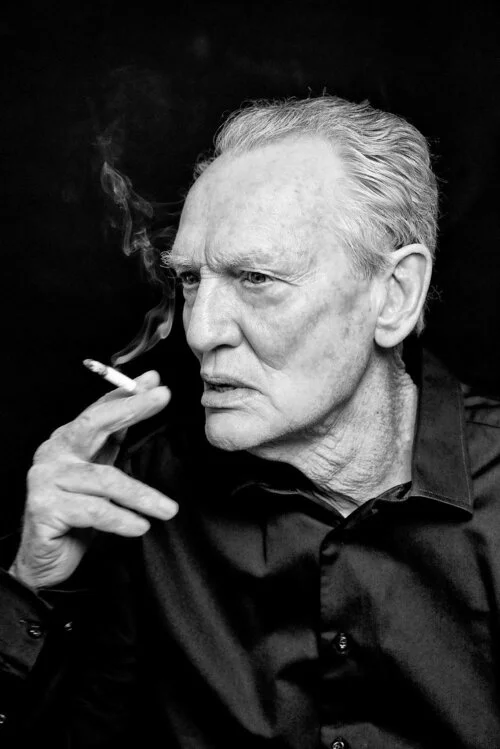
PHOTO CREDIT: Frank Ockenfels 

Paul Simon at Seventy-Eight: The Ultimate Playlist

__________

TODAY is National Album Day…

IN THIS PHOTO: Paul Simon and Art Garfunkel/PHOTO CREDIT: Getty Images

and many people are explaining which albums mean the most to them. As the theme of this year’s National Album Day is ‘don’t skip’, I have been listening a lot to an album that I cannot skip through: Paul Simon’s Graceland. It is one of the finest albums ever and one that, every time I listen to it, brings something new and wonderful. Look back at Paul Simon’s solo career and work with Art Garfunkel and you are staggered by his genius! He is seventy-eight tomorrow and, to mark that, I have compiled a playlist that spans his entire career (his last album was 2018’s In the Blue Light; ten Paul Simon originals reworked by the master). Before then, I want to bring in an interview from late last year, where Simon was asked about his back catalogue and his legacy:

With his most recent and possibly last album, "In the Blue Light," he has dusted off some of his back catalog, rearranging and revising some of his favorite songs.

"These are songs that I thought were well written -- good songs that were overlooked, or people didn't notice them when I put them out," he said.

If this indeed proves to be his last album, Simon considers that very much his own choice.

"It's not like I couldn't do another album now at the same qualitative level as I've done the last two or three albums -- which I think are as good as I can do, as I've ever been. I think I could do that, but I'm not sure that's the most interesting choice for me."

So, what of his musical legacy? It's an inheritance he's more reluctant to assess.

"I don't believe in legacy," he told Amanpour. "I don't believe that there's any importance to it.

"I've already left a great deal of my thinking. I just turned 77, so I've already left my thinking through these songs -- some of which are very, very well-known -- so it's good to stop and see what else will I think of. Or maybe I won't. Maybe I'll just take a rest".

Not only does it now seem that Simon has no plans to record music, we will not see the man tour again - he has not completely ruled out doing the odd performance, perhaps. Although he embarked on a farewell tour last year, I think has done one or two dates since then. When reviewing his ‘farewell’ show at Flushing Meadows Corona Park in Queens, NME quoted Paul Simon – he explained his reasoning behind the location:

Explaining the reason behind his decision to play his final concert in Flushing, Simon said: “It feels more like fate than coincidence that I should do the final show on the final tour at Flushing Meadows Corona Park.”

He added: “I could have ridden my bike from home to the park in about 20 minutes when I was a kid. But this is less a goodbye than a farewell. Thank you all for the ride, I had a great time”.

It seems hard to accept we will not see him play and record anymore but, when one considers his music, just look at what he has given the world! From his early days in Simon & Garfunkel to his varied solo albums, there is no other songwriter like him! As we say happy birthday to the New Jersey-born legend, use the chance to play his music and experience Simon in all his glory. To experience his music is to immerse yourself in something safe, fantastic and utterly moving. When I listen to a Paul Simon song, I open my mind, close my eyes and…


FOLLOW wherever he goes.
FEATURE: Modern Heroines: Part Four: Kate Tempest

FEATURE:


Modern Heroines

ass.jpg

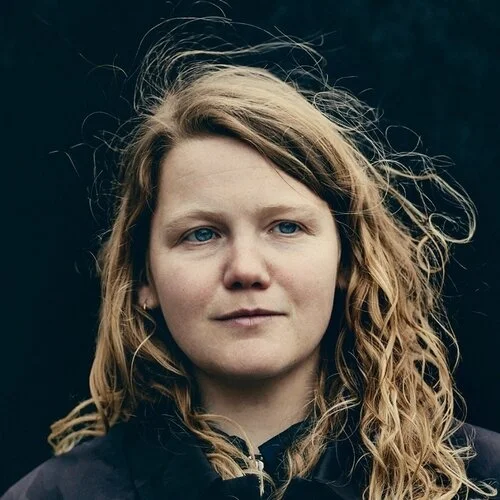
PHOTO CREDIT: Kate Tempest 

Part Four: Kate Tempest

__________

THERE are some big gigs coming up…

iuiu.jpg

 PHOTO CREDIT: Getty Images

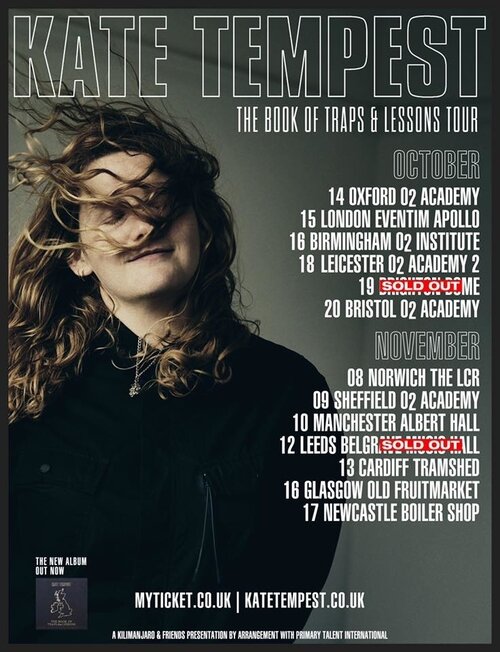
and Kate Tempest plays London’s Eventim Apollo on Tuesday (15th October). It is small wonder she is in demand and is playing some truly huge venues! Tempest has worked hard and paid her dues in music. From the promising artist who brought us her first solo album, Everybody Down, to the creator of one of this year’s best albums, The Book of Traps and Lessons – there is nobody as honest and striking as Kate Tempest. I will look back at her previous work but, before moving on, one needs to address The Book of Traps and Lessons in the context of a pre-Brexit Britain. The album explores a number of subjects, but there is this feeling of being able to get through to the other side of a bleak and unsure time. I think Tempest’s current album is her most stirring yet and there is plenty of hope to be found. When she was speaking with Lauren Laverne last week, she was asked whether she has hope; if she can see hope. There was a slight side-step of the question, yet Tempest explained how music gave her clarity and hope – maybe other things are not giving her strength and positivity. It is clear other people have got a lot from The Book of Traps and Lessons. It has deeply romantic and tender moments but, whereas previous albums have had effects and been quite busy…this album is sparser and more direct.

The reviews have been wonderfully positive. Here is how The Guardian assessed the album:

Super-producer Rick Rubin brings a new restraint to Tempest. From the beginning of the record, the music is peeled away like orange skin, leaving a spine-chilling a capella at its centre. All Humans Too Late features Tempest’s voice alone, her stark vocal mirroring her poetic theme of isolation; humans separating themselves, not saying hello on the train platform, yelling at each other on the internet. She reckons with the crisis that humanity as a whole is facing right now (“We’re dead – all of me knows it”), reels at the magnitude of it, expresses wonder that we’re not grieving this emergency.

By the following track, Hold Your Own, simple synth chords bolster Tempest as she leans forward into a shaft of light, a new sense of optimism. Her manifesto demands that the listener stop chasing capitalist fantasies – “this whole thing thrives on us feeling incomplete” – and look for the warmth in each other instead. This energy builds towards Firesmoke, a campfire love song that reduces the rest of the world to “ripples in the middle distance” in comparison to the sight of a lover, dancing. “There is something in this tenderness that makes me want to live.” This record is a living poem that captures the angry tension of being alive in 2019: trying not to look directly at the oncoming crises, trying to love and give and dance in the midst of firesmoke”.

It is clear the introduction of Rick Rubin as producer has brought new life and nuance from Tempest’s work. I think Tempest is looking around her and trying to make sense of what is happening. I will look back in a bit but, before then, I want to bring in an interview where Tempest talked more about the album and how there are a lot of positives. Take songs like People’s Faces and there is that simple message: there is beauty in the faces of people. When speaking with Pop Matters, Tempest talked about The Book of Traps and Lessons’ aims:

"It's about me trying to reconcile the ability to spot these negative behaviors with the ability to actually change them," Tempest says, "I'm telling myself not to live in such an obsessive, consumptive, damaging way."

The album, even with Tempest's steady stream-of-consciousness and sparse instrumental elements, hints at the trouble brewing in the recesses of one's mind. Such turmoil results in real-world consequences: "But total existence needs meaning and myth / Many misjudged the way and got lost in the mist / Your loneliness is the symptom, not the sickness."

"It's basically a daily thing in my life being blown away by how beautiful people are," Tempest admits. "There's something beautiful about sharing that, much more so than saying 'Europe is lost'"

I think there are few out there who can describe the collective feeling more succinctly and powerfully than Kate Tempest. She has a way of being able to take observations we all experience and elevate the words to poetic levels. It is no surprise considering Tempest is a poet and playwright someone who has that love and understanding of language and how to get the most from it. Even though a lot of people are turning on to Tempest for the first time in 2019, she has been making music for a very long time. As she explained in this interview with The Line of Best Fit, it is her passion and quest:

"I was always making music, I just couldn't get anyone to put it out. I couldn't get a record deal and I think that I took a break from pushing all my energies into making music and doing more spoken word stuff because I was getting booked for gigs. Essentially,” Tempest says, “it was that simple. I started getting all these bookings as a poet and they would be like fifty quid which, for me, at that time, was a huge amount of money to get for a performance."

“So, I worked it out that if I did three shows in a weekend, plus doing work in schools; if I could get two or three work shop days in a month and do two or three gigs each weekend, not only could I have my rent covered but I could also chip in to pay for a little bit of studio time with my band so we could keep our demos ticking over.”

sssss.jpg

PHOTO CREDIT: Jenna Foxton for Loud and Quiet 

Tempest has done her due diligence in the music world and beyond. Her first job was in a Lewisham record shop. She's also worked for charities and in schools. When she decided to transition to writing full time, she navigated her way through the opportunities that were available to her. One of those opportunities was writing poetry for a Deptford-based poetry organisation, Apples and Snakes. "It's like my local neighbourhood theatre and is just down the road from where I grew up."

Doing gigs there opened up Tempest's path to further opportunities such as writing for children's charity Barnardo's and some work, here and there, for the Royal Shakespeare Company. "For that Barnardo's thing," she says, "I was given a load of transcripts of young people and teenagers being interviewed about their life experiences and I was asked to kind of respond to that using these transcripts."

This shit was useful for me, because not only is this my deep inspiration and my calling and my vocation; this is also something I want to get better at. This is a craft and I had to do my apprenticeship".

I will discuss Tempest’s poetry and literature but, when looking at her latest masterpiece, one needs to head back and see where she started. Although Tempest was making music with her band, Sound of Rum, her first solo album, Everybody Down in 2014, is when she really broke through. With her friend and producer, Dan Carey, Tempest created this album that is familiar and accessible yet could only come from the mind of Tempest.

She announced herself as one of the most important British artists around and, even as far back as 2014, I knew she would go on to greatness. Some might say her best days are still ahead and, whilst that is true, Tempest played Glastonbury this year and, as I said, she plays Hammersmith on 15th of this month. Everybody Down definitely captured a mood back in 2014. In their review, AllMusic had this to say:

Falling somewhere between John Cooper Clarke and Scroobius Pip, or the Streets and Samuel Beckett, London's Kate Tempest is a poet/rapper, and the real deal on both sides of that slash. Everybody Down, her debut album for the Big Dada label, could be considered performance poetry -- just like her piece Brand New Ancients, which was performed with orchestral backing at London's Battersea Arts Centre and won the Ted Hughes Award for innovation in poetry that same year -- but the music from Dan Carey is beat-driven, street stuff, plus if the urban characters that wind in and out of this story aren't wearing hoodies and sneakers, it must because they're taking their weekly bath. That's the problem with the aptly titled Everybody Down, as this concept LP deals with three characters who are so lonely, they've become spiteful, sullen, snide, and self-destructive while only speaking of hope as something encountered in dreams.

It's a drab palette with the only wash of color being how skillfully Tempest paints the picture. Besides, it's easy to slide into unattractiveness when your ex-convict uncle comes around and gives a look that says not "I love you" but "This is business and you should go" ("To the Victor the Spoils"), and while Brand New Ancients had its share of phoenixes, this one is all about the ashes. Even if Everybody Down is all thrills, pills, and bellyaches, and mostly the last, Tempest is only 27 and already dealing in pop music as high art. Forgive her for not raging against the darkness, and then delight in how she sings the fallen and forgotten's song so well”.

It is amazing looking back on that album and hearing how ready and alive Tempest was. There are few debuts that sound as complete and authoritative as Everybody Down. I love the fact that (the album) has this narrative arc and we look at the lives of three people, Becky, Harry and Pete. In this interview with The Guardian, Tempest talked about the concept of Everybody Down, working with Dan Carey and whether she thinks of herself as a poet:

It was always really strange,” she says. “I never thought of myself as a poet. It just happened that I was doing more poetry gigs than other gigs. The same lyric that I could do with my band [the trio Sound of Rum], I could do without music and people would listen in a different way.”

She says the great thing about not making her solo debut album earlier (though she released one with Sound of Rum in 2011) is that only now does she have the narrative chops. When she hooked up with producer Dan Carey, who has worked with Franz Ferdinand and Bat for Lashes, she had the stamina and experience to tell the story of three struggling twentysomethings, Becky, Harry and Pete, over 10 riveting songs. “I think it could only have been made at that time in my life,” she says. “My whole brain had changed.”

The recording was interrupted by Carey’s other commitments, giving Tempest time to flesh out the trio’s lives in such detail that the challenge became what to leave out: the first draft of the four-minute Lonely Daze was three times as long. Some of that additional information will appear in her debut novel, The Bricks That Built the Houses, which picks up just after Everybody Down’s thrilling finale. (This might be the first album since the Streets’ A Grand Don’t Come for Free that requires spoiler warnings.)

She calls the album “fiction that comes from a very real place”. The characters live in her neighbourhood and face the obstacles her friends face. She designed the choruses to connect with listeners who weren’t following the complicated story. “It’s kind of a relief when you stop the narrative for a minute,” she says. “Thank God for that! I know that it’s quite a demanding listen, the album, so I’m amazed how well it’s done.”

She says the album’s key theme, “constructing a selfhood that you can be proud of”, also informs Hold Your Own: “acknowledging all the selves that you’ve been and want to become. I’m desperate to articulate how important it is to know your space and fill it”.

I guess, if one was to notice a change from her debut to where we are now, perhaps there is less fiction; Tempest is writing from a more personal place; perhaps more political. Although she is writing about everyday people, The Book of Traps and Lessons seems more direct and broader than an album like Everybody Down – which, I maintain, is one of the best debuts of the last decade.

In terms of progression and leaps, 2016’s Let Them Eat Chaos took Tempest to a new level! It is a staggering album and, again, looks at modern Britain in a way we can all relate to. Kate Tempest is one of these artists who never holds back when it comes to the truth; her words explode and challenge the senses, yet there is such warmth and hope in everything she pens. With every release, one can hear that confidence and passion grow. Let Them Eat Chaos was another big success and received a raft of love and support. In this review, DIY highlights Tempest’s incredible lyrical voice:

Like ‘Everybody Down,’ ‘Let Them Eat Chaos’ presents an extended, narrative-driven polemic on modern Britain. This time, though, Tempest sounds even angrier and more confrontational, injecting the delivery of her words with a particularly poisonous venom. Producer Dan Carey also helps to create a haunting, downbeat trip-hop inspired landscape. For instance: The chiming bells on opener ‘Picture A Vacuum’ warp into unrecognisable, pulsating drones, letting you know there’s little joy to be found beyond.

There is, however, immense enjoyment to be had in listening to Tempest’s lyrics. She’s perfected the art of setting the scene, mentioning little details like the “black gatepost with the concrete frog” in ‘Ketamine For Breakfast,’ or the “boarded up independent record store” in ‘Pictures On A Screen’ that bring her visions to life. Alongside this minutiae, she deftly eviscerates everything that’s bringing the country down. Whether it’s the gradual gentrification of London on ‘Perfect Coffee’ (“since when was this a winery? / It used to be a bingo”) or the apathy of the general public on ‘Don’t Fall In’ (“all the half-hearted, half-formed, fast-walking half-fury”), nothing is safe from her crosshairs. On the incendiary ‘Europe Is Lost’ there’s even a reference to #piggate, pointing out the hypocrisy that “they fuck the heads of dead pigs/ But the hoodie with the spliff/ Jail him he’s the criminal”.

I think one reason why Kate Tempest gets to the heart and hits the mark is because of that honesty. She does not romanticise modern life and cities like London. She holds a lot of faith when it comes to people, but Let Them Eat Chaos is a truly eye-opening experience. I will round things off by looking at Tempest’s literature and plays but, regarding her second album, there is that sense of hope and the fact that things can move on. Tempest never writes in a pessimistic and downbeat way: her music is there to illustrate reality but say that, if we pull together and show more respect, things can improve. In this 2017 interview with The Guardian, Tempest was asked about Let Them Eat Chaos and its themes:

Neither London nor the world come out of Let Them Eat Chaos looking good. For all its compassion, it’s a thoroughly damning indictment of modern life from root to branch. “Carcinogenic, diabetic, asthmatic, epileptic, post-traumatic, bipolar and disaffected,” she raps on the punitive Europe is Lost. “Atomised, thinking we’re engaged when we’re pacified/ Staring at the screen so we don’t have to see the planet die.” Britain, she adds, is “the land where nobody gives a fuck”.

When the album came out last October, many listeners assumed Europe is Lost referred to Brexit, but she’d written these songs months earlier.

“You might think it’s about that and it probably is, but it’s not a response to that,” she says. “It’s a response to some of the things that gave rise to that. This particular moment in history has not just fallen on us out of nowhere and if you feel this is a particularly dread time, then you’re late. You weren’t looking.”

I wonder where, in the bleak, broken terrain of Let Them Eat Chaos, she locates a glimmer of optimism?

“The whole thing is an exercise in optimism, because it’s a creative act,” she says. “The thing that drives you might be painful, but the minute it becomes a creative act, it becomes about love. It’s such a beautiful and generous practice to be able to write or perform. It’s just pure love”.

There is, as I said, much more to Kate Tempest than the music itself. From poetry/story collections such as Everything Speaks in Its Own Way (2012) to plays Glasshouse (2014) and Hopelessly Devoted (2014), Tempest is a true Renaissance figure and multi-talented figure who is not only among the best writers of this generation; she is inspiring artists, poets and playwrights all around the world.  There is no telling just how far she can go but, judging by the tour dates and popularity at her feet, she has little time to rest! I think Tempest will be an icon of the future; one of these legendary artists who headlines festivals and is talked about years from now. The Book of Traps and Lessons is proof Kate Tempest is a sensational talent and someone who speaks harder, more truthfully and beautifully than any politicians around. There is, in her music, wisdom and guidance; there is stark reality but there is hope and celebration. Kate Tempest is, in essence, just what we…

 IMAGE CREDIT: Kate Tempest

ALL need right now.

FEATURE: Brexit Wounds: What Is the Fate of Touring Musicians and Live Music in Europe After 31st October?

FEATURE:


Brexit Wounds

l.jpg

PHOTO CREDIT: @vishnurnair/Unsplash 

What Is the Fate of Touring Musicians and Live Music in Europe After 31st October?

__________

A lot of things are uncertain regarding…

ddddd.jpg

 PHOTO CREDIT: @vishnurnair/Unsplash

Brexit and what will happen. I think there are going to be definite problems regarding trade, commerce and jobs. It is all a bit unclear but, as our Government plough on and make an increasing mess of things, it does seem like we are going to feel the effect across the board. In terms of music, there is a strong relationship between the U.K. and Europe. Not only do we employ and utilise the talents of musicians from across the E.U., but artists rely on gigs and venues. The full impact is not clear, but artists I know are not booking gigs in Europe because they are not sure what will happen when Brexit is implemented on 31st October. On this ironically ghoulish date, we are taking a huge step, and I do not think Prime Minister Boris Johnson and his peers have considered the music industry and the impact leaving the E.U. will have. Obviously, travel will not be as smooth and there will be new visa and work restrictions. In essence, a lot of artists are worried because they feel they are not going to be able to play in Europe locations or they feel there will be too many borders and problems at hand. In this article, The Guardian explain more and outline how a no-deal Brexit will be especially punishing:

 “Music industry figures have said a no-deal Brexit would make touring “simply unviable for many artists”, after new government guidelines for cultural, heritage and sporting professionals touring Europe signalled a difficult future for DIY organisations.

The document from the Department for Digital, Culture, Media and Sport indicates touring parties would face extra issues with documentation, travel and the transport and sale of goods as they take their work to individual EU member states.

xxxx.jpg

PHOTO CREDIT: @anniespratt/Unsplash 

The chief executive of UK Music, Michael Dugher, told the Guardian: “Superstars who make millions and book their tours months if not years in advance are very much the exception. Most artists operate on tiny margins and the prospect of extra cost and bureaucracy would kill their ability to tour, develop their talent and build their fanbase.”

Dugher said British artists were already cancelling European tours and promoters were withdrawing planned investment. In September the British musician Imogen Heap announced she was cancelling her upcoming European tour, which was due to start in early November, citing “the extreme uncertainties of travelling throughout the EU so soon after Brexit has happened”.

Rob Challice, an agent at the music touring agency Paradigm, said he doubted the British touring industry was “anywhere near” ready for a no-deal Brexit. “The relevant information is generally unclear because it is dependent on information from other countries that is subject to change on 1 November.”

Challice expressed further concern about the need for ATA carnets to transport equipment. “It’s a complicated piece of paperwork and it does cost money to process. Furthermore, there’s no guarantee that the UK/EU ‘border’ will be set up to stamp them accordingly”.

At the moment, there is still not a clear deal and, if we do eventually leave without a defined deal, this will make touring hard or impossible for a lot of artists. Even if some sort of compromise is brokered, there is no guarantee that musicians who are used to playing in Europe and working with European artists and promoters will have the same security and opportunities.

cc.jpg

 PHOTO CREDIT: @marvelous/Unsplash

There are festivals and venues around Europe that will not be able to survive and flourish without British artists. Many have reassured artists they will supported, but it is evident – regardless of what deal, if any, we get before departing the E.U. – there will be tribulations and issues for artists and fans alike. This article details the various problems that may arise and why, for live music, Brexit will have some negative impact:

Brexit’s greatest impact on music, though, looks likely to be on the live sector, both on British musicians going abroad, and on foreign artists and fans travelling to the UK. Take the carnet system. This allows people travelling on business to take merchandise from one country to another, where freedom of movement and goods does not apply – as it may well not for British artists travelling to Europe, post-Brexit. A carnet currently costs £325.96, but that’s not the end of it: it requires the holder to list everything they take into a country. For a touring artist that covers every guitar string, every drumstick, every cable, every T-shirt, every button badge. That has to be checked by customs officials on the way in, and then the same thing happens on the way out. It’s not just money, it’s time – which on tours run on shoestring budgets is another cost.

As well as carnets, musicians will need visas, too. The industry has been calling for special musicians’ visas, but there’s been no response from government. That despite the UK music industry being a multi-billion pound business (and despite the government’s own boasts last year of the creative industries being worth £101.5bn).

PHOTO CREDIT: @randomlies/Unsplash 

The visa issue will have a huge impact, warns Sammy Andrews, the founder of the industry group Music4EU. “We are about to suffer heavy losses for work for our UK road crew and engineers,” she says. “The people that make shows possible. Our lighting technicians, the sound engineers, guitar technicians, drum technicians, the roadies and the tour managers. Having to get extra visas for them means for certain that many bands will use local crews and not employ people from the UK for those roles, and this could have a devastating impact on that community. We know this for sure because it happens already for exactly those reasons outside of the EU”.

It is not only U.K. fans and artists going to Europe that might experience some restrictions and drawbacks: What are the repercussions of the Brexit regarding E.U. musicians hoping to play in this country? This BBC article tackles that question:

Some of these issues could also affect foreign musicians trying to make a name for themselves in the UK.

Pavvla, a singer-songwriter from Barcelona who has played shows all over Europe, says: "Spotify UK put my songs in loads of playlists so I played a few London shows this Christmas."

"The next few times we go there [the UK] it will be for a small crowd.

"At least for Spain, the British industry is something people really look up to, it's a massive influence. I still want to give it a go."

3433.jpg

PHOTO CREDIT: @matthewkalapuch/Unsplash 

British music fans heading to festivals around Europe shouldn't be too concerned about a sudden lack of British names on the bill.

Primavera's co-organiser Alfonso Lanza adds: "It was a concern when the Brexit result came in.

"But we're in touch with the UK on a nearly daily basis. I don't know how it will raise the prices of production just yet.

"Even if that happens we'll go over it though. We can't do this festival without UK bands and fans".

It doesn’t matter if we get a deal or not by 31st October in regards the future status of the live music industry. Separating ourselves from the E.U., of course, if there is this No Deal outcome, it will be even more bleak. Kerrang! have written about the situation right now and how musicians’ lives will be changed; how underground artists might be affected:

 “The UK is a hotbed for live music and creativity, it’s been the driving force in rock and pop music from the start and a No Deal scenario dangerously threatens its future. Sure, you’ll still have all the manufactured pop you could ever want, but music isn’t born at the top. Music starts from the underground and if new UK bands can’t afford to take their music overseas and grow, they will die. Similarly, our live scene is very much populated with European bands, and if they decide to not play in the UK as it’s not cost effective, we could end up with vacuum in our venues.

aaaa.jpg

PHOTO CREDIT: @theunsteady5/Unsplash 

We have no idea what will happen after October 31. Whether you’re a musician or a fan, something we hold dear to us is in the hands of the UK government. Whether it’s voting, protesting, or simply having an opinion on the subject in a chat with your mates, please take on board the threat that cutting ties with the EU carries for music. Let’s also cross our fingers and toes in hope that the UK can continue to inspire and be inspired; and that today’s divisive politics don’t damage this wonderful utopia of music that we all love so dearly”.

There is a lot of talk in the media about the affect of Brexit, No Deal or otherwise, on commerce, Industry and financial security. It is clear that there will be this very difficult transition period, and I don’t think many people feel Brexit will be smooth and leave us in a better position than we are now. For artists and music fans, they are going to be hit. There are articles available that state that, even if we get a good deal, travel between borders will be difficult; the process of performing in Europe and getting a visa will be more tricky. If the Government continues to turn a blind eye to the music industry and how it will be affected post-Brexit, then it would leave a lot of artists vulnerable and anxious. And that, when we need the buzz and uplift of live music now more than ever, would have…

b.png

  PHOTO CREDIT: @firmbee/Unsplash

SOME big repercussions!

FEATURE: Sisters in Arms: An All-Female, Autumn-Ready Playlist (Vol. III)

FEATURE:


Sisters in Arms

xxxxxx.jpg

IN THIS PHOTO: POLIÇA 

An All-Female, Autumn-Ready Playlist (Vol. III)

__________

AS today is National Album Day…

IN THIS PHOTO: Lil’ Kim 

a lot of people are digging into records that mean a lot to them. I think today is a perfect occasion to celebrate all music and, as we look to the past and some of the albums that shaped us, I am looking at the present best artists. In terms of the music being made by women, there is so much variation, wonder and strength. I do think we often associate music made by women as being a genre. There are still people who write off female artists and I feel, as this year has been so incredible, we cannot keep thinking that way. I feel the best music right now is coming from female artists and, as you can see from the playlist below, each week brings us fresh jewels and wonderful treats. Have a listen to the tracks and I know there is going to be a lot in there that catches the eye. We might be near the end of the year but, when we consider the music being made by female artists, it seems like there is no end in sight regarding…

WSSS.jpg

 IN THIS PHOTO: FKA twigs

TRULY wonderful tunes.

ALL PHOTOS (unless credited otherwise): Getty Images/Artists

____________

olol.jpg

 PHOTO CREDIT: Melanie Hyams

Drug Store RomeosNow You’re Moving

Phoebe CocoSycamore Trees

Bishop BriggsJEKYLL & HIDE 

3232.jpg

GeowulfMy Resignation

FKA twigshome with you

POLIÇA Driving

Hayley Kiyoko - Demons

Sharna BassWorth It

8.jpg

Jenifer (ft. Kylie Minogue) - On oublie le reste

Mary Komasa - Palermo

Nilüfer YanyaH34T RISES

jjjj.jpg

Kara MarniLose My Love

dddd.jpg

JoJoJoanna

Winona OakLet Me Know

bbb.jpg

PHOTO CREDIT: Mikey Buishas

Big ThiefThose Girls

Chloe LilacSpecial

EEE.jpg

Miranda LambertTequila Does

2222.jpg

MisterWiveswhywhywhy

Self EsteemRooms (Bonus Track)

Noémie WolfsOn the Run

Julien BakerTokyo

PHOTO CREDIT: Michael Antonio

Lil’ Kim Jet Fuel

88.jpg

FantasiaBad Girl

BENEEFind an Island

4333.jpg

PHOTO CREDIT: Erika War

LIZ LOKRENo Doubt

StarleyLovers + Strangers

Brooke BenthamAll My Friends Are Drunk

FEATURE: The October Playlist: Vol. 2: Two Hands for Big Thief, Two Thumbs Up for Kim Gordon

FEATURE:


The October Playlist

IN THIS PHOTO: Big Thief/PHOTO CREDIT: Dustin Condren

Vol. 2: Two Hands for Big Thief, Two Thumbs Up for Kim Gordon

___________

THIS week is a big one…

 IN THIS PHOTO: FKA twigs

where there are some wonderful artists putting out music. Not only have Elbow got a new album out, Giants of All Sizes, but there is material from Big Thief, Self Esteem; FKA twigs and Poliça. In addition to that, we have new stuff from Cigarettes After Sex and the legendary Kim Gordon. I am especially excited to see new material from Kim Gordon who has brought out the album, No Home Record. It is looking like one of the best albums of the year so far and is a typically assured and stunning offering. It is a busy and varied week with plenty of gold and underrated gems. Make sure you get involved and have a listen to the intriguing and busy playlist. To start off your weekend, I have the tunes that will…

 IN THIS PHOTO: Kim Gordon/PHOTO CREDIT: Natalia Mantini

SET you on your way!  

ALL PHOTOS/IMAGES (unless credited otherwise): Getty Images/Artists

_________

 PHOTO CREDIT: Sebastian Kim

Kim Gordon Hungry Baby

Big ThiefShoulders

PHOTO CREDIT: Peter Neill

Elbow Doldrums

FKA twigs Home with You

PHOTO CREDIT: Howard Wise

Moon Duo Lost Heads 

Cigarettes After Sex Falling in Love

Poliça - Driving

PHOTO CREDIT: Laura McCluskey

Girl Ray Girl

QQ.jpg

PHOTO CREDIT: Elizabeth Weinberg 

Liz Phair Good Side

Panda Bear - playing the long game

PHOTO CREDIT: Olivia Rose

Michael Kiwanuka Hero

PHOTO CREDIT: Mathew Parri Thomas

Self Esteem Rooms

Harry Styles Lights Up

Bodega Knife on the Platter

Lil’ Kim You Are Not Alone

887.jpg

Caribou Home

Psychedelic Porn CrumpetsMundungus

ddd.jpg

PHOTO CREDIT: Fryd Frydendahl

MØ (ft. Empress Of) - Red Wine 

Bishop Briggs - JEKYLL & HIDE

Green Day - Fire, Ready, Aim

Nilüfer Yanya H34T RISES

Hayley Kiyoko - Demons

Jenifer (ft. Kylie Minogue) - On oublie le reste

FantasiaBad Girl

WaterparksWatch What Happens Next

lo.jpg

BENEEFind an Island

Gerry CinnamonSun Queen

Luke CombsWhat You See Is What You Get

Kara Marni Caught up

oo.jpg

Cream with a K Saving Face

DIIV Skin Game

PHOTO CREDIT: Daniel Stark

The Pale WhiteSwim for Your Life

FEATURE: National Album Day: Which Albums Will You Play?

FEATURE:


National Album Day

PHOTO CREDIT: @danedeaner/Unsplash

Which Albums Will You Play?

__________

TOMORROW

National Album Day rolls around again. There are cynics that ask what the point of the day is. After all, should we dedicate a day to albums? Wouldn’t it be best if we celebrate albums all year round instead? There is a case regarding the perennial nature of album, yet I think most of us sort of skip through tracks and it is quite rare we appreciate the fullness of records. Consider how many of us still buy vinyl. I think there are a lot of people who buy vinyl and never play them; maybe they do not investigate the material as much as possible, so it means you have all these records piling up. We do not buy C.D.s as much as we did and, when it comes to streaming, I do think most of us are handpicking tracks and not really digging that deep. I know there are people who still play albums in full but, on Saturday, make sure you dedicate some time to listen to at least one album in full. The theme of this year’s National Album Day is ‘don’t skip’; albums you listen to without missing a track. I will end this feature by mentioning five albums I will be playing on Saturday and one of them, Graceland by Paul Simon, is one I listen to without missing a beat. There are lots of great events happening to celebrate National Album Day, and I encourage you to do what you can. Whether it is something as simple as streaming an album or buying that vinyl you have always wanted. I have set aside five albums to play on Saturday – details are below – and it will be fun to dig into them. Have a think of the albums you’ll play and, before Saturday, get them set aside and…

 PHOTO CREDIT: @crew/Unsplash

READY for some serious action.

______________

Paul SimonGraceland

8.jpg

Release Date: 25th August, 1986

Producer: Paul Simon

Label: Warner Bros.

Standout Track: Graceland

Buy: https://www.amazon.co.uk/Graceland-VINYL-Paul-Simon/dp/B007P06DJ0/ref=sr_1_1?crid=N69IWLK11E01&keywords=graceland+paul+simon&qid=1570429846&sprefix=graceland+%2Caps%2C141&sr=8-1

Stream: https://open.spotify.com/album/6WgGWYw6XXQyLTsWt7tXky?si=qBG5C6ndQMG-4QQIDaGllw

Review:

With Graceland, Paul Simon hit on the idea of combining his always perceptive songwriting with the little-heard mbaqanga music of South Africa, creating a fascinating hybrid that re-enchanted his old audience and earned him a new one. It is true that the South African angle (including its controversial aspect during the apartheid days) was a powerful marketing tool and that the catchy music succeeded in presenting listeners with that magical combination: something they'd never heard before that nevertheless sounded familiar. As eclectic as any record Simon had made, it also delved into zydeco and conjunto-flavored rock & roll while marking a surprising new lyrical approach (presaged on some songs on Hearts and Bones); for the most part, Simon abandoned a linear, narrative approach to his words, instead drawing highly poetic ("Diamonds on the Soles of Her Shoes"), abstract ("The Boy in the Bubble"), and satiric ("I Know What I Know") portraits of modern life, often charged by striking images and turns of phrase torn from the headlines or overheard in contemporary speech. An enormously successful record, Graceland became the standard against which subsequent musical experiments by major artists were measured” – AllMusic

Amy WinehouseFrank

Release Date: 20th October, 2003

Producers: Commissioner Gordon/Jimmy Hogarth/Salaam Remi/Jony Rockstar/Matt Rowe/Amy Winehouse

Label: Island

Standout Track: In My Bed

Buy: https://www.amazon.co.uk/Frank-VINYL-Amy-Winehouse/dp/B001AR0DS6/ref=sr_1_1?keywords=amy+winehouse+frank&qid=1570430137&sr=8-1

Stream: https://open.spotify.com/album/3kGbxqlVl3LqjifxlubtcT?si=ogXJF1L7SY2v7hN9cXd0Sw

Review:

Winehouse sounds as if she has performed a thousand times in smoky jazz clubs. So it comes as some surprise to learn that she is just 19 and was raised in north London.

Sitting somewhere between Nina Simone and Erykah Badu, Winehouse's sound is at once innocent and sleazy. She claims that she can only write about what she has already learned, but she makes some starkly candid and humorous social observations on the fun-poking Fuck Me Pumps and the brazen single, Stronger Than Me.

Standout track Take the Box is a stunningly soulful tale of returning an ex-lover's possessions and You Send Me Flying does just that, thanks to a colossal vocal talent.

October Song, meanwhile, forges uplifting jazz out of the death of a pet canary. There are contradictions - but it's hard not to hear the honesty and soul that resonates throughout this album” – The Guardian

The BeatlesMagical Mystery Tour

yh.jpg

Release Date: 8th December, 1967 (U.K.)

Producer: George Martin

Labels: Parlophone (U.K.)/Capitol (U.S.)

Standout Track: I Am the Walrus

Buy: https://www.amazon.co.uk/Magical-Mystery-Tour-VINYL-Beatles/dp/B0041KVWI4/ref=sr_1_1?crid=3RBV7NRI4BNQC&keywords=the+beatles+magical+mystery+tour+vinyl&qid=1570430448&sprefix=the+beatles+magical%2Caps%2C155&sr=8-1

Stream: https://open.spotify.com/album/2BtE7qm1qzM80p9vLSiXkj?si=6WQgnFoTSLifK8elCpSEPw

Review:

Of the three singles, the undisputed highlight is "Strawberry Fields Forever"/ "Penny Lane", John Lennon and Paul McCartney's tributes to their hometown, Liverpool. Slyly surreal, assisted by studio experimentation but not in debt to it, full of brass, harmonium, and strings, unmistakably English-- when critics call eccentric or baroque UK pop bands "Beatlesesque," this is the closest there is to a root for that adjective. There is no definitive Beatles sound, of course, but with a band that now functions as much as a common, multi-generational language as a group of musicians, it's no surprise that songs rooted in childhood-- the one experience most likely to seem shared and have common touchpoints-- are among their most universally beloved.

The rest of the singles collected here are no less familiar: Lennon's "All You Need Is Love" was initially completed up for an international TV special on BBC1-- its basic message was meant to translate to any language. Harrison's guitar solo, producer George Martin's strings, and the parade of intertextual musical references that start and close the piece elevate it above hippie hymn. Its flipside, "Baby You're a Rich Man", is less successful, a second-rate take on John Lennon's money-isn't-everything theme from the considerably stronger "And Your Bird Can Sing". It's the one lesser moment on an otherwise massively rewarding compilation” – Pitchfork

Kate BushNever for Ever

ddd.jpg

Release Date: 7th September, 1980

Producers: Kate Bush/Jon Kelly

Labels: EMI (U.K.)/EMI America (U.S.)

Standout Track: Babooshka

Buy: https://www.amazon.co.uk/Never-Ever-2018-Remaster-VINYL/dp/B07HQ7HW19/ref=sr_1_1?crid=XM8S1621AX75&keywords=kate+bush+never+forever&qid=1570430666&sprefix=kate+bush+never+%2Caps%2C159&sr=8-1

Stream: https://open.spotify.com/album/4MYtX4Kta7FL4NVUE0FYws?si=Mvfz8bUwRLaECwLg3ot-sQ

Review:

Never for Ever has Kate Bush sounding vocally stable and more confident, taking what she had put into her debut single "Wuthering Heights" from 1978 and administering those facets into most of the album's content. Never for Ever went to number one in the U.K., on the strength of three singles that made her country's Top 20. Both "Breathing" and "Army Dreamers" went to number 16, while "Babooshka" was her first Top Five single since "Wuthering Heights." Bush's dramatics and theatrical approach to singing begin to solidify on Never for Ever, and her style brandishes avid seriousness without sounding flighty or absurd. "Breathing," about the repercussions of nuclear war, conveys enough passion and vocal curvatures to make her concern sound convincing, while "Army Dreamers" bounces her voice up and down without getting out of hand. "Babooshka"'s motherly charm and flexible chorus make it one of her best tracks, proving that she can make the simplest of lyrics work for her through her tailored vocal acrobatics. The rest of the album isn't quite as firm as her singles, but they all sport a more appeasing and accustomed sound than some of her past works, and she does manage to keep her identity and characteristics intact. She bettered this formula for 1985's Hounds of Love, making that album's "Running Up That Hill" her only Top 40 single in the U.S., peaking at number 30” – AllMusic

Steely DanCan’t Buy a Thrill

55.jpg

Release Date: November 1972

Producer: Gary Katz

Label: ABC

Standout Track: Midnite Cruiser

Buy: https://www.discogs.com/Steely-Dan-Cant-Buy-A-Thrill/release/1580493

Stream: https://open.spotify.com/album/4Gh6pRaXqXTtJx4plAJbBw?si=z105nj3HQ5iTAMITHi1rmw

Review:

“Reelin’ in the Years” is a great jam all-around – piano, bass, drums, vocal harmonies and, of course, guitars led by New York session man Elliott Randall – it is a true classic rock classic. This became the second hit song from Can’t Buy a Thrill. Becker’s dryly sarcastic lyrics and thumping bass line made it one the most overtly sharp and heavy tunes in the Steely Dan catalog.

The rest of side two contains lesser known songs which are solid nonetheless. “Fire in the Hole” contains a nice choppy piano by Fagen and pedal steel guitar by Baxter. “Brooklyn (Owes the Charmer Under Me)” is the second song to feature Palmer on lead vocals and should be considered a great soft rock classic with a bouncy bass line by Becker. “Change of the Guard” is another pop-oriented song with great electric piano and a definite late 1970s Billy Joel vibe, while “Turn That Heartbeat Over Again” is like a mini-prog rock song with good extended lead parts and interesting effects. This last song is also notable as one that contains co-lead vocals by Becker, a rarity.

Can’t Buy a Thrill was the first of seven top-notch albums by Steely Dan that extended through the rest of the decade into 1980, the pinnacle being 1977’s Aja. Although the group ceased from touring altogether in 1975, they still produced enough critically acclaimed albums and radio hits to make them one of the top acts of the 1970s” – Classic Rock

FEATURE: Glastonbury 2020: Will It Be the Greatest Music Event of This Generation?

FEATURE:


Glastonbury 2020

9889.jpg

IN THIS PHOTO: Sir Paul McCartney is a favourite to fill one of the headline slots for Glastonbury next year/PHOTO CREDIT: MJ Kim/MPL Communications Ltd.

Will It Be the Greatest Music Event of This Generation?

__________

EVEN though we have just cleaned up…

 IN THIS PHOTO: Taylor Swift is another favourite to take a headline slot in 2020/PHOTO CREDIT: Billy & Hells for TIME

the debris from this year’s Glastonbury, there is a lot of excitement about next year’s event. The grass is starting to recover and Worthy Farm is returning to its normal state. This year’s Glastonbury was, perhaps, the strongest we have seen in a decade. Not only were there great headline sets from The Cure, Stormzy and The Killers; the smaller sets were fantastic and the atmosphere was incredible. It was a year where there was a greater move towards equality. Women were included more and Glastonbury was closer to a fifty-fifty gender split. The line-up was one of the most diverse of recent years and one cannot fault the sense of togetherness, energy and range. In a very difficult year for us all, the weather stayed calm for the revellers and performers. We still have fond memories of this year’s event and, already, tickets have sold out for 2020’s festival. The tickets flew and there were problems with the official website. It is understandable there was such a rush, considering next year will be the fiftieth anniversary of Glastonbury. This article explains the enormity of demand:

Tickets for the 50th year of Glastonbury have sold out in 34 minutes, as a record number of fans tried to secure a ticket for the event at Worthy Farm next June.

Emily Eavis confirmed that a record number of people had registered to be eligible for the sale, which started at 9am on Sunday and was finished in little over 30 minutes. A record 2.4 million people signed up to have a chance of securing a ticket.

“We have now sold out. Thank you all for your incredible, continued support,” she tweeted. “Demand was higher than ever … Bring on 2020!”

The festival confirmed that 135,000 tickets had been sold, with coach packages selling out on Thursday in 27 minutes. The ticket sale was the second fastest in the event’s history, with only the 2014 festival selling out a few minutes more quickly.

Glastonbury’s official Twitter account also confirmed the sellout and confirmed there would be a ticket resale in April – and “details of a special ballot for the sale of 50 pairs of tickets in the coming days”.

No acts have been confirmed for Glastonbury 2020, but the bookmakers’ favourites are Taylor Swift, Fleetwood Mac and Paul McCartney”.

People took to social media to express their delight at getting tickets: others were dismayed they did not get any; the fact there were website problems fuelled that sense of anger. It would have been impossible to please everyone but, with the demand so high, I wonder whether more tickets will go on sale. The excitement is still in the air and, naturally, there is speculation as to which acts headline Glastonbury 2020. The bookies’ favourites at the moment are Taylor Swift, Fleetwood Mac and Paul McCartney. The former is one of the biggest Pop stars at the moment and having two legend acts join her would please pretty much everyone.

This year had Grime artist Stormzy on the bill and, whilst it would be good to have another Rap/Grime artist headline, the fiftieth anniversary means there is stiff competition! One of Glastonbury’s biggest problems is the lack of female headliners. Having someone like Taylor Swift headline would be a rare occasion of a female headliner – long-overdue and, let’s hope, the sign of things to come! I think Emily and Michael Eavis (the festival organisers) have said booking Fleetwood Mac would be too expensive but, as Mick Fleetwood has cheekily suggested they would do it, one feels they would play for a lesser fee; maybe it is just a tactic to put people off of the scent! I do wonder whether there will be room for a fourth headliner or, as it is the fiftieth anniversary, maybe a new stage will be constructed that allows for more legends to play. I think a lot of upcoming artists will feature and, whereas this year saw the bill consist 53% men, I think 2020 will make it a fifty-fifty split at the very least! This year was also diverse and, given the spectacular albums that have arrived from every corner, I think we will see a hugely impressive field in 2020. It is eye-watering considering the artists who will be involved! We will all have our fantasy line-ups, and there is going to be speculation regarding headliners until the official announcement.

 PHOTO CREDIT: @anniespratt/Unsplash

I think it is unlikely the current favourites will remain in place because, between now and the day itself, there will be other artists who are under the spotlight. Not only are the headliners going to be exciting, there will be other events happening around the site. In a normal year, there are different tents, attractions and events. I think the organisers will go all out for the fiftieth and turn Worthy Farm into a Mecca that combines the best new music with some true icons. I wonder whether there will be any sort of museum or monuments that combine all the greatest performances from the past fifty years. Whatever happens, I know Glastonbury 2020 is going to be this once-in-a-lifetime happening. After all the problems with Brexit and the strains we have faced this year, I think next year’s Glastonbury will be the biggest one ever. It will aim itself at providing celebration and escape; of coming together and a look at how the festival has changed since the start. The more one thinks about the possibilities, the more depressing it is realising I (and so many others) have not gotten tickets! This year is one many will want to see the back of. 2020 offers a lot and I do think it will be a new beginning in many ways. Even if you are not a huge fan of Glastonbury, it is impossible ignore the importance of its fiftieth anniversary.

ddd.jpg

 IN THIS PHOTO: Michael Eavis/PHOTO CREDIT: Andrew Firth

If you need a Glastonbury fix between now and its fiftieth anniversary, there is a book coming out on 31st October. Here are the details:

With the venerable Glasto celebrating a half century of mud-soaked musical mayhem next year, Michael and Emily Eavis, the iconic father and daughter team behind the festival, have produced a sumptuous visual history encompassing recollections from legendary artists, and seminal images from rock’s greatest photographers. The definitive companion to a British summertime institution.

Glastonbury 50 is the authorised, behind-the-scenes, inside story of the music festival that has become a true global phenomenon.

The story begins in 1970. The day after Jimi Hendrix's death... dairy farmer Michael Eavis invites revellers to his field in Somerset to attend a 'Pop, Folk & Blues' festival. Tickets are GBP1 each, enticing more than a thousand customers with the promise of music, dance, poetry, theatre, lights and spontaneous entertainment - as well as free milk from his own Worthy Farm cows.

Fast forward through five tumultuous decades and the Eavis's vision now encompasses a gigantic 'city in the fields', with a total annual population nearing a quarter of a million. Tickets sell out within minutes, the show is beamed live to more than 40 countries around the globe, and over 3 million people are registered to attend. Meanwhile, the bill has expanded to include big name performers, artists and designers from every branch of the creative arts. Glastonbury Festival is now the largest outdoor green fields event in the world.

IN THIS PHOTO: Emily Eavis/PHOTO CREDIT: Jason Bryant 

In their own words, Michael and Emily Eavis reveal the stories behind the headlines, and celebrate 50 years of history in the Vale of Avalon. They're joined by a host of big-name contributors from the world of music - among them Adele, JAY-Z, Dolly Parton, Chris Martin, Noel Gallagher, Lars Ulrich and Guy Garvey. They're joined by artists - Stanley Donwood, Kurt Jackson and many more. Writers - Caitlin Moran, Lauren Laverne, Billy Bragg - and by a host of photographers, from Seventies icon Brian Walker to rock and roll legends Jill Furmanovsky and Greg Williams”.

Some might feel it is excessive to call Glastonbury 2020 the biggest and most important musical event of this generation, but I feel there is so much expectation and build. The desire to celebrate and unite will be incredibly strong, and who knows where we will be in a few months’ time after all the Brexit debacle?! There are fears whether artists will be able to travel in Europe and how musicians will be affected. All of this – plus the possibility of the acts who will play – means all eyes will be on Somerset between Wednesday, 24th June to Sunday, 28th June. I cannot wait to see just what is in store. For those lucky enough to attend, it will be a wonderful, you-had-to-be-there-to-believe-it event; the kind that you can only dream about. For those of us who will be watching on T.V., it will still be a defining moment…

 PHOTO CREDIT: @jg/Unsplash

ONE day soon.

FEATURE: Reassume Form: Changing the Way We View Women as the Songwriter’s Muse

FEATURE:


Reassume Form

IN THIS PHOTO: Activist, radio presenter and actor Jameela Jamil not only inspired songs on James Blake’s Assume Form (they are a couple), but she actually worked on it, promoted Blake to tackle the way women are seen merely as ‘muses’ and ‘inspirations’, when they do so much more/PHOTO CREDIT: Getty Images 

Changing the Way We View Women as the Songwriter’s Muse

__________

I saw a feature online…

 IN THIS PHOTO: James Blake/PHOTO CREDIT: Amanda Charchian

that concerns James Blake and his girlfriend Jameela Jamil’s role in his album, Assume Form. He was speaking with Billboard and correcting attitudes when it comes to women and how they are seen as muses and inspirations – and the fact they deserve reappraisal, proper credit and equality. NME reported the story:

James Blake has spoken up for his girlfriend Jameela Jamil’s role in creating his new album ‘Assume Form’.

The producer released his fourth album in January, and has previously played up the Good Place star’s role in the creation of the album.

Now, in response to a new interview by Billboard, he’s clarified her role in creating the album, saying that she (and other female partners of musicians) are often unfairly referred to as a ‘muse’ or merely ‘inspiration’.

“Not just inspired it – she actually worked on it,” Blake clarified while quote-tweeting the Billboard article. “I even said it in the interview, but people focus on ‘inspired’ because the idea of the ‘muse’ is so romantic and pervasive.”

“Women who help their partners with their album, being a sounding board and often their only emotional support during the process, almost invariably go uncredited,” Blake continued, “while majority male producers come in and make a tiny change to a track and they’re Mr. golden balls.

He finished: “Shout out to all the partners who selflessly placated a musician during a very self absorbed process like creating an album, who got the title ‘muse’ afterwards which basically amounts to being an object of affection while the musician exercises their ‘genius’”.

The fact Jamil is a celebrity, perhaps, meant she was mentioned more in regards to music than another artist’s partner; maybe there was this focus on a big-name couple and how, regarding the songs of love and devotion, Jameela Jamil was a muse and form of guidance. Of course, she influenced the songs and was on Blake’s mind when he recorded the music. There is a difference between a male artist writing a song with a woman in mind and people assuming that woman was somehow interior. There has been this old image of artists’ muses who are their fountain of inspiration and spark. How often do we see things reversed and a man seen as a muse when it comes to a female artist or band? What would happen if we used language like that in that context?! I think there would be questions raised, yet when we continue to see a woman as ‘the muse’ or ‘inspiration’ nobody bats an eyelid. Blake’s words and sense of anger needs to change attitudes regarding women. Not only did Jameela Jamil help Blake bring Assume Form to the world, so many other women have been instrumental when it comes to putting the music together. From helping to write songs to producing; providing emotional stability and the strength to carry on, are we being too reductive and insulting?! I do think we need to drop words like ‘muse’ from the vocabulary of music.

To me, the idea of a woman being an artist’s muse is a very old-fashioned and dismissive term. It has been applied to women for decades. There are articles that celebrate the muse; the inspiring women behind male artists and some of their biggest songs. I want to bring in a feature that reacts to the Leonard Cohen documentary, Marianne & Leonard: Words of Love. Marianne Ihlen was often referred to as Cohen’s muse – the track, So Long, Marianne, from Songs of Leonard Cohen is about her. The article explores how pivotal and important women are often seen as secondary and unimportant when it comes to the narrative of male artists and their work:   

What are the life skills appropriate to an artist’s muse? Hotness is a given; and sexual availability, while not compulsory, has generally been appreciated. The ability to keep a house tidy is a plus, as is being supportive of the artist at all times, even if he – and it is nearly always he – is being an arsehole. It helps, of course, to be mysterious; if one is to be endlessly gazed at, it’s best not to give everything away at once. As for a life, and a career of one’s own, well, history has shown that such things are rarely tolerated.

In Marianne & Leonard: Words of Love, out later this week, the filmmaker Nick Broomfield examines the on-off relationship between the late Marianne Ihlen, a Norwegian single mother, and the poet and musician Leonard Cohen, whom she met on the Greek island of Hydra and who died just four months after her in 2016. Ihlen was immortalised in the song So Long, Marianne, and inspired Cohen to write Bird on a Wire.

Since Ihlen gets first billing in the title, one might assume that this is her story, a biopic of sorts, but instead it depicts her through the prism of the men in her life. These include the novelist Axel Jensen, who left her not long after their son, Axel Jr, was born; Cohen, the towering genius whom we are told she could never hope to tame; and Broomfield himself, who had a fling with her during a visit to Hydra in his early twenties.

We live in a time when women are seen as capable of making great art, even if the old structures ensure they don’t always get the chance. Still, the history of art, music and literature is littered with women upon whom muse status has been bestowed but whose lives appeared to be miserable and whose legacies remain indistinct.

Not all artists make their muses lie in freezing baths, but they’re not above eclipsing their careers. Ask Marianne Faithfull, who was a singer before she met Mick Jagger, though as his girlfriend became, in the immortal words of the Rolling Stones manager Andrew Loog Oldham, “an angel with big tits”. No wonder her masterpiece, Broken English, didn’t emerge until after she and Mick had split. In her lifetime, the painter Frida Kahlo’s work was overlooked in favour of her artist husband, Diego Rivera, who loved nothing more than to paint his wife; only in death did she finally get the credit due to her. Camille Claudel was an artist in her own right but barely got a look-in during her relationship with the sculptor Auguste Rodin, and ended up destroying much of her work. The list of women overlooked, cast aside or actively ruined by their artist lovers goes on”.

 IN THIS PHOTO: Marianne Faithful in 2009/PHOTO CREDIT: Paolo Roversi

When James Blake was speaking in his interview about the way we interpret men and women when it comes to creating…the fact a man can do some light production work and celebrated where as a woman, who not only is a major force in the artist’s life but works on the music too…she is dismissed as simply a ‘muse’ and not viewed as constructive or actually having direct impact. I do feel we need to get rid of the notion of the woman as this beauty, this sexual thing; instead, putting the woman on an equal platform and, rightly, written about in the same way we document men. It is rare to get an artist coming out and tackling lazy language and getting us to rethink how we think of music regarding songs/albums. Assume Form is the latest in a series of albums where a woman (women) are instrumental and vital. In studios, in living rooms and on tour, there are countless women who are never really written about in a big or meaningful way. It is, unfortunately, the case that the music industry is male-dominated and there is so much sexism around. Let’s hope we can say goodbye to this seemly romantic vision of the artist’s muse and actually realise it is a way of diminishing women who are, actually, heroines who are as key to the creation of the music as the artists themselves. It is wonderful to hear artists like Blake speaking up, and I do think the media and many people have to retune their perceptions regarding the women behind the music – realise that women, as Blake said, are emotional rocks, sounding boards and help get the music into shape. It is obvious that, moving forward, we need to…        

 PHOTO CREDIT: @thoughtcatalog/Unsplash

REASSUME form.

FEATURE: Spotlight: Biig Piig

FEATURE:


Spotlight

PHOTO CREDIT: @brynley.davies 

Biig Piig

__________

THERE are a lot of fantastic female artists…

 PHOTO CREDIT: Oscar Eckel for CRACK

and female-led bands who are really turning my head right now. Pom Poko is a name you should check out but, before you do, investigate Biig Piig. I wonder whether she will put together a Wikipedia page – at the time of this feature, I could not find one. She is an artist who was tipped heavily last year and is fulfilling that promise and potential. Biig Piig has a new track out, Roses and Gold, and you should check out her Spotify page to listen to all her great material. I am not sure whether there are plans for a studio album, but she has released E.P.s and singles, so there is plenty to get your teeth into. It is hard to compare Biig Piig to anyone…and I guess that is pretty good. The tendency is for everyone to link artists to others and see where they came from. Rather than hearing other voices and songwriters in Biig Piig’s work, I can hear colours and shades. That might sound a bit pretentious, but she is an artist who has her own voice yet manages to add so much into her songs! Before carrying on, I want to bring in a feature from last year that talks about her start – and that rare moniker – and how her music life began:

 “Smyth’s path to making music as Biig Piig – a pseudonym she found on a pizza menu – started when she moved to London from Spain aged 13. Inspired by watching videos of acoustic covers on YouTube, she started making her own videos and attending local open mic nights. At college, she was introduced to a whole world of music outside of her folk bubble, leading to a fateful meeting with producer Lloyd MacDonald, and Ava Laurel – aka musician and MC Lava La Rue – founder of the Nine8 Collective, a West London-based group of underground musicians, artists, and designers. Smyth has been a part of the collective ever since, collaborating on projects spanning music, filmmaking, and clothing design.

Her move into hip-hop was sparked by a chance visit to a party with Ava: “There was a soundsystem with hip-hop beats, and people just flowing over a mic – I’d never seen that kind of thing before. They put on a Dilla beat and someone handed me the mic. I was off my tits and I just took it and started singing – I thought ‘fuck! I don’t even know what I’m doing!’ but I kept going and the crowd were really into it. Ava looked at me and said ‘Jess, you need to get into making this kind of music’. So I met up with Lloyd and we started messing around with beats and putting melodies over the top. At first I wasn’t very confident because it wasn’t my field, but eventually it started coming easy”.

I love what she is putting out into the world and I think 2020 is a year when she will really clean up. This year has been an eclectic and stunning one for music. There have been some great bands pushing through, however, I feel solo artists are still at the very peak. Biig Piig has been played on stations such as BBC Radio 6 Music and she is an artist whose music is not limited to a demographic. I wanted to finish with a couple of interviews, where she talks about her songwriting and approach. Here, in a feature from earlier in the year, Biig Piig was asked about her content and voice:

Her tone gets a slightly introspective peak when she pauses, then continues with “I feel like I’m starting to get out of the habit of looking back too much. Cause you can overthink and over complicate things in your own head. When it’s finished, just put it out and keep going. Otherwise, you’ll just tangle yourself up.”

So too much self-analysis is a negative thing? “It’s the worst, especially when you’re trying to make yourself sound like yourself, comparing yourself to the old records. Oh, that part needs to sound like that cause that’s how it used to be. That’s NOT the way to go.”

London has been Smyth’s home for years now. Creatively, the vibe of the city suits the artist down to the ground. “[There’s] so many different musicians, so many different scenes about – especially right now. Such a good buzz between those different worlds…there’s a lot going on & a lot of opportunities to see & do different things”.

To give just a taste, A World Without Snooze came out in March, while Nine8’s No Smoke came out just under two months later. All this while doing gigs with both projects. When I mention the schedule Smyth laughs it off with “The month of March was a bit intense, it was good though. To finally have that out [Nine8’s EP] and released is the best feeling cause you can kinda breathe – it’s liberating.”

Yet, Smyth seems eager to push forward “I feel like I’m just kind of ready to get this third one out now – get it finalised. I’ll definitely start recording it this summer. Then hopefully get it out by the end of the year..We’ll see.”

This drive is no small part fuelled by a desire to grow creatively, Smyth tells me that “I feel like, there are always things I want to improve. It’s cool though, I’m kinda finding my feet in terms of how I like to work. There’s more of a calm when you go to do it. Cause I kinda know myself and how to jump into it”.

 PHOTO CREDIT: Matthew Parri Thomas for The Line of Best Fit

She is growing by the release, and I think 2020 is the year when we will see Biig Piig get big festival dates and acclaim. Her fanbase is rising and, if you can follow her on social media, there are some links at the bottom of this piece. There are a lot of other great interviews and features regarding Biig Piig, but I was struck by a feature from Loud and Quiet that took us inside her London home and how her living space connects with her music:

 “There’s a guy who lives near Jess Smyth who keeps bringing random shit to her house. She tells me about this when showing me yesterday’s drop – a blue carrier bag full of old Will Young CDs. It’s a story that she casually puts out there and smoothly glides away from, which befits the music she makes as Biig Piig: storytelling hip-hop that’s slow and heavy-lidded, and nonplussed by fussy details. Just as ‘Perdida’ has Smyth gently singing, “I just wanna lay here/ And smoke my cig/ And drink my wine/ And think”, stopping to question who the guy with the Will Young CDs is, or what the hell he’s playing at, is not really important. I’ll ask about it later.

For now, the arts scene of Peckham seems to work well for Biig Piig, who at the end of last year put on a show at the local working men’s club and packed it with a bunch of friends and fans who dreamily nodded along to her Big Fan of the Sesh, Vol 1 EP. She tells me there was a completely different feel to her more recent show at the much bigger Village Underground in support of her new EP, A World Without Snooze, Vol 2 – it was leery.

Smyth’s room – in a house she shares with three friends currently studying graphic design and film – is as minimal as her music is. Her walls are plain but for a couple of film posters, a framed print she found in the street and a makeshift washing line with a few items of clothing pegged to it. While we’re talking she peels the back off of a Rebellion Extinction sticker from the recent climate change protests and slaps it on the wall too. There’s also a painting of Eve by the daughter of a family friend, of which Smyth says it wouldn’t feel like home without, and a small stack of books (“but I’m not a reader”). It’s a calming, clutter-less space, where found items are here and there, and a deck of cards which hark back to Smyth’s previous double life as a late-night poker dealer. She demonstrates her impressive shuffle, reads my tarot cards (also dropped off by her neighbour), and then talks me through her new home and the things in it”.

Biig Piig is a fascinating artist, and I think she has hit upon a sound that is so rare yet accessible. Many eyes will be cast her way as we head towards next year. Biig Piig has accomplished so much already, and go and see her play if you are nearby. I shall wrap things up, but I just wanted to bring to attention (if you have not heard of her already), an artist who is producing sensational music. As we look around for music that can dig deep and lift the spirits, it is clear we need more artists like Biig Piig…

IN the industry.

______________

Follow Biig Piig

FEATURE: The Sensational Polly Jean: PJ Harvey at Fifty: The Playlist

FEATURE:


The Sensational Polly Jean

PHOTO CREDIT: Maria Mochnacz 

PJ Harvey at Fifty: The Playlist

__________

I know it is a bit rude…

lkjkl.jpg

 PHOTO CREDIT: Lex van Rossen

to mention PJ Harvey’s age but, as she is celebrating a big birthday tomorrow (9th October), I thought it was a great opportunity to compile a playlist of fifty PJ Harvey songs. Harvey is one of the most influential artists around and her music is sensational. Ever since 1992’s Dry, Polly Jean Harvey has charted her own course and done things her way. In the course of her career, she has barely put a foot wrong or released anything that was average – some might disagree, but you only need to listen back to her nine studio albums and there is brilliance bursting from every corner! In honour of the Dorset-born icon’s fiftieth birthday, I have assembled a half-century of tracks that, I feel, best displays her range and true brilliance. That said, I would urge people to check out all of her albums and really get a sense of how she started out and how the music has progressed through the years. Here, then, is a playlist of spellbinding tracks that could only have come from the mind…

 PHOTO CREDIT: Seamus Murphy

OF the dazzling PJ Harvey.

FEATURE: Vinyl Corner: Kendrick Lamar – To Pimp a Butterfly

FEATURE:


Vinyl Corner

xxxx.jpg

Kendrick Lamar – To Pimp a Butterfly

__________

YOU get these albums that take on a different life…

 PHOTO CREDIT: Frazer Harrison/Getty Images

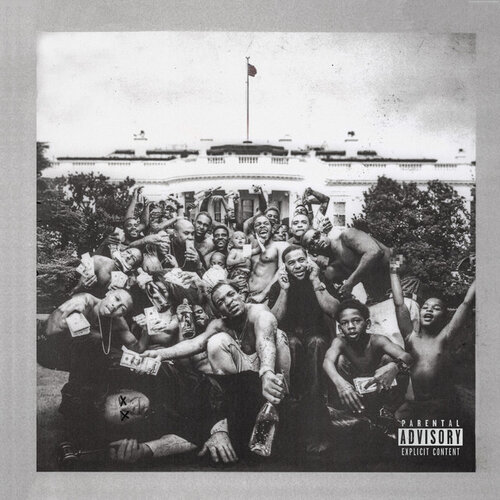
when you hear them on vinyl. Kendrick Lamar’s To Pimp a Butterfly is an album you want to hear on vinyl and experience every drop of. It is Black History Month in the U.K. and, as I will do for the rest of the Vinyl Corner albums this month, I am including powerful albums from black albums. To Pimp a Butterfly is an album that can be appreciated and absorbed by anyone, from any background. Sure, those who will feel the album hardest are those who can identify with themes of police violence, community deprivation and the rights of black lives. I would not suggest there is a hierarchy when it comes to appreciation but, as I say, Kendrick Lamar’s third studio album is a masterpiece that translates through borders and barriers. With some production skills from important names – including Flying Lotus and Boi-1da -, it is a busy and eclectic album that is so rich, layered and complex. One would assume the album is direct and simple but actually, there is so much nuance and life that one needs to have a few listens before everything clicks. Not only do the lyrics look across a variety of themes but the music brings together Jazz, Funk; some Spoken Word and, of course, Rap. To Pimp a Butterfly is a charged album that brings fire and support to those oppressed and struggling, yet it also sounds deeply personal to Lamar. One cannot help but feel a very real sense of aggrievement and anger throughout To Pimp a Butterfly.

To Pimp a Butterfly is the follow-up to 2012’s Good Kid, M.A.A.D City and marks a quantum leap in terms of scope and impact. Whilst Lamar was reacting to what was happening in the U.S. in terms of police violence and political turmoil, he visited South Africa and saw the jail Nelson Mandela was incarcerated in on Robben Island. That must have been a pivotal moment; the sense of injustice and a saviour being wronged and banished. I think To Pimp a Butterfly is a lot more fluid, story-like and cinematic because of its use of samples, dialogue and story. I would not say To Pimp a Butterfly is a concept album, as such, yet there does seem to be this definite narrative and flow. There are many standouts on the record, but I think Alright is the defining anthem. It has been adopted as a rallying call for the Black Lives Matter movement. To Pimp a Butterfly is not an album where Lamar is focusing on white-on-black violence and that form of a racism. He puts black-on-black violence under the spotlight on The Blacker the Berry and asks why his community is turning on their brothers and sisters. I find a lot of Rap and Hip-Hop albums are quite flat and lack depth in terms of their musical roots. To Pimp a Butterfly connects with black tradition and African-American styles. Lamar seamlessly looks back and pushes forward with his mixture of tones and sounds.

To Pimp a Butterfly is as much a celebration of black history and lives as it is a call for action, change and progression. The sheer ambition, urgency and insatiable mood of the album means every song hits the mark and moves you. A lot of Rap albums are also intense the way through: To Pimp a Butterfly brings Jazz to the fore and one gets this fusion of smooth supplication and electricity. I think To Pimp a Butterfly is an album that will continue to impact and influence generations from now. It has only been four years since its released, yet it grows in relevance and power every year.  There have been many articles written about Kendrick Lamar’s To Pimp a Butterfly – I will bring in a couple of reviews. In this feature, the author talks about Lamar’s striking and expansive narrative voice:

Lamar’s narrative was just as ambitious. It’s an intense exploration of big themes: exploitation, living up to responsibilities, the importance of staying true to yourself, finding strength in the face of adversity. Over the course of To Pimp A Butterfly he tells the story of a rapper finding fame; learning how to “pimp” his talent for material gain; dealing with the temptations that accompany fame and wealth; feeling the burden of his new position of influence; turning to black history and his roots to try to find guidance; dealing with a kind of survivor’s guilt after leaving his people; and eventually finding the self-belief and wisdom to share with his community.

But the album is nowhere near as tidy and linear as that sounds. As complicated as the subject demands, To Pimp A Butterfly’s songs are crammed with deep dives into US history, and just about every lyric has the listener conflicted as to the narrator’s motive (and, sometimes, even the identity of the narrator).

All of this would be worth little if the album didn’t communicate all of its ideas effectively. Somehow, however, To Pimp A Butterfly does that brilliantly. A thrilling, genuinely affecting and often awe-inspiring ride through Lamar’s psyche, it resonated with enough people for its influence to be felt everywhere: the hope-filled ‘Alright’ was adopted as the unofficial anthem of the Black Lives Matter movement; there were stories of teachers playing the album to students to help them better understand the oppression faced by African-Americans; listening to it influenced David Bowie to move in a jazz-inspired direction on his final album, ★.

With To Pimp A Butterfly, Kendrick Lamar delivered on expectations and then some. It remains a visionary, landmark album that will resonate for generations to come”.

Hip-Hop and Rap are always moving; we are seeing phenomenal albums arrive every year – this year has been especially strong. Lamar’s most-recent album, DAMN., was released in 2017 and I am not sure whether there is another album in the works. Lamar is an artist who can do no wrong; who has received praise throughout his career and is a source of guidance and influence for so many young artists out there. To Pimp a Butterfly goes beyond Kendrick Lamar’s discography and the Hip-Hop landscape: it is a record whose language and visions are historic, political and world-straddling. In fact, I think To Pimp a Butterfly is less an album and more a work of art; maybe an historical artifact that should be studied decades from now. The reviews, as you’d imagine, were universally positive! This is how AllMusic judged the album:

The sentiment is universal, but the viewpoint on his second LP is inner-city and African-American, as radio regulars like the Isley Brothers (sampled to perfection during the key track "I"), George Clinton (who helps make "Wesley's Theory" a cross between "Atomic Dog" and Dante's Inferno), and Dr. Dre (who literally phones his appearance in) put the listener in Lamar's era of Compton, just as well as Lou Reed took us to New York and Brecht took us to Weimar Republic Berlin. These G-funky moments are incredibly seductive, which helps usher the listener through the album's 80-minute runtime, plus its constant mutating (Pharrell productions, spoken word, soul power anthems, and sound collages all fly by, with few tracks ending as they began), much of it influenced, and sometimes assisted by, producer Flying Lotus and his frequent collaborator Thundercat.

"u" sounds like an MP3 collection deteriorating, while the broken beat of the brilliant "Momma" will challenge the listener's balance, and yet, Lamar is such a prodigiously talented and seductive artist, his wit, wisdom, and wordplay knock all these stray molecules into place. Survivor's guilt, realizing one's destiny, and a Snoop Dogg performance of Doggystyle caliber are woven among it all; plus, highlights offer that Parliament-Funkadelic-styled subversion, as "The Blacker the Berry" ("The sweeter the juice") offers revolutionary slogans and dips for the hip. Free your mind, and your ass will follow, and at the end of this beautiful black berry, there's a miraculous "talk" between Kendrick and the legendary 2Pac, as the brutalist trailblazer mentors this profound populist. To Pimp a Butterfly is as dark, intense, complicated, and violent as Picasso's Guernica, and should hold the same importance for its genre and the same beauty for its intended audience.

I shall round things off shortly but, before doing that, I wanted to bring in Pitchfork’s review, as it makes for compelling and engrossing reading (I have selected a snippet):

To Pimp a Butterfly pivots on the polarizing lead single, "i". Upon release last autumn, the sunny soul pep talk came off lightweight and glib. When it appears deep in the back end of Butterfly, though, "i" plays less like the jingle we heard last year and more like the beating heart of the matter. To push the point, the album opts for a live-sounding mix that ditches out midway through, giving way to a speech from the rapper himself. In tone, the speech is not unlike the legendary 1968 concert where James Brown waved off security and personally held off a Boston audience’s fury after news broke that Dr. Martin Luther King Jr. had been assassinated.

"How many niggas we done lost, bro?" Kendrick shouts over the crowd. "It shouldn’t be shit for us to come out here and appreciate the little bit of life we got left." Underneath the tragedy and adversity, To Pimp a Butterfly is a celebration of the audacity to wake up each morning to try to be better, knowing it could all end in a second, for no reason at all”.

Whether you are new to To Pimp a Butterfly or have listened to it numerous times, I do think it sounds completely awe-inspiring on vinyl and is a completely new experience. I am revisiting the album now and I wonder whether Lamar, when making the album, realised just what he was releasing into the world. Maybe the political situation is more fraught now than in 2015, but To Pimp a Butterfly has helped so many people and remains this incredibly powerful creation. As it is Black History Month in the U.K. – it is celebrated in the U.S. in February -, I wanted to feature some wonderful albums from black artists (from the U.K. and U.S.). Make sure you go and grab a copy of To Pimp a Butterfly and, if you cannot get the vinyl, stream the album and I am sure you will agree: it is a truly staggering thing! There will be a lot of debate when I say this: I think To Pimp a Butterfly is one of the finest…

ALBUMS of the decade.

FEATURE: The Cream of the Crop: Saying Goodbye to the Legendary Ginger Baker: The Playlist

FEATURE:


The Cream of the Crop

IN THIS PHOTO: Ginger Baker/PHOTO CREDIT: Alexis Maryon 

Saying Goodbye to the Legendary Ginger Baker: The Playlist

__________

IT is inevitable we have to say goodbye…


to so many music icons because, as we all know, life is that most capricious of beasts. Many of us were waking up to the news that the iconic Ginger Baker had died at the age of eighty. Whether you are explicitly familiar or not with his work, you would have heard his drumming skills deployed through the years. Not only did Baker co-found the band, Cream; his sterling and prolific work through the 1960s gained him the reputation as one of Rock’s best drummers. In fact, it could be said Baker was the first true Rock drumming superstar! Whereas some percussionists have a limited style in terms of influence and pace, Baker bonded African rhythms with Jazz influences and that unique combination of tones. Having picked up the sticks as a teen, Baker joined Blues Incorporated in the 1960s and met bass player Jack Bruce at that time.

IN THIS PHOTO: Ginger Baker with Baker-Gurvitz Army in the mid-1970s/PHOTO CREDIT: Colin Fuller/Redferns

They were sometimes at loggerheads, but the two provided the rhythm section for the Graham Bond Organisation and, importantly, Cream – Baker co-founded the band with Eric Clapton. Cream only survived a couple of years and, as has been noted by so many people, Baker’s volatile temper could get the better of him! I have been looking online at the tributes and recollections. Many have interviewed him and say that, whilst he was fascinating to speak with, he was a bit sharp and direct – or he was someone who did not suffer fools and was keen to air his thoughts! Like so many musical geniuses, Baker was a complex figure. We must remember what a pioneering drummer he was and how important he will remain. You can look at his Wikipedia page to see the drums and cymbals he used; how his career progressed and, indeed, why he is so revered.

IN THIS PHOTO: Ginger Baker performing in Rotterdam, Netherlands on 28th November, 2015/PHOTO CREDIT: Peter Van Breukelen/Redferns

Before ending with a playlist of his best moments, I want to bring in a couple of articles published today that pay tribute to Ginger Baker. This, from The Guardian tracks his career post-Cream and turbulent moments:

Baker moved to Nigeria in 1971 and set up the Batakota recording studio in Lagos, which hosted local musicians as well as established stars (McCartney’s band Wings recorded part of Band on the Run there). He performed with Nigerian star Fela Kuti – “he understands the African beat more than any other westerner,” said Kuti’s drummer Tony Allen – and went on to collaborate or perform with a hugely varied array of musicians: Public Image Ltd, Hawkwind, hard rock band Baker Gurvitz Army, and jazz performers Max Roach, Art Blakey and Elvin Jones. In 1994, he formed a jazz trio with Charlie Haden and Bill Frisell.

He had spells living in Italy, California, Colorado and South Africa, and developed a passion for polo. In 2008, when living in South Africa, he was defrauded of more than £30,000 by a bank clerk he had hired as a personal assistant. He also suffered from various health issues, including respiratory illness and osteoarthritis, and underwent open heart surgery in 2016. “God is punishing me for my past wickedness by keeping me alive and in as much pain as he can,” he said in 2009.

That wickedness perhaps included his notorious temper – “I used to be mean – I’d deliberately mess up recording sessions with my temper and go mad at the slightest thing,” he said in 1970. He was married four times – “If a plane went down and there was one survivor, it would be Ginger. The devil takes care of his own,” first wife Elizabeth Ann Baker said in 2009 – and used heroin on and off since the mid-60s: he told the Guardian in 2013 that he relapsed “something like 29 times”.

A documentary, Beware of Mr Baker, was made about his life in 2012. He is survived by his three children, Kofi, Leda and Ginette”.

In this feature from Rolling Stone, it is clear Baker influenced so many others and, even though he struggled with debt and addiction, he kept playing and remained an extraordinary force:

Regardless of how Baker felt about his influence, countless hard-rock drummers consider him one of the greatest players in history. “His playing was revolutionary — extrovert, primal, and inventive,” Rush drummer Neil Peart told Rolling Stone in 2009. “He set the bar for what rock drumming could be. I certainly emulated Ginger’s approaches to rhythm — his hard, flat, percussive sound was very innovative. Everyone who came after built on that foundation. Every rock drummer since has been influenced in some way by Ginger — even if they don’t know it.”

It took watching his good friend Jimi Hendrix die after a debauched night on the town together for Baker to finally kick hard drugs. Feeling he couldn’t pull that off in Europe, he packed up and traveled to Africa, teaming up with Afrobeat legend Fela Kuti for his classic 1971 LP, Live! (“He understands the African beat more than any other Westerner,” Afrobeat co-creator Tony Allen told RS in 2016.) Baker developed a lifelong love of polo, but he was far removed from the rock scene — now a huge business thanks to groundbreaking groups like Cream — and he began slowly descending back into severe drug addiction, crippling his career.

Throughout the late 1970s, Eighties, and Nineties, Baker traveled the world, working with nearly anyone who would hire him, constantly struggling to pay the bills and stay sober. He played with Hawkwind, Public Image LTD, and the hard-rock group Masters of Reality before teaming up with Bruce once again in BBM, a short-lived power trio that also included guitarist Gary Moore. In 1993, Baker was inducted into the Rock & Roll Hall of Fame as part of Cream.

In 2012, Baker was the subject of the critically acclaimed documentary Beware of Mr. Baker, directed by Jay Bulger off a 2009 feature story he wrote for Rolling Stone. Bulger had lived with Baker in South Africa for the story and would later return to finish the film, which would go on to win the Grand Jury Prize at the South by Southwest Film Festival. (“Some of it is very good and some of it is annoying,” Baker told Rolling Stone of the film in 2013.) Asked if his life had changed following the release of the documentary, the typically terse Baker replied, “No.”

Throughout his career, Baker always insisted that it was his collaborators who informed his playing, regardless of genre. “I’ve never had a style,” Baker said of his drumming philosophy on a 2013 episode of The Jazz Show With Jamie Cullum. “I play to what I hear, so whoever I’m playing with, what they play has a great influence on what I play, because I listen to what people are playing”.

Ginger Baker meant so many different things to different people. So many have paid tribute to him today. Paul McCartney posted a tweet, and musicians from around the world have underlined just how impactful Baker was to them. Music fans such as myself recognise him as one of the greatest drummers ever and, as so often it is the frontmen and women who are celebrated and put in the spotlight, Baker gave a voice to drummers who, more often than not, are given less credit and attention than they deserve! He was one of a kind and someone who will be remembered for generations to come. His work will resonate through time, and he has helped influence artists and change music. Such a unique player and wonderful performer, it is clear there will never be another…

PHOTO CREDIT: Getty Images

LIKE the marvellous Mr. Ginger Baker!

FEATURE: Black History Month: Giving Greater Exposure and Celebration to Black Artists and Creatives

FEATURE:


Black History Month

IN THIS PHOTO: Solange/PHOTO CREDIT: Getty Images 

Giving Greater Exposure and Celebration to Black Artists and Creatives

__________

OCTOBER is Black History Month in the U.K.…

iii.jpg

 IN THIS PHOTO: Dave/PHOTO CREDIT: Evening Standard

and it occurs that, when you look out at magazines and the music press, there is still a dominance of white faces – most of them male. Given the rise and charges of essential artists such as Stormzy, Little Simz; Lizzo, Dave and so many of their peers, one cannot ignore black artists in 2019. This year has been one of the strongest for music in a very long time and I think black artists are right at the forefront. Lizzo, Jamila Woods; Sampa the Great and Solange have produced some of the sharpest and most incredible albums of 2019. I do think there is still a preference, whether it is the press or festivals, to book white artists. There are so many great black artists that get overlooked. I am not suggesting there is a racist component to the decisions but, really, in terms of sounds and looks, are we saying white artists are more commercial, desirable and popular?! We are seeing changes happening and steps being made. From the hottest and most relevant Grime and Rap through to Pop and R&B, black artists warrant huge acclaim and kudos. You only have to do a quick Google search to realise there is racism in genres like Grime; societal discrimination and stereotypes that is stifling and wrong. I think there are genres where racism is more pronounced – Rap and Grime are definitely up there. As I said, the strongest and most varied music is being made by black music.

 IN THIS PHOTO: Jamila Woods/PHOTO CREDIT: Jamila Woods

I adore the Neo-Soul of Jamila Woods but listen to the Tyler, the Creator’s Igor or the latest cuts from Brittany Howard! It is an evolving industry and I do think we are a long way from equality when it comes to race. Black History Month is a chance to celebrate black pioneers and key figures; in musical terms, give some respect to the best artists, creatives and peeps that make the music world so vibrant, strong and promising. I will end with a playlist of some of the most important black artists, new and established, but if you want to hear more about Black History Month, make sure you do some reading. It is troubling seeing articles where artists must fight racism; where genres are subjected to problems of isolation and ignorance. For me, personally, I have been so inspired by black artists and producers (such as Quincy Jones). From Beyoncé and Prince to D’Angelo; Marvin Gaye, Otis Redding and Aretha Franklin…these artists have stirred me and created some incredible memories. I do not think one needs to understand a particular lyrical viewpoint or story to appreciate black artists, in terms of their story and perspective. Take a lot of the best music now from black artists and we can all see where they are coming from. Their music is political and personal; it is pertinent and timely and, not to write off other artists, I think the greatest shivers and movement from music right now is from black artists.

ddd.jpg

 IN THIS PHOTO: Stevie Wonder/PHOTO CREDIT: Getty Images

I have been intoxicated by the music of Vagabon and Anderson .Paak's Ventura. This year has been incredibly varied and there are artists performing today who will be legends in the future. As there are corners of the music industry where black artists are either pushed aside or not represented fairly, I think Black History Month is actually an important way of promoting the wealth of black talent right now; looking back at the icons and influencers who have inspired the generations. Artists such as Stevie Wonder and Bob Marley have shaped music and I do wonder, given the sheer wonder (no pun intended) of the music coming from black artists right now, whether the industry is doing quite enough. It is a complex subject, but I do feel there needs to be positive progression in so many areas. Rather than talk of the negatives, I think October should be about the positives of music made by black artists. I know there are artists I have missed out of the playlist and, whilst unavoidable, it just shows what a wealth of talent there is out there; from the legends and massive superstars to those breaking through. Some of the biggest and most memorable festival moments were made by black artists – who can forget Stormzy’s headline slot at Glastonbury or Lizzo and Janet Jackson in their Glastonbury’s sets?! I shall end things there, but I was eager to put a playlist together and get everyone, I guess, to look around and realise the incredible black artists who are creating big waves. We can all see the raw talent out there and I hope, when it comes to equality and due attention, let’s hope there is change…

 IN THIS PHOTO: Lizzo/PHOTO CREDIT: Amy Lombard/The New York Times/Redux

ONE day soon.

FEATURE: Life in the Slow Lane: Is Digital Music Making Us Less Attentive and Connected?

FEATURE:


Life in the Slow Lane

PHOTO CREDIT: @rosssneddon/Unsplash 

Is Digital Music Making Us Less Attentive and Connected?

__________

I had to check to see whether…

 PHOTO CREDIT: @clemono2/Unsplash

this report was legitimate or whether it was a joke. As it is October – and it is a way until 1st April -, it is worrying to see something like this come out:

Two adjacent 75-metre long (247ft) ‘mobile phone safe lanes’ have been installed in central Manchester, after new research by AO-Mobile that found that a staggering 96% of the population say that they have experienced someone walking and not paying attention because they were too busy looking at their phone, in the last 12-months.

Thought to be the first of its kind in Europe, the trial, which is located in the Spinningfields district of the city centre, features a designated pathway for pedestrians to help stop people who walk with their eyes glued to their mobile phones from bumping into each other.

The pavements along Hardman Boulevard – a busy pedestrian thoroughfare surrounded by offices, shops, bars and restaurants, used by tens of thousands of people every week – now has arrows and signs that mark out separate walking lanes on the pavement exclusively for slow-walking smartphone users.

A whopping 75% of Brits say they are guilty of walking and using their phone at the same time, according to the new research.

The rise in so-called “DALAPs” (Distracted As Looking At Phone) and “distracted walking” (a behaviour recognised by The World Health Organisation) is when people walk whilst looking down at their phone in their hand rather than looking where they are going or concentrating on their surroundings – typically because they are instead texting, on social media, reading emails or video calling”.

 PHOTO CREDIT: @meghanschiereck/Unsplash

We can all identify with a common scenario: walking down the street and having to dodge out of someone’s way because they are on their phone. The lure and addictiveness of technology is getting to a point where we must modify the streets the same way as we would a dual carriageway. Rather than make accommodations for those too distracted to look where they are walking, it would seem better to fine those who are caught staring at their phones. I know most people, when looking down, are texting or on the Internet. I know there are many who are listening to music and, when we have to move out of their way, they are on Spotify or scrolling through a playlist. Like the slow lane idea in Manchester, many might say having a device/audio option that allows you to check the playlist/screen, so you do not need to look down. Even trying to work out how that works is exhausting and probably wouldn’t make a lot of sense. In many ways, we have gone backwards regarding technology and its ease of use. At least when we had a Walkman of iPod, there seemed to be far less distraction and people were listening to albums through. Technology has allowed music to reach so many people and bring happiness to their lives. I am not against people playing music on their phones/using a device, but the fact we cannot seem to tear our eyes away from a screen is a terrible sign. It is not just people checking music whilst moving down the street and walking around.

uuu.jpg

 PHOTO CREDIT: @sonance/Unsplash

When you go on public transport, you see people casting their eyes down or not looking up. It means they are not aware of what is happening around them and, from someone else’s viewpoint, it appears they are being rude. I have written about the Walkman and how its brilliance changed music. I have also argued against the assumption portable music is alienating and rude: rather, it is a way to escape the noise of life and find some peace. I maintain that, yet that theory only stands when people are playing albums through and not endlessly looking down, wobbling down the street as they look for a track or load a playlist. The problem of people bumping int pedestrians is much more common in terms of texting and the Internet. One cannot say music is without blame and, as so many of us play music through our phone and rely so much on screens and visuals, how practical is it listening to music on the go? For sure, one can immerse themselves and take music wherever they go. Having cities like Manchester implement slow and fast lines – to avoid collisions and anger – shows how technology is literally dividing us! In so many ways, music binds us and provides community. Once was the day, we would share music physically and congregate to listen to albums and songs. That still happens but, more and more, we can do all our sharing and experiencing on our own.

poop.jpg

 PHOTO CREDIT: @meghanschiereck/Unsplash

There is a lot to be said for solitude and some privacy regarding music. It seems we have an extreme situation where visual awareness and concentration are second to our phones and technology. This is not new news, but things are getting worse. What is the solution? Listening to music on the move is fine; yet consider where you are and the fact looking away from what is in front of you creates danger for yourself and others. There is also a good argument that we can avoid so many preoccupied listeners if we listened to albums rather than cherry-picked songs. Yes, there would still be a need to glance at the screen, but not so much. There is that conflict between technology allowing us to carry a world of music anyone against the erosion of human contact and, in a lot of cases, common courtesy. I listen to a lot of music on my laptop but, when I am going about my day, I either wait to listen to music or, when I do, have earphones in and stream the radio. As we become a civilisation more dependent on technology and at the mercy of our phones, there are going to be more slow/fast lanes. Unfortunately, a lot of us experience music on phones and tablets. That is fine but, rather than repeatedly stare at a screen, enjoying music without pause or interruption seems best – it avoids clattering into people on the street! Music is a fantastic form of communication; a way of joining us and digging deep into the heart. It is important we have access to music wherever we travel but, at the same time, ensuring that we are…

7777.jpg

 PHOTO CREDIT: @dylu/Unsplash

KEEPING our eyes peeled.

FEATURE: Storms: A Flawed Masterpiece: Fleetwood Mac’s Tusk at Forty

FEATURE:


Storms

A Flawed Masterpiece: Fleetwood Mac’s Tusk at Forty

__________

I know I have written a few album-specific articles lately…

 IN THIS PHOTO: Fleetwood Mac photographed by Sam Emerson for the Tusk tour book

and there are one or two more to come! If an album celebrates a big anniversary, I feel it is only right to mark it and pay tribute to that artist. In terms of bands who overcame adversity and created something truly sensational, are there incidences more amazing and unbeatable as Fleetwood Mac and 1977’s Rumours? That album was completed at a time when couples Stevie Nicks and Lindsey Buckingham, Christine and John McVie were parting and strained; drummer Mick Fleetwood also was going through some tough times. In the wake of all this separation and conflict was music that sounds unified and solid. I am staggered the band were able to complete the album, let alone release an album that ranks alongside the very best ever. There was a lot of praise and celebration once Rumours was released and, when it came to following that masterpiece, the band went in a different direction. I always love a good double album because it is ambitious putting something like that together. There are few double albums that are flawless and, even when you have a flawed one such as The Beatles (‘The White Album’) or Physical Graffiti (by Led Zeppelin), they are interesting and diverse. With twenty tracks – and each band member pulling in their own way -, Tusk was always going to be a different animal to Rumours. The twelfth album from the American-British band is a more experimental creation and (is an album) where Lindsey Buckingham exerts a lot of production influence – as he did on Rumours.

The songwriting is sparser and many people attribute the change in direction/production sound to the arrival and explosion of Punk – or, more accurately, the Post-Punk movement that followed on. Tusk was the most expensive Rock album ever made (at over $1 million), and the band toured the album relentlessly and extensively. There are a couple of ways at look at Tusk. Upon its release, it was viewed a commercial failure because it was far less successful than Rumours. Shifting far fewer units and not getting acclaim across the board, one needs to consider Tusk down the line; an album that needs more time to settle in than Rumours.  The music scene was very different in 1978/1979 compared to a year or two previously. If the band had released something more commercial and Rumours-esque, perhaps they would have stalled or felt formulaic. They needed to evolve and acclimatise to the new world. In doing so, you get a double album that sounds like three writers’ – Lindsey Buckingham, Stevie Nicks and Christine McVie – work rather than a band. Maybe the pains and tensions of Rumours meant that, by the time they came to record Tusk, Fleetwood Mac realised they could not work in the same way as they used to. Despite some patchy moments, some of the best Fleetwood Mac material can be found on Tusk. The first side has the primary songwriters flexing: Buckingham’s The Ledge, McVie’s Think About Me and Nicks’ Sara are incredible.

 PHOTO CREDIT: Warner Bros.

Nicks also contributes big tracks like Storms and Beautiful Child, but she has less input in the album than Buckingham and McVie, in terms of song credits. McVie’s Brown Eyes and Never Forget are stunning but, in essence, Tusk does feel more of a Lindsey Buckingham album than the slightly more cohesive (if fractious) Rumours – nine of the twenty tracks are his and Save Me a Place and That’s Enough for Me are gems. In my view, the strongest two tracks come from the divided American sweethearts: Stevie Nicks’ gorgeous Sara and Lindsey Buckingham’s elephantiac centrepiece, Tusk. There are incredible songs across Tusk and the retrospective reviews have been largely positive. This is how AllMusic judged the album in 2016:

Lindsey Buckingham directed both Fleetwood Mac and Rumours, but he dominates here, composing nearly half the album, and giving Christine McVie's and Stevie Nicks' songs an ethereal, floating quality that turns them into welcome respites from the seriously twisted immersions into Buckingham's id. This is the ultimate cocaine album -- it's mellow for long stretches, and then bursts wide open in manic, frantic explosions, such as the mounting tension on "The Ledge" or the rampaging "That's Enough for Me," or the marching band-driven paranoia of the title track, all of which are relieved by smooth, reflective work from all three songwriters. While McVie and Nicks contribute some excellent songs, Buckingham owns this record with his nervous energy and obsessive production, winding up with a fussily detailed yet wildly messy record unlike any other.

This is mainstream madness, crazier than Buckingham's idol Brian Wilson and weirder than any number of cult classics. Of course, that's why it bombed upon its original release, but Tusk is a bracing, weirdly affecting work that may not be as universal or immediate as Rumours, but is every bit as classic. As a piece of pop art, it's peerless.

I could sample a whole heap of reviews but here, in Pitchfork’s review, we get a glimpse into the recording process and what makes Tusk so intriguing:

Nicks described their space in Studio D as having been adorned with “shrunken heads and leis and Polaroids and velvet pillows and saris and sitars and all kinds of wild and crazy instruments, and the tusks on the console, like living in an African burial ground.” Everyone agrees Buckingham was losing it a little—that he was chasing something (artistic greatness? avant-garde credibility?) and pursuing it wildly, haphazardly, like a crazed housecat stalking a black fly about the living room. Did he really have a drum set installed in his bathroom so he could play while on his toilet? (More reasonable minds have suggested he merely liked the acoustics in there.)

Though Tusk’s most memorable tracks are also its strangest (like “The Ledge,” a manic, pitter-pattering kiss-off in which the band’s signature harmonies are overridden by a guitar that’s been tuned down and turned up), there are a handful of songs that harken back to Rumours’ rich palatability. “Save Me A Place” plays like an extension, at least lyrically, of “Go Your Own Way,” in which Buckingham begrudges his lover’s unwillingness to grab what he’s half-offering her.  

A lot of Buckingham’s lyrics from the late ‘70s seem to simultaneously admit trepidation and cast him as the aggrieved party; he seems, in an endearing way, oblivious to his own caveats, or how they might dissuade another person. “Guess I want to be alone, and I guess I need to be amazed/Save me a place, I'll come running if you love me today,” he sings on “Save Me A Place.” He later described the song as vulnerable. “None of us had the luxury of distance to get closure… It’s about a feeling that’s been laid off to one side and maybe not been fully dealt with, sadness and a sense of loss.” It captures the wildness of recovery: what happens when love dissipates, and you have to find a new thing to believe in? What if that thing is work?”.

Depending on your opinions on what makes an album successful determines whether Tusk can be viewed as a failure or success. Certainly, those expecting Rumours 2.0 would have been in for a bit of shock. That album was recorded at a particular period, and circumstances had changed by the time Fleetwood Mac came to record Tusk. If the band had gone into Tusk with the view of replicating Rumours, I think the results would have been inauthentic and repetitive. Tusk is a bold and brave record and, as NME argue in 2011, Tusk is a misunderstood album that inspired Fleetwood Mac themselves and a legion of acts:

Although misunderstood at the time, the album’s cobweb-filled sound later found fans in Air, The Strokes and Vetiver. Today, the influence of ‘Tusk’ extends from chillwave to freak folk. And the subversion of what was expected after ‘Rumours’ and the creative space it created also gave the band (and primarily Buckingham) reason to continue making music in Fleetwood Mac for the next decade.
But then, is ‘Tusk’ really as subversive, as ‘difficult’, as critics have always made out? Sure, it’s long and druggy and sprawling – and named after Mick Fleetwood’s nickname for his own penis. But take away Buckingham’s scuffed, home-made sonic experiments and this is an album that’s just as lush and melodic as ‘Rumours’
”.

I will round of this feature with an article from Ultimate Classic Rock that gives a balanced view of Tusk; stating it is masterful, but it has its flaws and cannot quite be seen in the same vein as Rumours. I think Tusk is definitely in Fleetwood Mac’s top-three albums and, as we know, drove the band forward. They could have gone their own ways after Rumours and struggled to find impetus to reconvene and solider on. Whilst there are more of Buckingham’s fingerprints on Tusk than the rest of the band, one cannot argue against the commitment and input of each member! Tusk is undeniably brilliant…but I come back to that question as to whether it is inferior to Rumours and a disappointment or whether its evolution, different sound and breadth makes it a stronger and more interesting listen. This article has some theories and input:

 “Given its length, its ambition, and its much clucked-over million-dollar cost -- not to mention the mountains of rock-star excess that sprung up around Fleetwood Mac during an epic Tusk tour that included specially painted hotel rooms for singer Stevie Nicks and no shortage of on-stage tension -- the record came to be regarded as a weird, costly tumble from the dizzying heights of Rumours.

Unsurprisingly, the band members took issue with this point of view. "In the context of the whole, Rumours took longer to make than Tusk. One of the reasons why Tusk cost so much is that we happened to be at a studio that was charging a f--- of a lot of money," Buckingham pointed out. "During the making of Tusk, we were in the studio for about 10 months and we got 20 songs out of it. Rumours took the same amount of time. It didn't cost so much because we were in a cheaper studio. There's no denying what it cost, but I think it's been taken out of context."

Fleetwood also insisted in a Trouser Press interview that change was part of the band's legacy. "We've never stayed one way for very long, and I don't think we ever will. We've always changed a lot whether or not players have changed," he said. "Doing a double album didn't make any business sense at all. But it meant a lot to us, artistically -- whether we could still feel challenged. We really, really are pleased with it. We've also, I think, got enough discretion to know if the songs aren't up to standard, in which case we'd have just put out a single album."

Meanwhile, Christine McVie bristled during a 1982 interview with Sounds, pointing out that "Tusk sold 9 million copies -- so it can't be too shabby, can it? But a lot of people gave us flak about that album. It's very different, very different, very Lindsey Buckingham. I'll have to say that. He was going through some musical experiments at the time."

Still, the backlash took its toll, and when the sales came in considerably softer than those for Rumours -- which was, it's worth noting, one of the biggest-selling records of all time -- Buckingham felt that the other members of the group turned on him, jaundicing his perception of his place in the band as well as its artistic limits”. 

On 12th October, Tusk turns forty, and I think we should all sit down and listen to this fascinating album. Fleetwood Mac are still touring today – minus Lindsey Buckingham – and I think Tusk is the last time when they really soared and hit genius levels. Albums like Mirage (1982) had their moments but Tusk is a fascinating album with more than its fair share of wonder. Tusk is a precious and complex album that, for years to come, will…

CONTINUE to inspire.

FEATURE: Sisters in Arms: An All-Female, Autumn-Ready Playlist (Vol. II)

FEATURE:


Sisters in Arms

sssssssssss.jpg

IN THIS PHOTO: Diana Gordon 

An All-Female, Autumn-Ready Playlist (Vol. II)

__________

AUTUMN is upon us…

 IN THIS PHOTO: Samantha Urbani/PHOTO CREDIT: Highsnobiety

and I think we are getting used to the days being a bit shorter and there being a bit of a chill in the air. It is a time of change and transition and, as the weather turns a bit less predictable, we have music to provide some stability and heat. I have been looking around at the best new tracks from female artists. There is such an array of brilliance on display that covers an array of genres and sounds. I hope you’ll find something in the list that appeals and catches the ear. It is another fantastic week for music where you are sort of caught by the wealth and quality. Enjoy the latest female-led playlist and take these sounds around with you…

eeeee.jpg

IN THIS PHOTO: Jetta/PHOTO CREDIT: tmrw

WHEREVER you go.

ALL PHOTOS (unless credited otherwise): Getty Images/Artists

____________

222222222222.jpg

ChromaticsMove a Mountain

wswws.jpg

Goodnight LouisaSomeone So Sublime

PHOTO CREDIT: Sapphire Needham

ThylaTwo Sense

Summer WalkerFun Girl

AAAS.jpg

PHOTO CREDIT: Ashley Gellman Photography

Harmony WoodsMisled

Kathryn JosephWhole

ccc.jpg

Samantha UrbaniMade in Love

Tilly MosesRot & Ruin 

xxxxxxxxxx.jpg

SawyerEmotional Girls

cxxcx.jpg

PHOTO CREDIT: Joe Orton 

Angie McMahonTake It With Me

Annabel AllumNot Where You Pretend You Are

Ms BanksBad B Bop

vbvbv.jpg

Diana GordonBecoming

cddd.jpg

Willdwood KinWake Up Sleeper

bülowUpside Down

Jessica MauboyJealous

Violet SkiesThis Could Be Love

Kim PetrasIn the Next Life

aaz.jpg

RuthAnneHonest Man

King PrincessHit the Back

cff.jpg

PHOTO CREDIT: Cáit Fahey

Sorcha RichardsonHoney

Liza AnneDevotion

xxxx.jpg

Molly RainfordHow Many Times

ded.jpg

Kash DollMobb’n

dddddddddd.jpg

Norah Jones (with Mavis Staples)I’ll Be Gone

dd.jpg

DidoJust Because

PHOTO CREDIT: tmrw

JettaNo Fire

Doja CatBottom Bitch

FEATURE: Time to Face It: Don’t Call Me ‘Blondie’! The Washington Post and Debbie Harry: When Will We See an End to Sexism in the Music Press?

FEATURE:


Time to Face It: Don’t Call Me ‘Blondie’!

IN THIS PHOTO: Debbie Harry/PHOTO CREDIT: Sebastian Kim 

The Washington Post and Debbie Harry: When Will We See an End to Sexism in the Music Press?

__________

ALTHOUGH the title of this feature…

 PHOTO CREDIT: Celeste Sloman for The New York Times

suggests something academic, the actual reality is simply this: in 2019, there is still casual sexism in the music press, and it is getting too much! The latest woman who is an unwarranted recipient of sexism is Debbie Harry. The Washington Post, when writing on Twitter, posted a statement/headline that proved/suggested (regarding her memoir, Face It) that she was more than a blonde singer in tight pants. The gist of it was Debbie Harry is more than a pin-up or sex symbol; that she is a role model and icon. Whilst there was that subtext in the headline, what it looked like was a reductive and ill-thought-out approximation of an artist who, since the 1970s, has shaped the musical landscape and inspired fans and artists around the world. Although that was a few days ago now, it is still fresh in my thoughts. The backlash to The Washington Post’s Twitter post was swift. Grazia Daily explain in more detail:

The Washington Post has made Debbie Harry's soon-to-be-published memoir, Face It, all about her hair colour and the elasticity of her trousers. Publicising a review of the memoir, the newspaper wrote on Twitter 'Review: In her memoir, Debbie Harry proves she’s more than just a pretty blonde in tight pants'.

Unsurprisingly, Twitter users have taken to the platform to drag The Washington Post's problematic editorial decision.

One user wrote ' I’ve never heard David Bowie referred to as a pretty blond in tight pants. Or even as a pretty blond in eyeliner and mascara. He was both, but his talent is why he was so famous and why his memory endures. But he was a guy, so…'. Multiple others tweeted about Debbie Harry's pivotal influence in the punk and new wave genres”.

Although The Washington Post retracted their statement and apologised, the fact they felt a poor choice of words was right and okay is troubling. I guess their headline remark was a bit flippant; meant to mirror what a lot of critics and people would have thought when Blondie arrived: that Debbie Harry was just a blonde singer with nothing besides her sexuality. It is worrying we still see this sort of sexism occur because, as they say in their review, The Washington Post have read her memoir and are keen to praise:

The chapters about the New York scene and Harry’s early adventures making music are the most compelling parts of the book. We’re in her environment — smelling the garbage piled up on the street, trolling the sidewalks for discarded clothing, stepping over drunks on the Bowery. Life was DIY. About her experience playing at the notorious club CBGB, birthplace of punk, Harry writes, “It was a time of felt experience — no special effects, just raw, visceral, uncut living.” Nothing seemed to faze her. There were loft fires and relocations, and she once was raped at knife point: “I can’t say that I felt a lot of fear,” she writes of the experience. “I’m very glad this happened before AIDS or I might have freaked.” In these chapters, Harry is introspective, as she writes about death, time and the serendipitous, sometimes hazardous life she was living.

More engaging is Harry’s effort to categorize her music, which she calls a “crossover between glitter-glam and punk.” She’s reluctant to name disco as an obvious influence, instead insistently aligning herself with punk. But she was familiar with disco — music favored by the drag queens she watched in underground clubs. She also loved drag’s performative qualities, especially its attention to fashion and gesture, two practices Harry perfected while shaping her own image. Drag queens saw Harry’s display of femininity as drag, “a woman playing a man’s idea of a woman.” Harry’s words are more revealing: “I’m not blind and I’m not stupid: I take advantage of my looks and I use them.”

The strange final chapters of “Face It” include a rambling poem Harry wrote about 9/11 and a plea to save honeybees. Throughout this visually evocative book are photographs and a lengthy gallery of fan art. Readers, both familiar and unfamiliar with Harry’s career, will enjoy this memoir because on nearly every page she proves she’s more than just a pretty blonde in a pair of tight pants. If she sometimes comes across as self-interested, so what? She was a young woman who fell under the spell of New York and made herself into the performer she always knew she’d become, one who went on to cast her own spell on millions of listeners”.

It must have been bad enough that Harry faced cat-calling and crude language before playing with Blondie. Through incredibly powerful music and the sort of cool nobody else could pull off, she established herself as one of the most remarkable songwriters and artists of her generation.

 PHOTO CREDIT: @alvaroserrano/Unsplash

I still don’t think there is anybody quite like her and, with so many facsimile artists around, Harry is a true original. Whether harmless, unintended or thoughtless, sexism has always been close to the forefront of the press in general. There is a lot to be done regarding redressing inequality and sexism across the industry; from the number of women booked as headline festival acts and how radio stations prioritise music by female acts. So many inspirational female artists have had to endure sexism through their career, and one suspects Debbie Harry is used to it. She has given the music world so much, so it seems a bit crude and diminishing she should have been referred to in a disrespectful manner. I do hope that the case of Debbie Harry and The Washington Post serves as a deterrent to the rest of the music media. In general, the music press is less culpable of sexist language than the national press, yet one still sees cases of female artists given little focus and cover opportunities; their music less widely promoted and, at times, the way they are described – in terms of their looks and abilities – is quite appalling. From Metal magazines ranking the ‘hottest women in Metal’ through to female artists being seen merely as sex symbols and exploited, I do hope things improve.

dddd.jpg

 PHOTO CREDIT: @patrickian4/Unsplash

Before moving on, I have been looking online and found a couple of articles from 2016 that discuss sexism in the music press/media. In this feature, it is highlighted that, indeed, there is sexism in the press but it is a larger issue. The music press is so powerful and widespread that negative attitudes and sexist language has a very potent effect:

The media may spotlight a pretty female musician without any requests to do so, yet if that same musician should gain weight like Kelly Clarkson did, God help her. The endless roasts, jokes and body-shaming disguised as "health concerns" could well be the type of media attention Clarkson will enjoy for years to come by an overwhelming amount. And she's nominated for a Grammy this year.

Instead, shaming is the media standard, and outlets do it under the false assumption of protecting us from the evil influence of wayward females.

But why talk about sexism at all? Because trends in media are really trends in our culture. It’s reflective and symptomatic of larger issues, namely gender expectations. Journalists who promote restrictive gender codes by crafting questions and conversations around their own biases and microaggressions are really perpetuating these unrealistic standards upon our culture, and therefore upon all women.

Denying its seriousness is also denying the power the media has over culture. From demands on women’s bodies to be uniformly thin or sexy to literally tearing apart women simply because they’re women, the music media is relentlessly judgmental and misogynistic”.

IN THIS PHOTO: Björk/PHOTO CREDIT: Ryan Pfluger for The New York Times

In this feature, we learn how Björk called out sexism in the music press:

The Icelandic artist recently DJ'd at a festival in Houston, with fellow musicians on the line up including Aphex Twin, Arca, Oneohtrix Point Never and more.

She wrote:

i am aware of that it is less of a year since i started djing publicly so this is something people are still getting used to and my fans have been incredibly welcoming to me sharing my musical journey and letting me be me . its been so fun and the nerd in me editing together pieces of others peoples songs for weeks , gets to share the different coordinates i feel between some of the most sublime music i know .

but some media could not get their head around that i was not "performing" and "hiding" behind desks . and my male counterparts not . and i think this is sexism . which at the end of this tumultuous year is something im not going to let slide : because we all deserve maximum changes in this revolutionary energy we are currently in the midst of

She also critiqued the manner in which female songwriters are portrayed by a largely male music press:

women in music are allowed to be singer songwriters singing about their boyfriends . if they change the subject matter to atoms , galaxies , activism , nerdy math beat editing or anything else than being performers singing about their loved ones they get criticized : journalists feel there is just something missing ... as if our only lingo is emo ...”.

iiii.jpg

 PHOTO CREDIT: @jesseskitt11/Unsplash

It is clear that, in order to rectify sexism in the music press, we need to tackle the industry as a whole and take a tougher stance. Female artists are producing the best music at the moment; women are crucial in regards the diversity and growth of music, and yet, there is a long way to go in regards equality and attitudes. If one imagines the case of The Washington Post’s comments about Blondie’s Debbie Harry are rare and isolated, one needs to do their research. I do understand it is a minority of music blogs/magazines/sites that are guilty of sexism and discrimination, but I feel now is the time to taking stricter action concerning those who overstep the mark. Women throughout music deserve the utmost respect and to be taken seriously. Whether you are a certified goddess like Harry or a promising Country artist, one should not have to read about women in terms of their looks or figure. Whilst attitudes (slowly) are starting to change in the media, we still see too many articles that gain umbrage on social media because of the languages used or the way a female artist(s) is portrayed. Whilst women are changing music and inspiring the masses, those in the music press need to start…    

 PHOTO CREDIT: @stanleydai/Unsplash

RE-WRITING the headlines.

FEATURE: The October Playlist: Vol. 1: Stranded Death and the Love Cassette

FEATURE:


The October Playlist

IN THIS PHOTO: CHVRCHES 

Vol. 1: Stranded Death and the Love Cassette

___________

THIS playlist…

f.jpg

 IN THIS PHOTO: Nick Cave

puts together some monster tracks from some incredible artists. There is new music from CHVRCHES, Nick Cave & The Bad Seeds; Angel Olsen and Floating Points. I can see so much terrific stuff from right across the board. If you need a kick to get the weekend started, make sure you have a listen to the playlist and I know it will do the job! I am sure there is something in there for everyone and, as I said, this is a really huge week. Alongside the aforementioned artists, there are tunes from The Who, Sleater-Kinney and Elbow. It is a really exciting mix and one that digs deep into the heart. There are so many emotions and sounds on display, you will need some serious time to get behind everything and absorb it all. So, ensure you get involved with this playlist of the best new music…

 IN THIS PHOTO: Angel Olsen

OF the week.  

ALL PHOTOS/IMAGES (unless credited otherwise): Getty Images/Artists

_________

CHVRCHES - Death Stranding

PHOTO CREDIT: Kyle Coutts

Angel Olsen New Love Cassette

Nick Cave & The Bad SeedsBright Horses

Sea Girls - Violet

PHOTO CREDIT: Nikko LaMere

Sleater-Kinney ANIMAL

Floating Points Anasickmodular

Gengahr – Everything & More

PHOTO CREDIT: Charlotte Patmore

BLOXX - Go Out with You

m.jpg

The Who All This Music Must Fade

The Divine Comedy - Infernal Machines/You’ll Never Work in This Town Again

hhh.jpg

Halseyclementine

vf.jpg

Elbow White Noise White Heat

Holy Fuck (ft. Alexis Taylor) - Luxe

Dermot Kennedy Dancing Under Red Skies

Noel Gallagher’s High Flying Birds - Evil Flower

mmmm.jpg

PHOTO CREDIT: Mikey Buishas

Big ThiefForgotten Eyes

The Sherlocks Under Your Sky

Wildwood Kin The Crown

Camila Cabello - Cry for Me (Animated Audio)

Foster the PeoplePick U Up

AJ TraceyCat Pack

Dido Just Because

PHOTO CREDIT: Brynley Davies

Biig Piig Roses and Gold

Wilco Everyone Hides

PHOTO CREDIT: GQ

Maren Morris, Hozier - The Bones

Doja Cat Bottom Bitch

King PrincessHit the Back

IN THIS PHOTO: Norah Jones 

Norah Jones, Mavis Staples - I'll Be Gone

Jessie Reyez - Far Away

FEATURE: Beneath the Cover Art: The Importance of Truly Experiencing Vinyl

FEATURE:


Beneath the Cover Art

ttttt.jpg

PHOTO CREDIT: @priscilladupreez/Unsplash 

The Importance of Truly Experiencing Vinyl

__________

HAVING just purchased a couple of copies…

 PHOTO CREDIT: Iain Macmillan

of Abbey Road’s 50th Anniversary Edition, it got me wondering about the pleasures of vinyl and how, even though that release is a huge one for music fans, it is the sensation of holding a record and all its intricate details that gets to me! I was queuing outside a record shop in Covent Garden the day those editions (there was a four-C.D. format too) came out on 27th September. I got to talking with a man who was also waiting – whose names I did not grab -, who told me how he has every Beatles record; he is retired and spends what little money he has on records. It has been a long while since I queued outside a record shop (maybe the last time I did it was back in the 1990s) and I have played the three-record edition of Abbey Road and all its demos/new additions. I know there are people out there who will buy the anniversary editions because it is collectable and momentous and, whilst that is completely fine, I fear there are going to be copies of Abbey Road employed as art rather than their true purpose: hugely important work that needs to be enjoyed and poured over. It is great vinyl sales are doing well, and vinyl sales are primed to outstrip C.D.s very soon. It is amazing that this decades-old format has survived other competitors and formats and, in 2019, remains vital and popular.

jjjjjjjjjjjj.jpg

 PHOTO CREDIT: @luana_dmc/Unsplash

Not that it really matters in terms of sales, but how many people are buying vinyl because it is cool and fashionable?! I must confess that I have been guilty on a couple of occasions of buying records and leaving them to collect dust. Not necessarily because I wanted this piece of art…more that I felt I needed that record in my collection. I do worry that we sort of buy a lot of records and never get around to hearing them. I have been looking at my vinyl collection and there are a few albums that are still in the original state: unplayed and looking for some attention. It is a lot easier streaming songs and listening online. You can play songs and albums without much physical effort. Vinyl is more expensive than streaming and a lot of us are struggling to find the time to experience music in its fullness. I think vinyl remains adored and profitable because of the experience one gets from it. Digital music is fine…but nothing beats the feeling of putting the needle down and letting the music play. You are forced to stop and there are few distractions. If you need to unwind and detach from the world; get a sense of perspective back and digest music in all its glory, vinyl is the only way to go! I am rectifying my habits and am compelled to step away from the laptop and get down to some serious listening.

555.jpg

 PHOTO CREDIT: @lastly/Unsplash

The tactile nature of records means you can listen and read the sleeve credits and see the artwork. I love the size of a record and knowing that it has been crafted and there has been this process involved. Maybe I am over-romanticising the whole thing a tad. I do feel many people see records as accessories and, in the case of anniversary releases, they buy them because everyone else is. I do understand and appreciate the artistic value of vinyl, yet I feel too many people are buying records and not actually hearing the music. What is it about a record that means vinyl can survive and grow in an age where digital music is everywhere? This article investigates the ritual of playing a record and exploring the physical nature of a record:

The entire experience of vinyl helps to create its appeal. Vinyl appeals to multiple senses—sight, sound, and touch—versus digital/streaming services, which appeal to just one sense (while offering the delight of instant gratification). Records are a tactile and a visual and an auditory experience. You feel a record. You hold it in your hands. It's not just about the size of the cover art or the inclusion of accompanying booklets (not to mention the unique beauty of picture disks and colored vinyl). A record, by virtue of its size and weight, has gravitas, has heft, and the size communicates that it matters.

PHOTO CREDIT: @sethdoylee/Unsplash

Records, in all their fragility and physicality, pay proper respect to the music, proper respect to the past. They must be handled carefully, for the past deserves our preservation. They are easily scratched, and their quality is diminished as a result of those scratches. They are subject to the elements—left in the sun, they warp. Like living things, they are ephemeral.

The cumbersome process of putting on a record is akin to a ritual, an experience that mirrors the care that artists took in creating the work. First you have to find the record—a treasure hunt which might take five or 10 minutes depending on the size and organization of your collection. When you find the record, you pull it out. You remove the album from its cover. (Or, if you're a real stickler, you remove the album from the cover, still inside the inner sleeve”.

I have written numerous features about vinyl and, as C.D.s fade out and we still have this great affection for vinyl, I would recommend people carve out some time to listen to some of their favourite albums. The problems comes with people disconnecting from the digital and conserving time where they can solely dedicate themselves to music. In these hectic times, I think we all need to allow ourselves sanctuary and calm. Even if it is an hour a week, playing records allows for a great sense of restoration and peace. Taking out the record, holing it in your hands and watching the needle drop down…is there anything quite like it? If you are someone who either collects vinyl for artistic worth or has bought a load and not got around to listening to them, I would urge you to find some time in your day. Shutting the rest of the world away and playing a record without interruption is…  

dddd.jpg

 PHOTO CREDIT: @priscilladupreez/Unsplash

A perfect thing.

FEATURE: Modern Heroines: Part Three: Fiona Apple

FEATURE:


Modern Heroines

ju.jpg

PHOTO CREDIT: Getty Images

Part Three: Fiona Apple

__________

IN the first couple of parts of my…

yyy.jpg

PHOTO CREDIT: Getty Images

Modern Heroines feature, I have turned the spotlight on two very different British artists: Laura Marling and Little Simz. Today, I want to discuss an American artist who is in the news right now. Not only is she rumoured to be recording her fifth album, but Fiona Apple is planning a collaboration. In terms of albums, we might see one very soon.

Fiona Apple has said she wants to release a new album in 2020, eight years after her last release.

The singer-songwriter has only released four albums in her career, including her 1996 debut ‘Tidal’ and her latest, 2012’s ‘The Idler Wheel…’.

Now, in a rare interview, the musician has discussed the follow-up to the latter record, saying she was meant to be done with it “a million years ago”.

“I mean, I don’t know! It’s hard to say,” Apple told Vulture when asked when a new album would be ready. “I was supposed to be done a million years ago. And I go off and I take too long making stuff. I’m hoping for early 2020. I think”.

Also, there are rumours Apple wants to work with Lil Nas X, and we might see something between them. Her last album, The Idler Wheel..., was released in 2012 and there is a definite hunger for Fiona Apple. Where do we start when it comes to the New York-born Art-Pop star?

ddddddddddddd.jpg

Well, I guess starting at the beginning is a good idea! Apple was born in 1977 and raised between her father’s home in Los Angeles and her base in New York. Music bit Apple (I shall try not to do too many puns!) and she started to compose her own pieces as a child. Growing up on the Upper West Side of New York, one can envisage the sort of sounds and sights Apple was exposed to. One of the things that staggers me about Apple is her resilience and bravery – sort to wander off briefly! Apple has revealed in interviews how she has OCD and has lived with PTSD and depression; she was raped (I will not go into that in too much detail in this feature), but she has experienced a lot of trauma and heartache. The fact she has come out the other side and is an inspiration to so many out there is truly amazing. Apple never conforms to ideals of womanhood and what a female artist should be; she has always spoken out and been unafraid to speak the truth. I shall go back to where I started. Music and dance were part of Apple’s upbringing. Her maternal grandparents were dancers and big band vocalists – the former, Millicent Green, her grandmother and the latter, Johnny McAfee, her grandfather. There was a lot of movement and change in Apple’s early life. She moved out to Harlem with her mother and sister but commuted to see her father in Los Angeles. I am not sure whether the transitory nature impacted a sense of individualism and focus on music.

Perhaps it was hard to put down roots and find stability; music provided a great allure and muse for Apple. She was a classically trained pianist as a child and, when composing, she would translate guitar tabs into music; she was a fan of Jazz standards and gravitated towards artists like Billie Holiday. I find that pretty romantic. One might imagine a girl of the 1980s being more interested in the sounds of the time. The fact Apple was more interested in iconic Jazz artists dictated the course her music would take. Apple did experience trauma as a girl (she was raped aged twelve) and developed an eating disorder. Whilst Apple has maintained there is a distance between her trauma and writing, I do wonder whether, in some ways, her debut album was a sort of release or way of getting some of her pain out there. Maybe not. Perhaps this would not happen now but, in 1994, Apple; had a demo tape with a few songs on (including Never Is a Promise) and gave it to a friend who was a babysitter for a music publicist. It was only two years until Apple’s debut, Tidal, arrived. Released on Work Records and Columbia Records, the album went three-times platinum. It was a huge success and it is mindblowing realising just how popular the album is.

Maybe that was helped by its huge single, Criminal, but the entire album is rich with melody, musicianship and passion. Criminal has woozy horns and Trip-Hop beats; Slow Like Honey and Pale September are romantic and sumptuous. If some critics felt Apple’s musicianship was far stronger than her lyrics, others compared her favourably to singer-songwriters like Alanis Morissette and Tori Amos (1994-1996 was a period where both artists enjoyed huge success and attention). After causing a bit of offence at the 1997 VMAs, there was some criticism from the media but, in honesty, they were afraid of an artist who was bold and not reading from a script. Apple (rightfully) does not regret what she said back then; an artist who was pure and authentic. The reviews for Tidal are hugely positive. I want to bring in this review from Pop Matters from 2009:

She wrestles with the burden of her despair and isolation, quietly hoping to be saved. Anchored by its smooth sonic landscape, and her restrained voice, it is very easy for one to grow engrossed in Apple’s intimate narrative. With its opaque and painterly lyrics, “it’s calm under the waves, in the blue of my oblivion” – “Sullen Girl” is able to elevate itself from a simple retelling of sexual abuse (i.e. Tori Amos’ “Me and A Gun”), and instead opens itself up to a variety of interpretations.

sss.jpg

IN THIS IMAGE: The cover of Fiona Apple’s debut album, Tidal 

 For me, the song was about grappling with the weight of my desires, for my mother it might have been a song that captured the loneliness of depression, and I am sure that for many other listeners, it was about finding the courage to accept their silent anguish.

Elsewhere, Apple tackles female exploitation, as is evidenced by “Criminal”, a lavish track that is ambivalent about the tension between exploiting one’s self sexually, and protecting what is sacred. And despite her young age (and innocence), her breathy Nina Simone-style vocals echo a maturity and understanding of a woman twice her age”.

In this interview from 1999, Apple talked about the changes from her debut to her sophomore effort, When the Pawn…

And where "Tidal" was a tsunami of adolescent feelings in which Apple revealed far too much of herself, "When the Pawn" is a decidedly more mature work that trades in youthful melodrama for somber ruminations on shattered relationships and romantic obsession delivered in Apple's husky alto. The album offers cycles of struggle and surrender, optimism and cynicism, hope and hopelessness.

"When I was sequencing the album, I was thinking about the amount of hope in each song," Apple admits. She also recalls cataloguing the album's ever-shifting perspective on relationships: "Don't try it . . . Okay, try it, please . . . Okay, we tried it, it failed . . . Please, one more chance . . . I'm not going to give you one more chance . . . I'm going to go [expletive] something up on purpose".

Although I really love Tidal, you can tell there is more confidence and variety throughout When the Pawn… The album seems bolder and more memorable. If Tidal’s standout cut was the edgier Criminal, the suaver and waltz-like Paper Bag is the key example of When the Pawn…’s brilliance.

When reviewing the album, Pitchfork made some very keen observations:

“I went crazy again today,” she sings in “Paper Bag,” the Grammy-nominated single that may be the most fondly remembered track on When the Pawn. It’s Broadway meets the Beatles in its triumphal horn blasts, but as the melody grows ever bouncier, the words increasingly counter that levity with disappointment. The lyric starts out all stars and daydreams and doves of hope, before dispelling those pop song illusions to reveal the grim reality that the man Apple desires sees her as “a mess he don’t wanna clean up.” She’s never had trouble laughing at herself, and “Paper Bag” hinges on a sly reference to her own solipsism—“He said ‘It’s all in your head’/And I said ‘So’s everything’/But he didn’t get it”—that drags the singer and an uncomprehending public at once.

The song is emblematic of an album that broadened Apple’s fragile, mercurial image not just with self-awareness, but also by expanding her sound beyond the jazzy, beat-backed piano ballads of Tidal. When the Pawn’s producer Jon Brion (whose baroque arrangements had recently created context for the dateless, scene-less voices of Rufus Wainwright and Aimee Mann) intuited that her style was distinctive enough to absorb other elements without losing cohesion. Still, even in his own estimation, he tends to get an outsized share of the credit for the record’s innovations. In a conversation with Performing Songwriter, Brion clarified that its unusual rhythms—namely, the time-signature shifts in “Fast as You Can”—originated with Apple’s songwriting. “In terms of the color changes, I am coordinating all of those,” he said. “But the rhythms are absolutely Fiona’s”.

There are great interviews from 1999, where Apple talks about her creative process and the freedom she gets from the videos. I think the visual aspect is one of the most striking aspects of her work. They are so eye-catching, nuanced and arresting that one cannot help but come back time and time again! If you can find interviews online and get the time, I recommend you do – as there are not that many print ones from that period. It is clear music, to Apple, was a way of getting something out; her creative activity is a chance to tackle her confusions and feelings – one can say that about most songwriters, I guess. There is a lot more confidence and positivity on When the Pawn…; Tidal is a little angrier, I think, and there seems to be blame cast (either on others or herself). Perhaps there was greater collaboration on her second album; critics picked up on that change. Many expected a third album to follow fairly soon after When the Pawn… arrived. Given the momentum and demands, it was not going to happen in a year or so – the third album did not come until 2005. Produced by Jon Brion, it was due for release in 2003 but there were numerous delays. There is no real explanation why: leaked recordings emerged and, given the delays, there was unrest from the fans.

dddddd.jpg

Maybe the earlier recordings were not satisfactory or there were demands from Epic Records that could not be met. In any case, Extraordinary Machine had a troubled start. This 2005 article from The New Yorker shed more light:

Apple’s decision to re-record her third album was hardly remarkable; artists tinker with their tracks all the time. But the rough mixes that she produced with Brion were leaked anonymously on the Internet, where they were widely circulated, putting fans in the unusual situation of being able to choose between two versions of the same record. (In its published form, “Extraordinary Machine” features two recordings from Brion’s original production, nine re-recordings, and one new song, “Parting Gift.”) In fact, the differences matter less than you might think. The songs from Apple’s collaboration with Brion sound as though they were being played on a calliope inside a merry-go-round. Elizondo and Kehew’s arrangements are more bass-heavy and less whimsical. But, whichever version you end up preferring, Apple is in charge: the songs follow her around like a boat on a towline.

Sony is releasing the album this week, and, as Apple has made clear in interviews, she, not the label, was responsible for the delay. (Not satisfied with the results of her collaboration with Jon Brion, who produced her second album, known as “When the Pawn”—the actual title is ninety words long—Apple re-recorded most of the songs with Mike Elizondo, a bassist who played on “When the Pawn,” and Brian Kehew, a producer.) Apple’s insistence on control should not come as a surprise to close listeners of her work. Apple, who is twenty-eight, is as musically sure-footed as she is emotionally labile. “Extraordinary Machine” is the confident extension of a rich and original musical language that she has been carefully fashioning for the past decade”.

Despite the delays, setbacks and challenges, Extraordinary Machine is another remarkable album that, yet again, finds Apple moving in new directions. This review from AllMusic is full of praise:

Now, Extraordinary Machine sounds like a brighter, streamlined version of When the Pawn, lacking the idiosyncratic arrangement and instrumentation of that record, yet retaining the artiness of the songs themselves. Like her second record, this album is not immediate; it takes time for the songs to sink in, to let the melodies unfold, and decode her laborious words (she still has the unfortunate tendency to overwrite: "A voice once stentorian is now again/Meek and muffled"). Unlike the Brion-produced sessions, peeling away the layers on Extraordinary Machine is not hard work, since it not only has a welcoming veneer, but there are plenty of things that capture the imagination upon first listen -- the pulsating piano on "Get Him Back," the moodiness of "O' Sailor," the coiled bluesy "Better Version of Me," the quiet intensity of the breakup saga "Window," the insistent chorus on "Please Please Please" -- which gives listeners a reason to return and invest time in the album. And once they do go back for repeated listens, Extraordinary Machine becomes as rewarding, if not quite as distinctive, as When the Pawn. Nevertheless, this is neither a return to the sultry, searching balladeering of Tidal, nor a record that will bring her closer to tasteful, classy Norah Jones territory, thereby making her a more commercial artist again. Extraordinary Machine may be more accessible, but it remains an art-pop album in its attitude, intent, and presentation -- it's just that the presentation is cleaner, making her attitude appealing and her intent easier to ascertain, and that's what makes this final, finished Extraordinary Machine something pretty close to extraordinary”.

Again, after a gap before Extraordinary Machine, we had to wait until 2012 for Fiona Apple’s fourth album. The Idler Wheel… (not its full title, but it would take me a while to type it all out!), is, perhaps, Apple’s most challenging and full work. She incorporated elements of her previous records and added new ideas. I am a big fan of the album and, when listening, one is dazzled by the lyrics, music and vocals. Apple creates her own world and, in terms of songwriting, there is nobody like her. When speaking with Matt Diehl in 2012, she was asked about her ideas and lyrics:

DIEHL: I’ve heard you say that your songs always start with a phrase. Was there a phrase that launched the creative process for The Idler Wheel . . . ?

APPLE: Hmm . . . I think the first phrase that I wrote off of for this album was at the beginning of the song “Left Alone.” I wanted to use the phrase “moribund slut,” which led me to use the phrase “orotund mutt.”

DIEHL: There are some really evocative lyrics on this album. Where does the imagery in the title come from?

APPLE: For years now, in many of my notebooks, there would always be something about an idler wheel. I like the idea of the idler wheel—it just sits in between things, but it makes such a big difference in the way that the machine is working. That concept has always been something that has interested me, but I didn’t really know why. Now I feel like it connects with feeling everything because I’ve gone through a lot of attacking things in my life—like, “There’s a problem here, I have to do something about this,” or “I’m not useful unless I’m doing some kind of job.”

ssss.jpg

PHOTO CREDIT: Sebastian Kim for Interview Magazine

It’s to the point where I feel like I’m not really a full human. I used to feel like, “I’m not a functional person because I don’t go on lunch dates with friends. I hear about people having dinner parties but I never do that. I’m not really human.” But if I were to imagine myself as an idler wheel inside some big mix of gears, then I would be connected to everything. It’s not like there’s just me and then nothing. This is going to make me sound kind of flaky, but I’m like “Hands Across America” with the moon right now. I feel like I am connected to even the farthest-reaching part of the universe—as is everybody.

DIEHL: Well, when you experience the kind of success that you did so early, people kind of wonder if you can—or will—follow a certain path.

APPLE: I get that, yeah, but, you know, I have no idea if this album sounds different, or doesn’t fit with the ones from before. I don’t have any idea of how either I am really perceived or the music that I make is really perceived. I color it all with my own perception anyway.

DIEHL: There is that line in “Every Single Night” where you actually say, “I just want to feel everything.”

APPLE: Yes. It connects to the name of the record, which I have no idea if anybody can make sense of. I don’t know if it would make any sense to me”.

wwww.jpg

PHOTO CREDIT: Sebastian Kim for Interview Magazine

Here is a typical review for The Idler Wheel… that proves, sixteen years after her debut, Fiona Apple was able to turn head and surprise:

 “Though the outside nature of these sounds is initially somewhat jarring in the more expected context of Apple’s piano and voice, they quickly insinuate themselves into the melody, becoming the skeletal framework upon which Apple and co-producer/percussionist Charley Drayton build spare, occasionally catchy, usually melancholy melodies. (After all, as Apple sings, somewhat cheekily, on the outro of “Werewolf,” “Nothin’ wrong when a song ends in a minor key.”) Even pre-recorded and looped, these sampled elements feel organic and spontaneous, the result of human experience rather than knob-twiddling. Like everything Apple does, the album’s production feels compulsive, not calculated.

Compulsion is a fitting lens through which to view both Apple and The Idler Wheel…. Like the intermediary gear for which the record is named, Apple seems to spin in her own fixed state, doing the only thing she knows how to do without regard for whatever outcome it may produce. Yet in doing so, she creates an immense amount of energy. She reflects action rather than directing it; as she repeats over and over on “Every Single Night,” she just wants to feel everything. The beauty of The Idler Wheel… is how it transmits each of those feelings in excruciating, frank, and lovely detail. 

Again, when we think about Fiona Apple, there are gaps between albums. I like that fact because, today, there is so much pressure on artists to put out stuff to remain relevant and capitalise on demand.

gggg.jpg

 PHOTO CREDIT: Kevin Hayes for Vulture

Now that so much material is streamed, I feel artists rush releases so that they can get something out there. Fiona Apple is the perfect example of someone who takes her time and makes music that matters to her. She allows enough time to pass before recording; experiences to come and inspiration to hit. She is so involved and committed to the music…this shows in every track. I opened by mentioning some recent rumblings. Apple, it seems, is working on material and there is whisper of something in 2020. She rarely provides interviews, but I want to conclude with one she recently gave with Vulture - one she requested herself:

How do you keep up with what people are saying about you? Are you lurking online?

Other people tell me. I’m not online. I don’t have Twitter. I do search things, like when I searched the Hustlers thing … to see what people are talking about. That’s how I found you.

You famously wrote “Criminal” in 45 minutes at age 17, after the record label asked for a single. What does the song mean to you as an adult?

Right now the song itself, the lyrics, those don’t really mean anything to me. The way it started, the video, all the crap I got — using this song now, and using it in this movie for a purpose I believe in, is like reclaiming it. I’m not that scared girl in underwear anymore. The song isn’t that to me anymore. It’s my way of paying for things that I want to get done.

ddddd.jpg

PHOTO CREDIT: Getty Images 

What does your life look like right now?

Well, it is music now, because I’m finishing a record. But that’s all, like, me in my house, and I’m in control of everything. So I don’t have to be getting other people’s ideas of what I should be doing yet.

You’ve always been good at that — controlling your own narrative. How did you develop that power?

I don’t even think it’s a power. I do think I’ve always had it. It’s honestly a direct result of me never getting people’s phone numbers and never getting chummy with a lot of people. So then people don’t think of me to call up and badger to come out and do stuff. So I never go out and do stuff, because it’s never expected. My family hasn’t seen me at Christmas celebrations for years and years. So I just don’t get invited anymore. [Laughs.] I mean, that’s an exaggeration.

I assumed in the beginning I could do whatever I want. If you’re just doing that from the beginning, and don’t have any doubt about it, then that’s how it goes. I had no idea I was setting my own narrative by not acting a certain way or taking anybody’s advice.

In that life, does it make its way to you that you’re something of an icon for your refusal to conform to certain ideas about womanhood? Are you aware of it, and does that get internalized for you?

Hearing you say that … I like the sound of that. I will choose to believe that. I’d like to internalize that. That would be great.

When you do leave your house, what’s your relationship like with fame, with your fans? Do you interact with them, do they approach you?

I don’t get approached a lot. I’m not around people enough for it to be a thing. I haven’t noticed anybody notice me in [a long time] … but when I’m out with people, sometimes they’ll notice me getting noticed. Anytime anyone talks to me, they’re always really nice. Way back at the beginning, I was thinking I could put out a CD and I’d make all of these friends, and I wouldn’t know them but they’d know me, so that when I met them I could just say hello and we’d already be friends — I think it actually came true in a way. Not that I’m actually friends with everyone I meet. But if you’re intimate with my music, you’re intimate with me and I’m intimate with you. I feel like you’re my friend. Maybe that’s a little bit too childlike, but I do feel like that.

I do think Fiona Apple, in years to come, will be considered an icon. Right now, she is among the most original and fascinating songwriters in the world. She is so separate from the commercial and the routine; an artist who marches to the beat of her own drum; someone who wants the music to connect and mean something. I think Apple is someone who can be understood and loved by anyone, regardless of your tastes and preferences. I am looking forward to hearing new material and, as we all wait, there are four magnificent albums in the world already. Take a listen, lose yourself and embrace an artist who is…

UTTERLY sensational.