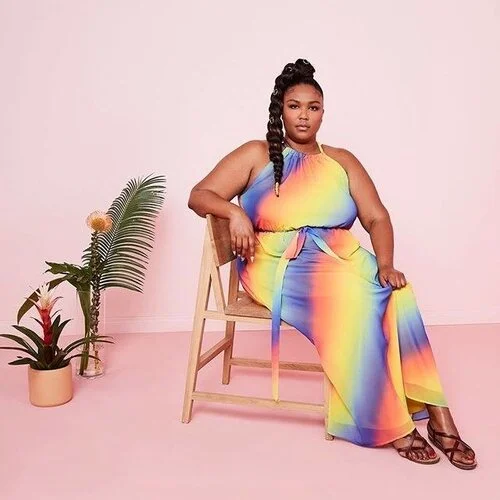
FEATURE: Modern Heroines: Part Nine: Lizzo

FEATURE:


Modern Heroines

eee.jpg

PHOTO CREDIT: Campbell Addy 

Part Nine: Lizzo

___________

WHEN we consider modern female artists…

 IN THIS PHOTO: Lizzo in March 2019/PHOTO CREDIT: Erik Tanner for Rolling Stone

who will be remembered decades from now, Lizzo must be on most people’s lips. As we speak, she is dominating the planet and bringing her incredible live set to the people. She is in Europe at the moment, but she is heading to her native U.S. at the end of the month. Born Melissa Jefferson in 1988 in Detroit, Lizzo is this incredible artist who had the music bug instilled in her at a young age. She moved to Houston at a young age where she started performing; she later moved to Minneapolis where she began her career as a recording artist. Although her big moves happened from 2013, Lizzo performed with various groups whilst she was in Minneapolis – including Lizzo & the Larva Ink. Lizzo’s experience working with other groups and taking to the stage definitely helped her when it came to her solo career. I caught on to Lizzo’s music about two years ago, and it is really interesting looking back and seeing how she has grown as an artist. Her debut, Lizzobangers, is aptly named: it is a confident and memorable debut that shows Lizzo was complete and stunning right from the get-go! Released on the Totally Gross National Product label in 2013, Lizzobangers was re-released by Virgin Records in 2014 and won critical acclaim. There is a little bit of conflict regarding the album, as Lizzo herself removed the album (briefly) from streaming services; she wanted her career to start with the 2016 E.P., Coconut Oil

It is a shame Lizzo has sort of reset the clock and wanted her debut to be stricken. The album is amazing and received a lot of love. In their review, The Guardian had this to say:

Don't tell us to slow it down, we won't listen – we're twentysomethings." She's speaking on behalf of her age group here, but Lizzo, a Texan rapper based in Minneapolis, could also be referring to her own delivery. In this super-charged debut, which harks back to early-90s hip-hop, she delights in speeding it up, be it to dazzle male counterparts, as on Pants vs Dress, or simply as a release. At times joyfully nonsensical, Lizzo's stream-of-consciousness rhymes can also be lethally pointed. When she declares herself "the only rapper with a womb/ That'll spit that 16 bars to send you rappers to the tomb", it doesn't sound like an idle warning”.

I love Lizzobangers, but I can understand why Lizzo might feel that better work was ahead of her. You cannot deny the fact Lizzobangers is uplifting and has bags of personality. Lizzo demonstrated she was a compelling singer and someone who could write songs with heart and then, when the mood called for it, raise the roof and get the body shaking! In their review, Drowned in Sound were full of wonderment:

Then there are songs which straddle both these modes such as 'Be Still', which builds its foundations on rampant flute loops and loose rhythms only to give way to crunching, doom laden synths. 'Faded' apes 'Skankonia' era Outkast, its frantic pace culminating in a wash of oscillating feedback and stark strings. Lazerbeak and Olsen employing a subtle bombast that propels the tracks forward, yet never threatens to overrun the songs; constantly balancing their sounds with the fluidity of Lizzo's rhymes.

Perhaps the greatest achievement of Lizzobangers is how momentum rarely drops across the 14 songs, each a delirious earworm, each more engaging and entertaining than the last. Lizzo's arrival feels like something definitive, as though she's teetering on the edge of major stardom so snap this up before she inevitably goes pure R&B/pop for her second album (she's already collaborating with Clean Bandit) and cherish this for what it is; one of the finest hip-hop”.

 PHOTO CREDIT: Lizzo

As there were very few artists of Lizzo’s calibre around in 2013/2014, there was a lot of media interest. Perhaps Beyoncé matched Lizzo in terms of her style and sound, but Lizzo’s unique personality and story meant there were a lot of eyes trained her way. The early interviews are really interesting and, now that Lizzo is a superstar who has played enormous gigs, there is something quite modest and understated regarding those earliest interviews. When Billboard spoke with her in 2015, we learn a lot about the young star. One of the key messages Lizzo has been sending out is body-positivity: feeling comfortable in one’s skin and accepting who you are. She touches on this in the interview:

For quick background, Lizzo was born Melissa Jefferson in Detroit and grew up in Houston, playing the flute, listening to gospel and Beyoncé, and later singing in an experimental rock outfit called Ellypseas. She eventually moved to Minnesota and, during a bout of writer's block, found a spark in Lava Bangers, an album of beats by producer Lazerbeak, best known for his work in the hip-hop collective Doomtree. While writing new lyrics over his music, she tweeted at him, saying she'd love to work with him, and soon after she found herself at a party with him, Ryan Olson of Gayngs and Poliça, and Bon Iver's Justin Vernon. With Beak on the beats and Olson producing, she released her excellent debut, Lizzobangers, in 2013, mixing boastful and playful rhymes with messages about gender, race and politics.

PHOTO CREDIT: Lizzo 

"Everyone looks to an artist for something more than just the music and that message of being comfortable in my own skin is number one for me," she says. "It's like, 'She's comfortable in her own skin. Can I just put on her music and sing along and pretend I'm like that for a second?' That's the story I get from a lot of girls. They say, 'Thank you for making this body-positive music. Thank you for being a body-positive performer, and thank you for being you.' That helps me be comfortable. It's a journey but I'm getting there."

As her profile grows, she's also happy to get fewer questions about being a woman in hip-hop. "It's started to shift because what I stand for is something bigger than saying that I'm a female rapper," she says. "I feel like I've started to create my own culture of being a voice for something and that's what people want to know about. I love that because I am a woman and because I a rap and I look the way I look, I can connect with the demographic of people who feel like they have a voice in me. I'm glad I'm a woman, I'm glad I'm a rapper because I get to speak to these people who did not get spoken for in this genre”.

If Lizzo was a little reserved or dissatisfied with her debut album, her 2015 release, Big GRRRL Small World marks an arrival; a moment when this fantastic artist stepped into her stride. Just before I get to that album, I wanted to mention that, back in 2014, Lizzo appeared in StyleLikeU’s What’s Underneath project. She removed her clothes and discussed her relationship with her body. There are not many artists now who are talking about body image and that side of things. In 2014, Lizzo was a bit of a rarity. It is doubtless she inspired many men and women around the world in that respect.

In terms of changes between albums, there was not a huge leap. I think Big GRRRL Small World is a bigger and more ambitious album that Lizzobangers; maybe there is greater consistency and diversity. I maintain Lizzo was fully-formed from the off, so Big GRRRL Small World pushed her story on and brought her music to a new audience. Maybe this is the album where her career began (in her mind) and is a better representation of who she was and what she wanted to say. With some brilliant material already under her belt, critics were prepared for what arrived in 2015. Actually, as the album was released in December of that year – always a risky time to release -, some critics did miss it, assuming not a lot of awesome music would be out at this time. The Guardian are one of the sources that missed out and caught up with the album. In their review, The Guardian highlight the many positives of Big GRRRL Small World:

These are important topics, not all of which are being discussed much elsewhere in hip-hop. You can understand why people are impressed, but the danger on focusing on them is that Big Grrrl Small World starts to sound like a worthy-but-dry exercise in earnestness, the kind of album that people describe as “necessary”: indeed, in some quarters Lizzo is perceived as being so right on that one reviewer expressed surprise at her lyrical thumbs-up for a chain of Brazillian steakhouses called Fogo de Chão, wondering aloud at what the rigorously vegetarian Sleater-Kinney made of their tour-mate knocking back the bacon-wrapped fillet mignon and slow-roasted costela de porco. But the Lizzo who at one juncture hollers “gimme a soapbox” is balanced out by the Lizzo who mutters, midway through My Skin, that she’s “done with the struggle”, adding, “I just want to enjoy life”.

When it came to defining albums in 2015, I don’t think there was anything as strong as Lizzo’s Big GRRL Small World – maybe Kendrick Lamar’s To Pimp a Butterfly was more important, but Lizzo’s pearl is an album that deserves a lot of new appreciation and promotion. One of the reasons why I think Lizzo is an icon of the future is the fact she is such a positive role model. I know there are other artists who are sending out positive messages and setting a great example, but I know Lizzo is giving so much strength to people; going against the perceived ‘norm’ of a female artist: that they need to be skinny and look a certain way to sell records. In terms of creative progression, there were changes from Lizzobangers to Big GRRRL Small World. She was asked about her music and evolution early in 2016:

You’ve moved around a lot. How would you describe your sound?

Even though I was born in Detroit and grew up listening to gospel music, my sound is very connected to Houston rap. I’ve always loved the swag and sing-songiness of rappers like Lil’ Flip and Mike Jones. So on record you’re going to hear a lot of Houston influence, whereas on stage you’re going to see straight-up Detroit gospel soul. Minneapolis has helped me grow on the production side. And if you listen very closely you’ll hear some classical influence – I was studying flute for half of my life.

aas.jpg

PHOTO CREDIT: Lizzo 

How did the new album come together?

As soon as Lizzobangers came out, I started writing new songs, but lyrically it wasn’t going in the right direction. I made at least 25 demos that didn’t end up on the album. Then I finally got to a point where I figured out what I wanted to say and it flowed.

What else changed?

I think that I developed as a songwriter. I did less sitting down and writing in a journal and more freestyling in the studio, which made a huge difference.

With every album, Lizzo gets stronger and more electrifying. Maybe it is the passing of time and the fact she hones her live act. Maybe it is something else but, in years to come, you wonder just how good she will be! 2016’s Coconut Oil E.P. is, to her, really the start of her career, but one would be foolish to dismiss something as fantastic as Big GRRRL Small World. It is the perfectionist in Lizzo: not truly happy and assured unless she is at her very peak. If the U.S. songwriter was still seeking her finest work in 2016, this year’s Cuz I Love You certainly cannot be disputed or faulted. Whilst there are some more reflective and emotional tracks on the album, I think it is the sense of empowerment and confidence that defines Cuz I Love You. It is Lizzo’s finest achievement to date and provides a fascinating glimpse as to where she is going to head next. There are not many Pop bangers that stay in your head these days; Juice is one of those rare cuts that has that nuance and is an instant smash.

Although there are a few producers and writers in the mix, it is Lizzo’s voice and passion that stand out on Cuz I Love You. When we get to the year-end lists of the best albums, I expect many publications to name Lizzo’s latest in their top-ten. There is that nice balance of the heartfelt and anthemic that splices Disco, Soul; some Pop and other genres. The reviews for Cuz I Love You are the strongest of Lizzo’s career so far. In this review from The Telegraph, they talk about how accomplished Lizzo sounds and how impactful the album is:

“Her sound draws on a particularly sparkling vein of pop where disco meets rock and funk. Sophisticated operators such as Nile Rodgers, Was Not Was and the Tom Tom Club come to mind, as well as Pharrell and his squelching, bouncing soul grooves. Chord progressions draw on standard rhythm and blues tropes, and old-school horns and guitars punch in behind the vocals.

The most modern thing about this album is Lizzo’s unabashed attitude. She stamps herself over these tracks with the brassy pizzazz of Bette Midler crossed with Millie Jackson, with an extra dash of contemporary feminist fervour. “Only exes that I care about are my chromosomes,” she declares on the bravura Like a Girl, in which she threatens to run for president and win Wimbledon for good measure. I wouldn’t put anything past her: Cuz I Love You is absolutely splendid, a joyous album to put a smile on your face, a song in your heart and your booty on the dance floor”.

PHOTO CREDIT: Vogue 

Cuz I Love You is one of the best-rated albums of 2019, and it goes to show there is an immense amount of respect out there for Lizzo. It is in my top-ten albums of the year; I think there are plans for next year regarding new music. In another review, The Guardian were keen to give their kudos to Cuz I Love You:

 “Lizzo’s lyrical concerns roamed widely, but encapsulated the female experience: errant guys, lots of sex, not enough sex, body positive self-love – both masturbatory and more spiritual – and (as one righteous track on her debut, Lizzobangers, had it) Bus Passes and Happy Meals. In short, a little bit of everything. The styles, along with the producers, varied widely – Lizzo did backpack rapper, she did trappy, she did edgy digitals, she did straight-up flows, she did a bit of singing. Men from indie bands, rather than A-list hip-hop beatmakers, stood behind her consoles for Lizzobangers (2013) and 2015 follow-up Big Grrrl, Small World; Lizzo toured with Sleater-Kinney before opening for Haim. The unifying theme throughout was her wit and personality: she is an eye-rolling, natural comedian who landed on hip-hop as her metier.

Cuz I Love You marks a conscious desire for Lizzo to accentuate the positive, to make the biggest-sounding record a set of speakers can hold. Official production credits were unavailable for research purposes, but there are writing teams on board now.

I was checking Lizzo’s Twitter feed when the reviews were coming in for Cuz I Love You. I think there was one less-than-positive review and, in a moment of annoyance, Lizzo expressed her shock and disproval. That goes to show that she put her heart into the album and, whilst she cannot win everyone and gain positive reviews across the board, it is apparent that her stock is rising, and she is among the most popular artists of today. Lizzo is an artist who speaks to women and she has that relatable edge, but she also has this wide-ranging appeal that touches everyone. If you did not see her performance at Glastonbury this year, then you need to have a look! Lizzo is one of the most compelling artists and around; someone who will continue to burn and strike for years. I will end by bringing in a recent live review, but I wanted to source from an interview Lizzo provided Elle last month. Lizzo chatted about Cuz I Love You and what might come next:

 “But for Lizzo, success is not necessarily measured by chart positions or streaming numbers or awards shows. It’s about making the music she wants to make, and getting it to the people who need to hear it. “If my next album doesn’t do anything like this [one], and this was just a one-time thing, I’m going to be grateful. And I’m also gonna have a fan base that I can tour on. I’ve been touring for a long time—why would that stop? I’m gonna continue to do that forever.”

sa.jpg

PHOTO CREDIT: ModCloth 

Then came Cuz I Love You, a genre-defying album that could double as both the female-empowerment playlist for your next girls’ night out and the cathartic soundtrack to your next breakup. “My songs feel happy, but they come from a sad or frustrated place,” she says. “My songs are always the silver lining or the ‘somewhere over the rainbow’ moments.” That’s especially true of “Soulmate,” “Truth Hurts,” and “Crybaby,” all three of which she either wrote or recorded through tears. “Those songs are actual anecdotes, like real stories about real moments in time. ‘Pull this car over, babe’—that is something that happened to me. ‘New man on the Minnesota Vikings’—that happened to me. ‘Old me used to love a Gemini’—that happened!”

Letting herself be that exposed and vulnerable wasn’t always easy. “I was the worst communicator, emotionally, when I was younger,” she explains. “I would stop talking to my family; I would stop talking to my friends. I would go deeper and deeper into that dark place, and the deeper I went, the harder it was to reach out of it.” It took her a lot of time and effort to change that, but now she prides herself on being vocal about how she feels. She even opened up about her mental well-being on Instagram back in June. “I’m depressed and there’s no one I can talk to because there’s nothing anyone can do about it. Life hurts,” she wrote. Her fans quickly flooded the comments with messages of love and support, thanking her for speaking up and letting her know she wasn’t alone. The next day, she returned: “I learned in the last 24 hours that being emotionally honest can save your life. Reaching out may be hard, but as soon as I did it, I was immediately covered in love.”

These days, Lizzo is happy to live life as herself. She’s busy touring and working on new music for 2020, but also trying to take time to enjoy her success so far. On the road, that means being present in each moment as it happens. So when she’s onstage and a crowd is chanting her name, for example, she can feel every syllable, every voice, coursing through her body. “I don’t need an encore chant after every song, even though they do that sometimes. But when it does happen, I open my arms to receive it, because it’s happening for a reason, and I’m so grateful for it.”

There are a lot of interviews out there, and I would suggest people follow up on them as Lizzo is a fascinating subject and is one of the realest and most accessible artists around. It not only her interviews and songs that are captivating and amazing: her live sets are among the most energised and hypnotic you will find. She is touring Europe at the moment, and she is collecting golden reviews and incredible feedback. Lizzo is conquering the globe and is an artist who will go from a star to an icon in years to come. I want to bring in a review of a recent live show where it seems like she brought her double-A-game:

 “Lizzo’s gig has so many high points that you could probably see it from space and mistake it for a major geographic feature. She starts the set in a pulpit wearing a gold robe in front of a backdrop of stained glass themed around hearts, launching full pelt into the gospel-house opener Heaven Help Me. At the end, for a huge rendition of Juice, she whips out Sasha Flute – an instrument named after a Beyoncé alter ego Sasha Fierce – and twerks while playing.

In between, Lizzo makes her fans inhale positivity and sigh out negativity a full three times, like a particularly bossy yoga teacher. Throughout, there is the joyous succour of a crowd of people singing an entire album of self-affirmation back at its author, who fans herself and tears up.

Amid the wall-to-wall bangers, a few questions surface. Lizzo performs without a band, and while singing to backing tracks is not rare at this level, it is a shame. The funk and the horns and the nimble, three-dimensional musicality of Lizzo’s album deserve musicians of flesh and blood.

There is also the small matter of the way this latest, most mainstream iteration of Lizzo centres on her sexuality. As liberating as the carefree jiggle is intended to be, a little of Lizzo’s intelligence, nuance and versatility is eclipsed by all the twerking going on. There is a clear line from Aretha Franklin’s Respect (which Lizzo quotes tonight) via Whitney Houston’s Greatest Love of All through to Lizzo’s music, and you can’t help but feel self-actualisation shouldn’t really be confused with wearing lingerie”.

Make sure you get involved with Lizzo’s music if you have not done so already…and keep an eye out for her in 2020. Cuz I Love You is one of this year’s best albums, and one feels she has not even neared her peak yet! This rate of progress is incredible, so I will be keeping my ears primed. It has been an incredible year for Lizzo, and I know she will have big plans ahead. She is, musically and in terms of her personality, a…

 PHOTO CREDIT: Lizzo

MODERN day titan.

FEATURE: Labelled with Love: Bella Union

FEATURE:


Labelled with Love

aa.jpg

IMAGE CREDIT: Bella Union

Bella Union

___________

I did start this feature off a while ago…

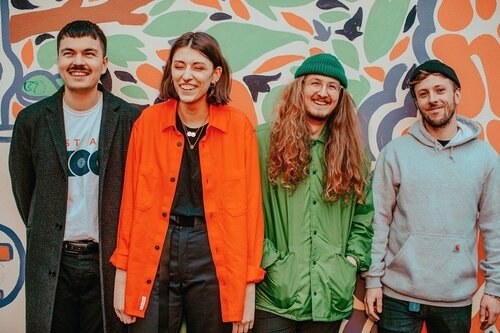
 IN THIS PHOTO: Brighton’s Penelope Isles are signed to Bella Union

but can’t remember which record label I included – I think it was Rough Trade Records. At the moment, Bella Union have a few fantastic artists with new cuts out. I have been listening to BBC Radio 6 Music and have heard songs from Dog in the Snow and Hannah Cohen. I am already familiar with both artists but do have a look at the incredible roster – links are at the bottom of this feature – and you will see a wealth of diverse talent. Have a look at the YouTube channel and you can see all the latest tracks from the Bella Union stable. In my view, Bella Union are one of the most exciting labels in the world and are housing some future icons. I have ended this feature with a playlist of current Bella Union acts and, if you fancy the sound of any of them, you might be able to catch them on tour. If you are down in Brighton, you can visit the Bella Union Vinyl Shop & Coffee, and I would suggest people do so. Founded in 1997, Cocteau Twins decided to set up a label. It was a chance for the band to release their own work and have ownership. I guess, when you are with a label, they will often have their own ideas of how a career should be run and the type of music they want their artists to release. When Cocteau Twins split, Simon Raymonde and Robin Guthrie took charge and started to recruit other acts. The Czars were one of the first acts to sign to Bella Union and, since 2000, Raymonde has taken control of operations.

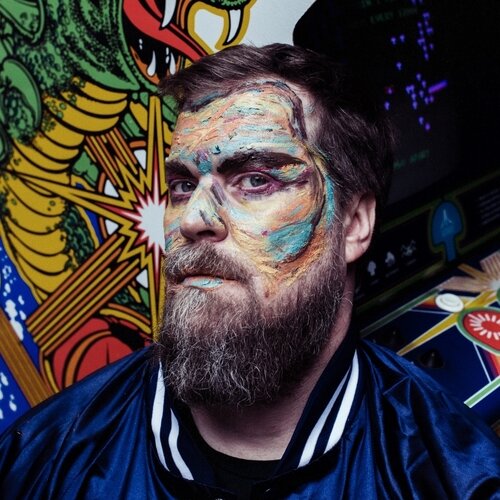
 IN THIS PHOTO: John Grant is one of the biggest artists in the Bella Union stable

For over twenty years, Bella Union has been looking after some of the most innovative and original artists around. I do think that there are many decades ahead for the label and, at a time when loads of small labels are struggling, I think Bella Union stands as a rare success story. That said, there are some incredible labels that have endured for years and there are great cases of artists stepping away from a big label and setting up their own one. Having released music from the likes of Father John Misty, Laura Veirs and Mercury Rev, the history of Bella Union is variegated and exciting. Not only is the label award-winning – they have won the Independent Record Company of the Year gong at the Music Week Awards -, but they have a passionate and experienced boss in the form of Simone Raymonde. Take a look at their current line-up and there are few labels around that boast such a strong line-up. Lanterns on the Lake are another one of my recent finds and, through BBC Radio 6 Music (again!), they are a favourite. If you just had John Grant on your label, then I’d nod your way: Bella Union have Penelope Isles and Ezra Furman to boot! It has been a really strong year for the label, what with some of their newer acts releasing albums and some of the more established guards remaining busy and, importantly, with Bella Union. I think biggest labels have a lack of identity and can be rather faceless. Labels such as Bella Union have this family feel and one can tell artists are really looked after. I am looking forward to seeing which artists will come on board and what the existing paddock will produce next year. This is a short feature, but it is a love letter and shout-out…

 IN THIS PHOTO: The terrific Emmy the Great

TO one of music’s great labels.

_____________

Follow Bella Union

FEATURE: An Eternal Icon: Remembering Jeff Buckley at Fifty-Three: The Ultimate Playlist

FEATURE:


An Eternal Icon

PHOTO CREDIT: Merri Cyr/Sony Music 

Remembering Jeff Buckley at Fifty-Three: The Ultimate Playlist

___________

WHENEVER we mark the birthday of a musician who…

xxx.jpg

 PHOTO CREDIT: Michel Linssen/Redferns

is no longer with us, there is this tinge of sadness. The legendary Jeff Buckley died in 1997 at the age of thirty, but he accomplished a lot in his career. His sole studio album, Grace, was released in 1994 and just celebrated (in August) its twenty-fifth anniversary. The influence of Buckley is clear: look around the scene and you can hear his essence and brilliance live on. Whilst it is tragic Buckley did not get to record a second album – he drowned mere hours before his band were due to fly in to start work -, he seduced and entranced legions of fans around the world. I am ending this feature with an ultimate playlist, but I suggest people check YouTube and you can see some of his performances. The book, Jeff Buckley: His Own Voice: The Official Journals, Objects, and Ephemera, was released last month and is well worth purchasing. Buckley died twenty-two years ago, but his majesty and remarkable music will live on. I think Buckley would still be recording today if he was still alive. Maybe his sound would be different to Grace; I feel he would gone through various stages and changes. I am curious what he would make of social media and the current scene. As tomorrow would have been Jeff Buckley’s fifty-third birthday, I felt it important to show my respect for one of my favourite musicians ever – Buckley’s music means so much to me and, even though I never met him, I miss him a lot. To end, I have compiled a Jeff Buckley playlist that shows…

WHAT a talent he was.

FEATURE: A Mighty Waterfall: TLC’s CrazySexyCool at Twenty-Five

FEATURE:


A Mighty Waterfall

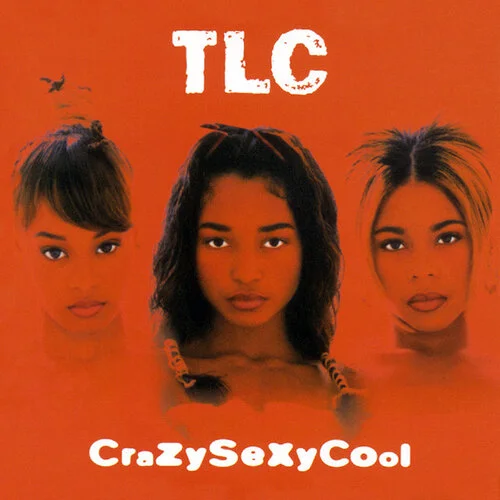
TLC’s CrazySexyCool at Twenty-Five

___________

I have a few album anniversary pieces…

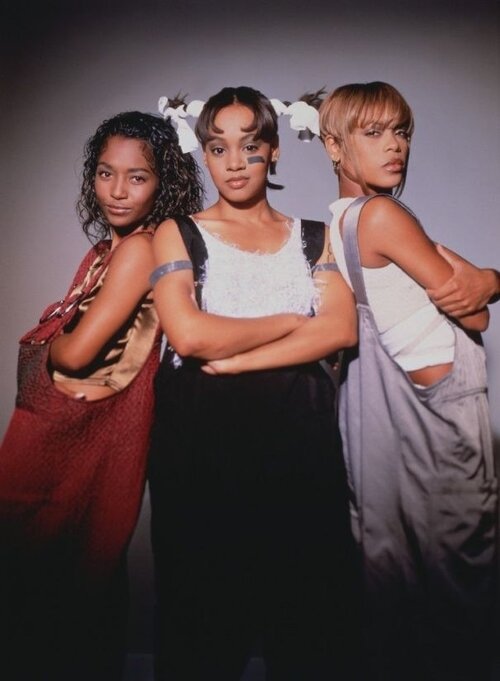
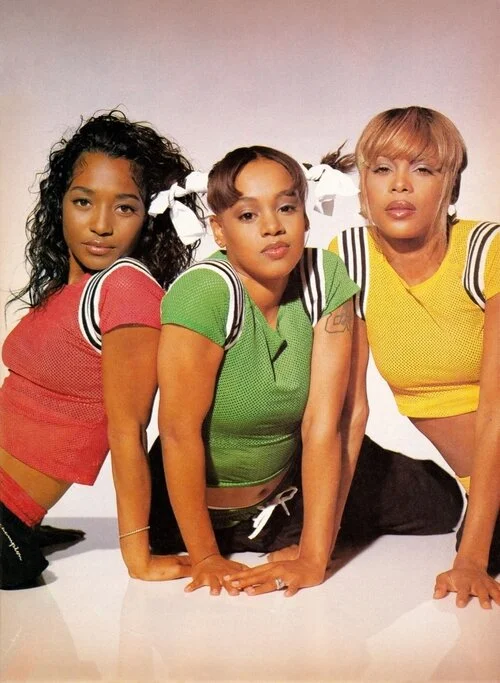
 IN THIS PHOTO: TLC in 1994/PHOTO CREDIT: Matthew Jordan Smith

coming up over the next few weeks. As we are ending this decade, it is inevitable that we are turning our attention to huge albums that ended previous decades with aplomb. TLC’s CrazySexyCool is a case of an album defining the middle of a decade, rather than ending it. 1994 is, in my view, the finest year for music ever, and we have celebrated so many titanic records from that year already. Many will overlook CrazySexyCool, but think about all the incredible tracks on the album and the numbers we are familiar with but do not consider classics – those that sort of grow on you and get ingrained in the mind. There were a lot of fantastic girl groups on the scene in the 1990s, but I think many people overlook TLC. Their 1992 debut, Ooooooohhh... On the TLC Tip, is incredible, but I think CrazySexyCool took them to a new level. Whilst, creatively, TLC were on a roll and had critical support behind them, there were personal issues in the ranks. Lisa ‘Left Eye’ Lopes was involved in a very volatile relationship, which was impacted on the group and the relationship between Lopez, Tionne ‘T-Boz’ Watkins and Rozonda ‘Chilli’ Thomas. Although there were producers such as Dallas Austin and Babyface (who worked with Madonna on her 1994 album, Bedtime Stories) on board, the tensions that were evident affected productivity.

En Vogue released Funky Divas two years before TLC unleashed CrazySexyCool. On 15th November, 1994, CrazySexyCool hit the world and it combined Hip-Hop beats and smooth jams. Although there is optimism and youthfulness on CrazySexyCool, it is a more mature and daring effort than their debut. Maybe that was a reaction to the scene around them or a necessary evolution, but TLC delivered a masterful album in a year that is defined by genius, innovation and huge consistency. Gone was the slight naivety of the debut to be replaced by something more sensual, cutting-edge and bold. Apart from TLC and En Vogue, there were not many girl groups offering the same blend of R&B sexiness with a commercial edge. With the band growing and able to produce such phenomenal songs – in spite of difficulties within the camp -, CrazySexyCool is an album that inspired a lot of other acts and sounds sensational to this day. CrazySexyCool is seen as one of the biggest albums of the ‘90s and its defining anthem, Waterfalls, is one of the greatest songs of that period. At a time when we do not really have girl groups, it is almost sad looking back and seeing what was happening in the 1990s. I wonder whether celebrating CrazySexyCool’s anniversary will provoke new groups or start a fresh scene. In a contemporary review, AllMusic shared their thoughts of CrazySexyCool:

On their second album, TLC downplay their overt rap connections, recording a smooth, seductive collection of contemporary soul reminiscent of both Philly soul and Prince, powered by new jack and hip-hop beats. Lisa Lopes contributes the occasional rap, but the majority of CrazySexyCool belongs to Tionne Watkins and Rozonda Thomas. While they aren't the most accomplished vocalists -- they have a tendency to be just slightly off-key -- the material they sing is consistently strong.

As the cover of Prince's "If I Was Your Girlfriend" indicates, TLC favor erotic, midtempo funk. Yet the group removes any of the psychosexual complexities of Prince's songs, leaving a batch of sexy material that just sounds good, especially the hit singles. Both "Creep" and "Red Light Special" have a deep groove that accentuates the slinky hooks, but it's "Waterfalls," with its gently insistent horns and guitar lines and instantly memorable chorus, that ranks as one of the classic R&B songs of the '90s”.

The instant quality of the songs and the sheer variety of sounds and moods on offer meant that CrazySexyCool resonated with their existing fanbase but brought in new followers. The chemistry between the three members of TLC shows and the album sinks in because there is so much to enjoy. Rather than stick with a Pop sound or talk about love in a very simplistic way, each song has a different personality and appeal. I think CrazySexyCool is not only an album that inspired other artists; I also think it could direct and infuse a modern Pop and R&B scene that lacks a certain spark and catchiness. In a review from 1994, Entertainment Weekly provided their take on TLC’s second album:

After proving the appeal of their brightly colored mix-and-match clothes, condom consciousness, and kiddie-cute hip-hop with multiplatinum numbers, TLC return with CrazySexyCool (Arista/LaFace), an album filled with adult-female sexuality — although still not always of the most mature kind. The spoken word ”Sexy” takes the form of a crank phone call in which an unsuspecting male is telephoned, flattered in no uncertain terms, then humiliated.

This hide- and-seek coyness is essential to TLC’s attitude and allure, but also points to the shallowness of their lyrics, none of which express an idea half as original or up-to-date as the album’s state-of-the-art production. That probably won’t stop fans from gobbling up this pop confection. It would take a nation of millions to hold back the slinky ”Creep” from becoming a hit. But it’s the Prince-inspired ballad ”Waterfalls,” and the mournful left-field funk-rock of ”Something Wicked” that hint at the artistic greatness TLC might achieve if freed from commercial concerns”.

There is often glibness when it comes to album anniversaries. Some people turn their noses up because they think it a case of nostalgia or certain albums are being given kudos and attention they don’t deserve. In the case of CrazySexyCool, here is a moment that truly announced the arrival of a sensational band. TLC’s sophomore album upped the game and, years later, influenced and opened the door for new groups. This NME feature explores CrazySexyCool and talks about its legacy:

But more than sales and accolades, ‘CrazySexyCool’ paved the way for the next generation of girl groups. Taking what they had learned from watching those that came before them — such as the likes of SWVEn Vogue and R&B boybands like New Edition and BBD — TLC packaged a fresh new attitude and unique swagger that inspired the next wave of girl power. Some of the fans who grew up listening to the group went on to take centre stage themselves: All SaintsLittle Mix and, on a much larger scale, Destiny’s Child and the Spice Girls – something Mel C acknowledged in an interview with The Guardian last year.

As fresh now as it was in 1994, ‘CrazySexyCool’ remains forever in style. Like Nirvana’s ‘Nevermind’, Janet Jackson’s ‘Rhythm Nation 1814’, Prince’s ‘Purple Rain’ or Madonna’s ‘Like a Prayer’, its prototypical approach to production and unflinching cultural commentary keeps it relevant regardless of era.

Today, TLC are still America’s biggest-selling girl group. T-Boz and Chilli continue to tour – they’ve just announced they’ll be returning to London next year – and in 2017 they released a self-titled album, their first studio album in 15 years. But ‘CrazySexyCool’ will always be that album”. 

TLC would take five years to follow up CrazySexyCool with the fantastic FanMail. Whilst not as celebrated and enduring as CrazySexyCool, FanMail contained the incredible anthem, No Scrubs. A lot of groups would struggle to follow an album that sold by the bucket-load and gained incredible celebration - CrazySexyCool was nominated for six gongs at the 1996 Grammy Awards. I listen to the album now and it still surprises and moves me! The songs are compelling and hit you instantly, but you keep going back and finding new sides and nuggets you missed out on back in 1994. Although the trio are now a duo, and their eponymous 2017 album did not fare as well critically as CrazySexyCool, they have announced their Whole Lotta Hits Tour and will be coming to London next year. People still hold a lot of love for TLC and, in this article, Rozanda ‘Chilli’ Thomas talks about CrazySexyCool and plans for the future:

The title supposedly referred to the band's personalities: Lisa "Left Eye" Lopes brought the crazy, having recorded her vocals on day release from court-mandated rehab, after burning down her boyfriend's house in a jealous rage. Tionne "T-Boz" Watkins, with her no-damns-given demeanour and raspy vocals, was effortlessly cool; while Rozanda "Chilli" Thomas was, for the sake of this anecdote, "the sexy one" (she also had an incredible voice and no shortage of attitude).

Propelled by the hit singles Creep and Waterfalls, it became the first album by a girl group to reach diamond status (representing 10 million sales) in the US. Globally, only the Spice Girls' Spice has sold more.

Thomas was asked about CrazySexyCool and what it means to her; how TLC wanted their greatest album to represent and say:

"CrazySexyCool was our version of I'm Every Woman. Every woman has a crazy or a sexy or a cool side. You can be all three, but one is definitely more prominent than the other."

What's the dominant characteristic for her?

"A-ha!" she exclaims with a hearty laugh. "It depends on the day. The crazy might be the more dominant one at times. But cool or sexy? I don't know. It just depends."

Making the album was a lot of fun. We didn't feel the pressure of the second album jinx - we were just excited to be in the studio coming up with new material," says Chilli.

PHOTO CREDIT: Matthew Jordan Smith

"And I remember when we were done, a guy at Arista records said, 'It's a great album and you guys will probably sell a couple of million'.

"We were like, 'A couple of million? We're going to sell five million. At least'.

"My great-grandmother used to tell me when I was little, 'When you become an adult, the years will go by super-fast'. I didn't know what she meant when I was a kid, but I get it now!"

It is sad that Lisa ‘Left Eye’ Lopes cannot see the impact CrazySexyCool has had twenty-five years after its release; the fact she is not able to tour with the band is another tragedy. TLC are on the road and will get to play cuts from CrazySexyCool to new fans and those who were around to witness CrazySexyCool in 1994.

It will be an emotional occasion but, next year, TLC are embarking on a big tour and, with festivals like Glastonbury already garnering speculation and attention, might there be a big spot open for them?

But she and T-Boz are ready to take the record back out on the road in 2020.

"We have a bunch of beautiful visual surprises and we're very proud of the hard work we've put into putting the show together, so we're very anxious for you to see it," she says.

Is it hard to perform the songs without Left Eye, who died tragically young in a car accident 17 years ago.

"We felt [her absence] more obviously right after she passed, when we had to continue to work," says the singer. "But over the years you heal. And I don't think you can ever heal 100%, 'cos that's our sister and we love her. But her memory lives on through us, and we don't look at it as a sad thing any more."

And what does she make of the rumours that TLC will make their Glastonbury debut next summer?

"Is that what you heard? I heard that too. That's what I'm hearing," she giggles, slyly”.

I am spending some time today to revisit an incredible album that stands among the very best of the 1990s. CrazySexyCool  is a wonderfully sublime and brilliant album that sounds so good and addictive today. I know CrazySexyCool will stand up for years to come because, as I said, the songwriting/producing and group chemistry is sensational. Twenty-five years after it arrived in the world, CrazySexyCool  is an album well…

WORTH celebrating.

FEATURE: Silent Nights: Could Artists of Today Pen a Christmas Classic?

FEATURE:


Silent Nights

asasassa.jpg

PHOTO CREDIT: @eugenivy_reserv/Unsplash 

Could Artists of Today Pen a Christmas Classic?

___________

IT may seem depressing to bring up Christmas music…

 PHOTO CREDIT: @rayhennessy/Unsplash

when it is the middle of November! One cannot fail to notice that Christmas usually starts around October! We are ‘treated’ to Christmas adverts and then, after a few weeks, Christmas songs start to make their way into shops and supermarkets. At the moment, it is not too bad in terms of the songs played – it usually gets a lot worse by the end of November. There are enough of us who like the classic Christmas tracks and, to be fair, I can listen to iconic tracks by Slade and Wizzard all day! There is that divide between the more contemporary Christmas songs and carols such as Silent Night – which is, in my opinion, the definition of Christmas. I think people are more annoyed with how early we start hearing Christmas songs, rather than the ones we are used to. There are some naff Christmas songs, but the all-time best rank alongside the best songs ever written. All I Wat for Christmas Is You by Mariah Carey is a strong Pop number in any era. The Pogues’ Fairytale of New York features the wonderful Kirsty MacColl and is an unconventional take on Christmas – in the same way Die Hard is a pretty atypical Christmas film! We all debate as to which is the best Christmas song of all-time (I love The Pogues’ classic), and we all do revel in hearing these songs that we have grew up with or associate with this time of year – even if we have listened to them dozens of times!

In the same way there have not been too many updates to the Halloween/Halloween-themed songs, the Christmas market has not seen too many entries through the years – at least nothing that holds the same weight as the golden oldies. Maybe the 1990s was the last decade when a modern classic was penned – Mariah Carey’s Christmas staple came out in 1994. Maybe current artists are a bit worried that a Christmas song might be a bit of a commercial misstep. If it is not an instant classic, they can be associate with a turkey (I will limit the Christmas puns) rather than a cracker (sorry!). I can understand that but, every year, we do see attempts. More often than not, modern artists are putting their own spin on the established breed – including recent reworkings from Robbie Williams with Jamie Cullum, Lucy Dacus and Michael Bublé. Artists have a lot of affection for those older numbers, but I do think there is a window for a modern song. Whether artists want to follow The Pogues and create a song that is funny and unusual or stick with a more tried-and-tested route. I think it would be possible to create a modern classic. In terms of the lyrical and compositional formula, the song needs to be fairly similar to the ‘standard’ Christmas sound – I think a Grime or Rap Christmas song is less likely to endure compared to something Pop-based.

At a time for music where joyous choruses and happy moods are in short supply, I think there is an incentive to pen a Christmas song that extends beyond the seasonal. It might be hard to summon images of joy and togetherness, but I feel there is a call for it. There is always a place for the Christmas classics, yet so many different versions have been recorded making me wonder whether we will see some modern gems. There are articles that ask whatever happened to modern Christmas songs. Why is it hard to generate something that can rival the best of years past? Maybe the standard is high, or artists do not have the incentive to write a song that will only be played at a set time of year. Maybe modern artists recorded Christmas songs years ago because the market was healthier in that respect. There was this race for the Christmas number-one and, as such, we saw some great Christmas tunes. Now, the Christmas number-one is not necessarily concerned with Christmas – we usually see X Factor winners and random songs hitting the top. I would be interested to see a modern Christmas classic – or one that could become a standard – and, although I turned my nose up at a Rap or Hip-Hop Christmas track, maybe there is scope, if the tone was right. Christmas songs are great in the sense that they need not be confined to specific aspects of Christmas; they do not need to be just about family or snow, for instance. The glut of modern Christmas songs is strange, but I think there is potential for some current artists to step up and pen a Christmas great. The older songs are good; one could do with a few alternatives in the market. Maybe, soon enough, we will receive a new Christmas song(s) that…

RANKS alongside the absolute best.

FEATURE: Sisters in Arms: An All-Female, Autumn-Ready Playlist (Vol. VIII)

FEATURE:


Sisters in Arms

AASA.jpg

IN THIS PHOTO: Princess Nokia 

An All-Female, Autumn-Ready Playlist (Vol. VIII)

__________

AS we are gearing up for another weekend…

dsss.jpg

 IN THIS PHOTO: Orchards

it is that time to bring together some wonderful female-led sounds. This playlist is particularly varied and autumn-ready. It has been great compiling the various tracks and exploring the finest out there at the moment. The weather is, as you’d expect, a little rubbish - and it does not look like we will see much sun for a bit. Because of that, I have compiled an assortment of top tunes from some big artists and those working their way through the ranks. If you are in need of a boost and some inspiration this weekend, have a listen to these tracks and I am sure you will be lifted. It is a cold one so, rather than braving the elements, put this music in your ears and you will…  

 IN THIS PHOTO: Maude Latour

WARMED up instantly.

ALL PHOTOS (unless credited otherwise): Getty Images/Artists

__________

Sharon Doorson Peaches

Hayley Kiyoko L.O.V.E. Me

PHOTO CREDIT: Katie Frost Photography

Rews Birdsong

Kaash Paige 64’ 

Baby Rose August 5th

Tei Shi Matando

zzxzx.jpg

Princess Nokia - Balenciaga

Oh Wonder I Wish I Never Met You

Maude Latour Starsick

asasas.jpg

Katie Pruitt Out of the Blue

Sody What We Had

Rachel Chinouriri Where Do I Go?

Alex Jayne Messy

Grimes So Heavy I Fell Through the Earth (Art Mix)

The Veronicas Ugly

Orchards Sooner

RAYE (with Jess Glynne) Love Me Again (Zac Samuel Remix)

Lily Ahlberg - Moonlight

Hannah Diamond Love Goes On

Pumarosa Fall Apart

aaaa.jpg

Siv Disa moths

sww.jpg

Shanti Celeste Sun Notification

Millie Turner Hide+Seek

Violet Days INK

Billie Eilisheverything i wanted

FEATURE: The November Playlist: Vol. 3: Burning Heather with False Gods

FEATURE:


The November Playlist

IN THIS PHOTO: Pet Shop Boys 

Vol. 3: Burning Heather with False Gods

__________

THIS is another strong week…

 IN THIS PHOTO: Billie Eilish

and I am excited by what is out in the world. As we inch ever-closer to Christmas, there are no Christmas tunes in this playlist, but I am sure some will come in over the coming weeks. Instead, there are new tracks from Anna Calvi, Beck; Pet Shop Boys, Billie Eilish and Glass Animals have awesome music out! Make sure you get involved and spin the best of this week. In the pack, as usual, is that nice blend between the mainstream artists and those that are slightly more underground. As the weather is a bit overcast and chilly, you will need some great tracks to get things cracking and moving in the right direction. I guarantee there is plenty in today’s selection that will get you…

IN in a good mood.  

ALL PHOTOS/IMAGES (unless credited otherwise): Getty Images/Artists

__________

James BKS (feat. Q-Tip, Idris Elba & Little Simz) - New Breed

Anna Calvi You’re Not God

Billie Eilish everything i wanted

Pet Shop BoysBurning the heather

Glass Animals (with Denzel Curry) Tokyo Drifting

Jake Bugg Kiss Like the Sun

ddsds.jpg

PHOTO CREDIT: Mikai Karl

Beck Everlasting Nothing

Camila Cabello - Living Proof

SSS.jpg

Wye Oak Fortune

MetronomyInsecurity

xxx.jpg

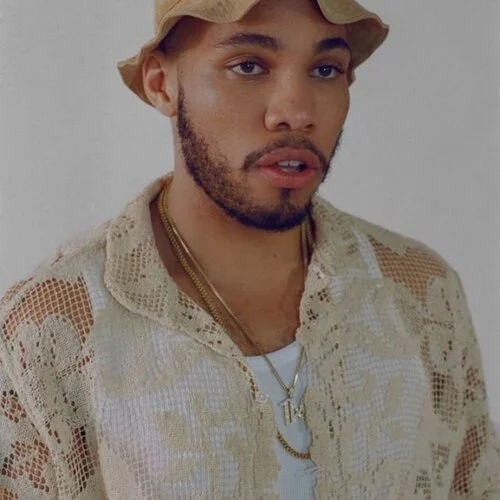
IN THIS PHOTO: Anderson. Paak

The Game (ft. Anderson.Paak) - Stainless  

ssaaasas.jpg

Okay Kaya - Baby Little Tween

zzzz.jpg

Taylor Swift - Beautiful Ghosts (from the Motion Picture, Cats)

eee.jpg

Charlotte Lawrence - God Must Be Doing Cocaine

xxx.jpg

Alfie Templeman – Who I Am

PHOTO CREDIT: Alexander Black 

Moses Sumney - Virile

xxxx.jpg

Elley Duhé - GOOD DIE YOUNG

ccc.jpg

The Vernoicas Ugly

sdd.jpg

PHOTO CREDIT: Hollie Fernando Photography

Willie J Healey Thousand Reasons

The Lathums I Know That Much

Princess NokiaBalenciaga

FLETCHER One Too Many

Noel Gallagher’s High Flying Birds - Wandering Star

CVV.jpg

Hannah Diamond Love Goes On

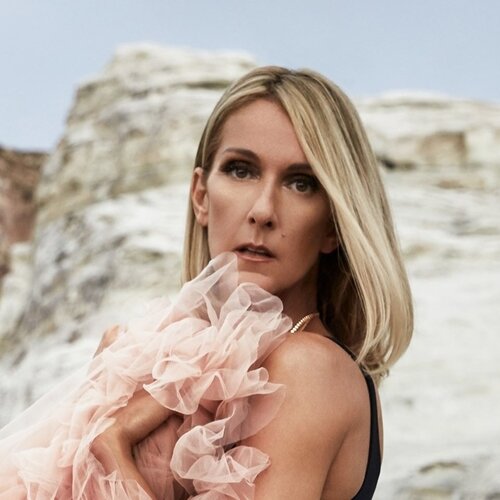
PHOTO CREDIT: Sony Music Canada

Céline DionLying Down

xdf.jpg

DJ Shadow Rosie

de.jpg

Hayley Kiyoko L.O.V.E. Me

xx.jpg

Jessie Reyez Crazy

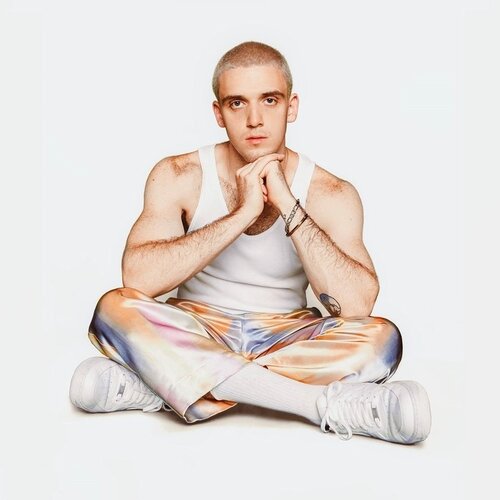
IN THIS PHOTO: Lauv

Lauv & LANY Mean It

Baby RoseAugust 5th

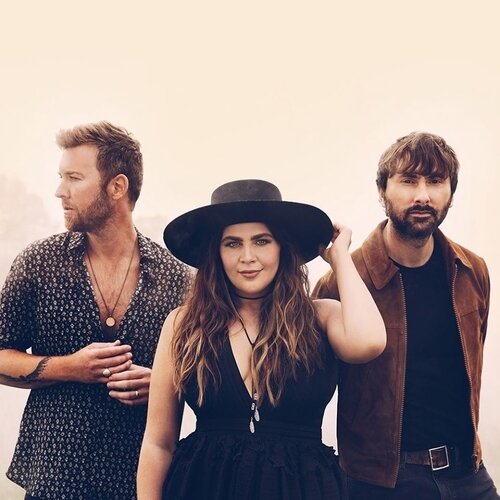
Lady Antebellum Be Patient with My Love

Hoops They Say

Fall Out Boy Bob Dylan

FEATURE: No Charge: The Future of Music Journalism/The Pressure on Artists to Produce

FEATURE:


No Charge

PHOTO CREDIT: @patrickian4/Unsplash 

The Future of Music Journalism/The Pressure on Artists to Produce

___________

THIS is a sort of double A-side…

 PHOTO CREDIT: @andrewtneel/Unsplash

kind of feature, I guess. It ties together because, as I am looking around music and the media right now, a few things strike me. I wonder whether there is such thing as ‘writer’s block’ or whether there is a natural point where the mental ink well just runs dry. At the moment, I am struggling to come up with new ideas for features; not quite sure how to proceed. I guess, if you are writing something new every day, there is a point where you have sort of covered everything. The charge sort of ends and you need to get the juice back in the batteries. I might explore how best to approach writer’s block in a future article, but I wanted to look back at a topic I have covered a few times before: the state of modern music journalism. Every month, I hear news that a music website is either having to scale its operations back or close entirely. As more and more artists come onto the market, there is that demand for coverage and column inches. There are few industries that provoke as much passion as much – this extends to journalists. So many of us – myself included – sort of take for granted websites when it comes to getting our news and fixtures. I have just checked on Pitchfork and The Guardian for what is happening right now. Whilst I do my best to support these sites (donating where I can), I understand the cost involved in producing their stories is exceptional.

 PHOTO CREDIT: @andrewtneel/Unsplash

Think about the costs a big site like The Guardian or The Line of Best Fit might have to shoulder. They have to go to gigs and review – this all costs. When interviewing artists, there are costs involved there and it can be quite eye-opening when you consider just how much is needed, financially, to keep us updated. The fact there is so much competition around means (big sites) often have to spend a lot of money either interviewing huge stars or producing these detailed features. I am indebted to music websites, because they help me when it comes to inspiration and what is happening right now. For the most part, I am looking out for news and features; I am not really that interested in reviews. It is staggering to think how many times I go to various websites to stay informed and find fresh leads. When possible, I contribute to sites to ensure that I do not have that ethical quandary. There are many that exist purely for free and rely on advertising to keep them afloat. I run a very small blog, yet I feel I am constricted because I generate no profit. Of course, I want to keep doing this for a bit, but I think it is hard to diversify and improve without money. I have been thinking, for a long time, about making videos that cover classic albums and various sides of music. Apart from a slightly nervousness, I feel the money needed to keep this up and reach people is too much.

 PHOTO CREDIT: @andrewtneel/Unsplash

I do not feel right asking people for money because they can go to other websites and a lot of people do not have spare pennies to pay for music journalism. It may sound like music journalism is dying out and, in years to come, it will not exist. That prediction can never come true, because musicians cannot solely promote themselves. There is always going to be a place for journalist. Artists need feedback and reviews; we need t know the latest music news and all of us, at some point, will buy a magazine or check a music website. I think there is that split between successful magazines that can continue and thrive because of sales and advertising revenue and those sites that struggle because the profit margins are razor-thin. There are articles that claim music journalism is not dying, but merely changing. To keep the audience hooked and invested, each site needs to have their own voice and style. Putting some humour into the mix or creating something positive. Indeed, some people look for a more negative take on an artist because it is different and bold. I do worry that, whilst some magazines are stable and new websites are cropping up, it is the free nature of media that means a lot of great journalists will struggle – and it puts off future generations from embarking on that path.

 PHOTO CREDIT: @andrewtneel/Unsplash

I want to source from a Europavox article that talks about music journalism in the digital age:

For anyone harbouring optimistic thoughts about the future of journalism, it’s been a sobering start to the year. BuzzFeed and HuffPost, leading players whose viral content and revenue-per-click strategy were once considered groundbreaking, laid off over 1,000 employees, while Condé Nast, the media conglomerate that owns publications such as GQ, Vanity Fair, Wired, and Pitchfork, announced that by the end of the year all its titles will be behind paywalls. For sites and publications lacking in cred or venture capital millions, things are even bleaker; newsrooms and staff positions across Europe and the US have been decimated, with 2018 being the worst year for media redundancies since 2009.

How did we get here? The Internet was supposed to be the dawn of a brave new world for publishing, the multimedia possibilities of the digital age allowing anyone, anywhere, to access a wealth of real-time information. Editors could no longer act as gatekeepers, nor could journalists afford to be cavalier when it came to facts – anything could now be checked in an instant. The advent of smartphones and social media accelerated such changes; blogs, bystanders, and so called “citizen journalists” could help break – and shape – stories in ways that were impossible for TV or print. If knowledge truly is power, then the web is one of humanity’s greatest inventions.

qwqqwqw.jpg

 PHOTO CREDIT: @cdubo/Unsplash

I think, as I say, there is this assumption that journalism should be free because we can get music for nothing – why would we pay to see something written about a song we paid nothing for?! It is an interesting debate but, as we are swamped with music and, if you pay for every song and article online, could you afford it all?!

Part of the problem resides in perceived value; as music itself has become just another free – and readily available – commodity, the number of people willing to pay to read informed debate around it has also dwindled. Viewed like this, the difficulties facing music journalism are the same faced by music in general: ensuring content creators are adequately remunerated for their efforts, and gaining attention in an increasingly fractured culture. Yet clearly there is still some demand for intelligent, thoughtful writing. Therefore, the question becomes: what should music journalism look like in 2019, and what does it need to do to survive?

It has never been easier to make, and release, music. SoundCloud, Bandcamp, Spotify, YouTube…a sea of sounds, representing every conceivable style and genre, washes across the Internet every day. Navigating this vast ocean – in modern parlance, “discovery” – is no easy task; one could spend days clicking on links and following hashtags, and find nothing but mediocrity”.

Music journalism is important because it provides different takes; we are not solely relying on the mainstream or one person’s thoughts. In the same way as literature allows us to escape, keep our imaginations sharp and ensure we are informed, music journalism is essential for those who adore music and are hungry to see how the scene is changing.

 PHOTO CREDIT: @matthewkalapuch/Unsplash

Artists always need that exposure and love, so we all need to, when we can, help subsidise sites we use a lot; try and buy music so that artists can continue to record for years to come. I know music journalism will continue and always be a thing, but I am seeing so many sites and publications disappearing because they cannot afford to keep things going without getting paid. Maybe it is a sign of the digital times, but I do think that we all need to donate where we can to sites; the Government needs to help fund music journalism to ensure that artists get covered and we all are able to get our fix of all the latest moving and happenings in the music world. I grew up reading magazines like NME and would hate to see the industry suffer because of a lack of capital. That said, there are some great blogs and websites that are able to produce excellent work because of their supporters and advertising – maybe everything is not lost in that sense.     

 PHOTO CREDIT: @matthewkalapuch/Unsplash

Maybe there is a connection but, as I think about music journalism and whether it has a strong future, I am also concerned about artists and the pressure on them to keep putting out new work. I am not sure whether there is a cause and effect link or a profit and demand connection, but I do feel artists are suffering because of the nature of modern music and how many others are out there. Because we can get music for free and there are platforms open to everyone, there is going to be that demand. This is especially true of mainstream artists but, when they release an album or single, there is that almost instant expectation to put something fresh out. Whereas the word ‘charge’ in the first part refers to finance and music media, here there is more of a physical and physiological meaning – artists being drained and tired by the effort they put in. Again, I am not suggesting all is hopeless (far from it) and modern music is in trouble. I do thing there is this feeling that artist need to be perfect or unique. As more and more musicians come along, parameters change, and the competition gets stiffer. For those who feel the quality of music has declined over the decades, consider how tough it is for artists now. For those starting out, there is the struggle to get noticed. Not only do artists have to use social media all the time to get people their way; their music has to have that spark and innovative streak so that it resonates.

 PHOTO CREDIT: @matthewkalapuch/Unsplash

Mainstream artists have commercial pressure from labels, meaning they not only have to keep releasing music to stay relevant and popular…there is also that problem with fitting into the mainstream but also being original. This article from last year talks about perfectionism and the impact it can have on mental-health:

More pressure comes from anxiety and perfectionism, says Cornelius – common issues for those working in the performing arts. “All artists put stuff out there to be judged, but the music industry is particularly challenging because you’re not just being evaluated on your music – it’s what scene you’re in, what you look like and what label you’re on. You then look critically at yourself, in the way that you think you’ll be viewed. It’s very destructive.”

No support. No advocate. No super. No sick leave. No annual leave. Long hours. Poor diet, occasionally comprised solely of liquids”.

Maybe there is a definite reality for a major Pop artist and a band that are just coming through. I do worry that artists are always having to think about their next move and are not being afforded time off. Constantly having that pressure can be a negative when it comes to songwriting. I think it is harder to come up with material if there is a sense of pressure; artists that are allowed more freedom and room can come up with more natural and better music. It is hard for artists because there is not only the recording of material they need to think about.

 PHOTO CREDIT: @austindistel/Unsplash

There is the social media side of things, promotion and touring. As I am going through a period of slight period of creative stagnation, I can only imagine what it is like for artists – those who have a lot of eyes and ears trained their way. There is this assumption that, unless an artist releases an album every year or two, they have faded away or they will be forgotten about. Fans will show patience, but I do wonder whether the labels are thinking about how their artists cope with stress and deadlines. This article from The Independent investigates how artists have to meet expectations and it can lead to some serious problems:

Will Gore, who worked in press regulation for a decade before moving into journalism (he is currently executive editor at The Independent), suggests that the “rock and roll” narrative beloved by so many tabloid journalists (and media consumers) “perpetuates a myth that musicians somehow ought to be capable of superhuman fortitude – until, that is, they burn out”.

He adds: “Yet the cases of burn-out, mental breakdown and even death only seem to add to the superficial allure of lives lived fast and dangerously. It’s not hard to suspect that this perception suits the industry down to the ground when it comes to marketing and sales – but it is hardly likely to help vulnerable stars who strive to meet such unrealistic expectations”.

xxxx.jpg

PHOTO CREDIT: @lensinkmitchel/Unsplash 

I will wrap things up in a minute, but I hope next year provides an opportunity for big labels and the industry as a whole to take a deeper look at the way artists are marketed and what is expected from them. Maybe things are that much more competitive now, but is the natural reaction to that pressure on an artist to the point where they are releasing material quickly and not producing their best work? Also, there is the strain on their mental and physical health; the fact artists need to take time off and, with that, there is that pressure for them to return. I think there is some great music around at the moment. In my view, the best albums have been released by artists who have had some time away; been allowed a period of reflection and, as such, have felt less anxious when it comes to the next album. I can appreciate the fact the industry is tougher now than ever, and artists in all walks and levels have to keep their name and music out there. I just think there are more downsides than positives when labels and fans are a little too impatient and feel releasing single after single is the best thing for an artist. Maybe some artists can defy the odds and strike out on their own terms, but many are struggling. I have spoken to several artists who feel like there is too much pressure on them to keep bringing out music. As we wind down this year, I do hope a lot of the big labels will think about how artists feel and whether they are expecting too much – that might seem like commercial suicide or something impossible! I started by discussing the future of music journalism and some personal writer’s block. As I type my final words, something positive has emerged: I have cured my writers block…

ddd.jpg

 PHOTO CREDIT: @lensinkmitchel/Unsplash

IF only for a moment.

FEATURE: My Wave: Keeping the Dream Alive: Is It Ever Too Late to Take a Radio Leap?

FEATURE:


My Wave

ILLUSTRATION CREDIT: fendri 

Keeping the Dream Alive: Is It Ever Too Late to Take a Radio Leap?

___________

MAYBE the title of this feature…

 PHOTO CREDIT: @filmlav/Unsplash

is a little mysterious and vague, so I should explain. I have been promising myself I would get into radio and sort of chase the dream, as it were. There have been some delays and, as with every dream, real life sort of gets in the way. I should explain the precipitating factors to the latest delay. For some, it might be as easy as taking up a course or getting the right training; readying themselves for a career in radio and that would be that. It might be a long process, whereby they have to start from the bottom rung and then move their way up the ladder. In my case, I have clarity in the sense I know which radio station I want to work for – it is not a case of starting with one and then finding out whether it is a good fit. In my case, there are other factors delaying my ambitions. Depression is raw enough to deal with as it is and, when it can make a regular job hard enough, it does make me wonder whether I would have the requisite energy for a career in radio. I am loathed to start at the bottom but, without that experience and training, it would be unrealistic to simply come into the station of my dreams and get the basic training there – even if I do have a lot of similar experience and skills from my time in journalism. Also, I am dealing with other medical concerns at the moment – including a voice issue (which I hope to get resolved) and living with a mild form of autism; shyness at the very least is another barrier for anyone going into an industry that is so public and is live.

xxxx.jpg

PHOTO CREDIT: @joaosilas/Unsplash 

I appreciate, too, that radio is a tough business and there are limited opportunities. At a time when we have Internet radio and podcasts, one does not necessarily have to get a degree and work their way through local radio. So long as you can promote your station and get the word out, people will come your way. Living with conditions that do make going out and socialising incredibly difficult, of course, will impact radio and aspirations in that area. I have been meaning to get a Kate Bush podcast running but, with very little money and problems getting a production company on board, even making those first steps are very difficult. I guess there are many out there who grew up around all sort of music and dreamt of one day becoming a producer or D.J. At the moment, production seems like the logical area, as I need to build up the confidence, fluidity and skills to be able to broadcast live without error. I could easily go onto a radio show as a guest but helming a show and being in control of the show would be different. Production is very difficult, yet I feel it is something I could take to easier, and it allows me chance to slip in some songs and have input when it comes to selection. Those childhood days when I was making mixtapes and listening to the radio; one day hoping I could have the chance to play my favourite songs and explain what music means to me.

 PHOTO CREDIT: @joaosilas/Unsplash

That is what so many of us music lovers want to aim for in life, so the opportunity to be set free in that way is always on my mind. Whilst I realise there are obstacles I have to face, I also wonder whether things will happen at all. It can be daunting dedicating yourself to a career and taking that risk. One usually starts as a radio broadcast assistant, but salaries can be quite low if you are not working for the BBC – which is where I want to be. It is important to have a salary you can live on and, living in London, that is not always possible. There is also that concern about age and whether it is too late to start out. Apart from anything else, I do get this worry that it might be too late in life to start out. I am thirty-six now and, whilst broadcasters and producers can be any age, many in the top rungs started out when they were a lot younger than me. If, one day, I become a broadcaster and make my way to the mic, have I left it too long to aspire towards a production assistant role? There are few advertised jobs in the area I want to work and the competition is very fierce. One can be self-sufficient and make their own show, but I have such a clear idea of where I want to be and who I want to work alongside – would having my own podcast or show set me in the wrong direction?

xcccc.png

Maybe these are irrational fears but, as I see what radio can do and how powerful it is, that desire to be part of a cool team at a great station burns hot. It is always hard to step away from security and a stable life and chasing that dream. If it all fails, what happens then? I do have to battle with various problems, that will naturally curtail a great deal of confidence and assurance. I think the age thing gets to me. Radio is not exactly a young person’s game, but I do get the niggling feeling that I should be a hell of a lot closer to my dream by now; can someone in their mid-thirties really embark on a career where age, in a way, does matter?! The benefit of having a podcast is that you have autonomy and can dictate what it sounds like. Even if you launch your own radio show, you can change it from show to show and not have to rely on a set format. As I said, I do know the station and show I want to be on, but a lot of legwork needs to happen from now until that happens. A lack of finance and time at the moment is curtailing anything in the way of real endeavour and results. Just when I think I can be happy enough in journalism and making do with that, the radio bug comes to me and it seems like the only thing I need.

I think I will make a bigger effort in 2020 to move towards my dream, but I can appreciate it will not be that easy or quick. Every time I listen to the radio, I can hear the joy radiating from the speakers. Not just in terms of the music, but the people who are sending it to us. I love the thrill of discovering a new act and showcasing a cool track; the pleasure of dusting off a classic that someone has not heard in a while. Whether that is as a D.J. or as a producer, I need to find a way to push forward next year and work towards that dream. I have the musical knowledge and passion so, teamed with some experience and focus, I hope to be in a better position this time next year. I come back to that question as to whether my age will count against me. If I were already established, then I would not feel like age is a barrier or worry. Coming onto the ladder is a slightly different thing. I am determined to press on and push things forward. I shall see how things go and do what is necessary to get where I need to be. My hope is that I haven’t left things too late and the dream to play the music I love is not out of reach. I am not one for resolutions and using the first day of a new year to change who I am but, with radio and music capturing me this year in a way it has never done before, I feel like I have to…   

vc.jpg

 PHOTO CREDIT: Shutterstock/Argus

TAKE a chance.

FEATURE Spotlight: Sudan Archives

FEATURE:


Spotlight

NNBBNNBNBBNBN.jpg

PHOTO CREDIT: Getty Images

Sudan Archives

___________

ONE cannot glean much when it comes to Sudan Archives

kkmkmkm.jpg

 PHOTO CREDIT: Samuel Trotter for The New York Times

merely by looking at Wikipedia page! I guess it is never the most reliable source but, in the case of Sudan Archives, there is very little. Her real name is Brittney Parks and she is based out of Los Angeles. She is signed to the mighty Stones Throw Records and she started playing the violin in fourth grade; she, rather unbelievably, was kicked out of her family home as a teen because she told her mother she did not like her name – she preferred her nickname, ‘Sudan’. I guess the few lines that are on her page are pretty eye-opening and interesting! Even though her album, Athena, is her debut, it has been collecting some great reviews and is a natural progression from her E.P.s, Sudan Archives (2017) and Sink (2018). I realise I have featured quite a few female artists in this feature this year, but 2019 has been a very strong one for female artists! I intent to include more bands – some of which might be female-led -, but there are some terrific solo artists around that deserve a spotlight. I think 2019 has been an extremely varied year in terms of genres. More than any other time I can recall, we have seen so many fascinating and new sounds come to the fore. In terms of Sudan Archives’ music, it is hard to hone it to one genre. There is R&B and Electro mixing in with something spiritual and calming. It is a mighty blend and one that is bringing more and more to her world. I have included her social media links below, so make sure you give Sudan Archives a follow!

She is making music that goes deep into the soul and really does something wonderful. I think she has a very long and prosperous future, so I am interested to see where she heads next. I will bring in a couple of reviews for Athena but, before then, I want to quote from an interview she recently gave to The New York Times, where she talked about her music and upbringing:

With a dozen songs on two EPs that she released in 2017 and 2018, “Sudan Archives” and “Sink,” Parks, 25, has already earned a place among boundary-defying R&B innovators like FKA twigs, Frank Ocean, Solange, SZA, Kelela, Sampha and H.E.R. They have been turning R&B into an elastic, futuristic realm where fantasy and self-revelation, otherworldly electronics and real-world musicianship are constantly recombining. With “Athena” she pushes even further, sonically and emotionally, allowing her songs to be more revealing. “I washed away my fears and trusted my own ears,” she sings in “Confessions,” the album’s first single.

Sudan Archives’ music was forged from instinct, happenstance, discipline and research. Parks grew up in a family that attended a small Church of God three times a week, for ecstatic services with harmony singing and speaking in tongues. The church’s clapping and stomping — survivals of gospel’s African heritage — echo in the music she grew up to make.

She was in elementary school when Barrage, a fiddle-centered Canadian band mixing Celtic and international influences, came to perform there and she decided she wanted to learn the violin. After-school programs got her started, but she learned the rest by ear. She improvised along with the singers in church, and she taught herself to hear musical architecture and to invent melodic lines.

“This discipline that I had at a young age to keep playing an instrument — that’s what separates me from a lot of artists,” she said. “The violin chose a path for me.”

She also opened up her lyrics. On her EPs, songs like “Nont for Sale” put a cheerful, empowered face on conflicted relationships. But on “Athena,” Parks also explores darker, angrier, more confused moments: succumbing to desire, pulling away from codependency, recognizing inner angels and demons.

Working with collaborators led her to be “wilder” in both music and lyrics, she said. “I had people around me, they knew what the song was about, so they were holding me accountable for my own feelings. I felt like I couldn’t hide”.

I always like seeing where a musician came from and how their early life affected their progression. We often digest albums and discover artists, but how often do we think about where they started out and how their music comes together? Maybe it is unfeasible to dedicate that much time to every single artist, yet there is something about Sudan Archives that compels study and curiosity. I would urge people to do some research and read interview she has provided. Whilst I am relatively new Sudan Archives and her majesty, I am making up for lost time and checking out her E.P.s. When the end-of-year lists come out that celebrate the best albums, I would expect Athena to be in the mix:.

The reviews for Athena have been pretty glowing. There is nobody out there like Sudan Archives, so many people are marvelling over this artist who is new and stunning. I want to highlight a review from Pitchfork, who were very positive when it came to Athena:

Within her highly synthesized songs, Parks details sumptuous natural imagery in verdant metaphors (“Iceland Moss”), and in her parallels between a youthful relationship and the unorthodox grace of sea birds on “Pelicans in the Summer.” “Glorious” feels like a prime contender for crossover —a guest verse from rapper D-8 comes and goes without any serious impact, but the track builds a stronger case for her secret-weapon capabilities as a hip-hop collaborator.

It’s a rare thrill to be able to hear an artist making leaps and bounds in their work in such a short span of time, to follow along as their explorations get deeper and weirder. Having developed a sound so distinctly her own, Parks has liberated herself from any preset expectations of genre or style. She warns listeners as much on Athena opener “Did You Know,” where her reflections on childhood ambitions to rule the world are muddled by adult insecurities. Her resolution is promising within the context of the song as much as her whole catalog: “At the end of the day, I’mma get my way”.

There is no denying Athena contains music that is beyond breathtaking. I wonder whether this beauty and gorgeous sound emanates from her musical influences, or whether it was more inspired by her childhood and teenage years; where she faced some transition and was discovering who she was as an artist and creative person. In any case, you need to check out Athena - as it is a mighty debut indeed.

 PHOTO CREDIT: Alex Black

I shall wrap up, but I want to bring in The Guardian’s take on one of 2019’s brightest diamonds:

In actual fact, Parks’s debut contains some of the most electrifying and viscerally gorgeous music put to record this year. She may have been inspired by north African one-stringed fiddle-playing and ethnomusicology more generally, but Parks wears her erudition lightly. (The Archives portion of her name is a reference to her penchant for crate-digging, while Sudan is a long-standing nickname.) On Did You Know, a groovy neo-soul number with undertones of rumbling unease, the strings are subtle, doubling as pleasingly textured percussion. On the sultry, uncomplicated Down on Me, they provide warming echoes of the vocal melody. On the stunning Iceland Moss, a compellingly breezy combination of R&B, trip-hop and dreampop, they resemble an acoustic guitar.

That said, Athena is most successful when Parks wields her instrument with a certain brashness. Glorious, which features Ohioan rapper D-Eight, is knitted around a thumping beat and a folky, faintly Celtic fiddle figure. Confessions, the album’s standout, centres on a blissful, gospel-infused melody accented by sharp, tart bursts of violin. The resulting sweet and sour confection is tremendously moreish and, like the rest of this album, testament to its creator’s skill and superior sonic palate”.

Sudan Archives is actually playing in London next week, so make sure you go and see her play if you can. I can only imagine how immersive and wonderful her live sets are! To be in attendance will be a wonderful thing. I think Sudan Archives will be a festival fixture next year and will go on to play bigger and bigger venues. In a year stuffed with talent, Sudan Archives definitely stands out and has a glorious career ahead of her. If you need a new musical fix for this week, I suggest you stop at the feet…

OF Sudan Archives.

___________

Follow Sudan Archives

xxxxxxxx.jpg

FEATURE: Like a Virgin at Thirty-Five: Celebrating Madonna’s Sophomore Breakthrough

FEATURE:


Like a Virgin at Thirty-Five

bbb.jpg

IN THIS PHOTO: Madonna in a rare photo from the Like a Virgin shoot/PHOTO CREDIT: Steven Meisel 

Celebrating Madonna’s Sophomore Breakthrough

___________

TODAY marks thirty-five years…

 IN THIS PHOTO: Madonna in 1984/PHOTO CREDIT: Getty Images

since Madonna’s Like a Virgin was released to the world. When it comes to Pop starts, Madonna began with a bang in 1983! Her eponymous album arrived a time when there was a positive Pop atmosphere, yet few burned as brightly as Madonna. I think that album remains underrated and is a hugely important one. Success followed its release, and the nature of Madonna’s music shifted in the year that followed. There was a sexiness and rawness to Madonna, but Like a Virgin took more risks and was a more adventurous album. Not many artists could commend the sort of power Madonna had after her debut. Hiring Nile Rodgers to come on board as producer, there is more kick, groove and attitude on Like a Virgin. In terms of stepping up and pushing forward, Madonna did it significant on Like a Virgin – she would continue to do so through most of her career. Madonna was buoyed and motivated by the success of her debut and had long-dreamed of producing. Sire Records were not quite in the position to give Madonna full control over production at such an early stage in her career. Instead, she produced alongside Nile Rodgers. I think they work well together, and the expertise Rodgers brings to the plate helped make Like a Virgin such a remarkable album. Madonna had heard what Rodgers produced with David Bowie on his 1983 album, Let’s Dance, so knew that she would be in good hands.

I think her debut is incredible, but her sophomore release is even finer. You can hear this artist coming into her own and distinguishing herself as a future icon. Whilst not the Queen of Pop at that early stage, Like a Virgin is a vital transition from a somewhat naïve and bubbly Pop artist of her debut to the more empowered and risk-taking singer only a year later. Recorded quickly at Power Station Studios in New York, you can feel the infectiousness and pure simplicity of the music. Whilst, on the surface, the music appears to be quite ordinary, here are songs that shine and sound incredible today – Like a Virgin is an album that has inspired so many others. The fact digital recording was employed on Like a Virgin gives it a different sound to that of Madonna. Rodgers recalls seeing Madonna at a New York club in 1983 and knowing that she would be a star. As such, you can tell how committed he was to ensuring Like a Virgin was a success. The rapport and chemistry between Madonna and Rodgers drove production forward and there was a lot of mutual respect. With collaborators such as Stephen Bray (her former boyfriend) on writing duty, Like a Virgin is a sure-fire work of gold. All of the tracks on Like a Virgin are great, but there are few finer singles than the title cut and Material Girl.

Both are incredibly memorable Pop songs that have bounce, heart and depth. Madonna had strengthened as a singer since her debut and was showing new sides. I like the fact that the songs were not simple love songs that any chart act could produce. Angel was inspired by a girl who was saved by and fell in love with an angel. It seems a bit strange that the title cut – and one of Madonna’s most-famous songs – was not actually written by her. Billy Steinberg and Tom Kelly penned the track and Steinberg said he based Like a Virgin on his experiences of love. Rodgers was not convinced that Like a Virgin had a hook memorable enough. Madonna liked the demo (sung by Kelly) and, after the song stuck in Rodgers’ head, it was included on the album. When we think of Madonna’s best albums, many of us overlook the brilliant Like a Virgin. It is much more than a couple of big singles; this album confirmed Madonna as a star to watch! This is the moment Madonna stepped into the spotlight and began to asset her sexuality like never before. Few female Pop artists were doing so at that time, so Like a Virgin opened eyes and doors. As her music went everyday love and touched on social issues and race, Madonna became a focal point and was being dissected as a Pop act with edge and intelligence. There are few sophomore albums as important, progressive and influential as Madonna’s 1984-released gem.

xxxx.jpg

 IN THIS PHOTO: Madonna captured during the Like a Virgin shoot/PHOTO CREDIT: Steven Meisel 

Like a Virgin is an album that still holds a lot of weight and, when you look at modern Pop artists, you can tell that many of them have taken the album to heart. If Madonna didn’t singlehandedly transform Pop and bring sex to the fore for women, she played a big part. She would release better-reviewed albums (such as Like a Prayer in 1989 and Ray of Light in 1998), but Like a Prayer is definitely ripe for re-investigation. The reviews for Like a Virgin were positive in 1984, but I think there are some retrospective reviews that are helpful; they show how the album sounds years after its release and how Pop has changed since then. AllMusic had this to say in 2009:

Madonna had hits with her first album, even reaching the Top Ten twice with "Borderline" and "Lucky Star," but she didn't become a superstar, an icon, until her second album, Like a Virgin. She saw the opening for this kind of explosion and seized it, bringing in former Chic guitarist Nile Rodgers in as a producer, to help her expand her sound, and then carefully constructed her image as an ironic, ferociously sexy Boy Toy; the Steven Meisel-shot cover, capturing her as a buxom bride with a Boy Toy belt buckle on the front, and dressing after a night of passion, was as key to her reinvention as the music itself. Yet, there's no discounting the best songs on the record, the moments when her grand concepts are married to music that transcends the mere classification of dance-pop.

These, of course, are "Material Girl" and "Like a Virgin," the two songs that made her an icon, and the two songs that remain definitive statements. They overshadow the rest of the record, not just because they are a perfect match of theme and sound, but because the rest of the album vacillates wildly in terms of quality. The other two singles, "Angel" and "Dress You Up," are excellent standard-issue dance-pop, and there are other moments that work well ("Over and Over," "Stay," the earnest cover of Rose Royce's "Love Don't Live Here"), but overall, it adds up to less than the sum of its parts -- partially because the singles are so good, but also because on the first album, she stunned with style and a certain joy. Here, the calculation is apparent, and while that's part of Madonna's essence -- even something that makes her fun -- it throws the record's balance off a little too much for it to be consistent, even if it justifiably made her a star.

In terms of Madonna albums, I think Like a Virgin is the one I link to my childhood. I remember watching the video for Material Girl when I was about seven or eight (I was born in 1983), and I might well have heard the odd snippet of Like a Virgin earlier than that. I listen to it now and then and it sounds remarkably catchy and interesting.

 PHOTO CREDIT: Steven Meisel

Lots of modern artists are inspired by 1980s Pop, yet none have the same soar, affinity and boldness as Madonna. In their review of Like a Virgin, SLANT had this to say:

 “Like a Virgin, the record that launched Madonna into unearthly super-stardom and went on to sell over 10 million copies domestically, defined a generation with hits like “Material Girl” and the now-classic title track. Though not as innovative as her debut, the album stands as one of the most definitive pop artifacts from the indulgent Reagan Era. The mid-tempo ballad “Shoo-Bee-Doo” and a soulful cover of Rose Royce’s “Love Don’t Live Here Anymore” proved Madonna could churn out more than just novelty hits, while the sugary “Angel” and the irresistible “Dress You Up” contributed to the singer’s record-breaking list of consecutive Top 5 hits (16 in all). The retro-infused “Stay” and the percussive “Over and Over” are the album’s hidden gems; a frenetic remix of the latter resurfaced on 1987’s You Can Dance”.

Like a Virgin is thirty-five today (12th November) and it is cool to see its creator continuing to release music and tour. Madonna remains at the core of Pop and countless artists have her to thank for their success. Maybe the Pop mainstream could learn a thing or two from an album that is in its mid-thirties. There are artists out there are who are pushing boundaries but what about those instant hooks and that upbeat feel? I think that is largely missing, so Like a Virgin is an album that serves as much a purpose now as it did back in 1984. If you have not played it for a while, put it on and experience Like a Virgin thirty-five years after its release. It is an album that is impossible to ignore; one that stays in the mind and…

ENVELOPS the senses.

FEATURE: Vinyl Corner: The Chemical Brothers - Surrender

FEATURE:


Vinyl Corner

The Chemical Brothers - Surrender

___________

I have investigated The Chemical Brothers before…

 IN THIS PHOTO: The Chemical Brothers (Ed Simons and Tom Rowlands)/PHOTO CREDIT: Getty Images

but I don’t think I have thrown a spotlight on Surrender. Maybe 1995’s Exit Planet Dust and 1997’s Dig Your Own Hole are seen as bigger and more important albums, Surrender cannot be overlooked. In fact, it is a masterful creation and one with its fair share of classic cuts. A special series of shows went down on BBC Radio 6 Music over the weekend (and on Friday night), and you can check out Tom Rowlands and Ed Simons speaking with Lauren Laverne about the album. I think there is a lot of fascination regarding the album, because there is nothing like it in the market today. On 21st June, 1999, this enormous, instantly fantastic album arrived that would help see the decade off in style! I was familiar with The Chemical Brothers when Surrender arrived – I experienced Dig Your Own Hole first-hand and then tracked back to Exit Planet Dust. Whilst we have Electronic innovators today, nothing really packs the same punch and memorability as groups such as The Chemical Brothers. Not only do people celebrate albums like Surrender because it takes them back to a moment in time; it also enhances the present and, to be fair, there are more than a few artists out there inspired by the Manchester duo. I am not surprised there was celebration on BBC Radio 6 Music; just over twenty years after Surrender arrived, there is still so much affection for it. On 10th June this year, The Chemical Brothers announced a 20th Anniversary special edition of the album, featuring B-sides, new mixes and a book.

You can check out the package here but, if the vinyl there is a bit pricey, you can get the original album for a much more reasonable price. Not only does Surrender feature some of the most daring and thrilling compositions from Rowlands and Simons, but there are some excellent collaborators who add that extra sprinkle of magic. Among the artists on the album are Noel Gallagher (Oasis), Hope Sandoval (Mazzy Star) and Bernard Sumner (New Order). I think a lot of artists collaborate because it will help their streaming figures, or it is a commercial move. I wonder how often they consider which artist would be the perfect choice for a song and bringing it to lie, rather than bringing in someone who will is popular and will get them a lot of attention. Listen to the vocals of Noel Gallagher on Let Forever Be and, together with a hearty nod to The Beatles’ Tomorrow Never Knows, it is a wonderful blend. Unlike their previous two albums, there is more experimentation and variety in terms of genres. There is some Rave on Hey Boy Hey Girl and that incredible Psychedelia on Let Forever Be. Maybe commercial success gave The Chemical Brothers the impetus to push boundaries and explore new territory. Whilst Beth Orton – who did collaborate with the duo on their first two albums – did not appear on Surrender, there is still an embarrassment of riches when you consider the names who help shape and guide this fearless record. I love the fact everything hangs together and sounds so right. There is not a filler track on the album, and Surrender is such a kaleidoscopic and busy album that it is impossible to dislike or ignore; one does not have to be a fan of Electronic music or Rave to appreciate Surrender.

Riding such a wave, The Chemical Brothers received a lot of praise for Surrender. In their review, Pitchfork talk about the high-profile guest appearances and the instantaneousness of the music:

Surrender will receive a ton of hype based on its superstar guest appearances, and none more historically relevant than “Out of Control” with New Order’s Bernard Sumner on vocals. Being electronic dance music freaks from Manchester, New Order is like the holy grail to the Chemical Brothers and it’s easy to see why. The Chemicals share with their Manchester predecessors an obsession with hypnotic, melodic, dance beats. “Out of Control” works so well it could be a lost track from Low Life. After his turn on “Setting Son” with the Chemicals in 1996, Oasis’ terminally out- of- style Noel Gallagher returns for another psychedelic, Beatles-esque anthem on “Let Forever Be,” again snagging the rhythm track from “Tomorrow Never Knows” off Revolver.

Surrender is both the Chemical Brothers most immediately satisfying work and, perhaps not coincidentally, the most like a rock album of their career. Unlike a fair share of techno, these songs feel like “songs,” not a collection of clever samples and a race to the fastest BPM on the planet. Yeah, you can go out and buy your jungle, your trance, your trip-hop and your ambient, but why would you when you’d be sacrificing the greatest gift of all: Surrender’s love and understanding”.

A lot of albums from the late-1990s have not survived that well, or they sound a bit dated and of their time. Surrender definitely captured a mood and lit a fuse, but I still feel it is inspiring and head-spinning today. Grab the album on vinyl, as it sounds even better when you drop the needle and hear songs like Music: Response fill the room. When we consider these decades-enduring albums like Surrender, I wonder whether they will still be lauded and covered so passionately in another couple of decades. As I said, maybe it comes down to the fact Surrender has no modern comparison and it is ageing so gracefully. In this NME review, they highlight the eclectic nature of the music and, at the same time, underline the fact that there are fewer revolutions and revelations than their previous work, perhaps:

 “And as it happens, 'Surrender' is excellent. From the opening faux-naive Kraftwerk simulation of 'Music: Response' right through to the final, Jonathan Donahue-assisted fry-up 'Dream On', it's simply a joy to listen to. Tellingly, the pair are most successful when they try something new (for them, at least). Like the irrepressibly sleek techno of 'Under The Influence', or 'Out Of Control', the best collaboration Bernard Sumner has sung on. Bobby Gillespie's also there, apparently, moaning. Its rumoured Sasha remix makes perfect sense.

'Hey Boy Hey Girl' you know, suffice to say it's a great moment in acid-bongo-pop fusion, while the Brothers' take on silken Chicago house, 'Got Glint?', even slides into graceful Balearic homage. These aside, though, and we're back on familiar ground. The album's nine-minute centrepiece, 'The Sunshine Underground', is essentially 'The Private Psychedelic Reel' smeared with glitter, and 'Asleep From Day', featuring Mazzy Star's permanently 'dreamy' Hope Sandoval, replaces previous folk-scarred outings with Beth Orton. Nice, but not quite the ticket”.

It is obvious The Chemical Brothers have influenced other artists, such as Fatboy Slim and Basement Jaxx. There are even playlists collating artists who have been influenced by them. The Chemical Brothers released No Geography earlier this year and showed that, two decades on from one of their most important albums, they have lost none of their step and brilliance. Even if you were not around to experience Surrender back in 1999, you can play it now and it will leave its mark. It is such a bold and wonderfully exciting album that you will need to play it a few times just so you can take everything in! Just one taste of The Chemical Brothers’ Surrender and you will be hooked. It is an album…

IMPOSSIBLE to resist

FEATURE: A White Dress and Mist to the Sword-Wielding Alter Ego: Kate Bush, The Early Years: 1978-1980

FEATURE:


A White Dress and Mist to the Sword-Wielding Alter Ego

IN THIS PHOTO: Kate Bush in 1978/PHOTO CREDIT: Getty Images 

Kate Bush, The Early Years: 1978-1980

___________

THE reason for writing this feature (if one were needed)…

IN THIS PHOTO: Kate Bush during her Tour of Life in 1979/PHOTO CREDIT: Getty Images

is to highlight a period of Kate Bush’s career that often gets overlooked in favour of her activity around Hounds of Love (1985) - or the transition from The Dreaming in 1982 to that landmark record. I have a lot of respect for Kate Bush’s entire career and, whilst Hounds of Love is a masterpiece that was recorded when she was in a very happy and calm space, I am intrigued to look at where it all started: a wide-eyed and beguiling teenager whose debut album, The Kick Inside, arrived in 1978 and was like nothing that came before – it remains this peculiar and stunningly beautiful album that has no equals or soundalikes. I am not simply going to cover her work from The Kick inside to Never for Ever (1980) and just leave things there. What I wanted to highlight is how Bush sort of started out; how she changed from this unique-if-misunderstood artist right at the start to one who, by 1980, was in the production chair and only two years away from The Dreaming – an album she produced solo and, whilst it divided critics, it remains underrated and hugely important. With any great artist, there are the early and later years. They are distinct and provide contrast. I prefer the work of The Beatles from 1963-1965, whereas many feel their greatest work was recorded between 1966-1969. I guess it depends on what you look for in music and what age you were when you discovered that artist.

There is a definite split between Kate Bush prior to 1980 and where she moved from The Dreaming and into Hounds of Love. A third revolution occurred when she released Aerial (after a twelve-year gap) in 2005. If, like The Beatles, Kate Bush came into her own and produced her most complete and bold work by 1982, I feel the first three years of her career (she recorded music before 1978, but I am taking the start of her career as the moment Wuthering Heights was released in January 1978). I guess part of my motivation for writing this is the fact a lot of radio stations play Kate Bush songs from Hounds of Love and tend not to venture too far beyond that. Whilst her 1985 album is a vital work, look at how she started out and the variety of her music. Of course, when it comes to debut singles, they do not come as majestic and original as Wuthering Heights. Many might argue there have been finer debut singles – although none come to mind! –, but there are few songs that arrest the senses like Wuthering Heights. In terms of the biggest changes between the early Kate Bush albums and the later works, one can say she became more confident and took more control of her work. Some dismiss albums like The Kick Inside as being very high-pitched and quirky; Bush as this very wide-eyed singer who was easy to parody and overlook.   

I can appreciate there was a distinct sonic and musical shift that happened after Never for Ever, but I love her early sound and how gorgeous it is. The Kick Inside, back in 1978, received some positive reviews, but there were those who did not know what to make of Bush. Many felt Wuthering Heights the best she would do and she was this one-hit wonder. The Kick Inside is my favourite album ever because it is a hugely positive, intriguing and deep album. Bush, still a teenager, sounds so alive and ambitious in every track. She writes about love, but she does it in a very different way to her peers. The Kick Inside is a very sexual album with sensuality and poetry. There are some fantastic female songwriters around today, yet I feel few have the same brilliance and insight as Bush. The Kick Inside is a very feminine album and one that contains little negativity. So many songwriters, when discussing love, are accusatory and anxious; they point fingers and rake over broken glass. Not only does The Kick Inside – and most of Bush’s work – paint men in a very positive light, but her use of language and imagery is stunning. In their review of The Kick Inside, Pitchfork unpicks some of the songs’ key moments and how Bush’s extraordinary voice brings to life her songs:

The louche “L’Amour Looks Something Like You” treads similarly brazen territory though lands less soundly. She fantasizes about “that feeling of sticky love inside” as if anticipating a treacle pudding, and there is an unctuous gloop to the arrangement that makes it one of the album’s least distinctive songs.

More complex desires tended to elicit her more inherently sensual and accomplished writing. “Moving,” her tribute to dance teacher Lindsay Kemp, is so absurdly elegant and lavish that its beauty seems to move Bush to laughter: There is deep respect in her admiration for him, in concert with piercing operatic notes and impish backing vocal harmonies that sound like they should have been handled by a chorus of Jim Henson creations. “You crush the lily in my soul” as an awed metaphor for the timidity of girlhood gone away is unimpeachable.

What made Bush’s writing truly radical was the angles she could take on female desire without ever resorting to submissiveness. “Wuthering Heights” is menacing melodrama and ectoplasmic empowerment; “The Saxophone Song”—one of two recordings made when she was 15—finds her fantasizing about sitting in a Berlin bar, enjoying a saxophonist’s playing and the effect it has on her. But she is hardly there to praise him: “Of all the stars I’ve seen that shine so brightly/I’ve never known or felt in myself so rightly,” she sings of her reverie, with deep seriousness. We hear his playing, and it isn’t conventionally romantic but stuttering, coarse, telling us something about the unconventional spirits that stir her”.

Many state Bush went on to make better music; you cannot argue against the sheer unexpectedness and affect her debut album has. It was different to anything around. Bush did not want to copy songwriters like Carole King, feeling they were too dramatic and dependent on heartbreak. Bush arrived with a different attitude, a staggeringly agile voice and songs that have remained hugely popular to this day.

IN THIS PHOTO: Kate Bush in 1978/PHOTO CREDIT: Getty Images

Albums like The Kick Inside cannot be defined by songs like Wuthering Heights and The Man with the Child in His Eyes. The latter is an observation by Bush that a lot of men have a sense of childhood locked inside them; that they retain a sense of innocence, despite their older years – an amazing observation, considering she was thirteen when she wrote the song! I do think there are tracks on The Kick Inside that many people have not heard that warrant greater exposure. Aside from Wuthering Heights, there is this mesmeric Strange Phenomena and the gorgeous Feel It; the swoon and skip of Oh to Be in Love and The Kick Inside – a brilliant finale about incest and suicide. Look around at the most daring and original songwriters today and few have matched Bush when it comes to her fearlessness and range. Lionheart was released late in 1978 and, so soon after The Kick Inside, it is inevitable that the album would not soar as high and make the same impact. Wuthering Heights hit number-one – making Bush the first British female artist to have a self-written number-one song -, and The Kick Inside hit the top-five in many countries. Again, Lionheart is an album that does not get a lot of praise and anything like the same focus Hounds of Love receives. Yes, there are weaker moments on Lionheart, but songs such as Symphony in Blue rank alongside Bush’s best-ever moments.

By 1985, the Pop landscape had changed. Artists like Madonna were making Bush’s most sensual moments seem almost tame. In the late-1970s, Punk was still raging and Bush was this bolt out of the blue. She had critics on board by Hounds of Love but I do think her earliest work requires retrospection and fresh appreciation. Lionheart has some flawed moments, but Wow, Kashka from Baghdad and Don't Push Your Foot on the Heartbrake are remarkable works. If Kate Bush’s music changed and grew after 1980, her visual flair was there from the start. Maybe the video to Wuthering Heights seems quite basic, but it is striking, classic and perfect – it fits wonderfully with the song. Lionheart’s Wow is another gem that is backed by an incredible video – Bush beguiling and enraptured throughout. With every album came new confidence and achievements. Bush set to work on her Tour of Life (or The Tour of Life) not long after Lionheart as released, and it began its life on stage on 2nd April, 1979. There is no doubt Bush’s experiences planning and executing her Tour of Life bled into her future work and the fact she did not want other people producing her work. That incredible tour redefined what a live Pop/Rock show could be. Her incredible songs were brought fully to life with these physical, eye-opening routines and theatrical flair. The Tour of Life remains a marvel where Bush let her fevered imaginations and ambitions flower and bloom.

Bush, even by 1979, was in a league of her own and turning into this star. 1980’s Never for Ever was the last album where Bush had a co-producer – she worked alongside Jon Kelly and she would take what she learned on Never for Ever into The Dreaming. Whilst The Kick Inside and Lionheart are undermined when it comes to great songs for radio exposure, Never for Ever remains the most neglected. In only a couple of years, Bush had transformed from this almost girl-like figure we saw dancing gracefully in the Wuthering Heights video. On Never for Ever, she evolved artistically and visually. In the video for Babooshka – the album’s lead single of April 1980 -, we saw two sides to Bush. The song talks about a wife and her desire to test her husband's loyalty. In order to do so, she takes on the pseudonym of ‘Babooshka’ and sends notes to her husband in the guise of a younger woman - something which she fears is the opposite of how her husband currently sees her. Babooshka arranges to meet her husband, who is attracted to the character who reminds him of his wife in earlier times. In the video, Bush transforms from a woman in a veil spinning a double bass to this vixen who is wild-eyed and revealing. The fact that Bush was scantily-clad for that video would not shock people who read her lyrics, but her videos up until that point were relatively chaste and less revealing.

 IN THIS PHOTO: Kate Bush in a promotional photo for the single, Babooshka (1980)/PHOTO CREDIT: John Carder Bush

Bush wanted to her videos to reveal the essence and true potential of the songs. This visual boldness and ambition was another reason why she stood out in the 1970s and 1980s. At the turn of the decade, Bush was still relatively new; the Pop market was fairly bland and there was nobody like her around. Whilst I will always prefer The Kick Inside, it is clear Bush was producing some truly outstanding material on Never for Ever. With greater production responsibility, Bush was becoming more experimental in the studio. I know The Dreaming and Hounds of Love have some incredible tracks, but listen to All We Ever Look For, Egypt and The Infant Kiss and how wonderful they sound. One hardly hears them on the radio and, even as a huge fan of Bush, I do not listen enough to these tracks. The complexity and beauty of Bush’s voice, teamed with her poetic and hugely intelligent lyrics sound fresh and original today – even though countless artists are inspired by Bush. Bush started moving in a more political direction by 1980. The last two songs on the album, Army Dreamers and Breathing, were, perhaps, a reaction to the feeling from the press that Bush was quite flighty, insubstantial and lacking in seriousness. That was not the feeling from a lot of critics, but there were some who highlighted Bush’s spiritual and mystical side; wondering whether there was any depth beneath the skin.

Two years before The Dreaming would see Bush holler down in the studio and produce her most varied and challenging album, she was showing seeds of what was to come. I can understand why a lot of fans and critics gravitate towards albums such as The Dreaming and Hounds of Love. Her voice grew deeper and more masculine, her songwriting became more enterprising and she won enormous kudos. I respect that, but I love those first few years; where Bush was starting out and seducing the public. It is more than forty years since Bush put out her debut album, The Kick Inside, and it knocks me back! Lionheart is an underrated album with ample promise, whilst Never for Ever is the sound of a young artist coming into her own. Not only did the music grow stronger and more adventurous, but look at her music videos and visual side. It is clear Kate Bush is unique and remains unparalleled, but look around the Pop landscape of today and I wonder whether we will ever see anyone with half of her magic and genius. I think things have become too safe and predictable so, now more than ever, I think music fans, artists and radio stations should pay more attention to Bush’s oeuvre from 1978-1980. There are some rougher moments, for sure, but there is also so much beauty, firepower and unbelievable songwriting! Kate Bush would hit her commercial peak by 1985, but seeing her first steps and moves in the music industry is…    

TRULY inspiring to watch.

FEATURE: Modern Heroines: Part Eight: Christine and the Queens

FEATURE:


Modern Heroines

OOOO.jpg

IN THIS PHOTO: Héloïse Letissier (Christine and the Queens)/PHOTO CREDIT: Alex Lake 

Part Eight: Christine and the Queens

___________

THE latest part of my Modern Heroines feature…

ddd.jpg

 PHOTO CREDIT: Mehdi Lacoste

is tricky, because the woman behind Christine and the Queens is Héloïse Adelaïde Letissier - she has also been known as Chris. Right now, Chris is a new persona; a reinvention that pushes forward the work from one of the most innovative and consistently brilliant artists in music. There are these artists who produce albums that are impossible to fault; I think Christine and the Queens’ creator is someone who will continue to release world-class records. For the purposes of marking a modern heroine, I will use the words ‘Christine and the Queens’, rather than Héloïse Adelaïde Letissier. One might say it is a bit early to tip Christine and the Queens as a potential icon. Recently, she was handed the Q Icon gong and was quite surprised when interviewed on the red carpet. Christine and the Queens has won more than the Q Icon award this year, and she continues to get stronger and more amazing. I have so much admiration for Letissier, and her musical guise of Christine and the Queens is not only producing staggering music; she is also breaking down barriers when it comes to gender and sexuality. This is why, in a way, I was unsure whether to choose Letissier in a feature exclusively about female artists, as Letissier is a fluid and gender-neutral artist in many ways. She rallies against sexism and exclusion – and has faced it a lot -, but I feel she is such an empowering artist for so many women and is also helping shift the narrative when it comes to women in music. 

Not only is Christine and the Queens an amazing artist, she is also one cool mother*cker! Listen to her speak and she is so wise, articulate and funny. Christine and the Queens embodies the image of an age-old heroine but is so modern and forward-thinking. One has that artist who speaks as loudly to men as she does women. Christine and the Queens is an artist who is often asked about her sexuality and how she identifies. Even in 2019, there is this fascination with and confusion over a queer artist and the sexual spectrum. I guess there is a way to go until there is this ready acceptance, but Christine and the Queens is giving voice and power to those in the shadows; artists and fans on the L.G.B.T.Q.I.A.+ spectrum who feel they are misunderstood and overlooked. The heroine also continues to provide this powerful and evocative music, proving that women in modern music cannot be ignored and seen as a minority. Also, through the use of French and English lyrics, Letissier is adding something much-needed and unconventional. Not many non-English-speaking artists sing in their own language. I think artists like Christine and the Queens and Rosalía (a Spanish singer and songwriter) are vital and helping make music more bilingual, colourful and interesting. Born in 1988, Letissier was raised in a creative and academic household. Her father taught English at the University of Nantes, whilst her mother taught Latin and French at the local middle school.

Her parents’ careers meant that the budding songwriter was exposed to literature and recommended classic writers. With exposure to great works and intellectual conversation, the mind of the child was being nourished and informed. I am always fascinated seeing how these influential artists start life and whether you can see the musical seeds being planted from a very young age. Letissier studied Theatre and was inspired by local drag artists/musicians when she visited London in 2010. When performing early in her career, these drag artists accompanied Letissier – she soon became Christine and the Queens. If the ‘Queens’ were her backing band, maybe the definition has changed now. Perhaps it is a less physical thing; maybe a wide spectrum that reaches to queer artists and female queens through the world. After releasing her debut E.P., Miséricorde, in 2011, she put out another the following year. There were some minor hits on the E.P.s but, like any hungry and blossoming artist, her best days were still ahead. Although Christine and the Queens was being celebrated in her native France and in countries like the U.S. and U.K., it was the 2015 single, Tilted, that truly opened eyes and horizons. It was released from her first English E.P., Saint Claude, but touring of the song meant that it soon took on a life of its own.

The song made its way to the U.K. in 2016 and Christine and the Queens’ name was becoming more familiar – buoyed by live performances and radio exposure. Christine and the Queens’ Letissier said she did not want to choose to sing all in French or English: having the chance to mix the natural with the universal means that her music sounded pure, intriguing and diverse right from the off. Were she to sing all in French, it might not have translated and been taken to heart so readily. Similarly, if her music lacked the mother tongue, a lot of the beauty, romance and intelligence would have been lost in translation (or not, as it were). It is hard to pin down influences when it comes to Christine and the Queens, but one can tell that David Bowie – in terms of music and image – is important; there is some Kate Bush, Michael Jackson and Soul inspiration. The debut album, Chaleur humaine, was released in 2014 – a couple of years before Tilted became a smash in the U.K. The album came out in the U.S. in 2015, with a lot of the French lyrics worked into English. Not only are the lyrics and music different on Chaleur humaine and Chris, but one can see a radical visual shift from 2014 to 2018. Look at the heroine on the cover of Chaleur humaine and she has long hair, a bunch of flowers and a look that suggests thoughtfulness and pensive consideration. That is not to say Christine and the Queens was a very feminine and commercial artist in 2014; more that changes did occur, and Chris is an album that eliminates gender and changes the narrative. I do love the debut album because, in 2014/2015, it was such a fresh, original and interesting album.

sss.jpg

 PHOTO CREDIT: Laura Pannack for TIME

Chaleur humaine is full of wonderful moments and, with Letissier providing this incredibly sensuous, moving and diverse voice, one could not help but to fall in love with the music and show full respect to its creator. A lot of critics, when reviewing the album, were new to Christine and the Queens, so did not necessarily have the same frame of references as her fans; not as in-tune to her progress and previous work. That said, there are a load of positive and glowing reviews for Chaleur humaine. This is what AllMusic had to say when they reviewed the album:

As Chaleur Humaine unfolds, Christine reveals herself as less of a disguise and more of a prism for Létissier's distinctive outlook. She addresses her pansexuality throughout the album, subtly on songs like the aforementioned "Christine" and more directly on "Half Ladies" and "iT," a call-and-response track with the Queens where her backing band sings "She's a man now/And there's nothing we can do." This fluidity extends to the ease with which Létissier blends French traditions with contemporary pop, hip-hop, and R&B. She mixes all of the above on "Paradis Perdus," an interpolation of Kanye West's "Heartless" and Christophe's 1973 hit "Les Paradis Perdus," transforming them into something with its own emotive power. Elsewhere, the band balances the urgency of songs such as "Safe and Holy" and gentler moments like "Nuit 17 à 52" with a grace reflecting Létissier's former life as a dancer. Indeed, Christine and the Queens' emotional and musical agility only makes Chaleur Humaine's heartfelt, thoughtful pop that much richer and rewarding”.

Listen to Chaleur humaine and I think it sounds somehow stronger and more arresting than it did when it was released. Maybe that is just me, but this is an album that keeps unfurling and revealing itself the more you listen. Christine and the Queens was just what the music world needed back in 2014; critics were quick to praise a debut album full of life and passion. Here is what The Guardian wrote when they tackled Chaleur humaine in 2016:

Chaleur Humaine is a rich and rewarding album that works whichever way you slice it. If you want to take it as an extended musical treatise on queer identity and non-binary sexual orientation, there’s plenty here to keep you occupied. Take, for example, the opening track iT’s declaration of “I’m a man now and there’s nothing you can do to stop it.” (Later in the song, an unconvinced Greek chorus suggest: “She draws her own crotch by herself but she’ll lose because it’s a fake.” Or take Half Ladies’ defiance in the face of abuse: “I’ve found a place of grace … every insult I hear back darkens into a beauty mark,” she sings, before another fantastic chorus – one on which her love of Michael Jackson shines through – sweeps the song along.

If you just want to treat it as a collection of beautifully wrought pop music, then it functions fantastically as that, too. The sound Letissier and her collaborators – sometime Metronomy affiliates Ash Workman and Gabriel Stebbing – have constructed is hugely appealing: a simultaneously intricate and spare lattice of softly glowing electronics and occasional misty hints of R&B and hip-hop, not least on No Harm Is Done, which features the rapper Tunji Ige and piano. The songwriting is perfectly poised, subtle and restrained without being wilfully opaque: it never clobbers you over the head, nor do you have to unpick the songs to find the tunes. There’s a deeply affecting combination of delicacy and force behind her collaboration with Perfume Genius, Jonathan, or Safe and Holy’s combination of pattering hi-hat, piano and marooned sweeps of ravey synth”.

I will come to Christine and the Queens’ second album, Chris, soon enough, but I wanted to bring in an interview that appeared in The Guardian. Naturally, as Chaleur humaine was unveiled and the songs were shared and dissected, the woman behind Christine and the Queens was thrust into the public eye. Always cool, fascinating and thought-provoking, it was good to hear about Letissier and her early life; how she sees Pop music as a universal thing that is not confined by commercialism, but speaks to those of all ages and sexual orientations: 

 “Maybe it was the chakras, but if your country’s biggest pop star was eyeballing you in the street, you’d probably smile back. Letissier, 28, is Christine and the Queens, the alter ego that transformed her from a depressed hermit into (whatever she says) a one-woman charisma machine. She broke through in France two years ago with debut album Chaleur Humaine (human warmth) – intimate, groove-heavy synth-pop that suggests Björk producing peak Michael Jackson. This March a semi-translated version scored stellar reviews in the UK. And since then, her live performances have won thousands of fans.

At Glastonbury in June, undeterred by a downpour and post-Brexit misery, Letissier flexed her muscles at the sky, and challenged the weather: “You want to fight, rain?” She won the battle, seamlessly intertwining excerpts from crowdpleasers Pump Up the Jam and Uptown Funk with her original material, while performing her own slippery choreography (a kind of avant-garde mash-up of pop, hip-hop and contemporary dance) with her four-strong troupe of male dancers. She accidentally dropped the mic after her last song but she could have done it on purpose – critics crowned her the act of the festival.

PHOTO CREDIT: Getty Images 

Letissier’s sexuality was never an issue for her parents, although she says she battled some internalised shame. She can trace her queerness back to the age of four while watching Michael Jackson’s Captain EO at EuroDisney. “I remember being excited for the first time, sexually excited. At some point he’s dancing, and he’s opening his jacket, and there is a rainbow shining out of his chest, and I was like, oh!” She laughs. “I know, it’s so queer! My whole life is queer.”

Letissier worries that questioning her identity promotes this individualism. But her lyrics are the antithesis of narcissistic pop, and she wants to be contagious, not admired. She concedes a little. “Lyrics of really huge pop bangers right now make me think about advertising – sentences that could thrill you but are empty in the end. And for that, I don’t really feel like I do belong in the pop realm.” Kendrick Lamar is more her bag. “I didn’t grow up in Compton, I don’t know what he’s really talking about, but because it’s personal – money and love – it strikes universal terms. This is being inclusive. If an old lady can sing my song that comes from a queer young girl’s perspective, this is, for me, pop music at its best. You get to have many realities going on at the same time”.

There was a lot of interest and expectation when Chaleur humaine bloomed and the music made its way around the globe. When talking about the new Christine and the Queens album, Letissier stated that it was a range of moods and textures – from the more sexual to the vulnerable. If Chaleur humaine is more slow-burning and a warm record, Chris is a more instant and red-hot offering. Gone were the long locks and flowers of the debut cover; replaced by a different-looking heroine who was in a new phase. A lot of Chaleur humaine concerns Christine and the Queens’ struggle as a young queer woman; or the way she was perceived and accepted. Chris is that change to a powerful, liberated woman who wants to become less apologetic and embrace her sexual – more lustful, flirty and confident. Again, there was nothing like Chris in 2018 until the album came out! Christine and the Queens helped change Pop on the debut and continued to do so on Chris. As this review of Chris attests, Christine and the Queens was just what Pop music needed in 2018:

A self-declared pansexual fronting off-kilter songs about queer identity, Letissier washed up at the moment gender fluidity was becoming a significant social issue. For her follow-up, she has raised the ante: the artist formerly known as Christine has become Chris.

Pop has always been a haven for sexual non-conformity, from the camp flamboyance of Little Richard and Mick Jagger to the gender-bending of superstars such as David Bowie, Prince and Lady Gaga. What is interesting about Letissier is that she focuses on the psychologically difficult aspects of growing up as an outsider.

Alongside celebratory anthems of love and desire (Comme Si, Girlfriend, Make Some Sense), Chris tackles body dysmorphia (Goya Soda), bullying (What's-her-face), the threat of physical intimidation (The Walker), prostitution (5 Dollars), sexual self-loathing (Damn – What Must a Woman Do) and suicidal depression (It Doesn't Matter). Yet somehow Letissier invests this angst-ridden material with sweetness and strength, so that every song sounds like an act of upbeat defiance”.

I think Chris is one of 2018’s best albums and one that warrants continued listening. The sophistication of the music sits alongside a simplicity that means the tracks are instant and accessible but there have a lot of layers and different sides. It is hard to pick a standout song, because all of the tracks have their own personality and slot so well together. It is a fantastic album, and I love the way Christine and the Queens progressed and strengthened from that promising debut. It makes me wonder whether a third album will see her change course; just what does she have in store?

I want to source from one more review of Chris, as it did receive passionate praise across the board. NME were keen to have their say, and they remarked on the differences between Chaleur humaine and Chris.

It’s the shadowy flip-side to its predecessor. 2016’s ‘Chaleur humaine’ was a soft-edged evocation that found ways to simply exist as tilted in a world that prefers straight lines. Bolstered by her growing fame and remarkable rise to the top of pop, ‘Chris’ is an album that flaunts the idea of being a strong, threatening, sexually empowered woman. Flecked with generous amounts of provocative Spanish (it’s fair to say Duolingo won’t teach you a phrase like “para follarse”), ‘Damn (What Must A Woman Do)’ is particularly bold, with gasped whispers punctuating cartoonish, ‘Dangerous’-by-Michael-Jackson production. And ‘Goya Soda’ headily combines spluttering bursts of synth with a flash-lesson in art history, blending Francisco Goya’s twisted, demon-filled paintings with fizzy pop and doomed lust. “As he eats my heart out I’m on my knees,” Chris sings.

Following in the formidable footsteps of Madonna, Michael Jackson, Prince, Bowie, and other such icons of creative evolution, Christine and the Queens is clearly striving to be a similar sort of chameleon-like artist, riveted on challenging both herself and her audience. On the evidence of ‘Chris’ – a deft and bogglingly-intelligent record, which somehow sounds blissfully effortless too – she’s earned her own place in the pop icon history books”.

o.jpg

IN THIS PHOTO: Christine and the Queens performing at the Hammersmith Apollo in 2018/PHOTO CREDIT: Gaëlle Beri 

This year has been a successful one for Christine and the Queens; comprised of some big tour dates and festival appearances. There was a collaboration with Charli XCX on Gone, and it makes me wonder whether a future album might involve some hook-ups with modern Pop artists. Héloïse Letissier is a hungry artist, and there is nobody out there like her. I mentioned how engaging she is in interviews and the sort of impression she leaves. When speaking with The Fader last year, she was asked about authenticity and how some of Chris’ songs were based on hard experiences when she was young:

 “Do you find it difficult to be authentic to yourself while also, presumably, wanting to continue to be successful?

Not really, because first, I don't know how to be successful. (Laughs.) Honestly. Maybe I will never reciprocate what happened with the first album. I have a relationship with writing that is really intimate, and brutally honest, but it's because before writing pop songs I was writing, and am still writing constantly, in journals, short stories, poems. I have this relationship to writing that is an everyday unveiling. But at the same time, I'm in love with what the pop song is, so most of my references for the second record were immediate, catchy pop productions like Cameo, or Jimmy Jam and Terry Lewis, or Michael Jackson's "Dangerous." And it's about how to mix this relationship I have as a writer that says "I," with this more immediately tasty pop landscape. I kind of don't think it's natural for me to work around that. So it's like, I'm going to do a production inspired by Jimmy Jam and Terry Lewis, but I'm going to talk really simply about feeling depressed.

Actually I'm reading a lot of English writers. For example, I just got a Maggie Nelson —

ZZ.jpg

PHOTO CREDIT: Getty Images 

I read that this album was also partly a response to being bullied when you were younger. Do you consider this album a form of revenge?

I wouldn't say revenge, actually. I think this album is about embracing all of the emotions a bit more, including anger, but also horniness and extreme sadness. There is a song called "What's Her Face" that addresses the idea that no matter how empowered I get, it doesn't negate the fact that I still remember sitting alone on the bench in high school. And that's actually part of the powerful woman I am now. It's a piece of it. I wouldn't say it's revenge. I'd say it's cathartic. I like to take the stamina from that anger and put it into dancing.

What role will the dancing at your live show play in transmitting these ideals?

Since it's so much an album about interactions and sensuality and otherness, the dancing was really interesting to work on from the beginning, because as I said, I wanted to cast characters with me. It was kind of like searching for the right roles for a movie. I didn't want to do a singer plus dancers to decorate the scenery. I work with a collective that's called La Horde, three French people who work on collective writing and kind of help me cast the team of dancers/characters.

On "Girlfriend" I wanted to work around what does it mean to perform the idea of a man? How can we diffuse it slightly? What does flexing mean at some point? We kind of built choreography around it. For "Doesn't Matter," I knew I had to do a duet with a male dancer. This is why I love Michael Jackson, because he was really clever in that the dance was a second way to sing the song, and you remember the choreography as much as the song”.

Who knows what 2020 holds for Christine and the Queens? I know that there will be rumblings concerning an album, but there are no definite plans or set date. I think we are watching this future icon shape before our very eyes. With music that strong and addictive, people will want to hear from her for many years to come. I do think the modern Pop landscape has changed a lot, and there is quite a bit missing. There is very little fun and pop; I do think that artists like Christine and the Queens are setting an example of what music should be. She will only get stronger and stronger. Q recognised her as an icon and, in this modern scene, I think she fits the bill and deserves that honour – even if she is not quite certain whether it is warranted and what being an icon entails! If you want to see Christine and the Queens bring it to the stage, keep an eye on the official website for the latest news. She (and her band) have played some great festivals and gone down a storm. This is how The Independent assessed her headline turn at All Points East:

 “Héloïse Letissier is on fire. Figuratively speaking – the French musician’s headline set at All Points East on Sunday is a writhing masterpiece, confirming her status as one of the most exciting popstars on the planet – but also, very nearly, literally. So abundant are the show’s pyrotechnics, all blazing flares, dense smoke and deafening explosions, that the air is thick with the smell of party poppers, and a small part of the stage seems to have caught alight.

dd.jpg

PHOTO CREDIT: Lexie Moreland/WWD

A group of burly men rush on with extinguishers, out of place among the lithe, androgynous dancers surrounding them. But Letissier – AKA Christine and the Queens, though she has cropped it to Chris for this latest phase – continues to sing, dance and contort, either oblivious or unconcerned. The show must go on.

The whiff of danger is in keeping with a somewhat apocalyptic evening. Just as Letissier was due to arrive on stage, a rainstorm erupted. Now, after a few songs from her excellent Eighties funk-inspired second album Chris, it has given way to a dramatic red sky. Whenever the singer steps out onto the walkway that stretches into the crowd, a forceful breeze causes her unbuttoned shirt to billow like a cape.

Letissier, for her part, is a potent performer, thrusting and flirting her way through a set full of sexual tension and premature climaxes – halfway through, a confetti canon showers the air with gold. During the gender-bending anthem “iT” from debut album Chaleur Humaine, she thrashes around on the floor, and then squares up to a female dancer in a display of lust and hostility.

I do think 2020 will be the biggest year for Christine and the Queens in terms of Héloïse Letissier’s success, growth and honours. One would be foolish to rule out a headline slot at a huge festival; maybe there will be a new album out and, on top of all that, the chic and whip-smart heroine will be talking with the press…and generally being awesome! I am a huge fan of hers – as you can tell! – so will be watching closely to see what happens. Whether you want to refer to her as Héloïse Letissier or Christine and the Queens, here is a woman whose energy, passion and spirit…

CANNOT be tamed or predicted.

FEATURE: Why Can’t You Be Nicer to Me? Can Social Media Head in a Positive Direction in 2020?

FEATURE:


Why Can’t You Be Nicer to Me?

sssss.jpg

PHOTO CREDIT: @austindistel/Unsplash 

Can Social Media Head in a Positive Direction in 2020?

___________

THIS is a topic that has been on my blog before …

444444444.jpg

 PHOTO CREDIT: @vheath/Unsplash

and becomes more and more relevant with every passing day. I am putting it back on my blog, because Dua Lipa has just spoken out and asked whether social media is too negative; why can’t it be nicer and a more pleasant space. I guess, with so many people using Twitter, Facebook and Instagram, it is hard to tackle every case of trolling and abuse. It is a shame musician have to face such negativity. Whilst it is never excusable, certain celebrities and politicians will evoke backlash and criticism because of the things they say. If you are Piers Morgan or someone who says whatever is on his mind, one cannot blame some people getting angry and letting their opinions be felt. I think trolling is wrong in every case, yet there are some people who sort of willingly put themselves in the firing line and do not really care if they offend people. When it comes to music, why is there such antipathy and hatred aimed the way of big stars?! This BBC article brings Dua Lipa into the debate, as she asks why social media has turned into such a pool for hatred:  

Pop star Dua Lipa says social media is a breeding ground for "hate and anxiety".

Speaking to BBC Breakfast, she urged users to "be nicer to one another" online, for the greater good

The 24-year-old told host Louise Minchin: "Some days I don't read into the comments.

"Some days maybe I feel little bit more vulnerable and I dive in and I almost go looking for things I don't want to see."

zzzz.jpg

IN THIS PHOTO: Dua Lipa/PHOTO CREDIT: Luc Coiffait 

Other popular young stars like Selena Gomez have recently expressed their concern about patterns of behaviour on social media, with the actress describing it as being "terrible" for her generation at this year's Cannes Film Festival.

Last month, Dua - whose first name means "love" in her mother tongue, Albanian - called for better mental health care in the creative industries.

Now she's admitted while it's still fun and useful for her to use "amazing" platforms such as Twitter and Instagram, she too has to log off as soon as faceless trolls make it a cause of anxiety.

The One Kiss singer declared it should be everybody's mission online to "to share positivity and encourage kindness".

"I feel like that's something we should all do, we should encourage kindness and protect our fans and protect ourselves - just be nicer to one another. I feel like we'd all have a much better experience on social media if that was the case”.

I do think that there is far too much negativity on social media. I am very much of the opinion that, if someone does not have anything positive to say, it is best not to say it. Just think about the physical and emotional cost of trolling and what effect that has. An artist like Dua Lipa will get a lot of love and respect, but there are those who will hit out and slag off her music. Some people will get really personal and cruel and, whilst some might say this is all part of music, I would disagree.

 PHOTO CREDIT: @austindistel/Unsplash

If you do not like someone’s music, why go out of the way to say that on social media? It is not constructive for them and, instead, you are making someone feel rotten for no reason. Music is subjective, and I am not a fan of a lot of modern sounds. I am not a fan of Taylor Swift or Ed Sheeran, but I never go out of my way to hate on Taylor Swift’s music or attack Ed Sheeran. Maybe the anonymity of social media means people feel safe stretching the definition of free speech; perhaps people feel venting and being mean on social media is a way to feel better or there is so much stress in the wold that they have no choice. Musicians can block people who say something negative, but that does seem like cleaning rocks on a beach that is being deluged by an oil spill: as soon as you have scrubbed one rock clean, it gets drenched in oil. In other words, there is always a fresh wave of haters and idiots who will replace those you block. I am glad artists are taking time away from social media and recognising that the toxic impact is too much. It is hard being in a business where one has to use social media to promote music. Artists deserve to read positive fan comments and they will post songs/teasers to get their music out there; news about tour dates and that sort of thing.

zxz.jpg

 PHOTO CREDIT: @brookecagle/Unsplash

On the one hand, one cannot ban people from social media for saying something obnoxious, but we do need to promote a more positive message. Some might cringe when Dua Lipa asks for more tolerance and love online because, as we know, that is being heavily outweighed by the anxious and negative. There are articles out there that outline how we can have a more positive experience online, but I do feel it will take a lot of hard work. I think we all need to think about how we are going to be move forward in 2020. I do think it will be a more positive year than this one, and there are things to look forward to. Music, more than anything in the world, should be a positive thing. There are so many great videos, songs and moments to explore, so it always bugs me when an artist is being targeted or feel drained because of abuse they get online. In 2020, instead of feeling it necessary to go after artists or say something hateful, realise that there is potential to be good and make a positive contribution. Dua Lipa, of course, was not just talking about negativity solely aimed at artists. Look at social media in general and most people’s Twitter feeds contains a lot of negativity and downbeat content. We can never erase all the bad and foreboding, but the desire of social media was, back before it was invented, to connect people and to give us opportunities we did not have before – reaching people around the world and providing a healthy and fascinating platform. We can all do more but, at the very least, we need to think about the impact seemingly harmless comments have on people. So many artists are taking time off from social media or quitting altogether because they are feeling overwhelmed or anxious because of what they read. I think social media can head in a much more positive direction next year (and needs to); we can all pledge to use sites like Twitter and Facebook…

xxxxxx.jpg

 PHOTO CREDIT: @christinhumephoto/Unsplash

FOR the power of good.

FEATURE: Sisters in Arms: An All-Female, Autumn-Ready Playlist (Vol. VII)

FEATURE:


Sisters in Arms

IN THIS PHOTO: The Golden Age of TV/PHOTO CREDIT: Andrew Benge 

An All-Female, Autumn-Ready Playlist (Vol. VII)

__________

THIS is a chilly day…

xxxxxx.jpg

PHOTO CREDIT: ROSALÍA 

and we all need something to get the body warmed up! I think I have a nice selection of tracks that will do the job and provide some nice surprises. There is a good rang of music on display from some of the best female artists of the moment. If you are picky with your tasters, you will not be able to argue with the quality and variation. Have a listen to the songs below and I know they will make the weekend that much better and exciting. We are getting near to the end of the year, and I am always stunned by the standard that is being offered from women in music. Take a dive into this week’s female-led playlist and experience…

ZXZXZX.jpg

 IN THIS PHOTO: Mabes

ANOTHER bumper crop.

ALL PHOTOS (unless credited otherwise): Getty Images/Artists

____________

The Golden Age of TVCaught in Doors

Tallsaint Model Effect

PHOTO CREDIT: Barbora Mrazkova

Charlotte Spiral Wide Eyed

PHOTO CREDIT: Bu9boy

Aunty Social Crack a Deal

Ella HendersonGlorious

Jaz Karis Summer Story

OLOLOL.png

Alison Balsam Handel: Music for the Royal Fireworks, HWV 351: 1. Overture (Adagio) 

PHOTO CREDIT: Nina Manandhar

RAY BLK, Chip - Action

Jehnny BethI’m the Man

PHOTO CREDIT: Jess Gleeson

Stella Donnelly Season’s Greetings

232233232.jpg

Lauren Sanderson Upset

Emotional Oranges West Coast Love

Lauran Hibberd Sweat Patch

PHOTO CREDIT: @samanthacasolari

Jessie Ware Mirage (Don’t Stop)

Mabes - Little Love

Melanie C, Sink the Pink High Heels

Samantha Harvey Get to Know You

Glowie Unlovable

Soda BlondeTerrible Hands

ROSALÍA - A Palé

Kelsea Ballerini club

Iggy Azalea, Alice Chater - Lola

Tennis Runner

Shaylen Sprite

Bishop Briggs CHAMPION

Madelin Girl I Never Was

Josienne Clarke Season & Time

Doja Cat Streets

SER.jpg

Karmic Little Lucille

FEATURE: Stage Dive: The Highs and Lows of the Live Performance

FEATURE:


Stage Dive

iiiii.jpg

PHOTO CREDIT: @paullywooten/Unsplash 

The Highs and Lows of the Live Performance

___________

TO me…

xxxx.jpg

 PHOTO CREDIT: @paullywooten/Unsplash

performing on stage to a huge crowd would be one of the scariest things imaginable! I have done some public speaking and been on the radio, and that is absolutely fine. The idea of being in the spotlight and having to perform would be too much. What happens if my mouth dries or, if I were a singer, I forget the words to a song? That idea of leading a set and interacting with the audience…I would not vibe off of that experience. Chris Hawkins (BBC Radio 6 Music) has been behind some great documentaries in his time but, as part of a new series, Playing Well, he investigates live performance and the science behind it; how there is this addictive high and a sort of dependence. This BBC article explains more:

A new Radio 4 documentary tracked the stress levels of musicians as they took to the stage. Presenter Chris Hawkins explains why they found the experience can be addictive... and dangerous.

Lots of singers have a ritual before heading on stage.

As a DJ, I've seen the group huddles, the performers who go quiet and the ones who get nervous - but I've never appreciated the sheer toll live performance can take on the body.

As part of Radio 4's new Art of Now series, Playing Well, I've been talking to musicians about mental health - and when we were given the chance to measure the stress involved in playing a gig, we got some surprising results.

vvvvvv.jpg

PHOTO CREDIT: @vidarnm/Unsplash

Our guinea pig Marcus, from the band Pagans SOH, had to agree to a testing regime that involved giving 12 saliva samples on the day before, the day of the gig, and the day after.

"Interestingly, the day before the gig was very normal, which is a great sign for Marcus it means he's healthy," said Professor Catharine Loveday, who led the study. "He woke up and his cortisol went up just as it should do.

"The day of the gig, already in the morning it was quite disrupted [and] after the gig it shot right up by about seven nanomoles. That's really quite a large leap".

In the first episode, Hawkins discussed the life of the late Frightened Rabbit lead, Scott Hutchison. The musician took his own life last year and, whilst he was adored and seemed happy on stage, there was a certain sense of expectation and pressure on his shoulders; maybe a false sense of happiness and fulfillment. It is well known that a lot of musicians struggle with stage fright, and they struggle to get onto the stage and play. Having to summon the energy to gig so often can take a lot out of them and take its toll. Others love that buzz and feed off of the adulation and electricity. If I was a performer and had that confidence, I think I would feel that rush and carry it for quite a while. I wonder what happens when artists sort of ‘come back down to Earth’ and the endorphins wear off?

xccx.jpg

 PHOTO CREDIT: @sekibaku/Unsplash

One would assume that touring would be more brutal on solo artists, because they lack the support of a band and are often alone before and after gigs. I think it does depend on the person as to what affect gigs have. I have been to a fair few live shows, and I can imagine how demanding it is for every musician to perform their role. Even if you perform in a genre that does not necessarily require a huge amount of energy, there is still that physical demand of repeat gigging; having to hone your craft and deliver these great shows time and time again. If you are an artist who exerts more energy, the stamina needed to keep going for even a single gig is immense. For sure, the buzz of playing helps with endurance; the connection with the crowd can give incredible strength but, when it is all over, one has to decompress. You then need to rebuild and do it all over again. It is not only the effect the actual gig has that can cause problems. Consider the travel between gigs and how exhausting a commute can be. There is a lot of preparation and rehearsal needed so, before an act even gets to the stage, they have already sweated and struggled. In the case of artists like Scott Hutchison, one has to balance the thrill of adulation and applause coupled with the vast gulf between life on the stage and in a private light. Often, artists tour so much because they want to distract themselves from problems, or they suffer from mental-health issues and perform to get a high. That high can be addictive and, like any addiction, the crash that one suffers can be horrendous.

 PHOTO CREDIT: Getty Images

Also, bands are often in close confines with one another and, even if they have a great connection, there are always going to be tensions and problems from time to time. I think we all see artists play and, from a gig-goer’s view, it all seems pretty cool and something to be idolised. That may be the case with some, but how many of us consider the mental and physical impact involved with performance? Many performers get incredibly stressed before they play and have to carry that through a gig. Stress not only affects the mind, but it also affects the body and can be very dangerous. I have looked at the ups and downs of touring before; in that case, it was more to do with the physical repercussions and whether we get this idealised impression of touring. Mental illness is being discussed more. Musicians are opening up more and we have a greater understanding. It can be risky revealing the darker side of gigs, seeing as that can backfire. People go and see an artist so might not be willing to do knowing it is harming them. I have never really considered the short and long-term affects of touring and pushing too hard. Now, with so many artists about, there is competition and a lot of demand. Streaming and social media means music can reach anyone in the world; this means even smaller artists will get a lot of requests and feel the need to play as many gigs as possible.

 PHOTO CREDIT: @jakobowens1/Unsplash

Seeing as streaming music does not generate a sustainable amount of income – how many artists could live off of streaming royalties and profit?! -, touring is the only option. The BBC article talks about the long-term impact of gigs and demand:

In an industry which has placed an increased emphasis on live work, musicians may run into difficulty when a punishing schedule offers their cortisol levels little chance to settle down.

Professor Loveday included "recovery time" as one of her five tips for looking after your mental health in the music business - all of which are included in the documentary.

Interestingly, one of the others was "hang on to your friends outside of music" - as being grounded is a crucial way to stop the intensity of the business affecting you negatively”.

Sociability and winding down are essential for musicians to remain grounded and not burn out. So many artists are hooked on social media or suffer from anxiety. It can be hard to detach or unwind but, more and more, artists need to find some precious time to be ‘normal’ and allow their bodies and minds to re-engage and calm. I have talked a lot about the negative aspects of performance when, in reality, there are many positives. Finding that balance where artists can play a lot and ensure they look after their health is often easier said than done. We can all appreciate that.

 PHOTO CREDIT: @tjump/Unsplash

That classic image of the artist or band getting huge ovation and rapturous love lures many people to the industry. I have seen it enough times and can see the genuine happiness on the face of the artists. Social media is good when it comes to promoting music, yet there is this false sense of connection; it can be very isolating and lonely. I know there is inherent loneliness with touring, but performance is the chance for artists to engage with their fans; to tear down the walls and anonymity of the Internet and actually be in the same space at the same time. The rewards from the point of view of artist and fan alike is evident. Life on the road can be sweet. Artists get to see different places and be afforded opportunities to see the world they wouldn’t be able to if they were in any other career. Also, so many musicians prefer live performance and that is what they work towards. Recording songs can be great, but you never know how people will react to them and how they come to life. Gigs are essential, not only to gain fans and exposure, but to get these songs tested and feel that direct response. Aside from sweaty vans and a lot of travel delays, there are some real benefits of being on the road and taking to the stage. The sheer rush artists feel when they are in control and in the zone is impossible to beat!

 IN THIS PHOTO: Wolf Alice/PHOTO CREDIT: Getty Images

I am not suggesting one thinks twice before going to a gig; worried that the artist they are seeing is masking pain and is going to experience a massive dive. The documentary series from Chris Hawkins and the BBC is essential because it demystifies this impression we have about the ‘tortured artist’ and whether their lyrics are exaggerated and melodramatic. Often, artists have to put on a façade on stage and, as I said, many artists have different personas: a more reserved private individual and someone who comes alive and is reborn on the stage. In the second episode of the Playing Well series brings together artists such as Wolf Alice and John Grant, who talk about the intensity and realities of touring. The new Radio 4 Art of Now series, Playing Well, shows that musicians are not often as open as sport personalities and famous figures when it comes to their mental-health and the effects of touring. Maybe there is this stigma or hesitation being so frank when there is the risk of losing fans and commercial stature. Being on the stage can allow artists the chance to release and express themselves in a way that is incredibly powerful and restorative. There are also the downsides that we often ignore or are not aware of – make sure you follow the Radio 4 series, because it is very illuminating and honest. That sort of returns me to my opening lines regarding myself and the terror of live performance. I could definitely appreciate the raw power you get from any performance, whether it is acoustic or electric. There is a magic in the air that is hard to describe. Having your music instantly register with an audience must provide a massive high – and it is understandable why so many artists love life on the road. There is that often-unexplored low and risk that artists run; the mental-health problems and the stress that can take a toll on the body and mind. Any series that promotes conversation about musicians’ wellbeing should be applauded, so it is great to see Chris Hawkins and BBC Radio 4 put such an important subject…

cvc.jpg

 PHOTO CREDIT: @timscreate/Unsplash

UNDER the spotlight.

FEATURE: The November Playlist Vol. 2: Darkness, Sadness and Fools

FEATURE:


The November Playlist

ki.jpg

IN THIS PHOTO: FKA twigs

Vol. 2: Darkness, Sadness and Fools

___________

AS we inch closer to Christmas…

IN THIS PHOTO: Beck

there are a few festive cuts coming into the mix. That said, some major players have released some gold into the market. There is a posthumous release from Prince; new brilliance from CHVRCHES, FKA twigs and Frank Ocean; stunners from Róisín Murphy, Beck and Max Cooper. It is a brilliant week with lots of variation and some amazing tracks. I know there will be something in there for everyone; a perfect soundtrack to kick off the weekend! Take these sounds with you and get behind some simply amazing tunes. As it is cold outside and we all need a blast of warmth, this playlist is very sure to…

IN THIS PHOTO: Prince/PHOTO CREDIT: Manuela Testolini

BRING the heat.  

ALL PHOTOS/IMAGES (unless credited otherwise): Getty Images/Artists

__________

FKA twigs sad day

BeckDark Places

Prince Don’t Let Him Fool Ya

CHVRCHES - Death Stranding

Róisín Murphy - Narcissus (Edit)

Frank Ocean In My Room

Iggy Azalea, Alice Chater - Lola

Jehnny Beth - I'm the Man

Villagers Did You Know? 

Jessie Ware Mirage (Don’t Stop)

ccc.jpg

ROSALÍA - A Palé

Best Coast For the First Time

Lanterns on the Lake - Every Atom

J Hus - Must Be

Coldplay Everyday Life

Max Cooper Nanotech

Doja Cat Cyber Sex

PHOTO CREDIT: Kelsey Hart/Little Ghost

Kate Nash - Bad Lieutenant

DavePaper Cuts

Tom Walker Be Myself

Bishop Briggs CAN YOU HEAR ME NOW?

PHOTO CREDIT: Andrew Macpherson

George Michael This Is How (We Want You to Get High)

Stella Donnelly - Season's Greetings

AJ Mitchell Say It Again

Ozzy Osbourne Under the Graveyard     

Rufus Wainwright - Trouble in Paradise

Graham Coxon - She Knows (From the End of the F***ing World 2) 

Glowie Unlovable

Skip Marley (with H.E.R.)Slow Down

Kitt PhilippaFahrenheit

Dave East Night Shift

FEATURE: As We End a Wonderful Year… My Favourite Five Albums of 2019

FEATURE:


As We End a Wonderful Year…

OOOO.jpg

IN THIS PHOTO: Billie Marten/PHOTO CREDIT: SHOT BY PHOX 

My Favourite Five Albums of 2019

___________

THERE is always a danger publishing a list like this…

eeee.jpg

 IN THIS PHOTO: Michael Kiwanuka/PHOTO CREDIT: Andy Ford/NME

a few weeks before the end of the year because, invariably, you are subjected to late arrivals and surprise releases! This is a risk that I am willing to take, because I have looked at the albums slated for release before 2020 and it seems like there is little in there that will budge my opinions – that said, one album in this list was only released a week ago! In any case, I have compiled the five albums that are, in my view, the best of this year. In each case, I am including a sample review, a link to the album on Spotify and a chance for you to buy it. Everyone will have their opinions regarding the finest albums of the year and that just goes to show what a strong year it has been. There have been a couple of albums that have won praise from every single person who has put pen to paper – including Nick Cave & The Bad Seeds’ Ghosteen -, and I feel 2020 is going to be a very hot one. Have a look at my chosen five and, if you have not investigated these albums, make sure you get on it! In terms of politics and society, this year has been a pretty tough and unsettled one. When it comes to music, we have been treated to albums of…

4444.jpg

 IN THIS PHOTO: Brittany Howard/PHOTO CREDIT: Alysse Gafkjen

THE highest quality.

____________

Jamila Woods LEGACY! LEGACY!

Release Date: 10th May

Producers: Slot-A/Oddcouple/Peter Cottontale/Ralph Gene/Justin Canavan/Aminata Burton/Jamila Woods/Stephon ‘Mooch’ Brown/Jasmin Charles/Nico Segal

Label: Jagjaguwar

Standout Tracks: ZORA/MUDDY/BALDWIN (ft. Nico Segal)

Review:

Each song is titled after its catalyzing figure and is brilliantly threaded with references, but Woods also connects their experiences to her own and those of her immediate bloodline. Racism and its side effects, from theft of culture and land to willful distortions and ignorance of black achievement, weigh heaviest on Woods' mind, yet her voice maintains a sweetness, unfurling like ribbon over the rhythms. Vulgar rebukes such as "Shuddup muthaf*cka, I don't take requests" are expressed with enough grace and melodicism to be as quotable and whistle-able as "I tenderly fill my enemies with white light" or "Take a picture if you want me quiet." Just like HEAVN, Woods' debut, LEGACY! LEGACY! is a modern R&B album recorded in Chicago, mostly with Chicagoans. There's more from Saba and Nico Segal, HEAVN collaborators who respectively add a tailwind-generating guest verse and beaming horns. Three-quarters of the songs, plus a garage-flavored remix of "BETTY," are dynamic Slot-A productions, covering sci-fi electro-soul of numerous shades and chunky hip-hop with elements of post-bop jazz, sometimes with an electric quartet. There's evidence his work was custom built, like when the keyboards burble and blare out of "Miles," evoking the namesake trumpeter's early-'70s dates, and the moment a sampled Geoff Barrow/Adrian Utley one-off elbows its way into "MUDDY," resembling the grit of Electric Mud (an LP recorded in Chicago with Chicagoans). This galvanizing declaration of pride, support, and discontent will no doubt inspire covers itself. Every public library should have at least one copy” – AllMusic

Key Cut: MILES

Michael Kiwanuka - KIWANUKA

Release Date: 1st November

Producers: Danger Mouse/Inflo

Labels: Polydor/Communion

Standout Tracks: You Ain’t the Problem/Piano Joint (This Kind of Love)/Final Days

Review:

Working again with Danger Mouse and Inflo, Kiwanuka recorded the project in Los Angeles, New York and London, and it has an assured craft and folksy charm that elevates the artist among his peers. One gets the sense that Kiwanuka is a soft-spoken and humble man, one who's perspective on what constitutes blackness and groove-oriented music puts conventional and stereotyped notions on their collective rear.

While there might not be a "Cold Little Heart" with Kiwanuka, tracks like "You Ain't the Problem" mark its psychedelic territory. "Hero," "Solid Ground" and "I've Been Dazed" are rooted in expansiveness, with simple yet layered lyrics and composition. "Rolling" revels in its musical intelligence while one can feel the swell of "Final Days" and the closing track "Light."

Kiwanuka is therapeutic for all parties involved. It's honest, psychedelic, enlightening and recalls blackness defined by acoustic folk and the organic soul of past artists like Gil Scott-Heron, Bobby Womack and Otis Redding.

For the artist, it's a statement on self-acceptance, an implicit understanding that mental wellness involves a strong sense of self. (Polydor/Universal)” – Exclaim!

Key Cut: Solid Ground

Billie Marten Feeding Seahorses by Hand

qqqq.jpg

Release Date: 26th April 

Producer: Ethan Johns

Labels: RCA/Chess Club

Standout Tracks: Cartoon People/Blue Sea, Red Sea/Boxes

Review:

Like its predecessor, Feeding Seahorses is an incredibly spacious album, yet when you peel away the trimmings, these songs all rely on nothing more than Marten with her guitar and her faultless, often double-tracked voice. The songwriting beneath these tender soundscapes feels naturally matured - not a surprise since Marten was still in school when her debut was released.

At its most sparse Feeding Seahorses can sound truly desolate and profoundly intimate, like on the excellent bare-bones Laura Marling-esque "Vanilla Baby" and delicate closing track "Fish", yet more fleshed out tracks work equally as well. "Blue Sea, Red Sea" is a delightful cut that bears an almost lawsuit-worthy resemblance to Pixies’ "Here Comes Your Man" while lead single "Betsy", the synth-laden "Boxes" and peaceful "Toulouse" are all excellent tracks.

This collection of softly sung songs forms nothing short of a gentle and reserved masterpiece. It would have been easy for Marten to have made this record with the same restricted tool set she used on her debut, however she opted for a riskier route that has certainly paid off. Throughout the album Marten refuses to place restrictions on herself, but manages to never go too far, and add more to a track than it needs.

On Feeding Seahorses, Marten has managed to skilfully navigate a true artistic tightrope by developing and building on the sounds of her minimalistic debut, without losing any of its original essence. Nothing is lost, only gained” – The Line of Best Fit

Key Cut: Toulouse

Brittany HowardJaime

sssssssssssss.jpg

Release Date: 20th September

Producer: Brittany Howard

Label: ATO

Standout Tracks: History Repeats/Stay High/13th Century Metal

Review:

Howard wrote and composed all of the music on Jaime, which manages to sound both far-reaching and solitary. She played all the assorted, mesmerizing guitar parts, and enlisted Shakes bassist Zac Cockrell, jazz pianist extraordinaire Robert Glasper, keyboardist Dan Horton, and drummer Nate Smith to play sessions with her. With these highly capable ringers driving the arrangements, Howard pushes the boundaries of sound and space in search of fulfillment and decency. In a world that requires so much fixing, the music works effortlessly. Armed with a deeper understanding of self, Jaime becomes her gospel of empathy. “I promise…to be wary of who I give my energy to. Because it is needed for a greater cause,” she vows on “13th Century Metal.” “And that cause is to spread the enlightenment of love, compassion, and humanity to those who are not touched by its light” – The Line of Best Fit

Key Cut: Short and Sweet

Billie Eilish WHEN WE ALL FALL ASLEEP, WHERE DO WE GO?

Release Date: 29th March

Producer: Finneas O'Connell

Labels: Darkroom/Interscope

Standout Tracks: bad guy/you should see me in a crown/bury a friend

Review:

There’s little to plausibly fault on the record. Previous singles are included sparingly (2018’s ‘When The Party’s Over’ and ‘You Should See Me In A Crown’), and there’s a real level of intrigue waiting on every song, partly as only two new songs (‘Bury A Friend’, ‘Wish You Were Gay’) got a pre-release. It’s an album that moves with purpose and knows when to hold the listener tight, or grab them by the scruff of the neck and drag them into her world. That said, one nitpick is the pacing towards the end, with the final three songs – ‘Listen Before I Go’, ‘I Love You’ and ‘Goodbye’ – providing an melancholy end close to an otherwise thrilling album.

‘When We All Fall Asleep…’, then, ticks all the boxes for a memorable and game-changing debut album. It’s enjoyable and familiar, but retains Billie’s disruptive streak. It’s a brave and resounding first step for an artist with bags of potential and over the next decade, you’ll no doubt see popular music scrabbling to try and replicate what this album does on every level. There’ll always be copycats, as Billie noted on her 2017 song of the same name, but none will be able to reach these heights any time soon” – NME

Key Cut: all the good girls go to hell

FEATURE: Off the Record: What Is the Future of Record Shops at a Time When the High Street Is Dwindling?

FEATURE:


Off the Record

bbb.jpg

PHOTO CREDIT: @halannahalila/Unsplash 

What Is the Future of Record Shops at a Time When the High Street Is Dwindling?

___________

I have been listening to the news…

xxx.jpg

 PHOTO CREDIT: @chloeevans/Unsplash

and, with every passing week, a chain of shops seems to disappear. This time, Mothercare is under threat of closure. I guess there are reasons why certain companies go into administration and suffer but, a lot of the time, there is that competition and choice you get on the Internet; rising rent prices and more and more of us shopping online. I know that record shops have very loyal customers but, with more and more shops being boarded up and there being uncertainty regarding Brexit, how long will we be able to hit the high street and buy records? I know HMV are surviving and have overcome scares regarding closure, but even that chain must be worried about the future; the fact vinyl has a big market but, when it comes to products like CDs and DVDs, there is not really that demand. I grant the fact we can go to a huge website like Amazon and get quick delivery of pretty much anything we need. Streaming means more people are able to get music for free, and I am seeing so many independent music shops struggling and locking up for the last time. There is no denying that records and music sales are steady and healthy. If CDs are on the decline, there is a hungry market for vinyl. Vinyl sales are overtaking CD figures, and I am glad to see a classic format enduring at a time when streaming is more popular than ever. Although vinyl sales are impressive and people will always crave a tactile record, I wonder whether a lot of this demand is coming from the Internet.

zzzzz.jpg

 PHOTO CREDIT: @dmitrybayer/Unsplash

I live in London and realising that, if you want to buy a record, there are options. Working in Central London, there are not really as many record shops as you’d think. We used to have the HMV flagship store on Oxford Street, but that went when HMV were threatened with closure. There are some decent record shops in London, but a lot of them are smaller outlets and there is a problem with space and choice. I have done a lot of record shopping in Brighton, and there are a few cool record shops down there – Resident being my favourite of them all. I guess bigger cities like London will price a lot of record shops out and the rent costs are always sky-high! I do have a concern that a lot of established and popular record shops will be under pressure soon. There should always be a place for the Internet, as it provides choice and one does not need to travel. I think record shops, more than any other business, are defined by passionate staff and a very dedicated customer base. Record buyers love the experience of being able to browse and connect with like-minded folk. I have covered this subject before…but think about the sort of energy you get in record shops. You often bond with people who have similar tastes, and there is that buzz of the impulse purchase: finding an album that you could live without but would rather not do.

 PHOTO CREDIT: @macglassford/Unsplash

I don’t think you quite get that with online shopping, and you can never really have too many record shops – each one offers their own vibe and, in big towns and cities, the thought of commuting quite a distance to get to a record shop can be off-putting. One can attribute closing shops to problems with that particular organisation, but we will see more and more chains and shops close their doors in years to come. Whilst articles from a few years ago remarked independent stores are faring better than chains, many are having to diversify to stay open – putting on in-stores and selling coffee, for example. When popular independent record shops close, it is not a sterile and new business you are closing: these stores have built up a reputation and are filled with charm, warmth and character. With a General Election looming in December, the subject of Brexit must be brought into the conversation. We are not sure quite how impactful Brexit will be when it comes to production, tariffs and raising costs. Looking at an article from earlier in the year, and it seems like there is some uncertainty affecting many retailers and businesses:

The uncertainty, though, has already started to affect parts of the music industry, whose CDs and vinyl are mostly pressed in Europe. “When I get records from the US, they can take ages to get through customs,” says Jon Tolley of Banquet Records in Kingston upon Thames, who has been involved in the Entertainment Retailers Association’s discussions with record labels about Brexit. “And, if that’s happening with every record that comes in, I don’t know how we’ll deal with it.”

PHOTO CREDIT: @rocinante_11/Unsplash 

The fear for record shops is that they are a long way down the major labels’ list of priorities. “They aren’t going to change their business models for our sake,” Tolley says. “Warner aren’t going to move their warehouse from France for us. I think a lot of shops aren’t aware of how damaging this could be, because it’s a fight for survival as it is, and they don’t have the bandwidth to think about five years down the line.”

Release campaigns will have to be lengthened to get stock into shops for release day, and, with production costs having already increased for UK companies because of the fall in the pound, tax and customs costs set to increase, and retail margins on CDs already low, there will be a knock-on effect. In short, physical music is going to become more expensive”.

With many of us unsure quite what will happen regarding vinyl trade and prices, there is always the danger that rising vinyl costs will discourage a lot of consumers. This feature explains more:

It seems inevitable then that Brexit will raise productions costs for record labels, an increase which would need to be at least partially shouldered by consumers.

With the average record already retailing at over £20, the added expense may discourage some music fans from continuing to support the vinyl industry.

To make things worse, should Brexit negatively impact the wider UK economy, these price rises could also coincide with British consumers tightening their belts, possibly placing additional pressure on sales.

aaaaa.jpg

PHOTO CREDIT: @joshappel/Unsplash 

Then again, with 70% of all record sales already being attributed to a small core of dedicated ‘superfans’, who are more willing to overlook price increases, demand for vinyl may endure regardless.

Analysts have also expressed concerns about the continued growth of vinyl sales, given that an already bottlenecked supply chain could be made even worse by the possibility of tariffs and increased bureaucratic tape post-Brexit.

Add to this the elevated costs of production, and we could see many smaller indie labels and emerging artists shy away from vinyl as it becomes too cost prohibitive to produce.

We know there will be repercussions for the live sector post-Brexit, regarding musicians from the E.U. and beyond. I do feel there will be problems right across the music industry but, in conjunction with the unsure fate of the high street, will we have to say goodbye to some of our reliable and best record stores? It would be a crying shame to see that and, with the vinyl resurgence and profitability, it would be good to see the Government investing money in the music sector to ensure there is protection for record shops, live venues and other areas. It is always upsetting seeing a live venue close, and record shops sort of go hand in hand. My hope is that rents will not rise too steeply, and most record shops will be okay. The sheer passion for records will see punters keep shops alive, but I wonder whether we will see enough prosperity to allow new shops to open. Passion is a wonderful thing but, when it comes to record shops, other factors will come into play. Let’s hope that Brexit does not damage the survival of record shops too much – rising rent prices are a big issue, so they need to be stabilised. Every record shop that closes is a tragedy and, with so many shops on the high street disappearing, there is this real worry. Let’s hope that this county’s fantastic record shops continue to exist and bring in customers…     

PHOTO CREDIT: @annietheby/Unsplash

FOR a very long time to come.