FEATURE: The Lockdown Playlist: Vol. II: 1984-1987

FEATURE:

The Lockdown Playlist

PHOTO CREDIT: @georgiadelotz/Unsplash

Vol. II: 1984-1987

___________

IN the second part of this feature…

dsdss.jpg

PHOTO CREDIT: @dre0316/Unsplash

I am putting together a lockdown-ready playlist that collates the biggest hits from a certain time period. I started off at the beginning of the 1980s, and I am continuing through the decade by covering the years 1984-1987 (inclusive). In the playlist will be a selection of upbeat tunes that will, I hope, get the spirits lifted. I am going to continue the series so that we go into the ‘00s, as it has been fun looking at all the great singles that came out during the 1980s. I will move on without further ado, but have a listen if you can, as there are some great cuts in the mix. We are all at home and in need of some tonic and energy, so with that in mind, here is a lockdown playlist of 1980s heavyweights that will definitely get you…

PHOTO CREDIT: @fixelgraphy/Unsplash

DANCING in the kitchen.

FEATURE: Spotlight: Melt Yourself Down

FEATURE:


Spotlight

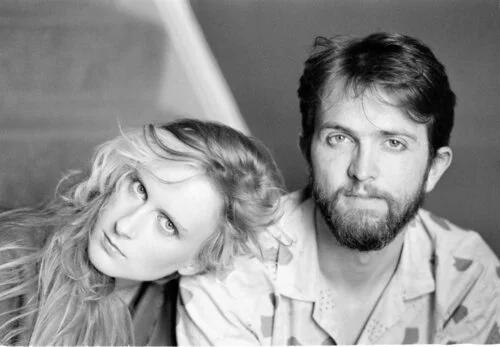
IN THIS PHOTO: Kushal Gaya and Pete Wareham of Melt Yourself Down

Melt Yourself Down

___________

WHEN there is not a great deal happening in terms…

ccccc.jpg

PHOTO CREDIT: The Line of Best Fit

of big album releases or major music news, I am focused on newer acts coming through. Over the coming weeks, I want to spotlight great artists that are primed for big things. One such act that has been turning my head are Melt Yourself Down. Their new album, 100% Yes, has just come out, and it is a fantastic thing! I have been hearing one of the album’s singles, Crocodile, on BBC Radio 6 Music, and I really like it! It is juddering and fast; it is hooky and catches you in, yet it sounds like nothing else out there. Founded in 2012, and fusing North African musical styles, Punk, Jazz and Funk, the band’s last album was 2016’s Last Evenings on Earth. Before I go on, I want to take a little from the band’s (the band includes Pete Wareham, George Crowley, Dave Smith, Ruth Goller, Kushal Gaya, Satin Singh and Leafcutter John) Facebook biography. With associated acts like Sons of Kemet, and The Comet Is Coming blazing a trail, what does one get from Melt Yourself Down? 

 “In an unassuming leafy South London street, Pete Wareham’s sonic sanctuary is enabling London six-piece Melt Yourself Down to create their most vital music yet. The sax innovator’s home studio merges both futurist thinking and time-honoured tradition. Here, state-of-the-art recording equipment sits beneath wall hangings with Tibetan designs — and, essentially, his two treasured saxophones. He produces these with a flourish: huge, hulking things with oxidised patches that look as if they’ve been exhumed from the long-forgotten closet of a roaring 20s jazz club (in fact, they’re only a few years old). “You can have shiny ones that you put lacquer on,” Pete explains, holding a weathered-looking baritone sax. “Or you can have no lacquer, which I think gives you more character, and you have to forge your own sound.”

The desire to create new sonic pathways is an integral philosophy to Melt Yourself Down, whose two critically-lauded albums to date have alchemised influences from noisy No Wave to Nubian rhythms to create an eclectic and pan-global kind of party-punk. But their epochal third album 100% YES (released on the band’s new label Decca) is their strongest statement yet, representing both a peak of musical synthesis for the band as well as a personal triumph.

“After the second album, Melt Yourself Down was at a crossroads,” says vocalist Kush Gaya. “We left our label, we had no certainties, no life vests and very limited resources, it was a live or die situation. We had to change course, and modify our direction to reflect life beyond just the musical concepts and ideas that we had before. The answers soon came as we started looking within ourselves rather than looking out. By starting a process of finding out who we were as people, and how we related to the world around us, we found the music!” Pete agrees: “We had to deepen our process, which we did,” he says. “We really started working on this towards the end of 2016, so loads of shit was happening — Brexit, Trump.”

The result is songwriting with an unflinching focus on the pressing realities of life in Britain today. “Born in the Manor” takes on the Grenfell tragedy amidst looming synths and staccato brass, as Kush’s vocals morph from menacing speak-raps to a desperate wail. Lyrics indict the powers that be whose negligence allowed the West London fire to happen: "Born in the manor / Born in the gutter / For dem it don’t matter / Blacker, whiter, browner / You burn in a tower.” Kush explains: “It’s harrowing. Those lyrics are a shout against the authorities for not really caring whether you're black white or brown”.

I think bands like The Comet Is Coming, and Melt Yourself Down, whilst very different, are not given the same respect and oxygen as a lot of acts in different genres. Splicing Jazz and Avant Garde together, one gets this incredible sound. Melt Yourself Down are, as you can see, unafraid to put politicians and injustices under the microscope. As you can tell from Born in the Manor’s lyrics and the reference to the Grenfell tragedy, Melt Yourself down can balance the serious with the more energetic and playful. Although they have been playing together for a while, I think they are still yet to capture the attention of the upper leagues. They deserve wider appeal and more airplay; their music is some of the very best out there. I will conclude with a review of their album, 100% Yes, but I wanted to bring in an interview from The Line of Best Fit where Kushal Gaya and Pete Wareham talked about their latest album:

“This music has been about alignment too – internally aligning and aligning with each other but then also aligning with all the elements that we’re trying to work with. Now it feels like it’s working in such a way that if something isn’t right, it falls away effortlessly and then the correct thing comes into play.” Part of this uplift has come from letting go of inner pressure. “You don’t have to assert yourself to make something happen,” says Wareham. “You just have to align yourself and that’s the way this has worked.” Gaya agrees enthusiastically: never force anything. “Our writing relationship feels really natural.”

While both musicians have spent years honing their craft in various projects, separately and together, they’ve never once anchored themselves and settled completely. Where other songwriters might seek some semblance of satisfaction, Gaya and Wareham continue to ask questions, to dig, nurture and evolve, finding new sounds for today’s pressing sentiments The notion of being "100% Yes" – of always embracing life in its entirety – not only fed into the creation of their album, but it exists as an everyday maxim for the group. “We had a lot of challenges to make this album happen,” Wareham and Gaya point out. “We’ve had to really change our state of mind. Whenever something bad was coming our way, well, we just had to embrace it. You have to be open to it – 100% yes to all experiences,” explains Gaya. Every step they took on their walks in the wild was purified by song.

I ask them about how their pop music fuses with politics. “We don’t do things on the nose,” Gaya makes clear, “but there’s a lot of sentiment inside the music that resonates with the politics of the moment.” Wareham adds that, besides reflecting the world stage, they also might be looking for the human element in what’s seen as just a news item. “We’re not trying to promote a particular approach politically. If some of the tracks deal with sombre realities, some are energetic and “meant to feel like Saturday night,” Wareham tells me. 100% Yes feels wildly exhilarating, important even, both as a document of contemporary injustices and as an act of breathing fresh new life into the group’s reformation”.

ddduu.jpg

PHOTO CREDIT: The Line of Best Fit

I am just including a few little snippets here and there, but I would recommend people do a lot more digging and go and check out the back catalogue of Melt Yourself Down. This year is going to be a strange one in terms of releases and live performances, so I am not sure what Melt Yourself Down’s plans are for the summer. Regardless, they have 100% Yes out, and it is one of the best albums of this year so far. I will return to The Line of Best Fit, as they wanted to have their say regarding 100% Yes:

 “On their third studio album, legendary saxophonist (and jazz-punk band Acoustic Ladyland founder) Pete Wareham and vocalist/lyricist Kush Gaya lead a politically charged manifesto that is at its most powerful becomes a rallying cry or an acerbic, pointed question. “Born in The Manor” might be the most candid example of this. Offering up a more surreal and subdued sound, it holds no punches when it comes to the subject matter as Gaya’s vocals take vitriolic aim at those responsible for Grenfell: "Born in the manor / Born in the gutter / For dem it don’t matter / Blacker, whiter, browner / You burn in a tower.”

Album opener “Boot and Spleen” is, sonically, every bit as joyous as we’ve come to expect from the London six-piece but it too has a dark side inspired by the history of British colonialism in India. Elsewhere stand-out single “Crocodile” explores the terrors of the Russian drug ‘Krokodil’ as a metaphor for youth decay and Gaya’s time in Bristol where he witnessed friends struggle with, and die from, addiction.

All this heartbreak and hardship doesn’t stop the new record bubbling with a hopeful energy born from the meandering psychedelic melodies and looped mantras of the title track, to explosive sax solos to thrashing rhythm sections of “It Is What It Is” that kick the shit out of your ear drums. Everything is potent, everything has purpose. The six-piece have retained a strong sense of the wonderfully free spirit improvisers they are on stage, but with Youth and Ben Hillier on production duties there is a more refined focus to their output. 100% Yes in turn deserves greater focus from the world at large”.

If you are new to Melt Yourself Down or unsure of whether you’ll like them, I would say 100% Yes is a good place to begin. From there, pace your way back and get a real sense of how far the band have come and what they can offer. I do hope they get on the road later this year and manage to reach the people. As I said, I will be featuring more new artists or those that have not had the same celebration as mainstream acts. Do yourself a favour and make sure you get Melt Yourself Down…

IN your life.

_______________

Follow Melt Yourself Down

FEATURE: Boys Will Be Boys: The Continuing Issue of Gender Disparity

FEATURE


Boys Will Be Boys

IN THIS PHOTO: Dua Lipa

The Continuing Issue of Gender Disparity

___________

WHILST it is important to have some fun…

and keep things light at this time, I also feel it is key to keep things as close to normal as possible. It has been a while since I have penned a piece relating to sexism and gender imbalance and, whilst that might suggest an improvement in attitudes and the state of affairs, that is not necessarily the case. It is a shame that Glastonbury is not taking place this year, as their bill included more female artists than ever. I think matters will improve concerning gender balance at festivals, but what about general attitudes and perceptions? One would have hoped that, in 2020, we would not need to keep discussing gender inequality and the way women are perceived. I have mentioned Dua Lipa in a few recent pieces, for a number of different reasons. Today, I want to use her as an example of an artist who had to retreat and pull back from social media due to negativity and toxicity and, even though she has just unveiled one of the year’s best albums, Future Nostalgia, she has to contend with a lot of crap. Maybe it has been the way of things for many years when it comes to big Pop artists. Women especially are put under a lot of scrutiny; they are assumed to be less talented than men, and they are judged much more harshly. When women express their sexuality, they are often condemned, whereas men are not judged. In an interview with NME, Dua Lipa talked about her song, Boys Will Be Boys, and the fact women are set to different standards than men:

 “In a new interview with The Sunday Times, Lipa discussed ‘Boys Will Be Boys’ – a new track from her ‘Future Nostalgia’ album – which explores men’s treatment of women, saying she hoped the song would start a “conversation” because these were “real things [she has] gone through.”

She continued: “Getting home from school, scared of boys, I put keys between my knuckles. We constantly change the way we are so we don’t get harassed. Cover our bodies so boys don’t say things. From when we are kids we are told the way boys act towards us is completely normal.

“There is a lot less scrutiny of male pop stars,” Lipa said, adding: “…the way women are described compared to men, it’s, like, she is wearing shorts? ‘She puts on a leggy display!’ I just feel I’m here because I do music, but when people write articles like that about me, it takes it away from my talent and makes me a thing. An object. People like to just objectify women”.

Dua Lipa is one of countless female artists who are objectified and marketed in a certain way. Whilst she has a say and some control regarding her album’s content and what her videos look like, she does not have any say regarding the media. Men have always garnered the most acclaim and biggest platforms, and there still seems to be a perception that women are only valid when they ae singing ballads or creating a weepy song – if they are independent, different or wield a guitar, then they are not taken as seriously (as men). Maybe there is slight improvement here and there, but I still feel many women are flying under the radar because they do not conform to the standards and ideals set by the industry. Maybe Pop music has struggled to break from the homogenised and sadder/slower is because that is what is required and, when a woman like Dua Lipa proffers something different, it is a struggle to get it heard. Certainly, women need to be seen as authentic and real – if they give us something experimental and upbeat, then hey are not going to be talked about in overly-positive tones. In another interview – this time with The Guardian -, Dua Lipa talked more about the subject of authenticity:

“Pop’s detractors like to point out that it is an industry where artists conform to conventions. In the immortal words of Eilish: duh. Lipa is a canny operator who understood that she had to play a certain game to reach the point where she could be herself. (Her ambition/achievement conversion rate is a big part of her aspirational appeal.) Lipa was surprised by the under-recognition of female talent at this year’s Brits – evidence, critics said, of the British industry’s inability to develop female talent – but she is pragmatic about what might seem like a conservative feeder system where new acts spew out singles and accept every possible collaboration. “Artists that are already well known get the upper hand, so you do have to get on those playlists as much as possible to be heard,” she says.

Lipa – who no longer goes on Twitter – did not respond. “I don’t like to apologise if I don’t believe I should be apologising for something,” she says now. “I believe in supporting women in all fields of work. Nothing at that party was derogatory; everyone was just dancing and having fun.” In our supposedly enlightened culture about sex work, she was surprised by the prudish response. “That’s something we all have to work on,” she says. “Not every sex worker is being forced to do something they don’t wanna do. I think a lot of the women found it really empowering and really like to dance.”

Women’s work is always undermined, says Lipa. “We all have to work a little bit harder to be taken seriously, but it’s not something that we’re not used to doing,” she says, rolling her eyes and grinning. She has pointedly described Future Nostalgia as “fun” even though she knows that is exactly the stick critics use to beat it with; that women in pop are only judged as “authentic” when they are weeping by the piano. “Time always tells,” she shrugs. “And in the meantime, I’ll just work for people to take me seriously”.

It is not just the tone of the music and the way women dress and act that we need to tackle. Age is a factor, too. I think men are commercially viable and accepted when they get into their thirties and forties but, when it comes to women, age is a huge factor.

IN THIS PHOTO: Rita Ora

Not only do women find their music excluded from certain stations’ playlists, but there is a sense of isolation from the media. It is not only in the field of Pop will one find a division between the way men and women are viewed. On social media, I see female artists across multiple genres explain how they are expected to record a certain type of song; they find it harder to get festival slots because there are all these guidelines and expectations. Before I move on, I want to bring in another NME interview – this one concerns Rita Ora. She spoke about her experiences with ageism:

 “You stood up for Bebe Rexha when she spoke out against ageism in the music industry. Is that an issue close to your heart?

“The problem is that insecurity gets put onto you through comments that you read over the years. You start to think, ‘I’m not as young as I used to be. I’m not the fresh girl on the scene I once was’. I can proudly say, ‘Yeah – I use my looks because I’m very comfortable in my skin and I like my body’, but that gives people an opportunity to say: ‘Oh, well – you’re getting older’. I stand up for these girls because age really doesn’t matter – J. Lo had her first hit in her thirties. And men don’t get asked how old they are all the time!”

IN THIS PHOTO: Tiffany Calver

Women, unfortunately, have had to put up with this for a long time. I hope the rest of the year is dedicated, not only to rebuilding music and getting things back on track, but ensuring barriers are broken down, and women are taken much more seriously. As this interview with Tiffany Calver suggests, there are small movements in certain areas:

“Has much changed?

“What’s really interesting is that the listenership has kind of shifted a bit: it’s more equal now. Someone messaged me recently saying how I make women feel comfortable to go into a mosh pit, or go to a rap show, or be a DJ, or listen to the music they listen to because they didn’t really feel comfortable before. I’ve kind of co-signed it in a way, which is a really interesting perspective to have. But I can understand it: there’s never been someone that looks like me in England that does the show I do, so I guess it is refreshing to be in that position where I can kind of make a change in how people perceive women in rap.”

What else needs to be done to help break down barriers for women in music?

“It’s definitely progressing. There are still barriers that need to broken, unfortunately. There are so many areas, especially in music, where people lack an understanding of how to support and be allies in helping shift this weird, unequal balance between women and men. I think we’re so vocal and so aware of it now that as long as we keep making a big deal about it, it can’t really go away”.

Conversations are happening but, as women are under-represented in music, I do hope things will improve over the next year or two. Given the scope and wealth of female talent out there, we need to change attitudes towards women and ensure that they are given the respect they deserve. When we come out of lockdown, let’s aim to foster…

PHOTO CREDIT: @vidarnm/Unsplash

A more progressive and accepting industry.  

FEATURE: Vinyl Corner: Prefab Sprout – Steve McQueen

FEATURE:


Vinyl Corner 

Prefab Sprout – Steve McQueen

___________

TIM Burgess is hosting…

daily album listening parties, which brings together members of various bands who tweet about their albums as the listeners absorb the music in real-time. It is a great idea, and there have been some great albums included already – and there are brilliant ones to come. On Wednesday (1st April), Wendy James of Prefab Sprout discussed the band’s 1985 sophomore album, Steve McQueen. I wonder whether Paddy McAloon (the band’s songwriter and lead) and the producer Thomas Dolby was asked to contribute. I know McAloon has health issues, so it might not have been possible for him to get involved. Swoon was the debut from County Durham’s Prefab Sprout and, whilst a great album, Steve McQueen was a huge step forward. Released by Kitchenware, Steve McQueen was released in the Two Wheels Good – due to a conflict with the Steve McQueen estate. You are hooked before you even get to the music itself. The cover features the band posing on a Triumph motorcycle; a reference to Steve McQueen’s The Great Escape. When he appeared on BBC Radio 1 before the album began life, Thomas Dolby talked about his love of the song, Don’t Speak from Swoon. Paddy McAloon contacted Dolby, and the two met at McAloon’s home. McAloon, a prolific writer, had amassed up to fifty songs; Dolby selected his favourite and asked McAloon to demo them. In this Sound on Sound feature from 2015, McAloon discussed the recording of Steve McQueen:

“Others didn’t agree, of course, as proven by the fact that Swoon was picked up by CBS Records and, upon its release, attracted gushing reviews. For its successor, the major label hooked Prefab Sprout up with Thomas Dolby, the synth–pop solo artist who was then branching out into production. As well as overseeing the band’s second album, Steve McQueen, released in 1985, Dolby effectively became the fifth member of the group, augmenting their sound with creamy digital keyboard washes. “I’d read in a magazine somewhere that he was working with Michael Jackson, and I thought, ‘That’s good enough for me,’ Paddy laughs. “I don’t know whether that was actually true he’d met Michael Jackson. Tom had loved Swoon, but he thought he could be helpful in terms of unpicking the sort of tangled knots of amateur arrangements.”

The songs for Steve McQueen were worked up in rehearsals with Dolby at Nomis Studios in West London in the autumn of 1984, before the sessions moved to Marcus Studios and the mixing was done at Farmyard Studios in Buckinghamshire. “It’s taken me decades to try to absorb what it was that Thomas did,” Paddy admits. “I mean, he had a great ear for individual sounds, he wasn’t swayed so much by the things of the day. He had a Fairlight and a PPG Wave and he would use them sparingly, and he had no time for the Yamaha DX7 and the things that everyone else rushed out and bought. He was into synthesis really. He didn’t make a big thing of it it was just what he did, in addition to having a good sense of structure.”

The album yielded a major hit in the shape of ‘When Love Breaks Down’, but the much in–demand Dolby couldn’t commit himself fully to the third Prefab Sprout album, having decided to work with Star Wars director George Lucas on the soundtrack for his 1986 cinematic flop Howard The Duck. At the same time, McAloon and Dolby failed to see eye–to–eye when it came to the demo of the band’s next obvious hit, the clever Bruce Springsteen–lampooning pop of ‘Cars And Girls’. “He said, ‘You could get anybody to do that,’” Paddy recalls. “And I’m not sure what he meant by that. ‘Cause I thought, Well, yeah, you could get lots of people to do any of them, but that’s not the point.”

In addition, McAloon had hatched what he now calls a “slightly bonkers” plot to make the album with a different producer for each song — an idea that was quickly torpedoed due to the massive expense it would have involved. Nevertheless, the resulting From Langley Park To Memphis was still a hugely ambitious affair, its credits listing no fewer than 19 engineers. The sessions were divided between London and Los Angeles, with four of its tracks produced by Dolby and the remainder produced by McAloon himself, sometimes in cahoots with Jon Kelly (Kate Bush, Deacon Blue).

Surely then McAloon must have at this stage felt far more confident as a producer in his own right? “No, I didn’t,” he confesses. “I feel as if I was there under false pretences. It could have been done an awful lot quicker. I’ve got to say I wasn’t a record producer and it would take me a long time to understand really what goes on there. That’s my take on it. I’m not being self–deprecating. I just think the truth is, we got through something, that’s all”.

In my opinion, some of Prefab Sprout’s very best work is on Steve McQueen. Although they had commercial success with From Langley Park to Memphis – the follow up – and songs like Cars and Girls, and The King of Rock ‘n’ Roll, McAloon songwriting, together with Dolby’s production, is a dream.

In terms of themes, McAloon was focused on heartache, regret and infidelity. Faron Young, Appetite, When Love Breaks Down, and Desire As are gorgeous songs; it is not a surprise that Steve McQueen received huge acclaim and the sophistication of the record means that it still sounds so relevant and stunning today. There are great articles like this, which gives detail and insight into a truly phenomenal album. If you can grab a copy on vinyl, I suggest you do. It sounds remarkable nearly thirty-five years after its release – Steve McQueen was released in June 1985. In their review, this is what AllMusic had to say:

“Smart, sophisticated and timelessly stylish, Two Wheels Good (titled Steve McQueen throughout the rest of the world) is a minor classic, a shimmering jazz-pop masterpiece sparked by Paddy McAloon's witty and inventive songwriting. McAloon is a wickedly cavalier composer, his songs exploring human weaknesses like regret ("Bonny"), lust ("Appetite") and infidelity ("Horsin' Around") with cynical insight and sarcastic flair; he's also remarkably adaptable, easily switching gears from the faux-country of "Faron" to the stately pop grace of "Moving the River." At times, perhaps, his pretensions get the better of him (as on "Desire As"), while at other times his lyrics are perhaps too trenchant for their own good; at those moments, however, what keeps Two Wheels Good afloat is Thomas Dolby's lush production, which makes even the loftiest and most biting moments as easily palatable as the airiest adult-contemporary confection”.

I do wonder whether there will be any more Prefab Sprout albums in the future. Crimson/Red arrived in 2013 but, to be honest, it was closer to a Paddy McAloon album. Regardless, we can look back at this magnificent period where there was nobody like Prefab Sprout – there still isn’t! When Pitchfork reviewed the Deluxe Version of Steve McQueen in 2007, they made some keen observations:

 “One thing the new versions do highlight is the astonishing maturity of the songs. Coincidentally, almost all of Dolby choices dated from 1979, when Paddy was 22. Yet they sound all the more appropriate sung by a man of 50. "Life's not complete, 'til your heart's missed a beat," he sighed on "Goodbye Lucille #1", but now when he sings "and you'll never get it back," his voice breaks with the wisdom of another two decades.

Ironically, considering the producer's name, it's a record in so many ways about infidelity. Or let's say about the consequences of romanticism. Take that cover: Paddy, looking like a dreamy young D.H. Lawrence, astride the kind of Triumph that would have carried the record's namesake to freedom. But the whole album rails against easy escapism: "Appetite", sung from the perspective of a girl left to bring up the baby of some young firebrand; "Desire As" seeing no escape from a lifetime of new flames; the rueful regrets of "Bonny".

I am looking back at older albums because, as there are fewer new ones coming out, I am naturally drifting and recalling some of my absolute favourites. Ahead of its thirty-fifth birthday, spin Prefab Sprout’s marvellous Steve McQueen and luxuriate in...

eed.jpg

IN THIS PHOTO: Wendy Smith and Paddy McAloon in 1985/PHOTO CREDIT: Michael Putland

A sublime album.

FEATURE: The Lockdown Playlist: Vol. 1: 1980-1983

FEATURE:

The Lockdown Playlist

zxx.jpg

PHOTO CREDIT: @georgiadelotz/Unsplash

Vol. 1: 1980-1983

___________

IT is a warm and sunny weekend…

PHOTO CREDIT: @aginsbrook/Unsplash

but we are being encouraged to stay inside and not venture out unless necessary. I know it is tempting to go to a park or for a long walk, but we are having to be sensible and put the safety of others first. That is not to say that one cannot get active and lifted being indoors. Music is vitally important, and so many people are using the time they have isolated to create kitchen discos and isolation playlists. I have been thinking about my own, and I will put together a series of Lockdown Playlists that cover various periods in music - taking in some of the biggest hits from that time. I am starting off by covering 1980-1983 inclusive and, in future editions, I will dive into other decades and periods. If you need to unwind, de-stress or have a lockdown playlist of your own, I have combined some 1980s’ gold that will…

cccc.jpg

PHOTO CREDIT: @aginsbrook

DO the job.

FEATURE: Single Minded: Could Radio Stations Dig Deeper?

FEATURE:


Single Minded

PHOTO CREDIT: @itzisraa/Unsplash

Could Radio Stations Dig Deeper?

___________

I realise that this is quite…

PHOTO CREDIT: @nataliedivine/Unsplash

a niche article and, having covered it before, I am minded to return. Not that everything I do is propelled by Kate Bush, but she is an artist whose incredible back catalogue is limited to the singles. I am not saying that this is a bad thing – any airplay she gets is great -, but there are so many terrific artists whose music is defined by the hits and the songs everyone is familiar with. I listen to BBC radio – so independent stations might be better -, and it seems rare when an album track is played. This is a time when more people than ever are listening to the radio, and I think the comfort and variety it offers is what we all need. I have been listening a lot lately and, apart from the mandated playlists – which can be very boring and bled to death before too long – we rely on the mix of older and new music. In fact, not only are the major acts the ones who have their singles prioritised: there are artists/albums from the past few years where we hear the same music. Over the past few days, I have heard Madonna, The Stone Roses, and Radiohead played. In each case, it was the big hitters that were played and, refreshing my memory, I am struggling to think when non-singles from those artists were featured. I know some D.J.s like to go off the well-trodden road and dig deep, I wonder whether radio stations are limited when it comes to artists and which songs are played.

PHOTO CREDIT: @danimota/Unsplash

I know it can be a bit risky playing an album track that few people have heard but, when we are being encouraged to buy albums to keep labels and record shops in business, does it not make more sense to widen the scope and open things up? Everyone from Kate Bush to The Stones Roses through to Joni Mitchell have immaculate songs that are free to use. There is no restriction from the artists themselves, so I wonder whether it is a sense of reliability and comfort playing the same big songs. Some artists get their discography dissected and explored, but there are a lot where we will hear the most entrenched and commercial songs. An article from 2016 shed some light on FM radio stations and rotation playlists:

“It’s true – radio stations do have a bias towards certain tracks. A song will last as long as it needs to on a station (some would say too long), but there’s more going on behind the scenes than you would think.

The choice of which songs a radio station will air is not a simple one. There are a hundred different factors behind the choice, but let’s start at the basics.

Radio play works in rotations. When you hear that a track has ‘been added to rotation’, it means it joins the list of currently airing songs on that particular station. Additionally, these lists are tiered; the highest level of rotation can see a song being played as frequently as every hour (or less!) and the lowest can be well, pretty damn low.

PHOTO CREDIT: @joaosilas/Unsplash

How does a song make it to rotation? Often it’s a toss-up between the song’s popularity and it’s sound. A FM station that exclusively plays classic rock won’t ever rotate a Flume banga even if it’s copping the #1 spot on the ARIA chart.

Two of these news songs are hugely popular international hits, and the third is a home-ground Aussie anthem from a much smaller (albeit totally fantastic) local band. This is where the role of the music director comes in. For FBi radio, that’s Stephen Goodhew.

We had a quick chat with him to find out just how his role differs from that of a more commercial station’s music director.

“Well I have to listen to much more music. I would listen to anywhere between three and four hundred entries per week, and a commercial director would listen to about thirty or forty. A commercial station is looking for something that has a narrative around it already.”

In terms of rotations, Goodhew explained that Fbi’s programming is a bit of a juggling act.

“You have to strike the right balance between name recognition and stuff people don’t know. There needs to be an entry point for listeners”.

I have mused before, but I do think it is strange that new and established artists are treated the same. Often, when a single is out, that will be added to a playlist and repeated as much as possible. When that artist has brought the album out, the same single is played. I do not understand why an album track can’t be played instead – as the station is no longer promoting that single, and the artist is not on their playlist.

mmmm.jpg

PHOTO CREDIT: @simon_noh/Unsplash

I can appreciate radio stations playing a familiar track in the hope that people will love it so much they seek out the album or more work by the artist. What I run up against is the lack of imagination when it comes to huge artists, and the assumption that people just want to hear the singles. I will not mention Kate Bush again but, every time you hear her music on the radio, it is the singles – often only taken from two or three albums. There are so many terrific album tracks that have never been played that deserve focus. The same is the case with bands like The Beatles and Fleetwood Mac, for instance. You might occasionally get a nice surprise and hear a rarely-played track on the air, but there is that stubbornness from stations to keep things familiar and the same. Maybe there are reasons to do with listener figures and demands, but I find it hard to believe that mainstream stations and the independents need to be so tight and samey regarding playlists. Many will say that, if you want to hear album tracks and not the singles, then go and listen to the albums yourself! That is not really the point, is it. Radio has always been vital, but now is a moment when radio is a lifeline and joiner together. We cannot go to gigs and interact like we used to, so this is a massive moment for a fantastic medium. Maybe it is just me, but I do get weary of the formulaic and ‘reliable’ playlists – songs that people recognise and mainly sticking to the singles. As I mentioned, some artists get a wide range of their stuff played, but so many acts do get defined by a handful of tracks. It seems strange. I do feel that, with a little tweak of playlists that allowed room for album tracks, it would strengthen radio’s golden grip and…   

zzzz.jpg

PHOTO CREDIT: @danidums/Unsplash

GET even more people listening.

FEATURE: A Pop Revolution: Madonna’s Blond Ambition Tour at Thirty

FEATURE:


A Pop Revolution

IN THIS PHOTO: Madonna on stage during the Blond Ambition Tour at Wembley Stadium, London on 20th July, 1990/PHOTO CREDIT: Peter Still/Redferns

Madonna’s Blond Ambition Tour at Thirty

___________

IT is impossible to do full service…

IN THIS PHOTO: Madonna during the Blond Ambition Tour at Feyenoord Stadion, De Kuip, Rotterdam, Holland on 24th July, 1990

to Madonna’s Blond Ambition Tour of 1990. From its globe-straddling schedule to the controversy it stirred at the Vatican, through to the iconic songs and costumes, it was not only the best concert tour of the 1990s…it completely transformed the Pop concert in general! Starting on 13th April and running through to 5th August – with a few cancelled gigs -, the tour was set over three legs and comprised nine gigs in Asia; thirty-two in North America, and sixteen in Europe – a staggering fifty-seven-date extravaganza! I was only six when the tour started, so my recollections of the coverage are pretty much non-existence. As someone who was exposed to Madonna’s music when at primary school, I look back now, nearly thirty years after the Blond Ambition Tour started, and it is eye-watering. I have been checking out a few of the various tour posters – the one for London is quite risqué! -, and thinking about where we are now. Madonna has taken to social media the past few weeks whilst we are in lockdown and, whilst some of her messages have been quite odd – her sitting in a bath talking about us all being equal was a highlight! -, it is great she is still recording and touring. Whilst her recent tour to promote Madame X is not as iconic as her Blond Ambition Tour, she still puts her everything into shows! Just think about the songs that people were treated to back in 1990!

A set-list from a show she performed in Japan showed she performed seventeen songs - starting with Express Yourself, ending with Keep It Together. Whilst the tour was designed to capatlise on the success of her 1989 smash, Like a Prayer, and 1990’s I’m Breathless – the soundtrack (which contained Vogue) to 1990’s Dick Tracy, where she appeared as a character called Breathless Mahoney -, there are hits from further back. In fact, Dick Tracy was not released in the U.S. until June 1990; the I’m Breathless soundtrack arrived on 22nd May, but Vogue was released on 20th March. The Blond Ambition Tour was Madonna’s fourth but, as she was supporting her most successful album to date, it was her biggest, most-anticipated tour. Pepsi sponsored the tour but, after the controversy the Like a Prayer video stirred (with images of burning crosses), and the fact Pepsi cancelled an advertising deal with Madonna at the same time, the Vatican condemned the Blond Ambition Tour and asked people to boycott Pepsi. Rather than just produce a stage show that comprised some hits and not much else, Madonna divided her Blond Ambition Tour into five sections. There was a Metropolis section, inspired by the film of the same name; a Religious section that was made up of religious themes; Dick Tracy (based on cabaret and the film of the same name); Art Deco, which was inspired by early Hollywood films which used the works of the Polish artist, Tamara de Lempicka; the fifth section was an encore.

IN THIS PHOTO: On the Blond Ambition Tour, Madonna unveiled the iconic cone bra by Jean Paul Gaultier/PHOTO CREDIT: Getty Images

It was an ambitious and hefty undertaking, and the tour required a lot of hands. One of the most important members of the creative entourage was the French fashion designer Jean-Paul Gaultier. He was responsible for those memorable outfits – the famous conical bra/top is one of the defining outfits/images of that 1990 tour. It is unsurprising that the tour garnered huge reviews and massive audiences. In 1990, Madonna was the biggest Pop artist in the world – perhaps Michael Jackson was her closest rival. After Like a Prayer’s influence and impact – both good and bad – and the newly-arrived Vogue, this was a moment when Madonna became the confirmed Queen of Pop. Because of the sexual and Catholic imagery, the tour received some controversial backlash. There was condemnation from religious communities and organisations, in addition to protests – three Italian dates were cancelled. Toronto’s police were alerted to so-called lewd and indecent performances; especially Madonna’s routine for Like a Virgin – I am not sure what people were expecting; it shows how prudish some were back then! Although, to be fair, Madonna and her male dancers simulated masturbation during that song, it was all part of the spectacle – the Pop icon pushing boundaries and producing a memorable show! The fantastic Like a Virgin appeared at the start of the Religious section – albeit a slowed and more seductive version that is on the Like a Virgin album of 1984.

For Like a Prayer, Madonna shifted from the Gaultier corset and red velvet bed of Like a Virgin to a black robe and votive candles on the stage; her dancers were dressed like priests and nuns – Papa Don’t Preach, as you’d imagine, closed the Religious portion. Not only was the scope, sets and routines radical and groundbreaking – can you think of a Pop show since that has reached as far and deep?! -, but the sheer range of sounds and textures must have blown people away. The Dick Tracy act was less commercial and familiar, but no less artistic, theatrical and sense-altering. As I said, I am not going to be able to do full justice to all the movements and moments that defined the Blond Ambition Tour, one can have a look at the performances on YouTube…and go have a look at the mass of articles dedicated to it. Last year, the folks at NME published a feature that spotlighted a worldwide monster of a tour:

“Watch a pop show now, and you may well take the sheer scale of production for granted. From Troye Sivan rising onto the stage of Hammersmith Apollo while reclined on the sofa of a full living room set, to Lorde performing ‘Melodrama’ inside a floating box with a rotating cast of characters within, pop’s motto has become go big, or go home. When Olly Alexander gyrated steamily behind a floodlit curtain on Years & Years recent ‘Sanctify’ tour (the group were supported, no less, by London vogue house Kiki House of Tea) the nods to Madonna were clear and deliberate.  ‘Like A Prayer’ – and the genius of the Blond Ambition tour – led the way to all of this bold, visual expression, making room in the pop landscape for artists with ambitious, conceptual ideas that provoke discussion and nimbly tread the line between euphoria and danger.

“As with everything that involves something that is a hot button – the [masturbation] simulation on stage, stuff like that – you’re always gonna have people who root for it, and others who aren’t enthused,” Luis says. “If it fits, then do it regardless – it’s expression.”

“I think it was a great forerunner for what we have now,” Ian concludes. “Blond Ambition definitely raised the bar, and where Madonna led at that time, people had to follow“.

In 2017, Rolling Stone covered their favourite live shows of the past fifty years. Madonna’s Blond Ambition was a huge step up from her previous tours:

“As Madonna’s career was taking off in the mid-Eighties, most of her tours were relatively straightforward affairs, based around her singing and dancing. But for the stadium blowouts that supported her 1989 classic, Like a Prayer, she wanted to up her game. In the process, she reinvented the pop megatour itself. “I really put a lot of myself into it,” she said. “It’s much more theatrical than anything I’ve ever done.” That year, Madonna had caused a nationwide controversy with the video for “Like a Prayer,” which daringly mixed sexual and religious imagery. Blond Ambition extended that provocation and upped the spectacle.

The show opened with Madonna climbing down a staircase into a factory world inspired by German expressionist filmmaker Fritz Lang. She sang in a giant cathedral for “Like a Prayer” and under a beauty-shop hair dryer in “Material Girl.” And, most infamously, she simulated masturbation while wearing a cone-shaped bustier on a crimson bed during “Like a Virgin.” “The Blond Ambition Tour was what really catapulted her into the stratosphere,” says Vincent Paterson, the tour’s co-director and choreographer.

Madonna took a hands-on approach to the show, working with her brother, painter Christopher Ciccone, to design sets, and creating the costumes with fashion designer Jean Paul Gaultier. “I tried to make the show accommodate my own short attention span,” she said. “We put the songs together so there was an emotional arc in the show. I basically thought of vignettes for every song.”

Starting out in Japan in April 1990 and hitting the U.S. the following month, the tour grossed almost $63 million. But it didn’t go off without any complications: Madonna had to ditch the blond-ponytail hair extensions she wore early in the tour because they kept getting caught in her headset microphone. And in Toronto, the masturbation sequence almost got her and her dancers arrested in what became a bonding moment for her entire crew.

Madonna’s close relationship with her collaborators would be a major theme in the blockbuster 1991 tour documentary Truth or Dare, especially in memorable scenes where she invited her backup dancers into her bed. Today, Blond Ambition’s over-the-top intimacy is a staple of live pop music, from Lady Gaga to Miley Cyrus. In 1990, it was a revolution. “It was a kind of turning point,” says Darryl Jones, who played bass on the tour. “A lot of young girls were watching.”

I am not suggesting tours prior to 1990 lacked theatre and fashion allure, but the Blond Ambition Tour changed the face of pop-culture, not only because of the sets and different sections, but because of the weight and breadth of material Madonna has to wrestle with. In 2008, Lucy O'Brien noted that the singer had previously explored "conceptual musical theatre as concert" with her Who's That Girl World Tour, but it wasn't until Blond Ambition that "art, spectacle and dance really came together". Perceptions regarding what a Pop tour was and could be were forever changed after Blond Ambition. Madonna knew that she was breaking rules: that was the point of the show. Making bold statements about cross-dressing, religion and sexuality, Madonna wanted to give fans an experience rather than a formulaic and ordinary show. Some critics noted how Madonna seems to have redesigned the Pop tour, whilst others observed how one of the most famous women on the planet managed to live up to her promise and hope, and she delivered something beyond expectation. There are elements of Madonna and Blond Ambition in modern Pop artists, whether it is Rhianna and Ariana Grande’s more sexual, whips-and-chains approach; artists who are keeping Pop exciting, raw and honest. I am going to wrap the feature up soon, but I want to bring in an article from People (from 2015), who listed reasons why, twenty-five years after Blond Ambition arrived, it is hugely memorable – I have selected a few choice points:

“2. It has full-on acts

The fact that Madonna divided her performances into five thematic categories – Metropolis, Religious, Dick Tracy, Art Deco and Encore – suggests not only a level of creative planning unusual for concerts at the time but also the sheer volume of material Madonna had to work with – and at only 31 years old, no less. 

IN THIS PHOTO: Madonna in a fur-trimmed corset dress on her Blond Ambition tour/PHOTO CREDIT: Getty Images

3. It made a ton of money.

In the first two hours that tickets went on sale, a total of 482,832 were purchased, for a grand total of $14,237,000. By the end of the tour, Madonna had generated more than $62 million – that’s $113 million adjusted for inflation.

4. It helped cement the link between pop costumes and couture.

In addition to the vast majority of Blond Ambition’s many stage costumes, Madonna’s bullet bra was designed by haute couture legend Jean Paul Gaultier. In 2012, one of these very bras sold at a Christie’s auction for $52,000.

8. It featured Madonna at her most perfectionist, for better or worse.

And according to the New York Times review of the concert, that meant the concert was more “live” than live. “Madonna has become so perfectionistic, and so athletic in her dancing, that she would clearly rather lip-sync than risk a wrong note,” the review notes. “With tickets priced at $30, concertgoers might expect a more live concert”.

When Blond Ambition turns thirty on 13th April – the start of it -, I hope Madonna herself will nod back to a time in her life when she was on top of the world and created a masterful tour. It is equally impressive that, in her sixties, she is still able to produce these fantastic live shows and get the press talking. It seems odd, as I said, to talk about a massive worldwide tour when musicians everywhere have to gig from home, but I could not overlook an important anniversary. Even though I am not the biggest Madonna fan, I have always loved her work and have so much respect for the Blond Ambition Tour. It is an event that, in my opinion, has not really…

BEEN topped since.

FEATURE: You Know You’re Right: Remembering an Icon: The Kurt Cobain Playlist

FEATURE:


You Know You’re Right

IN THIS PHOTO: Kurt Cobain of Nirvana performing at MTV Unplugged at Sony Studios in New York City on 18th November, 1993/PHOTO CREDIT: Frank Micelotta

Remembering an Icon: The Kurt Cobain Playlist

___________

IT is hard to believe…

Kurt Cobain died twenty-six years ago today (5th April). I was ten when the news broke, and I have spotty recollections. Looking back at music from the 1990s, and I think I under-appreciated the brilliance and role of Nirvana. Formed in Aberdeen, Washington in 1987, It was founded by lead singer and guitarist Kurt Cobain and bassist Krist Novoselic. Nirvana went through a succession of drummers, the best known being Dave Grohl, who joined in 1990. I adore Nirvana, and I think the main ingredient in their success is the songwriting and leadership of Cobain. I recall their breakthrough album, Nevermind, dominating MTV and the radio back in 1991. The band were a big part of my childhood, and I still listen to them now. I want to bring in an article that shines a light on the brilliant Cobain:

“With his punk upbringings, Kurt never quite adjusted to the machinations of the music industry; he even appeared on the cover of Rolling Stone wearing a t-shirt that read "Corporate Magazines Still Suck." However, in the same year he died, Aerosmith heralded a sea change by introducing the internet's first free downloadable track. The subsequent rise of file-sharing systems provided an outlet for bands of all stripes, ultimately transforming the industry business model and eroding the influence of traditional radio stations, MTV and Rolling Stone. Kurt no doubt would have enjoyed the freedom to release tracks at his own whim, as well as the opportunities provided to the lesser-known bands he often plugged.

Rockers have long doubled as activists, and Kurt’s stance on societal issues manifested through his calls for equality. His attitude is best summed up in the liner notes for Nirvana’s compilation album Insecticide (1992): “If any of you in any way hate homosexuals, people of different color, or women, please do this one avour for us – leave us the f*** alone! Don’t come to our shows and don’t buy our records.” This strain of progressivism gained steam through the 1990s, and the explosion of the internet and social media provided additional forums for like-minded individuals. Of course, it also opened the door for the backlash to “political correctness” that features prominently in today’s cultural battles.

Like with music, fashion trends come and go on their own, but Kurt left his own indelible mark on the industry. Along with the standard flannel shirts and ripped jeans associated with the grunge movement, the rocker often sported an ensemble that included multiple layers, torn cardigans and oversized sunglasses. Not to mention the occasional dress. A peek at the runway and shop windows reveals that physical reminders of Kurt remain alive and well in the world of fashion”.

I will end with a playlist that brings together the best Kurt Cobain-penned songs. There is this sense of magnetism when you hear Cobain sing. He can bring anger and explosion, but there is so much depth to his emotions. In terms of his lyrics and songcraft, I think he is truly unique.

Whilst so many of us remember the music, and many artists have incorporated elements of Nirvana into their work, so many people overlook Cobain’s passionate support of L.G.B.T.Q.I.A.+ rights and feminism. Here are a few choice quotes from a Rolling Stone article that proves why Cobain was such an inspiration:

“At this point I have a request for our fans. If any of you in any way hate homosexuals, people of different color, or women, please do this one favor for us — leave us the fuck alone! Don’t come to our shows and don’t buy our records.” –Incesticide liner notes

“I definitely feel closer to the feminine side of the human being than I do the male – or the American idea of what a male is supposed to be. Just watch a beer commercial and you’ll see what I mean.” –Rolling Stone, 1992

“Because I couldn’t find any friends, male friends that I felt compatible with, I ended up hanging out with girls a lot. And I just always felt that they weren’t treated with respect, especially because women are just totally oppressed. I mean, the words bitch and cunt were totally common.” –Blank on Blank, 1993

“I even thought that I was gay. I thought that might be the solution to my problem. Although I never experimented with it, I had a gay friend and then my mother wouldn’t allow me to be friends with him anymore because she’s homophobic. It was real devastating because finally I’d found a male friend who I actually hugged and was affectionate to and we talked about a lot of things.” –Blank on Blank, 1993”.

I am only going to scratch the surface here, but I would urge people to watch interviews and read articles pertaining to Kurt Cobain. He is so much more than the big hits and a very narrow impression. He was a complex human; a genius songwriter and it is tragic that he is no longer around. I think Kurt Cobain is one of the finest songwriters who has ever lived, and I know so many people will pay tribute to him today. I want to send out a salute to…

IN THIS PHOTO: Kurt Cobain alongside Krist Novoselic and Dave Grohl of Nirvana

ONE of the all-time greats.  

FEATURE: Together, Apart: Should We Launch a We Are the World-Style Charity Single?

FEATURE:


Together, Apart

zzzz.jpg

PHOTO CREDIT: @arstyy/Unsplash

Should We Launch a We Are the World-Style Charity Single?

___________

AS so many artists are unable to…

IN THIS PHOTO: Sir Elton John

perform gigs, promote records and be out in the world, we are seeing more and more home-streamed gigs and concerts. Some are doing this so they can connect with fans, whilst others are raising money to combat Covid-19. One such event that happened recently was when stars such as Elton John And Billie Eilish performed from their homes:

“LOS ANGELES: Billie Eilish sang on her sofa, Elton John played a keyboard belonging to his children, and the Backstreet Boys sang in harmony from five locations as dozens of musicians put on a fundraiser for the warriors against a coronavirus.

Those who performed from their homes for the "IHeart Living Room Concert for America" also included Mariah Carey, Camila Cabello, Alicia Keys, Shawn Mendes and Sam Smith.

The one-hour show, broadcast on Fox television without commercials”.

It is heartening to see big artists pull together and use their vast platforms in order to raise money and awareness. I like the fact that artists now, more than ever, are utilising the Internet for good. In fact, we have more access to gigs and album listening parties than we used to. Whilst many artists are choosing to stream gigs to entertain their fans, the charity aspect is one I feel more and more people will undertake. Although there are positive signs to suggest the virus is slowing in many parts of the world, there is still a way to go, and we need to get funds and supplies to the front line.

IN THIS PHOTO: Alicia Keys

This sort of urgency, when it comes to the music world, suggests we need to a charity single. It is hard to do that, as artists are isolated and cannot get together in a studio. A report in The Guardian last week highlighted an effort by Lionel Ritchie regarding the 1985 single, We Are the World:

“This week, as citizens in countries across the world isolate themselves to combat coronavirus, Lionel Richie, who co-wrote the 1985 USA for Africa charity mega-single We Are the World with Michael Jackson, told People magazine that he was revisiting the kitsch anthem that reportedly raised more than $75m (£61.1m) for Ethiopian famine relief. Richie is still proud of the central line of World’s chorus, “There’s a choice we’re making – we’re saving our own lives,” which he says has new relevance in the time of Covid-19. “What happened in China, in Europe, it came here [to America],” he said. “So, if we don’t save our brothers there, it’s going to come home. It’s all of us. All of us are in this together.”

To his credit, Richie is leery of openly celebrating the 35th birthday of the song, released on 7 March 1985. “Two weeks ago, we said we didn’t want to do too much [about the song] because this is not the time to sell an anniversary,” he told People. “But the message is so clear … every time I try and write another message, I write those same words.”

Richie’s heart is in the right place – the world could use more supra-national fellow feeling during a pandemic – and he has not yet begun rounding up stars for a new version presumably spliced together from home recordings. Surely such a reboot couldn’t be worse than the recent, awful, multi-superstar video-selfie singalong to John Lennon’s Imagine? But idle hands are the devil’s playthings, and before the stir-crazy, homebound Richie starts texting the luminaries in his phone book, he might want to remember the last time We Are the World was revived, in 2010. Heck, he might want to remember the suspicion that greeted the song in 1985.

From the start, World’s motives were not entirely pure. It was America’s response to an implied dare. As I chronicled in an episode of my podcast Hit Parade about the history of the charity mega-single, the whole reason artist manager Ken Kragen and musician and social activist Harry Belafonte mounted USA for Africa was to imitate – and better – Band Aid’s 1984 UK benefit record Do They Know It’s Christmas? Bob Geldof, co-writer of Christmas? and instigator of Band Aid, made the dare to America plain, by travelling to Los Angeles the night of the We Are the World recording to lecture the Yanks on the horrors of Ethiopian famine and their obligation to record. Reportedly, Geldof’s sermon so freaked out Michael Jackson that he hid in the toilet.

There is little to suggest, 10 years later (there’s another of those nice, round numbers) that a third version of We Are the World would improve on the era of Jamie Foxx and Josh Groban, never mind the logistics of trying to stitch together a recording from soloists recording in place in their mansions and compounds. Richie is absolutely correct that the world needs to come together in spirit at this perilous hour – and I don’t blame him for regarding the timing of Covid-19 and the track’s anniversary as rather cosmic. But he might just want to leave it there, rather than heed a certain call”.

There is always snobbishness when we consider charity singles like We Are the World and the Band Aid efforts. Some say that rich musicians coming together to support those less well-off is hypocritical or lacks empathy; others just don’t like the song that they sing. A while back, a few celebrities got together in various locations to perform a rendition of John Lennon’s Imagine – it was widely panned, and it is a bit cringe-worthy. Whilst their hearts were in the right place, I don’t think we can dismiss the power of a big charity single. I think a new version of We Are the World, if done right, could raise a lot of money. Even if you are not a fan of the song, the fact money is being generated to help those in need is something nobody can object to.

PHOTO CREDIT: @joshsorenson/Unsplash

I guess, if a producer(s) helmed it, we would not need artists to combine via video and record that way. You can get a studio-quality performance remotely, and it would be impractical having a lot of artists in the same studio under normal circumstances. I do feel a newly-written single might be better than trying to adapt a song meant for another cause – and a cover version would seem lazy. It does not need masses of voices in the mix: maybe a dozen so artists on the same track would be just about enough. So many individual artists are trying to raise funds, so a group effort would be welcomed too. The questions come down to who will appear on the single and whether the song – whomever writes it – is specifically about Covid-19 or it is a general message of unity and awareness. I do feel there is an appetite and need for something like this, as we all want this to be over, and a song featuring some big artists (and some smaller ones), if it strikes the right tone, would be popular – this is not a time for being dismissive and critical (although the version of Imagine from a bit back was very odd and misplaced). Whilst so many artists are separated and cannot produce and promote music like they have done, a concerted charity effort, I feel, would join so many people and raise…    

dd.jpg

PHOTO CREDIT: @alexmedia/Unsplash

A lot of money for a worthy fight.

FEATURE: Radio Stars: The Comfort of BBC Radio 6 Music

FEATURE:

Radio Stars

IN THIS PHOTO: Mary Anne Hobbs and Shaun Keaveny will present alternate weeks between 12-4 p.m. from Monday, 6th April on BBC Radio 6 Music/PHOTO CREDIT: @BBC6Music/@maryannehobbs

The Comfort of BBC Radio 6 Music

___________

I have written about BBC Radio 6 Music…

IN THIS PHOTO: Chris Hawkins presents the 5-8 a.m. weekend slot, and he is on from 6-8:30 a.m. weekdays from Monday, 6th April

a fair bit through the years, and I will try and keep this feature (relatively) brief. In past features, I have extolled the virtues of the station as they celebrated big listener figures, anniversaries and, well, just to generally tip my cap! Now, as the nation is in lockdown, many of us are having our routines disrupted; our lives are changed, and we are all looking forward to returning to normal – as much as that is possible. Whilst we are being given a rare opportunity to stay at home, I think a lot of people are struggling – that is perfectly understandable! Not only are people unable to work/earn money; many are suffering in terms of their mental-health. I have been able to work from home, but even that is not enough to give me requisite strength and optimism. I applaud all radio stations around the country, but BBC Radio 6 Music is my chosen station. They have been immense over the past few weeks and, as we are about to enter a new week of lockdown, things are changing at the station. From Monday to Thursday, it will look like this: 6-8.30 a.m.: Chris Hawkins; 8.30 a.m.-12 p.m.: Lauren Laverne; 12-4 p.m.: Shaun Keaveny/Mary Anne Hobbs to alternate/rotate weekly; 4 –7 p.m.: Craig Charles; 7-9 p.m.: Marc Riley; 9 p.m.–midnight: Gideon Coe. On Friday, these changes have come in: 4-7 p.m.: Craig Charles’ Weekend Workout; 7-9 p.m.: Cillian Murphy; 9 p.m.–midnight: Tom Ravenscroft. These changes ensure that the station can broadcast on, and they are protecting the health of their staff.

IN THIS PHOTO: Lauren Laverne is on the air between 8:30 a.m.-12 p.m. weekdays from Monday, 6th April/PHOTO CREDIT: @BBC6Music

I always tune into Lauren Laverne at breakfasts, and she has been getting particular praise for bringing joy and comfort to all of us. I listened in on Thursday, as presenters from BBC Radio 1, BBC Radio 2, BBC Radio 6 Music, BBC 1 Xtra and Asian Network all joined together for a singalong. Each station played a song – voted for by their listeners –, and it was wonderful to see them all unite. On Laverne’s show, we got to sing along to Prince’s Raspberry Beret; listeners were encouraged to sing along and film themselves. Laverne and her team (her skeleton team) have been fantastic. Not only have we enjoyed all the unusual features and great music, but it is nice to hear the breakfast show going strong. Although it starts a bit later from next week, the fact Lauren Laverne is still on air and keeping us all uplifted is wonderful. On usual weekday mornings, she passes to Mary Anne Hobbs – they broadcast from the Wogan House but, as you’d imagine, are in different studios. Hobbs’ show, too, gives us that nice hug and sense of community. I always listen to her show, and I she is moving to a later slot next week – her and Shaun Keaveny are broadcasting alternate weeks. It is great Hobbs remains on air, and her calming tones are a tonic. I have not mentioned Chris Hawkins who, not only does weekday early mornings, but he does the early weekend shift as well!

IN THIS PHOTO: Craig Charles takes over from Shaun Keaveny/Mary Anne Hobbs at 4 p.m. Monday-Thursday from next week (on Fridays, he hosts the Craig Charles’ Weekend Workout in the same time slot)/PHOTO CREDIT: @BBC6Music

I have no idea where the man gets his stamina, but he is this constantly reliable figure. Like all shows on the station, I love Hawkins’ broadcast, and he is an essential part of the BBC Radio 6 Music family. It is that sense of family that really resonates. Rather than feel isolated and completely alone, you get this feeling that we are all part of the same brood. I am looking forward to Shaun Keaveny returning to the station next week – he has been self-isolating. Tom Ravenscroft has been doing a sterling job filling in (as usual), but I am excited Keaveny is coming back. He will reunite with Matt Everitt – who, I think, might be delivering his music news from home (check out his excellent The First Time with… series). Keaveny will be refreshed and ready to go I imagine, and I know he will bring us plenty of laughs. I am mentioning broadcasters from shows that I listen to, but I want to send a salute to each and every person who works for the station. I love tuning into Radcliffe and Maconie on weekend breakfasts, and it will be wonderful hearing Craig Charles in a regular (for now) slot from next week, as he always raises smiles, and is a someone who can lift the mood with his infectious energy. Although, as they’d be the first to admit, the real heroes are the NHS staff, the supermarket workers and those keeping us running, I think BBC Radio 6 Music (and all other stations) should take a bow, as radio is more important now than ever. Without their dedication and all-inclusive, all-in-this-together mantra, so many of us would feel adrift and lost.

cvchfhh.jpg

I am not sure when things will go back to how they were, though most of us hope there is some positive news in the next few weeks – and it will be nice to think that those at BBC Radio 6 Music can give each other a hug and we can get back to how things were. At this time when we need to stay indoors and be patient, I suggest you listen to BBC Radio 6 Music – you can also check out their Instagram, Facebook and Twitter accounts for information and fun stuff. Jane Garvey (of BBC Radio 4’s Woman’s Hour) recently wrote an article regarding the importance of radio right now. Maybe that is one of the positive that will come out of all of this: a new and strengthened appreciation of radio. None of us are quite sure what the next few weeks will hold but, as we tune into BBC Radio 6 Music, there is that warmth and sense of reassurance. Though the schedule is changing, the fact that so many of our favourite BBC Radio 6 Music voices are broadcasting is hugely rewarding. I – like everyone else – wish them safe health. It is inspiriting to be part of this…

IN THIS PHOTO: Gilles Peterson (left) is on air today (4th April) from 2 p.m./PHOTO CREDIT: @BBC6Music

WONDERFUL family.

FEATURE: The April Playlist : Vol. 1: California Screaming Until It’s Over

FEATURE:

The April Playlist

IN THIS PHOTO: Liz Lawrence/PHOTO CREDIT: Marieke Macklon

Vol. 1: California Screaming Until It’s Over

__________

THERE is plenty of new material…

IN THIS PHOTO: Yves Tumor

out there this week, and some cuts from very big artists. There is new material from Liz Lawrence and Hayley Williams; The 1975, Thundercat, Drake, EOB, and Pigs Pigs Pigs Pigs Pigs Pigs Pigs. Not only that, but Biig Piig, Frank Ocean, Mavis Staples, and Yves Tumor have fresh music out. It is another strange week, and, in spite of lockdown, the music world is still providing so much quality. We are going to be indoors this weekend, so it is a perfect excuse to dive into a selection of this week’s best tracks. Relax, immerse yourself in the playlist below and, as always, keep safe, upbeat…

IMAGE CREDIT: The 1975

AND inside.

ALL PHOTOS/IMAGES (unless credited otherwise): Artists

_________

8888.jpg

Liz Lawrence - California Screaming

PHOTO CREDIT: Josh Brasted/WireImage

Hayley Williams – Over Yet

The 1975 (ft. Phoebe Bridgers) - Jesus Christ 2005 God Bless America

Empress Of - Love Is a Drug

Mavis Staples (ft. Jeff Tweedy) - All in It Together

Purity Ring – i like the devil

Drake - Toosie Slide

Jessica Winter – Play

EOB – Olympik

Pigs Pigs Pigs Pigs Pigs Pigs Pigs – World Crust

Kllo - Still Here

Poppy Ajudha – Strong Womxn

Ward Thomas – Painted Legacy

Violet Skies – Lonely

Madison Beer - Stained Glass

Yves Tumor –Dream Palette

The Lovely Eggs - The Mothership

Rina Sawayama - Chosen Family

Jenny Hval - Bonus Material

Thundercat – Unrequited Love

Grimes - You'll Miss Me When I'm Not Around (Chroma Green Video)

ddssd.jpg

Ren Harvieu - Yes Please

Buzzard Buzzard Buzzard – Hollywood Actors

Frank Ocean - Cayendo (Side A - Acoustic)

Orville Peck – Summertime

Beauty Queen - Two of Us

Hanni El Khatib - ALIVE

ddx.jpg

Georgia Meek – Made of Stone

w.jpg

PHOTO CREDIT: @thedarkroomdon

Biig Piig – Switch

PHOTO CREDIT: Louise Mason

Boy Azooga – U.F.O.

Jess Williamson – Infinite Scroll

dx.jpg

PHOTO CREDIT: Holly Whitaker Photography

Happyness – Ouch (Yup)

Eve Owen – Blue Moon

Laura Elizabeth Hughes - For you (Home) - In Aid of Pieta House

FEATURE: Music Isn’t Cancelled: Albums in Lockdown/April Albums to Own

FEATURE:

Music Isn’t Cancelled  

111.jpg

IN THIS PHOTO: Fiona Apple in 2012/PHOTO CREDIT: Sebastian Kim for Interview

Albums in Lockdown/April Albums to Own

___________

THIS challenging period must…

IN THIS IMAGE: Dua Lipa

be heartbreaking for artists who were due to release their albums round about now and have to put it out into the world without being able to promote as heavily and openly as they’d hoped. Nobody could realistically have seen the coronavirus pandemic coming, so there hasn’t been the time to time to delay things and reschedule. I am going to put links to albums that are due out this month, so that you can see how artists are carrying on and keeping strong. That is the thing right now: music isn’t cancelled, it is merely having to take a bit of a different approach. Whilst gigs are cancelled and there are fewer events taking place this year, there are albums arriving and plenty to look forward to. Newer artists are, as I have said before, finding ways to deliver new music to fans; there are streamed gigs and many of us are spending more time around music than we otherwise would. I am going to mention Dua Lipa a couple of times this weekend but, as Future Nostalgia came out on 27th March, she had to release this huge album whilst in lockdown – an experience a lot of other are going to face in the next few weeks. Dua Lipa was interviewed by the BBC about releasing an album whilst in lockdown:

“Four weeks ago, Dua Lipa flew back to London after playing Sydney's Mardi Gras to discover her flat had flooded.

The singer-songwriter rented an Airbnb while the repairs were carried out. Now, she and her boyfriend are stuck there for the duration of the lockdown.

"I'm really enjoying it," she tells the BBC over the phone. "I'm doing stuff that I don't normally get the chance to do, just sleeping in and reading a book and catching up on TV shows."

Sleeping in wasn't supposed be on the agenda this month.

Dua's second album, Future Nostalgia, was primed for release at the start of April, and her diary for the rest of 2020 was packed - with a world tour, a Glastonbury slot and an appearance on Saturday Night Live all scheduled for the coming weeks.

But while artists like Lady Gaga, Sam Smith and Haim have delayed their albums due to the coronavirus, Dua chose to bring hers forward, giving it to fans a week earlier than planned.

It wasn't an easy decision. The star was in tears as she announced the news in a YouTube livestream, not least because the album had leaked online (a situation she later described as "a pain in the arse").

Ultimately, she thinks it was better to set the record free instead of worrying about the "perfect" release strategy.

"I made this album to get away from any pressures and anxieties and opinions from the outside world," she says.

"Yes, it was made to be listened out in the clubs and at festivals - but at the same time, I wanted to give people some happiness during this time, where they don't have to think about what's going on and just shut off and dance”.

One can understand why artists like Sam Smith and Lady Gaga have delayed albums that were due out very soon; other artists are choosing to keep album release dates set, as they want to give fans a treat at these hard times.

IN THIS PHOTO: Lady Gaga/PHOTO CREDIT: Christopher Polk/NBC/NBCU Photo Bank

Whilst it is difficult for the artists and this is not what they envisaged when they finished their album, it is admirable that there are still some great albums to look forward to this month. One album that I am really looking forward to is Fetch the Bolt Cutters by Fiona Apple. I am a big fan of hers and, following from 2012’s The Idler Wheel…, this is a record so many people have been waiting for – you just know her latest is going to be extraordinary. This NME report shed more light:

“Fiona Apple has finally revealed the release date for her new album ‘Fetch The Bolt Cutters’ after weeks of teasing, and it’s coming sooner than you might have thought.

‘Fetch The Bolt Cutters’ will be released on Friday April 17, which is just over two weeks from today (April 2). It will be Apple’s first full length album in eight years, following 2012’s ‘The Idler Wheel…’

She confirmed that the album was complete earlier this month, revealing so using American sign language in a video posted to the same fansite.

Earlier this week, she teased that she thought she should release it soon in a video posted on Twitter by her friend Zelda Hallman.

In a recent interview with The New Yorker, Apple revealed a selection of song titles from the album, including: ‘Newspaper, ‘On I Go’, ‘The Drumset Is Gon’, ‘Rack of Hi’, ‘Kick Me Under the Table’, ‘Ladies’, ‘For Her’, Fetch the Bolt Cutters’, ‘Shameka’, ‘Heavy Balloon’ and ‘I Want You to Love Me’”.

Aside from Fiona Apple’s new album, there are other records that are worth checking out. On Friday (10th April). The Strokes release The New Abnormal and it is an album that I urge you to buy. Rina Sawayama’s Sawayama is also out that week, and you can pre-order here. Sawayama spoke with Pitchfork recently about her upcoming album:

“SAWAYAMA is also her most personal work yet, a warts-and-all chronicle of the British-Japanese singer’s own story that includes several songs about her parents and her attempts to forgive them. Rina spent months delving into her family’s history while writing songs for the album, pestering her grandparents to share tales of her dad as a child and even flying to Japan to corner her mother with uncomfortable questions.

The songs on SAWAYAMA gleam, strut, and thrash as they take on themes of forgiveness, legacy, and generational trauma. “Making the album so dramatic helped satirize the whole thing and make it feel a little bit lighter, in a weird way,” she says. “It’s kinda like drag, where you’re making so much light and humor out of something that is so painful.” Rina helped produce nearly every song, adding choir vocals and electronic shimmers to make them that much more sweeping.

While much of the album is rooted in Rina’s past, some tracks are anchored by small coincidences. Swaggering single “Comme des Garçons (Like the Boys),” which sends up male privilege, was originally inspired by a conversation she had about the arrogance of would-be presidential hopeful Beto O’Rourke. Rina wrote the heart-tugging highlight “Bad Friend” after checking Facebook for the first time in a while and seeing that a formerly close friend had a new baby. The track details a trip they took to Tokyo in 2012, when they got drunk and danced naked to Carly Rae Jepsen in a karaoke booth. It was ultimately produced by Kyle Shearer, whose resume includes work with Carly Rae Jepsen—“which is wild,” Rina says, shaking her head. “Just what are the fucking chances?”.

On 24th April, Brendan Benson releases Dear Life. I love the songwriting of Benson and, away from The Raconteurs (the band includes former White Stripe Jack White), it is nice to hear him alone – one gets something very personal and engrossing. Here are some more details:

“There's something about this record,” Benson says, describing his Third Man Records debut album DEAR LIFE. “A friend of mine called it ‘life-affirming.’ I thought it was a joke at first but then realized, well, it’s about life and death for sure. I don’t know if that’s positive or optimistic or whatever, but that's what's going on with me.”

Brendan Benson finds himself in an enviable spot as he enters the third decade of a remarkably creative, consistently idiosyncratic career – an accomplished frontman, musician, songwriter, producer, band member, husband, and dad. Benson’s seventh solo album, and first new LP in almost seven years, DEAR LIFE is this consummate polymath’s most inventive and upbeat work thus far, an 11- track song cycle about life,  love, family, fatherhood, and the pure joy of making music.

Produced and almost entirely performed by Benson at his own Readymade Studio in Nashville, the album sees the Michigan-born, Nashville-based artist – and co-founder, with Jack White, of The Raconteurs – reveling in a more modernist approach than ever before, fueled by a heady brew of cannabis, hip-hop, and a newly discovered interest in software drum programming.

There are a few other April-due albums that have been pushed back, and I think it is admirable that artists like Brendon Benson and Fiona Apple are releasing material at this difficult time. Although many artists’ touring plans have changed, we can still look forward to gigs and albums later in the year. It is a challenging time, and one where we need to support musicians more than ever,. Try and buy as many albums you can, and keep an eye out for more new releases. Whilst you can see what is being released in April, things might change - so make sure you keep your eyes peeled. I, and many other people, are thankful that artists are putting stuff out now, as they have to see their album go out into the world whilst in lockdown. Music continues on and, whilst we look around for which cool new albums are out, it is so encouraging that artists are…

PHOTO CREDIT: @annietheby/Unsplash

GIVING fans a real gift.

FEATURE: Director’s Cuts: Is There Material in the Kate Bush Vault Yet to See the Light of Day?

FEATURE:


Director’s Cuts

IN THIS PHOTO: Kate Bush in an outtake from the Lionheart (1978) cover shoot/PHOTO CREDIT: Gered Mankowitz/COVER CONCEPT: John Carder Bush

Is There Material in the Kate Bush Vault Yet to See the Light of Day?

___________

MAYBE that question sounds…

aaaa.jpg

IN THIS PHOTO: Kate Bush in a shot from the Director’s Cut (2011) session/PHOTO CREDIT: John Carder Bush

a bit accusatory, but I do wonder whether, at a time when there are a lot of big artists holding back album releases, there is material in the archives that fans would eat up! Normally, when a big album anniversary comes along, an artist will put out a remastered version with some outtakes or demo versions. I am not sure whether any scheduled anniversary releases this year will go ahead. I know Radiohead’s Kid A turns twenty later in the year, but they have their website/public library which gives one access to so many cool videos, interviews and other Radiohead bits. I have written about the delectable, Kate Bush and the fact that two of her albums have big anniversaries this year: Never for Ever turns forty in September; Hounds of Love is thirty-five in the same month. Both albums are hugely important, and I know there are fans out there who would love to hear some demo versions. If one looks online, you can see some early outtakes and outtakes/footage from her Tour of Life in 1979 (and here). I know there are some demos in various different states, and some early versions can be accessed. I found a Babooshka (from Never for Ever) demo, whilst there are some rare treats I have not seen before. Bush is an artist who does not look back that often, but she did release The Other Sides in 2018 - which combined B-sides and cover versions.

IN THIS PHOTO: Kate Bush (and hounds) in an outtake from the Hounds of Love cover shoot in 1985/PHOTO CREDIT: John Carder Bush

It is a wonderful collection, and a rare chance for people to own these songs. This Woman's Work: Anthology 1978–1990, released in 1990, included some tracks not available on her studio albums to that point, and one has to wonder what else remains. Some will say that releasing every half-formed idea and scrap is creatively worthless, and there is a reason these tracks remain hidden. I know Kate Bush spends a lot of time putting albums together, and so many of these well-loved songs would have gone through multiple takes. Hounds of Love’s The Big Sky was a completely different song at the start to the end! Although Kate Bush herself claims not to be a perfectionist, many of her songs would have gone through so many different takes until she was happy. If there was ever an artist who will have a lot of different versions of songs in the archive, then it is Kate Bush! Maybe there will be some anniversary releases in September of Never for Ever and Hounds of Love but, as things are unsure right now, maybe any plans will be on hold – the same goes for any whisper of an eleventh studio album. I think what is online in terms of demos and outtakes is interesting, and there are so many songs that catch your ear and draw you in. The sound quality is not overly-great, so it would be interesting if these intriguing and important recordings were brought out on vinyl or C.D.

www.jpg

IN THIS PHOTO: Kate Bush and Michael Hervieu in a still from the video shoot of Running Up That Hill, 1985/PHOTO CREDIT: John Carder Bush/VIDEO DIRECTOR: David Garfath

Some might claim a release like this would only appeal to the die-hard Kate Bush fans, but I think it is a terrific way to draw in new support; let people know that she is much more than the singles one hears on the radio – her legacy tends to be compacted to about four of five well-known songs. Bush is an album artist who wants people to hear complete works, rather than people skipping tracks. As much as I love her studio works, I am interested hearing where the songs started life! Maybe we do not need to hear demos and outtakes from all of her albums, but there is that fascination regarding what is left; what we might not have heard and would be wonderful to experience! In the same way as one got a new appreciation for The Beatles’ Sgt. Pepper’s Lonely Hearts Club Band, The Beatles (‘The White Album’) and Abbey Road when remastered editions were released with demos and rarities in 2017, 2018 and 2019 respectively to mark their fiftieth anniversaries, I would love to see a new edition of Never for Ever, The Dreaming, Hounds of Love, or Aerial with some extras; maybe some early versions and outtakes that would add something extra-magical. There was an unofficial album release of rarities in 2000, and, although I would love to buy a record of demos across her career, I believe some demos of early songs were made available to the public via bootleg releases in 1982:

“In 1972 and 1973 Kate recorded several tapes of songs. Reports vary about the amount of songs that were recorded, but there must have been dozens. 20 to 30 of these songs were presented via Kate's brother John Carder Bush's friend Ricky Hopper, first without success to record companies.

IN THIS PHOTO: Kate Bush in 1993/PHOTO CREDIT: Guido Harari

Ricky Hopper then presented the songs to David Gilmour. Gilmour noticed her talent, but also the bad tape recorder quality. This led to one or more recording sessions with David Gilmour present, but with a better recorder. According to Kate: "Absolutely terrified and trembling like a leaf, I sat down and played for him."

At Gilmour's insistance, another recording session took place in the summer of 1973, at Gilmour's farm with two band members from Unicorn: drummer Peter Perrier and bassist Pat Martin, and Dave Gilmour on electric guitar. According to Gilmour, ca. 10-20 songs were recorded. This tape definitely made it to EMI Records. One of the songs recorded during this session was Passing Through Air, which ended up on the B-side of the single Army Dreamers in 1980.

Then, in June 1975, David Gilmour booked a professional studio (AIR London), brought Andrew Powell to arrange and produce the songs and hired top musicians to back Kate. They recorded The Man With The Child In His Eyes, Saxophone Song and Maybe. This tape finally was Kate's breakthrough at EMI. The first two songs from this session appeared on The Kick Inside. With the three demo songs in hand, a recording deal is much discussed between Kate, her family, Gilmour and EMI. In July 1976 it finally comes together: Kate gets £3000 from EMI Records and a further £500 to finance her for a year of personal en professional development.

XXXX.jpg

IN THIS PHOTO: Kate Bush captured by Guido Harari

During that year, Kate makes two further demo tapes. It is believed that from these dates many tracks were eventually released into the public via a radio broadcast in 1982 and various 'bootleg' singles and albums”.

I guess we do not see as much bootlegging as we used to and, if Bush is putting out material in the future, she might want to focus on the new. At a time when there is a bit of delay and re-shifting, I think an unexpected release of demos and rarities would be a great idea. I think other artists, either online or physical releases, will put out some of their lesser-heard back catalogue whilst we wait to get back to normal. Every time I hear a Kate Bush album, you just know the songs have gone through a lot of change; Bush searching for that perfect take – not all of the songs, but a lot of them. Perhaps she would feel uneasy putting out material that is not album-worthy or ‘finished’. It is a hard one to debate, but I just know there is magic and some awesome version of her studio tracks that so many would welcome. Let’s hope, as I keep saying, there is something new from Kate Bush in the future, as it would be a shame to think 2011’s 50 Words for Snow is her final studio album. A treasure trove (or single album) of some Kate Bush gold-dust would be…   

zzzz.jpg

PHOTO CREDIT: Gered Mankowitz

SUCH a thrill.

FEATURE: Vinyl Corner: Lenny Kravitz – Mama Said

FEATURE:

Vinyl Corner

Lenny Kravitz – Mama Said

___________

BECAUSE Lenny Kravitz’s Mama Said…

xxxx.jpg

IN THIS PHOTO: Lenny Kravitz in 1991/PHOTO CREDIT: Lynn Goldsmith

has its birthday today (2nd April), I wanted to put it into Vinyl Corner. If you can get the album on vinyl, then do so. It is a great album that did not get the acclaim and respect it deserved in 1991. I remember the sensational Let love Rule coming out in 1989, and I was excited when Kravitz released his second album. Of course, the huge single that is It Ain't Over 'til It's Over came out in June 1991, and I was addicted to that song! It still sounds amazing now, but there is so much more to enjoy on the album. From Always on the Run to Stop Draggin’ Around, there are some really great tracks! I think a lot of reviewers in 1991 concentrated too much on the singles, or they felt that Kravitz lacked his own identity – taking too much from the 1960s and other artists. When Mama Said was reissued in 2012, Kravitz spoke about the time around the album and what life was like for him:

“Just off touring to support his debut album, "Let Love Rule," Kravitz tells Billboard.com that, "It was a crazy time. My ex-wife (actress Lisa Bonet, who he divorced in 1993) and I were going through issues. I just had my child the year before ('Let Love Rule' came out). I was adjusting to success and...fame. It was a lot to deal with. I ended up kind of going into hibernation, 'cause at that point I went through a pretty serious depression. I just let all these feelings out onto the songs. It was very cathartic for me."

The venting struck a chord with Kravitz's burgeoning audience, of course. "Mama" made it to No. 39 on the Billboard 200 but more importantly gave Kravitz a No. 2 Hot 100 single in "It Ain't Over 'til It's Over" and a Top 10 Alternative Rock hit in "Always on the Run," with guitar by high school pal Slash. "That changed things," he notes. "That was the first time I would walk outside and hear the songs coming out of people's cars and out of stores in New York City. I was happy about that; I grew up wanting to get a record deal and make records people listened to, and now it was happening. But it did change the perspective".

It is a shame that there was some dismissal of Mama Said; some critics overlooked it but, as an album, I think it is a fantastic work. Before Mama Said, I think Kravitz was known, but not the star he would become. The album pushed him into so many households, and so many more people turned onto him. Although there is s a touch of Jimi Hendrix here and some Prince elsewhere, Kravitz created his own sound and identity. There has been a lot of praise aimed the way of Lenny Kravitz’s second album. When Ultimate Classic Rock assessed the album they talked about Mama Said’s eclectic nature and how it resonated:

“On April 2, 1991, a charismatic multi-instrumentalist and singer named Lenny Kravitz took significant strides towards becoming a household name with the release of his sophomore album, Mama Said. Thanks to Kravitz, the future of music's past had never looked so bright.

With his 1989 debut, Let Love Rule (a striking blend of classic rock, soul, funk and psychedelia), Kravitz had already established both his retro-rock obsessions and credentials with discerning fans of all those genres. Then, with Mama Said, he honed these influences to an even sharper focus and made it fit for mass consumption by the mainstream music-buying public at large.

Not that this meant predictability. Rather, Lenny's new material covered a lot of ground, from the folk-to-hard rock build of "Fields of Joy," to the technology-accented church hymns of "Stand by My Woman," to the unapologetic Jimi Hendrix worship of "Stop Draggin' Around" to the stylish orchestrated Philly soul of "It Ain't Over 'Til it's Over."

And, despite their sometimes forced eclecticism, most all of these songs were careful to prioritize infectious hooks as they walked a fine line between grit and polish. The album only lost steam over the album's second half which, like many in the CD era, simply ran too long with 14 songs.

But all that was gravy, because Mama Said's true catalyst was already in the bag, way back in the track listing's second slot, in the shape of groovy first single "Always on the Run," which saw Guns N' Roses star Slash roped in to provide a searing solo for their co-write.

Mama Said built upon the commercial potential Kravitz displayed on Let Love Rule. "Always on the Run" reached Billboard's Alternative and Mainstream Rock charts, and "It Ain't Over 'Til It's Over" peaked at No. 2 on the Hot 100. The success of the singles pushed the album towards double-platinum status.

Looking back, it seems like Kravitz was almost working a timeline, precisely 20 years before its time, with Let Love Rule harking back to 1969, while Mama Said reined reality in for the more practical 1971. Any way one wishes to look at it, though, the plan sure worked, and Lenny would soon be enjoying an even bigger smash with his third LP, Are You Gonna Go My Way, in 1993”.

IN THIS PHOTO: Lenny Kravitz in 1991/PHOTO CREDIT: Lynn Goldsmith

Maybe Kravitz produced something more complete and his own on 1993’s Are You Gonna Go My Way, but I have a lot of love for Mama Said. It was part of my childhood, and I still listen to it now. Because there are so many different styles and sounds on offer, you find certain songs hit you years down the line; one can never say Mama Said is predictable or boring! I will bring in a couple of reviews before finishing this feature off. In their review, AllMusic provide a considered and constructive take:

“Moving forward a couple years from the psychedelic fixations of his debut, Mama Said finds Lenny Kravitz in the early '70s, trying to graft Curtis Mayfield and Jimi Hendrix influences to his Prince and Lennon obsessions. This time around, he synthesizes his influences better; it's essentially a seamless record, with all of its classic rock homages so carefully produced that it sounds as if it could have been released in 1972. Kravitz's songcraft has gotten better as well, with the swirling Philly soul of "It Ain't Over 'Til It's Over" and the rampaging Sly Stone-meets-Hendrix "Always on the Run" standing out as instantly addictive singles. Still, some of the joy that informed Let Love Rule has worn off, largely because it's more polished and studied than its predecessor. That, however, doesn't prevent Mama Said from being another thoroughly enjoyable guilty pleasure -- its sweet soul and fuzzy hard rock are slyly seductive. Ironically for such an inviting record, Mama Said is Kravitz's divorce album, yet it never quite conveys any true pain or emotion, since he puts sound over substance. Essentially, the lyrics are afterthoughts, but with a record as immaculately produced and sonically pleasurable as Mama Said, it doesn't really matter that it's talking loud and saying nothing, because it sounds good while it's talking”.

Twenty-nine years after its release, Mama Said is a remarkable record that took Lenny Kravitz to new heights. I think it is one of his best albums, and one of the most underrated releases of the 1990s. When the good folk at Albumism celebrated twenty-five years of Mama Said in 2016, they looked back at how people judged the album in 1991:

“The problem with the majority of the reviews of Mama Said is how the opinions actually overlooked the raw emotion the then 26-year-old Kravitz displays on record about six minutes shy of an hour. Here is a man baring his soul without being too revealing about his personal life. The sounds reflect the artist born to late actress Roxie Roker, who portrayed Helen Willis on The Jeffersons, and Sy Kravitz, a Jewish NBC television producer, working through conflict and his feelings about love. Furthermore, he’s an incredible, multi-talented performer who takes no issue with showing respect for his sonic forefathers, while determining how to repurpose those engagements with his vinyl collection or radio dial.

“It Ain’t Over Til It’s Over” earned Kravitz his highest pop chart position, peaking at Number Two. The single marries his Curtis Mayfield-inspired falsetto with chunky Stax Records guitars and a lush MFSB-flavored (possibly Love Unlimited Orchestra) string arrangement. “More Than Anything In This World,” like many of Kravitz’s latter recordings, presents his knack for laying down echoing vocals, specifically with an ambient Sunday morning feel. “What Goes Around Comes Around” revisits Mayfield and could’ve easily been placed on the Superfly soundtrack.

Kravitz channels the blues on “The Difference Is Why” and “When the Morning Turns to Night.” “Stop Draggin’ Around” pours Jimi Hendrix’s guitar effects underneath a harmonious Sly Stone groove and vocal arrangement. The lullaby-resembling “Flowers for Zoe” is a tender ditty Kravitz sings to his daughter, now an incredible young actress and singer herself. A mesmerizing reprise of “Fields of Joy” comes off as a creeping, four-minute acid trip. The echoing “All I Ever Wanted,” co-written by Sean Lennon, is an auditory rendition of an empathetic Kravitz on bended knees, filtering Al Green’s spirit through Robert Plant’s screeching pipes.

In the Chicago Tribune’s review that year, writer Greg Kot disparagingly stated, “Until Kravitz begins transforming his influences instead of just copying them, he’ll remain a promising but minor artist.” Borrowing those said musical elements, however, clearly worked to Kravitz’s advantage. Mama Said became the entertainer’s first Top 40 album on the Billboard 200, peaking at #39. The album was certified platinum in the U.S., eventually selling over three million units worldwide.

Mama Said was rereleased as a Deluxe Edition on June 5, 2012. The repackaged collection is a double album including 21 bonus cuts of demos, remixes, instrumentals, and live versions recorded in Japan and The Netherlands, proving that Kravitz is the type of artist who likes to have a lot to work with before settling on a final product”.

If you are searching for an album to investigate whilst we have a lot of time free, you cannot go wrong with Mama Said. It is a personal, stunning and fascinating album from one hell of a musician! I am going to spin it again today. Grab a copy of Mama Said (or you can stream it), and immerse yourself in…

A wonderful record.

FEATURE: A Slow Rush and Future Nostalgia: 2020’s Finest Albums So Far

FEATURE:


A Slow Rush and Future Nostalgia

PHOTO CREDIT: @mensroom/Unsplash

2020’s Finest Albums So Far

___________

SADLY…

xcc.jpg

IN THIS PHOTO: Dua Lipa

a lot of albums that were due in the next few weeks and months have been held back. There is not a lot we can do, but artists are having to think about sales, and there is little point releasing an album when they can do little promotion and we are all stuck inside. Regardless, there have been some great albums released this year so far so, if you are looking for albums to enjoy whilst you wait for more big ones to arrive, I have compiled the ten finest of the year – including a link where you can buy that particular album. I am going to write quite a few features that relate to albums, as we have a great chance to sit down and really investigate them. This year has been a pretty exciting one for music, and some sensational L.P.s have been released. Here are the very best of a year where we will see…

IN THIS PHOTO: J Hus/PHOTO CREDIT: Crowns & Owls/CRACK

A lot more tremendous albums.

_____________

Dua Lipa – Future Nostalgia

Release Date: 27th March

Label: Warner

Producers: Jeff Bhasker/Jason Evigan/KozIan Kirkpatrick/SG Lewis/Lindgren/The Monsters & Strangerz/Stuart Price/Take a Daytrip/TMS/Andrew Watt

Standout Tracks: Don’t Start Now/Physical/Love Again

Review:

“She demonstrates an unfaltering ability to hook the listener in with enticing earworms like ‘Hallucinate’ and ‘Break My Heart’, while her biting wit shines through on ‘Good In Bed’, a ballsy and amusing song reminiscent of Lily Allen circa 2008. ‘Boys Will Be Boys’ is a track that deserves a special mention for being Dua Lipa’s ‘Beychella moment’ for female empowerment. It is a fitting finale with its composed attitude and eloquent lyrics, dismissing the outdated misogyny that has long permeated society as she finishes with the line: “Boys will be boys, but girls will be women.”

Her decision to release this album early could not be more perfectly timed. ‘Future Nostalgia’ is just what’s needed in this time of social distancing – whether it’s dancing around the house, answering emails or during your chosen outdoor exercise of the day, this record will uplift and power listeners through. Dua Lipa has created a pop record that is equally perfect for being homebound alone, and for accompanying the endless jaeger bombs that’ll eventually be had when the bars and clubs reopen.

‘Future Nostalgia’ is exactly what this record conveys, chiming with the current collective consciousness, longing for past freedoms that we’ll be reacquainted with soon. It’ll keep us going in the meantime, and will surely be the soundtrack to a safer summer once this is (hopefully) all over” – CLASH

Key Cut: Break My Heart

Tame Impala – The Slow Rush

Release Date: 14th February

Labels: Modular/Island Australia/Interscope/Fiction/Caroline

Producer: Kevin Parker

Standout Tracks: One More Year/Posthumous Forgiveness/Lost in Yesterday  

Review:

“That same song showcases Parker's wizardry on various keyboards. Whether he's pounding out cheesy classical-meets-disco chords -- Silvetti's "Spring Rain" seems to be a major influence here -- or dialing up fat sounds from a vintage synth, he shows the same skill level here that he did on guitar in the band's early days. Guitar also shows up on "One More Hour," a powerful song that delves deep into Parker's fears and hopes while serving up majestic chords, soaring leads, and Zeppelin-sized wallop; it's one of the emotional pillars of the record. Another is "Posthumous Forgiveness," a heartbreaking ode to Parker's dad that sees him pouring out his soul and lamenting all the things his dad isn't around to experience, like a phone call with Mick Jagger for one. It's not all big emotions, though, as there are quite a few songs that either dip into a kind of languorous twilight groove ("Breathe Deeper"), bop hard as steel like the tightly wound "Is It True," which sees Parker at his most Pharrell-like, or lope along peacefully ("Borderline"). The Slow Rush is the final nail in the coffin as far as Tame Impala being a guitar rock band goes; the psychedelia is more diffuse now, softer and more likely to bring a tear with a lyrical turn or a synth wash instead of raising goose bumps with wild guitars. The change began on Currents, where it was handled inelegantly. Here it's brought about smoothly and with great skill, and the album's a comeback that once again makes Tame Impala an artistic force equal to their commercial appeal” – AllMusic

Key Cut: Borderline

Waxahatchee – Saint Cloud

Release Date: 27th March

Label: Merge

Standout Tracks: Can’t Do Much/Hell/Witches  

Review:

“Because Saint Cloud is so fresh and budding on the outside, Crutchfield can hide her anger and fear inside it. This new contrast gives great dimension to her storytelling, allowing all the sourness and rot at the fringes of her songs to come and go at will. “War” takes on a rambling ’60s Dylan feel, that lets her talk about how she’s prone to “come in hot” and “fill up the room,” but she’s quick to add—as we all do in heated moments—that it has “nothing to do with you.” The trauma buried at the heart of “Arkadelphia Road” is so palpable that the slow-burn tempo makes it glow white. She sings softly, “If we make pleasant conversation/I hope you can’t see what’s burning in me.” Crutchfield is still the patron saint of emotional chaos, but her songs suggest that she’s becoming more of a protector, a homebody, looking to take everything out of storage and either throw it away or keep it safe in a home.

The climax of the record, “Ruby Falls,” is where all of the ambition and aesthetics come together. As she walks down 7th Street in Manhattan, Crutchfield’s wisdom collects into buckets: “Real love don’t follow a straight line/It breaks your neck, it builds you a delicate shrine,” and, “You might mourn all that you wasted/That’s just part of the haul.” Her pen moves ornately across the page, the aperture of her songwriting flies open. The unsparing indie style of Chan Marshall or Liz Phair remains, but Saint Cloud is something far bigger. It isn’t just talking to Lucinda Williams’ 1998 album Car Wheels on a Gravel Road, it pulls up right beside it, a vivid modern classic of folk and Americana. It’s a record that suggests maybe if you slow down, life slows down with you, and everything is in bloom” – Pitchfork 

Key Cut: Fire

Grimes – Miss Anthropocene

Release Date: 21st February

Label: 4AD

Producers: Grimes/Dan Carey/i_o/Hana/Chris Greatti

Standout Tracks: So Heavy I Fell Through the Earth/Violence/My Name Is Dark  

Review:

“There’s brilliance here, but it’s when the album slows down that it becomes transcendent. “So Heavy I Fell Through the Earth” is a perfect storm of the slinky and the tortured, Grimes urging a lover to “weigh me down”. “You’ll Miss Me When I’m Not Around” is a gloomy synth-pop ballad that brings to mind Til Tuesday and Bauhaus.

New single “Delete Forever” is akin to a fresh bruise. Inspired by the death of rapper Lil Peep, along with a number of friends who have succumbed to opioid addiction, it finds Grimes’ voice cracking, her sticky vocal placed over banjo, guitar and strings. It’s a song that marks Miss Anthropocene at its most emotionally potent, and Grimes at her most human. She might consider that an insult, long having adopted the public image of a demonstratively wacky robot-girl on the arm of a madman. For her more wavering fans, however, it’ll be a blessed relief” – The Independent

Key Cut: Delete Forever

Baxter Dury – The Night Chancers

Release Date: 20th March

Label: Heavenly

Standout Tracks: I’m Not Your Dog/Carla’s Got a Boyfriend/Daylight  

Review:

“Where its predecessor was concerned with Dury’s collapsing relationship, The Night Chancers – as its title suggests, is more character-driven. “He’s just a slobby spiv / With an open shirt, scales breath / And high level bronzer / Covering up what you campaigned against,” he intones on Saliva Hog. Or there’s the man in Carla’s Got a Boyfriend, who’s got “Horrible trousers / And a small car / Bit of designer hair / Sloppy facial looks”. It’s dependent on Dury’s narration and peculiarly downbeat charisma – the music (written with guitarist Shaun Paterson and co-produced by Craig Silvey) is designed to serve the voice: you’re not coming to The Night Chancers for big hooks and singalong choruses.

Dury carries it off. His phrasemaking and delivery is immaculate: he plays with accents, albeit within a limited palette, and you listen to The Night Chancers believing it to be a real world” – The Guardian

Key Cut: Slumlord

Georgia – Seeking Thrills

Release Date: 10th January

Label: Domino Recording Company

Standout Tracks: About the Dancefloor/24 Hours/Feel It  

Review:

“Seeking Thrills’ is front-loaded with the fun-but-cool Robyn-influenced bangers that saw Georgia tipped to inherit 2020, and it’s true that a few more muted tracks cause the pace to slacken in the second half. The languid minimalism of ‘Ultimate Sailor’, despite its haunting, Lynchian lyrics (“I’d travel the world for you… I’d jump from the waves in high heels”) can’t help but feel flat after the breakneck romanticism of ‘Never Let You Go’. Closer ‘Honey Dripping Sky’ is similarly anticlimactic, Georgia lamenting the end of the party, watching in dismay as that sense of community retreats.

Overall, though, her second album leaves you with the overwhelming sense of a music buff whose work transcends its influences through its author’s evangelical self-belief and faith that the dancefloor can bring people together. There’s a quicksilver quality to a track like ‘Feel It’, which morphs from pop confection to something much more jagged.

Georgia knows her dance music history, and what she wants a rave to look like in 2020: inclusive, celebratory and communal. She’s immersed but, with a chip of ice in her heart, watches on in a writerly fashion. It’s not quite picture perfect, but ‘Seeking Thrills’ is” – NME

Key Cut: Never Let You Go

Lanterns on the Lake – Spook the Herd

ggg.jpg

Release Date: 21st February

Label: Bella Union

Standout Tracks: Baddies/Swimming Lessons/A Fitting End  

Review:

“Even in the quietest moments on Beings, it felt as if there was always something ringing out, from Angela Chan’s violin to Wilde’s effect-laden vocals. There were no gaps left unfilled, as if there was anxiousness on the band’s part about giving the sound too much room to breathe, tomeander. That’s dissipated on Spook the Herd, and they sound so much freer as a result; if there’s a throughline, it’s Ol Ketteringham's drumming, which has always had a cascading, jazzy feel to it but this time out, he anchors the group in a way he hasn't previously.

The overarching effect is one of the calm during the storm, as if the realisation of some of the band’s worst fears has cleared their heads, sharpened their senses, and compelled them to look for the light breaking through the clouds, however dim. The results are musically elegant, emotionally eloquent, and absolutely vital” – The Line of Best Fit  

Key Cut: Every Atom

The Big Moon – Walking Like We Do

Release Date: 10th January

Label: Fiction Records

Producer: Bern H. Allen

Standout Tracks: Dog Eat Dog/Don’t Think/Barcelona   

Review:

“This collection of songs take far deeper meaning. They constantly reference life’s relentlessness. ‘Why’ questions the longevity of love. From the early perfections of a relationship’s honeymoon period comes uncertainty and crossroads. ‘Waves’ builds on this, with its reflective air and exceptional lyricism. How does one react to the collapse of eternal love? In many ways, tracks such as these act as the thematic antithesis to fan favourites such as ‘Sucker’ and ‘Cupid.’

However, in such uncertainty comes release. There is an overbearing sense of hope and empowerment throughout the album. ‘Holy Roller’ traverses the negatives of modern life (porno sites, contour kits, payday loans, etc), its chorus offers joy in the face of emptiness. ‘A Hundred Ways To Land’ is the album’s greatest act of resilience. “When the leaves drop down It doesn’t mean the trees are dead” will echo through a listeners mind with every listen. It is this unparalleled hopefulness which will define the album in years to come.

In thirty years time we will look back at Walking Like We Do as a true reflection of youth in the 2020s. By considering themes such as love, social injustice and all round perseverance, it is both mature and engaging. The Big Moon are constantly breathing new life into a genre which sometimes runs stale. For that we should be eternally grateful” – CLASH

Key Cut: Waves

Poppy – I Disagree 

Release Date: 10th January

Label: Sumerian

Producers: Chris Greatti/Zakk Cervini

Standout Tracks: Concrete/Bloodmoney/Fill the Crown   

Review:

“From there, the listener is sent toppling down a rabbit-hole of bewitching strangeness. BLOODMONEY seethes with heavy electro and hip-hop sensibility, similar to what we heard on last year’s Scary Mask collaboration with FEVER 333. Elsewhere, Fill The Crown sounds like Nine Inch Nails jamming with Swedish pop singer Robyn, Sit/Stay balances sublime melody and looming menace, and Bite Your Teeth veers between juddering metalcore and nursery-rhyme playfulness. It’s like Code Orange filtered through a fever dream. Even when the madness subsides and ultra-sugary pop bleeds through, as on the almost cloying Nothing I Need and Sick Of The Sun, it feels cracked, repurposed to skin-crawling effect. Repetition reveals many similarly inspired sleights of hand, and repeat listens are a must.

As we learned when we spoke to her last week, it’s hard to truly know Poppy. Where does the creation end and its creator begin? Strain hard enough and can you find the line between artist and art? The answer, even after the most focussed plays of this album, remains tantalisingly unclear. But therein lies the thrill of straying into her Poppyverse. For every comparison you can make of individual moments, there is little here that you can honestly say you’ve heard before, and little that can be judged on traditional terms. But that’s what makes her such a fascinating force. Pop is dead – long live Poppy” – KERRANG!

Key Cut: I Disagree

J Hus – Big Conspiracy

Release Date: 24th January

Label: Black Butter

Producers: J Hus (exec.)/Jae5 (also exec.)/IO/Levi Lennox/Maestro/Nana Rogues/Scribz Riley/Sunny Kale/TSB

Standout Tracks: Play Play/Repeat/No Denying

Review:

“What hasn’t changed is his ability to switch between an array of musical styles – the Afrobeats-flavoured Love Peace and Prosperity; Repeat’s collaboration with current dancehall queen Koffee; the mesh of live guitar and bass that underpins Helicopter. More impressive still is that the album’s musical transitions never jar. As on his debut, they feel natural and unforced, an expression of growing up in London surrounded by an array of different cultural influences, tied together not just by J Hus’s flow, but his pop smarts – he has an unfailing ability to come up with earworm choruses. The latter skill is among his more overlooked, but it means that no matter how sombre his meditations on race, crime and identity get, virtually everything here feels like a single. The latest one is No Denying, and the ability to make something radio-friendly out of samples of high-tension soundtrack strings, scrabbling sax improv and divebombing bass is not to be sniffed at.

When the news of the album’s leak initially broke, J Hus seemed to take it hard, announcing that if he couldn’t be in control of his own music, he might give up making it entirely and concentrate on developing his fashion line. After you hear Big Conspiracy, that seems very rash. For one thing, he sounds completely in control throughout. For another, it would be a waste: the charts are currently packed with British rappers, but not all of them have their own niche quite as clearly delineated as his. Big Conspiracy leaves you wanting to hear even more” – The Guardian

Key Cut: Must Be  

FEATURE: Spotlight: Gia Ford

FEATURE:

Spotlight

aaaa.jpg

Gia Ford

___________

A lot of artists…

qaaaa.jpg

will be struggling at the moment and will have plans disrupted. Whilst it is sad to see big artists lose out, I feel extra sorry for the smaller, less well-known artists whose financial stability is especially fragile at the moment. It is hard to know how best to help everyone but, through the weeks, I will spotlight a few artists that warrant some serious focus. I think Gia Ford is an artist you definitely need to know more about. I love her POSTER BOY E.P. and it is a confident and original work from one of music’s brightest new talents. I will bring in a couple of interviews Ford conducted, as I think it is illuminating and important to learn more about Gia Ford. It seems slightly odd highlighting artists who will define 2020, as we are not sure how many months of the year we will get to see gigs and have albums released. In any case, Ford is a fantastic artist who is going to be a bigger name very soon. The first feature I will source from is a feature in The Line of Best Fit from  October:

 “Ford is only at the beginning of career and has a lot she wants to achieve on her bucket list. “I’ve always been picky and do my own thing from start to finish, so that’s first...I want to know what would come out of my own influence. I’d also want to expand my live element. I’d like for people to sing my songs back to me because I’ve never had that happen before.”

She hopes to write with Mark Ronson and Lady Gaga someday and she already has a feature from a big name just on her debut: “Writing with Dev Hynes of Blood Orange was really memorable. I was massively into their records as a teenager and now I’m about to put out music that I’ve worked on with him. That’s just unbelievable to me”

Picking up the call for her first ever interview while away on holiday, 22-year-old Gia Ford, is an undeniable star. Coming across equal parts impressively confident and charmingly nervous, we dive straight into the topic of debut single "Turbo Dreams" and her debut tape Poster Boy from which it was taken.

Ford, who recently signed to The 1975's label Dirty Hit as a solo artist, made a strong impact with the dreamy single, prompting a lot of anticipation for what was to follow. But putting the seven-track tape was no easy or short-lived task. She explains. "It’s been a long process to make this tape. It’s a product of a few years of finding my sound. I had to settle on a few of the million ideas I have. The album is a reflection of all the influences I’ve grown up with. It’s a snapshot of the 22 years of my life – my childhood, teen years and now.”

Working with Spector’s Fred Macpherson, who Ford credits as the person central to bringing out the story-telling aspect of her music, Poster Boy is a brilliant showcase of not only the young Londoner’s powerful voice but also of her experimental creative side.

This artsy aspect of her music-making process is made clear when she reveals her personal favourite track from the tape: “I gravitate towards ‘High Class Tragedy’. It’s about the meta pretentious parties you attend. The attitude of, 'why are you here?' I wrote it off a visual of a penthouse party in which people seemed to be very self-involved”.

There are a lot of great artists emerging right now, and I think the industry is as diverse and exceptional as it has ever been. I, like many people, first heard of Gia Ford when she released her debut single, TURBO DREAMS, back in August of last year. It was an intriguing and memorable release from the young musician:

“The latest Dirty Hit recruit, 22-year-old Londoner Gia Ford, has just shared her dreamy debut track and get ready to be mesmerised.

“The song kind of came out of a general feeling I had at the time; in its final form, it has only a vague connection to the real life situation that owned those feelings,” Gia explains. “I wrote the hook first, and then it became this song of contradictions - of opposing feelings - a little microcosm of the rest of my mind at the time. Perhaps all the time. So to have a video that almost directly contradicted the narrative of the song felt fitting in a weird way”.

In future editions of this feature, I am going to look at some of the great bands emerging and those that are offering something different. Right now, I am discovering so many great solo female artists who stick long in the mind. This is a time to explore new music, so spend some time around Gia Ford. I am not sure what else she has planned for this year, but it would be nice to think there is some music coming and a few dates a bit later on.

Certainly, so many people are reacting to her music, and she is building up quite an impressive fanbase. When she spoke with The Love Magazine last December, we learned more about Ford’s start:

“LOVE: Do you remember the first piece of music that you heard that changed your perception and defined your music style?

GF: It’s one of those things you realise in hindsight. Both of my parents are massively into music, my mum was into Portishead, BJÖRK, and Queens Of The Stone Age, and my dad was into Electric Light Orchestra and Duran Duran. I can’t remember listening to it and feeling inspired but now I look back on it and think, ‘I get it.’ Portishead literally changed my perception of music. But no, there isn’t one particular moment when I realised I wanted to do music because I liked a band, it wasn’t really like that, I was just constantly surrounded by it. But Electric Light Orchestra really changed my perception because they build their music so well and they’re really overlooked by people who like The Beatles, who forget about people like that. Now we look back on it actually, they were so theatrical with what they did, and I loved that about them. It was visual, and they built music from the visual and made it kind of spacey and I love that.

LOVE: What was your starting point for the new EP?

GF: My manager found me 2 years ago through Instagram. I had a SoundCloud link and it was the shittiest thing ever, but he thought it was cool, so a lot of it has been about development for me. I’ve collected songs that I have reworked, I produce my own stuff with Fred and someone else sometimes, so I’ve had to kind of come to a realisation about what I wanted my sound to be, because I couldn’t settle on that for so long. The first one, Poster Boy, was me realising this whole thing and Poster Boy, the name, encapsulated that because I wanted to be like a boy when I was a kid and then I realised there was women like that as well ­– Grace Jones, Marlena, some characters from films ­– who had the same energy the boys had, that Leonard DiCaprio had, who I wanted to be like when I was a kid. So that was the realisation of that stylistically.

LOVE: How long did that take you to come to?

GF: It’s not like every day I thought, ‘alright what what do I want?’ It just happened gradually. My girlfriend really helped me because she’s such a visual person so she was able to translate the audio side bits, so now people can understand it. Whereas before, I didn’t know how to convey that. For the second one or the third EP which I think might happen, I want them to be just, like the interludes on the first one, where it happened to be listening to at the time, what movies I was watching, even the conversations I was having, so the second is a slight growth from that and me realising stylistically who Gia Ford is.

PHOTO CREDIT: Melony Lemon

LOVE: Do you like having fans?

GF: Yes, for now. I don’t know if I will in the future or if I’ll even get more. It’s sweet and it’s really nice. The first video was basically a fantasy that I had as a kid and I never saw on TV, so we made it happen in real life and loads of young girls told me it was so beautiful and got really emotional about it which was amazing. So it’s nice to have fans in that way. It’s an identity thing, it’s not just art, it’s what I missed as a kid. I finished Poster Boy and then everyone was like it's ready to go out now. I think the social media presence is so strong, but I think if I can successfully put that on stage, because I’m lowkey doing this because I want the experience of singing and performing, I’ve only ever performed in open MIC nights which is such a powerful experience. That’s what I’m missing now, I really want to go on stage and bring it because that will solidify my persona even more”.

It would be great if people could follow Gia Ford (links are down below) and show some love for a great artist! As we start to adapt to a (temporary) new way of life, music will play and even bigger roe. I have been listening to Gia Ford’s music since her debut single, and you just know she will achieve so much. I will leave things there; dig into her music and get behind someone who, not long from now, will…

BE playing some pretty big stages.

_______________

Follow Gia Ford 

FEATURE: Saluting Slowhand: Eric Clapton at Seventy-Five

FEATURE:

Saluting Slowhand

saa.jpg

IN THIS PHOTO: Eric Clapton in 1985/PHOTO CREDIT: Guido Harari

Eric Clapton at Seventy-Five

___________

IT seems strange that we are celebrating…

PHOTO CREDIT: Getty Images

musicians’ birthdays, as we are all inside and not socialising. Nevertheless, music is continuing, and we have a lot more free time to dig deep and discover something new. I was flicking through some articles recently, and I noticed that Eric Clapton was mentioned. I have always been a fan of his, but I forgot that his seventy-fifth birthday was today. Although some doubt the legacy of Clapton, one cannot deny he is a wonderful guitar player and a musician that many people look up to. This article addresses the importance of Eric Clapton and how he has changed Rock music:

“One of the most influential guitarists of all time, Eric Clapton got into music in his early teens. In the over 50 years of his music career since, he hasn’t put down the guitar. Out of a long list of famous guitarists, music greats such as Eddie Van Halen, Brian May, Lenny Kravitz and Mark Knopfler have all named him as one of their key influences.

Clapton himself was heavily influenced by 1930s guitarist Robert Johnson, whom he described as “the most important blues musician who ever lived … I have never found anything more soulful than Robert Johnson”. His other influences include BB King, Muddy Waters and Hubert Sumlin as well as Chuck Berry.

Apart from being named Rock God on the guitar in the 1960s due to his incredible guitar skills, he has created a whole new way of using the modern rock guitar. Before Eric Clapton, the rock guitar was used for the rockabilly sound or the Chuck Berry method, which was later modernised by Keith Richards. Eric studied both methods and infused them with BB King’s electric blues. This new sound formed the fundamentals of how the lead guitar is used in Rock and Roll today.

Eddie Van Halen in an interview about his main influence, Eric Clapton:” There was a basic simplicity to his playing, his style, his vibe and his sound. He took a Gibson guitar and plugged it into a Marshall, and that was it. The basics. The blues. His solos were melodic and memorable – and that's what guitar solos should be, part of the song”.

Whether you are in the Clapton camp or not, clearly, he has laid down some truly marvellous songs and, on his seventy-fifty birthday, I think Slowhand deserves a salute. The playlists goes to show that Eric Clapton is…

IN THIS PHOTO: Eric Clapton in the 1970s/PHOTO CREDIT: Patti Boyd

ONE of the greats.

FEATURE: From Some Friendly to Parklife: The Online Album Listening Party

FEATURE:

From Some Friendly to Parklife

IN THIS PHOTO: @johnschno/Unsplash

The Online Album Listening Party

___________

IN a couple of my features…

I focus on particular albums, and I get deep and see why they are so great. I love albums in general, and it is wonderful having a bit more time to investigate them at the moment. What is especially good about albums is that you get to hear this whole story. I think so many people listen to single tracks, or they do not spend the time properly dipping in and giving an album a proper go. Album listening parties are nothing new but, as we are not going out to gigs and people are finding new ways to keep entertained, I am seeing more and more album listening parties – in addition to D.J. sets and live-streamed gigs. Tim Burgess (The Charlatans) is one such person who is hosting album listening parties. Last week, he had albums by Franz Ferdinand, Oasis, and Blur spun, and there were tweets by members of the bands who made them. Rather than just put the album on Twitter and have people listen, there was this interactive nature where we learned more about the albums from people who were there at the time. Liam Fray of the Courteeners has also hosted an album listening party, and it is a wonderful way for artists to use this downtime to share albums with people that might have been passed by. At any rate, one can re-examine and discover a record that they were familiar with quite a few years ago.

Normally, with album listening parties, one is in a room with a few select others, and they are treated to an exclusive play. I have never been, but I understand it can be quite formal, and I have never really understood why artists would want a certain amount of people to hear an album before the general public – it always struck me as being a bit ego-stroking. Of course, journalists often get a chance to listen to an album before others so they can review it, but the concept of having a party gathering for an album’s launch strikes me as odd. I think the online listening party makes a lot more sense. How often does one get to hear from a terrific band/artist as they discuss a legendary album?! I love the idea of hearing a properly good album from top to bottom, as it forces us to absorb everything and, whereas we are usually rushed and hurrying about, this is people listening to albums how they should be heard: not skipping tracks and taking some time to consider the songs. I think album listening parties are more than fun distraction and a way for artists to keep busy. With Record Store Day postponed (it was due to happen on 18th April), and so many artists holding back their album releases, I do wonder how many people are listening to albums in general. There are signs that suggest streaming is down, and physical sales are going to be lower.

PHOTO CREDIT: @priscilladupreez/Unsplash

With album listening parties, you get to hear a classic record in full, and I think it would encourage people to buy that album. In a wider sense, one will appreciate the album format more, and they might seek out other albums that have been collecting dust. Connecting fans and artists now is more important than ever and, ironically, I feel we are more together and unified than we were before lockdown – I hope the strong bond continues when things calm down. I am not sure whether there is a database with all the album listening parties happening, but Tim Burgess’ series is worth exploring. There are more to come, but I do hope he and other artists keep going, as lots of people who would otherwise keep to themselves are dropping in and getting involved. If you have an album that you would like to see exposed and discussed by the artist(s) who made them, it is always worth getting in touch; maybe new artists who have had their album release postponed could host an exclusive album listening party for a few of their fans. As we must adapt to a more confined and online existence for a few weeks at least, I do feel we will see lots of exciting music-based innovations pop up online. I will wrap up now, but I was keen to spotlight album listening parties, as many of us might be unfamiliar with them. At a time when we all need to pull together, embrace music and have our spirits lifted, I think album listening parties are…  

PHOTO CREDIT: @sickhews/Unsplash

WHAT we really need right now.

FEATURE: Let It Rain: The Genius of Ringo Starr

FEATURE:

Let It Rain

IN THIS PHOTO: Ringo Starr performs with The Beatles in 1965/PHOTO CREDIT: Michael Ochs Archives/Stringer/Getty Images

The Genius of Ringo Starr

___________

THIS might not seem timely or…

PHOTO CREDIT: Michael Putland/Getty Images

connected to anything relevant, but I think there are still people out there who doubt the drumming brilliance of Ringo Starr (although he has postponed his All Starr Band tour because of the coronavirus). Whilst Starr (Richard Starkey) has drummed outside of his work with The Beatles on his solo material, I am going to focus on his work with the legendary band as I feel his finest performances were laid down there - apologies if he or any fans feel differently. There are articles that select his top-ten drumming performances but, as I will show in the playlist at the end, one cannot limit Ringo Starr. His genius is evident from some of the earliest Beatles recordings right to the end! Starr turns eighty on 7th July, and I hope he gets a salute and nod from every musician and fan out there. Whilst so much attention, in Beatles terms, is given to Paul McCartney and John Lennon, one cannot underestimate the importance and role Ringo Starr played. I actually (briefly) met Ringo Starr when I was at school. He used to own an estate in Cranleigh, Surrey, a couple of miles away from where I grew up and went to school. I worked after school at a health food shop, Natural Life (which is still there), on Cranleigh high street. It must have been 1999, and in walked Ringo Starr with his wife, Barbara Bach. He had a baseball cap on and they were with their dog – who, rather unfortunately, bit someone (though the man who was bitten didn’t mind; quite a claim to fame!). I digress, of course! I have been listening a lot to a Beatles-related podcast, I am the Eggpod (helmed by Chris Shaw) that studies and dissects Beatles records and solo records from the four members of the band.

I have been listening to a lot of the episodes, but I have recently marvelled listening to Matt Everitt (BBC Radio 6 Music/BBC Radio 2) discuss The Beatles / 1967-1970 (a.k.a., ‘The Blue Album’) - I urge you to listen to part one and two. I previously listened to Shaw and Everitt examining Rubber Soul – back last year – and, on all occasions, Ringo Starr’s drumming excellence was extolled – Everitt is a drummer himself (having been a member of Menswear and The Montrose Avenue) and made me aware of the nuances, techniques and sheer wonder of Ringo Starr. There has been this unfair, long-running joke that Ringo Starr is not a very good drummer, and I am not sure where that comes from! One only needs to listen to songs like Rain, Tomorrow Never Knows, and In My Life to realise that Starr not only can blow you away with his fills and sheer octopus-limbed tenacity and technique…he also does subtle brilliantly; elevating a song with delicacy and tenderness. Back in 2016, Rolling Stone compiled their list of the top one-hundred drummers ever: Ringo Starr came in fourteenth place:

"I remember the moment, standing there and looking at John and then looking at George, and the look on our faces was like, 'Fuck you. What is this?'" said Paul McCartney, looking back on the Beatles' first time playing with Ringo Starr. "And that was the moment, that was the beginning, really, of the Beatles." Though he was often underappreciated during the flamboyant late Sixties that produced Keith Moon and Mitch Mitchell, Ringo didn't just ground the greatest band of all time, he helped give their music shape and focus — listen to the ecstatic rolls that open "She Loves You," the crisp buoyancy of "Ticket to Ride," the slippery cymbal work and languid concision of "Rain," or the way he threw cute, memorable "rhythmic hooks" into many more of the Beatles beloved tunes.

Personally, his good natured geniality made him the band's most approachable member. "John would go up and down and all that," said Yoko Ono, "but Ringo was always just very gentle. And he really believed in peace and love." As a left-handed drummer playing a right-handed kit, Starr came up with his own unique style of creating crisp exuberant "funny fills," and his steady reliability became an early gold standard for no-nonsense rock players, serving each song with feel, swing and unswerving reliability. "Ringo was the the king of feel," Dave Grohl has said. Says Jim Keltner, "He was the guy that we all tried to play like in the studio”.

Whilst I have always preferred the songwriting of Paul McCartney to John Lennon, I have never really given too much thought to the vitalness of Ringo Starr’s drumming when it comes to those classic songs. I love The Beatles’ videos, as Starr always plays the role of the cool jester; the dude that captures your eyes and stays in the mind. From I Feel Fine to Paperback Writer, you cannot stop looking at the drummer. It is hard to really define Starr’s style, as he could shift from the wild and in tense to the composed and emotional. Everyone has their favourite Ringo drumming turn but, to me, it is the B-side to my favourite Beatles song, Paperback Writer: Starr’s performance on Rain is out of this world! I love the fact that Paperback Writer was released as a single in 1966 and not even included on an album – it could have sat on Revolver and made it even better!

Not only that, but Rain was included as a B-side! How many bands release a song as good as Rain as a single?! The track is a Lennon-penned one, but it is Starr’s immense and out-of-this-world drumming that makes it! How did he even manage to make the sounds he did?! It seems a shame that one-quarter of the world’s greatest band does not quite get the respect he deserves. Back in 2017, The Guardian published a great feature that highlighted how, in fact, Ringo Starr is one of the best drummers ever:

“…Most drummers recognise this. “Define ‘best drummer in the world’,” Dave Grohl said in a tribute video for Starr’s Rock & Roll Hall of Fame presentation. “Is it someone that’s technically proficient? Or is it someone that sits in the song with their own feel? Ringo was the king of feel.”

What this means is that many of Ringo’s best performances go unnoticed. These are beats designed to enhance the song rather than show off the drummer’s abilities. Take She Loves You, the song that kicked off Beatlemania. Ringo’s brief introductory tom roll is the shot of adrenaline that gets the heart of the song thumping; it is teen mania in sound, and one of the most important drum rolls in recorded music history.

ff.jpg

IN THIS PHOTO: Ringo Starr (second from the right) with the rest of The Beatles filming A Hard Day's Night/PHOTO CREDIT: United Artists/Kobal/REX/Shutterstock.com

On Can’t Buy Me Love, Ringo’s drumming is the primal force that drives the song’s hormonal energy, all whipcrack snare and floor-tom bombast, wrapped up in Ringo’s signature sound: a wall-of-sound hi-hat thrash that sounds like five drummers at once. His drumming here is not complicated but – as numerous live versions of the song attest – it is lethally exact with not a note out of place, giving the lie to the notion, repeated by John Lennon in a 1980 Playboy interview, that Ringo was “not technically good” as a drummer.

Consider Tomorrow Never Knows, one of the most influential Beatles songs. How would it sound without Ringo’s beautifully lopsided breakbeat, his unexpected twitching snare pattern emphasising the song’s feel of psychedelic discombobulation? How would Strawberry Fields Forever feel without Ringo’s fantastically weary tom fills, which seems to drag the listener down into Lennon’s nostalgia?

Some people consider Ringo to be a terrible drummer because he doesn’t play solos. But who, apart from other drummers, really enjoys a solo? Ringo knew this and for years resisted all attempts to get him to play them, eventually giving in for the 15-second break on Abbey Road’s The End. It’s not flashy or difficult, but it has an understated funky charm and when it turned up on Beastie Boys’ The Sounds of Science 20 years later, it was hard to resist a smile”.

I think we need to erect a plinth or statue to Ringo Starr when he turns eighty in the summer. Although Starr has said how people only focus on his eight years with The Beatles, he will forgive me for honing in on the band, as I am looking at his drumming and, when putting out his solo stuff, Starr is predominantly at the front - though he is behind the kit quite a bit. It seems bizarre that we almost have to ‘defend’ Starr as a drummer, as he did not do or really like solos (except for the mighty solo on The End from Abbey Road in 1969); he was not a Keith Moon-like figure who was all about intensity and smashing the crap out of the kit! Starr’s drumming is often seen as a bit watered-down or secondary (…or territory) to the combination of Lennon-McCartney and George Harrison’s guitar work.

Apart from Kate Bush (and Macca himself), Ringo Starr is the one musician who I want to interview and get to grips with. Nearly sixty years after Starr joined The Beatles (he replaced Pete Best in 1962), I think Starr’s drumming can be heard in so many sticksmen and women of today. In 2014, the BBC asked whether it was time to re-evaluate Ringo Starr:

“Starkey was a sickly child and a ‘no hoper’ student, in Lewisohn’s telling, but he grew into an accomplished girl magnet and one of the best dancers in Liverpool – a guy who could flip, flop and fly the girls on the dancefloor. He ran with a rough crowd − a gang of Teddy boys – and he could play the drums. At one point, he was playing with as many as three bands a night, so in demand were his skills as a musician who helped bridge the gap between the short-lived skiffle era and rock ‘n’ roll. In 1960, with Ringo Starr on drums, Rory Storm and the Hurricanes were the city’s biggest band. The Beatles coveted Starr’s skills but were somewhat intimidated by him; “he looked the nasty one,” Harrison once said.

“He was the guy the Beatles always wanted,” Lewisohn told me in a recent interview. “He was everything Pete Best wasn’t … He was rock steady, he could play all the styles…. [His style] was sympathetic to everything they did … It brought an extra element to their songs that was in complete tune with what they were thinking.”

Starr’s work on the Beatles recordings is astonishing, even if it didn’t jump out in the way the drumming of other ‘60s icons did – the nonstop fury of The Who’s Keith Moon, the African-inspired virtuosity of Cream’s Ginger Baker, the thunderous swing of Led Zeppelin’s John Bonham. Ringo almost never gets name-checked as an innovator, in part because he didn’t play solos (except for the exquisite drum break on The End from the 1969 Abbey Road album). But consider how he makes the complicated shifts in etier sound effortless on Here Comes the Sun, the rolling, proto-metal tom-tom groove of Rain, the tribal dance thump of Tomorrow Never Knows, the hi-hat work on Come Together, the syncopated propulsion of Ticket to Ride.

Starr gave each song exactly what it needed, but he didn’t call attention to himself while doing it. The only thing flash about Ringo were the rings on his fingers, which inspired his nickname, and the mega-watt grin he wore on stage”.

The fascination with The Beatles will never end and, when Abbey Road’s fiftieth anniversary last year (as a side-note: check out the Abbey Road Studios website) was met with a re-issued/remastered edition of the album (by Giles Martin – son of the late Beatles producer, Sir George Martin – and his team), I picked out the drumming of Starr. I think the remastered version puts the drumming more to the fore, and one is staggered by the sheer range and dazzling genius of the man! Before finishing with a Ringo Starr (Beatles-era) drumming best-of, I want to bring in an interview Starr conducted with GQ last year.

IN THIS PHOTO: Ringo Starr in Los Angeles, 7th July, 2019/PHOTO CREDIT: Scott Dudelson/Getty Images

Why is Starr’s drumming so original and different to anything that has come and ever will come? Is it the fact that, through life, he has been so laid back, full of love and open to what life brings?

“Throughout your career, you could have conveyed any message you’d wanted to. But the message you chose, the one you still promote, is of peace and love.

Well, the other side of that story is “Back off, bugaloo!” [Laughs.]

In a recent interview you said, “This is why I love life, things just arrive.” Do you feel like things are predestined?

In a way, yes. But I also feel that every day is a good day, but I can drag it down. I live a life now that if I’m in a great space and having a good day, I think that it will go on forever. And if I’m on a bummer, I’ll say, “This too shall pass.” I try to be honest through the day. But sometimes, things don't work out. Sometimes something happens and your plan gets changed. Somebody told me, which was great: “It’s great to have plans, but when they change, don’t get upset.” But what about me, I’m going to miss the flight! Okay, so get the next one! All of your cryin’ and moanin’ is not gonna stop the plane from taking off.

It seems like you know what’s truly important to you. Where does that instinct come from?

I think you get it by living life. I feel I’ve always been more of an optimist than a pessimist, and so there’s always a donkey in the room. [Laughs.] You know, you grow old and you go through certain experiences. I think the ‘60s and the introduction of... well now most of them are legal, but medications. And [people like psychedelic drug proponent] Timothy Leary.. things like that open your mind”.

Although The Beatles’ final-record album, Let It Be, does not turn fifty until 8th May – and the Peter Jackson-produced/directed documentary around the album, The Beatles: Get Back, is out on 4th September -, I think we should take this period of lockdown and isolation to dig the awesome beats of one Ringo Starr. Do some exploring and have a listen to the playlist below to realise that, beyond all reasonable doubt, Ringo Starr is one of the greatest and most inspiring drummers…

THE world will ever know

FEATURE: Second Spin: Beck - Guero

FEATURE:


Second Spin

Beck - Guero

___________

I have run a feature concerning…

xxx.jpg

Beck’s album, Guero, but I think it is very underrated and deserves new attention. Guero is fifteen today (29th March), and I think it is Beck’s best album. Sure, most people would highlight Odelay as being his defining moment, but I prefer the sounds and range on Guero. It is hard to pinpoint, but it is that combination of Odelay’s experimentation and the new, exciting Brazilian influences on Guero that makes things sizzle and pop! The album is awash with different moods and sides. Produced with the Dust Brothers and Tony Hoffer, Beck stepped away from the more desolated and personal sound that we heard onSea Change (2002), and he showed why he is such an innovative and unpredictable artist. So many critics overlooked Guero when it came out, and others unfavourably compared it with Odelay. Although his 2005 gem did get a lot of positive reviews, it is not mentioned alongside his all-time great albums – that is an oversight and shame. Guero warrants a second spin on its fifteenth anniversary. From the rush and electronic crunch of opener, E-Pro, to the bouncing Girl; the shimmering Black Tambourine to the Jack White-feature Go It Alone (he plays bass), Guero has it all! I will bring in a few reviews soon enough but, before then, one needs to look at Beck’s discography and marvel at his brilliance! Most artists stick to a certain style, but Beck never stands still! Indeed, each album provides something fresh, and I think Guero is its own boss and deserves a lot of love.

I remember buying the album in 2005, and I was not sure what to expect. When I played it the whole way through, I had to sit back and take it all in! One is treated to shifts and turns that you do not anticipate; there are some wonderfully-sung songs whilst others rely more on the composition. I think Beck wanted to return to a more fun and freewheelin’ sound after Sea Change, and a lot of the anxiety and gloom that lingered in the air following the terrorist attacks in America in 2001. In their positive review, this is what AllMusic had to say:

“Ever since his thrilling 1994 debut with Mellow Gold, each new Beck album was a genuine pop cultural event, since it was never clear which direction he would follow. Kicking off his career as equal parts noise-prankster, indie folkster, alt-rocker, and ironic rapper, he's gone to extremes, veering between garishly ironic party music to brooding heartbroken Baroque pop, and this unpredictability is a large part of his charm, since each album was distinct from the one before. That remains true with Guero, his eighth album (sixth if you don't count 1994's Stereopathetic Soul Manure and One Foot in the Grave, which some don't), but the surprising thing here is that it sounds for all the world like a good, straight-ahead, garden-variety Beck album, which is something he'd never delivered prior to this 2005 release.

In many ways, Guero is deliberately designed as a classicist Beck album, a return to the sound and aesthetic of his 1996 masterwork, Odelay. After all, he's reteamed with the producing team of the Dust Brothers, who are widely credited for the dense, sample-collage sound of Odelay, and the light, bright Guero stands in stark contrast to the lush melancholy of 2002's Sea Change while simultaneously bearing a knowing kinship to the sound that brought him his greatest critical and commercial success in the mid-'90s. This has all the trappings of being a cold, calculating maneuver, but the album never plays as crass. Instead, it sounds as if Beck, now a husband and father in his mid-thirties, is revisiting his older aesthetic and sensibility from a new perspective. The sound has remained essentially the same -- it's still a kaleidoscopic jumble of pop, hip-hop, and indie rock, with some Brazilian and electro touches thrown in -- but Beck is a hell of a lot calmer, never indulging in the lyrical or musical flights of fancy or the absurdism that made Mellow Gold and Odelay such giddy listens. He now operates with the skill and precision of a craftsman, never dumping too many ideas into one song, paring his words down to their essentials, mixing the record for a wider audience than just his friends. Consequently, Guero never is as surprising or enthralling as Odelay, but Beck is also not trying to be as wild and funny as he was a decade ago.

He's shifted away from exaggerated wackiness -- which is good, since it wouldn't wear as well on a 34 year old as it would on a man a decade younger -- and concentrated on the record-making, winding up with a thoroughly enjoyable LP that sounds warm and familiar upon the first play and gets stronger with each spin. No, it's not a knockout, the way his first few records were, but it's a successful mature variation on Odelay, one that proves that Beck's sensibility will continue to reap rewards for him as he enters his second decade of recording”.

Even if you are not a big Beck fan, you can appreciate Guero, as it is a blend of the more contemplative and upbeat. I don’t think there is a weak track on the album, and Guero gets stronger and more compelling by the spin! I never tire of the album, and I think more people need to hear it. When they reviewed the album, here is what Rolling Stone had to say:

 “Throughout Guero, Beck dips deeply into Latin rhythms, reveling in the street culture of the East L.A. neighborhood where he grew up. “Que Onda Guero” is a walk through the barrio, with traffic noises and overheard Spanglish voices over Latin guitars and hip-hop beats. Guero is slang for “white guy”; Beck’s an outsider here. The song ends with some stranger saying, “Let’s go to Captain Cork’s — they have the new Yanni cassette!” “Hell Yes” and “Black Tambourine” sound like they were knocked off in a session that began, “Hey, let’s do some of those wacky, zany numbers we used to do,” but they’re still pretty great.

Guero will get Beck accused of copying Odelay, but it has a completely different mood. Tune in “Missing” or “Earthquake Weather,” and you can’t miss the melancholy adult pang in the vocals. The closest he comes to a funny line on the album is “The sun burned a hole in my roof/I can’t seem to fix it.” Which isn’t too close. Beck is thirty-four now and can’t pretend to be the same wide-eyed, channel-surfing kid who buzzed with wiseass charisma on Mellow Gold, Odelay and Stereopathetic Soulmanure. On Guero, he sounds like an extremely bummed-out dude who made it to the future and discovered he hates it there. The lyrics are abstractly morbid — lots of graves, lots of devils. Nearly every song has a dead body or two kicking around. At times, Guero feels as emotionally downbeat as Mutations or Sea Change. But there’s a crucial difference: The rhythmic jolt makes the malaise more compelling and complex, with enough playful musical wit to hint at a next step. Beck isn’t trying to replicate what he did ten years ago; instead, on Guero he finds a way to revitalize his musical imagination, without turning it into a joke”.

I will wrap up in a second, but I wonder where Beck will head next. His current album, Hyperspace (2019), was another wonderful step, and it seems like this music great will never tire and stop producing genius music. If you are not sure where to start with Beck, I would say Guero is as good a place as ever.

As the album is fifteen today, I will definitely be playing it again and diving into its alluring and colourful waters. Before ending this feature, I just want to bring in one more review:

“There's a seriousness to many of the lyrics on Guero -- "E-Pro" is supposedly the return to happy dance music, yet it ends with the line, "There's too much left to taste that's bitter." Other songs find Beck feeling taunted by harsh memories, and anticipating death. But that isn't anything new. Even his earliest recordings were fascinated with death, discord and disappointment. But the tone and approach have changed; he's not inquisitively wondering about death, he's singing about feeling absolutely devestated and run-down, feeling like the end of the line is near. And even when the lyrics are playful, his voice has a solemnity to it which says that he's not just kidding around.

On one level, Guero is the quintessential Beck album, incorporating aspects of everything he's done. The music feels like the funky hip-hop-flavored pop music that everyone associates with him, yet there's also elements of at least some of the other styles of music in which he dabbles. "Missing" picks up on the bossa nova feeling which Beck indulged in on 1998's Mutations, "Black Tambourine" resonates with the echos of the lusty Prince jones that Beck exorcised so thoroughly on Midnite Vultures, and blues guitar pops up on tracks like "Broken Drum" and "Farewell Ride".

Yet in tone these songs all carry with them the heaviness of Sea Change, whether it's right on the surface or buried inside the sounds of his voice. This is the changed Beck: even when he's having fun he sounds serious about it. There's sadness in his voice even when he's being playful. One of the lightest songs in tone, the melodic, sounds-like-a-hit "Girl", balances infectious, breezy music with Beck singing darkly about making his girl die, stealing her eye”.

Guero is a wonderful album, and it – as I said – gets overlooked by many people and critics. If you are wondering what albums you should be spinning to keep you occupied at the moment, you cannot go wrong with…

THE sensational Guero.