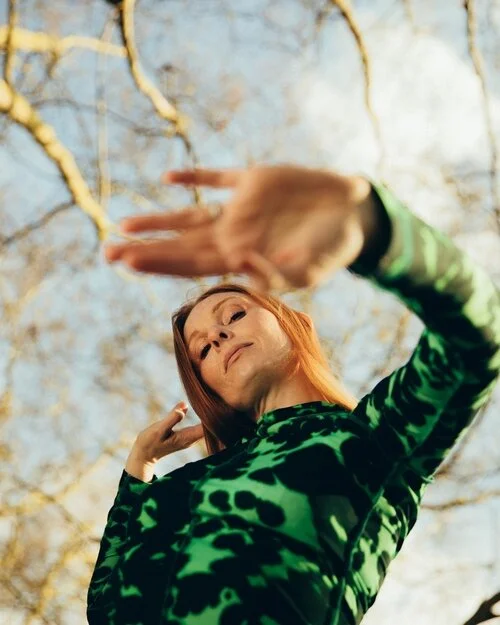
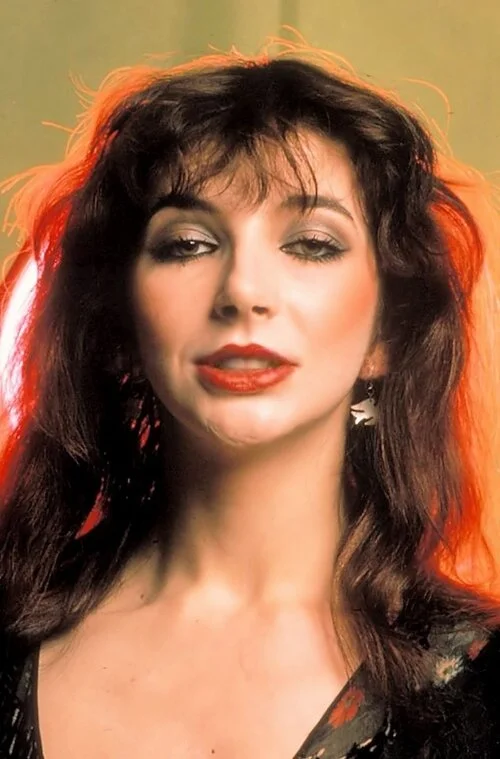
IN THIS PHOTO: Becky Hill
“Whether it is about what they look like or what they write about in their songs, or how they conduct their day-to-day lives, it would appear that women need to be more than just talented to be accepted and successful,” she said.
Female acts accounted for just 10% of the most played songs by British artists on BBC Radio 1 and on Radio 6 Music during the 12-month period. On BBC Radio 1Xtra the figure was 14.3%, on BBC Asian Network 20%, and on Radio 2 it was 40%.
In commercial radio, the Bauer Media stations Absolute Radio and Kerrang! and Global Media’s Radio X had no female acts among their top 20 most played songs by British artists. British women accounted for 15% of the top 20 on Kiss FM, 5% on Kiss Fresh, and a sector high of 30% on Bauer’s Magic FM.
Eleanor McEvoy, the chair of the Irish Music Rights Organisation, said gender disparity on radio appeared to be worsening.
“The unconscious bias towards male musicians, songwriters and performers is staggering. Looking at these figures I’m frustrated at the talent that we’re losing, the song that will be missed and the voices that we’re never going to hear,” she said.
BBC research last year found that three times as many male as female pop stars appeared on the biggest singles of 2018, and suggested female acts were losing exposure in an era heavy on collaborations”.
I have collected together various exerts from the article, but the picture painted is very worrying. There are so many brilliant British women in music and, whilst I can appreciate American female artists probably get more airplay than British artists, there is still a huge gender imbalance and bias towards men. One might say that there are fewer British women in music, but that is not the case. Just look at various music websites and magazines; check out new releases and listen to what is out there, and it is evident that there is more than enough British talent. I know radio stations have their demographics and particular musical tastes, but that is not to say they are limited by that at all. I would be interested to see what the figures are like when you factor in all female artists – one suspects there is still a massive imbalance. It is down to radio stations to nurture and promulgate brilliant artists, and so many British artists rely on the bigger stations to get their music out there. In order to break out of this continuing pattern, radio bosses need to look at the research and commit to change. From Dua Lipa, Rina Sawayama, Laura Marling, Charli XCX to Jessie Ware, some of the best albums of this year have come from British female artists. Whilst I admit that, perhaps, American female artists account for more big singles and albums than British women, there is not a massive disparity in terms of nationality, and there are ample options regarding British women.