FEATURE: The Lockdown Playlist: Pitchfork’s Best Songs of 2020: The Top-Thirty

FEATURE:


The Lockdown Playlist

Pitchfork’s Best Songs of 2020: The Top-Thirty

___________

LOTS of sites are putting out…

 IN THIS PHOTO: Kevin Hayes

their favourite albums and songs of 2020. NME have just done it and, whilst it was tempting to crib from them and compile a playlist of their favourites, I have been looking at Pitchfork’s top-hundred of the year. Instead of do an entire Lockdown Playlist of their suggestions, I have just taken the top-thirty; epic tracks from 2020 that shows what a strong year it has been! If you need a representation of the very finest music of the year then this Lockdown Playlist should…

 IN THIS PHOTO: Moses Sumney/PHOTO CREDIT: Sam Deitch/BFA/Rex/Shutterstock

DO the job!

FEATURE: My Favourite Album of 2020: Laura Marling – Song for Our Daughter

FEATURE:


My Favourite Album of 2020

Laura Marling – Song for Our Daughter

___________

QUITE a few lists are being published….

 PHOTO CREDIT: Justin Tyler Close

collating the best albums of 2020. It is providing inspiration for Lockdown Playlists but, more than anything, it makes me wonder where my favourite album of the year features. The album in question is Laura Marling’s Song for Our Daughter. It is the seventh studio artist from an artist who has not put a foot wrong since she came onto the scene! It is amazing to think about Marling’s consistency and just what she has accomplished even though she is thirty. It is wonderful to think how far she can go and how good she will get! Song for Our Daughter was released on 10th April, and it was an especially tough and strange time where we were in lockdown and it was right near the start of the pandemic starting in the U.K. Recorded between Marling's home studio, London, Monnow Valley Studio, Wales and Ethan Johns' Three Crows studio, Song for Our Daughter sound remarkably consistent and beautiful. I think it is one of Marling’s most moving and diverse set of songs. I know many publications will put Song for Our Daughter in their top-ten - and I will be curious to see, in such a competitive year, how many adjudge it the very best of 2020. I think this year has been an incredible one for music considering everything going on, and I know Laura Marling had different ideas for the release of the album and she would have wanted it to be out in the world when we were all together.

She has performed some streamed gigs from her home and she has also provided guitar tutorials. She has definitely been keeping busy this year and, right at the start of the crisis, it was nice having her album out there. Many artists delayed the release of their album by weeks and months, but Marling felt that people needed to hear Song for Our Daughter. I am going to bring in some interview segments from this year where Marling was promoting the album but, when it came to reviews for Song for Our Daughter, they were some of the most impassioned and extraordinary of her career! In their review, this is what AllMusic had to say:

“If Laura Marling's Grammy-nominated standout, Semper Femina, signified a mid-career watershed, her 2020 follow-up, Song for Our Daughter, finds the Londoner moving through a subtler, though equally vital evolution replete with sharpened observations and a gripping sense of vulnerability. Loosely inspired by Maya Angelou's 2008 essay collection Letter to My Daughter, the album's ten tracks act as an exquisite outpouring of accumulated wisdom, pain, and the type of detailed personal narratives at which Marling excels. Co-produced with longtime foil Ethan Johns, though bearing a similar instrumental palette to her previous Blake Mills-produced outing, the largely acoustic framework here is neatly woven with spare, elegant instrumentation leaving little to hide behind as she rakes the cooling embers of her own past, engages warily with the present, and imagines possible futures her fictional child might one day face. The rugged folk-rock jangle of "Held Down" and the buoyant pop paean to individualism "Strange Girl" deliver some of the more immediate thrills here, but it's the marvelous centerpiece "Fortune" that sets the highest bar. Adorned by a winsome string arrangement and her nimble guitar picking, Marling's opening salvo of "you took out that money that your mama had saved, she told me she kept it for running away" sets up a multigenerational tale of escape and misfortune that plays like a late-career highlight from a legacy act gazing backward. At just 30 years old and with seven albums to her credit, Marling's songwriting has been honed to a level of literate maturity that few artists achieve in their careers”.

If you have not got a copy of Song for Our Daughter then go and get one, as it a remarkable album full of the very best songwriting you will hear. I have always loved Marling’s work, but I think her voice, playing and writing is at its peak on Song for Our Daughter. When they reviewed the album, The Independent noted the following:

“The title of Marling’s last record, 2017’s worldly Semper Femina (Latin for “always a woman”), refers to Virgil’s line about how fickle and ever-changing women are. On Song For Our Daughter, Marling channels this with a thrilling defiance, right as she turns 30 – a period of transition in itself – and offers her best work to date.

Marling’s previous albums have been grounded in evocative storytelling, her airy meditations on love, age and experience set against pastoral guitar landscapes. Not for nothing was she hailed, on more than one occasion, the voice of a generation. More subtle than her previous works, these new songs are as fragmented and beautiful as stained glass.

 “Blow by Blow” is an exquisite lament – a poetical anatomy of a broken relationship. Piano chords tumble with sparse tenderness. Cellos rise and fall like blossoms carried in the wind. Marling’s vocals – soft and wounded – wrestle with grief. Yet this is not a “sad” album. She strides with purpose on the jubilant “Alexandra”, inspired in part by Leonard Cohen’s “Alexandra’s Leaving”. Between periods of solace at London’s British Library and living with family, she now rejoices in her social awkwardness: “Stay alone, be brave,” she urges on the good-humoured shuffle “Strange Girl”.

By now fans are more than familiar with her virtuosic guitar playing and the way she can skip from twangy, Seventies Americana to the deft finger-picking of trad-English folk. “Lately, I’ve been thinking about our daughter growing old/ All of the bulls**t that she might be told,” she sings, as violins courtesy of Rob Moose (The National, Bon Iver) make this in part an elegy for her own experiences. What a marvel this album is”.

Respect has to go to Marling for releasing an album like Song for Our Daughter when she did, as it would have been easy to shelve it until later in the year and see how the pandemic played out. It must have been a tough decision. In an NME interview from April, we learn about that release conflict, in addition to some of the influences on Song for Our Daughter:

“I’ve never been at home long enough to grow anything or have a dog, and now I want all of those things,” she reasons, considering the possible benefits of being largely housebound for the foreseeable future. “I’ve been sending emails out to adoption agencies. I’ll take anything, but the fantasy pet is a mongrel with a missing leg,” she says. “I want a dog with a story.”

Though written and recorded well before the global pandemic, it’s a soothing panacea for troubling times. The record sees Marling play with pop melody more than ever before, losing none of her uniqueness in the process. “It’s still not in any great danger of becoming mainstream… or successful!” she says – quite wrongly, we might add – with a self-deprecating laugh. “But I guess it is more poppy for me.”

Marling was originally set for an August album reveal, but bucked the trend of a panicked industry – countless release dates have been pushed back due to COVID-19 – and pulled hers forward instead: “I only decided to do it 10 days ago. It’s so crazy. But I feel like I’m forever sitting on an album that hasn’t been released yet. It’s such a long process, because you want to give people time to set it up properly. People want to do a good job for it, but I like to get them out whenever they’re done.”

At 36 minutes and 10 tracks long, ‘Song For Our Daughter’ is her shortest but most textured album. There’s the ever-present influence of Joni Mitchell’s bright and breezy acoustic guitar (‘Alexandra’), as well as the layered folk rock of Crosby, Stills and Nash (‘Strange Girl’) and even Paul McCartney’s bewitching simplicity (‘For You’).

Of the latter she says: “I listened to ‘Jenny Wren’. It’s from 2005, on a Paul McCartney album [‘Chaos And Creation In The Backyard’] you wouldn’t think twice about – not to be harsh – but it is the most astonishingly beautiful song. I suddenly realised that there was an entire catalogue that I hadn’t paid attention to that was full of these stunningly beautiful songs. I’d never thought he was bad, but I’d overlooked him, certainly.”

This time around, Marling got stuck into production almost as fully as she did with 2015’s entirely self-produced ‘Short Movie’ album, creating sumptuous arrangements in the studio she built in her basement last year. “I indulged in lushness a bit more than I have done previously,” she says. “Lots of backing vocals and beautiful, beautiful strings”

In a difficult year, I have been listening to music more than ever, and I have been provided with wisdom, comfort, strength and company from so many artists. There are so many fascinating stories and moments on Song for Our Daughter that means you keep coming back. Some tracks hit you when you first hear them, whereas others take a bit more time to reveal their full potency and meaning. I want to source from another interview, as Laura Marling discusses some of the themes on the album in addition to the #MeToo movement:

 “Song For Our Daughter, an assertive take on loss, remorse and mistreatment, is magnificent. Blending the bucolic folk of Semper Femina with brief spurts of the Dylan-esque speak-singing she wryly adopted on Short Movie, it is sophisticated but unselfconscious. Though not quite as rigid a concept album as some critics have taken it to be, it contemplates the kind of world Marling would like to help build for her potential daughter. She says it is a “piece of me”.

“I think all of my output has been an evolving relationship with what it is to be a woman,” she explains, “and now that I’m 30, I feel a new phase of my life has been entered. I’ve sort of been waiting for that phase of my life – where I can stop being in my twenties – for my whole adult life. And it has changed my perspective in the way that I look at my younger self. I think about what I would have liked to have been protected from – which is a self-propelling maternal instinct, because in many ways, I’m just talking about a younger version of myself.”

 It certainly has its moments – the lullaby-like “For You” expresses a kind of joy Marling rarely allows into her music, her accent closer to her speaking voice than it’s been for years – as if to close the gap between person and performer. But if the story of Lucretia speaks to the times we’re living in, then so, too, does Song For Our Daughter. “With your clothes on the floor/ taking advice from some old balding bore,” she sings on that title track, “You’ll ask yourself, ‘Did I want this at all?’”

It paints a complicated picture. Some women, says Marling, are bred to be obedient. Others are encouraged to not “take s***”. “There’s this huge scale of what your life experience is and how that contributes to how you would conduct yourself in a difficult situation. #MeToo was interesting, because there were some very clearly litigious things that were brought up in an industry – similar to music – that’s full of very difficult nuance about how business is done and transacted. And the law doesn’t work in favour of people who’ve been traumatised. Weinstein going to jail is the most satisfying outcome, and anybody who can be prosecuted should be prosecuted, but we must also pay attention to the gap in the law”.

Go and stream or buy Song for Our Daughter, as it is a marvellous album – and it is my pick for the best of 2020. I am going to watch closely to see where Marling heads from here and what direction her work takes. Song for Our Daughter is, as I noted, her most diverse, and there is a blend of some more Pop elements together with her Folk roots. Having not long turned thirty and in a new stage of life, there is this sort of consideration of motherhood and new responsibility – a song/album, as it were, for a hypothetical daughter. Maybe by the time the next album comes out Marling might be a mother, or perhaps this album was a way of addressing questions and thoughts that have been on her mind for a while. There is a lot to enjoy and discover from the album so, if you are new to Song for Our Daughter, give Laura Marling’s exceptional album…

A good spin.

FEATURE: “Ooh, Yeah, You're Amazing! We Think You're incredible" Kate Bush and the Rigours, Rush and Realities of The Tour of Life (1979) and Before the Dawn (2014)

FEATURE:


“Ooh, Yeah, You're Amazing! We Think You're incredible”

IN THIS PHOTO: Kate Bush during The Tour of Life in 1979/PHOTO CREDIT: Max Browne

Kate Bush and the Rigours, Rush and Realities of The Tour of Life (1979) and Before the Dawn (2014)

___________

I have written about Kate Bush…

 PHOTO CREDIT: Max Browne

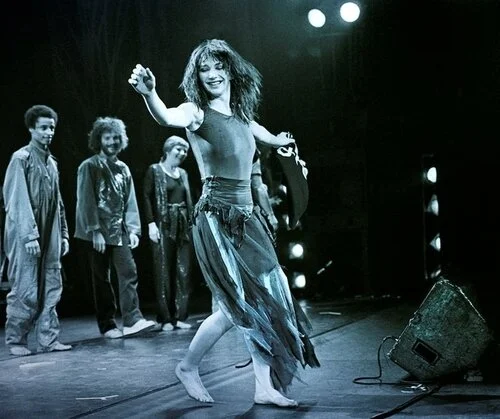
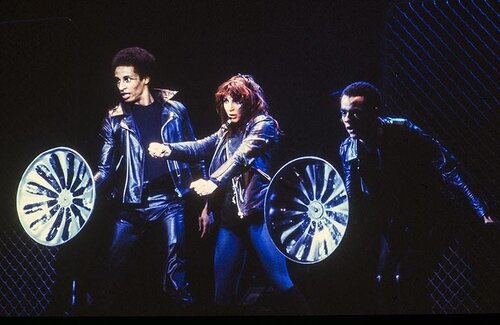
and her two big live shows, The Tour of Life (1979), and Before the Dawn (2014) several times before. In those pieces, the tone is normally celebratory, and I highlight how emphatic and memorable those shows were. That is all true, but I had not really pondered the realities of those big productions and how much it must have taken out of her! I have sort of alluded to it before, and I was reading Graeme Thomson’s biography, Under the Ivy: The Life & Music of Kate Bush. I have been thinking about Bush’s stage work and how hard she worked when I had delivered Record Collector’s special about her – and a few features in the coming weeks are inspired by that publication. There was a whole section about The Tour of Life in 1979 and what a feat it was! The photos from the production are wonderful, and we get to see Bush in her element and really owning the stage! I hope that Max Browne – whose photographs were included in the feature – publishes a book of all the images he has from that tour, as I think it would prove very popular among the Kate Bush fanbase. Ian Cawood was writing for Record Collector, and he noted how there was accusation from the press as early as October 1978 that Bush was afraid to play live. Such was the popularity of her single, Wuthering Heights, and the debut album, The Kick Inside, that the demand for her to play live was huge. Before The Tour of Life in 1979, Bush’s live C.V. was a little bare.

She had performed as part of the KT Bush Band in 1977, but that was a series of pub gigs and small venues. To go from there to a huge stage in a year or so would be a pretty big ask. Also, right through 1978, she was either promoting her debut album or working on the follow-up, Lionheart – which was released in November 1978. Even before she had set foot on stage for The Tour of Life, there was this sort of whirlwind and constant workload that prevented her from undertaking anything else. It was a need to establish some form of control over her career – Bush felt she was not as involved in the first two albums as she would have liked – that gave birth to The Tour of Life and its scale. Also, she could not deny that fans as well as press sources were wondering when she might perform – though the fans were far more fair-minded and did not bait her! EMI put no pressure on Bush to perform, and there was dubiousness from the press that Bush’s unique and unusual songs would translate to the stage easily. Until that point, there had not really been any artist like her on the stage. Many might say David Bowie had the same sort of invention and quirkiness, but I think Bush was even less conventional. Bush said after the tour that she proved people wrong (regarding her lack of performance) and delivered something enormous!

  PHOTO CREDIT: Max Browne

I will come to the harder sides of that that first but, prior to the first show, Bush recruited the three surviving members of the KT Bush band – Del Palmer, Brian Bath, and Paddy Bush –, who were musicians that were not featured heavily on her first two albums – producer Andrew Powell favoured more experienced musicians. Bush wanted The Tour of Life to be on her own terms and, as she felt an emotional connection to her fans and wanted to repay their support, everything had to be done right. The video I have included above gives you an idea as to the extent of Bush’s involvement before she even started to perform. From choosing designs and choreography through to costumes, Bush had her finger in ever pie going! She had a great team around her and she was very encouraging and keen to learn from them but, at the same time, ensure that other people were not directing the feel and tone of the tour. In terms of realities and rigours, the financial sting was there from the start. EMI had not put aside money for a tour, so Bush’s music company (controlled by her father), Novercia, and had takings from merchandise and ticket sales had to fund it. For someone as ambitious and creative as Bush, the idea of maybe scaling back as to avoid fiduciary trouble must have been a source of anxiety!

As it is, The Tour of Life was a massive success and I can’t imagine that too much was left out. When you hear from people who saw her at one of the dates across the U.K. and Europe and see videos of the show, you can definitely see a lot of the bigger ideas and concepts coming to life! Costume designer Lisa Hayes had hoped to have a new costume for each song of the show but, as that would cost more, create pressure on stage and, perhaps, cause issues with a fast change, things were scaled down. The work she did with choreographer Anthony Van Laast was amazing! I have seen clips of her rehearsing, and I don’t think people realise the hours she committed to the routines - and, when that translated to the stage, just what a physical undertaking it was! A new song was being choreographed every day, so the sense of exhaustion was very real! Not only was there the financial and physical drain but, in a warm-up show in Poole on 2nd April, 1979, lighting assistant Bill Duffield was killed in a freak accident. He was drafted to help with the complex lighting and to find ways of transporting kit between venues. His death caused shockwaves through the crew and musicians. Bush was especially affected, as she knew everyone personally and it was like losing a friend.

I will allude to this when I discuss Before the Dawn, but I think her desire to perform at the same venue each night in 2014 might have been impacted by the fact Duffield was hired because they would be travelling and they needed an extra pair of hands. Simon Drake – a magician/illusionist who was to perform a floating cane trick during an instrumental break – was injured during one rehearsal for The Tour of Life, narrowly escaping serious injury. This reduced Bush to tears and, thinking about the injuries and losses (few as they were), I sort of think about the people who built the pyramids and how many lives were lost. That is an exaggeration, but the size and complexities of setting up stages and working out the logistics was having an impact! When it came to the shows themselves, Bush was exhilarating and a sensation! Her shows were praised by critics and fans alike and, whilst there was this adulation and rapture from audiences, I think about the energy expended during those shows. During some shows, Bush was being carried off stage at the end, completely drained from such a taxing performance! Most nights she would not stay up late and socialise; needing the rest before travelling to the next venue, with days off usually dedicated to much-needed kip. I guess this reality is true of every major artist but, as she was barely in her twenties and her professional career was very new, this sort of hit and realisation must have come as quite a shock!

  PHOTO CREDIT: Max Browne

Bush had created a show with mime, magic and music. This was like nothing anyone had witnessed! It is no exaggeration to say she transformed the perception of a Pop/Rock show. Bush hated it when bands went out and played the songs in a very ordinary and unimaginative way so, for that reason, The Tour of Life was a world of its own! Looking at the article from Record Collector, and it is clear that this incredible live spectacle was impacting Bush as they rolled onto Europe. She grew to hate flying and travel as it did wear her out and eat up a lot of her time. The physical demand of travelling and doing shows was starting to tell. Her voice was also straining, and a show in Stockholm on 24th April (1979) was especially challenging. It was feared she had an infection or would lose her voice as the convoy moved to Copenhagen for a show on 26th April. Bush likened The Tour of Life to a circus troupe travelling around, and it was fortunate she had a day off between Sweden and Denmark so that she could try and regain some strength. There was pressure from the money men and management to let the show continue, rather than dates being cancelled. One can only imagine the sort of stress that caused for Bush, as she wanted to perform for the fans but she knew that her voice was fragile and could break.

  PHOTO CREDIT: Max Browne

As a compromise, the setlist was shortened for the 26th, and any songs that put too much pressure on the voice were nixed. There were worries the European leg could be cancelled as Bush was suffering but, as she was treated by antibiotics and a set in Hamburg on 28th April was also shortened, it provided her with some respite. It was, during a show in Amsterdam on 29th, that her voice came back to full strength – it must have caught her and the audience by surprise!  Photographer Max Browne has said how the tour was like Heaven for him and a bit of a daze – and how he hopes to put out a book in the not-too-distant future. After The Tour of Life had wrapped in May 1979, there were possible plans to tour in the U.S. and support Fleetwood Mac on their Rumours tour. Aside from the glitz and carnival of the show, Bush herself had given so much. She did not go to the U.S. – partly because of the energy needed, and she did not want to perform a short support slot which was very restrictive -, and Bush said in interviews through the years how she felt less confident as a performer after The Tour of Life; explaining why she became an albums artists for so many years. Many speculate why Bush did not perform in such a big way for so many years. She felt that her sexuality was too much of a focus, and she herself had not had time to explore who she was. The Tour of Life allowed her to do that in a sense, and have the focus shift to her performances and the show, rather than her looks and body. Also, the cost of mounting and executing such an ambitious tour was not something she could afford to repeat. The physical and emotional cost was also clear; losing Bill Duffield was a huge blow. Her albums became more complex and layered, so putting them onto the stage was less practical and possible – whether Bush, subconsciously, was making her songs like that so she could not tour them. Fortunately, in 2014, she was able to come back to the stage to deliver her second live extravaganza!

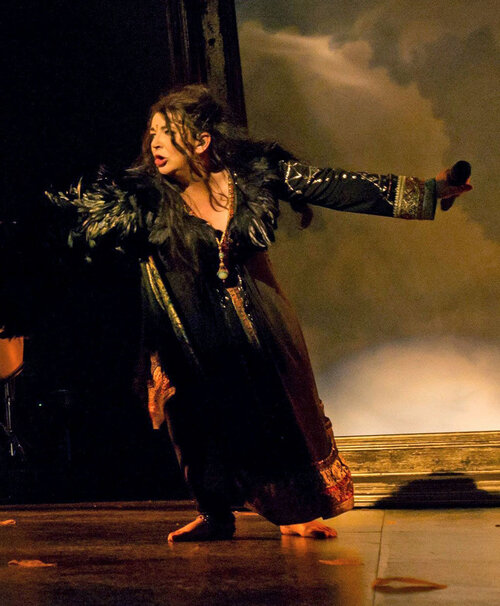
  IN THIS PHOTO: Kate Bush during her Before the Dawn residency in 2014/PHOTO CREDIT: Ken McKay/Rex Features

It must have been like a nice homecoming performing a twenty-two-date residency at the Eventim Apollo, Hammersmith (or, as she knew it in 1979, the Hammersmith Odeon) – the final venue she performed at during the scheduled run of The Tour of Life. Whereas Bush performed around about thirty different sets for The Tour of Life – with travel included -, Before the Dawn was less demanding in that sense. Running between 26th August and 1st October, 2014, there was the same balance of triumphs and tribulations when putting together such a phenomenal show. After all these years away, Bush wanted to do something different to The Tour of Life, and there was months of planning, discussions and rehearsals. Although Before the Dawn was less demanding in terms of dance and travel, I think the concept was bigger and the whole show, perhaps, a little more ambitious than The Tour of Life. Performing with her KT Bush Fellowship in Hammersmith to an ecstatic crowd each night would have been a wonderful rush! Bush said in interviews how the audiences each night were stunning and they gave her so much energy and life. I will get to the good aspects of Before the Dawn but, whilst Bush did not have to commute far to get to Hammersmith every night, the preparations were pretty intense. As I have mentioned before, there was a part of the show where Bush is filmed adrift at sea in a life raft.

She shot that in a studio in a water tank, but the time in took to complete the short piece left her with a mild case of hypothermia and a lot of stressful and unhappy hours. The interview above talks of the show and how, before each night, she was very nervous. That sense of anxiety and nerves was something that has afflicted her throughout her career and, even as a decades-seasoned professional, performing such a big show after all these years was always going to be daunting. The pleasures and highlights from Before the Dawn are obvious. The fans received a rare gift. In Record Collector, Pete Paphides documented his experiences of seeing Bush perform. We get to meet (in the piece) various excited fans who, each, were overwhelmed by the emotion and importance of what they were seeing. Paphides notes that the love in the room he saw and heard was like nothing else! It must have been strange for Bush to do such a grand show again so many years down the line. Some who saw her in 2014 were also there in 1979. Bush would have wrestled with doubts beforehand – remembering the realities of The Tour of Life and the downsides – and she battled the nerves one would expect for such a big occasion. It was her then-teenage son Bertie who persuaded her to get back on the stage; he was part of the cast, and having that familial support must have made the whole thing a little less terrifying.

I guess you had to be there to get a true sense of what Before the Dawn evoked and represented but, in terms of its scale and impact, one can say it rivalled The Tour of Life. Hounds of Love’s song-suite, The Ninth Wave, was brought to the stage; we got filmed sections and on-stage performances that brought this much-loved set of songs to life! Dancers dressed in costumes gave physicality to figures and sights sung on The Ninth Wave; a rare chance for fans to see a long-held dream of visualising these songs in a dramatic, theatrical way. Across twenty-five songs and two ambitious acts, thousands of fans got to witness something that took months of hard work and drilling to get right. For Bush, the same sort of responsibility and hard work she experienced in 1979 was here again and, if the rewards were big back then, they might have been even larger playing in London for twenty-two dates. Paphides observed that, when he saw her, he got the feeling that Bush, unlike anyone else, gave her everything to inspire her fans and ensure they were left enraptured. He noted that, if she left it another thirty-five years to perform, she would be ninety-one when she got back on the stage – which is why he (and everyone else) did not want to let her go and see the show end! Although there were horrors and incredibly tough experiences on both The Tour of Life, and Before the Dawn, the resultant brilliance from Bush and the reaction from the adoring crowds will be etched into music history forever. Reading and learning about the experiences of those who got to saw Bush at those shows makes me a little jealous! Whilst it is unlikely, I do wonder whether Kate Bush will give everyone an unexpected announcement and come to the stage once more…

 PHOTO CREDIT: Ken McKay/Rex Features

WITH a new production.

FEATURE: Second Spin: ABC - How to Be a ... Zillionaire!

FEATURE:


Second Spin

ABC - How to Be a ... Zillionaire!

___________

I want to feature an album in Second Spin…

that turned thirty-five a couple of months ago. ABC’s How to Be a ... Zillionaire! is the third studio album from the Sheffield band who, at their peak, comprised lead singer Martin Fry, guitarist and keyboardist Mark White, saxophonist Stephen Singleton and drummer David Palmer. I guess ABC set themselves an impossible standard when they released their classic debut, The Lexicon of Love, in 1982. Not to say that everything after 1982 was diminishing returns, but that debut remains a classic and is one of the best albums of the 1980s! How to Be a ... Zillionaire! was released in October 1985, and I think it is an album that warrants new attention and some fresh appreciation. There have been some mixed reviews for the album through the years. I feel that it is a lot stronger than many have given it credit for. Perhaps the chart positions of the album and its four singles have not helped when it comes to How to Be a ... Zillionaire! and its value. The album peaked at number-twenty-eight on the U.K. chart and at number-thirty on the Billboard 200. Four singles were released from the album: (How to Be a) Millionaire (U.K. position: number-forty-nine); Be Near Me (number twenty-six); Vanity Kills (number-seventy-four), and Ocean Blue (number-fifty-four). It is the group's first and only album to feature founder members Martin Fry and Mark White alongside by new members Eden and David Yarritu.

Maybe that sense of dislocation and change meant that ABC were unable to soar high and sound as extraordinary on How to Be a ... Zillionaire! as they did on The Lexicon of Love. Despite the fact that the band had this changing line-up and, shortly after How to Be a ... Zillionaire! was released, Martin Fry was being treated for Hodgkin's lymphoma, it sounds a remarkably appealing work and contains some great material. I feel that the singles should have done better but, in 1985 especially, so many huge singles and albums were released. We saw these stunning albums from Kate Bush, Tears for Fears, Dire Straits, Tom Waits, and The Jesus and Mary Chain…so I can understand why it might have been hard for ABC to get a foothold and perform as well as they did in 1982. It is unfair for people to compare How to Be a ... Zillionaire! with ABC’s very best, but I think that the album is a lot stronger than its reputation. I want to bring in an article that was published to mark How to Be a ... Zillionaire! at thirty-five. It looks back at the poor singles sales, but also how strong the album is as a whole:

“It didn’t help that Vanity Kills is a terrible record (by ABC’s lofty standards), with the normally loquacious Fry reduced to rhyming “vanity kills” with “it don’t pay bills” while the kitschy sink is thrown at the arrangement, mock explosions and all. Then, just as before with Millionaire, Live Aid came along less than a month later and further demonstrated how out of step ABC had become in the dawning age of the Global Jukebox. The single stiffed at #70.

For whatever reason, four months on from the failure of its third single, How To Be A Zillionaire was released into the wild, on one of the year’s busiest weeks for new albums. The band’s label, Phonogram/Mercury, were still reeling from the humbling debacle of Dexy’s Midnight Runners’ Don’t Stand Me Down, and now their other big act from the summer of 1982 were about to fare just as badly. The main difference was, with so many delays and false starts, expectations for (and interest in) the Zillionaire campaign had already been lowered.

Well, imagine my surprise when the album revealed itself to be a bit of a gem. Opener Fear Of The World is top-tier ABC; how this was never given the chance as a single beggars belief. Three of the other tracks on Side One were already familiar, including the other should-have-been-a-single 15 Storey Halo with its stunning coda, which left the gorgeous Ocean Blue as the second big discovery of the album’s first half. Listening to all these tracks, raised the baffling question of just what on earth had the band (and/or label) been thinking of with their promotional strategy up until now?”.

I will end with a positive review for How to Be a ... Zillionaire!, but a lot of people are sort of mixed and feel that ABC were incomplete and unfocused on their third album. It is an album that I have warmed to and played a bit lately. I would recommend people check it out.

I want to introduce a review that hints at some positives on How to Be a ... Zillionaire!, in addition to some constructive criticism:

“On the good-foot, though, are classic ABC cuts like "Be Near Me" and "(How To Be A) Millionaire." The former is rivals their other techno-soul heavyweights such as "Poison Arrow" and "Look Of Love." "Millionaire," on the other hand is a wonderful soul-dance tune that oozes vibe and presence. The beats are first-rate dance tracks, and the band uses samples effectively and tastefully. The biting sarcasm in Fry's lyrics almost becomes obscured by the rollicking disco beats. "Fear Of The World" builds on the re-occurring ABC foundation of dance inspired soul. Fry puts a heap of energy into his delivery bringing a thicker and more authoritative tone to the arrangement. The same could be said for "Vanity Kills," another strong and timely number with another fine balance of lyric and music. But for each strong point there are a couple of tunes that just don't come together as we would expect them to. Although Fry does his best to make pointed statements, tunes like "15 Storey Halo" and "So Hip It Hurts" are banal techno exercises that fail to go anywhere, lyrically and musically. Attempting to blend a "hip-hop soul" sound into the equation, the songs are built on solid foundations, but the excesses of the songs weigh them down.

The silly backing vocals and Fry's wry delivery make them laughable and downright skippable. Then there is the utterly silly introduction tune "A To Z." It's a hard tune to sit still for as its danceability beckons you to move. The cutesy introductions are smile worthy for a few spins, but becomes annoying with repeated listenings. This is the music from the eighties that people slag on today.

How To Be A Millionaire was a transitional record for ABC. Following the guitar based Beauty Stab and before the break-through Alphabet City, this record finds ABC still looking for a sound. It obvious that the guitar based sound wasn't quite their thing, and this record showed mild success with the dance genres. The "British soul" influence shines, when it is allowed to, and proved to be the successful angle of this band. We can forgive ABC for some of the shallower tracks on this record, since two classics of their cannon do come from this record. As a whole, though, there are enough less-than-perfect numbers that prevent this from being a true eighties classic. For other bands, this record would be nearly perfect, but for ABC, it's not completely together”.

In a more positive review, AllMusic gave their impressions of How to Be a...Zillionaire! and why it shines:

“Moving away from the guitar histrionics of Beauty Stab, Martin Fry reduced ABC to a duo of himself and Mark White for 1985's danceable How to Be a...Zillionaire! Incorporating light hip-hop rhythms, ABC made sure Zillionaire sounded contemporary for mid-'80s dance clubs, and as a result, some of the record sounds stiff and dated. Still, when Fry's sense of melody is on, as on the catchy single "Be Near Me," or when he works in his vicious, cynical wit, as on "How to Be a Millionaire" and "So Hip It Hurts," the record rivals the peaks of Lexicon of Love”.

I guess we all sort of associate ABC’s best moments with The Lexicon of Love, but albums like How to Be a ... Zillionaire! have treasures on them. The 1985-released album has some weak spots for sure; dig deep and you will hear a great album with some very bright and compelling songs. Take a listen to the album today to…

SEE what I mean.

FEATURE: Heart on My Sleeve: Some Cracking Album Covers from 2020

FEATURE:


Heart on My Sleeve

dddddd.jpg

 PHOTO CREDIT: @florenciaviadana/Unsplash 

Some Cracking Album Covers from 2020

___________

NOT a subject that is talked about much…

 PHOTO CREDIT: @markusspiske/Unsplash

when it comes to the ‘best of’ lists, but I am always interested in album covers. They are such an important part of an album, and it is the first thing one sees when they are flicking through the vinyl racks! Because of that, I thought I would select a few of my favourite album covers from 2020. In each case, I will highlight when the album was released, the label it was released on (if I can find the information), in addition to selecting a few choice tracks from each album and a link to where you can buy and download the album. This year has been a wonderful one for music and, alongside that, there have been some awesome album covers! Here is an assortment of some that definitely catch the eye and…

 PHOTO CREDIT: @julemergener_/Unsplash

STAY in the memory.

_________________

IDLES – Ultra Mono

Release Date: 25th September

Label: Partisan

Standout Tracks: Mr. Motivator/Kill Them With Kindness/Model Village

Buy: https://www.discogs.com/Idles-Ultra-Mono/release/15966198

Run the Jewels – RTJ4

Release Date: 3rd June

Labels: Jewel Runners/BMG

Standout Tracks: Ooh La La/The Ground Below/Pulling the Pin

Buy: https://www.discogs.com/Run-The-Jewels-Run-The-Jewels-4/master/1749989

Dua Lipa – Future Nostalgia

Release Date: 27th March

Label: Warner

Standout Tracks: Future Nostalgia/Physical/Break My Heart

Buy: https://www.discogs.com/Dua-Lipa-Future-Nostalgia/master/1705638

Phoebe Bridgers – Punisher

Release Date: 18th June

Label: Dead Oceans

Standout Tracks: Garden Song/Kyoto/I Know the End

Buy: https://www.discogs.com/Phoebe-Bridgers-Punisher/master/1757517

Charli XCX - how i'm feeling now

fffff.jpg

Release Date: 15th May

Labels: Atlantic/Asylum

Standout Tracks: forever/claws/7 Years

Buy: https://www.discogs.com/Charli-XCX-How-Im-Feeling-Now/master/1738844

Taylor Swift – folklore

Release Date: 24th July

Label: Republic

Standout Tracks: cardigan/the last great American dynasty/betty

Buy: https://www.discogs.com/Taylor-Swift-Folklore/master/1777815

Perfume Genius – Set My Heart on Fire Immediately

iii.jpg

Release Date: 15th May

Label: Matador

Standout Tracks: Describe/On the Floor/Your Body Changes Everything

Buy: https://www.discogs.com/Perfume-Genius-Set-My-Heart-On-Fire-Immediately/master/1738432

Nadine Shah – Kitchen Sink

Release Date: 26th June

Label: Infectious

Standout Tracks: Club Cougar/Trad/Ukrainian Wine

Buy: https://www.discogs.com/Nadine-Shah-Kitchen-Sink/master/1762562

Chloe x Halle – Ungodly Hour

gggg.jpg

Release Date: 12th June

Labels: Parkwood/Columbia

Standout Tracks: Forgive Me/Do It/Overwhelmed

Buy: https://www.discogs.com/Chloe-x-Halle-Ungodly-Hour/release/15487088

Jehnny Beth – TO LOVE IS TO LIVE

Release Date: 12th June

Label: Caroline Records

Standout Tracks: Flower/I’m the Man/Human

Buy: https://www.discogs.com/Jehnny-Beth-To-Love-Is-To-Live/master/1754820

SAULT – Untitled (Black Is)

Release Date: 19th July

Label: Forever Living Originals

Standout Tracks: Hard Life/Black Is/Why We Cry Why We Die

Buy: https://www.discogs.com/Sault-Untitled-Black-Is/release/15912430

Lady Gaga – Chromatica

Release Date: 29th May

Labels: Streamline/Interscope

Standout Tracks: Stupid Love/Rain on Me/911

Buy: https://www.discogs.com/Lady-Gaga-Chromatica/master/1746431

Megan Thee Stallion – Good News

Release Date: 20th November

Labels: 1501 Certified/300

Standout Tracks: Shots Fired/Body/Girls in the Head

Buy: https://www.discogs.com/Megan-Thee-Stallion-Good-News/master/1848252

Róisín Murphy – Róisín Machine

Release Date: 2nd October

Labels: Skint/BMG

Standout Tracks: Something More/Incapable/Murphy’s Law

Buy: https://www.discogs.com/R%C3%B3is%C3%ADn-Murphy-R%C3%B3is%C3%ADn-Machine/master/1814381

Pigs Pigs Pigs Pigs Pigs Pigs Pigs – Viscerals

Release Date: 3rd April

Label: Rocket Recordings

Standout Tracks: Rubbernecker/Word Crust/Hell’s Teeth

Buy: https://www.discogs.com/Pigs-Pigs-Pigs-Pigs-Pigs-Pigs-Pigs-Viscerals/master/1710619

Gorillaz – Song Machine, Season One: Strange Timez

saaa.jpg

Release Date: 23rd October

Labels: Gorillaz Productions/Parlophone/Warner

Standout Tracks: Strange Timez/Chalk Tablet Towers/Momentary Bliss

Buy: https://www.discogs.com/Gorillaz-Song-Machine-Season-One/master/1825713

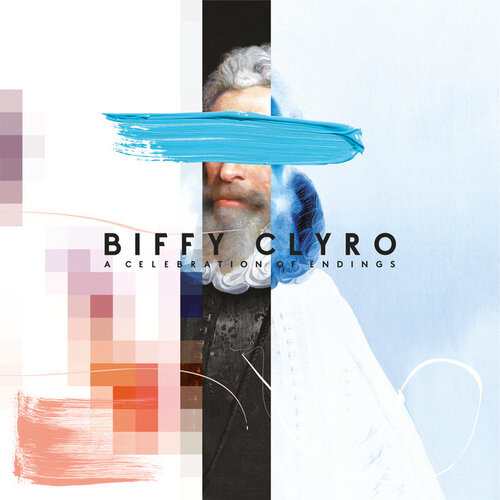
Biffy Clyro - A Celebration of Endings

Release Date: 14th August

Labels: 14th Floor/Warner Bros.

Standout Tracks: The Champ/Tiny Indoor Fireworks/Space

Buy: https://www.discogs.com/Biffy-Clyro-A-Celebration-Of-Endings/master/1787714

Courteeners - More. Again. Forever.

Release Date: 17th January

Labels: Ignition Records

Standout Tracks: Heart Attack/More. Again. Forever/One Day at a Time

Buy: https://www.discogs.com/The-Courteeners-More-Again-Forever-/master/1668842

Georgia – Seeking Thrills

Release Date: 10th January

Label: Domino

Standout Tracks: Started Out/About Work the Dancefloor/24 Hours

Buy: https://www.discogs.com/Georgia-Seeking-Thrills/master/1665612

The Strokes - The New Abnormal

Release Date: 10th April

Labels: Cult/RCA

Standout Tracks: The Adults Are Talking/Brooklyn Bridge to Chorus/Bad Decisions

Buy: https://www.discogs.com/The-Strokes-The-New-Abnormal/master/1712601


FEATURE: The Lockdown Playlist: Phenomenal Albums with One Underwhelming Track

FEATURE:


The Lockdown Playlist

aaa.jpg

PHOTO CREDIT: @rocinante_11/Unsplash 

Phenomenal Albums with One Underwhelming Track

___________

IT may seem a bit cruel…

PH

 PHOTO CREDIT: @rocinante_11/Unsplash

but there are these subline and accomplished albums that have a weaker track. Maybe it is a subjective thing, but there are albums with a perfect run where you cannot fault a track and, sometimes, there are these brilliant albums that only have the one slightly average song. Not that it spoils the flow and effect of the album, but one speculates what could have replaced that track or whether other people have the same opinion. Maybe everyone will have their own views on which ace albums sport the one average song but, here, I have put together a playlist of slightly underwhelming tracks from brilliant albums. It would be interesting to know what everyone else thinks but, through the decades, there have been these magnificent albums where there is a single song that is not up to the standard of the rest. Not to project schadenfreude, but here are slightly below pat songs from…

ooo.jpg

 PHOTO CREDIT: @rocinante_11/Unsplash

INCREDIBLE albums.

FEATURE: Heavy Dreaming: Kate Bush as the Activist

FEATURE:


Heavy Dreaming

xxxxxx.jpg

IN THIS PHOTO: Kate Bush in a promotional image for The Dreaming (single) in 1982/PHOTO CREDIT: Guido Harari 

Kate Bush as the Activist

___________

I may have covered this before…

 IN THIS PHOTO: Kate Bush in 1978/PHOTO CREDIT: Rex Features

when I was discussing Kate Bush as a lyricists and how her albums incorporate challenging themes. I want to return to the subject because, when we think of Bush’s lyrical content, I wonder how many people consider her to be someone who brings up big subjects and the fact that she has that fight in her. Apart from Bush being accused of supporting the Tories – she since refuted this claim -, we have not really heard too much about her political take and approach. I think the fact that this was never introduced into her music is a good thing. Instead, through many of her albums, we have these songs that stands up for causes and have a sense of protest. I will highlight The Dreaming’s title track as a good example but, in a couple of recent features, I have asked whether Bush is someone who puts herself into the music or whether she is quite distant and oblique. There are some that say she never fully exposed herself through music; a songwriter who speaks through characters and masks. I think many of her songs are raw and exposing, but Bush often wrote from character perspectives as she found them more interesting than she was. This is me returning to the point of Bush being a serious artist. As much as I adore her earlier work and the love songs on them, I think too many people used that to define who she was - they would then apply easy labels.

 IN THIS PHOTO: Kate Bush in 1980/PHOTO CREDIT: Andy Phillips

Critics do it with all artists but, even in the first year of her professional career, Bush was writing about suicide, incest and really deep subjects! Even if a lot of her vocals hid a lot of the darkness of what she was singing about, that is not to say that she was ever featherweight or lacking in any real clout! I may spend another feature writing about this, but Bush became a vegetarian in her childhood and she was very concerned about animal welfare and their rights. When she set up a pop-up show to promote the release of remastered albums, she donated the profits to the charity, Crisis. Bush said in a statement how, at Christmas (the shop was announced in November 2018), how the subject of homelessness comes to her mind; how she could not imagine what it was like to be homeless. This altruism and sense of responsibility did not surprise me as I think, throughout her life, Bush has given a lot of herself and her heart to others. Whilst her pledging money to Crisis is not activism, Bush is a staunch supporter of the charity, and it shows a charitable and new side to her that many people might not be aware of. I definitely have covered this before but, when her third album came out, we started to hear songs that were more overtly campaigning and hard-hitting.

Breathing’s visions of nuclear holocaust and the fear of warfare was not just her picking up a book and being inspired by something interesting – as she was on other songs through her career. By 1980, the Cold War was still very much in full swing – it didn’t end until the start of the 1980s -, so Bush articulated a dread and sense of anger that many would have felt at the time. This was one of her first songs to really show her activist/campaigning side. Whilst she does not turn Breathing into something political and sloganeering, this was her creating a masterpiece of a track where you believe every note she sings! The emotion and power of that song is still moving and I don’t think one can negatively compare Bush to Punk artists of that time. If they were more direct and personal with their attacks and statements, Bush was still able to discuss a big social issue - albeit told through the preservative of characters. The same is true of another song from Never for Ever, Army Dreamers. I think she displayed enormous maturity and potency at such a young age (she was in her early-twenties) when a lot of her Pop/Rock peers were still singing about love and something much less urgent. One can also say that Bush’s activism extends beyond politics and social commentary. Activism means “the policy or action of using vigorous campaigning to bring about political or social change” so, in that sense, one can hear a lot of her songs about love, relations and gender as being about social change and greater understanding.

I am skipping ahead to Running Up That Hill (A Deal with God) from Hounds of Love and Bush’s desire for men and women to swap places so they can better understand one another. It is a song about harmony and understanding and, for that reason, I think it is important activism. Never for Ever was a time of awakening and evolution in terms of Bush mixing songs with a political tone and those which were separated from that. I will come to The Dreaming’s eponymous cut soon but, on that album, Pull Out the Pin, I think, is Bush producing some form of commentary and activism by discussing the horrors of the Vietnam War and the futility of conflict. Apart from it being one of the oddest songs on The Dreaming, Pull Out the Pin is also one of the most striking and memorable. This article puts in an interview where Bush talked about the track:

“I saw this incredible documentary by this Australian cameraman who went on the front line in Vietnam, filming from the Vietnamese point of view, so it was very biased against the Americans. He said it really changed him, because until you live on their level like that, when it's complete survival, you don't know what it's about. He's never been the same since, because it's so devastating, people dying all the time.

The way he portrayed the Vietnamese was as this really crafted, beautiful race. The Americans were these big, fat, pink, smelly things who the Vietnamese could smell coming for miles because of the tobacco and cologne. It was devastating, because you got the impression that the Americans were so heavy and awkward, and the Vietnamese were so beautiful and all getting wiped out. They wore a little silver Buddha on a chain around their neck and when they went into action they'd pop it into their mouth, so if they died they'd have Buddha on their lips. I wanted to write a song that could somehow convey the whole thing, so we set it in the jungle and had helicopters, crickets and little Balinese frogs. (Kris Needs, 'Dream Time In The Bush'. Zigzag (UK), November 1982)”.

The single, The Dreaming, might have performed quite poorly in the charts but I can understand why Bush decided to mark it as a single. Rather than go for a song that was more conventional or explored aspects of relationships, this very important and meaningful song was put into the ether. Bush always wanted to release music with an Australian flavour as she was a fan of the music of the country and experimenting with those sounds. Bush was becoming more aware of the situation that existed in Australia between the white population and the aborigines; they were being wiped out by man's greed for uranium. Bush was distraught at this beautiful culture being wiped out for greedy reasons. She felt that we should learn from the aborigines and take lessons from them rather than attempting to purge them.

Bush could have simply mentioned her frustration in an interview but, in 1982, she wrote a song about something that she felt passionate about and wanted to bring to wider public attention. In an article from the Kate Bush Encyclopaedia, we get a statement from her that explains the title, The Dreaming, and why she applied it to a song about aborigines:

“The Aboriginals are not alone in being pushed out of their land by modern man, by their diseases, or for their own strange reasons. It is very sad to think they might all die. 'The Dreaming' is the time for Aboriginals when humans took the form of animals, when spirits were free to roam and in this song as the civilized begin to dominate, the 'original ones' dream of the dreamtime. (Press statement by Kate Bush, 1982)”.

Even if many of Bush’s other songs were more about social change and activism (rather than political), I think many of her themes and albums have raised vital discussions and helped to give voice to many different sections of society. Bush is an L.G.B.T.Q.I.A.+ idol because of her fearlessness regarding ‘taboo’ subjects and how open she was about sexuality and expression. This gave voice and strength to the L.G.B.T.Q.I.A.+ community. They saw someone in the mainstream who was speaking to them in a way other artists were not. This article from Attitude talks about a very interesting aspect of her music:

“Observational songs like 'Kashka' highlight Kate’s keen eye for detail and empathetic lyrical style; her warm, graceful acceptance – and endorsement – of homosexual desire marked her out as an LGBT advocate from the outset.

Her frank openness and recognition of a gamut of gender norms and of the reality of sexual fluidity became a recurrent theme in her work; 'Wow', a biting satire of the theatrical business, finds Kate singing “He’ll never make the scene / he’ll never make the Sweeney / be that movie queen / he’s too busy hitting the Vaseline.” If we were in any doubt as to her underlying meaning, her performance in the video removes all doubt as she taps her buttock on the payoff line”.

Songs like Wuthering Heights are liberating for people who felt repressed or like they had to hide away. Bush’s freedom and sense of individuality was incredibly impactful and, whilst it was not direct activism and a call for greater rights for the L.G.B.T.Q.I.A.+ community, it is evident that she was very concerned and keen to see equality and change. If you pick away at a lot of Kate Bush’s songs, you can hear her fighting for others, trying to see change in the world; she was exploring love and human connection in a way nobody else was. It makes me bridle at those who accused Bush of being kooky, insincere or apolitical; someone who was sort of in a world of her own and not serious. You still do hear that sort of nonsense from some, and I think that was a perception that was attached to her for quite a while. From her political songs and disgust at those who vanquish life needless and destroy precious cultures, through to her urge for people to better understand one another, Bush’s fearlessness, incredible songwriting versatility and thought-provoking music, I feel, can be called activism. She has certainly opener doors, inspired so many people and influenced fans and countless artists alike; whether that is because she has made them less fearful and better enlightened or her music has enriched their lives, one has to doth their cap to Bush. The songs and themes I have just mentioned not only show how socially and politically conscious Bush is, but also how affecting her music is! Because of this, Kate Bush remains a role model and idol…

 IN THIS PHOTO: Kate Bush in a promotional image for The Dreaming (single) in 1982/PHOTO CREDIT: Guido Harari 

FOR so many people around the world.

FEATURE: The Lockdown Playlist: Patti Smith’s Horses at Forty-Five

FEATURE:


The Lockdown Playlist

Patti Smith’s Horses at Forty-Five

___________

ON 13th December, 1975…

 PHOTO CREDIT: Pictorial Press Ltd/Alamy Stock Photo

Patti Smith released her incredible debut album. To mark forty-five years of one of the greatest albums ever, I wanted to put out a Lockdown Playlist with the theme of horses. The album, Horses, contains so many classic songs – and I will include two tracks from the album in the playlist. I think Patti Smith is one of the most iconic artists ever, and her debut album is such an astonishingly confident and original work! If you are a songwriter who is looking for guidance, I would urge people to listen to Horses and experience something truly awesome. To mark forty-five years of a masterpiece, this Lockdown Playlist takes the title/theme of horses and…

RUNS a with it.

FEATURE: Electric Dreams: Hopes for a Kinder and More Together 2021

FEATURE:


Electric Dreams

PHOTO CREDIT: @nordwood/Unsplash 

Hopes for a Kinder and More Together 2021

___________

I wrote a similar feature…

 PHOTO CREDIT: @gilleslambert/Unsplash

last year that asked for similar understanding. 2019 was quite fraught and divided in a lot of ways and, between online abuse and inequality through the music industry, it seemed like this year could have been one where everything changed. Not that it would have been instant but, having gone through a tough year, I think a lot of us wanted a more equal and kinder world. In terms of the worst offence and sense of polarisations, social media was a major culprit! One reason why I am writing this now is because I am looking through comment sections regarding live reviews and certain artists. Not only is there negativity on there, but there is sexism, insulting language and a lot of people being very dismissive. Everyone is entitled to like or dislike music or something about the industry but, more and more, the Internet is becoming something fetid and divisive – rather than people actually being nice or constructive. I know it may seem naïve and implausible for the world to change suddenly. That is not what I am suggesting. There will never be an Internet and social media filled with kindness and a complete lack of toxicity – and there never will be. After such a tough and challenging year for every single person, there is an improvement in terms of progress within the music industry, but there has not really been much of a shift regarding how we treat one another on social media. Not only do I think that there has been some truly amazing music put out, but I feel there have been genuine steps forward in terms of equality and making the industry a more inclusive and accepting place.

 PHOTO CREDIT: @oliialioli/Unsplash

That has to continue into 2021 and, when things start to return to normal, festivals and live gigs will be in full swing. Let’s hope that the calls for gender and racial equality lead to more equal bills and greater opportunities for those who, until now, have had to fight too hard. I think everyone wants to blow off steam at the moment as it is very stressful and we have all had to live a more restricted and different life for almost a year. Things will not get back to how they were within a couple of months, so it will take patience from people. I guess my main concern relates to social media and how this year, as much as last year, there has been a lot of needless vitriol and inflammatory language thrown around. Reading a couple of reviews/features on a music website and I am reading a lot of offensive language and people being callous. Not only does it seem ever-more pointless and troublesome that people have to post stuff like this but, if the artists in question were to read those comments, it creates a sense of upset and psychological damage that did not need to be inflected. Sexism, especially, still seems so rife throughout social media and on music/media website boards - and next year needs to be one where there is far less of this happening.

 PHOTO CREDIT: @austindistel/Unsplash

I think 2020 has been especially strange and tough for musicians, so any additional pressure and strain seems heartbreaking. I know that there is still going to be a lot of crap posted online and so many people through the industry will battle negativity, trolls and toxicity. I think, as I said, we have made strides this year and a lot of good has come from a very bad time, but I cannot fathom why there is still so much bile and cruelty. Perhaps I am butting against a brick wall and attempting to solve a problem that will always exist, but we are going to emerge into 2021 with things to look forward to. Not only will a lot of the music industry open back up, but our lives will improve significantly. It is not really just social media and Internet forums/comments sections that have caught my eye. In general, I think too many in music are reporting a deterioration in their mental-health because of the way they have been spoken to or discussed online. It is a classic case of if someone does not have anything nice to say then they shouldn’t! Again, I know we will not see a reversal, but it would be encouraging if those who go after artists or have nothing positive to offer reflect on the year that has passed and realise how their words will harm someone – and that they have had just as painful a 2020 as them. At the very least, perhaps those that do not normally engage in such toxicity should, if they are thinking of posting something negative, think harder about the reasons why and change their course. We have all been through so much this year and, at our darkest times, music has come to the rescue and provided us with so much comfort and distraction. In 2021, as a way of repaying that and creating a kinder space, I think we should all…

vc.jpg

 PHOTO CREDIT: @sincerelymedia/Unsplash

TREAT those in music more fairly and with greater grace.

FEATURE: The December Playlist: Vol. 2: Whose Baby Is Baby Jesus!?

FEATURE:


The December Playlist

IN THIS PHOTO: Julia Jacklin/PHOTO CREDIT: Nick Mckk 

Vol. 2: Whose Baby Is Baby Jesus!?

__________

FOR this round of the weekly Playlist…

 IN THIS PHOTO: Gwen Stefani/PHOTO CREDIT: Jamie Nelson

there is an assortment of great tracks. We are a couple of weeks away from Christmas but, not letting the pace die, artists are putting out some terrific songs! There are new offerings from Julia Jacklin, Taylor Swift (ft. Bon Iver), Gwen Stefani, Ghostpoet, Chance the Rapper, Cherry Glazzer, and King Gizzard & The Lizard Wizard. Throw into the mix some Joss Stone, Kojey Radical, James Blake, The Avalanches (ft. MGMT, Johnny Marr), Tom Petty, and Rosie Carney. It is a busy week and one filled with tremendous sounds! If you require some energy and boost to get the weekend started right, then have a gander at the tunes below and I am sure they will do the job! The weekend is going to be quite cloudy and wet so, for that reason, put on some good music and…

tttt.jpg

 IN THIS PHOTO: Ghostpoet/PHOTO CREDIT: Ania Shrimpton

BRING the sunshine.

ALL PHOTOS/IMAGES (unless credited otherwise): Artists

__________

 PHOTO CREDIT: Nick Mckk 

Julia Jacklin – baby jesus is nobody’s baby now

fggg.jpg

Taylor Swift (ft. Bon Iver) – evermore

Gwen Stefani - Let Me Reintroduce Myself

ooo.jpg

Chance the Rapper – The Return

PHOTO CREDIT: Ken Kaban

Ghostpoet – Bruised Fruit

PHOTO CREDIT: Hollie Fernando

Georgia - Running Up That Hill

PHOTO CREDIT: Walter Brady

Cherry Glazerr - Rabbit Hole

King Gizzard & The Lizard Wizard - If Not Now, Then When?

PHOTO CREDIT: Drew Gurian/Invision/AP

Troye Sivan, Kacey Musgraves (ft. Mark Ronson) - Easy  

Britney Spears, Backstreet Boys – Matches

PHOTO CREDIT: Grant Spanier

The Avalanches (ft. MGMT, Johnny Marr) - The Divine Chord

PHOTO CREDIT: Mark Seliger

Tom Petty - Something Could Happen

Rosie Carney – My Iron Lung

fffff.jpg

PHOTO CREDIT: Amanda Charchian

James Blake – when the party’s over

Kojey Radical – Good

Joss Stone – Walk with Me

Noah Cyrus – All Three

Foster the People – Cadillac

A A Williams - Where Is My Mind?

Vicky Sometani – Come to You

Kid Cudi (ft. Phoebe Bridgers) – Lovin’ Me

J. Cole – Fire Squad

Anna Straker – More Like You

Sody – butterfly

Tiiva– WAVES

Eve Belle – Hurt

PHOTO CREDIT: Sarah Louise Bennett

Ms Banks – You Don’t Know

AWA – Live & Learn

PHOTO CREDIT: Hollie Fernando

Nilüfer Yanya – Same Damn Luck

dodie – Rainbow

Roosevelt – Strangers

Angie Rose – Not a Monster

Madison Beer – BOYSHIT

cccc.jpg

Violet Skies, Paige – Lonely

Carly Rose – Change My Mind

ffff.jpg

Gracie Abrams – Brush Fire

PHOTO CREDIT: Morgan Roberts

Akemi Fox – Onto Something

Marie Dahlstrom, Dan Diggas, Aligas – Fall Down

aaaa.jpg

Georgia Twinn – I Don’t Mind

ccc.jpg

HEIGHTS – Breathe

PHOTO CREDIT: Kelsey Cherry

Katy Kirby - Cool Dry Place

FEATURE: (Inter)National Treasures: Tantalising Kate Bush U.K. Rarities and Desirable Collectibles

FEATURE:


(Inter)National Treasures

Tantalising Kate Bush U.K. Rarities and Desirable Collectibles

___________

I have just had delivered my copy…

of the new Record Collector Presents Kate Bush. It is a lovely, glossy magazine that I would advise people go and buy. I have been inspired to write a few features off the back of getting the magazine, and one of the best thing was seeing all the great collectables and rare items that I am now salivating over! Not only are these precious and prized items that every Kate Bush fan would love, but I think they are revealing and important to anyone who wants to dig deeper into the work of a musical icon. Starting on page fourteen of the magazine, and this concerns U.K. rarities. I am not going to list all of the items in this section but, among the most attention-grabbing items are the Wuthering Heights/Kite promo with picture sleeve. On the label are the words ‘not for resale’, and  the valuation for one in mint condition is £45. I love that the magazine has sifted through the vast array of rarities available out there and, as a big fan of The Kick Inside, having her first single and its B-side on a 7” vinyl would be incredible! The cover for the single is the same as the cover for The Kick Inside and, whilst I am not a fan of those covers, the fact that there are those promo copies of one of the best singles ever available is very exciting.

I also like the On Stage E.P. that takes a few songs from Kate Bush performing during The Tour of Life in 1979. In the same period as The Kick Inside/Wuthering Heights, there is a promo copy – at £50 for a mint copy - that features songs such as Them Heavy People, James and the Cold Gun, and L’Amour Looks Something Like You. There are a few more that I want to select before I get to the Collectables section of Record Collector’s feature. If you are a fan of Never for Ever (1980), then there are some promo 7” flexis that come in multiple formats - ranging in price from £5-£100. These flexis contain exerts of Delius, Blow Away, and Egypt, and I really like the different-coloured flexis and they are a very cool things to own! From the Hounds of Love period, one can find a promo L.P. package where there is some biography, three photos, and a tracklist sheet. Although it is estimated at £100 for a mint copy, I would snap this up, as one gets a new look at one of the greatest albums ever released. There are four more items that I will name as especially standout and wonderful. This Woman’s Work: Anthology 1978-1990 was released in 1990, and there are a few different boxsets available. The one that really grabs me is the nine-L.P. set that included sic studio albums, extra B-side material, 12” mixes and live E.P. tracks – not to mention a photo booklet and sheets of stickers.

This is one of the ultimate rarities and something that every Kate Bush fan would love. Even though you can get the studio albums in the boxset for a lot less than the boxset price of £410, having an original in mint condition with all these extras is a real bonanza! Actually, I want to include a few more beautiful rarities that I did not know existed! A great The Sensual World package is out there. Featuring a promo 7 ½” x 7” PVC box with wraparound insert that contains the C.D. album, cassette single, oversize glossy lyrics booklet and a two-fold paper biography looks amazing, and it would be something you’d want to keep! With an estimate of £70 for a mint set, this is one that I am going to go looking for! There is a nice bundle relating to The Red Shoes (1993). A lovely 10” x 6” card ‘ballet shoes’ box contains the C.D. album, promo VHS, slide photo, fountain pen and string-tied parchment…this is another simply gorgeous and rare item that stood out to me! I love the Live at Hammersmith Odeon release from 1994 and, for only £20, one can get a VHS and C.D. package. I think any Kate Bush live-related produce is insightful and must-own, but this set is particularly fine. I will name two more great rarities. The first pressing of Aerial (2005) is a real gem! For around £110, one can own this remarkable album in a very collectable form. Having a first pressing of any album is wonderful, but Aerial is a double album – and a very crucial and excellent one - and I feel £110 is good value! The final rarity that struck my eye is the Lake Tahoe/Among Angels Record Store Day limited edition picture disc that has a £95 tag. Taken from her 2011 album, 50 Words for Snow, the 10” looks sublime, and this another really desirable collectable that makes for a very memorable and incredible purchase.

Moving onto the Collectables section, and Record Collector ran down forty items that all Kate Bush fans would want but, alas, they are harder to find than many of the rarities I just mentioned. I wanted to highlight a few of the collectables that are especially arresting and fascinating. There are two from The Kick Inside era that I want to bring in (if one has the magazine then go to page forty-six). Titled Kate Bush Radio Special/Self Portrait/The Kick Inside, if you manage to find this collectable then you might haver to fork out £400. It is a promotional interview L.P. in white paper band with cue sheets. It looks really interesting and it would provide new light and character of my favourite album. The other wonderful collectable is the Special DJ Copy that is being listed for £850. Whereas the previous item was a U.S. release, this one is a Japanese release and it is a picture sleeve gatefold promo with the first pressing ‘Seiko’ sleeve. I really love Kate Bush work and output prior to her debut album, and there is a listed collectable that is entitled The Early Years. It was produced in East Germany in 1982 and it is a withdrawn L.P. Containing select 1973 demos of songs like Need Your Loving, The Gay Farewell, and Atlantis, this is a really sought-after insight into Bush several years before she was in the studio recording her debut album.  

That L.P. is estimated to be £4,000 and, in terms of another big-money collectible, I was struck by a U.K. test pressing of 1982’s The Dreaming. This was pressed for an intended 12” commercial release; Bush herself mentioned the pressing, saying she wasn’t happy with the sound. One might never play the L.P. – through fear of damaging or scratching it -, but the fact that it is nearly forty years old and is so rare means that it would be really intriguing listening to it - in order to compare it with the released version of The Dreaming. There are three more alluring collectables that I – and many others – would especially love to own. Not to go back to The Kick Inside too much, but there are various Czechoslovakian-released editions from 1991. Depending on how rare the different colours are, you can pay between £25 and £275. The strawberry version for £200 looks awesome, as does the purple/blue splattered one for £275. King of the Mountain – the single from Aerial – has a picture disc edition pressed using paper labels that Bush herself signed. Only ten copies were made, so the chances of getting one are rare. If you do, one can expect to pay £600. The final valuable I will bring in is a wonderful 2019 pressing of The Sensual World. This Unicef blue vinyl edition was limited to fifty copies and, at £950, it is on the pricey side…but I really love it! There are a further ten rarities that Record Collector mention that are interesting. Among the best is a ‘finished product’ L.P. picture disc of Lionheart for £3,500; an Eat the Music/Big Stripey Lie pressing from 1993 that is a withdrawn test pressing. Only five exist - and one would have to pay £2,5000. There is a section relating to International Rarities that I might include in a future piece but, having got the Record Collector special of Kate Bush, I was struck by all the rare and exclusive items that most people do not even know about. They can be quite expensive but, as I say, they are gold dust and so desirable! I shall leave it there but, if you are a fan of Kate Bush and want to own a collectable or rare item, then I think the investment…

IS well worth it.

FEATURE: Too Good to Be Forgotten: Songs That Are Much More Than a Guilty Pleasure: The Knack – My Sharona

FEATURE:


Too Good to Be Forgotten: Songs That Are Much More Than a Guilty Pleasure

cccc.jpg

The Knack – My Sharona

___________

MAYBE some would argue…

that this 1979 hit is not a guilty pleasure at all and it is one that is perfectly accepted and loved around the world! I would argue against the assumption that everyone approves of the song. I personally The Knack’s My Sharona and I feel it is a great song that should be played more! I do feel there are sectors and stations that do not play it because they think the song is a bit corny or too much. It is another one of those songs that you only hear on certain radio stations; some of the ‘cooler stations’ only break it out once in a while. I have also seen My Sharona feature on some lists of musical guilty pleasures, but this is a track with a lot to love. Maybe The Knack are a one-hit wonder, in the sense that people can’t really name any other songs they put out, but there is nothing wrong with that. I love the L.A. band and, whilst My Sharona is their signature tune, the fact they have enjoyed a long career is testament to their strength and popularity. It is a real shame that The Knack’s lead singer, Doug Fieger, died in 2010. I think his performance elevates the song from something that could have been lame and cheesy to a song that is buoyant and bursting with energy! The track is said to have derived when Fieger – who was twenty-five at the time – met a seventeen-year-old Sharona Alperin. The two would soon date one another; this intoxicating muse compelled more than the one song from Fieger.

It is obvious that the effect Alperin had on him was instant and, having fallen for her straight away, we got this marvellous song. Maybe My Sharona doesn’t seem that romantic, but I love its spirit and the fact that it gets lodged in the head! Together with Berton Averre – The Knack’s lead guitarist -, a classic was born and written. Averre was not keen on Sharona Alperin’s name being used in the song but Fieger, smitten and certain, said that it had to be in there! Apparently, My Sharona was written in fifteen minutes…and one can imagine Fieger pouring these words out and excitingly working out the track with his bandmate. Fieger and Alperin did get engaged but, sadly, broke up. They did remain friends, and I can imagine Fieger’s death had quite an impact on his former fiancée. Like a few of the songs I have included in this feature, My Sharona was a massive-selling single and remains this enormous thing. It was certified Gold by the Recording Industry Association of America, representing one-million copies sold – it was Capitol Records' fastest gold-status debut single since The Beatles' I Want to Hold Your Hand in 1964! My Sharona was taken from the 1979 album, Get the Knack - which has some other good tracks, but nothing that rivals My Sharona. It is surprising that the song opens the second side of the album, as I would have put it right near the top!

Maybe the band felt that their best song might need to be lower down the order so that you sort of build up to it. One can draw parallels to a song like My Sharona and the material The Beatles and other British Invasion bands were releasing in the 1960s. There is this instant hooks that gets into the brain, and My Sharona sports a huge, singalong chorus. Maybe some feel that the song has not aged too well and it is one of those generational things. Whether you believe in guilty pleasures or not, I think that My Sharona should certainly be played more and considered one of the best singles from the late-1970s. When Quincy Jones was making Thriller alongside Michael Jackson in the early-1980s, the producer wanted a Rock song similar to My Sharona included. Jackson then went on to write Beat It – arguably an even better song. In 2008, My Sharona was ranked in wo Billboard fiftieth anniversary charts. The song took on a new role this year during the pandemic, where the surviving band members modified the title to Bye, Corona!. I am going to leave things in a second but, just before, I want to bring in an interview where My Sharona’s inspiration, Sharona Alperin, was asked about the song. We discover more about Alperin and Fieger meeting in this article from NPR:

“Sharona Alperin is now a real estate agent in Los Angeles. But she still remembers when she was introduced to Doug Fieger, by his girlfriend.

"I was about 16 or 17 at the time," Alperin told host Guy Raz. "He was nine years older than me. And within a month or two later, he told me that, 'I'm in love with you, you're my soulmate, you're my other half, we're going to be together one day.' And I was madly in love with my boyfriend at the time, and so it took a year for me to leave my boyfriend."

Alperin remembers the day when she first heard "My Sharona" — before she and Fieger were an item.

"One day, on my lunch break from my clothing store, I went to their [The Knack's] rehearsal," she says. "And I saw maybe Burton [Averee] or Doug [Fieger] say, 'Should we play it? Should we play it? All right, let's play it for her.' And I sat down. Cut to: I'm driving back to the clothing store, and I'm thinking, 'Did I just hear a song with my name in it?'"

Fieger and Alperin eventually got married to separate people, but they remained in touch. Fieger died on Valentine's Day this year, but Alperin says she went to see him frequently in his final months.

"A lot of his idols, people that meant so much to him in the music industry, came to pay their respects to him," she says. "And it was really beautiful”.

I love the story behind My Sharona and the fact there was this very close bond between Alperin and Fieger. It is a shame that some people think that My Sharona is one of those throwaways or it is a song that you shouldn’t really admit to loving. It is this song that sold in enormous levels in 1979, and it has continued to be featured in the media/best of polls since its release. In such a bad year, I think the drive and addictive nature of the song should be spun more on radio and, rather than lumping it in with songs that are only good in the right light, we need to hail the majesty of The Knack’s slice of gold! Even though the man who conceived the song is no longer with us, My Sharona will…

IN THIS PHOTO: The Knack in 1979/PHOTO CREDIT: Ebet Roberts 

KEEP living on.

FEATURE: The Lockdown Playlist: BBC Music Sound of 2021

FEATURE:


The Lockdown Playlist

ccc.jpg

 IN THIS PHOTO: BERWYN 

BBC Music Sound of 2021

___________

EARLIER this week…

 IN THIS PHOTO: Holly Humberstone/PHOTO CREDIT: Phoebe Fox

BBC Music announced their annual Sound of list. The ten long-listed names have been selected and, in one of the most diverse years on record, there is a great mix of sounds and artists. Although this year is another dominated by solo artists, the one band on the list (The Lathums), could well make it into the top-five. I am especially excited to see terrific Black artists like Bree Runway, BERWYN, Pa Salieu, and Dutchavelli; Greentea Peng is one of my favourite artists and she is in the mix, alongside the tremendous Holly Humberstone. Seventeen-year-old Alfie Templeman is another incredible artist. He is joined by Griff, and girl in red. Whilst there is a deficit of bands and non-solo artists, the fact there is a sonic, racial and gender balance is very pleasing to see! Above all, these ten artists are primed to make an impression in 2021 - and you definitely need to follow their work! Because of that, this Lockdown Playlist collects two songs from each of the nominated artists – showing just how brilliant they are. There has been a lot of talk about the longlisted artists on the Sound of 2021 list and, after such a dark year, this might be one of the strongest fields yet! Take some time out to investigate ten brilliant artists who…

 IN THIS PHOTO: Bree Runway

ARE poised for big things.

FEATURE: A Buyer’s Guide: Part Thirty-Three: Taylor Swift

FEATURE:


A Buyer’s Guide

PHOTO CREDIT: Beth Garrabrant

Part Thirty-Three: Taylor Swift

___________

EVEN though she is thirty…

 PHOTO CREDIT: Jamie McCarthy/Getty Images for MTV

Taylor Swift has already accomplished so much; she is one of the most celebrated and influential artists in the world right now! She turns thirty-one on Sunday (13th), and this feature is timely as she just (11th December) put out her second surprise release of the year with evermore! Her other 2020 album, folklore, is one of her best release to date, and it is quite a shift from her previous work - evermore has also picked up stunning reviews so far. Both albums have sort of came out of the blue, and it is always great seeing people react to surprise album releases! As Sunday is her birthday, this A Buyer’s Guide is dedicated to a terrific young artist who seems to go from strength to strength! As usual, I have recommended the four big albums to check out; one that I feel has not quite received as much praise as it should; her latest album, and a book that might provide you with some useful details. Here is a guide to Pennsylvania-born Taylor Swift and her fantastic work. If you are a fan already or need some direction, I hope the suggestions below…

 PHOTO CREDIT: Mary Ellen Matthews for Variety

ARE of use.

____________

The Four Essential Albums

1989

Release Date: 27th October, 2014

Label: Big Machine

Producers: Max Martin/Taylor Swift/Jack Antonoff/Nathan Chapman/Imogen Heap/Mattman & Robin/Ali Payami/Shellback/Ryan Tedder/Noel Zancanella

Standout Tracks: Blank Space/Out of the Woods/Bad Blood

Buy: https://www.discogs.com/Taylor-Swift-1989/master/750386

Stream: https://open.spotify.com/album/5fy0X0JmZRZnVa2UEicIOl?si=V1IcmeaZR8WTzh0I23D29g

Review:

“Given the cast list, you would expect 1989 to be an extremely polished product, which it undoubtedly is. Even its least interesting tracks sound like hits, which is what one pays Max Martin for: at its best, 1989 deals in undeniable melodies and huge, perfectly turned choruses and nagging hooks. Its sound is a lovingly done reboot of the kind of late 80s MTV pop-rock exemplified by Jane Wiedlin’s Rush Hour. It’s bold enough in its homage to take on one vintage sound thus far avoided by 80s revivalists – the booming, stadium-filling snare sound that all artists were legally obliged to use for the latter half of the decade makes a reappearance on I Wish You Would – but not so slavish as to preclude everything else: I Know Places is powered by drum’n’bass-influenced breakbeats; single Shake It Off pitches a My Sharona-ish beat against blaring hip-hop synths; the alternately pulsing and drifting electronics of Style and Clean mark 1989 out as an album made in the wake of Random Access Memories and Cliff Martinez’s 2011 soundtrack to Drive.

But the really striking thing about 1989 is how completely Taylor Swift dominates the album: Martin, Kurstin et al make umpteen highly polished pop records every year, but they’re seldom as clever or as sharp or as perfectly attuned as this, which suggests those qualities were brought to the project by the woman whose name is on the cover. As a songwriter, Swift has a keen grasp both of her audience and of pop history. She avoids the usual hollow platitudes about self-empowerment and meaningless aspirational guff about the VIP area in the club in favour of Springsteenesque narratives of escape and the kind of doomed romantic fatalism in which 60s girl groups dealt: the protagonists of I Know Places don’t end the song being pulled lifeless from a mangled car wreck, as they would have done had the Shangri-Las been in charge of proceedings, but they sound like they might, quite soon” – The Guardian

Choice Cut: Shake It Off

reputation

rrr.jpg

Release Date: 10th November, 2017

Label: Big Machine

Producers: Taylor Swift/Jack Antonoff/Max Martin/Shellback

Standout Tracks: …Ready for It?/Delicate/New Year’s Day

Buy: https://www.discogs.com/Taylor-Swift-Reputation/master/1265121

Stream: https://open.spotify.com/album/6DEjYFkNZh67HP7R9PSZvv?si=vKWT2XUpRF2jeHlQfxEzhQ

Review:

“While ‘Reputation’ packs heavy artillery that was almost entirely absent from ‘1989’, it’s actually a helluva ride. Take the exhilarating and enjoyably self-aware ‘This Is Why We Can’t Have Nice Things’, a delirious waltz that depicts Tay slaying a snaky former friend. After she delivers a massive chorus custom-made for stadiums, there’s a laugh-out-loud spoken-word gag where she begins to express forgiveness but then catches herself and guffaws: ”HA! I can’t even say it with a straight face”. ‘Don’t Blame Me’ crashes like a cyborg in revolt and ‘Dancing With Our Hands Tied’ courses coolly with synth and tightly coiled beats.

The reputation-obsessed ‘End Game’ boasts a killer feature from Future and, erm, a less killer rap from Ed Sheeran (someone please withhold the mic from the lad from Suffolk), while defensive lyrics and a warped vocal sample on ‘I Did Something Bad’ epitomise the album. Is this a relatable record? If you’ve ever wanted to exact revenge on someone, the answer is yes” – NME

Choice Cut: Look What You Made Me Do

Lover

Release Date: 23rd August, 2019

Label: Republic

Producers: Jack Antonoff/Louis Bell/Frank Dukes/Joel Little/Taylor Swift

Standout Tracks: Cruel Summer/The Man/Miss Americana & The Heartbreak Prince

Buy: https://www.discogs.com/Taylor-Swift-Lover/master/1594805

Stream: https://open.spotify.com/album/1NAmidJlEaVgA3MpcPFYGq?si=bJf4M4AUTH2MlBP-VglJ_w

Review:

“Swift adjusts her frame of reference as needed. She claims to be “In my feelings more than Drake” in “I Forgot That You Existed,” a pro forma, post-trop-house declaration of her “indifference” to the haters. Thankfully, that’s mainly it for the sassy, winking Swift. Instead, she mostly goes for the big moods. “False God” is as minor-key and seductive as anything by the Weeknd, with a chorus, well — I’ll just leave this here: “Religion’s on your lips / Even if it’s a false god / We’d still worship / We must just get away with it / The altar is my hips.” She zags into oblique political commentary with “Miss Americana and the Heartbreak Prince,” a high school parable where she sees “high fives between bad guys” and delivers “O! K!” interjections in her best cheerleader voice. Like Euphoria, the HBO teensploitation extravaganza, it’s dark, melodramatic and, against all odds, perfect.

There’s plenty more fodder for the Swifties, haters, and bloggers here. Leo takes a proverbial volleyball to the face on “The Man,” a usefully blunt indictment of double standards, and the dub-inflected “London Boy” counts all the ways she “fancies” her boyfriend Joe Alwyn. “Soon You’ll Get Better” was recorded with Dixie Chicks, but giving the country-radio exiles a feature isn’t the point — the song is note-perfect ballad for Swift’s mother, whose cancer returned earlier this year. Whatever there is to be read into these songs, they are for one person and one person alone: Taylor Swift. Finally” – Rolling Stone

Choice Cut: Archer

folklore

Release Date: 24th July, 2020

Label: Republic

Producers: Aaron Dessner/Jack Antonoff/Taylor Swift

Standout Tracks: the 1/the last great american dynasty/betty

Buy: https://www.discogs.com/Taylor-Swift-Folklore/master/1777815

Stream: https://open.spotify.com/album/0xS0iOtxQRoJvfcFcJA5Gv?si=ayA9zPlpQJuvL2uFKMSXmQ

Review:

“But fans of '1989', 'Reputation', and 'The Archer' on Lover, will be thrilled to hear that the synthy, sugarcoated drama and breathy vocals of yore ('Wildest Dreams', 'Getaway Car', 'Dress') have once again returned to Taylor Swift’s tracklist in earnest, albeit buried under a layer of bright, folksy guitars and ringing pianos. folklore indeed lives up to its title by being completely devoid of any beats faster than that of “invisible string”, and presents Swift almost like a children’s storybook: melodically fresh-faced, lyrically bare.

Swift’s penchant for blending the last remnants of her country roots with a more modern edge shines through the most on synth powerhouses 'this is me trying' and 'mirrorball', the ethereal children of the album. 'my tears ricochet' is a similarly gentle track with hints of synth pop that are a little more on the subtle side, and according to Swift is about “an embittered tormentor showing up at the funeral of his fallen object of affection”. And 'hoax', almost entirely piano, takes the album out with a whisper, Swift’s voice dovetailing over soft piano notes that sound almost like her tip-toeing away as she plays those closing notes, wisping away forever.

And 'cardigan[', which begs for a seat at its own table, is a tranquil love song of hope. Part of “the collection of three songs [she] refers to as The Teenage Love Triangle,” that “explore a love triangle from all three people’s perspectives at different times in their lives,” cardigan was “inspired by the feeling of isolation and how it is freeing and terrifying and causes you to reminisce.”

The visuals, a dark and stormy cross between 'Out Of The Woods' and 'Safe And Sound', sees Swift grasping onto her piano, about to be swept away by a storm surge in the middle of the sea. But the video, instead, has a happy ending: Swift escapes troubled waters by climbing into the magical realm of her piano, which opens to a quiet room lit only by candlelight. She puts on her weathered cardigan, and sits delicately at her piano.

For an isolated moment, she finds peace” – CLASH

Choice Cut: cardigan

The Underrated Gem


Red

Release Date: 22nd October, 2012

Label: Big Machine

Producers: Taylor Swift/Nathan Chapman/Jeff Bhasker/Dann Huff/Jacknife Lee/Max Martin/Shellback/Butch Walker/Dan Wilson

Standout Tracks: I Knew You Were Trouble/22/The Last Time (ft. Gary Lightbody)

Buy: https://www.discogs.com/Taylor-Swift-Red/master/488435

Stream: https://open.spotify.com/album/1KVKqWeRuXsJDLTW0VuD29?si=NNMRBqLaTKaVIdaLQvLgvw

Review:

“Like Kanye West, Taylor Swift is a turbine of artistic ambition and superstar drama. So it’s no surprise she manages to make her fourth album both her Joni Mitchell-influenced maturity binge and her Max Martin-abetted pop move – and have it seem not just inevitable but natural.

Red is a 16-song geyser of willful eclecticism that’s only tangentially related to Nashville (much like Swift herself at this point). The album pinballs from the U2-tinged liftoff of “State of Grace” to the dubstep-y teen pop of “I Knew You Were Trouble” to “The Last Time,” a sad piano duet with Gary Lightbody of Snow Patrol. Swift’s bedrock is driving, diaristic post-country rock – see the breakup flashback “All Too Well,” where she drops the great image of “dancing around the kitchen in the refrigerator light” with her ex.

Part of the fun is watching Swift find her pony-footing on Great Songwriter Mountain. She often succeeds in joining the Joni/Carole King tradition of stark-relief emotional mapping: “Loving him is like trying to change your mind once you’re already flying through the free fall,” she sings on the simile-monsoon title track, where banjos and vocoders make out like third cousins. But whether she’s real-talking Jake Gyllenhaal (“We Are Never Ever Getting Back Together”) or fantasizing about crashing “a yacht-club party” that sounds uncannily like the Kennedy bash she attended with her current future-ex-boyfriend Conor (“Starlight”), her self-discovery project is one of the best stories in pop. When she’s really on, her songs are like tattoos” – Rolling Stone

Choice Cut: Red

The Latest Album


evermore

Release Date: 11th December, 2020

Label: Republic

Producers: Aaron Dessner/BJ Burton/Bryce Dessner/James McAlister/Jack Antonoff/Taylor Swift

Standout Tracks: gold rush/no body, no crime (ft. Haim)/evermore (ft. Bon Iver)

Stream: https://open.spotify.com/album/5jmVg7rwRcgd6ARPAeYNSm?si=bqbd3JYXS56kO_J4L4f-Cw

Review:

“Elsewhere, ‘Closure’ is filled with weird time signatures, taking Dessner’s distinctive production in a more experimental direction (as heard on The National’s 2017 album ‘Sleep Well Beast’). Then there’s ‘Cowboy like Me’, a rootsy blues-laced number that features backing vocals from Mumford & Sons‘ Marcus Mumford and wouldn’t feel out of place on Lana Del Rey’s ‘Norman Fucking Rockwell!’.

On ‘Dorothea’, dancing piano lines accompany the story of a lovelorn boy whose high-school sweetheart left to try and make it in Hollywood; the song boasts vocal melodies that could have appeared on her self-titled 2006 debut. The twinkling ‘Champagne Problems’, with its lyrics about a rejected marriage proposal’, comes off as a sibling to Swift’s 2008 mega-hit ‘Love Story’.

The most striking difference between ‘Folklore’ and ‘Evermore’, though, is that, occasionally, the new album sees her reaching for fizzing pop heights again. Both ‘Gold Rush’ (co-written with Antonoff) and ‘Long Story Short’ add a layer of ‘1989’-style gloss to the proceedings, imbuing Swift’s ‘folklorian’ sound with a dash of the ‘80s-inspired synth-pop that coursed through that 2014 album. Both tracks feel like they could explode into a banging, stadium-ready chorus if placed into the hands of pop master-producer Max Martin chorus, but instead pull it back at the last minute and favour subtlety” - NME

Choice Cut: willow

The Taylor Swift Book


Tay: The Taylor Swift Story

Author: Jill Parker

Publication Date: 1st April, 2019

Publisher: Sole Books

Synopsis:

“Taylor marched up to the woman behind the front desk and went into gear. "Hi! I'm Taylor Swift! I'm eleven and I want a record deal!" She handed the woman her CD. "Call me!" she said and flashed her a cheery smile. "She thought I was cute," Taylor said when she was back in the car. "The usual Go away and come back when you're eighteen."Taylor stared out the side window as her mother drove slowly down Music Row in Nashville, Tennessee. As they passed by the famous Bluebird Cafe, she said, "Someday I'm going to sing here” – Amazon.co.uk

Order/Listen: https://www.amazon.co.uk/Taylor-Swift-Biography-Tay-Story/dp/1938591313/ref=sr_1_2?dchild=1&keywords=taylor+swift+a+biography&qid=1607502282&quartzVehicle=109-1399&replacementKeywords=taylor+a+biography&sr=8-2

FEATURE: The Lockdown Playlist: Brilliant Irish Women

FEATURE:


The Lockdown Playlist

IN THIS PHOTO: Irish rapper Denise Chaila 

Brilliant Irish Women

___________

I have been struck…

 IN THIS PHOTO: Ailbhe Reddy

by an illuminating article that appeared in CLASH regarding Irish women and the disparity in terms of radio airtime - and how things have sort of started to turn a corner now. It makes for striking and interesting reading:

“When Other Voices - the internationally renowned live music series which broadcasts annually from Dingle in Kerry since 2003 - announced the line-up for the Courage series of live streams, few truly expected the impact and the ray of hope it provided to people and families across Ireland. The series welcomed performances from renowned Irish artists including Fontaines D.C, Lisa Hannigan, James Vincent McMorrow, the folk band Lankum (who’s latest album had, just three months previously, been awarded the Choice Music Prize), and fellow nominee Maija Sofia, to name but a few.

Among the artists with discographies few could match in both volume and quality, was Limerick rapper Denise Chaila, who at the time had yet to release a project, EP or album. Despite the audience's lack of familiarity with her work, it was her performance that stood out from the crowd. Performing live from the National Gallery, one of the country’s most historic buildings, it gave a very visceral and captivating image highlighting the new Ireland.

Yes, Chaila was the only black artist on the line-up, but more importantly, she was a new non-folk female artist being given a stage, a platform, and a chance to perform for thousands across the world. She took the opportunity with both hands. Images of Chaila, supported by fellow Limerick rapper God Knows and DJ Replay, became a symbol of hope when many had lost it. It was proof that as a country, Ireland was changing for the better and becoming a more accepting place for all people, all artists, both male and female alike.

 As Ireland has grown as a country and as a people, there remains sections of life at which gender parity has not yet been reached. The radio, and Irish female artists' representation on Irish radio compared to Irish male artists, is one such sector. On Irish radio, music created in Ireland is played once to every six plays for international artists, which amounts to less than 15% of all radio play. Of this 15%, the vast majority of music is created and released by men. The leading male artist (Dermot Kennedy) had 80% more radio impact (listeners) than the leading female artist (Soulé).

In 2020, however, Irish female artists took a stand, and in doing so raised over €300,000 for charity.

RuthAnne Cunningham is one of Ireland’s most renowned songwriters, with credits for artists such as Niall Horan, One Direction, Devlin, John Legend, and Britney Spears. In 2018, she began releasing under her own name and released her debut album ‘Matters Of The Heart’ in 2019. She’d realised long ago that representation on Irish radio was an issue. “When I was 17 and starting off in the industry, there weren't many Irish female acts” she explained. “When I ask people to name me a breakthrough female artist from the last ten years they can’t, and I don’t think that’s because the talent isn’t there, I think there hasn’t been enough championing of it”.

IN THIS PHOTO: Soulé

On June 24th, the Gender Disparity Data Report on Irish Radio was published, which showed that Irish female artists and artists of colour were vastly under-represented in Irish media plays across the country in comparison to white men. Across the entire country, only one station had a 50:50 gender split between the Irish music they played, and that was RTÉ Radio 1. In comparison, RTÉ 2FM 10% Irish female artists compared the 90% Irish male artists. This was apparent across the spectrum, with many stations playing close to 0% Irish female artists. There was also only one single artist of colour in the entire report: Soulé.

As the year draws to a close, the question remains: was 2020 a turning point in female representation in Irish music, and can this translate to representation on TV, on festival line-ups and within the industry itself across the country? Both RuthAnne and Coogan Byrne believe so.

“We are seeing something that has never happened before, and it’s reflected in the data - more women on air and more artists of colour. We are closer to a more equal and diverse industry,” Linda replies. “I’m very hopeful that the industry has now seen the disparity that’s there and the injustice”.

RuthAnne is equally optimistic, noting that while a 50:50 split will likely never be possible, given the time it takes artists to release music, there has been progress. “The best thing we could do is make everything fair for Irish artists. It’s tougher to get an Irish artist into the top 20 in our own country than it is to do everything else, we cannot get our own in there and we need to tackle that”.

To highlight some brilliant Irish (from E.I.R.E. and Northern Ireland) women who are making exceptional music, this Lockdown Playlist honours them. I may have missed a few names out – for which I apologise! – but I have combined as many as I could think of. It looks like things are changing but, at the moment, there is still a little bit of a way to go regarding true gender equality. Because of that, this Lockdown Playlist is a celebration of some…

 IN THIS PHOTO: Pillow Queens

MIGHTY incredible Irish women.

FEATURE: A Contemptuous Whirl in The Sensual World: The Strange Beauty of Kate Bush’s Heads We’re Dancing

FEATURE:


A Contemptuous Whirl in The Sensual World

IN THIS PHOTO: Kate Bush in 1989/PHOTO CREDIT: Guido Harari 

The Strange Beauty of Kate Bush’s Heads We’re Dancing

___________

IN the cannon of Kate Bush…

there are few songs as unique and unusual as Heads We’re Dancing. For an artist who is known for her more unconventional songs, this track from The Sensual World has a very strange heart! I really like the song and, on an album that is underrated itself, not many people discuss Heads We’re Dancing. In fact, I do not think that this has been played on the radio at all – I have never heard it, that is for sure! In this article from the Kate Bush Encyclopaedia, we get some more insight into the track:

“That's a very dark song, not funny at all! (...) I wrote the song two years ago, and in lots of ways I wouldn't write a song like it now. I'd really hate it if people were offended by this...But it was all started by a family friend, years ago, who'd been to dinner and sat next to this guy who was really fascinating, so charming. They sat all night chatting and joking. And next day he found out it was Oppenheimer. And this friend was horrified because he really despised what the guy stood for. I understood the reaction, but I felt a bit sorry for Oppenheimer. He tried to live with what he'd done, and actually, I think, committed suicide. But I was so intrigued by this idea of my friend being so taken by this person until they knew who they were, and then it completely changing their attitude. So I was thinking, what if you met the Devil? The Ultimate One: charming, elegant, well spoken. Then it turned into this whole idea of a girl being at a dance and this guy coming up, cocky and charming, and she dances with him. Then a couple of days later she sees in the paper that it was Hitler. Complete horror: she was that close, perhaps could've changed history. Hitler was very attractive to women because he was such a powerful figure, yet such an evil guy. I'd hate to feel I was glorifying the situation, but I do know that whereas in a piece of film it would be quite acceptable, in a song it's a little bit sensitive. (Len Brown, 'In the Realm of the Senses'. NME (UK), 7 October 1989)

It's a very dark idea, but it's the idea of this girl who goes to a big ball; very expensive, romantic, exciting, and it's 1939, before the war starts. And this guy, very charming, very sweet-spoken, comes up and asks her to dance but he does it by throwing a coin and he says, ``If the coin lands with heads facing up, then we dance!'' Even that's a very attractive 'come on', isn't it? And the idea is that she enjoys his company and dances with him and, days later, she sees in the paper who it is, and she is hit with this absolute horror - absolute horror. What could be worse? To have been so close to the man... she could have tried to kill him... she could have tried to change history, had she known at that point what was actually happening. And I think Hitler is a person who fooled so many people. He fooled nations of people. And I don't think you can blame those people for being fooled, and maybe it's these very charming people... maybe evil is not always in the guise you expect it to be. (Roger Scott, BBC Radio 1, 14 October 1989)

Like Mick Karn's bass on 'Heads We're Dancing' puts such a different feel to the song. I was really impressed with Mick - his energy. He's very distinctive - so many people admire him because he stays in that unorthodox area, he doesn't come into the commercial world - he just does his thing. (Tony Horkins, 'What Katie Did Next'. International Musician, December 1989)”.

  IN THIS PHOTO: Kate Bush in 1989/PHOTO CREDIT: John Carder Bush

I really like The Sensual World, and I think it is this album that ranges from the better-known songs such as The Sensual World, This Woman’s Work, and Deeper Understanding, and those more underplayed tracks like Heads We’re Dancing, The Fog, and Never Be Mine. I guess Heads We’re Dancing could only really end the first side of the album. It has a lot of beauty but there is a lot of weight as well that, if the song was placed elsewhere, it might affect the next track. Opening with The Sensual World and getting to the end of the first half with Love and Anger, The Fog, and Reaching Out, a song where an unwitting girl dances with an evil dictator is a fine and very powerful conclusion! The second side opens with Deeper Understanding and, in its title and tone, it is almost the opposite to Heads We’re Dancing. The song was never released as a single. I guess the video might have proved controversial but, as one listens to Heads We're Dancing, you cannot help but imagine you are there and watching the events unfold! The opening line sort of sets out this deceit and trickery from Hitler: “You talked me into the game of chance”. The realisation that this seemingly anonymous man was the most infamous leader in the world shocks and appals the girl – I guess it would be more a woman – who has spent time with pure evil.

“They say that the Devil is a charming man/And just like you I bet he can dance/And he's coming up behind in his long/Tailed black coat dance/All tails in the air/But the penny landed with its head dancing” is such a beautiful verse….and I think The Sensual World was the last album of Bush’s – until Aerial in 2005 – where her lyrics were a step above anyone else in music. The fact that she concocted a song with such unusual origins could have been a bad thing in terms of making it work and not sound too ghastly. As it is, Heads We’re Dancing is one of the standouts on The Sensual World and it is one of those terrific tracks that does not get as much exposure as it should. At 5:21, it is the longest track on The Sensual World. I also love how frenetic and busy the song starts off - and how imposing the percussion is throughout. With some terrific bass from Mick Karn, big percussion and some wonderful strings - cello: Jonathan Williams; viola: Nigel Kennedy – the song is intoxicating and gripping! I don’t think Heads We’re Dancing is too busy and unfocused. That would be a problem on the follow up album, The Red Shoes, where there were too many layers and the sound lacked warmth. On The Sensual World, Bush continued from Hounds of Love in some ways. One can hear elements of certain songs from that album in Heads We’re Dancing and, even though she re-recorded several songs from The Sensual World on 2011’s Director’s Cut, Heads We’re Dancing was not included – indicating Bush was either happy with the original or that it was not a song that a lot of people had heard. From the changing pace and head-spinning sound of the composition, to Bush’s amazing and compelling vocals, take a listen to a song where a seemingly event-free and innocent dance puts a woman in…

 IN THIS PHOTO: Kate Bush in a promotional image for The Sensual World (single)/PHOTO CREDIT: John Carder Bush

AN impossible and unenviable situation

FEATURE: Music Technology Breakthroughs: Part One: The iPod

FEATURE:


Music Technology Breakthroughs

IMAGE CREDIT: Jessa ZG 

Part One: The iPod

___________

THIS will be a brief series…

 IMAGE CREDIT: Ian Barnard

but I am interested in how music technology and devices have changed through the years. We all have quite sophisticated mobile phones where we can stream music and enjoy film/T.V. on a portable and handy device. I think we take this convenience for granted because, years ago, the technology was not quite as sophisticated. That is not to say that, at the time, various technological breakthroughs did not astound people! In future editions, I am going to look at the Sony Walkman, Pro Tools and other important innovations/technological steps. I grew up listening to music through a Sony Walkman, and then I upgraded to the C.D. Walkman/device. That said, they were quite prone to skipping the C.D.s, and one had to employ some patience when listening through one. I might cover them too but, as I headed to sixth form college in 1999, the main technology was the C.D. player. I think mobile phones were starting to get a bit more sophisticated - but nothing like we have in 2020! Even though me and my friends could listen to music through portable devices, we were very sociable when it came to sharing music. Often was the time when I would be handed some earphones to listen to some music from Blink-182 or Limp Bizkit – it was that Nu-Metal sort of time; looking back and the music has not aged that well! I went to university in 2001 and, about a month after I started, the iPod was born.

The first model was released on 23rd October, 2001. I wonder whether there will be anything happening to mark its twentieth anniversary next year? I think the iPod is one of the biggest leaps in terms of music technology and how we experience music in general. The iPod is a line of portable media players and multi-purpose pocket computers designed and marketed by Apple Inc. By 2019, only the iPod Touch (7th generation) remained in production. Although its peak and popularity was relatively short-lived, I think the iPod directly influenced the smartphone and how we experience music on the go now. I will bring in an article that discusses the influence and importance of the iPod but, grabbing from the Wikipedia page concerning the iPod, and we can see why the device was created and how it changed the marketplace:

“The iPod was released in late 2001.[8] The iPod line came from Apple's "digital hub" category, when the company began creating software for the growing market of personal digital devices. Digital cameras, camcorders, and organizers had well-established mainstream markets, but the company found existing digital music players "big and clunky or small and useless" with user interfaces that were "unbelievably awful,"[9] so Apple decided to develop its own. As ordered by CEO Steve Jobs, Apple's hardware engineering chief Jon Rubinstein assembled a team of engineers to design the iPod line, including hardware engineers Tony Fadell and Michael Dhuey,[10] and design engineer Sir Jonathan Ive.[9] Rubinstein had already discovered the Toshiba hard disk drive while meeting with an Apple supplier in Japan, and purchased the rights to it for Apple, and had also already worked out how the screen, battery, and other key elements would work”.

Although the later models of the iPod increased the GB capacity to 256, the original model of 2001 contained a 5 GB hard drive that could hold a thousand songs. This was a major breakthrough! Beforehand, we could only really play a single album on  portable C.D. player, and I don’t think there was anything quite as revolutionary as the iPod prior to its 2001 release. The idea that one could create a huge music library and take that around with them was mind-blowing! Because the music was digital, one did not have to constantly stop when the C.D. skipped, and we didn’t have to carry albums around with us so we could swap them out when one ended. There was a slight guilt moving to a digital realm and digesting music that way, but I was still buying a lot of C.D.s in 2001 – and continued to do so for many years. Although the iPod cost $399 when it was released in 2001, I do think that the price was not too extreme. Consider the capacity of the device and how much of a step on it was from any other device. One could store a thousand tracks, and, with its sleek design, it was very handy and desirable. I guess, if one looks at the longevity and impact of portable cassette and C.D. players, then the iPod is relatively short-lived.

When it came out, it was prone to competition and, even though Apple developed the iPod and increased its capacity and brought in new features, the market did open up. Spotify was created in 2006 so, when it developed a following, it sort of did what the iPod did: the user could create playlists and shuffle through tracks. I think streaming sites like Spotify definitely took a lead from iPod in the way individuals could create their own playlists and have this huge digital library where they could shuffle the tracks and did not have to rely on the rigidity of the album. Some might say that the iPod had a detrimental impact on the album, in the sense people could buy individual tracks from iTunes and they did not have to buy the whole thing. I think there was still an enormous demand for albums but, as technology was advancing, it offered people the opportunity to enjoy and experience music in a whole new way. The first article I want to bring in provides great resource when discussing the impact and selling points of the iPod:

“The real advantage of the iPod was its integration with iTunes. Unlike other MP3 players, which required users to drag music files into folders, iTunes allowed you to sync your music automatically to an iPod. Apple’s integration of hardware and software made the user experience much easier than what other devices of the time offered.

 The iPod changed the world of music, in several ways. While the Sony Walkman democratized music listening in the streets, or during your commute, you still needed to carry around cassette tapes. These took up space, and were especially susceptible to dust and lint from your pockets. With the iPod, you can carry your entire music collection in your pocket (unless your music collection is as big as mine, that is). No longer do you have to decide before you go out of the house or on a trip what music you might want to listen to and remember to bring those tapes. And, with the ability to now download music from the cloud, you may never even have to worry about what you have synced to your iPod; you may be able to download the music you want when you want to listen to it. The importance of the iPod is therefore not only the device, but the entire ecosystem that it depends on. From iTunes on your computer to iCloud, the iPod is one link in a chain that brings music to your ears.

And the iPod changed the world of music in another way: it brought the idea of “shuffle” to listeners. With the iPod, and iTunes, you can listen to music at random. Instead of making choices, you can let fate choose what you listen to. In some ways, this approach to listening to songs devoid of their context in albums—not that different from radio, just without the DJ’s grating voice and the loud commercials—has helped speed the erosion of music sales. No longer approaching music as albums, listeners have taken to buying individual songs, from the iTunes Store, Amazon.com, and other places”.

I think that it would be cool, nearly twenty years since the iPod was introduced, that there was a modern design more in keeping with the original. One can buy the iPod Touch, but I loved the original iPod because of its design and the fact that it was just about the music. Although the original was sort of lacking in different functions and menu options, I do think that a twentieth anniversary edition could be launched that had a large capacity and lots of options, but it would be a standalone music-playing device. As this article explores, the iPod was a real game-changing product:

"The iPod truly ushered in the era of portable digital consumer electronics, much as the Walkman did for analog audio," states Jordan Selburn, principal analyst of consumer electronics at IHS-iSuppli.

In just 10 years the iPod has been so influential that the word has come to represent a portable digital music player in the same way "Hoover" dominates the vacuum cleaner market. Apple wasn't the first to introduce such a device, so why has the iPod brand dominated all others?

"The iPod wasn't the first MP3 player out there — before it came out I'd used models from Rio for my runs — but it took the shortcomings inherent in the existing products in the market and improved on them," explains Jonathan Seff, executive editor, Macworld. "It held much more music than a typical MP3 player, and its use of FireWire meant transfer speeds much faster than the slow 12Mbps USB everyone else was using," Seff continues. "Plus the combo of hardware and software (iTunes) made it easier to use than much of what else was out there. And in very little time, the iPod took over the digital music player section of the market."

 The iPod's design is iconic. Design museums around the world display iPods proudly. Apple's senior vice president of industrial design, Jonathan Ive, has earned multiple awards and accolades.

"One of the major reasons for the iPod's success is its unique design, which is simple and aesthetically appealing, making use of high-quality materials like stainless steel," says Dr. Peter Zec, CEO and intellectual and creative head of red dot. "The Apple Industrial Design Team, led by Jonathan Ive, focuses on strict and sustainable design politics: The first iPod fitted perfectly into Apple's product family of that time — just like the latest models do, which pick up today's unibody design of the iMac or MacBook Pro.

"The simplicity of the iPod's design speaks for itself: There are no unnecessary buttons or wheels, just one single element to navigate intuitively through the product's entire music library”.

I am going to look at various musical software and hardware devices in future instalments, but I wanted to start with the iPod: something that was a big part of my late-teenage years and, at the time, was an enormous treat! The price of the iPod did come down and the capacity increased so that music lovers could have a bigger library in their pocket! At a time when we compile playlists and have an assortment of music on our phones, we must give a nod to the humble-yet-pioneering iPod! In 2001, this intriguing device came along that people clambered after and embraced – even though it was expensive. All these years later, and we can realise and appreciate how the iPod…

 PHOTO CREDIT: Apple

MADE a huge impact.

FEATURE: Too Good to Be Forgotten: Songs That Are Much More Than a Guilty Pleasure: Michael Jackson – Earth Song

FEATURE:


Too Good to Be Forgotten: Songs That Are Much More Than a Guilty Pleasure

Michael Jackson – Earth Song

___________

MAYBE there is something…

inherently ‘guilty pleasure’ about listening to any song from Michael Jackson at all. A lot of his music has been blacklisted by radio and, after allegations of sexual abuse, there has been an unease about playing his music. I have heard a few of his songs mentioned by radio stations. In any case, I am simply judging the song and not the artists here and, in 1995, Jackson released HIStory: Past, Present and Future, Book I. It comprises two discs: HIStory Begins - a greatest hits compilation - and HIStory Continues - comprising new material written and produced by Jackson and collaborators. The album is really interesting and there are plenty of terrific songs to be found. Many critics have been divided regarding the quality of music across the album; one song that has really split people is Earth Song. It was taken as the third single from the album and it was not surprising hearing Jackson cover subjects like the natural world and depletion. A few of his songs have tackled social and politic subjects – such as We Are the World -, so one could not accuse him of jumping on a bandwagon or say that he was being inauthentic. I remember when the video was released and being played on music T.V.

The stirring images of dead animals and destruction really did leave a mark, and I think Earth Song is one of Jackson’s most committed and intense vocal performances. Released on 27th November, 1995, the single celebrated twenty-five years recently. I wonder, since the song’s release, the messages have been taken to heart and we have actually made any progress! Certainly, we are hearing about the impact of global warming and we definitely need to make improvements and think more carefully about how we are treating the planet! With production from David Foster and Bill Bottrell, this was the first time Jackson wrote a song about the environment and animal rights; the video received a Grammy nomination in 1997 and it hit the Christmas top spot in the U.K. in 1995. If Jackson received supportive nods from environmental agencies and bodies that supported animal welfare, there has been a slightly less effusive and warm response from music critics through the years. Some have accused him of being overly-dramatic and insincere. One can definitely feel Jackson’s anger and upset, and I think Earth Song was a case of a big artist putting into the limelight themes that were not being discussed in music much. Looking around in 2020, and how many big artists are using their platform to highlight the plight of our environment and putting out these stirring images and messages?! One infamous ‘criticism’ of the song occurred on 19th February, 1996, when Jackson performed Earth Song at the BRIT Awards; he was there to collect a special Artist of a Generation award.

During the performance, singer Jarvis Cocker (Pulp) ran onstage without permission, lifted his shirt and pretended to break wind, before giving Jackson the V-sign. It was a funny moment, but I think there was this sense of derision and mocking from a lot of the music community regarding Jackson’s song and whether it was pure; if, maybe, as a mega-famous and rich artist, he should be singing about environmental issues when he was touring the world by plane and, to an extent, contributing to the issue. Looking at the official Michael Jackson site, and we get some more details regarding the song and its legacy:

“Written in a hotel in Austria while on tour, “Earth Song” was a passionate plea for environmental awareness in the face of unchecked global development. “I was feeling so much pain and so much suffering of the plight of the Planet Earth. And for me, this is Earth’s Song, because I think nature is trying so hard to compensate for man’s mismanagement of the Earth,” Jackson said of the song. “And with the ecological unbalance going on, and a lot of the problems in the environment, I think earth feels the pain, and she has wounds, and it’s about some of the joys of the planet as well. But this is my chance to pretty much let people hear the voice of the planet.”

The “Earth Song” short film features stark footage of Michael and native people around the world witnessing acts of natural devastation. Burnt-out forests, dead animals on the African savannah and war-torn neighborhoods are shown as Michael and other citizens of the world drop to their knees and grab the earth beneath them. Suddenly, the earth shakes and violent winds blow as Michael sings the final verse of the song, and the planet is magically restored.

The short film earned Michael Jackson the Doris Day Music Award from the Humane Society’s Genesis Awards in 1996. One year later, it was nominated for a Grammy Award for Best Short Form Music Video. It is one of 12 of Michael’s short films to be VEVO Certified for more than 100 million views”.

I think Earth Song is as relevant twenty-five years after its release as ever and, as I said, I wonder whether we have learned anything from the song. Many people do see Earth Song as a guilty pleasure because it is quite heavy and many are not a fan of Jackson when he is more political. Whereas songs such as Heal the World (from Dangerous, 1991) are syrupier, there is a real sense of power and aggression to Earth Song that means it stays in the memory longer and you stand to attention. Maybe we will never hear Earth Song played again on radio because of the controversy regarding Jackson and his reputation, but it is a fantastic track that is brilliantly performed and produced. I think, because of its important lyrics and the relevance of the song today, we should definitely give Earth Song…

ANOTHER spin.

FEATURE: On Such a Timeless Flight: Kate Bush’s Cover of Elton John’s Rocket Man

FEATURE:


On Such a Timeless Flight

Kate Bush’s Cover of Elton John’s Rocket Man

___________

WHEN we talk about Kate Bush and her music…

we do not often discuss cover versions and her interpretative skills. Most of her work has been original songs but, when she has taken on someone else’s music, the results are largely stunning. I particularly love her version of The Man I Love by Ira and George Gershwin. She recorded that song for (the) The Glory of Gershwin album in 1994. Bush brought a smoky and sensuous vocal to the song. One of my favourite cover versions appeared as the B-side to King of the Mountain in 2005 when she tackled Marvin Gaye’s Sexual Healing. Bush recorded her version in 1993/1994 for Davy Spillane's 1994 album, A Place Among the Stones. The track was left off the Spillane album as it didn't fit with the sound of the rest of the record. I really like the breadth of Bush’s covers and the fact she wasn’t afraid of moving into different genes and areas. Elton John is an idol of Bush’s, and she has always had a huge love for his music. She recorded a decent version of Candle in the Wind which appeared as the B-side to the song I want to discuss. Rocket Man is one of Elton John’s best-known songs and I can see the appeal of covering it! One can find it on the album, The Other Sides, and there has been a divide in opinion regarding its status.

Some have called it a weaker version of the original whilst others have highlighted it as a great cover. I think there is more love for it than anything, but I feel Bush’s take on Rocket Man is fascinating! The original is suitably dramatic and epic, whilst Bush gives it a lighter touch with a cover that steps into Reggae and Calypso. The fact that she did not skew the lyrics to change the pronoun gives Rocket Man a little bit of mystery. I like it when female artists take on songs originally recorded by men – and vice versa -, and there is a lot of affection and respect for an Elton John classic. Bush’s version first appeared on the 1989 album, Two Rooms, which was a collection of Elton John/Bernie Taupin covers by popular artists. Bush released it as a single in November 1991 and it reached number-twelve in the U.K. charts. This article from the Kate Bush Encyclopaedia provides interview snippets where she discussed the song and Elton John:

 “From the age of 11, Elton John was my biggest hero. I loved his music, had all his albums and I hoped one day I'd play the piano like him (I still do). When I asked to be involved in this project and was given the choice of a track it was like being asked 'would you like to fulfill a dream? would you like to be Rocket Man?'... yes, I would. (Two Rooms liner notes, 1991)

I was really knocked out to be asked to be involved with this project, because I was such a big fan of Elton's when I was little. I really loved his stuff. It's like he's my biggest hero, really. And when I was just starting to write songs, he was the only songwriter I knew of that played the piano and sang and wrote songs. So he was very much my idol, and one of my favourite songs of his was 'Rocket Man'. Now, if I had known then that I would have been asked to be involved in this project, I would have just died… They basically said, 'Would we like to be involved?' I could choose which track I wanted… 'Rocket Man' was my favourite. And I hoped it hadn't gone, actually – I hoped no one else was going to do it… I actually haven't heard the original for a very long time. 'A long, long time' (laughs). It was just that I wanted to do it differently. I do think that if you cover records, you should try and make them different. It's like remaking movies: you've got to try and give it something that makes it worth re-releasing. And the reggae treatment just seemed to happen, really. I just tried to put the chords together on the piano, and it just seemed to want to take off in the choruses. So we gave it the reggae treatment. It's even more extraordinary (that the song was a hit) because we actually recorded the track over two years ago. Probably just after my last telly appearance. We were quite astounded when they wanted to release it as a single just recently. (BBC Radio 1 interview, 14 December 1991).

I remember buying this when it came out as a single by Elton John. I couldn’t stop playing it - I loved it so much. Most artists in the mid seventies played guitar but Elton played piano and I dreamed of being able to play like him. Years later in 1989, Elton and Bernie Taupin were putting together an album called Two Rooms, which was a collection of cover versions of their songs, each featuring a different singer. To my delight they asked me to be involved and I chose Rocket Man. They gave me complete creative control and although it was a bit daunting to be let loose on one of my favourite tracks ever, it was really exciting. I wanted to make it different from the original and thought it could be fun to turn it into a reggae version. It meant a great deal to me that they chose it to be the first single release from the album.

That meant I also had the chance to direct the video which I loved doing - making it a performance video, shot on black and white film, featuring all the musicians and... the Moon!

Alan Murphy played guitars on the track. He was a truly special musician and a very dear friend. Tragically, he died just before we made the video so he wasn’t able to be there with us but you’ll see his guitar was placed on an empty chair to show he was there in spirit. (KateBush.com, February 2019)”.

j.jpg

 IN THIS PHOTO: Elton John in 1989/PHOTO CREDIT: John Swannell

It is great that Bush selected Rocket Man for consideration, as she gives the song a new lease of life. I like her take and the fact she does not change the lyrics. One gets a new angle to the song, and the video is really cool. Maybe it is my favourite cover version from her – though I do really like The Man I Love -, and it could have been easy to make the song too overwrought and sad. Instead, she manages to add some colour and kick to the song whilst retaining its emotions and seriousness. Kate Bush is no stranger to a cover version and, through her career, she has reinterpreted songs from The Beatles, Steely Dan and other artists…but I really love her connection to Elton John and what she did on Rocket Man. As I have said before, the two worked together on Snowed in at Wheeler Street on Bush’s 2011 album, 50 Words for Snow. I wonder whether Elton John will every cover any Kate Bush songs, as he has a lot of affection for her music! It must have been nervy for Bush to cover a song by a musical hero of hers and, whilst Candle in the Wind is not a great improvement on the original, she is more successful on Rocket Man. If you have not checked out Kate Bush’s version of Rocket Man then please do so, as she reimagines one of Elton John’s greatest songs…

hhhh.jpg

 IN THIS PHOTO: Kate Bush in 1991/PHOTO CREDIT: Kevin Cummins

IN her own inimitable way.

FEATURE: Monoliths and Billboards to Silent Videos: Big, Small and Somewhere In Between: The Album Promotional Campaign

FEATURE:


Monoliths and Billboards to Silent Videos

ccccc.jpg

IN THIS PHOTO: AC/DC finding a new way to promote their latest album, Power Up  

Big, Small and Somewhere In Between: The Album Promotional Campaign

___________

IN an age where there are more ways…

to get your music out to people, artists have found different avenues to put their stuff out there. Before the Internet and social media, there were some interesting campaigns and artists taking advantage of the media - but I am thinking about a wider sphere than that. I think, even without the Internet, artists have found innovative ways to promote their album. I bring up this subject because, around the world, mysterious metal monoliths have appeared around the world. Many are linking it to a possible approaching sixth album from Canadian band, Arcade Fire. Win Butler from the band says there has been creativity in the camp, so I would not be shocked if the group put out some new work early next year. As of the time of this article (8th December) there has been no official announcement, but it does seem like a stunt that has been taken on by copycats - it may be Arcade Fire who started it but it is unlikely. Even if this worldwide ‘craze’ is nor down to them, Arcade Fire are no strangers when it comes to a great marketing campaign. Many remember the precision and work they put into the drive for Reflektor - and that yielded chart success for them. This article from The Hollywood Reporter explains more about how the relatively small band made a big impression with their promotional ideas for Reflektor:

“The fact that Arcade Fire's fourth album, Reflektor, debuted at No. 1 on the Billboard 200 chart was no fluke. A captivating lead-up has been afoot for months, building buzz for the release via secret shows, cryptic emblem street art and a cross-platform launch of the title track and lead single.

Scott Rodger, the band's manager, is quick to note that this is not merely a marketing campaign. "It's about how do you present a project to people to take notice," he tells The Hollywood Reporter. "There's an ocean of information out there. … It's the world we're living in where we have to tune into it to find a better way to connect with people and make sure they're aware that something's coming. And if the music is good enough, then you'll win through."

When first conceiving the rollout with the band and labels, what was the initial scope of the creative?

Scott Rodger: We don't spend any more or less than the average record company would on a mid- to lower-sized act. All we [asked] is: How do you engage not only your fans, but just try and get noticed? We're in an information overload, but just to be recognized you have to be more creative and do things in a way that people will talk about socially -- online but also in the physical world. How do you become one of those things that people talk about?

If you look at an Arcade Fire -- they're a small band that's punching above their weight. You've got a Pearl Jam release, a Katy Perry release, an Eminem release and a Lady Gaga release, and we're sandwiched right in the middle. We're nowhere near anywhere as big as those acts, so how do you play in that world? How do you get a smaller act some kind of global visibility? That was the thought process behind the campaign”.

 PHOTO CREDIT: @stereophototyp/Unsplash

I do think that the huge social media numbers of the biggest acts helps when it comes to getting their music out there. If you are a lot smaller, then that means it is harder to rely on social media alone. We have print musical media, but I think the Internet is a more potent and influential marketing force. I admire Arcade Fire and how they are operating. The band followed Reflektor’s campaign with an even bigger and more inventive one for Everything Now . That album came out in 2017, and the sheer amount of work put into promoting it in a very different way was amazing! Many artists feel like they need to go to these lengths and stand out because competition is a lot fiercer, and it is tougher to get an album out there and selling big if you do not put in this work. One huge artist who is going big this year is Paul McCartney. His album, McCartney III, is out on 18th December. There was this run-up to the announcement with mysterious dice posts on social media. People were speculating what it could mean and whether it was a re-release coming but, then, we learned that it was tied to McCartney III – the album cover features a dice. Over the past week or two, there have been these #12DaysOfPaul videos with billboards being put up featuring songs/music notation from the album.

The work required to put this all together is amazing but, with very little in the way of musical promotion and singles, there has been this interesting campaign. Even someone as established as McCartney is not resting on his laurels and doing things in an ordinary way! He put out a trailer for the album, which is something a lot of artists do. Even though big marketing campaigns can be very expensive, I really like them. Here is a list of some other big campaigns and, from Michael Jackson floating a statue of himself down the Thames in 1995, to Katy Perry promoting the lead single from her 2017 album, Witness, by hanging disco balls from global landmarks, we have seen these huge and original ways of publishing music in a fresh way. Not every artist can afford to do this but, for some, releasing no music at all and dropping an album with no notice has proved very effective. This is true of Beyoncé when she released her eponymous album in 2013 with no real fanfare. Many might think that the development of the Internet and social media has made it easier to craft intricate and mysterious campaigns but, as this article explores, Radiohead utilised the Internet brilliantly in its infancy:

“2000’s Kid A was already highly anticipated, but Radiohead’s decision to market the album entirely online, making it the first album to be done in such a way, made the anticipation that much greater. A small addition to fan sites called an ‘iBlip’ was created, making it possible for fans to briefly preview clips and pre-order the album.

Not satisfied with changing the way albums were marketed, Radiohead changed the way albums were bought just seven years later. When they announced the release of In Rainbows, they decided to take a completely new approach. In addition to letting fans purchase the album ‘the old fashioned way’, the band also made available an option to buy the album for the low, low price of absolutely nothing.

Sparking the popularity of the ‘pay as you want’ movement, the group’s adventure proved quite fruitful, with Thom Yorke saying two months after the album’s release that he made more money from the digital sales of In Rainbows than the digital sales of all other Radiohead albums combined”.

 Whilst some artists have used the outdoors to get their message across and some have not done a marketing campaign to create an element of surprise, U2 are a band that have had mixed success with their campaigns. This interesting article discusses how the band’s partnership with Apple has led to some differing opinions:

“U2 actually have two album releases worth discussing in this piece, but for two opposing reasons… let’s tackle How to Dismantle an Atomic Bomb first.

Released in 2004, the Irish band teamed up with Apple for the release of their highly anticipated 11th studio album.

The partnership was pretty simple but highly effective with Apple making limited edition black and red iPods (the ones with the turning wheel, for the uninitiated), prepopulated with U2’s entire discography (How to Dismantle an Atomic Bomb inclusive), in addition to unreleased songs from the band.

In 2004, Apple wasn’t the global giant that it is today, but they still saw an opportunity to partner with U2 in a way we seldom saw 14 years ago, and seldom see today.

And finally, as it pertains to U2’s Songs of Innocence, this may be more of a case of overindulging in old practices than genuine innovation.

I remember waking up one morning and suddenly not being able to download any new music onto my space-deprived iPhone 5C. Why, you might ask? Because Bono and Apple were back at it again – prepopulating iPods and iPhones with the former’s 13th studio album, Songs of Innocence.

For U2 fans, it must have been like Christmas come early when the band and, now, tech giant CEO Tim Cook announced the move, at the company’s iPhone 6 event. However, if you’re not a hardcore U2 fan (like myself), you were most likely left with a bad taste in your mouth – especially if didn’t know how to get rid of it straightaway.

The publicity stunt was done by both parties in the aim of making Songs of Innocence “the largest album release of all time,” but at what cost?”.

Away from the rather extravagant and hugely complicated, there are simpler ways of whipping up intrigue. On social media, one sees a lot of artists posting silent videos or little segments of songs. This is becoming more common.

We may get a quick visual with no audio, or there is a ten-second clip of a song – maybe a montage instead. Some might say that this is not revealing a lot and it is too much of a tease, but we are in an age where artists are putting out five or six tracks before an album comes out. Some say less is more regarding campaigns – McCartney III and a lack of singles is an example -, whilst others feel that a lot of tweets and Instagram posts is the way to reach as many people as possible. I could have done this as a larger feature and compare social media campaigns and see how effective various strategies are but, as I follow a lot of artists, there are different approaches. I do like tease campaigns where we get little snippets, photos and countdowns, but I am not overly-keen on lots of singles coming before an album, as it sort of takes away some momentum and element of surprise. I suppose, with streaming sites paying so little, trying to push as much music as possible prior to an album release is a way for artists to try and recoup some of the money spent making an album in the first place. There were some excellent campaigns last year that showed real initiative but, in a year when there has been a shift and things are very odd, the marketing cycles for many artists has been unusual in 2020.

bbbbb.jpg

 PHOTO CREDIT: @coolmilo/Unsplash

Lockdown and general division has meant that there has been less chance for artists to play on T.V. shows and do interviews further afield. Many would have liked to do big billboard campaigns or been a bit more outward-facing but, as we have been confined, they have adapted and utilised the Internet and video-streaming in a way that they might not have otherwise considered. Many artists have performed from their home with small little sets – Laura Marling did a few -, whilst other artists have streamed from empty venues; some have performed virtual gigs with quite elaborate and funky sets. As much as anything, artists have bonded closer with their fans and there has been this real sort of intimacy – even if we are far apart from one another. Other musicians have delayed their albums because of lockdown and race riots. This article explains how two huge Pop artists, Dua Lipa and Rita Ora, have adapted in 2020. Dua Lipa’s Future Nostalgia was delayed and, for such a big and energetic album, she would have wanted to play around the world. As we discover, she found ways around being disconnected physically from fans:

“Phil Christie is president of Warner Records UK, which recently released Dua Lipa’s second studio album, Future Nostalgia. That album was originally scheduled for release on 3rd April 2020 but was brought forward by two weeks after leaking online, coming just at the start of the global lockdown.

Christie explains that the label had serious doubts over what to do. “We’d always planned to put the album out in early April, but when we saw how serious things were getting with COVID-19, there were some conversations around whether this was still the right timing for an album like this,” he says.

The main concern, Christie explains, was how an album of joyful pop music was going to land tonally. “It’s such an uplifting album, and there was so much tragedy around us and we didn’t want to be insensitive to that,” he says. “But after conversations with Dua and her management, we all agreed to keep going – and we actually ended up bringing it forward a week after a leak.”

This, clearly, had a huge effect on the album’s promotional roll-out, with Dua Lipa unable to travel for promotional appearances, to tour or even to visit a photographer. Obviously, this was far from ideal. And yet Christie says that the situation made the label “look at creative ways of doing things and to be more dynamic and opportunistic in our thinking”.

“In many ways, we have also followed Dua’s lead,” he says. “We’ve helped her amplify non-traditional tactics like performing from her flat, live streaming, podcasts and joining other artist livestreams.”

He adds, “Traditional promo spots like The Late Late Show with James Corden have become opportunities for innovation. Because she couldn’t travel, Dua did her first at-home performance with her band via split-screen and that really resonated with people and took on a life outside of the show itself. It’s definitely helped that Dua is such a natural communicator as she always finds ways to speak to her fans in an authentic and personable way.”

Rita Ora’s ‘How To Be Lonely’ interactive experience is a fascinating example of how marketing plans can adapt to – and even thrive in – the lockdown, with a planned physical exhibition based around the video for her track of the same name being forced to move exclusively online.

Sean Ward, audience manager at Atlantic Records UK, explains how the switch happened.

“When I first saw the deck that Wonderland [the agency who partnered on the exhibition] had sent over detailing the build, I mentioned to management it would be fantastic to digitise, as only a small amount of people in the London area would have been able to see it in person,” he says. “When we realised it would not be possible for anyone to attend, I started to pursue the digital alternative. Myself and a videographer went down to the site and shot and filmed each room in detail so we had a super-accurate representation of the interior. I then sent all footage to the developers at Pretty Good Digital and worked in collaboration with Warner Music’s Firepit Tech to complete the brief.” The reaction, he explains, has been “incredibly positive”.

From Taylor Swift utilising different methods to promote her 2020 album, folklore – releasing it on a cassette version and using technology to personally thank her fans – to smaller artists who are finding unique and new ways to highlight their work, I am really fascinated by the album promotional campaign and how various artists tackle it. Whether they put out teaser videos or erect metal monoliths (yet to be confirmed) around the globe, even a year as bad and restricting as 2020 has shown that this has not…

HINDEDRED artists’ imagination and scope!