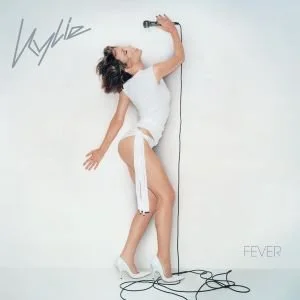
FEATURE: Pride and Prejudice: Do Enough Modern Artists Discuss and Support the L.G.B.T.Q.I.A.+ Community and Women’s Rights?

FEATURE:


Pride and Prejudice

IMAGE CREDIT: Freepik


Do Enough Modern Artists Discuss and Support the L.G.B.T.Q.I.A.+ Community and Women’s Rights?

_________

IT is Pride Month

IN THIS PHOTO: Janelle Monáe/PHOTO CREDIT: Mason Rose

and it has been great hearing new Pride songs and these big anthems. The pride of the L.G.B.T.Q.I.A.+ community have been showing their colours and love in wonderful songs. Alongside these positive and celebratory songs, there is still a lot of hate aimed against the L.G.B.T.Q.I.A.+ community. If artists such as Janelle Monáe are celebrating gender fluidity, sexuality, and diversity, there is a lot of vitriol and ignorance on social media and beyond. I love that artists today are free and encouraged to discuss and sing about different sexual orientation and bigger issues. I do wonder, alongside this, whether there are enough songs that both strike against those that are misinformed and hateful, alongside a broader spectrum. Political songs of the past struck against those who held us back and created this sense of division. Are songs now doing the same against those who attack and marginalise the L.G.B.T.Q.I.A.+ community?! I follow transgender artists and people on Twitter. I find that they often have to defend themselves against so much hate! Information and educating those who spout nonsense and inaccurate figures and portrayal, it is always impressive the trans community have such patience and strength. I have not really heard many songs that discuss trans rights and sexuality. Also ones that fight back against the discriminators and trolls. There are wonderful trans artists such as Kim Petras - but I think there should be support from other artists. There is this incredible platform right now.

I can understand why artists want to be personal and talk about their lives and relationships. Are there as many political, socially active, and L.G.B.T.Q.I.A.+-supporting songs as there should be?! At a time when there is more attacks against the community as there have ever been, we need this wave of music that celebrates the community but also features L.G.B.T.Q.I.A.+ people and stories in the lyrics. Artists such as Christine and the Queens, Taylor Swift, and Sam Smith are dealing with these issues and conversations in their music. Should it just be down to Pride/L.G.B.T.Q.I.A.+ artists to do this?! Whether it is a Steely Dan-inspired song that included a trans person who has to navigate hostility but comes out superior, or a great Pop song that educates those closed minds, it would be a revolution that the music industry needs! There is plenty of debate and discourse online at the moment regarding anti-trans/gay rights, but I am not sure how much of this translates and seeps into music. One does not read too many interviews where artists have their say. Again, the same sort of artists come up – whether it is Taylor Swift or Madonna. I am not sure whether there is too much to risk when artists take a stance when it comes to defending the L.G.B.T.Q.I.A.+ artists and tackling anti-trans laws and legislation. In the same way Hip-Hop artists of the past produced these amazing and timeless albums that spoke against racism, police brutality and a lack of visibility of the Black popularity, I feel like there could be this movement and continued series of songs and albums where L.G.B.T.Q.I.A.+.

It is not only the L.G.B.T.Q.I.A.+ community and their rights that should be on the radar of most artists. The wider political spectrum needs more addressment and coverage. Again, I can understand why personal insights about an artist’s own experience might outweigh that of the wider world, but there are these important and pressing subjects that need to assimilate more naturally into modern music. We do have some artists documenting and spotlighting sexual abuse, gender inequality and consent. One does not hear too many artists – especially men – who are discussing it in interviews. With, sadly, stories about men in music being accused of sexual misconduct (including Rammstein’s Till Lindemann), it seems like music is the perfect forum to discuss this.  don’t think that these subjects should be off limits. I don’t think it is only women who should be talking about it. You don’t see too many male artists addressing sexual assault, gender issues and inequality (including the fact festival bills are still not equal and featuring male women as headline acts) through the industry. Fewer still actually bring this into their music. I do not know why. Women need allies and support when it comes to highlighting ongoing problems and abuses. Similar to songs that emphasis L.G.B.T.Q.I.A.+ rights and tackle a false narrative many hold regarding them, is there a big commercial and label risk if artists did say something?! That in itself would create controversy!

We live at a time when the Internet and social media provides this platform for some wonderful things. We can share songs, information and stories from L.G.B.T.Q.I.A.+ artists and members of the community. We also give voice to those who attack them and show this real lack of empathy and humanity. The same goes for women’s rights and protection. Vital statements, reports and stories can be shared so that people are aware and informed. Again, there are those who will abuse and harass women – whether it is sexually explicit images, misogynistic remarks or the most vile comments and threats. I am thinking ahead to Hip-Hop’s fiftieth anniversary later in the year. I have written about this before, but Hip-Hop’s greats used their voice to protect their rights, discuss the discrimination and injustice they faced, creating this music that has inspired and resonated through the decades. An alternative movement really needs to happen now. Some of the best albums from this year have come from L.G.B.T.Q.I.A. artists – including boygenius, and Chris from Christine and the Queens -, but there is relatively little conversation and representation of the positivity and love from the L.G.B.T.Q.I.A.+ community and the way they are perceived and de-humanised by many people. There is a lot of work that needs to happen in society in general. From trans rights and Black rights, so many people are being impacted. Great artists like Janelle Monáe are fighting the fight, but the music community at large should mobilise, join together and weaponise their words to show love, support and, when it comes to the bigots and morally corrupt, defence and education. It is important to be celebratory and loving, although there also needs to be that seriousness and darker moments where some big conversations are tackled. It is not only down to those in the L.G.B.T.Q.I.A.+ to celebrate and defend themselves. Not only women who should be raising awareness of some of the issues and abuses they face. These incredible, brave and essential people need to be fully…

HEARD and supported.
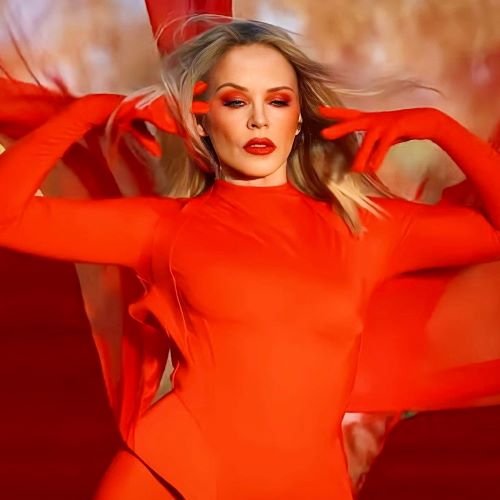
FEATURE: Every Second Counts: Why Artists Like Kylie Minogue Are Finding Success Through TikTok

FEATURE:


Every Second Counts

PHOTO CREDIT: Sophie Muller


Why Artists Like Kylie Minogue Are Finding Success Through TikTok

_________

EVEN if…

 PHOTO CREDIT: cottonbro studio/Pexels

I have written about Kylie Minogue a bit over the past few weeks or so, I wanted to return to her now. Her new single, Padam Padam, is a top ten smash in the U.K. This is her highest-charting song in years. It has a modern sound and relatability that has resonated with younger listeners, in addition to many of Minogue’s established fanbase. Not that Padam Padam was a calculated attempt to make a song that was perfect for a younger audience. Instead, it is Kylie Minogue working with the right producers and writers. Having an instinct when it comes to her music. Always evolving and staying fresh, it may be a red herring in terms of what her forthcoming album, TENSION, offers. She has been performing the song live. Currently in the U.K. (I Minogue is now based in Australia), it was a chance for fans here to show their appreciation to a music legend. Minogue made a surprise appearance at the incredible Capital Summertime Ball yesterday. I suspect that, when the next single comes out, it is going to be do well in the charts too. I think one of the reasons Padam Padam succeeded was because it has a sound that is both modern and chart-ready; it also nods back to Kylie Minogue’s sound on two of her most successful albums, Light Years and Fever. The song has this enormous success and legacy now. I think that it will eventually leave the charts, but it is definitely here for many years to come. Padam Padam is a track that has succeeded in spite of a relatively lack of radio attention.

Kylie Minogue has reached a stage in her career where stations such as BBC Radio 1 are not playing her. They are a massive station that could have got Padam Padam even higher up the charts. I have written about this before, but the ageism at the station is baffling and insulting. It impacts and relates to female artists more, but their seeming policy of not featuring an artist when they reach a certain age is insulting! If the songs were quite slow and not the right sound for the station then one could understand. As I have said before, Padam Padam seems designed so that it would be played by BBC Radio 1. Instead, it has not featured on their playlists. People have highlighted this and struck out against the station – and quite rightly too! It is not down to any station to decide what their audience would like to hear. In the case of BBC Radio 1, the listeners would have loved Padam Padam! It needs to be a teachable moment for them and other stations regarding the question of age an artist’s worth. Why is an artist in their teens, twenties or thirties deemed cooler, more contemporary and worthy than an older artist? If the song fits into the station and what they are looking for, how come age is this unnecessary barrier?! Regardless, Kylie Minogue’s chart triumph is a compelling middle finger to any station that has not put Padam Padam on their playlist.

Another reason why Padam Padam has been a success is because of social media. Twitter has helped a lot, because the song has been shared countless times. With every bit of news regarding its chart positions, that news complex people to listen to the song. It is being featured on the news, so there are all these factors that have contributed to the success Padam Padam has enjoyed. As we speak (11th June), the track is in the top ten of the U.K. chart. It may go even higher in the coming days! Kylie Minogue is a major artist, so there was always a chance that the single would do well. That said, look at her chart positions previous to that. The three singles from DISCO, Say Something, Magic, and Real Groove, all placed low on the official U.K. chart. Look back, and 2014’s Into the Blue was the highest-charting single before Padam Padam. That reached twelve in the U.K. Other singles since have either not charted or not done well. It is a sign that some of the most influential radio stations are neglecting artists of a certain age! Many of the songs Minogue has released since 2014 deserved to chart high. It calls into question the validity and influence of radio stations now. They are still important when it comes to championing new artists, but this idea of having set demographics and some artists being too old or irrelevant. This is something that needs tackling. It is bad enough that there is still gender imbalance across most major stations. Throw into the mix clear ageism, and you have this real and concerning problem! It is as well we have a platform like TikTok. This is a social media platform where users can post short videos. It is a case of every second counts. I guess, given the name of the site, that makes sense!

TikTok is especially useful when it comes to music. Many artists use TikTok to promote their music. Kylie Minogue is on TikTok. She is able to get her music across that way. So many fans have used clips of Padam Padam in their videos. This is a brief and effective way of getting a song into someone’s head. Minogue’s latest single is really catchy, so it is not a surprise that people have latched onto it. TikTok is particularly influential when it comes to new artists. So many young and aspiring artists are using TikTok to get their music noticed. There are so-called ‘TikTok artists’ who seem to have been discovered via the site. Their music has this similar Pop sound. I think the term implies these artists are perfect for the platform when it comes to their sound. Whereas most artists are discovered and made popular through gigs and radio play, TikTok artists use this platform and have a distinct sound and feel. Kylie Minogue cannot be lumped in this category. She is a decades-running success who has found new life and fans on TikTok. It is a big thanks to that site and those who have shared clips of Padam Padam that it has charted to high. There have been some recent articles relating to TikTok and how important it has been for Kylie Minogue. Unfortunately paywalled, The Telegraph wrote why artists are bypassing broadcasters and radio stations and heading to TikTok. Whether that is because they feel radio stations are limited and will pass them by - though it might be because TikTok has this wide user base and can blow up a song instantly. Whatever it is, it should cause concern for radio stations!

@kylieminogue When you’re about to ❤️ PADAM PADAM ❤️ at WEMBLEY STAAAAADIUUUM! What a treat to surprise you all at @Capital ‘s Summertime Ball! 😘😘😘 #CapitalSTB ♬ Padam Padam

I am going to finish by quoting from the Sydney Morning Herald. They wrote about Kylie Minogue and the success of Padam Padam. A whole new generation are discovering her music through the site. It means, with every future release she has this willing and growing fanbase that can ensure her music charts. I do hope that radio stations like BBC Radio 1 do change their ways and ridiculous age-related policies:

All too often, Australia’s most extraordinary and enduring cultural exports only receive the kudos they so richly deserve when they’re no longer around to hear or see it for themselves.

With a showbiz career spanning some 45 years (her first acting gig was a small role in The Sullivans as a 10-year-old), Kylie Minogue certainly fits the criteria among our pantheon of Australia’s greatest global entertainment exports, up there with AC/DC, Olivia Newton-John and Dame Edna, but her story is far from over.

Last Sunday, Minogue pulled off the seemingly impossible, landing a No.6 spot in the UK’s official charts with her latest song Padam Padam. Combining physical sales, downloads and streams, the result is Minogue’s highest chart peak in the UK since All The Lovers hit No. 3 in 2010. She is also the oldest person on the chart by a couple of decades.

This is no mean feat. She has survived vinyl, music videos, cassettes, CDs and now digital streams.

Even her old mate Nicole Kidman posted on Instagram about her love of the song, which appears to be in high rotation inside the household she shares in Nashville with country crooner Keith Urban and their two daughters. On Monday Kidman shared the track with her 9.4 million followers on the platform, revealing: “on repeat all weekend”

@kylieminogue ❤️Padam Padam❤️ is Number One on The Big Top 40 for a second week in a row! 😝 Thank you lovers, THANK YOU!!! #kylieminogue #newmusic #padampadam #pride ♬ Padam Padam - Kylie Minogue

Minogue’s latest success has been largely attributed to the TikTok generation, many of whom are old enough to be Minogue’s grandchildren. Countless memes have been created on the social media platform using the electro-pop ditty.

Even when her music career appeared to be taking a back seat, she sold us her own range of perfumes, homewares and wine. Now Minogue is back in the spotlight and has gone viral, which in the digital download era of modern pop music is what counts.

At last count, the hashtag #padampadam has been used more than ten million times on TikTok.

In America, a market that has not been her strongest, she topped the Billboard Dance/Electronic Music sales chart. She also performed the song last month on the finale of American Idol to an audience of 5.7 million television viewers.

In Australia, where Minogue has based herself for the past year, her new song has also done well, making a debut at number 39 on the ARIA Singles Chart. It was Minogue’s first top-40 hit in Australia since Timebomb in 2012.

In September, she will release her 16th studio album titled Tension. According to her music label BMG she has sold over 80 million records worldwide. Her biggest selling album was 2001’s Fever, which racked up 6 million sales”.

It is interesting talking about TikTok and how influential it is. Radio stations will never lose their influence regarding new music. When it comes to artists like Kylie Minogue, they have this opportunity and ear on TikTok. It means they will remains relevant and popular! They will also reach new generations. Padam Padam is a success story that will give encouragement, heart and strength to ‘older’ artists (though that word seems so insulting and wrong!). I mean legends and popular artists who are still making incredible music. Kylie Minogue’s fanbase, a.k.a. ‘Lovers’, have stood by their queen and given Padam Padam a lot of love and support. It proves that the radio stations that disregarded this amazing song and artist are compelled to…

DO better next time!

FEATURE: Birdie: Why 2023 Is Another Year In Which Women are Dominating and Deserve Equality and Respect

FEATURE:


Birdie

IN THIS PHOTO: Phoebe Bridgers (who is part of boygenius with Lucy Dacus and Julien Baker) in an outtake from a photoshoot with The Guardian in 2022/PHOTO CREDIT: Davis Bates


Why 2023 Is Another Year In Which Women are Dominating and Deserve Equality and Respect

_________

I have written a similar feature…

 IN THIS PHOTO: Caroline Polachek performing in Tilburg, Netherlands in June 2023

a few times now but, as each passing week seemingly reveals another remarkable album or single by a female artist/band, it seems ever-strange and insulting that this brilliance is not being rewarded by equality and opportunities. I might return to this feature again later in the year but, as we are half-way through 2023 and the festival season is starting, it is very much worth highlighting an issue and asking a question – off of the back of such remarkable work from female artists. Aside from male, non-binary and gender-fluid artists including Paul Simon, and Christine and the Queens, the strongest and most compelling albums have come from women. I am exploring this area again a a half-way point report. There are going to be some figures posted soon regarding the gender breakdown of radio playlists. I am not sure what it is like in the U.S. but, here, most major radio stations struggle to balance the playlists when it comes to gender. Women are substantially underrepresented and included – in spite of the multitude of choice. You cannot say there is a lack of female artists who would be able to added to playlists. Maybe I have mentioned this a lot but, when you think of the best albums from the year so far, most of them are from women. I have already mentioned how much I love boygenius’ (Phoebe Bridgers, Lucy Dacus and Julien Bakers) debut, the record. Throw into the mix That! Feels Good! From Jessie Ware, together with Caroline Polachek’s Desire, I Want to Turn into You, and you have three of the biggest albums of the year. Aside from Christine and the Queens’ PARANOÏA, ANGELS, TRUE LOVE – which might be the best-reviewed album of the year -, most of the very best are from female artists (or those identifying as such). Kara Jackson, Hayley Williams-led Paramore, and Lana Del Rey are other artists who have given 2023 some truly tremendous albums.

I think most of the truly captivating and original rising artists emerging are women. Whether it is Samara Joy, Iraina Mancini, Bully, or Maisie Peters, I do think that so many legends of the future are coming through at the moment – and, with a few exceptions, they are women. I am not discounting or discrediting male artists for a second. There are more than a few year-defining albums from them. Plenty of great and ambitious young artists emerging. I just thinking, looking back on the first half of the year, that the same patterns emerge. Women are creating the best music. The female wave of talent is so exciting and fresh. That is not being rewarded with festival headline slots, or even an equal billing across many festivals for that matter (even Glastonbury have not had a fifty-fifty gender split for this year’s festival). You do not really read too many articles where the queens and great women of music are given respect and nods. I am always aware of the fact there are small steps of progress being made every year. Greater awareness of problems through the industry, and pledges from many to tackle them. Regardless of the sheer quality right in front of people’s faces, there are still massive issues when it comes to everything from playlist and festival bills through to producers in a studios and even award ceremonies. It is something I have covered before but, as 2023 has been made so arresting and fascinating by some incredible albums from female artists, how long will that take to translate to recognition and equality?!

Kylie Minogue has released perhaps the biggest and most discussed single of the year with Padam Padam. A top twenty chart success – one that was not playlisted by BBC Radio 1 –, it comes ahead (in September) of the Australian icon releasing her new studio album, TENSION. So much excellence and innovation has come from women. Apologies if I do sound like a broken record. It is frustrating reading the same headlines when it comes to equality! People having to do better. Making excuses or really not given a plausible account of their dereliction of duty. Regardless of any probable pipeline issues regarding festival or radio-ready female artists, there are still enough in our midst, both established and rising, who are more than ready to go. There is imbalance right across the industry! There is an appalling imbalance when it comes to women in music tech. Having more female role models might be a step forward that could be a solution regarding imbalance. There are positive signs of life and improvement. As this recent article reports, a needed and impressive about a key initiative is taking place (“Musician Jessie Maryon Davies is trying to do something about it. She is co-founder and co-director of Hackney-based charity Girls Rock London (GRL), an initiative which provides a high-quality music and industry training programme for women, girls, transgender, and non-binary musicians, and for people with other marginalised gendered experiences”). How much is being done by men to help things? How many male artists are speaking out against gender inequality and the fact that women deserve greater opportunities and respect?! I know a few are but, as they have such a big platform, you would think there’d be more allies that are shining a light on an ongoing and depressing reality!

I will come back to the subject of gender equality in music soon enough. As I say, reports are due regarding playlists and how women are represented across tech, studios and festivals. I don’t think we are going to see much positive news or massive change this year, sadly. What I do know is that the first half of this year has been dominated by brilliant albums from women. The singles market has likewise seen them make their mark. Some of this year’s festivals will have an equal bill and contain female headliners, through they are still in the minority – especially when it comes to talking about the major festivals. Some big radio stations are still sexist and ageist against female artists, and there is not enough activation from male artists and men in the industry. There needs to be a joined and proactive campaign so that questions can be asked. Given the embarrassment of riches women in music are giving us, why are we seeing the other end of the production line clogged?! This great music gets fed in, something happens in the middle, and hardly anything comes out. It may be clumsy, but what I mean is that there are not those opportunities and recognition that is more than warranted. If the industry is going to provide an attractive and prosperous platform for female artists coming through, they need to do a lot more to strike equality. Treat women with more respect and dues! It is a conversation that has been going on for so many years. With some incredible women fighting to change things, there is a relative lack of support from men. Let’s hope that this changes and they…

DO what is required.

FEATURE: Groovelines: Marvin Gaye - Let's Get It On

FEATURE:


Groovelines


Marvin Gaye - Let's Get It On

_________

FOR this Groovelines…

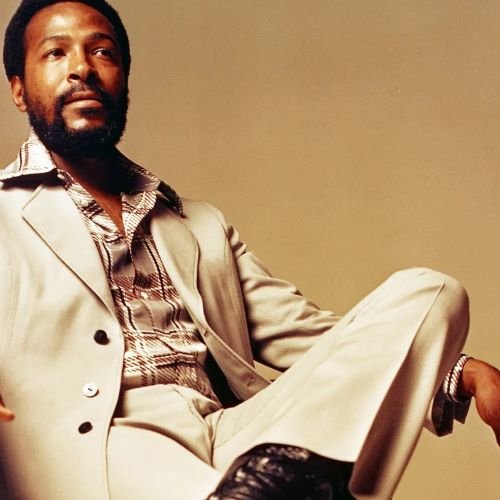
 IN THIS PHOTO: Marvin Gaye at Golden West Studios, Los Angeles, in 1973/PHOTO CREDIT: Jim Britt/Getty Images

I want to highlight one of the most sensuous songs in music history. The great Marvin Gaye released the title track from his Let’s Get It On album on 15th June, 1973. As the song is about to turn fifty, it is worth exploring both the album and that incredible and hugely erotic title cut. A song dedicated to love and sex; a plea for sexual liberation, Gaye wrote and produced the song with Ed Townsend. Released on the legendary Tamla label, it reached number one in the U.S. Such a huge-selling and timeless gem, it is one of Gaye greatest recordings. I am going to come to the song Let’s Get It On in a minute. The album of the same name is a late-career masterpiece. Two years after the seminal What’s Going On was released, a very different-sounding album was released. What’s Going On strikes more because of its politics and messages. The mood and electricity that you get from Let’s Get It On is the biggest takeaway. This feature from last August explored and spotlighted the impact and importance of the 1973 album:

Gaye fans were primed and ready for this sensuous celebration via the title track lead single, which hit the charts in July that year and was in the second of a six-week run atop the Billboard Hot 100 when the album charted. Easily the longest-running pop No.1 of the year in America, it was the perfect teaser for Marvin’s 13th studio LP.
Music critics purred with satisfaction at the new release. “Gaye uses his voice (in both lead and background) to create a dreamlike quality only slightly less surreal than he did on What’s Going On, his very best record to date,” wrote Jon Landau in Rolling Stone.

“But while on the earlier work he sang of the difference between his vision of God’s will and man’s life,” he continued, “he is currently preoccupied with matters purely secular — love and sex. And yet he continues to transmit that same degree of intensity, sending out near cosmic overtones while eloquently phrasing the sometimes simplistic lyrics.”

Record buyers agreed. Motown promoted the album in new ways and to a younger audience than its traditional base, taking out advertising space for it in National Lampoon magazine and the college edition of Time. The Let’s Get It On LP shipped gold, and debuted at No.28, by far the highest new entry of the week.

In the US, it went platinum within three weeks, and went on to spend a week at No.2, held off the top spot only by The Rolling Stones’ Goats Head Soup. Outdoing the No.6 peak of What’s Going On, it also managed eight weeks more than its predecessor on the Billboard chart, with a 61-week stay”.

The impact of the Let’s Get It On album cannot be understated! It led to barriers coming down. Sex and sexual freedom being explored more fully in music. It was a real watershed moment, - but not just for Soul music. Relatively contemporary albums such as D'Angelo's Voodoo (2000) and Erykah Badu's Mama's Gun (2000) were impacted and influenced by 1973’s Let Get It On. I would urge people to investigate the legacy of Let’s Get It On. One of the most important albums ever. I shall come to that incredible title track soon. First, GRAMMY wrote about Marvin Gaye’s Let’s Get It On. The much-missed legend (Gaye was killed in 1984) was at the peak of his powers in 1973:

In 1973, the Marvin Gaye album Let's Get It On brought new dimensions to R&B/soul music, expanding the genre's boundaries musically as well as delivering a sexual-liberation message that gelled with the youth "love-in" philosophy in full force at the time.

Many elements came together to build the album's creative success. U.S. involvement in the Vietnam War had ended earlier that year. Gaye's previous socially conscious album What's Going On had been followed by his soundtrack to the movie Trouble Man, and the intimate, slow seductiveness of Let's Get It On was embraced by America as a message that felt just right. As an artist, Gaye's previous sales earned him creative control he took full advantage of, blending previously recorded tracks with new ideas, layering passionate background vocals of his own including moaning vocals, which were daring for the time. This was a turning point for the Berry Gordy music empire as well. He had started the album's Tamla label even before Motown and was expanding to the West Coast.

Let's Get It On features the influential collective of studio musicians known as the Funk Brothers, who helped create a musical platform for Gaye. The album is among their earliest credits, and they went on to win GRAMMY Awards and receive the Recording Academy's Lifetime Achievement Award in 2004.

On a more personal side, Gaye's marriage to Gordy's sister Anna was heading toward divorce and some of the romantic impulses captured by the microphone were reportedly directed toward his future wife, Janis Hunter, who producer/co-writer Ed Townsend had brought to the recording studio”.

Let’s get to the song in question. The masterful and hugely charged Let’s Get It On. There was controversy in August 2016, when the family of Ed Townsend sued Ed Sheeran over his song, Thinking Out Loud. They claimed the melodic, harmonic, and rhythmic compositions were very similar. It was brought back to court in 2018. This May, the Townsend family claim was rejected in a jury trial. Even though it would be a stretch to say Sheeran plagiarised the song, there are similarities between Let’s Get It On and Thinking Out Loud. Sheeran took inspiration from the 1973 track and created a similar vibe for his 2014 song. The New Yorker recently wrote about the court case and how hard it is to navigate the property lines in Pop. So many other artists have been affected and moved by this enormously powerful and important song. This article from last September goes deep with the phenomenal Let’s Get It On:

One of the most sensual records in chart history became an American No.1 on September 8, 1973. Marvin Gaye’s “Let’s Get It On” hit the top to become the second of his three US pop chart-toppers, and got listeners hot under the collar with its subject matter.

On that Billboard Hot 100, “Let’s Get It On” completed its climb to No.1, taking over from Stories’ “Brother Louie.” A week later, Gaye was replaced at the top by Helen Reddy’s “Delta Dawn.” Seven days from then, he had regained the crown for a second week at the summit.

PHOTO CREDIT: Ron Galella/WireImage

The song was written and produced by Gaye with Ed Townsend, who would later contend that his initial idea with the lyric was not about sex, but about overcoming addiction, and getting on with the business of life. But Gaye was pretty clear-cut about the subject matter on the sleeve notes of the Let’s Get It On album, which reached No.2. “I can’t see anything wrong with sex between consenting anybodies,” he wrote.

Keep gettin’ it on

The groove of “Let’s Get It On” was so infectious that, on the album of the same name, it was revisited for “Keep Gettin’ It On.” The sessions, recorded at Motown’s Hitsville West Studios in March 1973, featured such celebrated players as horn men Plas Johnson and Ernie Watts and the Crusaders’ duo of Joe Sample and Wilton Felder, as well as Gaye himself on piano.

Townsend, who had known Gaye through the 1960s, wrote in the liner notes for the 2001 deluxe edition of the album: “I have been blessed to work with many great vocalists in my career, but none quite like Marvin Gaye. The sessions for ‘Let’s Get It On’ were the first time I was overwhelmed by a singer’s ability to understand and interpret the true meaning of a song”.

I am going to finish up referencing a Wikipedia section that collated critical reaction to the sensational Let’s Get It On. The single is fifty 15th June. I still think that its influence is being felt to this day. It was definitely a real and much-needed shockwave in 1973. It was clear that the song resonated with the public given he massive sales and chart success:

Let's Get It On" became, and remains to this day, one of Gaye's as well Motown Records' most successful singles, as it reached number 1 on the Billboard Pop Singles chart on September 8, 1973. The single remained at number 1 for two weeks, while also remaining at the top of the Billboard Soul Singles chart for eight weeks. In its first week at the top of the chart, "Let's Get It On" replaced "Brother Louie" by Stories, and was replaced by "Delta Dawn" by Helen Reddy; it later replaced "Delta Dawn" and was finally knocked off the top of the chart by Grand Funk Railroad's "We're an American Band". The single stayed inside the Billboard Hot 100 top 10 for 13 weeks, 10 of those weeks inside the top five. Billboard ranked it as the No. 4 song for 1973.

The song became the biggest selling Motown release in the United States at the time, selling over two million copies within the first six weeks of following its release. "Let's Get It On" also became the second best-selling single of 1973, only surpassed in sales by Tony Orlando & Dawn's "Tie a Yellow Ribbon Round the Ole Oak Tree". At the time, the single was Motown's largest-selling recording ever, selling over four-million copies in 1973 and 1974. The single has gone on to sell over 10 million copies in the United States, and, on June 25, 2007, was certified diamond in sales by the RIAA.

Cash Box said that the song was different from Gaye's previous songs and a "very accomplished effort a la Otis Redding or Al Green." Record World called it a "lovely laid-back number" and said that "this tune gets it on."

A bluegrass version of the song was later recorded by Shannon Lawson on his 2002 album Chase the Sun. "Let's Get It On" was given a remix in 2004, when producers mixed Gaye's vocals with a different musical production labeled as "stepper's music". Released in 2005 as a single, "Let's Get it On (The Producers Mix)" returned the song to the Billboard R&B charts, thirty years after its original release. The re-released version of "Let's Get It On" was certified as a gold single with sales in excess of 500,000 copies in 2005 by the RIAA. In 2004, the song was ranked number 167 on Rolling Stone magazine's list of the 500 Greatest Songs of All Time; in a revised 2012 list, the song was ranked at number 168. In 2008, "Let's Get It On" was ranked #32 on Billboard magazine's Hot 100 All-Time Top Songs list”.

It was a no-brainer when it came to the song that I wanted to feature for Groovelines this week! Marvin Gaye’s sensual masterpiece Let’s Get It On is fifty. The iconic Soul king created this masterpiece that changed the face of Soul and popular music. I don’t think that would be too much of an exaggeration! Fifty years from its release, and you can see just how many artists have been influenced by it. Spend some time out to experience Let’s Get It On. Make sure that you play it loud and…

PLAY it long!

FEATURE: The Digital Mixtape: Some Incredible Singles from 2023

FEATURE:


The Digital Mixtape

IN THIS PHOTO: Caroline Polachek


Some Incredible Singles from 2023

_________

THIS year…

 PHOTO CREDIT: cottonbro studio/Pexels

has given us some fabulous albums. I think people concentrate on albums a lot, but not necessarily terrific singles. I think that the single is such an important format. There have been some awesome ones released so far this year. I wanted to use this opportunity to collate some of the very best. I am aware I will not be able to feature all the very best singles from this year – though I will try and include most of them. From legends in music to some wonderful newcomers, below is an example of the tremendous music that has been released this year. I know, as we head through June and the rest of 2023, we are going to get some other top singles. If you have any thoughts as to singles that I have missed, I can definitely include them in the playlist below. In the same way I will revise and add to my feature about the best albums of the year so far, I will do the same with singles closer to the end of the year. In the playlist below is a combination of singles from…

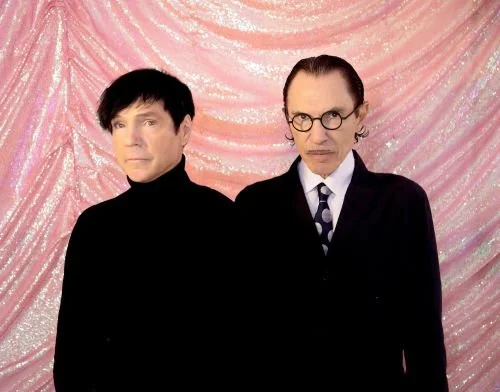
 IN THIS PHOTO: Sparks/PHOTO CREDIT: Anna Webber

SOME our best artists.

FEATURE: One for the Record Collection! Essential July Releases

FEATURE:


One for the Record Collection!

IN THIS PHOTO: Rita Ora photographed for Wonderland./PHOTO CREDIT: Bartek Szmigulski


Essential July Releases

_________

JULY is a busy month for new albums…

 IN THIS PHOTO: Blur in 2023/PHOTO CREDIT: Reuben Bastienne-Lewis

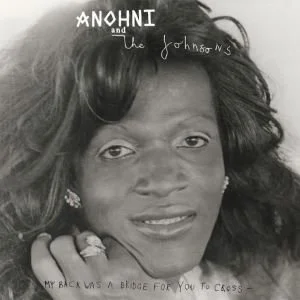
so I want to include as many as I can here. With the summer in full swing, it is a great time for artists to release their work. I will start with the albums due out on 7th July. There are some huge albums out that week that you need to look into. I would recommend people pre-order a copy of ANOHNI and the Johnsons’ My Back Was a Bridge For You to Cross. Her first album since 2016’s Hopelessness, this is going to be an exciting, revealing, and extraordinary listen.

My Back Was A Bridge For You To Cross, Anohni’s sixth studio album, expresses a world view by shape-shifting through a broad range of subject matter. Through a personal lens, Anohni addresses loss of loved ones, inequality, alienation, acceptance, cruelty, ecocide, devastation wrought by Abrahamic theologies, Future Feminism, and the possibility that we might yet transform our ways of thinking, our spiritual ideas, our societal structures, and our relationships with the rest of nature.

On her first full album since 2016’s Hopelessness, she explains the creative process was painstaking, yet also inspired, joyful, and intimate, a renewal and a renaming of her response to the world as she sees it. “Some of these songs respond to global and environmental concerns first voiced in popular music over 50 years ago.” Anohni’s approach since her last record has shifted from someone tasked with challenging global denial, to an artist seeking to support others on the front lines. “I learned with Hopelessness that I can provide a soundtrack that might fortify people in their work, in their activism, in their dreaming and decision-making. I can sing of an awareness that makes others feel less alone, people for whom the frank articulation of these frightening times is not a source of discomfort but a cause for identification and relief.

On “It Must Change,” Anohni soulfully describes systems in collapse with a note of compassion for humanity: “The truth is I always thought you were beautiful in your own way // That’s why this is so sad.” Anohni’s voice is sensual and smoothed, selectively reaching to the edges of what it can contain. “We’re not getting out of here // No one’s getting out of here // This is our world,” she murmurs.A portrait of legendary human rights activist Marsha P. Johnson taken by Alvin Baltrop features on the cover, reflecting a 25-year relationship with the memory of Johnson that Anohni has held space for in the presentation of her own work. Elsewhere, the album artwork states  ”It's Time to Feel What's Really Happening". In some ways it feels as if she is reaching across her life’s expression, and has found a moment of unique composure, wearing her long exploration of disarming intensity, with the maturity of a painter carefully choosing her colours. “I want the work to be useful, to help others move through these conversations we are now facing, to move with dignity and resilience through this bitter dawning”.

Another 7th July album that I want to point people in the direction of is Julie Byrne’s The Greater Wings. A terrific songwriter, Byrne’s upcoming album is one that you will want to pre-order. If you have not heard of Byrne or know what The Greater Wings holds in store, Rough Trade provide some more background and details:

The first album in over six years from American songwriter Julie Byrne is a testament to patience and determination, the willingness to transform through the desolation of loss, the vitality of renewal, and the courage to rise, forever changed. For nearly a decade, Byrne has moved through the world as a characteristically private artist largely outside the public eye. A self-taught musician that has committed her life to her work, she now emerges from a deeply trying and generative period with the most powerful, lustrous, and life-affirming music of her career, The Greater Wings. While they hold the plasticity of grief and trauma, the songs are universally resonant, unbridled in their devotion and joy, held up by the love and alliance of a chosen family. Byrne leans further into atmospheres both expansive and intimate; the lush, evocative songcraft flows between her signature fingerpicked guitar, synthesizer, and a newly adopted piano, made wider by flourishes of harp and strings. It is the transcendent sound of resource, of friendship that was never without romance, of loyalty that burns from within like a heart on fire, and the life force summoned in unrepeatable moments — raw, gorgeous, and wild.

The Greater Wings was written across several seasons, pulling imagery from nights on tour, periods of isolation, and the drives cross-country for its various collaborations between Chicago, New York, and Los Angeles. Recording started with the late Eric Littmann, her longtime creative partner and Not Even Happiness producer, and finished in the Catskills of New York with producer Alex Somers (Sigur Rós, Julianna Barwick).

“My hope for The Greater Wings is that it lives as a love letter to my chosen family and as an expression of the depth of my commitment to our shared future. Being reshaped by grief also has me more aware of what death does not take from me. I commit that to heart, to words, to sound. Music is not bound to any kind of linear time, so in the capacity to record and speak to the future: this is what it felt like to me, when we were simultaneous, alive, occurring all at once. What it has felt like to go up against my edge and push, the love that has made it worth all this fight. These memories are my values, they belong with me”.

One of the biggest albums of the year comes from PJ Harvey on 7th July. I Inside the Old Year Dying is an album that I think will be among this year’s very best. The lead single from the album, A Child's Question, August, has been released, and it shows that the always-incredible Harvey is an artist that is peerless. I think that people need to pre-order I Inside the Old Year Dying. Not to jump the gun or get ahead of things, but I think that this album could be award-nominated. Here are some more details about an upcoming gem from the magnificent PJ Harvey:

PJ Harvey’s tenth studio album I Inside the Old Year Dying marks her first release in seven years, following UK number 1 album The Hope Six Demolition Project. On this album, which was recorded with long-time creative collaborators John Parish and Flood, PJ Harvey builds a sonic universe somehow located in a space between life’s opposites, and between recent history and the ancient past. Scattered with biblical imagery and references to Shakespeare, all of these distinctions ultimately dissolve into something profoundly uplifting and redemptive. I Inside the Old Year Dying is released on  Partisan Records”.

Before moving to some big albums out on 14th July, there is another from 7th July that I want to point people in the direction of. Taylor Swift’s Speak Now (Taylor’s Version) is going to be tremendous. This article from Pitchfork reveals some of the guests who will appear on the album:

Taylor Swift has revealed the tracklist for her new album, Speak Now (Taylor’s Version). Along with the re-recorded tracks from her 2010 album, the new release includes “From the Vault” songs featuring Fall Out Boy and Paramore’s Hayley Williams. “Since Speak Now was all about my songwriting, I decided to go to the artists who I feel influenced me most powerfully as a lyricist at that time and ask them to sing on the album,” Swift explained on social media. “They’re so cool and generous for agreeing to support my version of Speak Now. I recorded this album when I was 32 (and still growing up, now) and can’t wait to unveil it all to you on July 7th.”

Speak Now (Taylor’s Version) is Swift’s third re-recorded full-length, following Fearless (Taylor’s Version) and Red (Taylor’s Version). Since releasing the latter LP, Swift has also dropped off the new full-length Midnights. She is also now in the midst of her Eras Tour, which has featured guests like Phoebe Bridgers, Aaron Dessner, Maren Morris, and more.

Speak Now (Taylor’s Version):

01 Mine (Taylor’s Version)
02 Sparks Fly (Taylor’s Version)
03 Back to December (Taylor’s Version)
04 Speak Now (Taylor’s Version)
05 Dear John (Taylor’s Version)
06 Mean (Taylor’s Version)
07 The Story of Us (Taylor’s Version)
08 Never Grow Up (Taylor’s Version)
09 Enchanted (Taylor’s Version)
10 Better Than Revenge (Taylor’s Version)
11 Innocent (Taylor’s Version)
12 Haunted (Taylor’s Version)
13 Last Kiss (Taylor’s Version)
14 Long Live (Taylor’s Version)
15 Ours (Taylor’s Version)
16 Superman (Taylor’s Version)
17 Electric Touch (Taylor’s Version) (From the Vault) [ft. Fall Out Boy]
18 When Emma Falls in Love (Taylor’s Version) (From the Vault)
19 I Can See You (Taylor’s Version) (From the Vault)
20 Castles Crumbling (Taylor’s Version) (From the Vault) [ft. Hayley Williams]
21 Foolish One (Taylor’s Version) (From the Vault)
22 Timeless (Taylor’s Version) (From the Vault)
”.

Claud’s Supermodels is out on 14th July. If this is an artist new to you, I would suggest that you check out their new album. Rough Trade provide more information about a record that is going to resonate with so many different listeners. It is an album that I am looking forward to hearing more about:

No matter your age or station, Supermodels is the sort of record you can hear yourself in. Claud’s engrossing and poignant second album is a confident diary of the mercury of life and love in one’s early 20s, whether it’s the self-doubt that creeps through its tunes or the place of compromise they try to find. It’s an exacting map of the emotional and logistical vicissitudes they’d encountered in their early 20s. Fissures in romances and friendships, pressures of recording careers, the casualties of growing up: Each of these 13 songs is another articulated diary entry, threaded together with scant regard for genre and with the roller-coaster of feeling that gives each tune such specific gravity. These are familiar topics for Claud, covering some of the same terrain as 2021’s Super Monster. But there is a newfound confidence to the ideas here, rendered in structures and hooks that do not equivocate as they move from frowning folk to boisterous pop to twisted piano curios. Where Supermodels was rendered mostly in their childhood bedroom, this was cut in a place of their own, with a team of confidants and collaborators building them into resplendent productions. Supermodels takes its name from “Screwdriver.” “You caught me looking at photographs of supermodels,” they sing, voice rising slowly over the elegiac line penned on that free and broken piano. “Trying not to cry when I look back at myself.” It’s a staggering moment, a reminder of the ways we’re all working to stop seeing ourselves as less than and not equal to, to beat back a dozen different insecurities that we try to store in the deepest recesses of our facade. But Claud doesn’t hide anything on Supermodels. They are kernels of despair, redemption, and, ultimately, insight, here to remind us we’re neither the first nor the last to face these blues and keep going”.

I am going to move onto 21st July soon. Before that, there is another album that I would recommend people check out. Palehound’s Eye on the Bat is an album that I would urge people to pre-order. It is going to be a terrific release that is going to be among the best of this year. If you are a Palehound fan or not, I would advise you to have a listen to Eye of the Bat. It is shaping up to be an intriguing and wonderful album:

With their latest album, Eye On The Bat, Palehound have unleashed a sonic tour de force that cements their status as one of the most exciting and forwardthinking artists in indie rock. Recorded with Sam Owens (Big Thief, Cass McCombs) at Flying Cloud Recordings in the Catskill Mountains, the album is a breathtaking showcase of artistic growth and evolution, with primary songwriter El Kempner (as well as multi-instrumentalist Larz Brogan) delivering a stunning batch of new songs that brim with energy, vulnerability, and raw emotion. From the explosive guitar riffs to the thunderous drumming and Kempner's signature vocals, Eye On The Bat is the most thrilling and exhilarating album Palehound has made to date. The album's sharp and introspective lyrics explore themes of selfdiscovery, anxiety, and empowerment, adding a layer of depth and nuance to the album’s uncompromising vision.

In addition to Kempner’s recent work with Bachelor (a collaborative project with Jay Som's Melina Duterte), Palehound has earned widespread critical acclaim in outlets such as The New York Times, Pitchfork, and NPR, which praised their unique sound and fearless artistic direction. Palehound's long and storied touring history has seen them play shows around the world alongside some of the biggest names in indie rock, including Big Thief, Sylvan Esso, Lucy Dacus, PUP and more. And it's not just other artists who have been inspired by their music - Kempner’s passionate and introspective songwriting has struck a chord with fans around the world, cementing Palehound’s status as a deeply admired and widely influential artist”.

There is another album out on 14th July that people need to pre-order. Rita Ora’s You and I. One of the music world’s biggest names is going to deliver an album that is among the most anticipated of the year. It has been five years since Phoenix came out. It seems that Ora has lost none of her power and step. You & I is also going to feature among the best of 2023. She is someone who deserves as much airplay and attention as possible. You do not need to be a huge fan of hers to appreciate the album and get something from it. Go and pre-order a fantastic and exciting new release from a modern-day icon:

Following on from her 2018 album Phoenix, Rita Ora returns with her brand new album You and I featuring singles 'You Only Love Me' and 'Praising You'. With a co-writing credit on every track, this album is Rita’s most diaristic project yet and pays homage to her own eclectic tastes. At its core, You and I is a high-spirited record about what it feels like to fall in love and enter a new stage of life”.

There are a few must-own albums from 28th July that you need to get behind. Before that, there are some from 21st July that are well worth a look. Perhaps the year’s most important album comes from Blur. Few expected them to release an album this year! The Ballad of Darren is one that everyone will want to get. Make sure that you pre-order an album that follows 2015’s The Magic Whip. With the lead single, The Narcissist, out in the world, it seems that this upcoming Blur album is going to be among their best. It shows that you can never predict or write off a legendary band. I am not sure whether they have plans for more albums after that. We are fortunate that they are still recording together and touring. The band have some big dates coming up next month. Here are some details about an album that you will definitely want to pre-order and grab a copy of. I am looking forward to hearing what The Ballad of Darren has in store:

One of the most successful British bands of the last 3 decades, Blur are back with their first new album in over 8 years: The Ballad of Darren. The album was produced by James Ford and recorded in Studio 13, London and Devon, and is the sound of a band at the very top of their game.

The Ballad of Darren is the band’s ninth studio album, their first since the chart-topping The Magic Whip in 2015, with artwork featuring an image by British photographer Martin Parr”.

Before moving onto the final release week of July, there is one more from 21st that I want to highlight. Molly Tuttle and Golden Highway’s City of Gold is an album that I would recommend people go and pre-order. It is a beautiful and compelling album that you will not want to miss out on. Even if Singer-Songwriter and Bluegrass are genres and styles that you are not normally enamoured of, I would still say to and spend some time with City of Gold. It is an album well worth adding to your collection. Here are some more details about an album that you will want to pre-order:

Grammy Award-winning singer, songwriter and musician Molly Tuttle and her band, Golden Highway, release their new album, City of Gold, following Tuttle’s acclaimed 2022 record, Crooked Tree, which won Best Bluegrass Album at the 65th Annual Grammy Awards and led NPR Music to call her, ‘a female flat picker extraordinaire with agility, speed and elegance who distinctively brings American roots music into the spotlight’, adding that the album ‘marries the improvisatory solos of traditional bluegrass with singer-songwriter sophistication.’

Produced by Tuttle and Jerry Douglas and recorded at Nashville’s Sound Emporium Studios, City of Gold was inspired by Tuttle’s constant touring with Golden Highway these past few years, during which they have grown together as musicians and performers, cohering as a band.  These 13 tracks – mostly written by Tuttle and Ketch Secor (Old Crow Medicine Show) – capture the electric energy of band’s live shows by highlighting each members’ musical strengths.  In addition to Tuttle and Secor, Mason Via also co-wrote ‘Down Home Dispensary’, while Melody Walker and Shelby Means co-wrote ‘Next Rodeo’”.

Let’s get to 28th July albums. One that I am very much looking forward to comes from Dot Allison. This incredible artist releases Consciousology. Following 2021’s exceptional Heart-Shaped Scars, it seems that Consciousology is going to be another terrific and must-hear album from a very special artist. I would invite people to pre-order an album that is going to get a lot of love from fans and critics alike. Here is the details that you need to know:

Dot Allison returns with a new solo album, Consciousology. After over a decade away, the former One Dove singer and songwriter broke cover in 2021 with Heart-Shaped Scars and this new album follows just two years later, as she hits a purple patch of songwriting. It’s also her first full release for Sonic Cathedral after contributing to Mark Peters’ acclaimed Red Sunset Dreams last year. Consciousology finds multi-instrumentalist Dot joined by the London Contemporary Orchestra, her new labelmate Andy Bell from Ride, who plays guitar on two tracks, and Hannah Peel, who is responsible for some of the string arrangements with both the LCO and a stellar group of Scottish string players. It expands on the styles and themes of the previous album, all while pushing everything just that little bit further – the songs sound bigger, more avant-garde and experimental and, occasionally, properly out-there and psychedelic.

“I wanted to make some albums that felt like a set, exploring love, what lies beyond the visible and how all these aspects dovetail together,” explains Dot. “I see Consciousology a more psych Heart-Shaped Scars with a far fuller, more immersive sound and so, in that sense, it’s a more wayward, bolder, rule-breaking partner.” Right from the eye-catching artwork by PJ Harvey collaborator Maria Mochnacz it definitely does not play it safe. It veers from the techno-played-as-folk of opener ‘Shyness Of Crowns’ and ‘220Hz’ and the Linda Perhacs-meets-The Velvet Underground chug of the first single ‘Unchanged’ to the Mercury Rev-style fantasia of ‘Bleached By The Sun’, the Brian Wilson-esque harmonies of ‘Moon Flowers’ and the kaleidoscopic colour trip of ‘Double Rainbow’. Elsewhere there are echoes of Desertshore-era Nico, Jack Nitzsche’s work with Neil Young, Karen Dalton and Anne Briggs before the relative simplicity of the Tim Hardin-inspired closer ‘Weeping Roses’. It’s a brilliant, breathtaking record”.

There are a few more albums that I want to bring in here. The first is Anne-Marie’s Unhealthy. The third album from the Essex-born artist is going to be her very best, I think. Following 2021’s Therapy, this new release is going to be among the best of the year. Anne-Marie is an incredible artist, so do make sure that you pre-order her upcoming album:

Anne-Marie releases her new album, Unhealthy through Major Toms / Asylum.

Pulling from all parts of her life, Anne-Marie’s third album Unhealthy offers us a sneak peek into her perfectly imperfect world. Penned over a period when she felt ready to revisit and try and make sense of raw, past relationships, whilst also learning to process positive new ones, Unhealthy takes us on a journey from chaos to contentment; this is Anne-Marie standing tall, embracing an all-new version of herself that’s fiercer, bolder, and more blissfully happy than ever before.

To date, Anne-Marie has reached seven UK top 10 singles (including album track ‘Psycho’ feat. Aitch), two top 3 albums and reached over seven billion global streams. Most recently, she collaborated with David Guetta and Coi Leray on ‘Baby Don’t Hurt Me’”.

An artist that is among our very best, Georgia brings Euphoric out on 28th July. This is definitely an album that you will want to pre-order. I am looking forward to hearing what the album has in store. On the evidence of what we have heard so far, it is going to be one of 2023’s most extraordinary and enduring. I am going to check out Euphoric. I would suggest that everyone else does too. It seems like Euphoric is a very personal and important one for Georgia:

Euphoric follows Georgia’s club-coercing last record, the universally adored and critically acclaimed Seeking Thrills which well and truly cemented her as one of the UK’s premier producers and songwriters. Since then, Georgia has collaborated with the likes of Mura Masa, Gorillaz, Shygirl, Baby Tate, Dan Carey and David Jackson, most recently writing with Years and Years’ Olly Alexander and on Shania Twain’s #1 album Queen Of Me. All of this experience has been poured into her forthcoming album.

After 10 years of being her own main collaborator, a crucial part of the writing process was learning to relinquish control. And for Georgia, this record is a surrender, “To my issues, to my past, to my flaws and to the healing process” and through it she was able to guide herself to a new healthy form of unconstrained liberation. Euphoric sees Georgia stepping out from behind the recording desk and establishing herself as a unique left-field pop artist. It’s the sound of life and of living in the now rather than escaping it”.

The final album from July that I want to recommend is Jessy Lanza’s Love Hallucination. Again, this might be an artist that you are not familiar with - but you will definitely want to be! I can confidently suggest people go and pre-order this album. It sounds like that there are some cracking and truly memorable songs on this album. I am excited to see what we might get from Love Hallucination. I am also interested to see what critics make of Lanza’s upcoming album:

On Love Hallucination Jessy Lanza is in control as a songwriter and producer, flexing her skills in the studio and rebuilding her sound, taking chances with production and energy in all directions, from club-ready, to downbeat and sultry, with the theme of trusting yourself in the moment and using intuition as a compass driving the record forward.

Love Hallucination is the sound of an artist in bloom, an album of big emotions and big songs, with direct, personal lyrics, such as the upbeat but panicked opener 'Don't Leave Me Now' and the 2-step drama of 'Midnight Ontario', or 'Limbo', an ear worm disco stomper about produced with Marco 'Tensnake' Niermeski.

Also featured as co-producers are David Kennedy (Pearson Sound), adding slick arrangements for the club, long-time collaborator Jeremy Greenspan (Junior Boys), and Paul White.

Love Hallucination is a bold and immediate record from Jessy Lanza, her most clear, authentic and best to date”.

These are the album due next month that I would suggest everyone pre-order and add to their collection. Of course, there will only be a couple that people can afford – so I hope that there the choice is not too hard! Alongside big names are albums from artists that some might be unaware of. With the weather hotting up, there is plenty to look forward to. As the albums above show, we get some of the finest albums at this time of year. It will be interesting to see what is due in August. 2023 already has given us so much gold. That is going to continue as we…

LOOK ahead to July.

FEATURE: Revisiting... Hatchie - Keepsake

FEATURE:


Revisiting...


Hatchie - Keepsake

_________

FOR this outing…

 PHOTO CREDIT: Joe Agius

of Revisiting…, I wanted to spend a bit of time with one of the best albums of 2019. Hatchie (Harriette Pilbeam) released the fantastic Keepsake on 21st June, 2019. Her debut album, I don’t feel it is talked about enough now. She put out the incredible Giving the World Away last year – again, another album that you do not hear much about. The reason I want to focus on Keepsake, is because it is so strong. Such an individual and magnificent debut! I might have heard a couple of songs from the album when the album came out but, almost four years later, it is rare that you hear stuff from it played on the radio. It is an album that I would urge people to seek out and hear. Before I come to a couple of the positive reviews for Keepsake, there is an interview from Rolling Stone that I wanted to drop in. It seems that inspiration was not instantly forthcoming. One song and idea lit a fuse that led to the album being created:

HARRIETTE PILBEAM WAS struggling to write songs for her new album when, one day last year, she suddenly had an idea.

“I was like, ‘I want to write a song that’s super simple, really repetitive, just a straight-up compressed New Order pop song,’” says the singer-songwriter better known as Hatchie. “And that’s what happened.”

The result, “Obsessed,” is a riff-driven highlight off Keepsake, Hatchie’s thrilling new debut. The album arrives a year after the sugar-rush pop of Sugar & Spice, an EP that introduced her as a songwriter with a preternatural knack for earworm melodies and swooping hooks. During the past year, she’s opened for everyone from Kylie Minogue to Snail Mail, a testament to her ability to present as pop, indie, or electronic, depending on the setting.

On Keepsake, Hatchie widens both her emotional and musical palette, exploring darker territory and flirting with a harsh industrial sound on songs like “Without a Blush.”

During the past year or two, Pilbeam became acutely aware that her music was being viewed primarily as a vehicle for expressing romantic infatuation. Early songs like “Sugar & Spice” and “Sleep” were bright, synth-heavy depictions of the near-delirious early rush of love. “Just come see me in my dreams,” she sang in the latter, “No wonder I’m smiling in my sleep.”

But when she began writing Keepsake, Hathchie knew she wanted to change course.

“As a young woman, I was like, ‘What is this saying about me that all my songs are about this?'” she says. “There’s nothing wrong with that, but I put a lot of pressure on myself to not write about that, which is silly because it’s what everyone writes about.”

At first listen, some of her new songs sound more in line than ever with the type of love fixation Pilbeam was trying to avoid, despite being about other subjects entirely. “Obsessed” chronicles a platonic friendship so intoxicating and intimate it can border on crazed; “Unwanted Guest” is the story of “someone dragging you to a party and being really pissed off and wanting to leave the party,” she says. “So I was like, even if that’s about a guy, it’s not about being infatuated with and at the mercy of a guy,” Pilbeam says. “It’s about being really angry at a guy.”

Pilbeam hails from Brisbane, Australia, and she credits the local indie scene there as playing an instrumental part in her early formation as an artist. “I met all my friends and my boyfriend and all the people in my band through that scene,” she says, but “today, my music feels pretty separate from it.” When she has time at home these days, she prefers to do laundry and hang out with family.

Pilbeam describes her upbringing as stable and drama-free, which, she speculates today, might be the reason why she found herself gravitating toward writing about love and heartbreak early on in her career. “It was just the most emotional thing I’d ever been through,” the 26-year-old says, “because I had kind of had an easy life.”

Some of the best songs on Keepsake make explicit Hatchie’s ongoing process of sorting out the parameters of her own work. “You can call it an obsession/Call it anything you want to,” she sings on the opening standout “Not That Kind.” It’s a line of winking self-awareness for an artist who’s become increasingly aware of the importance of self-definition, even as she’s realized that her creative persona is ever-evolving.

“I feel like I’m changing so much every six months,” says Pilbeam. “Even this new album feels like a past version of myself.” Since the recording of Keepsake, she’s found herself writing unadulterated dance-pop. She enjoys these early stages of writing, before she needs to conceive of her work within the framework of her career to date”.

Hatchie is one of these artists that deserves a lot of love and attention. The Brisbane-born artist followed her 2018 E.P., Sugar & Spice, with an incredible debut album. Keepsake should be revived and played a lot more. It was definitely one of the albums of 2019. A potent and memorable debut from a very special artist. This is what AllMusic wrote in their four-star review for the stunning Keepsake:

On her debut EP, Sugar & Spice, Hatchie's ultra-catchy take on dream pop was so perfectly realized that it was hard to tell how she could improve -- or expand -- on it. Though her approach isn't as novel as it was before, Harriette Pillbeam's music sounds better than ever on Keepsake. She spends the first half of her debut album showing just how much she can change things up while keeping the honeyed melodies and soaring choruses that are vital to the Hatchie sound. On "Not That Kind," she strips away some of Sugar & Spice's hazy guitars in favor of distorted drums and wide-open spaces that add drama to its candy-coated yearning; later, "Unwanted Guest" proves her music isn't all sweetness and light, with a hefty rhythm section and towering, shimmering riffs providing an unexpected and welcome edge.

On the album's luminous second half, Hatchie returns to the more familiar terrain of Sugar & Spice with the strummy ballads "When I Get Out" and "Kiss the Stars" as well as the irresistible finale "Keep." She also finds new nuances within her blend of dream pop and pop with a capital P -- somehow, "Without a Blush"'s swooning guitars and vocals have as much in common with Curve's "Coast Is Clear" as they do with Taylor Swift's "Wildest Dreams," while "Stay with Me" proves she's as capable of epic emotional climaxes as any chart-topping artist. Throughout Keepsake, Pillbeam develops the flair for pairing widescreen sounds with down-to-earth lyrics that she hinted at on Sugar & Spice. "Obsessed" is a standout, not only for its nagging arpeggiated synth hook, but for the clever way she dismisses her feelings while hinting at how deep they run. By contrast, "Her Own Heart" is unabashedly earnest and, with its clouds of guitars and piles of harmonies, one of the album's prettiest moments. As Hatchie exceeds the expectations set by Sugar & Spice, Keepsake reflects her growth into an even more confident and varied artist”.

I am going to round off with a review from The Line of Best Fit. They awarded it 8.5/10 when they sat down with it. I have been a fan of Hatchie since Keepsake came out in 2019. Her follow-up, Giving the World Away, is another album that people should definitely give some time to. The confident and very distinct debut from Hatchie has lyrics that could readily apply to her and her life - but they also speak to the listener. There is that mix of the universal and personal that makes Keepsake so rich and compelling:

Reflections of our younger selves grappling with life, winning and losing tiny daily battles. Everyone's past is unique unto themselves but invariably each contains within it some degree of happiness and heartbreak, hard lessons and bad decisions, and often a confidence we forgot we once had. This tunnel to past times is often accompanied by songs, though seldom those of our choosing; nights lost in bars or on dance floors drowning in the current tastes of the time. Hearing these songs can takes us back although more often than not they are not the ones we opt to revisit.

Hatchie makes exactly the type of music that, if we could choose, would be a fitting soundtrack to this nostalgic recollection of our youth. Keepsake, her debut album, revolves around a formative period in her life within which we can hear echoes of our own. It is not just in the message but in the music itself. A trance like ecstasy and optimism grips even the darkest of moments as if to rejoice in the fact that they are in the past and can be moved on from.

Hatchie’s debut EP Sugar & Spice was a robust statement of intent, glistening with washes of indie-pop. Keepsake goes one step beyond. Building on the energy and confidence of that first release we find the Australian flexing her songwriting prowess, carving channels into previously unchartered waters.

Hatchie has from the outset displayed a knowing ability to weave stealthy pop hooks into her sound. This unashamed embrace of big pop moments explodes on opener “Not That Kind” as the vacuum of ‘80s synths and star dusting of disco channels Kylie at her best. The sawing crush of “Without A Blush” pulsates with a rugged heartbeat reminiscent of Chvrches. As the chorus drops there is a palpable surge of strobe lights, throwing light into shaded corners.

As much as there is to love about the straight-up pop songs on Keepsake, it’s the contrast between them and the darker moments that will keep you coming back. The dazzling shoegaze of “Her Own Heart” leaves a lump in the throat as Hatchie sings with reassuring optimism “Stop giving it time / Time waits for none / It’s never too late / But don’t waste a day”. On “Obsessed”, one of the records highlights, a distorted strum of guitar is soon swallowed up in a swarm of synths as it shuffles from baggy Britpop to the jangle pop of Alvvays.

“Secret”, a song about talking to a friend about mental health, feels like just its title; a private, intimate memory. As the song gradually builds from a whisper to its euphoric closing minute it gives shape to the memory of the friends we all needed to lean on at some point.

Adopting a Smashing Pumpkins approach to overdubs the tracks here are layered into towering behemoths. That could be one of the reasons they evoke such a nostalgia. There is a depth and sense of time to the record that absorbs you and draws you closer, stilling time. Periods of reflection often accompany times in our life when something causes us to pause, even for the briefest of moments.

There is often no logic to the memories we collect, why we remember some things so vividly, or why seemingly new experiences remind us of our past. The same is true of music. Keepsake has an inexplicable familiarity even as it bursts with new ideas. It is a document capable of throwing us into our own pasts, the perfect score for the movies we make in our minds”,

A brilliant debut album from Hatchie, Keepsake is one that everyone should hear! Let’s hope that she keeps on putting out wonderful music for years to come. If you have not heard Keepsake, spend a little time out and investigate. It is such a fine debut from…

THE amazing Hatchie.

FEATURE: Me, Myself and I: Beyoncé’s Dangerously in Love at Twenty

FEATURE:


Me, Myself and I


Beyoncé’s Dangerously in Love at Twenty

_________

ON 24th June…

 IMAGE CREDIT: Behance

the world marks twenty years since Beyoncé released her astonishing and much-anticipated debut studio album, Dangerously in Love. I remember that day and the album coming out. Beyoncé was still a member of Destiny’s Child – they released their final album, Destiny Fulfilled, in 2004, though there are rumours of a new album in the future, perhaps -, but it was only a matter of time before she struck out solo. The final, classic incarnation of the group featured Beyoncé, Kelly Rowland (her debut album, Simply Deep, came out in 2002), and Michelle Williams (her debut solo album, Heart to Yours, also came out in 2002). Even if Rowland and Williams put out solo albums before Beyoncé, I think that all three of them are incredible. Williams and Rowland have not put out new albums for at least a decade – which I hope is rectified! -, but Beyoncé has enjoyed this long and garlanded solo career. I think that Dangerously in Love, whilst not her finest album (I would give that honour to 2016’s Lemonade), was a confident and very strong debut. Hooking up with some incredible producers and songwriters (including Missy Elliott, and The Neptunes), perhaps it is most associated with the lead single and anthem, Crazy in Love (ft. JAY-Z). Four further singles were released from the album – among them, the sensuous and beautiful Me, Myself and I -, and Dangerously in Love reached the top spot in the U.S. and U.K. (and several other countries around the world).

I don’t think that was purely to do with Beyoncé’s star power and her association with Destiny’s Child. It is clear from the opening, brassy bars of Crazy in Love that she meant business! This was an album very much with her voice at the centre – rather than it being a hodgepodge of other producers’ ideas and visions. Dangerously in Love is wonderfully sequenced, so that it starts with a blast and huge track, and the strongest songs are spread evenly throughout the album. Maybe there are one or two filler songs, but for the most part we get this nuanced, eclectic and cohesive statement from an artist who would soon go on to become one of the biggest and most influential in the world. Queen Bey, in her early-twenties when Dangerously in Love was released, is phenomenal throughout. Proving that she could go out alone and succeed – I think the group were a bigger force and priority than solo albums at that time -, there was a lot of love for her debut. If some gave it a mixed review, many did all at least have something positive to say about Dangerously in Love. I wanted to dive into it ahead of the twentieth anniversary on 24th June. I am going to get to some reviews and features relating to Dangerously in Love.

In 2013, Billboard celebrated the tenth anniversary of an impressive and singular debut album. They provided their thoughts on each of the tracks from Dangerously in Love. I have picked a few that are among my favourites – to see what Billboard had to say about them.

Ten years ago, Beyoncé decided to make a move that would ultimately help her become one the most accomplished artists in music. The singer, while the R&B group Destiny’s Child was on a hiatus, ventured out as a solo artist.

Beyoncé launched her solo career with her studio debut album, “Dangerously in Love,” which turns 10 years old today (June 22).

Co-executive produced by herself, “Dangerously in Love” explores the singer’s range both in musical influences and vocally. Fused with hip-hop (Jay-Z, Big Boi, Sean Paul), soul (later Luther Vandross feature, Shuggie Otis, DeBarge samples), funk, pop and with relatable lyrical content — all while centered around a thriving romance — the album was embraced across a spectrum of fans.

“Dangerously in Love” propelled Beyoncé into superstardom, and foreshadowed the vibrancy of her 10-years-and-counting solo career.

The singer proved to her own label record, Columbia Records, that she could hold her own as a solo artist with “Dangerously In Love.” “They told me I didn’t have one single on my album. Yep,” she shared during her 4-day concert series NYC in 2011. “I guess they were kind of right. I had five.”

Her solo effort not only debuted at No. 1 on the Billboard 200, selling 317,000 copies according to Nielsen Soundscan, but it spawned multiple classic hits, including “Crazy in Love,” “Baby Boy,” “Naughty Girl” and “Me, Myself & I.”

1. “Crazy in Love” (feat. Jay-Z)

Beyoncé comes blazing straight out the gate with her first “Dangerously In Love” single, also the first song on the track list. “Crazy In Love” features her now-husband, Jay-Z,  and a wildly addictive hook (which samples instrumentation from The Chi-Lite’s “Are You My Woman (Tell Me So)”).  The song quickly became her first No. 1 off the album, staying at its peak position for eight weeks, and set a precedent of success.

3. “Baby Boy” (feat. Sean Paul)

Bey’ topped her first “Dangerously In Love” No. 1 by following it up with a longer-lasting one. The mid-tempo cut, in which Bey’ continues to stride in self-assurance, bridges the gap between several genres such as R&B, dancehall, reggae (with the help of rapper Sean Paul) and as “Naughty Girl,” Arabian music. “Baby Boy” is the singer’s second longest running No. 1 as a lead artist, staying at No. 1 on the Hot 100 for nine weeks.

6. “Me, Myself and I”

The album’s third single was a change from her preceding uptempo hits. This earnest, personal song features Bey’ as a scorned woman still possessing the power to win on her own after heartbreak. The song peaked at No. 4 on the Billboard Hot 100 chart and became her fourth consecutive top 5 single.

12. “Dangerously In Love 2”

The title track, which is a modified rendition of the version on Destiny’s Child’s “Surivor” album, is written and co-produced by Bey’ herself. The singer’s impassioned vocals amplifies love’s obsession”.

If there is one drawback or weakness one can apply to Dangerously in Love, it is that it feels fairly similar to a Destiny’s Child album. Given that Beyoncé was still with the group and this was her first solo outing, that could be forgiven! It would be later in her career that her palette broadened and she formed this more individual and personal voice. That said, I think that she very much puts her stamp on her debut. Determined that this would not be another Destiny’s Child album: instead, it is her opening salvo in a career that is among music’s most important and remarkable. In 2020, The Young Folks revisited Dangerously in Love. They pointed out the similarities to Destiny’s Child, but they had also understand how significant the album is on its own merits:

Not many musical artists, past or present, can say they’ve had the same success and cultural impact through music than that of Beyoncé Knowles-Carter.  Sure, there are acts that successfully carved their place, and rightfully so, in the mix of pop and hip-hop culture, but Beyoncé is arguably the most powerful pop star in the music business. So much so that it’s hard to even imagine a music culture without the businesswoman that she’s become.  Newer generations often fail to realize, while the older sometimes forget, that Beyoncé’s career spans the entirety of three decades, first arriving to the scene in 1992 with an R&B group that would later become Destiny’s Child.

In 2001, Destiny’s Child released Survivor, their third studio album, which reached number one on the Billboard charts as well as earning a Grammy award. During the album’s recording, the group, now made up of Beyoncé, Michelle, and Kelly, announced that they will take a hiatus to work on solo projects.  Beyoncé was the last of them to record a solo album so it’s easy to imagine the insurmountable pressure that sat atop the lead singer’s shoulders to prove to the music industry that her own two feet are strong enough for her to stand on.

Dangerously In Love erupts as you would expect any pop star to make a debut – loud and in-your-face. The blaring horn section of the opening track, “Crazy In Love,” featuring Jay-Z, initially grabs the attention of the listener but is quickly accompanied by a jumpy beat and the all too commanding voice of the then 22-year old. “Crazy In Love” offers nothing special lyrically outside of making the repetitiveness of “uh-oh, uh-oh, uh-oh, uh-oh, uh, no, no” seem not so…irritating. The lyrics are simple and catchy enough that most of the song can be memorized throughout the first listen.  Even with plain lyrics, the obsessive love that had Beyoncé “looking so crazy right now,” won 2 Grammys, and was commonly referred to as the “summer anthem of 2003.

Prior to the album, she released “03’ Bonnie and Clyde,” which served as a catalyst to the rumors surrounding her relationship with her now husband and rap mogul, Jay-Z, who is featured on two of the album’s tracks.  Although never explicitly confirmed through the lyrics of the album, Dangerously In Love serves as a tinted window into the early stages of their relationship. So universal are the topics that the opening of “Me, Myself, and I” features a call for listeners to help sing through Beyoncé’s relationship issue.  In the oddly placed track, “Be With you,” there is an inseparable feeling of attachment towards her lover over a funk-infused groove.  Despite the feel-good lyrics, you can’t help making a “stank” face as the familiar power in her voice wraps around the bobbing bass line.

Even with the success of Destiny’s Child and two films under her belt, Beyoncé made sure to let the world know just who she is in “Hip-Hop Star,” which features Big Boi of Outkast and Sleepy Brown. Musically, this is the most imaginative addition to the album. The southern drawl in Big Boi’s flow serves as a stark contrast to the breathy tease in Beyoncé’s vocals as she seductively calls for all attention to be on her. An unnatural amalgamation of heavy metal rock, hip-hop, and the blues carries the overall vibe deep into a grimy basement club in the middle of nowhere – a place where men and woman alike can come and indulge in society’s forbidden pleasures.  Even with genres not yet developed in the 20s, you can’t help but imagine that if the underground world of speakeasies were to re-emerge featuring modern musical offerings, this song would fit right in.

Beyoncé collaborated with several different songwriters and producers but made sure to have a hand in every aspect of the creation of her debut.  The selection of talent that she worked with encouraged a creative environment that helped her incorporate different music styles and cultures into her work.  Both “Signs” and “Baby Boy” feature the free-form rhythmic structures of music found in Middle Eastern cultures, while the latter takes it a step further by adding dancehall elements as well as a verse from heavy-hitter, Sean Paul.

Given that this was Beyoncé’s opportunity to set herself apart from Destiny’s Child, Dangerously In Love is quite similar lyrically and in production. In her later work, it’s laughable to imagine anyone but Beyoncé singing her music, but the voices of Kelly and Michelle would feel right at home anywhere within Dangerously In Love. In fact, the title track was released on Destiny’s Child’s Survivor before Beyoncé added it to her own selection. Listening retrospectively, her introduction as a solo artist is a timid, yet sufficient, offering compared to what we’re used to from the Beyoncé of today.  Still, Dangerously in Love is the foundation for her solo career, and it was throughout its development and release that Beyoncé re-introduces herself to the world”.

I want to get to a review. It is surprising that there have not been many features about Dangerously in Love, the story behind it etc. It would be good to shine a spotlight on this hugely important album ahead of its twentieth anniversary. Entertainment Weekly sat down with the album in June 2003. Fresh in the minds of Beyoncé fans, this is what they had to say about an a work that I still think is underrated – and in need of some fresh spins and assesments:

With the pop-diva pantheon so painfully congested, you might have wondered how Destiny’s Child doyenne Beyoncé Knowles would distinguish herself. Babygirl scored silver-screen time costarring alongside Austin Powers, but rival J. Lo opens movies, and her Hollywood-boyfriend buzz trumps Beyoncé’s low-key affair with Jay-Z. Avril’s got her angst. Pink too. Both Mariah and Xtina boast bigger pipes, and Britney is, well, blond. Ms. Knowles didn’t seem to have an angle until — ”Uh-oh, uh-oh” — your local DJ threw on ”Crazy in Love,” backspinning that blazing horn intro 20 times until it was beaten into your brain.

See, Beyoncé’s not really thinking ’bout those other honeys. Whether or not she got the credit, the slick-tongue style she per-fected on ”Say My Name” was a minirevolution in R&B. And Dangerously in Love, her solo debut, confirms her taste for innovation. ”Dangerously,” which the singer coproduced and almost entirely cowrote, is more about moving on from Destiny’s Child’s frothy aesthetic than competing with the current crop of singing sensations. Eschewing high-profile hitmakers like the Matrix and the Neptunes, Beyoncé collaborates with under-the-radar minds like Rich Harrison and Dr. Dre’s secret weapon, Scott Storch, exploring, albeit hesitantly, new directions in contemporary black music.

The results are not half bad — certainly not the first half. The disc opens with ”Crazy in Love,” coproduced by Harrison, who gave Mary J. Blige-ish upstart Amerie a hit single last year. Then Storch flirts with the increasingly familiar mingling of Eastern sounds and dancehall reggae, as Beyoncé portrays, not quite convincingly, a ”Naughty Girl.” The next cut, ”Baby Boy,” goes full-tilt Bollywood ‘n da hood, with Sean Paul ripping a pulsing tabla raga. Here, when Beyoncé coos, ”In our own little world, the music is the sun/The dance floor becomes the sea,” you kinda wish she’d launch into her old acrobatic scat tactics to challenge Sean Paul’s rude-boy chat. But this isn’t THAT Beyoncé.

This Beyoncé flexes a different kind of muscle on ”Hip Hop Star,” a distorted guitar-screeching foray into the rock-meets-funk-eats-hip-hop genre that’s more Neptunes than the Neptunes. Her racy, raspy ”undress me” refrain — a bit Kelis, a bit Marilyn Monroe — is shocking but not unwelcome. Guest Big Boi of OutKast sums it up nicely: ”Never can tell these days, everybody’s got a little Rick James in they veins.”

”Be With You” is a ballad with deliciously big drums that recalls Faith Evans’ ’95 single ”You Used to Love Me” and rips off a few other R&B classics you used to love. ”Me, Myself, and I” rides Storch’s signature gangsta guitar, mellowed for Beyoncé’s lovesick lament — a warm-up for the CD’s sweet spot: ”Yes,” a damn-near-Björk-like bit of trip-hop, that could, if we’re lucky, set off a new age of snap-crackle pop. The song’s staticky situation — Beyoncé defending her chastity ‘gainst some greedy boy — resembles ”Say My Name” in its specificity and earnestness.

Most of the disc’s missteps follow. The gimmicky, Missy Elliot-produced ”Signs” is soggy, synth-drenched cosmic slop. ”That’s How I Like It,” also featuring Jay-Z, is ”Jumpin’ Jumpin”’-era jive that only reminds you how fresh ”Crazy in Love” is. A remake of ”The Closer I Get to You” with Luther Vandross also sounds, sadly, a little dated. But for the most part, Ms. Knowles does more reinventing than revisiting — a dangerous prospect, but hey, that’s love”.

I am going to finish with a review from AllMusic. They observe how Beyoncé, on the strength of Dangerously in Love, might be better going solo rather than reuniting with Destiny’s Child. The fact that the group released an album in 2004 might have been a final statement rather than an attempt to reignite a new phase of their careers. With all three members now solo artists, it was a goodbye I think (though you cannot rule out another album from Beyoncé, Kelly Rowland and Michelle Williams):

Beyoncé Knowles was always presented as the star of Destiny's Child -- which probably shouldn't be a big surprise since her father managed the group. So it was a natural step for her to step into the diva spotlight with a solo album in 2003, particularly since it followed on the heels of her co-starring role in Mike Myers' 2002 comedy hit, Austin Powers in Goldmember. Still, a singer takes a risk when going solo, as there's no guarantee that her/his star will still shine as bright when there's nobody to reflect upon. Plus, Survivor often sounded labored, as Knowles struggled to sound real. The Knowles clan -- Beyoncé and her father Mathew, that is (regrettably, Harry Knowles of "Ain't It Cool" is no relation) -- were apparently aware of these two pitfalls since they pull off a nifty trick of making her debut album, Dangerously in Love, appeal to a broad audience while making it sound relatively easy. Sometimes that ease can translate into carelessness (at least with regard to the final stretch of the album), with a prolonged sequence of ballads that get stuck in their own treacle, capped off by the unbearably mawkish closer, "Gift from Virgo," where she wishes her unborn child and her husband to be like her daddy. (Mind you, she's not pregnant or married, she's just planning ahead, although she gets tripped up in her wishes since there's "no one else like my daddy.")

Although these are a little formless -- and perhaps would have been more digestible if spread throughout the record -- they are impeccably produced and showcase Knowles' new relaxed and smooth delivery, which is a most welcome development after the overworked Survivor. Knowles doesn't save this voice just for the ballads -- she sounds assured and sexy on the dance numbers, particularly when she has a male counterpart, as on the deliriously catchy "Crazy in Love" with her man Jay-Z or on "Baby Boy" with 2003's dancehall superstar, Sean Paul. These are the moments when Dangerously in Love not only works, but sounds like Knowles has fulfilled her potential and risen to the top of the pack of contemporary R&B divas. It's just too bad that momentum is not sustained throughout the rest of the record. About halfway through, around the astrological ode "Signs" with Missy Elliott, it starts crawling through its ballads and, while listenable, it's not as exciting as the first part of the record. Still, the first half is good enough to make Dangerously in Love one of the best mainstream urban R&B records released in 2003, and makes a strong case that Knowles might be better off fulfilling this destiny instead of reuniting with Destiny”.

Released on 24th June, 2003 (though some sources say 22nd June, I think 24th is correct), Beyoncé launched a solo career that even the biggest fans would not imagine lasting twenty years or more! She is currently touring her latest album, RENAISSANCE (2022), and there is plenty more albums to come for sure! Maybe her first real peak was on the 2013 Beyoncé album - but Dangerously in Love is a remarkable debut. It would be three more years before she followed that with B’Day. That is a surprisingly long time (though Destiny’s Child did not disband until 2006) but, when you look at when her other albums were released, there is usually at least a two-year gap between them (RENAISSANCE arrived six years after Lemonade). Her fabulous 2003 debut, Dangerously in Love, introduced the world to…

A modern icon and queen.

FEATURE: Spotlight: Voice of Baceprot

FEATURE:


Spotlight

PHOTO CREDIT: Anton Ismael


Voice of Baceprot

_________

EVEN though…

PHOTO CREDIT: Anton Ismael

this group have been around and getting some positive buzz for a while now, there are many who might not know about Voice of Baceprot. There are a number of aspects that stand the group out. I have not featured any Indonesian artists before I don’t think. The trio from Garut, West Java, formed in 2014. The group consists of Firda Marsya Kurnia, Widi Rahmawati, and Euis Siti Aisyah. Voice of Baceprot sing in English as well as Sundanese. The word ‘baceprot’ means ‘noisy’ in Sundanese. I think that press in the U.K. have connected with them relatively recently. Thanks to a fantastic singles like God, Allow Me (Please) to Play My Music and PMS, they have captured a wide audience. Definitely one of the most inspiring groups around, I hope they get a bigger foothold and fanbase across the world, as they are definitely ones to watch. If you need some biography about Voice of Baceprot:

Young, Indonesian, hijab-wearing, female metal trio Voice Of Baceprot (VOB) have been covering the members’ favourite metal songs since they learned to play their instruments.  Their prowess at playing these covers got them attention from fans and media worldwide and enabled them to develop to the point where they could, as a band, create original songs.

Consisting of Marsya (vocals and guitar), Widi (bass), and Sitti (drums), the trio first met when they were still junior high school students in their hometown of Singajaya, a small village two hours’ drive away from the city of Garut, West Java. The word “baceprot” from their band name comes from the Sundanese language meaning “noisy”. It was chosen to represent the type of music that they play.

Since their formation, VOB have become a point of discussion for a host of renowned global media, including The New York Times, NPR, BBC, DW and The Guardian, featuring them in the pages of their online publication. VOB were recently named by heavy metal and rock magazine Metal Hammer as “the Metal Band the World Needs Right Now”.

I was interesting finding out what it was like for them getting together and how that happened. I can’t imagine there were many women in Indonesia playing Metal when Voice of Baceprot started life. Maybe there are relatively few now, but the young trio have definitely opened doors and changed the conversation when it comes to Metal. Not only because of gender – Metal has often struggled to embrace women -, but because they wear hijabs. This is something that has not really been seen in the mainstream. I think that Voice of Baceprot will get worldwide acclaim and demand when they release an album. Louder Sound featured Voice of Baceprot back in 2021. They were a sound of rebellion that the world needed – and that is needed even more now:

In 2014, in a classroom in rural Indonesia, three schoolgirls fell in love with metal. During an extra-curricular arts programme at their school in Garut, West Java, Firdda Marsya Kurnia (vocals and guitar), Widi Rahmawati (bass), and Euis Siti Aisyah (drums), then aged 14, were introduced to metal by their school guidance counsellor, Ahba Erza.

Immediately, the teenagers were drawn to the “unique and beautiful” lyricism of System Of A Down, and “rebellious” spirit of bands such as Rage Against The MachineLamb Of God and Red Hot Chili Peppers. Before long, they had formed Voice Of Baceprot, (the word ‘Baceprot’ means ‘loud’ in Sundanese) and were making their own incendiary racket. Their 2018 single, School Revolution, is a fiery blend of elastic bass and furious RATM-indebted thrash.

Emerging as an all-female, Muslim metal band in a conservative community in West Java has posed its own challenges however. The girls have received death threats, while Ahba, who is now their manager, has received calls pressuring him to break up the band. The trio spoke to Metal Hammer about overcoming these challenges and demolishing cultural and gender norms.

What’s the scene like in Indonesia for metal and are there many women playing in bands?

Marsya [lead guitar / vocals]: “Every year the metal scene in Indonesia keeps on developing and growing. There’s a bunch of bands all genders and ages, a lot of Indonesians are familiar with metal music and there are a lot of local metal bands in Indonesia.

Euis [drummer]: “There are women that play rock and metal. It’s there, the amount is relative, but there are more and more women playing in Indonesia.”

Can you remember your first gig?

“The first performance was a school event, a farewell concert and it was the first time our parents saw us perform. They school we went to was a pretty religious Islamic school, when we performed, everyone was pretty shocked.”

Shocked in what sense?

Marsya: “[Our parents] didn’t explicitly show their support or forbid us from playing music. Deep down, we knew that they were actually proud of us. Perhaps a little bit worried. They did prohibit us from playing music after [our first show], but we carried on regardless and didn’t think too much of it. [The band practised in secret for a year after their first gig following reservations from their parents.] We never thought about packing it in or taking a step back. As time went by, we realised that the lack of support from our parents and community played a huge role in fortifying our mental strength, and the resolve that we have in proving that our music does not negatively affect our morals.”

You have faced challenges in your own country, and even death threats for playing metal. How did you deal with that?

“They were just comments made on social media. We were a bit scared at first, but we just put our heads down and focused back on our music. As the cliché goes, what doesn’t kill us makes us stronger. We get a lot of curse words and people saying you should stop playing. They want us to stop playing music. For the most part, people are saying that stuff because we’re women, but we’re not scared to say what’s on our mind. A lot of people don’t like that. If we were men maybe we wouldn’t get such a hard time. Music gives us such a great joy that’s why we want to continue to play. So we are focusing on our music and screw the others!”.

I am going to bring in a couple of other interviews before wrapping things up. SPIN chatted with Voice of Baceprot last year. Recognising the fact that they are delivering their feminist worldview in a world and through a genre where it is very much needed, it is great that they were getting so much love and respect from the media in 2022. I think that this amazing trio will be making music for many more years to come. Their sound is so compelling and powerful. I would urge people to keep their eyes on Voice of Baceprot:

When this writer was 15, his passions and obsessions were limited to obscure prog music, Monty Python’s Flying Circus and where to get some of that magical elixir known as beer. When the young women of Indonesian metal band Voice of Baceprot started playing at that age, they honed their abilities and found fans on both sides of the rock ‘n’ roll stage. Now in their early 20s, they’re learning firsthand how having the temerity to play hard rock can be a crash course in having to deal with inequality and patriarchy. It helps that they can throw down a stomping cover of Metallica’s “Enter Sandman” in front of any assembled multitude at a festival like they wrote it themselves.

Not even the most-polished Magic 8-Ball could have predicted Indonesia as being a flashpoint for one of metal’s most promising new outfits. Metal is something that is genuinely celebrated in Indonesia, a social bacchanal for riffs and shredding. Hell, Indonesian president Joko “Jokowi” Widodo has been livin’ la vida metallic for a while now. (Lamb of God’s Randy Blythe described Widodo as “the world’s first heavy metal president,” citing the leader’s love of Metallica, Napalm Death and LoG amongst many others.) The young women of Voice of Baceprot were introduced to each other by the guidance counselor from the school in their village of Garut, assisting in everything from gear acquisition to songwriting assistance.

But Voice of Baceprot (“baceprot” is the Sundanese word for “noisy”) are adding a new dimension to their art. The band—guitarist/vocalist Marsya Kurnia, bassist Widi Rahmawati and drummer Sitti Aisyah—routinely deliver the driving riffage that conjures synovial headbanging and some old-fashioned metal-thrashing-mad sweat. And they still do it wearing hijab, the head coverings worn by Muslim women. But forget about the music: When the band traveled to France, it seemed as though dullard Muslim male and female journalists had an agenda. While the girls say they found the predictable ranting of hardliners both laughable (“Girls are not supposed to play metal music. You should stay at home and cook instead”) and vengeful (“You are going to hell because music is haram [forbidden]”), the frequent, most tiresome question was always centered on their hijab, the Muslim headdress. The follow-up question usually asked if Voice of Baceprot were “being oppressed” and forced to wear them.

Instead of letting the queries slide and sharing eyerolls and laughs about it later, a consciousness was created. What are you people thinking? Why the fuck would you think that? This dovetailed nicely with the news of the U.S. Supreme Court gearing up to repeal Roe vs Wade, the landmark decision legalizing abortion—which also had the band examining everything from body issues to discussion of exactly who owns women’s bodies.

These discussions manifested into a new track, “[Not] Public Property,” the first song the girls wrote as a trio. As a prelude to the single, the video features brief interview clips with women who have been marginalized for everything from lacking the outmoded notions of “ideal appearance” to their own experiences regarding what choices they made about their bodies. (An American delegation of Butcher Babies singer Carla Harvey and Eva Under Fire’s Amanda Lyberg appear in the clip.) Voice of Baceprot backs it up with a lyrical sentiment that no one should have trouble understanding. “This is how the fight will be remembered/and this is how the voice gets louder and stronger,” Marsya sings as the band generates a loping groove that defies both calendars and passports of origin”.

The group are about using their platform to spread messages of peace. They look at humanitarian and environmental issues. There is this importance in their music that needs to be heard. They have also raised money for victims of sexual violence and abuse. One of the most important bands in the world, they are helping to change the face and sound of Metal. Not that I have anything against the, but I don’t think we have seen and heard anyone like Voice of Baceprot. At first, the band’s parents were not too keen on them going into music. Firda Marsya Kurnia, Widi Rahmawati, and Euis Siti Aisyah told Kerrang! last year why they are supportive now, and how life is different from when they were starting out:

Yes, because we were able to make money playing this kind of music,” adds Sitti and the trio dissolve into laughter. They laugh a lot, both throughout the interview and, you suspect, as they go through life. This still young band have talked previously about receiving abuse and even death threats for the temerity of wanting to start a band and play shows. They’ve encountered a range of negative reactions but prefer to focus on the far more common waves of positivity and generosity that have helped them along the way.

“At first we were treated differently [for being a female band] because it’s maybe not a common thing, especially where we live,” shrugs Marsya. “But when we got to big cities like Jakarta, people are kind and we got a lot of support from local musicians. We met a lot of metalheads and learned a lot more about metal and had a great experience.” She’s also proud of the fact that people are now starting to reach out to the band, often saying that they’ve found them to be an inspiration. “We get a lot of messages like that, especially from the girls. They say before they knew us, they were afraid to play music, but when VOB got a little bit popular, they had the courage to start a band themselves,” she beams.

This giggly sense of positivity doesn’t mean that things don’t piss them off, however – although they almost certainly wouldn’t phrase it like that. When they first came to Europe, for example, the press honed in on a single aspect: the fact that these were three girls playing metal in hijab. In December the band shared a video from their set at the Trans Musicales festival in France. “There’s one thing that made me shocked,” Marsya told the crowd. “All of them mostly asked me about our hijab. And you know what, it makes me feel like I’m coming here for a fashion show. They focus only on our appearance.”

They also display a righteous anger on their latest single, the incendiary yet infectiously grooving [NOT] Public Property. “This song is born of our concern for women’s issues, especially regarding bodily autonomy which, in our opinion, is quite urgent to be voiced. Because we are sick of hearing how people talk about women’s bodies, even when sexual violence happens to us – our bodies and actions are still to blame. And we don’t want interference in deciding what we should wear, what we should do and how we are in public. It makes our bodies public property. And honestly, we don’t like it".

An essential and hugely important group that everyone needs to get behind, Voice of Baceprot are primed for very big things. With such a remarkable backstory and road to prominence, they have definitely captured the ears of the media and fans across the word. I think we will be hearing their music for years more. Years ago, one did not really see many female groups in Metal who wore hijabs. Not that there was necessarily a barrier, but there was a sense of the genre being quite white and male. Now, with Voice of Baceprot leading a charge, this will inspire into the music scene…

OTHERS like them.

_________

Follow Voice of Baceprot

FEATURE: Madonna’s Eponymous Debut Album at Forty: Will We Get an Expanded Anniversary Release?

FEATURE:


Madonna’s Eponymous Debut Album at Forty

IN THIS PHOTO: Madonna photographed by Gary Heery in 1983

Will We Get an Expanded Anniversary Release?

_________

WHEN Madonna’s…

ALBUM COVER PHOTO: Gary Heery

True Blue (her third studio album) turned thirty-five in 2021, it got an expanded release. That being said, I don’t think that Ray of Light got a special twenty-fifth anniversary reissue this year. I guess it depends how Madonna and the label feel, and whether it is worth the financial risk of releasing the album again and hoping that it sells. I think that things need to be considered for the approaching fortieth anniversary of her eponymous debut album. Madonna came out on 27th July, 1983. Even though there is a way to go yet, that date will come around soon enough! I recently wrote a feature that asks whether the book featuring Richard Corman’s photos of Madonna pre-fame in 1983 will be reissued. Thinking about the album and a possible fortieth anniversary, there are a number of photos that could be included. If you had a double vinyl that has this amazing new sleeve design, accompanied by some incredible album notes, lyrics, together with a selection of photos by Richard Corman - and, of course, some remixes, rarities, and some live versions of the album’s songs. Gary Heery is responsible for the cover image. i feel there could be outtakes included as part of that package. There are some wonderful photos of Madonna from 1983 and before that could see their way onto an anniversary reissue of her wonderful debut album. I think that this is one of the most important Madonna anniversaries. Even if her debut is not ranked alongside Ray of Light and Like a Prayer (1989), it is definitely one of her strongest albums. It got good reviews in 1983, but there has been this retrospective drive and extra appreciation. Madonna wrote or most of the songs on the album. She wanted to make it her work and not be another Pop star where other writers and producers were speaking for her. Even if there were collaborators from 1984’s Like a Virgin onwards, Madonna is an album where the future Queen of Pop was showing this confidence and faith in her music!

As such, you do hear this original and relatable artist who was soon primed for worldwide fame. I guess Madonna does fit into the sounds that were around in 1983. Her albums would become bigger and more experimental in future years, but there is so much to love about her debut. Containing gems like Burning Up, Borderline and Holiday, this is an album that will stand the test of time and inspire people for decades to come. I am going to round up with thoughts around an anniversary reissue of Madonna. Before that, there are a couple of pieces to bring in. One, from CLASH in 2018 (twenty-five years after Madonna’s release) highlights how this phenomenal debut is a masterpiece that changed the face of Pop:

It's 1983. Punk is dead. Post-punk is on it's last limbs. According to those in the know, disco is dead also, although that proved not to be the case. Indie and alternative is in it's infancy and pop music seems as varied and sparse in it's tastes as it ever has done. Prince was working up to his career's pinnacle, Talking Heads were about to descend from theirs and, in that climate, it seemed that very few would enjoy more than their fifteen minutes of fame, in a sector of the industry that now felt more immediate than ever before.

Recovering from it's biggest shake up since the emergence of The Beatles in the early 1960s, pop music also felt boundless in what it now had to offer the world. MTV blew the entertainment world wide open in 1981, turning former child star Michael Jackson into The King Of Pop in the process. The industry needed a Queen to share his throne.

Step forward a 25-year-old Michigan native who now worked the restaurants of New York City, following after her move to the big apple, pursuing her dream of making a career in modern dance, fell flat on it’s face. Her name? Madonna Louise Ciccone, although the world would come to know her by only one name.

PHOTO CREDIT: Richard Corman

In 1982, bed-stricken by a recurrent heart condition, Sire Records' founder Seymour Stein pressed play on her demo for ‘Everybody’, the song that was to become Madonna's first single, as well as the closing track on the eventual debut record. Within hours of hearing it for the first time, and calling over to Danceteria DJ Mark Kamis (who had given Stein the tape in the first place), Madonna was by his bedside, signing the contract that would see her career begin with one of the most fabulously realised debut albums in music history.

It's now 2018 and Madonna is celebrating her 60th birthday. It's also 35 years since that eponymous debut album and subject of this spotlight review hit the shelves in record stores all over the world and, as I drop the needle on my newly acquired vinyl copy, I get a sense of just how exciting it must have been for someone in my position to be doing just that, more than three decades ago.

As the shimmering intro to ‘Lucky Star’ begins to play and is replaced by that prime 80s mix of synth beats, choppy guitars and a funky bass line, I find myself transfixed by her timeless, thousand yard stare, one half of which shoes an angelic, young adult, the other a hardened, tortured soul. She had the look of a woman both frustrated by her past and determined to ensure her future is markedly different. More endearingly, she has the look of someone who's completely unaware of how different that future would prove to be, for both herself, and the rest of the entire world.

It's difficult to think of many more debut albums that, in retrospect, hint so boldly at the career that an artist would grow into and the reputation that they would subsequently cultivate – the only one that springs immediately to mind is U2's ‘Boy’, an album made in Dublin kitchens but destined to be played in the world's biggest, best arenas.

Whilst nowhere near as daring sonically or visually as Madonna’s later works would prove to be, her debut album is, nonetheless, a masterpiece. Offering something for everyone without ever selling her talents short, to say it’s a tone setter for the themes that she would come to personify throughout the rest of the decade would be a huge understatement.

It’s a record of immense power and longevity that feels as impressive today as it would have done upon first release and the contrarians who say otherwise are the kind of people that you’d never really want to bump into at a party.

Considering she’d return less than a year later with ‘Like A Virgin’ and, before the decade finished, would release ‘True Blue’ and ‘Like A Prayer’, it’s easy to see why this album can be overlooked, but do so at your peril, as within this magnificent 41-or-so minutes is some of the finest, most relevant, most enduring and most danceable music, ever put to tape”.

 IN THIS PHOTO: Madonna in New York in 1983/PHOTO CREDIT: Richard Corman

The reviews for Madonna have been largely positive. Although Rolling Stone and a few others were not entirely totally sold on the 1983 album, everyone recognises it for what it is: one of the most important and influential ever. If some dismissed Madonna as a Minnie Mouse soundalike and someone who was a one-hit wonder, those who were listening hard enough saw the potential. Madonna introduced this star who was getting into households around the world. In 1983, there was not a lot of Disco music around. Many felt that the genre had died a few years previous. Madonna was bringing it back to the mainstream. In years since, so many artists have been influenced by Madonna’s exceptional debut. In their retrospective review, this is what Pitchfork observed about the mighty Madonna:

Sire Records founder Seymour Stein was lying in a hospital bed the first time he heard MadonnaIt was 1982, and the man who’d signed the RamonesTalking Heads, and the Pretenders had one of his usual heart infections. Listening to his Walkman, Stein perked up when he heard a bass-heavy demo of Madonna’s first single, “Everybody.” He called the DJ who’d given him the tape, Mark Kamins of New York’s anti-Studio 54 utopia Danceteria, and asked to meet Madonna, a Danceteria regular and waitress. Hours later, the 24-year-old dancer-turned-musician from Bay City, Mich. was in that hospital room, hoping Stein was well enough to draw up a contract.

Stein did sign her, and the following year put out Madonna, a cool and cohesive debut that helped resituate electronic dance-pop at Top 40’s apex with hits like “Holiday,” “Lucky Star,” and “Borderline.” But the suits at Warner Bros., which had acquired Sire a few years earlier, didn’t quite know what to do with the former punk who was writing and performing muscular R&B for the club. Their early inclination was to work her at black radio stations, favoring a cartoonish urban collage for the “Everybody” cover instead of Madonna’s already perfected thousand-yard stare. Listeners weren’t sure what to make of the singer cooing those pleading vocals on the rising dance hit, but it wouldn’t be long before Madonna did something about that too.

At Madonna’s convincing, the label let her shoot a chintzy performance video for “Everybody,” followed by a more polished video for her striking second single “Burning Up.” In it, she tugs at a thick chain looped around her neck and rolls around in the street while singing lines like, “I’m not the others, I’d do anything/I’m not the same, I have no shame,” her panting underscored by Hi-NRG beats and raunchy rock guitar solos. A man drives towards Madonna, but at the end, it’s her behind the wheel—the first great wink to her signature subversion of power through sex. Though her 1984 MTV Music Video Awards performance is now considered erotic lore on the level of Elvis’ censored hips, that writhing set to “Like a Virgin” would have had little context without the slow, sensual burn of Madonna throughout ’83 and ’84. It was a record that seemed quirky but innocuous enough based on the feel-good wiggle of its initial crossover hit, “Holiday,” but the driving force of Madonna remains its palpable physicality—a mandate to move your body, in ways both public and private.

Part of what gives Madonna such affecting rhythm is its use of electronic instruments that sounded like the future then and typify the ’80s sound now—instruments like the LinnDrum and the Oberheim OB-X synthesizer. Disco had brought dance music to pop’s forefront, where producers like Giorgio Moroder traded its saccharine strings for robotic instrumentation, but by the early ’80s, the genre had cooled off. People still danced to synthesizers, but their positioning was crucial—both within culture and musical compositions. The Human League and Soft Cell scored two of 1982’s biggest and most synthetic smashes, but back then the gulf between punk-derived new wave and bygone disco seemed wider than it ever really was. Disco and disco-adjacent stars like Donna Summer and Michael Jackson still were programming their hits, but the overall focus was back on a full-band sound. There’s no shortage of organic instruments on Madonna’s debut—“Borderline” wouldn’t be the same without the piano’s melodic underscoring, standout album cut “Physical Attraction” without its funky little guitar line—but the slinky digital grooves often take center stage. Through this, Madonna is able to achieve an almost aggressive twinkling that still feels fresh: the effervescent fizz at the start of Carly Rae Jepsen’s “Cut to the Feeling” seems cribbed straight from “Lucky Star.”

Madonna vaguely criticized her debut’s sonic palette while promoting its follow-up, 1984’s Like a Virgin, but its focus is part of what makes the album so memorable, so of a time and place. She would soon become known for ritual pop star metamorphosis, but with a clearly defined musical backdrop, Madonna was able to let shine her biggest asset: herself. The way Madonna’s early collaborators talk about her—even the ones who take issue with her, like Reggie Lucas, who wrote “Borderline” and “Physical Attraction” and produced the bulk of the album—often revolves around her decisiveness, her style, the undeniability of her star quality. Some of these songs, like the self-penned workout “Think of Me,” aren’t all that special, but Madonna telling a lover to appreciate before she vacates is so self-assured, the message carries over to the listener. And when the material’s even better, like on “Borderline,” the passionate performance takes it over the top.

Maybe the New York cool kids rolled their eyes at the Midwest transplant after she blew up, but she had effectively bottled their attitude and open-mindedness and sold it to the MTV generation (sleeve of bangles and crucifix earrings not included). Innocent as it may look now, compared to the banned bondage videos and butt-naked books that followed, Madonna was a sexy, forward-thinking record that took pop in a new direction. Its success showed that, with the right diva at the helm, music similar to disco could find a place in the white mainstream—a call to the dance floor answered by everyone from Kylie to Robyn to Gaga to Madonna herself. After venturing out into various genre experiments and film projects, when Madonna needs a hit, the longtime queen of the Dance Songs chart often returns to the club. This approach doesn’t always work, as her last three records have shown, but you can’t fault her for trying to get back to that place where heavenly bodies shine for a night”.

I do not know whether Madonna herself will have the time to promote the fortieth anniversary of her debut. On 27th July, the day Madonna turns forty, she has a gig in Tulsa, Oklahoma as part of her Celebration Tour. She is going to be fully immersed in her first big live tour for a few years! I am sure that there will be some announcement or event around the anniversary. There are these gaps in the Madonna universe that you’d love to see filled. There have been documentaries in the past but, as she is looking ahead to a tour and back on the debut album, something that captures this would be interesting (though she may record a tour documentary anyway and release that). No single book dedicated to her debut album and the period leading up to that has been published so far as I can tell. Also, you would love to see new articles and examinations of Madonna. Before the fortieth anniversary, I am going to do a few other features around Madonna. In addition to this tour and the anniversary, the Queen of Pop is sixty-five in August. It is a busy, eventful and important year for an artist who is still in a league of her own! The importance of Madonna’s debut album turning forty is pretty huge. Even if she will be readying herself for a gig on 27th July, I hope she can post something to social media. It makes me wonder whether there will be a reissue of the album. Maybe remastered HD videos on YouTube of the album’s singles (though Borderline has already had that treatment - and it looks really fantastic for it!). As I said at the start, seeing photos shot around 1982/1983 would add context and dimensions to one of the all-time great debut albums. The opening track from Madonna might be called Lucky Star. Not necessarily referring to her break in music, there is no doubt about the fact there was no luck involved! When it comes to the brilliance of Madonna’s debut album and the success that she enjoyed following its release in 1983, it was drive, determination and raw talent that got her there! This year, we get to celebrate forty years since Madonna arrived into the world and, with it, soon made her…

ONE of the most important artists in the world.

FEATURE: Inspired By… Part One Hundred: JAY-Z

FEATURE:


Inspired By…

PHOTO CREDIT: Kevin Mazur/Getty Images for The Reform Alliance


Part One Hundred: JAY-Z

_________

TAKING this feature…

 IN THIS PHOTO: JAY-Z and Beyoncé (who have been married since 2008)/PHOTO CREDIT: Kevin Mazur/Getty Images

into triple figures, I am long overdue including JAY-Z into Inspired By… One of the most influential rappers ever, his latest studio album, 4:44, came out in 2017. He released an album with Beyoncé, EVERYTHING IS LOVE, as The Carters. one of the most powerful couples in music, they have each released these incredibly important and powerful albums. There is no doubting the fact that JAY-Z is one of the most influential artists ever. I will come to a playlist of songs from artists who have either been influenced by him or have been mentioned in the same breath. Before that, AllMusic provide a biography of the legendary Brooklyn-born legend:

From the projects to the throne, New York rapper, producer, and entrepreneur Jay-Z embodied the quintessential rags-to-riches dream, becoming one of the most successful MCs of his generation while creating an empire that made him one of the richest artists of the era. After debuting in the late '90s with Reasonable Doubt and In My Lifetime, Vol 1, he began a chart run that notched over a dozen number one albums spread over two decades, including the multi-platinum, Grammy-winning Vol. 2...Hard Knock Life (1999), the Blueprint series (2001, 2002, 2009), and The Black Album (2003). In addition to his solo work, Jay-Z also found mainstream crossover success with pop, R&B, and rock artists, notably collaborating with protege Rihanna on their Grammy-winning "Umbrella" (2008); alternative metal outfit Linkin Park on 2004's genre mash-up Collision Course; Alicia Keys on New York City's unofficial anthem, the chart-topping "Empire State of Mind" (2011); frequent foil Kanye West on Watch the Throne (2012); and wife Beyoncé on numerous hit singles, international tours, and the joint album Everything Is Love (2018). He also contributed the song "What It Feels Like" to the soundtrack of the Oscar-nominated 2021 drama Judas and The Black Messiah. In addition to rapping, Jay-Z has also served as a label head (Roc-A-Fella/Roc Nation/Def Jam), team owner (NBA's Brooklyn Nets), real-estate mogul, and fashion designer.

Born in 1969 and raised in the rough Marcy Projects of Brooklyn, New York, Jay-Z was raised by his mother and turned to the streets, where he made a name for himself as a fledging rapper and drug dealer. Known as "Jazzy" in his neighborhood, he soon shortened his nickname to Jay-Z and did all he could to break into the rap game. As he vividly discusses in his lyrics, Jay-Z also became a street hustler around this time, doing what needed to be done to make money. For a while, he ran around with rapper Jaz-O, aka Big Jaz. From Jaz he learned how to navigate the rap industry and what moves to make. He also participated in the group Original Flavor for a short time. Jay-Z subsequently decided to make an untraditional decision and start his own label rather than sign with an established one as Jaz had done. Together with friends Damon Dash and Kareem "Biggs" Burke, he created Roc-a-Fella Records. Once he found a reputable distributor, Priority Records (and later Def Jam), Jay-Z finally had everything in place, including a debut album, Reasonable Doubt (1996).

Though Reasonable Doubt reached only number 23 on the Billboard 200 chart, Jay-Z's debut eventually became recognized as an undisputed classic among fans, many of whom consider it his crowning achievement. Led by the hit single "Ain't No Nigga," a duet featuring Foxy Brown, Reasonable Doubt slowly spread through New York; some listeners were drawn in because of big names like DJ Premier and the Notorious B.I.G., others by the gangsta motifs very much in style at the time, still others by Jay-Z himself. By the end of its steady run, Reasonable Doubt generated three more charting singles -- "Can't Knock the Hustle," "Dead Presidents," and "Feelin' It" -- and set the stage for the follow-up, In My Lifetime, Vol. 1 (1997).

Peaking at number three on the Billboard 200, In My Lifetime sold much more strongly than its predecessor. The album boasted pop-crossover producers such as Puff Daddy and Teddy Riley, and singles such as "Sunshine" and "The City Is Mine" indeed showcased a newfound embrace of pop crossover. Yet there were still plenty of hard-hitting songs, such as "Streets Is Watching" and "Rap Game/Crack Game" to lace In My Lifetime with gangsta rap as well as pop crossover. Jay-Z's next album, Vol. 2: Hard Knock Life (1998), released a year after In My Lifetime, was laden with hit singles: "Can I Get A..." and "Hard Knock Life (Ghetto Anthem)" broke the Top 20 of the Billboard Hot 100, while "Cash, Money, Hoes" and "Nigga What, Nigga Who" also charted. Vol. 2: Hard Knock Life ended up winning a Grammy for Best Rap Album.

Like clockwork, Jay-Z returned a year later with another album, Vol. 3: Life and Times of S. Carter (1999), which topped the Billboard 200 and spawned two hits: "Big Pimpin'" and "Do It Again (Put Ya Hands Up)." The album was Jay-Z's most collaborative to date, featuring ten guest vocalists and a roll call of in-demand producers such as Dr. Dre and Timbaland. Jay-Z then scaled back a bit for Dynasty Roc la Familia (2000), his fifth album in as many years. The album showcased Roc-a-Fella's in-house rappers, such as Beanie Sigel, Memphis Bleek, and Freeway. On Dynasty Roc la Familia, Jay-Z also began working with a few new producers: the Neptunes, Kanye West, and Just Blaze. The Neptunes-produced "I Just Wanna Love U (Give It 2 Me)" became a particularly huge hit single this go-round.

Jay-Z's next album, The Blueprint (2001), solidified his position atop the New York rap scene. Prior to its release, the rapper had caused a stir in New York following his headlining performance at Hot 97's Summer Jam 2001, where he debuted the song "Takeover." The song features a harsh verse ridiculing Prodigy of Mobb Deep, and Jay-Z accentuated his verbal assault by showcasing gigantic photos of an adolescent Prodigy in a dance outfit. The version of "Takeover" that later appeared on The Blueprint includes a third verse, this one dissing Nas, who, in response to the Summer Jam performance, had called out Jay-Z, "the fake king of New York," in a freestyle known as "Stillmatic." As expected, "Takeover" ignited a sparring match with Nas, who responded with "Ether." Jay-Z accordingly returned with a comeback, "Super Ugly," where he rapped over the beats to Nas' "Get Ur Self A..." on the first verse and Dr. Dre's "Bad Intentions" on the second. The back-and-forth bout created massive publicity for both Jay-Z and Nas. In addition to "Takeover," The Blueprint also featured "Izzo (H.O.V.A.)," one of the year's biggest hit songs, and the album topped many year-end best-of charts.

Jay-Z capitalized on the runaway success of The Blueprint with a number of follow-up projects. He collaborated with the Roots for the Unplugged album (2001) and with R. Kelly for Best of Both Worlds (2002). He then went on to record, over the course of the year, 40 or so new tracks, 25 of which appeared on his next record, the double album The Blueprint²: The Gift & the Curse (2002). Though billed as a sequel, The Blueprint² was considerably different from its predecessor. Whereas the first volume had been personal, considered, and focused, the second instead offered an unapologetically sprawling double-disc extravaganza showcasing remarkable scope. As usual, it spawned a stream of singles, led by his 2Pac cover "'03 Bonnie & Clyde," featuring his future wife Beyoncé. Furthermore, Jay-Z guested on a pair of summer 2003 hits: Beyoncé's chart-topping "Crazy in Love" and Pharrell Williams' Top Five hit "Frontin'."

It was then that Jay-Z announced his imminent retirement after the release of one more album. That LP, The Black Album (2003), was rush-released by Def Jam and soared to the top Billboard spot at the end of the year. It spawned a couple big hits -- "Dirt Off Your Shoulder" and "99 Problems" -- and inspired a popular mash-up bootleg, The Grey Album, by Danger Mouse. The subsequent year (2004) was a whirlwind for the retiring Jay-Z. He embarked on a farewell tour that was topped off by an extravagant Madison Square Garden performance documented on the Fade to Black DVD, and he also embarked on an arena tour with the embattled R. Kelly.

With his reputation bigger than ever, Jay-Z accepted an offer to assume the role of president at Def Jam. The seminal rap label was struggling and needed someone to guide it through a rocky transitional phase. Jay-Z accepted the challenge and took over the company begun by Russell Simmons and Rick Rubin roughly 20 years earlier. (As part of its deal with Jay-Z, Def Jam's parent company, Universal, bought Roc-a-Fella.) Considerable fanfare met the presidential inauguration, as Jay-Z became one of the few African-American major-label executives in the business. Numerous rappers owned or operated their own boutique labels, but none had ever risen to such major-label heights. The rapper-turned-president didn't take his job lightly, either, at least judging by his initial year at the helm. Within months of assuming his position, he fostered a string of newfound talents, including Young Jeezy and Rihanna.

In 2005, Jay-Z came out of retirement for the I Declare War concert in New York City. The ambitious show featured a parade of high-profile guest stars, including Diddy and Kanye West, and in a peacemaking move, Nas. With this longstanding beef squashed, Jay-Z announced he was coming out of retirement for good. He made it official when Kingdom Come (2006) hit shelves. Jay-Z kept firing with American Gangster (2007), inspired by the concurrent film of the same name. After he left Def Jam and established Roc Nation -- a label, music publisher, and talent agency through Live Nation -- he released a third installment in the Blueprint series, The Blueprint 3 (2009). Announced with the single "D.O.A. (Death of Auto-Tune)," the album featured productions from Kanye West and Timbaland, plus guest features for West, Rihanna, and Alicia Keys, the latter of whom appeared on "Empire State of Mind," one of the biggest hits of Jay-Z's career. At various points during the next two years, Jay-Z and West, joined by numerous associates, worked on Watch the Throne (2011). The album debuted at number one on the Billboard 200, supported by the smash hits "Otis" and "Niggas in Paris."

On January 7, 2012, Beyoncé gave birth to Blue Ivy Carter. Jay-Z quickly released "Glory," featuring his daughter as B.I.C.; she became the youngest person to appear on a Billboard-charting single. High-profile television a few months later announced Jay-Z's 12th solo album, Magna Carta...Holy Grail (2012). Released that July 4, it featured production from Timbaland and partner Jerome "J. Roc" Harmon, while the lead song involved Justin Timberlake, with whom Jay-Z toured that summer. During the next few years, Jay-Z was involved primarily with assorted business and philanthropic ventures, as well as the production of the documentary Time: The Kalief Browder Story. He appeared on a handful of tracks headlined by other artists, including Drake's "Pop Style" and DJ Khaled's "I Got the Keys." Further collaborations, such as his and Beyoncé's appearances on Khaled's "Shining," along with an induction into the Songwriters Hall of Fame (as the first rap artist), and the addition of newborn twins to the Carter family, all preceded the album 4:44 (2017). His 13th full-length, the critically acclaimed, platinum-certified set debuted atop the Billboard 200 and was nominated for Album of the Year and Song of the Year (for single "The Story of O.J.") at the 60th Annual Grammy Awards in 2018. Later that year, he embarked on an international stadium tour with Beyonce dubbed On the Run II. To coincide with the trek, the pair released the surprise album Everything Is Love as the Carters. Including the Migos-assisted lead single "Apeshit" -- which was promoted with a music video shot at the Louvre -- Everything Is Love debuted at number two and featured production by Pharrell Williams, Mike Dean, Cool & Dre, Boi-1da, and more. In 2021, Jay-Z contributed the track "What It Feels Like" (featuring the late-Nipsey Hussle) to the soundtrack to the Oscar-nominated film Judas and The Black Messiah”.

On this one hundredth edition of Inspired By…, I wanted to focus on the impact and important of JAY-Z. He will continue to influence artists for years to come. Below is a playlist of songs from those who have either cited him as an influence or have been compared to him. As you can hear and see, he has been responsible for sparking a fuse for…

SOME huge names.

FEATURE: Rock ‘n’ Roll Suicide: Ziggy Stardust and the Spiders from Mars' Farewell Gig at Fifty

FEATURE:


Rock ‘n’ Roll Suicide

IMAGE CREDIT: davidbowie.com


Ziggy Stardust and the Spiders from Mars' Farewell Gig at Fifty

_________

ON 3rd July, 1973…

 PHOTO CREDIT: Masayoshi Sukita

one of the most iconic and important gigs ever took place. That was the day that David Bowie retired Ziggy Stardust - his most celebrated alter-ego - in front of 5,000 fans on stage at London's Hammersmith Odeon. I shall come to a special screening that marks fifty years of that landmark and unforgettable night. Among the audience, it is said, was a then-fourteen-year-old Kate Bush. I think it is a big reason why she played tour dates at the then-Hammersmith Odeon in 1979. A big reason why, in 2014, that is where she held her sold-out Before the Dawn residency (though, by this point, the venue was renamed to the Eventim Apollo). On Caroline Street, W6, David Bowie brought this iconic alter ego to the stage back in July 1973. Could those who were in attendance that night have imagined that this was a farewell gig for Ziggy Stardust and his Spiders from Mars – the last time this persona would be seen on the stage. There was a fear that this would be David Bowie’s final gig. As we know, he would perform for decades more. But you can see why there was some truth to that particular rumour. Perhaps burned-out or unsure where he would go next, many in that audience on 3rd July, 1973 were fearful that this genius would not return to the stage. Earlier in 1973, on 19th April in fact, Bowie released his sixth studio album, Aladdin Sane. There was something about Ziggy Stardust in the cover for that album. I think Bowie was looking at other inspirations and thinking of other directions. To appease the record label, he released Pin Ups later in 1973. A stop-gap album, it was covers of songs from artists who inspired him as a teen. In 1974, the shift and new Diamond Dogs album showed that Bowie truly shed the skin of Ziggy Stardust! Bowie would not abandon personas after the stage death of Ziggy Stardust – that it remains his most loved, famous and iconic creation.

The reason I am revisiting this gig is because there is an album release of that final night. There will be a global premiere screening in Hammersmith of the final Ziggy gig fifty years to the date. I shall come to that soon. Let’s take you inside a gig that, by all accounts, contained more than its share of excess and eventfulness! The Evening Standard, in 2019, told the story of Ziggy Stardust and the Spiders from Mars’ final gig on 3rd July, 1973:

Everybody, this has been one of the greatest tours of our life,” said David Bowie, standing on stage at the Hammersmith Odeon, clad in a sheer mesh top and glittery trousers, panting like a man on the brink.

“I’d like to thank the band, I’d like to thank our road crew and I’d like to thank our lighting people,” he added, prompting a roar of appreciation from the 3,500-strong crowd.

“Of all the shows on this tour, this particular show will remain with us the longest,” he said, to an even louder cheer. “Because not only is it the last show of the tour, but it’s the last show that we’ll ever do. Thank you.”

With the frenzied screams that followed, you would have thought Bowie had disembowelled himself right there on stage. Even as the gentle piano of the next song began to ring out, yelps of disbelief pierced the music.

PHOTO CREDIT: Getty Images

It was July 3 1973 and, with all that had just happened, it really seemed as if that night would be the last time Bowie ever performed live. As it happened, it was just the final outing of his Ziggy Stardust persona — something which, with the worldwide fame Bowie had achieved as this unearthly, androgynous being, seemed just as implausible.

It was Ziggy Stardust that had transformed Bowie from cult figure to global pin-up, dressed in eye-popping costumes and exuding a charisma that really did seem to be from another planet. His unprecedented success in this guise meant that by the time he got to the Odeon, he had been touring almost solidly for well over a year. Stardust the legend was at its zenith, but Bowie the man was at breaking point. He needed change and, without barely telling a soul – not even some of his bandmates – he decided to bring things to an abrupt end in west London.

Even before this announcement, the crowd was in a state of hysteria. It was a spellbinding show, caught in all its glory by a film crew and later released as a live album in 1983. Bowie and his rambunctious band stormed through an 18-song setlist, joined by virtuoso guitarist Jeff Beck wailing over covers of the Beatles (Love Me Do coming off the back of a thundering Jean Genie) and Chuck Berry (Round and Round, which was eventually cut from the live album).

PHOTO CREDIT: Getty Images

Seemingly, it had an irresistible effect on those in the crowd. Audience members were seen taking their off clothes en masse, while some engaged in rather more explicit acts: according to eye-witness accounts, it descended to the point of orgy. As one attendee later recalled: "I thought it was so extraordinary, because nobody had any inhibitions... a lot of fluid was flying about."

It seems like the stuff of rock music folklore, but was backed up by Mike Garson, Bowie's pianist, who later said: "I heard all those stories about what was going on in the audience and I tend to believe them. I remember seeing crazy stuff.”

Whatever really happened in the stalls of the Odeon that night, any promiscuity soon gave way to grief. Malcolm Green, who was at the gig that night, told the Guardian that once the gig was over, "people were crying outside, distraught.”

The song that closed the gig in Hammersmith, the one that came immediately after his declaration, was Rock ‘n’ Roll Suicide — seemingly tailor-made for Ziggy’s grand departure. In the footage from the gig, Bowie struts and staggers around the stage, clasping outstretched hands from the crowd as if he was a preacher. Once the music stops, a rabid fan runs onto the stage, lunges at Bowie and is only allowed one glorious second of contact before the security guard yanks him away. “Thank you very much,” Bowie then says, addressing the crowd. “Bye bye, we love you”.

Prior to coming to the anniversary releases, there is another feature that I want to source from. Tom Doyle, writing for MOJO earlier this year, looked at the excess and memorable night that thousands witnesses that final Spiders from Mars show. Alongside the electricity and emotions running through the Hammersmith Apollo, there was the wild and unforgettable backstage revelry. What was the real reason behind the retirement of Ziggy Stardust? Many say it was a musical decision, or David Bowie growing tired of touring. A long-time friend and collaborator of Bowie’s, Geoff MacCormack (a.k.a Warren Peace), revealed some truths:

In 1973, David Bowie’s glam rock alter ego Ziggy Stardust had finally catapulted him to the fame he had craved for so long. However, success and a spiralling drug habit were beginning to reveal the madness behind Bowie’s beguiling new mask. In this extract from MOJO’s exclusive David Bowie cover story, band members and friends recall Bowie’s decision to kill off his famous creation and the night of the final Spiders From Mars show…

Aladdin Sane was released on April 20, 1973, and went straight to UK Number 1 on its 100,000 pre-sales alone – an advance orders tally not seen since Abbey Road. But, from manager Tony Defries’s perspective, it was in this first half of 1973 that Bowie first began to feel uneasy with stardom.

“Basically, I think success wasn’t the ideal situation for David,” he says now. “When Aladdin Sane was selling enormous quantities and crowds were shutting down railway stations, just to get a glance of him, I think that’s when it all began to sink in, that he was no longer an ordinary person. The Ziggy effect was taking hold and he couldn’t cope with it, really.”

Geoff MacCormack, who had joined the Ziggy tour as backing vocalist/percussionist and become Bowie’s closest friend and travelling companion, disagrees.

IN THIS PHOTO: Songwriter and producer Geoff MacCormack met Bowie as a primary school companion, but their shared love for music made them a lifelong inseparable pair. In this excerpt from his recent photographic memoir, David Bowie: Rock ‘n’ Roll with Me, published by ACC Art Books, MacCormack revisits the particular period in the late-’60s, when Bowie’s march to fame began/PHOTO CREDIT: Geoff MacCormack/Interview Magazine

“I think he was ready for fame,” he says. “I don’t think it fazed him that much. He very cleverly kind of ducked away from it. He kept himself at arm’s length, and he slowed his pace down. Y’know, not travelling by plane and travelling very sedately by boat and whatever.”

When the nine-date Japanese leg of the tour finished in Tokyo at the end of April, the increasingly aviophobic Bowie elected to travel back to Europe with MacCormack, first via ship (the Felix Dzerzhinsky, sailing from Yokohama to Nadhodka) and then train: the Trans-Siberian Express to Moscow, and onwards to Paris. “I think that downtime gave him time to draw breath and take his mind off what was happening,” MacCormack says.

En route, on the Trans-Siberian Express, Bowie picked up his acoustic guitar and gave an impromptu performance in his and MacCormack’s twin cabin for a handful of their fellow travellers. “Maybe seven people, but that’s a lot in this small room,” MacCormack remembers. “There’s David with his guitar doing the smallest concert in the world.”

We were like, What the hell just happened?

 PHOTO CREDIT: Masayoshi Sukita

Back in the UK, and in secret, Defries and Bowie began to formulate a retirement plan for Ziggy. The former now says that the inspiration for the scheme came from Frank Sinatra’s 1971 announcement of his retirement. By 1973, anticipation was building for his dramatic comeback with Ol’ Blue Eyes Is Back.

“David was a big Sinatra fan,” says Defries. “Making the comeback is the key thing. We tried and failed to get promoters in America to book David into large arenas as a headliner. So, that was a real reason for retiring Ziggy, to be honest with you… nothing to do with music or style or anything else.”

“A lot of it was based around finance,” MacCormack says. “How much the management could get out of the record companies to pay for even bigger and better plans. But the whole thing about managing David in David’s situation… he was kind of a moving target. This was the plan this day, then this was the plan the other day.”

MacCormack was one of the few people close to Bowie who knew that he planned to announce Ziggy and The Spiders’ retirement at the last Hammersmith Odeon show in London on July 3. “Because I hung with David, I would have been in earshot of meetings. I wasn’t a paid musician as such. So, it wasn’t, ‘Oh where’s my next gig?’ It was more, ‘Well, this is fun, for as long as it lasts.’”

“Mick [Ronson] knew that we were doing our last Ziggy,” Defries says, “whereas Woody and Trevor didn’t. I didn’t want too many people to know. Where’s the publicity value if you tell too many people? So, tell as few people as possible”.

Before coming to a theatrical release of that final Ziggy Stardust gig, there is an accompanying album/DVD release. A special anniversary edition is available on 11th August. Here are some further details about an album that every David Bowie fan will want to add to their collection! A night where this innovator and incredible artist shed his skin. The death of an alter ego that opened up a new phase in his career. It will be magnificent and hugely evocative hearing that final gig in all of its glory (there is also a Blu-ray release of the gig):

The ‘Motion Picture Soundtrack’ to David Bowie’s last gig as Ziggy Stardust will be reissued for the 50th anniversary in July.

Bowie retired his alter-ego on 3 July 1973, at London’s Hammersmith Odeon, and the show was filmed by D.A. Pennebaker who captured the evening’s events, including Bowie’s famous speech just before the final encore, ‘Rock ‘n’ Roll Suicide’, where he revealed that he was retiring the Ziggy Stardust persona. The announcement shocked and surprised everyone, including members of his own band!

The film and the audio recording were mothballed for a decade as Bowie was keen to leave Ziggy behind, but once he left RCA for EMI in 1982 the label (RCA) were free to release it without worrying about was David did or didn’t want to do, and that’s exactly what happened in 1983. Suspecting this would happen, Tony Visconti and Bowie mixed the audio in 1981 so they at least had some input on how it would sound when released.

David Bowie / Ziggy Stardust: The Motion Picture 50th anniversary 2CD+blu-ray edition for 2023.

 It took almost another decade for this live album to be released on CD, when Rykodisc issued it towards the end of their Sound + Vision reissue campaign of the early Nineties. Unlike most of Ryko’s other Bowie reissues, there were no bonus tracks.

Ten years after that EMI released what was then a 30th anniversary 2CD set, with audio newly mixed by Visconti. The concert film was also issued on DVD with a 5.1 surround sound mix.

For this new 50th anniversary reissue, the soundtrack has been newly remastered and finally includes the medley of ‘The Jean Genie/Love Me Do’ and ‘Round And Round’ featuring Jeff Beck. These additions have been newly mixed by Tony Visconti. The film has also been digitally restored by D.A.’s son, Frazer Pennebaker and will be issued on blu-ray and will be shown at over 1000 cinemas worldwide during July 2023.

2LP pressed on gold-coloured vinyl (click image to enlarge)

In terms of formats, a 2CD+blu-ray edition brings together film and audio, while a 2LP set is pressed on gold-coloured vinyl. There’s a 2CD set (without the blu-ray) as well. The 5.1 mix on the blu-ray is the same as the 2003 DVD except for the two new tracks which are obviously newly mixed”.

I would urge anyone who wants to go and see that final gig to book a ticket. The global premiere will take place on 3rd July at the Eventim Apollo. You can go to that website and final details of a cinema near you that is showing the Ziggy Stardust and the Spiders from Mars last gig. It will be amazing and unforgettable viewing experience that you cannot really afford to miss! I suspect that there will be a transfer to a streaming platform at some point in the future (though this has not been confirmed):

July 3, 1973 - David Bowie retired Ziggy Stardust, his most celebrated alter-ego, in front of 5000 disbelieving fans onstage at London’s Hammersmith Odeon. 50 years later, Ziggy will finally go global with a digitally restored version of ‘Ziggy Stardust The Motion Picture’ showing at over 1000 cinemas worldwide.

The original Ziggy Stardust tour in 1972/73 only visited the UK, USA and Japan, making this new uncut version of the film the first chance for European fans to finally see Ziggy Stardust And The Spiders From Mars up close – and in 4K HD with 5.1 sound.

Original Spiders drummer Woody Woodmansey: “In hindsight, there are so many places that we didn’t get to, and there were some places that were totally into us. Germany was particularly strong and we had an underground type of following in France. People needed to see the live show for things to properly kick off and we didn’t manage that. But our schedule was so rammed, I can’t see how we could’ve done that.”

July 3, 2023 - The Eventim Apollo Hammersmith (formerly the Odeon) will host the global premiere of the newly restored version of the film 50 years to the day. The evening will also include an on-stage conversation with Bowie collaborators and contemporary musicians that will precede the film screening. They will address the original show’s legacy and Ziggy’s pan-generational resonance.  The Q&A at Eventim Apollo will be hosted by award-winning editor, Mercury Music Prize judge and Echo Velvet’s Creative Director Phil Alexander who said: “It’s rare that you can pin-point a precise moment in music where culture genuinely changes. The night of July 3, 1973, when David Bowie and the Spiders from Mars played Hammersmith Odeon, is one of those moments. The impact of David’s decision to retire Ziggy onstage and split the Spiders was an act  that led to creative rebirth and whole lot more. The idea of Ziggy and the band returning to that same stage, allows Bowie fans to unite and enjoy a once in lifetime experience. It will be the closest anyone has come to being there back in ’73, and we intend to make sure we celebrate the events of that fateful night with a good few surprises.”

The newly restored film will allow fans to finally see the complete set that was played on that fateful night that July night for the first time and features the performance of legendary guitarist Jeff Beck whose performance was cut from the original version of the film.

Renowned filmmaker D.A. Pennebaker (Monterey Pop, Bob Dylan Don’t Look Back, Depeche Mode 101) captured the momentous event back in ’73 filming Bowie and The Spiders From Mars backstage and onstage. The digital restoration of the new version of the film has been overseen by his son, Frazer Pennebaker. ‘Ziggy Stardust The Motion Picture’ provides Bowie fans with the opportunity to unite and relive the iconic moment that changed popular culture forever”.

I am a big David Bowie fan, and so I wanted to look ahead to 3rd July, and the fiftieth anniversary of that legendary final gig as Ziggy Stardust. The mixture of emotions that adoring audience must have felt in Hammersmith. Going in thinking that this was an ordinary gig, only to be told that this was a final one for Ziggy Stardust – and, as it seems, there was a horrid feeling that this may be David Bowie’s final gig! With a cinematic release and album of the last-ever Ziggy Stardust and the Spiders from Mars gig, it is a real treat for all David Bowie fans. When thinking about the history of music and the most important gigs, do many outrank that night back in 1973…

WHEN Ziggy Stardust was laid to rest?!

FEATURE: Kate Bush’s Babooshka at Forty-Three: Her Most Intriguing Character?

FEATURE:


Kate Bush’s Babooshka at Forty-Three

IN THIS PHOTO: Kate Bush during a performance of Babooshka in 1980/PHOTO CREDIT: Adrian Boot 

Her Most Intriguing Character?

_________

THIS this feature…

PHOTO CREDIT: John Carder Bush

sort of follows on from my recent piece about Kate Bush’s songs and the various characters that appear in them. She has a way of drawing these original and incredibly fascinating figures. Whether they are named, like James from James and the Cold Gun, Joanni, Mrs. Bartolozzi, or Lily, or anonymous and mysterious, it is clear she has a fascination for all sorts of human beings. I think that is one of the things that defines Bush’s work. Perhaps less personal than other songwriters – in the sense she does not put herself/her problems in the songs -, I do love how we get to meet these wonderful and different figures. One of the best alter egos/characters is in Babooshka. The song consists of a husband and wife. The wife disguises herself as ‘Babooshka’ to try and fool him. Thinking he is unfaithful; she uses this pseudonym to try and make him slip up. Whether you refer to her as ‘The Wife’ or ‘Babooshka’ – or, indeed, both -, I think that this is one of Bush’s most interesting characters. Someone who feels very real, I wanted to explore Babooshka, as the song was released as a single on 27th June, 1980. From Bush’s third studio album, Never for Ever, this was the second single. Breathing was released on 14th April, 1980. I will talk about that album to end. Babooshka is about a wife disguising herself as a younger woman, to test her husband’s faith. The fact is that her husband is attracted to this younger version. In essence, she is a victim of her own paranoia and mistrust! It is a wonderfully original theme to explore in music; something hardly surprising when you think of Kate Bush’s catalogue and how she approaches people and relationships. Rather than it being personal to her, Bush invents these characters that feel well-drawn and rich. You end of sympathising with the wife and wondering how the story ends – and whether the two go their separate ways.

Before carrying on, the Kate Bush Encyclopedia collated interviews where Bush spoke about Babooshka. I kind of like how the song’s title’s second syllable is similar to ‘Bush’. Is there anything of the songwriter in the song?! Maybe she was in a relationship before and was unsure whether her boyfriend was faithful. Wanting to test the strength of the relationship. It makes me wonder how someone in their twenties could come up with something so different and unconventional! It is incredible how Bush’s creative mind works:

Apparently it is grandmother, it's also a headdress that people wear. But when I wrote the song it was just a name that literally came into my mind, I've presumed I've got it from a fairy story I'd read when I was a child. And after having written the song a series of incredible coincidences happened where I'd turned on the television and there was Donald Swan singing about Babooshka. So I thought, "Well, there's got to be someone who's actually called Babooshka." So I was looking through Radio Times and there, another coincidence, there was an opera called Babooshka. Apparently she was the lady that the three kings went to see because the star stopped over her house and they thought "Jesus is in there".' So they went in and he wasn't. And they wouldn't let her come with them to find the baby and she spent the rest of her life looking for him and she never found him. And also a friend of mine had a cat called Babooshka. So these really extraordinary things that kept coming up when in fact it was just a name that came into my head at the time purely because it fitted. (Peter Powell interview, Radio 1 (UK), 11 October 1980)”.

“It was really a theme that has fascinated me for some time. It's based on a theme that is often used in folk songs, which is where the wife of the husband begins to feel that perhaps he's not faithful. And there's no real strength in her feelings, it's just more or less paranoia suspicions, and so she starts thinking that she's going to test him, just to see if he's faithful. So what she does is she gets herself a pseudonym, which happens to be Babooshka, and she sends him a letter. And he responds very well to the letter, because as he reads it, he recognises the wife that he had a couple of years ago, who was happy, in the letter. And so he likes it, and she decides to take it even further and get a meeting together to see how he reacts to this Babooshka lady instead of her. When he meets her, again because she is so similar to his wife, the one that he loves, he's very attracted to her. Of course she is very annoyed and the break in the song is just throwing the restaurant at him...  (...) The whole idea of the song is really the futility and the stupidness of humans and how by our own thinking, spinning around in our own ideas we come up with completely paranoid facts. So in her situation she was in fact suspicious of a man who was doing nothing wrong, he loved her very much indeed. Through her own suspicions and evil thoughts she's really ruining the relationship. (Countdown Australia, 1980)”.

Kate Bush performed Babooshka for different European programmes, including Collaro (France), Countdown (Netherlands) and Rock Pop (Germany). The standout performance is from the Dr. Hook television special. That was the first live performance. It is notable for a number of reasons, but the costume she wore stands out. It is a wonderful combination: on her the right side she resembles a staid Victorian lady in mourning dress; on the left side a glittering young woman in a silvery jumpsuit, complete with bright lightning-streaks painted down the left side of her face. Her figure is lit so that only the ‘repressed’ side of her costume is visible during the verses of the song, and mainly the ‘free’ side during the choruses (thanks again to the Kate Bush Encyclopedia for that information, which I have paraphrased here). I think that Babooshka is Bush’s most confident song to that point. You can hear that throughout Never for Ever. In fact, two of the hardest-driving and most atmospheric tracks bookend the album. The magnificent Breathing ends the album. As co-producer (with Jon Kelly) on the album, you can feel this sense of new freedom and experimentation. Her sound was broader than on her first two albums, The Kick Inside and Lionheart (both 1978). One of her best singles ever, Babooshka spent ten weeks in the U.K. chart, peaking at number five. Oddly, it was even more successful in Australia, where it was the twentieth-best-selling single of the year. Her second top five hit (after Wuthering Heights), it is no surprise that she wanted to put this out into the world. I think the three single choices – Breathing and Army Dreamers being the others – signalled a more serious Kate Bush. Maybe affected by press criticism and prejudice about her voice and music, Never for Ever is a big and assured statement from an artist who was not going to be defined or pigeonholed.

I really love Babooshka! With one of her most memorable videos accompanying it (directed by Keef (Keith McMillan), this is a song that will endure and amaze for generations more. Aside from the unnamed heroine that features through Hounds of Love’s The Ninth Wave, I think that Babooshka/The Wife is her most interesting character. You are caught between sympathising for her plight, but also a little sympathetic towards her husband. Almost trying to trap him and catch him out, you get these two sides to the woman. As a wife character, she seems quite ordinary (if bored and frustrated). She really comes to life as this younger alter ego. I am not sure why Bush chose that title and name - yet it seems perfect for the song. Never for Ever is full of these arresting songs with wonderful characters and stories. Ahead of its forty-third anniversary on 27th June, I wanted to revisit Babooshka. One of her finest album-opening songs, it remains one of the most popular of Bush’s singles. You can see why people love it! With the peculiar, delightful and quite explicit Ran Tan Waltz as the B-side (Bush explained how she felt the sun was good, silly, naughty fun), no wonder it was a successful single! The lyrics and story is among Bush’s best. Filled with so many great lines and suspense. My favourite verse is this: “She sent him scented letters/And he received them with a strange delight/Just like his wife/But how she was before the tears/And how she was before the years flew by/And how she was when she was beautiful/She signed the letter…”. Whereas Babooshka’s lyrics state that the wife in the song, when going incognito and trying to trick her husband, could not have made a worse move, the fact that Bush released this incredible single that was a successful chart entry meant that she…

COULDN’T have made a better move.

FEATURE: Spotlight: Frost Children

FEATURE:


Spotlight


Frost Children

_________

ONE of the acts defining the music of New York in 2023…

PHOTO CREDIT: Cruz Valdez

Frost Children consist of siblings Angel and Lulu Prost. Originally from Missouri, they are now based in one of the busiest and most vibrant music hubs in all of the world. I am going to come to a series of interviews with Frost Children. DAZED spoke with the sisters in November last year. They started the interview with a rather intriguing fact:

St Louis, Missouri is home to the longest outlet mall in the world. Situated just off Route 370, it was once a beacon of commerce: a multi-level metropolis of fast food and fashion chains, an antidote to the bleakness of suburban life. But, like thousands of malls across the country, decades of economic decline forced its closure in 2019. “There wasn’t anything to do,” says Angel Prost, “so we stayed indoors.” She’s referring to Lulu, her younger sibling and the other half of pop duo Frost Children. Together they were raised in St Louis, nicknamed by locals as the shopping outlet suburb of Missouri. But while other kids hung out at the mall, Frost Children found a new, spiritual home: the internet.

PHOTO CREDIT: Cruz Valdez

Speaking over Zoom from their shared apartment in Ridgewood, Queens – “we use Lulu’s room as a studio”, they say – the pair are part of a new cohort of artists to come out of New York’s downtown scene. Emerging out of the pandemic, these extremely online creatives and tastemakers span the worlds of fashion, art and media, with savvy internet personalities that spill out across Substacks, podcasts and meme accounts. “I’m definitely a hyper-online person,” Angel says. “I’m really posting a lot on my story on Instagram these days; it’s almost like I live-journal every thought I have. I honestly don’t see any problem with it.” Her TikTok is also an extension of these daily reflections, laced with the sort of based and irony-pilled musings that flourish online. “These are real thoughts I’m having, it’s not like I’m being tarnished and my brain is dying from hyper-posting. It’s just a medium, like writing in a journal, but it’s going on to the internet.”

Balancing on the cusp of the underground electronic scene and the burgeoning indie revival, Frost Children’s music is hard to pin down. It’s the sort of terminally online, remix culture- influenced sound that in 2020 would have been labelled as hyperpop, but has since mutated into a fluid style that spans everything from synth pop to punk rock and hardstyle. “Lately when we’ve been asked what kind of music we make we just say it’s confidential,” says Angel, “but other times we’ll just say that we’re emerging pop artists.” Inspired in equal parts by golden-era YouTube and 00s kids’ TV shows like iCarly, their tracks are imbued with a playful Web 1.0 earnestness, with glitched-out soundbites and YouTube poop samples hurtling the listener into disorientating states of digital disarray”.

I am really excited about Frost Children. Whilst I still think they are finding their sound and will hit their peak an album or two from now, they are already offering up glimpses of what could come. This is evident on their new album, SPEED RUN. I shall end with a review of that album. It was released in April, and it highlights their eclectic and uplifting nature. There are a few more bits I want to get to before then. i-D spotlighted Angel and Lulu Prost in April. Forming the remarkable Frost Children, there are a few bits of the interview that are especially interesting and worth highlighting. It is revealed in the interview how they have some ardent and dedicated fans – often travelling miles city to city to see Frost Children play! It is testament to the quality of their music and the connection they have with their fans:

Frost Children became a band in 2019. Before then, the pair were in different locations, “doing our own things”. Lulu was in Nashville studying music and producing for pop singers and songwriters around campus. Angel was in the Bronx, New York, studying neuroscience. She dropped out to pursue the band life instead. “Brain surgery during the day, music at night. They’re similar when you think about it,” Angel says half-joking, tucking her blonde hair behind her ear. “I guess I had the realisation that, like… it’s risky to put yourself out there and do music. But it’s also risky to go to medical school. You might fail. So you may as well do the thing that you want to fail at.” They moved in together shortly afterwards, making tracks from their NYC apartment, quickly becoming well known in the Downtown Manhattan and Brooklyn creative scenes.

Frost Children’s early music leant towards maximalism and chaos. Scroll back two years on their YouTube channel, for example, and you’ll come across songs like “Sonic” and “Bl!nk” which sound like candy-coloured fever dreams pushed through arcade machines. Now, on third album Speed Run, their sound has become tighter, glossier and more refined, while still retaining their wild, idiosyncratic flavour. On album-opener “COUP”, their voices float, ice-clear and angelic over colourful, synth-cushioned beats: “Like, oh my god, what the fuck, who are you?” Later, on “LET IT BE (feat. EXUM)”, they talk-rap in a drawling vocal fry over hardcore techno. “It’s a club record,” Lulu says. “You could play the whole record front to back at a club if you wanted to.” Angel agrees: “The more music we make, the more we think about how it’s going to be performed.”

PHOTO CREDIT: Avery Norman

To that end, Angel offers to give me a “bracelet tour”. Each one of her bracelets was given to her by fans after shows. They’re odd – typical of the band’s heavily ironic humour. One bracelet simply reads “hehehehe” (“It’s based on our song ‘LAUGHINGLAUGHING’,” she says). Another one reads “Life be simpler when you nonchalant, as soon as you start chalanting, shit goes left,” alongside a cartoon of Stewie Griffin from Family Guy drinking a can of Monster Energy. Another one reads “Pony”. On her index finger is an enormous plastic green ring, princess style, like what you’d find in a toy shop. “It’s so vibrant – more vibrant than a real gem,” she says, sitting back proudly. “And that’s the whole set.”

Frost Children leave you feeling invigorated. They’re exciting – like all the more playful, creative, weirder corners of the internet smushed together into music that pulls you into its expansive sugary macrocosm. They’ve made a truly energetic club record, too. The kind of post-lockdown music that’ll make you want to log off and find somewhere with neon strobe lights and huge speakers and sweaty bodies to dance with. With Speed Run, it seems, they’ve created a mega-online soundtrack to their ultimate fantasy party – and everyone’s invited”.

 PHOTO CREDIT: Cruz Valdez

I will come to the review of SPEED RUN next. There is another interview I’ll cover prior to that. This is a punchier one from The Face. Even if this is their third studio album, I still think Frost Children are building their sound and strengthening. The Face asked Frost Children ten questions. I have picked a few of them. It is clear that this duo have a very bright future ahead. They are one of the most captivating and colourful acts in New York right now:

It’s been an eventful morning for Lulu and Angel Prost, the siblings who make up Frost Children, the hyperpop duo setting New York’s underground music scene ablaze.

“I just had to move our van for street cleaning and I had a freaking heart attack because I thought it had been stolen,” Angel says, breathlessly, over Zoom from the pair’s apartment in Ridgewood, Queens. ​“I called to see if it was towed and they said no, so I called 911. Then I saw the van was parked, like, two blocks away. But 1,000 per cent, I did not park it there. It makes no sense – I’m still rattled.”

“You must have just remembered it wrong,” Lulu replies dubiously, before they and Angel snap back into interview mode. ​“Anyway! At least there was a happy ending, right?” Angel says.

Fresh off the back of releasing their third album Speed Run, Lulu and Angel are riding high. Filled with DJ-friendly club tracks, the occasional burst of screamo and video-game samples, they started making it last May, right after they dropped the critically acclaimed Spiral.

“We started writing pop songs for dancing, specifically,” Angel says. ​“Then we linked up with our uncle, who used to make pop music back in the ​’70s, and he gave us a ton of advice. We learned a lot from him and it really set us in motion.”

10% Where were you born, where were you raised and where are you now based?

Angel: We grew up in St Louis, Missouri.

Lulu: And we’ve been in New York for about two years. 

20% What would you like for listeners to get out of your new album?

L: I hope they have fun with it. It’s a club record, just us having fun.

A: I hope they listen to it on their phone and plug it into the aux in their car, then they show it to their parents, and their parents are like: ​“I hate this.”

50% You rule the world for a day. What went down?

L: I’d make everyone take a nap.

A: That sounds like Big Brother. Forced passivity.

L: Not like that. I just mean for people to rest! A universal day off.

A: I would give every trans girl a gun to defend themselves. I would make producing meat, in the way that it is right now, illegal. I would make Elon Musk pay a bunch of money to the government. Maybe I’d make the White House look really cool. In this scenario, I live there, so I’d deck it out – put some CDJs [mixing decks] in there. Open up the lawn to people so they can hang out”.

I shall come to a review of SPEED RUN. If some have said that the album is a little scattershot and there is too much happening – and there is a need for clarity and focus -, I feel it is a perfect club record that has something for everyone. Small wonder Frost Children have such a passionate and loyal fanbase! This is what Ones to Watch wrote in their review of one of this year’s most exciting and dancefloor-ready albums:

Hyperpop wunderkind duo Frost Children, comprised of siblings Angel and Lulu Prost, continue to get our blood pumping with the release of their new album, SPEED RUN. The adrenaline-infused 11-track body of work is a barrage of endorphin-releasing music that explores the highs and lows of love and life wrapped in avant-garde pop sonics.

The record opener, "COUP," begins with an almost ethereal instrumental intro. Then, Angel's vocals usher the listener into a world of otherworldly synths before launching them into a complex plane of sonic existence. Beats and instrumentation drenched in glitter and oxytocin hook us in and demand our attention, prepping us for an acid trip of an album-listening experience.

The foundation of the previously released "FLATLINE" is built on a pounding, squelching house beat and vocals that oscillate between misty bedroom-pop and quasi-rap chanting. In addition, there's an assortment of racing alien drums, police sirens, and short-circuiting buzzes. Between the track's pulsating bass signals, mechanical production, and harmonious vocal layers, "FLATLINE" is simultaneously high-energy, hypnotic, and oozing with personality... and Yoshi sounds. As the track enters its final act, synth patterns briefly take center stage before Frost Children erupt, screaming their lyrics with fiery rage. "Cut the shit, are you fucking with me?" I hope not, Frost Children. "Step away, I can feel your disease!"

"SICK TRIP" and "ALL I GOT" are perfect for new listeners of the pair who are dipping their toes into club-ready hyperpop. With pulsing beats and addictive vocals that inspire dancing like no one is watching, the glossy tunes pull the listener further into a world of experimental soundscapes the duo craft with reckless and gleeful abandon. "'ALL I GOT' is Frost Children's radio-ready single designed for maximum listenability," Lulu and Angel Prost shared in a statement. "At this moment, 'ALL I GOT' is the Universal Tune, and you should be comforted by its all-encompassing ubiquity. It's everything you want and everything you need."

"HI 5" is a gorgeous, hi-fi track that blends the world of hyperpop and rap into a radio-friendly beat reminiscent of everything Y2K. Filled with memorable lyrics like, "I'll sing this shit 'til you sing along," and "I don't even give a fuck if you get it wrong," the track is a bright-eyed effort that scratches your brain in the best way. The siblings shared in a statement, "'HI 5' is like breathing, a simple exercise, an internal victory lap in which all your cells congratulate each other in unison."

Other notable tracks on the album include the raging "OBSESSED" and "SERPENT," both of which feature mosh-inducing guitar riffs, crashing percussion, and face-melting screams. Listeners should also take a moment to appreciate the craftsmanship of "LET IT BE" featuring EXUM and "ANGEL'S THOUGHTS." Both are, for lack of a better word, simply mind-blowing.

The album's focus track, "WONDERLAND," is a sweetly whimsical love song full of soft vocals and adoring lyrics. Angel sings of her "babydoll," hoping to "hold her hand" and "take it slow." The tender tune also features the talents of Blaketheman1000 and May Rio, adding texture to the breezy ballad, making it a dynamic breath of fresh air in a high-octane record full of intricate layers of Alice In Wonderland-themed lyrics, lilting piano lines, and head-bobbing beats. The album's closer, "NOTICE ME," featuring 8485, is a five-minute magnum opus that finishes the listener's journey through the proverbial rabbit hole with passionate, iridescent vocals, celestial synths, and delicate instrumentation, ending on one hell of a chaotic, angst-fueled mind trip.

SPEED RUN, and by proxy Frost Children, are the future of hyperpop and whatever comes next. The album is omnivorous in its influences, slinging the listener between the worlds of pop, screamo, glitchcore, and even video game samples. Later this month, the duo begin a string of US tour dates. This includes headlining dates, co-headlines with labelmates Model/Actriz, and supporting slots for Yves Tumor”.

If you have not discovered Frost Children yet, I hope you spend some time with their music. They are coming to the U.K. on 12th July and playing Corsica Studios in London. Before then, they have North American dates, and I am sure that they will have other dates in the calendar soon. Go and explore their work and experience their wonderful sound. I think that Frost Children are going to go very far, so it is a perfect time to…

GET behind them.

___________

Follow Frost Children

FEATURE: The Beautiful Dozen: Predicting the Mercury Prize Shortlisted Artists and Albums

FEATURE:


The Beautiful Dozen

IN THIS PHOTO: Jessie Ware/PHOTO CREDIT: Jack Grange 


Predicting the Mercury Prize Shortlisted Artists and Albums

_________

FOR this feature…

 IN THIS PHOTO: Dream Wife

I am going to update one that I originally wrote a while ago now. The Mercury Prize celebrates the year’s best British and Irish albums. The shortlist of the twelve for the Mercury Prize FREENOW Albums of the Year will be announced on Thursday, 27th July. This year’s ceremony will be held at the Eventim Apollo, Hammersmith on Thursday, 7th September. I have listed albums I think could be in contention. There might some more obscure and esoteric albums that I have missed out, so forgive me if I miss them! Below are some superb albums from the past year from wonderful British and Irish artists. It is tough to call but, if I had to put three albums against each other that will be favourites, I would say Dream Wife’s Social Lubrication, Loyle Carner’s hugo and Jessie Ware’s That! Feels Good! will be the ones to beat. From rising artists to confirmed legends, it is likely to be another…

HUGELY strong and competitive year!

___________

Hak BakerWorld End FM

Release Date: 9th June, 2023

Label: AWAL Recordings Ltd.

Buy: https://www.roughtrade.com/gb/product/hak-baker/worlds-end

Standout Tracks: Windrush Baby/Bricks in the Wall/Run

Review:

Hak Baker speaks the truth. The East London artist has built his army, with fans flocking to his shows. They’re a motley crew, too – jaded indie fans, burned out rap fans, discontented pop fans, each searching for something different. A deeply alternative voice, Hak Baker has something no one else has – songs, anthems hewn from his own life, delivered with an absolute, unfiltered sense of honesty.

Debut album ‘World’s End FM’ epitomises this approach. The genre-hopping influences are distilled into something unified and unique, rough-hewn tales of life on the fringes. It’s not afraid to get dark, but there’s humour too – on record, as on the stage, Hak Baker is irrepressible.

‘DOOLALLY’ is an immediate highlight, followed by the bold statement of community that is ‘Windrush Baby’. ‘Collateral Cause’ has a wistful, moving quality, something that in the wrong hands might become mawkish – not here, though, with Hak producing something with genuine empathy.

‘Bricks In The Wall’ merges indie songwriting with electronic production, a kind of Jamie T meets Pet Shop Boys brew. Deft pop music, it deserves to ring out of every radio in the land. Equally, ‘Full On’ is slick but still impactful, the chorus staying in your head for hours at a time.

A true statement of his capabilities, ‘World’s End FM’ is styled as a kind of alternative universe pirate radio broadcast. Songwriting at its most illicit, the punchy vocal on ‘Telephones 4 Eyez’ is offset by the anthemics of ‘Brotherhood’ for example, or the beautiful introspection of ‘Almost Lost London’.

Indeed, there is admirable breadth on display here. Even the skits are perfectly utilised – Kurupt FM’s MC Grindah comes along for the ride, but then so too does the wonderful Connie Constance. Closing with ‘The End Of The World’, this is an album that dares to push aside the bullshit, and give you the truth.

8/10 - CLASH

Key Cut: DOOLALLY

PJ HarveyI Inside the Old Year Dying

Release Date: 7th July, 2023

Producers: Flood/John Parish/Rob Kirwan

Label: Partisan

Buy: https://www.roughtrade.com/gb/product/pj-harvey/i-inside-the-old-year-dying

Standout Tracks: Autumn Term/I Inside the Old Year Dying/A Child's Question, August

Review:

On Let England Shake and The Hope Six Demolition Project, PJ Harvey documented troubled times in the world; on I Inside the Old Year Dying, she presents a spellbinding world of her own. The album expands on Orlam, her epic poem about the coming of age of Ira-Abel, a young Dorset girl whose companions include the bleeding, ghostly soldier Wyman-Elvis and Orlam itself, a lamb's eyeball that serves as the village oracle. As complex as this sounds, there's a lightness to I Inside that's especially welcome following the scope of Harvey's last two albums. Like Orlam, I Inside the Old Year Dying weaves the old Dorset dialect Harvey grew up hearing into its songs, and the local idioms only heighten its bewitching strangeness. "Seem An I" takes its name from the Dorset phrase for "it seems"; lyrics like "Billy from the boneyard/Wrangled 'round the orchard" set the scene immediately (and set the tone for the beguiling and terrifying psych-folk of "A Child's Question, July" later on). Even when the language is obscure, the mood is clear when Harvey sings about "the chalky children of evermore" over church bells, brittle guitars, and booming drums on "I Inside the Old I Dying." When Ira-Abel is told "leave your wandering" in the clearing that follows the distortion and feedback ambush of "Noiseless Noise," it's apparent that something has changed irrevocably.

Harvey has excelled at mythical, intuitive storytelling on songs stretching back to "Sheela-Na-Gig" and "Down by the Water," and she continues that tradition with "All Souls," a creaking, tiptoeing "flesh farewell" that ranks among her eeriest work -- which is saying something. On "Lwonesome Tonight," she unites peanut butter and banana sandwiches, God, Elvis, and Ira-Abel's desire to grow up with a mesmerizing atmosphere that feels more real than some of her historically inspired music. The hallucinatory blend of folk, rock, electronics, and field recordings allows Harvey to venture deeper into the dreamspaces she's hinted at previously. She partially improvised the music with longtime collaborators John Parish and Flood, and the occasionally loose playing expresses the album's slippery relationship with reality perfectly. On "Autumn Term," spindly guitars, Harvey and Parish's twinned vocals, and a playground's worth of children blur together, capturing how Ira-Abel hovers between childhood and adulthood, past and present, and safety and danger. A processional beat barely grounds the hazy "A Child's Question, August," which alludes to Elvis' "Love Me Tender" with surprising poignancy. It's especially exciting to hear Harvey reintroduce electronics to her music, since she used them so vividly on To Bring You My Love and Is This Desire. "The Nether-Edge" is one of the album's finest examples of this, with a lulling, looping beat and whistling synths that sound like Harmonia reinventing the Wicker Man soundtrack. A triumph in its own right, I Inside the Old Year Dying's lively exploration is also a rekindling of something vital in Harvey's art in general. Though its whispers and shadows may not reveal everything, they're more than enough for a fascinating listening experience” – AllMusic

Key Cut: All Souls

ANOHNI and the JohnsonsMy Back Was a Bridge for You to Cross

Release Date: 7th July, 2023

Producers: Jimmy Hogarth/ANOHNI

Label: Secretly Canadian

Buy: https://www.roughtrade.com/gb/product/anohni-and-the-johnsons/my-back-was-a-bridge-for-you-to-cross

Standout Tracks: Sliver of Ice/It's My Fault/Why Am I Alive Now?

Review:

ANOHNI’s vocal has always had the ability to resemble a tearful cry, to cut through and pull at even the coldest of heartstrings, regardless of her message - which, it should be said, is more often than not an important one. But here, on her first record back with ‘The Johnsons’ moniker for over a decade, it’s the sonically softer side that hits harder, somehow. That a key reference for ‘My Back Was A Bridge For You To Cross’ is Marvin Gaye’s 1971 ‘What’s Going On’ may surprise some of her more arty, obtuse followers - but mere seconds into opener ‘It Must Change’ and it’s clear what ANOHNI, and producer Jimmy Hogarth were after. Her voice less an instrument here than vessel, atop a smooth soul backing her repetition of the song’s title intensifies, oscillating between mantra and plea. Similarly, as ‘Can’t’ reaches its gospel-adjacent crescendo, one hears the influence of the blue-eyed soul of childhood heroes Boy George and Alison Moyet. Sonically, it’s an easy listen for an artist who’s often embraced the abrasive: only ‘Go Ahead’ flirts with the sonically abstract as it combines an almost-punk guitar line with almost-pretty vocals. But these aural niceties - see the croon-like backing of ‘Sliver of Ice’ or warm closer ‘You Be Free’ - only allow for a more direct gut punch. As she repeats the line “You’re my scapegoat / It’s not personal” on ‘Scapegoat’, on an album that features a photo of LGBTQ+ rights activist Marsha P. Johnson on its sleeve (from whom ANOHNI took the project’s name way back when) and with that uncanny ability of hers to convey such emotion with her voice - that it is, in fact, personal is crystal clear. Expect to cry - then get fired up - DIY

Key Cut: It Must Change

BC CamplightThe Last Rotation of Earth

Release Date: 12th May, 2023

Label: Bella Union

Buy: https://www.roughtrade.com/gb/product/bc-camplight/the-last-rotation-of-earth

Standout Tracks: The Last Rotation of Earth/It Never Rains in Manchester/The Mourning

Review:

Brian Christinzio’s bad luck is legendary. If you thought things would be looking up for the Manchester-based Philadelphian songwriter’s 2020 album as BC Camplight, Shortly After Takeoff; written on the back of a deeply traumatic battle with the Home Office, followed in close succession by the death of his father, then you’d be wrong. If that record deals with the aftermath of being cruelly ripped from a home, then The Last Rotation of Earth, deals more with the wreckage of a relationship, detailing the slow, emotional end of a nine-year relationship, amid a backdrop of addiction struggles and mental anguish.

It’s not going to shock you then when I say that The Last Rotation of Earth is pretty bleak in its themes and motifs. Each song glides past like pictures in a scrapbook detailing the downward spiral of a love affair, with lyrics that feel like overheard snippets of bitter arguments and heartbroken reflections into a bathroom mirror. However, Christinzio, always the eager-to-please performer at heart, can’t resist finding the humour in the wreckage. The record is peppered with odd little vignettes that manage to capture the mundane ridiculousness of it all. Arguments with his significant other on how to correctly pronounce Theroux, sit next to sudden, depressing revelations that come when you find yourself watching David Dickinson in a fleabag hotel.

But, as the saying goes, when life gives you lemons, make lemonade. And this is pretty incredible lemonade. The subject matter might be dark, but the melodies make this pure, hook-laden pop. Finding influences from the last 60 years of popular music, every song honestly feels like its own self-contained masterpiece. From the luxurious, Talk Talk-style sophisti-pop of ‘Kicking Up a Fuss’ to the lush, orchestrated strings and soaring emotional arrangements of ‘Going Out On A Low Note’ and the scene hopping audio-verité of ‘The Movie’, every track seems to fizz and glisten with uncontrolled creativity.

Perhaps the most impressive thing about The Last Rotation of Earth, though, is just how emotionally honest it is. This isn’t a story about redemption, or someone finding a new lease of life. No, like the aftermath of most relationships, this is a record about coming to terms with feeling shitty and trying to move on. Dodging any clumsy attempt at closure, instead the album elects to just fade out with a song called ‘The Mourning’. A quiet requiem, the ghostly piano and haunting string encapsulate both a crushing sense of despair and a need to move on. It’s a feeling that anyone who’s ever been jilted, ghosted, or unceremoniously dumped will know intimately. Most of the time, it’s all you have to cling on toLoud and Quiet

Key Cut: Kicking Up a Fuss

Dream Wife - Social Lubrication

Release Date: 9th June, 2023

Label: Lucky Number

Producers: Dream Wife

Buy: https://www.roughtrade.com/gb/product/dream-wife/social-lubrication

Standout Tracks: Hot (Don’t Date a Musician)/Mascara/I Want You

Review:

For a band that thrive on the thrill of a live show and the sort of emotional connection that only comes face-to-face, releasing their second album into the perfect storm of a time where neither was possible was a moment of heartbreak for Dream Wife. So it’s maybe no surprise in some ways to see ‘Social Lubrication’, their gripping third record, hit the reset button and aim to capture that live power and connection like never before. And oh, how they’ve delivered on that.

Opener ‘Kick In The Teeth’ is the perfect entrance, attitude dripping from Rakel’s vocals, and it instantly feels as in-your-face as is humanly possible. Solely produced in-house by Alice, this is an unfiltered and undiluted version of Dream Wife and is all the better for it. The record rips along at a ridiculous rate in its first half in particular, the tongue-in-cheek fun of ‘Hot (Don’t Date A Musician)’ sitting deliciously alongside the title track, where years of casual sexism and gender-influenced disses is turned into some sonic truth bombs. It is the sound of a generation’s patience running out to a soundtrack for the ages. Time’s Up indeed, so you better shape up or move along.

‘Social Lubrication’ is just as good when it slows down and takes its time, the beautifully romantic sense of how the little things are often the ones worth clinging on to of ‘Mascara’ in particular acting as the beating heart amidst the chaos. Lust is everywhere, from the thrashy ‘I Want You’ to the all-embracing ‘Curious’, a track that champions the diversity that runs through the very heart of what Dream Wife stand for. It all makes for an album that finally matches up to the reputation and explosive sound of one of the finest live bands of this generation. 5/5” – Dork

Key Cut: Kick in the Teeth

Loyle Carner - hugo

Release Date: 21st October, 2022

Labels: AMF Records/Caroline Records/Virgin EMI

Producers: Earl Saga/Kwes/Nick Mills/Jordan Rakei/Madlib/Rebel Kleff/Alfa Mist/Puma Blue/Zento/Loyle Carner

Buy: https://www.roughtrade.com/gb/product/loyle-carner/hugo

Standout Tracks: Nobody Knows (Ladas Road)/Georgetown/HGU

Review:

Loyle Carner possesses a charmingly languid rap delivery. While it works wonders reclined in the melancholic sweetness which crystallised behind the beat-backed lounge instrumentals on first two records ‘Yesterday’s Gone’ and ‘Not Waving, But Drowning’, as a listener you can’t help but wonder whether he’s got any more tricks up his sleeve. Fortunately, he finds his bite on the opening suite of third LP ‘hugo’. ‘Hate’, his most urgent track to date, finds its writer wrestling with himself as a scuttling bassline lurks beneath the surface: “I fear the colour of my skin / I fear the colour of my kin / I fear the colour that’s within.” It sets the scene for the LP’s exploration of the self - specifically his mixed-race identity - ignited after reconnecting with his biological father after entering parenthood himself. This introspection is investigated with some stunning lyrical turns. On the urgent ‘Ladis Road (Nobody Knows)’ underpinned by a glorious gospel sample he raps: “I reached the black man / He wouldn’t take my hand / I told the white man / He didn’t understand”. “I’m black like the key on the piano / White like the key on the piano,” he notes on ‘Georgetown’ before stacking it against the famous John Agard poem. ‘Plastic’ is all slinky-basslines and snapping drums before it becomes distorted and twisted into a sample snagged from a daytime TV broadcast which finds the presenter casually dropping a racial slur. Of course, the downbeat mood Loyle’s made his name with is mined on tracks like ‘Homerton’ which churns brass, piano and subdued backing vocals together brilliantly - however these moments possess more dimension when stacked next to tracks which shake up the formula. On ‘hugo’, Loyle Carner proves his willingness to take risks and it pays off. While it feels like we’re still waiting on a total knockout from him, his lyrical progress and appetite for new sonic territories on ‘hugo’ suggests he’s verging ever closer” – DIY

Key Cut: Hate

Jessie WareThat! Feels Good!

Release Date: 28th April, 2023

Labels: PMR/EMI

Producers: James Ford/Stuart Price

Buy: https://www.roughtrade.com/gb/product/jessie-ware/that-feels-good

Standout Tracks: That! Feels Good!/Free Yourself/Begin Again

Review:

That! Feels Good! is an emphatic answer to 2020's What's Your Pleasure? in more than one way. The dialogue evoked by the titles translates to how Jessie Ware's fifth album relates to her fourth, as this moves the party into a bigger and more opulent disco with a laser focus on fevered physical gratification. Continuing to work with primary What's Your Pleasure? collaborator James Ford, Ware also pairs here with Stuart Price -- who reached out after helping Pet Shop Boys and Dua Lipa make other dancefloor bombs dropped in 2020 -- to assist in turning up the heat. Somewhat surprisingly, this set is considerably less electronic, more "Relight My Fire" than "I Feel Love." The dashing '70s flashback on the previous LP's "Step into My Life" was a kind of precursor to the wider use of robust brass and strings, and pianos skip and rollick through a few especially potent songs such as "Free Yourself" and "Begin Again." Ware and company cleverly twist tried-and-true lyrical themes present throughout the history of dance music -- rebirth, independence, communal celebration, the quest for release after being overworked and, of course, the desire for passionate intimate connection. Vocally, Ware has somehow found another gear, turning in her most commanding performances while having what sounds like a ball with her background singers. She isn't above supplementing her unmistakable smoldering and blazing leads with clear references to inspirations, recalling effervescent Teena Marie (again) and authoritative Grace Jones at points in the title song, and striking a pose like Madonna in "Shake the Bottle." The Ford and Price collaborations are almost evenly split and easily commingle, so it's only right that the producers each assist with a slower number. "Hello Love," modeled on lavish late-'70s soul with a warm zephyr from Chelsea Carmichael's saxophone, delights in an unexpected rekindling, while "Lightning," a spacious and pulsing slow jam, basks in a blooming romance. These two ballads don't have the feel of afterthoughts on an album fizzing with wholly liberated and exhilarating grooves” – AllMusic

Key Cut: Pearls

Mandy, Indiana - i’ve seen a way

Release Date: 19th May, 2023

Label: Fire Talk

Producer: Scott Fair

Buy: https://www.roughtrade.com/gb/product/mandy-indiana/ive-seen-a-way-2

Standout Tracks: Love Theme (4K VHS)/The Driving Rain (18)/Iron Maiden

Review:

Mandy, Indiana don’t make sense. Three Mancunians and a Parisian came together under a name inspired by Gary, Indiana—a Rust Belt symbol of post-industrial American decline—to make a sound that thrashes like an angry Hydra. Every time you think you have Mandy, Indiana cornered, they mutate again. You could call their music post-punk, electronic, or noise, but no single genre signifier satisfactorily conveys what they do. This is by design. Mandy, Indiana trade in chaos and severe contrasts. Their startling debut album, i’ve seen a way, is an unsettling catalog of societal ills that takes the form of a churning maelstrom.

Mandy, Indiana’s origins go back to 2016, when vocalist Valentine Caulfield and Mandy mastermind Scott Fair met at a Manchester club; the lineup is now rounded out by Simon Catling on synths and Alex Macdougall on drums. From the beginning—early singles like “Berlin,” or “Bottle Episode,” a standout from 2021’s … EP—their sound was a transfixing blend of violence and transcendence: dance rhythms knocked askew, corroded guitars and synths fed into the gears of malfunctioning machinery, Caulfield seething in her native French. i’ve seen a way partially aligns with the recent crop of adventurous guitar bands from England and Ireland, many of whom Mandy, Indiana have opened for, like IdlesSquid, and Gilla Band. (The latter’s Daniel Fox mixed half of i’ve seen a way, with Giant Swan’s Robin Stewart taking over the other.) Yet i’ve seen a way feels both more extreme and more accessible than some of their immediate progenitors.

Visual influences—Blade Runner 2049, the video game BioShock, the films of Leos Carax and Gaspar Noé—play an important role in the band’s music, and i’ve seen a way begins with a similarly filmic instrumental, “Love Theme (4K VHS),” a gorgeous piece of starlit arpeggiated synth. Like the best opening tracks, it feels like a curtain rising, but it isn’t long before the quartet sets up the first plot twist: The dreamlike song lures you into a nightmare world. At the very end of “Love Theme,” a beat gurgles to life, recalling the muffled reverberations you can hear while waiting to enter a club, and pivots into “Drag [Crashed],” a song that takes dancefloor catharsis and rewires it into an anxious hurtle headlong into crashing distortion and horror-movie drones.

Mandy, Indiana pull off similar tricks across the album, nodding to dance traditions but structuring rhythms too discomfiting for simple release. While the record’s underwater synths are often beguiling, its percussive backdrops are ferocious—between electronics and Macdougall’s drumming, songs like “Pinking Shears” clatter and heave as if trying to destroy everything in their path. “Injury Detail” flirts with a more direct groove, but it chokes and sputters. Within a single song, the band can seamlessly combine dissimilar moods and registers. “The Driving Rain (18)” is a neon-lit city cruise riding a robotic bassline, Caulfield rendered an Auto-Tuned alien above it, while “2 Stripe” uses haunting, distant screeches to bookend an emotive reprise of the “Love Theme” synths.

Across the album, Mandy, Indiana deploy terrifying, uneasy sounds—a palette they developed by utilizing field recordings and unusual approaches like tracking drums in a cave or capturing Caulfield’s screams in a Bristol shopping mall. “This is an album where heads butt and things clash,” Fair has said. “It’s supposed to be nasty, and to not work.”

And yet, it does. The various textures and shifts of i’ve seen a way are mesmerizing—down to the way that Caulfield presents herself more like another instrument than a typical frontwoman, leaning on her operatic training to produce vocals with an intensely textural heft. She sing-speaks, she murmurs, she hisses. Her approach often emphasizes the dichotomies of Mandy, Indiana’s music: “Peach Fuzz” is already a sideways, smeared take on dance music, and her punk yelps accentuate its visceral pulse.

You seldom need to know the actual content of Caulfield’s lyrics for them to resonate. Even if you don’t realize that “Drag [Crashed]” is about sexism and objectification, you can sense her fear and anger. Many of her lyrics deal with bleak themes—the climate crisis, or the West’s slide into fascism. Even a fairytale setting like “2 Stripe” looks toward revolution: The song’s final words translate to “Always remember/There are more of us than them.” In the end, on “Sensitivity Training,” the band gets there. While past songs like “Bottle Episode” used militaristic drums to depict oppression or war, the ragged march of “Sensitivity Training” ends the album with an uprising.

i’ve seen a way is a purposefully disorienting album: an idiosyncratic collision of familiar elements that blurs genres and defamiliarizes language. Yet it also settles into an unexpected balance. The music is abrasive, but in its most shocking moments, the band allows beauty to shine through the grime and static. In the album’s penultimate song, the whimsically named “(ノ>ω<)ノ :。・:*:・゚’★,。・:*:♪・゚’☆ (Crystal Aura Redux),” the rage and distortion fall away, allowing Caulfield’s voice and synths to peacefully float, as if ghosts were surveying the rubble left in their wake. i’ve seen a way might be the sound of someone sifting through ashes, but only in search of signs of a new world” – Pitchfork

Key Cut: Drag [Crashed]

Billie MartenDrop Cherries

Release Date: 7th April, 2023

Label: Fiction

Producers: Billie Marten/Dom Monks

Buy: https://www.roughtrade.com/gb/product/billie-marten/drop-cherries

Standout Tracks: God Above/Willow/Drop Cherries

Review:

Billie Marten’s fourth album starts with a hum. A crystalline exhale that warbles across three minutes of softly strummed guitar and slowly swelling strings. The track itself is a demo, titled “New Idea” after the throwaway filename Marten had initially used to save it to her laptop. It’s a reset button and a palette cleanser. An invitation to unfurrow your brow and drop your shoulders. To listen. By the time her vocals roll in on “God Above”, you’re already caught in the slipstream of Drop Cherries – which, it quickly transpires, is no bad thing.

Since she was discovered as a Yorkshire schoolgirl on YouTube aged 12, Marten has made music rooted in English folk tradition. Her album before this, Flora Fauna (2021), took leave of that. Out went the bare-bones production and whispered words, replaced by noodling beats and left-field compositions. Now, on her fourth record and second since splitting from Sony, she does away with alt-rock experimentation and once again embraces the dulcet tones of her 2016 debut, this time in the name of love.

The 13 songs on Drop Cherries are vignettes of a relationship. Marten dials back her sound to paint tender, intimate moments using only strokes of orchestral watercolour. “Bend To Him” is a sumptuous, pure paean to the simple truth of loving someone. “I wash my sins in the water of his eyes/ And he hears me when I cry,” Marten croons against the song’s minimalist instrumental scaffolding, like draping a linen shirt over a washing line in the garden. It’s genuinely romantic. The production remains mostly grounded in folky naturalism, as on album highlight, the band-led “I Can’t Get My Head Around You” with its smattering of drums and Marten’s plain-spoken vulnerability.

Having an edge is hardly the point of an album like this, but a risk or two might have been welcome. “Imagine stamping blood-red cherries on to a clean, cream carpet and tell me that’s not how love feels,” Marten writes in the album’s accompanying press release. It’s a striking image, one that suggests a sense of physicality that is left unfulfilled in the music. Admittedly, though, one could argue: why would you want to disrupt such a flow?

Images of nature sprout across the record as Marten describes “two weeping willows throwing an arm to one another” and legs that “stick out like sycamore trees”. The album’s fruity title is, itself, a metaphor for loving someone. That sentiment is written all over this love-centred record: red and plump as a heart. Or a cherry”The Independent

Key Cut: I Bend to Him

Lola YoungMy Mind Wanders and Sometimes Leaves Completely

Release Date: 26th May, 2023

Label: Island

Buy: https://www.roughtrade.com/gb/product/lola-young/my-mind-wanders-and-sometimes-leaves-completely

Standout Tracks: Stream of Consciousness/Annabel’s House/Don’t Hate Me

Review:

Lola Young knows that it is all too easy to get swept up by a storm that is bigger than yourself. In 2021, the 22-year-old covered Philip Oakey and Giorgio Moroder’s ‘Together In Electric Dreams’ for the John Lewis Christmas advert, little over a year into her career – it provided Young with a significant exposure boost, but felt like more of a branding exercise than a memorable introduction to a new artist. With an expressive vocal that carries the Londoner drawl of her speaking voice, breathless comparisons to Adele and Amy Winehouse swiftly followed, alongside a nomination for the BRIT Rising Star award. Yet in the midst of a whirlwind of hype, and only a handful of moody, more subdued pop singles to her name, Young was still trying to carve out a fully-formed artistic identity of her own.

On her debut project, ‘My Mind Wanders And Sometimes Leaves Completely’, it’s gratifying to hear Young push her idea of pop beyond the spacey atmospherics of her earlier material – this is the overdue arrival of a completely credible new talent. Much of the 10-track collection was inspired by Young’s schizoaffective disorder diagnosis, a condition marked by intrusive thoughts – though it’s also about grace and the illusion of effortlessness. It can seem easier to stay guarded, she repeatedly tells us across 10 tracks, but Young commits herself to being undone, detailing the lessons she’s learned over buzzing, acid-bright electronics (‘Money’) and bleeding-heart pianos (‘Annabel’s House’).

Young’s lyrics often feel akin to oversharing on social media late at night: navigating the fine line between moving past the pain, and feeling it at full force. “This isn’t a stream of consciousness / This is more like a big fat fucking no one asked,” she exclaims with a heavy sigh on ‘Stream Of Consciousness’. This personal frustration at spilling over boundaries of acceptable displays of emotion defines much of this project; the inescapability of depression shadows ‘Pretty In Pink’, while ‘Semantic Satiation’ flowers into an arresting portrait of separation.

Having recently had surgery to remove a cyst on her vocal chords, there’s now also a deeper, gravelly tone to Young’s voice than we’ve previously heard. Recorded as a freestyle, ‘Don’t Hate Me’ articulates the self-conscious shame of youth over booming drum kicks, as Young tames her vocal into both a growl and rasping lilt, her delivery resolute. At times, the track recalls the way the spare, stuttering beats of Lorde’s ‘Pure Heroine’ cut through the noise in the early 2010s.

‘My Mind Wanders And Sometimes Leaves Completely’ is about reflection, not total reinvention – there’s still time for Young to find the confidence to push her sound even further. “Lola, you need to chill out / I’m right here baby,” she whispers to herself on closer ‘Chill Out’. You get the sense of Young guarding her own fire, while finally inviting listeners to share in its glow” – NME

Key Cut: Semantic Satiation

The Murder Capital - Gigi's Recovery

Release Date: 20th January, 2023

Label: Human Season

Producer: John Congleton

Buy: https://www.roughtrade.com/gb/product/the-murder-capital/gigi-s-recovery

Standout Tracks: Crying/The Stars Will Leave Their Stage/Only Good Things

Review:

If you let the music do the talking, you’d have found their 2019 hype-stirring debut album When I Have Fears to be an incredibly structured and impeccably crafted body of work that was packed with originality. Its highlights were many and its delivery heartfelt enough to truly convey an emotional heft that is often missing from even the most sincere artists’ albums. Put simply, there was nobody doing what The Murder Capital did.

That said, heir new album, Gigi’s Recovery, is such a leap in songwriting and execution that it might as well not be the same band behind it. Where the first was terse and unwieldy, this one is open – even joyous despite its heavy subject matter.

The album is bookended by two short, potent ruminations on the notion of a fading existence, letting you know immediately what you're in for over the course of the record.

The album begins in earnest with “Crying”, where a spiralling, muscular rhythm meets McGovern's powerful vocal head-on. It's a tension the band explore throughout the album – unafraid to let McGovern carry a heavy burden, like the singers that inspire him, from Iggy and Jim Morrison to Leonard Cohen and Nick Cave. Just listen to what he does with the space on “The Lie Becomes The Self”. He completely owns it, occupies it, and imprints his rich, resplendent tones on what might be one of the lesser tracks in the hands of a lesser singer.

“Return My Head” is simpler in structure, and a return to the sound they cultivated so beautifully on the first album, and the title track offers the same visceral pleasures refracted through a stained-glass window.

The album's beating heart, “Ethel”, grows from a relatively staid beginning into a monumental crescendo of emotional drama. Its sonic makeup lies somewhere between David Bowie circa Scary Monsters and Iggy Pop’s “China Girl” – a kind of fraught, frayed, devastating art rock that uses heartbreak as a tool to inflict the most severe experience on the listener.

However, the song that most embodies the true spirit of the record is “We Had to Disappear”, which seems to shift at will before your keen ears. It's intense, and overwhelming, and powerful in the sense that it has a lot of classic rockisms – but it's also playful in its darkness.

The track that shows how far they've developed as a band is “Only Good Things”, which takes them very, very close to the sound of classic Tears For Fears, with its rolling rhythm and yearning vocal inflection. It's a wonderful tune, and offers a clue as to where they might be going next.

To combine so many seemingly disparate elements into one cohesive whole is impressive, but to do so having successfully navigated the pitfalls of hype, and of endless comparison, is tantamount to excellence. Gigi's Recovery is an excellent record, and The Murder Capital have laid the first real claim to Album of the Year” – The Line of Best Fit

Key Cut: Ethel

Arctic MonkeysThe Car

Release Date: 21st October, 2022

Label: Domino

Producer: James Ford

Buy: https://www.roughtrade.com/gb/product/arctic-monkeys/the-car

Standout Tracks: There'd Better Be a Mirrorball/Sculptures of Anything Goes/Big Ideas

Review:

Before news of The Car fully emerged earlier this year, Arctic Monkeys drummer Matt Helders teased that the record “picks up where the other one [2018’s Tranquility Base Hotel & Casino] left off musically.”

“I mean, it’s never gonna be like [2012 AM single] ‘R U Mine?’ and all that stuff again, you know, the heavy riffs and stuff,” he said.

True to his word, The Car is yet again a world away from the Arctic Monkeys of old. Fans longing for a return to stadium-tailored choruses and catchy riffs after the cosmic lounge rock of TBHC need look away now. We’re even deeper down that rabbit hole and a million miles away from greaser-era Alex Turner, when his leather jacket and slicked back quiff allowed the band to truly catch transatlantic attention for the first time.

For the rest of us though, it’s a record that builds on the sonic palette of their last album, while making things more grander, colourful and cinematic. The result is some of the greatest songs of their career. Recent single ‘There’d Better Be a Mirrorball’ is a gorgeous heartbreak tale, with Turner’s croon telling of a “heavy heart” while gorgeous strings amplify the tune.

Elsewhere, ‘Sculptures of Anything Goes’ sees the band experimenting with drum machines and Moog synthesisers to conjure an imposing beat that isn’t entirely dissimilar to that which memorably ran through ‘Do I Wanna Know’. It’s nearly proof that the DNA of the band remains the same, no matter what the naysayers might think.

In fact, The Car actually allows TBHC to make more sense some four years after its release. Turner addresses the divisive reaction to that record as he talks of a “horrible new sound” on ‘Sculptures of Anything Goes’, but their determination to plough on with lounge-pop led sounds for a second album makes you think that this is the place where they always needed to be. TBHC, an undeniable curveball, was clearly no flash in the plan.

One resounding criticism of TBHC, however, was that it risked neglecting the musicianship of Turner’s bandmates, Nick O’Malley, Jamie Cook and drummer Matt Helders. The Car goes far in correcting that. Tracks such as ‘Big Ideas’ boast a full-bodied orchestral sound that will leave you wondering why they haven’t received the Bond call just yet, while ‘Body Paint’ is the most cohesive and united that the group have sounded in years.

All this, and the unrivalled ability of Turner’s songwriting to acutely fit a song’s mood. He speaks of how his “teeth are beating and my knees are weak” on the epic romanticism of ‘Body Paint’, while a reference to “the Business they call Show” on ‘Hello You’ seems to be Turner cynically turning the camera on his own life. There is also a late Beatles-esque journey into the surreal on stunning strings-led closer ‘Perfect Sense’ (“Richard of York: The Executive Branch Having some fun with the warm-up act...”).

It all makes for one of their most accomplished and impressive records so far. They may no longer be the same wiry teenage upstarts who emerged from High Green, Sheffield, but why would they be? Seven albums into their career, here is a band comfortable enough to speed off in that titular car, leaving old sounds in the dust as they pursue something new. When the results are as good as this, who can blame them?” – Rolling Stone UK

Key Cut: Body Paint

RAYEMy 21st Century Blues

Release Date: 3rd February, 2023

Label: Human Re Sources

Producers: Rachel Keen (RAYE)/Mike Sabath/Punctual/BloodPop/Di Genius

Buy: https://www.roughtrade.com/gb/product/raye/my-21st-century-blues

Standout Tracks: Hard Out Here./Black Mascara./Body Dysmorphia.

Review:

Hello, it’s RAYE here. Please get nice and comfortable, and lock your phones, because the story is about to begin.” It’s a story we’ve all been waiting for with bated breath – a rocky few years fighting tooth and nail to free herself from the clutches of a record label limiting her potential have meant that RAYE’s latest album has been a long time coming. After the colossal success of ‘Escapism’ over on TikTok, it arrives to suitable fanfare – a legion of listeners finally recognising RAYE for her talents, which she exhibits in full force throughout the course of ‘My 21st Century Blues’.

A problem shared is a problem halved, and it undoubtedly seems that with every outpouring of distress and hurt, RAYE emerges lighter. It is, at times, a heavy listen – ‘Black Mascara’ is a furious, dejected retelling of being misled and having your trust ruined, to a tears-on-the-dancefloor beat. ‘Ice Cream Man’ sees her distinctive vocals shine as she navigates the strength it takes to be a woman – it’s at once heart-wrenching and wrought with pain but immensely empowering.

She never hesitates to express the true depth of her feelings, and at times the album is alive with writhing, ferocious emotions. Yet, in unleashing those experiences out into the world, the intensity of them is alleviated. She’s unstoppable on her latest offering, tackling every hardship that has befallen her of late and doing so with smooth, jazz-leaning vocals and slick beats. “There is no wrath like a woman scorned,” she declares on lead single ‘Hard Out Here’, and on ‘My 21st Century Blues’ she proves exactly that – RAYE’s wrath is scalding, laying waste to all that have stood in her way until now. 4/5” – DORK

Key Cut: The Thrill Is Gone.

Billy Nomates - CACTI

Release Date: 13th January, 2023

Label: Invada

Producers: Tor Maries (Billy Nomates)/James Trevascus

Buy: https://www.roughtrade.com/gb/product/billy-nomates/cacti-2

Standout Tracks: black curtains in the bag/saboteur forcefield/vertigo

Review:

Following the release of her self-titled debut in 2020, it was clear that Billy Nomates, the stage persona of Bristol’s Tor Maries, had hit a sweet spot between a modern take on punk and spacious synth sounds that grant her lyrics plenty of room to breathe. With her sophomore offering ‘CACTI’, Maries has taken her signature sound down a completely different avenue, reworking a place of instability into a dominant energy that grows in leaps and bounds as the record plays out.

Declaring that the ‘balance is gone’, that thumping bass paves the way forward on the opening track, carrying a disturbing intensity that sets the tone for the foundations of ‘CACTI’. If any even remained, all existing rules are out of the window; the record is in some ways a clean slate that cherry-picks its elements from the present, spluttering them onto a page of honest imperfection.

For Maries, the defiance and rebelliousness that we associate her with can only coexist with the complementary feeling of being “70-80% vulnerable as hell”. As the melancholy drum machines of ‘saboteur forcefield’ push the album forward, the song is characterised by this exact admission (“I know that nothing’s quite right / It’s just your instinct to fight”). The album seems to be a gradual realisation of this exact admission, toying between cohesive song structures on ‘spite’ and unpredictable, fragile composition: ‘roundabout sadness’ is hanging by a thread.

Title track ‘CACTI’ is a queasy offering of haunting, chromatic vocal layers that pinpoints the most exposed point on the record, set in the emptiness of “hostile [desert] sands.” Major keys swing back into action on ‘vertigo’, where Maries channels her inner and outer Shania Twain to produce the clear belter of the record.

Uncertainty remains the overarching tone as the album reaches a close, with the bittersweet, futuristic undertones of ‘blackout signal’ leaving the state of affairs on a knife edge with an abrupt end, tailing off with distorted background bellows from Maries. A reminder of the eerie, prickly sense of discomfort from which ‘CACTI’ was born.

‘CACTI’ is a whirlwind journey that encapsulates the present and not too distant past, probing different emotions and unafraid to discover new truths and confront reality in its blunt, topsy-turvy form. It’s a statement of intent from Billy Nomates, unbalancing sonic scales and weaving this into a force to be reckoned with. 9/10” – CLASH

Key Cut: CACTI

Sleaford ModsUK GRIM

Release Date: 10th March, 2023

Label: Rough Trade

Producer: Andrew Fearn (Sleaford Mods)

Buy: https://www.roughtrade.com/gb/product/sleaford-mods/uk-grim

Standout Tracks: UK GRIM/So Trendy/Tory Kong

Review:

Last year my partner and I started the daunting process of opening our own bookshop with no money but an insurmountable amount of hope, exasperated by post-Covid existentialism and an overwhelming urge to remove ourselves from the shackles of the current political climate. Though it was never explicitly mentioned, we could tell that everyone around us thought it was a bad idea: how will you earn a living from that? was the default response to our news.

They had a point. In a world of screens, opening a bookshop during a cost of living crisis is possibly one of the most radical things you can do. Of course, they were right. We closed the shutters on our shop for the final time last week in a bittersweet denouement that saw our hope slowly dissipate into an enveloping fatigue. This is the sad reality of a society that only values art as a commodity: without any financial backing – be it from investment, arts funding, or daddy’s trust fund – the system is designed to make it impossible to thrive, ultimately leading to a collective moral lethargy.

Our vision for the shop was never capital but social prescribing: with close ties to our local music scene in Manchester, we saw first-hand the catastrophic socioeconomic consequences of the corporate takeover of the arts. Austerity-driven financial policies have led to an increase in unemployment and poverty, social exclusion and an increased prevalence of mental illness. We, perhaps naively, thought that hope and defiance was enough to elicit change, but the spectre of reality came crashing down on us when suddenly everything became about money, or lack thereof, until we eventually had nothing left of ourselves to give – neoliberalism won.

The lesson learnt here isn’t that hope is futile, but how nothing truly radical ever happens without it. Currently, the working class have nothing left in the tank but hope, and voices that haven’t been this loud since Thatcher’s destruction of trade unionism and working class communities. You only have to look at the Enough is Enough campaign for genuine change to feel palpable, with realistic options being offered to us after years of being told to expect nothing but capitalist realism.

In times of crisis we look to the arts for answers. It isn’t always the role of political music to come up with solutions, but nothing could be more urgent than the questions that Sleaford Mods pose: who will make contact with the anger and frustration that Jason Williamson articulates? Who can convert this bad affect into a new political project? Like the rest of us, Williamson is clearly at his wits end, but don’t expect an ounce of subtlety: like all of Sleaford Mods’ work, UK Grim is the sonic equivalent of the most satisfying fuck off to anyone who’s done you wrong. Their contempt is presented as a series of intrusive thoughts, chewed and spat out, like a more erudite version of the well-intentioned local weirdo mouthing off at the pub.

From scraps in supermarket car parks to normalising lockdown-induced insanity, Williamson satirises human emotion in a way that denotes the quintessential Britishness of using humour as a coping mechanism: every astute observation on the failings of UK politics is almost always punctuated by the kind of instinctual wit that comes naturally to the British working class: where else would you hear the term “B&M Goths”? Like all of their albums, UK Grim is a timely snapshot of modern British life under a never-ending Tory government, with lyrical themes remaining topical. The endemic rise of talky white bloke post-punk on the artfully minimal ‘D.I.Why’ is hilariously scathing and knowingly hypocritical: “not another white bloke agro band!” bemoans Williamson. These are working-class vignettes of contemporary British life. The sporadic references to social media portrays the inescapable hold it has on us, while the hard-hitting ‘Force 10 From Navarone’ features a similarly pissed off Florence Shaw.

Musically, UK Grim is stark and austere and without embellishment, but combines the melodic reach of their last album with the pulsing minimalism of the Austerity Dogs era. It angrily counters the corporate pop that forces us to be joyful, but it’s not without its own brand of optimism. Sleaford Mods paint a bleak picture of post-Covid Britain via poetic protest, but their outrage is underscored by love for the people and places around them, making it as much a celebration of individuals and idealists as it is an attack on ruling classes. UK Grim is darker and broader than past releases, but the Mod’s usual melodic prowess is sadly lacking for the most part, allowing for more focus on the ingenuity of Williamson’s vocal tirades. In the context of now, Sleaford Mods might sound like just another angry voice – but it’s an improbably hopeful one, that tells us it’s OK to feel fucked off. Why wouldn’t you be?” – The Quietus

Key Cut: Dlwhy

Jockstrap - I Love You Jennifer B

Release Date: 9th September, 2022

Label: Rough Trade

Buy: https://www.roughtrade.com/gb/product/jockstrap/i-love-you-jennifer-b

Standout Tracks: Neon/Concrete Over Water/Debra

Review:

Greatest Hits” is a sublime model of Jockstrap’s future-retroism. It feels opulent but easy to slip into, like a beaded Halston unearthed at a roadside thrift store. It may be draped in cinema strings, but the song is far from stuffy. Ellery and Skye are playing dress-up, nodding to Old Hollywood glamour and discotheque pomp. Their manner of digesting these references makes “Greatest Hits” feel fresh; it winks at the ’70s by way of the ’90s, and it mashes up biblical imagery with 20th-century pop stars and a certain queen of Versailles. The song title scans as wry self-commentary, while Jockstrap’s detailed production adds a contemporary edge and a flash of humor (especially with an incessant chirp that sounds like “baby daddy”). After releasing a pair of somewhat exhausting remix EPs and being diagnosed as “ironic” by a former teacher, Ellery and Skye now prove that they are fully capable of writing lustrous pop music: Even the abstract expressionist can paint photoreal portraits if the mood strikes.

“Glasgow” is actually Jennifer B’s greatest hit. It’s a thumping road ballad driven by acoustic thrums and Ellery’s violin, which arches like a comet. Sweet and rapturous, it is primed for a singalong—the track that could land them a slot at Glastonbury. Even if they are hacking a trail to the festival tents, Ellery and Skye remain freaky. Jennifer B’s best tracks thrust open-hearted melodies to the fringes of madness. “Concrete Over Water,” the album’s high-drama centerpiece, morphs from bedroom confessional to souped-up circus theme. Eerie vocal stabs pierce the song’s perimeter, giving the whole thing a whiff of satanic ritual. On “Debra,” Skye lays down a colossal Bollywood riff, technicolor streamers that sound like they’re shooting from a parade float. With its wavering, distorted mix and scrapbook construction, “Debra” shares DNA with Jai Paul’s glorious “Str8 Outta Mumbai.” The song also contains Ellery’s most concise and poignant lyric to date: “Grief is just love with nowhere to go.”

The album is teeming with sharp turns and fakeouts, but instead of abandoning them as on earlier recordings, Jockstrap loop around to complete each theme. The title track kicks off with clinical key jabs and bizarre spoken interludes (one line, “Shifting about in her goddamn crochet pants staring at God knows what,” is seemingly uttered by a robotic Hank Hill). But the duo build on this creaky foundation, layering processed vocals and a synthesized horn melody. By the song’s end, the landscape looks different, but we can trace the path that led there. On Jennifer B, plot twists play out like a delicious art school scandal. Just when you think these orchestra enfant terribles will stick to their notation books, Jockstrap scurry to the bridge and chuck every page into the Thames” – Pitchfork

Key Cut: Greatest Hits

Rina Sawayama - Hold the Girl

Release Date: 18th September, 2022

Label: Dirty Hit

Producers: Rina Sawayama/Lauren Aquilina/Paul Epworth/Clarence Clarity/Stuart Price/Marcus Andersson

Buy: https://www.roughtrade.com/gb/product/rina-sawayama/hold-the-girl

Standout Tracks: Hold the Girl/Catch Me in the Air/Phantom

Review:

Hitting while the iron was hot, Japanese-English pop star Rina Sawayama made a quick turnaround after 2020's breakthrough Sawayama thrust her to the forefront of the pop scene, refining her vision and making leaps in artistic maturity with Hold the Girl. Like similar moves by contemporaries Dua Lipa and Billie Eilish, Sawayama's drastic growth between albums -- both in sonics and emotional awareness -- is a thrill to behold. Shooting for the rafters straightaway, "Hold the Girl" launches listeners into this world without boundaries where swelling strings, a skittering beat, country-inspired twang, and a massive club chorus somehow sound like they always belonged together. Riding that energy, Sawayama drops listeners into "This Hell," an '80s-leaning gem inspired by Shania Twain that could have been a Gaga track, singalong chorus, electric guitar solo, and all. "Catch Me in the Air" -- are those seagulls and Titanic-esque flute flutterings? -- channels the Corrs and breezy Y2K-era guitar pop, flying through the clouds atop Sawayama's vocal acrobatics. "Hurricanes" takes that formula and adds a wall of guitar on a towering empowerment anthem fit for early-2000s Kelly Clarkson. The chest-pounding power ballad "Forgiveness" pushes her singing to stadium-worthy levels before the album swerves into darker territory on a quartet of standouts. The tortured "Holy" slowly percolates into a blissful techno-house anthem that finds Sawayama rising above darkness and disillusionment, declaring, "I was innocent when you said I was evil/I took your stones and I built a cathedral." Then, the caustic, industrial-lite "Your Age" puts Nine Inch Nails' anger and frustration through the grinder before the cacophonous "Imagining" fuses PVRIS' alterna-synth attack and Charli XCX's future-pop sheen with urgent alt-rock riffs and '90s house beats. After the skittering "Frankenstein" begs for relief from self-loathing and societal pressure, Sawayama allows a breather with the tender acoustic ditty "Send My Love to John" and the sweeping "Phantom," an autobiographical confessional that is as relatable as it is moving. This is one of those albums where each of the vastly different songs could be a hit and, no matter how many times it's been spun, a moment of pause is needed to fully absorb just how good it really is. Besting the already star-making Sawayama, the triumphant Hold the Girl is the sound of an artist taking their rightful place on the pop throne. Sawayama was born for this” – AllMusic

Key Cut: This Hell

ShygirlNymph

Release Date: 30th September, 2022

Labels: Because Music/Nuxxe

Producers: Sega Bodega/Karma Kid/Mura Masa/Arca/BloodPop/Vegyn/Danny L Harle/Kingdom/Cecile Believe/Oscar Scheller/Noah Goldstein

Buy: https://www.roughtrade.com/gb/product/shygirl/nymph

Standout Tracks: Come for Me/Firefly/Poison

Review:

As an archetype, the nymph was shaped in antiquity: these young girls would ensnare male wanderers with their enchanting beauty and insatiable sexual appetites. Calypso, obsessed with fulfilling her desires, held Odysseus prisoner on her island, forcing him to sleep with her in the hopes of winning his love. Hylas, fetching water, was dragged to the bottom of the well by a group of nymphs, never to be seen again.

From the jump, Shygirl, the south London rapper, DJ and pop star otherwise known as Blane Muise, has explored frank sexuality through lyrics that are anything but coy. “You wanna fuck fast, I’m into it/ You wanna play rough, I’m into it/I want more,” she deadpanned on 2016’s Want More, her no-nonsense vocals playing off against collaborator Sega Bodega’s scattered, tactile production.

Viewing Shygirl’s debut album as a tongue-in-cheek reappraisal of the maligned mythical figure is tempting. Take opener Woe. In it, a chorus of strange, high-pitched voices emit from the void, luring with their siren call before snapping into something more threatening: repetitive electronic ticks and clicks mimic a reptile circling its prey. “You just love to hate, and you do it so well,” she sings as cinematic strings swirl, calling to mind the high-budget productions of pop songs written by powerful women dealing with vulnerability. Think What It Feels Like for a Girl by Madonna or White Flag by Dido – both of whom Shygirl and Sega Bodega cite as influences.

Strange sonic creatures also emerge from the depths on Come for Me, a mutant reggaeton stepper produced by Arca (who, in a neat coincidence, explored similar themes with artist Jakob Kudsk Steensen at Berghain last year). Coochie (a bedtime story) is a queer ode to you-know-what over a trap beat, with melodies that climax at the hook. Poison is a champagne-soaked blog-house anthem about a toxic relationship, replete with a raucous accordion hook and club-ready bass squelches. Missin U, an eerie rap interlude on jealousy, cuts like a jilted lover’s knife. Here, Shygirl goes full vengeance mode.

In a 2019 interview, Shygirl admitted to being a “late bloomer” who devoured fantasy books as a kid – not for nothing the introverted moniker. London’s underground club scene has always made space for introverts who thrive on the anonymity of fantastical worlds – whether releasing music under secret aliases or physically concealing identities altogether.

While Shygirl is now more comfortable in the spotlight, she still uses these personas as a means of expression. As a DJ, producer and burgeoning pop star, she is adept at inhabiting different characters to express her own multiplicities and contradictions. Booty calling every guy in her phone book in the verse, then dreading being alone in the chorus? Sure. The queen of sex bangers contains multitudes – or perhaps it’s just called being human. The Classics could never” – CRACK

Key Cut: Woe

Ezra Collective  - Where I'm Meant to Be

Release Date: 4th November, 2022

Label: Partisan Records

Buy: https://www.roughtrade.com/gb/product/ezra-collective/where-i-m-meant-to-be

Standout Tracks: Victory Dance/Ego Kilah/Live Strong

Review:

Ezra Collective have long been the London jazz scene’s de facto party band, but their second album is a sophisticated step up. Its 14 tracks ponder their place in the world, and find these five instrumentalists standing on the shoulders of their forefathers: a song called Belonging follows snatches of a phone conversation with the film director Steve McQueen; there’s a nod to Damien Marley’s Welcome to Jamrock; and starting No Confusion, the voice of the late Nigerian drummer Tony Allen intones: “I’m playing jazz my way.”

As are Ezra: their ever-expanding vocabulary – always heavy on afrobeat, dub and the young sounds of London – includes riotous salsa, UK funky, what sounds like the brass backbone to South African gqom and some seriously impressive genre blends in the league of Little Simz. The mellifluous vocals of chameleonic rappers Kojey Radical and Sampa the Great wrap around their music, serpentine-like; singers Emeli Sandé and Nao sparkle respectively on Siesta (recalling MJ Cole’s Sincere) and the cosmic devotional Love in Outer Space. Ezra Collective show off not just their intuitive playing, but their knack for songwriting.

The result is an exceptional album that centres joy and community, radiates positivity and youthful abandon, and could well be the one to cross over to the big league” – The Guardian

Key Cut: Siesta

Little Simz - NO THANK YOU

Release Date: 12th December, 2022

Labels: Forever Living Originals/AWAL

Producer: Inflo

Buy: https://www.roughtrade.com/gb/product/little-simz/no-thank-you-3

Standout Tracks: Angel/No Merci/Heart on Fire

Review:

Blending a history of gospel, soul and rap, NO THANK YOU cuts and shifts, showing her irrepressible force and talent. On Gorilla, there’s a Jurassic 5 bassline with a jarring, performative flow. It’s a mash of orchestra and choir all against the negativity hidden and explicit. Simbi's vocals hang on every word, a monotonic flow, considered, lax and assured; it catches you.

The pensive Broken spotlights how someone can survive the pressures of being in the industry as a Black artist. Both love of others and self-love emerges throughout as an ointment, where in Silhouette, the line ‘Your insecurity won’t break me down’ binds together with the comforting, soulful refrain of ‘Time will heal you’. A combination that confronts dealing with naysayers and supporting those adjacent to you.

Recognising your self-worth is the vision emerging from every track and Little Simz does. 'When you men have your daughters, you’ll see how important I am', she notes on Sideways. Little Simz is an interrogator, a motivator and above all an unstoppable force and says 'No, thank you' to feeding the corporate thieves in an industry where ‘honesty isn’t normalised’” – The Skinny

Key Cut: Gorilla

FEATURE: Kylie Minogue’s Debut Album, Kylie, at Thirty-Five: Ranking the Icon’s Ten Best Studio Albums

FEATURE:


Kylie Minogue’s Debut Album, Kylie, at Thirty-Five

PHOTO CREDIT: Grant Matthews


Ranking the Icon’s Ten Best Studio Albums

_________

WE have just celebrated…

the fifty-fifth birthday (on 28th May) of the iconic Kylie Minogue. Someone who is still at the top of her game and a huge success, here is someone who will go down in Pop history. Her new single, Padam Padam, was a big success on the charts. The song has well over ten million streams on Spotify, and it reached the twenties in terms of chart positions - and it could go even higher still. It would be even higher if radio stations like BBC Radio 1 played the song!Regardless, it was her highest-charting chart position since 2014. Padam Padam peaked at number one on the UK Singles Sales and Download Charts. On 22nd September, TENSION will come out. It is the Australian legend’s sixteenth studio album. I will write about the album when it comes out, but the feature today is about her debut, Kylie. That was released on 4th July, 1988. Because it is coming up for thirty-five years, I am celebrating that big anniversary by ranking her best ten studio albums. Kylie will feature…but you will have to keep reading to see where it ends up. Maye not her very finest album, it is still very important, as it introduced the world to an artist who would soon conquer the globe!

I have fond memories of Kylie. Featuring classics like I Should Be So Lucky and The Loco-Motion, you certainly cannot fault it. I think I heard the album not long after it came out. I must have been five or six. Minogue was one of those artists I bonded with easily and passionately. The catchiness of her songs was matched by her infectious personality and awesome talent. Like most artists, there was an evolution between the earliest work and her later stuff. You can hear that shift and sense of independence on 1994’s Kylie Minogue. Going fully in a new direction on 1997’s Impossible Princess, many might say her peak was when Light Years was released in 2000. That was followed by the extraordinary Fever of 2001. TENSION promises to be a big and Dance-focused album that will be similar to 2020’s DISCO, but also look back at Light Years and Fever. I think that Minogue has explored so many different sounds and put her stamp on them all. It is a hard task decision when it comes to choosing which albums are the best! It is not necessarily the fact that her earliest work is easily below her mid and late-career work, because she is so consistent and diverse. Here is my ranking of her ten best albums. Ahead of the thirty-fifth anniversary of her debut, Kylie, I have the unenviable (but self-imposed) task of ordering…

HER ten best studio albums.

________________

TEN: Kylie

Release Date: 4th July, 1988

Producers: Stock Aitken Waterman

Labels: Mushroom/PWL/Geffen

U.K. Chart Position: 1

Standout Tracks: I Should Be So Lucky/Je ne sais pas pourquoi/Got to Be Certain

Review:

Minogue herself is vocally vital on every composition and that makes everything believable. It’s true that her voice was not as well-rounded with experience as it would become on her future projects, but there’s an unflappable joy to it too, as heard on “I Should Be So Lucky” and “Got To Be Certain.” Both selected as two (of six) singles from Kylie, they’re now regarded as undisputed classics of the period. Kylie’s two standout performances include “Je Ne Sais Pas Pourquoi” (I Don’t Know Why) and “Turn It Into Love.” Shockingly mature, they feature much more substantive construction sonically in relation to melody and the like from Stock-Aitken-Waterman, and Minogue acquits herself to them accordingly.

Still active as Charlene Mitchell on Neighbours, Minogue was preparing to seize on its viewership and flip it into a built-in buying base in the United Kingdom and Australia. Further, with Stock-Aitken-Waterman behind her, Minogue had support to penetrate other international markets where Neighbours was an unknown quantity culturally. Through deals with Mushroom Records in Australia, Pete Waterman’s own PWL Records label in the United Kingdom and Geffen Records stateside, Minogue released Kylie in early July of 1988. Modest returns greeted Minogue in America off the back of “The Loco-Motion” and “I Should Be So Lucky” becoming hits there. In England, Australia and other global areas, Kylie was a record-breaking smash.

Minogue would give one more “by the letter” album to the public with Enjoy Yourself in 1989 before emancipating herself from the gilded cage of Stock-Aitken-Waterman’s pre-fab pop with her third affair Rhythm of Love (1990). Three years on from Rhythm of Love, her union with deConstruction Records laid the foundation for Minogue to position herself as an artistic force to be reckoned with on wax. However, it all began here with Kylie, an unassuming, but charming collection of well-intentioned commercial pop that gave the actress who aspired to musical greatness a chance to achieve it” – Albumism

Key Cut: The Loco-Motion

NINE: Golden

Release Date: 6th April, 2018

Producers: Ash Howes/Richard ‘Biff’ Stannard/Sky Adams/Lindsay Rimes/Jesse Frasure/Jon Green/Alex Smith/Mark Taylor/Eg White/Samuel Dixon/Charlie Russel/Seton Daunt

Labels: Darenote/BMG/Mushroom

U.K. Chart Position: 1

Standout Tracks: Stop Me from Falling/Sincerely Yours/One Last Kiss

Review:

After a long career full of many course corrections and detours, it seemed like Kylie Minogue was locked into being a shiny, glittery dance pop icon for life. A label change and some personal turmoil in the form of a soul-shattering breakup sent Minogue looking for something new musically. When planning her first album for BMG, a label rep asked if she had ever thought of recording country music in Nashville and she jumped at the chance. For 2018's Golden, Minogue went to Music City, got to work writing songs with some seasoned pros, and ended up co-writing all the songs on the record. It's heartbreaking and uplifting in turn as she makes sense of where her heart has taken her, set to the tune of fiddles, guitars, and woodsy backing vocals along with the more traditional synths, drum machines, and club beats one usually hears on a Minogue album. She and her team of musicians, writers, and producers straddle the line between twang and glitter on just about every song; sometimes, it leans more in favor of line dancing, sometimes the glitter ball takes over, especially on the shimmering "Raining Glitter." Sometimes, like on "Live a Little" or the very hooky single "Dancing," it's the best of both worlds. It's an interesting mix that puts her in line with much of what's happening in mainstream country. Certainly, the difference between most of Golden and, say, Kacey Musgraves' 2018 album is almost non-existent. The amazing thing about the album, and about Minogue, is that she pulls off the country as well as she's pulled off new wave, disco, electro, murder ballads, and everything else she's done in her long career. Her voice may not have the depth of some of the great Nashville singers, but she has tons of personality, and when she cuts loose there's more than a little Dolly Parton in her artistic DNA. She also does a fine job on ballads -- letting the heartbreak flow on "Radio On" and sounding like both Tegan and Sara on "Sincerely Yours." Golden is an odd detour for Minogue, and it's hard to imagine that the record will get much traction on the country side of the equation -- there's a strong chance her less devoted fans might find the new sound a little too much. As an artistic statement, it's pretty darn bold, though, and proves that she's still game for just about anything and able to make whatever she does sound exactly like herself” – AllMusic

Key Cut: Dancing

EIGHT: Aphrodite

Release Date: 30th June, 2010

Producers: Andy Chatterley/Cutfather/Daniel Davidsen/Jim Eliot/Børge Fjordheim/Pascal Gabriel/Calvin Harris/Sebastian Ingrosso/Magnus/Nerina Pallot/Stuart Price/Lucas Secon/Damon Sharpe/Fraser T. Smith/Starsmith/Peter Wallevik/Xenomania

Label: Parlophone

U.K. Chart Position: 1

Standout Tracks: Get Outta My Way/Aphrodite/Better Than Today

Review:

Though Kylie Minogue’s last studio album X, released in 2007, garnered a positive reception from the critics, Minogue herself wasn’t too happy with the final project. “We could definitely have bettered it, I’ll say that straight up,” she admitted to The Sun. Well, Minogue should be more than pleased with her newest release Aphrodite, which harks back to her sunny, disco-tinged tunes that made her star worldwide.

This time around, Minogue worked with songwriters and producers such as Jake Shears, vocalist of The Scissor Sisters, and Stuart Price who has worked with just about everyone on the pop/dance genre, in order to get that quintessential “Princess of Pop” sound as found in her earlier albums Light Years and Fever.

The album opens with the first single, “All The Lovers”, a breathy yet emotional puff of swooning syncro-pop which sets the pattern for the rest of the tracks. Other notables include “Closer” a slinky, sexualized ode to ABBA with dramatic overtures ( and done with more authenticity than Madonna), Shears’ flamboyant “Too Much” which I’m sure you’ll be hearing in every gay bar and hipster club this summer, “Can’t Beat the Feeling” a track with a summery 70’s feel thanks to the addition of a cowbell, and finally, “Aphrodite”, a hard-hitting standout with some of the catchiest, 80’s-thumped rhythms that you’ll find anywhere. It’s hard to listen to that song and not want to start busting moves in your living room, it’s that good” – Consequence of Sound

Key Cut: All the Lovers

SEVEN: Rhythm of Love

Release Date: 12th November, 1990

Producers: Stock Aitken Waterman/Keith Cohen/Stephen Bray/Michael Jay

Labels: Mushroom/PWL

U.K. Chart Position: 9

Standout Tracks: Better the Devil You Know/Shocked/Rhythm of Love

Review:

The sound: It's still perky early Kylie pop, but there's a definite progression here: a slightly dancier sound, more sax, guitars and rapping, and – gasp! – tracks produced by people other than Stock Aitken Waterman.

Standout track: Each of the four singles is a corker, but 'What Do I Have To Do?' clinches it thanks to that whooooooooosh! of an intro.

Hidden gem: We're partial to Secrets, on which our hitherto innocent heroine plays the philanderer. "I was so afraid if I told you," Kylie confesses, "Your broken heart would force you to leave..." Aww... You just want to give her a big old hug, don't you?

Lyrical nugget: On 'Shocked', is she... would she... could she be singing "I was f**ked to my very foundations"?

Fascinating fact: The video for 'What Do I Have To Do?' features a cameo from a certain Danielle Jane Minogue.

Our verdict: It's got the odd dud - stand up, 'One Boy Girl' - and the pop rush fades towards the end, but this is definitely KM's best effort yet, thanks largely to the continued brilliance of those singles. If you can't find something to bop to here, you need to get yourself on the NHS waiting list for a new pair of Dancing Feet” – Digital Spy

Key Cut: Step Back in Time

SIX: Body Language

Release Date: 10th November, 2003

Producers: Baby Ash/Chris Braide/Cathy Dennis/Johnny Douglas/Electric J/Julian Gallagher/Kurtis Mantronik/Karen Poole/Rez/Richard Stannard/Sunnyroads

Label: Parlophone

U.K. Chart Position: 6

Standout Tracks: Secret (Take You Home)/Promises/Chocolate

Review:

If Light Years was the comeback, and Fever the confirmation, then Body Language can best be described as Kylie's "big step forward." Sure it's still simple dance-pop, but this time she (and a team of producers and writers -- including Kurtis Mantronik -- it must be said) has put together an album that works as a piece. It's stylish without being smarmy, retro without being ironic, and its energy never gets annoying. In other words: a near perfect pop record. Instead of opting for more of the light dance- and disco-pop of the last two releases, Kylie has sought to expand her horizons. Adding elements of electroclash, '80s synth pop, bouncy club beats -- even a dash of Eminem-style raps! -- she's found the formula that not only makes her vocal shortcomings irrelevant but gives her the edge on the rest of the divas on their newfound quest: maturity. While Madonna, Xtina, and Britney have attempted to achieve maturity through trashiness and not really all that shocking behavior (i.e., that MTV Awards kiss), Kylie maintained a low profile, retained a sense of class, and put together what may well be the best album of her career. Simply, Body Language is what happens when a dance-pop diva takes the high road and focuses on what's important instead of trying to shock herself into continued relevance” – AllMusic

Key Cut: Slow

FIVE: Kylie Minogue

Release Date: 19th September, 1994

Producers: Steve Anderson/Dave Seaman/M People/Pete Heller/Terry Farley/Jimmy Harry

Labels: Deconstruction/Mushroom

U.K. Chart Position: 4

Standout Tracks: If I Was Your Lover/Put Yourself in My Place/Automatic Love

Review:

Confide In Me, was world's apart from anything Kylie had recorded before up to this point. A Brothers In Rhythm production combining elements of trip hop, indie pop and a seductive almost spoken vocal, and at almost 6 minutes in length, it was hardly radio friendly. But, this was to the song that would launch Phase 2 of Kylie's music career in the late Summer of 1994. By this point, it had been 18 months since the Deconstruction signing and 21 months since Kylie last bothered the charts. It was a major risk to showcase such a 'new' Kylie to her audience, but then again, that was the whole point. And in any case, that risk would pay off and then some. Confide In Me, would ultimately become the most successful Kylie single of the 1990's, spending 4 weeks at #1 in her native Australia, where it was her 1st chart topper since the early days of 1988. Elsewhere, it became at top 20 hit in most places and even bothered the top 40 of the US Dance charts. In the UK, is stalled at #2, where for the 3rd and final time, Wet Wet Wet would keep a Kylie single of the top spot with their own final ever week at #1 with mega hit Love Is All Around.

Just a weeks later on the 19th September, came the album itself. Simply called Kylie Minogue, with a black and white photo of a bespectacled Kylie in a business suit for it's artwork, it seemed the bio for this 'relaunch', was simplicity was best. Aside from Brothers In Rhythm whom were responsible for 4 of the 10 songs that made it to the final track listing, came work from the likes of M People, Pet Shop Boys and Jimmy Harry, the later responsible for the arguably the signature Kylie ballad, the breathtaking Put Yourself In My Place. Chosen as it's 2nd single in late November and backed by a stunning video of a red headed Kylie stripping off a hot pink spacesuit ie Barbarella style, it may have only made it to #11 in both the UK and Australia, but it's overall chart span was not too shabby in the long run and won an an Best Video Award the 1995 Aria Awards. For many long term fans, Put Yourself In My Place is just a Kylie classic and well loved as Confide In Me. No surprise then that these two tracks would be the winner and runner up respectively in the Kylie Deconstruction rate hosted by @P'NutButter back in 2015.

In the long term, Kylie Minogue would only do moderately sales wise, going Gold in both the UK and Austraila after initial top 5 placements of #4 and #3 respectively. It's long term sales was certainly not helped by the long 8 month gap between Put Yourself In My Place and what would be the albums' 3rd and final single, Where Is The Feeling. This of course being due to filming commitments of Bio-Dome. Unlike the jazzy, joyous near 7 minute album original, for it's single remix, Where Is The Feeling was radically remixed by Brothers In Rhythm into a a dark, broody and at times menacing, spoken vocal track, backed by an equally dark black and white video. Hardly radio friendly , and with the interest in the album now long gone, Where Is The Feeling spent just 3 weeks on the chart in July 1995 in the UK after reaching #16. It's only other place it would chart it would be Australia (#31), thus becoming Kylie's least successful single ever at that point. Plans for any more singles were scrapped and the era was officially over. Little did she know that the bumps on the Deconstruction road were set to get a lot more rocky...

In the end Kylie Minogue managed to do what Deconstruction and indeed Kylie herself set out to do. It proved that there could be a Kylie beyond the Hit Factory, and it gave her best career reviews at the time. 25 years on, it hasn't lost it's touch of class either and whilst it may be one of the most neglected of Kylie's 14 studio albums, it sure is perhaps her most sophisticated and greatest vocally. Not to mention containing two all time greats in Put Yourself In My Place and Confide In Me. For all these reasons alone, let's celebrate it upon it's Silver anniversary” – Pop Justice

Key Cut: Confide in Me

FOUR: DISCO

Release Date: 6th November, 2020

Producers: Sky Adams/Duck Blackwell/Teemu Brunila/Linslee Campbell/Jon Green/Kiris Houston/Troy Miller/Nico Stadi/Biff Stannard/PhD

Labels: Darenote/BMG

U.K. Chart Position: 1

Standout Tracks: Say Something/Where Does the DJ Go?/Celebrate You

Review:

DISCO’ wears her influences on its sleeve. Hell, it’s there in the title – this is sheer, unashamed, upbeat disco, a fusion of vintage and modern flavours, one that would feel equally at home with the glitz and the glam of Studio 54 and South London dress-to-sweat dugout Horse Meat Disco.

‘Magic’ is an effervescent opener, its gentle pulse peeling you away from the raw pessimism of 2020’s ongoing dystopia. ‘Miss A Thing’ moves the tempo up a notch, adding a dash of Daft Punk’s retro-fetishism for good measure. ‘Real Groove’ more than delivers on its title, with Kylie channelling house abandon against those lush keys. – ‘Monday Blues’ dials back the disco elements in favour of summery pop, its slight Mediterranean flavour providing the perfect dose of escapism. ‘Supernova’ meanwhile is an absolute Giorgio Moroder style onslaught, its slinky Euro-centric perversions adding a dose of strings to her lyrical double entendres.

‘Say Something’ leans once more on those bubbling electronics, recalling Robyn’s ‘Honey’ is its cutting edge digi-pop. The catalogue of Nile Rodgers permeates the Chic-style beat that drives ‘Last Chance’, something that ‘I Love It’ amplifies in its symphonic, orchestral glamour.

‘Where Does The DJ Go?’ is perhaps a prescient question with lockdown part deux now upon us, while stylistically its a homage to the twilight reinvention that frames ‘Saturday Night Fever’. ‘Dance Floor Darling’ offers up raw 80s chart sonics with its buzzsaw guitar chords, a slo-mo transition piece that knocks at the door of club bumper ‘Unstoppable’.

Closing with the unashamed pop of ‘Celebrate You’, ‘DISCO’ is the sound of Kylie Minogue re-connecting with her roots. 2018’s ‘Golden’ was a country-pop crossover marked by matters personal, the lyrics delving into highly personal areas of her life. ‘DISCO’ by way of contrast is sheer escapism from start to finish, an exit point from the darkness that has fallen over 2020.

It’s not subtle – at some points the references may as well be put up in fluorescent lights – but that’s OK, since the aim is to be direct, to move people, and to entertain. As an ode to the pleasures of the dancefloor, Kylie has delivered her most unashamedly fun record in almost a decade. 8/10” – CLASH

Key Cut: Magic

THREE: Light Years

Release Date: 22nd September, 2000

Producers: Steve Anderson/Guy Chambers/Johnny Douglas/Julian Gallagher/Mark Picchiotti/Steve Power/Mike Spencer/Graham Stack/Richard ‘Biff’ Stannard/Mark Taylor

Labels: Parlophone/Mushroom

U.K. Chart Position: 2

Standout Tracks: On a Night Like This/Please Stay/Kids (with Robbie Williams)

Review:

One thing you can't accuse Kylie Minogue of is not trying. We've had the permed pop Kylie, followed by the good-girl-turned-bad phase, initiated by a sexual awakening at the hands of Michael Hutchence. Next up was a brief fraternisation with the darker world of indie-pop, which spawned the sublime Some Kind of Bliss, penned by James Dean Bradfield of Manics fame, but very little else. And finally the credible dance diva moment, which led to a less than earth-shattering album (originally called Impossible Princess, but changed to Kylie Minogue) for Deconstruction followed by the sound of silence. The pop world held its breath to see what the second queen of reinvention would come up with. When Madonna, Kylie's blueprint, gave us the techno scribblings and scary warblings of Ray of Light, it could only be a matter of time before Ms Minogue hit back. On the similarly named Light Years, she's finally done just that.

Armed with skimpy hotpants and ironic phrasing, Minogue has recreated disco for the new century and made an album that celebrates being a girl. Not since the Spice Girls has the capacity to fill a dress been so celebrated. Which is why it's strange that Light Years has been packaged with male hormones in mind. Every wannabe pop princess that opens up the cover to relish the wry lyrics inside will be greeted with a soft-focus, head-to-knees pic of Minogue wearing nothing but a towel. Chances are, though, her feet are wearing the sparkliest, sexiest pair of kitten heels in the world, because ladies, behind the FHM mentality, all she really wants to do is dance.

Spinning Around sets the tone, with a giddy dancefloor hedonism that doesn't sound out of place next to Minogue's 1989 hit, Hand on Your Heart. And that's the point. For while she's singing "I'm not the same" one second, the next she's admitting to discovering her rightful place in the world. Because, for all her other musical dabblings, Minogue is pure, unadulterated pop, and where once she saw this truth as her weakness, now she's realised it's her strength. "And did I forget to mention/That I found a new direction," she sings, "And it leads back to me."

On a Night Like This and So Now Goodbye keep up the tempo and disco antics - you can feel the heat from the swirling multi-coloured lights as you listen to them - adding empowering notions of grabbing the best looking man in the club, then ditching him when you feel like it. But Minogue knows better than to think she can do it all alone. It was the less than subtle tweakings of Stock-Aitken- Waterman that gave her success and now she has turned to some more male musical heavyweights to get her back on track. Spice Girls collaborator Richard Stannard adds some polish to the flamenco flavoured Please Stay, while the songs co-written by Robbie Williams and Guy Chambers give Minogue the best lines.

There's the fantastic Kids, a duet with Williams also featured on his new album, and Loveboat, a homage to the 1970s TV show of the same name. The latter is a female response to Williams's Millennium - it sounds very similar but has a less cynical approach to love. The familiar references to martinis, bikinis and 007 are all there - Williams really should try joining a new video club - but so too are the verbal come-ons that'll either make you squirm or laugh out loud. "Rub on some lotion," Minogue pleads breathily, "the places I can't reach." More amusing still is Your Disco Needs You, a call to arms that the Village People would be proud of. Minogue has her tongue firmly in her cheek for this camp slice of epic disco that will doubtless become the obligatory soundtrack to every Christmas office party.

It's only when Minogue deviates from the fun that the album falters. Bittersweet Goodbye is an overblown ode to love that seems like an excuse for a video featuring satin sheets, while the title track is suitably spacey, though it still left me singing Brotherhood of Man's Angelo at the end. Ultimately, Minogue shines brightest in the blinding lights of a club and Light Years is an album that should be played as you force your boob-tube into place and drain the remnants of that can of hairspray before you go out. This time round Kylie's got it right” – The Guardian

Key Cut: Spinning Around

TWO: Impossible Princess

Release Date: 22nd October, 1997

Producers: Kylie Minogue (uncredited)/Dave Ball/James Dean Bradfield/Brothers in Rhythm/Jay Burnett/Rob Dougan/Dave Eringa/Ingo Vauk

Labels: Deconstruction/BMG/Mushroom

U.K. Chart Position: 5

Standout Tracks: Cowboy Style/Some Kind of Bliss/Breathe

Review:

The world didn’t seem to know what to do with a cirrous voice singing about serious things. Minogue’s high-femme take on ennui had little similarity to Madonna’s late-’90s Earth Mother reincarnation, and even less in common with the grit and gristle of Grammy favorites like Alanis Morissette or Sheryl Crow. Minogue emphasized her comfort with higher registers on Impossible Princess’ most intimate songs like “Breathe,” an isolation chamber of airy subtlety, and “Say Hey,” a minimal techno trip cocooned in the purrs and sighs of self-pleasure. But the double standard ate at her. In 2020, she spoke of feeling like an imposter, asking rhetorically, “How are you being successful if they’re telling you that you can’t sing and your voice is not a valid voice?”

The notion of a pop star snatching the reins from label bigwigs to make a personal album is cliché. But Minogue’s late ’90s weren’t so much a matter of wresting control away from her bosses as working through their neglect. Deconstruction label head Pete Hadfield was unwell, and as a result the record company’s A&R department “hadn’t really been present for much of the album’s development,” wrote Minogue’s creative director William Baker in the 2002 book Kylie: La La La. “Creative control of the project was left with Kylie and Stéphane.” Minogue and Sednaoui were well-connected in the music world, but famous friends are no substitute for a seasoned A&R. A wider network of co-writers could have helped shape Minogue’s clunkier lyrics on songs like “Through the Years” and “Dreams”; additional producers might have opened the throttle on slight almost-anthems like “Cowboy Style” and the Japanese-edition bonus track “Tears.” The lack of support got to Minogue, who said in a 2000 interview with Rolling Stone Australia: “On some songs, lyrically it’s obvious to me now that I am saying, ‘I’m not waving. I am, in fact, drowning. Hello? Is there anybody there?’ At the time I felt like there was no one to help me.” A few months after the release of Impossible Princess, Deconstruction dropped her.

While Impossible Princess is Kylie Minogue at her most impish and spectacularly strange, it also offers insight into her private growing pains at a time when she felt abandoned by the music industry. Isolated and in a state of psychic turmoil, she threw off the burden of speaking for everyone and spoke only for herself. She is the girl who knows too much, who needs saving from herself. In its bracing honesty and crafty embrace of unexpected sounds, Impossible Princess shares a sibling bond with contemporaneous albums like Janet Jackson’s The Velvet Rope and Madonna’s Ray of Light, forming a trilogy of A-list experimental pop records in 1997-8 that addressed their artists’ fears, anxieties, and dreams. Minogue’s album is rather more scattered—fascinatingly so—but you can’t blame mainstream audiences for being reluctant to unpick a Gordian knot. Crucially, it has no euphoric floor-filler like “Together Again” or “Ray of Light,” moments of transcendence that drew pop fans to albums of wisdom and weight.

In her later music, Minogue avoided anything like Impossible Princess. She followed the record by signing to Parlophone and releasing 2000’s Light Years and 2001’s Fever, critical and commercial juggernauts that showcased Minogue at her dance-pop zenith. Understandably, she is no longer interested in creating music about her struggles. Not when civic duty beckons. In 2007, following a battle with cancer, Minogue released her tenth album, X, a collection of glossy electro-pop performed in structural outfits that resembled armor. Some wondered if she had considered bringing her private trauma into her music once again. “If I’d done an album of personal songs it’d be seen as Impossible Princess 2 and be equally critiqued,” she said. “I didn’t want every song to be about being ill. I wanted to do what I do” – Pitchfork

Key Cut: Did It Again

ONE: Fever

Release Date: 1st October, 2001

Producers: Steve Anderson/Rob Davis/Cathy Dennis/Greg Fitzgerald/Pascal Gabriel/Julian Gallagher/Tom Nichols/Mark Picchiotti/Richard Stannard/Paul Statham/TommyD

Label: Parlophone

U.K. Chart Position: 1

Standout Tracks: Love at First Sight/Can't Get You Out of My Head/In Your Eyes

Review:

The sound of Fever is firmly rooted in the great disco sounds of the ’70s. There are no heavy techno or electronica overtones here. This is not a “Kylie 2001 model version 2.0”. Minogue has been keeping pace with the disco pulse for a number of years now. Hopefully this won’t be seen in the US as a ploy to be hip through retro fashion, as this truly isn’t the case at all. But it’s not entirely a bad thing to invoke a bit of classic Donna Summer, T.S.O.P., or Rufus. Indeed, Minogue has a whole lot of soul to sell on Fever, and she never misses once when aiming for her targets.

Lyrically, Fever is all about dancing, fucking, and having a good time. And really, hasn’t that been the same mix of topics that made for all the best disco? Why pretend that dance music should make one socially aware all the time? Look at what happened to Dee-Lite when they got heavy with the politics on their sophomore and third efforts — they lost the fans. There’s nothing wrong with injecting some messages into the lyrics every now and then, but dance music has essentially always been about having the Good Time. A great beat, a nice hook, and some easy to remember lyrics. Fever delivers truckloads of just that.

“Just slide . . . get your body down, down, down / And glide . . . I gotta feel you all around / Boy you got me wantin’ more, more, more / Just give it all up for love, babe” sings Minogue on the opening track “More, More, More”. A well-used backbeat thumps away in time to Kylie’s pulsing exposition as she makes clear just what it is she damn well wants as the disco bass gooses itself into a frenzy and the keyboards focus in on the kill. “Here am I and deep inside I’ve got a little spot for you” is Kylie’s promise to the listener. Rrowr.

While that’s all fine and funky, it’s the second song “Love at First Sight” where Fever really takes off. Where “More More More” is a nice intro to the album, it doesn’t really hint at just how genius the entire experience of listening to Fever will be. But “Love at First Sight” opens itself up to the listener with a sexy as hell melody and is one of the sexiest, funkiest classic disco songs that never was . . . until now. Against a muted backbeat and electric piano intro, “Love At First Sight” suddenly explodes into a giant, swirling sound that just begs you to get up and dance.

“Everything went from wrong to right / And the stars came out to fill up the sky / The music you were playin’ really blew my mind / It was love / At first sight”. See? So simple the lyrics are, yet still so easy to connect with, no matter if you’re 16 or 45. Then Minogue hits us with the giant chorus that exclaims “‘Cause baby when I heard you / For the first time / I knew / We were meant to be as one . . . ” as the sounds all of a sudden swirl back down into the drowned, muted sound leaving Kylie by herself for her a moment to sing before punching through the mix once again to elevate the listener to transfixing heights. Stunning

Minogue keeps up the sexual come on into the hit “Can’t Get You Out of My Head” that features that familiar Robin S. type of bass line which in turn propels the song along. It’s trim and funky, certainly something that couldn’t miss anywhere. But then the album shifts again and presents the title track, which should effectively make anyone a Kylie Minogue fan at first listen.

It’s another unbearably sexy song, as high synth notes pinpoint the rhythm, letting Kylie find her spot in the song for the perfect alluring line. And she delivers it in spades — again. “I’m ready for the news so tell me straight / Hey doctor, just what do you diagnose? / There ain’t a surgeon like you any place in all the world / So now, shall I remove my clothes?” As Jason Lee put it so perfectly in Mallrats: Damn that’s hot!

The thing that should certainly be pointed out regarding the sexuality found on Fever is that it always comes with a wink. Yes, it’s a bit naughty, but it’s never excessive. Like the rush one feels after a great first kiss and leaves them wondering what might happen next, the songs here work on the same kind of titillating level. They promise a lot, but never reveal too much. A nice peek at the legs in sultry stockings versus a full-on topless appearance, if you will. And that truly makes all the difference, and is what makes Fever work so beautifully.

It’s this formula of seductive groove alternating with a full on dance blast that works its way through the album. On “Give It to Me”, Minogue instructs us to “Take it slow / Slow down / Move to the rhythm that is in my mind” while the music goes in the opposite direction and tells your body to push it a little more on the dance floor. And then there’s the elegant, atmospheric “Fragile” that is possibly the best seductive number on an album filled with them.

“But I get butterflies / Water in my eyes / ‘Cause I’m fragile when I hear your name / Fragile when you call / This could be the nearest thing to love / And I’m fragile when I hear you speak / Fragile feeling small / This could be the closest thing to love” coos Kylie at the chorus. And once again, it’s so simple and direct and goes straight for the heart. Who hasn’t felt that way before when falling hard for someone? It’s critical as well for Kylie to show this side of herself to the listener, as it shows her to be just as vulnerable as anyone else, even amidst all the sexy promises that the other songs gave.

“Come Into My World” is also a plea for love, even if Minogue begs the listener to “Come . . . come . . . come into my world” and instructs to “[take] these hands that were made to touch and feel you”. And on “In Your Eyes” she simply confesses at the end of the song that she wants to “make it with you”. But the bed is not the only place to “lose it” as is shown on the track “Dancefloor”. Anyone who ever spent some time killing a few nights at the clubs will undoubtedly feel right at home with such sentiments as “On the dancefloor / Gonna lose it in the music / On the dancefloor / Got my body gonna use it / On the dancefloor / The best that you never had but now you’ve lost me / So come on watch me getting over you”. Cattiness never sounded so good.

As the rest of Fever plays out through “Love Affair”, “Your Love”, and “Burning Up”, not once does it miss. The formula for the mix was well calculated before the grooves were created and the album plays like a dream. If this doesn’t give Minogue her just dues here in the States, then it will be a shame. For Kylie has paid attention to what makes great dance music. She followed the recipes laid down so long ago that were surefire and has come up with a classic album of her own. It scores harder than Madonna’s Erotica could have ever dreamed of, and seduces better than any lightweight phony R&B currently choking the charts. Fever reminds us that it’s still cool to just have fun and let loose, and that the dance floor is still a place where everyone can come together for a while and just enjoy themselves. Don’t miss out on this one. There probably won’t be a better album like it all year long” – PopMatters

Key Cut: Come into My World

FEATURE: Roses in the Hospital: In Need of New Love: Manic Street Preachers’ Gold Against the Soul at Thirty

FEATURE:


Roses in the Hospital


In Need of New Love: Manic Street Preachers’ Gold Against the Soul at Thirty

_________

THE second studio…

album from Welsh warriors Manic Street Preachers, Gold Against the Soul was released on 21st June, 1993. Although some consider it to be one of the band’s weakest albums, it did get a reissue and remastering back in 2020. I want to shed some light and love on an album that turns thirty very soon – and contains a couple of Manic Street Preachers’ best songs. A year on from their incredible debut, Generation Terrorists, Gold Against the Soul received mixed reviews. Their debut contained Slash ‘n’ Burn, Motorcycle Emptiness, and Stay Beautiful. Whilst many critics used some of those song titles to attack or undermine the disappointing – their view, not mine – Gold Against the Soul, it is a case of history reassessing the album. If critics in 1993 were a little spiky and unwilling to embrace it, the Manic Street Preachers’ second studio album has gained more love since its release. On its thirtieth anniversary it does deserve some focus and fresh inspection. I am going to come to reviews and press around the reissue that came out in 2020. First, Wikipedia compiled some of the critical reaction to Gold Against the Soul. It is a divisive album, but I think that it is terrific and boasts some wonderful moments:

Both the NME and Q have since revised their opinions of Gold Against the Soul in some later articles, with the former's Paul Stokes opining that its short, "snappy, driven and focused" length contrasts with other albums' "indulgently lengthy tracklistings", and suggesting that "with its big, radio-friendly Dave Eringa production, it's easy to see why Gold Against the Soul caused such a stir compared to the wild, almost feral rock of Generation Terrorists that preceded it a year earlier. However, with the band's more beefed up, arena-friendly sound emerging in subsequent years, this album is no longer so at odds with the general Manics aesthetic." The latter publication, in a retrospective review of The Holy Bible, looked back on Gold Against the Soul as "an underrated pop-metal effort that's armed with a handful of bona-fide big tunes", and cited "La Tristesse Durera (Scream to a Sigh)" as its highlight.

In his retrospective review, Stephen Thomas Erlewine of AllMusic described Gold Against the Soul as a "flawed but intriguing second album". Sputnikmusic writer Dave de Sylvia called it "a fine, and certainly underappreciated, album which fell victim to the weight of expectation generated by its predecessor and fell well short of the standard set by its successor, The Holy Bible, released the following year. The album has many flaws – it's rushed; it's formulaic in parts; the music was sometimes compromised in the search for a hit, but behind these flaws lies a solid rock 'n' roll album with a deeper, more profound edge than most any other rock album you'll hear."  Joe Tangari of Pitchfork, however, lambasted Gold Against the Soul as a "labored, sophomore-slumping hard rock turd that had them looking washed up early", concluding that "there was really no preparation for the intensity, perversion and genuine darkness of The Holy Bible" which would follow in 1994.

"It's fair to say that history judged Gold… slightly unjustly," wrote Drowned in Sound's Ben Patashnik in 2008. He added that the album was "heavy, melodic and packed full of huge choruses: radio-friendly doesn’t have to be used in the pejorative sense and it's certainly more considered and mature than their debut." Tom Ewing of Freaky Trigger hailed Gold Against the Soul as "a half-classic of sensitive metal" that built upon the style of the Manics' earlier single "Motorcycle Emptiness". He highlighted the "confused-nihilist persona internalised and fucked up to the point of collapse, while the riffs just keep on playing." In 2013, "La Tristesse Durera (Scream to a Sigh)" was chosen by Clash as one of their favourite Manic Street Preachers singles”.

I wonder whether Manic Street Preachers wanted to make a phenomenal debut and then call it quits. Not that the band themselves provided little excellence on Gold Against the Soul. Many critics felt that there was a lack of quality control and brilliant songs after such a strong debut. I want to turn my attention to reviews for the 2020 reissue of Gold Against the Soul. It allowed for re-evaluation and fresh ears. If Manic Street Preachers lead James Dean Bradfield is not hot on the album, the fact it has been reissued shows that maybe there is a bit more appreciation of it from the band. This is what Popmatters said in their feature:

Gold Against the Soul is a bit crap, isn’t it? Those with even a passing knowledge of the Manic Street Preachers will know how the story goes. Generation Terrorists, was the band’s spiky, politically vicious call to arms, The Holy Bible their devastatingly bleak masterpiece, and Everything Must Go their commercial rebirth. That leaves Gold Against the Soul as the runt of the Manic’s litter. An unloved largely disowned folly that saw the band’s arena rock ambitions run away with them. However, like everything with the Welsh rockers, the truth is a little more complicated than that.

By the time the band got down to writing what would become Gold Against the Soul, it’s fair to say that their career hadn’t gone completely to plan. The band’s debut, Generation Terrorists hadn’t sold more than Appetite For Destruction and they hadn’t split up. With that headline-grabbing line from their manifesto that wasn’t a manifesto unfulfilled, the band were left with a stark choice. They could quietly disband and celebrate a glorious failure, or they could embark on an actual music career and find out what the Manics might sound like next.

That leads us to Gold Against the Soul, an ambitious, polished rock record with the band embracing their American rock influences. A big sound for a group with big ideas. So what happened? Why didn’t it turn out to be the breakout album they were striving for, and why has it been seemingly consigned to the bargain bin of their back catalogue?

Possible explanations have been debated amongst the band, fans, and press for years. Maybe, they were simply victims of circumstance; collateral damage as the British music press gradually turned their back on grunge and began to champion more English sounding bands like Suede and Blur. Maybe, their narrative was a little more confused now that they didn’t resemble the sloganeering punks of their debut. Perhaps the wider listening public struggled to connect with the songs. Or was it just wasn’t very good? In all likelihood, it was probably for a mixture of these reasons

The opening of the album still stands up as one of their most thrilling to date. The album kicks off with the razor-wire riff of the fan favorite “Sleepflower”, a song that immediately bridges the gap between Gold Against the Soul and Generation Terrorists. Nonetheless, it’s frontman James Dean Bradfield’s more textured guitar work and the psychedelic bridge that signifies the substantial musical strides the band had made since their debut. This shift in dynamics is startlingly evident on lead single, “From Despair to Where”. Containing some of Bradfield’s best lead licks, the band fills out their sound with organ, layers of guitars and percussion to add more texture to their music. It also features the kind of sweeping string arrangements that would become a staple of their sound during their mid-nineties commercial peak”.

There are a couple of other features I want to come to. Gold Against the Soul reached number eight in the U.K. in 1993. Some of its songs are still played on the radio, but I do feel there is this dismissal of an album that is worthy of much more. CLASH revisited and spotlighted Manic Street Preachers’ Gold Against the Soul in 2020. They made some interesting observations:

It is, perhaps, harsh to argue that the pyrotechnic verbals were a convenient distraction from a musical identity crisis, but ‘Gold Against The Soul’ stands alone in their catalogue. There are those, most notably Bradfield, Sean Moore and Nicky Wire, who prefer to unfairly propel their opprobrium towards the synth-driven, immersive melancholia of 2004’s ‘Lifeblood’, but it’s nowhere close to the soft metal posturing found here.

Back in 1993, as bands are wont to do, Bradfield naturally, if not resoundingly, defended the band’s new direction in Melody Maker: "The first album was more statement than intent. This one is far more musical, more current. We were a little too scared to make a hash of things last time. But we don't like slagging off past records – it's like we're despising our fans for buying them."

However, speaking to the NME earlier this year about this reissue, Nicky offered some of the least emphatic sales patter the music industry has had in a while, saying “it’s kind of misunderstood and unloved by us. James, Sean and I aren’t the greatest fans of it, but our fans have a peculiar attachment to it.” And this is ultimately the point.

Whether coming to it off the rabid frenzy of the self-hyped debut and the majesty of ‘Motorcycle Emptiness’ or casting around for similarly stadium-sized melody in their previous releases after falling in love with ‘Everything Must Go’ at that start of Manics Mk. 2, many fans will have been motivated to find much to love in its ten curious songs.

With its opening trio of ‘Sleepflower’, ‘From Despair To Where’ and ‘La Tristesse Durera (Scream To A Sigh)’, this was certainly an album suited to favourable first impressions. Five minutes in to ‘Generation Terrorists’ and it’s already time for ‘Natwest – Barclays – Midlands – Lloyds’ and, for all its indisputable brilliance as a record, it takes a little over a minute for ‘The Holy Bible’ to offer up “He’s a boy. You want a girl? Tear off his cock, tie his hair in bunches, fuck him, call him Rita if you want.”

The opening of ‘Sleepflower’ has entered into Manics folklore, a cat and mouse tease between Bradfield’s tendency to pick out its initial notes on stage and the adoring crowds daring him to keep going. For a song so rooted in contemplation of insomnia – “I feel like I’m missing pieces of sleep, a memory fades to a pale landscape” – it’s a stadium rock opener and, however embarrassed by it they are now, one which has always been received in raptures on those occasions Clash has witnessed them giving it an airing.

‘From Despair To Where’, the first single to be released from the album, is beautiful. The sense of alienation that appealed to the hardcore fans in those early interviews far more than the pot shots at sacred cows is foregrounded, with a masterful vocal performance and gloriously aching string section. “There’s nothing nice in my head; the adult world took it all away” is a much more fitting Manic manifesto than hubristic twaddle about 16 million album sales. It is a template to which they have adhered many times since and one of several undeniable classics on this curious record.

An early tracklist for the album is included amongst the pictures of original lyric sheets at the back of the beguiling A4 hardback and reveals the mercifully abandoned act of self-sabotage that would have seen ‘Drug Drug Druggy’ positioned as the record’s second track. Its opening is so early Nineties rock that you might actually catch a nasty case of Red Hot Chilli Peppers from its virulent early bassline, before it transitions into a hoarse chug that would have got a two minute video slot on Top Of The Pops while everyone went to make a cup of tea or put another jumper on. It is fucking awful and hasn’t been played live for twenty-six years, despite its desperately keen-to-be-liked chorus. It’s also absolutely hilarious – “Drug drug druggy, need sensation like my baby; snort your lines you’re so aware” – and curiously forgivable, if you’re on their side.

Listen to ‘La Tristesse Durera (Scream To A Sigh)’ and, most notably, ‘Roses In The Hospital’ and Wire’s recent comment that “James was a slave to melody at the time. He was going through a Queen phase” makes plenty of sense, even if such behaviour is not to be encouraged. The former highlights one of the band’s finest contradictions, pursuing a baggy beat despite vehemently railing against that particular scene for several years prior to it. Like the figure whose prejudice melts in the company of an individual from a people they claim to despise, baggy was apparently shit but suddenly the Happy Mondays were in the spirit of punk and a cover of ‘Wrote For Luck’ turned up as a B-side on the single release of ‘Roses In The Hospital’. That track is at its best in its full-length album form, the chorus of “We don’t want your fucking love” wisely excised for its chart battle with Meatloaf”.

On 21st June, Manic Street Preachers’ Gold Against the Soul is thirty. It is an album that, whilst not on the same level as Generation Terrorists or 1996’s Everything Must Go, still has a lot to recommend about it. Of course, the band followed up Gold Against the Soul with 1994’s The Holy Bible – seen by many as their masterpiece and most important statement. XSNOIZE also reviewed the 2020 reissue of the Manics’ second studio album:

For those who aren’t already aware, this was the band’s second LP. It followed the confrontational bombast of debut Generation Terrorists with a heavier and more polished sound, as they tried to figure out which direction to take next. As it turned out, this would lead to the raw, unsettling post-punk of The Holy Bible and the disappearance of lyricist and guitarist Richey Edwards in 1995. The three-piece Manics carried on and surged their way into the big league, with the epic Everything Must Go and This Is My Truth Tell Me Yours selling by the truckload. The rest, as they say, is history. Gold Against The Soul pales in overall quality in comparison to all those aforementioned records, but it is certainly not an insignificant moment.

They wanted to sell 10 million copies of Generation Terrorists and then split. What a statement that would have been. When that (inevitably) didn’t happen, it was time to find another way to justify their existence as a group. Gold Against The Soul would begin a pattern of the band usually reacting against their previous album as a means of moving forward. Feeling that the first album was perhaps a few tracks too long and a bit too heavy on the reverbed power-rock production, the follow-up was to be shorter, heavier and more polished production-wise. This approach made for a slightly hit-and-miss collection overall, which highlights both strengths and weaknesses. Luckily, through this process of trial and error, they figured out where their strengths lay, and the band were able to form their own essence adaptable to various different facets and styles, one of the vital ingredients that kept the Manic Street Preachers relevant for decades to come and still counting.

It’s fair to say that the four-piece Manics were an alternative rock group, with more of an emphasis on the rock than there was from the mid-90s onwards. The heavier sound of their early years was probably at its most apparent on Gold Against The Soul. For sure it certainly gave of us some of James Dean Bradfield’s finest guitar work, the electrifying riff of ‘Sleepflower’ being a classic example. ‘From Despair To Where’ is another eternal standout from the band’s career, proving their unique gift for converting energy from pain into something joyous, uplifting and life-affirming, while the brilliantly dynamic ‘La Tristesse Durera’ repeats a similar trick, delivering another irresistible chorus and an ecstatic JDB solo. The gritty ‘Yourself’ signposts the way to the album that would follow a year later, and on ‘Life Becoming A Landslide’, heavy rock riffage is counterbalanced by the melodic release of its tender, introspective hooks as well as Richey’s striking and bleak lyrical view of the world.

There’s more superb guitar work on the intro, verses and bridge of ‘Drug Drug Druggy’ before the wheels come off thanks to its somewhat flaccid chorus. ‘Roses In The Hospital’ is the glorious sound of a band riding their own wave, a smart piece of stadium funk-rock with a twist of Bowie’s ‘Sound And Vision’, before ‘Nostalgic Pushead’ delivers something not too unlike The Clash meets Van Halen, powering into a driving chorus. The frantic hard rock of ‘Symphony Of Tourette’ almost ventures into metal territory, with a somewhat overpowered yell of a chorus causing the song to veer off track. The magnificent title track encapsulates all of the album’s strengths and wraps things up perfectly. A fine end to a flawed record with some timeless moments.

As with all of the reissues being added to Manic Street Preachers catalogue, this edition also collects the B-sides that accompanied the singles of the time. As was the case throughout their career, these non-album tracks would usually offer clues as to where the band would go in future. The wondrous ‘Donkeys’ finds them in a gentler, more serene mode that acts as a forebearer to their late 90’s output, with Bradfield really finding the soul in his yearning vocal. Superb in terms of production, the militant ‘Comfort Comes’ is very much a prototype of the sharp post-punk they would explore next on The Holy Bible, while the gorgeous acoustic textures of ‘Hibernation’ wouldn’t have sounded out of place on Everything Must Go. In contrast, and very much in keeping with the hard rock tendencies of Gold Against The Soul is the divisive ‘Patrick Bateman’, where no-nonsense guitars, generous doses of angst, and some highly questionable lyrics make for one of the band’s most memorable, if somewhat infamous B sides.

Continuing to add to the touches of funk is the resigned sigh of ‘Are Mothers Saints’, which is elevated by another stunning JDB vocal, while the rip-roaring ‘Us Against You’ is a filthy shot of Guns N Roses-like punk. A quick thrash though McCarthy’s ‘Charles Windsor’ provides one of three covers, alongside an inferior take on the Happy Mondays’ ‘Wrote For Luck’, and a thrilling, raw live rendition of The Clash’s ‘What’s My Name’.

A disc of demo versions of the album tracks contains some fascinating glimpses into how the LP might have sounded minus the slick rock production. ‘Sleepflower’ in particular has all its riffage intact, as well as some great percussion and drum work from the hugely underrated Sean Moore. Bradfield’s full-throated vocal on an early version of ‘From Despair To Where’ is enough to send shivers down the spine, a voice that comes across as more youthful and naive on the demo of ‘La Tristesse Durera’, which also comes with some rather interesting backing harmonies. Other highlights include a rough, riotous live version of ‘Yourself’, the clearer emphasis on ‘Life Becoming A Landslide”s harrowing lyrical content, and the reveal of a funk loop behind the title track, which also features some tasty low-slung bass from Nicky Wire.

We also get an almost-complete selection of remixes from the period. Ashley Beedle provides two big beat-flavoured takes on ‘Roses In The Hospital’, while the same song gets twisted into Orb-style dub techno on the Filet O Gang and ECG remixes. These are all pretty standard fare aside from a slow, booming and chaotic remake of ‘LA Tristesse Durera’ by the Chemical Brothers.

Across this 2CD edition of this remarkable band’s second LP, there is much extra material worth splashing out on if you only own the original album. It is a shame that the vinyl version doesn’t come with a second record featuring the B sides, but it does come with an affordable price tag. Flawed certainly, but with plenty of solid moments to make it an essential purchase”.

I am a fan of Gold Against the Soul. It is still revealing layers and surprises after thirty years. If the band would hit new heights shortly after, there was some mixed reaction to their second album. Manic Street Preachers are still going strong today. I wonder whether they are going to say any words about Gold Against the Soul closer to its thirtieth anniversary. I feel that people should check out…

THIS fine album.

FEATURE: Come to Me: Celebrating Björk’s Debut at Thirty

FEATURE:


Come to Me


Celebrating Björk’s Debut at Thirty

_________

IT is sometimes the case…

  IN THIS PHOTO: Björk in 1993/PHOTO CREDIT: Kevin Cummins

that a classic and brilliant debut can be unappreciated by some media sources. That is the case with Björk’s Debut. Released on 5th July, 1993, there were some who were a bit miffed. Rolling Stone were among those who were a little cold and unkind. Technically, Debut was not the actual debut from Björk – as she released an eponymous album in 1977. Released just over as year after her third and final album with The Sugacubes, Björk went out on her own. With a vocal style and delivery unlike anyone in music, you could understand why some would require more time to fully grasp and appreciate what she was putting out there. The Icelandic artist was a breath of fresh air in 1993! Listen to her current album, 2022’s Fossora, and she is still innovating and releasing such beautiful and unique sounds. I have a very special love for 1993’s Debut. If some say she topped that with 1995’s Post or 1997’s Homogenic, I still think that she was at her best in 1993. Debut is a remarkable album that will turn thirty on 5th July. I am going to get to some reviews for Debut. There have been articles written that celebrate and spotlight a classic album from one of music’s most inspiring and special artists. Produced with Nellee Hooper, their partnership is incredible! The production is excellent (from both), and the songs they co-write are among the highlights. I actually think the Björk solo-writes, Venus as a Boy and Come to Me, are among the very best things on the album. Only one song is a cover, Like Someone in Love. But Björk very much makes the 1944 song her own!

I am going to start out with some features that revisit the spectacular Debut. Released on the One Little Indian and Elektra labels, the album reached three in the U.K. Since then, Debut has been named among the best albums of all time. The reason Debut is so enduring and celebrated is because of its freshness and unique edges. The idiosyncratic nature of the songs and soundscapes, coupled with Björk’s wonderful and hugely immersive delivery, means the album has stayed relevant. There was the assumption that confessional and truly revealing music had to be acoustic or ballad-led. The electricity and atmospheres of Debut’s songs show that this wasn’t the case. As such, artists like Lady Gaga and Robyn draw inspiration from Björk’s ‘debut’ album (it sort of is and isn’t, but I’ll just say that the title is semi-ironic). Classic Pop delved inside the songs for a feature in 2017. I love the sequencing of Debut. Human Behaviour is the perfect introduction. Like walking into the woods at naught (illustrated by Michel Gondry’s video for the song), you get a real sense of what the album is about. Venus as a Boy is the third track, with equal amount of intrigue and strange dynamics. Big Time Sensuality, perhaps the most rousing and euphoric song, is in the middle. I like how there are more stripped songs such as There’s More to Life Than This (recorded in the Milk Bar Toilets no less!). It is such a varied and fascinating offering from an artist who, still in her twenties, was producing such advanced and accomplished music! I want to bring in a 2013 feature from The Guardian. They celebrated twenty years of an album that started the solo career of one of the great innovators and true originals:

Right before Nirvana's In Utero killed grunge and Blur kickstarted Britpop with Parklife, Björk's Debut – 20 years old today – sounded like nothing else. Featuring elements of techno, trip-hop, jazz and pop, and influenced by Bollywood soundtracks and the buzz of London nightlife, it's an album fuelled by the sheer force of the Icelandic artist's personality. Debut reconstructed pop music and like any album that shakes up the status quo, not everyone was initially sold: The album's thirst for experimentation came at a time when music was primarily being made by men with guitars, Rolling Stone magazine bemoaning the fact that the former Sugarcubes frontwoman had ditched rock'n'roll in favour of something "painfully eclectic", and derided Nellee Hooper's production for sabotaging "a ferociously iconoclastic talent with a phalanx of cheap electronic gimmickry."

Perhaps aware of the musical climate Debut was being released into, Björk's label One Little Indian estimated that the album would sell around 40,000 copies, based on a rough approximation of the Sugarcubes' worldwide fan base. Just three months later, and having peaked in the UK at No 3, it had sold over 600,000 and Björk was well on her way to becoming one of the world's most experimental and thrillingly batshit new pop stars. Despite a gestation of several years and featuring a number of different collaborators, Debut makes sense of all of its disparate elements and influences, be it the almost comically lush strings (arranged by Talvin Singh) on Venus As A Boy, or the drunk-sounding brass interludes that pepper Aeroplane, courtesy of jazz saxophonist Oliver Lake.

This article includes content provided by Spotify. We ask for your permission before anything is loaded, as they may be using cookies and other technologies. To view this content, click 'Allow and continue'.

Björk's vision for Debut started early, with a handful of the songs written while performing in various bands in Iceland. Aware that none of them really suited early punk bands Spit and Snot or KUKL, let alone the Sugarcubes, Björk eventually decamped to London to work on the album properly, initially sketching demos with 808 State's Graham Massey. What the album needed, however, was a focus – Björk's enthusiasm for all genres had led to her toying with the idea of hiring several producers. She was then introduced by Domininc Thrupp, her boyfriend at the time, to Nellee Hooper, who had recently worked with the likes of Sinead O'Connor and Soul II Soul. Björk was initially cautious of Hooper, telling The Face in 1993 that he was "too 'good taste'", until they eventually bonded over their similar approach to making music.

It's this partnership, as well as Björk's relationship with Thrupp, that infuses Debut with a sense of heightened emotion; a wide-eyed naivety and wonder caught in a specific moment. Venus As A Boy, for example, sounds like it's being sung through a lascivious grin ("his wicked sense of humour, suggests exciting sex", indeed), while the single Human Behaviour sets its gaze on the human race almost from the position of an external spectator, which is in some ways how it felt to be Björk at the time. In perhaps the album's most joyous moment, Big Time Sensuality, a techno-tinged celebration of living each moment to the full, Björk's voice glides through the musical scale as she sings: "I don't know my future after this weekend, and I don't want to." By the song's end, she's grunting and cooing wordless ad-libs in a paroxysm of unbridled joy.

If the point of a debut album is to set out an artist's stall and to lay the foundations for what's to come then Debut does this better than any album in recent memory. It's an album whose influence is still felt any time electronic instrumentation is fused with folk or jazz, or whenever a new female singer is described as "kooky" or "refreshing". While pop in 2013 looks back to the early 90s for inspiration, Björk's ability on Debut to innovate by using disparate genres without losing a sense of her own identity should be the blueprint for any new artist with desires to break the mould”.

 IN THIS PHOTO: Björk shot for The Face in 1993/PHOTO CREDIT: Glen Luchford

I know there will be a load of new features ahead of the thirtieth anniversary for Debut. On 5th July, it will be three decades since the album came into our lives. I don’t think it has aged or lost any of its genius. Albumism were among those who wrote a retrospective about Debut on its twenty-fifth anniversary in 2018. All this looking back makes me wonder whether there will be a special anniversary edition of Debut. Surely there are some demos and alternate takes which would give us more context and insight into this remarkable album. With some bigger club numbers nestling alongside intimate and more widescreen and outdoor songs (in the sense they take us into the streets and into nature, rather than the compact euphoria of the dancefloor), this is an album that provides new treats each time you pass through it:

The aforementioned and brilliant “Human Behavior” opens the album and features a tympani sampled from an Antonio Carlos Jobim song. It’s a smart and quirky observation of us very strange humans as seen through the eyes of an animal. The song was written in 1988 while Björk was still a member of The Sugarcubes. In an interview with David Hemingway, she once explained, “I wrote the melody for "Human Behaviour" as a kid. A lot of the melodies on Debut I wrote as a teenager and put aside because I was in punk bands and they weren't punk. The lyric is almost like a child's point of view and the video that I did with Michel Gondry was based on childhood memories.”

“If you ever get close to a human / And human behavior / Be ready, be ready to get confused / There's definitely, definitely, definitely no logic / To human behavior / But yet so, yet so irresistible.”

The next track, which is a favorite of mine, “Crying” is fascinating because behind the infectious and bouncy music is a tale describing feelings of alienation living in a big city. The way in which the piano and bass is used in the song is an effective and respectful nod to the House Music that was prevalent in the club scene in the states.

Another highlight is “There’s More To Life Than This,” an homage to dance clubs that was actually recorded in the bathrooms of London’s Milk Bar. The slick production gives the impression that Björk is gleefully going back and forth from the dancefloor to the bathroom.

“Like Someone In Love” gives us a peek into Björk’s love of jazz standards and particularly Chet Baker that would reveal itself even further on her future albums. It provides a nice break before we hop back on the dancefloor for “Big Time Sensuality” and “One Day,” which Björk said was inspired by “the records that DJs play at seven o’clock in the morning when they’re playing for themselves rather than clubbers.” “Aeroplane,” “Come To Me” and “Violently Happy” keep us moving until we reach the end of the album, which is “The Anchor Song,” an ode to her native Iceland. It’s the only song on the LP produced by Björk and it is a fitting send off for the listener.

At the time of its release, Debut was a welcome respite from the endless assembly line of Nirvana and Pearl Jam clones forced down our throats by unimaginative radio programmers and lazy record executives. It was representative of everything the music industry was not: fun and experimental. It made you dance even when you thought you didn’t feel like dancing.

The global critical reception was mostly positive, with American critics being mostly harsh. The most ridiculous review came from Michele Romero of Entertainment Weekly who wrote, "On a few songs, [Björk's] breathy mewl is a pleasant contrast to the mechanical drone of Sugarcube-like techno-tunes. But most of Debut sounds annoyingly like the monotonous plinking of a deranged music box. Wind it up if you like—eventually it will stop.” Clearly Michele did not get it and possibly may have never danced a day in her life”.

I think the real gem on the album is One Day. It is the song that surprised me most when I first heard it – though I cannot put into words why. Like Someone in Love is a gorgeous reading of an older track. Play Dead – one of those great ‘lost’ Bond themes that was never in contention but should have been (see also Kylie Minogue’s Confide in Me) – was on the reissued edition of Debut. The final track on the original release is the wonderful and oddly entrancing The Anchor Song. One might think that, at a time when nothing like Björk existed, the press would be sniffy and snobs. They might take shots at the eccentricity and unconventional music. Many knew Björk from The Sugarcubes, so Debut did not take them by surprise. What might have been surprising is how successfully Björk transitioned to working as a solo artist; surpassing anything by her former band by a mile! NME gave their take on Björk’s Debut back in 2000:

Five years on and 'Birthday' still sounds ridiculously stark and extraordinary because of it. But, then, as you found yourself consumed by its strange beauty, in walked Einar The Irritant barking a bizarre psycho-babble rap, bringing even the most goo-goo eyed back down to earth with an ugly bump.

Is should, therefore, come as some relief to find Bjork left to journey alone without the ideas of a group cluttering up the landscape. The surprise, though, is that she has fashioned an album as elaborate, unique and fresh as 'Debut'. It's hard not to bellyflop straight into the deep end, cry, "Album of the year, end of story", and float off on a sea of hyperbole. 'Debut' takes you to strange, uncharted places. No group could make an album like this - too many ears to please. But, although this is very much Bjork's album (you get the impression that these are songs she's carried in her mind, like secrets, for years), the contribution of producer Nellee Hooper is vital. The man behind Soul II Soul's symphonies, he has managed to throw manifold ideas into this exotic soup without making it sound cluttered and overdone

With his involvement and Bjork's previous solo dalliance with 808 State it would be easy to assume she's become a fully fledged house diva. Not so; 'Debut' may walk the same side of the street but it wanders into jazz, film soundtracks, pop too. Heck, there's even a couple of songs Babs Streisand wouldn't blink at covering. And then there's the just plain weird (natch).

The first three tracks are built from hypnotic loops. On 'Human Behaviour' a swampy kettle drum jazz vibe circles around Bjork's rasping larynx, trying to find a melody but eventually settling for the search. 'Crying' swims on a niggling piano riff, while the wonderful 'Venus As A Boy' creates an Arabic mantra. Here, as on most of the album, the tonsil gymnastics are kept to a minimum, but it's still a vastly disarming sound: a voice only a lifetime of Marlboro abuse or a guttural foreign language where people have names like Gudmundsdottir could create.

There's a bonkers part in 'There's More To Life Than This', though, where she sounds positively possessed. Allegedly recorded live in the Milk Bar toilets, a muffled house beat chunders away somewhere in the distance amid giggling chatter, then a door is closed and Bjork is left to sing alone about nicking boats and sneaking off into the night. This woman is quite patently barmy.

But even this is ill preparation for 'Like Someone In Love'. Accompanied only by 80-year-old harpist Corki Hale, it's the kind of tearful ballad you'd expect to find in the sad interlude of some crackly old black and white Judy Garland film. More fun, madness and surprise follows - the pulsating grind of 'Big Time Sensuality' and 'Violently Happy' plus the sweet unearthly breeze of 'One Day' which ripples along to baby gurgles and ambient fizzes.

This is an album that believes music can be magical and special. It will either puzzle you or pull you into its spell. And if you fall into the latter category, 'Debut' will make every other record you own seem flat, lifeless and dull by comparison.

9/10”.

Dare to immerse yourself in the jungle and mystique that comes with Aeroplane. Be helplessly swept into the delirium of Big Time Sensuality. Marvel at the seeming contradictions and polemics in the title for Violently Happy – and how long the song resounds in the brain even after one spin! The majestic, mysterious, beautiful, wild, original and peerless Debut is thirty on 5th July. With so many sounds, moods and scenes presented throughout this extraordinary debut album, people will be discovering new layers and pleasures in Björk’s masterpiece for years more. Some say the 1995 follow-up, Post, is superior, but you cannot fault the confidence, conviction and sheer quality that comes through in Debut. It is among my favourite albums ever, because I struggle to put into words why it means so much. As it turns thirty soon, I wanted to celebrate an album that I hope gets a reissue or new treatment – so that it encourages those new to it to go and buy it. Maybe get the videos remastered in HD (as you can see, they are a little bit hit and miss in terms of visual quality and clarity!). When Björk released Debut on 5th July, 1993, it is not an exaggeration to say that she created beautiful and vibrant shockwaves that…

STILL reverberate to this very day.

FEATURE: #PrideMonth: Songs from the Best Pride and L.G.B.T.Q.I.A.+ Albums of 2022

FEATURE:


#PrideMonth

 IN THIS PHOTO: ANITTA/PHOTO CREDIT: Natalia Mantini for The New York Times


Songs from the Best Pride and L.G.B.T.Q.I.A.+ Albums of 2022

_________

I have already compiled…

 PHOTO CREDIT: Anete Lusina/Pexels

one playlist to celebrate #PrideMonth. One consisting of legendary songs and newer cuts from L.G.B.T.Q.I.A.+ artists and some Pride-appropriate songs. This playlist is going to unite some really interesting and awesome songs from the best Pride/L.G.B.T.Q.I.A.+ albums of last year. There were some wonderful releases last year, so I want to bring to the forefront some of the very best. You may well know about some of these artists/albums already, though there are going to be some that you are fairly new to. I am going to put out another feature or two for #PrideMonth, but this one is all about some really terrific albums from last year. I have referred to some very helpful lists and features from the likes of Gay Times and Billboard. Thanks to them for leading me to some wonderful and very important Pride/L.G.B.T.Q.I.A.+ albums. For this #PrideMonth, have a listen to some gems from last year. These are albums and artists that you need to…

ADD to your collection.

FEATURE: Backstage Pass: Why the Book, Touring and Mental Health: The Music Industry Manual, Is So Essential

FEATURE:


Backstage Pass

IMAAGE CREDIT: Omnibus Press


Why the Book, Touring and Mental Health: The Music Industry Manual, Is So Essential

_________

THERE have been some…

 IN THIS PHOTO: Tamsin Embleton is editor of the new wonderful and must-read book, Touring and Mental Health: The Music Industry Manual

heart-breaking and troubling tweets from some huge artists recently. Before we get to that, there is an invaluable book called Touring and Mental Health: The Music Industry Manual. It should really be in every artist’s tour rider and bag. Kept backstage too. Have a copy on the tour bus. Even if you are not an artist but still work in the industry in some form, there is psychological insight and great advice that is invaluable. I have read it and, when researching for this feature, I have been really struck by the words of Tamsin Embleton and the contributors. Embleton has worked in various different roles in the industry; so this book is coming from a place of experience, neccesity and knowledge. In 2018, Embleton set up (the) The Music Industry Therapist Collective (MITC); advice and help from professionals who know the industry and can provide that tailored and authoritative help. Embleton is a psychotherapist and someone whose book is full of useful advice. I shall come to that soon. First, here is some detail about The Music Industry Therapist Collective’s objectives and mission statements:

The Music Industry Therapist Collective believes that those working in the industry need access to high quality psychotherapy from registered and experienced psychotherapists who also have an in-depth inside understanding of how the music industry works.

We are a collective of therapists with an abundance of experience of working within and around the industry in various roles across all sectors. We have extensive experience of working with mental health and addiction; from high-end treatment centres to the NHS.

We understand that the working conditions of the music industry can exacerbate pre-existing psychological difficulties as well as sow the seeds for new challenges.

We believe that the music industry is home to many vulnerable people who are drawn to a sense of community as well as to the cathartic outlet music can provide. The music industry is an unpredictable and highly competitive environment, with many stressful elements to negotiate including: touring; career uncertainty and transitions; burnout; depression; boundary management; the pressure to gain and maintain success; self-doubt; performance/social/financial anxiety; weathering negative critique; addiction; the pressure on outside relationships; unsociable working hours; sexual assault, trauma and rape; conflict management and  difficulties within industry relationships; loneliness and isolation, to name a few. Each therapist in MITC has their own unique music industry experience and psychotherapy specialisms to help provide the best care possible for our clients.

Our mission:

To provide access to high quality psychotherapy to those working within the music industry.

To provide a safe, confidential, trustworthy and culturally-sensitive space for clients to share, understand and process their experiences leading to increased self-awareness, resilience, self-compassion and self-agency.

To collaborate, pooling our clinical expertise in order to provide insight into the myriad psychological difficulties facing the music industry today.

To increase our knowledge of these issues through our clinical work and surveys, allowing us to produce informed guides, best practice documents, workshops, podcasts and blogs.

To support each other as solo workers in the field through regular meetings and peer-supervision.

Our vision:

To help alleviate the mental health issues which are faced by those within the music industry.

To change perceptions around mental health and the music industry

To promote a trauma-informed approach to mental health within the industry.

To tackle some of the barriers that prevent people from getting help – stigma, prejudice and ignorance”.

I would anyone in the music industry to buy Touring and Mental Health: The Music Industry Manual. It is beautifully written. Artists such as Philip Selway (Radiohead) have testified about its essential nature! The fact that this should be on tour with every artist as a mental health bible almost. It is so passionately written. As Tamsin Embleton writes in the book, putting this together has been a labour of love. She is rightly very proud of the book. She spoke with Iraina Mancini on Soho Radio (listen from 1:00:57) recently. She also featured on Lauren Laverne’s BBC Radio 6 Music show on 18th May (listen from 1:08:37). On 17th May, Matt Everitt spoke with Tamsin Embleton (listen to Steve Lamacq’s show from 2:10:18) about the pressures of touring and the effect it can have on artists’ mental health. May was Mental Health Awareness month, so it was very important this was spoken about! There has been a lot of promotion. I hope that this has reached so many people. As a journalist, I can definitely take a lot from Touring and Mental Health: The Music Industry Manual. This is why you need to get it:

This comprehensive manual will help musicians and those working in live music to identify and cope with the various physical and psychological difficulties that can occur during, or as a result of, touring. It covers topics including mental health, peak performance and performance anxiety, addiction, group dynamics, relationship problems, dealing with the media, physical health, diversity and inclusion, crisis management and post-tour recovery. Written by health and performance professionals, this timely and essential book provides robust clinical advice, cutting edge research, practical strategies, resources and detailed illustrations. Each chapter is underpinned with personal recollections from musicians and prominent touring personnel, including Nile Rodgers, Justin Hawkins, Philip Selway, Charles Thompson, Katie Melua , Kieran Hebden, Jake Berry, Tina Farris, Taylor Hanson, Trevor Williams, Lauren Mayberry, Pharoahe Monch, Jim Digby, Will Young, Angie Warner, Dale 'Opie' Skjerseth and many more. Touring and Mental Health is designed to be picked up, put down, read at length and passed around the tour bus.

624 pages for £40 seems like the greatest investment you could possibly make! Every artist will go through mental health struggles. Rather than this being Tamsin Embleton writing about her experiences alone, she is the editor of this book. Written by and with psychotherapists, psychologists, coaches and health professionals with intimate knowledge of the music industry, this is a collective tome that has this sole desire of being there to help people in the industry. To inform them about resources and ways of coping with all manner of mental health issues, troubles and strains. From relationships in bands breaking down, to ways of coping with isolation and loneliness, this is truly wonderful and invaluable. This, as we read here is a unique and hugely needed book:

Comprehensive

The first book of its kind, this extensive, timely and essential book is written directly for the music industry and aims to help musicians and those working in live music to identify, process and manage the physical and psychological difficulties that can occur on the road or as a result of touring. Inside, you’ll find guidance on mental and physical health issues, relationship challenges, preparing for performance, media training and much more.

Authoritative

This clinically robust guide is written by performing arts clinicians including psychotherapists, psychologists, doctors, dieticians, and sleep, sexual health and addiction experts — all with specialist knowledge of the live music industry and the people who make it happen

Fully illustrated

Touring and Mental Health includes practical guidance, resources, psycho-education, diagrams, illustrations and vignettes from musicians and touring personnel.

Packed with insight

Each chapter is underpinned with and brought vividly to life by personal recollections from musicians and touring personnel, including Nile Rodgers, Justin Hawkins, Philip Selway, Charles Thompson, Katie Melua , Kieran Hebden, Jake Berry, Tina Farris, Taylor Hanson, Trevor Williams, Lauren Mayberry, Pharoahe Monch, Jim Digby, Will Young, Angie Warner, Dale ‘Opie’ Skjerseth and many more”.

I have read Touring and Mental Health: The Music Industry Manual, and I am grabbing a copy and keeping it with me at all times. I love Tamsin Embleton’s writing and her sharing her aims and experiences. Together with experts who have this knowledge and experience when it comes to psychology and the particular struggles in the industry, this is going to be required reading. You may wonder why I am underlining and italicising that point – why am I so keen to ensure that everyone reads this book?! Well, through the years, we have seen the impact extensive touring and burn-out can have on artists. The past few years have been extraordinary and unusual. The pandemic which started in 2020 isolated fans and artists. There was this scary time when we were divided and unable to go to gigs. The struggle on artists then was immense. From having to find ways to make money to trying to perform virtual gigs so they could connect with their fans, it was extremely hard. When things reopened and started to return to normal, there was this stress of venues being booked up. So many artists played so many gigs in order to ‘catch up’. This has the effect of them having to cancel shows because of depression and exhaustion. Now, even though there is not quite the same competition to book venues, tour scheduled seem immense and worrying. Even huge artists like Beyoncé and Taylor Swift – who are on their Renaissance and Eras tour respective – have so many dates booked! I can only imagine how gruelling it is for them.

 PHOTO CREDIT: MART PRODUCTION/Pexels

Travelling between cities and putting on these high-energy and long sets every night is going to take their toll. They are responding to a combination of demand, and also a need to connect with fans following a period when touring was not possible. I do worry what happens after each gig when doors are closed and they are alone. They need to put on a façade and ensure that they keep going. How much support do they get from the tour organisers, their labels and the industry as a whole?! Last year, Wet Leg, Sam Fender, Arlo Parks, and various other artists has to cancel dates because of exhaustion and the damaging impact on their mental health of such hard touring. I am going to come back to Tamsin Embleton’s book and a couple of recent cases of artists stepping back from touring. First, and in reference to a spate of artists cancelling gigs to look after their mental health, The Guardian wrote how it should not be a new normal for artists to have to cancel gigs in order to protect their psychological wellbeing:

In early August, Yard Act were at Stansted airport, waiting for a flight to Sicily, when singer James Smith hit a wall. “It felt as if I was in a cattle shed,” he says. “I was banging my head against the table saying: ‘I can’t do this any more.’”

Since the Leeds post-punk band released their debut album, The Overload, in January, their touring schedule had been relentless. Critical acclaim and a Mercury nomination had only amplified the pressure – bigger bookings kept coming, and the band was determined to play them all. “That weekend we were playing a castle with The Flaming Lips,” Smith says. “It was a dream come true. You feel ungrateful saying you can’t do it.”

His band and crew admitted they all felt the same. After consultation with their management and label, they made the difficult decision to cancel a run of shows in Europe. “Rest time at home is what our bodies and brains need right now,” the band said in a statement.

Yard Act are not alone in their sudden buckling, and their openness about why. A number of high-profile acts have recently cancelled tour dates, stating the need to attend to their mental health, from Wet Leg to DisclosureJustin BieberShawn Mendes, Gang of Youths and Russ.

This week, Arlo Parks became the latest, cancelling a run of US shows and explaining how the relentless grind of the past 18 months had left her “exhausted and dangerously low”. Her decision followed Sam Fender’s announcement that he was cancelling his US tour support slots with Florence + the Machine due to burnout: “It seems completely hypocritical of me to advocate for discussion on mental health and write songs about it if I don’t take time off to look after my own mental health.”

There are two factors at play here: a growing willingness among musicians to talk about mental health struggles and the demands of their profession, and an industry desperate to spring back to life after a devastating pandemic, with turbo-charged touring and promotional schedules to make up for perceived lost time.

Couple this with pitiful income from streaming, and the mounting cost of living, and the pressure to work more and chase success increases further. “Those opportunities are rare,” says Smith, of the endless touring momentum. “No one owes you those slots, and you can say no to them, but if you lose traction, and then those opportunities don’t come along again, that’s on you.”

IN THIS PHOTO: Wet Leg/PHOTO CREDIT: Chris McAndrew for The Times

Music Minds Matter (MMM), the music industry mental health service run in conjunction with Help Musicians, has noted a marked increase in uptake. “After a protracted period of relative inactivity there have been heightened numbers of people coming to us about stress, anxiety and performance-related anxiety,” says Joe Hastings of Help Musicians. MMM is able to direct those in need to a range of services, including a 24/7 hotline, therapy, online resources and peer-support sessions.

Music journalist Ian Winwood is the author of Bodies, a book that offers a fascinating, damning insight into the unhealthy demands and excesses of the music industry. While it “seems willing to have a conversation about mental health”, he says, “the litmus test is whether it’s willing to challenge the notion of ‘the show must go on’. 

Winwood recalls interviewing a dope-sick Layne Staley from Alice in Chains, clearly in no fit state to face the media, and hearing Simon Neil from Biffy Clyro recounting the time he “collapsed in Toronto airport, placed on a gurney, wires sticking out of him” but still went on to play two Coachella shows “because he had trained himself to believe that the band’s career rested on two concerts”.

Of course many musicians are far from ever playing Coachella, and it is hard to believe that for them, cancelling shows for the benefit of their mental health would be received as warmly as it is for Parks and Fender – or that they would have the safety nets and support networks to do so.

IN THIS PHOTO: Sam Fender

But these high-profile acts’ open discussion of industry challenges could prompt a trickle-down effect. MMM’s Hastings notes that it is “important to enable artists to make difficult decisions on the basis of having a good understanding of what they need to take care of themselves and lead happy and healthy careers”. Bigger artists speaking about the mental health demands of touring may also educate promoters, venues, labels, managers and audiences, prompting greater empathy for anyone struggling at any level.

At any stage in your career, that understanding should not be so hard, Jenkins says. When she cancelled her dates in Spain, she felt heartbroken by the Spanish fans who posted crying emojis beneath her announcement on Instagram. She wrote back to every single one. “And I received so much love back,” she says. “At the end of the day, people just want to show you they care. They see that you’re vulnerable.”

She hopes that similar understanding of musicians’ vulnerability might extend to those involved in the infrastructure of touring. She talks of the huge effect of one Swiss host simply cooking her a warm meal and talking as they ate together. And of End of the Road festival being “the best festival I’ve ever played – because it’s just so well-organised, it allowed everyone to have a lightness about them”. These were “beautiful, intimate experiences, and examples of how care in real time resulted in a better performance”.

In every cancellation statement, and every interview for this piece, musicians have been quick to mention their gratitude for having a music career, for touring the world, playing shows, meeting their audiences. “I can’t express how grateful we are to have such an awesome fanbase,” Fender wrote. “Thank you for always sticking by us.” Parks spoke of how grateful she is “to be where I am today” and promised: “I will do everything I can to make this up to you.”

There is a fear among musicians, Winwood says, that if they ever complain, audiences with “proper jobs” outside the music industry will think they are ungrateful. But, he says, it’s worth remembering one thing: “If an artist has risen to a point where people know their name, they are already tough, they’re already resilient. So if they are telling you they are broken, believe them.”

In the UK, Samaritans can be contacted on 116 123. In the US, the National Suicide Prevention Lifeline is 1-800-273-8255. In Australia, the crisis support service Lifeline is 13 11 14. Other international suicide helplines can be found at befrienders.org”.

I have referenced so much from that article, as I think that the conversation goes on. Artists are still cancelling gigs because of the effect it has on their mental health. Whether it is a case of booking so many gigs to make enough money to survive, wanting to reach as many fans as they can, or the obvious fatigue you get from long days, travelling and not being able to have a natural sleep pattern, there is perhaps not much chance to think about pacing and self-care. A more holistic approach to touring might not be possible, but we do need to ask the industry why so many artists are risking so much. It is not any one person’s fault. I think the past few years have been a challenge in so many ways, but there does seem to be this expectation that artists can keep on going because touring is something that love. How much thought is being given to mental health and ensuring artists are protected and do not burn out?! Touring and Mental Health: The Music Industry Manual is such an important book that everyone in the industry needs to know about.

In cases where artists have to cancel gigs, they are always so apologetic and heartbroken! That feeling of letting people down (which they are not) adds another layer of anxiety and depression. We do need to have a wider conversation about touring and mental health. The fact that we are seeing great artists pulling back because they literally cannot keep going. The reality is that artists have to sleep on tour buses, they are moved from place to place, and their daily routine is so far removed from what everyone else experiences. Miley Cyrus’ social media team posted a message from her last month where she explained why she could not tour right now. Her Endless Summer Vacation album is one of the best of her career and of 2023. Normally, she would be on a massive tour promoting the album. Rather than charging in and doing dozens of dates, she has had to post a message saying that she needs to take time for herself. I have seen a tonne of support, but there are those who have been angry and accused her of letting fans down. That feeling that she is being dramatic and making excuses! It is angering when people lack that basic empathy and compassion. It must be disappointing for fans who were looking to see her on the road, but they must understand – as should everyone else – that touring right now would be more damaging then good. By going ahead regardless, we would risk more than some cancelled dates – we could well lose an amazing artist that we need in the world!

On 5th June, Lewis Capaldi tweeted how they need to cancel all scheduled dates before Glastonbury. His Broken By Desire To Be Heavenly Sent is one of the most successful and acclaimed albums of this year. It has been a chart smash, so there was this feeling he would be touring a lot before festivals start. Capaldi loves his fans and loves touring, but he has reached a point where it has got too much. He knows that his body and mind cannot continue to function healthily at this rate. Wisely taking some time away, you can only imagine how gutted he feels! Again, someone who must feel a certain burden and guilt at having to cancel gigs, it is vital that he is understood and given nothing but love and support. Rather than criticising him and thinking that he is well enough to continue touring, we need to ask why we are seeing artists have to cancel dates. It is not just major artists either. I have seen tweets from various artists expressing their stress and exhaustion. Asking whether they are doing the right thing (being in music) because they earn so little, and they have to play so many gigs just to make ends meet. This is why Tamsin Embleton’s Touring and Mental Health: The Music Industry Manual is so important right now. Not only does it inform and support artists who are starting out or just about to kick off a summer of gigs. It is also there for people like Lewis Capaldi and Miley Cyrus.

Where they can turn to and how they can look after themselves. From a culture of silence, to the impact on relationships (romantic and otherwise) touring and poor mental health can have, it is a must-read and own. I feel for every artist who has to suffer and go through such low moments. Music is a very tough industry. It should be one where artists feel happy and are able to deliver gigs and music to their fans without pushing themselves too hard and getting to the point of near-breakdown! The industry needs to be aware of what is happened and the devastating impact of relentless touring. I can appreciate it is a hard balance. Artists need to tour to promote their work and earn money, but there is that obligation and hectic itinerary that is maybe being seen in commercial and financial terms, rather than the negatives and personal impact. Fans pay a lot of money for tickets and travel, so artists do not want to let them down if they cancel gigs. We should not be at a point where the likes of Lewis Capaldi needs to cancel a string of gigs. Touring and Mental Health: The Music Industry Manual is a fascinating, informative, essential, brilliant and relatable book! After labels, managers and anyone else responsible for looking after artists’ mental wellbeing reads it, hopefully things can be restructured so that artists can feel supported and not obliged to fulfil so many tour dates. I say that confidently and with a degree of anger in my heart. Protect the people who give us so much joy! These people who we all need now…

MORE than ever.