
ALBUM REVIEW:
The Updraft Imperative

Chair
8.7/10.0

Chair is available is available from:
https://itunes.apple.com/au/album/chair/id584524232
TRACKLISTING:
One Life- 8.8/10.0
I Believe- 8.6
All My Life- 8.5
Chair- 9.0
Beautiful- 8.5
Fighting In My Head- 8.7
Y In The Road- 8.6
Why Do I Run- 8.6
Life Without- 9.0
Love That's Real- 8.9
STAND-OUT CUT:
Life Without
DOWNLOAD:
One Life, Chair, Fighting In My Head, Life Without, Love That's Real
RELEASED:
15TH December, 2012
SAMPLE TRACKS CAN BE ACCESSED AT:
http://www.theupdraftimperative.com/
GENRES:
Christian-Rock, Funk-Rock, Groove-Rock, Pop, Rock.
_______________________________________________________________
These impressive Australian Funk-Rock/Christian-Rock folk are on a charm mission in the U.K. Stations and publications are beholding The Updraft Imperative and their special brand of song: Chair is a startling and confident debut. If you are- like me- non-religious, then know this: all listeners will come away from the experience with a lighter and more nourished heart.
____________________________________________________________________
TODAY'S review is a bit of a new occurrence for me...

Not only am I assessing a new band- that many would not have heard of- I am also encountering a genre of music that I would not normally do so: Christian Rock. The term can be a misnomer and misleading term: many would associate the music with acoustic guitar-wielding artists attesting about their love of God- passion in there for sure, but not something most of us would take the time to seek out. Being an atheist myself, I approached the band with an open mind: knowing I would perhaps not connect with the messages fully; I was willing to embrace the power of the music- in a weird way I find myself converted. Not to religion, but to a sense of adventureousness. The great thing about the genre is that it doesn't need to change your beliefs- you can have faith without believing. Messages, thoughts and lines can be extrapolated and applied by everyone listening- believers and atheists alike. Being a practical virgin to Christian-Rock, it was exciting to encounter it for the first time: see how it differs from other forms and what other inspirations are drawn. Having been a fan of Sixpence None the Richer- a Texan Christian-Rock band- and their back catalogue, I was sure to find something to enjoy. I shall get onto the band's album and work very shortly, but will mention one point: Australian musicians. Over the last year, most of my examinations have rotated around acts from the U.K., U.S., Canada and New Zealand- few Australian treats have come into view. The fervent music scene of North America is leading the charge when it comes to diversity and output, yet Australia has been impressing me. Boasting some of the most urgent and enlivening Garage-Rock/Punk bands around; the country is keeping up with the competition. Few eyes tend to train their sights away from the U.S. and the U.K.: it is a shame, because a great deal of fantastic music can be found. It is not just the sounds that provide interest, mind: the people behind the music can be compelling as well. Before I go into more depth, I shall introduce the act:
Josh Kerr- Vocals
Murray Siddans- Guitars
Pete Sercombe- Drums
"If there is such a thing as Groove Rock, The Updraft Imperative is it. Josh and Murray began writing and performing contemporary Christian songs 15 years ago. Though both pursued different creative ventures, they reunited 5 years ago and recommenced writing and performing. More recently, after being joined by Peter and Iain, "The Updraft Imperative" was born. The variety of different musical backgrounds and diverse performance experience effortlessly merged into a unique musical style. The Updraft Imperative believe in strong lyrics and compelling music, which will inspire and encourage its listeners. It is their prayer that God is glorified through their music and their lives."

Groove and Funk-Rock are rare genres; an odd amalgamation, it is a highly effective and invigorating genre. The Updraft Imperative have a sound that has plenty of kick, drama and energy: they are not merely content to let their words do the talking. We in Britain do not house too many like-minded acts: Indie and Rock we do well, yet it would be good to hear more examples of the Australian trio. It seems like such a no-brainer, really: combine the joy and mesmeric charm of Funk and classic Groove; sprinkle in a distinct and raw Rock backbone- season with a bucket-load of intent and passion. Not only are the band liable to change some firm conviction, but ensure that fresh upstarts find something special in The Updraft Imperative's sound. Having made some big strides in their career (as of late), it appears that things are certainly on the up: Chair is the solidification of years of hard work and planning; the summation of a band with a lot to say.

Chair is the first album from the trio, making it hard to compare it with previous L.P.s. The band's previous single- the acclaimed One Life- is a tight and contorting beast: containing essential, primal and impassioned percussion; grooving bass and Funk guitars- it is an impressive opening statement. The band look at treading holy ground and making the most from life: that sense of walking the right path and doing what's right comes through- it is one of the tracks that features on Chair. The album pretty much picks up where One Life left off. The album contains the same sort of class and thematics: the sounds and compositions have variation, yet stay close to One Life's sound. It is clear that the band have developed and expanded: the album incorporates similar themes and issues in addition to offering plenty of fresh avenues and topics. The band's distinct sound is well represented across Chair and shows many colours and threads: the sense of passion, urgency and conviction- terms I have applied to other groups- comes through right across the L.P.- drawing inspiration from like-minded acts and some mainstream acts, they infuse a myriad of sounds and ideas into a jam-packed album. In light of the embryonic nature of the band, the best judgement one can levy is towards the album itself- rather than compare it with previous work (or other artists) assess it on its own values and potential.

It is a tricky one this: comparing the band with anyone else. As I said, my only real exposure to Christian-Rock was via Sixpence None the Richer. Not being a huge fan of The Fatherless and The Widow/This Beautiful Mess period, I did vastly enjoy their albums Sixpence None the Richer and Lost in Transition (their last album): these works were marked by their incredible Pop/Rock songs; mature and deep songs; incredible vocals and compelling guitar hooks- the central messages continue their divine mission. The Updraft Imperative have a similar connection. The vocal performances alternate between impassioned Funk and tender emoting; themes look at transition and realisation: the power of faith and belief is a common facet of both bands. What I love most about S.N.T.R. is the sympatico and kinship of the members. The relationship between Leigh Nash (lead vocals) and Matt Slocum (lead songwriter) cemented the band's relationship as one of the most assured and solid in all of music. The Updraft Imperative have a comparable friendship and closeness: this comes through in their tight and powerful performances; confident and layered songwriting. If you are purely looking for musical comparisons, then Maroon 5 and Red Hot Chili Peppers seem apt. The Updraft Imperative fuse the gleeful and hell-yeah dance of Red Hot Chili Peppers and the assured and universal charm of Maroon 5's early work. Although the band may not include the same tongue-licking lasciviousness albums Blood Sugar Sex Magik and By the Way (Red Hot Chili Peppers) posess, they do parlay the band's blood rush swagger and gift for mingling funky guitars and catchy-as-hell jams. Maroon 5's critically-acclaimed debut (Songs About Jane) was synonymous with personality, tenderness and a terrific vocal performance: The Updraft Imperative Josh Kerr's boasts an Adam Levine-esque vocal. The final comparison I would levy is towards Jamiroquai- often Maroon 5 are seen as a lesser version of the Jay Kay's outfit. Like Jamiroquai, The Updraft Imperative have a huge knowledge of Funk and Rock; able to blend elements and sounds together seemlessly- create a riot of feet-moving grooves and slinky paens. It would be appropriate to say- more so than ever- approach the music with an open mind: not just in terms of the themes being explored, but the band as a whole. The messages have a common courtesy and universal appeal: love, redemption, appreciation and gratefulness sit alongside meekness, humility, passion and rebirth: not just themes that are rare and lesser-heard but those that need to be incorporated back into music's wider regard. The sounds and compositions may not be as vibrant and daring as the likes of Red Hot Chili Pepper's, but that is not to say they are not fascinating. Whilst there is some comparable restraint and composure, the trio are more than capable of whipping up a frenzy of dance and sing along appeal; their songs inspire passion and emotion in the listener- taking their mind away from the hurdy-gurdy of life and causing them to reflect. If any of this sounds like your kind of music, then do not miss out on the Australian three-piece.
With a rushing guitar- that sounds a little like Bob Marley's Could You Be Loved- the track has a Reggae-cum-Funk opening: a cool and slinking jive that gets the energy up right from the start. Guitars spar and compete; reflect and parabond, it is a catchy back-and-forth that is joined by punchy drums. Ramping up the intrigue more, early lyrics look at the "fear of an unknown direction" and belonging. Looking at roads stretching and uncertainty, Kerr's voice is informed and direct: the clarity and conviction that comes through gives force to the song's messages. As the songs starts to build, we look at the role of God as father: having belief and following the road ahead. As our hero assess one thought "after the other", the vocal becomes more impassioned- when eliciting a falsetto coo, Kerr injects some Paolo Nutini into the mix- Siddans and Sercombe step up and keeps the momentum flowing- the percussion gets firmer and more attacking; the guitar shifts and mutates. Our hero is determined and resolved not to fall: whatever roadblocks and trials are placed under foot, they will be overcome. When it comes to looking ahead he "Can't embrace the future", as God sees all. It gets my mind thinking whether there is a secret or desire lingering beneath: if he will be judged or punished for embracing something impure or desirous. The coda and conviction to which Kerr is living is true at least: his resolve and sense of purpose is evident, yet you feel that the constraints of an omnipresent and omnipotent guardian may be quelling some innermost ambitions. Perhaps that may be an over-reach but the sense of joy comes through in the full-bodied and soulful vocal: past the half-way marker, a delirious and psychedelic guitar swathe augments this perfectly. Employing some of Jimi Hendrix's experimental luster, the riff is woozy and sweaty; emphatic and delirious- a wholly appropriate representation of what is being delivered. The chorus has a simplicity and memorable hook- you may find yourself singing along to it soon enough- that is repeated and reinforced in the final stages. The band never let the energy drop and ensure that enough movement, heart and urgency are directed to the listener: you come away impressed by the early conviction and passion. I Believe starts life infused with promise and life: the guitar line sounds like something from Radiohead's Amnesiac- with undertones of The Beatles as well. After the brief- but layered- introduction, our hero is a the mic. It seems that religion is fulfilling his needs and he can rely on faith: although darker and resistant chimes are making a noise deep down. The logical part of Kerr's mind is saying that his convictions and practices are well-founded and unmoved: a part of his heart starts to have some niggling doubts- not about the existence of God, but wide issues of faith. Stones are dragging him back and there is a desire to open his lungs and say 'I believe': that sense of need and belonging shine through (in the impassioned vocal). The biggest draw of the track lies in the composition itself. Not as bombastic and overt as its predecessor, here the mood is slightly downgraded and studied: the guitar strings mix a host of emotions and perfectly balance the vocal; the percussion is delicate but adds a huge weight to the surroundings- the fact the band did not lace the song with huge and shouty elements is a prudent and impressive move. It seems that issues of conviction, conversion and truth are causing grief: our hero is trying to speak his beliefs (to others/a particular subject) yet the light in his eyes is dimmed. Whether addressing doubts over his own faith or the problems convincing others, there seems to be some doubt creeping in. The mention of a stone as a metaphor is an effective image that seems to have our frontman shackled and castigated: the chorus' bellowed and empowered vocal is an attempt to break free and relinquish the burden. The composition keeps everything focused and meaningful: there are no aimless solos or histrionics- the sound is powerful and tight; keeping the song level and assured. With the most Chili-esque embers yet, All My Life shudders, tricks and teases its way into life. Beginning off a scratchy Funk-Rock riff, the songs instantly lodges in your brain- its sense of purpose and direction is clear. Looking at- in the early stages- purpose and meaning, the song sees our hero paying tribute to his idol. His feet are made to walk on the shore; hands to play these songs; the music to "lift your name up." That bouncing and boxing composition gives the song a jumpy and upbeat quality that lifts the song up. In addition to a busy and powerful composition, the vocal display is intent and impassioned. Possessing a modern Pop sensibility, it showcases Kerr's breadth and depth. Paying respects once more, our frontman is dedicating "all my minutes for you":" living life as unselfishly as he can it seems. The song drives and moves at a brisk rate: that sense of itinerant and travel makes it sound mobile and adventurous. Again, the chorus makes its impact known: the trio have a flair for simply effective and catchy chorus lines- All My Life's mantras keep the traditional alive. The central message is key here: by re-introducing the chorus and building the song's impact up and up, the trio ensure that their focus is clear and understood. The title track has a gentler and breezier beginning. A sweeping and summer-tinged acoustic line is joined by striking percussion: they blend to create a harmonious and uplifted whole. As our hero speaks of being comfortable in "these four walls", the percussion changes course: the beats juxtapose the vocal in their deployment (quite a unique time signature is offered) giving the song a sense of underlying anxiety and edge. Kerr is staying where he is in case he falls: deeper issues are being investigated here. Whereas previous numbers have dealt with the joys of religions; the comfort faith brings, here there are some nagging doubts: our hero wonders if God can help anyone else; if he had a day to live what would he do- philosophical and emotional issues are explored and pondered. A sense of missionary purpose comes into life: the only way that certainty can be obtained is through action. Another ebullient and effervescent composition gives the song a sense of occasion and positivity: displaying hints of Crowded House in the vocal, it is a track that will sound familiar to many. The band is tight and consistent throughout: each player is in step and knows their part expertly. Morbidity and life are looked at closely: our hero wonders how much time he has and is caught in two minds- the need to espouse and proffer his faith against the brevity and unpredictability of life. If the world ended tomorrow, our hero would not be minding his own business: instead enjoying each day. The track builds off of the necessity to make the most of each day: it is not cloying or needless preaching; instead it is affirmative and positive. The melody has a catchy and eager smile that will connect with the listeners: mixing Pop with Funk-Rock it has quite an American feel to it- you could imagine the song scoring a road trip movie (such is the sense of atmosphere and discovery). Beautiful starts its campaign similarly to Chair: that same aching and romantic guitar sound is reintroduced here. In longing- it is said- we "search between the lights." The sun is adorned and adored; the warmth radiating from it is a divine auspices that is revealing new life and purpose. The aching and emotive vocal is what wins the cynical over: possessed of plenty of beauty and seductiveness, you cannot help but be swept up by it- the backing of sprite acoustic guitar reinforces this feeling. Within the ocean swell of the vocal emanates thanks and appreciation. Kerr looks at "the beauty that you've made": the sun, land and sea are all mentioned- the offerings and landscape all beauty and awe-inspiring. Perhaps not one of the album's strongest cuts, it certainly is no slouch: its conviction and full potency will reveal itself to those whom feel the same (as the band)- for the uninitiated, the messages may not be so important; there are great aspects to take away. The conviction and vocal strength is incredible: few could argue that every word is meant; it is radiated beautifully. A simple and effective composition gives colour, light and tenderness to the track- catchiness once again is a synonym for Beautiful. Twirling and Blues-infused guitar notes give Fighting In My Head a license to intrigue: breaking away from the softness of the previous numbers, something more powerful and electric is offered. Our hero has a heavy heart and a sense of guilt. Mountain scenes and burdens give the impression that not all is right. Feeling that the truth is "something to hide"; whether his own faith is being questions I am not sure, yet there seems to be a sense of resolution. When all is down- and seemingly out- then all (our frontman) needs to do is to call: that sense of safety provides a necessary net and comfort. Containing quite a modern-edged composition, the melody and musicianship displayed is a mixture of U.S. Contemporary-Pop- with a twist of traditional Christian-Rock. Showing their versatility and range, the trio sound comfortable in any sound and environment: even when the testaments being presented have anxious and unsure utterances. "No one's coming to rescue me" is a cry that is hard to ignore: maybe people and trusted sources are letting Kerr down- the debate of religion versus humanity is being unravelled and scrutinised. Essentially, the message is thus: when the darkness comes and all seems lost, that sense that someone is listening is all you need- something we can all relate to. Knowing that "I only need to call"; that lifeline is there- the downbeat sentiments are replaces with sunnier and more elliptical promise. By the end of the song you hope that Kerr is contended and okay: the initial doubts and stresses seem to have been dissipated at least. Y In The Road assimilates riparian guitars with a persistent and punctuated acoustic line. Our hero ponders questions and life: why we take the paths we do and the choices we make. Choices and decisions are like art work: they are hanging on the wall so "anyone can see it"; the permanency and indelible nature is cleverly presented. It is here that a female figure is brought in: whether an angelic representation or a known love, it is not revealed, but provides some interest and fascination. Kerr ponders the clarity of the mind: if the dust and cobwebs were blown away- presumingly the mind is expanded- then what would we find? The song's title represents personal cross-roads: offering two directions, you either make the right choices (or the wrong)- if your mind is less repressed then you can obtain concision and clarity. Compositional duties remain firm yet do not impinge: atmosphere and emotion is laid in but it is the central vocal that is in the spotlight. The angelic figure will "sing her song aloud"; our frontman sees the Y in the road and speculates: "Who do we hurt/And who do we leave behind?" Once again putting me in mind of Woodface-era Crowded House, Kerr's vocals are serene yet potent: the performance is tender and strong; plenty of melody and light comes through in the voice- the band superbly back the frontman. The antepenultimate track begins with an intriguing and beautiful guitar sound. Lighter notes intertwine and glide; strike and ignite- creating a tantalising opening. Kerr keeps his voice passionate still; projecting a soft and emotive vocal there is a light on the horizon- he hopes that "it won't come closer." If there is a sense of manifest destiny; a feeling that he needs to embrace this light, he is reluctant to do so- asking himself why he runs, there is hesitancy once more. Our frontman questions why he resists the light: it is there- in a pious man's view- for a deeper reasons, yet he seems intransigent and reluctant. Perhaps some needed build-up would compound the song's sense of doubt- building up the tension and making things more on-edge. Running wild has made our man feel like the tide: perhaps something personal has occurred that has caused this reticence and procrastination- that sense of conviction never lets go of you. The much-needed rise does occur- just before the 2:00 mark- which sees our hero querying himself- or maybe directing his thoughts to God. Wondering whether he needs to build his own life and salvation; create his own solutions and answers- it appears that the answer needs to come from inside of him, as opposed to his treasured deity. The entire band provides bite and beauty in equal measures: guitars have a Hispanic/Latin sense of seduce and calmness; the percussion thuds intermittently- ensuring that a time clock is evident; pressing our hero to take action. It is a shame that "Under rock I hide"; the song's hero is backing away from a chance- you can sense the regret- his voice incorporating embers of Billie Joe Armstrong (you can hear the Green Day man's emotive croon here). Once more highlighting their sheer range, the song sits comfortable in its mould: the earlier Funk-Rock jives have transformed into sunset calm; acting as an aural day-night shift. The band is offering up their own ten commandments: each song has a bold truth and clear message to it. You are left what direction the next song will take: will it be upbeat and inspired or introverted and doubting? Life Without returns right to where we picked up: that insatiable and feet-tapping Funk-Rock is back- it appears we may be witnessing something more redemptive. After a funky and white-hot intro., layers are peeled and the song's intentions get to work. The title pretty much says it all: Kerr does not want to live a day without his guiding light. I was speculating whether a romance was being referenced at first- I suspect not, although the lyrics are overtly romantic and tender. The song itself acts as a Russian doll: the track professes that music is the way to communicate appreciation; this in turn is being cemented in Life Without's hypnotic hooks. Letting the guitar shine, Siddans employs shades and colours a-plenty: ranging from Funk to Blues, the guitar elements are evocative and grand- yet played with subtlety and grace. Sercombe's heartbeat percussion keeps everything in check and levelled- much-needed considering what is being professed. Strip away any hesitation- whether you are enthralled by the song's meanings- what you have is a fascinating number that marks itself out as the album's choice cut. Towards the two-thirds mark the guitars stagger and swagger: a crawling and elongated jam adds some gravity and grandeur into the mix. With Kerr's voice reaching a falsetto high- at the track's most honest moment- you can hear the conviction of his words. The song fuses all of the band's compositional elements together; clarifies their main themes and cores- stirring it together in a bubbling cauldron. As the song, the guitar has some menace to it: it strikes and retreats- before coming back in- as Kerr's voice reaches Matt Bellamy-esque highs. The finale or swan song comes in the form of Love That's Real: a track that starts with a great build-up- that is the most impressive on the set. Organ swirl mutates into a Country/Funk-Rock coda; that transition and evolution is a stunning moment that perfectly starts the track. Providing personal insight- and a lesson into the bargain- the song looks at a "young man" and a "Handful of forgotten lessons": we all know you know who (is being referenced) but the band come in with a different angle. Displaying a new line of enquiry and projection, the song is less personal than previous tracks. It is said that young pride can "drag you under": whether directly referencing an obvious central figure- or providing a parable to a wayward friend- I am not sure; I assume there is a mixture of both. It is said that you gotta run into the light of Heaven- giving your life to his name will bring fulfilment and direction. Our hero has certainly had a cleansing experience: a spiritual transmogrification, he is more calmed and relaxed than before- thanks to his faith and beliefs. Free to be who he wants to be, the sense of real love is being explored- in the form of a trustworthy shaft of light. Once again- resting on my laurels- the composition and vocal hits me hardest: the guitars and percussion weave beautifully emotive tapestry; darker notes rumble with percussive heaviness; cross-pollination and genre experimentation is at the forefront. Before the 3:00 marker, the vocal gets distorted and processed: quivering and echoed it perfectly melts with twanging and Indie guitar- in my mind, it has a definite flavour of Arctic Monkeys to it. By the final stages, the band ensure that the energy does not subside: each player joins together to unleash a rousing mantra: wailing Blues/Psychedelic guitars beautifully add some raw emotion to proceedings- joined by organ and pulsing percussion, one cannot help but be impressed. It is a perfect end to an impressive album.

I have expended a great deal of words with regards The Updraft Imperative- and Chair as a whole. Before I hand commendations around, I will offer an addendum and disclaimer. Many reading the words 'Christian' and 'Rock' may view those as an oxymoron: feel that there is too much piousness and not enough enlivening music. There are plenty of Christian-Rock bands that have very little to offer anyone- the Australian trio go that much deeper. Being an atheist, it is hard to really connect with the lyrics and feel as the trio do- few non-believers are likely to change their mindset. That would often count as a negative- when assessing a band- yet there is plenty to admire (in the words): universal truths, guidance and answers are provided. The sense of positivity and resilience is inspiring- and not grating like The Polyphonic Spree- meaning the words should not be judged on face value: there is something in every song for every one. Okay then, let's get down to thing. The songs are uniformly impressive and each possess a unique skin and fresh direction. The quality is consistent and the album is arranged so that the four strongest tracks are perfectly placed- two near the top; two at the bottom- and you are left wanting more by the final notes. In spite of the odd track perhaps not reaching giddy heights, there are no fillers to be found: even the least impressive number on Chair surpasses a lot of contemporary work. Like Sixpence None the Richer, the band use religion, faith and belief to include the listener: there are no barriers and the emphasis is not on preaching; they want to make fantastic music with honest intentions. Every moment is entertaining and intriguing: the band have a clear talent that is hard to ignore. The lyrics never tip-toe the borders of saccharine and cute; words and sentiments have a mature and intelligent edge to them- the emphasis is on conviction and passion. I like how genres as disparate as Funk and Christian-Rock are worked together: by expanding the musical palette- and providing plenty for everyone- the music can be enjoyed by everyone. The production is clear and concise; songs are afforded the chance to breathe and mesmerize: it means each note and words are crystal-clear. Finally, it is worth talking about the issue of Kerr himself: the mouthpiece for the Brisbane trio. His vocals never drop or fail to impress: passionate and strong; able to climb and whisper, he has a huge range that gives life and new meaning to his words. The captivating performances- and those of his cohorts- implore you to repeat songs: some are immediate and stirring; others reveal themselves after multiple listens. I was left impressed and surprised by Chair: shocked because I didn't realise how much good I could discover in it (there is so much depth and fascination) and impressed by the overall standard of the music- the trio are capable of re-appropriating any naysayers and Doubting Thomases. It is worth noting that the band are not looking to convert anyone to religion; they do not want to preach and force their beliefs on people- they are expressing their thanks and appreciation through the medium of music. If you go in with an open mind then you will be surprised and enthralled: the ten tracks are rife with wonder and quality. In essence, you should give the trio a good hearing: more ears need to hear their music.

It appears that future months (and years) will bring prosperity for the Brisbane trio. Chair is an album that initially captures you with its effusive and all-inclusive sound; the authority and heart on display is matched only by the catchiness and memorability of the individual numbers. Although I am a man who will never change my religious views- no music can ever be that powerful- I have at least found a great new band to investigate. I started the review by stating that Christian-Rock's mention may cause some to bridle; hesitate and be distant- thinking that they would find nothing to enjoy in the music. My lack of understanding of the genre has caused me to miss out on some great acts- The Updraft Imperative have all the credentials and class of any Rock/Indie band, yet project something different and new. Having formed a couple of years ago, the boys are still in the very early stages of their careers. Over the last few weeks the trio have had their music played in the U.K.: from Lancashire through Suffolk- and down to London- hungry stations are starting to pick up on the flair and beauty of the music. Having been compared to everything from an early-career Maroon 5 and (a quieter version of) Red Hot Chili Peppers (by news outlets and music sites), they certainly have connected with a lot of different people. In their native Australia, they have gained praise and adoration- hopefully more is to come after Chair is properly digested. U.K.-based radio play will surely find the guys in demand over here: I know that all kinds of music-lovers are keen to witness the three-piece in the flesh- I hope they do not limit their concert performances to ecumenical locales. Having a sound that can vary between arms-in-the-air Funk and softer introspection, it would be great to hear Chair's songs played in larger arenas: smaller festivals and atmosphere-filled bars will surely see their numbers swell. London is packed with exciting and reputable establishments that could easily squeeze the trio in: see fresh faces through the door; all looking to discover something new. That is the great thing about Christian-Rock: it is the solid intersection of faith and music appreciation- that space where everyone comes together to appreciate something special. Whether the songs messages speak to you (and are relevant) or you just take away something from the compositions, it is high-time more people became familiar to the band. Whether the boys will see me- a decided outsider- as a welcome recruitment (or a fair-weather fan), I hope that it is the former: few new acts connect with me on multiple plains- the Brisbane trio have caused some reassessment and reappraisal in me. It has been great to discover music from a different climb and walk: in addition to reconnecting with the fantastic passion Australian musicians possess, I have cleansed my mind from the traditional parables and subjects of Pink/Grunge/Indie etc.- something objective and redemptive has filled my ears. If you want to escape the caterwauling of the noisiest bands; step away from the woe-is-me subjects a lot of contemporaries provide; separate your attention from repressive themes, then The Updraft Imperative are a necessary and nuanced tonic: instilled with endless energy and Groove-Rock swagger, they have pulled off quite a feat. Having demurred from Christian-Rock for most of my life, I have been compelled to not only follow the band closely; I am going to have a listen and see what similar bands are offering. If you are a faithless listener, you will not witness epiphany or miracles- that is not what the trio are trying to achieve. They want their music to connect with as many people as they can; unite as many different people as possible, and above all, filter their appreciation and passion through music- showing just how much religion has made to them. Chair has surprised and amazed me (more than I was expecting); I have re-played many of the songs and found much to inspire my own creative process. I know the trio are getting love and airtime from London (and the U.K.), so if ever they decide to come and play London any time soon...
THEY can count me in
https://soundcloud.com/theupdraftimperative/one-life
About the Author:
http://musicmusingsandsuch.wordpress.com/about/
____________________________________________________________________
Follow The Updraft Imperative:

Official:
http://www.theupdraftimperative.com/
Facebook:
https://www.facebook.com/theupdraftimperative
Twitter:
https://twitter.com/TUI_official
YouTube:
http://www.youtube.com/user/TheUpdraftImperative
SoundCloud:
https://soundcloud.com/theupdraftimperative
iTunes:
https://itunes.apple.com/au/artist/the-updraft-imperative/id566644570
__________________________________________________________________
The Updraft Imperative's music is accessible at:
https://www.facebook.com/theupdraftimperative/app_178091127385





 _____________________________________________________________________
 ________________________________________________________________________






 _____________________________________________________________________
 ______________________________________________________________________


 ______________________________________________________________________




 A typically evocative and scenic intro. welcomes in Rain: it is gentle and graceful with plenty of atmosphere and intrigue. The piano notes glide and beautiful roll; the audible sound of rain puts your mind right in the song- yearning and aching strings cascade and flow. Before Masri approaches the microphone, the composition transforms slightly: arming itself with a charming kick, the instruments grow larger and more emotive- the tone seamlessly blends upbeat and sunshine with romantic and introverted. Our heroine's voice is instantly urgent and impassioned: there is no sense of fear, yet she is compelled and keen to get her message through. Whether speaking to a missed friend- or a lover perhaps- Masri attest that "It's really good to see your face again": the soulfulness and delicacy that emanates forth makes you smile and melt into the song- picture what is being described and let the beautiful vocal take effect. Masri finds herself returning home and glad to see that nothing has changed: she is in love again and realises all that she had before. Perhaps an old flame is back in Masri's acclaim; you can hear the passion and sheer sense of comfort present itself in the early stages: with a crystal-clear and delectable vocal, it is impossible not to be won over by Masri's charm and seduction. Delirious and overcome, Masri is in love and wants to experience everything she can: an aching heart has been quelled and comforted it seems- whether it is a romance and kinship that continues to this day, I am not sure. By the time we reach the chorus, it seems that reflection and reality is being surveyed: Masri attests that you can never stop the rain and the harsher elements of life; only wish "for a better rain." Whether an explosive love story has found some limitations or our heroine is open-minded, there is never any caution or reticence in her performance: that bright disposition keeps events positive and inspired- with emotive and augmentative vocals and a tender guitar line, early sentiments are soothing and motivational. As the song progresses to its next stage, our heroine shows some humility and concern. The relationship- as it is made apparent- broke down and dissipated (perhaps forcing Masri from home): the hero was left hurt and scarred; the wounds appear deep and fresh- Masri wonders why he let her treats him this way. It is a rare angle to find in a song- there is genuine regret that comes through; the heroine wants to make things right and eradicate any bad feelings that remain. As the tender percussion starts to hit a little harder- the backing vocals more soulful and insistent- it seems that thoughts and feelings are being kept bottled in: the hero clearly has something to get off of his chest; without doing so there is no chance the relationship can be repaired. Desperate to broker a deal (that means they can be together), Masri keeps her emotions in check: the vocal keeps its back firm and heart sturdy- only occasionally do you sense a slight chink in the spirits. The subject and nature of rain comes through literally as well as metaphorically. The sense of natural storm and emotional turmoil combines splendidly: one gets the impression the rain beats down outside, as the two sweethearts try to find common ground and compromise. Before a fresh conversation is brought into the room, Masri steps away from things: wordless coos and swooping (and soaring) vocals mix with backing vox- it not only provides an audible sense of light and relief, but adds incredible beauty to the song. When our heroine allows her confessional side to come out; she admits that she should not have walked away- perhaps she did not give the relationship time to flourish and grow. Perhaps her beau was not as attentive as he should have been- Masri felt (at first) she could do better. Perhaps the two were in different head spaces: her love has belief (in her) and was keen to nourish and support; maybe having waited too long, the relationship and passion faded and lost its spark. The issues that are deeply ensconced are those which cannot be eradicated: they cannot return to how things were; only hope that the same mistakes are not made again. Before the song reaches its conclusion, evocative and emotive piano notes come back to the fore: reminding me of Kings of Convenience and The Cinematic Orchestra, there is a combined feeling of stirring emotion and hollow longing- a certain coldness seeps through the warmth. The way the vocals- in the background- rush and campaign has a very contemporary feel: U.S. Pop and Latin-Pop makes it impressions. As our duo reach the end of the night, there is nothing really left to say- they need to clear their heads and figure things out. Masri ensures that there are no wasted breaths and notes: the final moments see a gorgeous and spellbound piano coda combine with strings- making you reflect and hope that things will work out okay. As Masri- for the sake of transparency- re-introduces the chorus' core ("You can never stop the rain") she remains strong- you feel that she knows things will not work out as she had imagined; this love story is far from over...


 _______________________________________________________________________
 _______________________________________________________________________
 _______________________________________________________________________
 ________________________________________________________________________








 With its effects being felt long after it has completed, Cinnamon is a track designed to bounce around your head: it holds mystery, oblique potential and plenty of energy and passion. I have mentioned Nirvana's Nevermind a few times- I understand that the Seattle legends cannot be toppled here, but lend their influence out- and The Dirty Nil fit comfortably into this mould. They are not simply trying to rewrite history or include a further hidden track into the 1991 masterpiece: they are their own men and have a distinct and native soul. If Cobain's spirit lingers in some of the vocals, then Punk masters contribute to the lyrics: that sense of rebellion, detachment, anger and defiance is giving a fresh coat of paint and new lease of life. One of the great things about the track is the open nature of the words: at first I felt that political issues were being batted about; towards the middle of the song, events turned to personal and introverted quarters. The band themselves know just what they are trying to say, yet cleverly leave space for the listener to write their own version- everyone will have a different movie scene projected against their mind. Displaying a knack for precision and concision, The Dirty Nil get everything off of their chest in two-and-a-bit minutes: so much weight and ground is packed into the song, that it can be quite dizzying. Of course the trio have every intention to disorientate and intoxicate: the performance is determined and hard-hitting to the max: each player steps up to the challenge and makes sure that the listener is sucked into their vortex of song. Highlighting the leap forward the band have taken, the production is solid and clean; the sound is a lot deeper, richer and more developed than their embryonic days- the performance are especially confident and convincing. Whether this is a one-off apparition or a sign of what their future holds, it is great to hear a young band that are so mobile and prolific: their output is not only consistent and impressive but they manage to cover a wide spectrum without ever compromising their intuition and D.N.A. Few U.K.-based acts have a knack for blending genres and periods of music: three decades and three genres are incorporated within Cinnamon- I am sure that upon hearing the song, some of our homegrown bands will find inspiration and direction. It is not the fact that groups here are more mature and reserved, it is just the fact that we can not do youthful dissatisfaction and Punk-ridden anger that well: there are a few groups that can but many more come across as petulant and insincere.


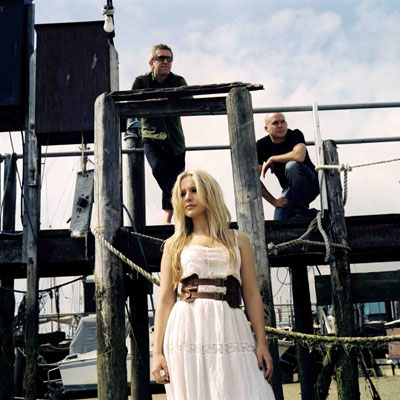
 Chess has been inspired by some of the greats from music. Soul legends such as Ella Fitzgerald, Elkie Brooks and Aretha Franklin inspire her more passionate and tender tones: if you listen to T.T.T. (Things Take Time), you would imagine that one of those illustrious goddesses were being witnessed. As well as having a gorgeous and rich voice, Chess elicits the biggest shivers when she allows her voice to climb and belt. With Christina Aguilera, Tracey Chapman, Lady GaGa and Chaka Khan ranking as heroines (of Chess) you can detect a little of their essence in the music: that same ecstatic passion and raw power that they incorporate in so many of their classic numbers. It is not just female quarters that stand in our heroine's camp: aforementioned legends Freddie Mercury, Prince and Michael Jackson are hugely important idols. Like Prince and Jackson, Chess is able to allow her huge range to cover a gauntlet of emotions and subjects: she has the same ability to go from a charming and childlike coo to rampant and hot-bloodied scream- making her music that much more flexible and stirring. Prince is renowned for his soulful sexiness and sweat-inducing passion: throughout Tuxedo you could hear that same ability and talent. Stevie Wonder also enters your thoughts- when listening to latter-day Chess- few can ignore our heroine's affection for the U.S. great. In short, if you are a fan of the greatest and most impressive voices, you will discover much to enjoy and recommend. It may be a few more years before the Maltese Siren climbs the heady heights her heroes have there is enough potential and passion in her voice to ensure that it is a distinct possibility. The twin elements of passion and power make Chess's music so authoritative and white-hot: if you prefer your sounds to be empowered, inspirational and uplifting, then you should definitely investigate Chess in greater detail.







 Marking a leap of confidence and a lack of asperity; Shadow Aspect shows fatuous critics just what they were missing all along: the beauty and power has always been there. I myself have compared songs to other artists; mentioned Transfer in the same breath as others- if you train your mind that way, you will never hear past these limitations and expectations. Whilst Former Selves had one or two pallid songs, the album as a whole possessed huge potential and foresight- the band have simply added to this and become more convinced by their own ability. I suppose that critical recognitions and high praise proclamations propelled the boys through their last creative spell- the results seem less anxious and more relaxed than on previous outings. Fantastic production values highlight the band's strengths: a brilliant contrast of softer and bolder numbers; consistently tight and controlled performances; plenty of compositional surprises as well as deep and relatable stories- topped off with urgent and impressive vocals. The album's running order is well-considered and just about spot-on: gentler numbers nicely break up a run of bigger anthemics; the album is not top or bottom-heavy- meaning you never lose interest or can predict what is coming next. The fact that the band is as confident and convincing when playing the role of libidinous lovers as they are disaffected young men shows a lot of bravery, talent and flexibility- and means that their album is fuller, richer and more compelling. Maturity and infantile recklessness add weight and elevation when necessary and the band ensure every track is tight, urgent and full of life. On that note, my final footnotes go to the guys themselves. Lead by a charismatic and multi-talent singer, Molarius makes sure that every word he sings sounds essential and must-hear: his voice goes from a seductive and dirty whisper to an emotional and staggered scream- a few singers possess such a range, yet few apply it to songs as strong as within Shadow Aspect. The guitars, bass and drum all combine wonderfully, and none steal focus: Shaun Cornell, Andy Ridley and Jason Cardenas support one another splendidly and never succumb to vote-winning or posturing. The guitars- when the mood is darker- creep and crawl; they growl and buzz like a psychotic swarm of hornets. When things are more reserved and tender, they are up to the task- capable of eliciting as much soul and comfort as required. Such is the sonic range: the fuzz and buzz; the rainbow stripes and Blues-Rock epicness- it brings so much life to the L.P. Bass lines keep everything in check, but add tautness and muscular cockiness at times- smoothness and sophistication in equal spades. The bass is often overlooked- when it comes to assessing music- yet here it is a vital component: the stoic alpha male; it makes sure that everything is authoritative and focused. Final kudos go to percussion: so many of Shadow Aspect's tracks contain (or begin with) punch-drunk and mesmeric percussive smashes- it shows just effective and elementary the instrument is. A lot of bands such as The National are synonymous with their phenomenal percussion- listen to their albums and find out- Transfer have hit upon a crucial formula: add weight and force with subtleness and nuance- then times it by eleven.


 It is hard to compare An Eclipse of Ships with any of David J's previous outings. Having played in Gothic-Rock bands such as Bauhaus- as well as Alternative-Rock act Love and the Rockets- our hero has played a range of genres and incarnations. Fans of David J will not be disappointed by his latest effort: Not Long For This World (released in 2011) was his previous release and you can hear similarities between the two albums. All of David J's unique traits have remained solid; they have been expanded and built upon- An Eclipse of Ships is perhaps his most assured work in recent years. One of the most distinct aspects of David J's music is his lyrics and wordplay. His current L.P. is packed with vivid imagery and eye-watering scenes. Tales of drugs and drunkenness mix with intellectualism and self-reflection (across the eleven tracks): depending on what you are in the mood for, David J has it on offer. In a sense he is a musical chemist: no matter your malady or predisposition, our hero has the medicine for you. His music has a redemptive and restorative quality: the compositions are rich and detailed; his lines prick your mind and vividly put you in the song- his voice ties everything together with its sense of directness and authority. Right the way from Etiquette of Violence (his debut solo release) through to Not Long For This World, David J has ensured that every song has ambition and personality at their core: his consistency and quality have hardly dipped in the last 31 years. Many critics became ambivalent and mixed towards Love and the Rockets' late-career Heavy-Rock sound; Bauhaus's swan song was met with critical acclaim- in a sense An Eclipse of Ships is more familiar with Go Away White than Sweet F.A./Lift. David J has not tried to recapture his past days and early triumphs: his current offerings have moved forward and provide a mature and developed sound. Those that miss the days of Bauhaus and Love and The Rockets will not be disappointed: there is plenty of energy, rush and fascination; darker and shadowy mandates; powerful and emotional numbers. Perhaps the most distinct development (since David J's early days) is the overall sound. An Eclipse of Ships is a more laid-back and gentler affair- compared to our hero's band output- and provides more soothe than it does feral force. Those that are looking for something deeper and seductive should check out his new album. As difficult as it is to compare David J's current album with his past work, it is perhaps harder to compare him with other acts. David J's voice is quite rich and deep. Artists such as Tom Waits and Bob Dylan might crystallise (in people's minds) when listening to tracks such as Where The Bloodline Ends (Vasectomy Song) and The You of Yesteryear. The entire album is wrapped around a chocolate-toned and evocative vocal line: those that are fans of masters such as Dylan, Waits and Neil Young will discover a lot to enjoy here. The lyrics across An Eclipse of Ships are the strongest David J has come up with: the words mix oblique and poetic with direct and intoxicated- there is such a wealth and range of topics explored that you struggle to take it all in. Few modern lyricists have such a detail for mood and scene-setting. If you have investigated some of my recent review subjects such as The Midnight Pine, Clara Engel and Kate Tempest; then you will appreciate An Eclipse' and its amazing details. It is an album that not only appeals to lovers of intelligent and well-considered music, but those that have an affection for classic Folk and Acoustic sounds. Anyone that prefers their music more demonized and bloodcurdling- perhaps with more electric guitar- should not shy away from David J's latest love affair: the sounds on offer will speak to anyone that prides conviction and beauty over emptiness and ephemeral brevity. Shades of current sweetheart Laura Marling can be extrapolated in An Eclipse of Ships' tantalising wordplay and biblical scenery: tender and charming stories unfold in the mix, to allow a sense of balance to come through.
  An upbeat and joyous vocal performance give energy and rush to Dust In the Wind. Backed by yearning strings and pattering percussion, the song looks at the itinerant ("It's a long way from Manilla to Amsterdam") and vagaries and strife of life. The opening verse looks at a "poor wild gypsy girl": her head and love life a mess, it seems as though fleeing and escaping is the only possibility. After the trepidation of the opening verse, we progress to something more redemptive: opportunities arrive that are "too good to rescind"- our heroine switches course and becomes dust in the wind. The alluring central figure has David J in a trance. Dangerous of hips and alluring of charms, the gypsy girl throws off all suitors: there is an essence of Bob Dylan's Blood on the Tracks as our hero mixes stunningly vivid scenes with a tender but potent composition. With little more than percussion, mandolin, violin and acoustic guitar, we witness the seductress leave "sweetmeats and black lillies"- before departing and leaving our hero alone. Sweeping you up in a whirlpool of odd romance and intoxicating imagery, David J's voice is instilled with conviction, passion and wisdom- the vocal line is optimistic and never loses its smiling kick and sense of movement. Hot Sheet Hotel opens with a gorgeous and sweeping coda. Country-flavoured elements come through in the song's aching composition- matched by David J's soothing and tender vocal. In a house of lasciviousness, guests arrive incognito: cheap patio furniture is chained down and rooms are "rented by the hour." One may normally expect to find these kind of lyrics scored by electric guitar and full-bloodied vocals. Our hero brings the song to life with his swaying and determined vocal. As the tale comes to its conclusion, wives at home are "seeking retribution"- the no-good husbands that have cheated are getting their just-desserts. Humour and tongue-in-cheek (as well as other parts of the body) are fused to create a song that could easily fit on Leonard Cohen's I'm Your Man- there is that same wit and mixture of beauty and impurity. Offering some reformation and salvation is You Suit A Rainy Day. David J's voice matches the peppiness and pace of the album opener: here we investigate a more traditional muse. Visions of Tangled Up In Blue (apologies for going to the Dylan well) come to mind. Our hero's sweetheart works at a strip joint ("On the east side of Tinseltown"): amidst a sea of clowns and fools, our heroine is working her way towards rebirth. A simple and effective composition beautifully support David J's stunning fable. With storms brewing and a Victorian sofa waiting, our heroine smashes her glass and loses her phone- the sense of klutziness wonderfully blends with the poetic. In spite of the provocative weather, our hero sees his heroine in more palatial surroundings: on her way to the Grand Palais; lavish splendour would suit her just fine. Combining Rhodes piano and acoustic guitar, you get a wonderful sense of light and shade; stormy and sunshine- it is a song that makes you smile from start to end. Contradictions, perfectionism and vanities come to the fore in Little Miss Impeccable. Looking at the stars and the moon's trail, our hero follows the mess of contradiction. With her "burqa drag" and "Goth Lolita" wardrobe; Champaign giggles and drunken pratfalls- you start to picture a rather shallow and messy figure. David J's voice remains controlled and potent: he is caught up in the madness and wonder of what is unfolding- determined to ensure every word sticks. Displaying his gift for wordplay, our hero mixes apothecary and caprice with iTunes stores and lemon balm- once more the listener is afforded a wealth of rich imagery and fascinating story. Topped off with a fast-flowing and effusive vocal performance, Little Miss Impeccable keeps the album's sense of strength and ambition riding high. Inspired by real-life events, David J recalls being stranded in Japan. Yokohama Blues' emotive slide guitar adds weight and texture to a fascinating tale. Sipping sake by himself, our hero meets "this beautiful girl." Having had an auspicious last few days, the two converge to Yokohama (her home) where he receives a golden fleece. You can practically hear the grin on our hero's face as he is in her company. David J's vocal is softer- yet more romanticized- than previous numbers: backed by a Blues-inspired composition, his pleasure is cut somewhat short. Memories in mind as part of him wants to return home and his "part geisha, part go-go dancer." Visitation (Song for An Elegant Angel) sees David J let his darker tones do the talking. Recalling a "midnight apparition", our hero's voice is low-down and determined. Recalling memories- of his beau being a nerdy kid- "On a school trip to foreign towns", witticisms, romantic longing and off-colour remarks are exchanged. His lady of the night is an "Elegant Angel" (the production company she is contracted to); you can David J's voice possesses touches of Leonard Cohen- he has a steady and gravelled projection throughout the song- and the same lyrical talents. As the lovers exchange suggestive remarks, his girl dissapears- our hero wonders if she was "a digital download, alas!" (referring to the fact that the song is about a porn star). From the previous landscapes of Japan- we are now in Germany, In The Blue Hour In Berlin sees our hero hearing the cabaret calling: hitting the U-Bahn, he meets a perfect stranger- someone who causes him awe and admiration. The composition is sparse and simple as our hero's voice plays up front: it is more upbeat than its predecessor and instilled with a sense of playfulness. If the vocal has more energy at heart, subjects have darker back alleys: doom and gloom, cold eyes and oxygen deprivation mingle with hopes of romance and missed opportunities. As it is said (beautiful women) "disappear like phantoms", there is a sense of resignation in the performance- David J will miss them like "IV heroin withheld from a junkie." The listener is brought into Berlin night scenes: evocative and provocative images put you in the song and have you rooting for the hero- wondering whether he obtained the satisfaction he desired. Shades of Blood on the Tracks-Dylan come through (again) within Excruciating Allure. Looking at desire and unrequited love, our hero looks at what could have been: "The river rushed on" beneath hero and heroine; so near yet so far, it seems that David J's heart will go unsatisfied once more. Sleep alludes the mind as a "screaming hole" appears- to replace the image of his muse and sweetheart. Few other tracks on the album are as wracked and anxious than Excruciating Allure. David J is a man "Crushed by the screws/Of a lost posession"- with a heavy heart and rain in the soul, one of the most urgent and direct vocal performances is presented. "Calico and crimson" are the first images of La Femme de Montreal's beautiful soul. With mentions of a Leonard Cohen concert, you can't help feel that our hero has Cohen inside him: Being in Cohen's native country, David J weaves tales of trapeze artists, ice buckets and kisses that leave bruises: sexual liaison and death-defying double acts are explored and investigated. Boating one of the most memorable melodies and compositions, the track trips and weaves around our hero's hot-bloodied vocal. By the track's final seconds he elicits a breathy sigh- enraptured in the scenes and images he is weaving. Where The Bloodline Ends (Vasectomy Song) is as vivid as its title suggests. Humour and grizzled sarcasm linger within early words: lines such as "'Cos lust can lead to the sack and sin/And sin can lead to kin/So let's get this damn thing over with/Pass the Valium and the gin" will make you smile. Unwanted pregnancy and conception are at the forefront of the track. Our worried hero wants a steady-handed doctor to "...eradicate the prospect/Of a pregnancy unplanned." The middle-aged warrior does not want anything tying him down and ruining his winning streak. As he prepares to- with winking euphemism- "hang the pope", the drugs and anesthetics are administered: the bloodline is going to end with one simple- yet sore- procedure. After the surprising merriment and humour of the penultimate track comes our final number: The You of Yesteryear. Nervousness and self-doubt are examined as we look at a central figure: someone trying to recapture their past; she is selling all their old clothes and in need of moving on. Maybe an unpleasant lover has made our heroine transform and change: there is sympathy in our hero's voice as he continues his moving tale. David J's voice is at its romantic and sensitive peak: backed by a tender and powerful composition, there is hope (for the heroine). As she packs away her belongings; her fiery love life is replaced with glowing embers- those embers "Can still kindle desire." The track implores the subject not to change or cry: she is still a beauty and pretty special- ending An Eclipse of Ships on a redemptive high.
  Forgive my tumescent ramblings and long-winded reviewing: it is rare to come across an act that not only has had such a long and successful career, but one does not seem to have missed a step along the way. Similar to legends such as Dylan and Cohen, Haskins has no plans to abandon his passion for music any time soon. You can tell just how much music means to him: An Eclipse of Ships drips with emotion, fascination and urgency throughout. In my mind, there are few lyricists that are as talented and spellbinding. When reading the album's lyrics- I was sent a copy of the album for reviewing- I was taken aback by the brilliance and intelligence coming through. There are quite a few stunning wordsmiths on the current scene, yet few that have such a flair for story and projection. Having underlined a few lines in each track, it has given me inspiration for my own music: the mark of a truly great artist is one that compels your creative side when you listen to their sounds. David J has had a successful and prolific solo career, yet he has hit his peak here- it seems that he is as much in love with recording and performing than he has ever been. I know that he has plans to tour the album internationally; he will be making stops across the globe with the hope of connecting with as many fans as possible- if he arrives in London, I will be making sure I come and see him play. Haskins may have been performing for decades now, but it does not mean that his music is relegated and directed towards similar-aged fans: there is as much for teenagers and the young as there is for older listeners. A lot of modern music makes it moves based around the principles of heavy sounds and sheer energy: few newborn acts take the time to offer something deeper and more cerebral. I could spend hours dissecting David J's words; take hours out to get inside of his mind and find out what inspires him. As you can tell the artist has been creatively compelled by a range of different events. Evidently our hero has had an adventurousss and fun-filled (is that the word?) last few years- if it leads to albums such as An Eclipse of Ships then I hope he has many more! The former Bauhaus master has produced his most complete and stunning collection of songs to date. Divine songwriting, terrific production, multifarious compositions and urgent vocals make it a must-hear L.P.: in a year where most of my favourite albums have been synonymous with heaviness, it is a huge pleasure to discover something different. If you are seeking an album (and artist) that takes you somewhere rather special.. YOU are spoiled for choice here. http://www.youtube.com/watch?v=ZxJ5u9b_N04


 After a brief percussive slam and pummel assault, James arrives on the mic. Flavor's newborn moments are packed with Indie and Punk rambunctiousness: the vocal line swaggers with alpha male roar and spit- it brings to mind the '60s/'70s Power-Pop/Punk heyday, and kicks the track off emphatically. Twisted, oblique and spiked words get the listener in inquisitive mode: "I was born not breathing/Since I've woke up everyday" are the opening lines, and harbour a mixture of teenager sentiment, anger and moodiness. The entire band is tight and completely in step with one another- you can tell they have been performing with each since high school. The percussive kick, guitar punch and bass strangle mean the words tumble, poke and blaze: a huge amount of emotional rush and headiness is elicited in the opening seconds. Mentioning "the victims of the U.S.A.", James seems in unsympathetic mood: "They all keep talking but have nothing to say." You can sense a feeling of unease and discontentment in our hero's tones: he seems aghast at the state of things, and utterly saturated by events. Whether referring to his fellow generation or addressing a wider malaise, you can hear the conviction and urgency come through: the vocal is hammer-blow and razor-sharp- it manages to twist and weave. Our hero modulates and teases his vocals; certain words are elongated and emphasised, whilst others are scattershot and bellowed- flavour notes of U.K.-based idols Alex Turner and Mile Kane come through in the accent and phrasing. Few young acts have such a sense of understanding- of classic Power-Pop and Indie- yet Twin Peaks come across as an established and legendary act: you get the impression you are hearing a fresh band from the '60s hitting their creative peak. No loose edges or open seams linger: the performance is constantly engaging and solid throughout the early stages. By the time we reach the end of the first verse, so much energy and campaigning has already been completed- you are hooked and compelled. The song's chorus ("Flavor your heart and your soul") acts as a truncated mantra: James's full-bloodied and epic vocal delivery is designed to get your arms pumping- and will no doubt get future festival crowds pogo-ing and leaping about muddy field (with excitement). After a thorough debriefing and missile strike, the boys swing round for verse two and a sense of personal revelation comes into the fray. Whereas the opening sentiments looked at victim culture and dislocation, new ideas point towards contentment and contemplation. James has been through a hard past ("I searched and drifted and grieved, man") in order to discover who he wants to be: the inflamed and viper-like delivery make every word sound wracked with desperation and need. As well as being accompanied in vocal unison by his band members, the individual players make their sentiments known. Frankel's guitars combine with James's: they are secondary (in terms of force) to the vocal, yet drive the song forward and instill a huge amount of grit and alcohol-fuelled lust. Dolan's bass is a muscular and taut monster; able to join the vocal and guitar together, it also contains looser corners- able to inject some cool detachment to proceedings. With Brodner's striking percussion ensuring the song never misses a beat, you get plenty of genuine classic Power-Pop pummel. James took a trip to the sea; laying beneath evergreen trees, he engages in self-assessment and discovery- concluding that he is best as he is and no need to change. The anxiety that stung within the opening verse ("It had me seizing up/and so the season's up") is reversed and eradicated: with this new-found sense of belonging, our hero seems in a better frame of mind- and ready to ramble on. After a reintroduction of the chorus, the electricity and bluster takes a back seat: tripping and twirling acoustic notes take its place, and offer a sense of relaxation and calm- for a brief moment at least. Once more for the chorus it seems: repeated and reinvigorated, it is the perfect end to the track- the listener is free to consider all that has come before.

 ____________________________________________________________________________________


 I have mentioned how hard it is to gain satisfaction and equality in music- obtaining distinction and patronage can be as hard as anything you can possible imagine. For me (and my music), I feel that it will be a few years before anything concrete makes its mark- financial issues and upheaval have delayed proceedings somewhat- yet the determination is always there. I think that is what is so appealing about music: it offers escape and chance for expression, but also allows you to channel your thoughts and inner troubles into something artistic and beautiful. There is a catharsis and therapeutic wonder that music offers: anyone that has a voice and a clear identity is welcomed and provided a platform. I always love stumbling across something new and great, yet I have a nagging worry in the back of my mind: are great and hard-working acts getting the attention and adulation they deserve? The short answer is 'no'- there is an imbalance and unfairness that seems ineradicable and hostile. It is no surprise, I suppose: there are simply so many new musicians coming through, that it is incredibly unlikely all of them will receive a fair hearing. What you do need- in order to succeed and get ahead of the crowd- is a clear and distinct sound; a dedicated passion and love- as well as a never-say-die attitude. Hume is a young and eager musician that has already cracked the first two points- one suspects that the third is already there as well. I have mentioned the likes of OneRepublic and You Me at Six (as comparisons) yet they act as mere foundations: Hume's songs have such a distinct and incomparable personality and identity: making everything personal and purposeful. Horizons and Hurricanes is a collection not relegated to slender appeal: the energy, emotion and memorability is designed for the masses- it is music for everybody's enjoyment. When listening to the E.P., I got a clear sense of ambition and drive: Hume knows where he wants to go, and intends on making music for some time to come. One of the most impressive things you can say about a new musician is their adaptability and work rate (I touched on this when reviewing Clara Engel). Hume's voice is equally at home and authoritative when scoring scenes of jazz club dance-offs; effortless when singing about romancing and seducing shy speakeasy heroines- his efforts with Shiftin' Shade marked him out as a genuine and impassioned Swing voice (I hope their collaborations continue for a long time). Stepping away from these parables- and going it alone- Hume seems equally comfortable in the Pop Rock/Indie arena: there is a naturalness and instinct that makes the E.P. so stirring and repeatable. There is plenty of romance, yearning and introverted questioning on Horizons and Hurricanes: soulfulness and stadium-sized heartbreak are all in check. I am confident that Hume's future will be busy and prosperous- he has already covered a lot of ground over the last couple of months alone. His debut E.P. will appeal to anyone that looks for melodic flow, catchy choruses and sing-along charm; beauty and yearning are waiting to be discovered- if you are more familiarised with heavy sounds or other genres, it would remiss to ignore it. There are a lot of current artists whose appeal is niche and limited: their music is incapable of transcending party lines and drawing in undecided voters. Hume ubiquitous messages and fascinating songwriting should be enjoyed by everyone- it is free on SoundCloud, so why the hell would you not check it out?! Having spoken with both Hume and Pereira recently, I know that they are both ambitious and motivated artists: I am sure we will hear more hook-ups between Hume and Shiftin' Shade- each song they collaborate on is compelling and filled with happiness. Our hero is only 22, so he will probably not be thinking too far ahead, yet it seems there is a huge market out there. He is based in Yorkshire at the moment, but I wonder whether ideas of relocating to London are in his thoughts: venues, clubs, audiences and labels are likely to be waiting- although a nomadic life may seem a little disorienting to him right now. There is such a force of repression and fatigue when noble musicians try to make their mark- the strife of getting representation is one of the biggest headaches- and it often stems down to three factors: financial limitations, finding a large and dedicated audience and distinguishing themselves (from what other musicians are doing). Hume has already developed and stamped out an uncommon voice; his work ethic and passion will (hopefully) see him obtain financial stability- in order to keep making music- but the third issue remains: getting the people into your tent. On the evidence of Horizons and Hurricanes' gems and stunning avenues, Hume should be pleased of what he has acheived- and keep the momentum coming. Positive reviews and feedback is already coming in (for the E.P.), and I am sure a year from now, his fan base will be large and impressive- and more music with be forthcoming. Hume's debut E.P. contains smile, punch, potency; beauty, anthemics and infectious hooks and melodies- stuffed with nuance and style. When you are seeking out music to investigate and admire...


