INTERVIEW: Benjamin Shaw

INTERVIEW:

1.jpg

PHOTO CREDIT: Aisha Latosski  

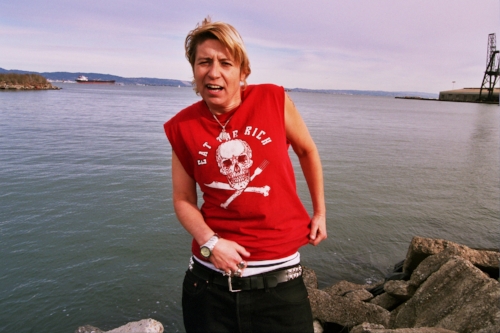
Benjamin Shaw

___________

THE fantastic Benjamin Shaw…

EP.jpeg

has been talking with me about his upcoming album, Megadead (out 31st August), and what sort of themes influenced it. I ask about his connection with Melbourne and how his current work differs to his earlier stuff. Shaw recommends some upcoming artists to look out for and what he hopes to achieve going forward.

I ask the songwriter which three albums mean the most to him; what got him into songwriter in the first place; the advice he would give to artists coming through; which musician he would like to tour with giving the choice – he ends the interview with a cool song.

____________

Hi, Benjamin. How are you? How has your week been?

Hello! I am ok. This week has not been bad so far. I’ve been happily putting off jobs and commitments and it’s definitely going to catch up with me and make my future weeks an almighty nightmare...but, right now? Delightful.

For those new to your music; can you introduce yourself, please?

My name is Ben and I make often sad and consistently difficult-to-enjoy Pop songs. I try to make them sound good, honestly, I do, but my attention span undermines me every time.

Is it true you were ‘accidentally’ born in Canada and raised in Blackpool?! you are now in Melbourne. How is one ‘accidentally’ born in Canada and then ends up in Australia?!

Yes, all true. It wasn’t so much of an accident: I think I just say things like that to make me sound more interesting. My mum was living in Canada at the time (what up, Edmonton?); I think my dad was from there or something - I don’t know, nobody talks about it - and then just ended up moving back to her hometown Blackpool in the U.K. Melbourne comes into it through my partner, Aisha. She is from Melbourne and, after a decade of living in London, we figured it was time to move back to Melbourne and try and recover our health.

8.png

PHOTO CREDIT: Aisha Latosski

Is Melbourne a great space for you to create and find inspiration?

Melbourne’s always been kind to me. I lived here for a year back in, like, 2005 and made so many friends and had the greatest time. Currently, I’ve been able to work just three days a week at my day job here, so I have much more time to devote to my ART. I’ve never found inspiration too hard - I am constantly anxious and/or sad, so material is never far away, but finding the energy, love and time to do anything with it was always a problem. So, having more time to myself, physically and mentally, has been honestly incredible.

Megadead is your forthcoming album. Can you tell me about some of the themes and ideas that influenced the songs? Do you have a standout cut?

Like most of my albums, the themes are sadness, stress and hating your job and colleagues. All the classics. I just can’t seem to shake them. I hope, one day, to not have any of these things clogging up my head, so I can just relax and paint some dandelions or something - but they’re always there ready to push down on my chest at any moment.

I really like the track, Terrible Feelings! - for obvious reasons, I guess.

I can hear developments and new additions since your debut album, There’s Always Hope, There’s Always Cabernet. Do you think you have developed as a songwriter?

I don’t know. There are certainly big differences to Cabernet, but I’m not sure whether it’s progression or regression. I used to pen actual songs with middle eights and choruses and all that but, for the last few years, it’s been mostly repetitions and patterns. I think I got pretty embarrassed about being a ‘singer-songwriter’ for the longest time (rightfully so), so I purposely shied away from writing anything resembling an actual song.

But, as I hurtle through my years (at the fastest speed, O.M.G.) I think I’m beginning to see the fun in it again. Songs can be fun. There’s even a chorus in one of these new ones - only one, mind you. Let’s not go crazy.

3.jpg

Do you count yourself as a bold songwriter? It seems, when listening to your work, you love to explore unchartered territory and take risks. Where does that come from?!

I don’t feel bold. I constantly feel like I’m just treading water and that all my albums sound exactly the same, but I think that’s probably what keeps me going. Like: ‘Oh sh*t, what if that was my last album; you can’t end on that!’ And, I don’t know, I really like trying to come up with atmospheres that match the song (or the other way around), so that often involves throwing everything at the wall and seeing what sticks. Some of it is bold, but a lot of it is just blind panic.

Who are the artists that inspire you and led you to get into songwriting?

I’d been writing songs in various bands for years, but in the early-'00s, it was that New York Anti-Folk scene that really opened things up for me. The Moldy Peaches, Jeffrey Lewis and Ben Kweller especially made me feel like: ‘You know those stupid songs you love to make up that nobody else likes? There are other people out there that do them too’. It totally gave me the confidence and passion to keep going. These days, I’m well into Camp Cope, Casiotone for the Painfully Alone and Charlie Louvin. All the Cs.

7.jpeg

PHOTO CREDIT: Aisha Latosski

What do you hope to achieve by the end of 2018?

Oh, man; 2018 is already gone. Forget it. Let’s do something in 2019 instead. This year, though, I’d like to go back and see my family for a week or two, buy a new fridge-freezer and learn how to make a decent sauerkraut. I got this.

Have you got a favourite memory from your time in music – the one that sticks in the mind?

There have been plenty of ups and downs but there were a couple of nights in 2009 where I was part of the supergroup ‘Tapegun’. Paul from the band Nervus who now runs the LP Cafe and record store in Watford; Neil from Broken Shoulder who now runs Kirigirisu Recordings in Tokyo and me, Ben, who now runs... away from his problems. I’d never played with other people before and actually felt a connection and I’ll never forget it.

5.jpg

Which three albums mean the most to you would you say (and why)?

Sha Sha by Ben Kweller

Not only is it a great Pop album, but it also kinda kick-started my adult creative life. Despite always being super-into art and music, I’d dropped out of uni and a Fine Art degree because I wasn’t fine enough, I guess. Oh, and the drinking too much, bad health and generally just feeling sh*t about myself which, now looking back, I can see was obviously a depression.

I loved this album Sha Sha and somehow stumbled onto the Ben Kweller message board on his website and things began to pick up. I met tons of cool people from all over the globe and it really opened me up to the world and my own passions. I definitely would not be sitting here writing this right now if not for B.K. and his early-'00s message board.

From the Muddy Banks of the Wishkah (Live) by Nirvana

Like all gawky small-town teenagers in the ‘90s, Nirvana kinda changed everything. I’d have been thirteen or fourteen-years-old when this came out and as someone who was previously super-into Bon Jovi and, for some reason, Motörhead. I became obsessed with them overnight and deep-dived. The cliché is real - Nirvana absolutely were the gateway into Punk and Hardcore; art and left-wing progressive politics - all which left a permanent imprint on my psyche.

We Love the City by Hefner

I have a nice memory of sitting on my childhood bedroom floor at my mum’s house in Lancashire when I was about twenty, having just come home from some probably dreadful night at the local pub; eyes half-closed listening to this album. Imagining the chaotic London city life it portrayed, the romance in the weird fuc*ed-up characters and relationships and just how far away it all seemed.

Somehow, years later after finally moving to London, I became friends with Hefner guitarist Jack Hayter through the magic of MySpace and then later even supported singer Darren Hayman live. I have had zero success in all of this music business, but stuff like this is still super-freaking-cool.

2.jpg

If you could support any musician alive today, and choose your own rider, what would that entail?

Oh, sh*t. Sod it, Neil Young. Reach for stars, eh!

As for the rider, can I get some fruit, some Kettle Chips - and I guess I’m gonna need some red wine if I’m gonna be playing with my old pal Neil.

Can we see you on tour soon? What dates are coming up?

It’s unlikely. I haven’t played live in a few years. But, there’s a night down the road from me that puts on weird, unlistenable acts every week; so I wouldn’t mind putting my name down for that one day. But, then should you really sh*t where you eat? I’m not sure. I’d like to get back on the horse one day, though.

What advice would you give to new artists coming through?

I don’t know. It feels like it’s getting harder and harder to even survive, let alone make art too. Especially, for people from working-class and minority backgrounds. Just try and keep healthy I guess. Be kind. Punch up. Express yourself in whatever way your life, budget or circumstances allow and keep uploading stuff to the Internet, whatever the fu*k it is - Bandcamp, SoundCloud; Instagram or just tweeting the fu*k out of your day (not Facebook, though…never Facebook).

None of us will ever make a living from art, but it makes you feel better and finding someone else that is creating CONTENT that you connect with can get you through a sh*tty day. So, if only for each other, we need to keep going.

Pool.jpg

IN THIS PHOTO: Pool Kids

Are there any new artists you recommend we check out?

Yes! So Many. I love that new Pool Kids album. The Ophelias, Leather Towel; LEVELZ, Nipped in the Bud; anything by Camp Cope, Divide and Dissolve and, damn it, I really like that Mathew Lee Cothran album too.

camo.jpg

IN THIS PHOTO: Camp Cope

Do you get much time to chill away from music? How do you unwind?

I try to chill as much as I can. Anxiety is a daily torment, so it can be a real sh*t-show, but I have been trying to get into meditation more and I can feel that it really helps - I’m just not very patient with it. Really partial to a bit of CBD oil too. It’s not legal in Australia (surprise) but we’ve found an American webstore then sends it in the post all discreetly with fake customs labels and all that, so that is way cool. Lovely stuff. Also; going for walks is cool. Australia can be (definitely is) super-conservative politically but the nature is incredible. The creeks, the animals and birds are so beautiful. So easy to fall for and it really takes the edge off.

Finally, and for being a good sport; you can choose a song and I’ll play it here (not any of your music - I will do that).

Divide and Dissolve - Resistance

____________

Follow Benjamin Shaw

4.jpg

FEATURE: The Immaculate Collection: Madonna at Sixty: Her Six Best Studio Albums

FEATURE:


The Immaculate Collection

madd.jpg

IN THIS PHOTO: Madonna/PHOTO CREDIT: @Madonna/@EllenVUnwerth

Madonna at Sixty: Her Six Best Studio Albums

__________

OTHER articles might stretch the premise…

rays.png

IN THIS PHOTO: Madonna in a photo from the Ray of Light sessions (1998)/PHOTO CREDIT: Pinterest/Getty Images

to her entire catalogue but I felt, as most people will want the very finest from Madonna, I’d whittle things down to the best six studio albums! There is talk of another record, her fourteenth studio album, coming either this year or next – reason to prick the ears and keep the eyes open! Her work post-Ray of Light (1998) has split critics. There has been a lot of love for some albums but others, like MDNA and Rebel Heart, have been less celebrated. As the Queen of Pop prepares hits sixty, I select the six albums you should add to your vinyl collection (if not done so already). I am not including The Immaculate Collection (as it is a best-of album) but am pretty sure, in these six albums, you will find the icon at her most engaging, impressive and alive. Have a look/listen, get down to your local record shop and be sure to snap up…

mdna.jpg

A sextet of Madonna’s vinyl-gold.

ALL ALBUM COVERS: Getty Images

____________

Number-Six: Erotica

eo.jpg

Release Date: 20th October, 1992

Labels: Maverick, Sire, Warner Bros.

Critical Review:

“Erotica’s irrefutable unsexiness probably says more about the sex=death mentality of the early ’90s than any other musical document of its time. This is not Madonna at her creative zenith. This is Madonna at her most important, at her most relevant. Pettibone’s beats might be time-stamped with the sound of a genre that ruled a decade of one-hitters before being replaced by commercialized hip-hop, and Madonna’s voice might sound nasal and remote, but no one else in the mainstream at that time dared to talk about sex, love, and death with such frankness and fearlessness, and, intentional or not (probably not), the fact that she sounds like she has a cold only adds to the claustrophobic stuffiness of the record”

– SLANT (2007)

Reasons to Explore:

Erotica is (at that point) the most varied, exciting and adventurous collection of songs from Madonna. Released simultaneously with her coffee table book, Sex, it is the once-restrained star explore sex and romance in daring and bold ways. Songs range from confessional to celebratory; a feast of sounds and tones that took her music to another level. It is ground-breaking in the sense (to that point) a female artist had not been as revealing and honest regarding her fantasies and sexual experiences.

Key Tracks: Erotica; Deeper and Deeper; Words; Rain

Number-Five: Like a Virgin

like.jpg

Release Date: 12th November, 1984

Labels: Sire, Warner Bros.

Critical Review:

“Though not as innovative as her debut, the album stands as one of the most definitive pop artifacts from the indulgent Reagan Era. The mid-tempo ballad “Shoo-Bee-Doo” and a soulful cover of Rose Royce’s “Love Don’t Live Here Anymore” proved Madonna could churn out more than just novelty hits, while the sugary “Angel” and the irresistible “Dress You Up” contributed to the singer’s record-breaking list of consecutive Top 5 hits (16 in all). The retro-infused “Stay” and the percussive “Over and Over” are the album’s hidden gems; a frenetic remix of the latter resurfaced on 1987’s You Can Dance”.

– SLANT (2001)

Reasons to Explore:

Material Girl and Like a Virgin are two of the defining hits of the 1980s. They are incredible Pop songs but, perhaps, do not best represent an artist who was looking to take greater control of her material. Madonna wanted to be the record's producer but the label, feeling she was not ready, gave her the freedom to choose a producer - she chose Nile Rodgers. Madonna's increasing artistic control (she wrote six songs on the album; five have Steve Bray as a co-writer) led to songs that are smart, sexy and hypnotic. Sharper and more engaging than any of her peers at that time; Like a Virgin is a stunning, if flawed, record. We all know the anthems and incredible singles from the record: parts of our childhood that, thirty-four years after their release, sound fresh, nuanced and essential. It goes to show that, at that time, Madonna could truly do no wrong!

Key Tracks: Material Girl; Angel; Like a Virgin; Pretender

Number-Four: Confessions on a Dance Floor

maddd.jpg

Release Date: 9th November, 2005

Label: Warner Bros.

Critical Review:

“It may be a return to core values, but there's still a bravery about Confessions on a Dancefloor. It revels in the delights of wilfully plastic dance pop in an era when lesser dance-pop artists - from Rachel Stevens to Price's protege Juliet - are having a desperately thin time of it. It homages the DJ mix album, a format long devalued by computer-generated cash-in compilations. It flies in fashion's face with a swaggering hint of only-I-can-do-this: "If you don't like my attitude," she suggests on I Love New York, "then you can eff-off." Dancing queens of every variety should be delighted”

– The Guardian (2005)

Reasons to Explore:

2003’s American Life was a concept album about the American Dream and materialism. A fascinating album that saw the artist push in new directions but not one that united critics. After a gold run that included Ray of Light (1998) and Music (2000); there was pressure to regain footing following a minor slump. Confessions on a Dance Floor is a total reinvention and move from the rebellious and revolutionary figure that adorns American Life’s cover to the Disco-dwelling, colourful heroine of its follow-up. Tracks like Hung Up (sampling ABBA’s Gimme! Gimme! Gimme! (A Man After Midnight) show the Queen of Pop renewed and refreshed; completely free and intoxicated by the material. Madonna co-writes every track but, whilst there are other cooks in the kitchen, the true star and single voice is that of Madonna.

Key Tracks: Hung Up; Sorry; I Love New York; Push

Number-Three: True Blue

true.jpg

Release Date: 30th June, 1986

Labels: Sire, Warner Bros.

Critical Review:

“…Her real trick here, however, is transcending her status as a dance-pop diva by consciously recalling classic girl group pop ("True Blue," "Jimmy Jimmy") to snag the critics, while deepening the dance grooves ("Open Your Heart," "Where's the Party"), touching on Latin rhythms ("La Isla Bonita"), making a plea for world peace ("Love Makes the World Go Round"), and delivering a tremendous ballad that rewrites the rules of adult contemporary crossover ("Live to Tell"). It's even harder to have the entire album play as an organic, cohesive work. Certainly, there's some calculation behind the entire thing, but what matters is the end result, one of the great dance-pop albums, a record that demonstrates Madonna's true skills as a songwriter, record-maker, provocateur, and entertainer through its wide reach, accomplishment, and sheer sense of fun. [A deluxe reissue featured two additional remixes: "True Blue (The Color Mix)" and an extended mix of "La Isla Bonita."]”.

 – AllMusic (2009)

Reasons to Explore:

Following her previous album, Like a Virgin (1984), she could have repeated herself and rode that wave. Instead, True Blue is a vision of work, life; love and dreams that balance heartache and sorrows – many of the songs were inspired by her then-husband Sean Penn. By incorporating Classical music (to win older listeners) and addressing subjects such as teen pregnancy; Madonna was maturing as an artist and her voice was stronger than ever. There is an open and often heavy heart but, at all times, the heroine shows a sense of fun that won critics and saw Madonna go from the Popstar to the Icon – True Blue is an album that has influenced legions of musicians with its melodic Pop and incredible potency.

Key Tracks: Papa Don’t Preach; Open Your Heart; True Blue; La Isla Bonita

Number-Two: Ray of Light

mads.jpg

Release Date: 22nd February, 1998

Labels: Maverick, Warner Bros.

Critical Review:

“…Instead, Ray of Light sums up the best we can expect from Madonna at this late date: overly arty, occasionally catchy, confused, secondhand, infuriating and great fun in spite of herself. She doesn't seem to have a clear idea of what she wants to say about motherhood, other than that it's the sort of intense experience that happens to a special person like Madonna. But that's all it takes to get her emotions going, and passionate peaks like "Drowned World" and "Little Star" remind you that for all the years Madonna has spent chasing art, class and fashion, the reason we still care about her eccentricities is the emotion in her music; all her desperately chic decor can't hide her rock & roll heart”.

– Rolling Stone (2009)

Reasons to Explore:

Her first studio album in four years; Ray of Light is the most radical and (oddly) natural musical shift from Madonna. She began working on the album after giving birth to her first child and, with producers Babyface, Patrick Leonard and William Orbit, it was the longest recording process of her career – a combination of experimentation and hardware issues! Madonna’s first foray into Electronic and Dance territory; she naturally blends Trip-Hop, Ambient and Middle Eastern music – her vocal breadth and range was fuller than at any other time.

Madonna’s new-found following of Kabbalah, Hinduism and Buddhism – combined with her daily Ashtanga Yoga routines – made Ray of Light a dizzying and world-uniting collection. Victorious, adventurous and utterly transfixing; Ray of Light is seen as one of the greatest albums of all time; it is an award-winning, chart-ruling and monumental record that brought Electronic music into the mainstream and inspired the likes of Fatboy Slim (and many others since).

Key Tracks: Ray of Light; Candy Perfume Girl; Nothing Really Matters; Frozen

Number-One: Like a Prayer

mad.jpg

Release Date: 21st March, 1989

Labels: Sire, Warner Bros.

Critical Review:

“So maybe Madonna’s protests that Like a Prayer wasn’t autobiographical were a bit of a ruse—or just another way to keep the minds of America’s pop-watchers thinking about her music as she gave them an album where she was less afraid to show her flaws, more willing to try on new personas that had bits of her selves attached. After all, as she told The New York Times in 1989, “What I do is total commercialism, but it’s also art.” Like a Prayer straddles those two ideals with gusto, with even its less satisfying moments adding to the heat given off by the MTV era’s brightest star”.

– Pitchfork (2017)

Reasons to Explore:

Although I confess this is not my favourite Madonna album (Ray of Light) album, it is the strongest and finest – in the same way that I prefer Rubber Soul but acknowledge Revolver is the best Beatles album. Critics see the record as confessional as Madonna talks about her father, mother and bonds with her family (Madonna dedicated the album to her mother who died when she (Madonna) was young). Dance, Funk and Gospel explode and crackle on a record that stays close to the heart but pushes boundaries.

The Pop sheen and upbeat tone of Express Yourself is a call for empowerment and liberation; Like a Prayer’s video drew from Madonna’s Catholic upbringing and caused tongues to wag in 1989 – a spectacular and decade-defining video that finally saw Madonna received near-universal acclaim. There are few better ways to end the eighties than Like a Prayer! The record sees Madonna transform from a Popstar to a bona fide artist - a perfect balance between chirpy Pop and the more serious tone that would define her later work. Daring lyrics and incredible maturity meant more people were talking about the material rather than the image. It was the moment Madonna proved she had no equals – quite a feat considering her debut album only arrived six years previous!

Key Tracks: Like a Prayer; Express Yourself; Cherish; Oh Father

FEATURE: Out of the Closet and Into the Darkness: Queercore’s Glorious Punk Revolution – and Why a Reframed and Repurposed Movement Is Needed

FEATURE:


Out of the Closet and Into the Darkness

b.jpg

IN THIS PHOTO: A promotional shot for the 2017 documentary, Queercore: How to Punk a Revolution/PHOTO CREDIT: Alice Wheeler

Queercore’s Glorious Punk Revolution – and Why a Reframed and Repurposed Movement Is Needed

__________

MOMENTS after writing a piece about Madonna…

bi.jpg

IN THIS PHOTO: Riot Grrrl leaders and Queercore: How to Punk a Revolution contributors, Bikini Kill/PHOTO CREDIT: Getty Images

I looked back on what I wrote and a specific paragraph: the Pop legend’s role in bringing gay culture and rights the surface. During the 1980s, there was a lot of ignorance and intolerance of the LG.B.T.Q. (or L.G.B.T.Q.I.A.) community and, although there still is, many were not allowed express themselves – I often interpret her songs Express Yourself and Human Nature as wider narratives that bring in the gay community and breaks down numerous barriers. My experience of the gay community and fringes of the Queercore movement is peripheral and academic. Being a straight guy, my motive is to highlight equality and the need to fight against judgement – my approach is more academic and research-based rather than personal. That said, I am interested in how artists from the gay/L.G.B.T.Q.I.A. community have fared and been interpreted through the decades. I will conclude by looking at downsides to the Queercore movement and why there needs to be a fresh movement. Right now, I get to thinking about Punk and how explosive it was. The 1970s was an exceptional decade for music that boasted brilliant bands like the Sex Pistols, Ramones and The Clash. The best of British and American were telling their stories and rebelling against authority, conventions and The System. Whilst some see Punk as fleeting and rather weak-willed – in the sense that it did not survive far past the decade – its effects and legacy is still being felt today.

We have a much broader idea of what ‘Punk’ is and how far it extends. Post-Punk bands like IDLES and Shame are splicing Alternative strands; there are great Garage-Punk bands coming out of the U.S. and British stalwarts like Parquet Courts make a glorious noise! I feel there needs to be a revolution against a rather clean and safe musical core that is being infantilised and homogenised by record labels, market demands and a general sense of fear. At a time when there is a lot of inspection regarding sexism, sexual assault (against female artists) and the discipline of the music industry; is it possible to have a mass Punk movement that unifies straight and L.G.B.T.Q.I.A. artists?! I smell the yearning and scent of desire but it seems like a long way off – we have a lot to sort and organise in an industry that, like film, is suffering with its reputation a little. Punk, back in the 1970s and 1980s, was always about something masculine, straight and ‘normal’. One would find very little for the gay and alternative artist who wanted to talk about their experiences. One had female Punk bands and representatives but there was little vocalisation regarding the experiences of those who, at the time, were somewhat marginalised and outside of society’s acceptable circle.

There is still a lot of division and segregation when it comes to the gay community and assimilation into the mainstream – especially when it comes to ethnicity! In my piece about Hungama a club-night in London that is a safe space for expression for everyone, not just those in the L.G.B.T.Q.I.A. community, but is a place where the Asian community can feel safe and accepted – I looked at the Asian community and members of the L.G.B.T.Q.I.A. community and how there is a feeling of alienation, isolation and loneliness:

“There is a thriving and bustling Asian community in Brick Lane and the surrounding areas – I wonder whether we think too much as to why there is a larger Asian population in certain parts of London?! In any case; race and diversity are important areas we all need to address. I wonder, at a time when the nation is divided, the L.G.B.T.Q.I.A. Asian population feels more divided and ignored than most”.

I will explore improvements, racial integration and a new movement later but, right now, a look back at Queercore’s foundations:

“Beginning in the mid-1980s, most notably in Toronto but with origins elsewhere, an underground culture was formed by a revolutionary group of self-proclaimed “queers” who were less concerned about mainstream acceptance of their sexuality and more geared toward creating unconventional spaces where they could be themselves. Places where, essentially, one could be gay without liking stereotypical “gay things.”

mag.jpg

 IMAGE CREDIT: Getty Images

...Queer Nation, which was birthed in 1990 as a militant response to LGBTQ prejudice, demanded equal rights for gays and lesbians, which, like other LGBTQ activist groups, could eventually be viewed as an assimilation into mainstream society, and thus, capitalism. This was an ideology that queercore wanted to distance itself from.

But by the ‘80s, punk had changed to a more hardcore sound and the once inclusive counter-culture suddenly became filled with homophobia, sexism and “macho punks”.

That impression and abiding mandate of Punk (something rather manly and ill-inclusive in terms of sexuality) led to a need for change and revolution. Artists who formed the Queercore movement were displaying a comparative Punk spirit built around expression, liberation and not giving a damn. If some saw the positive advertisement and promotion of S.T.D.s, multiple sexual partners and explicit sexual language as offensive and not in the spirit of true Punk; it gave its players and fans a space and style they could embrace and feel safe in. The documentary, Queercore: How to Punk a Revolution, was released last year and charts the movement’s growth and aftermath. This article looks at the documentary and its messages:

“The documentary is called Queercore: How to Punk a Revolution, and it stars queer directors Bruce La Bruce and John Waters; female musicians Beth Ditto, Kim Gordon and Peaches; queer performers Genesis P-Orridge, Justin Bond and Jayne County and many others.

Two queer creatives in specific —G.B. Jones and Bruce LaBruce – helped lay the groundwork for the Queercore scene through their zine J.D., a publication which sought to expose the “bourgeois-ification of the gay movement and the problematic sexual politics of punk” by sharing their own work and that of other disenfranchised queer creatives.

The politics in Queercore dictated that there was no primary or pure way of expressing gender or sexuality — whether that meant building your identity around a fetish, being proud of having STDs, having many lovers, wanting to teach gay sexual health in schools, not caring about the gender of your preferred genitals or getting married to yourself and masturbating until death”.

poster.jpg

IMAGE CREDIT: Getty Images

The Queercore spirit remains today: we query whether Pride parades should allow corporate profiteers and police forces with a history of racism and L.G.B.T.Q.(I.A.) discrimination in their ranks. Modern festivals like Another Country and Gay Bi Gay Gay highlight local Queercore bands but it seems like the spirit and potent cocktail has dissipated and faded somewhat. Curran Jacob Nault, in a dissertation about the Punk/Queercore movement, looked at the ‘queer’ elements that were existent in the original Punk movement:

“Respected punk photographer Lee Black Childers has also commented upon the “queerness” of the NY punk scene, asserting that, in the initial years of punk, “gay people made up most of the audience” (qtd. in Savage, 139). While this is anecdotal evidence and these may be overstatements on the part of Fields and Childers, they still suggest that early punk subculture was not as hetero- or a-sexual as may be initially assumed.26 It should also be mentioned that the term “punk” itself has queer origins. As John Robb explains its etymology: The word "punk" originally meant a prostitute, moldy wood or fungus. By [January 1976, when New York-based] Punk magazine took its name, it had gone on to mean a person who takes it up the ass in prison, a loser or a form of Sixties garage rock'n'roll. (150)”.

Maybe that impression of Punk is a little media-controlled and one-sided: there were elements of queer in the scene but not as overt and populous as Queercore’s movers hoped. The culture grew alongside Riot Grrrl (a feminist Punk movement that started in Washington in the 1990s) and there was a need for those excluded from the mainstream Punk movement to have their voices heard. Riot Grrrl, like Queercore, found its community provocatively and freely expressing their sexual needs and experiences through songs, magazines and underground publications. If Queercore and Riot Grrrl had different sounds and scenes then the core ideal was the same: a chance for equality, being heard and feeling unconstrained. That sense of being cut loose and having a network of support led to some of the most innovative and original music of the time. We know when Queercore came to be but, in reality, was there a need (for Queercore artists) to fight against homophobia in music or perform a brand of music that would not easily sit in the mainstream – a bit of both, it seems:

“After the sexual free-for-all that was 1970s glam rock, the pendulum swung back. The 1980s alt-rock landscape was impossibly straight. That’s ironic, since its holy trinity -- R.E.M., Hüsker Dü, and The Smiths -- was made of bands whose frontmen are now respectively queer, out, and sexually nebulous. But in the darker corners of the underground, bands were sprouting up that were defiantly -- and loudly -- gay. The Queercore scene grew out of a generation that bristled against what it saw as the bourgeois trappings of a mainstream gay lifestyle and the macho, hetero hardcore scene that punk -- a movement founded by women, people of color, and gays -- had become. Queercore was a call to arms and storming out of the closet. The literature came before the music. It started out as a loose collective, trading fanzines and letters, and evolved to include dozens of bands, as well as the extraordinary friendships and treacherous rivalries that come along with creative intensity. Here’s an oral history of Queercore, from its inky, Xeroxed beginnings until it rendered itself obsolete”.

ly.jpg

IN THIS PHOTO: Lynn 'Lynnee' Breedlove/PHOTO CREDIT: Getty Images

The article I have quoted above talked to those involved, directly or latterly, with the Queercore experience. Among those who were interviewed was Green Day’s frontman, Billie Joe Armstrong:

“I had a feeling Pansy Division would definitely get a mixed reaction. When our crowds were getting more mainstream, we didn’t want to represent the typical Mohawk stereotype. Pansy Division was truly challenging, and their songs are melodic and catchy. I got letters from teenagers saying, after seeing Pansy Division, they had the courage to come out. I saw certain idiots in the crowd yelling “faggots” or throwing shit. But I also saw people dancing and having a good time. Homophobia has no place in the punk scene or the mainstream. I think we share that belief with Pansy Division. Punk rock has been rather queer since the beginning”.

Lynn Breedlove, the queer founding member and singer of San Francisco Dyke-Punk band, Tribe 8, gave her thoughts:

“There were rocker queers and disco queers. In high school, I hung with the rockers. We were listening to Journey and Queen. There was no queer music. Freddie Mercury wasn’t even out! But we could tell by looking at him. We would come together at the discos, where we would take our fake IDs and do the hustle. As time progressed, my friends were listening to Black Flag, and I was like, What the fuck is this? It was sarcastic and hilarious, and gay in that it was camp, ironic, and making fun of yourself -- but totally hard-edged and “fuck you”.

pa.jpg

IN THIS PHOTO: Pansy Division/PHOTO CREDIT: Getty Images

Armstrong’s tales of homophobic exposure and Breedlove sensing a lot of artists about to break free, as it were, give you an idea of why the movement needed to happen and how hard it was for mainstream artists to truly express themselves during the 1980s and 1990s. Queercore bands like Tribe 8, Pansy Division and Excuse 17 provided a platform for a Punk-edged representation of the L.G.B.T.Q. community. In the same way that Riot Grrrls wanted to explore feminine expression and strike against patriarchy; provide a sisterhood and wave that combatted the sexist attitudes in society; Queercore utilised zines and performances as interaction and communication between members of the subculture. The development and accessibility of the Internet (in the 1990s) made it easier to spread messages and interact. Among the best-known Queercore bands of the 1990s were Fifth Column, Pedro and Pansy Division; Queercore events were being set-up in the U.K. and U.S. and it meant the segregation of the gay community – clubs for gay men and ones for gay women – was ended. Women and men could be together and things started to change. The zine, Outpunk, was set up by Matt Wobensmith in 1992 and it became a record label – early recordings from Tribe 8 and Pansy Division were found on compilations. More smaller, boutique labels released Queercore music and, alongside the Riot Grrrl movement, there was this underground network of artists who were making up for lost time!

The 2000s brought new bands to prominence in the U.S. Limp Wrist are a contemporary breed of Punk. Butch Vs Femme formed in 2004 and are a Riot Grrrl-inspired Indie-Punk band that saturate their songs with lyrics of the queer experience. Other bands, like Gravy Train!!! and Hunx and His Punx are continuing the messages and legacy – the former are more explicit with their lyrics and sexual content; the latter are Power-Pop who take from the girl groups of the 1960s. Gay for Johnny Depp and Ben Aqua were among the 2000s players that portrayed a new and updated sound of Queercore; The Shondes (from Brooklyn) mixed Riot Grrrl and Classical with Jewish music. Although many of the more-recent Queercore bands are less Punk-focused; they have mixed in other genres and created a more eclectic, intriguing and accessible palette. Throw into the mix Riot Grrrl/Queercore favourites The Homewreckers and Your Heart Breaks and there was no sign of slowing during the 2000s. The U.K. was seeing a burgeoning and more visible Queercore scene. Groups like Queer Mutiny and Homocrime alongside Corey Orbison, Sleeping States and Little Paper Squares opened eyes to artists who mixed a D.I.Y. aesthetic with Punk sensibilities. Between 2000 and 2009, there was a flux of fantastic Queercore bands that helped bring it more into the mainstream.

Candy Panic Attack, Flamingo 50; Humousexual and Sailor Tongue were among the heroes and heroines and the scene was not focused in London. Unlike a lot of today’s music, there was a more even spread of attention and geography. Bristol and Manchester were big centres of focus; club nights like Riots Not Diets focused on queer-identifying bands; events like Pussy Whipped came to Edinburgh eventually – Leeds, since 2015, has enjoyed and hosted the Queer We Go festival (and Bentfest). Recent exploration of the homology between queer theory and practice has brought new interest and intrigue to the Queercore movement – as has the Queercore: How to Punk a Revolution documentary. Before I move on to a conclusion and recommendations; I found an article that spoke with one of Queercore’s key bands, Pansy Division, in 2016 (to mark the quarter-century of the movement):

“After the trauma of the Aids crisis and the homophobia it unleashed, Pansy Division wanted to assert to the rest of the world that being gay can be great. “We thought, if we’re being told that being gay is so wrong and we’re being ostracized for this, let’s point out how well-adjusted and enjoyable our lives are. So it really was a conscious effort to say, ‘We’re not going to be sour about this,’ because that’s exactly what I think they wanted – to show how unhappy it is to be a gay person. We were singing celebratory songs about it instead.” The band’s songs like Twinkie Twinkie Little Star, 20 Years of Cockand I’m Gonna Be a Slut celebrate not only gay sex, but the joys of being free to be who you are and love whoever you want.

The band’s frenetic music and wild live shows got them signed to punk label Lookout! records, home to bands like Operation Ivy, Rancid, Alkaline Trio and Green Day. They broke through to a wider audience when Green Day invited them to open for them on their Dookie tour in 1994. Suddenly, Pansy Division were blasting San Francisco queer culture at kids from smalltown America who, in those pre-internet days, had never seen anything like them before – or heard such brash lyrics about the mechanics of gay sex”.

Although there is not a massive Queercore presence in the modern time, there are artists talking about L.G.B.Q.T.I.A. experiences and straying from the mostly-white, heterosexual mainstream. FHAT, Christine and the Queens; Daya, Lizzo; Holland and King Princess are among a selection of artists whose lyrics and songs are essential for Pride and queer playlists. Although, too, there are a few Queercore bands around right now; it seems things have stunted and shrunk. One quarter, Em Casalena, talks about race in Queercore. Traditional Punk bands rarely talked of racism and anything beyond the straight and white: Queercore artists, too, have been accused of being too racially secular and, well, racist:

“Few queercore artists nowadays have tried to change this and it remains focused on the experiences of white queers rather than the racist, sexist, and anti-queer experiences of anyone outside of that little box. In gay culture outside of queercore, this still permeates communities and dating scenes. One can spend only a few minutes on Grindr before encountering the barring profile description of "No fats, no femmes, no Asians" underneath the flexing chest of an oiled up white gay man”.

I think we need to look back to Queercore’s origins and why it got started. Maybe revitalise Queercore or start a new movement that is more inclusive in terms of race, gender and sizes.

man.jpg

PHOTO CREDIT: Getty Images

Queercore did integrate male and female artists/fans but there is that feeling that, although a lot of magic and progression happened, there was too much segregation and division – the sort of thing the movement was trying to cut out. Although the spirit and intentions were good, the mission statement and recruitment process was lumbered by a lack of consideration in regards race and the aesthetic. Maybe there was not a conscious effort to exclude non-white artists but you look at the Queercore bands and they are, for the most part, single-gender (few mixed bands) and white. The reason I wrote about Hungama was to show how, in 2018, there are barriers in the gay community and a real lack of total integration. The fact that so many members of the Asian and black communities feel they need their own space speaks volumes. Hungama does not fall into the easy trap of being all-Asian and male: it welcomes every race and person, regardless of sexual orientation, to experience Bollywood charm, brilliant music and something hugely memorable. I urge pioneers and forefathers(mothers) to look at that incentive and take it to heart. There is a much larger L.G.B.T.Q.I.A. network and so many artists/listeners who either struggle to have their voices heard in the mainstream or feel there is very little out there that represents them. Maybe we are years from seeing sexual integration where L.G.B.T.Q.I.A. is as common and accepted as heterosexuality but a way to see that happen sooner rather than later is to spark a reformed and repurposed Queercore movement.

3.jpg

IN THIS PHOTO: Ryan Lanji, centre, with performers at Hungama/PHOTO CREDIT: Iolo Lewis Edwards 

There is an appetite for Punk in any form: the fact we have very few pure Punk artists and modern music is not willing to truly embrace the genre gives extra impetus. Perhaps a modern movement would not have to be purely Punk. Whether it mixed in other genres or was a Pop/Funk motivation – a distinct genre that would unify races, genders and all sizes from the L.G.B.T.Q.I.A. community. Ensuring there was a mix of the explicit and rebellious aspects of Queercore – utilising the Internet but never being too obscene and controversial – and a connected network then something positive could form. Many might feel the current climate included L.G.B.T.Q.I.A. artists and there are no limitations. Whilst radio stations and labels do not ban music that looks against heterosexual ‘norms’; there is still an uneasiness and feeling that it is a bit risqué. Slowly, changes and acceptance is coming through but there is still too much homophobia, judgement and ignorance around. Listen to the brilliant Queercore sounds that have come through the years and I would not be surprised if that generated new ears and minds to follow suit. Whether that will happen now or later down the line, I am not too sure. Whilst Queercore achieved a lot (and still does) and was a brilliant fight against the overly-masculine and closed-minded Punk scene; it is clear that, alongside all the good and positive, there were many problems and limitations…

1.jpg

PHOTO CREDIT: Getty Images

THAT affected its durability and sense of inclusiveness.   

FEATURE: Madonna of Bay City: The Icon at Sixty: How the Pop Innovator Has Reshaped and Changed Music Through Fashion, Expression and Campaign

FEATURE:


Madonna of Bay City

masss.jpg

IN THIS PHOTO: Madonna in a promotional shot for her 1984 album, Like a Virgin/PHOTO CREDIT: Rex Features

The Icon at Sixty: How the Pop Innovator Has Reshaped and Changed Music Through Fashion, Expression and Campaign

__________

IT seems Madonna is never far from the news…

ssg.jpg

IN THIS PHOTO: Madonna on stage in 1984/PHOTO CREDIT: PA Photos

even when she is not releasing any music! The latest bit of Madonna column-inch involves her attending Hamilton (the musical) and being snubbed by its creator Lin-Manuel Miranda. Madonna, apparently, turned up late and was seen texting through the performance – something that did not best please Miranda! Maybe there was an emergency at home or she was lapsing into boredom. In any case, it seems that part of Madonna has not faded with time; the ability to do what she wants and not be beholden to schedule and protocol! Not that this is a bad thing at all. As I will investigate; her rebellion and speaking out has helped to change music and see her crowned as the Queen of Pop. I am not sure why Madonna attended Hamilton – if her mind was elsewhere – but that is by the by. The legend turns sixty on Thursday and it is a great chance for people to look back at her incredible music and impact. Before I look back at Madonna’s career and study her changing fashions, the way she spoke out for women’s rights and why her personality showed Pop could be so much more than marketing and blandness; it seems she is preparing her fourteenth studio album and it seems like, on the as-yet-untitled album, Nicki Minaj could play a part:

“Nothing official has been announced, of course. But should Minaj feature anywhere on this album, it would make the as-yet-untitled release her third Madonna album in a row to guest on. Which is a world record, in terms of pop music.

mad.jpg

 IN THIS PHOTO: Madonna pictured this year/PHOTO CREDIT: AFP/Getty Images

Minaj has already featured on two official Madge singles (Give Me All Your Luvin’ and Bitch, I’m Madonna) and performed alongside her at the 2012 Super Bowl. Why not go for a hat trick?

Speaking of tricks, Drake is also rumoured to feature on the new album, according to stories doing the rounds today. Given that he named a song after her and that infamous snog, it’s probably about time”.

It seems like there might be material or something, in some form, from Madonna by the end of this year:

“In May, Madonna fansite DrownedMadonna reported that a music video had allegedly been filmed in London by Steven Klein.

Klein is responsible for some of the her more memorable concert backdrop videos and photoshoots, not to mention her 2013 short film SecretProjectRevolution.

So far no music video has yet surfaced. Yesterday, however, Madge posted to her Instagram a hyper-stylized video of her reciting poet Rupi Kaur. The video was shot by none other than Steven Klein.

It begins with Madonna apologizing to, ‘all the women I have called beautiful’.

The lead single for her next album is heavily rumoured to be Beautiful Game, a snippet of which she performed at the Met Gala in May”.

It appears something is brewing and the ever-evolving artist is preparing some fresh material. It will be good to see how she moves from 2015’s Rebel Heart.

bb.png

IN THIS IMAGE: The tour poster for Rebel Heart/IMAGE CREDIT: Getty Images

That album, whilst her lowest-selling in twenty years, it did get some great critical feedback and showed, thirty-two years from her debut single, she was capable of surprising and mixing her older and newer ambitions: AllMusic gave their views on Rebel Heart:

“These are the anchors of the album, grounding the record when Madonna wanders into slow-churning meditation, unabashed revivals of her '90s adult contemporary mode, casual confession ("I spent sometime as a narcissist"), and defiant celebrations of questionable taste. Undoubtedly, some of this flair would've been excised if the record was a manageable length, but the blessing of the unwieldiness is that it does indeed represent a loosening of Madonna's legendary need for control. Certainly, the ambition remains, along with the hunger to remain on the bleeding edge, but she's allowing her past to mingle with her present, allowing her to seem human yet somewhat grander at the same time”.

It seems like there are positive signs for the near-future. Madonna has said, in recent interviews, how modern music is all the same: endless collaborations and stuff that is vaguely similar to other stuff; a rather wooden and insipid sound that needs shaking up. She resides in Portugal and has been compelled by the music culture there and the authenticity – an original and human sound that, one suspects, she might fuse into her upcoming record. Let us look back and see how Madonna’s iconic styles and her desire to stand aside from the pack marks her as a true icon and leader.

cr.jpg

IN THIS PHOTO: Madonna photoed in 1985 at the American Music Awards/PHOTO CREDIT: Getty Image

Vogue, fittingly, has published a piece that looks at Madonna’s changing looks and how, with each album and cycle, she would change it up and produce something stunning. I am no fashion expect – a T-shirt and pair of trainers are as cutting as I get! – but I have always been drawn to Madonna’s iconic make-overs. Today’s music seems to be more about streaming figures and airplay as it does any sense of uniqueness and colour. I cannot name any artist, male or female, that seems that have a distinct style that changes and updates. Can anyone really look out at the music sea and discover something eye-catching and influential among the rather hum-drum and routine?! It is said that Madonna arrived in New York, in the late-1970s, with a dollar or so to her name – one of those urban myths about the aspiring artist… - but was far from the eclectic and electric star she would become. By 1983, when Madonna was released, she was embracing fashion and using it as part of her identity. I was born in that year so was (luckily) not conscious to the high hair, shoulder pads and gaudy make-up that seems to define the 1980s. Madonna, instead, adopted crucifixes, necklaces and lace to create something that was of-the-time but much more ‘her’. Religion and spirituality were part of her aesthetic from the start and, by the time she released Like a Prayer (album) in 1989; that distinct look was on the cover – the star was heavy with beads, rings and jewellery that has a sense of class, religious symbolism and youthful-cool!

cover.jpg

IMAGE CREDIT: Getty Images

Look at the period between 1983-1985 and you notice a bolder and more experimental Madonna coming through. I will talk about her sexuality and role model speeches in a bit but, in terms of future, the stage and studio Madonna was altering her looks between albums. One can see the blonde and cool star that was introduced to the world in 1982. The look was starting to take shape and, by 1984, Like a Virgin saw her performing in a mini skirt, lace tights and headscarf. A promotional image for the album sees dark red lipstick and jazzy, Punk-like hair (a rather male description) mix with these signature bangles and something edgier. Look at the change between her stage outfit in April of 1984 – the headscarf and floral jacket – to the more spiky and alluring look that we saw upon the arrival of the album. Her famous ‘boy toy’ belt was out for the Like a Virgin video but it is interesting to see how subtle alterations came into her look by 1985. As her albums matured and Madonna was getting more of a creative say; she was breaking from the bright and traditional looks of the 1980s and bringing in crucifixes and gloves; her hair, now, was straighter and it seemed a more ‘mature’ and serious artist was coming through.

sd.jpg

IN THIS PHOTO: Madonna in Desperately Seeking Susan (1985) wearing thrift store clothes/PHOTO CREDIT: Shutterstock

Her appearance in Desperately Seeking Susan seemed to define where she was heading; the smoking (literally) heroine and the headscarf; the cool jewellery and mix of New York chic and a distinct Madonna perfume – she had created a signature look that, two years after her debut album, was a bold move forward. If you match the outfits and style of her Material Girl video – part-screen siren, part-innocent and sexy – she was embracing a more thrift shop-born style that showed she was a humble and rooted artist who was more concerned with creating something pure and meaningful – against the glamour, record label-directed fashions and rather boring styles of the time. The period between True Blue (1986) and Like a Prayer (1989) saw new changes and developments. 1987’s Material Girl tour saw her break out a red flamenco dress; power-dressing and flirt came in by 1988; 1989’s Like a Prayer (song) saw her wearing a black slip for the video. There was a definite sense of raunch and confidence appearing by 1989. Her young fans were emulating her looks between 1983 and 1989 but it seems, by this point, Madonna was very much becoming a sexualised and primal woman. Her music was becoming bolder and more expressive and, even though there are differences between the slip of 1989 and her Jean Paul Gaultier corset of the 1990 Blond Ambition World Tour; it signified a move from the girlish and uber-cool Madonna to an artist becoming more daring and revealing than any of her peers. She was never far from the press regarding her sexuality, videos and the latest fashions. In my mind, her changing wardrobe was a way of shaking up music and getting girls and young women to embrace something rebellious and different.

It sounds like a controversial statement but, rather than getting them to dress ahead of their time and cause problems; she wanted them to break away from the boring and reserved: capture something that was new and strange; exciting and womanly. The early-1990s found her embracing the corset and adopting a more controversial look:

“The corset became a dominant fashion theme in Madonna's look of the early 1990s. Madonna collaborated with the controversial couturier Jean Paul Gaultier for her 1990 Blonde Ambition world tour. Known for his fetishistic fashions, Gaultier designed Madonna's memorable pink corset with cone bra for her 1990 tour. Not only did Madonna's wearing of exaggerated foundation garments (sometimes worn under menswear-inspired fashions as in the "Vogue" video) toy with accepted notions of femininity, it also launched the trend of underwear as outerwear still prevalent today, seen on celebrities and in street fashions alike”.

From the virginal and street-cool Madonna of the early/mid-1980s; she was turning the provocateur and temptress. The diamond-encrusted Bob Mackie dress she wore for the 1991 Academy Awards was a huge departure from the more casual and affordable fashions she was sporting at the start of her career. Rather than buy from the high-street and take from New York; she was hooking up with designers and pushing convention.

ma.jpg

IN THIS PHOTO: Madonna wearing a Bob Mackie dress to the 1991 Academy Awards/IMAGE/PHOTO CREDIT: Bob Mackie/Getty Images

Religious symbolism and Indian-style costumes were introduced into her 1993 stage show; she was experimenting with flapper-chic and high-glamour during 1984-1985. Even though albums like Erotica and Bedtime Stories looked at sex and embracing the self; that did not mean Madonna fell into the tawdry and media-baiting. There was some revelation and sexiness but was bringing Hollywood glam into the mix. She was inspiring legions of fans – new discoverers and girls who had followed her from the start maturing and developing – and showing the music world you did not need to follow labels (record) and be honed. You could express yourself and not have to follow the beat of the marketing drum. She opened doors and minds and, by 1998’s Ray of Light, another huge change had come in. Inspired by Kabbalah – one of the more divisive aspects of her beliefs/personality – darker clothing and gothic hair replaced the distinct blonde locks. Geisha and Eastern fashion were sitting alongside kimonos (she wore one for the 1999 video, Nothing Really Matters). Consider the difference between the Frozen video (all in black and a rather gothic demeanour) and Nothing Really Matters; her more modest and conventional look in Ray of Light (video) - all from the same album but completely different and unexpected.

The new century saw Madonna dispense with Eastern fashions and mix classic sexiness – inspiring in a woman who was approaching middle-age – and Disco chic. The Confessions on a Dance Floor album (2005) was Madge bringing in another iconic look: bits of 1970s Disco but more proactive, evocative and Madonna. Music (2000) and Ray of Light (1998) were celebrated: Confessions on a Dance Floor was probably the last of her modern records that gained a huge amount of love. Many critics felt Confessions on a Dance Floor was her strongest effort since the early days; a consistent and ever-curious artist looking at Dance, Disco and days gone by. Madonna, even when looking back, was futuristic and herself on the records that followed. Hard Candy (2008) is an ultra-sexy and stirring cover; MDNA (2012) and Rebel Heart (2015) mix bright make-up, alluring looks and a slight revocation of the Like a Virgin look – albeit it a more grown-up and of-the-times.

maddd.jpg

IMAGE CREDIT: Getty Images

That is a bit of a rush through her career wardrobe and how she transformed from a shy if hungry artist influenced by the street and religion to a sexual and iconic star who mixed high-fashion with allure; to the Eastern mystic and spiritual goddess; right through to a middle-aged icon who proves/proved she is as bold and expressive as anyone in music. In any period, you can see how she leads rather than follows. Madonna has inspired legions of fans – who replicated her looks – and changed their lives. Cresting more confident, colour and style; it was a revolution in the 1980s and, through the 1990s and 2000s, she has managed to be that style icon and pioneer. One expects this to carry on through her sixties: an exciting decade that will bring new music, influences and alterations. Alongside the brilliant looks and fashions; the way Madonna spoke out and up stunned and moved a generation…

A recent article in The Guardian talks about Madonna being bigger than any man out there. The way she spoke out at the Billboard’s Women in Music ceremony – as she collected her Woman of the Year prize – shook and opened eyes. I shall quote from the piece:

“When she collected her woman of the year prize at Billboard’s Women in Music awards in 2016, she said she stood before the crowd “as a doormat”. “Thank you for acknowledging my ability to continue my career for 34 years in the face of blatant sexism and misogyny and constant bullying and relentless abuse.” This is genuine, rightful anger and ferocity. The level of ageism and sexism directed at her is femicidal, even matricidal, visceral loathing. When people say they want Madonna to age gracefully, what they really mean is: become beige, shut up and go into a corner. And she refuses to do that. Instead, she continues to produce brilliant, captivating and thought-provoking work”.

Madonna has, as the piece continues, outlived many of her male peers like Michael Jackson and Prince and is stronger than any collaborator she has worked with. We know William Orbit and Timbaland has worked alongside her but they are producers and writers: Madonna is the central figure, strongest fire and core. More and more female artists are speaking out against abuse and sexism but the way in which Madonna delivers and projects makes an enormous impact.

There is no demure and sense of compromise: she is angry and pissed she and her peers have had to endure decades of imbalance and patronising attitudes. It is the way she has spoken throughout her career and shown she is more than a puppet and shill that goes hand-in-hand with the fantastic and evolving fashions. That strength and defiance, as the article continues, is not reserved to the verbal and psychological:

“It is impossible to talk about Madonna without talking about power. She is an athlete. I once read an interview where her trainer said she is so strong that he has to invent new exercises for her because she can’t feel exercises for mere mortals. Her muscularity is not about appearance; it is an indication of her mental strength and resilience. She is indestructible. But she has survived so long not just because of her talent, and not just because of her physical and mental strength. It is also that she is intelligent, professional and always engaged – she has seen the world, brought up children, worked in multiple fields. She is mentally alive and this is what keeps her searching, moving and creating”.

Madonna ruffled conservative feathers when she showed her affinity for gay culture and gender roles. She was never a fan of macho men or those who tried to buy her. She was bold and brash when it came to gender roles and celebrated gay culture.

gil.jpg

IN THIS PHOTO: Madonna during her Girlie Tour in 1993/PHOTO CREDIT: Rex Features

At a time when HIV was claiming lives and making the news; some saw that as controversial and irresponsible. Rather than cause a stir, she was giving voice to the gay population and bringing them into popular culture. She did not care whether it meant losing fans or pissing the record label off. She was not your average Popstar who talked about cute boys, being taken out to the cinema and courted – maybe there was some of that in Material Girl but it was a brief flirtation -; she was someone who had independence and was calling the shots. Speaking out against sexism and the crap of the industry; she was waving a flag (colourful and bold) for the rights of those trodden on and overlooked; a confident and unique woman who was never going to be submissive and scared. The media pictured her with various suitors – including her then-husband Sean Penn and Guy Ritchie – but she was always the one that gained the most attention. From the earliest days of her career, she was writing songs and keen to establish herself as a singer-songwriter as opposed a ‘Popstar’. There was that need to speak her own mind and not be controlled. This spilt into her fashion and sexuality. As recently as 2015, Madonna has been outspoken regarding nudity – she rebelled against Instagram’s nudity rules in a controversial snap – and was pictured at various parts of her career wearing very little or nothing at all.

Unlike a lot of controlled Pop artists and no-talent reality T.V. stars; this was not a chance to gain hollow popularity and court media attention. This was part of her personality and who she was as a creative soul. Madonna has attacked ageist interviews and commentators who feel she needs to produce music/videos befitting of someone of her age – never one to take that sort of insult with any patience and calm. Back in 2016, when she collected her award and attacked sexism, she was interviewed about her stance regarding sex and sexism:

“The 58-year-old went on to discuss the time period surrounding the release of her album “Erotica” and her book Sex. She recalled being called “a whore and a witch” in the press, and even being compared to Satan. At one point during the speech, she began to tear up.

“I said, ‘Wait a minute, isn’t Prince running around with fishnets and high heels and lipstick with his butt hanging out?’ Yes, he was. But he was a man,” she said. “This was the first time I truly understood women do not have the same freedom as men.”

“People say that I’m so controversial,” she added. “I think the most controversial thing I have ever done is to stick around”.

Whether you see her confidence, sexual expression and controversy-causing comments as the signs of a good or bad role model, it shows, at every age, she will not be silenced and wants to say what many are not. Madonna has always said how she’d rather live fierce and fast and does not want to be like everyone else. She does not care what anyone else thinks – make of that what you will... – and she always speaks up rather than remaining silent.

That need to be expressive and not be silenced is a reason why many consider her an icon and role model. There are those who argue she sets a bad example but Madonna will not care. To me, she is one of those rare artists who produced endlessly innovative and quality music and mixes that with a voice and style that is her own. She states how modern music is samey and plastic: we need to take more from Madonna and encourage our mainstream artists to take from her. As she turns sixty; I wonder whether those fighting sexism, boredom and a rather bland scene will take a cigarette from Madonna, light it up and stub it in the face of the modern scene – something we need to see! She remains that divisive, extraordinary and quotable star that has not grown quiet with age. Whereas many of her peers are settling and calming their workload; Madonna is preparing new work and getting into the news.

At a time where there is stagnation and sexism continues; she is someone whose opinions and guidance are sorely needed – she has lived through decades of change and imbalance. The fact she is a survivor and constant innovator should be celebrated as much as anything. Even without her fantastic back catalogue...Madonna’s sixtieth is a chance to look at the iconic looks and changes; the way she speaks up and out for the minorities and the judged; the bold and confident star who has managed to change and revolutionise the music world as we know it. Let’s just hope, as she enters her seventh decade of life, we see no…

2017.jpg

IN THIS PHOTO: Madonna at the Met Gala in 2017/PHOTO CREDIT: Getty Images

END in sight.   

INTERVIEW: Ace of Wands

INTERVIEW:

1.jpg

PHOTO CREDIT: Becca Lemir

Ace of Wands

___________

I have featured Ace of Wands before…

2.jpg

PHOTO CREDIT: Becca Lemir

but there is something ever-evolving and fascinating about them that compels repeated investigation. I have been finding out about their latest track, 10,000 Feet, and what its story is; whether there will be another track coming very soon – they talk about their formation and which artists are an inspiration to them.

I wanted to know how important Toronto is to the band and whether they are touring; if we will see them in the U.K. soon; what advice they would offer artists coming through – they recommend a couple of promising artists to check out.

____________

Hi, guys. How are you? How has your week been?

Things have been great over here! I’ve been on vacation for the last two weeks, which actually feels kind of crazy given how much stuff I have on the go…

How are you taking to the heat at the moment? Is it encouraging songwriting and creativity?

The heat has been so crazy. I work outside as a gardener when I’m not playing music and the heat can be oppressive and exhausting. But, I am still writing songs so I can still be functional creatively. Toronto had a major rainfall this week that caused flooding in a lot of the city. Our rehearsal space was under a foot of water, which has wreaked some havoc in our lives. Luckily, we share the space with some wonderful bands and everyone leapt into action to save gear and start the massive clean-up.

10,000 Feet is your new single. Can you explain the story behind the song?

10,000 Feet was written last year after I got back from a tour across Canada in the dead of winter. I had never travelled west in Canada before and it was pretty shocking to me to fully realize the Toronto bubble that I live in. A lot of Canada is incredibly isolated. There are so many tiny communities with hours of empty highway separating them, living through the harshest conditions of winter I have ever experienced. The tour made me appreciate the ways in which a finding community can be crucial.

When I got back from the tour, this was the first song I wrote for what has now become the full realization of Ace of Wands. It tries to capture that loneliness I felt and the bonds you make with people to try and escape it, even for a little while.

I believe the song, and its digital download, is accompanied by an 8” balsa wood glider. Your previous song, Grown from Good, came with wildflower seeds and a glass full of soil! What is the reason behind these initiatives? Is it to get the listener to appreciate the physical and connect with the earth?

I am really interested in creating music that can be immersive and interactive for the listener. While I have always been drawn to Rock and Pop music in my writing, I find that more often than not unusual performance elements and merchandise seem to be more reserved for avant-garde or experimental artists. This method of music distribution is an attempt to engage with our audiences in a much more tactile and playful way than just selling a C.D.

When we talk about music, and the practice of creating, we use the word ‘play’ - I play violin, I play guitar etc. Thinking of the use of this verb (which is very specific to music and not other art forms) inspired me to come up with a method of distribution that encourages ‘play’ while at the same time listening to our music. The balsa gliders will be laser-etched with a design inspired by the tarot card we are named after and will come with an accompanying download card. I am always interested in creating art that can be used again and again, rather than just put on a shelf or sent to the landfill.

I believe 10,000 Feet is part of a trilogy. Can you talk about that and what the third song might be about?

Yes. We are releasing a third E.P. this fall, along with a video to complete the trilogy. I have stockpiled so many songs since starting to write for this project and the lead single one is certainly one of the oldest of those. The song is called Lioness and is probably our loudest and most aggressive song; heavily inspired by Sleater-Kinney - one of my favourite bands of all time. It continues the theme of spiritual transformation that weaves through 10,000 Feet and Grown from Good.

There is also a current of rage that runs through the song; an emotion I am afraid of in others and in myself. I wanted to try to get in touch with this emotion and think it will be a good contrast to the more contemplative first two singles. The video will also introduce the third member of A.O.W., our drummer Jody.

5.jpg

How did Ace of Wands come together? Do you remember what bonded the band?

The three of us have all been gigging musicians for our whole adult lives but didn’t cross paths until recently. While the Toronto scene is relatively small and interconnected, it’s amazing the number of factors that can keep people apart - genre, age and neighbourhood etc. We found each other playing on tour and in bands around town and the bond was instant. Anna and Jody represent two of the deepest friend connections I am lucky enough to have. It’s a special thing to collaborate with people who present no judgement, are compassionate and committed and interested in all the experimentation I want to do. 

In terms of older music; who do you count as influences and idols?

I would say my biggest musical idol has to be PJ Harvey. She is a goddess of Rock and Roll and art as far as I am concerned. I saw her play in Toronto last year and immediately set all of my professional and artistic goals for the future. Too inspiring for words. 

Do you think there will be touring dates? Can we catch you play?

We are playing in London/ON and Toronto/ON on August 17/18 to release our new E.P. with more dates in the autumn. We were also accepted as Musicians in Residence at the Banff Centre for Arts and Creativity in Banff, Alberta this December. This will be an incredible experience. We get to work with musical mentors and other visiting residents for what is basically a two-week songwriting session in the mountains. It is so humbling to be asked to take part! Hopefully, we will play shows in Edmonton and Calgary when we are out west. 

6.jpg

Might you come to the U.K. soon? Do you like British music?

I would love to take A.O.W. to the U.K. I am really impressed by all the great music coming out of the U.K. and feel like we could fit in well with the scene there. Artists like Nadine Shah, Goat Girl; Marika Hackman, The Staves; Fat White Family and Temples are all really resonating with me right now.

How important are Toronto and its people regarding the way you write and design your music?

Toronto is a very special place to make music, but it has its challenges. The cost of living has gone up so much in recent years that it is hard for musicians and artists to create all that they want while needing to work; pay rent etc. But, the community is really resilient. There have been a number of venues that have either closed or changed hands over the last decade and it has become harder and harder to book shows.

However, there are a few really supportive venues who are interested in live music as a viable business model. For our own part, we wanted to facilitate creating a D.I.Y. space for music with the primary goal of breaking down some of the genre barriers that keep the different scenes in Toronto apart. It’s called Songs of Wands Live and it is a concert series with rotating locations, creating a safe and intimate environment for musical experimentation.

3.jpg

PHOTO CREDIT: Becca Lemir

Have you each got a favourite memory from your time in music – the one that sticks in the mind?

I played in a band for many years called Rival Boys and one of my favourite memories from that is playing at a summer camp for the councillor’s end-of-season party. I guess they had become huge fans of the music as they worked at the camp that year. We were a surprise for them and I will always remember the school bus of screaming teenagers that pulled up before our set. I felt like I was in the Spice Girls or something. 

If you could support any musician alive today, and choose your own rider, what would that entail?

I would love to go on tour with Metronomy. They all seem like the nicest bunch; their music and live show is all I aspire to one day. Truly amazing.

On the rider, I think having a travelling masseuse would be ideal! Gotta get the shoulders loose before the gig. 

What advice would you give to new artists coming through?

I guess just try to keep faith in your own art and do what feels right and authentic for you. Whatever that is, even if people don’t like it. If you like it, that’s all that matters...I’m working on this one daily!

L CON.jpg

 IN THIS PHOTO: L CON

Are there any new artists you recommend we check out?

From Canada, definitely check out L CON. She is an amazing songwriter and producer. I am also a huge fan of Happy Axe from Australia - a violinist making strange and beautiful sounds.

ha.jpg

 IN THIS PHOTO: Happy Axe/PHOTO CREDIT: Briana Davis

Do you get much time to chill away from music? How do you unwind?

I have a very full schedule - which is how I seem to like it. Ha. But, when I am feeling particularly burn-out, my favourite thing is to go camping, have a swim; read a book and make a fire. 

Finally, and for being good sports; you can each choose a song and I’ll play it here (not any of your music - I will do that).

Thank you, Sam! Here’s my pick:

Viper Fish - Goat Girl

____________

Follow Ace of Wands

4.jpg

FEATURE: Charcoal Angels: The Autistic Spectrum in Music

FEATURE:


Charcoal Angels

ange.jpg

ALL PHOTOS (unless credited otherwise): Unsplash

The Autistic Spectrum in Music

__________

ALTHOUGH it is not light reading…

hide.jpg

it is obvious the complexity and prevalence of mental illness in the music industry are rising. Year on year, we are seeing figures come through that chart the climb in mental-health-related cases of suicide and self-harm. High-profile suicides in the industry raise awareness and encourage taking – that can quickly fade and we ask ourselves will there be sufficient help and funding to help tackle the avalanche? This article, published last year, highlights a link between musical ability/creativity and depression:

“‘Can Music Make You Sick?’ is a new study commissioned by Help Musicians UK, which explores the effects of a career in music on musicians’ mental health.

The study, completed by University of Westminster, investigated 2,211 musicians, 71.1% of whom said they had suffered from panic attacks or anxiety, with 68.5% saying they had struggled with depression.

Researchers Sally-Anne Gross and Dr. George Musgrave cited a few major issues including money worries, because of juggling many different jobs and dealing with precarious and unpredictable pay, and poor working conditions.

They also found musicians were more likely to be subject to sexual abuse, bullying and discrimination – as well as antisocial and unsympathetic working environments.”

While relationships with family and the support of close friends and partners are highly valued, they are also “open to abuse and feelings of guilt”. Plus, musicians often lack the financial means to seek professional support”.

feo.jpg

These findings are not revelations: we all know how mental illness and its effects are impacting artists and how it can lead to some very serious consequences. Maybe there is a long way to go before there is real solution and calm: doing more research and pledging dedicated and real support for those in need is a good step forward. Many adverts look at cancer and serious illnesses but there is very little out there that puts mental-health under the spotlight. Although we have the statistics and we are seeing worrying trends form; I wonder how much is being done to look at mental-health problems. There are no adverts on national television targeted at those who suffer – let alone musicians and bodies to help them.

woman.jpg

One can do their research but it would be good to put something on the screen/radio that actively acknowledged the statistics and pledges solutions. If depression and anxiety are well-known and written about; perhaps something like autism isn’t. There is a link between the two in many cases but one often feels like it is a rather unsettling and foreign subject. How do you talk with someone about it when they themselves have a hard time communication and understanding emotional nuances?! One of the reasons I am bringing up the subject of depression and autism is to bring my own experiences into play.

in.jpg

IN THIS PHOTO: My ugly mug/PHOTO CREDIT: Sam Liddicott

I am not autistic myself but have been to the doctor a few times and suspect that I have a mild form of Asperger’s syndrome. It is on the autistic spectrum and is not quite as severe as autism itself. People with Asperger’s syndrome see and hear the world in different ways. They interact with others unlike other people and, because it is invisible, it can be hard broaching the issue and explaining it. Asperger’s syndrome is for life: there is no cure but it, in itself, is not life-limiting and fatal. In my case; I have depression too (ranging from moderate to severe) and Asperger’s syndrome can take different forms. Whilst intelligence is not necessarily lower than anyone else in the population; understanding speech and showing empathy can be quite hard. One might have a limited sense of social interaction and prefer to be hidden away. It is harder to navigate various scenarios and a person might have robotic speech and a monotone delivery. Although I do not share some of the common traits – an obsession with the self and a problem understanding facial gestures – I do struggle with eye contact and talking openly with people. I have an obsession with music that, whilst beneficial for my writing, it can be enriching; it does mean I do and think about very little else – I get caught in routines and do not have any other interests and hobbies apart from music. I have awkward mannerisms and motions and can become obsessed with odd subjects and thoughts.

2.jpg

There is a lot more to unravel but those are some of the symptoms. I can easily talk on the radio and feel comfortable there but it is a different issue if I were filmed and had to act for the camera. That uneasiness with the self and unpredictability of the situation means I would be too tense and not do it. I will talk about artists who suffer autism/Asperger’s syndrome but it is hard doing anything than what I do. I have very little interest in the ‘real world’ jobs and doing anything other people do. I do jobs for money but, whereas others are concerned with the task at hand and take some pride in it; none of it matters to any real extent. Creativity and doing what I do best is the only things that matter. I also have generalised anxiety disorder which throws a lot of physical symptoms into the pot – clumsiness, balance issues and headache. My memory is shocking so it can be hard recalling details and a slightly stunted set of social skills means relationships are out of the question normally. Sex and relations are never really a possibility or something easy to engineer; maintaining a conversation and interest can be hard. All of this sounds dire but that focus on writing and music has its benefits. I often feel we have a very poor grasp of some artists/creatives and how life is really like for them.

I am jealous of those who could get on stage and perform at gigs; the multitalented who have their own shows and series; the musicians who can get in front of a microphone and perform a hard song without much warm-up. These are scenarios that are out of my grasp and beyond my abilities. Music journalism is a way to express myself without having to fight nerves and self-flagellation but there is always that desire to do something new and expand my horizons…whether that is even possible for me?! Autism is a more pronounced and wide-ranging version of Asperger’s syndrome and can be really severe – to the point someone will not be able to touch someone else or interact with your peers. This article casts a link between creativity and those on the autistic spectrum:

“A December 2015 study published in the Journal of Autism and Developmental Disorders found a strong link between autism and divergent thinking—the ability to think creatively, out of the box. In other words, developing novel ideas and utilizing creative problem solving may come easy to those with autism.

But anyone who has had the pleasure of knowing a child or adult on the autism spectrum will likely tell you they didn’t need a study to tell them there is a clear link between autism and creative thinking. Some on the spectrum are particularly imaginative, innovative, and inspired, so it only makes sense that a number have gone to achieve superstardom.

You either got it or you don’t, and being on the spectrum isn’t the deciding factor. We set out to find some of the talented musicians who have risen to the height of fame in the industry, in spite of their autism – or maybe thanks to it. The five that made our list have turned the notion of what it means to have a ‘disorder’ on its head”.

tra.jpeg

IN THIS PHOTO: Days of the New's Travis Meek/PHOTO CREDIT: Getty Images

It is a complete bag of balls having these limitations as a person but the fact sociability and interaction is hard makes me and others focus on writing and other forms of communication. One of the reasons I am so prolific as a writer is the fact I find it easy to write and often say things on the page I can never say in person. I feel confident I could do radio presentation and interviews with no issues but filming my blog would be a different matter – quite daunting and I would be too self-conscious and critical. Amadeus Mozart suffered traits many would link to autism. He engaged in reckless and dangerous behaviour and struggled with self-control. Marty Balin of Jefferson Airplane suffered from autism from childhood. Travis Meeks (guitarist and lead of Days of the New) was misdiagnosed and eventually diagnosed with Asperger’s syndrome in 2005. He experimented with drugs and had the feeling he could not do anything right – that misdiagnoses and misunderstanding impacted him heavily. Courtney Love has been diagnosed with autism/Asperger’s syndrome, as has Gary Numan. He conducted an interview earlier this year where he talked about his depression and coping with Asperger’s syndrome:

“Yes,' he confirms. ‘I do have Asperger's Syndrome. I find social situations difficult, especially if I have to make small talk. It's hard to read body language or the little nuances that go to make up a conversation.

gaz.jpg

 IN THIS PHOTO: Gary Numan/PHOTO CREDIT: Getty Images

"Fortunately I have Gemma to help me. Unlike my wife, whose care of our home borders on OCD and would put me to shame, I'm not obsessive in that way. But, in things that interest me, I do tend to fixate and take obsession to the extreme. For example, when I was into planes and air-display flying, I wasn't happy with simply taking part. I had to become a qualified examiner.

"Same thing happened with boats: I simply had to know everything there was to know about them. On the whole, I think having Asperger's has been a good thing. It's given me a slightly different view of the world and I truly believe it helped get me through some hard times. I'd never wish it away”.

Non-musicians like Chris Packham have discussed their experiences and you can definitely see a link between their personalities and mine. My situation is different – a lot of those I have read about suffering it can find and maintain relationships – but there is that feeling of being misunderstood and having to hide things. If Numan has embraced, to an extent, his Asperger’s syndrome; it can be a challenge for others. Pip Brown, better known as Ladyhawke, was diagnosed and feels she is fitting into a world that is the wrong shape for her. She was diagnosed after suffering anxiety and being very self-conscious for a long time. In fact, in an interview of 2008; she talked about revealing her Asperger's syndrome diagnosis and how attention shifted to that: 

"Hardly the stuff of showbusiness legend, and entertainers with Asperger's are few and far between: the actress Daryl Hannah (diagnosed borderline autistic in childhood) is one; Craig Nicholls, frontman of Australian rock group The Vines, is another. Still, everyone loves an against-all-odds story, and here was Brown's.

But it's not the story that the singer wants to be defined by. "I really regret talking about it," she says. "There's a kid with Asperger's who wrote to me on MySpace, saying I was a liar. It was really hurtful. I was like, you have no idea what I've been through. Yeah, I'm a bit weird. I do weird things. I've been really wary since then".

The Sunday Times columnist Camilla Long called Gary Numan out regarding his condition and the fact it was fabricated. She argued he had no formal diagnosis but, the fact he was told by a professional he might have it – whilst suffering traits of the illness – has not been exaggerated. James Taylor and Susan Boyle are other figures who have (or may have) Asperger’s syndrome and it seems there is a long way to go before it is fully understood. People seem to want a certificate or proof everyone has every symptom they say they have or feel, because they cannot see any scars or bruises, there is nothing there. This is the same attitude and sense of ignorance that sufferers of depression have had to carry around. I feel one of the reasons some famous musicians commit suicide is not the inability to talk and feeling weak but that realisation they cannot go back once they do open up. It is hard opening floodgates and having to accept you may have to give up what you love. In many cases, no amount of talking will help things and it is a band-aid – many do not understand that and feel anyone can be saved if they speak or take medication. There is a similar feeling around those on the autistic spectrum.

Not only is it hard to explain and discuss – for obvious reasons – but there is no cure and fix. I have used the word ‘sufferer’ but I should drop it. Many who have autistic traits feel they are living the life their way: no need to feel inferior or carry any sort of burden. It is an illness but one that you have to adapt to. Like depression, everyone’s experience is different. In my case, supplementary to what I have said, I find it impossible to express and feel love. That may sound strange, and may be a personality disorder, but cannot tangibly and emotionally say those words or have that feeling. It is nothing personal but I can express love for inanimate things and music but not people – another reason why a relationship would be extremely hard. I also struggle to feel awake and energised; I am drained all the time and can get anxious with changes and breaking routines. There is a reason why everyone is different and there is an autistic ‘spectrum’. Someone else who is in the public eye and is a huge music fan is Paddy Considine. Back in nine years ago, the actor asked himself: Why am I not a good actor? He was feeling angry a lot and wondered what was wrong with him. Maybe some of that (wrongful) self-depreciation and critique was a lack of confidence or a sense of being outsider:  a diagnosis of Asperger’s syndrome in 2011 explained a lot. Here, in an interview with Tim Lewis in 2014,

“In 2011, Considine was told he had Asperger’s, a diagnosis that made a lot of sense to him. He had felt hypersensitive for a while, often convinced that his wife and three children were somehow in danger. He’d wake up in the morning and want to go straight back to sleep or hide under a table when there was a knock on his front door. Then, last year, a specialist told him that he may in fact have Irlen Syndrome, a difficulty processing light that also has links with autism. Part of the treatment for Irlen is to wear tinted glasses or contact lenses, which Considine recalibrates every 10 months. Where before he struggled to maintain eye contact, now he finds himself considerably more at ease in social situations and on set”.

padd.jpg

IN THIS PHOTO: Paddy Considine/PHOTO CREDIT: Phil Fisk for The Observer

In an interview a few years before that; he talked about the diagnose and the aftermath:

“Indeed, so good an actor is Considine that if he wasn’t telling me about his condition now, I would never guess he was a sufferer. True, sitting opposite him, the wiry Midlander can seem intense and as nervy as a racehorse. Yet at the same time he is funny, open and warm with no sign of the inability to relate to others that often comes with the condition.

Then again, Asperger syndrome, a lifelong disability that affects three in every 10,000 people – and is more commonly found in males than females – comes with a complex range of symptoms. Although the afflicted often have above-average intelligence (famous sufferers are thought to have included Albert Einstein, Vincent van Gogh and Leonardo da Vinci), they can find it hard to make sense of the world, to process information and to relate to other people. They are often unable to read signals that most of us take for granted – facial expressions, say, or body language.

Considine sums it up as “a debilitating sense of detachment” from both the people around him and his surroundings. He struggles on a practical level, too – certain noises, for example, bright lights, and even wallpaper and fabrics can present a problem. In the room where we meet, he looks at the brightly coloured, geometrically striped carpet as if he is a man on the ledge of a skyscraper. “That carpet, for instance, is basically my worst nightmare.

“It’s just too sort of 'there’. Too difficult to ignore. It makes it hard for me to focus on anything else because I get drawn into the colours and the pattern and I get taken off somewhere in my head, other than where I know I ought to be”.

I wanted to bring Considine in because, as an honorary musician and fan, he has spoken at length about it. It helps illustrates and explain what a lot of people in music (and film) are going through. Being so candid and exposing can be a struggle for some but it seems Considine is coping and able to navigate social situations different to when he was first diagnosed. Whereas we have a long way to go to understanding depression and being able to adequately control the current situation; there is a (less prevalent) stream of psychological issues that stem from autism. Far fewer people suffer autism or Asperger’s syndrome but it is a very real thing that can have the same debilitating and life-long issues as depression. In fact, the two seem to go hand-in-hand and many feel like their disorder makes them stronger at what they do. That desire to express yourself in some form and the addiction and narrow focus – all of this can make us better at what we do. The problem with that is social sides of life suffers and there are weaknesses that others do not have. Rather than see a musician/creative on the autistic scale as being outside the circle and in need of cliché bromides (“We’re all a bit autistic, I guess” – “No, we are certainly not!”); appreciating its severity and reality can go a long way to creating harmony and better communication.

cra.jpg

IN THIS PHOTO: The Vines' Craig Nicholls (who has been diagnosed with Asperger's syndrome)/PHOTO CREDIT: Getty Images

I called this piece Charcoal Angels because I feel artists on the autistic spectrum have a lot of grace and beauty but see life – and are seen – in charred and black-and-white terms. It can be hard spreading the wings and there is that feeling of being on the fire and unable to fight the flames – even though we have a lot to give and everything we want to bring from our inside is being blocked or filtered in different ways. There are good sides to Asperger’s syndrome/autism – in the sense of creative excellence and focus – but there are definite roadblocks and issues that make daily life a lot harder and lonelier than many can appreciate. Nobody has to fully comprehend and understand how different life is (with the condition) but accepting its presence and not changing your behaviour – being all hushed or backing off – is a big step. Some of the best and most intense creative minds have some form of autism. If someone out there is going through it or feels they have it then go and see a G.P. and have a chat. It is not a complex diagnosis and, once it happens, you can at least get some form of talk therapy and help. It is not going to be cured by naming it - and realising it is part of who you are takes stigma and anxiety away. Being able to do all of that and carry on with determination and strength is a big accomplishment. You will be more aware of others who are the same as you and, in many ways, look at people and the world differently. Never hide away and feel you are weaker than anyone else. Having Asperger’s syndrome or having autism is a real but manageable condition and it is certainly…

pro.jpg

NOTHING to be ashamed of.   

FEATURE: Spoolin' in the Years: Why, After Fifty-Five Years, the Cassette Still Has Its Place

FEATURE:


Spoolin' in the Years

tape.jpg

IMAGE CREDIT: Ian Viggers

Why, After Fifty-Five Years, the Cassette Still Has Its Place

__________

LIFE before the humble cassette tape…

back.jpg

PHOTO CREDIT: Unsplash

was a little limited for the music fan. In 1935, AEG unveiled the first reel-to-reel tape recorder under the name ‘Magnetophon’. It was based around the invention of magnetic tape (1928) by Fritz Pfleumer. The instruments were expensive and very difficult to use and were limited to professionals and those who could afford them. Phillips released the cassette tape in 1963 (released in Europe on 30th August) and it was an accessible and affordable alternative to the studio-limited and bulky technology of the time. Both forms of the cassette were available in 1963 – a blank version and pre-recorded option – and was originally intended for dictation machines and, before long, improvements in fidelity led to the Compact Cassette. Although the first in-car cassette player was not introduced until 1968, the boom happened pretty fast and it was a handy and cheaper version of the L.P. The cassette came in during the 1960s but its revolution and rise did not really take place until the 1970s. It was a strange thing to those used to the rather large and distinct vinyl. Boom boxes and cassette decks became the must-have accessory and present for eager music-lovers and those who wanted to hear their music on the move. It is amazing to think what it would have been like to have a cassette in your position in the 1970s and 1980s.

cas.jpg

PHOTO CREDIT: Getty Images

Although the explosion missed bands like The Beatles – they do have their music on cassettes but were a vinyl-released band – many people drooled given the fact they could play their favourite albums in a very compact and affordable player. The Sony Walkman came out in 1979 and, unlike its Discman cousin, was far more stable and reliable. The Discman, in my view, was flawed by one thing: the fact C.D.s would stop and jump when you moved ( a bit of a drawback unless you were stationery all of the time). I was born in 1983 but owned a Sony Walkman. The fact the Walkman was not much larger than the cassette itself meant people could easily keep them in their pockets and there was that discreet and go-anywhere quality. The price was pretty reasonable and, unlike vinyl today, cassettes were priced so that most people could build up an impressive collection soon enough! I remember having a stack of albums in my bedroom. In the 1980s, when I was listening to artists like Michael Jackson and T. Rex, I had two forms of cassette enjoyment. I possessed a great, red tape deck (double, at that!) and could pedal around the neighbourhood on my go-kart with a pal in the driving seat. The sense of emancipation and delight I got from hearing music come from this simple piece of equipment not only floods back to me nearly thirty years after the fact but has inspired my path regarding journalism and music.

boom.jpg

PHOTO CREDIT: Unsplash

If it were not for the invention of cassettes and the ability to share and play music this way, I doubt I would have gained such an impassioned and huge love. Back in the days when there were music shops and they stocked cassettes; I would collect my pocket money together and go and buy the latest big release. Although the C.D.’s advent and development won my heart during the 1990s; I was still mixing that with cassette listening and, as figures show, the cassette single was enormously popular during the 1990s. One of the downsides to the portability of the cassette was the ease in which one could pinch them! The pocket-sized prize could easily make its way from the shelf to the coat and, before you know it, they had made away with their choice. Retailers and record labels introducers larger packaging and, before long, greater security and vigilance. It was the ease in which one could purchase any album and travel anywhere with it that kick-started the move towards C.D.s and, eventually, the digital birth. The way one could have independence of sexuality, religion and culture through music was nothing short of a revelation. I remember, as a young child and teen, going everywhere with the cassette. I would be able to enjoy listening in the playground and share tapes with friends. We would swap albums and singles and have our earphones in – call someone over and get them to listen to the new Madonna album or Stone Roses single!

coo.jpg

PHOTO CREDIT: Unsplash

The decline happened after the late-1980s and C.D.s started to overtake cassettes by 1993. By 2001, only 4% of music sales were cassette-based. Although cassettes were still being used in answerphones and studios – they are still being used in industries like the police service – the C.D. was seen as more durable and expansive. The cassette could typically hold between twenty-three minutes per side; some cassettes could hold as much as thirty minutes. The flaws of the cassette and the changing technology in the C.D. world meant that handover was inevitable. Initially, the rugged nature of the cassette was beneficial to the C.D. – which would skip and jump easily and was a bane for anyone who wanted to use a Discman. Eventually, manufacturers reinforced the C.D. and it became a much more popular and beneficial form. Cassette playback suffered from varying tape speed – it meant the pitch was either too low or high when you were recording in a studio or at home. The dreaded unspooling of the cassette is something we cannot really comprehend today. Although C.D.s can be scratched and smudged easily; it is less difficult to destroy them. Cassettes would be fine but could get dirty easily and it took a while to rewind and forward them. Unlike vinyl and C.D. where you could choose a track and not have to fast-forward or back; cassettes were a bit dim-witted and that spooling issue meant a lot of tapes were being eaten and lost.

Countless times, I finished enjoying a great album or single and, when removing it from the tape player; it would be caught in the mechanism and I’d have inches of tape coming out – you’d wind it back in but find the cassette was too badly damaged or the sound quality was terrible. Although cassettes’ natural flaws and lack of evolutionary possibility; it led to the C.D. and was the first form of musical hardware that was affordable and available to all. Later technologies like the MiniDisc came out – a way of shrinking the cassette and correcting its problems – but never really survived and captured the imagination. One can look at the semi-revival of the cassette because of boutique record labels, hipsters or those mired in a flood of sepia nostalgia. Last year, Forbes reported a boom in sales through the previous year:

“While plenty of attention is paid to the fact that vinyl sales continue to rise year after year, wax records are not the only physical format of music sold that is experiencing an implausible and unexpected revival.

According to Billboard, cassette sales rose a whopping 74% in 2016. That percentage means that the growth of tapes is rising at a faster rate than any other medium in music, though that’s not to say the actual number of cassettes sold comes anywhere near to those categories still losing ground.

...Data from Nielsen states that the rise in sales of cassettes still only amounted to a total of 129,000 tapes being sold in the U.S. last year, which is but a tiny fraction of any other format. To compare, there were just over 13 million vinyl records and 200 million albums (combining CDs, vinyl, digital units and, of course, cassettes) sold in the same time period. To further put the 129,000 figure into perspective, that’s about how many copies an album needs to shift in a single week to hit No. 1 during a busy month in the U.S.”.

Digital Music News offered one suggestion why the cassette is enjoying a bit of a comeback:

“Indeed, a few modern hit series — including Netflix hit Stranger Things — have released their soundtracks on cassette, spurring the return.   The Marvel Cinematic Universe film and its sequel helped to nourish the once-dead cassette as well.

Hamilton, Prince’s Purple Rain, and Nirvana’s Nevermind have been among the most popular albums that saw an influx in cassette tape sales.

Now, the question is whether those represent quirky one-offs or the beginning of a trend”.

 All of this positivity and 2016/2017 celebration has been given a reality check and a bit of gravity:

“In a crystal clear statement to RA, the RIAA’s Cara Duckworth Weiblinger denied any noticeable uptake in sales:

We regularly check with our music label members to see if they are reporting any change in the sales of cassettes, but there hasn’t been for quite some time. It’s such a small number it doesn’t meet the threshold of sales requirements for us to report it (we report sales by category on a scale of millions of dollars and cassettes just haven’t broken that threshold). So there has been no increase in sales of cassettes or a proactive effort to look into tracking this further.

...That said, it is true that more tapes are being sold now than in previous years. One of the world’s last standing tape factories, the National Audio Companyhas reported increased sales of 33% since 2014.

We’ve also seen a whole host of underground cassette labels crop up in recent years, plus major labels have expressed interested in the format with items like Justin Bieber’s Purpose and Kanye West’s Yeezus out on tape”.

It seems cassettes are coming back in the form of new labels and certain soundtracks. It may be a bit limited and minor but it does signal there is a lust for the technology. Maybe it is a way of connecting with the past but I think, in many ways, it is a way of connecting with music. The C.D. seems like that latchkey child that has not really caught on like the older brother but has matured faster than the young sister of the cassette. That said; the C.D. is proving far less popular today than the 1990s. Electronic forms of distribution seem to be overtaking everything and, whilst vinyl and cassette have enjoyed increased sales; the C.D. is struggling to pull in the big sales. I will bring in an article that highlights the benefits of the cassette but, to me, it is the lack of perfection and flaws that make it great. It is not expensive to replace cassettes and I feel the singles market could return if we brought back the cassette to the mainstream.

There is something old-school, pleasurable and simple about having that tape in your hand and being able to play it. Labels are getting back into them and it is a nice way of having a physical product in your hand – more compact and affordable than a C.D. or vinyl. This article was published last year and suggested why newer artists are bonding with the cassette:

“For newer, less established artists, tapes are also a lower-risk investment than vinyl: If your debut EP doesn’t sell, you’re not stuck sitting on a heavy box of vinyl that took over a thousand bucks and half a year to produce.

Tapes give musicians an affordable way to sell their work to fans–usually for about five bucks apiece–and help cover their costs on the road in an age when streaming royalty checks will barely fill up the gas tank. They let fans support their favorite artists without the $25 commitment of vinyl or some other trinket emblazoned with the band’s logo. It may seem odd given the scarcity of cassette players in our lives, but if nothing else, a rectangular hunk of plastic can serve as a convenient vehicle for a free digital download of the album. Plus, it’s a souvenir.

“For the fans, there’s a certain coolness about tapes,” says J. Edward Keyes, Bandcamp’s editorial director and a longtime music journalist, who has amassed close to 500 cassettes. “You can’t quite put your finger on it. But they’re sort of fun. They’re weird little tchotchkes.”

Indeed, the appeal of tapes has more to do with collectibility and nostalgia than it does with convenience or sound quality. In fact, the lower audio fidelity of tapes is seldom seen as a disadvantage”.

eb.jpg

IN THIS PHOTO: GPO Brooklyn Portable Boombox Music C.D. Bluetooth Radio Cassette Tape Retro/PHOTO CREDIT: eBay

Since 2013, music retailers have celebrated Cassette Store Day with special released and, with that, creating an offshoot and cousin of Record Store Day. Some claim these days are nothing more than cheesy and money-making excuses; to those who want to pay for music and have something physical (like myself), it is a great way of keeping alive a form of music that is a nice counterpoint and contrast to the rather soulless and unfeeling digital sound. The cassette tape is fifty-five this year and, like all mid-life crisis sufferers, expect it to buy an expensive sports car; have a cheap affair and get its hair highlighted! I expect there will be these rather retro and tragic reissues or the sort of vending machines you see in parts of the world – where you can buy an album or single on the street. Thinking about it, that sounds like a cool idea for the U.K. but I wonder whether the cassette is damaged when it hits the bottom; whether there is genuine music on them – you can sell blank cassettes and charge people – and how stocked they are (do you get much choice?!). I do not feel the music market should all be digital and we need to accept we have passed through the hardware stage and it is digital from here on in. Many people do want to pay for individual releases and may not have a laptop or Internet access.

spo.jpg

PHOTO CREDIT: Unsplash

Some prefer to bond with music in a very real way and not endlessly click and skip through online tracks. The article I just quoted seems to sum up the appeal and enduring brilliance of the cassette tape:

“In an age when most music exists on the boundless, only somewhat navigable reservoir of sound called the internet, splintered across streaming services, YouTube embeds, torrents, and message board threads, there’s something to be said for the tangibility and simplicity of physical media. Like reading a book or a paper magazine, listening to vinyl or cassettes pulls us out of the digital ocean for 45 minutes or so and forces us to focus on one thing. What a concept.

As a bonus, Keyes notes, cassettes often look cool. “They usually do such a nice job with the cover art, especially [tape label] Orange Milk,” he says. “They have such a clear aesthetic and design. It kind of makes you want to buy them all and line them all up”.

Maybe the revival will not turn into a bloodied coup but I can feel there is change and a renewed demand for cassettes. On its fifty-fifth birthday; it is a great chance to think about all the cassettes we grew up with and the sensation we got when we clipped it into the tape deck and let it play. Its birthday should not be met with a comb-over and comfy cardigan: get it some proper-good whiskey, a day of hand gliding and top it all off with a great gig in the capital! I am desperate for shops or sellers to put cassettes back on the shelves and give me the option of varying my collection; getting a classic, old-school player and letting memories flood back – rediscover that happy affinity I had back then and provide something tangible and physical. There are no figures to suggest inroads will be made into the mainstream but I would not be shocked to see the long-lasting and legendary cassette come…

SWINGING back strong!    

INTERVIEW: Haley Blais

INTERVIEW:

1.jpg

Haley Blais

___________

IT has been cool speaking with…

ha.jpg

Haley Blais as she tells me about her new single, Seventeen, and how it came together. I ask her about her musical tastes and what sort of music she is into; whether her new E.P., Let Yourself Go, is her most confident work – she highlights a rising artist to check out.

Blais tells me reveals three albums that mean a lot to her; if there are going to be gigs coming up; what the music scene is like in Canada right now; the advice she would give to artists coming through  - she ends the interview by selecting a cool song.

____________

Hi, Haley. How are you? How has your week been?

Hi! I’m well. I’ve been learning the bass all week and haven’t left the house - so I feel like a productive hermit.

For those new to your music; can you introduce yourself, please?

I’m Haley Blais; a musician from Vancouver, BC. I play in a band with my four beautiful sons, singing songs about my life.

Seventeen is your new single. What was it like putting it together?

I knew I wanted the video for it to be sentimental and nostalgic, but kind of put it on the backburner while we were busy with touring etc. So, when I had some downtime and was looking through tour footage, I realized it worked perfectly to portray the message behind the song; that I’m where I’ve always wanted to be.

It recalls, as you say, a rather average and unspectacular time of life. Do you feel you were rather boring as a youth? Are you measuring yourself against unrealistic standards?!

I might be. I’m not saying I’m regretful at all: I guess hindsight is 20/20, as they say. 

2.jpg

Let Yourself Go is your new E.P. What sort of themes inspired the music? Is it a natural case of the cocooned caterpillar of Late Bloomer coming out as a confident butterfly?

Exactly! I like to think it’s inspired by who one becomes once they’ve bloomed.

Which artists compelled you growing up? What sort of music were you raised on?

I was, 100%, raised on Dad Rock. When I was old enough to start appreciating music and curating my own taste, I listened to a lot of Bob Dylan and Folk music. 

You are a Canadian artist. How do you think the music of the nation differs from that of the U.S., for instance? Do you think Canada gets the attention it deserves?!

Oh, man; I’m not sure I can speak for the entirety of the music of the nation but I can say that some of my favourite musicians of all time are Canadian. Andy Shauf, for instance, is a songwriter I really admire - but he’s definitely underrated compared to the pedestal he’s on in my mind. Is that because of his geography? Maybe! And that would be dumb!

4.jpg

What do you hope to achieve by the end of 2018?

The completion of my first L.P.

Have you got a favourite memory from your time in music so far – the one that sticks in the mind?

The tour, by far…

Which three albums mean the most to you would you say (and why)? 

The Bearer of Bad News by Andy Shauf

It’s just a perfect album start to finish.

Clap Your Hands Say Yeah – Clap Your Hands Say Yeah

Because it reminds me of my brother.

Either Songs from the Big Chair by Tears for Fears or Born to Run by Bruce Springsteen

Because the 1980s call to me.

3.jpg

If you could support any musician alive today, and choose your own rider, what would that entail?

Angel Olsen; red wine, chips and salsa. Those are the first things that came to my head and I agree with myself.

Can we see you on tour soon? What dates are coming up?

I’m playing a few dates in the fall. Sept. 8th at SKOOKUM Festival in Vancouver; Sept. 14th at Rifflandia in Victoria and Oct. 26th at the Vogue Theatre in Vancouver (opening for Peach Pit).

What advice would you give to new artists coming through?

Practice, play show; practice, post dog pics on Instagram (lots of pics).

hat.jpg

IN THIS PHOTO: Hatchie/PHOTO CREDIT: Alex Wall

Are there any new artists you recommend we check out?

There’s a new artist, Hatchie, from Australia that I discovered at the beginning of this year and she’s fantastic. Cocteau Twin- meets-Sheryl Crow.

Do you get much time to chill away from music? How do you unwind?

I work from home and most of my band is in other bands themselves so, right now, it’s definitely easy to have some time to chill. I’m very into cooking right now! Meals are usually my favourite part of the day, but lately even more so…and it’s very therapeutic. 

Finally, and for being a good sport; you can choose a song and I’ll play it here (not any of your music - I will do that).

Bad Guy - Hatchie!

____________

Follow Haley Blais

5.jpg

INTERVIEW: MUFFIN

INTERVIEW:

1.jpg

MUFFIN

___________

THIS week kicks off…

2.jpg

with a chat with Matt of MUFFIN. He discusses their new song, swim.float.drown, and whether the song came together quite naturally. He reveals whether there might be more material coming later; what Leeds is like as a centre and source of inspiration; what advice he would give artists coming through – he selects some upcoming talent to look out for.

The boys each choose an album that means a lot to them; Matt talks about touring and future plans; what he does to unwind away from music – the band pick a track each to end the interview with.

____________

Hi, Matt. How are you? How has your week been?          

Matt: Pretty good thanks, Sam! We’ve just come off the back of playing Neverworld festival down in Kent with the likes of Tom Grennan, Yonaka; Bastille etc. and have announced another couple of shows in Bournemouth and Tunbridge Wells for the end of August.

For those new to your music; can you introduce yourselves, please?

Ok. So; we’re a hybrid of Alt-Rock, Grunge and Punk mixed with gin and ginger hair - ‘MUFFIN’ for short.

What can you reveal about the new single, swim.float.drown? How did that come together

Most of how we write is as a five-piece, all together in a practice room. Someone will come in with a riff or a pre-chorus, etc. - and swim.float.drown was no different in that aspect. We wanted to develop the sound from the direction we were heading in our debut E.P. and we think we’ve managed to capture that.

It sounds like you are in confident mood right now. Did swim.float.drown come together quite quickly and naturally?

Not really, no! We had the verse-chorus structure nailed down pretty quickly, but then we were stumped for a while about where we wanted it to lead. Then Jamie (guitar) came in with this monster riff and it just fit pretty perfectly.

Do you all share the same taste in music? Who were the artists you all grew up around?

We all have crossovers in our music tastes which was definitely a leading factor in what brought us together as a band. But, to say that we all had the same music taste would be far from that. Individually, our music tastes span from Electronic music, noughties Indie; '70s Punk, right the way through to Metal. For me, I was raised on a diet of Green Day, Oasis, Madness and a bit of Motörhead.

3.jpg

Leeds is your hometown. What is the music scene like there? Do you think the city gets the credit it deserves?

Leeds is busy. There are so many venues, so many bands and so many different things always going on. It can be your best friend or a problem child. In a place like Leeds, you have to stand out to stand a chance, so I guess that’s what we’re trying to achieve there.

Might we see more from the band later this year/next? What are you working on right now

Now, it’s all about getting as many gigs under our belt by the end of the year - and, hopefully, before 2019 we’ll have another release out. We’ve got four or five booked in the diary already and that number is looking like it’ll grow in the coming weeks.

Do you think there will be touring dates? Can we catch you play?

Bournemouth and Tunbridge Wells over the August Bank Holiday and then we’ve got plans for Leeds, Manchester; Hull, Glasgow and Newcastle and hopefully a few more in October/November time. There may be a short tour in the offing in December too but no promises!

MUF2.png

If you each had to select an album that means the most to you; which would they be and why?

Matt: I’d have to go with A Black Mile to the Surface by Manchester Orchestra

Because I cannot think of another album that I’d prefer to just sit and listen to front-to-back. It’s cinematic.

Jamie: Queen’s Greatest Hits for me

Listening to those tracks made me want to be a performer.

Jacob: Wish You Were Here – Pink Floyd

It’s the album that inspired me in guitar technique and the love of solos.

Sam: For me, it’s I Had the Blues by Bombay Bicycle Club.

Barry: The Strokes’ Is This It

The best Indie album out there for me.

What advice would you give to artists coming through?

Don’t be lazy. It sounds stupid, but genuinely, if you can be arsed to sit for a few hours compiling press releases, sending emails to promotors; to reviewers, to other bands; finding Spotify curators online, regularly interacting with people on and off social media; making time to play gigs all over the bloody country…that’s what makes the difference.

Obviously, you’ve gotta be good but it helps so much more if you’re good and right in someone’s face so they can find you. The more effort you put into the boring bits behind the scenes, especially when you’re like us and totally independent, the better the gigs will be and the better the opportunities you will get.

OTHER.jpg

IN THIS PHOTO: OTHERKIN/PHOTO CREDIT: Jake Haseldine

Are there any new artists you recommend we check out?

The list would be endless and it’d end up in an argument if you forced us to give a list we all agreed on…but there’s a few that stick out. OTHERKIN, Avalanche Party; Fizzy Blood, Youth Killed It; Generation, LION and Yonaka (this list will go on and on as well…).

YO.jpg

 IN THIS PHOTO: YONAKA/PHOTO CREDIT: Ryan Saradjola

Do you get much time to chill away from music? How do you unwind?

The pub.

Finally, and for being good sports; you can each choose a song and I’ll play it here (not any of your music - I will do that).

Matt: Fairweather Friends - Queens of the Stone Age

Jacob: Shine on You Crazy Diamond (Parts I-IX) - Pink Floyd

Sam: Raus! – NARCS

Barry: Mirror Kisses – The Cribs

Jamie: You Can Get It If You Really Want – Jimmy Cliff

____________

Follow MUFFIN

4.jpg

FEATURE: When Hathor Sleeps: The Strong Female Idols Who Have Inspired Me

FEATURE:


When Hathor Sleeps

3.jpg

IN THIS PHOTO: Beyoncé/PHOTO CREDIT: Mark Pillai for L'Officiel

The Strong Female Idols Who Have Inspired Me

__________

I am not exactly slack when it comes to…

st.jpg

IN THIS PHOTO: St. Vincent (one of many modern female artists who compel me)/PHOTO CREDIT: Shervin Lainez

promoting new female artists and raising a clenched fist against the patriarchy. I find there is an imbalance across music that is not shifting as fast as it should. Radio stations are male-heavy whilst we hear tales of sexism and inequality from gig bookings, festivals through to record labels. I feel the crop of new female artists is incredibly strong and inspiring. I am drawn more to their sound: I find there is more innovation and depth in their sound; something different that digs further and elicits different emotions. From the primal and commanding Hip-Hop artists coming from the U.S.; the more mature and independent Pop artists pushing the genre and dominating; the great Punk and Alternative bands the beautiful Folk artists – there is a wealth of talent coming through that deserve a lot more than they get. Old-school mentalities and habits still rule music. There is that deficit when we see festival line-ups and so many broadcasters promote their men above women. Whilst there is a long way to go to see any real improvements in the industry; I have to look back and explain why classic and modern icons are showing why equality needs to arrive sooner rather than later. Most of my early musical experiences revolved around male bands or whatever was being broadcast on the radio.

jjj.jpg

IN THIS PHOTO: Kate Bush/PHOTO CREDIT: Chris Walter/WireImage/Getty Images

Even back in the 1990s, there was a lot of men filling the airwaves and making their way up the charts. A lot of the hits were written by men and look at the so-called greatest albums of that decade – you will find a majority male share. Maybe things have always been bad and unbalanced but the music male and female artists produce differs. Their ambitions and dreams might be (roughly) the same but the tones, lyrical perspective and personalities are different. I know problems in today’s music scene are going to take some genuine attack and dedication but I feel looking back at the music from female artists of the past can inform what we do today. Look at those iconic and inspiring artists who either paved a course for change or released world-class albums. I have spent a lot of time this year looking at artists like Kate Bush and Madonna – they are both sixty this year and have influenced generations of songwriters. Whilst Kate Bush captivated my ears when I was a child and sort of formed my first musical crush; her unique sounds and incredible passion stood out from any other music I was listening to. One reason why Bush stands out to me is her independence and sense of ambition. I am a big fan of male artists/bands from the 1970s/1980s but none of them managed to win my heart as readily and easily as Kate Bush.

She remains a heroine of mine and a songwriter whose beguiling talent, physicality and personality have not been equalled. The industry was sexist when she was starting out – although she has said she never encountered it – but her defiance and belief in the music meant she set her own course and went on to create some of the finest work of her time. Whereas a lot of male artists at the time, and when I was growing up, relied on their masculinity or feudal rebellion; Bush’s instinct, artistic flair and incredible maturity stood aside. It was refreshing then and, forty years after her debut, it remains rare and personally inspiring. Madonna, who turns sixty next week, made an impact on me after Kate Bush. I experienced Bush around about 1988/1989 – when she was quite a few albums in – but Madonna arrived in the 1990s. Earlier albums like True Blue and Like a Prayer were being played in the schoolyard and I was finding her musical at a rather interesting time. Although Madonna is determined to make more music today and aghast at the lack of originality and true leaders; by the time I was becoming familiar with her work, she has transitioned from this normal Popstar who was making her way into the world: she was the Queen of Pop and a global superstar.

Maybe Michael Jackson had that same sort of rise, a lot earlier, but his situation and struggle were different. Whilst fellow icons such as Jackson and Prince conquered the world and established themselves as legends of the time; Madonna was fighting against record labels, judgement and a scene that was not ready for her. She battles and speaks out against sexism now but there was a feeling, back then, she was being controlled by record labels. The more she felt belittled and isolated, the more she pushed to become this world-straddling star that stunned the world with her incredible fashion, music and defiance. She remains a global superstar but it is her work during the 1980s and 1990s that hooked me. Going through school, I was constantly being exposed to chart hits, Britpop and whatever band was trending at the time. Musicians, in a way, teach us about ourselves and present a view of the modern world. During a time of change and discovery in my life, I was blown away by a figure who seemed to defy convention and rebelled against those who felt she was inferior and incapable of success. Later albums such as Ray of Light would elevate and renew my interest in her but the sort of songs that came during that earlier period – from Express Yourself, Papa Don’t Preach and Like a Virgin – changed music and spoke to those looking for something different and bold.

mad.jpg

IN THIS PHOTO: Madonna/ALL OTHER PHOTOS (unless credited otherwise): Getty Images

I was growing up around a lot of good music but there were few artists that really spoke to me and made a lasting impression. Around the same sort of time I was discovering Madonna and Kate Bush; another side of music was presenting itself. Through childhood discovery and flicking through old vinyl, I was becoming acclimatised to incredible singer-songwriters like Carole King and Joni Mitchell. Both have their own sensation and sound but they each take me somewhere special with their voices. Mitchell is a more ‘acquired’ taste to many: a rougher voice that, whilst capable of beauty and desire, is not as instant. The way she wove pictures and presenting such vivid and incredible songs, again, did something to me and opened my eyes to art and literature. I leapt into albums like Blue and Ladies of the Canyon and was presented with these wonderful stories, sensational poetic verses and a spirit that brought so much character to what she sung. A Joni Mitchell song is an experience and linguistic awakening. Maybe my love of poetry and desire to explore the English language is because of Joni Mitchell and the way her music got into my head. I am a big fan of male songwriters like Bob Dylan and Leonard Cohen but I got a new perspective and quality with Mitchell.

She was/is a more emotive performer and someone writing from a very real and honest place. She has said that, at a point, she was exposed and could hide nothing from the public. Her music, especially on Blue, bled with emotion and seemed to strike harder and more durably than anything I had ever heard. Carole King’s Tapestry is one of those albums that, again, taught me a lot about myself and what I could become. I found her whilst I was in middle school and was instantly seduced by her fantastic voice and incredible grace. It seems like the voice and the different tones are the difference between interest and fascination. I love male artists like Michael Jackson, Bob Dylan and Jeff Buckley; bands such as Radiohead, Blur and Led Zeppelin – most of my favourite music is made by men and that will not change anytime soon. Although the majority of my favourite albums and songs are created by men; the deepest, most memorable and transformative musical memories are from female artists. ABBA, a band who can divide opinion, played a big part when I was growing up. I recall being hooked on their hooky and catchy Pop. Although the hits were penned by Benny and Björn; Anni-Frid and Agnetha were at the front and bringing those songs to life.

mi.jpg

IN THIS PHOTO: Joni Mitchell/PHOTO CREDIT: Jack Robinson

Maybe it was their contrasting voices and the way they could harmonise; perhaps it was their affinity for the music or something intuitive…it introduced me to Europe Pop and, against the radio hits of the day, was another breath of fresh ear and sensational vocal realisation. Most of my ABBA upbringing was after their split up. I was getting into them in the 1990s – their final studio album was 1981’s The Visitors - but those incredible vocals and performances still get into my head and bring me happiness. The 1990s was the decade I was discovering existing stars and finding new ones to love. Whereas we do not really have girl bands anymore; I was drawn to the unity, spirit and sassiness that one could find in the music of En Vogue and TLC. I am also a fan of Destiny’s Child but it is Beyoncé’s leadership and talents that seemed to shine. The reason I liked these female groups was their confidence and the incredible connection between the singers. The fact that they are black seemed to be a part of their music. By that, I mean they were not only fighting against no-good men and cheaters but a society that overlooked women and minorities. I often feel the hardest task for an artist is being a black female solo artist or group.

The fact the greatest girl groups of the 1980s and 1990s managed to create sensational music and break down barriers was a huge thing. There were sexism and limitations placed upon them but these groups managed to carve out their own territory and influence legions of artists coming through. I feel the likes of En Vogue and TLC have done so much to bring women’s music to the forefront and create a sense of identity and place for black artists today. Again, male artists have managed this but I look back at those great girl groups and what they managed to achieve. The songs they created not only became anthems for women everywhere but they spoke to everyone and have remained staples. Think about TLC’s Waterfalls and No Scrubs; En Vogue’s Free Your Mind and Don’t Let Go (Love) and you have classics that people still go nuts over today – I cannot think of any male group of that type who managed to make such an impact. I will end with Beyoncé but a few other female artists that compelled me when I was growing up were Björk, Lauryn Hill and Stevie Nicks. Nicks’ involvement with Fleetwood Mac won my young heart.

nicks.jpg

IN THIS PHOTO: Stevie Nicks

Albums like Rumours and Tusk are among my favourites are part of my regular rotation and a big reason for that is Stevie Nicks. Rumours is a record where she struggled to get attention and fairness – given the tensions in the band and the fact Lindsey Buckingham was calling a lot of the shots. Her contributions, like Dreams and Gold Dust Woman are among my highlights. The fact each song has its own skin and seems completely different is a testament to her endless talent and ability. I Don’t Wanna Know is another great Nicks song - and look at Rhiannon and Landslide (from 1975’s Fleetwood Mac). She is one of the best female songwriters of all-time and her voice is an instrument that brings such strength and cinema to the music. She can be flighty and ethereal but incredibly earthy and revealing. There are contrast and balances that made her a favourite of mine when growing up. I have been a fan of Björk since her debut album (Debut) and feel she, like Kate Bush, is unique and impossible to follow. Each of her albums explores new ground and seems to defy logic. Whether exploring nature or womanhood; inventing her own technology or wrestling with personal demons; you always get something electric and scintillating. I have followed Björk since the start and am always stunned by the way she can project and mutate her voice.

You only need listen to a few of her songs and you realise we have someone very special in music. I cannot imagine any other artist, male or female, matching what she does and having such an amazing impact. It is hard to put into words just what Björk does and how her music makes me feel but I adore the way she bends language and can go from ecstatic and rapturous highs to cooing lows and something more unsettled. As a young man/boy looking for music to guide me and show me new sides of the world, again, it was a female artist that did that. Lauryn Hill’s sole solo album, The Miseducation of Lauryn Hill, was among my first tastes of Hip-Hop. I was familiar with her Fugees work and what she was capable of but was stunned by her command and songwriting talent on the solo album. Gusty songs like Lost Ones were revelations to me. I had not really heard anything as punchy and tough from a female artist. I was listening to this great girl bands but Hill’s spirit and toughness seemed to top them. Doo Wop (That Thing) and Ex-Factor are among my favourite songs of the 1990s and a window into a very inspiration and influential artist.

ban.jpg

IN THIS PHOTO: The Bangles

Certain words keep coming up in this piece but it is hard to say how important these artists were. Hill’s brilliant directions and confessions led me back to equally strong and impassioned female artists like Neneh Cherry and Nina Simone. A little earlier still (in the 1980s) I heard The Bangles and their earliest work played a big role in my school life. Maybe it is the beauty in their voices and the emotional effects it uncovers but their music is indelible and transformative. Eternal Flame might not be a critical favourite but it is a song I carried with me and one of my first memories from all of music. A lot of the male bands of that time were coming in rather aggressively or hardly pushing boundaries with their songs. That impatience and desire to uncover something soul-speaking and touching led me to them. If some people feel female bands/girl groups are weaker than male equivalents and produce inferior music; you only need to listen to groups like The Bangles to realise how strong and decades-lasting they are. I will complete with a conclusion and look at the modern artists who are in my thoughts and responsible for my continued interest in female-made music and striking against sexism but, for now, a figure I said I’d mention.

nina.jpg

IN THIS PHOTO: Nina Simone

I love the work Beyoncé created when she was a member of Destiny’s Child and the anthems she was a part of. I have mentioned TLC and En Vogue and, alongside them, Destiny’s Child helped push female music (from black artists) into the mainstream. They addressed sexism and defiance; the losers that played them around and promoted a sense of strength and ability that has sparked a fuse for modern female-made music. Whether you feel Survivor or Say My Name is their best song; you cannot deny the impact they made. I was hearing a lot of crappy boybands in the 1990s and was shocked by the basicness of their material and how hollow it all sounded. Destiny’s Child provided access into Pop and R&B; a shot of spirit and independence that seemed so much more vital and impressive than anything that was being represented in music at the time. Beyoncé was the member of the band I followed and continue to watch with great interest. I love albums like Lemonade (2016) and 4 (2011) but it is her self-titled record (2013) and B’Day (2006) that show her at her peak. Although other people help her write her material; it is the way she puts herself into the music and delivers her messages that have moved me. Beyoncé is alive with sexuality and confidence (like Partition and Blow) whilst B’Day has bangers and bellicose anthems like Ring the Alarm and Green Light.

Both albums are supreme works and the fact they are seven years apart should signal a dip in quality or a changed sound. Every album she puts out seems to unite emotional candour with spirited, gutsy works. Destiny’s Child delivered big and hungry numbers like Lose My Breath but Beyoncé, stepping away from her band, gained new impetus and inspiration. She remains one of those female artists that, like Madonna, has spoken up and affected change. Her live performances are sensational and a transcendent experience. The reason she is important to me is due to her addressment of race and gender rights; equality and female strength. She never preaches and shoves things down our throat but there is never any sense of shyness and hesitation. Her complete authority and personal strength have not only influenced many female artists but a lot of current male musicians. In an R&B/Rap scene where the likes of Kendrick Lamar and Jay-Z (her husband) hold immense sway; she can hold her own and is inferior in no way! This might be a bit of a whistle-stop tour of female artists through my life but they (the ones I have mentioned) have contributed a great deal and changed me as a person. Opening up my mind to new areas and sides of life; giving me instruction and teaching me more about music than I could ever know. I have a lot of affection for male artists but there is something special, different and more compelling about those strong female artists.

la.jpg

 IN THIS PHOTO: Lana Del Rey/PHOTO CREDIT: Neil Kru

That interest and captivation continue to this very day. Whilst a lot of the artists I have mentioned have been and gone; modern artists such as Solange, Florence Welch (Florence + the Machine); Laura Marling and Lana Del Rey are among my favourites. Solange, like Beyoncé, is talking about big issues and striking a note for female artists; Lana Del Rey marries cinematic soundscapes and gorgeous strings with some of the dreamiest and most striking vocals around. Florence Welch is that enigma and powerhouse whose career keeps getting stronger and she is one of those artists that provoke such fascination and interest. Laura Marling is one of the most consistent songwriters of this age and, still under thirty, she has produced more starling albums that most have in their entire careers. The twenty-eight-year-old has already released six solo albums and not put a foot wrong yet! The great new breed of Pop artists – like Lorde – are inspiring me; the great Hip-Hop coming from the U.S. is alluring; the great female bands like Goat Girl are doing amazing work. I have not even mentioned Amy Winehouse when speaking of those idols and great artists that changed music and brought something new into my life. I did not want to raise this feature and explore the greatest female artists just to fill some time…

I have spoken about the female artists who inspired and affected me growing up – when writing pieces about International Women’s Day and Memory Tapes – but it seems few other male journalists are. I am always keen to promote female artists but I wonder why male journalists and artists are not writing about the female musicians that mean a lot to them. In my case, I have discovered more about music, life and myself through their music than anything male-made. From the natural world and beauty of the human voice (Kate Bush) to independence, sexism and women’s rights (Madonna); racism, sisterhood and female rights (TLC, Beyoncé and En Vogue) to the power of poetry, words and acoustic music (Joni Mitchell and Carole King). I have not been able to name all of the female artists that have compelled and moved but the fact they have opened my eyes and mind, personally and musically, matters a great deal to me. I know I write a lot about female artist and sexism but this is not a rally against inequalities and what more can be done. My current piece is a nod of the head to those, past and present, that have taught me so much and made me a stronger human being. The legends and incredible artists I grew up with have led to contemporary curiosity and a much broader and exciting musical palette. I will, in the coming weeks, highlight the modern female artists that are turning my head but I thought I would discuss and commemorate those incredible female artists whose impact on me…

2.jpg

IN THIS PHOTO: Beyoncé/PHOTO CREDIT: Mark Pillai for L'Officiel

CANNOT be easily measured.    

FEATURE: “Guess Mine Is Not the First Heart Broken…” Forty Years of Grease and Its Incredible Soundtrack: Summer Nights, Beauty School Dropouts and Tears on My Pillow

FEATURE:


“Guess Mine Is Not the First Heart Broken…”

gre.jpg

IMAGE CREDIT: Getty Images

Forty Years of Grease and Its Incredible Soundtrack: Summer Nights, Beauty School Dropouts and Tears on My Pillow

__________

I will look at the incredible soundtrack for Grease…

43.jpg

IN THIS PHOTO: Olivia Newton-John (Sandy Olsson) and John Travolta (Danny Zuko) in Grease/PHOTO CREDIT: Moviestore/Rex/Shutterstock

in a moment but it seems, forty years after its release; the film is still thrilling audiences and getting people off of the sofa! Released in cinemas during September of 1978, we travel back to the summer of 1958 and greaser Danny Zuko’s infatuation and romance with Australian girl Sandy Olsson. Their beach-set beginnings look like the end of something wonderful. They fear, given the fact Sandy is returning to Australia, means they will never meet again. Entering the new school, Rydell High, Danny reunites with his greaser gang, T-Birds. Among the group are Kenickie, Doody and Putzie. Sandy arrives at the school with her girls, the Pink Ladies, and their romance rekindles. Skipping to the end the two – Sandy adopts a leather jacket and tougher attitude eventually – depart in a muscle car into the sunset after an eventful time at high-school. Whilst I am, obviously, no Mark Kermode (except for the wild hair), you need to watch the film in-full to experience its magic and brilliance. There is a school of thought – the close-minded and uneducated – who say a film like Grease is not suitable for a heterosexual male – it is a bit camp and, well, it’s a musical! That would be a rather ignorant view and one I swat away with a derisory snort!

Although the film is set in 1958, it brings together elements of the 1970s and matches the Doo-Wop and greaser culture with something a bit more Punk and modern. Grease the film came seven years after the musical (with songs by Jim Jacobs and Warren Casey). The film version is written by the exceptional Bronte Woodward and directed by Randal Kleiser. The clash of the bad-girl Danny and the then-good Sandy; the switch and transformation to a more sensitive (if boorish) Danny and the rebellious Sandy is great to watch. The film struck a chord at a time when albums like The Clash’s Give ‘Em Enough Rope and The Jam’s All Mod Cons were stunning critics. The two worlds hardly seem to meet but, in an America where Blondie was striking hard and Bruce Springsteen’s Darkness on the Edge of Town was getting into the public mindset; it is no shock to find a film like Grease succeeding and inspiring. The soundtrack, which I shall get to, ended 1978 as the second-best-selling album of the year (behind the soundtrack to another John Travolta film, Saturday Night Fever). Travolta puts in another epic performance – at a period of his career where he could do little wrong – and Olivia Newton-John, as Sandy, steals the show. In fact; the soundtrack-defining song, Hopelessly Devoted to You, lost out on an Oscar to Donna Summer’s Last Dance (in the Best Original Song category). The chemistry between Newton-John and Travolta is charming, electric and passionate.

It is no surprise critics vacillated and raved when the film hit theatres. They loved its fun and fascinating central story; the brilliant players in the gangs and the incredible music. Given the fact the film is forty this year; lots of new stories are coming out that could point the way to a third instalment – Grease 2 saw little of the original cast return and did not fare nearly as well with critics. Didi Conn, who played the beauty school dropout Frenchy, gave an interview where she revealed that on-screen chemistry and sexuality came naturally:

“The chemistry between John and Olivia was real — very, very real,” before hastily correcting herself and adding: “A romance? No, no no. Just onset.”

The late Jeff Conaway was the most prolific shagger behind the scenes, matching his bad-boy character Kenickie.

“He just oozed sexuality and he was an ever-ready bunny,” Didi said.

“He was just a very, very sexy guy.

“He and [cheerleader] Patty Simcox [actor Susan Buckner] they had a lot of rehearsing, they had fun”.

Olivia Newton-John gave a recent interview where she was asked about reprising the role of Sandy and getting the gang, minus Conway, back together:

“I can’t imagine that working now but you never know what someone could come up with. If there was a great idea then, of course, we would consider it, or at least I would. If John was up for it then I think I would be too but we couldn’t do it without each other.’ Before adding: ‘Let’s see what the future brings”.

Back in April; The Guardian reviewed the fortieth anniversary release of Grease and drilled down to its essential core:

“Grease broke John Travolta through to family audiences who might have been chary about his more adult movie sensation, Saturday Night Fever, the year before. It was part of the 70s fashion for 50s nostalgia that also had its expression in George Lucas’s American Graffiti and Garry Marshall’s longrunning TV show Happy Days, and survived in the form of Robert Zemeckis’s Back to the Future in 1985. Travolta’s effortless dancing here is different from his lithe and narcotically sexy disco performances in Saturday Night Fever. In Grease it is more family-friendly. Still superb, less about pelvic grinding than about the quiff, elbows and the knees rotating in 45-degree shunts, as if he were appearing in an Egyptian frieze. It’s still a sugar-rush of a film”.

The film is electric…it’s hydromatic…it’s; okay, I’ll stop! Rather than see me dance on an American muscle car and throw an oily rag around; it is worth looking at the soundtrack and why it, alongside the film itself, has remained essential and popular for forty years. Grease is the only musical I have ever seen. I saw it in London back in the 1990s and can remember it clearly. The fact I have not seen another musical – I keep meaning to see Hamilton and The Book of Mormon – is not a commentary about the musical itself: I loved the staging and was introduced to its incredible songs. I saw the film just after and loved how these catchy and singalong gems were brought to life by the cast.

Articles like this one rank the songs and place numbers like Those Magic Changes and Beauty School Dropout as inessential; Look at Me, I’m Sandra Dee and You’re the One That I Want as would-be-legendary-in-any-other-film-but-this-is-Grease category – they put the film’s title-song and Hopelessly Devoted to You as the classics. There is a general feeling that Greased Lightnin’ and Hopelessly Devoted to You are in the top-three: some place Summer Nights higher up and others feel We Go Together as better-than-expected. Fans and casual followers can battle regarding the definitive top-five but it is clear there are those songs, performed by Sha Na Na, that are contextual but semi-ineffectual; the beauty school dropout is a flop but – wait…I am going to break into song again. Although Stockard Channing (Rizzo) and Cindy Bullens (nee Cidney Bullens) take some of the songs; it is the classics where Olivia Newton-John and John Travolta lead that stick in the mind. I love how the score and performances evoke the giddiness and vintage cool of the 1950s. Travolta, on tracks like Greased Lightnin’, evokes the spirit of Elvis Presley (a year after The King died) and classic singers from the day. Both he and Olivia Newton-John run a gamut of emotional tones and take their voice in all kinds of directions. The songs bring together styles and sounds of the 1950s but there is a tougher and more inventive spirit that would run through the 1960s and 1970s.

NB.jpg

PHOTO CREDIT: Getty Images

Many do not listen to the music of the 1950s but I feel Grease is a reason to return to the decade. Maybe the high-school that back-dropped the film is atypical in terms of most of our experiences. Most of our parents and grandparents did not have cool gangs and got to have a jolly old time – maybe the American school system was less rigid and disciplinarian during that time. It is the escapism and sense of fun that overrides the pains, revelations and broken hearts. There is giddiness and delight to be found when John Travolta and greased mechanics proactively dance in a garage and, to be fair, throw smut and innuendo into the mix – Greased Lightnin’ throws tits, sh*t and creaming into its lyrics! It is a raunchy, racy and revelatory song that defined Danny and his mentality; his rebellious spirit and ladies’ man cool. One of the biggest revelations from the film is the voice of John Travolta. He manages to exhilarate and swagger like Presley here; he is more seductive and beckoning on Sandy; cool and sexy on Summer Nights – I often wonder whether an album should have arrived from him! Olivia Newton-John has a couple of standalone performances. Whereas Sandy is the sole lone outing from Travolta; Newton-John has Hopelessly Devoted to You - a more potent and complex performance. Newton-John, the professional singer, was award-nominated for the song. She had the more tested and stronger voice and, with John Farrar writing and producing the track; Hopelessly Devoted to You became the star of the soundtrack.

The song has gained huge legacy and success since its release. It stands as a solid song that defies the times and is a timeless thing. The heart-aching performance and lyrics of longing and loss touched the masses and highlighted Newton-John’s amazing voice. She would go on to enjoy a successful recording career but, back then, was a new name that was not known to the whole world. Against the angst and electric fervour that scores many of the biggest numbers; Grease’s hero and saint is Hopelessly Devoted to You. It is before Sandy turned spiker and bolder: a sensitive and vulnerable performance that demonstrates how much Danny’s love meant to her. The song itself was written and produced by Newton-John’s personal producer who knew what her voice was capable of and he, in turn, turned in a song perfect for her. Producers were reluctant to include the song – it was filmed and captured after a lot of the film has already been shot. I love the solo Travolta outing, Sandy, but it is when he and his paramour get together in song where you get the strongest effect. You’re the One That I Want is endlessly addictive and inflamed; Summer Nights and We Go Together have quotable lines by the gallons and are brilliantly performed. The slick and exceptional production makes the songs pop and shine – I prefer the studio-recorded versions of the songs as opposed those in the film.  

There were musicals before Grease but few that created such an impact in the mainstream. The soundtrack has sold over twenty-eight-million and it is one of the best-selling albums of all time. We do not see many great musicals on the screens these days and I wonder whether anyone can top the classics like Grease. We have modern musicals but can producers and writers travel back in time and produce something as universal and popular as Grease?! I don’t think they can capture the spirit and chemistry we see in the film and hear on the soundtrack. From the Frankie Valli-sung title-track to the underrated songs like Rock N’ Roll Party Queen; there is a banquet of sounds and sensations! I feel there is an appetite for another musical like Grease and, the fact the fortieth anniversary is bringing fresh fans out means it has not aged or dated in any way. The setting of high-school romance and two people from different sides of the tracks finding love has a timelessness and universality. I have not seen the film for a few years but will make sure I catch it soon. The re-release of the film saw many going to cinemas dressed in 1950s clothing – leather jackets, greased hair and plenty of colour. Unlike the 1980s; there is an innate sense of cool and mystique you can never get enough of.

At a time when Disco was still making waves; the cast and performers were rolling back the years and introducing the young generation to the music their parents would be familiar with. The original songs have their own identity but vividly transport you to the decade and the best Pop/Rock ‘n’ Roll around. The reason I highlighted the soundtrack is because it has proved so popular with the people. You do not need to be familiar with the film and be a super-fan: anyone can come to the music fresh and be amazed by it. The songs bring you in and provoke you to get involved and moving! A lot of film soundtracks (musical or otherwise) suffer from poor lyrics or too many all-cast performances – not enough strong standalone cuts or variation. Grease is rousing when Danny and Sandy’s gangs are sparring and united; it is spellbinding when the leads are together and starling when each takes a lead vocal. You get these effortless combinations and tracks that etch into the mind and, whether boy/man/woman/girl, resonate and identify. You need not be a musical fan to love Grease’s music and can find something new every time you play it (soundtrack). Forty years after the film and soundtrack were unveiled to the world; it is obvious we all still love and fascinated by two vivacious sweethearts and…

THEIR incredible moments.   

FEATURE: Rubberband Boy: Dave Grohl’s Odyssey, Play: A Benchmark and Education

FEATURE:


Rubberband Boy

dave.jpg

IN THIS PHOTO: Dave Grohl in Play/PHOTO CREDIT: Andrew Stuart

Dave Grohl’s Odyssey, Play: A Benchmark and Education

__________

MORE and more…

daves.jpg

PHOTO CREDIT: Grizzlee Martin for Kerrang!

music is becoming synthetic, distant and electronic. How often do we listen to music and get a real sense of where it comes from and how it is made? I used the analogy before: music, in a way, is becoming a foodstuff where we do not have information regarding its origins, calorific qualities and history. We digest what is put before us and never really think how the instruments interplay; how the artists recorded their parts and how the anatomical nature of the song gestates, grows and finalises – a complete recording that took time and involved a lot of effort. The more we stray away from vinyl and hardware; as we embrace and drool over digital means and the Internet – do we ever really think about the process of music and how it all coalesces?! I feel we are becoming foreign to the production process and less passionate regarding music in its purest form. Dave Grohl is someone who is never too far from the music news. That is not a bad thing: he innovates and splits his time between recording with Foo Fighters and changing the industry. He is keen to teach drums a spread music to as many people as possible. In a recent interview with GQ, he talked about the late Kurt Cobain and finding new light in his lyrics:

 “Even today, listening to Cobain’s music, for Grohl, is almost impossible. “I don’t put Nirvana records on, no. Although they are always on somewhere. I get in the car, they’re on. I go into a shop, they’re on. For me, it’s so personal. I remember everything about those records; I remember the shorts I was wearing when we recorded them or that it snowed that day. Still, I go back and find new meanings to Kurt’s lyrics. Not to seem revisionist, but there are times when it hits me. You go, ‘Wow, I didn’t realise he was feeling that way at the time’”.

The reason Grohl is in the news at the moment is a two-part documentary, Play. The premise of his new project is simple yet very complex: a twenty-three-minute Prog-Rock song that sees Grohl play every instrument. Not only is every part played by Grohl but, if there is a mistake, say, during a drum part; he has to start over again – there are no spaces for errors and cock-ups. Rolling Stone provided the details and rundown:

 “In his ambitious two-part documentary, Play, Dave Grohl overdubs multiple instruments into a 23-minute, instrumental prog-rock odyssey.

The project opens with the Foo Fighters leader reflecting on the sheer childlike joy of picking up an instrument. “To any musician, young or old, a beautiful studio full of instruments like a playground,” he says. “To me, I’m like a kid in a candy store. Most musicians are always chasing the next challenge; you never feel satisfied, and you never feel like you’ve completely mastered the instrument you’re playing. It’s always going to be a puzzle; it’s always going to be a challenge. It’s a beautiful mystery. But once it gets its hooks in you, that’s when the obsession and the drive really kick in.”

Grohl then cuts to the “Join the Band” music lessons school in the San Fernando Valley, where instructors teach kids how to play in rock ensembles. Various pre-teens and teenagers discuss how learning an instrument teaches them discipline and fuels their creativity”.

Play concludes with Grohl’s epic, expertly edited in-studio video, in which he overdubs various instruments (electric and acoustic guitars, bass guitar, drums, Fender Rhodes piano, synthesizers, vibraphone, tambourine, tympani) in a one-man-band approach. The footage is a head trip in itself, piecing together the sessions so that various Grohls appear to play live together in one room”.

GQ.jpg

PHOTO CREDIT: GQ

There are a couple of reasons why I feel Grohl’s latest project should be taken to heart by musicians. I will come to the beginnings and getting children into music but the fact Play is such an ambitious piece should provoke musicians to up their game. You think of Grohl as a drummer and led of Foo Fighters but never really realise how deep his musical knowledge runs. I saw her perform the Them Crooked Vultures song, Spinning in Daffodils, during a BBC Radio 1 session and was amazed by the sheer intensity and physicality of the performance. The song, with band members Josh Homme (Queens of the Stone Age) and John Paul Jones (Led Zeppelin) alongside him, is an incredible display (Alain Johannes also appears). Seeing Grohl demolish the kit; Homme shred and swagger; John Paul Jones’ bass and gorgeous closing piano entice – it was a complete experience and vivid look at a song coming together. Unless we are in the live setting, I feel we never really consider music’s bones and soul. Grohl’s epic song shows exactly how it came to be: seven of him moving between instruments and putting this fantastic piece together. A lot of modern music relies on computers and a real lack of any playing skill. Even artists who still play instruments rarely push themselves to the limits.

I wonder whether people are scared of doing anything too ambitious through fear of a lack of radio attention and streaming success. We have come out of the Prog-Rock glory days and artists rarely throw together big jams and multi-part songs. I have followed Grohl since his Nirvana days and am amazed by the energy he still has. Whilst many of his Rock brothers have departed us; he is soldiering on and continues to pioneer. I feel Play is a chance for colleagues to do something similar. If Grohl had released a track like this and told us about it, then we would have got a limited impression of what it is about. The fact we can see him play and everything taking shape makes the music a lot more evocative and revealing. I would like to see more artists, solo or band, doing something like Grohl has. Whether it involves filming instrument parts of pushing music in new directions – shaking things up and doing something original is always popular. I have heard of artists recording albums live and stream them on the Internet; others have used new techniques and tunings to enhance their material and explore new ground. Each of these revelations and projects dissects music and goes against the rather sterile and digital-streamed music we all consume.

kit.jpg

PHOTO CREDIT: Unsplash

I think musicians should look at Grohl doing his thing and learn from it. How the legendary artist follows this I am not sure but I hope the larger industry opens up their horizons and challenges themselves. It need not, as I say, be a Prog-Rock-type thing or involve so much effort. It would be great to see albums and songs come to life – at the moment, we only hear music and do not know how it is made. Taking music to its roots and then stretching it in all sorts of directions is a fascinating thing to watch. I do genuinely hope musicians take guidance but another benefit of Play is seeing a musician record and put a song together, bit by bit. Grohl is keen to teach and share music with the new generation – I feel they can learn a lot from his current work. Watch the documentary and you see Grohl talking about music, his background and his dreams. The Atlantic talks about Grohl’s ambitions to pass Play to the next generation:

“Play” presumes to pass that passion to a new generation. It begins with voiceover about the rewarding challenge of learning to play an instrument, and then segues into interviews with young, diverse students of music.

…They talk about the lack of support for music education in their schools, and about all the great things—focus, commitment, fun—that guitar or piano or drums offer them. At the bottom of the “Play” interactive website, there are links to music-education organizations across the country. A press release mentions “upcoming auctions” to benefit such causes.

What, exactly, connects that public-service display with the seven-Grohls stunt? It’s that Grohl is so inspiring. His struggles as an arena-touring rock star are, we’re told, basically the same as a newbie’s. When Grohl screws up a riff, he goes back to the start of the song he’s been playing, just like these kids have to do. He’s still learning things about instruments he’s played for decades, and there are still instruments that he has yet to really broach”.

I am not sure what music programmes are like in the U.S. but music is not a compulsory part of the curriculum here. It should be a mandatory part of the education process: many children go through school without learning music or having exposure to it. Grohl is still learning about his craft but I wonder how many kids and new musicians are learning to play and bonding with instruments. My concern is not without grounding. I get far less material sent in from artists who play instruments than those relying on electronics and laptops.

Maybe it is a sign of modern music’s changing tones but I relish a revival of great bands who articulate what we all want to say and create anthems that are passed through the ages. There is such much to take away from Grohl’s documentary. He talks about music and what it means to him; how he has grown and what he still wants to do. You get a very direct and unique view into his world as he puts this incredible song together. My hope is musicians keep the ball rolling and try similar things. There is a fear, among many, real instruments are being replaced by electronics and fewer people are studying music. We cannot let standards slip and take music away from education. Music teaches us so much more than notes and sounds. There are emotions attached and so many lessons we can take away. Music is a culture and a worldwide language that every one of us speaks. Dave Grohl, in his own way, is passing on lessons and creating a seminar that can be discovered, explored and passed on. If you have not discovered Play and all it has to offer; set aside the time and watch a modern-day icon…

hgr.png

IN THIS PHOTO: Dave Grohl in Play/PHOTO CREDIT: Getty Images

UNVEIL something remarkable.   

INTERVIEW: Maria Muller

INTERVIEW:

Maria Muller 1.jpg

Maria Muller

___________

THERE are few artists…

TS0405_C_MULLER_01.JPG

who have been through a tougher time than Maria Muller. She opens up about the gamble she took to become a singer and how loss in her family affected her. Muller talks about future material and artists that mean a lot to her; a musician she recommends we follow and watch out for – she chooses three albums that are important to her.

Muller discusses her latest single, Lost, and what its story is; if there is more material coming down the line; advice she would give any songwriters coming through; how she chills away from music – Muller reveals how she unwinds away from music.

____________

Hi, Maria. How are you? How has your week been?

Hello. It has been a glorious summer and I am very well, thank you.

For those new to your music; can you introduce yourself, please?

I am a singer-songwriter living in the U.K. I was born in the Philippines and am now a citizen of Switzerland. I started out my training as a Classical singer. I loved the opera but found that my true calling was in writing songs. I write the melodies and lyrics to all my songs.

Lost is your new single. Can you reveal the story behind the song?

It was a very tough time in my life and my marriage was suffering for it. There was a need for more open communication and privacy. We weathered the storm, after a brief separation, and we are stronger together.

I believe you sold your possessions and took a big gamble to become a singer. Was there a distinct point in life where you had reached a crossroads and needed to take that gamble?

I started the journey of my love for music quite late in my life and, after having lost my two sisters who passed tragically, I questioned life and how to live it. I felt it was a tribute to Sandra and Carmencita to live my life to the fullest. Their lives were cut short and it taught me how not to take life for granted. It was a risk to sell all I owned, as I lived a very comfortable life. Yet, the calling in my soul could not be ignored.

It is a decade since you made that move. Looking back, are you happy you made that decision and dedicated yourself to music?

It has not been easy as the music industry has always been focused on the youth. But, I do not regret the choice I made. I may have less than what I had, but I do have a better sense of who I am and what my life and music is about. Money cannot buy self-worth: the courage to venture into unknown territory does. You learn just how much strength you have inside you.

No one can take that away.

TS0405_C_MULLER_12.JPG

Is there more material coming later in the year? What are you working on?

Yes. There is a new track called Que Se Vaya (Tell Him Go) which I am working on with a producer from the United States. It will be released by Warner Music Singapore.

Who are the artists that inspire you and led you to get into songwriting?

Joni Mitchell, Leonard Cohen; Bob Dylan, Neil Hannon; George Michael and Elton John.

What do you hope to achieve by the end of 2018?

I hope to be able to release Que Se Vaya and continue to write songs for film tracks as well.

TS0405_C_MULLER_13 (1).JPG

Have you got a favourite memory from your time in music – the one that sticks in the mind?

I was living in Barcelona when George Michael performed live. I waited for that performance for months and managed to get a ticket. His performance and stage presence was electric. 

Which three albums mean the most to you would you say (and why)?

Joni Mitchell’s Blue; Leonard Cohen’s The Essential Leonard Cohen and The Divine Comedy - Loose Canon (Live in Europe 2016-2017).

If you could support any musician alive today, and choose your own rider, what would that entail?

It would take a great deal of promotion and, ideally, a big label to support a new artist. One needs a network of professionals to organise live performances and publicity. It’s a long process and it takes passion.

Maria Muller 3.jpg

Can we see you on tour soon? What dates are coming up?

Warner Music Singapore will have to organise a tour. However, I am working on live performances in local spots in Bath (as it is close to home).

What advice would you give to new artists coming through?

I would say - know who you are and own it. Don’t try sounding like someone else as that gig is already taken. Then, network, network, network and take deep breaths to soldier on.

joan.jpg

IN THIS PHOTO: Joan Armatrading

Are there any new artists you recommend we check out?

My favourite at the moment is not a new artist but she has reinvented herself. Please do listen to Joan Armatrading’s new album, Not Too Far Away.

Do you get much time to chill away from music? How do you unwind?

I am going on a three-day silent retreat in a Buddhist retreat centre in Yeovil this weekend. Three days of silence and meditation. For a quick ‘cheer-me-up’ in the summer, I jumped into the River Avon near our home in Bradford on Avon. Nothing like cool water to clear the mind and cheer the soul.

Finally, and for being a good sport; you can choose a song and I’ll play it here (not any of your music - I will do that).

Thank you for playing A Lady of a Certain Age by The Divine Comedy

INTERVIEW: Stratz

INTERVIEW:

1.png

Stratz

___________

IT is time to talk with Stratz…

38195920_1632208090240887_3025074105138282496_n.jpg

as he discusses the story behind his new single, Likkle More. I was eager to know where he goes from here and which artists have inspired him; the upcoming acts we should all keep an eye out for – he tells me whether touring is going to be a possibility.

I learn how much of his parents’ culture and background he brings to the music; what he wants to achieve before the end of the year; if he gets time to chill outside of music – he provides some useful advice for artists emerging.

____________

Hi, Stratz. How are you? How has your week been? 

Hi. I'm fine, thank you. Been juggling work and music for a while so it's pretty exhausting, however rewarding, to know it is progressing. 

For those new to your music; can you introduce yourself, please?

I am a new artist based in North London with the intentions of creating meaningful, somewhat emotive music. The song Likkle More, which is my interpretation of giving and doing so with pure intentions, was created to remind people we can all share something, anything; even a simple smile. The lyrics are spoken from things I see day to day and how I feel about them.  

Likkle More is your new single. What is the story behind the track?

I take influence from Jamaica and Nigeria, as they are my parents’ origins and homes, and it is simple nature to share with your brothers and your immediate family. So, I used the term ‘likkle more’ as we carry these actions over from the homeland and into the current world we live in, which I'll describe as a problem. 

What was it like bringing the track to life in the studio? Who is the female voice we hear on the song?

So. The initial track was recorded using an instrumental I found on YouTube and, when I laid lyrics onto this backing track, it was really good. But, to progress to a beat tailored to fit around me and the singer created a wonderful feeling of achievement - and going that extra mile to make authentic original music.

The female singer is a phenomenal artist from Portsmouth called Amba Tremain (shout out to Amba)  who I met via the studio - and they thought she'd be a good voice to help push out my message (and it couldn't have been a better choice). 

Is there going to be more material next year? How far ahead are you looking?

Yes. I'll make more before the end of the year if it is possible. Ha. I sort of do it as I can at the moment; however, as part of a contractual agreement, I can confirm one more song is definitely in the making and I'll release more info on that song as I make progress on it. We are going with a more Dance-type of sound so should be fun to create and record. 

2.jpg

Who are the artists that inspire you and led you to get into songwriting?

From a young age, I always heard lyrics before beats so, if I can relate to the meaning made from the song, then I'd like it. Vybz Kartel, a Jamaican artist is one of the best artists regarding making good, current lyrics in my opinion. This is because he does not filter what he wants to say: he will deliver his message and you'll hear exactly that.

When it comes to U.K. music, I'd listen to Tinchy Stryder as his lyrics are good at creating a story so I follow and this is a powerful tool. My sister, Kid Wondr, makes music and is progressing rapidly. I listen to her words and it creates a story; this inspires me to be able to do the same with my words. 

How much of your roots do you bring to music? Do you take from African and Caribbean sounds?

Sound-wise, probably not a lot given I have a strong English accent. Ha.  But, mentality and culture-wise, I learnt from my mum and family members; therefore, I would say I have a different opinion on things and therefore write lyrics accordingly - my lingo definitely gives away my influence though, e.g. likkle more. 

What do you hope to achieve by the end of 2018?

Another song, hopefully, but I don't want to rush it and potentially create a bad song. So, the biggest achievement would  be to have more knowledge of the industry; more clothing available for sale; more performances - and then next year will hold the bigger goals. 

7.jpg

Have you got a favourite memory from your time in music – the one that sticks in the mind?

Pretty early in my career to have a favourite memory but the last year has been pretty full-on with decisions and choices. I'd say the highlight so far has been getting the opportunity to perform at the Southsea beach cafe which was an eye-opener for how it'll be when I perform properly at bigger stages etc. 

Which three albums mean the most to you would you say (and why)? 

Funny enough, I've never really downloaded an album, as I like individual songs, so if we are talking about three songs I enjoy to listen to I'd say Solo Dance by Martin Jensen; Vybz Kartel’s Have a Little More and Merital Family - On and On. Solo Dance is what I'd call a pick-up song as it would make anyone want to dance - and I like the fact it promotes individuality. Vybz Kartel often talks about giving, as I've replicated in my song, and this was the biggest influence for my track. When I lost my friend a few years back, I often listened to Merital Family’s song On and On, which talks about lost souls etc. 

If you could support any musician alive today, and choose your own rider, what would that entail?

If I was to be offered the opportunity to support an artist on stage, it would have to be someone who could relate to my style and I could reciprocate - someone like Tinchy Stryder. I think my flow would be a match to his in a good constructive way and he sorta has the vibe I want to create when performing.

When it comes to my green room, I could only ever have my day one friend. Haha. So, I'd love to one day to see artists I've grown up with such as Kid Wondr, Baller Gen etc. to share my champagne in my green room.

6.jpg

Can we see you on tour soon? What dates are coming up?

I don't think a tour is due any time soon. Ha. However, I am doing a track at Portsmouth's Victorious Festival.

What advice would you give to new artists coming through?

Very cliché, but be yourself and do what you feel brings you to life - and, hopefully, that mood will rub off on all listeners.

JOE.jpg

Are there any new artists you recommend we check out?

I have had the pleasure of meeting Joe Burger, an upcoming artist based in Portsmouth. He has a very fresh touch to Rap music and I will be glad to feature with him on a future track. Also; my cousin Baller Gen from North London is making his way up the industry. My sister, Kid Wondr (from London), is a brilliant lyricist. All are positive influences around me and very supportive.

Do you get much time to chill away from music? How do you unwind?

When I'm not making music, I'm at work so chilling is very rare. So, when I do get time to chill, I'm usually catching up with mates and family.

Finally, and for being a good sport; you can choose a song and I’ll play it here (not any of your music - I will do that).

A tune I would like to hear would be Martin Jensen - Solo Dance. Happy one. Haha. 

Thank you for your time!

____________

Follow Stratz

55.jpg

TRACK REVIEW: 10 O’Clock Chemical - We Are Digital

TRACK REVIEW:


10 O’Clock Chemical

3.jpg

We Are Digital


9.5/10


The track, We Are Digital, is available via:

https://www.youtube.com/watch?v=Dbh8w-VI4WA

GENRE:

Gritpop

ORIGIN:

Stoke-on-Trent, U.K.

EP.jpg

The E.P., Favours for the Wicked, is available via:

https://open.spotify.com/album/7mvFxS1IXr0XoeYKePn8CX

RELEASE DATE:

22nd June, 2018

_________

WHEN approaching the guys of 10 O’Clock Chemical…

I have a lot to unpack. The guys have lost a member recently – since I last featured them – but that has not dampened their music or taken away from their strength and ability. I will come to that later but I wanted to investigate bands who can create their own genre and mix Rock, something cosmic with electronic; themes that look at social media, isolation and mass consumerism; a sound that is accessible and tangible (never too heavy or unforgiving); artists from Stoke-on-Trent and areas that do not get a lot of coverage – I will end by looking at the band and where they might head. I will look at their track, We Are Digital, in a bit but there is something oddly refreshing about 10 O’Clock Chemical. I hear a lot of acts that have a good sound and seem to differ from what is out there. One of the reasons why I have been a bit cold on bands is because of the rather ordinary and predictable sounds. You get too many acts who have lacking imaginations and seem to follow the pack. Maybe solo artists still hold more sway but there are groups that are coming back and showing some variation. I am drawn to 10 O’Clock Chemical because they have a genre all of their own: Gritpop. Maybe there are other groups who have their own sub-genre but the sounds fused by the boys are rather interesting. They take a bit of Britpop, in terms of a lightness and energy, but they bring together oddly cosmic science fiction and the Electronic genre. The hybrid of more accessible and traditional Pop/Rock is married with their own world that brings the listener in and exposes them to something peculiar and wonderful. There are so many artists out there who lack any real motivation and are willing to put out a sound that is a bit lazy and routine. What strikes me about the band is how they take a risk and explore sonic territory that others are not.

I like the term ‘Gritpop’. It explores the older days of British music and a time when we were all together and one – maybe there is an irony regarding that period and what it stood for. The band look at isolation and how social media is having a damaging effect on all of us – Britpop was about joining with one another and being much more involved in society.  Maybe I am not explaining their sound well but my point remains about bands/artists that do their own thing. You hear little bits of Muse and their sense of identity – a bit odd and explorative but mesmeric – and Dance-Pop. It is a fantastic brew that gets into the ears and spikes the imagination. It would be rather hard-going if the band talked about isolation and stress in modern society and put together a sound that was closed-off, edgy and too dark. You would feel a bit too maligned and saddened; put off by the shadowy and harsh tones. Instead, 10 O’Clock Chemical explore ideas that reflect the realities of modern society but they produce music that has a lightness and sense of the fun. You can dance and move to their songs but you get to think at the same time. Those who prefer their music more throwaway and unchallenging might not bond with the band but I feel the guys are worth proper exploration and time. What gets to me is how the chaps have some clear influences but they never wear them too clearly on their sleeves. However you define Gritpop and what it is all about; it is hard unpicking it and comparing it with other artists – a unique brew that will stay with you and, for artists, will compel them to change the game. Those who take the time to go away from the mainstream and the oft-heard are to be congratulated. It is hard creating something original and being taken to heart.

six.jpg

The band, in my opinion, is among the most relevant out there. I hear so many artists that talk about love and relationships but I wonder how much you can really learn. It is great hearing about personal themes and hearing people reveal their souls and troubles. Whilst it can be hard to understand their precise viewpoint; you can relate to heartbreak and where their head is. The reason I love artists that go away from that is the lessons you learn and the depth explored. In the case of 10 O’Clock Chemical; they look at the modern day and ways in which society has changed. Looking at the grip of social media and isolation might not sound too cheery – it isn’t really – but it is relevant to all of us and does provide some inspiration. We are all, in some way, a bit too beholden to social media and what is being put out there. Maybe we measure ourselves in terms of other people’s success and what we are supposed to be – never really sure of who we are and thinking for ourselves. I am someone who spends a lot of time on social media and it can be very unforgiving. You get this false sense of friendship and understanding that is never human and physical. Maybe we find it easy to speak with those online but I wonder whether that is a substitute for real-life contact and interaction. Every moment of the day, we hear other people’s woes, success and experiences; every minutes and movement of the day is revealed and it can be suffocating for the average consumer. I wonder how healthy it is being online and living in a world more and more dependent on social media. Alongside social media, we have mass consumerism and marketing where we have adverts and products on the screen. Every page we visit seems to promote something or other and we are all vulnerable to the attack and obsessive campaigning or advertisers.

first.jpg

I grow weary of all the adverts and demands put upon me. More and more, it is getting harder to get some freedom and you can feel very vulnerable being online. Your identity and personal details are out there so you never know who is using your information and how safe you are. Maybe security is tighter now than past years but the more addicted we become to social media the weaker we become. I think we all need to break away from the daily routine of being on social media and living our lives there. 10 O’Clock Chemical investigate how social media and the Internet are controlling what we do and how much time we are spending on there. There is social isolation and endless advertising; we are all being monitored and watched wherever we go and censorship is tightening. I wonder whether we are free to express ourselves and be a human in this day and age. We live through others and there is this rather inward-looking approach to life where we do not really have our own identities and minds. In a way, we are becoming more insular and anxious, even though the planet is growing and more and more people are coming through. Are we able to break away from the screen, go outside and feel like we are safe and able to communicate with others freely?! It is an odd time of our lives when consumer culture and social media plays a bigger role than anything else. There are some of us that are not beholden to the screen but the addictiveness of the format gets us all in the end. It is good hearing artists explore all of this and provide a balance of wit and judgement. They are never accusatory or harsh: the lyrics provide observation and humour but there is anger and a sense of exasperation emerging. I hope they continue to uncover elements of the modern time that musicians do not really cover. Their E.P., Favours for the Wicked, looks deeply at modern life and how things are changing.

I will come back to themes examined by 10 O’Clock Chemical and why they are a band to watch. I love what they do because they seem to splice the unusual and familiar. I have met Muse but you get bits of Daft Punk, Foo Fighters and The Prodigy. That might seem like an impossible blend but it all works and the band make it pop. The guys have been celebrated around Staffordshire and the Midlands but their success and popularity extend around the country. I have been following them for a while and know they will continue to grow and build their fanbase. They have their own label, Gritpop (maybe it is in upper-case lettering), and that sound they have honed means a lot to them. Every listener will have their own interpretation of what Gritpop is and what it is all about. It is a spikier and more evocative sense of music that, oddly, is meant to unite us all. If Britpop acts like Blur and Pulp aimed to get us all singing and thinking through uplifting and light music; Gritpop seems to reflect the modern-day version of Britpop. By that, how society is changing and what bonds us all. If Oasis were speaking about living forever and embracing youth; now, we are living through our screens and living in a rather synthetic, closed society. Rather than spotlight this rather hard-hitting and upsetting area of life, the band bring a sense of energy and experimentation to these words. Their music has a sense of dance and invigoration to the party and never puts you in a bad mood. I like how the band have their own label and style and have found their niche. Many artists are looking for their own path but latch onto someone else and never really show originality. It is exciting discovering a group that invents a style of music that is so instant, relatable and interesting. I love the various sounds and influences they throw into the pot and how tight they sound now.

Before I move onto a new subject; it is worth looking at sound and how important it is. Although the band’s lyrics are incredible and thought-provoking; they put together compositions that compel different parts of the body. It is essential you marry sound and words together and have that balance. They could easily squander their narratives and observations with a rather lacklustre and insipid sound. They throw Kasabian into the inspiration pot but, thankfully, do not take too heavily from them. I am not a fan of the band and feel they are pretty overrated and past it. Maybe their earlier work was okay but they have turned into plodding and boring players who have no grit and purpose. Our guys, instead, have much more power and potential in their ranks. I hear a combination of Muse and Funk that gets the body motivated and the spirit swaggering. They do provide some darker times but there is a degree of relief and openness that gets under the skin. Like I said before; if they had matched rather heavy lyrics with a haunted sound and something tense then that would drain you and put off the listener. It is the way they balance things and create something focused and nuanced that gets to me. I mentioned, too, how the band has made changes in the ranks but I do not feel that has damaged them too much. It remains to be seen how future gigs and recordings sound with the new line-up but I feel they are as strong and promising as ever. I am not sure what the circumstances are behind the change but every band experiences some loss and alteration at points in their careers. The guys have been playing for a while but revealed their debut single back in February. Babylon Is Fallen was released through their GRITPOP label and met with great acclaim. Since then, the band have been playing locally and garnering plaudits from radio and the media. How often do we look at artists outside of London these days?!

second.jpg

10 O’Clock Chemical are based out of Stoke-on-Trent – not an area we usually associate with a productive music scene and innovation. I know Slash used to live there and I think Robbie Williams is from Stoke. If you did an Internet search of all the great artists to come from Stoke, Staffordshire and that side of the country then it is going to be a rather depressing comeback. There are great local acts but, in terms of the mighty, nothing really pops to the ears. Music venues like The Underground and Band on the Wall mean there are spaces for Stoke-on-Trent artists to play in; there is great local radio and artists emerging who will get into the public mindset in years to come. I admire the band for remaining where they are (for now) and vibing from the local scene. I feel there is a lack of highlight regarding areas outside of London because many assume there is not a lot of treasure elsewhere. 10 O’Clock Chemical are a band who warrant more acclaim and revelation. They have gained success where they are and are being tipped as one of the best acts in the Midlands. I feel they might progress to the bigger cities in years to come but their connection and sound is being felt and appreciated around Stoke-on-Trent. I wonder why we get obsessed with the cities and what is coming from the capital. I know a lot of the media is based in London so it is understandable they focus on what is local and in their vision. It can be harder getting a grip on the full spectrum of music with social media being as it is. We often see the bigger acts promoted but, unless you follow the right people, how are you to know which artists (outside of London) are worth following? It is rather upsetting to see some great musicians overlooked and fight hard because of where they are based.

I will come to look at We Are Digital in a minute but I wanted to see where the band is going and what they have in store. They have released their E.P. and it is collecting praise and press. I know the guys will want to hit the road and take their music as far as possible. For the Wicked was produced by Matt Johnson and mixed by Adrian Bushby. Between them, they have won awards and worked with some terrific artists. I can hear the quality throughout and know that the boys will get a lot of love and respect. They will, as said, want to tour widely and reach as many people as they can. Their local reputation is clear but I fancy they’ll want to come to other parts of the U.K. and see some great places. I feel they could be a big hit in areas like Glasgow and London and there is a big market out there for them. I am excited to see how far they can go and where their music will take them. I feel, given what they talk about, fans around the world will bond with the music. Maybe there is a possibility of dates in the U.S. and Canada. I mention those nations because I am hearing similar artists coming from there – who can bet against 10 O’Clock Chemical getting kudos over there? I am looking ahead but I know the band are ambitious and want to get as much coverage for their music as possible. Even though there have been alterations in their ranks; they will continue to go on and, maybe, recruit a new member in time. I have not seen them live but I know they have gathered great reviews from the stage and are well worth checking out! I will come to looking at We Are Digital and a song, I feel, defines For the Wicked. The boys have created a cracking and compelling song that seems to offer caution and concern.

A rising, grumbling electronic coda opens We Are Digital. In many ways, you are expecting the Doctor Who theme to crack out. It has that same spacey sound and gallop but, rather than breaking out the theremin and getting all weird; the song continues down a darker road for a bit. Before long, the song cracks out some funk and the direction changes. Our hero comes to microphone and looks at a chromium queen and computer addiction that seems to have taken hold. The band gets us dancing and moving right away and you hear bubbles of Muse and The Prodigy mixed alongside one another. The lyrics have the nature of a love song and personal confession but look at digital means and vicarious experiences. You get brilliant, high-pitched backing vocals and it is impossible not to be drawn into the song and its sense of style. You get an instant hit and are intoxicated by the smoothness, sexiness and effusive sense of wiggle. The smooth and seductive tones, as I said, could be scoring a love song and a rapturous coming together. In many ways, We Are Digital is a bit of a flirtation – one where the hero is not going to be sucked in and controlled. In many ways, the song is a sort of ersatz passion where he (the hero) has more attachment to other people he does not know and digital messages. He sees how people are reacting and interacting and seems troubled by the trend. We are becoming lonelier and more isolated and that is something we need to be aware of. I love the sound the band whip up when the lyrics are being projected. You can hear funkiness and soulful strut and there are grittier guitars and stabs. It is a brilliant blend of older sounds and fresh ideas; brilliantly produced and mixed so that all the sounds and elements unite perfectly. The vocal stands out but is never too dominant: the band get their say and create a wonderful harmony and sense of support.

eps.jpg

It seems like our man is fighting against the urges of being sucked into the machine and going down the same road as everyone else. The Devil is coming, as it is said, and we are all becoming slaves to the hold and lure of the digital. The choruses have a sexiness and seriousness and you are in a distinct headspace. One follows the lyrics and imagines someone at a computer and the sort of addiction they have. Our man is seeing people live their lives through others and not having that human connection. The chorus is one of the biggest and brightest I have heard in a long time. I was moved, literally, by the addictiveness and catchiness of the chorus. One hears a bit of Prince when the band breaks out the funkiness and move their hips. The hero talks about everyone being digital and drawn to something rather isolated and detached. We are all moving far apart and it is amazing how we have got to this point in time. They mean we are all too hooked on something that doesn’t exist and not really in touch with our fellow human. Although the lyrics are quite tense and foreboding; the music and vocals are fizzing, dynamic and colourful. You are compelled to move your body and sing along with the song. It never goes into mainstream Pop territory and always retains its sense of cool. The chorus changes course and moves; there are little guitar bits here and there; some strange electronic breakdowns and a great beat. The eclectic potion the band stirs get into the nose and you will be hooked before you know it! If anything, I hear touches of the 1980s in the song. We Are Digital has that classic sound and catchiness but never gets cheesy. The band have managed to create something that lodges in the heart but is distinctly their own. You get excited when the chorus comes around the second time and are prepared for the rush! I went away from the song compelled to listen to the Favours for the Wicked E.P. and dig into the band’s story. I can imagine the music sound exceptional on the stage and I would love to see how they translate from the studio to the live setting. I have heard We Are Digital a few times and get a different hit and impression each time around. Make sure you investigate 10 O’Clock Chemical’s smash and experience a band that are among the freshest and most exciting around. They have a very alluring and seductive call that you would be foolish to resist. As much as anything, you take lessons away and (I hope) are compelled to think harder about the way you live and the role technology plays in your life – that is a hard trick to pull off in music.

It has been an extraordinary and successful year for 10 O’Clock Chemical. I interviewed them earlier in the year and wanted to know what sort of music they are inspired by and where they are headed. What struck me, when conducting the interview, was how passionate they were and the effort they put into the music. You can hear all the passion and intelligence put into their sound; the E.P. they have released goes beyond what we’d expect from a band and seems more like a modern political statement. The band looks at modern society and what we have become. Although I do not have time to review the whole E.P.; I have highlighted a song that means a lot to me. Social media is becoming more dominant in our lives and we are becoming too dependent on it. I wonder whether we can break away from the lure of the screen and digital communication. Alongside social media, we have advertising bombarding us and we are all being watched. Alongside this, we are more vulnerable and unsafe than ever and it seems like life has changed drastically. I was born in the 1980s so have lived and experienced a time before the Internet and a simplicity that is lacking today. I have seen the Internet and social media come and how different I am as a human. In many ways, we are more connected and have opportunities that were not there before. We can reach new parts of the world and experiences sights and sounds that were impossible before the Internet. In other ways, we are less sociable and seem more addicted to false and electronic outlets. Maybe we have come too far to reverse but I feel each of us can reverse the trend and start to break away from the drug. If we dedicate more time to the outside world and becoming less reliant on computers, we can become richer and more connected. 10 O’Clock Chemical look at the state of the modern world and how we interact and are seen. It is impressive and revealing music that provides a sense of education and guidance. You hear Favours for the Wicked and you are engrossed in the sounds. The guys have penned a remarkable work that gets to the head and heart as much as it does the body and spirit. I think the band are going to go on to big things and, before too long, will be taking their evocative music…

TO the world stage.

___________

Follow 10 O’Clock Chemical

FEATURE: "And Fearless Minds Climb Soonest Unto Crowns" Nicki Minaj and Queen: Is the ‘Delayed’ Album Part of a Cynical Marketing Ploy?

FEATURE:


"And Fearless Minds Climb Soonest Unto Crowns"

nick.png

IN THIS PHOTO: Nicki Minaj/ALL PHOTOS/IMAGES (unless credited otherwise): Getty Images

Nicki Minaj and Queen: Is the ‘Delayed’ Album Part of a Cynical Marketing Ploy?

__________

SAY what you want about her…

quee.jpg

but Nicki Minaj sure knows how to work the music promotion machine! Nobody really remembers when Queen was really due: it came out yesterday but I think various ‘expected dates’ have been tossed into the media. I will look at its troubled history but, in terms of feedback, I was expecting the journalism world to jump all over it. By that, I thought there’d be loads of reviews and carnival! We all know the album is out – where are the lashings of reviews that were predicted?! Maybe there is a load coming, and some might be hard to find, but early impressions have been positive. Forbes provided their opinions:

“…Fortunately, Minaj regains her footing at the end of Queen with the exhilarating one-two punch of “Coco Chanel” and “Inspirations Outro.” Fellow Trinidadian rapper Foxy Brown shows up for a downright filthy guest verse, usurping Minaj on her own track. That’s not an insult, either: Minaj delivers one of her most fiery performances on Queen, ending the album with a thunderous closing statement: “Bless up, Bob Marley, yes, king lion/ Marchin' with Lauryn Hill to Zion/ Caribbean, tings what I am/ Me and Fox gettin' paper like we ain't tryin’.”

With Queen, Nicki Minaj has crafted an excellent 10-song album and hidden it inside a scattershot 19-song album. Still, she accomplished what she set out to do: prove to skeptics that she can still spit with the same vitriol she had at the beginning of her career, and give fans plenty to sink their teeth into without pandering to them. For those reasons alone, Queen is a success that warrants repeat spins to decipher all of Minaj’s multi-layered boasts and subtle potshots at other rappers. It’s a rewarding listen if you’re willing to dig. Thankfully, the Barbz have never been afraid to put in work”.

Another viewpoint, from Billboard, claims Nicki Minaj has reclaimed her crown (Hip-Hop/Pop queen):

“Queen arguably runs a little long: its 17 tracks (plus an interlude and outro) feel like a lot in the midst of Kanye West’s newly adopted 21-minute album business model. But for an artist like Minaj, who had the top spot locked for years, it’s only right that she would serve numerous examples of her skills on her theoretical comeback project.

You can’t really call this a comeback, though. Nicki Minaj has been and will continue to be omnipresent, yet in an age where someone new enters the space and social media opts to “cancel” the predecessor (almost always involving two women), an album like Queen is necessary. This isn’t a project to annihilate the competition since the island is now well-occupied. Queen exists to exemplify Nicki’s proven longevity, which is enough of a rarity to finally declare her as well-deserved rap royalty”.

There was talk, as recently as days ago, that Queen would be released on 17th August – the fact it came a week ‘early’ stunned many. I wonder whether that obfuscation was designed to fool competition and create more hype! I have heard the album and the reviews highlight some good points. The first one I quoted highlighted how Queen is a rather cutting and captivating ten-track release caught inside a bloated nineteen-track beast.

It is overlong and some of the lyrics are either too controversial or bland. It is obvious how much intensity and self Minaj has put into the album. The Pinkprint was released four years ago: there has been demand and questions as to whether Minaj would bring an album out this year. Whether you see her as Rap/Hip or Pop; the competition is fierce and there is a rather cut-throat attitude to albums and timeliness. Maybe some journalists are working on their reviews; some might be in national newspapers. I wonder whether many are reluctant to be honest or whether the nineteen-track album is still sinking in. It seems, at first glance, the hype and sense of anticipation have yielded positive and focused music. Aside from the odd duff track and some questions regarding economy; Minaj has produced a strong and defiant album that improves on her early work. At thirty-five, there are tongues to suggest younger Hip-Hop artists like Cardi B are ripe to take her crown. I feel they each have their own style but, in terms of this year, maybe Cardi B wins more points. I like the Queen album and it has introduced me to an artist I am not too familiar with. I wonder whether there needed to be such a protracted and media-courting build-up to the release…

nic.jpg

PHOTO CREDIT: Nicki Minaj

The Independent provide a capsule review of the album’s intended release:

“The new album follows singles “Barbie Tingz” and “Chun-Li” which were both released in April. Its release was originally slated for 15 June before being pushed to 17 August due to clearance issues over a sample of a Tracy Chapman song”.

There have been various release dates and reasons why Queen arrived yesterday – and not a week from today:

“Nicki Minaj has pushed the release of her new album Queen back by a week, meaning the record will now be released on 17 August.

It was originally set to drop on 15 June, but was pushed back by two months as the MC wanted more time to work on it.

The reason for the second rescheduled launch date is reportedly so Minaj can acquire permission from Tracy Chapman to include a sample of one of her songs on the record. In a now-deleted tweet posted on 31 July she asked the musician to "please hit me".

Minaj was forced to shut down rumours that she was trying to compete with her friend and frequent collaborator Ariana Grande, who is set to release her own record Sweetener on 17 August”.

ar.jpg

IN THIS PHOTO: Ariana Grande/PHOTO CREDIT: Ariana Grande/Instagram

"...Grande responded to the reports herself after a fan alerted her to them, commenting: "Jesus is this what's going on today? Imma jus stop logging in at all lmfao. That's my f***ing sister. She's clearing a sample. Buy and stream Queen and Sweetener August 17 bye. These numbers don't mean as much to the artists as they do to y'all. Jus want y'all to listen to the project".

I find all the clearance-related reasons a little too hard to buy: there seems to be more at work beyond permissions and legalities. Minaj took to Twitter, knowing she had to wait for sample clearance, and wondered whether she should release it a week early without permission (and miss out on a great addition). It is nice she reached out to fans but it makes me curious why the intended date, 17th August, does not stand. I wonder if, the fact Grande and Minaj are good chums, the clash of albums would have caused a rift. Both claim it is a coincidence behind their individual release dates – I smell a slight whiff or the record label fearing a close battle and wanting Queen out there to claim some love before Grande enters. Sweetener is out on Friday and it seems like it will be met with a lot of critical interest.

Although the music we have from Minaj now has satisfied her and pleased critics; I wonder whether Queen is part of a lucrative and overly-complex modern cycle that is taking something precious from music. Maybe it is a sign of the mainstream but it seems releasing records these day is more about hype, tease and news than it is about the actual product. Even giants like Paul McCartney have to buy into the single-by-single drip-fed approach; positing teasing images and little videos – by the time his latest record, Egypt Station, comes out next month, I wonder whether the effect will be as profound compared to a more old-school release. Back in 2015, Rihanna was due to release ANTI. It was all set to go but her eighth studio effort was pushed back. She played Travi$ Scott for delays and took to Twitter to rant about reasons why she is being held back. The album did come back and, no surprise, critics loved it and it sold well. I wonder whether personal reasons and delays behind the scene and being brought up as excuses rather than something far simpler – it is more intriguing and interesting throwing in some curveballs and keeping people guessing. There were a lot of rumours around Rihanna’s delays and, true or not, it seemed the music was taking a back seat to speculation and press focus.

nti.jpg

IN THIS PHOTO: Rihanna (in 2015) unveiling the artwork for her album, ANTI/PHOTO CREDIT: Christopher Polk/Getty Images for WESTBURY ROAD ENTERTAINMENT LLC

I can understand rivalries and the necessity of remaining fresh and essential in music. You have Pop artists like Taylor Swift and Katy Perry who, whilst not jabbing at one another, are in competition and there is planning to ensure each of their respective releases gets the most press attention. Everyone from Drake and Ariana Grande to Ed Sheeran, at some stage, will have been part of the machine. Maybe I am getting old and long in the tooth – although I am only in my thirties! – but the surprise, physicality and honesty of music is being picked at and spoiled by drama and hype that seems all be part of the marketing cycle. I can understand there will be delays when it comes to musical permission; personal events surrounding an album and delays from the label – how many of these reasons are true and the whole of the story? I would like to see mainstream stars take a stand against the never-ending drip-feed of music and just release something! Set a date, release one single and get the album to the people – since when did that become so hard and boring?! It is just as well Queen is a great album. It would have been a disaster unveiling it after such time and the quality not reflecting the build. I hope, unless there is a worthy and authentic reason for an album being delayed and pushed all over the place, artists can get out of the practice. It might create column inches and conversation but there is a risk of people not caring and getting fed up. There is all manner of tricks, tactics and devices levied by big labels to ensure their star gets top billing and has little competition. The album delay is not a new phenomenon in music but one that I feel is all part of strategy and marketing. The thing that will impress me most in music is a big name, any, standing up; defying convention and the endless campaigns labels make them go through and…

alb.jpg

PHOTO CREDIT: Unsplash

SIMPLY put an album out into the world!  

FEATURE: The Motion Picture for the Soundtrack… After Hey There Delilah: Which Musical Time Periods/Events Do We Need to See on the Screen?

FEATURE:


The Motion Picture for the Soundtrack…

fiulm.jpg

PHOTO CREDIT: Unsplash

After Hey There Delilah: Which Musical Time Periods/Events Do We Need to See on the Screen?

__________

ANOTHER shock that came this week…

plain.jpg

IMAGE CREDIT: Getty Images

was when I was presented with the news Hey There Delilah is being made into a T.V. show. Its title has inspired producers to bring the spirit of that song to the screen. Not only is the Plain White T’s song over ten years old (it is from the 2006 album, Every Second Counts) but it is bloody awful! I know people like it but I can barely get to the chorus before I am vomiting and weeping like a drunken baby! The band are very pleased and, if you are in need of refreshment regarding the song and why it is popular (beats me!); here is a bit of a rundown:

“The Plain White T's No. 1 hit "Hey There Delilah" is being adapted into a scripted TV series.

The Grammy- and Tony-nominated band is teaming with Lively McCabe Entertainment and Primary Wave to develop a scripted romantic dramedy based on its chart-topping single about a long-distance relationship. Producers, including the band's frontman and songwriter Tom Higgenson as well as writer Jeremy Desmon, will be in L.A. pitching the potential series — described as a contemporary fairy tale that expands the story within the song —  to multiple networks and studios this month.

The song, released in 2006, tells the tale of a long-distance flirtation between a struggling singer-songwriter and a New York City university student. The songwriter pledges to write a song for the young woman on the night they meet and that promise changes their lives in unexpected ways.

"It’s been more than a decade since 'Hey There Delila' was released, and people always ask me about it. A whole lot of people really connected with that song, and I’m very proud of that," Higgenson said. "I’m so excited to have an opportunity to give a new generation the chance to form their own connection with the song, and fall in love with its story through this new project.”

Higgenson came up with the concept for the TV foray alongside Desmon (Pump Up the Volume) and Lively McCabe's Michael Barra. Desmon will pen the script. Primary Wave's Deb Klein is attached to produce.

The news has been met with a mixture of speculation – what is the show/film going to entail? – and reaction. I understand why the song’s lyrics and title have inspired creative outburst. It is a nice title and the lyrics are quite romantic and touching. I am expecting some coming-of-age: a strange mixture of Dawson’s Creek (remember that?!) and Girls (the Lena Dunham series). Many are snubbing the choice of song and, in the case of this piece and this article; journalists are pitching their ideas and variations. We do not often see songs/albums making their way onto the screen. As two music legends, Kate Bush and Madonna, are sixty this year; maybe a Material Girl or Hounds of Love show could come? The former could be a commentary on materialism and shallowness; set in New York during the 1980s but have a great soundtrack underpinning it – plenty of Madonna in there for good measure.

mad.jpg

IN THIS IMAGE: Madonna/IMAGE CREDIT: Getty Images

The other could be a modern love drama that looks at affairs and different scenarios from across time and place – a love story set during Hip-Hop’s birth or a modern-day tale set in a rural location! If you started to think about it carefully; you’d be there for hours pitching all sorts of ideas and scenarios. Maybe it is good for the brain and mindset but you’d be endlessly trying to sell half-formed shows and what-ifs. There have been some good suggestions, mind. Seven Days (Craig David), The Boys Are Back in Town (Thin Lizzy); Dangerous Woman (Ariana Grande), Where the Wild Roses Grow (Nick Cave & the Bad Seeds ft. Kylie Minogue) and Ain’t Your Mama (Jennifer Lopez) have been mooted by the press. I think it is good there are people going to work and thinking about what we can do with music. Aside from the odd biopic or drama (that looks at a period of music...); how often does music come to life on the screen?! I dread to think what the Hey There Delilah show will consist – let’s hope the song isn’t played much! – but it will get other networks and creatives looking at music and producing superior ideas. I have mentioned a couple of idols whose songs could inspire T.V. shows or films. We have not seen a modern-day recount of the birth of Hip-Hop. I think there was a U.S. T.V. show set during that time but I am not sure whether it gained a critical ear.

The short-lived Vinyl (in the U.S.) looked at known artists and the scene in the 1970s – a record label/executive navigating the hedonism of the time and changing tastes. Its setting and soundtrack landed but, for various reasons, it did not catch on and get a good reaction. I think networks and producers fear making similar mistakes: music is always changing and provides endless scope for great shows and ideas. British T.V. and film have not been awash with modern looks at the music industry. We have produced some great documentaries – including the Amy Winehouse documentary, Amy – but that is about it. A suggestion from this article looked at Bruce Springsteen’s Born to Run and offered a synopsis:

“A working-class Jersey boy in the 1970s looks for love, a fast car, and a way out of the dead-end life he’s facing as all his friends fall into lives of crime, shotgun marriages, and more”.

That sounds like the best idea from a growing and often-silly bunch. I wonder, rather than just the song, taking it further and writing a T.V. series that looks at every song on that album. Almost like a made-for-film/T.V. musical; each song would soundtrack a part of the narrative and bring a classic album to life. Rather than bringing single songs to life through T.V. drama/comedy; there are albums and set periods from music that have been untapped and left idle.

My personal dream would be to turn classic albums into a series. You know, the album series where they dissect record and talk to the authors – we saw them on VH1 years ago! – and how we all love them? Graceland was one such album that got a great treatment and was dissected. It might be a six-show series but you could take, say The Beatles’ debut album and look at the rise in popularity of a great band that would soon conquer the world. Maybe looking at Joni Mitchell’s Blue and all the events that surrounded the recording. You could bring in fact and fantasy; entwining the music alongside the action. The first thing that leapt to mind, when hearing about Hey There Delilah, was Rumours! I love the Disco era and birth of Hip-Hop; The Beatles coming through and the music of the 1990s. All of those, in some way, have been brought to life on T.V. or film. 2013’s Rumours (a 1977 documentary following the band on the last leg of the Rumours tour) gained some good reviews but did not resonate with everyone. 2009’s Don’t Stop, again, followed the band but was a look back at their formation (1967) to the present day (2009). Both gave a good impression of the band and great times in their career. I feel the Rumours-period time has not been given adequate time and focus.

lena.jpg

IN THIS PHOTO: Lena Dunham (a perfect leader for a Fleetwood Mac project)/PHOTO CREDIT: Christopher Polk/Getty Images

I think you could either approach that album as a biopic (actors playing the band members) or something based on the title/songs. The former sounds more appealing to me. We all know about the turmoil, disruption and affairs that blighted the album’s progress but, God knows how, led to some of the best music ever made! Massive drug abuse, fights and isolation should have halted all musical progression and broke up the band. The fact Fleetwood Mac, minus Lindsey Buckingham, are still playing and touring is nothing short of staggering. One can chart that longevity back to 1977’s masterpiece and the fact that they did not break up – if they can go through all of that and still want to be a band then nothing can fell them! I would love a drama/drama-comedy that looks at the Fleetwood Mac’s eponymous album of 1975 and the period that followed. We could chart the band going from fairly secure to being on the brink of chaos! We would hold the action after Rumours and the tour that followed. You have the affairs and arguments; the excess, studio disputes and, above all, the fantastic music. I have mentioned Lena Dunham before but feel she would be perfect to helm the project – maybe taking a minor acting role in it?! Maybe you could call it Rumours or take a song to draw inspiration from – Dreams and The Chain seem likely candidates.

fll.jpg

IN THIS PHOTO: Fleetwood Mac in 1977/PHOTO CREDIT: Richard Creamer/Michael Ochs Archives/Getty Images

You would get a close-hand look at the affairs that inspired songs like You Make Loving Fun and the cruelty of Go Your Own Way; the Stevie Nicks beauty of Dreams and the speculation of Oh Daddy (either Christine McVie looking at Mick Fleetwood as the only father during that time; others say it is about an affair McVie was having with a lighting director at the time)…there is no shortage of angles and great scenes! Each band member has a type-A personality and you could make a great film/T.V. show without scandalising or romanticising. You would not need to have that tabloid-eye view of the album: a balance between the personal conflicts and the brilliant music that was coming through. I would love to see who they would cast as Stevie Nicks and Mick Fleetwood (Amber Heard, Jennifer Lawrence or Margot Robbie as Nicks?!) and whether they would sing the songs or lip-sync. I am compelled by Rumours because of the way the songs were recorded – Buckingham having a go at Nicks and vice versa; stress and squabbles among the brilliant revelations – and what was happening away from the studio (cocaine binges and all sorts of excess!). The soundtrack would be perfect and you could end with The Chain: the realisation they are a unit and a great closing scene that sees the band unified against the chaos. It would not be an expensive or complicated film/T.V. drama – the band’s permission is the biggest hurdle...

mmmm.jpg

IN THIS PHOTO: Margot Robbie (a possible Stevie Nicks?!)/PHOTO CREDIT: Patrick Demarchelier for Vanity Fair 

The other Fleetwood Mac possibility would use the legendary album as a backdrop to a 1970s-set drama that would unite two aspiring musicians and their struggle to be together. One could see a Nicks and Buckingham dynamic and the ecstasy of their good days and how it gets splintered by outside forces and differing dreams. Even now, you can imagine a Nicks character standing alone and looking for answers; a look at a young woman searching for clarity and direction. Maybe it would be set in New York or London – split between the two cities, maybe? You have flawless music and an ever-fascinating period of music to back the project. In 1977, we saw the Sex Pistols’ only studio album come; Television’s Marquee Moon and the Ramones’ Rocket to Russia – David Bowie’s Low and Talking Heads: 77 to add to the riches. In the same year, we had the New York blackout and Star Wars opened in cinemas. Elvis Presley and Marc Bolan died; Roman Polanski was arrested and Jimmy Carter was appointed as the President of the United States. There was plenty of turmoil, eventfulness and drama that ran alongside the world-class music – 1977 remains one of the strongest-ever musical years. It would be a wet-dream for any producer or actor to get involved with, you'd hope. Maybe someone will heed this call but I feel this would be perfect: either a Rumours-set drama that brings together the events and music of the time or a biopic of Fleetwood Mac putting the record together.

al.jpg

There are perfect actors/writers, like Dunham, who could do a great job making the magic happen. I feel there will be a slew of music-related shows and films that follow from Here There Delilah. Maybe I am being a bit harsh and myopic regarding the idea and what its potential is. Although the song is pretty shite; there is nothing to suggest the show itself will be a failure. Americans are, sad to say, ahead of us (Britain) when it comes to drama and comedy. They have Netflix and great series like Sneaky Pete (with Giovanni Ribisi) and comedies such as Black-ish and Brooklyn Nine-Nine. Do not count out the talent-pool there and the finance that will come about. I will keep an eye for progress but I have been thinking about extending that spark out and creating a fire. I hope, if not me, someone takes on my idea and we get some great music-themed shows – whether it is a biopic of Madonna and her legacy or a comedy-drama set during Grunge’s regency. Music and film go together in the form of soundtracks but rarely do they have that passionate and explicit relationship. I have not seen a good music-themed drama or film for a long time. You have a huge vinyl crate of material and inspiration to build from; endless possibilities and chances to light up the screen! Maybe Hey There Delilah will be a smash and long-running show but, for me personally, I would love to see a Rumours-themed film arrive. You’d have to ask the question: How could such a glorious time of music ever…

LEAD to failure and disappointment?!  

FEATURE: Static Resistance: Is There a Perfect Tuning When It Comes to a Radio Station?

FEATURE:


Static Resistance

rad.jpg

PHOTO CREDIT: Unsplash

Is There a Perfect Tuning When It Comes to a Radio Station?

__________

I am still bending my head around the news…

stat.jpg

PHOTO CREDIT: Unsplash

there is a line-up shift and change coming to BBC Radio 6 Music. From 1st January, some of the station’s best-loved figures will be settling into new shows. The cynic could say it is a reaction to the RAJAR figures – the figures that show which stations are popular and who is listening to whom. I feel, because of BBC Radio 6 Music’s growth, there is that need to remain fresh and exciting. The bosses’ solution is to move one of their most successful and beloved teams (Mark Radcliffe and Stuart Maconie) and put them in a weekend slot. Mary Anne Hobbs is promoted to weekday daytime and there is a shift happening elsewhere. Shaun Keaveny is going to the afternoon; Lauren Laverne takes his morning slot and it seems there is a split regarding opinion. I am in favour of Hobbs, Laverne and Keaveny being moved – Keaveny is getting knackered at breakfast and needs some time to refresh – but moving RadMac was a big error! Many are reacting to the news and feel Hobbs’ appointment to the weekday morning slot is a mistake. I love her work but others are less sure and feel it is a bad change. I have been looking at the shake-up - and will bring an article in - but I feel the promotion of two female D.J.s. is a good move.

sha.jpg

IN THIS PHOTO: Shaun Keaveny/PHOTO CREDIT: Getty Images

Look at the great work Hobbs and Laverne do and it is good we get to hear more of them. There is a worry, from the critics, that BBC Radio 6 Music is an edgy and alternative station that is playing it safe and not providing any real innovation and difference. In essence, all the time changes are doing is moving current talent to new times. It will provide nuance and new dynamics but does not give the station any real lift and alteration. There are two ways of looking at this. On the one front, the popular and reliable D.J.s are staying put and not being replaced by untested and unfamiliar replacements. There are some who say BBC Radio 6 Music is a station that needs fresh blood. Most of its D.J.s are men; most of them are white; the majority of them are middle-aged. That might sound like a recipe for the middle-class, middle-English and Brexit voter. This seems to be the flavour of an article that reacted to the changes at the station – a sign of mortality and a stagnant outlet:

“Clearly 6 Music’s remit is one the commercial sector can’t fill: Capital isn’t poaching their talent, nor the lad-centric Radio X, nor TV. Though that speaks as much to the problem as the positives. Like Radio 2, 6 Music is a cultural endpoint with no clear next step for the majority of its older presenters. It trades in comfort and familiarity, new versions of old sounds, rather than pursuing a genuine cultural “alternative spirit”. The “alternative” it celebrates is the mainstream – look no further than David Cameron’sfestival selfies for proof. In essence, 6 is the old Radio 1 evening slot writ large for people who, due to jobs and kids, can no longer listen to the radio between 7pm and midnight. Sloughing off older presenters would force listeners of a certain age to reckon with their identity – and mortality – and the fact that what was once their youthful alternative now simply … isn’t”.

6.jpeg

IMAGE CREDIT: BBC Pictures/Getty Images

The article complimented some of the changes. They were pleased two female D.J.s were being promoted and there was a group of loyal D.J.s that have a passionate and dedicated fanbase. They argued that new D.J.s should come in: younger faces and minorities; those who can inject a bit more pizzaz and colour. I wonder whether the changes needed to happen at all. The ratings were up and there were no complaints from the listeners. I fear it is a case of the BBC bosses tampering when not needed and risking the future success of the station. I guess it is hard keeping a station essential and evolving at the same time. If you bring younger D.J.s to a station that has its own brand and identity then there is a danger rebellion will happen and there will be a real shift. The long-serving D.J.s carry on as normal and there is another part of the station that is unfamiliar and outsider. I wonder whether BBC Radio 6 Music missed a trick when it came to demoting its only real radio partnership: put two female D.J.s together or create another team. I feel a station with solely solo D.J.s can become a bit monotonous and one-dimensional. I love RadMac because of that banter, chemistry and variation. Do you pair up existing D.J.s to create a team or bring in new faces?

grrrr.jpg

PHOTO CREDIT: Getty Images

It is hard pleasing everyone and difficult to forge a station that pleases everyone. BBC Radio 1 and 2 are changing stuff around. Nick Grimshaw has left the breakfast show – like Keaveny; he needs some sleep and recharge – and Greg James replaces him. Simon Mayo and Jo Whiley have recently teamed for an evening show and, whilst it puts a female D.J. in a primetime slot, it is an awkward partnership and, having listened to the show a lot, a rather awful thing. Whiley would be better alone or, in my view, it would be better having the warm wit and natural charm of Sara Cox in the prime position. I feel she would be perfect and it appears, yet again, bosses’ choices are not paying off. Going back to criticism regarding the age demographic and ethnic breakdown; I wonder whether there is such a thing as ‘perfect’ radio. I am an enormous BBC Radio 6 Music fan and feel the presenters we have now – and how things are set up – should remain in place. The music is the main thing and you can feel how much every one of the D.J.s wants to be at the station. We know more people are listening to the radio (even digital stations like BBC Radio 6 Music) and there is a definite appetite for great music and audio company.

SARA.jpg

IN THIS PHOTO: Sara Cox/PHOTO CREDIT: Just Voices Agency/Getty Images

More younger listeners are coming in and I wonder whether there is a station dedicated to their tastes? You could say BBC Radio 1 is that choice: their music and D.J.s, to me, seem to have a larger audience than many would assume. I think a station catering solely to those under thirty, let’s say, wouldn’t be that great. Limiting your audience is always a bit risky: a great station appeals to all ages and tastes; a fine blend between experienced hands and new sounds. Jay-Z, when speaking last year, looked at modern radio and its problems:

“It’s pretty much an advertisement model. You take these pop stations, they’re reaching 18-34 young, white females. So they’re playing music based on those tastes. And then they’re taking those numbers and they’re going to advertising agencies and people are paying numbers based on the audience that they have. So these places are not even based on music. Their playlist isn’t based on music…

A person like Bob Marley right now probably wouldn’t play on a pop station. Which is crazy. It’s not even about the DJ discovering what music is best. You know, music is music. The line’s just been separated so much that we’re lost at this point in time”.

Maybe he has a point regarding restrictions and a set ‘demographic’ for each station. One of the reasons why Radio 1 is limited to a certain age group is because of the songs it plays. There is a leaning towards mainstream material and a slightly grittier/processed sound – although they are ahead of the curve when it comes to big artists breaking through.

aasdd.jpg

PHOTO CREDIT: Unsplash

BBC Radio 6 is very broad and cool but stays away from some of the BBC Radio 1 artists who are rather good – each show has its own flavour and personality which means there is a compartmentalised and clique-like nature. BBC Radio 2 has a somewhat older audience and the songs are largely chart-based – taking from the softer, less taxing side of the spectrum. Apart from that, you have a few other options. There are various offshoots of BBC Radio 1 – there is an Asian network and options for those who like their music even spicier than the main station – and you have great Internet-based stations. Podcasts are becoming more popular which means there is autonomy and a lack of commercial pressure. New innovators do not have to do what bosses and sponsors say: they get a choice regarding their music but one can argue that is rather subjective and limited. The RAJAR figures are good when it comes to identifying which age groups and people listening to what stations. A lot of the mainstream radio stations are directed by the charts and marketing campaigns. So much mechanical and business-like input is taking away some naturalness and freedom. I wonder how much say individual D.J.s get when it comes to the music played and what they say.

mann.jpg

PHOTO CREDIT: Unsplash

Another article looked at the age gaps and how the charts are decided:

“But today, only people too old for the internet buy CDs. If we still used physical sales as an indication for “hit” songs, we’d have nothing but Michael Bublé and Anthony Callea on the wireless.

Now, charts are determined by streaming sites like Spotify and Apple Music. This is a massive problem for programming new music on the radio. Music streaming charts don’t show what new music people are excited about. Instead, they show what music is being played most often.

The charts have moved away from “what people are buying” towards “what people are listening to”. This is terrible for pop music, because it means the most successful songs today aren’t the ones people are excited about, but the ones featured on corporate playlists for gyms, supermarkets, clothing stores, bars, offices and coffee shops.

These playlists don’t change for months at a time, and put the same bland, inoffensive songs on the charts again and again”.

Everyone has their own desires and needs when it comes to a radio station but it seems, with every change in personnel and decision, people will moan and threaten to boycott. Is it possible to make a radio station that ticks all the boxes: it reaches a national audience and plays music from all over the radio dial; it has a balance of D.J.s (gender, age and race) and reacts to changes and new demands in a constructive and positive way?!

bbc.jpg

IMAGE CREDIT: BBC Pictures/Getty Images

Maybe BBC Radio 6 Music is 80% there is one way; BBC Radio 1 is there 85% in another way. The only way to create a flawless and nation-uniting station is to take all the best parts from the national brands and the best of the underground. I wonder whether that would be a hideous misfit and would ever work in practice?! It is like putting parts from different cars together and hoping it runs: it is likely to explode, not start or get a little way and careen off the road! I don’t think you can ever successfully create a station that will be valued by everyone and never go out of fashion. I am not a fan of stations, BBC especially, that seem to have different options depending on your age. Even though the BBC Radio 6 Music rejigs has been met with mixed reviews; their music does seem to unite existing options and places quality over popularity. The station does have some issues that it needs to sort out – reverse some bad decisions and get some new talent in at some point – but I feel there is no way we can create a radio station with no issues that attract everyone in. Maybe you have a BBC Radio 7 that seeks to unify all stations out there or highlight an underground station to the mainstream.

dial.jpg

PHOTO CREDIT: Unsplash

The sheer variety of options – on F.M. or the Internet – means we can always shop around and mix a few stations together if needed. Podcasts are the best way to make your own brand and personalise the music plays. That, inevitably, is going to only appeal to you and it will be hard nationalising it. I understand some people will react negatively to change. Station bosses have to react to figures and changing tastes – they are going to make some bad decisions and not always going to take the right steps. The biggest thing any station can do, national or otherwise, is to react to shortcomings and look to remedy those. In many cases, those issues arise when it comes to gender and race: having a less homogenised and male-heavy station; any shows that are not working need to be retooled. That elusive question remains: Can you ever have a no-faults, flawless radio station? I feel the big stations we have right now do what they do really well but need to listen to criticism and make wise choices. Whether that is broadening their musical scope or refreshing their line-up; pledging a more balances (gender and race) set of D.J.s; reversing any decisions that are met with widespread criticism (or explain why those decisions have been made). If that is done, more regularly, then I think we can create a station(s) that satisfy all and set a great example…

women.jpg

PHOTO CREDIT: Unsplash

FOR everyone else out there.  

FEATURE: Sisters in Arms: An All-Female, Summer-Ready Playlist (Vol. XX)

FEATURE:


Sisters in Arms

mal.jpg

IN THIS PHOTO: Maliibu Miitch

An All-Female, Summer-Ready Playlist (Vol. XX)

__________

NOW that the sun is out and the summer…

DikWJ3_VMAAxPyN.jpg

IN THIS PHOTO: Tatiana Hazel/PHOTO CREDIT: @_DDesigns_

seems to be here (for a day at least); I have been scouring the ranks of music and looking at the best female-led sounds of the moment. Whether sensual Rap spits or Country breeze - there is so much quality and innovation out there. The female artists listed here are all doing sterling work and it seems like they are primed for big things! I have collated the finest cuts from this year – and some from last - that show how hard it is to define what a female artist is about. Take a listen and let the music get into the head and…

JU.jpg

IN THIS PHOTO: Junglepussy

BRING the sunshine back.  

ALL PHOTOS (unless credited otherwise): Getty Images/Artists

_______________

vic.jpg

Vic Allen – Blinded

dy.jpg

DYLN – Truth

jem,s.jpg

JEMS – Completely

ap.jpg

April Kry – Perfectly Imperfect

miss.jpg

Miss Eaves - Bush for the Push

ari.jpg

Ari Lennox – Whipped Cream

sor.jpg

Sorcha Richardson – Can’t We Pretend

ha.jpg

Half Waif – In the Evening

mada.jpg

Madame Gandhi – The Future Is Female (Shiva Remix)

mad.jpg

Maddy Storm – Silver Line

mar.jpg

PHOTO CREDIT: Ebru Yildiz

Margaret Glaspy – Before We Were Together

BECK.jpg

PHOTO CREDIT: Anna Haas

Becky Warren (ft. Amy Ray) – We’re All We Got

CITY.jpg

PHOTO CREDIT: Jessica Xie

City Girls – Sweet Tooth

NAT.jpg

Native Dancer – Big Blue

MALL.jpg

Maliibu Miitch - Give Her Some Money

AL.jpg

Alex Jayne – Miss You

JJJ.jpg

PHOTO CREDIT: @papermagazine

Junglepussy – All of You

BNBNBNB.jpg

Makk Mikkael - Use Me

DikWJ3-VsAEihvl.jpg

PHOTO CREDIT: @_DDesigns_

Tatiana Hazel – Love Rut

DgRZKarWsAAGmAo.jpg

Minnie Birch – Emeralds

hall.jpg

Southern Halo – Missing Mississippi

bla.jpg

Black Honey – Midnight

aARA.jpg

Sarah Clanton – Slow It Down

dan.jpg

Danelle Sandoval – Say No

nye.jpg

Nyemiah Supreme – Do Better                                                         

INTERVIEW: Indigo Face

INTERVIEW:

9.jpeg

Indigo Face

___________

I have been getting to know Indigo Face…

image1.jpg

and their great new single, The Seed. I discover what the song is about and whether we might see more material down the track. They talk to me about their roots and bringing different sounds/nationalities to the fold; if the stage is where they all feel happiest – they recommend new talent to watch.

I discover whether Indigo Face are touring and which artists they are inspired by; if they have anything left to accomplish this year; what advice they would give musicians coming through – they each end the interview by selecting a song.

____________

Hi, guys. How are you? How has your week been?

Hi! We’re very good, thanks! Our week has been quite busy: we’ve been rehearsing for our gig at Jazzgir and had a photoshoot for our next single!

For those new to your music; can you introduce yourselves, please?

We are Indigo Face; Alternative-Pop band based in London. With our songs, we like exploring the spiritual and earthly sides of the human being and society in all its weirdness and contradictions. 

Can you reveal how Indigo Face found one another? When did you start making music together?

We all met at uni four years ago. We studied at BIMM London and became friends pretty much straight away. Mary (lead singer) had some songs she wanted to work on so she started working with Max (producer, keyboardist and guitarist). Ray (bassist) and Andrea (drummer) joined the band as soon as the songs were ready to play live. 

The Seed is your new release. What is the story behind the song?

The Seed is a song about family and how important it is to let go of toxic dynamics in order to learn how to love unconditionally. Letting go can feel as if we were “waiting in the dark” for someone to switch the light back on, as we sing in the chorus. We didn’t want to take ourselves too seriously though, so we decided to make the song up-tempo and lively enough for people to dance!

Your music seems to draw from all the colours and sides of London; a bit of Funk in there! Do you ensure, when writing music, to put as many different elements and sounds together?

Yes - and it is quite inevitable for us as we come from very different countries. Max is from France; Ray from Switzerland and Mary and Andrea are from Italy, so we all grew up listening to very different music. Our different musical backgrounds merge into our music and, on top of that, we also bring the colors of London (which is home to all of us four). 

6.jpeg

Might we see an E.P. or album next year would you say?

Yes. We might release an E.P. We have enough songs for an album, actually, but we’ll see what our fans prefer! 

Which artists are you influenced by? Who are the musicians who have made the biggest impact on the band?

Eurythmics, Christine & the Queens; Highasakite, Björk; Sigrid and Everything Everything. The artists that had the biggest impact are probably Christine & the Queens, Highasakite and AlunaGeorge. 

3.jpeg

Do you think there will be touring dates? Can we catch you play?

Sure! We are playing on 8th September at the Bassment in Chelmsford and we’ll have a Sofar Sound session on 19th September (secret location).

We are also thinking of going on tour outside U.K. so…stay tuned! 

Is the stage the place you all feel happiest? How do you feel performing to a crowd and hearing that reaction?!

Absolutely. There is nothing like performing live. Our audience is the best: we love seeing them dancing with us and listening carefully when the songs we play are a bit slower and more intimate. 

5.jpeg

You have achieved a lot over the past year. What do want to tick off the do-list before the end of this year?

We think we might have already ticked it off! Last April, we won a competition called 1M Europe and flew to Rome to play The Seed at the Primo Maggio Festival in front of sixty-five-thousand people. It was unbelievable! Without a doubt, our best experience so far.

Have you each got a favourite memory from your time in music – the one that sticks in the mind?

For us all, it was playing at the Primo Maggio Festival in Rome and being on Italian national T.V. 

8.jpeg

If you could support any musician alive today, and choose your own rider, what would that entail?

We’d love to support artists like Christine & the Queens and Highasakite as we’re playing similar music and we’re also using a similar sonic approach with our live band. 

For our rider, we’d want healthy food only: no meat; mineral water and a bottle of good wine to celebrate every now and then (smiles). 

What advice would you give to artists coming through?

Don’t give up. We know it sounds cliché, but anything can happen at any time…you just need to work hard and never ever give up. Always remember that nobody can take your artistry and your passion away from you, so keep the faith! 

and.jpg

IN THIS PHOTO: Andrea Di Giovanni

Are there any new artists you recommend we check out?

Andrea Di Giovanni, Rumours and Native Dancer! 

ru.jpg

 IN THIS PHOTO: Rumours

Do you get much time to chill away from music? How do you unwind?

We like going to art exhibitions, watching movies and...eating loads of good food (smiles). Nothing beats a good dinner with friends. 

Finally, and for being good sports; you can each choose a song and I’ll play it here (not any of your music - I will do that).

Mary: Camille - Lasso

Max: The War on Drugs - Strangest Thing

Ray: Vulfpeck - Daddy, He Got a Tesla

Andrea: Anomalie & Rob Araujo - Hang Glide

____________

Follow Indigo Face

7.jpeg