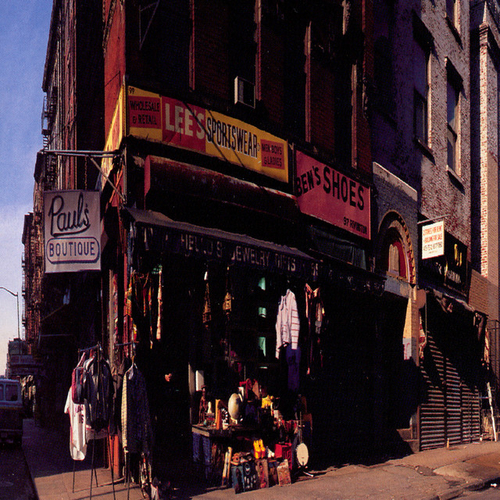
FEATURE: The Basket Case and the Longview: Green Day’s Dookie at Twenty-Five

FEATURE:


The Basket Case and the Longview

111.jpg

IMAGE CREDIT: Spotify 

Green Day’s Dookie at Twenty-Five

__________

THIS year is an important one...

11.jpg

 IN THIS PHOTO: Green Day in 1994/PHOTO CREDIT: Michael Müller

because we get to celebrate albums turning twenty-five! One can say that is the case every year but, in 2019, that means we look back at 1994. I think that year is the best from all of music and it is interesting to see how the biggest and best albums fare this year. I am looking forward to Oasis’ Definitely Maybe (29th August) and Jeff Buckley’s Grace (23rd August( turning twenty-five but, first up, is Green Day’s Dookie. It is unusual for big albums in general to be released so soon in the year but it was clear that, by February 1994, Green Day has entered a new phase and were striking hard! By 1994, Grunge had sort of entered a new time and we had seen the end of Nirvana – that came with the suicide of Kurt Cobain in April 1994. Band like Soundgarden and Pearl Jam were around and, although Grunge was not dead, it was different to what we saw from the likes of Nirvana and their ilk. In terms of Pop, it was a ripe time but there were not a lot of artists providing a balance of Punk and Pop: a nice and fun sound but one with plenty of bite. 1991’s Kerplunk scored good reviews for Green Day but nothing would equal the sort of buzz they received in 1994. Kerplunk has twelve tracks and runs just over thirty minutes; plenty of variety and straight-out smashes meant the Billie Joe Armstrong-fronted band had obvious substance and brains. 1991 was a terrific year for music but 1994 was on a different level!

vc.jpg

 PHOTO CREDIT: Getty Images

What I love is how much freedom there was and how far it is to define the ‘1994 sound’ – there is so much genius from all corners of the musical globe! Dookie was a natural evolution from the band’s successful Kerplunk. Record labels were circling Green Day given their new trajectory and, as rumour has it, a trip to Disneyland was even offered by one label – I’m trying to picture that image and it makes me smile! Green Day were impressed by Reprise and their work with The Muffs so signed to them. The band was moving on and, whilst Dookie is not pure Punk, it is a step in the right direction and brings in a nice balance of Pop. The band wanted to create a sound similar to Sex Pistols: a bit dry but with plenty of raw energy and fun. Billie Joe Armstrong, Tré Cool (drums and guitar) and Mike Dirnt (bass and backing vocals) set to work and, by the end of the sessions, had a tight and incredible set of songs! Songs like Longview and Basket Case became huge hits – the bass line for the former was written by Dirnt whilst under the influence of LSD. Billie Joe Armstrong led the songwriting and a lot of the tracks take from his personal life and have a very confessional feel. Basket Case, the biggest hit from Dookie, is about Armstrong suffering from anxiety – he was diagnosed with a panic disorder soon enough. The song is quite complex and memorable and, as Armstrong said in interviews, he wanted to challenge listeners and himself.

Although there are hard-hitting and tense songs on the album, there are plenty of radio-friendly songs that ensured Dookie was spread far and wide. Green Day would eventually stray away from the radio-friendly sound on future albums but, on Dookie, there was that balance of accessible and edgy. She is an example of Armstrong showing his sensitivity (about a feminist poem, with the same title, Armstrong’s former girlfriend showed him; this song was a response and poem for her). When I Come Around, another monster track, was fuelled when Armstrong and his girlfriend has a falling out and Armstrong had time to reflect. The fact the songs were so frank and open connected with the listeners; many of whom were going through the same sort of thing as Armstrong. Not only did the lyrics strike a chord but the songs’ incredible nuance and catchiness meant Dookie gathered huge acclaim. There were some mixed reviews but most were pretty kind and impressed. In a retrospective review, AllMusic gave their thoughts:

“They were products of the underground pop scene kept alive by such protagonists as All, yet what they really loved was the original punk, particularly such British punkers as the Jam and Buzzcocks. On their first couple records, they showed promise, but with Dookie, they delivered a record that found Billie Joe Armstrong bursting into full flower as a songwriter, spitting out melodic ravers that could have comfortably sat alongside Singles Going Steady, but infused with an ironic self-loathing popularized by Nirvana, whose clean sound on Nevermind is also emulated here. Where Nirvana had weight, Green Day are deliberately adolescent here, treating nearly everything as joke and having as much fun as snotty punkers should. They demonstrate a bit of depth with "When I Come Around," but that just varies the pace slightly, since the key to this is their flippant, infectious attitude -- something they maintain throughout the record, making Dookie a stellar piece of modern punk that many tried to emulate but nobody bettered”.

Pitchfork made some interesting observations in 2017:

“What set Dookie apart from the grunge rock bellowers of its day was Armstrong’s voice, foggy and vaguely unplaceable. “I’m an American guy faking an English accent faking an American accent,” he teased at the time. Though Armstrong’s tone was bratty, his phrasing had that lackadaisical quality that left room for listeners to fill in their own interpretations. On Dookie, Armstrong channeled a lifetime of songcraft obsession into buzzing, hook-crammed tracks that acted like they didn’t give a shit—fashionably then, but also appealingly for the 12-year-old spirit within us all”.

At a time when Green Day’s reputation and quality was not completely established, it could have all gone wrong. 1994 was such a huge year and we were seeing this transition from Nirvana and Grunge to the new movement. So many new bands came through and very few made an impact. Molly Lasker, reflecting on Dookie turning twenty-five talked about its influence and how it changed music in the 1990s:

“The album teetered on the edge; it was too aggressive to be pop and too mainstream to be punk. It was, perhaps, one of the biggest genre-defining releases of the ’90s. It made the entire pop-punk movement possible.

Before Dookie, ’90s rock was bleak, with bands like Nirvana whose brand of grunge was heavier and more dismal than Green Day’s. Dookie wasn’t built on melancholy like Nevermind was. Instead, it delved into themes of sexual orientation, anxiety, masturbation, boredom and ex-girlfriends. It was dewy-eyed and inexperienced, in all the best ways possible...

Yet music critics believed in Dookie, and the album amassed acclaim worldwide. It charted internationally and paved the way for the band to become one of the most prolific acts of the 1990s and early 2000s. Their subsequent releases followed suit; while their later albums didn’t have quite the same impact as Dookie, the band continued their well-deserved ascent to the top”.

I remember entering sixth-form college in 1999 and seeing a lot of bands continuing Green Day’s mix of fun and Punk. Some were quite successful (such as Blink-182) and there were plenty of goofy and insignificant alternatives. By this time, Green Day were moving in a more mature direction but the influence of Dookie is clear. Green Day saw themselves as an angsty alternative to the scene of the time but were worried about the influence of record labels and keeping them in the studio – forcing them into multiple takes to create their vision of a radio hit. Some of those in the Punk scene rallied against Green Day and felt Dookie was a step in the wrong direction. The band did not care at all. When the album came out, the crowds got bigger and bigger and the band felt comfortable with their stadium credentials. Even though the band would suffer a form of identity crisis before long – a Punk band who were mainstream; how could they come to peace with this contradiction? – Dookie became a huge album and took Green Day to the next level. The band is still very fond of Dookie and play some of the album’s songs on tour.

View this post on Instagram

Random thoughts and gratitude for the 25 year anniversary of the big D: We wanted to think of something special to do but we couldn’t quite come up with anything.. Maybe play the record in its entirety at the pyramids in Egypt. Or jam it Machu Picchu ? Exclusive in Viggiano.? Never quite came to fruition.. But never despair. 2019 still has time.. Dookie makes me think about Berkeley a lot. Our house on Ashby and Ellsworth a block from telegraph avenue. Living in a basement with a band called East Bay Weed Company. Our friend Ben Mattick... socialist college girls living up stairs. Coming up with she and coming clean. Riding bikes and bong hits. Turning 21. Pete’s Wicked Ale. Hysterical laughter. Maniacal laughter. Butterball turkey. “The Ashby house” was our little punk house. I would write songs all night and wake up at 2:00 pm. Have a bagel and a coffee on the front steps.. debilitating panic attacks.. my guitar, my Marshall, my 4 track tape recorder. Weird A &R dudes sniffing around. Eventually Meeting producer Rob Cavallo.. we learned so much from him. Playing Beatles songs over and over... Richie Bucher’s amazing ep cover he did for a band called Raúl inspired us to ask him to do the cover art for Dookie. Mike’s G3 bass. Tre’s Noble coolly snare... driving in my old Ford Fairlane hearing Longview on the radio for the first time. Blair Hess. our first show in Italy at a place called in bloom. Wild nights in Barcelona.. having a lot of uncertainty about our future but not giving a shit. Wanting and dreading to be a rock star.. if that’s even possible.. Local punk scene backlash... Fist fights at Gilman street... stress stress stress!! You have to have gratitude for the bad and the ugly too.. Well... that’s the random thoughts I have for now... I hope people keep listening.. cause we’ll keeping playing... love BJ

A post shared by Billie Joe Armstrong (@billiejoearmstrong) on

It is clear Dookie arrived at the right time and was the sort of guiding light the scene needed. The National, when marking Dookie’s anniversary, talked about the need for more upbeat music that wasn’t as doom-laden as Grunge:

“Dookie’s success created an appetite for more upbeat rock, and in the process helped shift the US punk community away from its restrictive principles.

As a result, a slew of once-struggling punk bands embraced the opportunities afforded them, and groups such as The Offspring, Blink 182, Good Charlotte and Sum 41 all commanded, and still do bring in, big audiences and sell an impressive number of albums. Despite their pedigree, the success would have been harder for these bands if Green Day had not charted them a course.

Twenty-five years on, the album and the band has yet to receive the credit they’re due. Like their forebears the Ramones and The Clash, Green Day played an important role in expanding the sound of punk. While they went on to more success with their politically charged 2004 album American Idiot, the reverberation of their masterpiece Dookie still resonates today”.

That sense of timing and arriving just when change was needed was another reason Dookie impacted in 1994 and has endured to this very day:

“However, like most landmark albums, Dookie actually arrived at just the right moment. Some would even argue that it dropped in the nick of time, as the rock genre at that stage was positively humourless. It needed a Dookie. In 1994, Pearl Jam released their rollicking yet bleak Vitalogy, Bush kept the grunge flame alive with their sludgy debut Sixteen Stone and Nine Inch Nails were deathly dark with foreboding opus The Downward Spiral”.

The band knew when to be funny and when to be serious. Dookie boasted an array of singles, each with their own killer video. Green Day had that great blend of humour and attack and seemed to respond to young listeners who wanted the teeth and swagger of Punk but something a little more melodic – even if Green Day themselves were ostracised by some clubs in the Punk scene. Green Day would go on to become more political in time and I wonder whether we have seen another band as potent and important since. By that, I mean one who has managed to create an album that inspired so many so quickly and had that rare contrast of fun and serious. There are a lot of Punk-Pop bands around today and many of them owe a huge debt to Dookie. We look back at the album at twenty-five and it has not really aged at all. The songs sound fresh and a lot of the songs we overlooked the first time have picked up new light and appeal. Dookie is an incredible album and is definitely one of my favourites from the 1990s. Life would change beyond recognition for Green Day and, in 1994, this epic and phenomenal album rivalled the biggest releases. Think about the genus albums from 1994 and you can rank Dookie alongside all of them. From Longview, Basket Case and Burnout to She, When I Come Around and Chump; the magnificent Dookie is filled with gems that are still...

MAKING their mark on music twenty-five years later.

INTERVIEW: Karolina Rose

INTERVIEW:

ZZ.jpg

Karolina Rose

___________

MY interview of the day...

n.jpg

is with Karolina Rose who tells me about her new E.P., Invicta, and the sort of themes/stories that inspired the songs; whether she has a favourite cut from the E.P. and which albums are most important to the songwriter.

Karolina Rose talks about moving from Wall Street to music and where she heads next; her love for Kate Bush and which rising artists we need to look out for – she selects a song I definitely adore and can get behind to end the interview with.

____________

Hi, Karolina. How are you? How has your week been?

Hello! I’m doing well, thanks. I’m on my way to rehearsal. I have a release party this week at Muchmore’s in Brooklyn.

For those new to your music; can you introduce yourself, please?

Hello. I’m Karolina Rose. I am indie singer-songwriter based in Brooklyn. These days, I like to focus mainly on dark, dreamy music.

Invicta is your new E.P. What inspired the songs and the themes addressed?

Invicta is a mix of songs that had to do with my mindset at the time - changing careers and transitioning to a polar opposite pursuit; finding courage to pursue one’s calling/dreams/whatever name you want to give it (Crystal Gem, Going to Berlin), exploring the power of a new love (Move with Me and Love Crazy); attraction to the unknown (Downhill) and exploring dream states (Goodnight, Mr. Moon).

Do you have a favourite song from the E.P.?

It’s between Goodnight, Mr. Moon and Downhill (smiles). They both hit upon a very strong mood and it makes them stand alone for me. Goodnight, Mr. Moon is sort of divulging the secrets of our dream state to process life.

Downhill is that simultaneous feeling of excitement and fear when pursuing something entirely new and unknown. It’s walking right through it and cutting it with a knife.

I believe you left your job on Wall Street before getting into music. What was the reason behind leaving that job when you did?!

It’s something I felt I had to do. Pursuing music has been a gradual evolution for some time and, at some point, I realized my thoughts were entirely consumed by music...so I felt I had no choice but to dive in and walk away.

Do you think you learned anything from your time there that you have brought into music?

My life was enriched in learning and growth with all the lovely people I worked with and I still miss them. I reach out to them often and perhaps in this way I still hold onto to a piece of that world.

nb.jpg

When you were growing up, what sort of music did you listen to?

I listened to a combination of Alternative, Pop; Hip-Hop, Dance music and Polish and French music. I absolutely love Czeslaw Niemen from Poland - check out the legendary tune Dziwny Jest Ten Swiat. The live performance in Sopot in 1967, when he is dressed in a white suit with a bowl haircut, is amazing. It’s hard to find so here’s the only link.

Have you got a favourite memory from your time in music so far – the one that sticks in the mind?

I think the first time I heard the crowd singing back my tunes. I was taken aback. That mutual feedback feeling is really something.

Which three albums mean the most to you would you say (and why)?

So many artists I could mention...

I’d say The Miseducation of Lauryn Hill is quite the masterpiece that I go back to.

Kate Bush’s Hounds of Love - her art has a poetic innocence and goodness that I live for.

Lungs and Ceremonials or any album by Florence + the Machine. I think listening to Florence lent to making me feel empowered to be a singer when I was in the Wall St.-music transition phase.

a.jpg

If you could support any musician alive today, and choose your own rider, what would that entail?

Kate Bush or Debbie Harry!

I’d request a few beautiful plants, an oil diffuser; lavender, very authentic Japanese green tea with pottery set; lots of champagne, some cozy throws and textures and things.

What advice would you give to new artists coming through?

Brace yourselves. Haha, I don’t know. Maybe that living your dream is just lots of work that you can enjoy (a good amount of the time).

Do you think there are going to be any tour dates coming up?

Nothing I can announce yet. Follow me on Spotify, Songkick; Bandsintown or join on my website for the latest updates on that.

Might you come to the U.K. and perform this year?

Oh, I would really love that! I hope so! I’ll be sure to invite you (smiles).

zz.jpg

 IN THIS PHOTO: Blak Emoji/PHOTO CREDIT: Kathleen Reynolds

Are there any new artists you recommend we check out?

Sure! Some of my favorite artists and friends making music I love are Blak Emoji, Janita; Whitney Tai and Mothica.

za.jpg

IN THIS PHOTO: Janita/PHOTO CREDIT: Anthony Friend

Do you get much time to chill away from music? How do you unwind?

Haha. Not at the moment, I’m obsessed. I unwind with movies; anything I can do to spend time in nature, art exhibits or going to friends’ shows.

Finally, and for being a good sport; you can choose a song and I’ll play it here (not any of your music - I will do that).

This Woman’s Work - Kate Bush

___________

Follow Karolina Rose

11.jpg

FEATURE: The February Playlist: Vol. 1: A Sinister Title from Ms. Eilish

FEATURE:


The February Playlist

j.png

IN THIS PHOTO: Billie Eilish/PHOTO CREDIT: Getty Images 

Vol. 1: A Sinister Title from Ms. Eilish

__________

THERE are a few big releases…

c.jpg

 IN THIS PHOTO: Mitski/PHOTO CREDIT: Bryan Derballa for GQ

this week but not many as there have been over the past couple of weeks! Aside from some huge songs from Billie Eilish, Big Boi and The Chemical Brothers, it is a far quieter collection of songs that we are used to. I wonder whether artists are preparing for spring and we will see a lot of mainstream/big releases then. That is not to say this week lacks bite and interest. There are plenty of great songs to have a look out for that should keep you invested and interested. Among the gems are videos/cuts from Self Esteem, Ian Brown and Mitski – more than enough to keep you occupied! Have a look through this week’s new tracks and they should provide plenty of energy and allure. It is a less-epic week, for sure, but among the releases there is…

b.jpg

 IN THIS PHOTO: Big Boi/PHOTO CREDIT: Getty Images

AMPLE gold to be found.  

ALL PHOTOS/IMAGES (unless credited otherwise): Getty Images/Artists

__________

67.jpg

 PHOTO CREDIT: Viva

Billie Eilish – bury a friend

n.jpg

Sophie Ellis-Bextor – Murder on the Dancefloor (Orchestral Version)

bv.jpg

FIDLAR – Can’t You See

vv.jpg

PHOTO CREDIT: Nick McKinlay

Julia Jacklin – Pressure to Party

ui.jpg

Interpol – Fine Mess

uy.jpg

Self Esteem – The Best

hy.jpg

Better Oblivion Community Centre – Dylan Thomas

fg.jpg

Circa Waves – Me, Myself and Hollywood

ju.jpg

Palace – No Other

hy.jpg

Mitski – A Pearl

u8.jpg

IN THIS PHOTO: Big Boi

Big Boi (ft. Sleepy Brown) – Doin It

ki.jpg

Woman’s Hour - Luke

i9.jpg

Bonnie Tyler – Hold On 

b.jpg

The Chemical Brothers – Got to Keep On

67.jpg

White Lies – Fire and Wings

uuy.jpg

Empire of the Sun – Chrysalis

78.jpg

Odette – Lights Out

87.jpg

New Hope Club – Permission

89.jpg

Ian Brown – Blue Sky Day

76.jpg

IN THIS PHOTO: Sam Smith

Sam Smith, Normani - Dancing with a Stranger 

z.jpg

Tom Odell – Go Tell Her Now

fg.jpg

PHOTO CREDIT: Pooneh Ghana

Stella Donnelly – Lunch

54.jpg

Ben Platt – Bad Habit

86.jpg

Nina Nesbitt – Is It Really Me You’re Missing?

7t.jpg

grandson – Apologize

y6.jpg

Claire Richards – 7 Billion

76.jpg

PHOTO CREDIT: Benjamin Street

Emily King – Go Back

pl.jpg

PHOTO CREDIT: Rory James

IDER – Brown Sugar

9i.jpg

PHOTO CREDIT: Natalia Mantini

Soccer Mommy – Be Seeing You

bv.jpg

PHOTO CREDIT: Janne Rugland

Astrid S – Someone New

xx.jpg

Cage the Elephant – Ready to Let Go

aa.jpg

PHOTO CREDIT: Rosie Matheson

Ady Suleiman – Strange Roses

qa.jpg

Girlpool – Pretty

Sports Team – M5

TRACK REVIEW: The NonStick Pans - Man up, Man!

TRACK REVIEW:


The NonStick Pans

1.jpg

Man up, Man!


9.3/10


The track, Man up, Man!, is available via:

https://www.youtube.com/watch?v=RMtYPLKTSSo

ORIGIN:

Blackpool, U.K.

3.jpg

The album, Nineteen Sixty Four, is available via:

https://open.spotify.com/album/0YGu3vwxGbcKqsxbJvfNfV?si=04U4DhGzRUqGmhIGFCmgOA

GENRES:

Alternative Rock/Power-Pop

RELEASE DATE:

11th December, 2018

__________

THERE is a lot to recommend...

vc.jpg

when it comes to The NonStick Pans but, perhaps, lettering is not one of them. That sounds odd but I think it is for artistic affect. The ‘NonStick’ combined as one word (without a hyphen); the title of the new track being spelled ‘up’ instead of ‘Up’ and the album being ‘Nineteen Sixty Four’ - without any hyphens. A lot of artists do this with their song titles and names. Billie Eilish is renowned for putting her song titles in lower-case lettering but, in a packed industry, it sort of stands out I guess. I was not going to expand on it – it was an observation and I wondered whether artists did do it for an artistic affect. In any case, I will focus on the more positive sides of the music. I want to address artists who put their everything into the mix and create a real labour of love. I will also look at those inspired by the sounds of the 1960s and particular acts. I will bring in sounds in general but also look back at the North and ask whether it is here we are finding the most intriguing songwriters today. I will then go on to look at new artists and getting noticed in the modern scene – completing by thinking where The NonStick Pans might head. I do not review entire albums – only the singles – so cannot give you my impressions regarding the rest of the material on the record. I recommend you listen to the whole of Nineteen Sixty Four because, in many ways, its title sort of gives you an impression of the sound and quality. This was the year when The Beatles produced A Hard Day’s Night and Beatles for Sale and there was a great Pop sound coming through. I think The NonStick Pans’ creator has taken to heart this great Pop core and combined it with something very much of his own. There are few artists who put their all into the music and you can hear that incredible effort.

bn.png

I listen to the music on the album and can hear all the effort and love that has gone into it. It seems strange for me to mention quality in music and passion but how many artists do put this much attention and detail into their work? I think there are a lot who really hone and put passion into their music and it can be a really hard slog. That sounds a bit dark but, to get ahead and produce something exceptional, you need to really expend a lot of time and energy. It is clear The NonStick Pans – not sure I will ever get used to that name! – has been away and really worked on the songs to make sure they shine and have that balance of the old and new. I do think there is a lot of pressure when it comes to getting music out there and putting something into the market quickly. I worry that artists have this pressure to put out music fast so they do not get overlooked. As such, I am discovering a lot of music that sounds fairly forgettable and it can be frustrating. Those who take the time out and really work on something fresh do risk losing some traction regarding pace and attention but I think it is the right approach. It will be a while before The NonStick Pans gets to the bigger festivals but that achievement will happen because of the strong material and the fact it sounds so solid. I can imagine him doing some of the Folk festivals or maybe ascending to one of the biggest gigs in years to come. The rich vocal harmonies and tight songs come from someone who has really stood back and ensured the material is as strong as it can be. I love the songs and feel the album, Nineteen Sixty Four, is really solid. One gets something very fresh yet professional when listening to The NonStick Pans’ music. That is rewarding to hear and something a lot of musicians should take to heart.

44.jpg

I think I am drawn to the music because it has that inspiration from the 1960s. You get the harmonies and sunshine from The Beach Boys and there is the melodic sensibility of The Beatles. I think a lot of artists look back when it comes to inspiration and there is nothing wrong with that. So long as you are contributing something new to the older mix and not replicating the artists then that is okay. What we get with a song like Man up, Man! is a modern-sounding theme and storyline but there are those scents of the 1960s. On other songs, one gets a more evocative and potent semblance of the decade and a real love of the time. I do wonder how many young artists coming through will actually take inspiration from the 1960s and whether it is a relevant time. So many parents now are of an age where they did not listen to music from then – or were born in the 1970s and 1980s – and they do not pass that down to their children. I got exposed to music of the 1960s as my parents were born the decade before and this was the music they grew up around. How many parents now look back at the 1960s as opposed, say, the 1990s?! Maybe there are a few who are that bold but it is good to see an artist as young as The NonStick Pans forsake the 1990s – so many are following and working in that decade right now – and go back to that golden age. It is quite lofty following the sounds of The Beatles and The Beach Boys and one might have certain expectations. In this case, you get the shimmering and California-rich harmonies but you also get the northern sensibilities of The Beatles and that sort of blend – not something we hear often in modern music! I think many fear looking at the 1960s because they assume it is quite limited or it is hard to follow those big acts. I think there is so much gold from that time that, if done right, can lead to some sensational music.

8.jpg

What one gets with The NonStick Pans is a nod to that time and a way of writing that does add optimism and light into the blend. Too many modern songwriters are quite moribund and hopeless when it comes to joy and I feel we need to bring the thrill back. I am not suggesting Nineteen Sixty Four is all joy – there are moments of anger, fear and darker mood – but one does feel buoyed and elevated by the music. I often look at the 1960s and think it is that happy time when there was genuine optimism around. Maybe things have changed but I look at modern music and do not think there is as much hope as there should be. I think a reason why people avoid the 1960s is because the music of the time was defined by a certain tightness and catchiness. Bands like The Beatles cut their teeth crafting these three-minutes wonders and bringing something instantly memorable to the plate. Maybe The Beatles and The Beach Boys started getting more experimental after a time but think about their earlier work and it is all about these really tight tracks. I listen to The NonStick Pans and songs do not run on and outstay their welcome. It is refreshing hearing a songwriter who can write a great song and does not feel the need to go past the five-minute mark. Because of that, you get these fairly brief songs that pack a lot in. I do love the sense of energy that runs through and a distinct accent. Too many people, when replicating 1960s sounds, tend to Americanise their accent or mimic other artists. You can tell our hero has not done that and keeps his true voice strong. I have been looking away from the North quite a bit and focusing on London to an extent. It is good to have the chance to go back to an area of the world that is producing sensational music.

99.jpg

The NonStick Pans is based in Blackpool and, aside from Jethro Tull, there have not been that many big artists from that part of the world. Lancashire in general is a productive and epic spot for music and I can see why artists are not willing to leave there. When I am faced with a northern artist, I often wonder whether they will move to London but, in a lot of cases, they stay put. I think this is good because it shows there is an audience there and venues willing to put them up. Down here, we have a lot of venues closing and it is becoming very packed. It is harder to get attention and I do wonder whether we have reached a saturation point in London. I feel there is still too little attention paid to northern artists by the big websites and papers. Think about the great bands like The Beatles and one would think they alone have done enough to ensure the North does not get overlooked. Today, there might be fewer legends here than there was in decades past but I am seeing a great new crop grow. I do like the fact there is more personality and variation in the northern sounds. I feel artists have less stress on their shoulders and write more honestly. Maybe that is because of economic divides or it might be the natural personalities of the people. Whatever the reason, I love music from the North and it definitely deserves more acclaim and focus. Let’s look at somewhere like London and whether it is possible to distinguish artists here. There are countless great acts here but how easy is it to find them and stand them aside? Because of the pace and crowded nature of the city, I do wonder whether a lot of acts are getting buried and overlooked. Compare that to somewhere like Blackpool and it is a lot easier to unroot the very best. Maybe The NonStick Pans will locate to Liverpool or Manchester in the future because I think there are more venues and labels that could catch his eye.

b.png

I think Liverpool especially is a city that is coming back with force and attracting a lot of young musicians. It is the history and heritage of the place that beckons them in and, as a result, leads to fantastic music. Why do we tend to ignore the North and concentrate too heavily on London? Maybe some of us are bolder but it seems to be a media thing. I am discovering so many great northern acts emerging and wonder whether they are being exposed. There is a definite split in terms of voice and narrative when one compares the South and North. I love the more humorous, natural and varied sounds of the North because you get all these extra elements. One gets charm and humour mixed with something deeper and more serious. It is hard to define but I think northern artists approach music differently and put more of themselves into the songs. Listen to The NonStick Pans’ love of 1960s music and that fuses brilliantly with his natural surroundings. One gets a blend of the modern and of-the-moment with that dreamy and wistful nod to the 1960s. There is also a great mixture of Britpop-era sounds that, perhaps, is a time he dimly recalls. Many artists are inspired by the 1990s but I wonder whether they find it hard to match the sense of energy and hope that came from Britpop. Instead, many are looking at Grunge and the American Alternative scene from that time. Maybe it is not exclusively a northern thing but I love that mixture of decades and what comes out in an album such as Nineteen Sixty Four. Take a listen to the whole album and one gets so many great stories and combinations. I wanted to feature a few other songs in this review but I feel I will only give them a slight nod. I have picked Man up, Man! because it is especially strong and a song that has received a lot of attention. I shall come to that in a bit.

1.jpg

It is hard to stand out nowadays and I do wonder what life is like for a new artist. A lot of the time, there is so much to consider and quite a task ahead! Think about all the social media factors and the fact you need all these different accounts. By the time you have them going, you need to promote yourself and, with each new track, there is this cycle and pressure. One needs to keep the focus strong but also ensure other factors are considered. By that, there needs to be regular updates on social media and one will always be pressured to gig. Most artists love to perform but, alongside gigging, you need to look ahead to yet more material and ensuring you are ahead of the competition. It is hard for every artist but I think those coming through right now have it hardest. That might sound scary for The NonStick Pans but think about all the work that must have gone into an album like Nineteen Sixty Four. The songs need to be memorable and fresh and the quality has to be there through every stage. When the album is done, it needs to be promoted and the music needs to get the attention of the public and radio stations. The NonStick Pans also needs to push the music on social media and get as much press as possible. It is exhausting promoting the work, let alone being successful and ensuring enough people are invested. It is impressive when one comes across someone like The NonStick Pans because you have this very professional and assured artist. So few artists have good social media numbers and pages but his are impressive and always growing. The music is solid and the visual aspect is very pleasing. Given the fact the 1960s-inspired sounds have led to these great images from The NonStick Pans, I wonder whether even more photos could be provided with this sort of aesthetic – I love the shots that are out there that sort of shows the hero as a Scott Walker-type figure.

66.jpg

I think, if an artist does not rush and takes time, they can get everything right. There is this pressure to get stuff into the ether and so much competition around. Many get stressed because they always have to get their music out there – I think this is quite dangerous. It can be stressful putting together music and succeeding today but I think originality and a unique sound can do a lot of the work. That might sound tricky considering the number of artists around but it is not impossible. The NonStick Pans has this brew of the 1960s and 1990s and joined that to this rather striking and personal tone. As such, one gets a little nod of familiarity but there is this chemistry that nobody else has. I feel so many modern songs are quite dour and lack any sense of happiness. People want to discover music that can make them feel better and is not always so downbeat. Musicians today need to think about why we listen to music and the power it holds. If everything is too ‘real’ then that provides little escape and can actually create something negative. Those who manage to be personal and honest but ensure there is light and colour in their sounds will get ahead a lot quicker than those who are all bleak and too insular. It is a promising and big start from The NonStick Pans and I feel he can success and grow if he remains true to his core and sound. The 1960s-scented material is fantastic and there are few other artists out there who sound quite like him. I should get onto the new material of The NonStick Pans and a song that mixes the classical sounds of The Beatles with something quite today-focused and vital. It is a song that conveys a very important message but enriches you with its colours and energy.

vc.jpg

I am always interested in how a song starts and what approach an artist will take. Do you go in quite urgent and try and grab them in the first few seconds – like The Beatles did so effortlessly – or does one build the mood and not give too much away at the top? In the case of Man up, Man! there is this rather instant and alluring start. The drum sort of roils and rollicks and you get this burst of energy and Pop magic before a word is spoken. It is a nice and unexpected introduction that gets you involved straight away and represents what The NonStick Pans is all about. The hero talks about someone who is the “king of the world” but is unable to jump for joy right now. Although I have mentioned bands like The Beach Boys the vocals, in fact, have a little touch of singers Paul Heaton and Paddy McAloon. I am not sure how familiar with them The NonStick Pans is but one gets this soulful richness in the voice. It seems like this is this rage building up (in the subject) but this is being replaced by joy. The song’s title might sound like something that is being avoided in modern music: that ‘man up’ sentiment and just getting over something. Here, it is used in a humorous and conversation way and there is never a sense the hero is trying to undermine a subject or create tension. In fact, the vocal is consistently light and breezy but has so much texture and heart. One definitely hears the influence of the 1960s because of the general energy and skip of the track. It is impossible to listen and not be moved by the music. The composition is fairly sparse but the sturdy percussion gives plenty of kick and guidance. It is the vocal and the alacrity of The NonStick Pans that creates the biggest draw. It seems like the song’s hero is someone who has been through a lot and, in some ways, needs to do some growing.

bn.png

Maybe the title – Man up, Man! – is more a call for maturity than balls. In some ways, the song commentates on the way we approach feelings and our emotions. Are men pressured into being quite angry and distant and not letting their true emotions out? Is toxic masculinity and ignorance still too present and dominant? One can approach the song from different angles and it is interesting picking things apart. Perhaps this is a song that addresses a particular subject and the way they have approached life but there is that wider vision. I love how, in spite of everything, the man keeps the song cheery and delightful. There is a sheer infectiousness and sense of rouse that gets the words to life and puts them in the brain. It seems like, the more the song goes on, the more it applies to the general population. I get the feeling The NonStick Pans is looking at the way men are expecting to have this mask and what that is doing to the mental-health of many. Is it time we sort of broke from that parable and encouraged more openness? I think there are a few songs that carry a similar message but very few in such an uplifting way. Maybe the tone and sound is ironic in a way: the rather happy delivery is a way of hiding something more troubling and serious. Listen to the rest of Nineteen Sixty Four to know there are plenty of other happy moments but, in this context, the sound carries particular punch and weight! The chorus is instantly memorable and I do love the way new instrumental elements come in near the end. We get a blast of horns and there is this growing mood. The lead vocal is consistently strong and soulful and it adds so much to the song. You are invested all the way through and wonder if there is this particular man in mind. The hero talks about someone who has bottled things up and might not be in the best headspace right now. In a larger sense, there is this wider message that looks at masculinity and whether we are telling men to hide things and not let their emotions out. By the time Man up, Man! comes to an end there is so much to look back on and ponder. The song itself is great and has this perfect energy and fusion. I kept coming back to it because you get this release and explosion. It is a wonderful song but one that carries weight and a serious lyric. Many will have their own interpretations regarding the truth and story and I hope that I have gone some way to explaining it. Make sure you investigate and get behind the wonderful tune. It is the perfect example of what The NonStick Pans is all about and what defines his sound. Let’s hope there are many more albums from the man!

44.jpg

I think this year will be a big one for The NonStick Pans. I am not sure whether he has any tour dates coming up and what is in the diary. I would love to see a U.K. tour and a collection of small dates that brings the Nineteen Sixty Four album to the people. I stated he is based in Blackpool and asked whether he might move at some point. There are some great venues where he is but, actually, he is not too far from Manchester and Liverpool and it is not such a trek getting that way. Maybe London is more of a trek but there are a lot of venues that would put him up and give him some stage time. I love the record and feel the song titles alone are worth exploring! Somehow Girl, Jennifer String and Ignota are favourites of mine and you listen to the song just to see whether the inspiration behind those titles is revealed! I think it is great the album is out there – it was released last year – and there is a chance to release a few singles/videos from it. That will give The NonStick Pans a chance to bring to life some of the bets cuts and get the music to new audiences. He is active on social media and building a small fanbase at the moment. That will increase when more airplay comes and he tours a bit wider. I know there is that demand already and the incredible songwriter has been noticed by critics. I love how the music has that effortless blend of natural tones and the familiar sounds of The Beach Boys and The Beatles. That means those who grew up in the 1960s will find much to love but one does get a smash of the 1990s and, in every moment, sounds of the here and now. The strong songwriting is evident and the songs get into the head without much struggle. I predict The NonStick Pans will go far and it will not be long until he is...

8.jpg

TAKING these songs all around the country.

___________

Follow The NonStick Pans

99.jpg

FEATURE: Sisters in Arms: An All-Female, Winter-Ready Playlist (Vol. VII)

FEATURE:


Sisters in Arms

g.jpg

An All-Female, Winter-Ready Playlist (Vol. VII)

__________

AS the snow has come in...

n.jpg

 IN THIS PHOTO: Celeste

and it is definitely wintery right now, it is time for a collection of songs – fresh and a few that are a bit older – that will warm the bones and get you in a better mood. There are some winter-flavoured songs in the mix as well and it is another spread of great female-fronted tunes that is guaranteed to do the job. I think we need music right now to give us some energy and something special; to get us all in a better frame or comfort us. Before thinking about the weekend, have a look at these great songs and there will be something in there for you, I am sure! It is another collection of special songs that, on this snowy day, is perfect for when you just want to stay inside and...

7.jpg

 IN THIS PHOTO: Lauran Hibberd/PHOTO CREDIT: Nathan Russell

DO nothing.  

ALL PHOTOS (unless stated otherwise): Getty Images/Artists

____________

3.jpg

PHOTO CREDIT: Timothy Cochrane for Loud and Quiet Magazine  

Lucy Dacus – La Vie En Rose

Kelsey Lu – I’m Not in Love

vv.jpg

Elsa Hewitt – Tiny Dancer 

22.jpg

ALMA – When I Die

b.jpg

Broods – Peach

n.jpg

Hubert’s Friend – Shipping Forecast

21.jpg

Ora the Molecule – Sugar 

bb.jpg

Soccer Mommy – Be Seeing You

77.jpg

PHOTO CREDIT: Jani Ugrin

Anja Kotar – Kids

ZX.jpg

Dani Le Rose – Shellshock

jh.jpg

I Am Snow Angel – Mothership

b.jpg

Anna Wang – Ritual

78.jpg

Kelsy Karter - Harry

ht.jpg

Lauran Hibberd - Sugardaddy

65.jpg

Astrid S – Someone New

PHOTO CREDIT: Pooneh Ghana

Stella Donnelly – Lunch

87.jpg

Olivia O’Brien – Love Myself 

76.jpg

PHOTO CREDIT: Rory James

IDER – Brown Sugar

12.jpg

Sofia Wolfson – Nothing’s Real

az.jpg

PHOTO CREDIT: Emma Swann for DIY

Ex:Re – New York

65.jpg

Gia Woods – Jump the Fence          

89.jpg

Rosie Lowe – Birdsong

bn.jpg

Celeste – Father’s Son

aq.jpg

Polo – On My End

cd.jpg

Haiku Hands – Dare You Not to Dance

INTERVIEW: Jacob Henley

INTERVIEW:

8.jpg

Jacob Henley

___________

WITH Train Rider out today...

22.jpg

I have been speaking with Jacob Henley about its creation and what he has coming up; what it is like putting his debut track out there and which artists he is inspired by – Henley reveals albums that are important and influential to him.

I ask what it was like working with Ralph Murphy on Train Rider and which new artists we need to look out for; how he relaxes away from music and whether Henley will tour soon – he picks a good song to end the interview with.

____________

Hi, Jacob. How are you? How has your week been?

Hello! BUSY. Ahahaha. Over the last few months, my whole world has been releasing this single it seems. It’s been a battle but it’s going to make having it out into the world so much sweeter.

For those new to your music; can you introduce yourself, please?

Well. My name is Jacob Henley and I’m a singer/songwriter from Canada, now living in Dublin, Ireland. If I had to describe my sound I would describe it as ‘Guitar-Driven Pop’, with influences such as James Bay, Shawn Mendes; John Mayer, Hozier - with nods to the artists I grew up listening to such as Leonard Cohen, Joni Mitchell etc. I’m a big fan of songwriters; I’ve always been a big fan of songwriters and the craft of taking real life stories and turning them into songs. I just love writing songs whether it’s for myself or others. It’s always been a love for me.

Train Rider is your debut single. Is there a history behind the song?

I wrote Train Rider about three years ago. I was taking a train to Toronto from where I live and I was enjoying the scenery of the ride (the train runs right beside Lake Ontario) and I saw a man and woman exchanging looks and smiling from across the seats. They didn’t know each other but they were smiling and seemed to catch themselves looking at each other, before looking away quickly, realising they’d been caught.

I wondered, in my head, if those people would work up the courage to talk to each other or if they would just let it pass them by. It sparked the influence and the song is really a story of finding love in unexpected places and taking chances.

You wrote it alongside Ralph Murphy. How did you come to work with him?

I actually started the song with my cousin Andrew Dawson (Gold Complex) who’s a writer and fantastic artist in Toronto and my friend Ryan O’Shaughnessy who is also an incredible writer and artist. We all met in Toronto at Canadian Music Week and one day we got together and wrote Train Rider in Andrew’s back garden in downtown Toronto. We then sent the song to my friend and mentor Ralph Murphy in Nashville who worked his magic on the song and finished it off!

Train Rider is your debut track. Are you excited to see how it’s received? What comes next?

This song has been a battle. I’ve been planning to release music for the last three years - but, for some reason, it didn’t work out or it didn’t feel right. In hindsight, I’m glad that I waited. I have grown so much in that time as a person and I feel like I am more sure of who I am now than I was back then. It’s got to feel right when you are releasing music in the world and I feel like I’m finally in a place where I can put this song out into the world. I’m excited to see how people feel about the song for sure! Every artist wants their music to be enjoyed and every artist wants their songs to be played.

33.jpg

However, with Train Rider most of all, I would love it if someone related to the song or if it made them feel. The thing I love about music is the feelings it gives me. I remember the first time I heard Suzanne by Leonard Cohen; I remember the first time I heard Guiding Light by Foy Vance; I remember the first time I heard Thunder Road by Bruce Springsteen – I remember exactly how I felt at those moments. I would love for people to have that reaction to my music, like I had to those artists’ music.

I’ve got plans to release more music this year and am currently in the process of recording my next single. The plan is to play as many shows as possible and get my songs out there! 2019 is going to be a busy year and I wouldn’t have it any other way.

You began life in Canada but are based in Dublin. What inspired that move?

I’m from a small town called Newcastle, Ontario (Canada). It’s a small town outside of Toronto. I moved to Dublin about ten months ago for music but I’ve been writing/performing in cities across North America and the U.K. for years - cities like Nashville, Toronto; Montréal and London.

I went to Dublin in 2015 and as soon as I left I had this desire to go back. I went back in September 2017 and as soon as I left that time and landed in Canada, I knew that I wanted to move back there. I don’t know how to explain what inspired the move but all I can say is that it felt right. I’ve been so productive here and have met so many like-minded musicians and writers that this is where I want to be right now. I adore Canada and it will always be my home, but Ireland just feels right for me right now.

44.jpg

What is the Dublin music scene like? Is it a great place to create?

Incredible. I think that the Irish music scene in general is pumping out so many incredible artists and songwriters. There is so much talent in this country and it’s steeped in their culture. Everyone and their mother can sing. Ahahaha. There’s something about this country that is so inspiring. I find that Ireland and Canada are very similar. Canada has pumped out so many great artists and songwriters but they are often overlooked and I feel like Ireland are the same. However, I feel like that’s changing with the power of the Internet and Spotify etc.

Have you got a favourite memory from your time in music so far – the one that sticks in the mind?

There are so many. But, one for sure that always pops in my head is when my friend Neil Sanderson (Three Days Grace) saw me playing in my hometown pub in Newcastle, Ontario (when I was fourteen-years-old) and he said “Hey, kid! Wanna go to Nashville at the end of the month?” and I did what any kid dreaming of being a Rockstar would do and said “Let me ask my parents!” Ahahaha. We went down and met Ralph Murphy - it all kind of started there.

Do you have a list of artists who you draw influence from? What sort of music did you grow up around?

I come from a very musical family. Not everybody plays but everyone loves music and loves a variety of music. My dad is an incredible performer and great singer so I drew a lot of influence from him. But, I remember growing up and there were always loads of singer/songwriters playing around the house like Leonard Cohen, Joni Mitchell; Neil Young, Carole King; Bruce Springsteen etc. so I was heavily influenced by artists like that.

But, recently, I listen to a healthy dose of everything. Whether that’s James Bay, Shawn Mendes; Julia Michaels, Ariana Grande or any of the music that is doing well in the charts - I find myself listening to all of that. HOWEVER, I always go back to my old favourites.

Which three albums mean the most to you would you say (and why)?

The first Leonard Cohen album, for sure. I’ve never had an album that has moved me more than that album. It is such a masterpiece and his songwriting is so visual. Forever my favourite.

I’d say Foy Vance’s Closed Hands, Full of Friends album. Again, such a visual album and so perfect.

Then I would have to say Abbey Road because every songwriter has to have ONE Beatles album on their list and the whole album is a masterpiece.

Also, just a bonus…I would have to say Songs in the Key of Life by Stevie Wonder. MASTERPIECE.

87.jpg

If you could support any musician alive today, and choose your own rider, what would that entail?

That’s a tough one. I don’t really know! I’d be grateful to open up for anyone. Maybe a bar or two of chocolate back stage wouldn’t go astray…ahaha

What advice would you give to new artists coming through?

Well. I would say this: put in the work. Go out and gig as much as possible, promote yourself on social media; write as MUCH as possible with as many different people as possible, put yourself in situations out of your comfort zone. Go to a conference, network; write with someone out of your genre. But, most importantly, be a good person. Good people are remembered for the right reasons.

Do you think there are going to any tour dates coming up?

I have plans for gigs coming up, starting with Train Rider’s single launch on 11th February at The Workman’s Club in Dublin with support from Tim Chadwick and Josh Gray. But, there will be more over the coming months and they will all be posted on my socials and website.

11.jpg

 IN THIS PHOTO: Gold Complex

Are there any new artists you recommend we check out?

Gold Complex, Ryan Mack; Tim Chadwick, 1000 Beasts; Laura Elizabeth Hughes, Ryan O’Shaughnessy; Kolumbus, Josh Gray; Orchid Collective and Zapho - those are just a few of my friends who I think are incredible.

 IN THIS PHOTO: Laura Elizabeth Hughes

Do you get much time to chill away from music? How do you unwind?

I watch A LOT of ice hockey. Ahaha. You can take the boy out of Canada - you can’t take the Canada out of the boy. I love walking around the city, spending time with my friends and writing. It’s important to enjoy your breaks - it keeps you fuelled for your work.

Finally, and for being a good sport; you can choose a song and I’ll play it here (not any of your music - I will do that).

Lord (It’s Okay) - 1000 Beasts

___________

Follow Jacob Henley

bv.jpg

FEATURE: Going Bad: The Problem with Hip-Hop and Genres with Huge Male Dominance

FEATURE:


Going Bad

09.png

IN THIS PHOTO: Nicki Minaj has regularly talked about sexism and misogyny in Hip-Hop and Rap/PHOTO CREDIT: Getty Images 

The Problem with Hip-Hop and Genres with Huge Male Dominance

__________

IT is rare one of my tweets provokes a debate...

but I was engaged in one with someone I had not conversed with before – a rapper and musician who responded to an observation I made regarding the line-up for this year’s Wireless. This festival has changed through the years and is mostly a Hip-Hop/Rap event now. I noted how, over the three days of the event, not even twenty-percent of the total line-up is female! Cardi B is the only female headliners at Wireless and, whilst this is not new regarding the rest of the festivals – there are none in this country who have more than one female headline act –, there is usually a closer gap between men and women on the rest of the bill! Wireless, through the years, has not been great when it comes to gender equality but this year’s line-up is especially biased and male-heavy. I think any festival that has a glaring imbalance needs taking to task as we are to assume, I guess, there are very few women capable of filling the slots. The first point that was addressed after my tweet was the fact that festivals are based on meritocracy: acts are booked because they will sell tickets and, to that extent, this is why we see the Wireless bill we do. I contested the fact there are so many able and willing female Hip-Hop acts that have been overlooked; other festivals are promoting men above women and it is not really a case of booking based on quality/popularity.

 IN THIS PHOTO: Carrie Underwood has spoken out against sexism in Country music, showing the problem extends beyond Hip-Hop and Rap/PHOTO CREDIT: Getty Images/Press

Look at all of the festival announcements and bills and one could argue a case to have more women on all of them. There have been glaring omissions and, whilst a lot of festivals are improved from last year, I do not think any are close to a fifty-fifty gender split. From a purely talent-based ratio consideration, between the new and older artists, one cannot say men outrank the women! I do not care what genre you are talking about but there is not a huge divide in that respect. Certainly, when it comes to Pop, Rock and Folk…why are festivals not recognising the fact the gender gap should not exist?! It was raised – in the Twitter chat – whether there are certain genres that encourage men and are seen as naturally male-focused. If you think about Metal and the heavier side of music, it is mostly owned by men and we can apply this to other genres like Grime. I think, in the case of Metal, there is not as huge a desire among women to play that style of music – or maybe there is. One cannot assume genres are tilted towards men because of apathy from women; a sense of a distinct sound only being worthy in the hands of men. I am discovering a lot of great female Alternative and Punk bands coming through.

Not only are many experiencing discrimination and not being booked by festivals but many others are keen to go into Metal but feel that is a boys’ club and they will not be accepted. I do not think it is a matter of women not being interested in certain genres: the issue is more regarding the nature of these genres and whether they are welcoming to women. Gaps are narrowing but there are still genres hugely imbalanced. One might say that what is the problem so long as great music is coming through? Why sweat about festival line-ups as long as the artists booked are the best choice and will get bums in. As I contested, I do not think festivals reflect merit and the realities of music. If one is to believe that more men are worthy than women when it comes to festival places then that is ignorant. We can get much closer to a balance at festivals without having to compromise on quality – in fact, I feel there is more diversity and passion to be found in the music coming from women! I feel like there are genres that put off women because they feel their voices will not be heard. Look at the covers of music magazines and, more often than not, they are populated by men.

ll.jpg

 PHOTO CREDIT: @Roxannemusic 

Magazines that cover genres like Metal are male-heavy and, whilst that may be a reaction to the balance of the genre, are we doing as much as possible to encourage and promote women – given the fact there is that desire and every genre is stronger when there is a blend of men and women?! The majority of the conversation I had with this Twitter user regarded Wireless and the proliferation of men. He argued there are more male rappers because women are not as interested in the genres (Hip-Hop/Rap). He was not too concerned about the imbalance and argued the fact other professions were heavy in favour of the men – do we complain when we see more male plumbers than female?! I feel these arguments are specious because the reason for gender imbalance in many professions IS because of a lack of interest (from men/women) and I not as concerned if my plumber is male or my hairdresser is a woman. Music is an equal field and there are as many women playing as men. As such, we need to wonder why certain genres are imbalanced and dominated by men – I do not think you can say any genre is heavy with females (even Pop). Hip-Hop has always been male-focused to a degree and I wonder why this is. I know of many women in Hip-Hop and Rap who either do not get focus or they feel unsure stepping out. They think the market is too skewed or there is a deeper and more worrying issue: the nature of lyrics in the genre.

A lot of make Hip-Hop and Rap artists have been accused of sexism and misogyny through their lyrics. Can you think of a genre that has such a reputation for sexism and misogyny?! Thinks have improved and the days of Eminem making the news for his views on women (and the L.G.B .T.Q.I.A. community) are over. I still feel like there is too much casual sexism - and a lot of Hip-Hop/Rap songs promote messages of men abusing women, treating them badly and talking about them in very crude and disrespectful tones. It does not apply to everyone but there is far more controversy in Hip-Hop than any other genre I can think of. One might retort the fact Hip-Hop has always been like this and few have raised eyebrows. Hip-Hop is my favourite genre and I have so much respect for the artists who have defined and evolved the genre. The thing is, I am always uncomfortable listening to artists who are sexist and my favourite Hip-Hop albums talk of political change and betterment – not those who disrespect women and feel like they are second and inferior. I respect those who are not concerned about the gender imbalance in music but it does bother me. It is clear thee is sexism in all genres and festival line-ups are not based on merit and the finest; studios are not male-heavy because women lack ability and music labels are not run by men because women lack the acumen and business mind.

Hip-Hop has always had a problem and I wonder whether, whilst other genres have improved and moved on, the boys are still very much unwilling to bend here. Maybe we have lost the more coarse and extreme Hip-Hop/Rap artists from the scene but the Wireless bill reflects something deeper and more complex than mere sexism or a lack of visible women in Hip-Hop. I will end with a point regarding intent and whether sexist/misogynist lyrics in Hip-Hop are designed to sell or whether the artists believe them – or whether it is a case of history and doing things the way the forefathers did. One does not have to search too hard on Google to find articles exploring sexism and hate in Rap/Hip. Here an article that raises interesting observations:

“One such example is the saturation of rap and hip hop music with misogynistic lyrics that hypersexualize and give little to no respect to women. On Feb. 24, 18 out of 25 of Billboard’s top rap songs—most of which are also classified as hip hop—had lyrics referring to women as “bitches,” “hoes,” or “whores.” While the core message of most songs do not line up with such belittling rhetoric, these words saturate the songs with misogynistic undertones, and their presence in so many top songs indicates how pervasive said undertones are.

The overt lionization of infidelity is similarly prevalent and problematic. One doesn’t have to venture far to find an example of this glorification. In “Gummo,” number 12 on Billboard’s Top 25 as of Feb. 24, 6ix9ine says, “Your girl on my phone / she wanna fuck but… I only want the jaw / that’s really all I use her for as I kick her out the door.” The next song on the chart, A$AP Ferg’s “Plain Jane,” contains equally demeaning lyrics: Towards the middle of the song, he says, “I fuck yo bitch for the irony.” These misogynistic lyrics run contrary to the progression of gender equality. At a time when some of the nation’s most power leaders have undercut the social strides we have made as a country, it is important to be vigilant in denouncing misogyny and to be careful to not take these aspects of rap and hip-hop to heart”.

1q.jpg

 IN THIS PHOTO: Lil Pump/PHOTO CREDIT: Getty Images

There are cases where, a lot of the times, artists are using explicit language and degrading images simply to get gain popularity a largely male audience. I looked at this article from GQ and wondered, when considered some of the points, how women feel hearing songs that are offensive and disrespectful:

“That being said, Kanye West & Lil Pump’s “I Love It” was condemned to the trash pile as soon as I heard Pump open with “You’re such a f**kin’ hoe”. There’s an argument that the inclusion of Adele Givens saying, “Cause you know in the old days they couldn't say the shit they wanted to say/ They had to fake orgasms and shit/ We can tell n*****s today, ‘Hey, I wanna cum, motherf**ker’” as an intro and outro subverts the outright degradation of women in their lyrics, magically transforming “I Love It” into a song about sexual liberation. To me, it reads as an insurance policy add-on, a crash mat for West and Pump to bounce back off as soon as someone tells them that, actually, it’s not very 2018 to tell a woman that you “like a quick f**k” and that you’re willing to buy her a boob job in exchange for a blow job”.

Afropunk expanded on these points:

“Writer Mychal Denzel Smith wrote in The Nation about “Rap’s Long History of ‘Conscious’ Condescension to Women”, following beloved rapper Lupe Fiasco’s apparent slut-shaming in his track ‘Bitch Bad’ in which the chorus goes “Bitch bad, woman good, lady better”.

So, when even the “conscious” rappers have problematic lyrics, we have a long way to go. And the first step is to admit it to ourselves and hold ourselves accountable to take down patriarchal views of women once and for all”.

I have only selected a few cases: there are numerous articles, as recent as last year, that explore sexism and misogyny in Rap/Hip-Hop and how there seems to be no end. If a male Pop artist was talking offensively towards women then he would receive condemnation, given the fact there are a lot of women in Pop. Look at Hip-Hop and it seems there is this rather casual attitude. Nicki Minaj, as this NME report from 2017 found, had to fight to have her voice heard on a record:

“This was so nice of you my love, thank you,” wrote Minaj, before commenting that, “In any field, women must work TWICE as hard to even get HALF the respect her male counterparts get. When does this stop?”

Yesterday, Minaj wrote on Instagram that Kanye West’s track ‘Monster’, on which she guest raps, was almost cut from ‘My Dark Twisted Fantasy’. Jay-Z, Rick Ross and Bon Iver also worked on the single”

“Kanye called me to tell me Jay put a verse on this song & that he was still deciding if he would put it on his album,” Minaj wrote. “It was like an hour-long call where I tried to convince him to let the song stay on his album”.

Regardless of whether there is genuine meaning and personal belief in the seedy and offensive lyrics, one need only look at music videos and see the way women are almost seen as possessions. This article illuminates the extent of the problem:

“Women tend to be objectified in music videos. They are like props. They make the video look cool and sexual so that people will be more likely to watch. Why? Because sex sells, that's why. Women who rap know that sex sells and they use this to their advantage. Think about it, would you feel the same way about Nicki Minaj if she didn't flaunt her round ass in almost every video? But she has to flaunt her sexuality. Otherwise, some people wouldn't give her any attention, even as a talented rapper. Moreover, ironically she is also bashed for how she looks. There is just no winning...


The truth is that people don't want to hear female rappers unless they are society's standard of beauty, even though beauty comes in all shapes and sizes. I just want to say, from a bisexual black woman's point of view, that I don't want to see someone's ass every time I turn on a music video. To me, it's old. Let's see something no one has seen before, like I don't know *gasp* premeditated creativity. Instead of the norm being bubble butts in the camera. I'm over it. Women are over it. We don't want to see it.

I will say that this is not the case for all rappers. Some artists are creative with the visuals for their music. I am only referring to the rapper that you pictured in your head when you read the above paragraph”.

I do agree there have always been men in Hip-Hop and the imbalance has been there from the very start. I also agree that some genius albums have come from male artists here. It is undeniable that Hip-Hop is among the most powerful fountains of music out there…but I wonder how much of that comes from attitudes to women and causing controversy. I feel many women are being overlooked or not coming into the genre because of the messages being presented by male artists. I have to make it clear I am not talking about ALL artists - but there are some huge stars who feel it is okay to have this rather unseemly approach to women. One wonders whether they write and perform this way to shock and bait or whether they feel this way. There is some truth in the fact a lot of the most blatant cases of sexism and misogyny occur because that artist wants to shock and they feel that is what makes them appeal. I think the problem with sexism extends to communities and the way men in Hip-Hop and Rap have viewed women for decades. Many feel women are possessions and an accessory; they are arm candy and have to be quiet - not meant to be equal or play any other role than being their toy. That may sound extreme but, again, one does not have to search too hard to know there is truth there.

I wonder how far we have come since the 1980s and whether, in fact, the issue has worsened with the rise in male artists and the fact there is little condemnation from record labels and those who buy the records. Even if a lot of the Hip-Hop customer base does not object to the sexism available in some songs, does that mean it is okay?! To balance out the accusation and blame, here is an piece that highlights cases where Hip-Hop artists, men included have fought against sexism. There have been, as this article shows, recent cases of rappers making the news for the wrong reasons:

“The most pointed example of our acceptance of such immoral actions is embodied through one of Americas trendiest rappers: XXXTentacion.  “I’ma f*** ya’ll little sisters in they throats. I swear to God anybody that called me a domestic abuser, I’ma domestically abuse your little sister.” So says XXXTentacion in an Instagram rant, responding to his domestic charge allegations. This is not the first time the rapper, born Jahseh Onfrey, has dabbled with violence in his short 19 years.

Another instance in which the public places more focus on a rappers musical success over their moral obligation is in the instance of R. Kelly. R Kelly is still widely acquitted and it seems many seem quick to forget R Kelly’s quickly annulled marriage to then 15 year old Aaliyah (he was 27). Kelly was and still is a predator. He was acquitted on 14 counts of child pornography back in 2008 and it was only recently that news emerged of the singer’s ‘sex cult’. Despite this, his songs are still played at family weddings and at the end of mediocre student nights and no one seems to blink twice. These stories of Kelly are normalized by the media, in favor of covering his topchart songs.

CARDI-B-GUSHES-ABOUT-MOTHERHOOD-MORE-1.jpg

IN THIS IMAGE: Cardi B (who will headline Wireless this year but is a rare example of a female artist headlining a Rap/Hip-Hop festival)/IMAGE CREDIT: Getty Images 

Whilst sexism and misogyny are present in many genres – Country is a stark and worrying example – is there a culture in Hip-Hop where women have to be subservient and have this rather diminished role?

“As females, we are taught by society and the media, that good-mannered girls apologize. “Sorry” had become a bad habit that slipped out of our mouths before we could stop it. This so-called harmless word had subtly changed not only how we are perceived, but how we understand ourselves. In Amy Poehler’s book, Yes Please, she wrote an entire chapter on apologies, and explained that “it takes years as a woman to unlearn what you have been taught to be sorry for.” However, female rappers have tried to reclaim their music by empowering women. Feminist rappers like Queen Latifah, Yo Yo, and Roxanne, speak their minds on issues that truly matter, but this isn’t unusual in pop culture. Queen Latifah’s rap surrounds the idea of women promoting other women and makes explicit assertions of female strength.

We need more female, commercially successful voices in hip-hop. The generation of fierce, empowered femcees of the late 80’s and early 90’s (Queen Latifah, MC Lyte, and Queen Lauryn herself) can be born again. It’s becoming more evident through female rappers such as Cardi B and Nicki Minaj that being unapologetically yourself is important now more than ever for the female consciousness. However, although female rappers are starting to become more popular, I look forward to the day there is an even amount. We need more female voices in hip-hop, making catchy songs about their own experiences. We need to bop our own truths, and then we may finally be able to honestly don the labels of both feminists and hip-hop fans”.

I agree the argument regarding gender imbalance at Hip-Hop festivals is complex and one must look at genres like Metal, Country and Dance to see the rather imbalanced line-ups. It is not acceptable there but I feel there is something rotten at the core of Hip-Hop that has not been challenged. I cannot agree with the notion Hip-Hop is stronger because of men are there are few women wanting to be rappers. I disagree with anyone who feels it does not matter whether there are more men in Hip-Hop and the genre is based on merit and should not pander – there are barriers prohibiting women coming through and being heard. It is great artists like Cardi B and Nicki Minaj are raising awareness and showing their talent but I think something needs to be done. I know for a fact there are many women who are in Hip-Hop and being ignored and many more who want to come through but feel the scene is too sexist and they will be subject to discrimination. I do agree that there are female Hip-Hop artists changing their narrative and lyrics to include sexist lyrics and hyper-sexual messages - a way to fit in and be accepted, perhaps?! I feel Hip-Hop is much stronger with a greater female voice and there is nothing to suggest women lack headline ambitions and potential. Every genre needs tackling when it comes to sexism but I feel, in the case of Hip-Hop and Rap, there is such a gender imbalance and problem – reflected by the massive gulf on the Wireless bill this year. I just hope, sooner rather than later, Hip-Hop and Rap clean up their act and make sure there are safe and equal platforms where women can...

9.jpg

 IN THIS PHOTO: Few modern artists have done more to progress Hip-Hop than Angel Haze/PHOTO CREDIT: Kasun London

ADD their voices to these wonderful genres.

FEATURE: Life Before The Beatles Exploded: Why It Is Worth Investigating Music of the 1950s and Early-1960s

FEATURE:


Life Before The Beatles Exploded

98.jpg

IN THIS IMAGE: Elvis Presley’s Jailhouse Rock was released in 1957/IMAGE CREDIT: Getty Images 

 Why It Is Worth Investigating Music of the 1950s and Early-1960s

__________

ALTHOUGH this is the second-consecutive feature where...

77.jpg

 IN THIS PHOTO: The Beatles chilling out in 1963/PHOTO CREDIT: Getty Images

I mention The Beatles, I am not really focusing on them. I am a bit but I use them as a benchmark really. For me, my musical tastes stretch before The Beatles but I do not spend as much time look back as I should. I wonder whether enough of us are broad when it comes to decades and investigating deep. Many assume music was a bit boring and naff before the 1960s and there is not a lot of greatness to be discovered. I agree the best albums and most popular artists started life in the 1960s but it is not the case anything before, say, 1962 is not worth a thing. Something definitely happened when The Beatles ignited popular music and took it in new directions. The band themselves were inspired by music of the past and, whilst that doesn’t mean those artists were great, it is wonderful listening back further at a time when music was a lot punchier and tighter. When I was growing up, I was raised on a lot of different stuff but I was being fed music from the 1950s and 1960s. This is when my parents were born/young and, as such, the sort of stuff they were listening to. I recall as a child getting the critically-slated Jive Bunny: The Album and playing that to death! Its charm was that it has a modern sound (this was 1989) and there were some great samples in there.

87.jpg

 IN THIS PHOTO: Little Richard in the 1950s/PHOTO CREDIT: Getty Images

The fact this was the same year that saw American Hip-Hop groups like De La Soul and Beastie Boys take sampling to a new height did not bode well for the Rotherham novelty act who, let’s be fair, were not in their league! Say what you want about that album and its validity but the fact was children my age got to hear music from our parent’s generation. Chubby Checker’s Let’s Twist Again and Glenn Miller’s In the Mood were sat alongside The Everly Brothers’ Wake Up Little Susie, Little Richard’s Tutti Frutti and Elvis Presley’s All Shook Up on the track, Swing the Mood. Copyright and legal issues meant re-recorded version of the songs had to be included – the critics did not like this – but it still meant I got to experience this new world! Elsewhere on the album, Chuck Berry’s Johnny B. Goode and Runaround Sue (Dion) were included. There was all this great Rock & Roll, Doo-Wop and Swing that, whilst replaced and evolved by the 1960s, did help compel the next generation and influence a lot of the best albums of the time. I think, even if children go back and look at music from the past, they will not get far past the 1960s. Maybe The Beatles is their limit and that is going back far enough.

I love so much music from the 1950s and early-1960s. From Del Shannon’s Runaway (1961) through to the early work by Ray Charles and Sam Cooke. Throw in great stuff from The Drifters and Fats Domino through to The Platters and you have some fantastic songs. I think a lot of these artists can inspire the new generation because, to me, that era is defined by a sense of joy and chirpiness. There were some sombre songs but there was a lot of sunshine, catchy tracks and effortless bliss. How many of us can say the music scene is like that today?! I will look at a few songs that really inspired me as a child but, in terms of the 1950s and the Rock & Roll movement, there was this epic scene that helped kick-start the 1960s and is still working through the marrows of modern music. Not only did the 1950s Rock & Roll movement help bring about social change, the sounds that were being produced had this sense of freedom and real innovation. Rolling Stone, when investigating the music of the music of the 1950s, made some interesting observations:

“First, it was the only form of popular music that specifically addressed and was tailored to teenagers — there had been adult records and kiddie records, but nothing for that burgeoning bulge of the baby-boom population caught between childhood and adulthood. Second, rock & roll enabled “marginal” Americans — poor white sharecroppers, black ghetto youths and, not coincidentally, storefront record-label operators in out-of-the-way places like Memphis — the opportunity to express themselves freely, not as purveyors of R&B and C&W, whose audiences were limited, but as a dominant force in the popular marketplace. Elvis was transformed from hick truck driver to idol of millions in less than a year. Suddenly, it seemed, the sky was the limit, if there was a limit at all...


The coming of rock & roll in the mid-Fifties was not merely a musical revolution but a social and generational upheaval of vast and unpredicatable scope. It also represented a major reversal in the business of popular music. There were no pre-rock & roll counterparts to Sam Phillips, who parlayed a tiny Memphis label with a staff of one into a company whose artists sold millions of records throughout the world. In record-business terms, rock & roll meant that small, formerly specialized labels like Sun, Chess and Specialty were invading the upper reaches of the pop charts, long the exclusive domain of the major corporate record labels and old-line Tin Pan Alley music-publishing interests.

Much has been made of Sixties rock as a vehicle for revolutionary social and cultural change, but it was mid-Fifties rock & roll that blew away, in one mighty, concentrated blast, the accumulated racial and social proprieties of centuries. What could be more outrageous, more threatening to the social and sexual order subsumed by the ingenuous phrase traditional American values, than a full-tilt Little Richard show? There he was, camping it up androgynously one minute, then ripping off his clothes to display for a packed house of screaming teenage white girls his finely muscled black body.

If Fifties rock & roll failed to realize the creative and social aspirations it so eloquently expressed, on a purely cultural level it succeeded beyond the wildest dreams anyone could have entertained at the time. Not only has it proved more than a passing fad or an episode of youthful folly, it has provided the model, the template, the jumping-off point for virtually every subsequent wave of pop-music innovation. The best of Fifties rock & roll may have promised a utopia that was not to be, but as long as the music survives, the dream will live on”.

The 1950s and start of the 1960s is worth fond study because of the way it changed society, especially in the U.S.A., and how it led to revolution in the 1960s. Lesser genres of the time – a fairly disposable Pop scene, Doo-Wop and the like – are interesting in themselves but, again, it is the simplicity and sheer catchiness of the music that gets to me. I feel so many artists today are too safe and produce songs that tend to ramble – you would be hard-pressed to find a song from the 1950s that strayed past five minutes! To me, there are these evocative and timeless songs that are being skipped by the new generation. Two tracks that came out in 1958 – Nina Simone’s My Baby Just Cares for Me and Jackie Wilson’s Reet Petite – were big favourites of mine. The former seemed to be playing a lot and I love how passionate Simone’s performance is. The production at the time was modern but I think, looking back sixty-plus years later, it is almost groundbreaking in terms of its basicness. The fact Reet Petite was given a Claymation music video in 1986 opened my eyes and gave this exceptional song a new life. Wilson’s performance is sensational and one cannot help but sing along and groove to the track. Although Pop music heightened and evolved in the 1960s, the sounds of the 1950s were cooler than you think.

This article highlights why Pop of the 1950s is worth another look:

“Studio experimentation was central to much 1950s pop. Finding a fresh sound was paramount. The well-funded masters like Sam Phillips created networks of rooms wired to serve as reverb chambers. Many others behaved like mad scientists, such as the producers of “The Big Hurt” by Toni Fisher, who plastered the entire mix with a flanging effect (think the middle section of “Black Water” byThe Doobie Brothers, which is phase-shifted to similar effect).

“Cathy’s Clown” by The Everly Brothers, I would argue, has almost all the elements of some great early Beatles singles. The drum part is certainly as inventive and new as “Ticket to Ride” was at its time. The vocals use a trick identical to that in “Please Please Me,” wherein one singer stays on a note over multiple syllables while the other descends. The lyric presents a clever and very specific point of view about being cheated on, and reminds me of “Not a Second Time” by Lennon, only better”.

I often think of the 1950s and early-1960s and imagine very bright street, colourful shops and this rather stylish and wonderful look. Look back at photos from the time and the nostalgia and beauty tends to take the breath. I can see why songwriters were inspired but, at the same time, there were social issues and tensions that led to Rock & Roll creating emancipation.

I have sort of stopped at the 1950s but there is some great Swing and Blues from the 1940s and 1930s that is worth listening to. Many write the 1950s off and assume the 1960s kicked into life in around about 1963. I guess The Beatles did herald in a new movements and exciting time for modern music. I find myself heading back in time when it comes to emotional release and discovering some joy. There is some to be found in modern music but I can guarantee a smile and sense of cheer when I get to grips with the 1950s. So much was happening at the times and its pioneers – like Little Richard and Elvis Presley – paved the way for what was to happen in following decade. You do not have to be of a certain age to love the music or be alive when it was released. There is something timeless and effortless about the music that means you can pick it up in 2019 and love it. There are so many who avoid the 1950s and introduction to the 1960s because they feel it is pretty lightweight and one of a single sound. You will find, when you dig deep, that period offers songs that will get into the heart and…


STAY in the mind.    

FEATURE: “Whisper Words of Wisdom...” The Upcoming Sir Peter Jackson-Directed Beatles Film That Will Capture the Band During a Hugely Important Time

FEATURE:


“Whisper Words of Wisdom...”

u.jpg

IMAGE CREDIT: Spotify 

 The Upcoming Sir Peter Jackson-Directed Beatles Film That Will Capture the Band During a Hugely Important Time

__________

THIS year is a big one for The Beatles in many respects.

vc.jpg

 IN THIS PHOTO: The Beatles during the Let It Be sessions/PHOTO CREDIT: Getty Images/thebeatles.com

today marks fifty years since they climbed onto the roof at Savile Row to perform their famous gig – the last time the band performed live together. That concert was a revelation and unique thing in 1969. No band, to the best of my knowledge, had taken such a step and it brought the surrounding areas to a standstill. The most famous band taking to the roof to jam together a final time must have been an emotional experience for the lads. The fact they were all smiles and thrilled unsuspecting people to this great outdoor gig ranks alongside the most iconic moments in musical history. It has been announced that Sir Peter Jackson will direct a film that edits footage of The Beatles recording their final album, Let It Be. Of course, the final album to be recorded was Abbey Road – Let It Be was released in 1970 but recorded the year before. Later in the year, we will mark fifty years of Abbey Road and it will be a big occasion. The band knew this was their last fling and, because of that, they were more united and relaxed than they had been in a while. Let It Be followed the success and popularity of The Beatles and, whilst a packed and eclectic album, one could feel some cracks. I wonder whether there was a feeling in 1968 that, soon enough, the band would start to fall apart and there would be tension.

It is remarkable to listen to this ambitious and daring album, The Beatles, and then compare it with Let It Be. Although Let It Be has some wonderful moments – the title offering and The Long and Winding Road – there is less of the fun and upbeat songs that were present in previous albums. Maybe it was clear there was strain and the group were not completely harmonious. The new project has been announced and it provides this rare and comprehensive look at a band going through a very changing and important time. By 1969, they had stopped touring and sounded very different to the band that thrilled back in the early-1960s.

“Jackson is collaborating with the Beatles’ record company Apple, with the approval of McCartney and Ringo Starr, as well as Yoko Ono Lennon and Olivia Harrison.

Jackson said: “The 55 hours of never-before-seen footage and 140 hours of audio made available to us ensures this movie will be the ultimate ‘fly on the wall’ experience … it’s like a time machine transports us back to 1969, and we get to sit in the studio watching these four friends make great music together.” Jackson says the project will use the same film restoration techniques as were employed for They Shall Not Grow Old.

Lindsay-Hogg’s Let It Be – compiled from footage shot in January 1969 as the Beatles worked on what was to become their final released studio album – has long been out of official circulation since it was last available on home entertainment formats in the early 1980s. Attempts to reissue it since have never come to fruition; however, Apple say that a restored version will be released after Jackson’s edit.

The film has always held interest to Beatles fans as it documents the group at a time when tensions within the band were beginning to become obvious – including George Harrison’s decision to walk out after a few days of filming”.

222.png

 IN THIS PHOTO: Sir Peter Jackson is to helm a new film that looks at The Beatles during the creation and recording of Let It Be/PHOTO CREDIT: Shutterstock

It will be remarkable to see this film for a number of reasons. For a start, any new Beatles-related material is great and not many have seen the band in the studio creating. It is remarkable to compare The Beatles in 1969 with the bright-faced and cheeky boys that broke through only a few years earlier. They had toured extensively and gone through a lot but it was clear that Let It Be was the beginning of the end. It may sound completely bleak and exploitative but seeing the band working on their last (released) album is a treasure trove for fans. There is very little footage of the band compiling songs and recording but, as it is fairly intrusive, they had been reluctant until that point. Whilst the cameras did add an element of tension and pressure, it captures the complexities and chemistry that defined The Beatles. It is sad to think an album like Abbey Road is fifty very soon and, this time next year, we will be preparing to mark fifty years of Let It Be. The Peter Jackson film will culminate with the roof performance atop the Apple offices on Savile Road and the finished project will hone fifty-five hours of never-seen-before footage. I think a film that portrays that recording as angry and unhappy will drive people away but, as has been announced, there will be plenty of fun, humour and interesting moments – balanced with the more tense and fractious times.

There is a new generation growing up who are discovering The Beatles now and might only be listening to their albums on Spotify. Maybe they check out a few videos but they might not be aware of the history and why Let It Be, despite the material not being the strongest of their career, is a vital addition to their cannon. The album sounds very different to anything they created and, in fact, a sense of disconnection actually creates this very striking recording. I think there are some really underrated tracks on Let It Be – including Two of Us and One After 909 – and I am interested to see how they came together. This was a period when Paul McCartney was exerting more influence – it was his idea to let cameras into the recording studio – and he would be the one to get producer George Martin back for Abbey Road after Phil Spector took control for Let it Be. I love a lot of the tracks on Let It Be and it is interesting to see this leadership from McCartney; John Lennon and Yoko Ono in their camp and George Harrison and Ringo Starr in their corners. The band still wanted to record and be together but it is clear they had reached a point where true agreement and the flair they had years before had gone. I am interested to see what direction the film takes and whether we get to see some of the more heated moments.

The reason I am particularly interested in seeing the Let It Be film is because of the fact it is the band crafting these songs and going through the process. It is fascinating seeing the biggest group in the world discuss the music and shoot the breeze. Maybe having people film was a bit pressurising but I know there is footage of the band relaxed and joking with one another. I am interested to see how songs like Let It Be and I Me Mine started life and matured through the recording process. There will be some awkward moments and some great jokes; songs being compiled and the band jamming. There is so much footage to scale into a single film and I wonder whether a Netflix series would have been an idea – surely a longer investigation is needed? In any case, Let It Be was a big time for the band and one where they were sort of just hanging on. They would split soon after Abbey Road was completed but, The Beatles being The Beatles, there were amazing tunes coming from all corners. Harrison would create his best material for Abbey Road (Something and Here Comes the Sun) but he contributed I Me Mine and For You Blue for Let It Be. Lennon would write finer cuts for Abbey Road but Across the Universe is a treat that stands up after nearly fifty years – Dig It is a rare occasion of all four band members contributing.

76.jpg

 IN THIS PHOTO: John Lennon (foreground) and Paul McCartney (background) during the Let It Be sessions/PHOTO CREDIT: Getty Images/thebeatles.com

Although Let It Be is Macca-heavy – even though he and Lennon probably contributed the same to the album one feels McCartney’s influence more – I love the fact we get such a deep and long-lasting look into that recording. It is not the case of a few minutes being scraped together: fifty-five hours is almost unheard of in this age! How often do we get to see The Beatles putting an album together and get this very natural – as much as they could be – representation of them near the end of their career. After Let It Be and its rather tumultuous experience, they decided to go back to basics a lot for Abbey Road. George Martin came back and, knowing this was the last album they’d record together, the music sounds more free, exciting and cohesive. That rooftop gig – fifty today, let’s not forget! – could not have happened were they balkanised and separated. The Beatles were very much the brothers they had always been but maybe the creative pressures and lack of inspiration meant the most compressive in-studio look at the band was a little misjudged – recording Sgt. Pepper’s Lonely Hearts Club Band in such detail would have been epic! That rooftop gig was them, in a way, free of the confines of the studio and able to achieve what they really wanted – playing a gig and being able to hear themselves play; not drowned out by fans and able to let the music be heard!

Let It Be collated recordings from 1968, 1969 and 1970 and the rehearsals for Let It Be were fraught. The band was lethargic and Lennon especially was in a fragile state. Many think of this album/time as the break-up and we will see a few conflicts in the film I am sure. There are two sides to the documentary and filming. The Twickenham rehearsals were cold and the band was really divided. Harrison quit the band and returned on the promise The Beatles would not perform live again (like they used to) and the remainder of the film would be them making the album. Billy Preston was brought in to add a barrier and add to Let It Be whilst the band also premiered and started work on some songs that would appear on Abbey Road. The decision to ascend to the roof at Savile Road sort of gave original filmmaker Michael Lindsay-Hogg a suitable, almost fairytale-like ending – the band happy and jamming like they used to. Most of us know the facts regarding the Let It Be sessions but how many of us have seen these rare moments? We will get to witness the biggest group of the time record what was to be their last-released album. For Beatles fans old and new, it will act as this wonderful glimpse into a period where they were transitioning from world-famous and on top of their game to sort of coming to the end. It will be sad to see the tense and edgy moments but, as will be revealed, The Beatles were very much...

THE same boys we’d always known.

FEATURE: If Politicians Can’t Solve the Problems... Is It Time for a Viral Campaign or New Initiative from Music?

FEATURE:


If Politicians Can’t Solve the Problems...

0.jpg

PHOTO CREDIT: @anniespratt  

 Is It Time for a Viral Campaign or New Initiative from Music?

__________

THAT proposition might sound confusing...        

 PHOTO CREDIT: @katyukawa

but remember when we used to have these viral campaigns that raised money for charities?! They ranged from the rather silly Ice Bucket Challenge to simpler, less cold ideas. The campaign raised money for those suffering from ALS – although the initial aim was a bit sketchy and it only concentrated on ALS a bit later on. I was a bit miffed regarding the campaign as it seemed a rather unpleasant way to raise money to help cure a disease that had no relation to ice and buckets – the link is rather strange but it was a simple activity that showed people were willing to suffer a little to raise some cash for a good cause! There have been others since and, as the idea is to mobilise the masses and create a simple thing, they have been fairly unchallenging but helped generate awareness. I guess that is the main thing to do. I have proposed an idea that would involve a sort of music government. I think, in the quagmire of Brexit and what not, music is not high on the agenda for this Government. We could have a cabinet that specifically looks after aspects of music – from social media and tackling mental-health issues to keeping venues alive – and making sure old and new music was spread far and wide. There are so many issues in the world and I do not think enough is being done to tackle them. Look at the U.S. and U.K. governments and can we really say they are concerned with much beyond the problems they are creating?!

nn.jpg

 PHOTO CREDIT: @infectedluna

Around the world, we are seeing poverty and racist crime; there is knife crime in this country and the huge mental-health debt is taking a lot of great people from the world. Toss into mix (the fact that) there are issues in the music industry itself – including venues closing when they could be saved – and you have a lot of concerns that need addressing. I think it is time for there to be some sort of music-fronted body that insinuates itself in aspects of life and raises awareness and finance. It would not have to be about music-related issues: the charity/body could use music as a way to tackle so many different ills and social concerns. I do wonder how much is slipping from the worldwide net and whether our leaders are taking the time to address real problems. We have a great health service in the U.K. but I worry they are not being looked after as well as they look after the public. I am not sure why we have not seen a viral campaign the last few years. There have been one or two low-level initiatives but nothing on the same level as the Ice Bucket Challenge. Maybe that was a rarity but I do feel like the world is more tense and troubled than it has been for many a year. Social media can be immensely powerful when we are spreading huge messages and uniting people through a common thread.

 IN THIS PHOTO: The Ice Bucket Challenge went viral on social media between July-August 2014/PHOTO CREDIT: Getty Images

I am passionate about a number of things – including tackling homelessness, animal rights and gender equality – and, whilst there are charities set up to help fight these areas, it is always good to know there is a bit more help and incentive there. I keep seeing various public figures talking about subjects and areas close to their heart – from climate change and racism; there is a lot of passion that asks for change and love. Many governments either have their hands full with internal strife or they are unconcerned with the cries for help. Maybe my drive seems unfocused and speculative but I think there is a real opportunity to unite music with not only those in the industry but people around the world; celebrities, huge figures and those who hold power – including tech companies and business moguls. I am not suggesting billions could be raised but, a lot of the times, we often get overwhelmed by all the causes out there and struggle to take it all in. Sometimes, the hard-hitting adverts can be a bit too much and there are times where we get a bit casual and assume there is enough money in the kitty. I do believe music is the most potent force out there and something that most of us have in common. I feel there is a lot of energy out there regarding real mobility and a huge change. My idea of a music government might be a way off but I do feel like music has a vital role to play and can instigate progress.

ll.jpg

 PHOTO CREDIT: @breakyourboundaries4

Perhaps it would not be something as brief as an Ice Bucket-similar campaign but think about how effective that was and how quick – people could film a clip of them being very cold on their phones, send that to social media platforms and spread the word. One of the issues was the lack of donation: many too caught up with the gimmick rather than actual goal behind the Ice Bucket Challenge: getting money to those suffering with ALS. Music is exploding and expanding at the rate of knots and, with that, streaming platforms are bulging and the likes of Instagram are getting heavier and busier. We have a lot of armoury and ammunition in order to get something special out into the world. Whether you are compelled to see gender equality or want to see climate change reversed/improved, how about something singular, fun and music-themed?! I loved the viral campaigns that have come before and it was heartening to see celebrities and the general populous alike come together and do something good. What I am suggesting would not be a one-off campaign nor would it be something that dominates and never goes away. I like the idea of using social media in a simple but powerful way. By that, we do not need people to write essays and do something complex; just a nice post or theme that everyone can get behind and have fun with – raising a lot of money for charities and, with it, greater awareness and change.

 PHOTO CREDIT: @sahuaromedia

I think it would be hard to focus on one charity/concern to tackle because we are all different and want to see change in different areas. Music and our love of it is the common thread and what will be the singular factor. My bid is that we/someone sets up a single website/campaign – not sure what the name would be yet – that would guide people through the process. There would be information and social media links (a hashtag that everyone would post) but, most importantly, this single form/page that one would enter details onto. I think, when it comes to music, it would be hard to think of an initiative that would involve a single video or song. Instead, and it would take a little more time, it would give people a chance to select a few songs/albums that are important to them. It would not be too strenuous but one would be able to create their personal profile that would have a number of categories – their favourite album, song that means the most; childhood favourites and best new band/act etc. That would mean people could create this unique profile/playlist that would bring new music to other people but would get them to think deeply about music and what it means to them; the power it holds and how it has shaped their lives. One sees these sorts of features on radio stations but this would be a way for everyone around the world to create their version.

pi.jpg

 PHOTO CREDIT: @stairhopper

When the user is happy with their selection and they have completed all the selections – there would be a nice profile image that would be an album cover – then that get saved and you would have this URL/link. The central website would update with everyone’s selections and you would be able to go in and see what people from around the globe are posting. Part of the registration/submission process is a link that needs to be fulfilled: donate to a charity/charities of your choice or donate money that helps fight a cause. You would either be taken to a charity’s page or an organisation that fights something you are passionate about (whether climate change or eliminating gun crime). This campaign – maybe it could be called Make That Change – is designed to bring about change, raise awareness and, importantly, bring us all together. Once the submission is complete (and money donated), that link would then be posted to social media. The only other thing one would need to do is post a video (no longer than thirty seconds) that says who you are raising money for and why. There would be a hashtag for the campaign and, when the ball starts rolling, more will get involved and we all get to help make a difference and, in the process, discover some new music along the way. You could share your tweet/post and others and, like the biggest viral campaigns, it would be fun to do but would be serious.

ew.jpg

PHOTO CREDIT: @nordwood  

Some might say it is best to do something simple regarding the music side. Maybe just focus on a single album or song that means a lot to someone. There could be a database of album covers and that would be all one needs to do when on the campaign’s official website. Whether it is a single song/album or something more detailed, it is something that can bring us together on social media and genuinely raise a lot of money for causes and charities in need. It shows how passionate we are and what is important to us, bring music in as that common link and would not outstay its welcome. There would be no time limit as to how long the campaign would last but it would naturally peter away and stop. I propose launching a new one each year because a new musical angle could be explored and asking people to donate once a year is not too much, surely?! I think we have reached a point where music is exploding and growing to this extraordinary height. Alongside this is the troubles we face in the world and a desire among the people to change things. There must be a link between universal love of music and a way of bringing us all together. I am open to suggestions but my hope is something viral can occur where the likes of you and me and huge figures are take part in this movement.

plo.jpg

 PHOTO CREDIT: @juja_han

I think social media is wonderful when it is sharing joy or doing something good. A lot of the time, we are disconnected or sharing stuff that is really inane. Other times, we are simply on there to pass time, unware that something so powerful and popular can actually be used in a different, better way.  Music is, as I say, common to most of us and I like the idea of a campaign that helps raise money but also introduces music to people – some of us might discover new bands/albums that we were not aware of. I do not think our tolerance of viral/social media campaigns has died out. I like the fact a few have taken hold and genuinely captured the imagination. Maybe it was the simplicity of that idea but I feel one, when faced with a music incentive, would put in a couple more minutes in order to achieve the common desire. I am seeing so many social media posts from people angered at injustice or inequality. There are all these passionate people around who want to see betterment and it can be hard connecting everyone and unifying people. Maybe that is the ironic thing about social media: are we as connected and sociable as we can be? I feel, even if it is a one-off, an imagination-spiking campaign could get people connected and do a lot of good in the process. The fine details can be worked on but, like so many out there, I definitely want to help...

mj.jpg

PHOTO CREDIT: @brucemars

MAKE a change.

INTERVIEW: Lily & Madeleine

INTERVIEW:

11.jpg

Lily & Madeleine

___________

IT has been enjoyable speaking with the duo...

21.jpg

Lily & Madeleine who have been telling me about their current single, Analog Love, and how that came together. I ask them what we can expect from their upcoming album, Canterbury Girls, and what they have planned moving forward – they select some rising artists worth watching out for.

I ask how they found one another and why they moved to New York; which albums mean the most to them and whether we might see them tour very soon – they reveal whether they’ll come to the U.K. and end the interview with some great music.

____________

Hi, Lily and Madeleine. How are you? How has your week been?

Madeleine: We're good! Just keeping busy and trying to stay warm in Brooklyn, N.Y. 

For those new to your music; can you introduce yourselves, please?

Madeleine: Sure! I'm Madeleine, Lily's older sister. We're from Indiana and just moved to N.Y.C. about a year ago. We write indie Folk/Pop music and recorded our most recent record, Canterbury Girls, with Daniel Tashian and Ian Fitchuk in Nashville, TN where our label New West Records is based. We both play keys and Lily also plays guitar. 

When did you decide to record music to together? Was it a natural move for you both?

Madeleine: We started writing and recording when we were both in high-school and it started out as just a fun project. After signing to Asthmatic Kitty Records and releasing our E.P., suddenly we realized that we could write and play as a career and began pursuing a career in music since then. 

Lily: We had been singing around the house and writing little jingles our whole lives. Since then, we've made four full albums together!


Analog Love is your new track. Tell me how that track came to be.

Madeleine: We wrote Analog Love with our friend Lucie Silvas in Nashville a couple years ago. We usually don't start with the title of the song first but Lucie had the idea for the title and we went on from there. The song is about finding an uncomplicated and reassuring romantic relationship. Lily and I are often on tour, therefore our relationships must be long-distance. The distance can get frustrating, so finding a solid, real, ‘analog’ relationship was the inspiration there. 

Lily: We also don't write a lot of love songs because it can be hard to capture that emotion of longing without being too melodramatic. I think writing Analog Love was one of the only times I could express those feelings without being overwhelmed. And Lucie was amazing to write with, as always!

It is from the upcoming album, Canterbury Girls. What sort of themes and ideas might we find on the album?

Madeleine: Canterbury Girls is the most intimate and powerful project we've ever made. Each song tells a story of heartache, triumph; pain and, finally, self-love. 

Lily: I think the album is really about perseverance. We talk about the concept of ‘emotional baggage’ on a lot of the songs, but the album as a whole sends a message of staying strong and open while still processing your pain and acknowledging that you deserve better. 

You moved to New York early last year. How important was it to locate there and be in one of the world’s most inspiring places?

Madeleine: Our move to N.Y.C. was kind of random. We knew we wanted to leave Indiana but we weren't sure where to go. I was living with a boyfriend at the time and wasn't even sure I wanted to leave my relationship and my whole life behind. Lily gave me the strength to leave that toxic relationship and move to one of the most inspiring and exciting places. We found an apartment on Facebook and put down a deposit that day.

We flew out here with few belongings and have spent a year exploring, writing; eating, being lonely; meeting new friends and finding new inspiration. New York is incredible. 

Lily: Honestly, I just wanted to get out of the Midwest, make a new change and take a step forward in my life! I was between L.A. and New York, but we decided New York made more sense. 

90.jpg

When you were all growing up, what sort of music inspired you?

Madeleine: I remember getting my own iPod Shuffle when I was young and listening to Enya, Simon & Garfunkel; Green Day and Shania Twain. I loved anything with a catchy melody and harmony.

Lily: I liked listening to artists that made music I couldn't fathom creating myself. Singers with unbelievable vocal ranges like Celine Dion and really interesting songwriters like Arcade Fire and The Shins. 

Do you think it is hard for female artists to get noticed in 2019? Have you found obstacles placed in your way because you are young women?

Madeleine: Certainly, some people don't take us as seriously because we're young and female. But I've found there's a lot to learn about the industry and, when people give us the chance to show our worth, we're able to learn so much more. 

Lily: Eh, yeah, of course. But, sometimes, it's fun when people underestimate you because it can be sooo satisfying to prove them wrong. 

Have you got a favourite memory from your time in music so far – the one that sticks in the mind?

Madeleine: We toured with Joshua Radin in Europe in 2017 and it was an amazing experience. We got to see so many beautiful cities and play to wonderful people. I can't wait to come back to Europe. 

Lily: We got to play with the Indianapolis Symphony when I was like sixtteen or seventeen. It was crazy to hear a song I wrote being arranged and played by such fantastic musicians. I hope we'll get to do that again sometime. 

Which one album means the most to each of you would you say (and why)?

Madeleine: The album, I Want That You Are Always Happy, by The Middle East is very special to me. I originally found it at the library and borrowed it because the cover art was so strange. Turns out it has fourteen beautiful, original and emotional tracks. I listened to the album many times while going through a tough transitional period in my life and I think it brought me peace in that time. 

Lily: I bought Sound & Color by the Alabama Shakes for my car cd player and listened to it for hours while I drove all over the Midwest. Gimme All Your Love is SERIOUSLY one of the best songs ever in my opinion. It never gets old. And the album has a really nice range of genre influences and mood switches that keeps your attention and makes it perfect for a long drive.

n.jpg

If you could support any musician alive today, and choose your own rider, what would that entail?

Madeleine: I would love to open for Kacey Musgraves! Her live shows look so fun and she is so talented and beautiful! My dream rider would include fancy French pastries and endless coffee. 

Lily: Yeah. Kacey or Kehlani. Kehlani has an incredible voice and I'd love to watch her show from backstage and drink champagne.

What advice would you give to new artists coming through?

Madeleine: Write from the heart; don't try so hard. You have all the words within you. I would also say that to be successful you must be more than just an artist. You need to know how to book shows, made merchandise; create a budget, hire other musicians if needed; promote your music online, create connections in the industry. Being your own business owner will make you an even better artist in the long run. 

Lily: Artists on the come up think way too much about their image. Don't be afraid to look stupid or be yourself because, if you focus too much on copying current fashion or music trends, it's just gonna seem inauthentic and cheesy. Be ugly and weird and as quiet or as loud as you want to be. 

9.jpg

Do you have tour dates coming up? Where can we catch you play?

Madeleine: We don't have any U.K. shows booked yet but we're working on it. For now, you can catch us in the States on the East Coast in Feb/March and on the West Coast in late-March. (We're hoping to come to U.K./E.U. after that...stay tuned.) 

Lily: We WILL be there soon!

11.jpg

 IN THIS PHOTO: Lennon Stella

Are there any new artists you recommend we check out?

Madeleine: I'm LOVING Lennon Stella lately. She is a young lady writing and recording in the Nashville Pop scene and she first started out with her younger sister. Her music is fun and also poignant. She just released an E.P. late last year. 

Lily: We saw a woman named Cassandra Jenkins perform in Manhattan last week and I thought it was just amazing. She had a beautiful string section with her during her live performance and when I listened to her studio versions on Spotify the songs were just as amazing!

2.jpg

 IN THIS PHOTO: Cassandra Jenkins

Do you get much time to chill away from music? How do you unwind?

Madeleine: Lily and I try to rehearse every day but, when we need a moment to relax, we love to knit and crochet while watching Netflix. Knitting is also nice to do on tour because it's meditative yet productive. 

Lily: Yeah. Madge and I love working on a knitting/crochet project and bingeing a new series. I also like playing video games and taking longgg walks in New York while listening to an album or a podcast. 

Finally, and for being good sports; you can each choose a song and I’ll play it here (not any of your music - I will do that)

Madeleine: I choose Months by The Middle East from their record, I Want That You Are Always Happy

Lily: I choose Dreamlover by skinny legend Mariah Carey

___________

Follow Lily & Madeleine

FEATURE: From Raw Sushi to Broken Politics: The Brilliance and Endurance of Neneh Cherry

FEATURE:


From Raw Sushi to Broken Politics

11.jpg

IN THIS PHOTO: Neneh Cherry (circa 2018)/PHOTO CREDIT: Getty Images 

 The Brilliance and Endurance of Neneh Cherry

__________

BECAUSE this year ends with a ‘9’...                   

ss.jpg

 PHOTO CREDIT: Olivia Rose for i-D

we are looking back at the albums of 1969, 1979; 1989, 1999 and 2009 that will all celebrate big anniversaries. Maybe The Beatles’ Abbey Road (1969) is the biggest album that will get a lot of focus come September. The same, too, can be said for years ending in a ‘4’ – there are some awesome albums we will mark and will be introduced to a new generation. Whilst I am pumped to see which albums are coming up to their anniversaries, one record I will celebrate is Neneh Cherry’s Raw Like Sushi. Her debut album was released on 5th June, 1989 and was a revelation from the Swedish-born songwriter. It remains one of the most confident and original debut albums ever released and introduced the world to this fantastic, vital and genius artist. Even looking back now, Raw Like Sushi sounds completely fresh and you pick up new elements and revelations.

IMAGE CREDIT: Spotify

1989 was a great year for music: epic releases from Beastie Boys (Paul’s Boutique), De La Soul (3 Feet High and Rising) and Madonna (Like a Prayer) made it a year to remember! Among the best records of that year was Cherry’s Raw Like Sushi. It is one of those albums that bursts with colour and the best of 1980s Pop but Cherry was looking forward and producing this much more complex, intriguing and challenging type of music. Whether looking at models posing for snaps on Buffalo Stance or slamming men who need to do some growing up (Manchild); it is a masterful album filled with gems. The debut is packed with great songs and, at a time when Pop is rather limited and not daring enough, many could do worse than checking out Neneh Cherry’s Raw Like Sushi.

I was six when it came out but I do recall the video for Buffalo Stance and being amazed by this bright, quirky and seductive vision. Cherry, as an artist, was charming and cheeky; she was far smarter and inventive than her peers and, as a songwriter, taking Dance and Pop in new directions! I mention Neneh Cherry because tomorrow she appears on Lauren Laverne’s breakfast show (from 7:30) on BBC Radio 6 Music. There is much to discuss – which I shall come to – but the fact her debut is coming up for its thirtieth anniversary is a wonderful thing. The reviews speak for themselves! Pitchfork, when reviewing Raw Like Sushi last year, had this to say:

“It’s very much a maternal record, too; two decades before M.I.A.went onstage at the Grammys while on the verge of giving birth, Cherry triumphantly mimed “Buffalo Stance” on the UK chart show “Top of the Pops” while clad in maternity Lycra and a bronze bustier-blazer combo. At its best moments, Raw Like Sushi mixes its nurturing spirit with an audacious optimism, a hopeful foresight that mirrors Cherry’s vision of a genre-agnostic pop landscape.

“Manchild,” the second track on the album, is probably the best example of Raw Like Sushi’s widescreen view; it reunites Cherry with Wild Bunch member Robert “3D” Del Naja, who by then had formed trip-hop collective Massive Attack. Anyone expecting something like “Buffalo Stance II” to be Sushi’s second single was probably surprised. Its shape-shifting, woozy synths, which floated in and out of keys, led and were led by Cherry’s soulful yet pointed vocal. She’s acting as the prodding yet sympathetic sage to a flailing other, rapping about “R-E-S-P-E and C-T” while chords quiver and hover...


Audacity was what made Raw Like Sushi such a thrilling album three decades ago, and it’s also a big part of why today it looms large, both as an example of musical possibility and as a totem of womanhood. The front of Raw Like Sushi shows Cherry in full-on Buffalo stance, her arms crossed, her gaze set, her pout square. Its back cover, however, shows Cherry in flight and lost in the music, her curls midair, her arms splayed—realizing the joy in pure possibility, and dancing along with it as fast as she can.

I was a fan of Cherry from her debut and, as a curious young music lover, snapped up all of her albums. Cherry took a few years to follow up her epic debut and, in 1992, the music scene had evolved and she had developed as a songwriter. Not a stranger to evocative and striking album covers – look at the raw and striking image on Raw Like Sushi – on Homebrew, Cherry is seen standing next to a pram, playing with her hair. I like the title because it suggests a home-made beer but, in the context of motherhood and new responsibilities – Cherry has several children but her daughter, Tyson, was born in 1989 – it clever wordplay that makes you smile! There was also a sense of Cherry, on Homebrew, returning to her Swedish roots and producing a more mature – but no less thrilling – album.

 IMAGE CREDIT: Spotify

Although Homebrew is stuffed with producers, it is Cherry’s direction and exceptional command that pulls you in and defines the album. Cherry and her producer husband Cameron ‘Booga Bear’ McVey – who co-wrote and produced Raw Like Sushi – were together again for Homebrew but, if anything, her sophomore album is more inventive and cross-pollinating. Man, her third album, arrived in 1996 (Cherry gave birth to her daughter, Mabel, in the same year) and was another incredible offering. The first single, 7 Seconds, was released two years before the album came out and is the legendary duet with Youssou N’Dour. Other great tracks on Man, including Woman and Hornbeam, push Cherry’s talent even further and proved she was one of the finest artists in the world – she still is, obviously.

I was heavily into Neneh Cherry’s work by this stage and was falling for this exceptional and rare talent. Cherry would not release another album until 2014. Following this eighteen year break, she returned to us and I breathed a sigh of relief - as many others did! Unlike her earliest albums, Blank Project is a more mature and emotional listen. Cherry wrote the material as a way to mourn her mother – who died in 2009. The sound is sparser and, whilst it took a while to adjust, it sounded like a natural evolution. Naked and Weightless rank alongside the most potent and arresting songs Cherry had produced until this point and I love the album. It is distinctly Neneh Cherry but her working with a barer and stripped sound.

AllMusic, when reviewing Blank Project in 2014, had this to note:

“The title track then propels the album into the first of several stark pieces that involve the Pages' hurtling drums and protrusive synthesizers. Their work suits baleful and agitated words that have sharpness even when Cherry delivers them with sweetness. Nervous energy -- taut and circular drum patterns, sing-songy vocal projections, raw barbs -- rarely recedes. When it does, as on "Spit Three Times" and "422," the results are just as penetrating. In the former, Cherry casually flicks "You're addicted to me/Leave me alone" and then, seconds later, trails off with "I'm addicted to you." The latter is one of the bleakest and most moving moments in Cherry's career, if only for "Thoughts that curl up your toes/All the bullshit that gets up your nose." Friend Robyn joins in on "Out of the Black," but the mood hardly lifts, with imagery of tied hands, mourners, and wolf packs over steady drums and tremulous synthesizers. From front to back, Blank Project is riveting uneasy listening”.

Broken Politics arrived in October last year and confirmed Neneh Cherry was back with us for good – I hope these past two albums mark a permanent return! Recorded in Woodstock, Broken Politics keeps the sound relatively sparse but it is a bolder offering than Blank Project. Whereas Blank Project drew inspiring from the passing of her mother, a few of Broken Politics’ lyrics were motivated by the funeral of her biological father, Ahmadu Jah, in Sierra Leonne.

 IMAGE CREDIT: Spotify

Cherry confirmed that there was a lot of darkness hanging over the album; she felt anger but also managed to find some positivity. As Broken Politics would suggest, activism and making sense of the world in which we live is high in the mix. Cherry definitely reflects on anger and feeling isolated but there is that energy that promotes expression and improvement. Produced by Four Tet’s Kieran Hebden; Broken Politics is a remarkable work and proves that, twenty-nine years after her debut, the masterful Cherry has lost none of her magic. I wonder what will come next but, when it came to Broken Politics, critics were lining up to give praise. The Guardian’s Laura Snapes was stunned by the album:

“Poignancy has accumulated at 54 – an age her voice carries beautifully. “Don’t live for nostalgia, but the impact of everything resonates,” she sings on Synchonised Devotion. Cherry still has “an allergy to my realness, like my own self-worth”, she sings on Natural Skin Deep – a simmering, almost angry outlier – but refuses to give into it: “Don’t have anywhere to go / Nowhere to hide / All of me is now.” Cherry’s sage perspective weaves through these tender, bristling tracks, and elevates Broken Politics from being simply a beautiful record to a revelatory one. “Just because I’m down, don’t step all over me,” she warns on Fallen Leaves, and promises to remain open to risk and common sense: an admirably holistic approach to a shattered world”.

So, what comes next for Cherry? Although it has only been a year since Broken Politics came out (less, actually) she is keeping busy and loving life. In this interview with The Guardian last week, Cherry talked about expressed her love of being a grandma:

“I’m called “mormor”, the Swedish word for grandma. The other day we went to visit my mormor in Stockholm, my mum’s mum, who’s 95. Four generations of us were there. She has dementia, so it was difficult trying to explain whose mormor was who”.

She also talked about her marriage to Cameron McVey:

“Cam [McVey] and I have been married for 28 years. We’re partners, companions, lovers. When we met, it felt like we’d been looking for each other. As much as we drive each other crazy sometimes, that click makes for something really great”.

I will end by sourcing from an interview Neneh Cherry conducted with The Independent when she was promoting Broken Politics back in October. The writer, Jon Pareles, perfectly drilled down to the golden nugget of Cherry’s music:

“Serious thoughts, a buoyant spirit and a disregard for genre boundaries have defined Cherry’s music since she emerged on her own in the 1980s. She is the daughter of a drummer from Sierra Leone, Amadou Jah, and a Swedish painter, Monika (Moki) Karlsson, who married Don Cherry soon after she was born. The family had a bohemian life, performing and making visual art, living in Sweden and in the United States”.

Cherry talked about her early days and how she managed to succeed and create the albums she wanted to…

“I definitely knew which compromises I did not want to make,” she says. “What I found slightly daunting after the success of ‘Raw Like Sushi’ was this feeling where you end up in a little bit of a cage,” she added. “There were definitely restrictions and a funny feeling, a worry about becoming competitive rather than taking risks. Or not just taking risks, but just growing.”

When talking about Broken Politics and its mix of the natural and technological, Cherry discussed the process and how the sounds blended:

“The music is made for real, even if it’s loops and coming from a computer,” Cherry says. “To me there are definitely sounds and a feeling in some of the tracks that remind me of the music that was made in the room, some of the music that brought me to where I’m sitting at now – the music that my parents made and the music I grew up around. It’s interesting, using the idea of organic music but making it in the way we’re making music – the way we carry the torch”.

I am excited to see what Cherry discusses with Lauren Laverne tomorrow morning because, as an artist and innovator, there is nobody like her! Her songs – from her debut to her latest album – are phenomenal and so much more stirring and memorable than, well...pretty much everything out there. I hope we see many more years of Neneh Cherry majesty because, to me, she is one of the finest songwriters ever. To end this piece, I am ending with, what I think, is the ultimate collection...

IN THIS PHOTO: Neneh Cherry and band performing in Australia earlier this month/PHOTO CREDIT: @misscherrylala        

OF Neneh Cherry diamonds.

FEATURE: Far from Ironic: Jagged Little Pill: The Musical: Could Other Albums Follow Alanis Morissette’s Classic to the Stage?

FEATURE:


Far from Ironic

8.jpg

IMAGE CREDIT: Spotify 

 Jagged Little Pill: The Musical: Could Other Albums Follow Alanis Morissette’s Classic to the Stage?

__________

I am remaining in ‘nostalgia territory’...              

9.jpg

 IN THIS PHOTO: Alanis Morissette (date unknown)/PHOTO CREDIT: Getty Images

for a little bit because, after my look at Skunk Anansie turning twenty-five (the band formed in 1994), I am switching to an album that is getting celebration – albeit it, in a different way to the quarter-century-old London band. I am often looking at periods in music that can be adapted for the stage or find their way onto the screen. Consider the slightly detached nature of streaming and how we digest music. I often associate the modern consumer with earphones and always in a hurry. I see so many people on the Tube lost in music but I wonder whether they can truly focus and block out the periphery chaos and cram that is city life. I would like to think people still enjoy music in a very concentrated and focused way but so many of us listening on the move and listen to snatches of songs – it is hard to find time to really study music and take some proper time to listen. Not only are a lot of modern artists being discovered in a very fractured and bitty way but older acts are being overlooked by so many people – not able to cram it all in and experience records like we used to. Netflix offers this exciting and broad-minded platform for shows and I do often wonder whether producers are ignoring all the great stories waiting to be told. From the birth of Hip-Hop to bands embarking on great and interesting times – from Fleetwood Mac during Rumours or Madonna during the Erotica period – through to entire movements (maybe a look at Grunge from the perspective of a group of friends and their connection?).

jj.jpg

 PHOTO CREDIT: Getty Images

Not only is the screen capable of hosting these illuminating, educational and inspiring stories from music but the stage is there too. We have musicals but most of these are quite old and they are much more ‘conventional’. I have raised this before but why does theatre here and in the U.S. have to be dedicated to the ‘classic’ musicals? There are modern musicals such as Hamilton and The Book or Mormon - but how often does a producer or company focus on popular music and put that on the stage?! Ben Elton put Queen’s music to the stage via We Will Rock You and you get the odd example here and there. I think there is so much potential to be found regarding music. It is always risky getting carried away regarding periods, acts and types of music. Imagine launching a Hip-Hop based play in the West End. Would that be more popular in America and would it be reserved to a rather limited audience?! One has to think about this before embarking on something ambitious and expensive. This all brings me, rather ineloquently, to news that Alanis Morissette’s iconic album, Jagged Little Pill, is headed to Broadway! My ears pricked when I heard the news and I had two reactions: surprise it had not been done sooner and (I felt) what an original choice it was. One might raise some eyebrows regarding this play/musical…

You might feel like there is very little story one can get from an album. Think about the best albums and how we experience them. The songs burst to life and we all have our own images of what each track is about. Great albums can create this narrative and story that engages the listener and almost seems filmic. I think there are countless albums that could be adapted for screen or stage and not only lead to a wonderful piece but inspire new generations. I feel there are a lot of albums out there waiting to be discovered, going unnoticed and unchecked in the digital world. If they were brought to life on screen and stage – where a lot of people tend to focus on – then that would be a way forward...albeit it quite an excessive one in some ways! Pitchfork report on the Jagged Little Pill project that is coming to the American masses in the autumn:

“Jagged Little Pill—the rock musical based around Alanis Morissette’s 1995 album by the same name—is slated to premiere on Broadway this upcoming fall, The New York Times reports. The theater, cast, and date of the show’s opening have not yet been announced. Last year, the musical debuted with a sold-out, 10-week run at the American Repertory Theater in Cambridge, Massachusetts.

Jagged Little Pill features songs from the 1995 LP, as well as other tracks from Morissette’s discography. The musical is directed by Tony winner Diane Paulus and was written by Diablo Cody. The show’s producers said that Jagged Little Pill is being revised from its 2018 production”.

I was not aware the musical was already open and had enjoyed a successful run in the U.S. It is exciting more people will get to see the musical and I hope it transfers to London’s West End this year. The album, for those unaware, arrived in 1995 and it was the third studio album from the Canadian songwriter. The experimental nature of the album fit into a music scene that, by 1995, was full of variation and differing scenes. We had Britpop here whilst America was transition from Grunge to the next phase of Rock. Morissette seemed to link the Post-Grunge sound with the Alternative-Rock tones that would become more prominent in the years that followed. The lyrics resonated with many because, essentially, it is about broken relationships and themes of aggression. This is a more common staple now but I do not think many songwriters have addressed the subjects with such personality and original insight. Maybe it is Morissette’s distinct vocals or the way she expresses her anger – it certainly captured the imagination and announced her as a major talent. Jagged Little Pill was a departure from Morissette and were less reliant on Dance-Pop blends. Morissette moved from a more sugar-sweet and bubble-gum sound to something much more impactful and tough. The record would go to top the charts in thirteen countries and sell millions. It is one of the best-selling albums of all-time and it was nominated for nine Grammys! It would win five of them and transformed this promising artist into a worldwide sensation.

There are standouts a-plenty on the 1995 gem. You Oughta Know, Hand in My Pocket and Ironic are, perhaps, the most popular and best-known but tracks such as All I Really Want are huge! That song looks at intellectual intercourse – as Morissette expressed – and a connection with an angry, frightened soul. Looking at female expression and anger together with tales of record bosses who prey on their female talent – this was no ordinary, commercial album. The fact that Jagged Little Pill was brought out on the Maverick (and Reprise) label makes me wonder whether another one of their talents, Madonna, played a role. This was a year after Bedtime Stories and a few after Erotica. Here was a female artist tearing up the rulebooks and unafraid to explore lesser-heard themes and ideas. That sort of bold and maverick approach wowed the public and drew some fond acclaim. There are plenty of positive messages and hopeful tales on Jagged Little Pill – the fact it is so varied and has endless delight means, even now, people are finding new sides to the record. It is not a shock a playwright would find much to admire and adapt. In many ways, the anger, sense of fear and rebellion that is featured on the album is a perfect modern tale. I have not seen the musical but seeing these well-known songs in a new light will be fascinating. Even though Jagged Little Pill is heading the direction of Broadway, not all critics loved the album when it was released (idiots). Some were surprised the insular songs resonated with millions but others felt the extremely personal nature of the songs was a little intense and detached.

If some critics were a little cold and unsure back in 1995, the years following the album’s release have been very kind. Jagged Little Pill is often featured in polls collating the best women in Rock and the finest albums of the 1990s. The awards streamed in and Morissette had a hard time matching the same success and sales on the follow-up, Supposed Former Infatuation Junkie. In fact, that album got some stunning reviews and sales but the fact it followed Jagged Little Pill – a revelation and unique explosion – means many favour the 1995 record. I do wonder if theatre-makers will look at the follow-up because Supposed Former Infatuation Junkie has terrific songs like Thank U, That I Would Be Good and Unsent – maybe the sequel to the original tale? I am interested to see whether the Jagged Little Pill musical will score big on Broadway and, after that, there will be talk of another project regarding Morissette. Many would not think that album would be a natural stage musical but think about the stories told in the songs and how they can not only form a narrative but be matched with some very vivid and memorable images. It may have taken twenty-four years but one of the finest albums from any female artist is getting its turn on one of the world’s biggest theatre circuits. I think there will be huge demand for it to come to London and excite audiences here.

There have been attempts to translate bands/genres into plays/musicals but I think the fact Jagged Little Pill is getting spotlight will inspire others to look at music’s past and what could happen. I talked about Hip-Hop earlier and I wonder whether one of the forefather records, Paid in Full by Eric B. & Rakim, could make a good musical? There is that story of discovery and innovation together with these unique, extraordinary and timeless songs. Classic Pop records from The Beatles could make for a great music and, if we stay in the 1990s, one is spoiled for choice. Might it be sacred turning Nirvana’s Nevermind or Oasis’ Definitely Maybe into musicals? I feel both would be ripe for investigation but, truly, this Jagged Little Pill could be the medicine needed to...I’ll drop that line of thought. F*ck it...

2.jpg

IN THIS IMAGE: How long before Oasis’ 1994 debut is turned into a musical for the West End?!/IMAGE CREDIT: Spotify

The fact this unusual but hugely-popular album is getting Broadway focus means there is an appetite for albums-as-musicals. Maybe we should not get carried away and start scouring the shelves to see which record comes next...which one would come next?! I do feel there is this room for consideration and exploration. I have mentioned Madonna and, as an artist, her rich back catalogue would fare brilliantly on the stage – a Like a Prayer or Ray of Light musical, perchance?! I am excited to see what doors the Alanis Morissette musical opens. One must think a Michael Jackson or Fleetwood Mac musical would be a possibility and, as you let your mind wander, there are countless albums that leap to mind!

As I say; I hope the musical transfers to the U.K. because I have fond memories of Jagged Little Pill. Back in 1995, I was big into British leaders like Oasis and Blur; embroiled in their infamous Britpop war and excited by all the different bands competing around them. I mentioned it when looking at Skunk Anansie this morning but, when they arrived with their debut in 1995, there was nothing like it in British music. Likewise, Alanis Morissette was breaking ground and adding something truly special to the musical water. Maybe the messages were not written for a person like me – a teenage male – but I could feel the conviction and was listening to these very frank and honest lyrics. It was a pivotal moment for me and, because of Jagged Little Pill, I incorporated more Alternative-Rock into my collection; went looking for artists more concerned with distinction and being original as opposed the mass who were chasing chart positions and the mainstream. It is, as Variety explained in their review of the Jagged Little Pill musical, hard to adapt a huge album into something disciplined enough to be a success on the stage:

“It’s a risky business, making a musical not from a story demanding to be told but from a set of songs merely available to be used. “Jagged Little Pill,” American Repertory Theater’s world premiere based on the 1995 Grammy-winning alt-rock smash, triumphantly avoids the pitfalls. Always engaging, often moving and even rousing, the show boasts dramatic interest and integrity on its own theatrical terms, courtesy of director Diane Paulus (“Waitress,” “Pippin”), first-time librettist Diablo Cody (“Tully,” “Juno”) and that peerless, soulful balladeer of the modern Western condition, Alanis Morissette...


The smash-hit album, written in collaboration with Glen Ballard (also credited here), garnered praise for its suavely blended musical influences and deeply-held personal feelings. It also attracted brickbats from critics objecting to excessive insularity and unseemly anger, but such charges seem baseless now. Heard at a 20+ year remove, the songs of “Jagged Little Pill” impress as sage rather than wantonly ferocious, and prescient in their forthright demands for women’s dignity and emotional agency, now echoed in our Time’s Up era. As a voice of the mainstream, not just misunderstood adolescents alone in bedrooms, the album becomes a fertile source for a broad-based narrative.

The review went on to congratulated the ensemble and the chemistry; the fact that the musical is not nostalgic and an excuse to remember this iconic album – it is a lot more intriguing than that:

Yet “Jagged Little Pill” is no cynical exercise. Its characters may touch on a wide spectrum of contemporary life, but so do the original album’s songs; it would betray the source material if it didn’t attempt to encompass what the late Tom Wolfe approvingly called “the lurid carnival of American life at this moment, in the here and now.” Cody’s scenario thoughtfully wraps the social concerns around the characters, plotting and connecting the dots with assurance. And set designer Riccardo Hernandez’s swirling panels act as restless screens for projection designer Finn Ross’s photos and videos, serving as both family album and national panorama...


But everyone serves, and is well served by, music rendered eminently stage-ready. Paulus engineers an ingenious collaboration starting with her dozen-member ensemble, employed like Greek choruses to comment on and participate in the principals’ conflicts. Clad mostly in black, they glide in for the second chorus of an individual’s song, like a troupe of Maenads acting out the singer’s pain through Sidi Larbi Cherkaoui’s dazzling choreography, all lunges and reaches and sharp turns. With master orchestrator Tom Kitt (“SpongeBob SquarePants,” “Next to Normal”) expanding the sound to Broadway size for the onstage band, the result is intimate songs transforming before our eyes into explosions which — in the case of “You Oughta Know,” the lacerating indictment of sexual betrayal assigned here to the rejected Jo — inspired a spontaneous standing ovation on opening night for Patten and the troupe”.

It looks like critics’ pens will be frantic when the musical hits Broadway later this year and I am so pleased there is this impressive and popular musical bringing new light and depth to a brilliant album! I know there are talented artists and writers who will see the success of the Jagged Little Pill musical and wonder where they can go and which albums are primed for exposure! There are gambles regarding the story and ensuring the album is interesting enough to warrant theatrical prominence but, when it is done right, it leads to this masterful work and ensures the original album...

77.jpg

IN THIS PHOTO: Alanis Morissette (circa 2018)/PHOTO CREDIT: Getty Images

FINDS a whole new audience!

FEATURE: Paranoid and Post Orgasmic: Twenty-Five Years of the Wonderful Skunk Anansie

FEATURE:


Paranoid and Post Orgasmic

6.jpg

IMAGE CREDIT: Spotify 

Twenty-Five Years of the Wonderful Skunk Anansie

__________

MAYBE this is the first time I have been given a music...        

j.jpg

 IN THIS PHOTO: Skunk Anansie (date unknown)/PHOTO CREDIT: Getty Images

tip from The One Show...but I was watching last night and there was a feature regarding Skunk Anansie. One of their reporters spoke with Skin, their lead singer, and looked back at the band and how they got together. I do not mark every band/artist’s big anniversary but I am struggling to take in the fact it has been twenty-five years! (Make sure you check out their anniversary live album). I remember discovering Skunk Anansie when they first started out and my love for them intensified by 1999 – the year they released the titanic single, Charlie Big Potato. I shall talk about that soon but it seems a lot of modern artists have to give thanks to bands like Skunk Anansie. In the 1990s, there was still this dominance of male bands and we did not hear as many female-fronted acts as we do today – though the number is still smaller than one would like. Groups like Skunk Anansie, Republica and Elastica provided this alternative during a decade that was pretty male-heavy in terms of band sounds. The incredible chemistry comes from Cass (guitar, bass and backing vocals), Ace (guitar and backing vocals) and Mark Richardson (drums and percussion) but, to me, the real power is from Skin. Although the band disbanded in 2001 – and would reform in 2009 – they have produced six studio albums and they have not done talking yet! Skunk Anansie formed on 12th February, 1994 and they picked the most ambitious and quality-filled year of music to join!

I often think of 1994 as being unbeatable and the brilliant albums from that time have inspired countless artists. Think of the best albums from that year and there was very little like Skunk Anansie in there. Apart from a few British treasures like Portishead (Dummy), Blur (Parklife) and Oasis (Definitely Maybe), there was a lot of American influence and power. Green Day gave us Dookie and Weezer brought us their eponymous album (the blue-covered one); there were great records from Madonna, Tori Amos and Pavement and it is clear 1994 was a very eclectic and stunning year. I guess, in terms of force and potency, Hole were fairly close to Skunk Anansie. Led by Courtney Love, one can see some similar strands. At a time when Britpop ruled and we were all watching as these huge British bands brought a very particular style of music, one feels Skunk Anansie were more inspired by the American Alternative and Grunge scenes. Their debut album, Paranoid & Sunburnt came out in 1995 and a very important time for British music. 1995 was a time when Britpop was perhaps at its height and Skunk Anansie brought us this political, charged and quite intense record. Recorded with their original drummer Robbie France, it was a fantastic debut and one that provided something truly different. I have mentioned the American influence and I remember the record coming out and wondering whether there was a British band like them…

Maybe it was the group chemistry or the voice of Skin but I was already hooked and loved how Skunk Anansie could mix anthemic and accessible with something quite dark and gritty. Songs such as Selling Jesus, as you’d guess, had a religious-protest angle whereas I Can Dream, although it did not make the top-forty, is a stunning track that takes their sound in a new direction. Perhaps it is Weak that we associate with Paranoid & Sunburnt. I know Skin performs slower versions of the song at her solo gigs but the fully-charged original is hard to beat. Released in January 1996, many feel it is the band’s defining work and a song that gets into the head. I think I remembered all of the words the first time I heard it (in 1996) and can belt it out when the moment calls. It is a huge track and one that has yet to be equalled in terms of its unique sound and thrilling chorus. What made Skunk Anansie’s introduction so timely and revolutionary was they seemed to sit outside of Britpop and sandwiched between the Grunge of Soundgarden and Pearl Jam and the lighter, more celebratory Britpop scenes. There was this disparate clash and, in some ways, Skunk Anansie drew those worlds together. The fact a lot of those scenes were personal and vague in terms of themes meant the deeper and more political Skunk Anansie took many by surprise.

Andy Langer, when reviewing the debut album in 1995, had this to say:

“If there's yet another British invasion, big money's got to be on Skunk Anansie leading the charge -- if only because crunch, rage, and soul are far more relevant today than Oasis and Supergrass' fab revisionism.Paranoid & Sunburnt's political and racial anthems not only make for one of the angriest British records to make it stateside since the Sex Pistols, but they also create a record where frenzied feedback, resonating riffs, and self-deprecating wit find their own reactive power in that anger's face. Vocalist Skin is the real story here, a true soul singer who's comfortable playing a black Pat Benatar. The fact that Skin can so easily balance slick melodies and churning grooves makes the album both oddly charming and downright revolutionary. And Skin knows it too, requesting "Save me from critical acclaim," on the record's centerpiece, "It Takes Blood and Guts to Be This Cool But I'm Still Just a Cliché," like she knows its already too late”.

Maybe Skin wanted her band to remain under the radar but, with a debut so compelling and original, that was not going to happen! Some predicted a sophomore slump in 1996 but, armed with acclaim and a legion of fans, the band filtered that into another tight and electric record. By 1996, the scene had changed again and one can argue bands like Manic Street Preachers, Rage Against the Machine and Tool were more prominent and popular than the legends of 1994.

 IMAGE CREDIT: Getty Images

For that reason, Stoosh seemed to have some allies but, again, none quite like this. With excellent production from Garth Richardson, the record is packed with standout moments and big messages. Skin, if anything, seemed more charged and essential on the band’s second outing. All I Want found the band documenting those who hang out with bands and whose religion seems to be money – a new angle not often explored in music at that time. She’s My Heroine proved Skunk Anansie could produce something more melancholic but still grip the listener; Hedonism (Just Because You Feels Good) is an autobiographical record that seems to look at the pressure aimed at the band and how they needed to step back from all the excess and demand. Brazen (Weep) catches you off guard with its demonic laugh and the head-spinning sound but shows how Skunk Anansie were always looking in different directions. I will not include reviews for ALL of their albums but it is clear that, although the music landscape had changed since 1994/1995, Skunk Anansie were able to fit in and stand aside. AllMusic, in a retrospective review, were full of praise for Stoosh:

“Stoosh finds Skunk Anansie still raging for political activism (albeit sometimes through muddy lyrics), and the band makes no bones about that fact (addressed succinctly on "Yes It's F*****g Political." Skin proves herself capable of more personal issues as well on the subtle, moody "Infidelity (Only You)" and the lighter (musically) pop/rocker "Glorious Pop Song." Skunk Anansie's full-frontal charge can be wearing at times, but for a good dose of aggressive, hard rock with better-than-average lyrics, Stoosh succeeds more than it fails”.


Perhaps that observation regarding intensity is a personal view but there were a lot of angry and charged bands around in 1996 – it is unfair to single out Skunk Anansie when Manic Street Preachers’ Everything Must Go was as aggressive and full-on! Post Orgasmic Chill is the first album of theirs I truly digested in full and, again, came at an interesting time. 1999 saw the end to a lot of the popular sounds of the mid-1990s and, with great albums from Eminem, Beck and Red Hot Chili Peppers out, maybe American artists had more to say. It is clear there were no real unifying genres and movements at that time – perhaps Hip-Hop was stealing a bit more focus. There are a few weaker moments on Post Orgasmic Chill but the record is packed with stunners. I bought Charlie Big Potato as a single back in March 1999 and was eager to put it on and listen. Its video is typically odd and Anansie-esque and one can interpret the lyrics how they want. Some say the song’s title is slang referring to testicular fortitude and guts – giving it your all and swaggering out. One would not be shocked to hear that but I would be eager to know how Skin views the song and what she and Len Arran were imagining when putting it together. The band released four singles from their third album and cuts such as Lately and Secretly, to me, define the sound of 1999. All the key components were still in the ranks – the nervous energy and distinct lead vocal – but Post Orgasmic Chill was more accessible and straight-ahead then we were used to – maybe reflecting the sounds defining 1999 and how music had altered; maybe an attempt to remain fresh.

Yes, there are some messy moments on the album but the sheer force and chemistry of the band more than makes up! I love how Skunk Anansie remained political and essential and did not compromise and water down their messages. We Don’t Need Who You Think You Are and The Skank Heads are anti-racism and you can hear the passion and heat in Skin’s voice! Skunk Anansie said goodbye to the 1990s by incorporating more Metal and bigger sounds into their mix and, as such, captivating new audiences who were big into Nu-Metal of that time. We would not see another album from them until 2010 but, when they returned to us, Wonderlustre was worth the wait! Singles like My Ugly Boy showed the band had not exactly got prematurely old and boring and it contained their usual blend of depth and spark. Reviewers noted how the band could have messed their return up but were the same tight and quality unit they always were. The fact they came back was not because of financial lure and the need to recapture the past. They could have produced a record with tracks like Weak on it but that would betray the fact they had matured and, in 2010, the scene was different. Given that, one could forgive them for calming a bit and trying a new direction but Skin’s always-reliable anger and striking words mixed with the band’s intensity, togetherness and kinetic energy.

The reviews were positive and, again, AllMusic were keen to pay tribute:

“The music packs plenty of catchy semi-metallic riffs, while Skin's voice still reverberates with tension while going from quiet vocalizations to commanding shouts -- though now she often sounds composed, not hysterical, in her anger. Most songs share the post-grunge and alterna-rock ethos, and would fit quite well on the radio, but most bands polluting the same airwaves would be left red-faced by Skin's fierceness and power -- and the group is still catchy as hell at that. They are similar to Therapy? in that regard -- the one other band that plays simply, but avoids conformism, delivering a unique, handmade take on a hackneyed style. Wonderlustre sounds streamlined -- in the past, Skunk Anansie were keen to shift from angsty grandeur to heart-wrenching intimacy, but here, they never go overboard emotionally, and most songs only differ in hooks, not vibe or dynamics. But this only makes the record more cohesive and mature, which is precisely what they should be like on an album made after a decade-plus hiatus”

Black Traffic, released in 2012, divided critics but there were still these politically-aimed songs – I Believed in You is the most overt and memorable expression of the band’s disappointment in the leaders of this nation (and the world). Maybe some were looking for a calmer album in a year that was not producing work as heavy and explosive. A lot of great Hip-Hop and Pop was emerging but nothing quite like Skunk Anansie’s latest offering!

IMAGE CREDIT: Getty Images

They effortlessly fused hard-ahead rage with softer and more emotional songs such as I Hope You Get to Meet Your Hero. I feel one of the reasons Skunk Anansie retained popularity and appeal was their mixture of textures and the fact they were never one-trick. The contrasts in their material satisfied a wide audience but they always had that distinct and reliable core sound that was not perverted and polluted by record labels and the charts. So many reformed bands rely on their past or attempt to ‘fit in with the kids’. Skunk Anansie had a lot to say and were channelling a lot of anger being felt by the public regarding politicians and the state of events. 2016’s Anarchytecture – with its more colourful cover this time – drew some mediocre reviews but there was still plenty of passion for the band. Some critics felt there were too many weak moments and the band hopped genres a lot but, to me, their current album is among their most ambitious and realised. Drowned in Sound had some positive words to say regarding Anarchytecture:

“There’s a couple of staggeringly good moments here - ‘Without You’ is a tingling ballad, Skin’s “I can’t get by without you” chorus pulling an edge of real desperation, you believe her 100 percent; the understated ‘Death To The Lovers’ would have been a huge hit for them back when the public were paying enough attention, and you could give it to any contemporary balladeer and watch the money roll in. Someone should get Adele on the phone...


The album closes with the cathartic ‘I’ll Let You Down’, which seems the oddest title possible for a Skunk Anansie song - letting you down is the one thing they’ve never really done. Their time closing the Pyramid Stage may be a long way behind them, but this is a band that have learned their craft well, that know exactly how to operate the gears and levers in their machinery to produce the best possible version of themselves. No lives will be changed, nor hearts broken, but it does what it needs to do satisfyingly well”.

I am interested to see what the band have planned and, with issues like Brexit and Trump not going away, there is new fuel and inspiration! There is still racism around the world and corruption so one feels Skin has plenty jotted down for the next album. Maybe they are not the same as they were back in 1994 but one would not expect them to be. The world has moved on and so have the band. They still have the fire and direction of their younger work and, considering many bands their age become bored and lifeless, it is testament to Skunk Anansie they have that fire burning bright. I hope they do furnish us with new material soon because they are an essential voice in music.

 IMAGE CREDIT: Getty Images

The band want to move in the same direction and want to keep going. In this interview from 2016, they were asked about their past and which moments stand out:

“How do you look back at the success of the band, and the experiences you have from 21 years of performing?

A] It’s amazing really, after playing the festivals we’d walk off stage after playing to like 50,000 people, and I’d turn to Mark (Richardson, Drums) and ask “How are we still getting away with it?!”. I’m actually relearning a lot of old material for our next tour, and its amazing because playing our old stuff reminds me of all the times we performed it: touring America, having fun y’know? It all comes back to you as you play these songs. It’s been an incredible journey and I’m lucky to have done it, and still be doing it, It’s like a dream job that still hasn’t ended!

S] Is it important to you as a band to try new things as a band?

A] It is really important for us to evolve and grow, not just to stay current and up to date, but to stay fresh and do something new, and so it stays exciting for us to do. We’ve always tried new things and developed our sound, even back in the day we tried different sounds, worked with different artists and producers, played with different types of songs and adapted our style. The new material incorporates electronica and punk, our influences are all around us and feed into what we create, keeps us fresh and our material diverse.

S] How do you feel you have developed and changed personally?

A] As you grow older, you don’t fundamentally change, you just have a lot less free time than when you’re younger! You have more time to see friends and go to gigs when you’re younger, which is harder as you have kids and responsibility. But basically I feel I havn’t changed that much, I still am really passionate about music, still have that energy for it and love listening to new stuff. I spend a lot of time with other artists and musicians it it keeps that energy and that love going”.

I love the fact the long-serving Skunk Anansie get to celebrate twenty-five years of formation on 12th February and there will be a lot of people spinning their songs and looking ahead. They arrived as this very exciting and fresh proposition with a debut album that came just as Britpop was dominating here. It would have been easy for many to overlook the band but they had a huge sound and a direction that spoke to those who wanted an alternative and something deeper from the music. To me, they scored my high-school days and, as Charlie Big Potato arrived in my final year at high-school, I felt like they had followed me through a tough period but one filled with great memories. I love the band but feel Skin is one of the most compelling and inspiring voices in music. She has inspired so many other artists and I do not think her lyrics get the credit they deserve. Let’s hope the band has some plans given the fact they have been kicking around for this time and many will be curious to see where they head. It has been a long and successful path for the band and let’s hope, as the world cries out for artists who can articulate the anger and division out there right now, they keep going...


FOR many years to come.

FEATURE: Spotlight: Self Esteem

FEATURE:


Spotlight

88.jpg

Self Esteem

__________

IT is very rare that we get a great musical...       

talent who matches incredible ability with a genuine, down to earth personality! It’s unusual to see Self Esteem’s Rebecca Lucy Taylor simply called ‘Self Esteem’: most people have to say ‘Rebecca from Slow Club’. I guess most will know her from the duo – formed in 2006 in Sheffield, it consisted Taylor and Charles Watson. I remember when they burst onto the scene and being amazed by their musicality and the strength of their material! This was at a time when there were relatively few male-female duos and now, over twelve years later, there are more and more on the scene. I know a lot of duos who are inspired by Slow Club and particularly Taylor’s incredible songwriting and vocals. Their 2009 debut, Yeah So, is one of the most impressive debut albums of the decade and it is amazing to hear how realised and confident they were then. I guess I am doing the same thing as everyone else and not seeing past Rebecca Taylor’s former life. When it was announced Slow Club were splitting, it was obvious both would continue to make music. As Self Esteem, Taylor retains some strands of Slow Club but has created a bigger and more alluring sound. I have bemoaned the real lack of pop and spark in music at the moment; how few Pop artists are writing something uplifting and engaging. Maybe it is a case of having to project the realities of life or a desire to be completely honest, emotionally.

Self Esteem is a different and unique proposition. Taylor has years’ experience with Slow Club and is masterful when it comes to penning tunes that get right into the head. In March, Madonna’s Like a Prayer (her fourth album) turns thirty and I hope people make a fuss. It was a huge step for the Queen of Pop and he first time she got the unerring ear of critical acclaim. Before then, she was popular - but, one feels, not universally adored. The strength of that album is the evocativeness of the lyrics and the match of maturity and sheer Pop fun – one must also consider the confidence and real sense of personality that emanates from every song. There is a real sense of opening up from Madonna; not the generic and cliché songs many of her peers were singing about. Taylor might be a few years shy of Madonna’s best but there are similarities regarding the music. Self Esteem/Taylor never produces two songs that sound the same. There is that mesh of serious and thought-provoking alongside these crackers that are effervescent and have the potential to remain and resonate for years. One other comparison is the complex balance of accessible and star-like. Madonna, in 1989, projected a rather engaging and openhearted figure on Like a Prayer’s cover but, naturally, she was a superstar and there were boundaries.

Rebecca Lucy Taylor has this real sense of gravitas and superstar-in-waiting but she is one of those artists you could chat to and have a laugh with. One only needs to look at her social media feeds to realise she is a warm, funny and sometimes awkward (always funny and engaging) human who has a great wit, huge heart and real warmth – even though here is an artist whose stock is rising and she has is one of the best young artists out there. I love the fact Taylor is this perfect combination of matey and genuine star. Her music takes you in different directions but she has a sound that is distinctly hers. Wrestling and Rollout, released last year, are instant hits but there are layers and nuances that come out the more you listen. Rollout was especially popular and gained a lot of tractions from stations like BBC Radio 6 Music (especially from the legend that is Shaun Keaveny!). Whether you class Self Esteem as purely ‘Pop’ or it is a mix of Pop and Indie; the songs are fresh and mature but they have this addictive quality. In a scene that is becoming more dour and serious, it is nice to have an artist who can bring the fun and spunk without compromising intelligence and depth – so many modern Pop artists lack lyrical clarity and any sense of distinction. Self Esteem’s newest cut, The Best, is Taylor faster-paced and more energised.

Rollout has a more sensual, hip-swaggering soulful kick whereas earlier singles such as Your Wife and OMG are bubbling, bursting and slamming. I love how Taylor, as a songwriter, provides something new with each song and I cannot wait to see how it all comes together on the debut solo album. Make sure you pre-order Compliments Please - because it is one of the most anticipated albums of 2019. I will grab myself a copy because I have been following Taylor’s career since the start and cannot wait to see what she offers the world. I will try and catch a Self Esteem gig because I am based in London and have heard so many positive reviews regarding that experience. There are very few modern artists who have as much strength, variation and energy as Rebecca Taylor. It is the personality of Taylor that really strikes a chord with me. She is consistently funny and charming on social media and is, as I say, this rarely accessible artist. There is no ego with her and, when you hear her being interviewed, she is one of the most grounded and friendly artists around. All of this adds up to one of the most important and intriguing talents we have in the country. Make sure you get onto Self Esteem’s social media feeds (listed at the foot of this article) and go catch a gig when you can!

1.jpg

This is a time of transition for Taylor and many still, as mentioned, associate her with Slow Club. She recently spoke with DIY regarding her new moniker and what life was like in the duo:

“It’s a weirdly difficult thing to spend your whole life as a creative person, just doing a version of yourself because you have to make sure the other person is happy with your output,” explains Rebecca Taylor – formally one half of Sheffield folk pop duo Slow Club. “I loved it, but it wasn’t fully me, and I underestimated how much that affected me over the years. I was way more ambitious than where we were getting to and you can’t push someone else to be like that,” she pauses for a beat, “apparently”.

Taylor went on to talk about her ambitions and a record that is, oddly, a driving force for her:

“All that gets me off is harmony and beat and I just was constantly saying that it needed to sound like ‘My Beautiful Dark Twisted Fantasy’ because I still think that’s one of the most unbelievable records ever,” she explains of the album – recorded at Margate’s Electric Beach studios sporadically over the past two years. “It feels meaty. It doesn’t feel girly, and I never wanted it to be sweet. I did too many years of that and I never felt comfortable with it”.

2.jpg

In a way, I wouldn’t be surprised to see Taylor write a Kanye West-like masterpiece that takes you in all sorts of directions! The Self Esteem material coming out now gets stronger and stronger and I think a Hip-Hop leaning would be a good move. I am not sure whether we will see some touches of My Beautiful Dark Twisted Fantasy on the Self Esteem debut album but that would be something! Although Taylor is not the same Trump-supporting-odd-self-promoting-bit-off-the-wall artist as Kanye West, I admire her ambitions and it is clear she is an artist not committed to the mainstream and what is ‘expected’ of a female artist. I think artists like Taylor are vital because they think outside the box and are putting female artists under the spotlight. I often write about sexism and gender inequality in the industry and how festivals are reluctant to book women as headliners. Taylor is someone who speaks up and is aware there are issues and deficits in the music industry. Once Compliments Please – I wonder whether there should be a comma in the title? – is out there and Self Esteem tours far and wide, you cannot ignore the festival-readiness of Rebecca Taylor. She is one of those artists primed for a big stage and I would be disappointed to see her miss out this year. I am confident she will be among the front-runners when it comes to festival headliners next year and there are few artists enjoying the same creative run as her.

The music industry is going through a tough time in so many respects and, as much as anything, it can be hard focusing on artists and predicting who will be the next best thing. Rebecca (Lucy) Taylor does not need to prove herself to anyone – given her experience and work with Slow Club – but I often thing mainstream Popstars get undue exposure and focus. If one wants more depth, detail and range then look the way of Self Esteem! I am keen to interview Taylor because she has so much life and energy inside of her. She is one of those people you listen to for ages and I bet you can tell a story or two! I think a lot of mainstream stars lack that relatable and tangible quality. You could never imagine them spending time to chat and being anything other than quite guarded and overly-disciplined. I like the fact you get a cheeky joke from Taylor or she might go off script once in a while. There are few artists like her and I feel the industry can learn a lot from her. Taylor is the boss and someone who has a big year ahead of her. She has lots of tour dates lined up and, with The Best out there and gaining all sorts of passionate reviews, many are looking ahead to the album.

x.jpg

It is the first big move from this songwriter that many still associate with Slow Club. The skin might not have been fully shed but this is Taylor wearing a different wardrobe and, in many ways, going it alone. Her fan numbers are growing and it is a very exciting time for Self Esteem. Able to mix cool and sassy with genuine heartache moments of exhilarating delight – this is a rare brew and one that I am quite partial to. Ensure you get your ears around Self Esteem and follow the always-delightful and fun Rebecca Lucy Taylor (@SELFESTEEM___) on social media. I am tipping her for big things in 2019 and, looking ahead, who is to say she cannot headline festivals like Glastonbury and Isle of Wight?! I think she is close to being at that level and her music is definitely hitting all the right notes. I will stop waffling now but I am pumped for Self Esteem and will follow her movements with great interest. Go pre-order the Self Esteem album, go catch a gig and throw a lot of love the way of Rebecca Lucy Taylor. She is on a definite wave right now and producing simply incredible music. How far can she go? She is bloody awesome and I think the next two years will see Self Esteem go from the festival headline-promising to a truly international name. If you think that is exaggeration then go check out the amazing music and...

33.jpg

YOU’LL fall in love pretty damn quickly.

________________

Follow Self Esteem

7.jpg

FEATURE: The Rumours and Second Hand News: Fleetwood Mac’s Masterpiece at Forty-Two

FEATURE:


The Rumours and Second Hand News

m.jpg

IMAGE CREDIT: Spotify/Herbert Worthington

Fleetwood Mac’s Masterpiece at Forty-Two

__________

THERE are a couple of reasons why I am covering Fleetwood Mac’s Rumours.              

Z.jpg

IN THIS PHOTO: Fleetwood Mac in 1976/PHOTO CREDIT: Herbert Worthington

It, for one, is an album that helped lift the U.S./U.K. group to new levels and came out of a very fractious and troubled time. Even though the official forty-second-anniversary of the album does not occur until 4th February, the album went to the top of the U.K. charts this day in 1978. The eleventh album from the band would go on to sell over forty-five-million copies and spent over four-hundred weeks in the U.K. chart. Those figures are astronomical and not something we would hear today – even when you account streaming figures into the mix! Fleetwood Mac’s eponymous album arrived in 1975 and was when Bob Welch departed the band – newcomers Stevie Nicks and Lindsay Buckingham were the fresh and exciting new faces. The American couple added new dynamics to the band but, as recording for Rumours began, their personal lives were getting in the way of the music. Nicks and Buckingham were not the only ones culpable. In fact, every member of the band was strained and the relationship between the other couple, Brits Christine and John McVie was in trouble. Mick Fleetwood seemed like the odd man out but, I think, he was not blameless regarding causing a bit of tension and controversy. One of the things that defines Rumours’ creation is the sheer hedonism. Perhaps it was a way to numb themselves from the arguments or a way of getting the creative juices flowing: Fleetwood Mac were certainly ‘indulgent’ and in need of an escape…

k.jpg

 IN THIS PHOTO: The band (looking cheerier) in 1976/PHOTO CREDIT: Pinterest

It sounds like it was a case of the band ripping up the studio and fighting but everyone knows there was a lot of disruption and arguments happening. Nicks and Buckingham were fraught and the latter wrote about Nicks in the cruel and dismissive Go Your Own Way. It would not happen today but the fact Nicks is present on the track do seems unbearably tense and unhappy. The band knew that the music was solid and golden: the personal problems were happening but they did not let it get in the way of the recording too much. Nicks did struggle to get her fantastic track, Dreams, recorded – Buckingham was exerting a lot of control and, as such, Nicks did suffer to a degree. Prior to the album being recorded, the band was subject to press intrusion and inaccurate stories. There was a lot of tabloid attention their way and the psychological impact this had in the ranks was quite pronounced. The fact they managed to get into the studio to start work on Rumours was a huge feat in itself. Rumours was a collaborative experience with a lot of terrific individual moments but Lindsay Buckingham was very much leading and guiding the sound. He wanted to create a Pop album and seemed to have a solid idea how Rumours was going to come out. In many ways, there are two sides to Rumours.

There is the partying and the recklessness happening as they recorded in various studios around California. The band were taking a lot of cocaine and partying. A lot of that was done with other people as there was not a great deal of socialising away from the studio. They would often start recording at breakfast having only got a wink of sleep the night before. It seems, though, that the tensions and fallouts actually made the work shine. They seemed to create some of their best work when there were disagreements and, even though Nicks and Buckingham were divided, Buckingham had a real talent for making Nicks’ work resonate and blossom. Despite the animosity between members and a real hard time in their arc; the music one experiences on Rumours seems too good to be true. I have written about this before but how often does one hear an album like Rumours in this day and age?! Most artists/bands who are happy and focused cannot release a record half as good: Fleetwood Mac were putting down this material whilst sleep-deprived and, at times, at loggerheads. The main writers on the album – Buckingham, Christine McVie and Nicks – worked individually and there were occasions when they shared lyrics with one another. The Chain is the only song written by the entire band – a rare collaboration that stands as one of Rumours’ best moments.

Although Nicks and Buckingham were balkanised and Christine McVie was having an affair during the time, a lot of the songs regarding affairs and breakups were only realised after the fact. It was rather craft that the writers were talking about these matters but in a way that did not make it apparent. Listen to the songs written by Buckingham and, for the most part, there is a more bitter and angry tone. Second Hand News, Go Your Own Way and Never Going Back Again are regretful and show a man looking for a new start. Nicks provides more hope with the gorgeous Dreams. McVie’s Songbird is one of the most beautiful songs the band ever recorded whilst McVie’s inspiring Don’t Stop urges the band/people to look forward and forget about yesterday. McVie’s You Make Loving Fun was not actually written about her husband, John (it was about a lighting engineer she was having an affair with) whilst Nicks’ Country-flavoured I Don’t Want to Know look at the end of the relationship and why it comes and goes – hard not to think about her state of affairs with Buckingham and how capricious their love was. Gold Dust Woman is Nicks’ experiences in Los Angeles and her hardships there; Oh Daddy, a Christine McVie number, about Mick Fleetwood and his wife Jenny Boyd getting back together (although there are a couple of interpretations regarding the song’s origins).

All of the songs hang so well as a unit – despite the fact there were three different writers (apart from The Chain). I think The Chain is the best song on the album as it is most complex and unified. Its famous bass work has been sampled and used extensively but I love how it sort of builds and builds as it goes along. The band always knew the album would be good and see the light of day and I am searching my mind and wonder whether any similar album has been recorded. There have been albums where band members have been tense and struggling – The Beatles’ Let It Be springs to mind! – but nothing where the results have been so good! In many ways, the personal crap was happening behind closed doors and, when in the studio, that negative energy was being channelled into something positive and productive. The success and sales of Rumours speak for themselves and the record hit number-one here in 1978. Mick Fleetwood called Rumours Fleetwood Mac’s most important album and it allowed the group to continue for years to come. Had there not been success and chart glory then one wonders whether they could have maintained their bond and had viability. It is hard to say whether there is one clear reason why Rumours was/is a major success. The fact the songs are likeable, personal and instantly memorable meant people were playing the album over and over.

Critics raved over the record and the retrospective reviews speak for themselves. Pitchfork wrote this review back in 2013:

“As much feminine energy as Rumours wields, the album's magic is in its balance: male and female, British blues versus American rock'n'roll, lightness and dark, love and disgust, sorrow and elation, ballads and anthems, McVie's sweetness against Nicks' grit. They were a democratic band where each player raised the stakes of the whole. The addition of Buckingham and Nicks and McVie's new prominence kicked John McVie's bass playing loose from its blues mooring and forced him towards simpler, more buoyant pop. Fleetwood's playing itself is just godhead, with effortless little fills, light but thunderous, and his placement impeccable throughout. The ominous, insistent kick on the first half on "The Chain", for example, colors the song as much as the quiver of disgust in Buckingham's voice when he spits "never."

Nevertheless, it is difficult not to buy into the mythology of Rumoursboth as an album and pop culture artifact: a flawless record pulled from the wreckage of real lives. As one of classic rock's foundational albums, it holds up better than any other commercial smash of that ilk (Hotel California, certainly). We can now use it as a kind of nostalgic benchmark-- that they don't make groups like that anymore, that there is no rock band so palatable that it could be the best-selling album in the U.S. for 31 weeks. Things work differently now. Examined from that angle, Rumours was not exactly a game changer, it was merely perfect”.

0.jpg

 IMAGE CREDIT: Getty Images

Rumours helped inspire Alternative-Rock bands like Matchbox Twenty and Goo Goo Dolls and Rock groups like The Cranberries. Pop artists like Tori Amos were struck and, as the years have ticked on, the album has touched the new generation. It is hard to think of an album that has the same quality and nuance. To me, Rumours is one of those perfect albums one cannot fault and unpick with criticism. In this 2013 feature by Uncut , the publication looked back at an archive piece from a 2003’s Uncut feature that investigated Rumours and its story (if you follow!). The aftermath and following months were interesting:

“Touring for Fleetwood Mac by now meant private jets and all manner of preposterous demands. Hotels would be told to paint rooms pink and install grand pianos. White, like the one on the cover of Imagine, of course. If they couldn’t be manoeuvred through the door, they had to be winched through the windows.

Somewhere in the midst of the madness, the group managed to record further albums. Following Rumours was never going to be easy and the double album Tusk, released in November 1979, met with distinctly mixed reactions. Again it took over a year to record and cost a million dollars – an unprecedented amount of money at the time. The album boldly mixed radio-friendly pop songs from Nicks and Christine McVie with more experimental and non-commercial pieces from Buckingham, who dominated the sessions and was adamant the band should show more ambition than merely recording ‘Rumours Part II’.

“Coming off an album as successful as that, we were being asked to get on this treadmill of clichéd thought and hash out the same thing again,” recalls Buckingham. “Punk and new wave had kicked in during the meantime and, although I wasn’t directly influenced by that music, it gave me a kick in the pants in terms of having the courage to try to shake things up a little bit. I wanted something that had a little more depth”.

Fleetwood Mac recovered from this rather shambolic and dissolving band in 1976 to something completely different a year later. With Rumours, they not only built from their eponymous record (not the first time they released a self-titled album!) but created one of the best albums ever. There was this issue with drug use and disagreements; Buckingham exerting quite a lot of control and the danger Fleetwood Mac might not come out of the other end as a unit. They managed to record this peerless album and carry on for decades to come. The band is still touring today – minus Lindsay Buckingham – and produced some truly exceptional records. Maybe Tusk – the 1979 follow-up to Rumours – is their best post-Rumours work but the band, by 1979, were a little more secure (even though there were tensions and problems whilst recording Tusk). The reason Fleetwood Mac have endured and continue to play together is the friendships in the band and the fantastic music. Buckingham’s departure only happened last year and, before then, they were touring and, one feels, maybe thinking about another album. The band has not recorded an album since 2003’s Say You Will and I wonder whether they will do anything about that. Whatever the band have planned going forward, it is worth marking Rumours going to number-one in Britain and, in a few days, it will be the forty-second birthday of one of the most influential albums ever created. I play it quite regularly and always seem to find something new. The American-British band was having their troubles whilst Rumours was being recorded but, as you listen to the immaculate songs, one realises their strongest bond was...

90.jpg

 PHOTO CREDIT: Rock Hall Library and Archive

THE music itself.

INTERVIEW: Charlotte Black

INTERVIEW:

z.jpg

 Charlotte Black

___________

THIS week begins with a chat with Charlotte Black...

2.jpg

who has been telling me about her latest single, Los Angeles, and what inspired its creation. I ask if she is already working on new material and which artists/albums have been most important to her; whether there are new artists to look out for and what the future holds.

Black talks about last year and tells me whether, as a rising artist, it is hard to get noticed; whether she gets time to chill and what advice she’d give to approaching artists – she ends the interview by selecting a track.

____________

Hi, Charlotte. How are you? How has your week been?

Hey, Sam. I’m great, thank you. I’m actually in Sydney as we speak and the weather is delicious! It’s been amazing having a hot January! 

For those new to your music; can you introduce yourself, please?

I’m a Pop singer/songwriter from Edinburgh, currently based in London. I absolutely love intricate storytelling lyrics and aim to let my tracks be as vulnerable and true to me as possible. I’ve been on the music ‘releasing’ scene for about a year however I’ve been songwriting for such a long time. 


Los Angeles is your new track. Can you tell me about its background and story?

So. Los Angeles is about a summer romance that was that little bit of magic; the story being encapsulated in L.A., the city of dreams. It’s about longing to be back in a time and place with someone: Los Angeles being the metaphor for the person. 

Do you think there will be more material coming? How far ahead are you looking?

Absolutely. I’ve got a new song coming in the next two months. I’m even more excited about it than I was about Los Angeles! Then, I’ve got a few more in the process of being produced. It’s going to be a busy year! 

Looking back on 2018; what are your impressions and memories of the year?

2018 was actually one of the best years I’ve ever had; not only for music but it was a strong year of self-development. I really gave myself space to discover exactly what direction I wanted to take my music in and now I feel really excited for the future!  

When you were growing up, which artists guided and compelled you to get into the business?

I grew up listening to ABBA and Joni Mitchell. Then, as I got older, I fell in love with Hilary Duff, Avril Lavigne and Taylor Swift - who were all a huge part of my inspiration of becoming a singer/songwriter. 

5.jpg

Have you got a favourite memory from your time in music so far – the one that sticks in the mind?

Oh. It was definitely being playlisted on New Music Friday in several countries after my most recent release. It was such an incredible feeling to be placed alongside artists in such big fans of.  

Which three albums mean the most to you would you say (and why)?

This is a tricky one. First of all would be Taylor Swift’s Speak Now as that totally represents my teen. She’s the most relatable writer so I’d say that album was profound for me.

Secondly, it would be the A Star Is Born Soundtrack. i absolutely love every track on there.

Aaaaand probably Taylor Swift’s new album, Reputation - I found it fascinating watching the development of her writing and her career. This album represents so much courage and strength which I absolutely love.

If you could support any musician alive today, and choose your own rider, what would that entail?

Taylor Swift, one-hundred times over. I love her energy whilst performing and think she’d be incredible to work alongside and support. I think there endless amounts I could learn from her, she’s unstoppable. 

What advice would you give to new artists coming through?

I’d say, that if you’re writing/producing songs, make sure you’re creating tracks that you love, that you’re proud of and that are true to who you are as an artist. It’s so easy to produce what you think other people will like but, from experience, I’ve realised that the work that’s truly me is the work that people really respond to. 

n.jpg

The music industry is getting bigger and more competitive. Is it hard for a new artist to get noticed and have their work heard, do you think?!

I think it’s always been a challenge, especially because the market is so saturated now with so much talent! It’s much easier nowadays to release as in independent artist which means we’re all aiming for the same spot on these Spotify playlists. However, I think if you put in your 10,000 hours and work as hard as you possibly can your work will be heard and celebrated.

Do you have tour dates coming up? Where can we catch you play?

Nothing set in stone yet. However, I’ve got my live band set up so it should be very, very soon. 

9.jpg

 IN THIS PHOTO: Foxgluvv

Are there any new artists you recommend we check out?

I’d definitely recommend checking out Foxgluvv. She’s full of sass and confidence and I just love her whole project. And Josh Piterman. He has the most beautiful voice! 

g.jpg

 IN THIS PHOTO: Josh Piterman

Do you get much time to chill away from music? How do you unwind?

I love to travel. I try and go away as often as I can as all of these new places I visit end up being huge inspirations for my writing process. There’s something about a new city that always inspires me. For example, Los Angeles is about my time I spent there two years ago. 

Finally, and for being a good sport; you can choose a song and I’ll play it here (not any of your music - I will do that).

Ooo. I’d love to hear Dutch Melrose - Jazz, on The Drive Home. He’s a good friend of mine from L.A. and his music is incredible

___________

Follow Charlotte Black

FEATURE: Ronnie Scott at Ninety-Two: The Jazz Musician Who Founded an Iconic London Venue

FEATURE:


Ronnie Scott at Ninety-Two

s.jpg

IN THIS PHOTO: Ronnie Scott captured by Godfrey Argent on 17th November, 1969/PHOTO CREDIT: National Portrait Gallery, London  

The Jazz Musician Who Founded an Iconic London Venue

__________

IT is not often I celebrate and mark club owners...        

2.jpg

 IN THIS PHOTO: Ronnie Scott’s Jazz Club, London/PHOTO CREDIT: Getty Images

but there are not many London venues that last for sixty years. It is hard to know whether Ronnie Scott is more famous for being a musician or the founder of the legendary Ronnie Scott’s Jazz Club. The club celebrates sixty years in October and it is amazing to see this bedrock of the London live music scene go from strength to strength! I will come to the club and its survival but, on 28th January, 1927, Ronnie Scott was born. Born to a Jewish family in Aldgate, Scott began playing on small Jazz clubs at the age of sixteen. His passion was sparked early on and he began touring with trumpeter Johnny Claes (1944 to 1945) and Ted Heath (in 1946). Although his early life saw minor recognition and success, Scott was part of the band of musicians who worked on the Cunard liner, Queen Mary. He worked there so he could visit New York and the sounds coming from Jazz clubs there. Although British-born, it was the American Jazz masters like Charlie Parker who had a bigger influence on him. There was another step in his career when he joined Jack Parnell’s orchestra and was there in 1952. Soon enough Scott led his own groups (a nine-piece and quintet). Scott co-led The Jazz Couriers with Tubby Hayes between 1957 and 1959 and, before long, he moved to open his own club. Scott was an occasional and talented session musician and is renowned for his solo on The Beatles’ Lady Madonna.

Although Ronnie Scott was passionate about music, his experience in New York had made an impact. Jazz was not a huge commodity in Britain in the 1950s and a lot of the best players were working in the U.S. That said, there were some upcoming artists but very few specialised Jazz clubs for them to play in. Alongside Pete King (a tenor sax player), Scott opened Ronnie Scott’s Jazz Club on 30th October, 1959 in Soho. The opening and early moments were a success but it was not long before the club moved from Gerrard Street to Frith Street – it was in its new location by 1965. Using his experience in music and his stage command, Scott preceded over events at the club and was their compere. A lot of the Jazz clubs in America (during the 1950s) has comedians and entertainers who would introduce the musicians and get the crowds warmed up. Scott, as this genial and humour figure, would get crowds ready with his asides and jokes – he had his regular routines and staple lines. Although the club moved from a small basement to a more buzzing location; it retained its core of excellent Jazz in a warm and relaxed environment. In many ways, Ronnie Scott’s Jazz Club was a revelation. The club had a British feeling but was distinctly motivated by the successful and popular Jazz joints of New York. Scott ran the club until his death in 1996 and Pete King took it over until 2005 when it was sold to Sally Greene – the theatre impresario keeps it alive and has not changed the club’s spirit and ethos.

Not a great deal has changed since the early days. Maybe it is less bursting and bustling than it was in its earliest days. Back in the 1960s it was a real hotspot that saw the likes of Miles Davis and Sarah Vaughn delight and inspire. A lot of the biggest musicians of the time preferred the environment of Ronnie Scott’s as it was more intimate and familial than the concert halls – which were often quite large, cold and impersonal. It is the familiarity and comfort of the club that continues to draw in the biggest names of the music industry. Ronnie Scott’s, now and then, is the place that offers upcoming artists a chance to hone their skills and play to a very dedicated and receptive audience. It has, in the past year played host to big artists like Norah Jones but a lot of underground acts have been fortunate enough to play there. The club has developed through the years and is not purely about Jazz and concerts. With its space downstairs and its thriving bar upstairs, Ronnie Scott’s is one of the most sought-after hang-outs for the hipsters and music lovers of all ages. It is not reserved to Jazz experts and, with its D.J. sets, there is Latin, Jive and Blues music played. Ruby Turner is playing a few days next week but, if you look at the calendar then you can keep abreast of all the happenings and shows at Ronnie Scott’s Jazz Club. Ronnie Scott would be proud of the club’s success and the fact it remains secure, safe and popular.

There is a great menu and selection of drinks to be found and the Upstairs @ Ronnie’s is a one--hundred-and-forty capacity bar that offers live sounds every night or the week. There is poetry slams and sets; jams, art and everything you could possibly want! The cocktails are legendary and the service is excellent. It is a perfect spot to visit whether you love Jazz or not. The convivial and relaxing setting is great for new musicians who might feel intimidated playing at such a legendary venue. London has some great Jazz clubs – including Vortex in North London and Nightjar in the centre – but there is nothing that rivals Ronnie Scott’s. Boisdale has Scottish food and might seem an unlikely bedfellow with Jazz but it is, perhaps, the most similar to Ronnie Scott’s in terms of feel and layout. The Blues Kitchen and 606 Club are thriving and Jazz Café is worth a visit. Nola offers a suave and grand setting close to Ronnie Scott’s and, although some of these Jazz clubs have been around for a long time, most are relatively new and one feels inspired by the success and flair of Ronnie Scott’s. There is debate as to which London Jazz club is the most popular and relevant but there are none as iconic and sought-after as Ronnie Scott’s. When it celebrates its sixtieth anniversary in nine months, many new and established artists will pay tribute and ensure we have many more decades of the wonderful venue.

With more and more venues in the capital being threatened, it is humbling and encouraging to know this king of the Jazz scene has remained since the 1950s. There are those who feel Jazz is an outsider genre and style of music that can never rival the appeal of Pop and Rock. The fact there are at least a dozen fantastic Jazz venues in London proves there is an appetite and it is more than the music itself. At Ronnie Scott’s one gets that complete experience: a stylish and evocative décor and the wonderful drinks. I have not visited myself but have interviewed many Blues and Jazz artists who have played there and everyone has the same takeaway: it is the most important and best gig they will ever play. It is all down to the ambition and passion of Ronnie Scott and what he sought out to achieve before 1959. His reputation and legacy as a Jazz musician is solid but his name is synonymous with the creation of one of the world’s best and most respected Jazz clubs. Even though it is located in London, it has that feel of a 1940s/1950s American Jazz club and has stayed relatively true to its roots – one will not find needless modern touches and too many changes that make it more ‘trendy’ and suitable to young audiences. The fact Ronnie Scott’s Jazz Club has remained stoically proud of its roots and ideals is one reason why so many people go there. It is a dream venue for many upcoming musicians and, through the years, the walls have played host to some true legends. As we remember Ronnie Scott on his ninety-second birthday, I wonder what he would have made of the success and rise of his club. I am sure he would be proud but he could not possibly have imagined that, when it opened its doors (at its original location) on 30th October, 1959 it would remain thriving and strong...

x.jpg

 IN THIS PHOTO: Ronnie Scott’s Big Band/PHOTO CREDIT: Getty Images

AFTER sixty years!

FEATURE: The Brilliance and Enigma of Azealia Banks: Is She Blurring the Line Between Persona and Needless Controversy?

FEATURE:


The Brilliance and Enigma of Azealia Banks

0.jpg

IN THIS PHOTO: American Hip-Hop/Rap star, Azealia Banks/PHOTO CREDIT: Highsnobiety/Andrew Boyle 

Is She Blurring the Line Between Persona and Needless Controversy?

__________

FOR as long as music has been producing stars and icons...      

h.png

 IN THIS IMAGE: The cover of Azealia Banks’ December-released (2018) E.P., Icy Colors Change/IMAGE CREDIT: Spotify

there has been controversy and that confusion between persona and being offensive. Look back at the Punk icons like Johnny Rotten (Sex Pistols) and Ramones; Britpop bands like Oasis and modern-day performers like Azealia Banks. I am not saying Banks is on the same level as the iconic best but she might get there one day. It is clear she is a gifted live presence and someone offering something genuinely new to music. It seems unfair to single her out but it seems she is making the headliners more for her comments as she is her music. Banks has a chequered history of making misguided remarks and getting into Twitter spats. I shall come to that later but the most-recent incident of Banks getting into hot water related to her insulting Irish fans at a gig. This article explains how the American rapper can be prosecuted:

“Azealia Banks could be prosecuted if she continues to make insulting remarks about Irish people, a barrister has suggested.

The rapper, 27, walked off an Aer Lingus flight from Gatwick to Dublin before take-off earlier this week because of an apparent spat with crew on board.

Banks chose to disembark the plane before take-off after a verbal altercation took place between her and airline crew when she told them not to stare at her as she was being asked questions.

She then posted a series of Instagram stories about the exchange in which she called one member of the airline crew an “ugly Irish b*****”.

The New York rapper claimed she had been “treated like a wild animal” and denied that she had told the stewardess she would “sort her out”, saying that she does “not use that kind of slang”.

It would be callous to write Banks off as someone who stirs trouble and I think there is an aspect of persona and character. Musicians have been ruffling feathers and rebelling for decades and the industry seriously needs those with a bit of attitude and personality. I have been looking for someone who stands out and separates themselves from the pack. Azealia Banks is someone who has spirit and spunk and is unafraid to hold it back. Is there a big difference between someone like Liam Gallagher running his mouth against certain figures and his brother and Banks insulting fans?! If it was a case of the odd Twitter feud and a few regretful moments then one could say it is part of music and can be overlooked – it seems like the problem runs deeper. The fact there are articles that chronicle her Twitter beefs and controversial moments leaves me concerned. It is a shame she is making the news for the wrong reasons because, as a performer, she is stunning. This review from The Guardian recalls her recent gig in Manchester:

“After high-profile spats with everyone from Grimes and Elon Musk to Zayn Malik and Sarah Palin, this week Azealia Banks was at it again. An apparently straightforward flight to Ireland saw the hair-trigger New Yorker remove herself from the plane after an argument with an air attendant ended with her referring to “ugly” Irish women. One tearful confessional and a live triumph in Dublin later, she reignited the furore with a social media rant referring to “leprechauns”.

jk.jpg

IMAGE CREDIT: Spotify

She has just one proper album to her name (a second is due this year) but it’s hard not to suspect that while they have kept her in the spotlight, the spats – and perhaps not unrelated, her mental-health issues – have also prevented her becoming the superstar she should be. Here she croons like a jazz singer and delivers freestyle rap at blistering speed. When she unveils an a capella soul voice as big as Whitney Houston’s, she is a revelation”.

Azealia Banks has her third album (her second proper) coming out later this year and it will be interesting to see what she writes about. There is hot anticipation in the music community but, even before her debut, there was this wait and sense of anticipation. Years past between her first signs of promise and the much-required debut album. Broke with Expensive Taste arrived in 2014 and critics were keen to see whether the wait was worth it. The Guardian had this to say:

“Three years after her breakout hit 212, Azealia Banks has finally released her debut album. It’s a contender for album of the year. Banks immerses herself in 90s nostalgia, spitting darkly and sharply over tracks full of elements of UK garage, deep house and trap (an aggressive strain of hip-hop). She makes lines such as “Sprite I love the mosta/I ride rolla coasta/I try all the cultures” not only rhyme, but pulsate. It’s childish and kitsch: the use of xylophones creates a tropical timbre… but it’s a knowingly naff, Hawaiian resort kind of tropical. The only mis-step? Nude Beach A Go Go sounds like a Christmas single by an ersatz Beach Boys”.

In July 2018, Banks left the set of the U.S. T.V. show, Wild ‘n Out – she accused the cast of using colorist jokes against her. She was due to release her album, Fantasea II: The Second Wave, but said she needed some time to relax. Banks went on to say she would release music when she was ready. It is clear there have been occasions where people have jabbed Banks and tried to rile her. That cannot be forgiven and there has been a lot of pettiness aimed against her. I think, however, Banks is creating more controversy than necessary. It is evident she’s one of the most promising names in modern music and can do a lot of good. With competition from the likes of Cardi B, one wonders whether digs, Twitter spats and needless attacks against fans are the way to raise her profile. It is sad to see the music taking second fiddle to the remarks. When interviewed by Highsnobiety last year, Banks addressed questions regarding scandals and Twitter fueds:

“This is the thing,” she says, “It’s like people get way too dramatic about things. Who cares? People do shit. People have done shit to me, I’ve done shit to people. It just fucking happens – you live and you learn and you move the fuck on. Honestly, I don’t know what people’s obsession is with me being like this. People are always like, ‘Are you a miserable person?’ Oh my fucking god. Like I’m at home hanging out with my dogs, baking cookies, writing songs, watching TV, and doing my goddamn thing. People love the drama and then they like to pretend they don’t. And then they’re always like, ‘Oh, how could you say that?’ And then they’re talking about it for fucking two weeks and it’s like ‘shit, let it go.’”

I ask, “While we’re here, is there anything that you would want to clear the air on in any sort of topic or –”

9.jpg

PHOTO CREDIT: Pinterest 

“Well, if I weren’t the person that I am, I don’t think I would have a semblance of the cultural relevance that I do, you know? With black women in music, it’s really easy to be forgotten about when you’re not really subscribing to the whole… I guess, hyper-feminine idea of what a female artist should be. When you’re not being a fantasy of what society thinks the perfect woman is as a female artist, it’s really easy to get cast aside, and even when you are doing that, it’s still really easy to get cast aside. My voice and my opinion is in tandem with my music, [and it’s] something that makes me really special.”

She continues, “I’ve been banned from Twitter for a lot of different reasons, I’ve probably had my Instagram follower count stifled [with] shadow banning censorship, all kinds of things like that. It’s just indicative of the personal power that I have beyond being the musician. And yeah, of course, sometimes you can get a little heated and things could get a little out of hand… [but] that happens for everybody. I have the potential to do more than just music and be more than just a musician”.

It is true, like I said, the debate is not one-sided. Banks has received unwanted attention and abuse and I do not think that should be overlooked! It is not fair when Banks is the subject of derision and insult. Whilst it is easy to say she should rise above it, I do think there is a difference between a unique and bold artist and going too far.

Maybe there are mental-health concerns and pressures that are enforcing her actions. I would feel the same when presented with any other artist but I have to wonder whether Banks needs to let the music do the talking. She is one of the brighter stars in the music sky and I am concerned her popularity and potency will diminish the more controversy and unwelcomed press attention gets in the way. Her history with Twitter is a long and often unhappy one and I do wonder why she strikes out at fans at times – is it a case of there being blame in both camps? The recent controversy in Ireland might be forgotten and, when Banks stepped onto the KOKO stage this week, she gained a glowing review:

“Banks sings as well as any classic soul star, and could rap circles around many artists who are given bigger and better stages. Her interaction with the crowd is superb: she eyeballs them with bravado on “Count Contessa” then takes the time to make sure a fan gets one of the gloves she’s been handing out during the set.

When she reaches her biggest hit to date, the European rave-inspired “212”, you wonder if the ceiling is going to cave in. As a person, Banks clearly isn’t perfect. On stage, however, she is flawless”.

oo.png

PHOTO CREDIT: Getty Images

At the end of the day, we should be concerned more about the music because that is what matters most. Azealia Banks’ live performances are world-class and she must rank as one of the finest live acts in the world right now. Her music, whilst not prolific, shows plenty of boldness, genius and strength. Banks can get to the top of the mainstream and inspire the next generation but I do wonder whether, at some point, her actions and remarks will overtake her brilliant talent. Maybe feuds and stirring up a bit of controversy is part of the game and a ‘persona’ but I do wonder whether there will be a moment things go too far – threatening to derail her remarkable reviews and growing musical reputation. Banks’ stock is rising but it is dealt a blow every time something unpleasant comes up. There are few artists worth being concerned about but, with more focus on the music and greater discipline from the Harlem-born star she could, very quickly, transform from this star-in-waiting to become...

THE Queen of Hip-Hop.

FEATURE: Dust on the Crates: Are the Risks Inherent in Sampling Holding Back a New ‘Golden Age’ of Hip-Hop and Rap?

FEATURE:


Dust on the Crates

8.jpg

IN THIS PHOTO: De La Soul (circa 1989)/PHOTO CREDIT: Getty Images 

Are the Risks Inherent in Sampling Holding Back a New ‘Golden Age’ of Hip-Hop and Rap?

__________

THERE are some mighty-big albums turning thirty this year...               

j.jpg

 IMAGE CREDIT: Spotify

and, with that, a chance to introduce them to a new generation. I am just about old enough to remember when they arrived the first time and, at the age of four/five, I was very new to Hip-Hop and Rap. Most of my musical experiences until that point were Pop and Rock; music from my parents and whatever was floating around the charts. Both Paul’s Boutique and 3 Feet High and Rising are thirty this year and, on 3rd March, De La Soul’s masterpiece gets a spotlight. 3 Feet High and Rising was the debut album from New York’s De La Soul and was very different to the edgier and more arresting Rap/Hip-Hop of the day. Whereas groups like N.W.A. and Public Enemy – who released seminal albums the year before – were talking of social justice and police aggression; De La Soul created something humorous, peaceful and light. At the time, the band faced aggression and attacks as many felt their music was against what Rap and Hip-Hop stood for. At a time when the likes of Public Enemy were rallying against oppression and racism, De La Soul were releasing this album that included frat-style humour, gags and this ‘Daisy Age’ sound – harking back, almost, to the Summer of Love in 1967. 3 Feet High and Rising is seen as one of the most important records ever and it took a little while for people to understand its place in the Hip-Hops scene and the role it played.

The same can be said of Paul’s Boutique. That came out in July 1989 and was the second album from the Beastie Boys. The sheer scope and sample-heavy sound of the record meant critics were unsure and did not know how to take to it. It was a different experience to Beastie Boys’ debut, Licensed to Ill, and it meant the trio were sort of hit hard. They got critics back but there were a lot of people in 1989 who felt Beastie Boys were over – a novelty act who had their time and were right for retirement. That record, again, is viewed as a vital addition to the glorious period where Hip-Hop and Rap ruled. I sort of think 1986-1990 is when the genres were at their most important, experimental and eye-opening. Look back at forefathers like Eric B. & Rakim and their 1987 album, Paid in Full. It is one of the earliest examples of that golden age of Hip-Hop – many track the start to 1986 – and its glorious samples and rhymes inspired countless other artists. Look at this review from AllMusic and they highlight how well the samples fuse:

“There are also three DJ showcases for Eric B., who like Rakim was among the technical leaders in his field. If sampling is the sincerest form of admiration in hip-hop, Paid in Full is positively worshipped. Just to name a few: Rakim's tossed-off "pump up the volume," from "I Know You Got Soul," became the basis for M/A/R/R/S' groundbreaking dance track; Eminem, a devoted Rakim student, lifted lines from "As the Rhyme Goes On" for the chorus of his own "The Way I Am"; and the percussion track of "Paid in Full" has been sampled so many times it's almost impossible to believe it had a point of origin. Paid in Full is essential listening for anyone even remotely interested in the basic musical foundations of hip-hop -- this is the form in its purest essence”.


I am not suggesting the entire reason Hip-Hop and Rap was ruling from the mid-1980s to the early-1990s was because of sampling! This was a time when American politics played a big role in music and the experience of the black population was hard. Rather than present these very angry and direct songs that rebelled against that oppression; acts like Eric B. & Rakim and Public Enemy managed to project big and striking messages but have this extraordinary tapestry running through. Not only did the songs sound more evocative and accessible with sampling but it was also a way of introducing new genres, artists and albums to people – they would hear sampling and be encouraged to seek out the originator. Not only were these gods passing on messages of uprising and raising awareness of what was happening in their communities; the sampling used provided this aural history and spoke louder than traditional instrumentation. If the messages were looking forward then the samples took us back and created this wonderful combination. It is not only Hip-Hop and Rap where sampling has played a big role. Artists such The Avalanches and DJ Shadow have created masterful albums that have dug deep in the crates and brought together disparate sounds. I feel one of the big reasons why these albums – those from 1986-1990 – made a big impact is because of the samples and how they brought in listeners who would not usually investigate Hip-Hop. That is not to say the samples watered down the message: they added layers and new dynamics and, as I say, created this wonderful clash.

I do think a lot of music today is rather simplistic and lacks the variation and ambition needed to last through the decades. Hip-Hop and Rap are vital genres now and artists such as Cardi B, Kendrick Lamar and SZA are essential young voices. I find, when looking at the biggest albums out there, other genres are stealing focus. We still get these immense Hip-Hop albums coming through that potently speak of injustice and hardship – is the fact sampling is harder these days mean their impact is reduced?! It is a busy and packed music scene and I think there is a big role for Hip-Hop albums that rely solely on the messages and how relevant they are. Consider the anger in the Rap/Hip-Hop community and the plight of the black America. Under Trump, the U.S.A. has hardly evolved since the days of Ronald Reagan. Again, we have a Republican President who is serving himself and not the people – I see so many similarities to 1989. George H. W. Bush became President in January 1989 but, whilst a step up from Reagan, he was another Republican and not aware about things like inner-city poverty, racism and police brutality. I feel Trump is the worst of the bunch and America is more divided than ever. The last couple of years have seen some stealthy and solid Hip-Hop albums but none that match the spread, grandeur and sheer weight of those classic records – from the likes of N.W.A., Public Enemy and De La Soul.

2.jpg

PHOTO CREDIT: @florenciaviadana

Whether we need to foster a peaceful record like 3 Feet High and Rising or an incendiary L.P. like It Takes a Nation of Millions to Hold Us Back (Public Enemy, 1988); is the fact there are stiffer locks on vinyl crates the reason why there is not another golden age of Hip-Hop? You can argue we do not have the same talent we had in the 1980s and there has already been this Hip-Hop/Rap regency. If we were to attempt a second incarnation then would sampling be at its heart? I agree it is hard to define what would make a new golden age boom but I think having access to music’s past is a key ingredient! At a time when young listeners are hearing what is fresh and are less curious than my generation; maybe having these modern records with older samples would be a great way of conveying important messages but opening young minds to some fantastic music of the past?! Sampling was never easy back in the 1980s and it was a hard time getting artists to agree to having their music used. There are articles that explain when you need permission and how to go about achieving that. There are so many different things to consider when we look at sampling in the modern age. Not only are there countless underground artist who are using sounds without permission but laws are stricter and it is a confusing process getting permission. Often, lawyers get involved and they either charge huge rates to use that sample or they insist the original artist gets a big cut of the royalties.

hy.jpg

 IN THIS PHOTO: Public Enemy (date unknown)/PHOTO CREDIT: Rock Hall Library and Archive

This article from DIY Musician explains what one needs to do to ensure they are legally using a sample:

“In order to legally use a sample from a copyrighted song in your own music, you actually need TWO different licenses:

1) one for the usage of the master recording (which is often owned by a label)

2) and one for the usage of the underlying composition (which is controlled by the publisher/songwriter)

Unlike the license to distribute a cover song, neither of these two sampling licenses are compulsory, meaning the copyright owner doesn’t HAVE to grant you permission. In fact, they can pretty much dictate the terms for the usage of the sample (though there are some general practices, as shown below)… and you can either agree to those terms OR head back to the studio to remove all instances of that sample from your track.


Let’s say that you’ve presented your track to all the copyright owners. They’ve listened and liked what they heard. What now?

Well, the publisher is apt to want an advance (think of it like a clearance fee) which can run you anywhere from a few hundred to several thousand dollars or more, PLUS a percentage of all revenue generated by the song. I’ve seen this listed on some music law sites as anywhere from 15% to 50%, depending on how prominently the sample is featured in the new song.

The label who owns the master recording will also want an up-front fee similar to the advance you’ll pay to the publisher, PLUS something called a “rollover” — which is a royalty calculated based on a sales threshold. (Once you’ve sold X amount of discs or downloads, you’ll owe us $X.)

So, you decided to put a little bit of Ray Charles into your latest dance track, and look how much it’s cost you before the song is even available for sale. Ouch!

There are issues when it comes to getting this far and struggling to get in touch with the copyright holder. What does an artist do when it is that hard to track them down?!

What if you can’t get in touch with the copyright holders?

The above scenario assumes you received a reply from the copyright owners in the first place. That’s a big assumption! Lots of times, big labels and publishers don’t want to bother with independent artists’ sample clearance requests. (“Come back when you’re signed, and maybe we’ll negotiate with you then!”)

So… that leaves a world where sampling is happening — yes, lots and lots of sampling is happening — and yet clearing those samples often feels like a fool’s errand for unsigned artists. No wonder lots of myths and misinformation get spread around this complicated issue.

One of those common myths is this: you can legally sample a copyrighted song without permission as long as the sample is shorter than 6 seconds, or 11 seconds, or 15 seconds…

FALSE!

Copyright is copyright. And if the sample is recognizable (hell, even if it isn’t recognizable), you’re using another person’s intellectual property in order to construct or enhance your own. Think about the famous case of Vanilla Ice borrowing the bass line from “Under Pressure.” The sample is probably only 3 seconds long, but that didn’t stop Queen and David Bowie (or their labels/publishers) from swooping in to collect the cash. So no, you can’t legally sample something (no matter what the length) unless you’ve cleared that sample with both the owner of the song and the sound recording.


I mentioned how musicians are using samples without clearance - which not only means lawyers are going to be stricter and less malleable but it spoils things for those who are going about things the correct way:

That being said, plenty of people are releasing music these days with samples that haven’t been cleared. And right or wrong, it’s easy to understand why that practice has become so commonplace, considering the difficulty and upfront cost of clearing samples, the shifting cultural attitudes around copyright, as well as changes in music technology and distribution.

More people than ever before have access to affordable recording and sampling tools. We have access to the entire history of recorded music  — which is like a sampler’s playground stretching across the whole planet and back in time more than a century. And we have access to easy (and independent) distribution, which means it’s harder for publishers and record companies to monitor and control what’s being released, because it’s no longer being exclusively channeled through that major label system.

So, could you just include some samples on your next album or single without clearing them? Maybe — though you’d be violating the contract you sign with your disc manufacturer and distributor, and if those entities caught wind of it they’d be obligated to remove your music from their service until you’d proven you had legally cleared the samples”.

It is, clearly, a bit of a minefield in any case and consider the cost if you were to construct something as fulsome and eclectic as Paul’s Boutique, say! There are Rap/Hip-Hop albums that have sampled dozens of songs and, when you think about the time and cost associated with a single sample, that is a daunting realisation!

I am not saying for one minute there should be a programme where every song recorded is available and one can cut samples from any and use in their work. It would be helpful having that database and then, attached, would be details regarding copyright holders and the process. I feel it is unwise to charge for every sample – as that would stifle creativity and ambition – but there needs to be this legal and transparent process. Look at this playlist that unites all the samples used on 3 Feet High and Rising and one can only imagine the headache is a Hip-Hop band wanted to make that same album in 2019. We cannot let anyone take anything but, in an age where there is a desire for a strong surge from Hip-Hop and Rap...I think we need to ask whether there are ways artists can sample without going to such lengths. We will mark two titanic albums turning thirty this year and I feel the reason they have proved so inspiring and compelling is the way the artists – Beastie Boys and De La Soul – managed to unite these eclectic sounds into something genuinely new. The world is in disarray and I do not think the Pop mainstream have the ability and ammunition to document what is happening and make powerful statements. The true power and truth has always come from Hip-Hop and it has been many years since I saw a sample-heavy record. In fact, there has been nothing quite as busy as Paul’s Boutique since 1989.

t.jpg

 IN THIS PHOTO: Hip-Hop pioneers Eric B. & Rakim/PHOTO CREDIT: Getty Images

Some can argue a song that is a sample-heavy is not new but can only say anything in modern music is new? So many songs have bars similar to other tracks so I think that argument is invalid. I want to bring in an article that features producer Mark Ronson. He was asked about sampling and his experience.

“So say you're working on a song and you're like, "I want to put in five seconds of this other song." You can't just put it in, right?

You can't just put it in. Basically, you go to the person that wrote it, or maybe the person that owns that song now — because it could have been sold, the rights to it, years ago. You have to play them your song, and then you guys kind of come to agreement about how much you're going to give them.

I mean, if you use a tiny two seconds of a Led Zeppelin song, it doesn't matter how important it is to your song — you can pretty much guarantee you're going to give up 100 percent of your publishing to Jimmy Page and Robert Plant. And then you could use a tiny bit of an old spoken-word performance from an old Jesse Jackson speech or something, and maybe give 10 percent of your publishing away for it. I've been on both sides of that equation. Sometimes it's so important to your song. It could be this little saxophone move or something, but to you it defines the entire feel of your song. And it's worth is to give away all that publishing, I think, if it's something you really think makes your song truly special”. 

He expressed how important it was to get permission to use samples – as a lot of older Hip-Hop artists stole what they liked:

“We still tend to think of copying as a bad thing — something we shouldn't be doing.

Back to what I was saying about what you add to the equation, in hip-hop there was the expression "jacking" — like when you just steal something. There is no merit in that, especially if you're trying to steal and get away without actually paying the people that wrote it in the first place. That's the absolute worst. But I think that if you're taking something and building on it, like the way that the Stones and The Beatles and Eric Clapton did with the Delta blues to make their own music, and it's truly become something that can enrich somebody's experience in a different way.

Take "Sunshine of Your Love," for example. Without the great blues guitarists of the '30s and '40s, "Sunshine of Your Love" never would have existed. But I can definitely argue that I get something out of listening to "Sunshine Of Your Love" that I wouldn't get from listening those records. It gives you a different experience. I think that's what deems it worthy; that's what gives you your merit. If you really manage to be influenced or borrow or copy without making it a carbon copy, something that truly provides its own experience, its own thing for the listener, it is original. It does sound like nothing else that came before”.

55.jpg

PHOTO CREDIT: @phosleep  

It is a fascinating article/talk but one question stood out that inspired this piece: the issue of whether we are in a post-sampling age. So many people can create samples on their laptops and fuse anything together. Do artists even look through crates for old records and is sampling the same now as it used to be:

“You know, we used to go to record stores or record fairs to find these rare breaks. I see young producers today, kids who are 19, 20; they stay up all night just sampling straight from YouTube. I think things like YouTube kind of have made a lot of today's younger generation think that, "Well, everything kind of just belongs to us, right?" Because it kind of does: Music has been free for a long time now, for better or for worse.

In some ways, the culture of today is really just about taking whatever you feel like and making it your own. Which is dangerous — there are troubled lines there — because at the end of the day, credit needs to go to the people that created the stuff in the first place. But it does make for some incredible, exciting art. And it does mean that some little kid sitting in his basement in Ohio with a laptop can be making some of the most interesting music around”.

It is clear things have changed and not only is it more difficult to clear samples and be able to afford that but we have technology that allows us to create fresh sounds and samples without having to look at old records – which I think is less effective and important as bringing in older records to the new generation.

9.jpg

IN THIS IMAGE: The cover for Beastie Boys’ 1989 album, Paul’s Boutique/IMAGE CREDIT: Spotify

I think it is great we have access to sounds and effects through technology but I long to hear artists rummaging through crates and, inspired by the artists they hear, make an approach to use them on an album. It has been so long since I heard a sample-rich album come out – and I do miss that a lot. There are many reasons why Hip-Hop enjoyed a regency during the 1980s and 1990s but I feel the ability to sample others is a part of the magic. I think it is harder now to get permission to use samples than it was thirty years ago. As we mark the anniversary of titan albums like 3 Feet High and Rising and Paul’s Boutique; I wonder whether we will see any modern-day versions at all. I feel Hip-Hop and Rap artists are crying out to make their versions but there are so many stages one must take; a more litigious world and a needlessly rigorous process of clearance/permission. It is hard to balance it so people are not stealing music and ensure there is fairness. I think estates and labels can loosen the strings and there needs to be a way where artists can sample others and not have to jump through so many hoops. It is wholly possible we will see another golden era of Hip-Hop and the world now calls for a band/artist who can write that next classic. I think the central messages and performances and key but, if one looks at the iconic Hip-Hop/Rap albums of the late-1980s/early-1990s, then the thing they have in common is the magic and evocative brilliance...


OF samples.