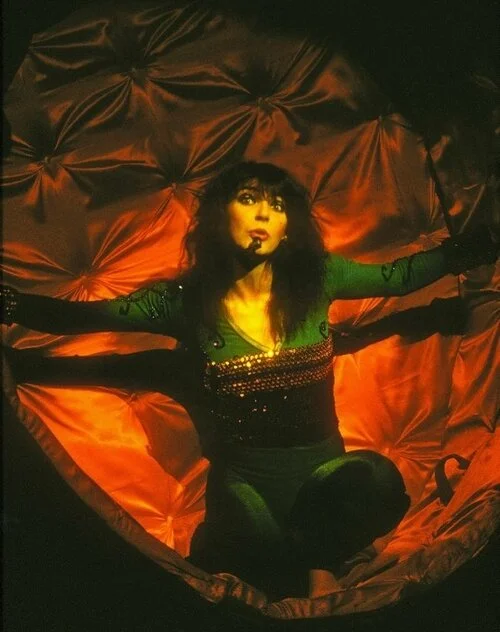
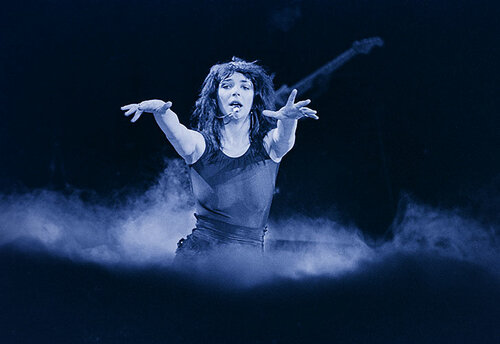
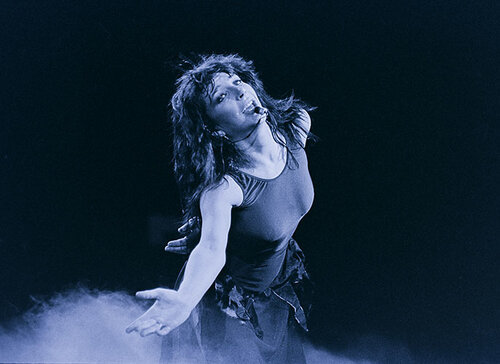
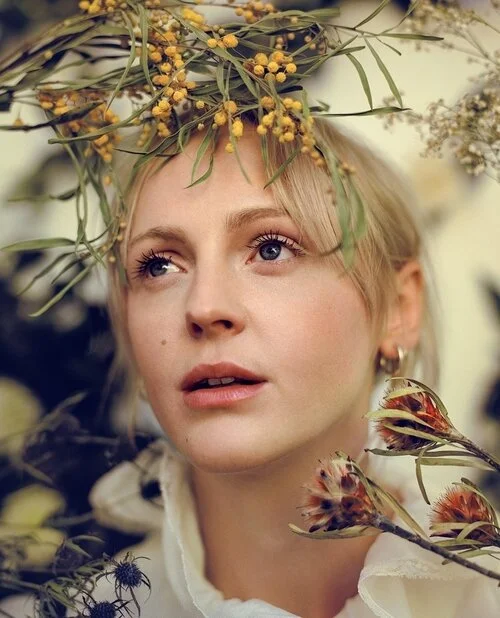
PHOTO CREDIT: Dave J. Hogan/Getty Images
Marling’s albums are a real feast for the heart and imagination, and her new album is no exception. I wonder whether the current lockdown has intensified Marling’s feelings and thoughts regarding family. Marling has said how she wants to arm the next generation with her lyrics. Rather than write about her own feelings and passions, Marling wants to educate and lay down something important for those growing up right now. That is admirable and, through Song for Our Daughter, one is constantly illuminated and moved. I will talk about how Marling’s life has changed over the past few years, but I think Song for Our Daughter is her most confident and memorable album to date. Marling spoke with the BBC about how she has changed her writing approach and label; and how this has brought something new to her life:
“Marling, who turned 30 earlier this year, has never felt the need for a running away fund of her own.
"I am my escape route," she says.
Which is why, at the end of Semper Femina, she wasn't walking away from anyone or anything; but setting off to find a new approach to music.
The songs she came up with after that last album seemed too familiar, "like a writer who'll write the same book over and over again," she says. "I think I was in danger of being bored of myself."
So she left her record label and her management, collaborated with the theatre director Robert Icke, wrote original music for Peaky Blinders and formed a duo called Lump with fellow musician Mike Lindsay from Tunng.
Working on Icke's play Mary Stuart changed her approach to lyrics. "The way he directs and the way he writes and rewrites plays, are very much based around rhythm, so I've been thinking a lot about the rhythm of language," she says.
Lindsay, on the other hand, introduced a new spontaneity to her music. With Lump, a lot of the vocals are recorded in one take, "and I can hear myself stumbling over lyrics because they were written 30 seconds before".
But Song For Our Daughter is wholly Marling's album. Her preoccupations - the complexities of desire, archetypes of womanhood, art, romance and wanderlust - are threaded through the songs, but there's a newfound economy to her melodies and lyrics.
"That was definitely on my mind: How you reduce everything down to its essential parts together to get the sentiment across," she says.
"And I don't think that's my necessarily my forte. My forte, I think, is ambiguity, which is definitely still on there, but on some of the songs there's just a very straightforward sentiment".