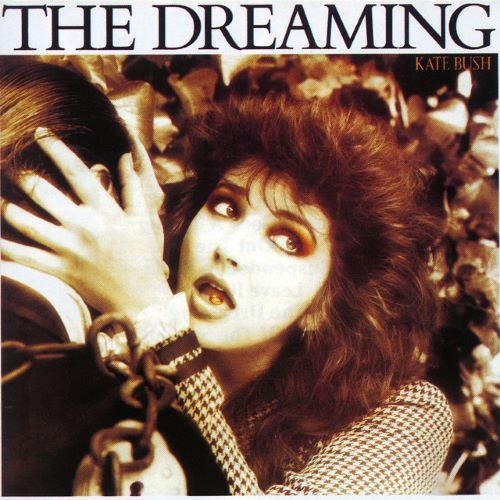
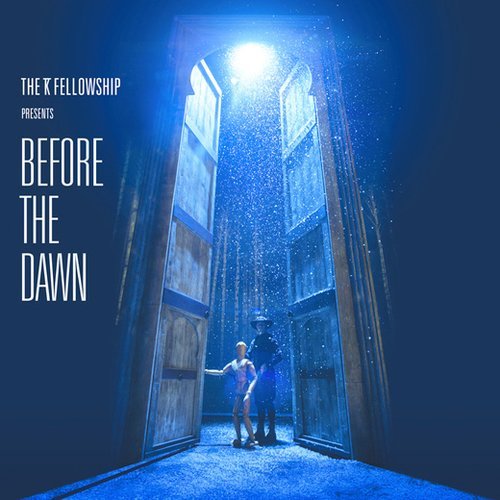
“The Infant Kiss” is one of the highlights of the album, though it, too, is more of a throwback to earlier compositions. The eerie song was inspired by the film The Innocents, which was in turn based on the Henry James novella The Turn of the Screw. Lyrically, the song is similar to the title track of The Kick Inside and “The Man With the Child in His Eyes” in its dealing with taboo sexuality. The song’s narrator is a governess torn between the love of an adult man and child who inhabit the same body. Or, as one critic called it, “the child with the man in his eyes.”
What sets this song apart is Bush’s production. Instead of overwrought orchestral arrangements of the earlier albums, Bush relies on restrained, baroque instrumentation to convey the song’s conflicted emotions. With Bush behind the boards, she begins to use the studio as an instrument unto itself. Her growing technical facility, combined with the expansive possibilities of the Fairlight and other synthesizers, allowed her to express her feelings through sound more fully
The penultimate “Army Dreamers” is a lamentation in the form of a waltz, sung from the viewpoint of a mother who’s lost her son in military maneuvers. Here, the samples of gun cocks add a percussive and forbidding element to the arrangement. The sound is restrained but menacing when coupled with the shouts of a commander in the background. Plus, “Army Dreamers” is one of the more political songs in Bush’s repertoire, though situating it inside a personal narrative keeps it from becoming polemical.
The album’s closer, “Breathing”, is a more overtly political song. It was Bush’s crowning achievement at the time, a realization of everything that had led her to this point. The song is told from a fetus’s perspective terrified of being born into a post-apocalyptic world: “I’ve been out before / But this time, it’s much safer in”. Bush plays on the words “fallout” and the rhythmic repetition of breathing—“out-in, out-in”—throughout.
Synthesizer pads and a fretless bass build to a middle section in which sonic textures take precedence over lyrical content, as Bush’s vocals fade to a false ending at the halfway mark. Ominous, atmospheric tones play over a spoken-word middle section describing the flash of a nuclear bomb. The male voice is chilling in its dispassionate delivery, and the bass comes to the foreground once again in a slow march to the finish as the song reaches its final dramatic crescendo. Here, Bush’s vocals, which admittedly can be grating at times, perfectly match the desperation of the lyrics. “Oh, leave me something to breathe!” she cries, in a terrifying contrast to Roy Harper’s monotone backing vocals (“What are we going to do without / We are all going to die without”).
“Breathing” is a full opera in five-and-a-half minutes, written, scored, arranged, and performed by an artist growing into herself and beginning to realize her full potential. It’s a fitting ending for Never for Ever, an album that sees Bush, only 23 years old at the time, leaving behind her ’70s juvenilia. At the turn of the 1980s, she was poised to scale new heights with her music, some of which would define the decade to come”.