
FEATURE:
Kate Bush’s Director’s Cut at Fifteen
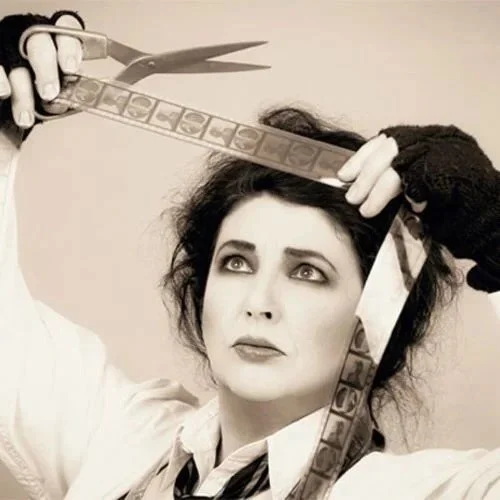
IN THIS PHOTO: Kate Bush in a promotional photo for 2011’s Director’s Cut/PHOTO CREDIT: John Carder Bush
How to Follow the Majestic Aerial
__________
AFTER Aerial came out…
in November 2005, there perhaps was an expectation that Kate Bush would release another album sooner. Aerial followed a twelve-year period with no new album. The Red Shoes came out in 1993, and you feel that there was this sense of dissatisfaction with the album. Kate Bush did the best she could at the time, though you can feel that the album is a bit dated and not as warm and rich as it could have been. I never got that with The Sensual World in 1989. It does sound tremendous, and I love Bush’s production on it. That said, there were some songs on the album that maybe did not come out quite how she envisaged. Aerial was the first since Hounds of Love that did seem to be complete and one Bush was happy with. In interviews since its release, she has named it as her favourite. Many might assume Hounds of Love would be her favourite. That was a happy record, yet Aerial has significant meaning. Personal resonance because her son Bertie was born in 1998. Even if she wrote material before his birth, most of the creation, recording and completion of Aerial happened when he was very young. It was a double album that took a long time to get complete, though it remains this masterpiece. The reviews were glowing, and there was this celebration about Kate Bush being ‘back’ – though she had never gone anywhere! Bush did need a bit of time to rest after making Aerial. It was a bit of a balance being a new mother and making this ambitious album. The promotion around Aerial was interesting. Although not too many interviews were given, the ones we do have are longer. Some radio interviews that are detailed and fascinating. Bush opening her home – though I think one interview may have taken place at Abbey Road Studios -, and letting journalists and broadcasters in. The interviews I associate with Aerial are the chats she had with Mark Radcliffe and John Wilson.
The way she was talking about Aerial, you feel that there was this new inspiration and lease of life. I feel it was the case that Bush had spent all this time on Aerial and she needed proper time out. However, it was almost six years since Aerial came out before Director’s Cut arrived. On 16th May, 2011, Director’s Cut came out. It was hard following Aerial. In some ways, Director’s Cut can be seen as a revision or retrospect rather than a new album. Though it is not a remix album, Director’s Cut does not feature new songs as such. Taking tracks from The Sensual World and The Red Shoes, Bush re-recorded or rearranged those originals. It depends on the song, but they were either stripped and re-recorded completely or there were some big changes. Flower of the Mountain can be viewed as the only new song on it. It is essentially The Sensual World’s title track, yet it was Kate Bush using text from James Joyce’s Ulysses that she wanted to for The Sensual World. Molly Bloom’s soliloquy. Many argue that the original – with Bush’s lyrics – is better and more powerful than Joyce’s text. Getting to use those words for a major drive for Kate Bush embarking on Director’s Cut. It is quite jarring seeing the difference between Director’s Cut and Aerial. I guess Bush was not looking to make a natural follow-up in terms of sound and tone. There is also a startling difference between Director’s Cut and 50 Words for Snow, even though they were released six month apart. It was quite a challenge releasing an album after six years that would be as good and impactful as Aerial. Perhaps why some critics were quite middling and not sold. Director’s Cut struggles to match what you might call ‘original’ studio albums from Kate Bush. People had this knowledge of and relationship with The Sensual World and The Red Shoes. As such, the new versions of these songs has this generational divide. People who remember the originals and adapt to the new versions and those hearing these songs for the first time. I do like Director’s Cut and feel like it was a good move from Kate Bush. If you do not like the album, then the two albums that the songs were taken from are still available!
There are two particularly interesting reasons why Director’s Cut should be talked about. It was the first album that we get to hear Kate Bush in her fifties. An older artist now, there is this new maturity and nuance to many of the songs. The Sensual World came out when Kate Bush was thirty-one. The Red Shoes when she was thirty-five. Bush was this young woman, and you hear the songs in that mindset. Now, with a lower voice and this natural ageing coming into the songs, they do seem completely new. Particular tracks sound more powerful than the originals. I am thinking about This Woman’s Work and Never Be Mine. Also, you get a glimpse into how Kate Bush viewed The Sensual World and The Red Shoes. Why she chose the tracks she did. People have argued why she wanted to reapproach Moments of Pleasure from The Red Shoes. Whether it works. Rubberband Girl given this alternative take. Bush not a fan of her version of it, and she considered taking it off of Director’s Cut. Also, why did some songs from The Sensual World and The Red Shoes not appear? It was such a hard task to follow Aerial and wow critics. To make fans happy and almost justify its existence. I will drop in a couple of reviews for Director’s Cut. Not that this was Bush releasing an album and then leaving it there. It was only six months before this further left-turn with the extraordinary 50 Words for Snow. Bush needing to clearing a path and look at older material and make some corrections before putting out a new album. Even so, there is this feeling around Director’s Cut that it is not a full or truly original album. I will defend it, because it is unique for Bush. The first time she had done this much retrospection. Nice to hear songs from previous albums given this updated sound and feel. I love Kate Bush’s voice through the album, and you do get some truly revelatory moments. If some songs do not work and a few of the originals did not need to be touched, it was a brave and impressive decision. However, there is always that shadow of Aerial. By 2011, many getting restless for a new Kate Bush album. Aerial widely celebrated and seen as one of her best albums. Director’s Cut arriving and perhaps not quite the album they thought it would be.
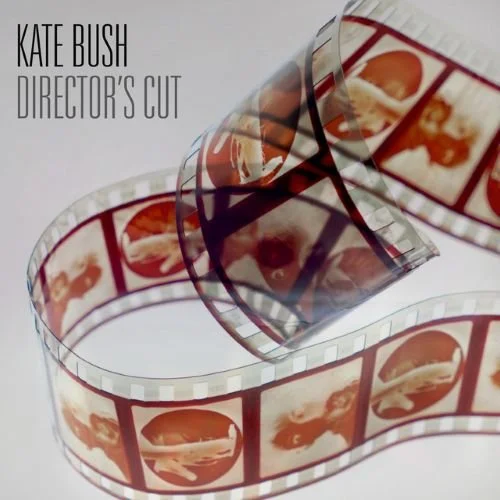
In spite of those reservations, Bush did continue her incredibly hot commercial run. All of her studio albums – and her greatest hits album, The Whole Story -, reached the top ten in the U.K. Director’s Cut went to number two in the U.K. and was a major success in many countries. Six in the Netherlands and eight in Finland, it also reached number two in Norway. Its packaging and formats is incredible too: “The album was originally released on a double LP, a CD in a case-bound book and a deluxe version consisting of three discs: Director’s Cut plus The Sensual World and The Red Shoes. The latter was re-mastered from digital to analogue. Bush stated in an interview for BBC radio that she never liked the “hard-edged sound” of the digitally recorded The Red Shoes and feels both the new recordings of the songs from this album and the re-mastered version of The Red Shoes have a “warmer, fuller sound. In 2023, a hazy red colour vinyl 2LP was released”. Kate Bush did want to breathe new life into these songs. At the time they were recorded, she was trying to make them expectational but, with passing time, this dissatisfaction came in. Even if some of the new versions did not connect with fans, it was important for Bush to do this. If it was not as good and grand as Aerial, what Director’s Cut showed is that she was always surprising and never repeated herself. 50 Words for Snow dramatically different to Aerial.
It is interesting what Pitchfork said in their review of Director’s Cut. They note how this album is Kate Bush “offering a rethink of a somewhat controversial period in her career”. Would you say The Sensual World and The Red Shoes were ‘controversial’ times? I feel maybe there were personal struggles and unhappiness that affected Kate Bush. Now, happier and more stable, she did want to look at these albums and reapproach some songs with new eyes and a fuller heart:
“What Bush has done on Director's Cut, put simply, is to strip the 80s from these songs. (That goes for the Red Shoes material, too, even though the album was released in the 90s.) The gigantic drums and digital polish, what both dated the music instantly and gave it that stark contrast between accessibility and the deeply personal, have been replaced with less showy rhythm tracks, and a warmer, more intimate atmosphere. On the original "The Sensual World", the elements drawn from Celtic folk felt like striking intrusions in an all-digital world. Renamed "Flower of the Mountain" here, those rustic elements no longer feel quite so out of place, whether you found the original an intriguing hybrid or an awkward merger of old and new. The songs still don't have the feel of a band playing together, but they have a new unity, even the synthetic elements part of a lovingly handcrafted sound. "The Red Shoes", another Celtic-inflected standout, with one of Bush's wildest performances, gains a new intensity precisely because the instruments no longer feel so sterile. But not every element of this patchwork has been pieced together perfectly. The eerie keyboard textures on "And So Love Is", the kind of sour 80s kitsch beloved by Gang Gang Dance, seem surprisingly natural in this new environment. But Eric Clapton's bluesy wanking sounds even more out of place now, stadium pop bluster in a homemade world. It produces tension for sure, but the wrong sort.
It's the singing that just as often startles, though. Bush is less show-offy on Director's Cut than any of her pre-hiatus albums. For a woman known for her range, and her fearlessness at using that range, her performances are always tempered and often low-key here. As with so many songs on Director's Cut, "This Woman's Work" becomes almost shocking in its difference, not least because it's transformed from one of Bush's biggest showstoppers into something far more mournful, the singer restraining herself as if almost but not quite broken by love. The backing track is just as minimal, but deeper, the instrumental textures less brittle. A hushed, lonely Bush sounds as if she's drifting through a vast, lonely space. But instead of the original's childlike verses surging to grown-ass-woman longing on the choruses, Bush is more evenly paced here, communicating deep regret more through a bereft tone than diva theatrics. It's desolate and intimate, like much of Director's Cut, where the original's bravura made it feel both tender and defiant, like much of Bush's early work.
Even with an older and more reserved Bush occasionally putting the brakes on that melodrama, these reworked songs don't totally relinquish that unashamed grandiosity that makes Bush such a love-hate proposition. Director's Cut provides a unique opportunity to do an A/B comparison between a late-career artist and her younger self. But which you'll prefer likely depends on whether you favor a more assured artist working within her strengths, or a brash younger artist delighting in the defying of pop conventions”.
I feel a lot of critics saw Director’s Cut as a remake or covers album rather than a new work. They were comparing the songs on Director’s Cut to their originals, as opposed just seeing them all as part of this complete album. AllMusic made some great observations when they reviewed Director’s Cut. I do think that we should be kinder to this album:
“During her early career, Kate Bush released albums regularly despite her reputation as a perfectionist in the studio. Her first five were released within seven years. After The Hounds of Love in 1985, however, the breaks between got longer: The Sensual World appeared in 1989 and The Red Shoes in 1993. Then, nothing before Aerial, a double album issued in 2005. It's taken six more years to get The Director's Cut, an album whose material isn't new, though its presentation is. Four of this set's 11 tracks first appeared on The Sensual World, while the other seven come from The Red Shoes. Bush's reasons for re-recording these songs is a mystery. She does have her own world-class recording studio, and given the sounds here, she's kept up with technology. Some of these songs are merely tweaked, and pleasantly so, while others are radically altered. The two most glaring examples are "Flower of the Mountain" (previously known as "The Sensual World") and "This Woman's Work." The former intended to use Molly Bloom's soliloquy from James Joyce's novel Ulysses as its lyric; Bush was refused permission by his estate. That decision was eventually reversed; hence she re-recorded the originally intended lyrics. And while the arrangement is similar, there are added layers of synth and percussion. Her voice is absent the wails and hiccupy gasps of her youthful incarnation. These have been replaced by somewhat huskier, even more luxuriant and elegant tones. On the latter song, the arrangement of a full band and Michael Nyman's strings are replaced by a sparse, reverbed electric piano which pans between speakers. This skeletal arrangement frames Bush's more prominent vocal which has grown into these lyrics and inhabits them in full: their regrets, disappointments, and heartbreaks with real acceptance. She lets that voice rip on "Lilly," supported by a tougher, punchier bassline, skittering guitar efx, and a hypnotic drum loop. Bush's son Bertie makes an appearance as the voice of the computer (with Auto-Tune) on "Deeper Understanding." On "RubberBand Girl," Bush pays homage to the Rolling Stones' opening riff from "Street Fighting Man" in all its garagey glory (which one suspects was always there and has now been uncovered). The experience of The Director's Cut, encountering all this familiar material in its new dressing, is more than occasionally unsettling, but simultaneously, it is deeply engaging and satisfying”.
Interview spoke with Kate Bush in 2011. I think all that matters is why she wanted to make this album. If you like it or not, it was something that Bush had to do. For that reason, we should show some love and respect to Director’s Cut:
“EHRLICH: Why did you decide to re-record existing material rather than do something new, or just release the old versions remixed, or whatever?
BUSH: Well, I really didn’t see it as a substitute for a greatest hits package, but it was something I’d wanted to do for a few years. I guess I just kind of felt like there were songs on those two albums [The Sensual World and The Red Shoes (1993)] that were quite interesting but that they could really benefit from having new life breathed into them. I don’t really listen to my old stuff, but on occasion, I would either hear a track on the radio or a friend might play me one, and there was generally a bit of an edgy sound to it, which was mainly due to the digital equipment that we were using, which was state of the art at the time—and I think everyone felt pressured to be working that way. But I still remain a huge fan of analog. So there were elements of the production that I felt were either a little bit dated or a bit cluttered. So what I wanted to do was empty them out and let the songs breathe more”.
As Director’s Cut turns fifteen on 16th May, I did want to revisit it. It had this daunting task of having to come six years after a colossus of an album. The first of two albums from Kate Bush in 2011, it was a busy and productive time for her. Since 2011, we have not received another studio album. Though that might change in the next year or two. If some of the new versions on Director’s Cut do not gel or sound as strong as the originals, I feel that there are some real gems to be found…
THAT we need to acknowledge.