FEATURE: Heartbreakers: The Legends We Have Lost This Year

FEATURE:


Heartbreakers:
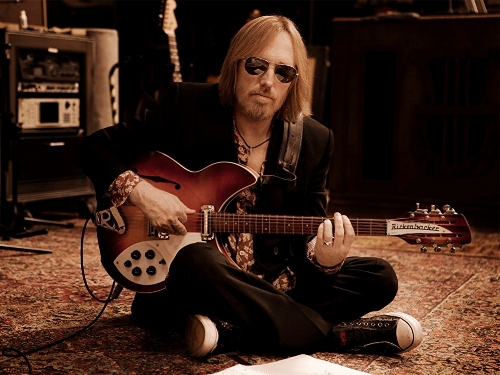
tom.png

 IN THIS PHOTO: Tom Petty 

The Legends We Have Lost This Year

________

IF one could invent a contraption…
petty.jpg

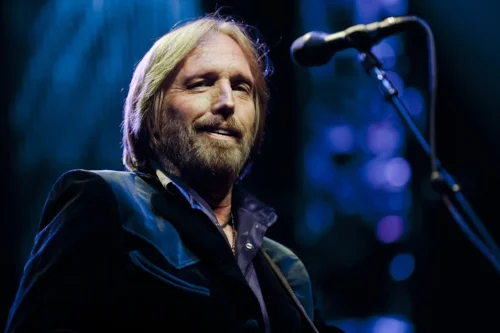
where we could preserve musicians for a set amount of time – I am sure many would scrabble to invent the thing! Last year was a particularly bad one for high-profile musician deaths. We had to say goodbye to the likes of David Bowie, Prince and George Michael. This year has not exactly been a fantastic one, either. On 18th March, Chuck Berry left us and, with it, we had to say goodbye to one of the true pioneers. His death was, perhaps, not that unexpected: he was in his nineties and had lived a full and eventful life. Even so, it is difficult accepting he will not be around anymore. Chris Cornell’s death in May was, perhaps, one of the most shocking of this year. Few could have anticipated what was going to happen – his death took everyone by surprise. It was ruled Cornell died through hanging: a suicide that affected many and took one of the greatest living musicians away.

new.jpg

IN THIS PHOTO: Chris Cornell

For me; his death was especially sad and shocking. I was not aware the turmoil and pain he was living in. I knew, during his early Soundgarden days, he was speaking about depression and anxiety with candour and openness. One looks at a musician and assumes their private life is happy and okay – we never see behind the closed doors and what goes on. It is desperately harrowing that Cornell died. Greg Allman, known for his work with the Allman Brothers Band, died on 27th May at age sixty-nine. The Nashville-born artist inspired a new generation of artists to get into music. The Allman Brothers Band made a huge impression and one of its founders, not being here, is a very sad thing. On 20th July, two months after Chris Cornell’s suicide, came another blindsiding loss: Linkin Park frontman, Chester Bennington.

Chester.jpg

IN THIS PHOTO: Chester Bennington/PHOTO CREDIT: Tibor Bozi/Redux

Here, like Cornell, was someone who addressed his depression and psychological issues through music and urged fans to speak out. His death came as a kick in the stomach and broke many hearts. Hours before his death, a video emerged of the frontman smiling and laughing with his family. It showed how hard it is to detect someone in trouble and in need of help – the complexities and hidden depths of a terrible illness. Rather than lament and mourn heavily: one looks back at the music of Bennington and how many people he influenced. Bands have formed because of Linkin Park so the contribution he made to music cannot be underestimated. On 8th August, aged eighty-nine, Glen Campbell departed the world. Few of us who love music can avoid the sheer majesty and importance of Campbell’s work. Rhinestone Cowboy and Wichita Lineman have become standards and show what an immense voice Campbell had – one of those artists that get into the heart and stays there forever. Adiós, his final album, was released shortly after his death and completes a stunning and legendary career.

jessi.jpg

IN THIS PHOTO: Jessi Zazu

Jessi Zazu, the lead singer of Nashville-based group Those Darlins, died on 13th September. She was twenty-eight and lost her fight with cervical cancer. The band’s unique blend of Punk, Garage-Rock and Country won them legions of fans – the band released three albums since their formation in 2009. Walter Becker, perhaps, is the single-most-tragic death of the year. I am a huge admirer of Steely Dan and followed their career since I was a child. Deacon Blues (from 1977’s Aja) is my favourite song ever and I count Pretzel Logic – their third album – among my top-twenty. Walter Becker, alongside Donald Fagen, brought Steely Dan to the masses and created an arsenal of timeless songs – from Hey Nineteen and Reelin’ in the Years to My Old School and The Boston Rag.

Walter.jpg

IN THIS IMAGE: Walter Becker/PHOTO CREDIT: James Leynse/Corbis (via Getty Images)

Steely Dan’s cutting and sardonic lyrics – intellectual and poetic – were matched with nuanced compositions and exceptional musicianship. Walter Becker was one of the reasons why Steely Dan managed to affect and seduce so many people. A one-of-a-kind musician and kind-hearted human – people are still affected by his death. Soul singer Charles Bradley died on 23rd September after suffering from stomach and liver cancer. He was sixty-eight and it seemed, at one point, he would be okay. We all heard news about the diagnosis and the fact he had to stop performing. When he was better; many assumed he was over the worst of it. That was not the case and, tragically, he left a big hole in the world of music. The ‘Screaming Eagle of Soul’ and that planet-shattering voice will not see any equals come forth, that is for sure. One of the big reasons for this piece – and a recent death that is still very raw – is the loss of the legend that is Tom Petty.

heartbreakers.jpg

IN THIS PHOTO: Tom Petty and the Heartbreakers

One need not explain why he is 2017’s greatest losses. The Heartbreakers lead, through the years, penned all-American anthems that we all know and love. Petty suffered a massive cardiac arrest on 2nd October and could not be saved. Petty was born in Florida where he met future bandmates Mike Campbell and Benmont Tench. They initially formed a band called Mudcrutch: luckily, when they reformed, that was changed to the Heartbreakers; that changed to Tom Petty and the Heartbreakers by 1976. I have included Petty’s best-known songs in the playlist below but we can all easily relate to peals such as American Girl and Runnin’ Down a Dream. To me, Petty will always be one-fifth of the ultimate supergroup, the Traveling Wilburys. Featuring Roy Orbison, Jeff Lyne; George Harrison and Bob Dylan – an assembly of some of the world’s finest and most influential artists. The band’s debut album, Traveling Wilburys Vol. 1, remains one of my favourite ever.

traveling.jpg

IN THIS PHOTO: The Traveling Wilburys

Each member brought songs to the album – except for Orbison – and Petty is credited with writing Margarita and Last Night – two of the best songs from the record. The rest of the band contributed lyrics to the songs but Petty injected his input into the other members’ numbers. It was a collaborative effort among friends and a fantastic collection of musicians. I cannot think of another band that boasts so many heroes and legends in its ranks. Petty was an integral cog and, with his solo career, made a huge impact on music. In interviews; that drawled and rich voice made you smile and settle – a man who could ease any pains with a few syllables. The way Petty spoke about music meant passion and knowledge emanated from every word.

heart.png

His endless hunger and innovation influenced musicians to pick up a guitar and write – the likes of Dave Grohl count Petty as an idol. There are many more who owe their careers to the American great. His death is, perhaps, the most shocking of this year – let’s hope there are no more! It shows how fragile and unpredictable life can be but, rather than wallow in sadness, a perfect time to listen back to Petty’s catalogue and what he gave to music. 2017 has seen some incredible musicians leave us. I have included a playlist that collates the best songs from the artists I have mentioned. Of course, other musicians have died this year – their absence no less sad and affecting than any other. As we go through the autumn and winter weeks; we can reflect on those artists that have gone and celebrate their incredible music. Whilst they might not be with us; it is obvious their fantastic music…

WILL endure for many years to come.

________

FEATURE: Songs in Slow Motion: The Best Music Documentaries Ever

FEATURE:


Songs in Slow Motion: 

janis2.jpg

IN THIS PHOTO: Janis Joplin (the focal point of Janis: Little Girl Blue)

The Best Music Documentaries Ever

________

WE often concentrate on the musician…

tupac.jpg

IN THIS PHOTO: Tupac Shakur (who featured in the documentary, Biggie & Tupac)

without considering where they came from and what makes them special. The music documentary allows rare insight into an artist’s life and what goes into the music. The best and most tasteful documentaries are never exploitative and crude: they are deal affectionately with the subject and feel no need to obscure the truth.

I have been thinking about the best music documentaries through the years and have assembled, what I feel, are the finest examples of the breed.

(Thanks to Wikipedia for supplying the information about each documentary)

________

Amy (2015)

Amy.jpg

Subject: Amy Winehouse

Director: Asif Kapadia

About:

Amy is a 2015 British documentary film about the life and death of British singer-songwriter Amy Winehouse. Directed by Asif Kapadiaand produced by James Gay-Rees, George Pank, and Paul Bell and co-produced by Krishwerkz Entertainment, On The Corner Films, Playmaker Films, and Universal Music, in association with Film 4. The film covers Winehouse's life and her struggle with substance abuse, both before and after her career blossomed, and which eventually caused her death.

In February 2015, a teaser trailer based on the life of Winehouse debuted at the pre-Grammy event in the build-up to the 2015 Grammy AwardsDavid Joseph, CEO of Universal Music UK, announced that the documentary entitled simply Amy would be released later that year. He further stated: "About two years ago we decided to make a movie about her—her career and her life. It's a very complicated and tender movie. It tackles lots of things about family and media, fame, addiction, but most importantly, it captures the very heart of what she was about, which is an amazing person and a true musical genius."[4] The film was shown in the Midnight Screenings section at the 2015 Cannes Film Festival[5] and received its UK premiere at the Edinburgh International Film Festival.[6]

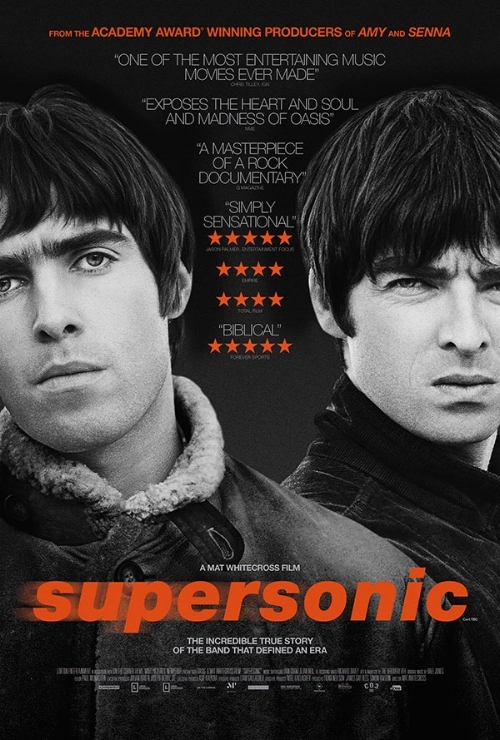
super.jpg

Subject: Oasis

Director: Mat Whitecross

About:

Oasis: Supersonic[2] is a 2016 British music documentary directed by Mat Whitecross. Asif Kapadia and James Gay-Rees, already awarded with an Oscar for the film Amy, worked on this film respectively as executive producer and film producer.[3][4][5] The Production Companies associated with the film are Mint Pictures, Nemperor and On The Corner Films and is distributed in the UK by Entertainment One and Lorton Distribution.[6]

The film details the history of the Britpop band Oasis during their formative years and the height of their success in the 1990s, featuring off-screen interviews with members of the band and people associated with them, set to archive video of concerts, contemporaneous interviews and backstage footage.

cobain.jpg

Subject: Kurt Cobain

Director: Brett Morgen

About:

Kurt Cobain: Montage of Heck (also billed as Cobain: Montage of Heck)[1] is a 2015 documentary film about Nirvana lead singer Kurt Cobain. The film was directed by Brett Morgen and premiered at the 2015 Sundance Film Festival. It received a limited theatrical release worldwide and premiered on television in the United States on HBO on April 24, 2015. The documentary chronicles the life of Kurt Cobain from his birth in Aberdeen, Washington in 1967, through his troubled early family life and teenage years and rise to fame as front man of Nirvana, up to his death in April 1994 in Seattle at the age of 27.

The film includes artwork by Cobain as well as music and sound collages composed by him. Much of music and sound collages were released on the film's soundtrack, Montage of Heck: The Home Recordings. A companion book was also released containing animation stills from the film as well as transcripts of interviews, photographs, and Cobain's artwork that were not featured in the film.

Devil.jpg

Subject: Daniel Johnston

Director: Jeff Feuerzeig

About:

The Devil and Daniel Johnston is a 2005 documentary film about the noted American musician Daniel Johnston. It chronicles Johnston's life from childhood up to the present, with an emphasis on his experiences with bipolar disorder, and how it manifested itself in demonic self-obsession. The film was directed by Jeff Feuerzeig and produced by Henry S. Rosenthal.[1]

dylan.jpg

Subject: Bob Dylan

Director: D.A. Pennebaker

About:

Dont Look Back is a 1967 American documentary film by D. A. Pennebaker that covers Bob Dylan's 1965 concert tour in England.

In 1998 the film was selected for preservation in the United States National Film Registry by the Library of Congress as being "culturally, historically, or aesthetically significant". In a 2014 Sight & Sound poll, film critics voted Dont Look Back the joint ninth best documentary film of all time.[1]

Janis.jpg

Subject: Janis Jopiln

Director: Amy J. Berg

About:

Janis: Little Girl Blue is a 2015 American documentary film directed by Amy J. Berg, about the American singer-songwriter Janis Joplin. It was shown in the TIFF Docs section of the 2015 Toronto International Film Festival.[3]

search.jpeg

Subject: ‘Rodriguez

Director: Malik Bendjelloul

About:

Searching for Sugar Man is a 2012 Swedish–British documentary film of a South African cultural phenomenon directed and written by Malik Bendjelloul which details the efforts in the late 1990s of two Cape Town fans, Stephen "Sugar" Segerman and Craig Bartholomew Strydom, to find out whether the rumoured death of American musician Sixto Rodriguez was true, and if not, to discover what had become of him. Rodriguez's music, which had never achieved success in the United States, had become very popular in South Africa although little was known about him in that country.

On 10 February 2013, the film won the BAFTA Award for Best Documentary at the 66th British Academy Film Awards in London,[2] and two weeks later it won the Academy Award for Best Documentary Feature at the 85th Academy Awards in Hollywood.[3][4]

Filth.jpg

Subject: Sex Pistols

Director: Julien Temple

About:

The Filth and the Fury is the second movie Julien Temple made about The Sex Pistols. His first effort was The Great Rock and Roll Swindle, which was released in British cinemas on 15 May 1980. This earlier effort was heavily criticised for being too skewed towards the Pistols' manager Malcolm McLaren's version of events about the band.[citation neededThe Filth and the Fury tells the story from the viewpoint of the band members themselves (albeit in silhouette during their contemporary interviews).

The title of the film is a reference to a headline that appeared in the British tabloid newspaper The Daily Mirror on 2 December 1976 after an interview on ITV's Today presented by Bill Grundy. The title of The Daily Mirror article was itself inspired by William Faulkner's novel The Sound and the Fury which was in turn taken from a line in Shakespeare's Macbeth.

Temple's documentary charts the rise, decline and fall of the Sex Pistols from their humble beginnings in London's Shepherd's Bush to their disintegration at the Winterland Ballroom in San Francisco. Temple puts the band into historical context with Britain's social situation in the 1970s through archival footage from the period. This film was seen in some ways as an opportunity for the Pistols to tell their side of the story, mostly through interviews with the surviving members of the group, footage shot during the era, and outtakes from The Great Rock and Roll Swindle.

buena.jpg

Subject: Buena Vista Social Club

Director: Wim Wenders

About:

Buena Vista Social Club is a 1999 documentary film directed by Wim Wenders about the music of Cuba. It is named for a danzón that became the title piece of the album Buena Vista Social Club. The film is an international co-production of Germanythe United Statesthe United KingdomFrance, and Cuba.

The film documents how Ry Cooder, long-time friend of Wenders, brought together the ensemble of legendary Cuban musicians to record an album (also called Buena Vista Social Club) and to perform two times with a full line-up: in April 1998 in Amsterdam (two nights) and the 1st of July 1998 in the United States (at the Carnegie HallNew York City). Although they are geographically close, travel between Cuba and the United States is restricted due to the political tension between the two countries, so many of the artists were travelling there for the first time. The film shows their reactions to this experience, as well as including footage of the resultant sell-out concert. It also includes interviews with each of the main performers.

might.jpg

Subjects: Jimmy Page, The Edge and Jack White

Director: Davis Guggenheim

About:

The film documents the varied playing and recording styles of guitarists Jimmy PageThe Edge, and Jack White.

Page's history with guitar traces back to his childhood when he played in a skiffle band. After desiring to do more than play pop music, Page "retires" from guitar playing to attend art school. He later revives his music career as a session guitarist, only to be discouraged by the realization that he is playing others' music and stifling his own creativity. At that point, Page begins to write and perform in the bands The Yardbirds and Led Zeppelin. Page discusses the skiffle and blues music that influenced him at the time. For many of Page's scenes, he is seen visiting Headley Grange, where several songs from Led Zeppelin IV were recorded, and in one scene, explains how the distinctive drum sound from "When the Levee Breaks" was achieved from the acoustics of the house in which it was recorded.

The Edge's history with guitar traces back to building a guitar with his brother Dik and learning to play. In the film, he visits Mount Temple Comprehensive School and recalls forming U2 in his childhood. He also demonstrates his playing technique, in how he eliminates certain strings from chords, as well as his use of echo and delay effects to "fill in notes that aren't there". He also discusses his purchase of his signature guitar, the Gibson Explorer, in New York City and the punk music that influenced him. In other scenes, he plays early demo tapes of "Where the Streets Have No Name", discusses his inspiration for "Sunday Bloody Sunday", and spends time experimenting with guitar effects for the riffs to "Get on Your Boots".

Jack White traces his musical background to his childhood in a rundown neighborhood of Detroit. Living with two drum sets and a guitar occupying his room and sleeping on a piece of foam due to taking out his bed for more room for his music, White struggled to find a musical identity, as it was "uncool" to play an instrument and his nine siblings all shared a musical propensity. His strong interest in blues and roots music opposed the hip hop and house music popular in the predominantly Latino south Detroit neighbourhood at the time. White eventually finds a niche in a garage rock band called The Upholsterers while working as an upholsterer, which paves the way for his future bands The White Stripes and The Raconteurs. White's philosophy is to limit and challenge himself in various ways to force creative approaches to recording and playing.

The touchstone of the film is a meeting of the three guitarists dubbed "The Summit". In these scenes, the three guitarists not only converse about their influences and techniques, but they also play each other's songs together, showing each other how to play "I Will Follow", "Dead Leaves and the Dirty Ground", and "In My Time of Dying". The film concludes with the men playing an impromptu cover version of The Band's "The Weight" on acoustic guitars.

waltz.jpg

Subject: The Band

Director: Martin Scorsese

About:

The Last Waltz was a concert by the Canadian-American rock group The Band, held on American Thanksgiving Day, November 25, 1976, at Winterland Ballroom in San FranciscoThe Last Waltz was advertised as The Band's "farewell concert appearance",[2] and the concert saw The Band joined by more than a dozen special guests, including Eric ClaptonRingo StarrBob DylanRonnie WoodMuddy WatersNeil YoungNeil DiamondVan MorrisonBobby CharlesDr. JohnPaul ButterfieldEmmylou HarrisRonnie HawkinsJoni Mitchell and, The Staple Singers. The musical director for the concert was The Band's original record producer, John Simon.

The event was filmed by director Martin Scorsese and made into a documentary of the same name, released in 1978. Jonathan Taplin, who was The Band's tour manager from 1969 to 1972 and later produced Scorsese's film Mean Streets, suggested that Scorsese would be the ideal director for the project and introduced Robbie Robertson and Scorsese. Taplin served as executive producer. The film features concert performances, intermittent song renditions shot on a studio soundstage, and interviews by Scorsese with members of The Band. A triple-LP soundtrack recording, produced by Simon and Rob Fraboni, was issued in 1978. The film was released on DVD in 2002 as was a four-CD box set of the concert and related studio recordings.

The Last Waltz is hailed as one of the greatest concert films ever made,[3] although it has been criticized for its focus on Robertson.[4]

scratch.jpeg

Subject: Hip-Hop D.J.s

Director: Doug Pray

About:

Scratch is a 2001 documentary film, directed and edited by Doug Pray.[1] The film explores the world of the hip-hop DJ from the birth of hip-hop when pioneering DJs began extending breaks on records, to the invention of scratching and beat juggling, to the more recent explosion of turntablism. Throughout the documentary, many artists explain how they were introduced to hip-hop while providing stories of their personal experiences.[2]

wood.jpg

Subject: Woodstock Festival (1969)

Director: Michael Wadleigh

About:

Woodstock is a 1970 documentary film of the watershed counterculture Woodstock Festival which took place in August 1969 near BethelNew YorkEntertainment Weekly called this film the benchmark of concert movies and one of the most entertaining documentaries ever made.[3]

The film was directed by Michael Wadleigh. Seven editors are credited, including Thelma SchoonmakerMartin Scorsese, and Wadleigh. Woodstock was a great commercial and critical success. It received the Academy Award for Best Documentary Feature. Schoonmaker was nominated for the Academy Award for Film Editing, a rare distinction for a documentary.[4] Dan Wallin and L. A. Johnson were nominated for the Academy Award for Best Sound.[5][6] The film was screened at the 1970 Cannes Film Festival, but wasn't entered into the main competition.[7]

The 1970 theatrical release of the film ran 185 minutes. A director's cut spanning 225 minutes was released in 1994. Both cuts take liberties with the timeline of the festival. However, the opening and closing acts are the same in the film as in real life; Richie Havens opens the show and Jimi Hendrix closes it.

Jimi Hendrix at Woodstock was also released separately on DVD and Blu-ray.

In 1996, Woodstock was selected for preservation in the United States National Film Registry by the Library of Congress as being "culturally, historically, or aesthetically significant". An expanded 40th Anniversary Edition of Woodstock, released on June 9, 2009 in Blu-ray and DVD formats, features additional performances not before seen in the film, and also includes lengthened versions of existing performances featuring Creedence Clearwater Revival and others.[8]

truth.jpg

Subject: Madonna

Director: Alex Keshishian

Madonna: Truth or Dare (known as In Bed with Madonna outside of North America) is a 1991 American documentary film chronicling the life of American singer and songwriter Madonna during her 1990 Blond Ambition World Tour. The film was generally well received by critics and was successful at the box office with a worldwide gross of $29,012,935 (an estimated $50.99 million in 2016 dollars[1]). It remained the highest-grossing documentary of all time, until Bowling for Columbine surpassed it in 2002.[2] It was screened out of competition at the 1991 Cannes Film Festival.[3]

In 2005, Madonna produced another documentary, I'm Going to Tell You a Secret, which followed her 2004 Re-Invention World Tour. It was filmed and narrated in the same style as Truth or Dare, with stage performances filmed in colour and behind-the-scenes in black and white. Truth or Dare was nominated for a Razzie Award for Worst Actress for Madonna as herself, which she lost to Sean Young for A Kiss Before Dying.[4] It holds an 80% rating on Rotten Tomatoes.[5]

marley.jpg

Subject: Bob Marley

Director: Kevin Macdonald

Marley is a 2012 documentary-biographical film directed by Kevin Macdonald documenting the life of Bob Marley.[4] It was released in theaters on April 20, 2012 to wide critical acclaim.[1][2][5] The film was also released on demand on the same day, a "day and date" release.[6] The film features archival footage and interviews.

The content spans the life and musical career of Bob Marley, mainly as seen through the eyes of those who knew him and contributed to the documentary, including Bunny WailerRita MarleyLee "Scratch" Perry and many others.

Although Marley was enthusiastic about music from a very young age, he had disappointing record sales as a solo artist with his first singles, “Judge Not” and “One Cup of Coffee”. He then decided to collaborate with Peter Tosh and Bunny Wailer to create “The Wailers.” This group later became known as “Bob Marley and the Wailers” and achieved international fame. The group made Bob Marley a household name and brought worldwide attention to Jamaican cultureReggae music and the Rastafari movement.

Throughout the documentary, much of the content deals with Marley’s struggle with racial identity and acceptance. Marley’s widow, Rita Marley stated “they saw Bob as an outcast, because he didn’t really belong to anyone. You’re in-between. You’re black and white; so you’re not even black.” Livingston also comments that Marley was harassed in school for being mixed race. On his race, Marley stated:

"I don't have prejudice against meself. My father was a white and my mother was black. Them call me half-caste or whatever. Me don't deh pon nobody's side. Me don't deh pon the black man's side nor the white man's side. Me deh pon God's side, the one who create me and cause me to come from black and white."

simone.jpg

Subject: Nina Simone

Director: Liz Garbus

About:

What Happened, Miss Simone? is a 2015 biographical documentary film about Nina Simone directed by Liz Garbus. The film opened the 2015 Sundance Film Festival. The screening was followed by a tribute performance by John Legend.[1] The film was released by Netflix on June 26, 2015. The documentary combines previously unreleased archival footage and interviews with Simone's daughter and friends. The title of the film was taken from a Maya Angelou quote.[2]

muscle.jpg

Subject: Muscle Shores Sound Studio

Director: Greg 'Freddy' Camalier

Muscle Shoals is a 2013 documentary film about FAME Studios and Muscle Shoals Sound Studio in Muscle Shoals, Alabama. The film was released by Magnolia Pictures on September 27, 2013.[2]

tupac2.jpg

Subjects: ‘Notorious B.I.G.’ and 2Pac

Director: Nick Broomfield

Biggie & Tupac is a 2002 feature-length documentary film about murdered rappers Christopher "Notorious B.I.G." Wallace and Tupac "2Pac" Shakur by Nick Broomfield.

Broomfield suggests the two murders were planned by Suge Knight, head of Death Row Records. Collusion by the LAPD is also implied.[1] While the film remains inconclusive, when asked "Who killed Tupac?" in a BBC Radio interview dated March 7, 2005, Broomfield stated (quoting Snoop Dogg) "The big guy next to him in the car... Suge Knight."

Broomfield's low-budget documentary was as the New York Times[2] described it, a "largely speculative" and "circumstantial"[2]account relying on flimsy evidence, failing to "present counter-evidence" or "question sources." The movie alleged that Knight had Tupac killed before he could part ways with Knight's Death Row label and conspired to kill Biggie to divert attention from himself in the Tupac murder.[3] 

FEATURE: BBC Introducing at Ten

FEATURE:

Izzy2.jpg

 IN THIS PHOTO: Last year's BBC Introducing Artist of the Year, Izzy Bizu 

BBC Introducing at Ten

________

ANY function or faction that actively promotes…

bbc.jpg

the finest artists out there is to be commended and applauded. BBC Introducing started life in 2007 and showcases unsigned, self-signed and emerging artists. It runs across BBC radio stations and, when each act is featured/wins, they retain their own identity and sound. That is rare in an industry where, if one wins a competition, they are often forced to compromise their music and fit into a label’s agenda. Since its formation; the competition has seen winners feature at Glastonbury – spotlighting wonderful acts on the main stages there. By 2010; BBC Introducing was awarded the best new platform to discover music at the BT Digital Music Awards. The following year, it won the Gold award for Best Use of Multiplatform at the Sony Radio Academy Awards. Since January 2013; every BBC Local Radio stations across England and the Channel Islands broadcast a BBC Introducing show (8 P.M. on Saturdays). The idea, originally, was for the BBC to introduce new talent to its stations – artists that have a definite future and are have commercial possibilities. Its brand was discovered by Jason Carter – who continues to lead to the proposition for the BBC – and has expanded and evolved since its first year. Back when it first arrived, many local BBC stations created competitions to showcase local bands. That became so popular and powerful that, as of 2010, that any local BBC station that had not rebranded themselves with the ‘Introducing’ component did so. It is amazing to think BBC Introducing had a stage at Glastonbury in its first year. That is power to a format that is not here to make money and sign karaoke singers – looking for serious artists who have the potential to headline the Main Stage very soon. The fact 2011’s incarnation featured Ed Sheeran at BBC Introducing (in Glastonbury) meant that desire fulfilled itself – Sheeran headlined Glastonbury this year. I am not a fan of his work – as many will know – but understand BBC Introducing has a wide remit and casts its net right across the musical ocean.

summer.jpg

Many might say celebrating ten years of BBC Introducing is a minor thing: they have not spawned THAT many modern legends. It is true we have seen few breakaway stars survive and inspire but there have been plenty that have made a real impact and compelled other acts to come into music. It is the way BBC Introducing has spread to local stations and helped artists in those areas get their music heard. I know a lot of musicians who have auditioned and performed as part of the regional BBC Introducing events and it always puts them in a better mood. By that, they get their music to judges and new crowds; they get an impression regarding how their music will fare in the market and the fellow musicians around them. It is a tremendous networking opportunity and a showcase that is free from label pressure and viewer call-ins. Against the tide of televised reality T.V. shows and circuses: BBC Introducing seems like an old-fashioned showcase for musicians who are not leering after the camera – equipped with sob stories and broken-hearted tales. There are filmed segments and YouTube videos but, largely, BBC Introducing is about music and radio. It is great looking at each county and the talent that emerges forth. There are few national events/ideas that extend to local areas. The televised talent shows like The Voice are all about the glamour of the stage and finding something mainstream. That is not the case with BBC Introducing. Even though it has the BBC brand; that does not mean it is aimed to discover a talent that would be exclusive to Radio 1 and 2. One assumes they would search for a Radio 1 star – the age of the participants suggests a younger audience – but past winners, as I will explore, find their music played on several BBC stations – and other national brands. Sceptics have looked at other BBC initiatives like their annual ‘BBC Music Sound of…’ list and queried the winners and their longevity.

WOWH.jpg

IN THIS PHOTO: WOWH at Glastonbury

It is always hard seeing, when you do crown a winner, how they will assimilate and adapt to the demands of music. The same can be said of BBC Introducing. It scouts for the finest artists out there but there is no way to say how the artists will fare – and whether they will be a long-term success. The upload tool, launched in 2009, allows users to upload their music direct to BBC Introducing producers and presenters. Artists can enter their postcode and submit their songs to producers. It is a quick and great mechanism for artists to get their music into the hands of producers without having to post material or audition. My final point will look at the upcoming anniversary concert that is taking place but we need to consider artists that credit BBC Introducing for bringing their music to the U.K. public. Jake Bugg, back in 2007, was covered during Glastonbury and, thanks to Introducing, it brought his music to a greater number of people. Other acts, such as Florence and the Machine, The Temper Trap and Two Door Cinema Club have seen similar benefits. Bombay Bicycle Club, Everything Everything and Izzy Bizu – more on her, soon – have credited BBC Introducing. BBC Introducing launched their Artist of the Year which highlights an Introducing artist worth extra merit. Jack Garratt claimed that honour at the end of 2015. Catfish and the Bottlemen won the award in its first year but both artists have found success following the nod. Before that, they were well-known, but it is an extra layer of accreditation and congratulations. When Izzy Bizu received the award last year; BBC ran a piece:

BBC Music has announced Izzy Bizu as the winner of its BBC Music Introducing Artist of the Year Award ahead of the 2016 BBC Music Awards which take place at the ExCeL London on Monday 12 December.

Announced as the winner on The Radio 1 Breakfast Show with Nick Grimshaw this morning, Izzy Bizu says: “It’s an amazing honour to have won BBC Music Introducing Artist of the Year. The BBC has been hugely supportive of my music ever since my independently released Coolbeanz EP and it’s a real honour to follow in the footsteps of acts like Jack Garratt and Catfish and the Bottlemen.”

BBC Introducing, the BBC’s scheme for emerging musical talent, showcases undiscovered and unsigned artists and has helped to kick-start the careers of James Bay, Jake Bugg, Florence and the Machine, and George Ezra plus many more since its launch in 2007, providing a platform to propel the best new acts from across the UK onto the national stage.

H&M.jpg

IN THIS PHOTO: Izzy Bizu/PHOTO CREDIT: H&M

Jason Carter, Head of BBC Introducing says: “Izzy is a huge talent that I’m certain will be a huge success story both at home and abroad. I’m proud of the part that BBC Introducing has played in launching her career and look forward to her live performance at the BBC Music Awards, and supporting her in the years to come.”

Born in London, Izzy Bizu started her journey with BBC Introducing back in 2013 when she uploaded her EP Coolbeanz to the talent scheme’s website. Picked up by her local BBC Introducing show on BBC Radio London, the unsigned singer-songwriter gained exposure on the Radio 1 and 1Xtra BBC Introducing playlist slots, garnering support from the likes of Jamie Cullum who played her on his Radio 2 show before being chosen to perform at the BBC Introducing stage at Glastonbury in 2014.

She then supported Sam Smith, Rudimental and Foxes on their UK tours, and last year performed on Later…with Jools Holland and was shortlisted for Critics’ Choice Award at the Brit Awards. This year Bizu was longlisted for BBC Music Sound of 2016, performed at and was nominated for Best Newcomer at the 2016 MOBO Awards, opened the 2016 BBC Music Day concert from Cornwall's Eden Project on BBC ONE, and was the voice of the BBC Euro 2016 theme tune, singing her version of Edith Piaf’s La Foule.

Now signed to Epic Records Sony, she released her debut album Moment of Madness in September. Alongside other BBC Introducing artists Spring King and Sundara Karma, Izzy recently performed at the first BBC Music Presents US tour - a partnership between BBC, Live Nation and the GREAT Britain campaign - showcasing the best UK talent in the US. Beginning in November 2016 and running over the next 12 months, BBC Music Presents will deliver four tours across America, with the first tour visiting New York City, Boston, Philadelphia, Cleveland, Detroit, Chicago and Washington, DC.

Izzy Bizu will perform live on BBC One and bbc.co.uk/music on Monday 12 December from 8.30-10pm with additional programming on Radio 1 and Radio 2, alongside Kaiser Chiefs, Craig David, Lukas Graham, Zara Larsson, John Legend, Emeli Sandé, Robbie Williams and The 1975.

Last year’s winner was Jack Garratt who since his performance at the BBC Music Awards in 2015 has gone on to release his debut album and be named the BBC Music Sound of 2016. The first ever recipients of the award in 2014, Catfish and the Bottlemen, have enjoyed continuing success in the UK and the US appearing on The Late Show with David Letterman and winning the Brit Award for British Breakthrough act in 2016”.

Iz.jpg

Bizu’s album, A Moment of Madness, was released in September of last year and, alongside the BBC Introducing prize, completed a fantastic year for her. The L.P. was received well by critics and her music was played on T.V. shows and adverts. Her music has reached millions and it is debatable how far along she would be was it not for BBC Introducing. She has natural talent but the connections she has made through BBC Introducing cannot be undermined.

gig'.jpg

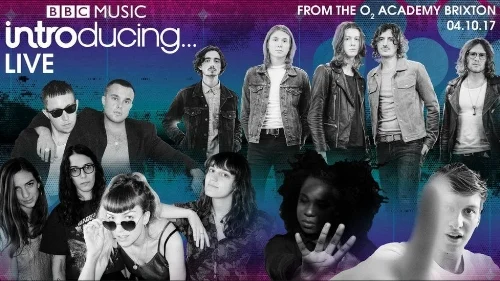
I will finish by bringing in the details surrounding the tenth anniversary of BBC Introducing – and the gig that is going to take place:

BBC Music Introducing has announced a gig at O2 Academy Brixton to celebrate its 10th anniversary.

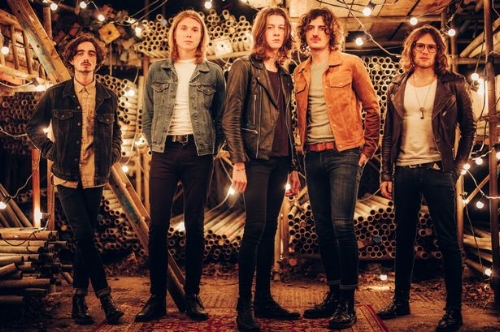
George Ezra, Blossoms, Nao, Slaves and The Big Moon are among the names on the line-up for BBC Music Introducing Live, with more yet to be announced.

The night, featuring artists who have all been backed by Introducing, will be hosted by Huw Stephens, Annie Mac, Phil Taggart, Steve Lamacq and Tom Robinson.

BBC Music Introducing Live takes place on 4 October.

Since launching in 2007, acts supported by BBC Music Introducing have gone on to release 14 UK number one singles and 28 UK number one albums between them.

There are now over 460,000 tracks, which is more than three years-worth of music, uploaded to the BBC Music Introducing website and 170,000 artists are registered.

Each BBC regional radio station across the country has a BBC Music Introducing programme dedicated to finding local talent.

Some of the musicians they discover are then picked up on a national and international stage through BBC Radio 1, 1Xtra, Radio 2, 6 Music, Radio 3, Asian Network and World Service.

Bob Shennan, Director, BBC Radio and Music, said: "I'm incredibly proud of the work BBC Music Introducing has done over the last 10 years to bring talented UK artists, from all musical backgrounds, to a national and international audience.

"So many of the musicians supported by BBC Music Introducing have gone on to achieve great success and this gig will be a fantastic opportunity to celebrate all that is special about new music in the UK."

george.jpg

IN THIS PHOTO: George Ezra/PHOTO CREDIT: Robert Blackham

George Ezra

"The music industry was a very intimidating and confusing world for me when I was 18.

"I knew I wanted to perform and write for a living but had no idea how to make this a reality.

"BBC Introducing was, and still is, the most amazingly inclusive platform I could have asked for. Long live Introducing."

Blossoms.jpg

IN THIS PHOTO: Blossoms

Blossoms

"The BBC plays a significant part in everybody's lives in one way or another, but BBC Music Introducing (specifically) has certainly played a colossal part in ours, especially in our embryonic stage, and has continued to support us throughout.

"They provide a service like no other and are at the forefront when it comes to championing and nurturing new talent."

NAO.jpg

IN THIS PHOTO: NAO

NAO

"BBC Introducing were fantastic to me when I was starting out.

"Not only did they give me my first radio play but they put me on at Glastonbury, which at the time was a dream come true.

"They're a hugely important part of the BBC and a big reason why more interesting music can break through in the UK compared to other countries."

Big Moon.jpg

IN THIS PHOTO: The Big Moon

The Big Moon

"They've championed us from the beginning and given us the opportunity to play amazing festivals in the UK and abroad.

We're incredibly grateful for their support and are so so happy to be playing at their 10th anniversary."

FEATURE: Globetrotting (Part Three): Thirteen Artists to Watch

FEATURE:


Globetrotting (Part Three):

gretta.jpg

IN THIS PHOTO: Gretta Ray/PHOTO CREDIT: Emma McEvoy Photography 

 Thirteen Artists to Watch

________

IT is rare we get to travel the music world…

vryll2.jpg

IN THIS PHOTO: The Vryll Society

and discover artists from outside our own nation. The media does its best to cover other areas but it can be hard keeping a track of everything. In the third edition of the Globetrotting series; I have collated artists from Edingburgh, the U.S. and Canada; Swedish and Icelandic talent – plus, some Australian and Liverpool gems in the collection for good measure!

________

The Night Café

night.jpg

Location: Liverpool, U.K.

Genre: Indie

Essential Song: Felicity

Cardi.jpg

PHOTO CREDIT: Natalia Mantini

Location: New York, U.S.A.

Genre: Rap

Essential Song: Bodak Yellow

Follow: http://iamcardib.com/

Gretta Ray

gretta2.jpg

Location: Melbourne, Australia

Genres: Alternative; Indie

Essential Song: Towers

JFDR.jpg

Location: Iceland

Genre: Indie

Essential Song: White Sun

Hater.jpg

Location: Stockholm, Sweden

Genre: Indie

Essential Song: Coming Down

el.jpg

Location: Los Angeles, U.S.A.

Genres: Folk; Rock; Country

Essential Song: Malibu Moon

Follow: http://www.elijahocean.com/

Emma Stevens

Emma.jpg

Location: Surrey, U.K.

Genres: Singer-Songwriter; Country; Folk

Essential Song: A Place Called You

Follow: http://emmastevensmusic.com/

Pastel Felt

pastel.jpg

Location: Los Angeles, U.S.A.

Genre: Rock

Essential Song: Miel

Follow: https://www.facebook.com/pastelfelt/

The Vryll Society

VRYLL.jpg

Location: Liverpool, U.K.

Genre: Indie

Essential Song: Shadow of a Wave

Lion.jpg

 PHOTO CREDITMorten Fog Photography

Location: Vancouver, Canada

Genre: Alternative-Rock

Essential Song: Going Going Gone

steff.jpg

Location: London, U.K.

Genre: Grime

Essential Song: 16 Shots

Camp.jpg

PHOTO CREDITIan Laidlaw

Location: Melbourne, Australia

Genre: Alternative

Essential Song: Keep Growing

Follow: http://www.elijahocean.com/

Indigo Velvet

Indigo.jpg

PHOTO CREDIT: Alice Hadden Photography

Location: Edinburgh, Scotland

Genre: Alternative

Essential Song: Mona

FEATURE: BBC Radio 1 and 2 at Fifty

FEATURE: 

sched.jpg

IMAGE CREDIT@BBCR1

 BBC Radio 1 and 2 at Fifty

________

ANYONE who says radio is a dying medium…

Nick.jpg

IN THIS PHOTO: D.J.s Nick Grimshaw and Tony Blackburn

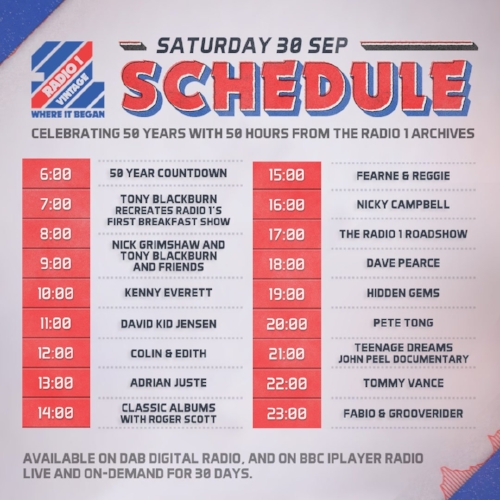
would do well to remember the impact and influence it actually has. The fact BBC Radio 1 and 2 are celebrating fifty years of broadcast shows there is a lot of demand and love for the quality and variation you get on the radio. I will employ my own thoughts but a lot of other sources have been celebrating the milestone anniversary the past couple of days. This morning, D.J.s Nick Grimshaw and Tony Blackburn presented a joint ninety-minute broadcast that featured music from the past fifty years. Radio 1 has launched a ‘pop-up’ vintage station to feature fifty one-hour themes shows (over the next three days). On this morning’s celebratory show was Sara Cox – a current Radio 2 D.J. (who hosted the Radio 1 Breakfast Show between 2000-2003) – whose first record on her show was Robbie Williams’ Let Me Entertain You – she started the job three days early and, tasked with hitting the ground running, put in a pretty great show. She recounted how nervous that first show was but how exhilarating it was.

truck.jpg

I shall let the BBC ­take up the rest of the story:

Veteran broadcaster Mike Read, who hosted the breakfast show for five years from January 1981, spoke about the former BBC Radio 1 roadshows.

He told how he once played Wham! classic Club Tropicana with three kazoos on stage at a roadshow in St Ives, Cornwall, alongside George Michael and Andrew Ridgeley.

"We had such a great time that we said 'lets stay for the whole weekend'," he added.

"It wasn't exactly George's kind of weekend so he flew back the following day, but Andrew and myself stayed on and had a crazy time, gatecrashed a few parties and had enormous fun."

He added: "The roadshows were fantastic. I want to go back and do those all over again."

read2.jpg

IN THIS PHOTO: Mike Read

Red telephone

Tony Blackburn, who hosted Radio 1's first ever show, spoke about interviewing The Beatles and Rolling Stones and also of touring with Diana Ross and The Supremes.

"That was the big moment for me. I was standing on the side of the stage and listening to her and watching her. It was fantastic, because I love Diana Ross.

Blackburn also described hanging up on Frank Sinatra, who had the same agent as him.

He described how a red telephone, usually reserved for Radio 1 bosses to call the studio, started ringing one day.

"I picked up the phone and said 'who's that' and he said 'Frank'.

"I said 'Frank who?' He said 'Frank Sinatra' and I said 'oh very funny' and put the phone down.

"I thought it was Pete Murray, one of the DJs at the time. He always used to send us up a little bit and do these things - but it was actually Frank Sinatra."

Meanwhile, Simon Mayo - who hosted the breakfast show from 1988 to 1993 - spoke about his interviews with Sir Paul McCartney and Sir Mick Jagger.

"Mick Jagger and the Rolling Stones were part of Radio 1 in the 90s as well. Even then you are dealing with a guy who has been responsible for 30 years of hits."

The show heard archive footage of Jagger appearing on Mayo's "God of the week" section of his show.

New-look stations Radio 1 and 2 were launched on 30 September 1967, from what had previously been the BBC's Light Programme”.

tone.jpg

IN THIS PHOTO: Tony Blackburn in 1967

It has been a momentous and eventful day for the stations. Although Radio 1 peaked in the 1970s; it first broadcast, obviously, was back in 1967. It was seen as an edgy and cutting station: Radio 2 a more middle-of-the-road show that could go alongside Radio 1. Before that, there was BBC Light Programme  - it had been broadcasting music and entertainment since 1945. It is interesting to learn about the background and why there was so much anxiety when Radio 1 was launched. We all know about pirate stations like Radio Caroline and Radio London. The former, especially, gained huge notoriety and acclaim during its tenure. It was a rebellious, offshore station that brought music to the people. It was a ‘pirate’ station because it was outlawed by an Act of Parliament. There was, also, an element of swashbuckling about stations like Radio Caroline. Something very cool, outlawed and contemporary – we do not really have any likeminded stations these days. Things have changed so we do not need to moor stations out to sea but there are, I guess, a few smaller stations that have the same sort of vibe as Radio Caroline. It is just as well things did change as radio has become more mainstream and widespread. It would be shocking to imagine a world without radio – if Radio Caroline’s death was the end as we know it. That could never be but it is was a huge relief when Tony Blackburn launched BBC Radio 1 at 6:55 A.M. on 30th September, 1967. He had worked on Radio Caroline and Radio London and was a natural, affable voice to herald in a new era. U.S.-style jingles were used on the station and that was familiar to those who had followed Blackburn during his pirate radio station days. The Move’s Flowers in the Rain was the first full record played and, in its early days, D.J.s like Ed Stewart.

boat.jpg

Jimmy Young and Kenny Everett made their voices known. I will end the piece by looking at facts about Radio 1 and 2 – and the most popular BBC D.J.s of the past fifty years. Although there were a lot of great names in those early days; it was Annie Nightingale’s appointment in 1970 that created the biggest wave – she became Britain’s first female D.J. She is the longest-serving presenter and is responsible for more women coming into radio. It is amazing that, until 1970, there had been no British female D.J.s on the air. It would be an outrage if there were no female D.J.s today but, back in the 1960s, it was not seen as that unusual. Pioneers such as Nightingale broke boundaries and ushered in, gradually, a change in radio. Now, we have so many wonderful female D.J.s in the country – that is down to Annie Nightingale and what she created from the 1970s. It is pleasing to hear she is still a D.J. and has such a passion and determination for what she does. I am not surprised she became the first female D.J. as her defiance and love of music can never be extinguished. Over the decades, there were changes and controversies. In the 1970s, there was a sense that radio had become institutionalised and was part of a huge corporation like the BBC. A few of the D.J.s, like Jimmy Young, were in their 40s – and there was the feeling BBC Radio 1 and 2 were bringing in ‘older’ listeners. Before, pirate stations like Radio London, were aimed at younger listeners. Times changed and radio had to broaden and become more conventional. That being said; Radio 1 rose to become the most-listened-to station in the world with many of its D.J.s courting column inches in the tabloids of the time. That was not due to scandals but the celebrity status they had acquired. Owing to a lack of competition at the time – a few periphery stations but no mainstream rivals – BBC Radio 1 and 2 (the former, especially) was free to reign and dominate.

steve.jpg

IN THIS PHOTO: Steve Wright

Eventually, Radio 1 became more crossover and took talent from other parts of the BBC. High-profile D.J.s like Steve Wright departed – an unsuccessful move from his long-running afternoon show to the breakfast slow in 1994 – meant Chris Evans was drafted in. Evans was sacked in 1997 and Mark and Lard (Mark Radcliffe and Mark Riley) only lasted a few months when they took over the breakfast show. There were bumps but the rebrand and changes at Radio 1 coincided with the birth of Britpop. At a time when British music ruled and compelled: BBC Radio 1 seemed like the perfect station to soundtrack the explosions, developments and joys of the time. That, alongside Rave and Dance of the 1980s and 1990s, brought in youth-orientated like Pete Tong. He was a D.J. that laid down a mark and saw many age-appropriate contemporaries come to the station. It seemed, by the 1990s, Radio 1 was becoming what people wanted all along: a station with younger D.J.s who played music that definitely did not stray anywhere near the middle of the road. As the station went into the 2010s; things changed even more:

The licence-fee funding of Radio 1, alongside Radio 2, is often criticised by the commercial sector. In the first quarter of 2011 Radio 1 was part of an efficiency review conducted by John Myers.[12] His role, according to Andrew Harrison, the chief executive of RadioCentre, was "to identify both areas of best practice and possible savings."[12]

The controller of Radio 1 and sister station 1Xtra changed to Ben Cooper on 28 October 2011, following the departure of Andy Parfitt. Ben Cooper answers to the Director of BBC Audio and Music, Tim Davie.[13]

On 7 December 2011, Ben Cooper's first major changes to the station were announced. Skream & Benga, Toddla TCharlie Sloth and Friction replaced Judge Jules, Gilles Peterson, Kissy Sell Out and Fabio & Grooverider. A number of shows were shuffled to incorporate the new line up.[14] On 28 February 2012, further changes were announced. Greg James and Scott Mills swapped shows and Jameela JamilGemma Cairney and Danny Howard joined the station. The new line up of DJs for In New DJs We Trust was also announced with B.Traits, Mosca, Jordan Suckley and Julio Bashmore hosting shows on a four weekly rotation.[15] This new schedule took effect on Monday, 2 April 2012.

Jameela.jpg

 IN THIS PHOTO: Jameela Jamil

In September 2012, Nick Grimshaw replaced Chris Moyles as host of "Radio 1's Breakfast Show". Grimshaw previously hosted Mon-Thurs 10pm-Midnight, Weekend Breakfast and Sunday evenings alongside Annie Mac. Grimshaw was replaced by Phil Taggart and Alice Levine on the 10pm-Midnight show.

In November 2012, another series of changes were announced. This included the departure of Reggie Yates and Vernon Kay. Jameela Jamil was announced as the new presenter of The Official Chart. Matt Edmondson will host a weekend morning show and Tom Deacon will return to present a Wednesday night show. Dan Howell and Phil Lester, famous YouTubers also joined the station. The changes took effect in January 2013.[16]

Former breakfast presenter Sara Cox hosted her last show on Radio 1 in February 2014 before moving to Radio 2. In March 2014, Gemma Cairney left the weekend breakfast show to host the weekday early breakfast slot, swapping shows with Dev.

In September 2014, Radio 1 operated a series of changes to their output which saw many notable presenters leave the station – including Edith Bowman, Nihal and Rob da Bank. Huw Stephens gained a new show hosting 10pm-1am Mon-Wed with Alice Levine presenting weekends 1pm-4pm. Radio 1's Residency also expanded with Skream joining the rotational line-up on Thursday nights 10pm-1am.

From December 2014 to April 2016, Radio 1 included a weekly late night show presented by a well known Internet personality called The Internet Takeover. Shows have been presented by various YouTubers such as Jim Chapman and Hannah Witton.[17]

In January 2015, Clara Amfo replaced Jameela Jamil as host of The Official Chart on Sundays (4pm-7pm) and in March, Zane Lowe left Radio 1 and was replaced by Annie Mac on the new music evening show.

In May 2015, Fearne Cotton left the station after almost 10 years. Her weekday morning show was taken over by Clara Amfo. Adele Roberts also joined the weekday schedule line-up, hosting the Early Breakfast show.

In July 2015, The Official Chart moved to a Friday from 4pm-5.45pm, hosted by Greg James. The move took place in order to take into account the changes to the release dates of music globally. Cel Spellman joined Radio 1 to host Sunday evenings 4pm-7pm.

Clara.jpg

IN THIS PHOTO: Clara Amfo

Radio 2 has experienced such shifts but is truer to its original roots than Radio 1. It has maintained its more mature sound and has always appealed to a slightly older target audience. That sounds like a jab but if there were two stations exactly like Radio 1 then there would be no point. Both plays mainstream songs but from different ends of the spectrum. Both stations, between them, have inspired other stations to form and remain the most popular brands in British radio. Against all the turbulence and change over the past five decades – Radio 1 and 2 have launched artists and helped break careers (in the good sense). It is debatable how far the influence stretches but newer stations like BBC Radio 6 Music stemmed from Radio 1 and 2; smaller stations have taken their cue from them and, in fact, most of the new mainstream radio stations would have been influenced and compelled by Radio 1 and 2. One cannot truly underestimate the legacy and continued effectiveness of BBC’s best and biggest stations. Things have changed since the early days. There are a lot more female D.J.s – like Sara Cox and Jo Whiley; Clara Amfo and Fearne Cotton – on the air and demographics have shifted. There are more black and Asian D.J.s and a mixture of the older, established legends and the new breed. It is exciting seeing the continued evolution of Radio 1 and the sturdy establishment of Radio 2. Radio 3 and 4 came later (than 1967) and offer something different – less popular music but a more intellectual and news/factual-driven show with features and discussion shows. Radio 6 Music is, perhaps, the natural offspring of Radio 1 and 2. It seems to splice the two and provide a broader palette.

radio2.png

I will end this by, first, bringing in a list of fifty facts about the stations:

1. The first voice on Radio 1 was Tony Blackburn, right? Wrong. Shortly after 5:30am on 30 September, broadcaster Paul Hollingdale was at the helm, with his Breakfast Special show broadcast simultaneously on both stations.

2. The opening announcement was not what you'd call dynamic...

3. The two stations split at 7:00am. After a five-second countdown, Tony Blackburn officially launched Radio 1 with a jingle promising "too much fun" and the sound of a barking dog.

4. The first song played on Radio 1 was Flowers In The Rain by The Move. Over on Radio 2, it was Julie Andrews singing The Sound Of Music.

5. George Martin's Theme One, however, was technically the first piece of music on Radio 1. Blackburn also played Johnny Dankworth's Beefeaters under his opening link.

6. Blackburn later revealed that the famous film footage of the launch was recorded the night before, and he had to write down the words, so he could replicate them when the station went live.

7. Many of Radio 1's presenters were drawn from the ranks of pirate radio - but they found the BBC a lot more strait-laced. "I was yelled at when a 10-second link lasted 11 seconds," recalled Keith Skues. "'You cannot just ignore Greenwich Mean Time, Skues!'"

8. Weather presenter Rosie O'Day received 12 complaints in the opening weeks of Radio 1 and 2. Why? Because she had the audacity to be a woman. "Please, please spare us from Rosie O'Day reading the weather forecast," complained one. "It sounds more like a children's fairy story. I'm sure she is a charming girl, but let us stick to a man for the weather news!"

9. Radio 2's Ken Bruce has a licence to drive Routemaster double-decker buses, and owns six of them, which he hires out for weddings and funerals.

10. Before his Radio 1 debut, Dave Lee Travis stole the microphone he'd used on Radio Caroline. "The very first pirate broadcasts were made on it, and I thought, 'I have spent so much of my time on this ship, I'm having a souvenir,'" he said. "I just went and got a pair of scissors and cut the cable."

ken.jpg

IN THIS PHOTO: BBC Radio 2's Ken Bruce

11. Radio 1 launched half a decade after The Beatles' debut single, a fact that did not go unnoticed by the music industry. Trade magazine Record Retailer accused the BBC of "trailing years behind public taste" and warned "the new station must swing if it is to be effective".

12. Radio 2's own soap opera, Waggoners Walk, launched in 1969. Set in Hampstead, it was often controversial, covering story-lines like contraception and homosexuality.

13. The show was cancelled at short notice in 1980. Some of the cast heard the news on the radio, and the writers responded by having aliens invade Hampstead Heath.

14. Terry Wogan made his Radio 2 debut in 1967, presenting show Late Night Extra - "on the beat with music and news [and] off the record with pop".

15. The Radio 1 Roadshow began in July 1973 with a Land Rover pulling a converted caravan around British holiday resorts. It's now morphed into the Big Weekend, with up to 100,000 fans watching acts like Jay-Z, Foo Fighters and Madonna playing unlikely towns like Swindon, Dundee and Norwich.

16. Between 1967 and 2004, John Peel brought more than 2,000 artists into the BBC to record one of his fabled Peel Sessions. First up were psychedelic rock band Tomorrow, with the likes of Led Zeppelin, Pink Floyd, Jimi Hendrix, Bob Marley, The Smiths, Nirvana, Pulp and The White Stripes coming after.

17. But it was The Fall who recorded the most Peel sessions - 32 in all.

18. These days, DJs are expected to know everything about music - but no-one can be right all the time. Revealing the Radio 1 Top 40 in March 1981, Tony Blackburn announced a new entry by pop newcomers "Duhran Duhran". After several phone calls, he corrected the mistake, saying: "None of us are too big to apologise."

kenn.jpg

IN THIS PHOTO: Kenny Everett

19. Kenny Everett recorded several interviews with The Beatles for Radio 1 and 2 - but he also helped inspire one of their lyrics after taking an acid trip with John Lennon on the Weybridge golf course (of all places).

"A couple of months after my psychedelic round of golf with John I was in the Abbey Road recording studios where the Beatles were recording I Am The Walrus," wrote Everett in his autobiography. "When he got to the line about getting a tan from standing in the English rain, he stopped and said to me: 'Reminds me of that day on the Weybridge golf course, eh Ken?' to which I replied: 'What'?' I'm sure he thought I was a complete lemon... or was it a bird?"

20. Chris Evans has presented both the Radio 1 and Radio 2 Breakfast Shows - but he got his start in radio as Timmy Mallet's assistant on Manchester's Radio Piccadilly, playing a character called Nobby No Level, whose catchphrase was: "What I don't know - I don't know!"

21. To celebrate its fifth birthday in 1972, Radio 1 released hundreds of balloons from the top of Broadcasting House. Attached to each balloon was a form on which the finder could write their favourite record title and return it to their favourite DJ, who would play it on air.

22. In 2015, Elaine Paige helped Pieter - a regular listener to her Radio 2 show - propose to his boyfriend live on air.

23. Derek Jameson, who presented Radio 2's Breakfast Show from 1986 - 1991, became a broadcaster late in life as a consequence of suing the BBC. The former newspaper editor accused Radio 4's Week Ending of libel for saying he was "so ignorant he thought erudite was a type of glue". He lost the case and was ordered to pay £75,000 in costs - forcing him to accept a job with the corporation he had sued.

24. Many songs have been "banned" by BBC Radio over the years - but one of the first to be censored by Radio 1 was Pink Floyd's It Would Be So Nice. A reference to the Evening Standard newspaper in the opening verse was enough to breach the BBC's strict no-advertising policy.

Relax.jpg

25. DJ Mike Read got the blame for banning Relax - but he says the decision wasn't in his power. "I didn't ban Relax," he said, "the BBC banned it. I was just a BBC employee." Defending the decision, he added: "The video did have that big fat Buddha bloke urinating from the balcony into somebody's mouth. Even now, that's not terribly good."

26. Read later made up with the band and provided a voice-over on the TV advert for their debut album.

27. Jimi Hendrix, Madness and The Who have all recorded jingles for Radio 1 and 2.

28. On December 6, 1980 Radio 1's Andy Peebles interviewed John Lennon and Yoko Ono in New York, just two days before John was assassinated.

29. In 1976, Tony Blackburn fell to pieces on air, after his wife Tessa Wyatt, star of hit sitcom Robin's Nest, left him. With millions listening, he played Chicago's If You Leave Me Now over and over again, begging for Tessa to return. He has called this his "one big broadcasting mistake".

30. In 1991, Radio 1 managed to persuade Whitney Houston to cover for Simon Bates while he was on holiday.

31. Nowadays, almost every show has some sort of interactive element, but Annie Nightingale's Sunday Night Request Show was Radio 1's first request show. It ran for 12 years from 1975.

32. Taping songs off the radio was a rite of passage days before streaming. It was illegal, of course, but Annie used it to her advantage. "I used to say: 'In a few minutes, I'll be playing Is That All There Is by Cristina,' so it gave people a chance to set up their tape recorders," she laughs.

annie2.jpg

IN THIS PHOTO: John Peel and Annie Nightingale

33. Nigel Ogden, the host of Radio 2's big organ bonanza, The Organist Entertains, first featured on the show as a player in his teens, before taking over as a presenter in 1980.

34. "Hi there, pop pickers". "Quack Quack, Oops". "Stop!.... Carry on". "One Year Out". "It's Another True Storeeee!" "Not 'Arf".

35. After a Christmas Party got out of hand in 1995, Chris Evans "phoned in sick" for the following day's Breakfast show. He was duly docked a day's pay - reportedly in the region of £7,000. The following morning, he was back on the airwaves, telling listeners: "I feel like I've had a holiday in Bermuda - although it was more expensive than a week in Bermuda, obviously."

36. Simon Bates' first job at the BBC was as a Radio 4 continuity announcer. "I was very bad at it too," he told The Independent. "I never mastered the art of saying 'Radio 4' between the end of one programme and the start of the next. If you try it, it's really very difficult."

37. Early DJs were hired for their skills as presenters, rather than an interest in music. John Peel, the one exception, remembered attending a party at Dave Lee Travis's house when he "suddenly realised that DLT didn't own any records". He asked him about it and Travis replied, "Oh no, it's too much trouble... Anything I really like I've copied on tape. I've got quite a lot of tapes and I play them in the car, you see."

38. Chris Moyles opened his first Radio 1 Breakfast Show in 2004 with a five-minute song crammed with clips of his predecessors. The song concluded with the prescient declaration: "From now until they fire his ass, the saviour of Radio 1 is here".

39. Moyles clocked up eight years in the hot seat before bowing out in 2012 - making him Radio 1's longest-serving Breakfast presenter.

chris.jpg

IN THIS PHOTO: Current Radio 1 Breakfast Show host Nick Grimshaw with its former host, Chris Moyles

40. Terry Wogan managed 27 years on Radio 2's Breakfast show, before bowing out in 2009. Bidding farewell, he said: "Thank you for being my friend," before cueing up The Party's Over by Anthony Newley, which features the lyrics: "Now you must wake up, all dreams must end."

41. In 1976, Noel Edmonds presented the Radio 1 Breakfast show live from a flight from London to Aberdeen. During take-off, he played Fifth Dimension's Up & Away In My Beautiful Balloon, the needle on the record skipping as the plane's wheels left the ground.

42. Except they didn't... the whole programme was an elaborate hoax for April Fool's Day.

43. Jeff Young pioneered Radio 1's first dance music programme with his "Big Beat" show in 1987. Pete Tong and Dave Pearce picked up the mantle with Dance Anthems and the weekend Recovery Session - a breakfast show for clubbers - in the 1990s.

44. Amy Winehouse's Live Lounge cover of Valerie by The Zutons was so popular it was later turned into a single in its own right, produced by Mark Ronson. It became one of her biggest hits, charting at number two (higher than the original, which peaked at nine).

45. Emma Freud once introduced a song by an artist she called "PJ and Harvey" - raising the enticing prospect of indie queen PJ Harvey duetting with Ant and Dec's alter-egos PJ and Duncan.

46. Laura Sayers, a former Radio 1 producer, met her husband through a feature on the Scott Mills show, which she was working on at the time. One Night With Laura saw Scott and the team scour the country to find a listener to be her new boyfriend. After trying to impress a panel of judges, the contestants were whittled down to a final four, before an eventual winner was chosen. However, Laura actually ended up marrying one of the runners-up, James Busson.

47. In 1992, a poll conducted by Radio 1 saw listeners vote Stars by Simply Red as their favourite album.

stars.jpg

48. The most popular video on Radio 1's YouTube channel is Miley Cyrus's cover of Lana Del Rey's Summertime Sadness - which has more than 35 million views.

49. In 2011, Radio 1 entered the Guinness World Records when Chris Moyles and his then-sidekick Comedy Dave presented the longest music radio show by a DJ team or duo, clocking in at more than 51 hours. Their record has since been broken and is currently held by Belgian DJs Eva Daeleman and Peter van De Veire, who broadcast non-stop for a staggering 100 hours in 2015.

50. When it was first launched, the Radio 1 website had a considerably longer URL than it does now, as Pete Tong found out when he attempted to read it out on air.

The second piece is a list of the greatest BBC D.J.s of the past fifty years:

Sir Terry Wogan has been named the greatest BBC radio presenter of the last 50 years in a Radio Times poll of broadcasting experts.

Sir Terry presented Radio 2's breakfast show for a total of 28 years.

John Peel, who discovered dozens of new bands during his long BBC career, was in second place.

The top 10 includes four women - Woman's Hour presenters Jane Garvey and Jenni Murray, its former presenter Sue MacGregor and DJ Annie Nightingale.

tel2.jpg

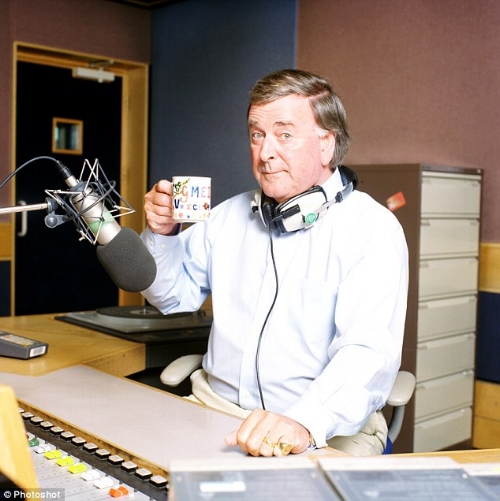
IN THIS PHOTO: Sir Terry Wogan

1.       Sir Terry Wogan

2.       John Peel

3.       Sue MacGregor

4.       Annie Nightingale

5.       Alistair Cooke

6.       Kenny Everett

7.       Jane Garvey

8.       Humphrey Lyttelton

9.       Eddie Mair

10.   Jenni Murray

11.   Brian Redhead

12.   Kirsty Young

13.   John Humphrys

14.   Melvin Bragg

15.   Danny Baker

16.   James Naughtie

17.   Fi Glover

18.   Linda Smith

19.   Nick Clarke

20.   Tony Blackburn

I hope that gives an insight into BBC Radio 1 – and its sister station, 2 – and why its fiftieth anniversary is such a big deal. It has helped shape radio and music and remains and remains one of the world’s biggest brands and a go-to for serious music listeners. It is a time/weekend to celebrate and congratulate a fantastic milestone. Let’s hope the next fifty years since BBC create new stations and secure its existing foundations. We all take Radio 1 and 2 for granted but few of us would have any idea they could have survived when pirate stations like Radio Caroline were sunk. Those first (rather brave) words by Tony Blackburn welcomed in a new era and, with it…

Launch.jpg

IN THIS PHOTO: The D.J.s that launched BBC Radio 1 on 30th September, 1967

A radio revolution.

FEATURE: Wild Beasts: Esprit De Corps and Tristesse 

FEATURE:


Wild Beasts:  

Wild2.jpg

 Esprit De Corps and Tristesse 

________

I will keep this nice and short but I could not let…

wild.jpg

PHOTO CREDIT: Maxyme G. Delisle

this day past without marking the sad news of Wild Beasts’ split. I will write about them in greater depth as details prevail but, seeing Hayden Thorpe’s eloquently and heartfelt letter (posted on Instagram) announcing the band’s break-up – it makes me realise what a hole will be left. The band has been credited with bringing sensuality and poetic spirit into the mainstream – helping a degree of sophistication and old-school lust into music. The intellect of Hayden Thorpe (the frontman and co-writer) is matched by his flexible and extraordinary voice. With Ben Little and Chris Talbot providing musical support and perfect notes – a tight and compelling band who have amassed a huge amount of respect since their debut. It is the interplay and connection between Thorpe and co-vocalist/writer Tom Fleming that fascinates me. The wild, boy-like flight and extravagance of Hayden Thorpe’s voice perfectly blends with Fleming’s deep and commanding tones – the two able to weave exceptional magic by uniting their voices. My first exposure to the band, like many, was their debut album, Limbo, Panto – they released three E.P.s before 2008 but their debut L.P. is the record that put them on the map. That record, listening now, sounds so far ahead of its time.

Limbo.jpg

The galloping rhythms and weirdness of Brave Bulging Buoyant Clairvoyants; the growling and gurning of She Purred, While I Grrred; the brilliant of the Fleming-led His Grinning Skull – so much variation, beguiling oddity and originality on that record. Some critics were off-put because of Thorpe’s vocals – a divisive tool that can either take you by the soul or grab you by the bollocks. Anyone who takes umbrage at his free, flowing and dancing voice do not realise the nuance and potency it holds. It is not only the (co)lead that makes the band so special – I will talk about them in the present-tense as they are, technically, still together. Through their career, they managed to alter and evolve their sound without sacrificing their ethos. Two Dancers (2009) and Smother (2011) smooth the rougher, wilder edges of their debut and offer great control, elegance and depth. The former is a stunning record that contains some of their debut-era leap – Hooting & Howling and All the King’s Men – but a, in When I’m Sleepy and Empty Nest, different aspects and strands. They managed to maintain their incredible lyrics and originality but brought a greater sense of romance and tenderness to the physicality. If the debut concerned a youthfulness and sexuality then Two Dancers was the sound of young men more considerate and level-headed.

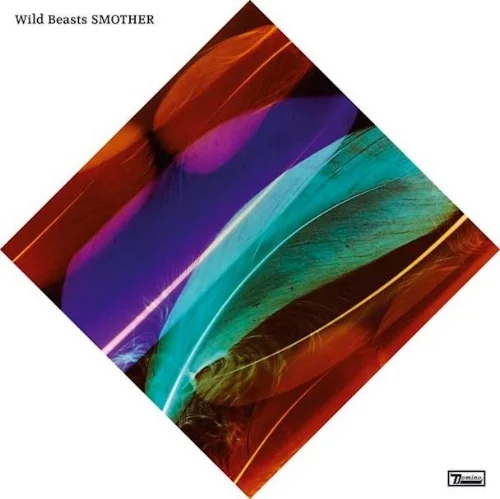
smother.jpg

Smother followed that and, if anything, is the peak of their career. Smother made the top-ten of many critics’ end-of-year lists and no surprise. Hayden Thorpe, keen to head away from London – the Yorkshire-raised band moved to London early in their career – and to the Lake District. The soundscape and majesty of the place inspired their most widescreen, beautiful and rich album so far. Wild Beasts could never abandon the sweat and scintillating of sex – Plaything and Reach a Bit Further address romance and relations with typical intelligence and poetic flair – but, here, they bring yet MORE details and colour into their work. Present Tense was the sound of a band detaching from touring and the burn-out of 2012. That year found them hitting the road hardcore. Having released three albums in four years; many could forgive them for wanting to have a rest – that was not going to happen. They said goodbye to long-term producer Richard Formby and drafted Leo Abrahams in (alongside Lexx). They helped sharpen the band’s material and help assimilate more electronic and synthesised sounds into the blend. Present Tense, as a result, remains a more direct and stringent work (than Smother). Boy King, their final album, saw another shift and retool. The boys returned to the sexual abandon and masculinity of Limbo, Panto – albeit, a less florid and more aggressive reinterpretation. The album addresses modern-day masculinity and features heavy synths and compressed drumming – more guitar solos and a thud that sounds foreign when compared to their previous records.

boys.jpg

That departure from Art-Pop stunned some critics – who felt they had lost their edge and compromised – but, in truth, is was the band remaining fresh and mobile. Recorded in Dallas with producer John Congleton; it won plenty of plaudits but, perhaps, showed the band had lived through their finest days. The circumstances of the band’s split are not known but one hopes the split is amicable – the brother-like bond one hears in interview and on the stage suggests they were as close away from the microphone as on. It is hard to say but perhaps it is the end of the creative road – let’s hope the members all find successful careers away from Wild Beasts. The tears have only recently dried from the realisation another great British band, The Maccabees, are no longer with us. I play Pelican (from their third (and penultimate) album, Given to the Wild) like I’d read a text from an old lover – remembering the good times and wondering where the hell it all went wrong. As I rock in the shower in a pool of my own tears whilst adopting the foetal position – I thought the sense of loss would not heighten. The Wild Beasts lads might not have the same fanbase and critical appreciation as The Maccabees but, in the way we mourned and reacted to the band’s unwanted split, there are a lot of disgruntled and affected fans of Wild Beasts. They have made an incredible impact on music and their absence will be felt.

There are no other bands that have the same chemistry and songwriting combinations of them. It is pleasing knowing they leave a legacy and have inspired other bands to bring poetry, sophistication and layered compositions together. I am doing Wild Beasts a disservice because there are so many other components and positives that one can preserve. The guys had/have an incredible stage presence and speak so beautifully in interviews – articulate and deep; always fascinating to hear. I hope there are no tensions in the band and there was a consensus to the division – they all need to move on and try new things. I hope, too, there is a Maccabees-style farewell gig from the band. I am not sure when they are officially no more – and whether they release a final single – but that will all come to light. Whilst there is a sombreness and unexpected shock in music right now; the effect the band have had is clear. On Twitter, the likes of Everything Everything (influenced by Wild Beasts) and Zola Blood have shared their sadness. As we say goodbye to a fantastic and inspiring band; we look back at their incredible career and what they have brought to music. Thanks to Wild Beasts for the beautiful, sweaty and sensational music. I am confident we will never… 

Letter.jpg

SEE anyone quite like you again!

FEATURE: Flip the Record Over: The Best B-Sides Ever

FEATURE:


Flip the Record Over:  

beatles.jpg

IN THIS PHOTO: The Beatles

The Best B-Sides Ever

________

IT may appear irrelevant in an age where we are…

Beach.jpg

IN THIS PHOTO: The Beach Boys

neglecting physical formats and getting our music from streaming sites – but there is a lot to be said about the humble single. There was a day when people used to buy singles and there would be a B-side – I am aware I sound quite patronising; as though this was hundreds of years back. It does feel like a product of an older time but, happily, there are modern artists putting out B-sides. This might be because there is a bit too much material around – not strong enough for an E.P./album but too good to waste – or the chance to retain some of music’s history and tradition.

To me, it allows the listener to hear those less-than-perfect tracks that were cut at the same time (as the album-worthy gems). Because of this, and looking back at some terrific music, it is a chance to show why B-sides should be brought to life. I collate those overlooked songs that definitely stick in the mind…

__________

Mac.jpg

Fleetwood Mac - Silver Springs

A-Side: Go Your Own Way

Year of Release: 1976

Noel.jpg

Noel Gallagher’s High Flying BirdsRevolution Song

A-Side: Ballad of the Mighty I

Year of Release: 2015

shut.jpg

Bruce Springsteen - Shut Out the Light

A-Side: Born in the U.S.A.

Year of Release: 1984

beatles.jpg

The Beatles You Know My Name (Look Up the Number)

A-Side: Let It Be

Year of Release: 1970

Primal.jpg

Primal Scream - Velocity Girl

A-Side: Crystal Crescent

Year of Release: 1986

God.jpg

The Beach Boys - God Only Knows

A-Side: Wouldn’t It Be Nice?

Year of Release: 1966

street.jpg

Radiohead - Talk Show Host

A-Side: Street Spirit (Fade Out)

Year of Release: 1996

Oasis.jpg

Oasis - Half the World Away

A-Side: Whatever

Year of Release: 1994

Green.jpg

Booker T & The M.G.'s - Behave Yourself

A-Side: Green Onions

Year of Release: 1962

Joy.jpg

Joy DivisionThese Days

A-Side: Love Will Tear Us Apart

Year of Release: 1980

how soon.jpg

The Smiths - How Soon Is Now?

A-Side: William, It Was Really Nothing

Year of Release: 1984

Franz.jpg

Franz Ferdinand Shopping for Blood

A-Side: Darts of Pleasure

Year of Release: 2003

hello.jpg

The BeatlesI Am the Walrus

A-Side: Hello Goodbye

Year of Release: 1967

FEATURE: The Void: What Is the Point of Music Talent Shows?

FEATURE:


 The Void:

guitar.jpeg

IN THIS PHOTO: Cat Deeley is to host Sky 1's new talent show, Sing: Ultimate A Cappella

What Is the Point of Music Talent Shows?

________

I will bring in a selection of other journalists into…

judges.jpg

IN THIS PHOTO: The judges (and presenter) from The X Factor

this piece because, when it comes to slating reality shows, you can never have enough criticism! This is not going to be a slagging-off-talent-shows-for-the-hell-of-it sort of article: I want to understand why they are popular and whether they hold relevance in 2017. Cat Deeley – someone I have a lot of time for and feel is extraordinary – is fronting a new talent show called Sing: Ultimate A Cappella. The idea behind it is simple: it is a singing contest without instruments; the performer is key and it brings in groups of all varieties. There are a few issues with this initial premise. Saying this is ‘all-new’ would be like saying singing contests are new: this has been done so many times it is formulaic. There will be judges, as you’d come to expect, and I can sense the demographic and demands you’d have of the judges – the ‘mean one’, that liberal and open-minded option; a couple of yes-men/women. Ever since Simon Cowell helped popularise Pop Idol all those years ago – I shall get to that/him in due time – we have been inundated with lazy rehashes. This new singing show is as old and worn as every other one out there. The premise itself is flawed as there is no demand for this type of performers in modern music. I admire – another aspect I shall get to – shows that concentrate on rare aspects of music and do not go for the mainstream. There are newly-devised concepts, more later, that puts a new spin on the format and has originality and purpose. The Cat Deeley-fronted singing/talent show will shine a light on something quite old-fashioned and anti-commercial.

Cat.jpg

A capella groups died with the dodo and have not been marketable for many decades. I admire a strong voice but there is not a viable and sustainable market for any a capella artists in this time – we have evolved and music does not proffer this type of sound. The likes of Boyz II Men were an exception but, yeah, it might be nice to see them back in the frame. If, conceivably, a group like that could be discovered – and they chose to refute an army of producers and songwriters – and made music on their own terms; that could spearhead something good. The only trouble is the judges and public will not go for that. What you’ll find, when the show comes to the final episode, the winner will be nothing like that. It will be a young white group that will be instantly – if a record deal is offered – controlled and manipulated by a record label. Even if the singers write their own music: the need to make something commercial and populist will mean they have little say. Also, music talent shows do not put the instruments at the forefront. All of the X Factor/The Voice-type shows focus on the voice – there are backing tracks but you do not have any real instrumentalists or musicians on these shows!

son.jpg

IN THIS PHOTO: Birmingham band Sons of Pitches team up with Deeley on her new venture

If, God forbid, any talent show should recognise a musician or anyone with an iota of personal talent and distinction – the bedrock of British television will crumble and we will find something genuinely worthy. I have endless affection for Cat Deeley but I feel her consummate professionalism, radiant personality and undeniable talents cannot cover the fact Sing: Ultimate A Cappella is nothing more than a re-derivation of every single singing show of the past decade-or-so – the format, composition and look is a carbon copy of all the talent shows you’ll ever see. I think the show is on Sky 1 but, to be honest, I can already predict its outcome and ending. The reviews will be mixed, at best (the tabloids, no doubt, will love it) and we will be subjected to the same faux-drama, tearful bullsh*t and cloying sentimentality we have had to stomach since the lamentable birth of Pop Idol. It is a sorry time when anything other than criticism and approbation meets the announcement of a singing talent show. I know the ‘winner’ of the show will get a record deal; release an album and never be heard from again – it will get a niche appeal and not see a second album demanded or required. If there is a second series – the blood does run cold – then the outcome will be repeated. I would like to say Sing: Ultimate A Cappella is the last straw that breaks the camel’s back – can we see this ridiculous pantomime and patheticness put to bed?! If Cat Deeley’s long-awaited return to our screens is a thing to celebrate: the substandard ship she is expected to sail will sink without trace.

ulti.jpg

An argument that states another failed singing enterprise would see the cure of a rife T.V. disease is as full of holes as a cheesegrater’s jockstrap. We have seen dozens of the sodding shows around the world and, despite critical attack and a distinct lack of place. Anyone who respects and loves music is driving away spirits that go for manufactured and cheap artists. We are struggling to breed those who have a real voice and anything significant to say. Pouring fuel on the fire of reality/singing T.V. shows is going to scar the music industry beyond recognition. Those who hate these shows rebel against it but it is almost the done thing for singers and artists to appear on these shows. I know artists who have performed/auditioned and always wonder why. It is never, as some claim, a good experience and harmless fun. At the back of the mind is that lure for fame and the sheen of T.V. – wanting their faces out there and getting a quick buck. I suspect the realities and poor living conditions of music are behind the desperation to get on these shows.

Pop.jpg

Musicians/singers have little chance for long-term success in an industry that is rival-hungry and shoulder-deep. Getting a record deal is near-impossible and forging an enduring career is even harder. Unsigned acts can make money through touring but, with venues closing around us, how much are they really making?! I do worry many realise how fraught and fractured music is and the only way to have any sort of career is through the cheap option. The thing is, when it comes to the contestants, their careers will never be long or inspiring. I have followed these shows since the beginning – the current trend (I know singing shows have been on T.V. for a lot longer) – and always wonder what happens to those who win the shows. Their albums come out and they rarely survive: those who do are never the best you’ll hear. How many of us, on a daily basis, would like to hear Olly Murs, Will Young; Leona Lewis or…hmmm…thought I could name a fourth! That’s the issue, you see: try and rattle-off a list of the winners and one will struggle (I am not actually sure if all of them WON, to be fair). That is another thing: if the runners-up and outsiders get more attention and success than the winners then what is the point of staging it as a competition?! The obituary of the singing contest format is there ready to be stamped. Talk about flogging a dead horse!  Before I conclude; I’ll look at others’ opinions and why I feel those underground/unique shows – that have the same intention as the mainstream shows – need greater oxygenation.

Nadia Khomami, writing for The Guardian, reviewed the recent opening episode of this year’s X Factor:

Saturday night viewing has long been dominated by the battle between X Factor and Strictly Come Dancing, but with ratings for Simon Cowell’s music show at a record low, and an underwhelming line-up for the latest Strictly, the fight may be turning into one simply for survival.

Last Saturday’s launch of the X Factor had the lowest ratings for a debut episode since it first aired in 2004, with an average of 6 million viewers and a peak of 6.9 million for the ITV talent contest judged by Cowell, Nicole Scherzinger, Sharon Osbourne and Louis Walsh.

The numbers were slightly better on Sunday with 6.5 million tuning in. But while both episodes made the X Factor the most-watched programme of the night, it continued the downward trend given the 2011 launch show pulled in 10.8 million viewers. Last year’s final was also the least-watched since the one in 2004.

“Contest formats have had remarkable longevity, and it’s natural that they’re going to tail off,” said Tom Harrington, a TV research analyst at Enders. “I wouldn’t say it’s a tired format, but it is becoming less interesting. Audiences had become overexposed to such shows”.

judges.jpg

Is it, as the article suggests, a case of over-exposure and familiarity? Have we become so attuned to the endless cavalcade of T.V. singing shows that the core audiences are the only remaining – and the casual viewer prefers to watch something with a bit more clout? There are those who say the issues is not resigned to singing/music alone. I am one of a few who cannot stomach the likes of Strictly Come Dancing. I will not argue why that format is as flawed as The Voice, let’s say, but, for me, there are too many dance-related shows shooting up – every successful format has imitators and those who want to take it in a new direction. The difference is we are not being forced to buy dancers and what they do. We have to endure these talent show contestants putting their music out and vying for our attention – this is never the case with dance troupes and the Strictly contestants. Many could say there is pointlessness to shows where the winner is not taking further and takes part for the fun of it. The fact Strictly Come Dancing does not have that commercial edge and need to launch a star into the ether makes it a more popular option with viewers – happy to tune in and not find the future exposure of a satanic chart-hogging drone.

Berget.jpg

IN THIS PHOTO: One of this year's X Factor contestants, Berget Lewis

Another piece, that also investigated the opening episode of 2017’s X Factor, took a different stance:

Cowell’s secret weapon in giving heart to his shows has always been the emotions of ordinary people. Whether it’s the grateful tears of a stardom-bound teen, or the grief of the contestant given more screentime if they’ll talk about their lost loved one. As an audience we need the emotional meat to bite into or it’s just the thin gruel of differently-abled singers.

But it was Cowell’s own anguish that provided the emotional full stop to Sunday’s episode. While filming the auditions in July, it was reported that his mother had died. He said she would want him to continue with the show and was back at auditions shortly afterwards. Although it wasn’t verbalised, the curious end to Sunday’s episode showed Cowell, just after an expressive audition from a young man whose best friend had died, breaking away from his fellow judges, apparently crying. Fernandez-Versini looked concerned and audibly dithered about whether to go after him. She didn’t and he disappeared off, a secret anguish lurking behind his aviators as the camera lingered on him.

The decision to wordlessly include his personal loss in the show is an odd one. But it does explain why he has had no compunction about using the sadness of others in this way. It’s all showbiz.

the voice.jpg

IN THIS PHOTO: The current judging panel of The Voice

There is, I am well aware, a good way of making all these shows go away: turn the T.V. off! That is all well and good but my objection is not to their mere presence. My issue surrounds what they are doing to music and what they are telling young artists. Shows like The X Factor and The Voice are using their platform to embarrass and exploit young artists. I guess they know what it is all about but (the shows) are pulpits for harsh scrutiny, ritual tension and false ideals. Even if a show takes a ‘nice’ approach and goes easy on a contestant, one has to wonder whether this is being truthful and honest. The flip of the coin is the likes of Simon Cowell; someone who revels in his role as T.V.’s pantomime dame. He gets off on coruscating and chiding singers and reeling off his tired and copy-and-paste barbs. We can block the shows from our T.V. but that does not expunge them from the world. I am getting depressed by the artists I come across who have appeared on talent shows and highlight it as a career-high. That is worrying to hear and something that is making me sceptical about the future-potential of music. If artists who, I feel, could go far are saying they willingly go on to shows like The Voice then that makes me question my own values. Back in 2012, when there was a lot of criticism levied at T.V. talent shows, NME ran a piece:

“…However, the negatives that are levelled at The X Factor are misguided. The stress, bullying and vapidity that comes with it is not unique to Simon Cowell’s theatre of pop – all the X Factor is doing is televising what the music industry is like behind closed doors. If you’re in a supposedly credible indie band, you’ll be jumping through the same hoops as someone like JLS. It’s a grim, shit-flecked world behind the veneer of the records you like and, somehow, Simon Cowell has turned the ogre-ish world of music into a successful entertainment programme that, basically, is to music what wrestling is to professional sport.

However, the negatives that are levelled at The X Factor are misguided. The stress, bullying and vapidity that comes with it is not unique to Simon Cowell’s theatre of pop – all the X Factor is doing is televising what the music industry is like behind closed doors. If you’re in a supposedly credible indie band, you’ll be jumping through the same hoops as someone like JLS. It’s a grim, shit-flecked world behind the veneer of the records you like and, somehow, Simon Cowell has turned the ogre-ish world of music into a successful entertainment programme that, basically, is to music what wrestling is to professional sport.

That said, there’s nothing wrong with enjoying WWE, just like there’s nothing wrong with The X Factor. Yet, time and time again, the same half-baked criticisms are levelled at it. Cher Lloyd, this weekend, was bottled off stage at V Festival. Of course, bottling anyone off stage is an act of supreme cowardice because there’s always a better option (that option being that you can walk away and do something else, especially at a festival and, if your best option is to stand and watch someone you hate, then you’ve been an idiot for buying tickets to a festival with an awful line-up).

arretha.jpg

IN THIS PHOTO: The Queen of Soul, Aretha Franklin

So what if these acts don’t write their own music? Neither did Aretha Franklin. The Supremes didn’t write any of their greatest songs, yet, Chris De Burgh wrote every single foetid note of his. The assumption that ‘the best’ write their own material is bunkum. Just ask Elvis Presley.

Maybe the problem is that the process of graduating from a talent show is galling? The ‘best’ bands cut their teeth without them and rise to the top by sheer talent alone, right? Well, there are a huge number of acts that have graduated from talent shows. The Zombies won a record deal through a rigged talent show way back when. Ella Fitzgerald, Gladys Knight, James Brown and Michael Jackson all graduated from talent spots in Harlem. Are they lesser artists because they didn’t play the toilet bowl circuit for years?

I agree that shows like The X Factor are simply opening eyes to what happens behind these closed doors but that is not a good thing. One can write an article about bad practices and exploitation. These shows are not ironically doing the same and making practical and important changes. Their ethos is to popularise and promulgate something seedy, commercial and cruel. It is not impressive and progressive creating shows that elevate the worst facets of music: it is contemptuous, pointless and offensive. Again, when the journalist talked about certain artists getting their break through these talent shows; I am full aware some great artists appeared on talent shows and went to music school. They are rare exceptions and, to be fair, the fact they have endured has nothing to do with those appearances – they did that with huge talent and originality.

Let It Shine.jpg

IN THIS PHOTO: Let It Shine was not renewed for a second series/PHOTO CREDIT: Guy Levy/BBC

If there was a singing/music show that proffered artists and then let them get on with things then I’d be all for it. Artists like The Zombies did not succeed because of their talent show appearances nor did they take great pride from those times. These are rare exceptions and the vast majority of great artists did not go on talent/singing shows – how many legendary and reputable acts do you know who did?! I argue against the point that challenges the songwriting chops of the talent (on reality shows). Michael Jackson and Aretha Franklin did not go on T.V. talent shows and put themselves in front of millions. There is a huge gulf between local talent ‘spots’ and televised circuses. Tonnes of great musicians go to battle-of-the-bands gigs and local talent contests. That is a different thing and has little in common with The Voice, for instance. Again; these acts used this as a platform and managed to ensure they were successful because of their own minds, direction and talent. If they had been given record deals off the back of their talent contest times then they would have been controlled and extinguished within a short space of time. Getting back to my point and one cannot say there is any parallel between Michael Jackson and Aretha Franklin – who often use co-writers and sing rather than write. I know Eva Cassidy did not write her own songs and loads of top-notch artists had other writers. I am not debating that but I am not saying those who write their own material is best.

Fleur.jpg

IN THIS PHOTO: Singer Fleur East has performed on The X Factor a number of times - and not translated that exposure to a popular and notable career

The fact Elvis Presley, Gladys Knight and Aretha Franklin did not write their music does not hide the fact they became iconic because of their personalities, voices and potency. I do not object to T.V. show contestants not penning their own stuff. If the material they are singing is great then that is the main thing; if they have a driving and inspiring façade then that sticks; if they can inspire others and stand out from the crowd then that wins me – none of this is true; nobody who ever appears on singing shows will ever have anything like as much talent as Presley or Knight. These artists would not be seen dead on these shows so making any comparisons is pointless and misjudged. I accept there are a few good points to T.V. singing shows. For one, it does appeal to a certain audience who likes their music less potent and a bit more manufactured. They are entitled to their views and tastes so we cannot deny them. It is the sheer number of these shows that galls me. Two is bad enough – The Voice and The X Factor – but we have Sing: Ultimate A Cappella, Pitch Battle and God knows how many filtering through every channel you can imagine. I have heard there’s a few underground options that have the talent show aspect at heart but strip away all the cruelty, commercial and crass.

voice.jpg

I am not sure if they have seen the light of day but the idea is to focus on bands/musicians who play their own stuff – whether self-penned or not; it focuses on authentic players – and gives them a record deal at the end. The voting is done by those who watch the acts in each show (a live audience) and the winner gets to make music on their own terms. Maybe I dreamt it but I know there are shows not that dissimilar that have been trialled. The way things are is not good as it is maddening to see T.V. singing shows survive and mutate. I am not against all talent shows but think, if you want credible music-lovers and the jaded masses to come in; offer something that takes the histrionics and emotion away and features musicians. They do not have to perform instruments necessarily but showcase artists that at least write their own material. Open it up in terms of genres – the T.V. options are too Pop-driven – and take away the farcical judging element. Have judges but staff the panel with proper music professional or fellow performers that know what music needs right now. If we had a couple of these variations – and stopped it there before too many said the same thing – that could replace the current order and make the T.V. singing talent show a watchable, worthy and wonderful thing. What we have now is so tired, horrid and pointless it is highlighting what fatigue there is in music. There is not a popular demand for the here-today-gone-tomorrow merchants and these brief careers. Eliminate the format and, if we are to have any singing/music talent shows on T.V., make sure they are formats that show up the…

Rock.jpg

PHOTO CREDIT: Unsplash

BEST and most beautiful in music

FEATURE: RedWineHead: Cool Artists to Watch in 2018  

FEATURE:


 RedWineHead:

big moon.jpg

IN THIS PHOTO: The Big Moon/PHOTO CREDIT: Lauren Maccabee

Cool Artists to Watch in 2018  

________

THIS is a busy day for me in terms of writing…

malaka2.jpg

IN THIS PHOTO: MALAIKA

but I wanted to start off by highlighting a few artists, I think, will be a big deal in 2018. I will do another such compilation later this year but it is worth giving backing to acts that have already made an impression – and look set to do so as we creep towards 2018.

I am excited discovering such an eclectic and promising bunch of peeps. Without further ado; a rundown of groups and artists that are going to make some waves next year….

________

milk.jpg

PHOTO CREDIT: Emma Swann

Milk Teeth

Location: Stroud

Snippet:

(An interview the band conducted with DIY)

Set in the middle of endless green, sheep-flecked hills, Stroud – a market town in Gloucestershire – is the sort of place where it’s entirely reasonable to find a different vegetarian cafe serving variations of tofu every second step. People pairing tweed suits with monocles isn’t even considered outlandish in these parts, and nightlife-wise, there’s a single sticky-floored club called Warehouse with a light-up dancefloor. Otherwise, the local music scene consists of born and bred bands gigging around the pub circuit, a man dressed as a jester playing keyboard covers on the high street, and the occasional failed attempt at hosting rural music festivals; before the fields are overrun with underage cider-swiggers, that is, and the whole thing gets closed down.

An anomaly to Stroud’s decidedly quiet reputation are Milk Teeth. Breaking the countryside hush with their raucous debut album ‘Vile Child’ last year, the band left behind their tranquil hometown to make a right beautiful racket around the world, supporting a dream roll-call of acts – from Refused and Against Me! to rising cult heroes Creeper – along the way. Now back where it all began, Milk Teeth are sat around their beloved park bandstand where they host regular meetings. Inexplicably, somebody nearby has a tame owl perched on their arm. A gaggle of baby swans are drifting lazily down a stream. And Becky Blomfield – Milk Teeth’s chief vocalist and bass-wielder – would quite like a cider, to be honest. “There’s a Tesco across there,” she says. “I’m down”.

Twitter: https://twitter.com/MILKTEETHPUNX

Facebook: https://www.facebook.com/milkteethpunx/

malaka.jpg

MALAIKA

Location: Leeds

About:

"Originally hailing from Belfast and now residing in Leeds, Malaika’s saccharine vocals and jazz inspired melodies have quickly turned heads across the UK. After winning ‘Best Jazz/Blues Act’ at this year’s Unsigned Music Awards last month and supporting pop-soul sensation JONES on some of her Autumn tour dates, it’s no surprise why so many industry insiders are tipping Malaika as ‘one to watch’ for 2017 ."

Follow: https://www.malaikamusicuk.com/

Twitter: https://twitter.com/malaikamusicuk

pale.jpg

Pale Waves

Location: Manchester

Snippet:

(An interview lead Heather Baron-Gracie conducted with NME)

Where do you see your band in five years?

“We want to have a Number One album. We just want to grow and be playing sold-out tours. I reckon we can do it. You’ve got to be positive and optimistic. We’re all in.”

Follow: http://www.palewaves.co.uk/

Twitter: https://twitter.com/palewaves

sof.jpg

Sofi Tukker

Location: New York

Snippet:

(An interview Sophie and Tucker conducted with NNW)

NNW: Your music has a lot of different sounds that make it hard to describe with just one genre. Is that something you set out to do?

T: I don’t think intentionally we were like, “Let’s make a genre bending thing.” I think we sort of just made it and thought it would be some artsy niche thing and then more people liked it and listened to it than we thought.

S: Most people called it Pop.

T: We don’t really know what to call it but we like that. A lot of our new songs are I think equally as hard to categorize but in totally different ways and it’s fun. We just get to be creative and do stuff that people aren’t used to hearing things together. We just kind of do whatever we want and if we like it we hope other people will like it.

S: It doesn’t mean anything is off limits.

Follow: https://www.facebook.com/sofitukker/

Twitter: https://twitter.com/sofitukker

bansk2.jpg

Ms Banks

Location: London

Snippet:

(Exert taken from Source)

"Ms Banks, a South London native of Nigerian and Ugandan heritage, brings her own unique perspective to the UK Grime scene. Her rhymes are authoritative in nature and speak on her experiences growing up in the ‘hood with a predominantly male circle. Banks smokes weed, finds it uncomfortable presenting herself in an overtly sexual way and loves a challenge, but prefers to keep things classy. These traits make her stand out in an industry determined to make her fill the feminine stereotype. She feels that her gender only boosts her popularity and isn’t worried about breaking into a male-dominated industry.

Ms Banks has been rapping since she was 12 years old, inspired by her uncle who used to rap over drum and bass beats. Her real name is Thyra with a silent H, so the comparisons to the American supermodel turned businesswoman were inevitable. Adding the Ms to the Banks was her way of formalizing her take on the name and Ms Banks was born. She began songwriting at the age of 15 to vent her experiences and help herself through troubled times. These songs formed her debut mixtape Once Upon A Grind, which came out in 2014.

Her big break later came when her radio host friend encouraged her to start recording in the studio at 18. From there, she was invited to open mic nights and started to build her social media presence, including posting popular covers on YouTube. Since then she has collaborated with the likes of Tinie Tempah and JME and stacked up quite a few awards. At this point she is happy to be an independent artist and doesn’t want to sign to a major label anytime soon".

Facebook: https://www.facebook.com/msbanks94/

Twitter: https://twitter.com/MsBanks94

goat.jpg

Goat Girl

Location: London

Snippet:

(An interview the band conducted with DIY)

Unassuming they may be, but “shit” is one thing they’re not. What began as a folk group boasting “three part harmonies and guitars” has gone on to become one of the most talked-about new bands – an impressive feat for a group with only two songs released under their collective name. It’s been a natural evolution, one that’s landed the outfit in the middle of a whirlwind of South London-stamped hype – not that they’re paying their acclaim any attention. “It’s good not to look into it too much,” Ellie - who also goes by ‘L.E.D.’, because why not - ponders. “It’s just a natural thing. We didn’t decide to form a band, we just all like making music with each other.” Being touted for great things right from the word go isn’t that uncommon. While Goat Girl sound sure to be on the path to something spectacular, the group make no illusions about where they find themselves right now. “I think that record labels want to snatch up ‘the next big thing,’” Lottie considers. “They’re trying to find this new scene that’s happening with the younger generation.”

Spotifyhttps://open.spotify.com/artist/1ukEEwzjucRtFTxiw2DrDZ

Facebook: https://www.facebook.com/goatgirlofficial/

laska.jpg

PHOTO CREDIT: Steph Wilson

ALASKALASKA

Location: London

Snippet:

(An exert from an interview the band conducted with DIY)

"ALASKALASKA only formed a year and a half ago, but already this six-piece have built a cult following from a handful of dates in their native London. Short but sweet, these low-key shows are rammed with sweaty punters all raving to a monstrous groove. Everyone leaves elated, totally enraptured with the band’s jazz-infused art-pop that blends disco, funk and R&B into a rambunctious new sound. Anything but the icy exterior their name suggests".

SoundCloud: https://soundcloud.com/alaskalaskamusic

Facebook: https://www.facebook.com/alaskalaskamusic/

caleb.jpg

Caleb Kunle

Location: Dublin

About:

"Born in Lagos, Nigeria where he spent his childhood as well as Laois, Ireland. In Ireland at the age of 8 Caleb Kunle began writing music whilst participating in several choirs. 
At age 10 Caleb was part of a urban music group named "Illrics", under the alias "Lyrical Kingpin" he rapped whilst adding soulful melodic chorus to compliment the hardcore hip-hop vibe of the group. The group lasted for 4 years, leaving them with an unreleased album and a lifetime of experience.

Caleb Kunle branched into more electronic sounds, which lead to the project titled "When I was 17". Seeking more diversity he began playing the guitar and branched into his current sound, Soul-Afro-Electro Pop".

SoundCloud: https://soundcloud.com/calebkunle

Facebook: https://www.facebook.com/CalebKunle/

girli.jpg

GIRLI

Location: London

Snippet:

(An exert from an interview GIRLI conducted with The National Student)

Despite dressing head to toe in bubblegum style, GIRLI’s sickly-sweet pop couldn’t be further from sugar 'n' spice and all things nice—videogame melodies and autobiographical lyrics create an angsty cyber-pop cocktail that breaks convention. The opposite of a wallflower, the London-based singer/rapper/producer’s tunes demand as much attention as her neon pink hair and eyebrow combo.

Citing her influences as “Riot grrrl and punk bands like The Slits and Blondie, rappers like M.I.A, lyricists like The Streets and Arctic Monkeys” the self-proclaimed sassy songstress started making music when she was 15.

“I wanted to do something where I could perform and say shit I wanted to say, it was a trial to see if I could express what I wanted to in that way.”

Follow: http://www.girlimusic.com/

 Facebook: https://www.facebook.com/girlimusic/

wild.jpg

Wildwood Kin

Location: Exeter

Snippet:

(An exert from an interview Wildwood Kin condcuted with HMV)

You can understand the Haim comparisons with trio Wildwood Kin. Comprised of sisters Emilie and Beth Key and cousin Meghan Loney, the band have the same close-knit harmonies and turn for a catchy chorus as the Haim sisters, but there's something a lot more British about this threesome, more steeped in early folk and country.

They release their debut album Turning Tides today and we sat down with them to find out how it all came together... 

How did the experience of making your debut album compare to what you’d imagined it would be?

"When we started recording, we'd actually set out to record an EP because we'd had some older songs that we were desperate to record, but soon after starting to record and experiment with newer sounds, we were encouraged to write for a full debut album. At first, it was quite daunting, a debut album is a massive thing, but we've taken our time over it and are really excited to share it with everyone!"

Follow: https://wildwoodkin.co.uk/

Facebook: https://www.facebook.com/wildwoodkin/

skinny.jpg

Skinny Living

Location: Wakefield

Snippet:

(An exert from an interview singer Ryan Johnston conducted with Yorkshire Evening Post)

Last year Skinny Living released an EP called 3 on their own label; they also gained their first taste of playing on a bigger stage when selected to support Jake Bugg at the First Direct Arena. “When we all got on stage it was so calm, we all felt really comfortable, which is strange because in a lot of other gigs we’ve felt more anxious before we got on stage,” Johnston says. “It felt like the bigger stage was more comfortable because you could move around. When we walked out in the crowd there was all these people screaming at us, so I think it was just that moment of everyone being really excited and us feeling welcome on the stage and them wanting to hear us play. It set the bar for us and we’ve been chasing that buzz ever since.”

Twitter: https://twitter.com/SkinnyLivingUK

 Facebook: https://www.facebook.com/SkinnyLivingUK/

hm.jpg

PHOTO CREDIT: Sonja Horsman (for the Observer)

HMLTD

Location: London

Snippet:

(An exert from an interview the band conducted with The Guardian)

Blinking into the sunlight for an interview are British frontman Henry Spychalski (mullet and eyebrows dyed blue, cut-glass accent, wearing a military cap and sunglasses), guitarist Duke from Paris (silver nail polish, leopard-pattern buzzcut, nifty moustache), and drummer Achilleas from Athens (flowing dark curls, piercing stare intensified with eyeshadow); left in the studio are guitarist James, bassist Nico and keyboardist Zac (most of them prefer not to use their surnames).

While hip-hop and R&B have been flourishing, in recent years much rock music has been floundering towards irrelevance. How can they make a bunch of men with guitars exciting again? “For a long time now guitar music has been looking backwards instead of trying to recontextualise itself,” says Spychalski. “It hasn’t been paying attention to what’s happening in trap and hip-hop and electronic music, so it hasn’t kept up with how the majority of people look at music.”

One solution is subverting listeners’ expectations within each song: their first single Stained starts as playful camp rock, morphs into a dramatic postpunk anthem, and culminates in an all-out feast of noise and distortion, courtesy of a sample from experimental hip-hop group Death Grips. “People’s attention spans are a lot shorter than they used to be,” says Spychalski. “With streaming you listen to about half a song and then flip to another one. So it’s important that our music flips between a lot of different things, or else people are going to turn to something else”.

SoundCloud: https://soundcloud.com/happy-meal-ltd

Facebook: https://www.facebook.com/HMLTD/

ter.jpg

Terror Jr.

Location: U.S.A.

Snippet:

(An exert from a piece by Riverbeats)

Terror Jr. appeared seemingly out of nowhere back in March 2016. Their song, “3 Strikes” was featured in Kylie Jenner’s advert for her lip-gloss line which premiered that fateful Thursday. That very same day, the group made their first tweet, declaring themselves “Born”, posted their first Instagrampicture, and uploaded the aforementioned song to their newly created Soundcloud.

This, along with a handful of other potential clues, led fans and critics alike to speculate that Lisa Terror was actually Jenner herself. The theory circulated strongly for a while, but was dismissed by the band and Jenner.

Terror Jr. is presently signed to the new collective, EFFESS, which Singer-Vine runs with Snow. The name itself is a play on Snow’s initials and stands for “Every Fucking Feeling Equals Something Special”. From Kiiara, to Gallant, to SZARita Ora and more, Snow and Singer-Vine’s combined experiences and skills are amplified when they work together and Terror Jr.is no exception.

Their sound is a fusion of dreamy yet sometimes darker dream-pop colored with plenty of references to drugs and sex, all laid over bright synths and and occasional heavy bass work with plenty of saccharine autotuning to top it all off. The imagery they employ to accompany their albums is quite fascinating”.

Twitter: https://twitter.com/terrorjrmusic

Facebook: https://www.facebook.com/Terrorjrmusic/

dream.jpg

Dream Wife

Location: London

About:

The pop punk trio - Alice, Bella & Rakel - Dream Wife formed within the walls of art university in Brighton. When they left uni that's when the rocky roads of Dream Wife kicked in full speed: Their reputation as one of the best new live bands in London is already cemented following tours with Sleigh Bells, The Kills and their recent US triumphant stateside debut on tour at SXSW which earned them praise from NPR, DIY, Stereogum, Nylon, Entertainment Weekly etc. Armed with razor sharp pop tunes and a take no prisoners punk attitude they’re are known to elicit pure chaos at their raucous live shows.

Follow: http://dreamwife.co/

Facebook: https://www.facebook.com/dreamwifedream/

big2.jpg

The Big Moon

Location: London

Snippet:

(An exert from an interview the band conducted with Interview Magazine)

In 2013 Juliette Jackson was waitressing at a cocktail bar in London, writing songs on the side and seeking out a band that needed a bass player. She'd been in groups before but had never been the songwriter or frontperson, so the prospect of either seemed like a stretch. When she hit a wall ("Nobody needed a bass player," she recalls) and widened her search—she asked friends and friends of friends if they knew anyone who played an instrument or wanted to learn how—she found three collaborators: Celia Archer (bass, vocals), Soph Nathan (guitar, vocals), and Fern Ford (percussion). Together they formed the Big Moon in 2014, but before they sat down for pints and to practice, a tracklist was already in the works: "It took me quite a long time to find everyone, or to build up the courage to try to find everyone," explains Jackson, who became the band's lead vocalist and one of its guitarists. "So we had five or six songs before we even existed." 

Last week the four-piece released their debut LP, Love in the 4th Dimension(StarTime International/Columbia). Recorded live, it's a playful and boisterous indie rock record that satisfies an itch for self-revealing, relatable songs and invites the listener to jump around. Interview recently spoke to Jackson and Archer by phone ahead of the album's release, before the band came to the U.S. to perform at SXSW for the first time. They were dreaming of what they'd drink (beer, margaritas), what they'd eat (Mexican food, Doritos), what they'd wear (shorts), and the prospect of meeting celebrities (like Snoop Dogg or President Obama, who both have a standing offer for a free the Big Moon T-shirt.)”.

Twitter: https://twitter.com/commoonicate

Facebook: https://www.facebook.com/commoonicate/

idles.jpg

IDLES

Location: Bristol

About:

IDLES met as a quintet at the death of the indie scene in Bristol and began making visceral and sometimes unlistenable post-punk to a growing crowd. They began with their own club night Batcave and practicing religiously until they felt they had found their sound and their live show; with that in check they have now completed their first album and are savaged in hunger to play their music. They want to give themselves and their art to the audience in a concise and violent way unrivalled by their peers. They have no qualms in terrifying and entertaining in the same breath. They celebrate their influences in a vitriolic and belligerent sound that is both familiar and new. They are a nose-bleed on the ears and they're here to show you they care”.

Official: http://www.idlesband.com/

Twitter: https://twitter.com/idlesband

betta.jpg

Betta Lemme

Location: New York

About:

A Montreal Native of Italian origins, Betta Lemme is a vocalist, songwriter and producer. Betta quickly learned to play any instrument set in front of her. Her three native tongues of English, French and Italian have been incorporated into her music and elusive disposition. Betta made her recording debut as a featured vocalist and writer on Sofi Tukker's "AWOO”.

Follow: https://www.bettalemme.com/

Facebook: https://www.facebook.com/bettalemme/

FEATURE: Beauty in an Age of Denial: Some of the Most Striking Music Venues in Britain

FEATURE:


 Beauty in an Age of Denial:

empire.jpg

IN THIS PHOTO: Belfast's Empire Music Hall

Some of the Most Striking Music Venues in Britain

________
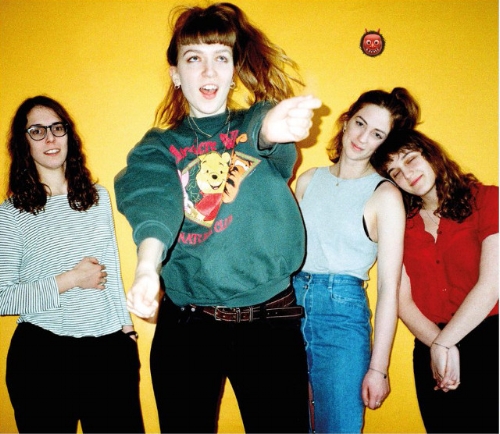
EVERY band and artist who is compiling their tour dates…

wiltons.jpg

IN THIS PHOTO: The exterior to Wilton's Music Hall, London

tries to get out there and bring their music to a range of people – at different-sized spots that are easy to conquer and impress. Maybe it is a lack of cachet and name – but few artists have the opportunity flex their musical muscles at some of those immaculate, eye-opening venues around the U.K. I have found, every time an artist doe gig at such a spot, the reaction is the same: their minds are blown and it goes down in their memory for years.

I am interested in these incredible locations and why more musicians do not play them. Maybe it is the reverence and dignity – any music might defile the quietness and splendour of the surroundings. Any new act looking for a nine-date series of gigs (perhaps with two dates at the best venue) would do themselves good to investigate these wonderful locations.

(All biographical information about the venues taken from their official website/Wikipedia)

_________
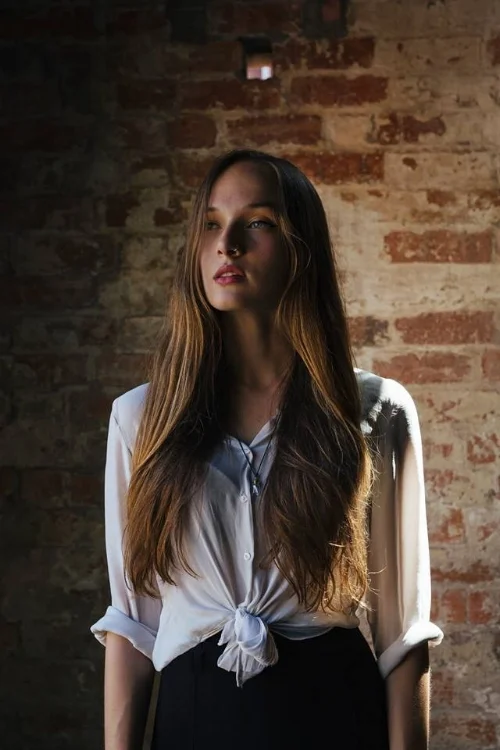
Leeds.jpg

Leeds Town Hall

Location: Leeds

About:

Until early 1813, the Moot Hall at the top of Briggate was the seat of Leeds Corporation and was used for judicial purposes. It was replaced by a new court house on Park Row, Leeds.

Leeds went through a period of rapid growth in the first half of the 19th century and by the mid-19th century it became apparent that the court house was no longer large enough for the functions it performed. In July 1850, Leeds Borough Council decided to build a new town hall and established a committee to assess the opinions of Leeds' inhabitants as to the building of a new municipal hall.

In order to finance the town hall, the council proposed to sell shares in the building to the value of £10 but the proposal failed. The council then proposed introducing a specific rate levied to fund its construction although it was not introduced until after the November 1850 local election, and most residents who would have paid the tax at the time lacked voting rights. The town hall was approved in January 1851 when Alderman Hepper put the motion to the council and it was carried by 24 votes to 12.[2] It was intended to represent Leeds' emergence as an important industrial centre during the Industrial Revolution and symbolize civic pride and confidence”.

Follow: https://www.leedstownhall.co.uk/

Twitter: https://twitter.com/LeedsTownHall

empire2.jpg

The Empire Music Hall

Location: Belfast

About:

There are ample spaces one can appreciate beauty and stunning architecture – it is a city that continues to reveal a colourful crysalise. Ulster Hall is one such venue but one cannot ignore the Empire Music Hall. It has that Wild West-esque theme and one half expects an old piano to play itself – as can-can girls entertain the enraptured crowds. Arcane Roots The Dears and Low have played there – it is a hot and popular stop-off for some of music’s most captivating talent.

Follow: http://www.thebelfastempire.com/

Twitter: https://twitter.com/belfastEmpire

wig.jpg

Wigmore Hall

Location: London

About:

Wigmore Hall, one of the world’s great concert halls, specialises in chamber and instrumental music, early music and song.

Having recently celebrated its 115th Birthday, Wigmore Hall is livelier than ever, offering music-making of outstanding quality and an array of activities in the broader community. With its infectious sense of adventure, it consistently captures the public imagination and broadens its audiences’ horizons.

Wigmore Hall’s focus is on great musical works, best experienced with a powerful sense of immediacy. The repertoire extends 250 years on either side of Beethoven (born 1770) – from the Renaissance to contemporary jazz and new commissions from today’s most exciting composers.

Bringing this music to life are the world’s most sought-after soloists and chamber musicians. Wigmore Hall also provides a showcase for exceptional young artists — some making their professional London debuts — and remains an essential platform as their careers flourish”.

Follow: https://wigmore-hall.org.uk/

Twitter: https://twitter.com/wigmore_hall

ed.jpg

Royal Lyceum Theatre

Location: Edinburgh

About:

The Royal Lyceum Theatre Company is Scotland’s leading producing theatre. With a strong reputation for excellence in classical, contemporary and community work. The Lyceum is committed to developing Scotland’s considerable indigenous talents while presenting the best of international drama. In Season 2016/17, under new Artistic Director David Greig, the company is producing 10 full productions making it one of the largest producing companies in the United Kingdom.

The company has been resident at the Royal Lyceum Theatre since 1965 and has been shaped by artistic and associate directors including Tom Fleming, Ian Woolridge, Kenny Ireland, Bill Bryden and Richard Eyre. Throughout its long history, the company has welcomed many stars to its stage including David Tennant, Alan Cumming and Emily Mortimer to Tony Conti, Ian McKellan and Marlene Dietrich. In Season 2015/16 the company celebrated its 50th anniversary with an acclaimed season programmed by outgoing artistic director Mark Thomson which included the award-winning, sell-out return of Brian Cox & Bill Patterson to the Scottish stage in Samuel Beckett's Waiting for Godot”.

Follow: https://lyceum.org.uk/

Twitter: https://twitter.com/lyceumtheatre

wilto.jpg

Wilton’s Music Hall

Location: London

About:

Wilton’s Music Hall is a gem in the heart of London and the oldest grand music hall in the world. It presents a year round programme of exceptional live music and world-class productions alongside learning and participation work that engages the local community and schools. 

The Grade 2 Star listed building recently completed a 4 year capital project with support from Heritage Lottery Fund and numerous trusts and individuals. This project, designed by Tim Ronalds Architects, recently won a RIBA 2016 National Award, RIBA London Award 2016, RIBA London Conservation Award 2016 and RIBA London Building Of The Year 2016.

Follow: https://www.wiltons.org.uk/

Twitter: https://twitter.com/WiltonMusicHall

bombed.jpg

PHOTO CREDIT: Getty Images

Bombed Out Church

Location: Liverpool

About:

Since 2007 the church has been operating as a managed ruin and multidisciplinary arts venue with a programme of curated events, community engagement and creative learning projects. A gateway building within the city, crucial to both its past and present, the Bombed Out Church is a place for everyone. 

A committed team from diverse backgrounds have devoted tens of thousands of hours to keeping St Luke's Church open to the public and reinvigorated by the arts. Bombed Out Church has been supported on its route to international recognition by a dedicated community of friends and volunteers as well as notable names such as Paul McCartney and Yoko Ono. Together, Bombed Out Church stands as testament to history and to the spirit of Liverpool”.

Follow: http://www.bombedoutchurch.com/

Twitter: https://twitter.com/bombedoutchurch

st.jpg

St. Martin-in-the-Fields

Location: London

About:

St Martin-in-the-Fields is a landmark church in the heart of London. It is a hospitable, vibrant and forward thinking community with worship at its heart. Located on the northeast corner of Trafalgar Square, St Martin-in-the-Fields is steeped in beautiful Georgian architecture which has been imitated across the world.

Whether you are joining us for worship, enjoying a delicious apple crumble in the Cafe in the Crypt, or relaxing to classical music in a candlelit church, St Martin’s offers everyone a warm welcome in the heart of London”.

Follow: http://www.stmartin-in-the-fields.org/

Twitter: https://twitter.com/smitf_london

wylan.jpg

Wylam Brewery

Location: Newcastle-upon-Tyne

About:

Our home at the Palace of Art in Exhibition Park is the last remaining building from the 1929 North East Exhibition. The Exhibition was an ambitious project built to celebrate and encourage Craft, Art and Industry at the start of the Great Depression.

Having remained almost derelict for nearly a decade the building has sprung back to life as a fully operational working Brewery.

Alongside the Brewery there is a Brewery Tap, which is open to the public Thursdays to Sundays inclusive.

The Grand Hall plays host to Live Music, Weddings, Pop Up Events and more …

Church music is provided by a professional quartet of singers at Sunday morning services and a voluntary choir at Evensong. The voluntary choir, open to all, sings regularly on Sunday Evenings and has up to 24 members. The choir was started in 2005 by the current Director of Music, Jonathan Bunney. The voluntary choir has sung at Guildford Cathedral and further cathedral visits are planned for the future.[10]

Current churchwardens are Thomas Hardin and Wil James.

St Giles is pleased to play host to companion groups who provide food and drink for the body, mind and spirit. From 2pm to 4pm on Saturdays and from 1.15pm to 3.15pm on Sundays the Simon Community hold a mobile street café in the north churchyard to dispense tea, coffee, sandwiches, fruit, cake and words of advice, seeking to reach out to the most unreachable.[11] During the week, various self-help groups, such as Alcoholics Anonymous and Narcotics Anonymous, meet upon church premises to assist those with addictions”.

Follow: http://www.wylambrewery.co.uk/

Twitter: https://twitter.com/wylambrewery/

st.jpg

PHOTO CREDIT: Tom Oldham

The House of St. Barnabas

Location: London

About:

Our home at the Palace of Art in Exhibition Park is the last remaining building from the The House of St Barnabas, at 1 Greek StreetSoho, is a Grade I Listed Georgian building in London[1] notable for its rococo plasterworkinteriors and for other architectural features.

Since 1862 the House has been run as a charity to help those who have experienced homelessness.[2] The name of the organisation was changed from the "House of Charity" to the "House of St Barnabas" in 1951.[3] The building functioned as a hostel for women until 2006.[4]

The not-for-profit members' club at The House of St Barnabas opened in October 2013”.

Follow: https://hosb.org.uk/

Twitter: https://twitter.com/hostbarnabas

FEATURE: The Paperless Music Office: The Decline of the Magazine Industry

FEATURE: 

type.jpg

  The Paperless Music Office: The Decline of the Magazine Industry

________

IT is not merely music magazines, I guess, that are under threat in this current climate.

rih.jpg

one of the saddest pieces of music-related news was hearing how Rolling Stone magazine was up for sale. This is how the Variety reported it:

Until recently, Wenner Media was among the largest independent publishers still operating primarily in the print field, with titles Us Weekly and Men’s Journal rounding out its portfolio of magazines. In April, American Media Inc. (AMI), publisher of the National Enquirer, Star, and Men’s Fitness, among other titles, bought Us Weekly — for a reported $100 million, a fraction of the $300 million sale price for a 50% stake that Wenner paid to Disney in 2006 — and Men’s Journal in June (financial terms were not disclosed, but according to an insider, the deal nearly fell apart).

Currently, a diminished Rolling Stone staff occupies a small area on the second floor of 1290 Ave. of the Americas. It has been rumored that Gus Wenner had surveyed a variety of commercial spaces in Brooklyn to which he could potentially move operations. In a recent interview with Bloomberg Business Week, he lamented: “Long-term, I don’t want to be in the business of solely relying on ad revenue with the way things are changing so rapidly.” BBW cited a nearly 10% drop in newsstand sales while online traffic in the U.S. for RollingStone.com had declined by 28%".

mags.jpg

PHOTO CREDIT: Duane Prokop/Getty Images

Ultimate Classic Rock weighed in on the news:

"The New York Times reports that publisher Jann Wenner, who co-founded the magazine in 1967, has agreed to pursue a sale that will leave Rolling Stone out of his hands for the first time in its history — and although Wenner and his son Gus, who’s taken on a leadership role at Wenner Media in recent years, have both expressed a desire to stay on after they strike a deal, they’ve conceded the possibility that the new owners may opt to move on without their involvement.

Paraphrasing Bob Dylan, the elder Wenner told the Times that “if you’re not busy being born, then you’re busy dying,” conceding that as a 71-year-old at the helm of what was once a pointedly counterculture publication, he believes “it’s time for young people to run it.” Both Wenners also admitted that given the current state of the publishing industry, their company’s position isn’t where it needs to be in order to “grow the brand” the way they’d like.

The Times‘ report outlines the ways in which Rolling Stone‘s influence has waned and reputation suffered over the years, as well as touching on some Wenner business deals that have undermined the company’s publishing presence while eroding its ownership stake in RS. It isn’t hard to understand why Wenner might decide to seek out a new owner with “lots of money” to breathe new life into the magazine — but it’s also easy to see why the prospect of a sale is cause for sadness among those who remember its glory days.

“That sense of the magazine editor’s hands on the magazine — that’s what’s going to get lost here,” predicted veteran Rolling Stone critic and editor Anthony DeCurtis. “I don’t know who’s going to be able to step in and do that anymore".

Liam.jpg

This does not mean the end for the beloved journalistic institution but does paint some worrying shadows. To me, like vinyl; music magazines are the physical format that we all grew up on. I remember buying editions of Q Magazine, MOJO and NME. Each publication has its own vibe and one can get a nice balance of the mainstream best and those working away underneath the hoopla. Maybe, like music itself, there is an inevitability music media will become digitised and be more computer-based. It was one of the joys of my early years: rushing to the newsagents and buying the latest edition of NME – sifting through the pages and looking at the reviews and cool features. That magazine is still around but has had to make it free. The fact Rolling Stone is being sold indicates financial burdens and some uncertainties. In fact; I do not know the fate of the U.S. publication – I assumed they would be fine and find new owners who can help jettison and secure the magazine. It is hard to say how its fortunes will play out but I hope there is an injection of finance and guidance that gets the magazine back on track. To be honest and open; Rolling Stone has never failed to provide striking covers and interesting content. Creative Industry Hub backed up the article (above) with their views surrounding NME give-it-to-them-for-free approach:

Press.jpg

IMAGE CREDIT: Unsplash

It’s been a sad few days for music fans from the previous generation and beyond, as NME announces that their circulation has decreased from 300,000 to 15,000. In order to keep the classic publication and legacy alive, they’re being forced to distribute it as a free magazine in hope of gaining a bigger distribution and making the deficit back through advertising instead.

This all sounds too familiar. NME is now using the Spotify model of, ‘give it away for free, and make the money back in advertisements.’ That consumer greed and the lack of willingness to pay for intellectual property, i.e. music is a sick thought, but sadly, this is the reality of music and media in our generation.

Anthing.jpg

PHOTO CREDIT: Anna Wenner

The world is changing as websites move over to digital territory. According to Yorkshire Post, ‘to generations of music fans, it signals the end of an era,’ and I agree. ‘Then, it was an essential part of the pop landscape, promoting the likes of The Beatles and the Rolling Stones and putting them in the line-ups of its annual Poll Winners Concert.’

Again, I agree. And other music magazines such as Kerrang! have struggled also, since the arrival of the digital revolution. But we’re all guilty of it. I used to be an avid, and almost religious buyer of the Kerrang! when I was a teenager, but with social media and the internet, there is no need for me to pay for information any more, and lots of music fans would agree”.

note.jpg

PHOTO CREDIT: Unsplash

I know people have to move with the times and accept the way an industry evolves. It is easier now to get up-to-the-minute updates and a range of new items and articles. We use the Internet for our news – and do not buy newspapers…oh, wait, yes, we do. All of us can access breaking news when it happens so, acknowledged we buy newspapers, then why is our music press under such pressure? Newspapers can contain content their online pages do not and one might get puzzles, articles and conversation-pieces that are solely in the newspaper itself. I worry we are bastardising music and stripping it down to its electronics. The mechanicals and engine are rusting: physicality, soul and complexity have been replaced by something simple and easy. We can apply this theory to music and the way we buy it. C.D.s are still fairly popular but their appeal and sales figures have waned over the years. I buy C.D.s a lot and prefer to have something in my hand that I can actually feel. That may sound odd but many people have the same passion. This is why vinyl has come back into the fore: one can hold a record and get a sense of where it came from and the people who put it together – other than the artist themselves. I have the same reaction with music magazines and press. I want to go down to a newsagent and explore the collection of magazines and what is written on the cover. I get hooked by a great interview of big piece of news shouting from the skin.

zane.jpg

IN THIS PHOTO: Zane Lowe interviewing Chance the Rapper

There are complexities to the argument and we cannot overlook how expensive hiring journalists can be – and the cost of arranging interviews attending gigs. Those expenses are the same in an online forum but I suppose being able to produce so many new and ever-changing pages/articles a day means the reader gets greater regularity and consistency. You do not have to wait a week for something to come out in printed form – sometimes, some of the articles are outdated by the time they hit the shelves. Rolling Stone has, in past years, faced legalities and issues regarding interviews and some of their pieces. If they were to do that online – and not have it printed – it would be easy to retract and remove that offending piece. It is a lot harder when it is in printed form and can throw up a lot of new legalities and offences. I can see the downsides of music magazines and how they are not as relevant and progressive as they should be. That is not their fault: one can only do so much with the printed word. I can accept the limitations and the fact the modern world is becoming digital but we cannot cast away the traditions we put down. I mentioned how we buy physical music and newspapers: D.V.D.s. still exist and they have not been completely extinguished because of the Internet. While I can get on board with a balanced argument: there is another side to things...

typing.jpg

PHOTO CREDIT: iStock

Journalism is an industry always-growing and appealing. The more musicians that come through the greater the demand for pieces appearing on sites/magazines. We still have publications and newspapers with a large music section so I wonder why magazines such as Rolling Stone are facing threats. Music has become a paperless office and editors are keen to reduce overheads and streamline production. Upcoming journalists want to write for the large and popular magazines and follow in the footsteps of the greats. It is aspirational being a writer/contributor for a magazine: online sites seem less personable and more reductive. Too many writers are told to limit their word-count and produce something punchy and bite-sized. Magazines have time to wallow and bring the reader a more immersive and detailed experience. We cannot abandon great magazines and make everything music-related digital. It is soulless and, whilst it may be more updated and versatile – money plays too much of a part of things. Everything coming down to cost and affordability is what is strangling a lot of the promise and soul out of music. Rolling Stone needs to address its controversies and legal issues but, if you take them away, you have a trusted and fascinating source for music. In my mind; the best part of discovering new music and reading about the week’s event is giving that magazine in your hand. I love to pour over an article and sac each line. Maybe there is a different chemical process when reading from a screen but you cannot beat the feel and experience of reading a music magazine.

media.jpg

Some argue there is tabloidisation and a lack of teeth in the British music press, for one. The current mainstream best is not as explosive as Punk and the huge movements we experienced before – there are not many artists with something important to say that could lead to a front-page-worthy headline. Even if that were true – there might be few who would argue against – there are plenty of marvellous and original artists in the underground that can kick-start magazines. If we turn more column-inch and time to the underground acts it will only put the spotlight on the next generation but guarantee there is always something worth buying – people will pick up magazines get more into the written word. Even with music; I think we should be encouraging people to spend less time in front of computers and more time reading. It is easy to list arguments why we cannot allow the likes of Rolling Stone to face peril and (possibly) close their doors. If that were to happen – or they would change drastically – we would lose one of the last big music magazines that can…

full.jpg

 PHOTO CREDIT: Lu-Hai Liang

ATTRACT more people into music journalism.

FEATURE: Madonna: For One, For All, For Everybody

FEATURE:


Madonna:

mad.jpg

 Madonna: For One, For All, For Everybody

________

THERE are few who can argue against the notion…

1983.jpg

IN THIS PHOTO: Madonna (in 1983) during 'The Lollipop Session' shoot/PHOTO CREDIT: Deborah Feingold

Madonna helped transform music upon her arrival. The reason I am focused on her is that, on 6th October, it will be thirty-five years since her single, Everybody, was released. That was the lead-off track from Madonna's eponymous debut album and a song that helped kick-start a legendary and enduring career. Holiday would arrive a year later but one cannot underestimate the importance of Everybody. The album, Madonna, was well-received by critics and gained a huge number of fans. In 1982, aged twenty-four, Madonna was living in New York and trying to establish a music career. Her then-boyfriend Steve Bray, whom she was living with, became the drummer in her band - and, between them, they changed styles in an attempt to find their niche. Madonna had a rough tape with three songs on it including Everybody – and, after splitting with Bray and being dropped by Gotham Records (Madonna was signed to them but dropped as they were unhappy with her direction), she took matters into her own hand. Frequenting the Danceteria nightclub in New York; she convinced D.J. Mark Kamins to play the song, Everybody. The song went down well and from there Kamins decided he would get Madonna a record deal. Taking it to the boss of Island Records, Chris Blackwell – on the understanding Kamins would get to produce it – it was rejected.

1.jpg

They went to Sire Records who offered Madonna a deal and $5,000 in advance - $10,000 in royalties for every song she wrote. The twelve-inch single of Everybody was produced by Mark Kamins at Blank Tapes Studios, New York, and recorded and their own cost (Madonna helping foot the bill). Madonna and Kamins had misunderstandings during the sessions: each differed in regards what they wanted from the song and the direction it would take. It was, despite the uncertainty, released and became a big Dance hit. It was the start of a fantastic career and, whilst not her finest single, was the introduction of a stunning and iconic talent. Madonna was offered an L.P. deal following Everybody’s success and the incredible album, Madonna, was released. She was influenced by Dance-Pop and Post-Disco at the time but struggled to shake Disco – some of the album’s songs dated and using equipment that came off as dated. Madonna looks back at the album as a missed opportunity. She hoped she would have dispensed with the Disco obsession and added a bit more variety in there. It is a bit harsh from someone who, whether she knew it or not, had created a fantastic debut album. Everything was the song that started it and showed what a talent we had in our midst.

alb.jpg

By July of 1983 – when her eponymous debut was released – her name was well-known and she began to rise the charts and minds – touted as a future star and someone to watch closely. If reviews, in some quarters, were mixed then it would not be long until she gained the sort of praise and adulation she warranted. Her debut was a success but Madonna wanted to take control for her follow-up, Like a Virgin. The label was not ready to give her that freedom so drafted in Nile Rodgers – not bad if you need a producer to help make a hit record! That ambition and determination from Madonna was impressive to see. In an age where we see many of our mainstream stars keen to employ a multitude of people to make their music pop and shine – it is worth remembering one of music’s most iconic talents was eager to steer her music from an early stage. Steve Bray and Madonna co-wrote five songs – Madonna writing a further one herself – on the album and it is a big step from her debut album - in terms of confidence and production. There is a lot more variation and more standout songs. Into the Groove, included for the 1985 re-issue (issued outside North America) and Like a Virgin resonated with her young audience. Her knack for producing a timeless and instant Pop classic meant, upon its release, Like a Virgin saw teenagers queuing the block to get their hands on the album.

like.jpg

The same way teenagers queued for The Beatles’ records in the 1960s: there were masses hustling and bustling to purchase Like a Virgin. The confidence from someone so young gave many, including a lot of female fans, inspiration and guidance. Material Girl, the album’s lead-off track (and second single), is one of the most recognisable songs of the era. If some felt the irony in the song did not match the social and political climate of the time; other recognised it as a song that perfectly highlighted Madonna’s situation and rare talents. She claimed, like many, how materialism plays a big role and she had that zeal for possessions and success. The kind of men who would have been around her wanted the same things – the more meaningful aspects of life not as important. In a time when the Reagan/Thatcher era reigned: Material Girl is the antithesis of all they were promoting. Material Girl remains an iconic song and one that influenced so many people. Like a Virgin, another huge smash, had tease and sensuality. Madonna, not a virgin at the time, liked how the words did not quite make sense – how can anyone be like a virgin?! – but had a huge amount of fun playing with it. Although the biggest songs from that album did not have Madonna as a writer – she understood how the lyrics connected to her and what they meant. Madonna was a hit and that rare breed: the street-smart singer who had the glamour of Marilyn Monroe. Witty, teasing and strident: few artists could claim to have that same pedigree and variation.

mad1984.jpg

IN THIS PHOTO: Madonna in 1984

Few female artists were exerting their sexuality in the mid-1980s – it was the male artists who were the most ‘confident’ and accepted in this sense. Like a Virgin opened the door for an artist who did not want to be a girl and commercial puppet – different from the controlled Pop stars that were projecting a sweet and twee image at the time. True Blue was released shortly after Like a Virgin. The prolificacy of Madonna was incredible at the time. This sense of expeditiousness did not lead to sloppy and hurried material. True Blue was a different beast to what had come before. Madonna became bolder and more confident at this time. She addresses issues like teen pregnancy and the ups-and-downs of life. Married to Sean Penn at the time; she produced the album with Stephen Bray and Patrick Leonard. There was more incorporation of Classical music in order to attract older listeners – who were jaded and sceptical of her past work. That mix of youthful and mature meant it became a hugely influential work in the vanguard of late-1980s/early-1990s Pop. The global success of the album meant Madonna’s celebrity rose. The album spent thirty-four consecutive weeks at the top of the European Top 100 Albums chart and was the top-selling album of 1986. Like a Prayer and Erotica capitalised on True Blue and saw her gain the acclaim she had been craving. Unlike her early career; Like a Prayer was released after a three-year gap.

true.jpg

Madonna worked with Stephen Bray, Patrick Leonard and Prince on the album and took a more involved role than at any other time – co-producing and co-writing all the songs. Like a Prayer, as the title might suggest, is a more introspective work and dealt with subjects like her mother’s death – she died when Madonna was young – and familial bonds. The album was a turning-point that saw the superstar change from the colourful and cute girl of Madonna to the adult and accomplished woman of Like a Prayer. Such a transformation over the years meant critics referred to Madonna as an ‘artist’ – as opposed to a Popstar. 1992’s Erotica was the sound of Madonna embracing something she had denounced for years – a calculated and cold figure. The album tackled sex and romance through the guise of her alter ego, Mistress Dita (inspired by actress Dita Parlo). A couple of songs address AIDS – Madonna had two close friends who were affected by the disease - but, for the most part, Erotica tackled sex and physicality. Madonna set up her own Maverick Records and released the album on the label – showing how keen she was for autonomy and control of her own vision. It was another big step and a surprising turn from an artist impossible to predict. The artists who, only an album or two earlier, has been talking about sex and satisfaction was discussing love and relationships.

rain.jpg

IN THIS PHOTO: The cover-art for the Erotica track, Rain

Madonna was in her thirties at this time so it might have seemed inappropriate to project the same persona as the Madonna-era sweetheart. That said, it would have been as easy to produce something safe and commercial – as she was the biggest music star on the planet at the time. Bedtime Stories, released in 1994, took Madonna into ballad territory and saw the complete change from sexy and vixen-like Pop artist. 1994 was a year when huge albums from Oasis (Definitely Maybe), Green Day (Dookie) and Portishead (Dummy) defined the times. It would have been a huge misstep recording an album that eschewed that and continued her 1980s sound. Madonna needed to move with the changing times and tastes and, in Bedtime Stories, produced an album that ably slotted into a fantastic year for music. Another four years past but, the difference between her previous gaps and this was the fact 1998’s Ray of Light was the biggest transformation and evolution of Madonna’s career. Released by Maverick and Warner Bros. Records; its recording began after the birth of Madonna’s first child. Babyface, Patrick Leonard and William Orbit assisted with production and it was Orbit’s inclusion that defined the album. The English producer took Madonna’s music in a more Dance-orientated direction. There were hardware issues – recording halted until equipment could be fixed – but, once it was all running, the Electronica, Techno-Pop fusions (with Trip-Hop and House) were worth the wait.

bed.jpg

Vocally, Madonna showed greater breadth and depth than ever before: lyrics more spiritual and deeper than previous records. Mysticism and spirituality played a big role with Hinduism, Kabbalah and Buddhism guides for Madonna. I love Madonna 1980s work but feel Ray of Light is her finest track. Few artists have the same durability as her so it would have understood were Ray of Light to be a final fling too far. As it stands; the album is deemed one of the best of the decade – one of the best from the legendary U.S. artist. Madonna’s name can be found on every track and it continued her desire to see her work projected and represented the way she wanted it to be. The adventurousness and maturity from Ray of Light impressed critics – the album scored massive reviews and won four Grammy Awards. The album reached number-one in many critics and the blend of softer Pop numbers and deep, immersive Electro numbers demonstrated what variation Madonna had in her arsenal. Ray of Light helped bring Electronic music into the mainstream. To that point, aside from one or two artists putting out similar albums, Electronic music was reserved to raves and underground parties. Madonna solidified and visualised a wonderful movement that was allowed to breathe and evolve. It seems everyday and unremarkable today but, back in 1998, Ray of Light was a hugely vital work.

ray.jpg

It brought Electronic music to new audiences and got it out of the basement. Other important breakthroughs – spiritualism and meditation brought into mainstream music; Indian fashions (which one can see in the video for Frozen) assimilated – meant the always-influential musician continued to break ground and push boundaries. Songs such as Frozen and Ray of Light showed the polemic nature of the album. The former is a rushing and heady smash that talked about the changes – fast and consistent – that shaped Madonna’s life. Motherhood, spirituality and creative shift all reflected in a song that became a huge hit when it was released in May (1998). Frozen talks about cold and emotionless humans and was deemed a masterpiece by many critics. Such a difference from what one was accustomed to: the song stunned many and showed what a chameleon-like presence Madonna remains. Frozen has simple themes/lyrics but is a grand statement and one of the finest songs from Madonna’s catalogue. Six albums have been released since Ray of Light and, whilst none have equalled the majesty of Ray of Light, they have shown Madonna is someone in no mood to slow and resist – 2000’s Music was a perfect start to the decade and another incredible release. That record stepped away from pure Electronic and brought in new genres like Country and Folk. The need to remain agile and moving meant it gained critical acclaim and was another big-selling release.

frozen.jpg

Standouts Don’t Tell Me, Music and What It Feels Like for a Girl became radio staples and brought Madonna’s music to new audiences. American Life, released in 2003, did not receive massive applause but many noted it confrontational style and need to move forward – taking another step in terms of creativity and style and pushing her music forward. Confessions on a Dance Floor was a more successful release and, out in 2005, was the tenth studio album from Madonna. 1970s Disco meant it was a completely different album to American Life and brought in Stuart Price as a co-conspirator. Critics lauded the return-to-form for the Queen of Pop and returned her music to the core audience and original discovery – the 1980s, when her early albums embraced Disco and the clubs. Maybe the fact it was her tenth album – and over twenty years since her debut – but there was a pleasing circulatory about Confessions on a Dance Floor. In many ways; the albums that followed mirrored Madonna’s early-career trajectory. From the Madonna/Like a Virgin dance and discovery of Confessions on a Dance Floor came the more charged and revealing Like a Prayer/Erotica themes of Hard Candy. Admittedly, as the title shows, it is a more middle-aged version of that but no less saucy and provocative. Collaborators like Pharrell Williams and Justin Timberlake ensured Madonna remained current and contemporary: Hard Candy was a move towards R&B (something not explored in previous released).

albbuuu.jpg

IN THIS PHOTO: Madonna during the Music photoshoot

The songs are not as controversial and boundary-pushing as Erotica and Like a Prayer but are autobiographical and reflective. Madonna, on Hard Candy, mixed sweetness and boldness without offending and shocking – remaining focused and solid. MDNA, referencing the drug MDMA (ecstasy), brought in a number of producers and, compared to her previous few albums, was a messier and less impressive work. There were highlights but showed defiance and attack. This was the first post-Guy Ritchie record and saw the divorced Madonna in a different headspace to, say, Music. 2015’s Rebel Heart found Madonna returning to the peak days of the mid-1980s and early-2000s. The songs are sturdier and less scattershot. The quality, whilst not to her high standard, is more noticeable than it was on MDNA and critics found Rebel Heart a more satisfying and consistent body of work. Who knows when the next Madonna album will appear but one is unlikely to predict what it will contain. The astonishing talent, since her debut, has not stopped or stood still for a moment. Everybody is almost thirty-five but remains that spark that lit the fuse – and the explosion that followed. I am excited to see what comes next but felt compelled to look back and chart the amazing music career of Madonna. I have not mentioned her epic stage shows but her sense of performance, theatrics and show(wo)manship is undeniable. A staggering icon who has changed music – let’s hope this continues for many years to come! On 6th October, when Everybody celebrates that anniversary, it provides everyone with a chance to look back on the career of Madonna and see just how far she has come. Many have tried to emulate her but, since that 1982-introduction, there has been nobody in music…

rebell.jpg

QUITE like her.

FEATURE: Gemma Louise Doyle: Reason

FEATURE:


Gemma Louise Doyle

gem1.jpg

 Reason

________

LATER in the week...

REASON.jpg

I will look at acts to watch right now; a bit on Marc Bolan and forty since his passing – fashion in music and how that has evolved through the years. Right now; a look at someone whose life has been saved by music – in a semi-literal and real way. I have interviewed Gemma Louise Doyle before and, in lieu of reviewing her new track, a chance to promote a song/artist who dedicates her all to music. I have listened to her music in the past and always find myself drawn to the power and magnetism of the voice. Gemma Louise Doyle has a multi-octave voice and has performed all around the world – she speaks multiple languages and is a cross-genre artist who can apply her unique and flexible voice to anything. There is a biography later in the piece – for those who want more – that shows where she has come from and how her career has progressed. Doyle almost died when she was younger and told she only had hours to live.

Coming back from that would scar many and cause them to retreat a lot. Instead; the talented and curious singer used her recovery as a chance to embrace music. Her previous work – like the album, Inspire – show what a passion there is in her heart. One listens to her music and feels the full effect of that four-octave voice: an itinerant imagination and huge soul that manages to take the listener somewhere special and eradicate any stresses and problems. It is a magnetic and emotional experience. Reason is the story of Gemma Louise Doyle’s survival and subsequent pursuit of music. It has taken a while to write the song but it is dedicated to her fans and followers – who have stuck by her and been rewarded with words of compassion and inspiration. Reason (and its creation) is explained by Gemma Louise Doyle:

Co-written with former member of Iron Maiden, the song is based upon the true story of how music saved my life. For the first time, I've got the single on iTunes, Spotify and hundreds of platforms. I will have more music distributed soon”.

Here's the iTunes pre-order link: https://itunes.apple.com/gb/album/reason-single/id1280959733

There's also a preview on her website: www.gemma-doyle.com

_________

About Gemma Louise Doyle:

gem4.jpg

PHOTO CREDITDebbie McGregor Photography

Gemma Louise Doyle is a unique, international music artist, who says that music saved her life.

Gemma believes that we all have significant talents & abilities in our lives, which are our purpose, to share and help people, making the World a better place. 

Having once spent nearly 5 years recovering from a life-threatening illness, Gemma discovered that her voice could uplift people, inspiring them to make a change, and be happier. 
As she began to sing from a hospital bed, Gemma started receiving messages of praise & gratitude from other patients, which gave her the strength and courage to fulfil her dream of singing on stage and inspire many other people across the World.

A determined young talent, Gemma has spent the past eight years performing for audiences, live in Las Vegas, London, and across the globe. 

Today, Gemma commits all of her time, travelling to events, creating music, videos & positive messages for her followers.

Gemma has focused the past few months into developing her new record, called Reason, which she is about to release. The song was created & recorded in London, with a close friend, a former member of World famous bands; Iron Maiden and Cutting Crew, who Gemma met through mutual friends in New York. 

gem5.jpg

The single is written, based upon multiple sources. One of which is Gemma's experiences, how her musical talent gave her a reason & motivation to live. She says that the song is also for her supporters and audiences, who continue Gemma's belief & determination to achieve her dream.

Having a versatile 4-octave singing range, despite being a tiny frame, the song and power of her voice, surprises listeners, incorporating elements of Pop, Rock & Inspirational Crossover music.

You can pre-order the single now, by visiting Gemma's official website www.gemma-doyle.com, where you can also hear more of Gemma's music, and find out where you can see her appearing live.

You can also follow Gemma's journey, receive updates of new music and watch videos online, at Facebook, YouTube, Twitter and many of your favourite social media platforms. 
All of these links to follow, can be found at Gemma Louise Doyle's website www.gemma-doyle.com

Contact Details:

www.gemma-doyle.com

gemmalouisedoyleint@gmail.com

07757 216112

__________

Follow Gemma Louise Doyle

gem3.jpg

FEATURE: Later…with Jools Holland at Twenty-Five

FEATURE:

jools.jpg

 Later…with Jools Holland at Twenty-Five

________

AN established and legendary music show is on its fifty-first series….

25.jpg

and will take to the stage of the Royal Albert Hall in a few days. If one goes to the website of the Royal Albert Hall they can find out how to get a ticket and the acts that are involved that night. If you are a bit lazy, or want a general overview; they bottle it down to this:

Jools Holland brings his iconic music television show to the Royal Albert Hall to celebrate 25 years, 50 series and over 360 programmes on BBC Two.

Featuring a typically eclectic blend of signature artists including major stars, legends, artists of the moment and brand new talents across genres from rock ‘n’ roll to jazz and all points in between, this multi-artist show will be filmed in the round, filling the Hall’s main stage and floor with artists in the style of the Later… studio as seen on TV.

25th.jpg

IN THIS PHOTO: The artists who will perform at the twenty-fifth anniversary of the show

See the Later… experience as normally enjoyed only by a few in the television studio now laid bare in the bowl of the Royal Albert Hall. For one night only, this magical musical mystery tour, with a special line-up, will celebrate Later… with Jools Hollands’ commitment to all manner of musicians and musics that matter!

The show will feature old friends of the show and some new ones – Foo FightersPaul WellerVan MorrisonDizzee RascalKT TunstallGregory PorterKali UchisCamilleSonghoy Blues and Jorja Smith.

jorja.jpg

IN THIS PHOTO: Jorja Smith, who will be among the musicians celebrating Later...with Jools Holland at the Royal Albert Hall

The xx and Royal Blood were among the artists that helped bring the fiftieth series to a rousing conclusion. Two days ago, there was an A-Z of Later…with Jools Holland on BBC 2 - and it was a wonderful chance to see musicians brought together to provide their views on the long-lasting series. Many compared Jools Holland’s show to a cordial battle-of-the-bands. There is no competition or rivalry: more a group (of) of-the-moment musicians performing at the top of their game. Before I come to my views and what makes the show so special; a look (via Wikipedia) at the show’s origins and development:

Later... with Jools Holland (previously known as ...Later with Jools Holland) is a contemporary British music television show hosted by Jools Holland. A spin-off of The Late Show, it has been running in short series since 1992 and is a part of BBC Two's late-night line-up, usually at around 11 pm to 12 midnight. The day of transmission has varied, but currently it is usually recorded on a Tuesday for Friday broadcast[1] and features a mixture of both established and new musical artists, from solo performers to bands and larger ensembles.

piano.jpg

  The show is considered an institution, having notched up millions of fans around the world.[2] It is currently broadcast in America on MTV Live (formerly known as Palladia); previously it had been shown on OvationBBC AmericaFuse, and Dave. The Ovation and Fuse broadcasts leave out several performances (and usually one or two performers entirely) to air commercials within a one-hour timeslot. It is also shown in Australia on the UKTV channel and ABC2, in Canada on HIFI and AUX TV, in Germany on ZDFkultur, in Spain on Canal+ Xtra, in Croatia on HRT 2, in Latin America on Film&Arts and in Belgium, France, PortugalSwitzerland, and the United Arab Emirates on iConcerts HD.

The 200th programme was broadcast on 1 February 2008.[3] The 250th edition was broadcast in September 2010.

In 2008, the head rock and pop critic of The GuardianAlexis Petridis, claimed the programme featured a "distinct lack of spontaneity" and was failing to showcase enough dance music, pop, hip-hop, experimental music or present R&B artists. He also argued "all the artists it breaks are essentially the same: MOR singer-songwriters".[6]

In 2010, Joe Elliott, lead singer of rock band Def Leppard, criticised the programme for excluding the band from appearing on it, claiming "Jools Holland won't have us on his show because we're not cool enough."[7] Executive producer Mark Cooper responded to this comment in 2013, claiming: "The aim is to put together the best mix from various genres. We’re not thinking, 'Oh no, we’ve never had Def Leppard on, we owe them one'." Cooper acknowledged that the series had "not had much metal" but denied accusations that it was "snobby" about pop acts”.[8]

It is easy to argue against critics who say Later… is an elitist and snobbish format. It does not exclude artists and is one of the most all-inclusive and varied shows I know. There is a camp that says it does not feature enough Dance and Pop artists but is designed to feature the best and brightest acts. Not many ‘classic’ artists are featured if they do not have new material out. Maybe there is a sense of ‘cool’ and contemporary about the show but it does not shut its door to music’s variegated and broad spectrum. On 26th of this month; Liam Gallagher, Benjamin Clementine and Nadia Reid will join LCD Soundsystem, Jorja Smith and Jimmy Webb. That line-up is of-the-moment and cool but there is no difference to the ethos and structure of Later… and stations like BBC Radio 6 Music. Nobody criticises the station for not including a lot of Thrash and mainstream Pop. Each show or station has its own dynamic and breakdown. Later… has featured Pop in the past and is a broad-church that is not keen to exclude. There are limits and cut-offs but looking at the series fifty-one opener and there is a range of genres and tastes among the cut. The show’s helm and frontman has been interviewing to promote the big anniversary. Some of the most-recent series have brought together everyone from Kano and Paul Simon through to Ed Sheeran and Haley Bonar.

I cannot understand anyone who claims the show is snobbish and restricted. It takes from music of the moment but casts its net over a huge range of sounds. I agree there are very few mainstream Pop artists and Country acts but the show has always been keen to focus on quality and currency – if it opens the doors to anyone then it loses appeal and the quality goes down.  Older, established bands/artists have been on Later… so the likes of, say, Def Leppard making complaints, is a little strange – the fact a band like that would not be included is down to a lack of quality and potency rather than them being prejudiced. The same goes for a lot of Pop in the charts. That music has its audience but it lacks the allure and pull that warrants a place on Later… The show is a not a drop-off for any artist promoting a song: it is for the best artists around who can get the audiences hooked and make a real impact. There is no sense of pushing people away or limiting the type of artists that are featured. Later… is intended to put the best music on the screen and that, in an age where there are so few music shows, is why it continues to thrive. Consider past years when we have had the likes of Top of the Pops on our screens. Music is because more digitalised and insular – in terms of promotion – and the wealth of music T.V. is down to this one show.

The reason Jools Holland’s show has survived so long is for a number of reasons. The magnitude, passion and likeability of the host, yes, is why so many people tune in. Holland is an enthusiast who has the desire to put all kinds of musicians into the studio. It is rare and almost alien-like finding a T.V. show with a live audience that has no gimmicks – it is musicians performing tracks and that, is essentially, it. Little chat and brainless promotion; you do not get the drawn-out interviews you might hear on radio. It is all about the music and keeps things pure and simple. That battle-of-the-bands-style format is a tried and true thing. The fact Top of the Pops died is because it lost an edge and sense of purpose. It seemed dated and was a bit old and creaky as we moved into the streaming-age. Later…with Jools Holland has never relied on bright lights, chart acts and anything cheap. It is a pure and unchanged show that continues to bring us the best music around. One of the reasons I love it is because there is that mixture of cultures, styles and ages. One can find an older/established act like Robert Plant or PJ Harvey. You have the newcomers and underground acts on the same bill as legends and titans. There are no egos and reservations at all: any musician who can put in a great performance is welcomed on the show. Each episode has a great blend of sounds and never relies solely on Rock, Alternative or Soul.

M83 feat Mai Lan.jpg

IN THIS PHOTO: M83 and Mai Lan performing on Later...

These days; survival and durability is a dying pleasure. So few people can maintain successful and evolving careers; T.V. shows never last that long and the only way music-lovers can hear true and quality musicians is through the radio. I am a devotee of stations like BBC Radio 6 Music but want the chance to see their kind of musician perform on stage. The live music scene is dwindling and threatened so it is always good finding a show that puts the prominence and focus on the live performance. One can argue shows like Later…with Jools Holland is responsible for inspiring people to go to gigs and embrace venues. It is always great seeing Holland join a guest and play piano: he gets involved and loves to be a part of the mix. He is a great interviewer and has that charming and down-to-earth conversational style. Seeing musicians relax and causally chat to Holland is contrasted by their electric and stunning performances. Over the years, and through the series, we have witnessed amazing performances that stay in the mind.

It is great to see a show that has seven-eight guests and does not feel the need to adapt and evolve to fit with the digital age. Imagine if it booked its guests on the strength of Spotify figures and what was trending. That would be ghastly and galling! Later… is all about quality and the true spirit of music. Anyone who dares strike against such ethics and morals has no right to call themselves music fans. Take a look at the fifty series of Later… and one will find so many genres and artists on the list. That will continue for many years to come and remain the sole source of T.V. music. The twenty-fifth-anniversary show at the Royal Albert Hall is a worthy celebration of a show that continues to amaze, compel and inspire. Jools Holland is the ever-enthusiastic curator and amazes me with that constant verve and energy. Long may the show continue and bring the people the best and boldest musicians from around the world. I have found so many artists and new discoveries through later. Jools Holland’s show is a tastemaker in the same way John Peel was at his peak. The formats are different but one is allowed the chance to unearth brilliant new acts on Later… It is not only about the mainstream and what is hot at the moment. Who knows how far the show can go but, in an age of disposability, seeing something survive and grow is truly inspiring and rewarding. If you cannot get to the Royal Albert Hall on Wednesday; make sure you tune into the opening edition of the fifty-first series and see some awesome musicians captivate and enthral. Raise a glass to Jools Holland and an amazing BBC dynasty. It is Later… but there are plenty more great years…

SONG.jpg

 IN THIS PHOTO: Sonnghoy Blues, who are among the musicians who kick-start the next series

IN this incredible show (sorry for the poor time-related/’later’ pun!)

FEATURE: Festifeel 2017

FEATURE:

festi.jpg

 Festifeel 2017

________

HOSTED by CoppaFeel!; the annual...

check.jpg

IN THIS PHOTO: Anna Jones (@we_are_food)

Festifeel festival is a unique event that puts boobs at the forefront – in the sense that it encourages young women to check their breasts. It is a way of making breast cancer more visible and less frightening/lonely – a way of taking any hesitation and stigma out of it and raising awareness. The event is not only a change for women to come together. Co-founder Kristin Hallenga, when talking about the ethos of the festival, explained it in these terms:

"I want everyone to know that cancer doesn’t conform to the over-40s rule we try to impose on it; and that getting to know your boobs from a young age, and making checking them regularly a habit of a lifetime you could save your life one day."

sisters.jpg

IN THIS PHOTO: CoppaFeel! founders, Maren and Kristin Hallenga

CoppaFeel! was founded in 2009 and twin sisters Kristin and Maren Hallenga started the movement following Kristin’s breast cancer diagnosis at twenty-three. Due to her late diagnosis; CoppaFeel! C.E.O. Kristin lives with stage-four breast cancer. Last year; she explained why she was stepping down from helming CoppaFeel!

In fact, at the moment I am not just looking at the more recent months, but my past eight years running CoppaFeel! Why? Because I have decided to step down as CEO of the charity.

This is in no way linked to my health – in fact, I feel better than ever. And I’d rather step away when I am well than on my last legs.

krist.jpg

IN THIS PHOTO: Kristin Hallenga

I never wanted to be in a panic about the future of the charity. I feel so very lucky then, to be in the position to step away when both me AND the charity are feeling strong.

CoppaFeel! is at its peak, it is saving lives and has a kick-ass team leading it to even greater things.

Honestly, I never wanted to be a CEO. I am not a natural leader, just very passionate, and my passion has got us to this stage.

Now it’s time for a new pair of eyes and fresher leadership to take it even further.

I recently read an article about Founder’s Syndrome, and how founders of charities often don’t know when to relinquish their powers – to the detriment of the charity. I never want to be in that position.

bumps.png

The fact doctors, when she was concerned she had breast cancer, dismissed her concerns as irrational and hormonal – it shows, as recently as a few years ago, how much ignorance there was. It seems insane there would be such cavalier disregard and dismissal of anyone fearful of their health. The fact Kristin was right – and faced the most devastating news possible – does not make her (correct) instinct satisfying. Out of the horrible and bleak situation came the desire and dream to make breast cancer a less misunderstood and overlooked illness. The aim is to reduce the rates of death and ensure there is more early-stage detection and greater conversation. There is a stigma and sense of trepidation when it comes to men and checking for testicular cancer. The fact they are reluctant to check themselves is one barrier: going to a doctor and revealing something embarrassing is another hurdle. The fact is, like breast cancer, it is serious and should not be seen as embarrassing.

copa.jpg

CoppaFeel! has the mandate that urges women to check their breasts and notice any abnormalities or changes. The Ambassadors of CoppaFeel! are called ‘the Boobettes’ – women who were diagnosed at a young age. I shall mention this year’s Festifeel but, before then, a little Wikipedia overview of CoppaFeel! and how it has grown:

In summer 2014 they launched their ‘What Normal Feels Like’ campaign, which seeks to reclaim the language and imagery associated with breasts.[13] Hundreds of women have submitted pictures of their breasts, along with a descriptive word such as “wibbly” or “springy”, which have been used in a series of advertisements designed to normalise and desexualise female breasts.[14] According to The Daily Mail, the ‘What Normal Feels Like’ billboards had to be placed away from roadsides for fear of distracting drivers with images of naked breasts.[15]

ladies.jpg

In the same year The Sun newspaper started working with CoppaFeel! on ‘Check ‘Em Tuesday’, a bold campaign that features Page 3 models encouraging readers to check their breasts for signs of cancer every Tuesday.[16] CoppaFeel! founder Kristin Hallenga presently works as a columnist for The Sun, expanding on the important of ‘Check ‘Em Tuesday’ by regularly writing about her own experiences with cancer.[16] The campaign has been criticized by No More Page 3, who feel that the promotion “sexualised images of young women to highlight breast cancer”.[17] CoppaFeel! responded to the criticism by highlighting the importance of early stage diagnoses for the disease.[18] ‘Check ‘Em Tuesday’ has received support from several celebrities including motorcycle racer Maria Costello,[19] and actress Helen Flanagan.[20]

CoppaFeel! have also run a ‘Cheknominate’ campaign, which was their “healthier” take on the Neknominate craze.[21] Cheknominate encouraged people to record themselves checking their breasts before nominating a friend to do the same. The Huffington Post were supportive of the campaign, and encouraged their readers to try to get the hashtag #Cheknominate trending on social media”.[22]

russell.jpg

IN THIS PHOTO: Russell Howard

CoppaFeel! and Festifeel have gained celebrity support from the likes of Fearne Cotton, Russell Howard and Danni Minogue. Radio presenters such as Dermot O’ Leary have thrown their support behind it – O’Leary and Greg James run the Bath Half-Marathon in 2013 – and raised a lot of awareness/funds. It is important, as Chris O’Dowd stated in a vital video, men check themselves too. There is this assumption men cannot get breast cancer because they do not have breasts. Everyone has breasts in the same everyone has an Adam’s apple (a misnomer and confusion) – unlike an Adam’s apple: breasts are less prominent in males.

fearne.jpg

IN THIS PHOTO: Fearne Cotton

We need to check ourselves and ensure we perform regular inspection and maintenance of our bodies. The same way it is important for women to get men to check their testicles for cancer: men should - and have - urge young women to check their breasts for possible irregularities. Make sure you go to this year’s Festifeel and check Facebook for details. The official website provides links to tickets - and check the latest Twitter happenings here. It is a wonderful cause whose annual festival gains more traction and patronage by the year.

This year’s is going to be a huge gathering and a wonderful day – not only intended to raise awareness and support for breast cancer/detection but provide wonderful music/talent...

__________

lineup.jpg

HOUSE OF VANS

Arches 228 - 232 Station Approach Road, London SE1 8SW

Busted // Pixie Lott // Denai Moore // The Staves // Fleur East // Basement Jaxx (DJ Set) // Lauren Laverne (host) // Mystery Jets (DJ) // Goldierocks (DJ) // Abbie McCarthy (Radio1) DJ // Bear Grooves (DJ)

Welcome to Festifeel, an annual festival organised by, and raising funds for, the charity CoppaFeel!, who work tirelessly to raise awareness of breast cancer, in order to stamp out the late detection of the disease.

Heading into its eighth year, it’s known for its incredible and eclectic line up that switches from the best new bands to some of music’s biggest stars with DJs, comedy poetry hour with Laurie Bolger, graffiti workshops, boob chat, glitter, nail art and so much more, held in one of London’s most epic music venues.

loz.jpg

IN THIS PHOTO: Festifeel host, Lauren Laverne

With a music line up curated by Fearne Cotton, you’re guaranteed to be in for a treat. Last year's line-up featured the Mercury nominated Laura Mvula, Rae Morris, Flyte, the legendary Stereophonics, + DJ sets from Goldierocks to Gok Wan and a comedy stage curated by Russell Howard.

October 14th is set to be a special day, and all for a pretty brilliant cause.

Presented by Festifeel.

Under 16s must be accompanied by an adult.

staves.png

IN THIS PHOTO: The Staves

LINE UP

1pm Doors open

- Busted

- Pixie Lott

- Denai Moore

- The Staves

- Fleur East

basement.jpg

IN THIS PHOTO: Basement Jaxx

- Basement Jaxx (DJ Set)

- Lauren Laverne (host)

- Mystery Jets (DJ)

- Goldierocks (DJ)

- Abbie McCarthy (Radio1)

- DJ Bear Grooves (DJ)

pix.jpg

IN THIS PHOTO: Pixie Lott

FEATURE: It Ain’t Over Until the Fat Lady Sings: The Best Album-Closing Songs

FEATURE:


It Ain’t Over Until the Fat Lady Sings: 

last.jpg

PHOTO CREDIT: Unsplash 

The Best Album-Closing Songs

_________

AN album can succeed or fail simply because of the order…

nirvana.jpg

IN THIS PHOTO: Nirvana in 1993

the tracks are placed. I have heard great records top-loaded and too eager to please: others end with their best songs and rely on a lot of patience for the listener to get that far. Programming and correct assortment is a vital – and very difficult – discipline to conquer. Of course, if you have an album with great material throughout, there is a golden rule: end with the best track and start with one of the better ones – sprinkle the rest in an order that will keep the listener hooked and guessing.

I take a look at albums that end with a real bang: those unexpected treasures that give you that last-gasp burst of brilliance.

_________

sgt.jpg

The BeatlesA Day in the Life

Album: Sgt. Pepper’s Lonely Hearts Club Band

Year of Release: 1967

Muse.jpg

MuseKnights of Cydonia

Album: Black Holes and Revelations

Year of Release: 2004

bj.jpg

BjörkPlay Dead

Album: Debut

Year of Release: 1993 (Reissued Version)

blue.jpg

Joni MitchellThe Last Time I Saw Richard

Album: Blue

Year of Release: 1971

electr.jpg

The Jimi Hendrix ExperienceVoodoo Child (Slight Return)

Album: Electric Ladyland

Year of Release: 1968

eevery.jpg

GlassjawConvectuoso

Album: Everything You Ever Wanted to Know About Silence

Year of Release: 2009 (Remastered Version)

bends.jpg

Radiohead Street Spirit (Fade Out)

Album: The Bends

Year of Release: 1995

all.jpg

The Jam Down in the Tube Station at Midnight

Album: All Mod Cons

Year of Release: 1978

aerial.jpg

Kate Bush A Sea of Honey

Album: Aerial

Year of Release: 2005 (Re-release)

oasis.jpg

Oasis Champagne Supernova

Album: (What’s the Story) Morning Glory?

Year of Release: 1995

brothers.jpg

Dire Straits Brothers in Arms

Album: Brothers in Arms

Year of Release: 1985

lemon.jpg

Beyoncé Formation

Album: Lemonade

Year of Release: 2016

ziggy.jpg

David BowieRock ‘n’ Roll Suicide

Album: The Rise and Fall of Ziggy Stardust and the Spiders from Mars

Year of Release: 1972

bob.jpg

Bob DylanDesolation Row

Album: Highway 61 Revisited

Year of Release: 1965

dark.jpg

Pink FloydEclipse

Album: The Dark Side of the Moon

Year of Release: 1973

songs.jpg

PJ HarveyWe Float

Album: Stories from the City, Stories from the Sea

Year of Release: 2000

In uter.jpg

NirvanaAll Apologies

Album: In Utero

Year of Release: 1993

fiona.jpg

Fiona AppleHot Knife

Album: The Idler Wheel Is Wiser Than the Driver of the Screw and Whipping Cords Will Serve You More Than Ropes Will Ever Do

Year of Release: 2012

sufjan.jpg

Sufjan Stevens – Impossible Soul

Album: The Age of Adz 

Year of Release: 2010

closer.png

Joy Division – Decades

Album: Closer 

Year of Release: 1980

rumours.jpg

Fleetwood Mac – Gold Dust Woman

Album: Rumours

Year of Release: 1977

purple.jpg

Prince and The Revolution – Purple Rain

Album: Purple Rain

Year of Release: 1984

FEATURE: Sticks and Stones: Incredible Drum Performances

FEATURE:


Sticks and Stones:

percussion.jpg

PHOTO CREDIT: Unsplash

Incredible Drum Performances

________
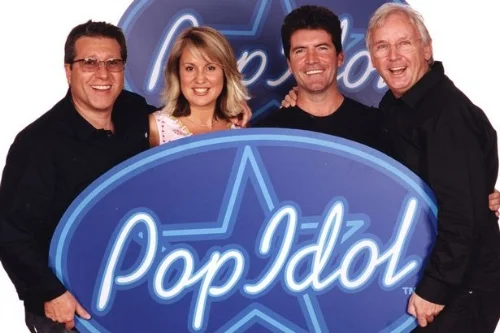
THE drummer is a part of the band…

john.jpg

IN THIS PHOTO: Led Zeppelin's John Bonham

that often gets overlooked. The focus is on the singer and it is not often the percussionists get a chance to stand in the spotlight! Often, a meaty or energetic piece of sticks-work can elevate a track to transcendent levels. I am seeing a greater number of people take up drumming: a lot more women are playing with fellow women/men and showing they can mix it with the very best of them. It is encouraging seeing more female musician taking up drums – I am hearing so many fantastic drummers who will be future stars. I have been urged to seek out some of the finest drumming performances of all time - to show why an epic piece of percussion can raise a track to the heavens.

__________

songs.jpg

Queens of the Stone AgeNo One Knows

Drummer: Dave Grohl

Album: Songs for the Deaf

abbey.jpg

The BeatlesThe End

Drummer: Ringo Starr

Album: Abbey Road

le.jpg

Led ZeppelinMoby Dick

Drummer: John Bonham

Album: Led Zeppelin II

rumours.jpg

Fleetwood MacThe Chain

Drummer: Mick Fleetwood

Album: Rumours

eat.jpg

Blondie – Atomic

Drummer: Clem Burke

Album: Eat to the Beat

aja.jpg

Steely Dan Aja

Drummer: Steve Gadd

Album: Aja

banana.jpg

The Velvet Underground Heroin

Drummer: Moe Tucker

Album: The Velvet Underground & Nico

flag.jpg

The WhoMy Generation

Drummer: Keith Moon

Album: My Generation

king.jpg

King Crimson21st Century Schizoid Man

Drummer: Michael Giles

Album: In the Court of the Crimson King

white.jpg

The White StripesSeven Nation Army

Drummer: Meg White

Album: Elephant

help.jpg

The BeatlesTicket to Ride

Drummer: Ringo Starr

Album: Single Release/Help!

IV.jpg

Led ZeppelinWhen the Levee Breaks

Drummer: John Bonham

Album: Led Zeppelin IV

are.jpg

The Jimi Hendrix ExperienceFire

Drummer: Mitch Mitchell

Album: Are You Experienced

who.jpg

The WhoA Quick One, While He’s Away

Drummer: Keith Moon

Album: The Kids Are Alright

sound.jpg

SoundgardenJesus Christ Pose

Drummer: Matt Cameron

Album: Badmotorfinger

sing.jpg

Benny Goodman and His OrchestraSing, Sing Sing (With a Swing) (Pt. 1 & 2)

Drummer: Gene Krupa

Album: Single Release

hope.jpg

SlipknotPsychosocial

Drummers: Joey Jordison/Chris Fehn/Shawn Crahan

Album: All Hope Is Gone

fresh.jpg

Cream I Feel Free

Drummer: Ginger Baker

Album: Fresh Cream (U.S. Version)

bitches.jpg

Miles Davis Miles Runs the Voodoo Down

Drummers: Don Alias/Jack DeJohnette

Album: Bitches Brew

whonext.jpg

The Who Won’t Get Fooled Again

Drummers: Keith Moon

Album: Who’s Next

FEATURE: Freddie Mercury: Why His Magic and Magnetism Lives On

FEATURE:


Freddie Mercury:

pose.jpg

 Why His Magic and Magnetism Lives On

________

A certain legend is back in the news…

Fre.jpg

PHOTO CREDIT: Getty Images

and with good reason. On 5th September, it would have been Freddie Mercury’s seventy-first birthday. I get it still IS but it makes me wonder, were he still with us, what he would make of music. I guess he would have got involved with the talent shows. I don’t think he would have objected and, if anything, might have been keen to be a judge. He would have been great cutting bad singers to size and inspiring the genuinely promising. Something bigger would play on Mercury’s mind: the tepid barometer and lukewarm temperature of modern singers. There are a few big voices on the scene but they come along so rarely. We have just seen a new single from Björk and, although it is not a hugely bombastic song – it shows what an intricate and nuanced voice she has. In terms of those dramatic and semi-operatic singers – one wonders where they are these days. Florence Welch, I understand is preparing new Florence and the Machine material.

fred.png

She is someone who always brings a sense of theatre and captivation to her tracks. In terms of male examples, the mind does struggle for answers. I guess Freddie Mercury remains that unique and unbeatable performer. That is why I love him so much: he is a performer above all else. You get the sense, with so many singers, they are going through the motions and unable to fully articulate the complexities and heights music can provide. Their songs are relatively simplistic and, if they demand an extended histrionic range, many struggle to come up to the mark. Mercury, when faced with any material, would kick the hell out of it! Before I come to look at Mercury’s singularity and influence; we have all been hearing about the upcoming Queen biopic, Bohemian Rhapsody. Named for their best-known song, it features Rami Malek stepping into Mercury’s shoes. Many might recognise the actor from the series, Mr. Robot but, for the most part, he remains unknown to many.

malek.jpg

IN THIS PHOTO: Rami Malek/PHOTO CREDIT: Mark Mann

Pictures and clips are capturing the actor immersing himself in the guise of the departed legend. It seems he is a natural adopter of Mercury’s tics, mannerisms and movements - able to project the same gusto, imagination and electricity. This is pleasing because, as we know too, there have been problems with the production. Sasha Baron Cohen was due to play Mercury – and is perfect in appearance and stature – but was not happy with the way the script looked (such diva-like behaviour hardly befitting of Freddie Mercury film!). Maybe they were concentrating too much on various areas and aspects of Mercury’s life – Baron Cohen feeling uneasy with the concept and representation. There wasn’t complete faith from the other members of Queen so it might not have been the most conducive and harmonious set. Malek seems like a better fit and prepared to castigate any doubts and artistic differences and embrace Mercury’s spirit. I am not sure whether Malek is tackling vocals himself but it will be interesting to see what he does in the role.

I am a bit sceptical about biopics because they fail to truly and authentically represent an artist – and can seem rather glossy and fake. I know many have been hankering for a Freddie Mercury biopic but there will be nerves seeing where the focus is and whether Malek fully embodies the complexities and physicality of Freddie Mercury. The best thing about the film is it revives some classic Queen songs and puts the spotlight on an artist who, nearly twenty-six years after his death, still enthrals and captivates. His AIDS-related death shocked the world and many were surprised he deteriorated so rapidly. The fact he announced the disease a few hours before his death was always going to create a shock. He would not have wanted speculation and tabloids surrounding his bed. He was sick and knew he was going to die. Exposing the intimate and upsetting details to the public was not right and, rightfully, Mercury did not mention his disease to the world. Maybe the ignorance and lack of AIDS awareness means Mercury’s death was not wholly unexpected.

fred23.jpg

There is more awareness now and, whereas AIDS is not a death sentence; it does still exist and it can be argued Mercury’s case put the disease into the forefront – more people aware of its dangers because of his death. It is tragic what happened and how Mercury’s life ended. That said; he was living each day as fully as possible and promiscuity, a sense of recklessness and abandon was part of his personality. It is interesting – as interviews show – Mercury was quite a reserved and shy figure away from the stage. His extravagance and flair was part of his stage personality: away from that, he was grounded, private and enigmatic. There was a sharpness and catchiness at time but plenty of cheekiness, fun and quotability. His humour and honesty was refreshing back then: today, it would be the subject of daily tabloid scrutiny. It is rare finding a true personality anywhere in music right now. Mercury seemed less of a nonpareil back then and would be alien in today’s climate.

Assuming he would be making music in his seventies; how would the world react to a creature as beguiling and counterculture as Mercury?! His voice, one speculates, would be more mature and calm; powerful and extraordinary but less broad and powerful as once was. There are so many memories that stick in my mind when thinking of Freddie Mercury. My earliest, when I was very small, would have been his set at Live Aid in 1985. When Queen took to the stage; they were in front of thousands – televised to a T.V. audience of millions. That kind of event would be unlikely in today to have such a huge-scale concert take place but, back then, the sense of expectation and nerves would have been immense. Not that one would notice from Mercury who, in typical fashion, provided a dazzling, audience-uniting set.

pic.jpg

PHOTO CREDIT: Richard E. Aaron/Redferns

Listening to him singing Radio Gaga - when he got the crowd to engage in a mass call-and-response – shows what a hugely innovative and towering performer he was. No fear or nerves that day: a man taking to the stage and holding the world in his palms. The set was so huge and memorable it threatened to undermine and overshadow every other performer that day. The fact Live Aid was the chance to bring the biggest stars together and raise awareness of poverty in the Third World. It was not about one act but, such was the gravitas and immensity of Freddie Mercury’s performance, it remains in the memory longer than anything else. That set was typical of a man who was born to take to the stage. Most artists like Mercury – a free-flowing bird who was at his finest in front of an audience – would feel caged and constrained when in the confines of the studio.

Even though there were disciplinary restrictions in that environment; Mercury was able to extol some control and theatricality in the room. I remember watching a video when the band was recording One Vision. The lyrics went through various machinations and the overriding takeaway was Mercury being involved in every stage of the process. Each take had different nuances and qualities and the lyrics, whilst a little trite and faux-philosophical, allowed Mercury to indulge his full range. It would be good to see every Queen song filmed and documented as it would have provided historians and music-lovers the chance to unveil a superb talent and how his performances assembled themselves. A few magazines have run features that isolated Mercury’s vocal on Under Pressure. The fact he was going toe-to-toe with David Bowie – and HIS is the vocal celebrated and elevated – shows what an artist he was. He was not trying to outshine Bowie (nor was he given more time and lines) but he attacked the song in such a manner it stunned people.

black.jpg

PHOTO CREDIT: George Wilkes/Hulton Archive/Getty Images

I have always found it hard to bond with Queen songs because they are not the sort you come back to time again. There is campiness to them but that is never an issue. To me, the lyrics lacked depth and there was not a lot of real substance. Many people are off-put by Queen because they got all the attention they did and, to many, did not warrant it – magazines like Rolling Stone, for instance, hated the band for long periods. Some see them as throwaway but one cannot deny the fact the reason for their success is down to Mercury. Not only did he pen some of their biggest hits – including Bohemian Rhapsody – but he brought a new sensation to every song. So many singers repeat themselves and seem rushed when releasing music. Even the titanic voices of today get into the habit of repeating themselves. Amy Winehouse was the last truly big voice who could bring something fresh to every song she delivered. Adele, one of our biggest stars, seems to be treading water and leaves me rather cold.

Fredand.jpg

IN THIS PHOTO: Freddie Mercury with Montserrat Caballé

How many modern singers could/or would tackle a song like Barcelona and make it stick?! Montserrat Caballé and Mercury traded vocals and created a rapturous and spellbinding duet. The fact Mercury could legitimately and bravely perform an operatic song – and make it sound real and easy – shows what a talent he was. It is the variation and daring of Freddie Mercury that means his legacy endures and he enjoyed such a varied career. Every Queen album provided something different and, whether on his solo album or performing with other artists, showed he was a singer that could handle anything. Mercury is an anomaly in music that has seen nobody get close to his talent. Every world-class singer sees a host of artists try and match their grandeur and majesty. From Aretha Franklin and Robert Plant to Kate Bush – they all have contemporaries who infuse some of their colours into their music. I hear some big-voiced singers but none who remind me of Freddie Mercury.

queen.jpg

Maybe there are no bands like Queen who have that same pomp, camp and originality. The modern music press would not take too well to a modern-day Queen. They were a bit of an oddity in their day but did have a career that spanned three decades. From their eponymous debut in 1973 to their finale in 1995 – Innuendo, in 1991, was the last album that featured Mercury (Made in Heaven, in 1995, was released after Mercury’s death). There were some truly great albums – Sheer Heart Attack A Night at the Opera – in the early-mid-1970s and an ill-fated embrace of Disco. The band’s greatest hits collections show they made some truly excellent music but they were very much of their time. Music has changed so much that we cannot have another Queen in our midst. A ‘new Freddie Mercury’ would need a band support and, one feels, they would need to be Glam-Rock.

That genre is not exactly thriving so one wonders whether we can ever breed someone like him? I think the reason we will not see another Freddie Mercury is a lot simpler: he was a one-of-a-kind that left a huge mark on music. Go watch Bohemian Rhapsody when it is out because it will show where Mercury came from and what he was like behind the scenes – and how he brought people to life when he was in his element (on the stage). I hope the flick does Mercury justice and has been worth the wait. My greatest hope is the film rekindles an interest in his music and tremendous voice.

getty.jpg

PHOTO CREDIT: Getty Images

Freddie Mercury is one of those brave, incredible and mysterious figures the music industry desperately needs. Perhaps we have come too far to have unique characters and titans in our midst. Everything is marketed, rushed and meticulously planned. Imagine Freddie Mercury being made to go on Spotify or see his songs tortured and drip-fed to the point of exsanguination?! He would have rebelled against that and been ostracised from critical approval. The fact he died in the early-1990s is a tragedy but his legacy and music will never die. Who knows, though? Maybe, when people see the film and hear Mercury’s name back in the media; that will compel them to overcome fears and follow in his footsteps. Music requires that and, if we do see a singer compelled to reach Mercury’s heights, that would be…

Fred2.jpg

TRULY wonderful.

FEATURE: London Ruling: The North-South Divide in Music

FEATURE:


London Ruling:

London2.jpg

 The North-South Divide in Music

________

I am buzzing Sampha walked away with the Mercury Music Prize…

Sampha.jpg

IN THIS PHOTO: Sampha

on Thursday – as it showed the faith and love people have for his debut album, Process. It is encouraging seeing the panel recognise a work that stems from painful memories and exudes such emotion – the effort and work that goes into Process deserves an award, for sure. I listened to Sampha’s acceptance speech and, whilst I was thrilled he as honoured, it got me thinking about the Shortlist. Five of the twelve acts nominated were from South London. It is a fertile bed of innovation right now. Kate Tempest, who I thought would win the Mercury Music Prize, is from there and proves there is diversity in the area. Sampha’s soulful and hugely evocative songs contrast Tempest’s direct and to-the-brain missiles – a songwriter articulating the reality of modern life and the struggles we are going through. It is important London gets recognition but I wonder whether there is a send of ‘trend’ and ‘cool’ nominating artists from this part of the world. Of the dozen assorted Mercury names, something startling revealed itself: so few are from the North. Ed Sheeran was born in Halifax, Yorkshire (but lives in London) alt-J are from Leeds (another Yorkshire act) whilst Blossoms come from Greater Manchester.

eda.jpg

IN THIS IMAGE: The album cover for Ed Sheeran's %

One would imagine, when representing the spread and best of British music, one would expect greater northern representation. Maybe one can look at the critics’ favourites from 2017 (and later in 2016) and claim most of the British best are from the South. That might be true but one can also claim little attention is paid to the North. Music still has a London-centric attitude and mindset. This is not a shock but I worry too much of the focus is put on London and what is happening here. I cannot remember the last time there was an equal distribution when it came to our musicians. Most of the new artists I see proffered seem to hail from these parts.

man.jpg

IN THIS PHOTO: King Street, Townhouse (Manchester)

I know for a fact there are so many greater bands/artists from north of London. Scotland and Wales (the former especially) is a wonderful area for music – Glasgow among the finest cities for new music. I have a lot of love for Yorkshire and was pleased to see some of the county’s artists included in the Shortlist on Thursday. Manchester, and the explosion of talent stemming from there, was distilled to Blossoms. The Stockport-based band was the only act from the North West - and that is something that worries me a lot. There are few parts of the U.K. as hip and happening as the capital. This is where most of the record labels are: the majority of the big newspapers are here and some of the most-established studios. Although a lot of the big businesses and organisations are rooted in London; this does not mean anything north of London is worth ignoring. It is easy to say the reason why events like the Mercury Music Prize featured so many Londoners on the Shortlist was the faith and backing their music was given.

jane.jpg

Jane Weaver, born in Liverpool, was expected to get a nomination at the Mercury Music Prize. Her album, Modern Kosmology, deserved a nod. The same could be said of Bristol’s IDLES. Brutalism is one of the most intense and addictive records from any new bands. I know Bristol is hardly northern but it is outside London and another part of the U.K. that warrants acclaim. The only way we are going to gain a full appreciation and knowledge of Britain’s best is when the media gets out of its London mindset. The last time there was a real wave and exposure of northern band was during the 1990s. When Britpop was in full-swing; bands like The Stone Roses, Oasis and Pulp were at the forefront. The rivalry with southern groups like Blur and Suede not only showed the contrasts but it provided a platform for both halves of the U.K. to shine. That was true in the 1980s when northern bands like The Smiths - famed for their observations of everyday life and unique lyrical bent - were favourites with critics.

smiths.jpg

IN THIS PHOTO: Manchester legends, The Smiths

There was not the same division as we have today. Back then, there were the great working-class bands that voiced the forgotten and overlooked – penning songs about the country and what was happening. Although we have some wonderful artists now; there are so few talking about anything real and relevant. Many would argue the fact, back in the 1990s when Britpop saw North and South tussle, that highlighted rivalry and divisions. I disagree because it was never a case of showing the differences and splits between the two regions: it was about promoting the distinct sounds of North and South; the quality one could find throughout the U.K. Now, there is so much profiling and love given to London – other parts of Britain do not get a good look-in. I will carry on but, before then, an article from a few years back showed, back then, the issue was as evident and troublesome.

The last high-profile north-south musical tussle took place in the mid-90s when Oasis and Blur went head-to-head in the singles charts during the highly orchestrated, "Battle of Britpop". But nearly 20 years later, relations between regions remain strained.

IDLES.jpg

IN THIS PHOTO: Bristol's finest, IDLES

"Hull is great for live music, there is a really good local band scene here, lots of activity, and any band who plays this city always enjoys it," says Paul Jackson, owner of the New Adelphi Club. "The thing about Hull, though, is it gets a lot of very bad publicity."

Jackson cites the case of the Paddingtons, a Hull act who were under pressure from the industry to airbrush the city from their background when they started creating what the music business is fond of calling 'a buzz'”.

I have heard a lot of bands saying they are from London – because people are looking for artists from here. It is as though, if one says they are from any other part of the nation, they would get blank stares. Maybe this is true when it comes to international. How many people in other nations are aware of the breadth of the U.K.?! Do they know the smaller towns and other cites?!

harbour.jpg

IN THIS PHOTO: A stunning view of Hull (it was named the 2017 City of Culture and has an active music scene)

I feel the only way for people to gain awareness of these areas is for the media to stop obsessing about London. The fact musicians have to class themselves as Londoners – even when they are from other parts – is a desperate attempt to gain acknowledgement and popularity. I long for the day when we can have that competitive tussle between North and South. The nation needs a ‘new Britpop’ and chance for the working-class bands best to go toe-to-toe with the more conservative and middle-class options. Right now, there is a dominance of London and the middle-class. I know Hip-Hop/Rap stars like Kate Tempest and Loyle Carner are, despite being London-based, working-class but there are downsides celebrating certain ‘scenes’. Good news South London is hot right now: what about Manchester, Leeds or Bristol?! A few years ago, when Bastille (from the South) and Sheffield’s Arctic Monkeys were the most-popular artists in the U.K. – streaming figures showed where each act was at their peak. Rather unsurprisingly; Bastille stormed things. They dominated the South and claimed much of the Midlands. Arctic Monkey’s success came in the North – very few victories further down the country. It showed a real division and, with Bastille winning an overall majority, how preferred and celebrated southern acts are.

arctic.jpg

IN THIS PHOTO: The Sheffield band, Arctic Monkeys

In terms of quality; Arctic Monkeys are superior but, because they are from outside London, they are not seen as fashionable, glamorous and worthy. Every phase of the musical moon reveals the splits there are between the North and South of the U.K. I was listening to Idris Elba talking about the artists nominated when he made a bit of a gaffe: he was quick to acknowledge how many great ‘English’ artists are on the list. Maybe he was right to point out the lack of Scottish, Welsh and Northern Irish names on the list – I am not sure that was his attention. In addition to their being this regional divide – it seems there is a lack of recognition when it comes to non-English musicians.

guitar.jpg

PHOTO CREDIT: Unsplash

How do political and current developments exacerbate the issues right now? London was one of the few parts of Britain that voted to remain in the E.U. Maybe the fact they are more international/European conscious makes them a more attractive proposition to put out to the world. Most parts of the U.K. voted to leave the E.U. but it is more pronounced in the North. Perhaps they see northern areas as unwilling to assimilate and embrace their European counterparts. It is hard seeing a political divide in the country but, alongside it, musicians are being compartmentalised and torn apart from one another. London is still seen as the wealthy elite and the heart of everything musical. We have this expectation and ideal anything from the North is poverty-prone, grubby and unspectacular. How many people will investigate a band from Sheffield or Middlesbrough?! Those areas are not as glamorous and there’s this perception there is nothing going on there.

London.jpg

The poverty of expectation is scaring new artists away. Many relocate to London to make sure they are visible and conscious. So many venues further up the country and closing and, with it, their musicians are fleeing. Many are remaining but have to work harder to get their names heard. I love areas like Manchester and feel the city is no weaker than it was a couple of decades ago. The sounds and ideals might have changed but there is immense quality there right now. Perhaps this is the feeling, because most of the bigger venues are in London, artists are not willing to travel down here. Locality problems and proximity concerns mean fewer artists have the budget to traipse to London for a single gig. The media is much keener promoting the capital’s musicians because they are able to perform locally a lot more frequently. I fear class plays into this sense of separation. There are far fewer working-class bands/artists making their way into the mainstream. I have mentioned Britpop and how many great working-class acts were on the scene.

Londone4.jpg

Now, maybe tied to a lack of working-class journalists, there are far fewer artists who talk about the country in a real and relatable way. Not that every southern artist is middle-class but one normally looks to the North for those proletariat prophets. I am concerned it is becoming acceptable for any artist north of London to be seen as ‘Londoners’. Just because an area is not commercial or has not produced AS MANY great artists as London: does this mean we should overlook them and assume nothing good is going on there?! There is a desperate need for Rock heroes/heroines and something real in music. Wolf Alice, whilst based down this way is a great act who will go far, there are people looking up to the North for those who can push Rock and Indie forward – that is where the best and sharpest have resided, traditionally. Even if it were the case the best Rock artists are based in the South (which it isn’t); it is giving undue and disproportionate attention to one part of the country. There are fantastic clans and sounds coming from Manchester, Leeds and Sheffield.

Tempest.jpg

IN THIS PHOTO: Kate Tempest

The Mercury Music Prize showed the panel were aware of the need to include multiple genres and sounds – they forgot to include many artists north of the capital. Blossoms, alt-J and Ed Sheeran were, I think, the only northern-born acts – I know Sheeran is based in London these days. There is a definite division and it isn’t a binary conflict, either. The Midlands, Wales and Scotland are worthy and fully-stocked. In fact; take away London and you’d still have an absolute army of incredible music – this is not being covered in the media as much as it should be. There is a definite need – in the same way we want racial and gender equality – to show parity regarding geography. As much as I love the sounds coming from London: there is no denying artists based outside the capital are…

Blossoms.jpg

IN THIS PHOTO: Mercury Music Prize-nominated band, Blossoms

WAITING to have their voices heard!

FEATURE: A Desire to Challenge the YouTube Hierarchy: The Music Vlog Vacuum in 2017

FEATURE:


A Desire to Challenge the YouTube Hierarchy:

shot.jpg

PHOTO CREDIT: Unsplash 

The Music Vlog Vacuum in 2017

________
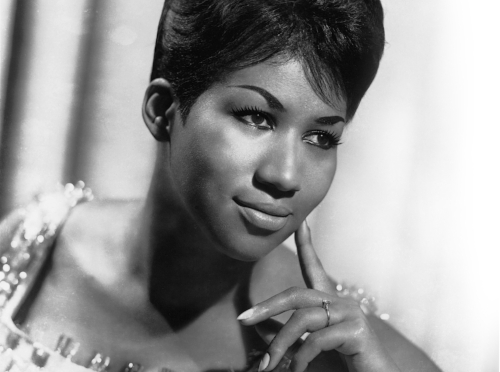
ONE way to make my prolific writing less tiresome on the fingers would be…

vlog.jpg

to visualise and video my ‘musings’. I feel the music industry is in an odd place where there is unparalleled growth in terms of artists and sounds: the nature and dominance of the media are going through troubled times. The printed music media is struggling a lot right now. There are established music magazines like MOJO but publications such as NME have been through a problematic last few years – declining sales and the need to be free to the reading public. It still puts out great articles and interviews but found it was unable to generate sales figures as lofty as once was. I look around newsagents and find far fewer music magazines than once was. As I said; there are established survivors who still have a loyal clientele. One of the issues seems to be the digitisation of the music press. I have raised concerns around the lack of working-class journalists at broadsheets and at music magazines – things seem to run deeper! The sheer viability and profitability of the music press are compromised. One sees a lot of blogs and music sites but these are run as inexpensively as possible. I worked for one, The Metropolist, a while ago and that had to close because it could not afford to run – offering tickets to reviewers but unable to make money back; struggling against the competition with those who worked there unable to balance it with their paid jobs. It seems music journalism, as with music itself, is being streamlined to blogs to writers who have to subsidise their passion with a full-time job – spending their free hours producing as much as possible. I feel the music media is having to adapt to the modern world and the lack of monetisation chances and profitability. We are buying fewer magazines and newspapers; we can get our content online but, those who run sites, can hardly justify charging people to read content.

emma.jpg

IN THIS PHOTO: The popular YouTube vlogger/musician, Emma Blackery

I struggle to write enthusiastically because I know, deep down, I want to go to gigs and go more into live reviews. Travel, trains and gigs cost money – it is very hard attending gigs regularly and being able to afford that sort of pursuit. I, and many others, run blogs and sites with no overheads and as modestly as we can – relying on the written word for the most part. It seems there is a natural gap in the market for music media/journalism to move sideways. I look on YouTube, and their most-popular channels, and there is a dominance of very narrow markets. By that, I mean a few specific industries and sectors are dominating the channel. Usually, when seeing vlogs/YouTube channels they are split into three/four areas: beauty blogs; lifestyle writers and pranksters - video game vloggers are popular. Even popular YouTube talents like Emma Blackery – who is a successful musician in her own right - fills her channel with personal videos and content that is not exactly substantial. She talks about her music in the minority and posts performances here and there – that is outweighed by insignificant and common day-to-day videos; pieces that appeal to her pre-teen/teenage audience (mainly girls). Do a search of the best/most-popular vlogs and there is really nothing about music – in a practical and inspiring sense. We have a lot of music journalists working on radio stations – providing music news and content – but very few assimilate and integrate that talent/desire into YouTube/Vevo. I wonder why there are few/no music journalists and channels combining all elements of journalism into a channel. Look at the mass of beauty bloggers and few are offering anything distinct and different! One can get a similar flavour from most of them – one or two do stick out but they are in a heavily-saturated market. The same is true of pranksters/lifestyle vlogs which are filled with immature stunts, pointless commentary and insignificant crap – hooking viewers in and offering them very little in the way of meaningful material.

NME.jpg

Elsewhere; there are more intelligent and inspiring vlogs/channels that talk about film and the arts – I am seeing more film vlogs and T.V. channels. This gives me a lot of encouragement but, again, where are the music commentators?! I hesitated entering that sphere because, I assumed, the field would be packed with aspiring D.J.s, journalists and musicians talking about everything in the music industry. Unless I am going blind…I cannot see that many out there. Buying filming equipment and shooting videos would not cost THAT much – it is a static cost and not prone to depreciation, taxation and inflation. I guess, for many, there is that initial fear of poverty. The reason so many beauty bloggers succeed is that they already have sponsors and marketable assets - enough money and supporters to ensure they can fund their ambitions and get an impressive revenues stream. Journalists, unless you work for a newspaper or magazine, are unpaid (or low-paid) so, when they try this sort of thing, they have to use their own monies – working full-time and finding whatever time they can to put together videos. I feel there is a gap and, if we want the music press to inspire and connect with the next generation, move laterally/unilaterally into places like YouTube. I am a traditionalist and prefer my music in print form but am not naive enough to ignore websites and blogs – they provide me with content, musicians and inspiration on a daily basis. So few journalists are innovating a drive of music-based vlogs. There is so much possibility and scope to start a new trend and add a kick and fresh impetus into music journalism. A channel – not sure what it would be called – could do weekly interviews with new artists (a one-on-one series that is a mix of Desert Island Discs and a traditional radio interview). It would put a face to the artist and be a chance for them to perform live and talk about music.

zoella.jpg

IN THIS PHOTO: The immensely popular fashion/lifestyle/beauty vlogger, Zoella/PHOTO CREDIT: Zoella

We could have a series dissecting classic albums and how they made an impact on music – playing videos/tracks from the album and interviewing people regarding their love of said record. There could be a weekly review segment and a daily news section – keeping people abreast on all the music happenings from the mainstream and underground. Uniting the unsigned and famous is something few blogs/sites do so that would be a niche – featuring new and under-the-radar musicians but blending that with the elite and best from the charts/mainstream. I worry journalists and music writers are overlooking the financial and creative possibilities of YouTube and Vevo. The only reason beauty blogs and lifestyle vlogs have taken over is that they saw a market desire and got themselves out there. Music is more popular and widespread than beauty and food, for instance – the huge number of food vlogs is troubling and utterly baffling! Music is this universal language, I feel, would benefit from more exposure. There are a few music vloggers but nothing that comprehensive and all-under-the-same-roof. I have suggested a few possible ideas and regular features but there is so much more that could come in. That lofty platform deserves depth and serious content. Talking about issues musicians face would attract people in - addressing anxiety and small venues closing; the struggle to make money from music and the issues of sexism and racism in the industry; the lack of working-class journalists and other imbalances. This, paired with lighter content, would broaden the demographic of subscribers and offer something real and inspiring. Before you know it; there is a stocked and varied channel/vlog that would draw punters in! The fact the channel would start on modest foundations might put people off – the risk that, unless they are trending and noticed right away, they cannot afford (in terms of money, effort and time) to maintain a channel.

albs.jpg

IMAGE CREDIT: NME

It seems like such an obvious idea but makes me wonder why so few are doing this?! If they are then it is rather quiet and needs supporting channels – to challenge the prolificacy and dominance of beauty, lifestyle and food vlogs. Those channels offer useful advice and inspiration to many but, when you look closely, there are so many doing very similar things. It is hard knowing who to follow and what to believe. The biggest stars command absurd sponsorship backing and rake-in millions a year. The biggest YouTube stars – two more nauseating words have not been put together! – make bucket-loads and get huge brands following them. If they have a talent and are changing the world then you would not begrudge this success and richness. The truth is very few – who get big money and are stars – actually warrant that kind of pseudo-celebrity. Music journalists do not want to be famous themselves: they are more concerned with music and the artists they feature. Perhaps that is an issue: where do they get sponsorship and finance from?! Their channels, given an adequate promotion drive, would get people in but how do you monetise that?! Subscription fees might be unreasonable because people can get music content for free. It seems there is a chance for tech. giants and record labels to get involved – those with a lot of money to put funds into something worthwhile! The new iPhone has just been launched - it whipped up the usual circus of technology-obsessed zombies and appeals to those who want something shiny and new – but they used a few musicians (Blackery included) in their marketing and promotional video. The link between technology/Smartphones and music can be linked to platforms like Spotify and Apple Music – where many musicians are featured and are integral to iPhone/Smartphones. A music vlogger could pair with Apple or another giant and, in exchange for financial backing; the commentator/vlogger could promote the brand or find a way of incorporating iPhones/technology into their features.

couple.jpg

IN THIS PHOTO: Chilean YouTuber Germán Garmendia (with Lenay Olsen) is one of YouTube's biggest stars - but is more noted because of his video game videos (even though he is a musician)/PHOTO CREDIT: Getty/Frazer Harrison

The same goes for the big record labels – they would pay the ‘star’ money for featuring their artists and running a bit of advertising on their behalf. That may sound unethical and a bit corporate but, for a site like this to expand and succeed, one must make moral compromises. It would not be too questionable: simply a bit of business so a music vlog could strengthen and rival the biggest vloggers out there. More importantly; music is there to inspire and compel the generations – journalists are, with musicians, the arbiters and spokespeople responsible for getting the messages to the people. I think a comprehensive and fun vlog could, in time, draw millions in and get international recognition. It could work with mainstream stars and huge acts; build popular features and provide every sensible music-lover everything they need under one roof! I will end this but have spotted a market and opportunity that has not been filled. Now, more than any time, music journalism (and music itself) has a big voice to play and has so much to say! There is so much going on and wonderful music in all corners: issues that need tackling and the desire to preserve legendary/classic music and ensure it is bequeathed carefully to new generations – a lot of it is in danger of being overlooked as streaming platforms put more emphasis on what is trendy and new. I have merely scratched the surface but there is a chance to build something new, inspiration and, yes, profitable! I would like to see not one but several music vlogs and journalists challenging the biggest fashion/beauty/food vloggers - that provide YouTube/Vevo’s ‘most-popular’ lists a rather homogenised and samey feel. Music is much more powerful, worthy and fascinating so, my hope is someone – I will do it if I can – fills a gaping void and makes a difference. The fact is the music press is struggling in printed form. A lot of blogs and websites are not getting people hooked and are there is a consensus to conserve the sacred form without compromising ethics. A YouTube channel would not need to make many modifications in order to provide a more financially-lucrative and multimedia channel for music fans. I predict it would start a mini-revolution but it requires that originator and pioneer. So, with that said…

unsplash.jpg

PHOTO CREDIT: Unsplash

WHO is it going to be?!