FEATURE: Homeward Bound: Why Paul Simon’s Decision to Quit Touring Is Especially Sad

FEATURE:


Homeward Bound

sim.jpg

 IMAGE/PHOTO CREDITS: Getty Images

Why Paul Simon’s Decision to Quit Touring Is Especially Sad

_________

PAUL Simon is the latest music icon to announce...

Simon2.jpg

 IMAGE CREDIT: Getty Images

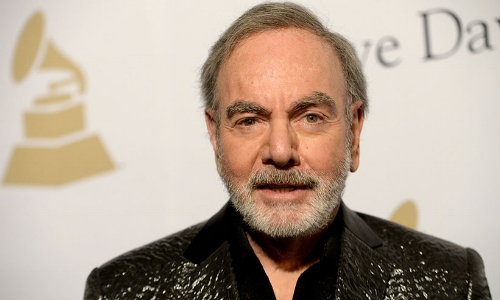
his retirement from the stage. Before he departs the world of touring, he will appear in a one-off show - billed Homeward Bound: The Farwell Performance. It will take place on 15th July and is part of the final night of this year’s British Summer Time festival in Hyde Park. Bonnie Raitt and James Taylor (& His All-Star Band) will be in attendance. It is a must-see occasion for two reasons: for a start; it is Paul Simon! You are getting a fantastic show, regardless, but, more than that; it is the final time we will see him in the U.K. I wonder whether this ‘final’ show is a total embargo – or he will play other shows in the U.S. When his Stranger to Stranger album was released in 2016; Simon was adamant his passion for touring was over. Many might say his decision is unsurprising given his age: at seventy-six; Simon is at a stage in life where he needs to start looking after himself. It is interesting seeing why certain legends call time on their live careers. I was saddened to hear about Neil Diamond and his battle with Parkinson’s. It seems, even in advancing years, he is keen to bring his music to the people. The two U.S. icons have different reasons for departing the stage – they are not the only examples of established artists retiring from performance.
Neil.jpg

IN THIS PHOTO: Neil Diamond

I worry, for any artist, the sheer physical and psychological demands are too much to handle. Older artists are more vulnerable and, as such, many are cutting their careers short. Neil Diamond’s situation is different: it is not an effect of relentless touring and the pressure put on him. Others, like AC/DC’s Brian Johnson – who feared he was going deaf; he had to succeed the frontman reigns to Axl Rose – have been afflicted with hearing problems and other such issues. The public will always have a demand for these artists - but I wonder whether enough is being done to ensure their health and wellbeing is not compromised. Fortunately, Brian Johnson is back in action but for others, the damage caused by consistent touring and its physical demands is irreparable. Touring is not a young person’s game but, more and more, I fear some of our finest-ever musicians are losing the spark. Those who want to continue playing are either being affected by health issues or running out of steam. I realise there are plenty of long-standing legends who are still pounding and putting out music – from Sir Paul McCartney and Bob Dylan to The Rolling Stones – but they are among the more fortunate. Many continue because of financial rewards; others to ensure they have a platform for their music: most do it for the sheer love of playing.
SIMs.jpg

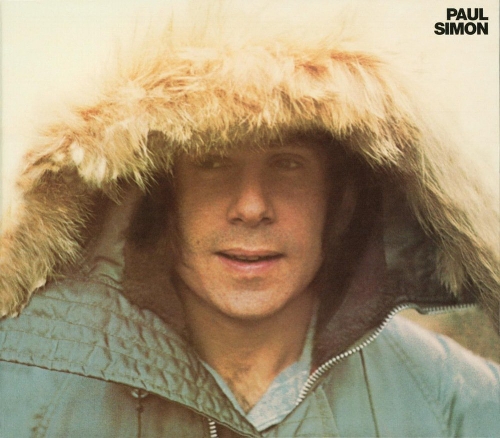
It is a shame some are unable to continue but, in Paul Simon’s case; it seems age and medical reasons are not behind things – merely a lack of love and desire to keep going. He speculated, back in 2016, his identity revolved around a series of gigs and recordings. He was starting to lose a bit of himself and, as such, has put to an end his touring life. Maybe it is a natural result of decades of touring; perhaps Simon wants to slow down and spend more time away from music – whatever the real reason; it is a huge shame to see him bow out. We all want our favourite bands/artists to keep going until life decides otherwise. I feel the zeal to keep going and not disappoint the public is leading to undeserved and premature decline. In the case of Paul Simon; perhaps that desire to fit into a particular ‘mould’ meant his everyday existence became robotic. We will not be able to see Paul Simon perform beyond his U.K. date – let’s hope he records new material down the line. I would hate to think this is the end for Simon’s career. To me, his music and live shows are what music should be. From his days with Art Garfunkel through his extraordinary solo career; he has produced some of the greatest material ever. To me, it is all about Graceland...

grace.jpg

I know we will not see Simon join Ladysmith Black Mambazo to recreate that extraordinary album. Experiencing the full spectrum of his career, and its fresh nuances, is why we go to see artists like Paul Simon play. Hearing Diamonds on the Soles of Her Shoes, The Boxer and The Obvious Child on the same bill is a treat few of will ever be lucky enough to see. Simon’s music is inspiring and otherworldly; the songs timeless and indelible. The way they come to life on the stage means they take on a new life and dynamic. We cannot put too much pressure on our artists: if they want to retire and spend time away from the stage, then that should be encouraged. Paul Simon has been playing for decades and has brought his music to the adoring masses. The 15th July will be a fabulous occasion and glorious swansong for Simon. Whilst we might not seem his grace the stage ever again: recording material, surely, will follow at some point?! What form that takes, and when that comes, is down to him – one would like to think that would arrive sooner rather than later. I have been thinking about some of the huge names that have retired from the stage and what a loss it is for music. Maybe it is me being nostalgic or musing about mortality: the absence the world will feel is going to be big. It has been a long and exciting road for Paul Simon – and thinks are not over yet. Make sure you get to British Summer Time festival and the Homeward Bound: The Farwell Performance. Whatever Paul Simon has planned for that finale; I am sure the gig will be…

Man.jpg

ONE to remember.

FEATURE: 2005: Birds, Alarms and Demon Days: The Playlist

FEATURE:


2005

AR.jpg

ALL IMAGES: Getty Images

Birds, Alarms and Demon Days: The Playlist

_________

EACH year produces truly stunning albums and moments…

gor.jpg

we were not expecting! It is always interesting watching L.P.s arrive and stay in the mind for ages. The past few years have been strong but, looking back at the magical '00s; I have been thinking of the years that were very special – an unusual amount of great albums that we did not see coming! The 2000s was a phenomenal time for music, and so, I have been harking back and thinking which year of the decade, for me, really took my breath. Of course, the early part of the decade saw terrific albums by The Streets, The White Stripes and The Strokes: 2005 was no slouch and, if anything, provided a sumptuous array of styles, standouts and stunners. From Kanye West’s Late Registration to M.I.A.’s Arular; Gorillaz’s Demon Days through to Bloc Party’s Silent Alarm and Anthony and the Johnsons’ I Am a Bird Now - I collate songs from the albums that made 2005…

ALB.jpg

A truly world-class year for music.

FEATURE: Sam-I-Am: The Importance of Self-Belief

FEATURE:


Sam-I-Am

eye.jpg

 ALL PHOTOS (unless credited otherwise): Unsplash

The Importance of Self-Belief

_________

THE title of this feature tips its hat (red, of course) to a...

hat.jpg

IMAGE CREDIT: Getty Images

character in Dr. Seuss’ Green Eggs and Ham. He is a figure who encourages others to eat the eponymous foodstuff – an unpopular little bug who, in the end, gets approval! It is not a coincidence the unappreciated character comes to mind. I am gazing out at the music world and seeing a lot of self-doubt and recrimination. Artists, who put themselves out there and produce wonderful stuff, are being overlooked and snubbed. Many others are questioning their worth and place in music. It is not only musicians who are on my mind: other music-based professionals are enveloped in a smog of upset and anxiety. There is a certain inevitability we would see a rise in stress and worry levels. Music is a packed and challenging industry that demands full attention and unwavering focus. One of the reasons I have penned this article is (because of) doubts I have regarding my own work. I look out at the sea of blogs and wonder where I fit in the running order. We are told Pitchfork is the world’s most-demanded and popular blog. Other sites like The 405, CLASH and Consequence of Sound are high up on that list. I look at NME and The Guardian and, whilst prolific and packed with quality – I wonder whether I am THAT much worse than them! By that; I see the work these sites put out and they receive a lot more attention than I do...

jot.jpg

I promote my site and put out anywhere up to twenty pieces a week. Every day, something new comes from me – I have not missed a day in well over a year! The energy and time I put into my site mean I offer neglect social time and travel. The reason I sacrifice so much of myself is that goal: to become as big as the aforementioned. In terms of quality and variation; I wonder whether they are all THAT much better?! I get annoyed because bands and artists boast and brim when these sites premiere their music. They go to them first and consider it a holy chalice – even if the feature/article is less in-depth and well-presented. It seems popularity and brand is more sought-after than quality and depth – the more followers and fans you have, basically, the ‘better’ you are. That might sound like sour grapes – a nice accompaniment to the green eggs and ham! – but it is an observation on the world of music. I know these sites have more staff and time available – maybe making my work-rate more impressive – and they are shinier; have a wider readership and pool. The fact they, often, produce less work and are not that far ahead of me irks – and the discrepancy in reputation and numbers is a worry. All my work and sacrifice is designed to be in a position where someone will notice me; I am scooped by a big station/website and can monetise my creativity.

write.jpg

I know the reality is slender – or far-off, at the very least – but I often struggle to rationalise the gulfs and how, in many cases, quality and prolificacy are lesser markers than, well…being ‘cool’. Musicians often get into the same mindset: chasing numbers and valuing themselves in terms of how they compare to others. Many of us get into a habit of sitting on social media sites and obsessively watching for updates/notifications/messages. I have, literally, sat on Twitter – after posting a piece – and waiting for people to give it a thumbs-up and comment! That may sound beyond-sad (and is!) but many of are programmed like this. Unless my latest piece gets a dozen ‘likes’ right off the bat, and gets shared numerous times, then I am a failure. I do struggle with the fact many of my pieces are under-viewed and are not shared. I try my best to promote everything and tag artists/labels when relevant. I can only do so much: maybe relying on followers and others to share my work is not the best idea. That may sound cruel but a new thought comes to mind: should people like me value themselves in numerical terms?! Is it sage comparing yourself to others?! I feel we all get into a position where we have an idealised vision of who we are; we race ahead and impatiently chase success and respect – if we do not get where we dream of being right away...we lash out and take it out on ourselves. That might be a natural side-effect from a generation who are becoming more immersed in the machine; quantifying every portion of their life in digital terms.

girl.jpg

It can be hard giving ourselves a pat on the back when we have high ambitions and crave success so readily. I want that radio gig – producing or presenting – and often feel like that will never come. You never know what is around the corner, mind. Too many of us feel unloved and worthless if we are not elevated and canonised right away. The hard slog and endless plugging can take a lot out of us – if we do not feel we are seeing fair returns. I get into that groove. I graft and endlessly slog to get out good pieces and (try to) match the consistency and quality of the biggest blogs. I feel there is an epidemic where we chase perfection and see self-worth in binary terms: if we reach our dreams, we have made it: if we do not get there then we are failures. I am seeing many artists being discriminated against and overlooked because of their style, looks and location. Many female artists are being promoted because of their looks – does music still favour the beautiful and sexy?! – and others, outside of London, ignored and considered inferior. There is a lot working against modern artists: it is only natural many would feel their confidence dip. I feel the only way we will all feel better about ourselves is to stop comparing ourselves to others.

woman.jpg

That might be like telling a drug addict to put the needle down and try yoga instead – that is the power and grip a social media mindset has! – but it will make us all healthier and calmer. I know I will progress and get bigger as time gets on but, when it is all said and done; I get a lot of acclaim and support from peers on social media. I value a single person reading something I have floated out: the fact thousands are not drooling over my latest interview should not take away from the support I already have! In my case; moving into London and surrounding myself with venues, radio stations and likeminded folk will see my work get out to more people. Others need to detox from their current malaise and get themselves away from the screen. Just because you are not headlining a festival stage does not mean you are worthless. I am not a minor journalist because I am smaller and less attractive than Pitchfork. I know full well I have qualities that site does not; I am a different beast and would not want to be them. It can be, as I said, hard to cast that shell of expectation and lacking self-belief off and love yourself. This might sound like a self-help seminar but we all need to appreciate how far we have come and the support we have acquired.

bar.jpg

Every musician I feature has a base and followers; they have produced great work and will go on to great success and acclaim. Music is not an industry that puts you out to stud when you are a certain age – like football or other sports – so we all have the luxury of time. I believe we can all get where we want to in time: castigating unrealistic timelines and equating self-worth to streaming figures and follower numbers is a paramount goal for each and every one of us! We should all detach from social media and spend far less time on it. I used that drugs analogy because that is what it feels like: if we wean ourselves off; the sweat will drip and we’ll go destroying properties and mugging old ladies to calm our gibbering bodies! I am in the same position, mind. I feel a single day off social media would do damage to my work and prolificacy – it is insane, of course. Because of this, being caught in the machine, all of my self-worth comes from statistics and algorithms. It is heartbreaking seeing musicians and professionals beat themselves up because their latest tune has only received a few-thousand streams on Spotify; their video is not trending on YouTube...or radio stations are not playing their music. 

gra.jpg

The maladies, psychological and physical, affecting the music industry is severe and troubling. We all have big hopes for our work and want to see it do as well as we can. Most of us have to make big sacrifices and work our fingers to the bone to get a bit of material out there – let alone perform it and push it to radio stations etc. I can appreciate those who dream big and have lofty ambitions: if you lack that sort of drive then you will not go far in music. We are all in fifth gear, all of the time. Self-flagellation and insane personal targets are going to damage our confidence and self hugely. I am among those who want to ‘make it’ – whatever that entails – but realise it will take a little longer yet. I think we all want to achieve our dreams as soon as possible; we feel all that effort warrants more acclaim than we actually get. Like the ignored Sam-I-Am in Green Ham and Eggs...many might question your truth and declarations now but, soon enough, they will realise…

man.jpg

YOU were right all along.

FEATURE: On Another Planet! Why Bruno Mars’ Sweep of the Grammys Proves the Award Ceremony Is a Farce

FEATURE:


On Another Planet!

mars.jpg

 IN THIS PHOTO: Bruno Mars with his multitude of Grammys/PHOTO CREDITReuters/Carlo Allegri

Why Bruno Mars’ Sweep of the Grammys Proves the Award Ceremony Is a Farce

_________

I think it was The Simpsons who made a joke about the Grammys

janelle.jpg

IN THIS PHOTO: Janelle Monáe (during her speech at the Grammy Awards)/PHOTO CREDIT: Jeff Kravitz/Getty Images

back in the 1990s. They took a dig at it – claiming it to be the biggest award show farce out there – and, as you’d expect, showed clairvoyance and sense. That is not a shock: the show has made bold predictions that have come true (like Donald Trump becoming President, alarmingly!). I was pumped and excited about this year’s Grammy Awards for two reasons: Hip-Hop and Rap looked like it could take a share of the prizes; women were being recognised (not as much as they should, mind!). It seemed greater equality and parity could come in. An award show that is defined by its recognition of mainstream male artists would, I hoped, buck the trend and reward quality over popularity. Although Kendrick Lamar walked away with six (lesser) Grammys: Bruno Mars made headlines and walked away with the most awards. Many assumed Lamar would win the big prize for his album, DAMN. Instead; Mars claimed the Album of the Year for 24K Magic. The album won Record of the Year and one of its songs, That’s What I Like, won Song of the Year. Kendrick Lamar won Best Rap Album - but one wonders why he was snubbed and overlooked regarding DAMN. When the nominations were announced, and artists like Lamar, Jay-Z and SZA nominated for awards; the fact they went away with fewer than predicted makes me wonder whether the Grammy Awards will ever change!

I was hopeful mainstream categories would recognise Kendrick Lamar and Jay-Z. I am glad Lamar won a smattering of awards - he was favourite to win in the album category. I am not against Bruno Mars but I feel 24K Magic was less well-received than DAMN.; it is not as strong and is more commercial than Lamar’s magnum opus. I wonder, then, whether the judges are falling back on old ways! There were few female winners on the night - Alessia Cara won Best New Artist – and, at an occasion where attendees wore a white rose to support causes tackling sexism and inequality; the fact few females were recognised calls into questions the ethics and validity of the Grammy Awards. I am not suggesting a Kendrick Lamar/Jay-Z victory, coupled with big female praise, would change the music world overnight. If you are judging on quality then I have to ask why Bruno Mars’ latest album swept the board. Those victories symbolise a triumph of commercial and ‘fun’ over more political, serious music. There are some great songs on 24K Magic but it is nowhere near as strong as DAMN. One cannot claim racism – as Bruno Mars is black – but an ignorance and rejection of Rap/Hip-Hop’s deserved place in the mainstream is alarming. I hope people look at last night’s results and questions whether any real development has taken place...

ken.jpg

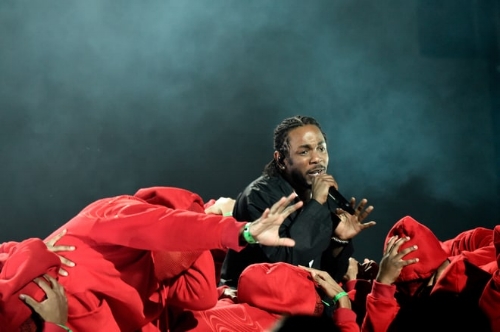
IN THIS PHOTO: Kendrick Lamar (performing on the night)/PHOTO CREDIT: Jeff Kravitz/Getty Images

I could give Bruno Mars his dues if his album was the superior offering – it would not matter what genre it was if it deserved prizes. The fact the judges have opted for a weaker, more commercial effort – than Kendrick Lamar and Jay-Z – brings into question how valid the Grammy Awards are at a time when they need to show wisdom. Kesha’s powerful rendition of Praying wowed the crowds and brought the subject of abuse (she survived abuse herself) into focus. A night that highlighted abuse and imbalance; the way women are overlooked and ignored – to omit them from the winners’ enclosure is laced with irony. Lorde, SZA; Lady Gaga and Kesha all missed out; it was a boys-dominated night and one that put Pop/R&B at the forefront. There were some deserved winners on the night. Aside from Lamar claiming five awards; artists like Foo Fighters and Leonard Cohen scooped prizes (Best Rock song (for Run) and Best Rock Performance (You Want It Darker) respectively); there were wins for War on Drugs and LCD Soundsystem. Ed Sheeran scooped a few awards – including Best Pop Album and Best Pop Solo Performance – and there were some powerful, memorable moments. Janelle Monáe delivered a timely and heartfelt speech that addressed sexism and equality: the fact the time for pay gaps and lack of awareness is through. That need to end the silence and see diversity reign seemed bitterly ironic considering who won the major awards at the Grammys.

It is the biggest music award show on the planet and should, one would imagine, set an example to everyone else out there. I am a fan of Jay-Z and feel his exposing, personal; raw and open album, 4:44, warranted a few gongs at the very least – he went home empty-handed. He was nominated for eight awards and, the fact he did not win any of them, makes me wonder whether there will ever be that balance of quality-diversity at the ceremony. In order for the music industry to progress; to find that equality it sorely needs – we need to tackle areas like the Grammys and ask why they insist on proffering something easy-going and accessible. If they ignore albums/artists challenging and angry; they are sending out a bad message and proving themselves to be afraid and unwilling to bend. It was not a surprise Kendrick Lamar did well in Rap-specific categories – he was expected to do so. When I reacted to the nominations list (last year); I genuinely felt we would see female winners and a triumphant night for Jay-Z and Kendrick Lamar. The fact Alessia Cara was the only female winner - in terms of the main awards; a few were handed out in other categories - on the night seems like gender tokenism: ignoring the wealth of other female artists that were nominated in favour of their male counterparts. All the white roses and thought-provoking speeches seemed almost hollow when you heard the winners announced during the Grammys.

Going forward...the judges need to consider how they decide winners and what message they sent to the world of music. I am sure Bruno Mars worked hard to create 24K Magic but his massive success has highlighted bigger problems at the Grammy Awards: how few women are being nominated/honoured; Pop, R&B and more commercial sounds are still favoured when it comes to the main honours. I know award ceremonies are not the biggest and most important things in the music business: the hard work the artists put out to the people is. These ceremonies reward the finest artists and, bar a few alternatives; few award shows are taking risks and recognising those artists who go beyond the ordinary. I was agog when Jay-Z left award-less; perplexed Kendrick Lamar didn’t receive more awards than he did – it was a night that promised genuine change and progression but remained rooted, predictable and lacking. I hope 2019 sees more female nominated/winning; forgoing the temptation to give the big awards out to Pop/R&B chart acts; ensure quality is a bigger factor than any form of popularity and commercialism. The best takeaways from this year’s Grammy Awards were the white rose-wearing artists and those performers who delivered such stirring and impassioned messages – most of them were female. Everyone wants to see change and progression. The only way we can do that is to show greater equality and common sense at our award shows. The Grammy Awards should have been a night that redressed imbalance and recognised artists/genres overlooked in past years. As it is; the abiding impression is of an award ceremony that could have done something extraordinary but, instead…

gRAMMY.jpg

PHOTO CREDIT: Getty Images

TOOK a safe and familiar course.

FEATURE: A Matter of Interpretation: Cover Versions That Cannot Be Redeemed

FEATURE:


A Matter of Interpretation

pain.jpg

  PHOTO CREDIT: Unsplash

Cover Versions That Cannot Be Redeemed

__________

SOME things in the world are open to debate…

noise.jpg

PHOTO CREDIT: Unsplash

and different points of view. I guess you can apply that to the age-old argument as to whether new music is better than older (I have my opinion!). It is possible to have a reasoned quarrel regarding certain film franchises and whether the British or Americans have the best entertainment industry; whether Australia has the most beautiful landscape, women and sites – or whether that honour belongs to another nation (perhaps, a rather subjective one!). In fact; there are millions of different themes and areas of discussion that can divide people – debate and contrasting views can open up healthy debate. There are, mind you, things that are beyond reasonable logic and argument. Piers Morgan is a complete waste of space: anyone who argues against that is an imbecile. Looking at music and I will not hear anyone who argues against the following statements: the 1990s was the best decade for music; if you do not like The Beatles you have no business calling yourself a fan of music; the government needs to do a lot more to finance and support the industry.

jeff.jpg

IMAGE CREDIT: Getty Images

I guess the area of cover versions is a bit more contentious. In previous pieces; I have looked at the finest covers and why they have gained their status. To me, Jeff Buckley’s interpretation of Hallelujah is a work of wonder. It is a transcendent and life-affirming turn that takes Leonard Cohen’s words and pairs them with his angelic voice. The fact it has been covered – Buckley’s version – but countless half-wits has not diminished its magic and allure. That song did not come together quickly: Buckley tried numerous different versions before the final version was committed to record. Hallelujah was a hard one to nail! Given the majesty of Leonard Cohen and his incredible writing – not many artists would be brave enough to take a song that took Cohen two years to write and try and add their own stamp to it.

hounds.jpg

IMAGE CREDIT: Getty Images

Whether you prefer The Futureheads’ version of Hounds of Love to Kate Bush’s original; Jimi Hendrix’s explosive reworking of All Along the Watchtower to Bob Dylan’s – you cannot ignore the fact the cover versions add something new to the song. I wonder why some artists dare to touch other people’s music. I guess they are trying to do a good version but, when you listen to some, you wonder whether that was in their mind – or they are deliberately trying to ruin a song! Rather than mock some dreadful cover versions; I have collated a collection of songs that should act as a warning to anyone thinking about tackling another artist’s music and how…

cover.jpg

 PHOTO CREDIT: Unsplash

NOT to do things!

FEATURE: From the Rubble to the Ritz: The Reasons Why Whatever People Say I Am, That's What I'm Not Remains Unmatched

FEATURE:


From the Rubble to the Ritz

alb.jpg

 PHOTO CREDIT: Getty Images

The Reasons Why Whatever People Say I Am, That's What I'm Not Remains Unmatched

__________

I am five days late for its twelfth birthday but…

band.jpg

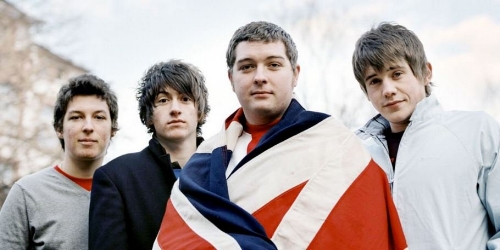
IN THIS PHOTO: Arctic Monkeys/PHOTO CREDIT: Getty Images

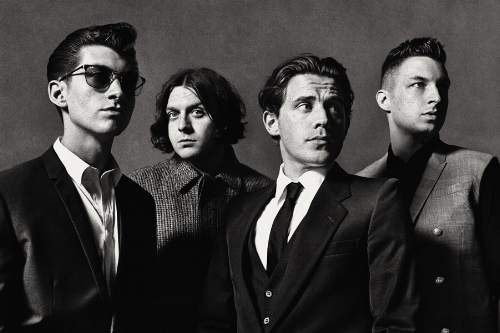
whilst the balloons and cake have been cleared away; I have brought a late gift in the form of a personal dedication. It might sound a bit cheap and lazy not bringing something kick-ass and cool to a party – I feel the human and less commercial approach is more original. When thinking about Whatever People Say I Am, That's What I'm Not turning twelve; my mind can’t help thinking what its birthday would actually be like. There would be cans of beer and spray cans; baseball bats and bags of weed – some bricks in a backpack and plans of late-night high-jinx. 2006, when Arctic Monkeys’ debut was launched; it was an odd time for music. There were some great Rock albums released that year – including Muse’s epic Black Holes and Revelations – but the best albums that year were defined by a sense of bombast and commercialism. The previous year, which I shall look at in greater depth next week, gave us quality records from The White Stripes, Bloc Party and Gorillaz. Aside from Lily Allen’s Alright, Still and Joanna Newsom’s Ys – there weren’t that many standout albums that went against the mainstream grain. Maybe The Flaming Lips’ At War with the Mystics provided something a bit special and dangerous, I guess. My point is, after the eclectic and busy 2005; there were few out there expecting a young and untested Yorkshire band to take on the elite.

boys.jpg

PHOTO CREDIT: Getty Images

No other band in 2006 crafted such an immediate and instant classic. There are a couple of reasons – besides me being a bit late – why I wanted to commemorate Arctic Monkeys’ debut. For one, it is twelve and has, in all that time, only grown in stature and meaning. Some could argue the likes of Arctic Monkeys were creating their version of Up the Bracket (The Libertines’ 2002 debut) and Is This It (2001 debut from the New York band). Those groups crafted something that represented modern life for the young. It was not the fake and plastic utterings of a mainstream puppet; it was more sincere and naked than anything you’d hear (tamely) dribbling from the speakers. The reason I have transposed the title of a Whatever People Say I Am, That's What I'm Not song – From the Ritz to the Rubble – is the way the band were elevated from local heroes status to modern kings. We are at a point where people are crying out for a working-class set of anthems like the Arctic Monkeys’ debut. We have a few bands who might make a charge this year:  Shame, IDLES and Cabbage are a triumvirate of bands I keep mentioning. They are all honest and hard-working groups who refute the lure and tack of the mainstream...

IDLES.jpg

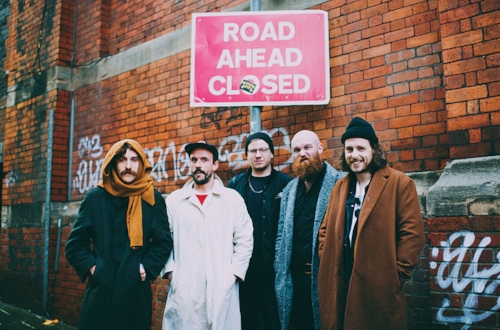
IN THIS PHOTO: IDLES/PHOTO CREDIT: Ania Shrimpton

I am sure they will craft year-defining records (in 2018) but I wonder, deep in my heart, whether any can match the grandeur of Arctic Monkeys?! To my mind; there has been nothing as essential, unexpected and needed as Whatever People Say I Am, That's What I'm Not. Maybe that is because of the poverty of expectation: media eyes are not pinning their hopes on a northern band having too much to say this year. That austerity of compassion is troubling me. Against turbulent financial times – compared with the South – artists in the North are, in my view, more creative, original and intriguing. They are taking more chances and not watching what everyone else is doing. If we are to see a genuine working-class movement take shape soon – it is going to come from the North, that is for sure! The last properly-good album a debut British band made was Whatever People Say I Am, That's What I'm Not. That may seem like a controversial viewpoint – but let us assess the evidence. Take all the bands and artists, since 2006, which have been compared with the Sheffield band - every guitar-based Alternative act who has an ounce of social common sense is compared to them. Many have tried to recapture the spark and genius of that album: none have matched those giddy heights!

The album, conceptually, concerns the lives of northern clubbers. It is a window into what many (in the North) might have seen on an average Friday night back then – it might still well be! Away from the banal bands talking about love and their loserdom lives: Arctic Monkeys arrived with a compelling set of songs that mixed awkward dancers and wannabe Romeo and Juliets (I Bet You Look Good on the Dancefloor) to coked-up anti-heroes in Fake Tales of San Francisco (“And all the weekend Rockstars are in the toilets/Practicing their lines”) – it is a rare insight into a world many of us do not know. It is not a shock to see so many bands try to provide their own interpretation of Arctic Monkeys’ debut album. This is one reason why Whatever People Say I Am, That's What I'm Not continues to resonate: it is evident in the work of all the best new bands. I can hear embers and snatches of Arctic Monkeys in Shame and IDLES. We need to start narrowing the gap between the North and South; ensure there is not the same ignorance towards northern music as there has been in previous years. In 2006, Whatever People Say I Am, That's What I'm Not was a radical and much-needed cocktail of truth. Twelve years on, with the country more split and confused; the record holds a more significant place. Songs on the L.P. look at financial struggle and tenement fights; the young self-destructing and deluded people trying to achieve dreams they know are beyond that. It all sounds gloomy but, when you look at the lyrics (more on that soon); you realise what a work it is.

The reasons why Arctic Monkeys’ debut should be reinvestigated this year is down to its success, reviews and themes. The Sheffield band is teasing suggestions of a sixth album this year – it would arrive five years after their last, AM. I am not sure how the band will adapt to their increased fame and changing lives. They are wealthier and more secure than they were back in 2006. Although their situations have improved; every album that followed Whatever People Say I Am, That's What I'm Not has connected with fans and critics. There are obvious explanations for this consistency. The band, despite their fame, is grounded and who they always were. They do not fully subscribe to the L.A. Rockstar lifestyle: all the drugs, drink and shallow wealth. When their debut arrived; people were blown away by the freshness and quality from a band virtually unknown. Whatever People Say I Am, That's What I'm Not sold 360,000 in its first week and is still the fastest-selling debut by a band. Of the thirteen tracks; there are some from their original E.P., Five Minutes with Arctic Monkeys – alongside their first two singles and U.K. number-ones. It went on to scoop the (2006) Mercury Music Prize and, years down the tracks, appear in the high-positions of journalists ‘Best Rock Albums Ever/of the Decade (the ’00s).

Songs like From the Ritz to the Rubble concern nightclub bouncers. Frontman/songwriter Alex Turner was writing about nightclub-goers and pissed-up drinkers. A Certain Romance scorns local townies; Fake Tales of San Francisco is about delusional types who think they are in California – even though they are in Rotherham! When the Sun Goes Down looks at prostitution whilst Red Light Indicates Doors Are Secured is about the perils of hailing a taxi after pubs close. The songs are without ego but real; they are a transparent viewpoint of youth and life in the North. Artists are not really writing about this kind of lifestyle now – bar the bands I mentioned earlier! – and, even in 2006, Arctic Monkeys were a bolt out of the blue. It is no surprise the album made such an impact and scooped awards. It is even less of a surprise it has collected honours and acclaim years after its release. Not only did Whatever People Say I Am, That's What I'm Not lead to a demand for more albums - but it stands as a stunning work that has inspired countless modern artists. So many bands picked up guitars following that album. Its revelation was a relief and explosion the music world needed! Running alongside all the history and influence is the quality that runs right through Whatever People Say I Am, That's What I'm Not.

dance.jpg

PHOTO CREDIT: Getty Images

With Turner on Lead and Rhythm Guitar; Jamie Cook offering similar guitar support (and Backing Vocals); Andy Nicholson on Backing Vocals and Bass (the only album he would feature on) and the always-stunning Matt Helders on percussion – the ultra-talented quartet were destined for acclaim and attention. The songs are compelling and unusual but so tight and focused. There are some ragged edges here and there but, for the for the most part; the band are completely engaged and in-step with one another. One gets all the smells, booze and fights in the music; you experience the physicality and sentient reality of the music through the performance. Lesser bands – and many since then – would pen songs whose knuckles dragged along the ground. In Alex Turner, the band had a Yorkshire Oscar Wilde: a wildly witty observer who could assess humans and deflate egos at the stroke of a pen. Turner’s modern-day Wildean commentaries came with plenty of swagger, quotable lines and narrative fascination. One can chart the album as a night out. You have the arrival and indication of what is to come in View from the Afternoon (“Anticipation has a habit to set you up…” – although, some claim the song refers to the band and their attempt to temper the hype they were getting from critics) and the beautifully rich and well-observed world in Fake Tales of San Francisco. That song, in itself, is a world all of its own.

One follows the Rockstars in the toilets and the girl getting the ‘escape call’ during the pub gig – she has been saved from a sh*t gig – and the general aura of chaos and seriously lowered inhibitions. From Dancing Shoes to Still Take You Home (tracks four and six) there are those looks at lashed-up women and poor judgement (they might be a bit rough and off their tits; still worth a go, mind…). Riot Van is the inevitable conclusion of a lary night: Red Light Indicates Doors Are Secured is the fleeing and pissed club-goers trying to flag a taxi. Mardy Bum and Maybe Vampires Is a Bit Strong But... address love (or versions of) whilst When the Sun Goes Down is the local prostitutes looking for impressionable and willing punters – and the story of a seemingly domesticated woman turning into an anti-superhero when the working day is done. That is what you get with the album: stockings and cheating spouses; real conversations and the humour one finds in northern neighbourhoods. A Certain Romance ends things, and with it, inculpation and exoneration. Turner judges the townies and locals but, strangely, lets them off the hook by the end. That contrast and capriciousness sum the album up. You see the wreckage and waste of drunkenness and wonder whether it is condemnation or acceptance of modern youth. There are figures given a dressing-down but, above all, the band is part of the action. Turner and his cohorts might be the intellectually superior and wiser contemporaries – they are still there and willing to indulge the losers and view from afar. Whatever People Say I Am, That's What I'm Not neither eviscerates nor glamorises: it projects a single night (or series of...) in Yorkshire. The songs are indelible and, every time they are played on the radio (not as often as they should be) one gets heady recollections of 2006. I hope Arctic Monkeys come back with something stunning and fulfilling this year. We need an album that talks about modern Britain. It will not be the same youth-obsessed and drunken L.P. as Whatever People Say I Am, That's What I'm Not, that's for sure!.Whatever the band come up with; I know it will be extraordinary and unbeatable. The fact they have come this far, and are still talked about as one of the world’s best bands is because of…

press.jpg

PHOTO CREDIT: Press

THEIR peerless debut album.

FEATURE: The Wisdom of Crowds: Why Crowdfunding Is Something We Should Not Judge and Scorn

FEATURE:


The Wisdom of Crowds

funds.jpg

 PHOTO CREDIT: Unsplash

Why Crowdfunding Is Something We Should Not Judge and Scorn

__________

LATER on today…

plot.png

PHOTO CREDIT: Unsplash

I am focusing on an album that made a huge impact on music and, in 2018, it is something we need to see more of (in terms of its quality and originality). That album is the debut of Sheffield’s Arctic Monkeys: the majestic, Whatever People Say I Am, That's What I'm Not. The band is returning with new material this year – about time too! – and, I feel, are one of the most durable and important bands we have around. There are other like-minded acts but none like Alex Turner’s crew. What amazes me if the way they have managed to remain relevant and captivate as the years have progressed. A lot of their music deals with youthful indiscretion and folly. That record came out in 2006 and, back then, there was nothing like it on the scene. It was a bit of a gamble releasing an album that year. In a year that saw The Raconteurs (Broken Boy Soldiers) and Muse (Black Holes and Revelations) release material; it would have been easy for critics to overlook the newcomers – favouring the reliable riffs and grit of bigger musicians. Luckily, that album struck and registered. I mention this because, despite its rather urgent and direct sound; it is a complicated and detailed album that might require a bit of additional funding. The lives of Arctic Monkeys has changed since their debut but one wonders, now, if they were recording that record – would they need a leg-up and financing from their fans?!

zach.jpg

IN THIS PHOTO: Zach Braff (who is among a number of Hollywood stars who has turned to crowdfunding)/PHOTO CREDIT: Getty Images

I can understand a certain trepidation from artists, on an ethical level: they feel uneasy asking for money; almost like it is ‘begging’. This piece has been compelled by She Makes War. She is currently in the midst of her own crowdfunding endeavour (she might have completed it by the time I get to the bottom of the page...). You can contribute towards the Bristol-based musician’s next record - and check out all the rewards on offer. What affected me – regarding her piece – is how angered the writing is! It is just as well: some of the accusations levied at artists like her is enough to motivate retaliation and upset. I can understand a modicum of unrest regarding crowd-sourcing. Sites like PledgeMusic and Kickstarter have been going a little while now – the former was established in 2009. The only downsides to these websites (and many like them) are legalities and controversies. Some projects have offered licensing rights and unsubstantiated riches; some have created fake profiles and used the site(s) for nefarious and greedy purposes. It is hard validating and verifying projects: there have been a few where a celebrity’s status has been brought into question. Zach Braff, when he pitched his 2013 film Wish I Was Here, was questioned regarding the need to ask people for money – considering he could amply afford to fund it by himself! Those debates were quelled by an important point: those who fund these larger projects will, in turn, fund smaller ones...

aman.jpeg

IN THIS PHOTO: The cover for Amanda Palmer's album, Theatre is Evil/PHOTO CREDIT: Getty Images

There is a chain of benevolence that means the average funder will look to assist others. I know, through the years, there have been projects that have raised eyebrows. Some have raised money for films/projects with a liberal agenda; there have been questions regarding political and graphic nature; projects and pitches that could be seen as controversial and divisive. There have been relatively few pitches that have been outright corrupt, fraudulent or greed-driven. The majority of creatives use these platforms in order to assist their process; to get their material to the people. One can claim big film stars do not need to tap the public for money. Not only are they not doing that: it is aimed to get people more involved with the filmmaking process; to divorce the enigma and calculated process of film. By offering something more communitive and involved; it means the funders can see the film’s creative process come to life and reap rewards – the person who pitches an idea on these sites offers backers rewards. Some big musicians have used crowdfunding to make their dreams come true. Amanda Palmer split with her label before recording Theatre Is Evil. It was an album received with positive reviews: the only reason it came to light was down to fans and funders. She raised $1.2 million - and ensured her fans were involved in every step of the process.

de.jpg

IMAGE CREDIT: Getty Images

De La Soul turned to crowdfunding for their ninth album, ...and the Anonymous Nobody. They separated from a major label – claiming they infringe on the creative process – and, within a month of their pitch; they raised over $600,000. That is another reason crowdfunding is important: artists, big or small fish, can gain independence from labels and ensure they control the creative process. There is a reverse-logic for new artists: they do not have lucrative contracts and have full creative control. Despite the best-meaning dreams and strongest material; it can be hard finding the money to fund a record. There are some who say those who have a label should count themselves lucky and be happy with it! The label is a way of getting music spread further and having support, it is said. That is not to say (the label) will let the artist do what they want and not interfere: too often, artists find their label becoming too involved and demanding. It is not a cheat to go to crowdfunding sites and establishing some creative control. For newer artists, mind, you have to ask that question: why go through that process?! It can be hard, having those ambitions, and finding your project is under-funded. These pitches are only funded when all the money is raised – some sites do not operate like that – so it can be hard to hit the target sometimes.

money.jpg

PHOTO CREDIT: Unsplash

I pitched an idea once (not the best thought-out) where a group of musicians would cover Elbow’s One Day Like This. It would be filmed in London and it would, essentially, be a one-off music video. Even for something like that, fairly easy to plot and realise…it can be tricky. There is an assumption musicians have loads of money to burn and crowdfund so they have more money for beer. There are, sure, some artists who have a bit of money but want to get away from the label’s grabbing hands. For many people it is about being able to fund a song/album: many do it so they can involve their fans in the process. Music is about recording songs and putting them into the digital ocean. There are various steps in-between but, at any stage, do you really give followers a chance to get involved with the music itself?! Artists put social media updates out – but there is never a sense you are connecting with an artist that much. A lot of crowdfunding projects have physical rewards. Backers can feature in a music video; they might be credited on an album’s sleeve – big backers might get to spend a day in the recording studio.

beg.jpg

PHOTO CREDIT: Unsplash

Depending on your target; you are never really asking that much of any artist! I have backed a lot of projects and, in most cases; it is never more than a tenner. Those who criticise crowdfunding labour under the assumption innocent members of the public are being gouged. That is strictly not true. The stress and burden is never on the backer: the responsibility and hard work falls with the artist. THEY are the ones who need to get the word out and promote their stuff. It is a relentless and tough process where you are always keeping one eye on the counter – seeing if the numbers are going up; how far away you are from the target. An artist puts their heart into the project and always hopes to reach the target. The sheer relief at hitting that target – check She Makes War's social media... – lets you know how much it means! In a lot of cases; it can be a Bond-esque race to detonate a bomb: hitting the fund target a day or so before the deadline! It is not a case of the musician watching the pennies roll in and not doing any graft. I shall come to the most obvious reason why crowdfunding is good but, before then; I want to bring an article in:

The costs of making music have come down drastically as well, and independent albums today sound better than many major label efforts of the 80's and 90's. Quality still isn't cheap though, and the costs of manufacturing and publicizing a release still put a truly professional campaign out of the reach of many indie artists. We do have access to one incredible resource however: our fans!

board.jpg

 PHOTO CREDIT: Unsplash

Crowdfunding has become an important tool in the arsenal of many indie artists, and it’s a strategy that has helped level the playing field for artists who don’t have label money propping them up. I’ve had a lot of success on a variety of platforms, and I wanted to pass along some of what I’ve learned. Buckle up!...

My most recent crowdfunded project was done through PledgeMusic. There are a lot of similarities between PledgeMusic and Kickstarter, but there are also a few big fundamental differences.

Like Kickstarter, PledgeMusic makes you pick a goal amount, and expects you to reach that goal or refund the money. PledgeMusic is WAY more hands-on right from the start, though: they assign you a project manager, take stock of your band as a business (by looking at your social media stats and your level of fan engagement, as well as other metrics they don’t publish) and they try to help you set a realistic goal that they’re confident you can attain. Goals on PledgeMusic tend to be much more honest than on Kickstarter. This hurts their reputation a little bit when artists are comparing the two platforms, because Kickstarter artists SEEM to make a lot more money (since they regularly hit 200% or 300% of their artificially modest “goal”)”.

There are two things that come out of that case study: depending on which platform you use; there can be drawbacks and risks. It seems PledgeMusic is a better platform for musicians, at least.

cat.jpg

PHOTO CREDIT: Unsplash

That hands-on approach and lack of risk – not having to refund money – means it is the go-to choice. The other point might mislead: the fact music is a lot cheaper than it was. That is true but, if you think about it; how many unsigned artists did you hear during that decade?! I don’t know about you but my musical tastes (from that time) are chart acts and those who were signed. It is true you can make a song/album a lot less expensively than back in the 1990s. Most of the artists around in that decade had a label and did not have to struggle the same way as modern artists. There is a lot more competition today and, as people spend more time working and less time socialising – happiness levels are decreasing. That is why people go to crowdfunding wells: financial aid. It seems like, on paper, the costs of recording an album are dropping. You can put together a record on your laptop and produce a dozen songs for as little as a couple of hundred quid – or less in many cases. You can then do all your promotion and digitally release it without breaking the bank. Most artists, mind, use instruments and have greater ambition.

war.jpg

IN THIS IMAGE: She Makes War (Laura Kidd)/IMAGE CREDIT: She Makes War

They want to ensure they stand out from their peers so use better microphones and spaces; take more time and employ more components. Songs are bigger and, in order to entice more fans; they release material onto C.D., vinyl and cassette. Look at She Makes War’s article in order to get an idea of costs and the breakdown of an album. She has recruited eight-hundred-and-fifty-eight backers (at the time of this piece) and is right at her target – she will probably hit her goal before this goes live. It has not been a smooth and easy ride for her. The album, She Makes 4, is practically funded but, before rounding off; a few thoughts from She Makes War herself – regarding the reason she is crowdfunding:

Why? Because making high quality albums, even in these playing field levelled times of DIY digital recording, is expensive. Really expensive…nice-second-hand-car up to deposit-for-a-house expensive – and as a solo artist it’s down to me to pay for all of it. I don’t know any independent musician who doesn’t rely on the income from their merch sales to pay or part-pay for their living expenses, and I don’t know anyone who has between £5-£15K hanging about in their bank account.

 Yes, we could all make albums ourselves on laptops (and that’s how I write and demo my music without the need to pay for anyone else’s time) but I have no real desire to become a truly brilliant engineer or mixer, and I want my albums to sound as massive and incredible and wonderful and magical as they possibly can. I’ve always wanted to produce material of the quality you’d expect to be released by a respectable indie label, whether or not I ended up with the backing of one (and I’d love the backing of one).

While musicians are expected to do a lot of things for free/promo opportunities, recording studios, engineers, mixers, CD/vinyl/cassette printing companies and the Royal Mail all understand that exposure is something mountain climbers die from and charge accordingly. Every aspect of making music costs money, so in order to release music of the quality I want, I have to find the money somewhere

A good point is made: austerity is terrible in the North - which means it is ethically hard asking some for money they cannot afford (She Makes War is in Bristol and struggles like everyone else). Given rent prices in London; many artists are unable to afford to live AND record music! I find myself in a position where I have to live at home and, despite a full-time job; I am unable to make a full move to London. The only reason I can keep my blog going is because I do not have to fund it.

she.jpg

IN THIS PHOTO: She Makes War/PHOTO CREDIT: Getty Images/Artist

I want to interview artists and do more videos but the cost of that is the cost: travelling around and getting the equipment is too much of a burden. Musicians have the same trials and struggles. Many have to work a full-time job (or two) and are seeing stress and anxiety levels go up. The demand and competition in the industry mean artists are spending time on social media; they are boiling everything down to numbers – chasing a carrot and stressing themselves into poor health. For artists like She Makes War; there are fewer opportunities and less money available - even less for those who live in northern England. Many of her peers are going through a testing and unhappy time. They want to bring music to the people but the only way to do that, and make it as good as it can be, is through crowdfunding. There are many more compelling argument to back up my point but the facts remain: artists are not doing it to bilk people and take an easy way around. The crowdfunding route connects an artist with their fans and builds closer ties; it means they can expand their horizons and reduce their anxiety levels. At a time where so many musicians are struggling and suffering poor mental-health; we should not begrudge them the opportunity to receive backing from fans. I understand why some artists want to go their own way and self-fund – that is good for them! Those who choose to crowdfund should not be judged or accused. They have very good reasons for doing it; they either face financial difficulties or want independence – and that need to connect more readily with their followers. In the case of many musicians – including She Makes War – it is a wonderful and enriching way to make their dreams…

dreams.jpg

PHOTO CREDIT: Unsplash

COME true (...and She Makes War has just hit her funding target!).

FEATURE: American Idioms and the Oxford Coma: Sociability and Community in Live Music: Celebrating Independent Venue Week 2018

FEATURE:


American Idioms and the Oxford Coma: Sociability and Community in Live Music

DUe9cfFW4AAEGOa.jpg

 IMAGE CREDIT: @IVW_UK

Celebrating Independent Venue Week 2018

__________

NOT only is the title of this piece an awesome…

bplay.jpg

IMAGE CREDIT: Getty Images/Press

idea for a possible album – or two song-titles – but they are representative of a point I want to make. The ‘American Idioms’ is a reworking of the Green Day song, American Idiot (from their masterful album of the same name). The reason I drop this into proceedings is the anger and vitriol evident in that song. The entire album, in fact, was Green Day’s return to the snarling, puked-up Punk of their formative years. Their seventh album, released in 2004, resonated with critics and arrived after a lukewarm Warning – an album that was not quite as overtly urgent and necessary as its title suggests. I feel there is a lot of anger and annoyance inside the most placid and calm heart. The world is constantly throwing in random tragedies and moronic politicians; a slagheap of disappointment that can derail one’s life. Even the most passionate music-lover – for whom music balms the blood and provides unquestioning companionship – feels the bite and turbulence of the world. We all have something to vent and express: the physicality and connections we get from live music is almost tribal and spiritual. I want to bring in the Independent Venue Week that BBC Radio 6 Music’s Steve Lamacq is involved with – and which spots are going to get coverage. The second part of the feature’s title relates to hesitancy and social punctuation.

DUjFcwdWsAArHyo.jpg

 IMAGE CREDIT: @IVW_UK

We all get waylaid and fatigued by modern life and the demands of the working day. It can be hard finding time to get out into the ether and connect with your fellow ‘man’. I have written about this subject a few times before: why we need to preserve the live music scene; how music is becoming digitised and intangible; the soft positional bargaining stance of the Government when it comes to protecting music venues. I know there are measures to preserve venues so that noise complaints do not sacrifice those buildings that have provided great live music for years. There is not being enough done to ensure each town/city sees their venues protected and funded. In fact; it is not soft positional bargaining at all: the reality is, our current incumbent has no real knowledge of the music scene and why it is so important. I am angry we all feel the need to isolate and ‘save money’ by sitting in and neglecting what is out there. I am guilty of that, for sure. I am angrier at the Government and the negligent attitude towards live music. Every time I think about some people’s attitudes to music; I get Blur’s Coffee + TV’s stuck in my head – or the chorus-refrain of “Sociability/Is hard enough for me…” A lot of people are spending their after-work hours watching T.V. or sitting on the Internet.

DUd17pUWAAIP90u.jpg

IN THIS PHOTO: Moonwalks (who will take to the stage at The Hope & Ruin on 4th February)/PHOTO CREDIT: Getty Images/Press

One of the reasons I am like that is because of my energy levels. I am exhausted by the catawampus degradation of the working day. The effort needed to drive to a venue and connect with fellow gig-goers is a struggle. Nadine Shah launched the Independent Venue Week 2018 event late last year. I was excited seeing the venues named and the hard-working people who will get their dues. The event is in its fifth year, now.  One-hundred-and-sixty venues throw their names into the hat – they wanted to be featured and celebrated. Ambassadors Nadine Shah and Adrian Utley (Portishead) will act as leads for this year’s venues celebration.

nadine.jpg

IN THIS PHOTO: Nadine Shah/PHOTO CREDIT: Getty Images

The two will curate their own shows for Independent Venue Week – Shah will perform at Hebden Bridge on 3rd February. I know IDLES are primed to close the week with a (one would think, blistering) set in Liverpool. There are a couple of reasons why I am pumped for this year’s events. From this Monday (29th) to a week tomorrow (4th February); it will see artists get their first chance to perform to a willing and anticipating crowd. In alliance with Arts Council England; the event unites breaking and established artists, promoters; labels, bloggers and tastemakers together. You can get a full rundown of the venues involved next week by looking at Independent Venue Week’s official site. The sheer width and breadth of the event mean so many great venues will get more people in – encouraging locals to get involved and come see some great bands.

Lammo.jpg

IN THIS PHOTO: Steve Lamacq/PHOTO CREDIT: Getty Images/BBC

I mentioned Steve Lamacq is touring the nation and bringing his show live from five venues through that week. He kicks things off on Monday by heading to Stowmarket’s John Peel Centre; he heads to Boileroom on Tuesday (I should go as I am only down the road from the place!) and hits Leicester’s The Cookie the day after. Then; it is to Hebden Bridge, The Trades Club on 3rd (February) before a finale at Liverpool’s Studio 2 – where IDLES will be in attendance. I have sprinkled a few posters – from the Twitter page of Independent Venue Week – to show who is playing it various spaces. The Lamacq-backed venues will bring a load of new people out from their sofas and into a communal space. Not only do new artists get exposure and a rare experience: many will attend their local venues for the first time! I will tune into Lammo’s show next week and get that second-hand experience of the venues week. More than that, being close to a featured venue; it is a chance to spend an evening away from the laptop and among like-minded people. That is why next week will be so special: music fans coming together with some fantastic new artists. It is a thrilling, much-needed spotlight on a corner of music that is more like a backbone – it has been here for decades and, faith willing; it will be around long after all of us have gone.

IDLES.jpg

IN THIS PHOTO: IDLES/PHOTO CREDIT: Lindsay Melbourne/DIY

Check out the link above and see which venue is closest to you. If you go to that venue’s website; they will provide details of the artists playing on the bill. Make sure, above all, you get involved and show your face. Too many of us are slaves to work - and feel reluctant engaging with anyone once the day is through. It does not have to be every day: a once-a-week gig can lift the spirits and improve mood; provide fresh impetus and bring fans and artists together. I have been determined to get out more since 2018 began. I spent a lot of time last year hypothesising and theorising my love for music; reviewing artists from afar and interviewing people by email. The social aspect of music was hidden and, as such, I got into a routine. So much of today’s music involves us being sedentary and idle. Live music is, in fact, one of the last avenues for exercise, expression and community. Many of us take live music for granted: many ignore it through fear it is too expensive and tiring. If we all make a conscious effort to see the odd gig here and there; not only are we supporting these fine and vital spaces – our happiness increases and we get out and see some great music! Independent Venue Week kicks off on Monday and, if you get that chance; make sure you get out there and support these great places. Not only will it enrich your own life but support a community who needs these venues/musicians now…

DUjRSH6XkAAeAuF.jpg

 IMAGE CREDIT: @IVW_UK

MORE than ever.

FEATURE: Spotlight: Yonaka

FEATURE:


Spotlight

yon.jpg

PHOTO CREDIT: Getty Images

Yonaka

__________

THE boys of Shame will be next on the parapet…

gangs.jpg

PHOTO CREDIT: Louise Mason/DIY

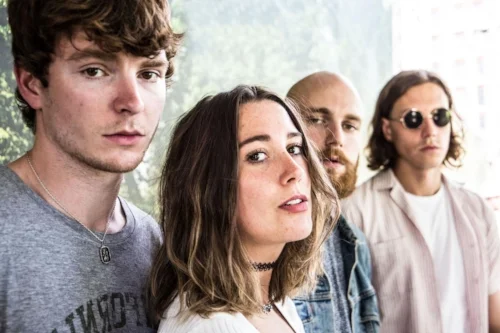
that is the Spotlight feature. They are another band whose name can be written in lower or upper-case lettering (I'll go with the former - the latter bugs me a bit!). One of the reasons I wanted to feature Yonaka is because of their female lead: Theresa Jarvis is among the most important and original voices in new music. Joined by George Edwards, Alex Crosby and Robert Mason – the quartet whip up a heady sermon that has got critical tongues drooling and fans pumped! They have been on my radar a while but there is a reason why the guys will steam and roll through 2018: where they are based. Brighton is a city I will throw a separate spotlight on very soon. It is, alongside London and Manchester; a place where an artist/human can feel connected, alive and fulfilled. (My passion for Brighton is unquestionable and undiminished). Their shows are the stuff of fantasy: a band who knocks the roof off and can peel a tattoo from a mosher’s nuts from fifty meters! Theresa Jarvis is the insatiable and energy-infused lead who can get every crowd exhilarated. The band signed a major-label deal in mid-2016 but, as they told NME last year; the gig they played that night was a fuzzy-headed and shambolic thing – too much free champagne flowing when they all provided their wet signatures! The band already had a solid live reputation by that time: a willing crowd would forgive some off-key shouts and unruly setlists. The wake-up call came when they started to craft their E.P., Heavy.

In a music scene where there are some great female-led Rock/Alternative/Punk bands – including REWS and False Advertising - it is refreshing to see Yonaka on their own. They are non-conformist and unique: this comes across in every note of the E.P. Bubblegum, the standout single, combines a melodic sensibility of No Doubt with elements of Hole, Queens of the Stone Age and Smashing Pumpkins. The band wanted to create (an E.P.) that had consistency and distinct personality; they wanted to put something out with diversity – so it appealed to a broad taste. Singles like Drongo, Wouldn’t Wanna Be Ya and Ignorance suggest a group who do not want to be labelled and honed. Heavy’s light-dark shades mix fire and cool; an accessible core and barbed-wired boundaries. The Atlantic Records-signed band, ever since 2016, have been verbalising their insistence they are not your workaday Rock band. They sniff at the posh and whimpy bands: the kind who vote Tory and get annoyed if the local Marks and Spencer runs out of their most pretentious sandwiches. Brighton seems like the perfect place for a band of friends who want to stand out. In an area defined by colour, diversity and equality; it is encouraging they are getting more attention and making their way to the masses. Maybe they will move to London in time – more chances to play and more money – but it seems like spots such as Green Door Store and Sticky Mike’s Frog Bar are right up their street! The band – ‘Yonaka’ is the Japanese for ‘the dead of night/midnight’ – gained important exposure as early as 2016. They have already played The Great Escape, and so; with that sort of experience under their belt – I expect this year to be an even bigger one. They have had their lows and bad gigs – doing the ‘toilet circuit’ like everyone else has its risks – but have learnt a lot from it. They want to be big and make a living from music; hit it properly big and make a success of it.

They have the ammunition and talent to go as far as they want. One of the dangers of having that exposure and acclaim is a certain compromise: making allowances and trying to adapt your music for the mainstream. One hopes the band don’t appear as judges on a future series of The Voice – or appear on any reality shows – or start hanging out with Ed Sheeran on the sly! The mere images are enough to make me want to vomit my own blood: I know the band will not succumb to such cheap and fetid lows. They want to be big so they can take their music around the world and rock some epic stages. So far, in a few years, they have managed to transcend from the remnants of other bands to get where they are. The reason they have such a diverse and ever-growing look is the music the band listens to. They might be investigating Grime or Pop; throw some 1970s Punk into one day – it all comes out in their own sounds. I have been excited by Wolf Alice: a band with similar broadness who are making incredible strides. They are another female-led band who seems unlikely to squander their own path and tread down the rather colourless and fame-hungry one of the mainstream. Yonaka have that diverse spirit and variation in their ranks.

bli.jpg

PHOTO CREDIT: Getty Images

Albums from Jeff Buckley and Dr. Dre feature in their collection; they take a lot of influence, overly or not, from the latter. What stuns me is the way they manage to integrate and mingle all the various colours and shades together. Lesser bands would come across rather uneducated and lazy. For Yonaka; they want to take chances and add an injection of originality to the scene. The world is growing bored of genetic and formulaic Popstars: the rebellious backlash are showing their anger and trying to usurp the established order. The day will come when the Brighton-based band are ruling the airwaves and taking to the Glastonbury stage. I hope, when they get there, they get to a headline spot. The festival has been accused of sexism and booking rather predictable bands to top their stages. It might take a few years but the chemistry in the camp means patience is not an issue – a lot more music will come from the quartet. So…what of 2018? They had an eventful and career-high 2017: one would hope that momentum and acclaim translate into something big this year. Peers such as Cabbage and Shame are coming along and adding something honest, real-life and working-class into music. It is a slow transition but there is a tangible need for change and revolution. It might not be on the same level as the Britpop motion of the 1990s – that is not to say bands like Yonaka cannot inspire others and make genuine changes in the industry.

along.jpg

PHOTO CREDIT: Louise Mason/DIY

I shall leave things here – but it is a good start to their careers. An E.P. has been released and the guys have played some great gigs. So far this year; the band has played Green Door Store and made NME’s list of the one-hundred acts to watch this year. They have played with The Cribs and brought their brand of music to the people of Reading and Cambridge. They have some minor festival dates booked for later in the year: one wonders how many other offers will come in the next few weeks! Alongside the wave of innovative new bands – including Shame and False Advertising – I feel a whole new festival could arrive. It could be one for artists who subvert the mainstream and bring anger back into music. I am not sure what the festival would be called: whatever the outcome; Yonaka would own it! Their future is bright and, with a series of stunning songs out there; I can see the fans flocking their way. I feel this year is going to be a massive one for a band who…

stairs.jpg

PHOTO CREDIT: Getty Images

ARE bringing something new and exciting to music.

_________

Follow Yonaka

gang.jpg

FEATURE: The Fall of Rome: Why Mark E. Smith Will Be Remembered Forever

FEATURE:


The Fall of Rome

MARKS.jpg

PHOTO CREDIT: Getty Images

Why Mark E. Smith Will Be Remembered Forever

__________

I thought I would leave it a little while…

mark.jpg

PHOTO CREDITRossen/MAI/Getty

before offering my thoughts and impressions regarding the death of The Fall’s Mark E. Smith. This piece is not specifically about him: it is a look at uniqueness in music and how, as we move through the years; there are fewer standout artists and genuine personalities. I will sprinkle a couple of songs from The Fall into this piece but, with Smith’s death still raw and resonant; I wanted to reflect and offer some input. It is the stories – relating to Mark E. Smith – that is getting to me. We often think about a musician in purely musical terms. Today, with so few original spirits and characters; it is extra-sad Mark E. Smith is no longer here! I have been listening to radio tributes and remembrances. A lot of musicians, when they die, are membered and noted because of their music: you do not often single their personalities out. The Fall left behind a huge catalogue of music (more on that later) but it is, in my view, the ‘unique’ dynamics of Mark E. Smith that made the biggest impressions. The anecdotes have been shared and those riotous tales revealed. It seems, at every gig, there was something unexpected. Sometimes, he would walk off mid-song or not sing a certain song – letting his band play it without him – or he would leave the audience waiting whilst he (secretly) watched the gig from a balcony.

smiths.jpeg

PHOTO CREDIT: Getty Images

In public, he would connect with people but always leave his mark. He was humble and real; he would joke and was cheeky; each interaction was memorable and real. Smith has that reputation for confrontation and awkwardness - but that seems to add to his appeal and mystique. If you had a musician always nice and cheery then that would be boring and unrealistic. People are not always pleasant and appealing: we all have bad sides and moments where we are unkind. Many might say Mark E. Smith took that a bit far – he was who he was and hope to shoulder a lot of stress and problems. Smith, especially in recent years, suffered badly with his health and, for someone determined to bring the best music to the people; maybe all that burden and strain meant he behaved that way. In reality; he was a pure and open northern soul. His spikiness and crueller moments were outweighed by the good times and wonderful music. The Fall was a fairly niche act who did not command the same popularity as artists like David Bowie, for instance. There was humour and complexity; ever-changed sounds and some of the most original songs you’ve ever heard. I suspect a wave of new affection will come – and maybe a biopic of Mark E. Smith down the line – and that provides the chance for new listeners to fall for a very special band who touched many hearts.

CANS.jpg

Mark E. Smith fired a lot of band members but, as he saw it, that was a way of keeping things new and moving. In describing him; one almost gets visions of a dictatorial ruler: a regime based on fear and intimidation. That is not the case at all. The abiding weight is of a man who, over four decades, managed to change the face of music and inspire countless other artists. I will put a playlist together at the bottom of this feature but you only need look at the reactions that poured in after his death to realise Mark E. Smith was a cherished and treasured man. His health was a burden and something that hindered a lot of live shots. In August; he was hospitalised for issues relating to the throat, mouth and respiratory system. I will end by looking at some of the tributes and testimonies that have been paid – but the final interview Smith conducted strikes my mind. Speaking with The Guardian last year; he was his usual candid and unabashed self:

Are you a Prince fan?

No. They’re weird aren’t they, Prince fans?

I guess I’m weird then. Do you like much new music?

The standard of music these days is fucking terrible. Being poorly you have to watch shit like Jools Holland. A lot of it sounds like when I was 15 and I’d go round to a long-haired guy’s flat to score a joint and they’d always put on some fucking lousy Elton John LP. That sounds like Ed Sheeran to me, a duff singer songwriter from the 70’s you find in charity shops…

pose.jpg

PHOTO CREDIT: Getty Images  

Is it important for you to remain angry?

Yeah. People still cross the road from me; I’ve still got that. I can clear a pub when I want to. It’s a talent.

Did you vote in the general election?

I didn’t make it out. There is a Labour woman from Salford I like though [6]. I enjoyed Nick Clegg losing his seat and it also proved how clueless all these political journalists are. The barmaid knows more about politics then they do, they’re all fucking bluffers.

That selection of answers highlights the honesty and openness of Smith. He did not care for boundaries and normalisation. He was someone who spoke his mind and lived in the real world. Some of his words might have come across salty and acidic: it was always designed to project an unblemished and pure artist who was not resigned to aimless and inane sound-bites. In another Guardian interview - Brix Smith Start talked about her late (former) husband – I have sourced a small snippet:

Somebody told me that you never know who you might meet, so you always carry a demo tape with you. He listened to three of my songs. My heart was pounding with nerves, and he turned to me and said: “You’re a fucking genius.” Marc Riley had just left, they needed another guitarist and he was probably cooking it up right then and there.

brix.jpg

 IN THIS PHOTO: Brix Smith Start/PHOTO CREDIT: Getty Images

We fell madly in love, inseparable. So we planned our marriage for as soon as we could. We got married in the register office and we had a reception at the Eagle and Child pub, which was arranged by his dad. We had sausage rolls, pickled onions, crisps and beer. And then we went back to our flat in Prestwich, and we played music all night with our friends. It was inevitable. It was meant to be.

Any time any band did something that sounded like the Fall, it would infuriate him. He was the fiercest Mancunian that I have ever come to know, and there are a lot of them. Morrissey was a massive Fall fan before the Smiths, and used to write him fawning fan letters, which we have in our house, signed. But the Smiths signed to Rough Trade, and Rough Trade obviously put everything they had into the Smiths, which we can see now was worthwhile. And Mark felt kicked to the curb. I remember we were all playing a gig in Manchester, and the smoke alarm went off in the hotel. I was quite panicked. I saw Morrissey, and asked if he’d seen Mark, and he said: “Yeah, he’s upstairs burning.” I never spoke to him again after that”.

Everyone from BBC Radio 6 Music’s Lauren Laverne and The Charlatans’ Tim Burgess has paid tribute to the great Smith. Lavern, on her morning show, labelled Mark E. Smith one of her greatest heroes – “So sharp, clever and untouchably cool”. A fellow BBC Radio 6 Music D.J., Marc Riley, is a former member of The Fall. He played the guitar with them from 1979 and 1983 and, like Laverne; Riley paired his heart out – with a slightly different set of experiences. He learnt a lot from Smith: ideas about life and the music; a new way of life he was unfamiliar with.

marc.jpg

IN THIS PHOTO: Marc Riley/PHOTO CREDIT: Getty Images

So many people have been out in force; determined to have their say about the icon. There are so few genuine articles in modern music: there is nobody like Mark E. Smith. We need to preserve his wit, words and wisdom for years to come. There was that grumpy and rude side – all part of a man who did not want to hide who he was. One cannot write off that side of things: the music and majestic elements of Smith outweigh all the negative factors. I shall leave the music to the end but, right now, you only need look at the durability and longevity to realise what an impact The Fall had. From 1979’s Live at Witch Trials to last year’s New Facts Emerge – thirty-two studio albums emerged in that time. 2017’s effort was lauded by critics and seen as a return to form – The Fall’s 2010s output is not seen as their strongest. Whether you fancy Extricate over Dragnet; The Marshall Suite over The Infotainment Scan – there is something in there for everyone! You can see (from the playlist below) the fantastic tracks that exploded from every album. Maybe I was a bit hasty when it came to filtering all the genius of The Fall to the man himself. The music is stunning - and unlike anything the world will ever see. Even though Smith was the catalyst behind that: the rotation of band members, and the chemistry they brought together, led to those terrific records.

falls.jpg

Now that Mark E. Smith is gone...I wonder what the music world will do. It is like an empire collapsing: the emperor has fallen and the subjects are searching around for answers. Music will enter a darker phase where vacuum and emptiness will occupy. We will never see anyone like Smith again. Music is an industry that has more fabricated and fake artists than real people. Personality seems second-nature to the music itself. We do not really connect with musicians – new ones, at least – or get an idea of who they are and what they are about. I suspect the industry is too busy and bustling to take the time. I suspect the answer is more obvious: there is nobody that interesting and compelling. Music needs those sharp wits – and sharper tongues – to elevate it beyond the drab and boring. Smith’s unique personality translated into his music: a veritable concoction of northern poetry and working-class observation; strange sentences and odd sentiments. It was always varied and unexpected; tantalising and intriguing. It is a tragedy Smith is gone: his music will echo through the ages and his words scripted into the history books as an example to all of music. In a confused and tormenting time, where truth is subjective and facts are blurred; we have just lost a human who…

wed.jpg

IN THIS PHOTO: Mark E. Smith and Brix Smith Start

ALWAYS told it like it was!

FEATURE: The January Playlist: Vol.4: Blake’s Metaphor

FEATURE:


The January Playlist

blake.jpg

 IN THIS PHOTO: James Blake/PHOTO CREDIT: Universal Republic Records

Vol.4: Blake’s Metaphor

 _______

THIS is a properly chunky one!

dream.jpg

IN THIS PHOTO: Dream Wife/PHOTO CREDIT: Getty Images

It has been a bit of a mixed time for new releases but, with 2018 in full charge; there are fresh treats from Jack White, James Blake and The Vaccines. If that were not enough…pour in some Dream Wife, Craig David and Django Django; Graham Coxon, Tom Misch (with Loyle Carner) – a bit of Shaggy and Sting for you, too.

It is a pretty decent week, by the look of things…

ALL PHOTOS (unless credited otherwise): Getty Images

________

jack.jpg

Jack White Corporation

unk.jpg

Unknown Mortal Orchestra American Guilt

vac.jpg

The Vaccines Nightclub

al2.jpg

Alice Glass Cease and Desist

mis.png

Tom Misch (ft. Loyle Carner) Water Baby

fran.jpg

Franz Ferdinand Lazy Boy

fie.jpg

Field Music Share a Pillow

fever.jpg

Fever Ray - Wanna Sip

kali.jpg

Kali Uchis (ft. Tyler, the Creator and Bootsy Collins) - After the Storm

Noel.jpg

Noel Gallagher's High Flying Birds - It's a Beautiful World

bl.png

James Blake – If the Car Besides You Moves Ahead

JT.jpg

Justin Timberlake (ft. Chris Stapleton) – Say Something

sti.jpg

PHOTO CREDITCherry Cherry Boom Boom

Sting & Shaggy – Don’t Make Me Wait

x.jpg

X Ambassadors – Joyful

DAVID.jpg

Craig David – Brand New

thirty.jpg

PHOTO CREDIT: 30 Seconds to Mars/Getty Images

Thirty Seconds to Mars - Dangerous Night

dj.jpg

Django Django – Sundials

Jess.png

Rudimental (ft. Jess Glynne, Macklemore and Dan Caplen) - These Days

Swim.jpg

Swimming GirlsBack of Your Car

lady.jpg

Lady Gaga Joanne (Where Do You Think You’re Goin’?)

dream2.jpg

PHOTO CREDIT: @slb_photo

Dream Wife – Kids

COOK.jpg

PHOTO CREDIT: www.olliegrove.com

Hollie Cook – Angel Fire

elle.png

Elle Watson - Suspended

sak.jpg

Shakira (ft. Maluma) Trap 

lucy.jpg

Lucy RoseAll That Fear

boys.jpg

PHOTO CREDITJodie Canwell

Underwater BoysEveryone You Know

Nils.jpg

Nils Frahm – Forever Changeless

cox.jpg

Graham Coxon – Bus Stop

aces.jpg

The AcesFake Nice

cab.jpg

CabbageArms of Pleonexia

rae.jpg

PHOTO CREDIT@boohoomanofficial

Jhené Aiko (ft. Rae Sremmurd) - Sativa

dnc.jpg

DNCEDANCE

FENNE.jpg

Fenne LilyOn Hold

tre.jpg

TremorsThe Rush

grace.jpg

Three Days Grace - The Mountain

RAT.jpg

RAT BOYBE MY ANIME

FEATURE: Too Much Too Young? Ensuring We Do Not Place Unreasonable Pressure on Our Best Young Artists

FEATURE:


Too Much Too Young?

BE.jpg

IN THIS PHOTO: Billie Eilish/PHOTO CREDIT: Getty Images

Ensuring We Do Not Place Unreasonable Pressure on Our Best Young Artists 

__________

THERE is much to champion and celebrate as we immerse…

tom.jpg

IN THIS PHOTO: Tom Grennan/PHOTO CREDIT: Getty Images

ourselves in the waters of 2018. I have been scanning the horizon and seeing which artists will make big breaks this year. It is all very exciting as new talent emerges: the fact some legends and established artists are releasing material soon is another reason to be cheered! One of the most obvious trends coming through is the proliferation and augmentation of young artists. In my line of work – reviewing and interviewing musicians – I get to see a variety of awesome people do their thing. I connect with a lot of them and, through social media feeds, can track their progression and updates. One thing that strikes me, especially with young artists, is the pressure they feel. This applies, I guess to those in their teens and early-twenties – getting success and recognition early can be a good thing but, at the same time, cause a lot of anxiety and stress. I am excited great artists like Billie Eilish, Sigrid and Tom Grennan are getting a lot of love and buzz. Sigrid, especially, is getting some passionate feedback and attention. I am hopeful she will make big strides - but I wonder whether all the spotlight and glare is a bit too much. We want to see these artists flourish and fly but, with all the media attention and expectation – is that a lot to bare for someone so young?! Billie Eilish - the much-hyped U.S. teen - is school-age and, as such, has to balance musical duties with academia...

bi.jpg

PHOTO CREDIT: Getty Images

She seems, on paper, a mature and level-headed girl – sullen at times with a definite edge and (authentic) attitude. I am pleased talent young female artists are being proffered – but they will only sustain and continue to record if they are given a modicum of space. Sigrid and Eilish are getting their faces everywhere: they are never too far from vacillating column-inches; journalists proclaiming them in terms few could call hyperbole. I guess, when an artist shows promise, journalists and radio stations are keen to get them out there and do all they can. That involves interviews and reviews; lots of new stories and praise. It is understandable, sure, but I wonder whether all that glare and expectation has a damaging effect. There are so few artists remaining and producing notable work years down the line. You get sustainable artists but, largely, bigged-up new musicians have a brief explosion; they release some great music but are replaced by someone new before too long. Maybe that is a sign of the music industry today – always wanting something new; too hectic to foster and protect artists – but I want to see the likes of Grennan, Sigrid and Eilish endure. I can throw in other names like Dua Lipa, Iamddb. and Shame. These artists vary in age – early-teens to twenties – but they are all (fairly) new on the block.

Ensuring these bright young stars are promoted, yet have the room to create and evolve years down the tracks is, to me, a crucial balance. Barely a week goes by without a new feature on Sigrid or Billie Eilish – they are not the only ones but are perfect examples I can throw in. There are a lot of blogs and websites out there who want to throw their kudos in; people are keen to play the songs (of these artists) and spread the word. That is understandable but I have a fear the constant glare and celebration is a bit too full-on. Nowadays, before a young artist has even released their debut album; so many quarters of the media have made predictions and put their name out there. Another side-effect is summoned: a slight fatigue among the public. I am keen to learn more about the ‘ones to watch’ artists but, even this early in the year, is there too much saturation and obsession?! One cannot fault the media too much: we are charged with promoting the best musicians, and so, it is understandable so many are hyping the same artists. Maybe a teenager like Billie Eilish can cope with that focus and exposure: I fear, by the time she gets around to recording a second album; the fascination will fade – regardless of how good it is; she has not even recorded her debut L.P., yet! Maybe, then, there is a two-point issue: getting too hot on an artist and, before long, losing interest; creating more anxiety and pressure on musicians who already have a lot to shoulder.

sig.jpg

IN THIS PHOTO: Sigrid/PHOTO CREDIT: Getty Images

I would suggest, after the explosion of end-of-year-polls and start-of-year predictions; give these artists a chance to bed-in and get their work done. What happens is, straight after the polls/predictions are out; the media clamber and race towards these artists – and they are a fixture of the music pages for weeks on end! Then, when the next/first single comes out; there is another tsunami of acclaim and expectation – the artist is already exhausted before they have released their album. The industry is not doing enough to preserve new talent and help develop young hopefuls. One might argue a (relative) lack of media oxygen will see a young artist overlooked and trampled. I take that point but it is possible to create a balance. My worry is we are being offered these tantalising artists but, by the summer; how many of us are going to be talking about them still?! The over-exposure means many will fall away; there is a feeling, among these acts, they need to release a lot of material to keep the love coming their way. Anxiety levels are rising in the music industry and, with each passing year, the problem edges towards the shores of ‘epidemic’. I feel a talent like Tom Grennan, for example, could create more freely and naturally if he is provided respite now. He is getting a lot of positive energy – and rightfully so! – but the public is keen for material that matches that expectation – allow the young man some room to create and consider! I am sure he loves all the support he is getting but can the finished results – the material itself – ever match the hype artists are given?!

ssign.jpg

PHOTO CREDIT: Unsplash

I guess I am part of the problem: I am eager to support and highlight the great young artists in our midst. I am excited about Shame, Pale Waves and Yonaka; Sigrid, Billie Eilish and their ilk. They all have a busy year ahead but, rather than feature them in (endless) interviews, features (irony intended!) and articles – provide a pause and then, when new material is out, put the foot back on the gas! I want to see these artists get praise and attention this time next year: not be replaced by the next band of hopefuls (who will, you’d imagine, be forgotten by the end of the year!). There is a cyclical, factory-line process whereby fantastic young artists remain for a fairly short time. I know how good the proclaimed are: they are some of the best young musicians we have seen for many years. I wonder what all the circus and heat does to a young soul. Most artists are prepared for the realities of music – the crash-course of observation gives them an insight... – but all that demand and pressure adds to anxiety levels. We are being told modern artists are writing more about personal struggles and stigma; anxieties and pains – will all that media glare exacerbate that and, in the process, create health issues?! It is the issue of longevity and pace that concerns me most...

I want these newly-crowned artists reign and record years from now. I understand the media will not view them in such heady terms this time next year but, as the intensity builds; will the young stars of 2018 have the ammunition and energy to continue next year – and many years from now?! The solution is not obvious – what I do know is placing that amount of scrutiny, however positive, on a teenage musicians can be quite damaging. Maybe there is that danger of over-expectation: emboldening a musician so sharply means public perception and demands will be high. There are so many different aspects and burdens put onto the shoulders (of the new artists). I hope the media continue to back the finest young musicians coming through but, as we head into spring; afford them the distance to get down to recording and await their next move. From there, when they release a single/album, put the pressure back on a bit; then, when they progress later in the year, make another pitch. It is a more balanced and staggered-out promotion that eases some of the pressure and ensures there is consistent backing. We must not ignore and neglect these artists when we head into 2019 – desperate to embrace fresh wonder and forget about the talent being hailed this year. There is every possibility bright-eyed artists like Sigrid will have a stunning and prosperous 2018. We need to ensure incredible musicians are backed and cared-for; they are recognised and given due respect. More importantly; if the media ensures they allow them time to create – and not put too much pressure their way - that means the artists will have space and freedom to…

IAM.jpg

IN THIS PHOTO: Iamddb./PHOTO CREDIT: Getty Images

GROW and fly.      

FEATURE: Three-Minute Hero: Concision in the Age of Streaming  

FEATURE:


Three-Minute Hero

clock.jpg

PHOTO CREDIT: Unsplash

Concision in the Age of Streaming  

__________

I remember a time when music was defined by…

beatles.png

IN THIS PHOTO: A promotional shot for The Beatles' album, Sgt. Pepper's Lonely Hearts Club Band/PHOTO CREDIT: Getty Images

a certain tightness and constriction. I have been revisiting The Beatles – not that I have ever stopped! – by looking, in forensic detail, at the running times of their material. In the first half of their career – up until Sgt. Pepper’s Lonely Hearts Club Band, really – the songs usually came in at around three minutes or so. A lot of the song would be shorter: the need to get to the point and convey their message quick was what was required. The boys were a new sensation and people, even then, wanted a Pop song that delivered a punch of joy in under three minutes. There was no 'golden rule' - but that seemed to be the measure. They remain the band, I feel, define economy and potency. The Beatles could get their songs out and, in that short time, change the world! Other industries, like Motown, were expert at crafting and engineering stunning songs that did not overrun. There is a slight irony, I guess, in this piece: it is going to be quite a long feature. I am compelled because, now, musical competition and pressure are at an all-time high. (The industry is packed and impossible to conquer). There remains a difference of opinions regarding the best way get into the mindset and make an impact. I feel there are two camps in music right now: there are artists who, in any genre, can create a wonderful and memorable song - and ensure it does not top the three-minute marker.

giels.jpg

PHOTO CREDIT: Unsplash

It is hard to do but, I guess, is more common in certain genres. There are artists who feel they can only make a song gold and addictive if they allow a bit more time and space. We know, and have done for years, people are either drawn on a song or not within the first few seconds. With streaming services on the grow; one can skip to another track and hear any song they want. The attention-span is not limited, necessarily: people are spoilt for choice and, as such, musicians need to grab the imagination within the first thirty seconds. As such; one would think creating a short and lean song would be top of the priority list. If the average person demands a song win them within seconds: is it wise penning something that lasts maybe five or six minutes?! There are radio stations who allow a certain indulgence but, largely, they are limited in terms of the running-time. What I have found is the relative lack of ‘three-minute wonders’. We all know the sort: that epic song that starts with a bang; keeps you invested and then, before you know it, the thing has ended. The Beatles are the perfect example: there are plenty of other acts who were masterful regarding that type of thing. You’d imagine Punk and Pop artists would be the best examples of the taut and fabulous – those acts who can produce a banger without exceeding that three-minute barrier.

uick.jpg

PHOTO CREDIT: Unsplash

I am finding a lot of fantastic, nuanced songs that do not overrun but, conversely, the dominance of streaming has seen more and more artists stretch their ambitions. I review a lot of songs and albums and find the same thing coming up: artists are writing longer, more adventurous, numbers. It is easier and cheaper to record music now – no need to go into expensive studios and slave – so, as such, they are creating D.I.Y./cheaply-made songs that allow them a little more leniency. The age-old debate regarding quality and evolution – whether music is better now or back then – does hinge on how an ever-growing musical population deals with the competition. Some go for a longer song: the more music you give people; the better chance you have of rooting in the brain. Others, who prefer something concise, will stick with something shorter and succinct. I feel there are fewer three-minute (or less) tracks because radio stations are willing to provide more airtime. There was the rule, years ago, a song could not exceed a certain length – if it wanted to make it onto the popular stations of the day. Unless a modern artist pens something ridiculously long – you might be okay up to about six or seven minutes – then you can get played. I feel there are too many needlessly dragging tracks out; feeling the way to rack up the streaming figures and views is producing something long.

Lorde.jpg

IN THIS PHOTO: Lorde (a modern Pop artist who, among her impressive catalogue, has produced a few sub-three-minute works of brilliance)/PHOTO CREDIT: Getty Images

Pop has even gone away from the short-sharp-shock approach and become more indulgent. A fascinating article published in Wired takes a more anatomical and analytical aspect to trends:

How about massive amounts of data? Yes? Yes. Here is a giant database of music. From that, I can get songs from different years and look at the duration. Let's just plot this stuff. Since most years had many different songs, I have calculated the average song length (in seconds) and included error bars that represent the standard deviation of the distribution.

This seems to suggest that songs got longer even without new technology. Yes, there was still new technology. There was the extended play 45 record (EP). It still seems like that still would reduce the quality of the recording.

What about now? Since 1990, it seems that the average song length has sort of stabilized around 250 seconds (over 4 minutes). Maybe that's because humans prefer 4 minute songs. Clearly there is no technological limit to song length anymore, right?

So, did new technologies influence song length? I am going to say that it's plausible but not for certain. I still like the graphs though”.

Some of my favourite songs are three minutes or under. I have been listening to a lot of early White Stripes stuff – Blues jams that, for the first few albums, contained fairly short songs. In an age where vinyl was the only recourse; artists recorded songs that were around three minutes so they could squeeze their music onto a record. Those wanting a traditional two-side record had to consider the number of tracks they recorded and how long they were.

turn.jpg

PHOTO CREDIT: Unsplash

Radio stations were stricter, too. It is strange that, at a time when (it is said) attention spans are getting shorter; songs seem to be getting longer. The top one-hundred tracks on the iTunes chart are longer than a few years ago: chart-based music features a greater number of lengthy songs. That contrast between keeping the listener interested and making a huge impact is interesting. One can claim the average song has got longer because of the theme/genre. There are great Punk/Rock acts around now who deliver a fantastically physical track in two-three minutes. The Punk movement is not as influential as it was in the 1970s, and so, this type of artists are largely confined to peripheral vision. Pop songs have changed in terms of timbre and tonality. There are gleeful and unabashed sunshine-smashes but, as we become a more anxious people; songs are more reflective and personal – this demands a slower, sadder and lyrically-dense songwriting style. More songs are recorded in minor keys: the days of the major keys ruling the airwaves has passed. I love the fact musicians are honest in their music; genres and being spliced and radio stations are more open-minded and less rigorous. Whether it is a bygone Blur banger or a sizzling Sex Pistols song; a rowdy Ramones number or a Beatles belter – a certain degree of excitement and fun has been transplanted.

white.jpg

IN THIS PHOTO: The White Stripes (who, in their day, were no strangers to tight and to-the-point songs)/PHOTO CREDIT: Jamie Beeden/The Hell Gate/Corbis via Getty Images

I wrote about this a few days ago: wondering whether fun has escaped from the Pop charts. It seems, with a diminishing smile, modern music comes with a bit more brood and indulgence. This shift has seen some revelatory records and a lot of fantastic music. There are some sharp three-minute wonders...if you know where to look. A lot of modern Pop is uplifting and positive – even if the artists are adding in an extra chorus and a more verbose introduction. It seems we defy the rule regarding concentration: listeners are backing and streaming songs that exceed three minutes; the vocal does not come in until quite late in the proceedings – giving modern artists, established and new, greater confidence to push their music. I appreciate we get to hear musicians uninhibited and free: I would like to see more of the incredible songs I grew up with; those bands/artists that created gold without exceeding the three-minute point. Many argue a shorter song is less likely to connect with a modern listener who requires something more expansive. Perhaps, given the personal nature of songs; artists are unable to convey everything within strict barriers. It is an interesting debate, regardless of whether you prefer songs more concentrated or not – the days of the radio-friendly, three-minute gem is (pretty much) a thing of the past. It is an interesting point to consider and, with that in mind, I shall…

rad.jpg

PHOTO CREDIT: Unsplash

END it there.

FEATURE: Order, Order! Why Modern Music Would Benefit from Its Own Democratic Government

FEATURE:


Order, Order!

Order.jpg

ALL PHOTOS (unless credited otherwise): Unsplash

Why Modern Music Would Benefit from Its Own Democratic Government

__________

THIS is an idea I tossed around last year...

London.jpg

I am looking out at our own government and, for want of a better expression, feel they are making too many mistakes – there are harsher words I could attribute to their brand of leadership! It has been a shambolic and chaotic past couple of years and, as we plunge into this year with a mixture of fear and anger; I have been thinking how music can exert more influence. It is not, as I have stated, potent enough to change society as quickly as we need. Another concept I have been playing with is a music charity/body that, not only brings old and new music in an organised and effective way – it helps raise money for charities, causes and musicians. This idea, then, feeds into that: a cabinet/structure in modern music where specific people are designated to parent various aspects of the industry. At the moment; a lot of power is exerted by few: record labels, streaming services and big-business seem to have more control and influence than anyone else. They need to have that dominance, I guess. Artists need representation so, if we were to undo the current order; that might lead to devastating disorder. I am not suggesting we rid music of all the oligarchs, huge labels and streaming services: simply, introduce new bodies, people and departments to music. Look at any government and there are various ministers for each department...

white.jpg

IN THIS PHOTO: The White House

We have someone in charge of health (apparently!) and education; a Foreign Secretary and local politicians. Music is a huge and unwieldy industry that is in need of organisation and a certain compartmentalisation. I am suggesting we assign our own ‘ministers’ to protect various parts of music. For one, I would like to see a Minister for Venues. It does not have to be a single human taking on all the responsibility: several people, in each part of the U.K., could take on the role. It would mean they’d be charged with studying venues and their profitability. They could launch funding initiatives and discuss ways to preserve them. We have ministers in Parliament who are assigned to the arts – it is hard to know what impact they are making on their music industry. I worry, in such a huge industry, there is a lack of organisation and discipline. I feel venues, and their frailty in certain regions, is something we need to tackle. The minister(s) could take on other roles but it would be a full-time role where they would travel around their area and, not only ensure the venues are protected and growing – they would think of initiatives and ideas to increase its status and survival chances. London, especially hot with venues, might have several appointed arbiter: smaller regions would only need the one (person). That is not the only area of music that could benefit from governance.

arts.jpg

Mental-health and wellbeing are concerns that never leave my mind. I worry artists and music personnel are suffering and having too much pressure put on them. The debt placed on our health service, because of stress and psychological issues, is profound. It is that ‘silent demon’ that stalks and bites – something difficult to control and temporise. I feel, because there is a lot of mental-health concerns in music; we should have a department that looks after that side of things. It would be a combination of medical professionals – G.P.s and psychiatrists – alongside councillors and advisors. Not only would they pitch for funding – to ensure we can provide better care for artists – but raise awareness and provide direct support. Whilst treatment and one-on-one discussion are needed: working with other departments to reduce the epidemic of mental-health, and its nefarious tongue, is paramount! I feel this government could operate through bicameralism: having one ‘government’ in the U.K. and another in the U.S., maybe? There would be local representatives, which I will come to, but it would not be localised and entirely run in Britain. Like our own government; I feel having people in charge of education and international affairs is important. In terms of ‘education’; it would be a combination of pushing music back onto the syllabus; ensuring there is a more visible musical programme on our curriculum. We could visit schools and ensure students are being taught music as part of their daily education – not just having access to these courses through higher education.

girl.jpg

Putting music back into schools is vital. Funding could be raised and discussions held with our own Government. We could affect change so that music education is not reserved to those who can afford it – and limited to colleges and universities. There are music syllabuses in schools but it is not as prolific and widespread as it once was. Education involves, as I will show, integrating with other departments – raising awareness of big issues affecting the industry. From a simple audio standpoint; ensuring older music is preserved and brought to new negotiations is important. Someone could look after streaming services and look at how older and new artists are represented there. Maybe, they could look at various trends in music and predict where the industry is heading. There is a lot we can teach musicians and listeners alike; maybe having archivist that would look at bygone music and ensure its potency and legacy remains. Alongside various educational considerations is a moral and conscientious bent. There is a lot of sexism and racism in the industry - and a need to stem it. Not only do many in music need education and informing – what they are doing wrong and how we can improve – but the industry as a whole needs to change the way it views female artists and minorities. Raising schemes and discussing reorganisation would be good. That might be ways of having more female artists in headliner spots; ensuring there is less sexualisation and discrimination; ensuring, too, there is parity in the business!

SPOTS.jpg

The same goes for minority musicians: making sure they are not overlooked and given the same opportunities at award ceremonies, in the industry and at festivals. Having a Minister for Festivals, like (a) venues representative, could foster and support new festivals: ensure existing ones run smoothly and are provided as much funding and promotion is provided. This would be a smaller role but one that could link with education, too, and raise issues surrounding festivals – drugs deaths and weather-related issues. It is a wide spectrum (education) but a role that definitely needs to be created. I have mentioned, already, local representative and how they could change music – and link with the Education representatives. Each town/city has a music industry. From gigs and promotion through to educating and encouraging new musicians in that area – so much good work that could be done. It might sound like a lot of work but there is a need for structure and progression. In terms of foreign links; I mentioned how the U.S. could adopt a similar approach. A musical Foreign Secretary(ies) could build bridges with other nations: promoting British music and, in terms of other artists and potential touring acts; liaise with them and – with the support of venues – arrange performances. British music is well-known around the world but a lot of our unsigned/new artists are restricted to the U.K. An envoy/cultural attaché would provide the link between nations: bring stunning international sounds to our shores.

brigh.jpg

The idea for any (proposed) government body would be those international links. I would like to see British representation in London, Manchester; Bristol, Brighton and Glasgow. There would be bases in each city and concentration here – spreading out the departments and ministers/secretaries so everything is not focused in London. The same goes for America: New York and L.A. (maybe two bases in each); Nashville and Austin would be great locations – maybe branching into Seattle and Detroit, too. I want Australia involved too; have bases in Sydney, Melbourne and Brisbane; Perth, too. Not only would we concentrate on live and recorded music: T.V. and radio would have representation, too. They are crucial outlets for music (radio especially) so promoting stations and creating easy links between radio/T.V. producers is key. Working with the biggest radio stations; events could be created to promote their great work; linking them with other stations around the world – ensuring we augment our finest T.V. and radio brands. For artists; there is always that desire to get their music heard and played. It can be hard finding an audience and willing ear! Having designated people working with musicians to forge ties – and get their material heard – is another important point. In addition to all these departments/points must come business and social aspects.

rad.jpg

By ‘business’; I mean focusing on music business and finance: from record labels/deals through to the way artists are paid; trade and ties with international sources and contracts. Ensuring there is finance available, as I will finish up with, is crucial. That can be anything from artists being paid on streaming services; ensuring there is capital going into venues and festivals – looking at the wages of radio and T.V. talent (ensuring there is an attempt at parity). One of the other big departments – there will be lots of smaller chambers – is the social side of things. Again; this is quite broad. Someone will be employed to create greater social links and collaboration between artists. Not only would we look to create more social gatherings, events and opportunities: looking at social media, and the way it is run, is pressing. Maybe creating a bespoke site that integrates social media and something musically bespoke. It means a musician/fan is not online longer than they need to be. A site would produce information, useful tools and software; options that allow fans to connect with a great range of music – artists the chance to bond with others and find chances in the industry. That is, pretty much, the outline of the proposal – other departments, facets and details would come in if the idea became reality.

guitar.jpg

I feel there is a real need for something huge and committed that deals with every part of music. The considerations would be, I guess: how is integrates and communications with the Government; how it will be funded and sustained; whether its ‘core’ – where it is all run from – would be a physical base or online presence. It would be a separate entity from our Government. The music cabinet – not sure what it is called yet! – would try and work with the Culture Secretary and Prime Minister at various points. It is prudent, when implementing changes to the music industry, there is conferencing with Downing Street. So we do not contradict the Government – or clash with them; weaken the work being carried out – there would be conversation and cooperation. This project/government would not be part of our elected. There would be mutual understanding - but the reason for launching this is to do work our Government are not! Making it all a fiscal reality is the biggest challenge. One hopes the government would designate a certain budget for this movement – as we are not undermining them; merely adding support and taking on great responsibility – and the desire to get more involved with music (in all genres and settings) should be reason enough to reap the reward. Like streaming sites and commercial stations; a lot of the funding would come from sponsors and big businesses.

cash.jpg

That is not to say (this government) would be corporate shills and money-grabbing types: we would work with them and ensure our ethics and motives are pure. I am looking at corporations like Samsung, Google and Microsoft – maybe Amazon and Facebook. In exchange for a yearly stipend – and subsiding – there would be chances for brand promotion, advertising and commercial expansion. The details are slight at the moment but it would not see banners and slogans painted on cars (metaphorically-speaking): there would be a contract drawn that meant musicians, fans and the businesses themselves would all benefit…without anyone having to sell their soul. That may seem impossible but getting that capital from the big businesses ensures the music government can survive, expand and make effective changes. In regards the physical manifestation of the initiative – many wonder what shape it will take. We cannot, unfortunately, build anything as grand and commodious as the Houses of Parliament. It would be a split between online visibility and physical presence. The latter is most important: making sure there are actual bases for the proposal/government. (They would be situated in the cities I mentioned earlier). It would start as offices but, as the idea grew; more would spring up and we could be more ambitious with size/locations...

film.jpg

I am keen, even though it is a music-based enterprise, to link closely with film and T.V. Not only is it important to get high-profile actors and figures involved; there is a visual aspect to music that has existed for decades. Putting more money into music videos means we can create stunningly imaginative works – ensure new artists have more money to create something terrific. Linking with actors means there is a communication channel between artists/directors and talent. It would open up new chances and horizons. I am interested seeing whether there is the possibility of a music show/channel; something that can find backing/funding from a big service like Netflix or Amazon. It is not only personalities from music and film I am keen to act as ambassadors of this government. Incredible supporters of music like Barack Obama – not the first name you might have considered! – could lend their voice and, with services like Spotify, take music to new lands – and help make real changes in the industry. It is all ideas and propositions at the moment but I feel, in time, the only way we can affect genuine shifts in music – including getting more working-class musicians into the mainstream; more working-class journalists at big papers – is to work together and form something productive.

barack.jpg

IN THIS PHOTO: Former U.S. President, Barack Obama

I know something good could happen and, if it started out as a social media-based poll – how many would object to such a government? It would work a lot more effectively and democratically than our own and, as finances come in and changes are made; it could push into other areas of society and make a difference. That is not to say the world will be changed: one cannot discount the possibility something big could come about! It is about starting strong and ensuring the flame is not extinguished. It might take years before something real and visible comes into the world: money will need to be found and serious organisation undertaken. The music industry is a wonderful thing and is inspiring countless artists to add their voice to it. The swell and diversity of the industry, coupled with problems and conflicts, means something needs to be done. There are great charities, bodies and people who help guide and shape music but, the larger the industry becomes; the more hands required. A bespoke musical government would alleviate some of the pressure and recruit musicians, professional and musical fans into the government – a democratic and eclectic body. If music, and all its layers and levels can have that consistent and multi-department care; I feel a stronger and more equal industry can come about. We could poll the masses (to get feedback) and I am confident, when the ballots close, the result will be something…

LA.jpg

IN THIS PHOTO: A shot of L.A., U.S.A.

EVERYONE can agree on.

FEATURE: Spotlight: Jade Bird

FEATURE:


Spotlight

jade.jpg

Jade Bird

__________

I will put some boys/bands into this feature…

lot.jpg

soon enough but, right now, a sensational female artist comes to my heart - one who has enjoyed a flow of upward trending. I have been reading interviews Jade Bird has conducted recently – including one with the BBC – and she has a real charm and accessibility that leaves ego at the door and opens its arms. The twenty-year-old, it seems, is rapturous, (very) funny company – friends tell her, if music does not work out, she can become a comic! It might seem, when reading these features, Bird does not take things seriously; she prefers fun as opposed to personal revelation and insight...you would be wrong. There is a warmth and a captivating aura that emanates from her but, balancing the humour, is an honest artist keen to explain her process. Her voice has been compared to Patti Smith and, usually, such name-dropping is exaggerated and lazy. In the case of Jade Bird; that honorific is justified and well-founded. It is hard to categorise and label her music: critics have tried and, rather restrictively, labelled her as a 'Country' artist. One hears Punk and Alternative sounds in her music; one gets impressions of early-2000s Pop – that is especially true on new single, Lottery. The young talent was going through writer’s block prior to laying the song down; trying alcohol and various other ‘cures’ to get her spark back. The chorus came to her and, with lottery-based metaphors in her head; the rest poured out of her. The young songwriter knew she had a hit and, whatever the reason for the revelation was, the brief writer’s block passed – she also read a series of band lyrics in order to get her songwriter-mind back in gear.

Bird was raised in a family that moved countries and had a military background – she was especially inspired by the strong women in her family (her mum and grandmother, especially). Bird’s rise to prominence started, like many, with pub gigs and open mic. nights. These were harsh and not instantly profitable. It was a valuable experience but, in an area of Wales that did not have a huge music scene; chances to perform bigger-scale gigs were hard to come by – to audiences who were not always receptive. The break came when she was offered a place at the Brit School. Bird settled into the place but would balance school work with gigs. It was a tough thing to cope with and there was a time when she made a confession to her mum: how was she going to manage and progress in music. After recorded songs in a friend’s bathroom – the acoustics, as she claims, were incredible – she cut a demo for her management and, without pause, she was shipped to Woodstock to record an E.P. (Something American) with Bat for Lashes’ producer, Simon Felice. Glassnote signed the singer and, with her career on the ascendancy; she was in a fertile and inspired mood. Bird, herself, claims to have notebooks filled with songs and ideas - hundreds, in fact! She is part of a Glassnotes stable that includes Chvrches, Phoenix and Childish Gambino: hardly minor names you are unlikely to have heard of - just the label to encourage Bird to foster those sketches and imaginative writings.

Her debut E.P. was well-received and, with songs like Cathedral in her arsenal; she was starting to prick the ears of some important sources. The track, seemingly, fell out of nowhere: the idea of jilting someone at the altar, wearing a big white dress, seemed like a great idea. The track, in a way, shares D.N.A. with Bat for Lashes’ concept album, The Bride. Bird adds her own dynamic and voice to a vivid and beautifully realised song that proves any past droughts are gone and buried. A spot on BBC’s Sound of 2018 is only the start of things: Bird has appeared on Stephen Colbert’s U.S. chat-show; she has big gigs coming up and, on Lottery; there is a new sense of style and purpose coming through. As Jade Bird noted when speaking with BBC: Lottery is the only song, more-or-less, on Spotify’s New Music Friday that featured real drums. Most of their recommendations are Electro/Pop artists: their songs tend to provide processed beats. That difference and originality is something Bird should be proud of. There are a lot of promising young female songwriters emerging; each with their own style and angle. I feel she has something the competition does not provide: a personality that seduced journalists and emanates from every note. You can hear Bird and that big smile; a curious mind and debating heart that wants her music to connect with every listener. All of these components – and the immense talent she possesses – means the on-the-rise songwriter is going to be…

sounds.jpg

ONE of 2018’s biggest propositions.

________

Follow Jade Bird

jades.jpg

FEATURE: A Dangerous Allure: How Opioid Overdependence Is Taking a Huge Toll on Music

FEATURE:


A Dangerous Allure

drugs.jpg

PHOTO CREDIT: Unsplash

How Opioid Overdependence Is Taking a Huge Toll on Music

__________

I wanted to talk about other subjects this weekend…

drugss.jpg

PHOTO CREDIT: Getty Images

that included the power of lyrics and how they can comfort us in challenging times; some of the great changes I anticipate in the music industry; an act I am especially excited about right now – a few other things thrown in. Today, right now, I am angered somewhat. Tom Petty died last year and, whilst it is tragic and heartbreaking; something more alarming comes to mind: the fact he died of an accidental drug overdose. His family are trying to raise awareness of a problem in the U.S.: how opioids and painkiller addiction is taking lives. It is something I am seeing too much in the music industry. Prince, in 2016, died of an accidental opioid overdose: the same reason Tom Petty was taken from us. The death of The Cranberries’ lead Dolores O’Riordan took everyone by surprise recently – the world waits to discover why she died so suddenly. She spoke about health issues and how she had to cancel gigs (in the past) because of pain – she was wielding a guitar on stage and, through overuse and exertion; she had to take a break. The medicinal solution to this issue is opioids and painkillers. It is not exclusive to the U.S., as we can see. One cannot assume O’Riordan died due to an overdose - but there is the possibility that is the case. She was in London to record material and was excited by the prospect...

pe.jpg

IN THIS PHOTO: Tom Petty/PHOTO CREDIT: Getty Images

Although she battled mental-health issues; it would be rash to think that contributed to her death – especially, given the reason she was in the U.K. and the fact she seemed in a positive frame of mind. The Irish musician spent years with a heavy guitar and was an active performer. It was inevitable there would be certain repercussions and effects from that lifestyle. Doctors, I guess, have to prescribe the medication they feel will best treat the ailment. The same is true of Petty: he was suffering various conditions and was very ill before he accidentally overdosed. Petty suffered a massive cardiac arrest and had painkillers and anti-depressants in his system. His wife and daughter, Dana and Adria, revealed Petty suffered mobility issues. He had movement issue as a result of fractured hip but continued to tour – determined not to let his fans down. He performed as much as he could and, the more he got out on the road, the worse the pain became. His death was not a way out of that cycle: he was upping his intake to suppress the pain; unaware of the toxicity and lethal effects. Maybe we can apportion some blame to the music industry itself: it is putting too much demand on artists and, for those who have been in the industry for a long time; they are more susceptible to injury and serious damage.

lil.jpg

IN THIS PHOTO: Lil Peep/PHOTO CREDIT: Getty Images

Lil Peep, a U.S. rapper, died last year because of a fentanyl and Xanax overdose. Perhaps the reason for his death was different to that of Petty – maybe it was a recreational thing; seen as the ‘done thing’ in the Rap community – but it has claimed a life. I refute that assumption. I think the rapper had emotional pains and anxieties: that drug took the edge off and, as his pain worsened, his dependency increased. It was a senseless loss of someone barely out of their teens. The Centers for Disease Control and Prevention has highlighted the epidemic: in the U.S., over 42,000 people were killed by opioids in 2016 – this is more than any other year on record. Petty’s death was a shock; Lil Peep’s passing was tragic. Every death associated with opioid overuse raises alarms and adds to the tally. Prince was, unfortunately, part of the 42,000 people who were killed by opioids in 2016. He overdosed on fentanyl and, having incurred medical issues because of his performing lifestyle and susceptibilities, paid a huge price. One does not know – as he died at his Paisley Park home – whether he was in extreme pain and needed to eradicate it; maybe he was hooked on a cycle of overuse as a preventive measure. Doctors do offer warnings - but should we be looking at the addictive nature of these drugs?

facts.png

IMAGE CREDIT: Heroin.net

I cannot ethically claim Dolores O’Riordan is the latest casualty – it is merely a suggestion – but we are seeing more and more musicians either taken by opioids or suffering because of them. Tom Petty has grandchildren - he did not want to tour forever. He knew that lifestyle was unsuitable for someone in their 60s. He was a consummate performer who put his all into every performance, though. The needs to please every fan and give his all, naturally, affected his health and physical wellbeing. He was physically unable to bear that pain without the assistance of prescription medication. The more he was demanded; the greater the need to see Petty take to the stage – the more physically demanding his life became. He may not have been aware of the number of opioids he was taking: it may have seemed logical to exceed the dose, so long as he did not go to extremes – maybe not thinking what the cumulative, long-term effects would be. You can say the same in the case of Prince: in order to record and mobilise his music; the icon needed to numb the pain and ensure he was able to perform. It is tragic when one considered these deaths were accidental. The musicians themselves were not ignorant: proper warnings had not been put out; they were unaware of the addictiveness of the painkillers and what effect it would have.

pri.jpg

IN THIS PHOTO: Prince/PHOTO CREDIT: Getty Images

Maybe Petty and Prince took a few too many pills. They did so not to self-destruct and end their lives: they were in pain and that they saw it as a way of getting rid of that. Maybe that is a semantic obfuscation: neither artist was suicidal. I am not sure about Lil Peep - but I assume he was not trying to end his life. He was in pain, psychologically, and felt it was the best way to take the edge off things. The problem of opioid overuse is acute in the U.S. Doctors are prescribing it to patients and, without underlining how serious the problem at hand is – how many are dying because of overdosing – they will continue to dispense them without considering the ramifications. In some corners of music; there is a rather casual and disturbing ignorance regarding drugs and recreational use. Artists like Lil Pump have boasted about their opioid use and see it as a minor thing – his contemporary Lil Peep did not have the same brazen and foolish approach to the drug. The U.K. is seeing cases of artists getting hooked on opioids; some overdoing and others seeing it as the only recourse to crippling pain. Rather than retire from music and rehabilitate: they are being prescribed these drugs and, without thinking, popping them to ease the pain. From that, we can ask two questions...

pain.jpg

PHOTO CREDIT: Unsplash

The first revolves around the physical demands of music and whether, when an artist starts feeling the pain of constant touring, they need to take time out and not push on. That might be a battle against stubbornness - but the results of ignoring the warning signs are claiming the lives of wonderful artists. It might hurt them in the short-term (in financial terms) but we need to promote the message that this is okay. Being healthy and safe is more important than doing irrevocable damage to yourself. Fans might be disappointed but that is the compromise that needs to be taken. It is understandable being torn between that desire to preserve self and satisfy the fans’ demands. We need to get a message out to musicians that, if they feel pain and are prescribed opioids; they need to rest and not take more than the stated dose. It seems there is an addictive quality to some of the prescribed medications – this provokes a question. Should we look at drugs like fentanyl and seek to limit their use? Maybe another drug would be a wiser option? I am not going as far to say physical therapy would be an effective alternative - one cannot get the same benefits from homoeopathic measures and simple rest. There is a reason why people are prescribed painkillers. If there were a few deaths here and there; we could let it lie and not get too affronted: the fact thousands are being lost to opioids means we can no longer ignore the pandemic!

At the very least; there needs to be campaigns and discussions that highlight the figures and human toll. It is not scaremongering or radicalisation: merely a way of providing disclosure and facts. I wonder whether artists like Tom Petty, Prince and Lil Peep – and O’Riordan, perhaps – could have lived (a lot longer, at least) were it not for the opioids they were prescribed. It is a complicated issue and one that is not black-and-white. The music industry is open to all artists and, if you are a legendary artist of many years’ standing; the road and stage are open and available, still. The result of the years in music – and the physical strain it places on an artist - means they are turning to painkillers simply so they can perform to their fans. I am worried the industry is not doing enough to dissuade artists to avoid needlessly pushing themselves and, if they cannot continue due to pain; ending their careers before they needlessly overdose. It may be impossible but we cannot sit back as musicians are taken from us. It is clear there is an issue to be tackled. The sooner affirmative action is taken; the more lives we can save…

lives.jpg

PHOTO CREDIT: Unsplash

IN the future.    

FEATURE: Infamy as Child: Social Revolution and Sexual Evolution in Music

FEATURE:


Infamy as Child

SZA.jpg

IN THIS PHOTO: SZA/PHOTO CREDIT: Rex

Social Revolution and Sexual Evolution in Music

__________

I hope we have got to the point where rote…

met.jpg

PHOTO CREDIT: Unsplash

sexual encounters have a diminished role in music. Brash sexualisation is not an optimal position for today's music: at a time where morals are being questioned and high-profile celebrities are being examined, accused and punished – can we expect some of music’s disgraced hang-ups to exist and influence?! I have been thinking about the past year in society and how we have got to where we are. Actors, directors and various male figures have been brought to the fore: accused of sexual indiscretion and stepping over the line. There have been arguments about where the line is: what constitutes consent and how do you define ‘acceptable’ physical contact? The answer is a lot simpler than the argument suggests: any form of unwanted contact is unacceptable. The controversy around the #MeToo movement and the furore surrounding Aziz Ansari. The comedian has divided opinion and blurred lines regarding sexual consent and truth.

Sarah Solemani, in The Guardian, added her voices to the debate:

Let’s get real about what a social movement actually is. It does not come organised, strategised, streamlined and clean. It does not come neatly presented by experienced journalists and authorised by legal ombudsmen. It’s messy. It’s chaotic. It ebbs and flows and expands and retracts because it’s a human phenomenon. It takes place in the streets and in unofficial publications, and is propelled, most crucially, by a collective imagination. And historically, the imagination of a movement is led by the young. This is where we are now: the hard bit, the exciting bit, the bit that counts”.

aziz.jpg

IN THIS PHOTO: Aziz Ansari/PHOTO CREDIT: Getty Images

There has been a lot of debate around this case: whether he is in the wrong and why the backlash against him is unjustified. It is the latest case study in a growing narrative that raises questions and calls for greater discussion. I am not going to throw my hat into the ring and offer an opinion regarding Ansari: I wonder whether the ongoing story will impact music and change the way we discuss sex and physicality. I will bring in another article from The Guardian – where they look at the way music has changed since the Robin Thicke/Blurred Lines ‘regency’ of 2013. The questionable suggestions and seedy mantras seemed, to the naïve and mindless Pop fans, like ordinary words that held no real meaning. To those listening clearly – including the estate of Marvin Gaye; they successfully sued the song’s writers over copyright infringement and intellectual theft - there was something very wrong working under the skin. The article added another dimension to my thought’s train. I have noticed a shift: a move from the overtly sexual to the more tempered and safe brand of sexuality. I have written about misogyny in music - and whether sexual equality is possible.

chr.jpg

IN THIS PHOTO: Christina Aguilera/PHOTO CREDIT: Getty Images

I was concerned, last year, that we would enter this year seeing a rise in the salacious and undisciplined approach to sex in music. Whether it is the Dirrty-era Christina Aguilera; images of a young Britney Spears cavorting in a school uniform (…Baby One More Time); the sexual liberation of Beyoncé on her eponymous album – can we support that kind of imagery and vocabulary given what is happening around us?! Beyoncé’s brand of self-expression and sexual freedom is different to the somewhat ill-advised and overly-explicit form of Pop we saw from Aguilera and Spears. You can say, in each case, there was no harm done and it was an innocent bit of fun. The artists were trying to sell records and, during that time, we did not have the same sort of concern and problems arising. None of those songs has corrupted society and set the course of sexual equality and consent back: looking at these songs, however, and one gets a rather bitter taste in the mouth. I am one who feels there is a thin line between sexual expression and going ‘too far’. Certain artists (like Beyoncé) are showing their femininity and taking pride in their sexuality. It is hard to say whether other artists are exploiting their bodies for commercial gain – or they are presenting their own version of self-confidence and emancipation.

new.jpg

IN THIS PHOTO: Dua Lipa/PHOTO CREDIT: Getty Images

It is not only reserved to female artists: male musicians have muddied the waters and, in certain genres (Rap and Hip-Hop especially), we continue to see an alarming amount of explicit images – in music videos – and profane songs. I feel we have cleaned up a lot over the past few years. Modern Pop singers, male and female, are talking about sex in different ways. We still see a few scantily-clad and teasing videos/songs – new artists like Dua Lipa are showing their femininity and discussing sex in a very open way – but there are fewer artists that raise eyebrows. I think the unseemly case of Robin Thicke helped move Pop/music away from a very bad place: the nature of consent was questioned and we have tightened morals, to an extent. I am still seeing too much sexism and over-sexualised content in some areas of music: for the most part, changes are being made and, with the spotlight and augmentation of new female artists; there is hope greater parity and understanding will come into music this year. The Guardian article I read raised interesting points:

“…But pop’s portrayals of sexuality have been complicated – and muted – by an unusually eventful half-decade. Intimacy has been corrupted by technology and anxiety. Female artists are redefining sexuality. Would-be seducers must acknowledge conversations about consent and gender politics. Provocateurs who aren’t progressive are soon rumbled. R&B is grappling with what pleasure looks like when black bodies are under siege from police brutality and cultural fetishisation. And LGBTQ listeners are demanding more than rote heterosexual hook-ups. This immediacy is nothing new – pop has always either shaped or reflected the social and sexual mores of its era – but the outcomes are”.

proets.jpg

The game is changing – it NEEDS to change – and music cannot commercialise male artists who take a very chauvinistic and unwise attitude to sex – thinking they can touch a woman because their ego and status are huge. As I said; I am not going to put my boots on and wade into the waters of the #MeToo campaign. There are debates and arguments from both sides; revelations and accusations are coming through – the shockwaves and impact from women speaking up has not only reverberated in film/T.V. Music is accountable and, whilst not as culpable in terms of sexual indiscretion; artists cannot conceivably return to the manufactured sexuality we saw in the 1990s and early part of the last decade. There is manufactured sexuality from both genders: it is more potent and prolific in female acts; perpetrated and controlled, to an extent, by male-run labels and directors. There are still lurid and softcore videos/songs in music but far fewer than recent years. What I am noticing is how relationships and the nature of sex is changing. Modern artists like Rina Sawayama are talking about other areas of life: social anxiety and the effects of the Internet; dealing with more pressing and personal viewpoints. Transcending from sexual promiscuity and near-the-bone artists: today, artists, female and male, are talking about matriarchy, empowerment and morals.

bey.jpg

IN THIS PHOTO: Beyoncé/PHOTO CREDIT: Getty Images

Beyoncé’s Lemonade pointed the finger at a cheating spouse (although she has claimed, in some sources, it was not about Jay-Z’s infidelity); young up-comers like SZA and Cardi B are addressing other aspects of their social life. Rather than talk about getting laid and going out to meet a guy – they are talking about Netflix-and-chill preferences and cosying up for the night. That might be a rather binary and simplified conclusion: there are plenty of artists who still talk about the club and riding-until-they-drop; male artists who are materialistic, obsessive and porn-y. Female artists are still exploring sex but employing it in different ways. Whether an alleviation of stress; a cessation (of sex) due to anxiety and the pressures of music – more ‘modern’ influences are coming into play. Artists like Sawayama are talking about social media, technology and a night in with her phone – using metaphors and double-meaning to portray something sexual through electronic communication. Black artists, including modern R&B/Pop artists, are challenging the racism in their country. With Obama out and Trump in; there is great repression and the need to speak out. Racial aggression and (those of colour) being overlooked means a lot of black artists are talking about the fight ahead; battling the oppressive government and their ignorance: sex still plays a part but it is taking a back-seat to other concerns.

Julia.jpg

IN THIS PHOTO: Julia Michaels/PHOTO CREDIT: Getty Images

At a time where we are aware of L.G.B.T.Q. issues and cultures; sex and music are evolving and stepping away from the less developed and educated days. A lot of modern Pop/R&B songs are being penned by L.G.B.T.Q. writers: with that, listeners are being informed of the spectrum of sexuality; the complexities inherent in modern society – learning more about emotional issues rather than sexual desires. Maybe the Internet has made us more anxious and anti-social; we are staying in more and slavishly deferring to the control of our devices and tablets. Modern female artists like Sigrid, Billie Eilish; (even Dua Lipa) SZA, Kelela and Julia Michaels – as was outlined in The Guardian’s piece – are not letting men speak for women; they are aware of their sexuality but are more concerned with solidarity and depth. These artists do not flash their bodies and see themselves as inferior and the hunted: they are empowered and intelligent women who enjoy relationships and sex but are using their platform to talk about the struggle of their gender and what changes need to be made. Some might look at this assumption and think the music scene has gone tame. Sexual explicitness was once the cornerstone of Rock: listen to bands like Led Zeppelin and one blushes through a large section of their back-catalogue. Music took a while to evolve and look inside itself but, because of recent developments; the need to change and proffer artists with greater wisdom and conscientiousness is evident.

Led.jpg

IN THIS PHOTO: Led Zeppelin/PHOTO CREDIT: Rex

We have seen sexual shifts in music over the past couple of decades. From the bold and forward bands like TLC and En Vogue – who were modest in their fashion but talked about sex in an open way; ensuring they were safe and not allowing the man to dominate – to the little-left-to-the-imagination breed that includes Britney Spears and Rihanna (years apart but similar ideals)…we have come to a point where modernisation, greater understanding and a more complex, mature attitude to sex has defined the music we hear. It does not mean we have lost libido and are too scared to talk about one-night stands and the thrill of the chase: the language is smarter and prurient; the broadness of the sexual spectrum has added colour and conversation; technology and the changing nature of modern relationships means things, to an extent, are more digital and less physical. The greatest change we have seen – and evolution that will happen this year – is a greater sexual equality and artists, mainly male, thinking twice about how they address women and consent in music. One cannot allow grabby hands are ego-boosted artists the freedom to talk about sex in a very obnoxious and troubling way. We are seeing a social revolution occur where male stars are no longer immune from professional castration and exsanguination.

woman.jpg

PHOTO CREDIT: Unsplash

I have brought other voices into my piece because they are noticing what I am: music is discussing sex and relationships differently to years past. There is a lot of debate around various accusations where one draws the line: who is to be believed and how far is ‘too far’. Whilst there are some clear-cut culpable: there are a lot of others making the news where the reality is far from clear-cut. This obfuscation needs to be tackled but, for music, artists are seeing what is happening and thinking about what they write – lest they be subject to recrimination and accusations. This is a good thing and, the more we tackle loose morals and questionable sexual motives; the sooner we can create genuine change. The debate around sex and unwelcomed notoriety in the entertainment industry impinged on the music scene: 2018 is going to be a year where we will see some great steps take place. The more conscious musicians are to what is happening around them…

wall.jpg

PHOTO CREDIT: Unsplash

THE richer the music scene will become.    

FEATURE: Life on Mars? Will We Ever See Another Icon Like David Bowie?

FEATURE:


Life on Mars?

bow.jpeg

ALL PHOTOS (unless stated otherwise): Getty Images

Will We Ever See Another Icon Like David Bowie?

__________

IT might not seem the timeliest of questions…

bow.jpg

PHOTO CREDIT: Terry O'Neill/Getty Images

but David Bowie’s name is never too far from those who adore music. A couple of weeks ago, we had a bittersweet remembrance: on the 8th (January), we marked two years since Blackstar was released; two days later; we had to remember the two-year anniversary of Bowie’s death. In a distant world full of alienation (in our alien nation); there is an odd chill and loss following Bowie’s death. It is not as though we were all expecting something biblical back in 2016. Many could argue Bowie’s best days were past him: 2013’s The Next Day was a well-received album but it has been a while since a new Bowie album bowled critics over. His 2000s/2010s period is not considered his finest, I guess. Blackstar, however, changed the game. It was an extraordinary album (I should stop using the past-tense) that took everyone by surprise. We only had two days to absorb the album before Bowie’s death – a double-blow that people are still reeling from. 2016’s Blackstar was the last revelation and revolution from the wheel re-inventing songwriter. Although he was ailing and not long for the world; Bowie addresses death and vulnerability unlike any time in his career. It is one of the most experimental and ambitious records of his late-career cannon. Jazz horns and incredible sweep; epic songs that are among the most scintillating and stunning he has ever recorded. The fact he managed to record an album whilst suffering from cancer is amazing in itself.

vis.jpg

The master did not want to let the illness to define him and rob his spirit! Of course, mortality and the afterlife were investigated by Bowie. In some numbers; he envisaged himself looking down from Heaven (or space) and viewing the world from the other side. It is heartbreaking to think we will not see another David Bowie album: a fresh incarnation that addresses a new phase in life. One of the biggest questions, following his death, is whether he can ever be replaced. Many see Bowie as a true original: a unique nebula that has changed music and popular culture but, in the manner he did it; meant there was nobody else who could match him. I am not saying we need a like-for-like Bowie clone: merely someone with the same endeavour, stylistic intelligence and evolutionary process I have chosen David Bowie because that evolution is not limited to the music: look at the fashion and ‘look’ of Bowie and here is a man who was always thinking about the next stage. Not only was the musician a talented actor but he was a painter and bit of a visionary. In early interviews; he forecast the effects the Internet would have on our lives; how it would change communications and take a much bigger role in society. Bowie’s meeting with Lindsay Kemp – who would have a big impact on Kate Bush’s life – introduced him to dance, theatre and the avant-garde.

hunky.jpg

This theatrical reawakening connected with a young man looking to forge a persona. It wasn’t until 1971’s Hunky Dory when we started to see the inventive and persona-led side of Bowie come through. His music was innovative before that – it was this album where we began to see sweeping Pop and that mix of low and highbrow. Sexuality, art and the kitsch were investigated through the album. Changes is, perhaps, the most autobiographical cut on the record: a song where strange and wonderful artistic revelations were blossoming inside the musician. Songs such as Life on Mars? and Queen Bitch opened eyes to a man who was unlike anything out there. He was, ironically, ‘out-there’ and on his own plain. 1972’s The Rise and Fall of Ziggy Stardust and the Spiders from Mars is about a fictional androgynous, bisexual Rockstar who acts as a messenger for extra-terrestrial being. The character of ‘Ziggy’ is part-Iggy Pop and bits of British Rock ‘n’ Roll singer, Vince Taylor. Bowie wanted to create a character who was like an alien: someone who had dropped from Mars and was settling on Earth for the first time. The androgynous clothing and looks; the outrageous fashions and bold moves – another step forward and change from David Bowie. There has been changes and shifts prior to Hunky Dory: this creative period was the most experimental and radical of the songwriter’s career.

sane.jpg

Glam-Rock and pantomime fed into; there was Heavy-Rock and Jazz-Folk – a heady brew and concoction of sounds and genres. Armed with Mick Ronson’s muscular guitar; Bowie and his band created something singular yet familiar. It was the work of David Bowie but it was a new incarnation. 1973 was not a time for Bowie to rest: the prodigious songwriter moved onto Aladdin Sane: its cover was one of the most iconic of his career. It was a less intimate record than Hunky Dory: it is an urgent and bracing album that took risks and chances. If the music was charged and new – songs like The Jean Genie and Cracked Actor were like nothing he had ever crafted – the image of the man was a slight upgrade of Ziggy Stardust. The lightning-bolt decals and radical hair was a similar alter-ego – it would be hard to make such a huge leap given that short timeframe. It was, however, Bowie moving once more and trying out new things. In the 1970s, with stars like Marc Bolan popular at the time, there was that curiosity and sexual revolution; the androgynous figures who broke ground and, through Glam-Rock, added something new to music. Incredible fashions flowed and it was a heady time for those willing to break the rules. 1974’s Diamond Dogs was one of the last iterations of Ziggy Stardust.

dia.jpg

The look was still, sort of, there but Bowie was taking in new inspiration. A marriage of Nineteen Eighty-Four (George Orwell) and Bowie’s own vision of a post-apocalyptic world – it was an album that was the last hooray of his Glam-Rock period. It was his first album since 1969 to not feature any of his ‘Spiders from Mars’ backing band. Bowie saw the album as more personal and ‘him’ than anything he has ever done. It was, in kind, a ‘protest album’ that dispensed with his older images and moved into the next phase. Diamond Dogs’ raw guitars and views of urban chaos brought nihilistic lovers and desolate lands. It, in a way, foreshadowed the Punk revolution that would kick-off in 1975 - and opened the eyes of rebels like Johnny Rotten and Sid Vicious. Although critics were not as hot over Diamond Dogs – compared to records like Hunky Dory – it was another retooling and look. Maybe critics were unsure how to see the album: the fact Punk had not really exploded meant Diamond Dogs was ahead of its time – if only by a few months! Bowie’s 1990s/2000s work has plenty of new creation and musical shifts; it was productive and celebrated – the last real evolution was his exceptional 1975-1977 one-two-three: Young Americans, Station to Station and Low.

stat.jpg

The new ‘Plastic Soul’ sound Bowie was interested in took shape on Young Americans. Recording took place in Philadelphia and, with producer Tony Visconti; it brought in a variety of other artists – including singer Luther Vandross. Bowie sourced from the music-halls and, as he would do did during his time in Germany, took from the local sounds and fashions around him. Bowie was proud of the album and saw it is a survivor against the assault of Muzak-Rock and derivative sounds. It was a “white limey” reinventing U.S. soul and bringing it to new faces. Station to Station was a transitional album that is seen as his most significant and best. It was the vehicle for his persona, the Thin White Duke, and followed Bowie’s role in the film, The Man Who Fell to Earth. Bowie developed the Funk and Soul sounds of his previous album on Station to Station; presenting synthesisers and motorik rhythms; bringing in influences of Neu! and Kraftwerk. It remains one of Bowie’s most accessible albums of all – it has impenetrability and complexity but resonated with critics. It is seen as a landmark album and one of the finest records ever. Low (1977) was the first of three collaborations with Brian Eno and Tony Visconti (the ‘Berlin Trilogy’) and marked a move towards Electronic music and the avant-garde. Side one contained shorter, direct songs: the second side was more instrumental and experimental.  

low.jpg

Bowie was struggling with drug addiction during the recording and some felt Low was a muddled and out-of-sorts record. Retrospective reviews have highlighted how influential and transformative Low really was. Heroes, also released in 1977, was the only one fully recorded in Berlin. It continued his work with Electronic elements and an ambient approach – bringing in darker atmospheres and passionate statements. It is one of his most determined, positive and uplifting statements. After the appropriately-named Low; people wanted something a bit more – something more spirited. Bowie delivered than and, in doing so, crafted another genius record. It was YET another sonic alteration and growth; a slight trimming of his wardrobe and the ever-curious songwriter taking inspiration from new bands and people. There would be other terrific Bowie albums and reinventions – 1983’s Let’s Dance saw him attempt black Funk and end, what was considered, one of the greatest winning-streaks in music history – but “Heroes”, perhaps, was the last really big statement. It is amazing to think of the amount of work David Bowie put out. Between 1971 and 1977; Bowie released NINE albums. 1970’s The Man Who Sold the World was the tremendous indication of what was the come: a fantastic record that really got under the skin and introduced the world to David Bowie. 1979’s Lodger saw Bowie bring World music into his chest but it was not considered as big a revelation as previous work – although the quality was still there and amazing critics (1984’s Tonight was a clear sign that the steam had run out and a rest was needed!).

It would be inconceivable to expect any modern artist, band or solo artist, to produce an album every year! The fact Bowie not only did that but, with every record, create something unique means we can never really expect anyone quite like him. What I DO want to see if an artist – whatever configuration or genre – to take the initiative and pick up Bowie’s torch. He did not make changes and create such a legacy to have it heard and admired – and not have anyone learn from it and make a change. Bowie wanted to change the world (and did) and push the boundaries of music. Maybe too much ground has already been broken – genres covered and boxes ticked – but that doesn’t mean modern artists need to stick with one style or ‘face’. Yes, some artists do evolve between albums and do something daring: too few make radical changes and take risks in music. Regarding Bowie’s fashion and images; how many modern artists have the dare and innovation to try something like that in today’s scene?! I would say nobody has the same mannerisms and mindset as Bowie. That is no bad thing but have we got to a point where homogenisation and structure rule music?! We need a lot of things to happen in new music: crafting innovators and daring icons are among them. One would not expect something paradigm-shifting and world-changing: merely, an artist who goes that one step further and has that interchangeable desire. Bowie was unique but we know how influential his music is. It has been inspiring generations and has, in its own way, progressed music and broken barriers. I hope there is someone out there who picks up his mantle and realises how sorely music needs the kind of spark David Bowie gave to music. Maybe the ‘Internet Age’ has lateralised and transformed music so those rebels and innovators struggle to make an impression. I know, out there somewhere, there is a musician who can launch and develop a career…

db.jpg

IN the guise of David Bowie.   

FEATURE: Vinyl Corner: Pearl Jam - Ten

FEATURE:


Vinyl Corner

Alb.jpg

PHOTO CREDIT: Lance Mercer 

Pearl Jam - Ten

__________

THIS is a segment where I select an album…

band.jpg

IN THIS PHOTO: Pearl Jam (1991)/PHOTO CREDIT: Lance Mercer/The Hell Gate

I think sounds best when played on a turntable. There are a few records that achieve their maximum potential when you drop the needle and let the vinyl goodness wash over you. In a previous instalment; I looked at Joni Mitchell’s Blue – one of those albums that is sublime when played on a C.D.: it achieves new realms of delight when spun on a record player! You only need look at the sales figures and facts around Pearl Jam’s Ten to know why the album continues to inspire so long after release. It is the debut album of the Alternative-Rock legends – many feel they have not equalled the brilliance and impact of that initial recording! A lot of the songs began as instrumental jams between the members of the newly-formed band. Eddie Vedder – their acclaimed singer – would then put his lyrics on the top. Songs looked at the nature of depression and abuse; homelessness and death – in 1991, when Grunge was in full-swing; these kind of songs were quite common and popular. Nirvana released their debut, Nevermind, in the same year: the latter became a megahit success for the Seattle band; Pearl Jam’s Ten was more of an 'outsider'. It is not quite Grunge: the sound (they make) harkens back to the Classic-Rock and Alternative bands of the 1970s, to an extent...

jam.jpg

IN THIS PHOTO: Pearl Jam (1991)/PHOTO CREDIT: Getty Images

It is grizzled and grimey but cleaner and more stadium-aiming than the likes of Nirvana. At a time when U.S. bands were ruling the planet; many could forgive critics for overlooking Pearl Jam – so hectic and busy was the scene back then. There were many, at the time of the album’s release, who accused Pearl Jam of trying to jump on the Grunge bandwagon, Jeremy, one of their big singles, is a definite attempt to replicate the same sort of sounds as Nirvana, Soundgarden and their contemporaries. Any accusations that song was trying to mimic should remember this: it was recorded and released before Nirvana’s Nevermind. Pearl Jam were responding to something in the air: a feeling and sound that was much-needed in the music world. They helped popularise Alternative-Rock and bring it more into the mainstream. Released on 27th August, 1991; Ten has shifted well over ten-million copies. It is the most commercially successful album of the band’s career and, in 2018, is still being incorporated into music. I hear a lot of bands with a Ten mindset: those big, dramatic songs all scored by a gravelled and impassioned voice. Vedder, to me, represented an alternative to the likes of (Nirvana’s) Kurt Cobain. It was less intense a performance, perhaps – in terms of volume and shouting – but a more rounded voice.

bac.jpg

IMAGE CREDIT: Getty Images

Those deep tones could elevate into a falsetto: it could do soft and contemplative; rising to the heavens and taking the listener somewhere extraordinary. The band’s tight and exceptional performances meant the album became a huge hit in the 1990s. San Diego musician Vedder, before the album was recorded, heard demos his bandmates had recorded. Guitarist Steve Gossard and bassist Jeff Ament, alongside Mike McCready and Matt Cameron (the drummer with Soundgarden) began to put the songs together and, with Vedder, mould Ten. Several of the album’s songs began as instrumentals: Vedder added lyrics later (after he joined the band) and, with regards their content; the singer claimed it was about living in the moment. Depression and murder are addressed – but the album is never overtly-dark and repressive. It is about the realities of life and the openness of the human soul. He did not want to hide his feelings and, instead, allow the listener into his mind.  It is a record that takes risks and is dating – Why Go talks about psychiatric hospitals – and compelled a generation. Tracks such as Alive became anthems for youths at the time – in no small part because of its inspiration and uplifting sound. Alive – about a boy who discovers the man he thought was his father is actually his step-father (his real dad died years before) – was taken from Vedder’s own experience. When he was seventeen; Vedder found out his father was actually his step-father – and his real dad has died a long time ago.

I have thrown a spotlight on Ten before but, as I seek for something equivalent in the modern scene; my mind goes back to the 1991 album and how important it is. We have not really seen a band like Pearl Jam for some years. I know there is a demand and room for a group who can produce the same sweeping songs that deal with weighty subjects. We have some great bands coming through: none have the same clout, roar and drama as the U.S. band. There was something about the album’s timing that stirred up excitement. The stadium sounds of the 1970s – and all their heavy-riffed songs – mixed with 1980s Post-Punk and some of the of-the-moment Grunge movements. It was a cross-decades release that, unsurprisingly, appealed to a broad demographic. Bands who thought like Pearl Jam were given the impetus to rise and play – new idols were showing them the way and opening up their mind. The album was a huge hit that saw the band much-demanded and busy. They opened for Red Hot Chili Peppers (during their Blood Sugar Sex Magik tour) and were splitting their time between Europe and North America. 1991 was a fantastic year for music and one where new artists, if they produced an album strong enough, got the chance to play some incredible gigs; support some big names and get their music played across the world.

It was a vibrant and stunning time for music. Maybe there is little of the wit that made Nirvana stand out from the crowd: Pearl Jam are a more serious and overwrought band. The music and lyrics connected with people; the fantastic band interplay meant they were playing around the world; the music has endured and survived this long – and continues to influence bands. The eleven-track album (the original release) had some Grunge shades but stood apart from the zeitgeist at the time. If Pearl Jam had tried to compete with Nirvana; they might not have enjoyed the same success and made the same impression. As it was; the band took their own path and created a wonderful record. It is seen as one of the finest debut albums of all-time: other definitely put it among their choice albums ever. It is cited by critics as a ground-breaking and extraordinary work of brilliance. This is all true - but what resonates inside me is how the songs come alive on vinyl. Ten sounds fantastic however you play it: on vinyl, it assumes a new life and promise. It is intense listen but one that changes the listener. You cannot casually hear the album and let it swim into the background: it demands full involvement and concentration from its subjects! I would urge people to get the album (on vinyl) and let it do its thing. Twenty-seven years after its release; Pearl Jam’s keeps offering up revelations, insights and joy-bombs. It unfurls and teases; it brings you in and lets the music wash over the skin. It is a masterful work from a band who, in the space of a single record, helped bring Alternative-Rock…

photos.jpg

IN THIS PHOTO: Pearl Jam (1991)PHOTO CREDIT: Lance Mercer

INTO the mainstream.   

FEATURE: Joy Division: Has Music Lost Its Sense of Fun?

FEATURE:


Joy Division

smilke.jpg

ALL PHOTOS (unless credited otherwise): Unsplash

Has Music Lost Its Sense of Fun?

__________

THE answer to the question, I guess, depends on whether…

jump.jpg

you view things in binary terms. One can say things are not the same as they were and, when it comes to the mainstream; maybe there is not the same festivity and frivolity as past decades. It is a complex debate but I think there is a definite shift between the mainstream Pop artists and talent elsewhere. It is not as though the 1980s and 1990s were banquets of good times and uplifting anthems: plenty of downcast songs were around; if it was all fun and glee then that would be cloying and pointless. I have been looking at the music coming out at the moment and there are a few sparks here and there. Some have criticised the lack of genuine excitement and innovation in modern music. In some genres, such as Grime and Alternative, you might see flickers of progression and the unexpected but, when it comes down to it – most of the results are quite serious and angry! I am pumped new bands like Shame are coming to the forefront. They seem genuinely able to capture a mood and desire for change and motivation. I have heard few bands able to get under the skin and get me excited – the last was Royal Headache a (fair) few years ago now. I am sure their careers will be long but their qualities and kudos come from other areas.

sig.jpg

PHOTO CREDIT: Getty Images

They are angry but intelligent; they document the realities of life and youth but, although there is wit and humour; it cannot be accused of being too much ‘fun’. Perhaps that is a drawback of genres like Punk and Rock. That said; genres like Pop and Electro/Dance, the most reliable when it comes to fun music, has become a bit more serious lately. There are hotly-tipped acts like Sigrid and Billie Eilish – they are going to take some big steps in 2018. They are fantastic teen artists who are pushing Pop forward but you have to wonder whether, in a bid to be seen as mature and against the commercial grain, they are sacrificing a certain frivolity for depth and meaning. That may seem an insane criticism – being serious and intelligent is more important than shallowness and empty fun – but, if you see music as a complex and diverse scene – should we not have more fun to balance out the seriousness and study?! I worry too much emphasis is being played on making songs downbeat and emotional; trying to get into the heart – rather than make the body and mind dance and jump. There are acts around in the mainstream – like Tune-Yards, Superorganism and The Go! Team – who I am excited about. Invention and alacrity run through their sounds; they fuse genres and sounds to provide the listener something wildly exciting and engaging.

band.jpg

IN THIS PHOTO: Shame/PHOTO CREDIT: Dan Kendall/Loud and Quiet Magazine

They are proof modern music can be serious and good without being too po-faced and lacking energy. I will come to the differences between older scenes and music today but, before then, a look at a BBC article that has been on my mind. They have been looking at modern Pop and noticing a movement towards something slower and sadder:

In a 2012 paper entitled Emotional Cues in American Popular Music: Five Decades of the Top 40, E. Glenn Schellenberg, and Christian von Scheve analysed two key elements in hit pop songs. Taking the biggest hits in the Billboard charts from 1950 to 2010, they charted a song's tempo - how fast the backbeat is - and whether it is in a major or minor key. As a rule of thumb, music which is written in a major key tends to sound happier, and minor key songs sound sad.

This isn't a foolproof measurement of a song's overall happiness - some of Coldplay's most sob-worthy choruses are in a major key - but they did find that the public taste is towards more minor key songs with a slow tempo, such as Naked by James Arthur. Even the major key pop songs have got slower, suggesting fun is becoming a scarcer commodity, highlighting, as they put it, "a progressive increase of mixed emotional cues in popular music".

super.jpg

IN THIS PHOTO: Superorganism/PHOTO CREDIT: Getty Images

Songs have become less tonally interesting and complex: modern songs are simpler, angrier and more personal. The melodies being used today are not as rich and varied before; there are fewer chord shifts and there is a homogenisation of musical discourse – songs are becoming steadily louder and easier to understand. Maybe this is because, in order to grab attention, songwriters are going for something instant and uncomplicated. There is so much competition and choice: can anyone risk being overlooked if they go against the tide and provide songs that hark back to past days? The diversity of transitions between note combinations has decreased over the past fifty years. Artists are no less talented but the scene has changed. Artists, now, are expected to get their songs heard and racking up streaming numbers; appeal to demographics who do not want to dig too hard to find pleasure. Tomorrow; I will look at why we need a modern-day David Bowie in our midst: an innovator and icon that can last through the ages and compel generations. I do not think that is impossible. Now, we are seeing too many brief and transitory artists: few are sticking around and enduring for as long (as Bowie). Innovation and progression do not need to mean you lose a sense of fun and captivation.

ock.jpg

Maybe, as the BBC article investigated; we are seeing a general weakening of the music scene. Do we favour sounds from the past? Is modern music able to last in the imagination?

“…That said, it's interesting to note the results of a 2014 poll conducted by Vanity Fair, in which 1,017 adults were asked a series of questions about their musical preferences.

When asked which decade has the worst music, their responses fanned out in broadly chronological order, with the 2010s getting 42% of the vote, the 2000s getting 15%, and the 1990s, 1980s and 1970s coming in fairly equally with 13%, 14% and 12%. This might lead a casual reader to conclude that the people polled were all of a certain age, but it seems to be an evenly held opinion. Of people aged 18-29, 39% voted for the 2010s, while the figure for the over 30s was 43%, which indicates most of the fun is in digging up old songs, rather than keeping up with the new”.

Most of my tastes go back to past days: I keep digging up big 1990s Dance anthems; themes and bangers that compelled me when I was young. I am listening a lot to Oasis and Blur; to dizzying 1980s Pop acts like Madonna and Talking Heads. I know those decades had their fair share of depressing artists but I can rely on older music to get the spirits up and blood racing. A few songs from the past few years, naturally, has left their mark and made me smile. Maybe the rules have changed and the consumer is looking for something different.

mad.jpg

IN THIS PHOTO: Madonna/PHOTO CREDIT: Pinterest

Whereas, before, complexity and lyrical exploration was the mark of a great song: now, tracks are becoming more compressed and ‘economic’. Fewer words are being utilised and there is a push towards repetitiveness. Listeners will skip past a song – on Spotify or YouTube – if they are not hooked and won within a few seconds. The first minute of a song is crucial: people will wander off if there is not something immediate thrown at them. The brain likes familiarity and knowing what is coming next. One would think, in an attempt to achieve that, songs would be able to look back to glorious days and how those tracks lodged in the head. A lot of modern Pop has become sadder and self-examining. There is a tendency towards the first-person: songs are less about communities and crowds; it is to do with the self and an individual’s mindset. Does the move from overtness and bonding the masses to a more confined and personal style of music mean it has to become more emotive and serious?! I can understand a need to project truth and a certain anger as the world becomes more tense and unfair. The planet has always been in a bit of a state: turmoil and division are not new or out of the blue. There is a fear ‘fun’ has to be cheesy and juvenile. It does not have to be that way. Over the past few weeks; I have looked at bands like ABBA: able to summon enormous fun and energy whilst writing undeniably detailed and deep songs. It might sound simple on the surface but there is exceptional musicianship at the core.

water.jpg

We know Pop music is being put into the fore this year. It is a good time to examine the artists who will make a difference – and seeing what sounds they come up with. Acts like Sigrid can bring fireworks and sunshine but she is among a band of artists providing a more mature approach to Pop. You can argue the current crop – including Katy Perry and Lady Gaga – are exciting and vivacious but, when you listen to their music; do the songs stay in the head for all that long?! It is difficult to see how music can change so that artists eradicate depression but ensure their music is nuanced, meaningful and important. We need our musicians to speak about what is going on in life; not worry about traditional configurations and demands – many are too eager to follow the pack and produce something simple, repetitive and commercial. I do not have the answers myself but, aside from a few artists who remind me of a time when music was fun, incredibly exciting and moving – the scene is busier but I wonder whether there are other reasons behind the downturn. I have brought in some explanation and facts but maybe the truth is simpler: modern music is more concerned with the first-person and personal woes; the days of getting-the-masses-grinning music is reserved to certain genres and artists.

colour.jpg

We have older music if we want to get the face grinning and memories flooding back. Modern music is great but I am fearful there is less fun available for those who need escape and disconnection. We all spend our days working, busy and stressed: the desire to unwind and submit to music is at the top of my mind when I get home. Because of that; I am straight onto YouTube and listening to my favourite songs – most of these are from an awfully long time ago! I can feel myself in need of relief and seeking something that gets my eyes wide and mood elevated. Some modern artists do that but most are suitable for introversion and anger. Those great solo artists and bands provide great music but I do not really go to them for a blast of excitement and happiness: they have their place and unique role. Maybe this is something we need to address as we embrace change and new artists: ensuring music does not lose its character and fun amidst the rush and hastiness of the modern industry. I have not lost hope but I feel there are questions we need to ask. If we want listeners of all tastes and ages to remember music of today years down the line – rather than look back for comfort and reliability – then we need to ensure there is a fair balance of the serious and genuine pleasure. I cannot be alone in wanting music to put me in a better mood and get make me feel happy. If we can make changes, even small, towards a return – in terms of mood and complexity – to the music we turn to for safety; I feel things will be a lot better all-round. How that will be done is a different point. There is the promise of an upbeat-revolution but, in order for it to truly take hold, we must get out of the current ruts and be brave enough…

tstop.jpg

TO break the rules.