FEATURE:
Kate Bush: Them Heavy People: The Extraordinary Characters in Her Songs
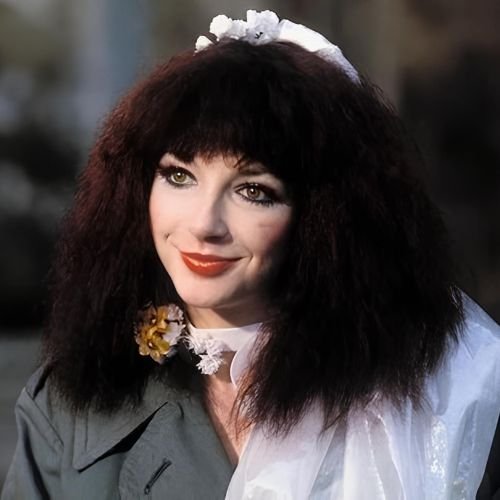
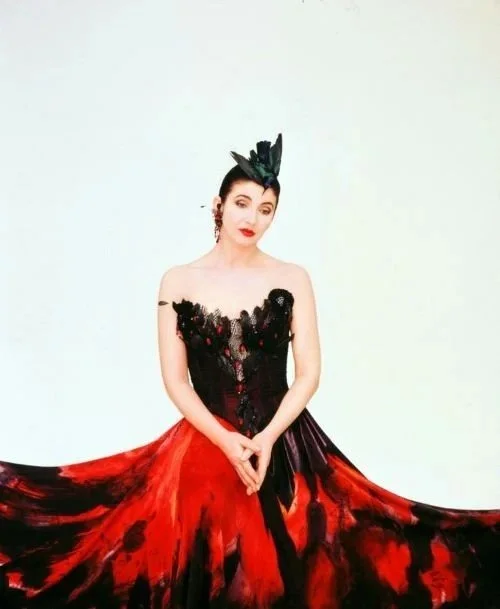
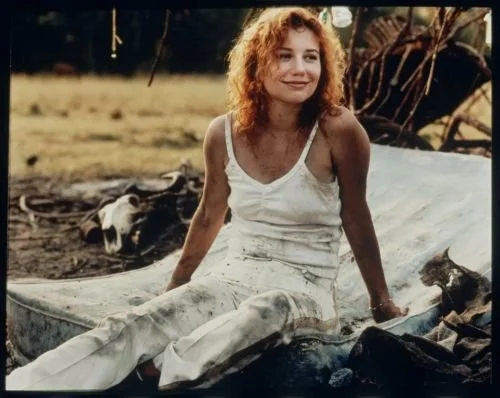
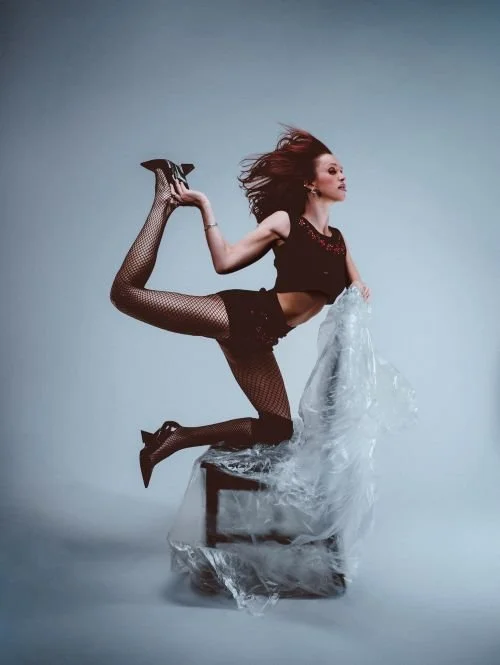
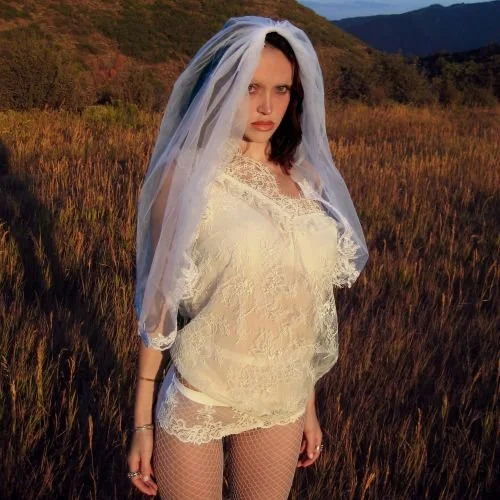
IN THIS PHOTO: Kate Bush during the filming of The Wedding List for her 1979 Christmas T.V. show, Kate (in The Wedding List, she plays the part of a bride whose husband-to-be is killed at the altar and she seeks revenge against his assassin (played by her brother, Paddy)
The Bride/The Groom (Rudi) (The Wedding List)/Emily/The Actor (Wow)
__________
THIS edition of this series…
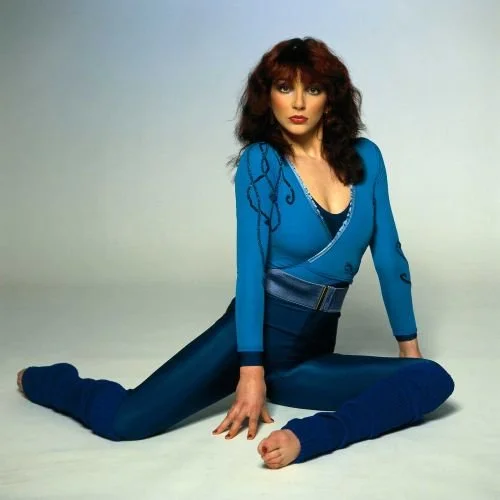
IN THIS PHOTO: Kate Bush in 1978/PHOTO CREDIT: Brian Aris
finds me focusing on characters from albums that followed one another. I am starting out with 1980’s Never for Ever and characters from perhaps one of the best and most underrated songs from the album. One that has some rare and amazing distinctions. I am then going to move to 1978’s Lionheart and the standout (or most acclaimed) song from that album. In both cases, I want to discuss characters that are not named. Well, there is one from the first and one second song, though there is more mystery as to the identity of The Bride in The Wedding List. In the second half, it gives me a chance to talk about acting and Bush’s stagecraft. Something that would be full developed and realised in 1979. I think there is a character from one Kate Bush song that could have possibly influenced Quentin Tarantino. Even though he is a bit of an asshole, there is no denying he is an exceptional filmmaker. I am referring to his Kill Bill films. Kill Bill: Vol. 1 came out in 2003 and stars Uma Thurman. She plays Beatrix ‘The Bride’ Kiddo (codename: Black Mamba). Of course, there had been vengeful brides portrayed in film before, though there is something about Uma Thurman’s portrayal that very much reminds one of Kate Bush for The Wedding List. Though the Bride in the song is not Kate Bush, she is portraying this character. Its inspiration is fascinating. If Tarantino took the idea of a bride seeking revenge after the groom is killed and took it in new directions for his two Kill Bill films, I do love how unconventional this song is. We get The Bride and The Groom (Rudi). Although The Groom is named and The Bride is not, we do not learn about their past and how they met. It is about a murder as they are about to be wed. It is possible that Tarantino might have been influenced by the same source as Kate Bush. As we will see in the second half, acting, theatre, film and T.V. is a constant source of inspiration.
For The Wedding List and its Bride and Groom pair, Bush was inspired by François Truffaut’s 1968 film, The Bride Wore Black (‘La Mariée était en noir’). It concerns a groom who is accidentally murdered on the day of his wedding by a group of five people who shoot at him from a window. The bride succeeds in tracking down each one of the five and kills them in a row, including the last one, who is in jail. It is a great storyline and film. Again, bringing it into song is a brave step. Bush always inspired by people, but not your everyday so much. Rather than her talking about her own relationships, heartache, stresses and desires, you can see her moving much more towards the fictional after 1978’s The Kick Inside. Though her debut is not completely filled with love songs and tales of lust and desire, there are more cases than the albums that would follow. It is much more interesting to hear a song about a bride who goes on revenge spree after her husband-to-be is gunned down. Before moving on, let’s get to the Kate Bush Encyclopedia and their article on The Wedding List. We get some interview archive where Kate Bush discusses the influence behind The Wedding List:
“Revenge is so powerful and futile in the situation in the song. Instead of just one person being killed, it’s three: her husband, the guy who did it – who was right on top of the wedding list with the silver plates – and her, because when she’s done it, there’s nothing left. All her ambition and purpose has all gone into that one guy. She’s dead, there’s nothing there.
Kris Needs, ‘Fire in the Bush’. Zigzag, 1980
Revenge is a terrible power, and the idea is to show that it’s so strong that even at such a tragic time it’s all she can think about. I find the whole aggression of human beings fascinating – how we are suddenly whipped up to such an extent that we can’t see anything except that. Did you see the film Deathwish, and the way the audience reacted every time a mugger got shot? Terrible – though I cheered, myself.
I like how there is humour in all of it. The song being called The Wedding List. Rather than the traditional gifts for a happy couple, Bush’s vengeful heroine has a death list. We do not know who shoots down The Groom. In the lyrics, Bush sings that he is this “Mystery Man” - that is what the newspaper headlines say when reporting on the murder -, so I guess I should also include him as a character. In the Christmas Special video, it is Paddy Bush. However, on the Never for Ever version, we do not know who the mysterious killer is. I love The Bride. She is the most kick-ass Kate Bush character! I do think that it should have been a single from Never for Ever. We could have had this amazing video where we see the killer(s) and then The Bride hunts them down one by one. Luckily, and rather bizarrely, it was included in her 1979 Christmas Special, Kate. With very little Christmas vibes in it, it was more an opportunity for Kate Bush to do an extended televised live performance. The performance of The Wedding List is one of her most dazzling. 1979 was when she completed The Tour of Life. Performing songs from The Kick Inside and Lionheart, there were a couple of new songs. Egypt and Violin were featured on the setlist and would appear on Never for Ever. One of the biggest baller moves from Bush is to premier a song from Never for Ever on a Christmas show. Not only a new song. It is one where she wields a gun and goes on this rampage. I said when talking about James from James and the Cold Gun (The Kick Inside) how there is this association between Bush and guns. Not in a bad way. Instead, it is more about the filmic and theatrical. James and the Cold Gun’s spy hero was a bit of a washed-up agent who is definitely not the cool and suave James Bond-inspired figure you might assume: “You're a coward James/You're running away from humanity”. There are some publicity photos where Bush appeared with a gun. Again, it is more about concept and providing these different and interesting photos. She is not glamourising them. However, you could probably not have a modern-day version of The Wedding List on T.V. I don’t think.
Also, there are guns and loss in songs like Army Dreamers (Never for Ever) and Pull Out the Pin (The Dreaminmg). The latter is less overt (“With my silver Buddha/And my silver bullet”). The Christmas performance is phenomenal! Kate Bush plays The Bride and she is goes from this horrified and despairing woman to someone charged by revenge and the need to get justice. Choreographer Anthony Van Laast – who worked with Kate Bush and choreographed The Tour of Life – is The Groom. The unfortunate man that Bush shoots down is her brother, Paddy. Smoking a cigar and looking like something out of the Wild West. Rather than replicate French cinema and The Bride Wore Black, Bush goes for something close to a Western. In a third incarnation, we get Quentin Tarantino in 2003 fusing Japanese samurai/ninja films, Hong Kong martial arts movies, Spaghetti Westerns, and blaxploitation. In this article, we learn more about the films that influenced Tarantino for Kill Bill. Kate Bush would also perform The Wedding List for the Prince’s Trust Rock Gala on 21st July, 1982 (which was almost stopped, as Bush had a dress malfunction and had to use a hand to keep it in place whilst continuing to sing!), though it is not as stylish, theatrical and memorable as the 1979 version. For Kate – the Christmas Special –, The Wedding List was filmed Nunhead Cemetery in South London; a Gothic Victorian cemetery, blending this pre-recorded outdoor scene with in-studio performances at BBC's Pebble Mill Studios. I did forget to mention that Kate Bush’s The Bride kills herself at the end. Rather than being caught and imprisoned, she turns the gun on herself. It was an original and big move having a song about marriage that goes in this direction. Not wanting to live with this tragic loss and let the police do their investigation and the woman move on and lead a life solo, there is this feeling that maybe The Bride cannot live without someone else. Without a man. It is a very dark song, even for Kate Bush!
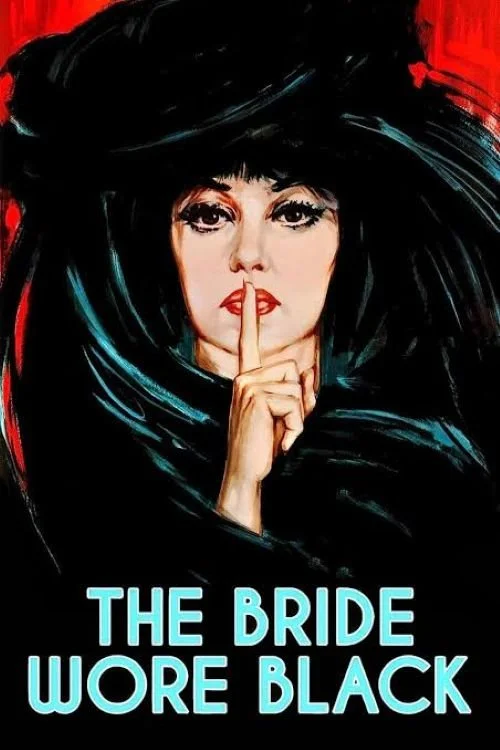
One additional element of tragedy is at the autopsy of The Bride – who, unlike The Groom, is not named –, who it seems was also pregnant: “They found a little one inside/I’m coming, coming, coming, honey!/“It must have been Rudi’s child”. I want to bring in part of an article from Dreams of Orgonon, and their dissection and analysis of this phenomenal song:
“In this way, Bush kills her positive vision of masculinity and replaces it with a bloodier one. She essentially takes the role of the vigilante usually played by men. When men stop playing a part in this story, women take their roles. It’s a kind of reverse fridging, the moment fridging stops being a misogynistic trope and becomes kind of good and queer. This is a traditionally male role being occupied by one of the most popular young singers in England. This break with gender norms is exemplified by Bush’s Christmas special performance of the song, where she dons a wedding dress while shooting her husband’s assassin to death. It’s terribly fun and extra, but it gets to a key truth about wedding stories: they usually don’t have a lot of women protagonists with guns.
The decisive way in which Bush differs from Truffaut, who ends his movie with Jeanne Moreau in prison but having killed all of her husband’s murderers, is that “The Wedding List” ends with… well… “after she shot the guy/she committed suicide.” “I’m coming, Rudy,” she howls desperately. It gets worse from there: her autopsy uncovers that she “had a little one inside/it must have been Rudy’s child.” This is a song where a pregnant woman commits suicide. And it’s not even the first time that’s happened in a Kate Bush song! If this was bleak for 1980, it is perhaps more so in our historical moment when shootings are a pestilence (and not just in America — the UK has seen the assassination of Jo Cox in the last three years). Violence wins in Never for Ever — the potentially happy wife and mother is never granted domestic happiness”.
The Bride and Rudi, The Groom, are the centrepiece of a smashed and poisoned wedding cake. The anti-romance ideal. The man is shot dead and The Bride gets vengeance but then kills herself and the unborn baby. Bush singing about this “eye for an eye” and “ashes to ashes” – I like to think this is a nod to one of her music heroes, David Bowie -, and creating this film of her own. One that is so evocative and filled with incredible visions. The newspaper headlines telling of a passion crime and this groom being shot down. Rudi being taken away but his wife-to-be not mourning, but avenging his death. Some beautiful wording and phrases from Bush include this: “He swooned in warm maroon/There’s gas in your barrel, and I’m flooded with Doom/You’ve made a wake of our honeymoon/And I’m coming for you!”.
To Side B as it were. Again, we have a more generic character and a named one. Whilst The Groom was given a name in The Wedding List, go back two years and Lionheart. The Wedding List was never issued as a single. Wow was. It was the second single from Lionheart and was released on 9th March, 1979. I want to look at the characters in the song. Specifically, one very briefly named right at the start. Emily. Who is she?! The Actor is less about a specific actor, and more about this representation of a certain type of person in showbusiness and music. The Wedding List was performed live twice but never got a wider release. It is quite underrated. Wow is very well know and was performed live several times (30th December, 1978: Rockpop (Germany); 14th January, 1979: San Remo (Italy); 22nd March, 1979: Top of the Pops; 16th April, 1979: ABBA Easter Special; 16th June, 1979: Numéro Un (France). The video is really interesting. The one for the single release features Bush performing in a darkened studio, backed by spotlights during the chorus. For the home video release of The Whole Story (I think that was actually released in 1987 and not 1986), we got a montage of Bush performing at concerts/live performances. Both Wow and The Wedding List have controversial elements. The Wedding List more obvious and overt. In terms of the violence and the subject of guns and also the death of an unborn baby. The suicide of The Bride. The ‘controversy’ for Wow is a lot stuffier and silly. When Bush sings about The Actor never making T.V., stage or the screen as he is “too busy hitting the Vaseline”, Bush pats her bottom. That was seen as too sexual or controversial, as a reason why the video was changed for The Whole Story. So tame and insane, it does make you wonder about the standards of the time. Would a male artist have their video banned or condemned for something as minor? It is actually a funny little bit from Kate Bush!
At this stage in her career (1978/1979), Kate Bush was still subjected to the worst sexism and misogyny the music press had to offer up. This review from Sounds of March 1979 is an example of what she had to read and process: “I hear this mediocre chanteuse crooning her way through this silly song. (…) I realise that a lot of people would like to go to bed with her, but buying all her records seems a curious way of expressing such desires”. Before getting to the characters in Wow, I want to draw in an interview where Bush talked about the story behind one of her biggest songs:
“‘Wow’ is a song about the music business, not just rock music but show business in general, including acting and theatre. People say that the music business is about ripoffs, the rat race, competition, strain, people trying to cut you down, and so on, and though that’s all there, there’s also the magic. It was sparked off when I sat down to try and write a Pink Floyd song, something spacey; Though I’m not surprised no-one has picked that up, it’s not really recognisable as that, in the same way as people haven’t noticed that ‘Kite’ is a Bob Marley song, and ‘Don’t Push Your Foot On The Heartbrake’ is a Patti Smith song. When I wrote it I didn’t envisage performing it – the performance when it happened was an interpretation of the words I’d already written. I first made up the visuals in a hotel room in New Zealand, when I had half an hour to make up a routine and prepare for a TV show. I sat down and listened to the song through once, and the whirling seemed to fit the music. Those who were at the last concert of the tour at Hammersmith must have noticed a frogman appear through the dry ice it was one of the crew’s many last night ‘pranks’ and was really amazing. I’d have liked to have had it in every show.
If there was a sense of minor disappointment around Lionheart and the fact it was not as good and original as its predecessor, The Kick Inside – Bush being given an impossible task of releasing a second album in 1978 and only having time to write three new songs doesn’t help! -, many note how Wow is a definite highlight. I want to briefly return to the Dreams of Orgonon piece on Wow. How that idea of taking shots at those in the music industry or showbusiness perhaps came from her being luridly portrayed in the press. The constant sexism and inappropriateness. A veiled attack on journalists perhaps?! It is a fascinating song: “Being a fan of Bush’s music was a private exercise. Public speculation about her was done by voyeuristic journalists, who wrote such scintillating headlines and phrases as “Kate Bush Is A Sex Kitten,” “her flesh, her bones, her erogenous zones,” and this fucking travesty of the printed word (surely an article that begins by declaring that Kate Bush is a girl is going to be a Pulitzer Prize winner. Talk about her having “the breasts of a Victorian princess” and you have an all-time classic on your hands). It’s easy to why Bush would be resentful of this sort of treatment, especially when it manifested itself as a media furor over a photo of her wearing a pink top…The elation of the chorus is belied by the knowing facetiousness of the verses, with the shit-eating grin they flash at showbiz. Bush’s sweet-natured delivery of “we think you’re amazing!” efficiently hides the fact those lines are probably written with gritted teeth. It’s not that “Wow” is bitter, but it’s taking a few potshots as it falls through showbiz. The first verse is rife with tension, laden as it is with the song’s intro, acting as something of a rehearsal for the chorus”.
Rather than The Actor being this specific figure or actor, they are the washed-up and unprofessional. Someone who “always dives too soon, too fast to save himself”. Bush, as this constant professional and someone who was disciplined and amazing, looking at those in music or showbusiness who are hammy or a luvvie. There are lines that I think refer to Kate Bush in music. How good and original she is. How she got some high praise from certain quarters but is still not treated with respect and given the creative freedom by EMI that she deserves: “You say we’re fantastic/But still we don’t head the bill”. Maybe Bush wanting to produce her music but not being granted that responsibility. One thing that is ironic is how she sings about The Actor saying his lines “time and time again”. Wow was a song where Bush did the vocal over and over again. Perhaps exhausting producer Andrew Powell, almost like an actor trying to nail the perfect performance, Bush stepped inside the song and was almost like a director showing how it should be done. The antithesis to the lazy and ill-disciplined focus of her song, Bush said in the Lionheart promo cassette how “although it was all in tune and it was okay, there was just something missing. And we went back and did it again and it just happened”. I did not realise this is another Kate Bush song with reference/mention of a gun. In the sense that when she sings about The Actor and how “He’ll never make the screen/He’ll never make The Sweeney”, she mimes a gun being brandished. Lionheart was an album where there was conflict and compromise. Kate Bush wanted to her own band on the record after she performed with (excellent) experienced musicians for The Kick Inside. It started out with them before they were replaced by some returning players like Ian Bairnson. What is pleasing is how Wow does feature some of Bush’s choices. Including her brother Paddy on mandolin, her boyfriend Del Palmer on bass, and fellow KT Bush Band member Brian Bath on guitar. The Kick Inside player Ian Bairnson was on electric guitar, so it was a mix of the old and (slightly) new.
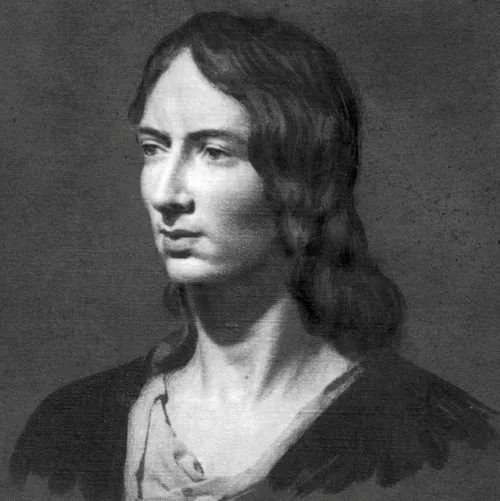
IN THIS IMAGE: Emily Brontë
Going in reverse order, we get Emily mentioned. I have written about this before, but I think that this is Emily Brontë. Bush immortalised her sole novel, Wuthering Heights, in her number one debut single of 1978. Bush was inspired to write Wuthering Heights after catching the end of a BBC adaptation of the novel. Feeling this connection to Brontë, the two shared the same birthday (30th July). Both faced criticism and sexism from critics. Bush felt this bond. I think that it is Brontë Bush is referring to, as when she whispers that word at the start of the video, we see Bush twirling around. This might be referencing the Wuthering Heights video and part of its choreography. Though Emily is not mentioned again in the song, the first words after that potential Brontë shout-out is “We’re all alone on the stage tonight/We’ve been told we’re not afraid of you”. I think this is a reference to Bush herself and Brontë. Rather it referring to the solitary practice of acting, how the audience are meant to behave in a theatre and the discipline required from them, I see it as women in the industry – and Brontë as a female author in the nineteenth century – being cast aside or on their own. The expectations of them. Maybe I am reaching. However, the feeling that the ‘Emily’ of Wow is a return to Wuthering Heights is reflected in another part of the Dreams of Orgonon article: “The similarities between “Wow” and “Wuthering Heights” are largely structural. Both songs have arpeggiated hooks (“Wow” opens with the notes of a C major chord), followed by tense, melodically wrought verses, before breaking into the song’s triumphant chorus. “Wow” is shorter, its album version capping off at four minutes, compared to the four-and-a-half minutes of “Wuthering Heights,” with its intro which is built into the verse, keeping the song moving after its chorus. The chorus and verse of “Wow” are repeated twice each, with the intro and outro essentially built into the verses, letting the song flow smoothly while also breaking it into distinguishable segments”.
I love how Emily Brontë is perhaps in Kate Bush’s heart for a song that may be about showbusiness and its phoniness. It may be about Bush’s experiences and how she has been treated. Casting herself as The Actor and playing the fool. Bush miming fingerguns to her head as she sings “We’d give you a part, my love/But you’d have to play the fool”. I feel this is more about Bush. Having to compromise somewhat or being told what to do. A reference to her not being given autonomy at this point? Maybe Bush being a fool or stooge in her own albums rather than the star and someone who has the spotlight. The criticism and mockery from some parts of the press. One thing that didn’t help when it came to parody and stereotyping Bush was the routine and theatrics of the Wow video. The Guardian expand on this for their 2012 article:
“In late 1978 the 20-year-old Bush still seemed an ingenue and it was always going to be tough following an album that contained Wuthering Heights and The Man With the Child in His Eyes. She later complained she felt under pressure from EMI to release Lionheart too early, a problem she made sure she never experienced again. But Wow was always a song that stood on its own merits. It contains many of her trademarks: enigmatic intertextual lyrics, unfeasibly high-pitched vocals that fall unexpectedly to an absurd low note (the last "wow" of each chorus is particularly amusing), tantalising verses followed by a cascading chorus. Musically, Wow is typical of her early work, with pretty woodwind, piano and strings complementing a lyrical bass line.
The song, as far an anyone other than its author knows for certain, appears to be about struggling actors and the disappointments of fame. In the video its most famous lines – "He'll never make the scene/ He'll never make the Sweeney/ Be that movie queen/ He's too busy hitting the vaseline" – were expressed through her much-parodied mime-the-lyrics dancing style. The word "Sweeney" was accompanied by her firing a gun and "hitting the vaseline" by her tapping her backside. Viewers were invited to draw their own conclusions.
Bush is such a singular talent it has become too easy to dismiss her as an eccentric, peripheral figure. It was around the time Wow was released that the pastiches began, most famously by Pamela Stephenson on Not the Nine O'Clock News. But those memories would not do justice to her achievements in carving out a career of complete artistic independence and integrity after starting out as a teenager in a male-dominated world, chaperoned by members of England's prog-rock elite. Her influence on so many female (and male) songwriters, musicians and performers since has been enormous, even if they don't know it themselves”.
I love the introduction and the strings. The Pink Floyd spaciness. Cosmic and grand, it like we wait for the curtains to open before the performance. I am endlessly fascinated by Bush and ‘Emily’. Maybe it is not explicitly about Emily Brontë, why mention her debut single muse for Wow? The unnamed actor and the potential Emily Brontë make Wow such a fascinating song. Is it autobiographical and a disguised attack on the press, record label and how Bush was feeling, or is it more about showbusiness in general? Like The Wedding List, acting is a common thread. One that is key and common in so many of her tracks. Whether a song inspired by a film or T.V. show or a song involving acting, actors or something theatrical, Kate Bush is always original and captivating. With the divine Wow being seen as one of her best by MOJO and The Guardian (whose words, “beautifully drawing the gulf between the gushing praise of his friends and the lonely reality of his life” make me think the song is about Bush’s career and reality) and so many others, it is clear that the song is a classic. When it comes to the divine Kate Bush, it is very clear that…
WE think you’re amazing!