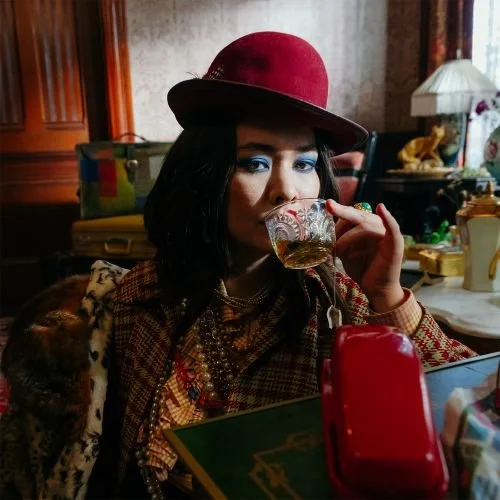
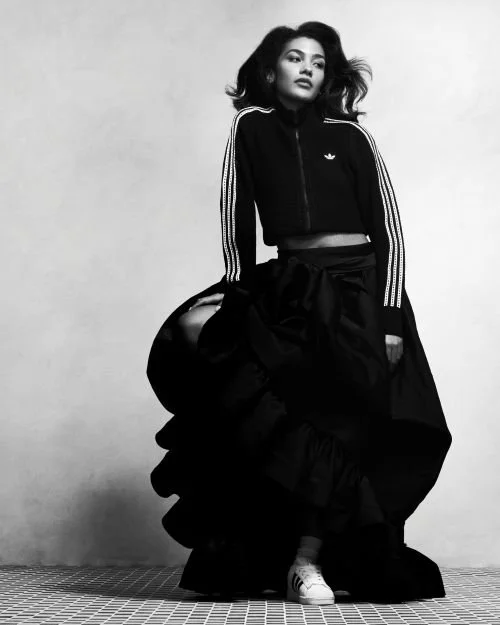
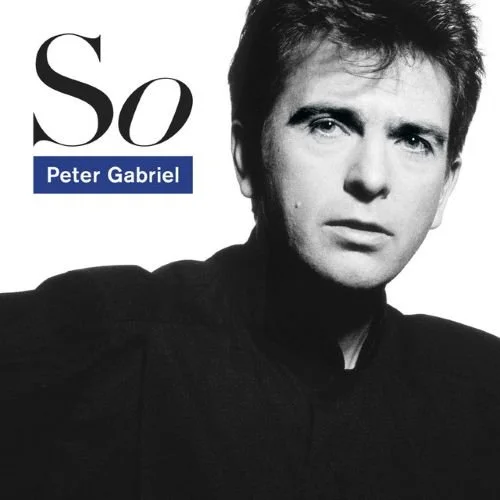
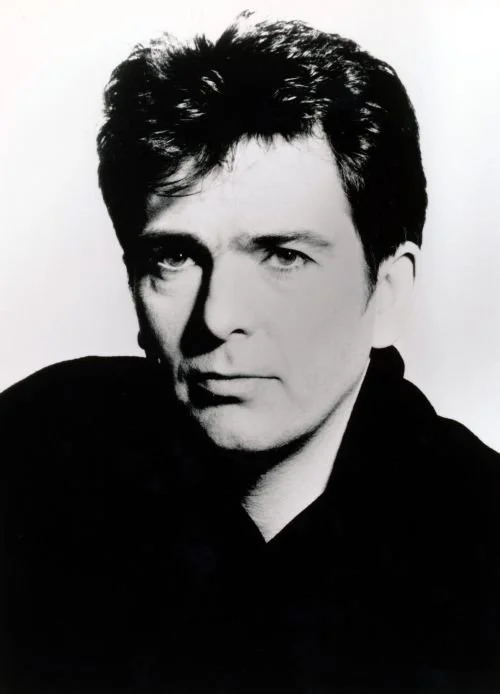
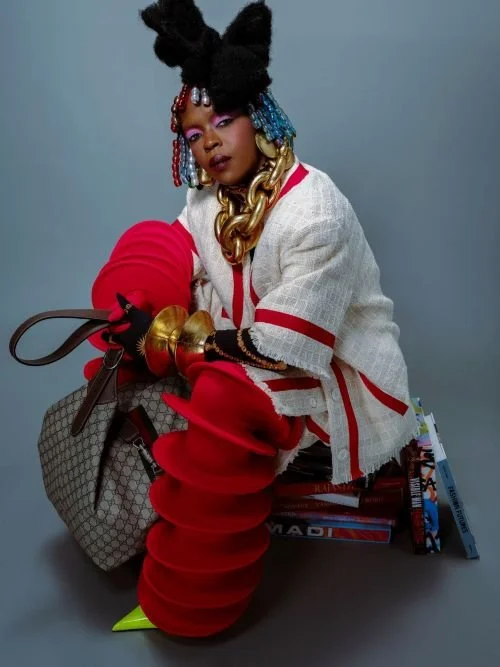
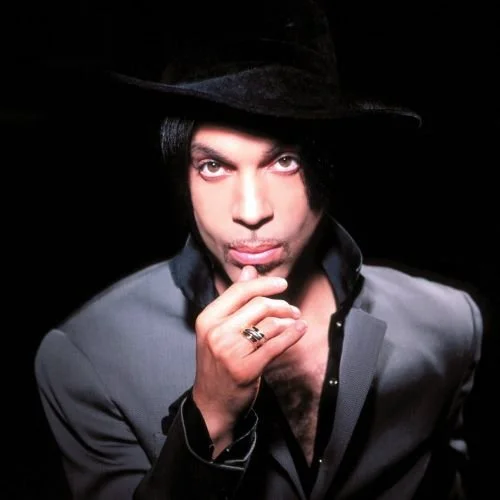
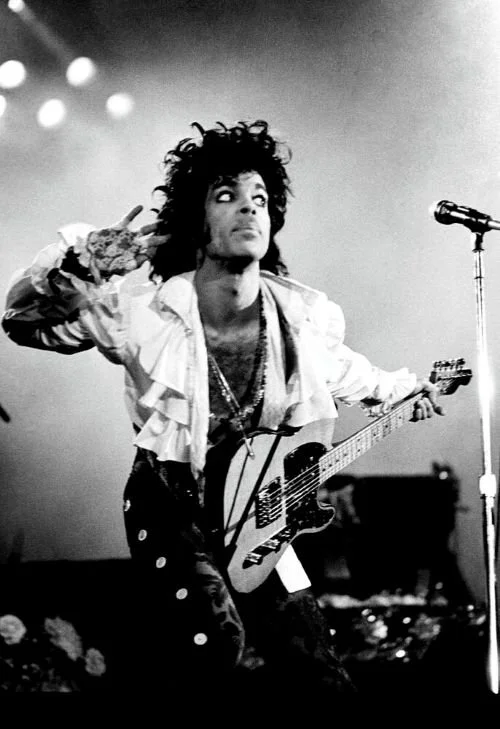
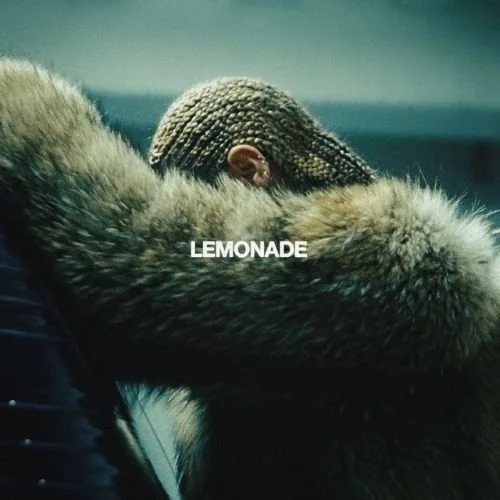
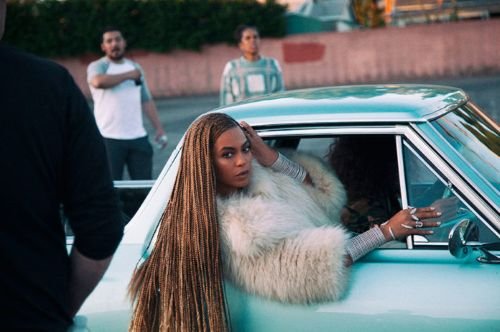
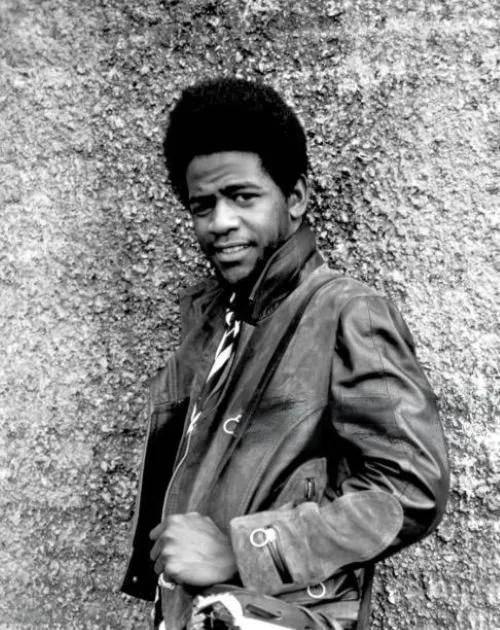
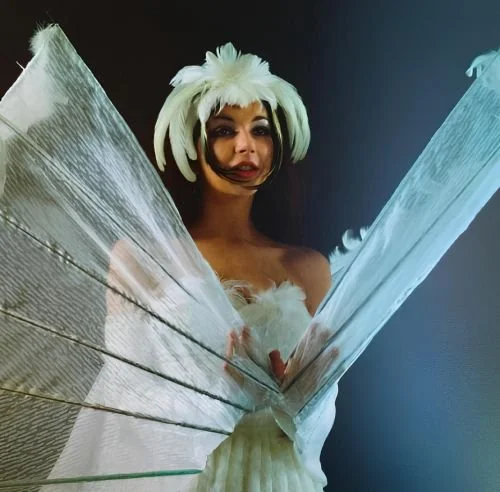
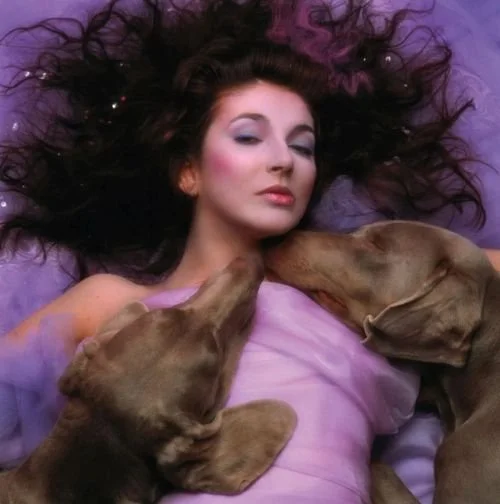
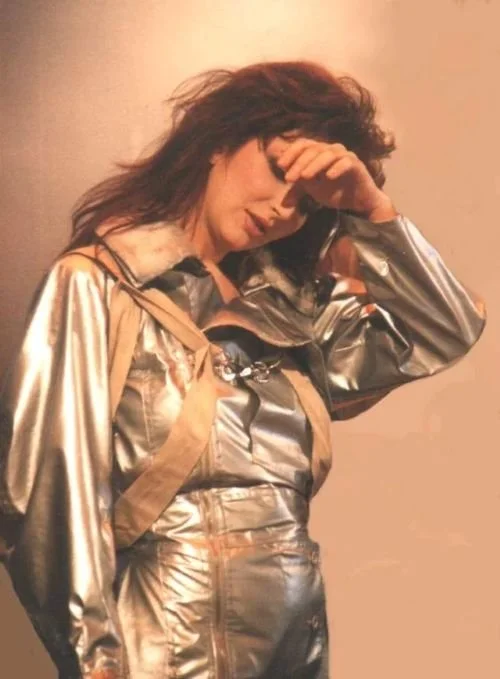
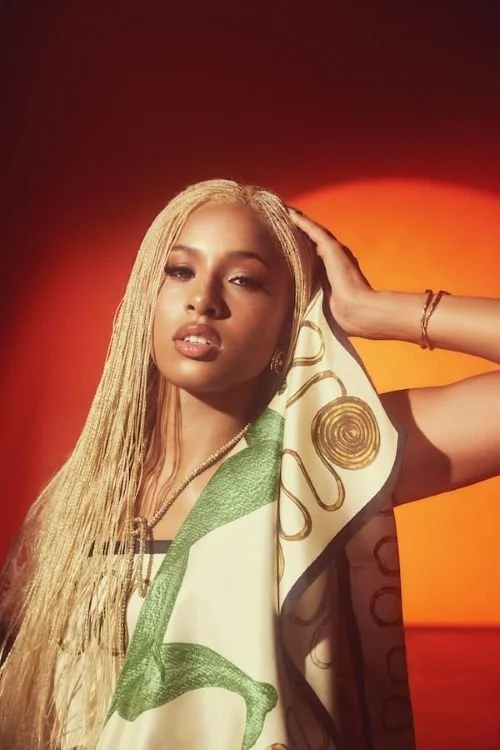
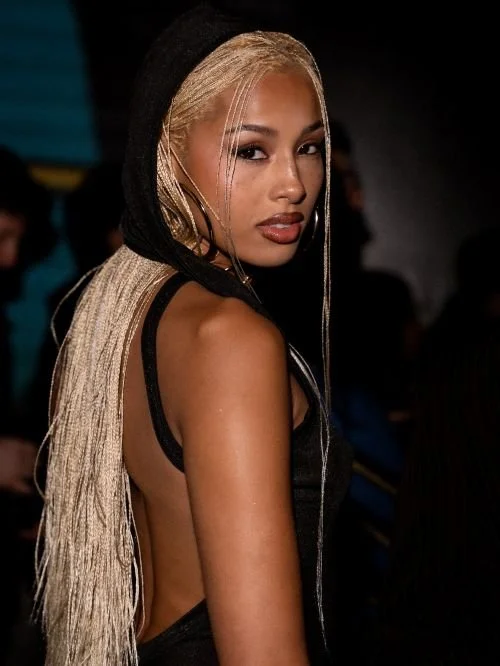
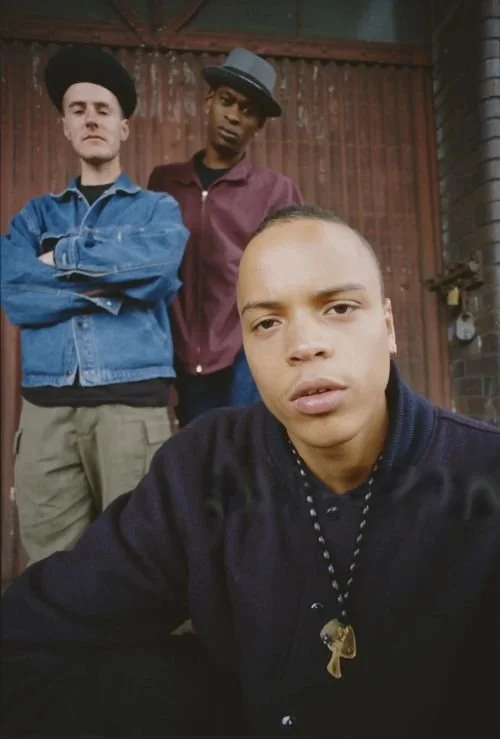
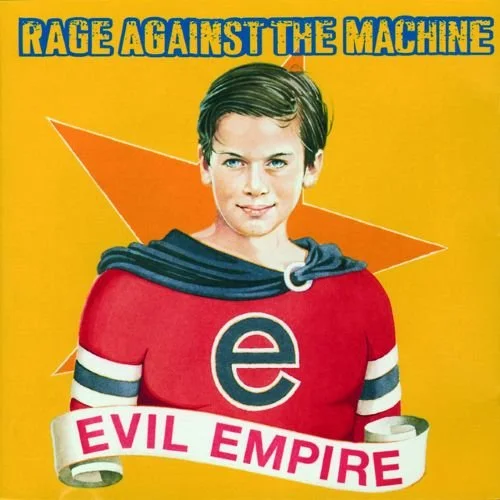
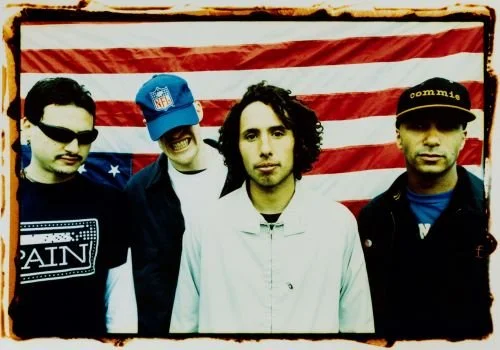
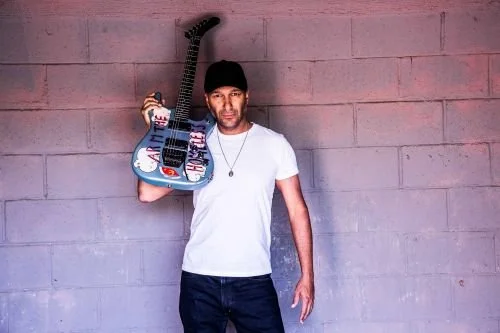
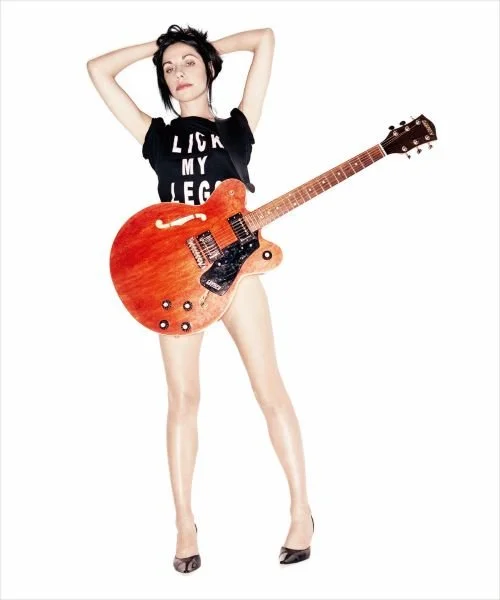
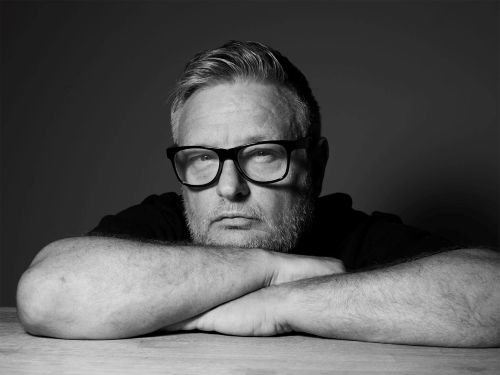
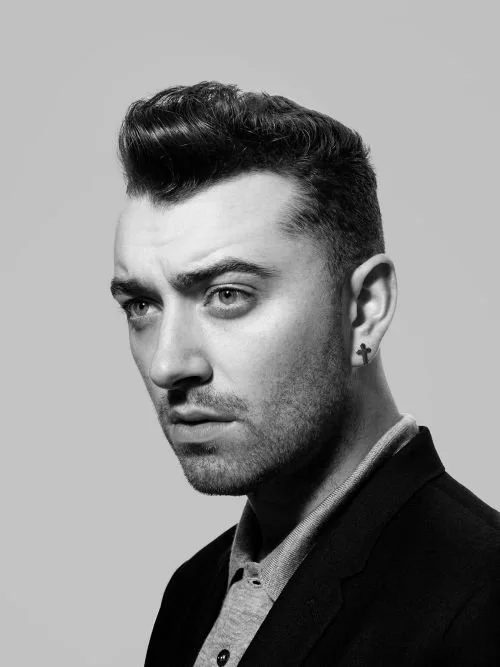
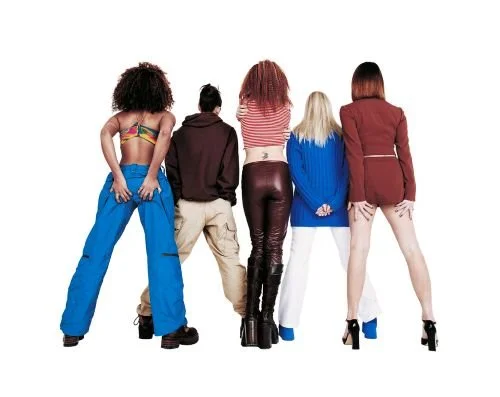
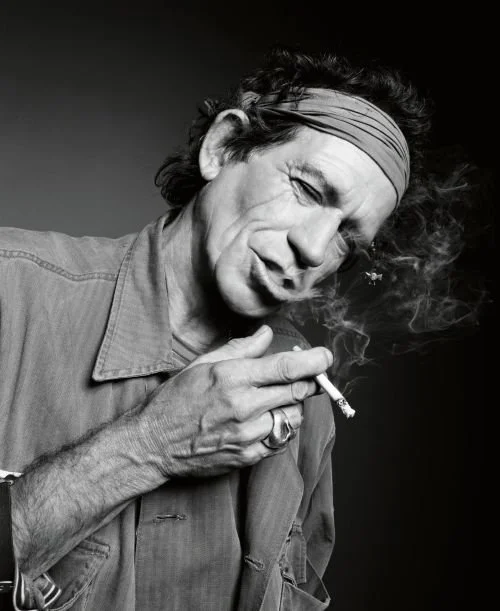
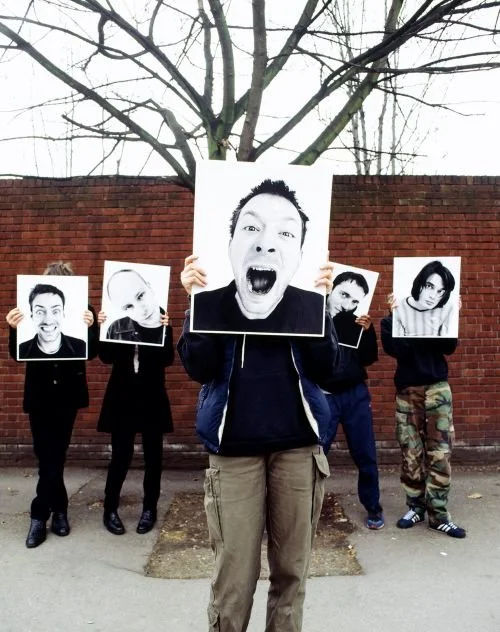
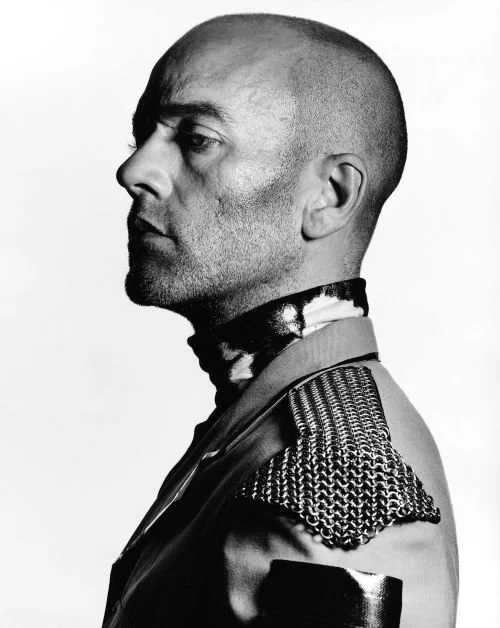
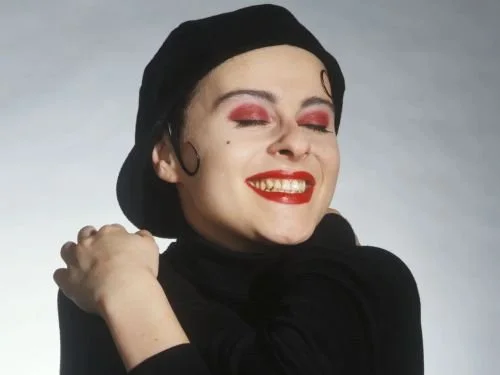
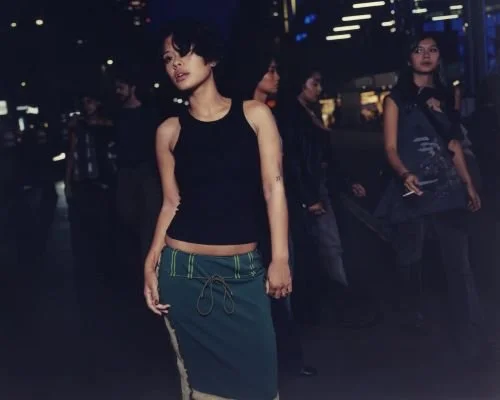
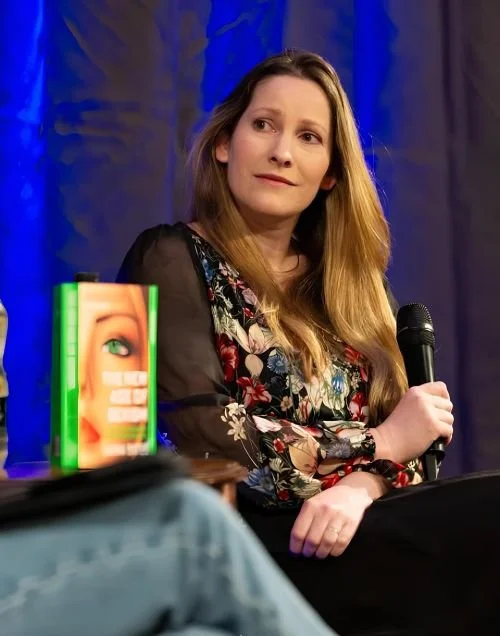
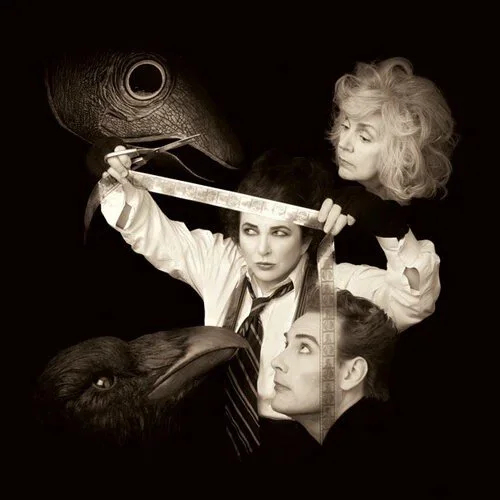
IN THIS PHOTO: Michael Stipe, Revolution in the Head, Dazed & Confused, Issue 68, 2000
As well as photographing musicians, you have also directed music videos; music clearly plays an important part in your life. Are there any portraits that are particularly meaningful to you?
The Rolling Stones, who are possibly my favourite band ever. Shooting them was amazing because I went to see them at Wembley when I was 16 – I went hooky from school and 20 years later I was photographing then. While my father wanted me to be an accountant, he did encourage me to do what I want. He let me break the rules, and let me skip school that day. The band are known for breaking the rules, I broke the rules to see them play, and then I got to photograph them – it completed the circle. It was like photographing a bunch of 18-year-old boys. That photograph means the most to me. Then David Bailey phoned me up and said “I fucking love that picture of the Stones”.
In looking at the earlier images in the show, I wonder if you think you could take the same kind of photograph of, say, Kylie today. What change have you experienced over the years in access to celebrity?
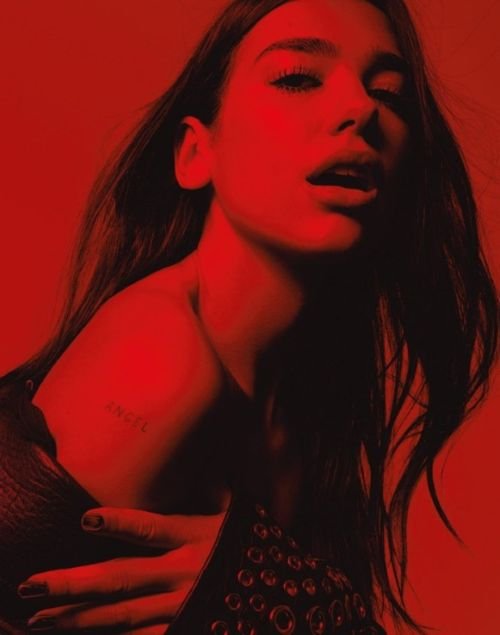
It is entirely different, but also exactly the same when you work with an artist who is engaged with what you are making. Kylie, Dua Lipa, Bowie, U2 – all were entirely engaged. When you shoot Kylie, there is an understanding that she respects the collaboration and has an expectation that you will succeed. There is an innate sense of it being something you do together. Actors have much more protection around them than musicians. Because they are essentially playing characters, they don’t really like showing themselves. That is why some of my better photographs of actors are of them playing up to the camera. However, a musician is a volume-controlled version of themselves. Even now, with people like Dua, she understands that. There is also a vulnerability to being a musician that comes through in photography.
Much of your work is studio based, which doesn’t always give you a great deal to work with. How do you draw personality out of your sitters?
Very rarely do I go with a pre-conceived idea. Right from the very beginning, my idea was to collaborate with my sitters to almost make it a dramatic piece as opposed to trying to capture something. I 100% worked on the basis that if you shoot against something that hasn’t got any distraction then the focus is the person. That was very much the opinion of Richard Avedon, Irving Penn and David Bailey – huge influences on me in that regard. My whole approach is about saying to the person;
“We make this together. I am not going to use a picture that we don’t love together”.
And that allows me to push them, and because I was allowed to push them, I got more out of them. And when digital came along, I loved it and thought it was brilliant because it meant I could really collaborate, by showing them images as we work. The idea of photographers capturing something I find strange – I don’t get it.
Your catalogue of achievements is considerable in a career spanning three decades; you have shot major fashion campaigns, run multiple creative publications and agencies, you make films and books as well as regularly undertaking charitable work. What drives you?
It is the working-class spirit that drives me. I used to compare myself to some artists and wonder why I didn’t go down the same road, I came from a very similar place to some of the YBAs, but I think I was scared of failure and the opportunity to have a career and make money was important. I am very much influenced by my dad – he was someone that did well but always reminded me that you might not always have a house or a living.
Then, from around 2006 I stopped worrying about where my work stood. My biggest competition is with myself and wanting to be better and better. Also I have defied a lot of the conventions on how people run their careers and I attribute that to my parents giving me the confidence to reinvent myself.
Finally, what is the musical portrait you wish you had taken?
One of my favourites is David Montgomery’s photograph of Mick Jagger, which was done for Sticky Fingers and it is the most amazing photograph of Mick ever taken – he is naked holding the album cover in front of him. I bought a print of it because I just love it so much. I think David Montgomery is one of the most unheralded photographers of his generation – that picture was so brilliantly vulnerable, sexy and confident at the same time. It is a very brilliant image of a person at the height of his talent.
I work on the Abbey Road Music Photography Awards and I am always really excited to see what the young photographers are doing. Photography represents the music in a way that movies and films can’t really do – it’s very pure”.